

In this article
A Christmas menu becomes easier to cook when each dish has a clear place. Choose the pasta or broth course first, decide whether the main course will be fish or meat, then leave room for the sweets you actually want to make. The recipes above give you complete methods rather than a list of dish names. Follow the preparation and resting times on each recipe before deciding how many courses fit your kitchen.
Choose the shape of the meal
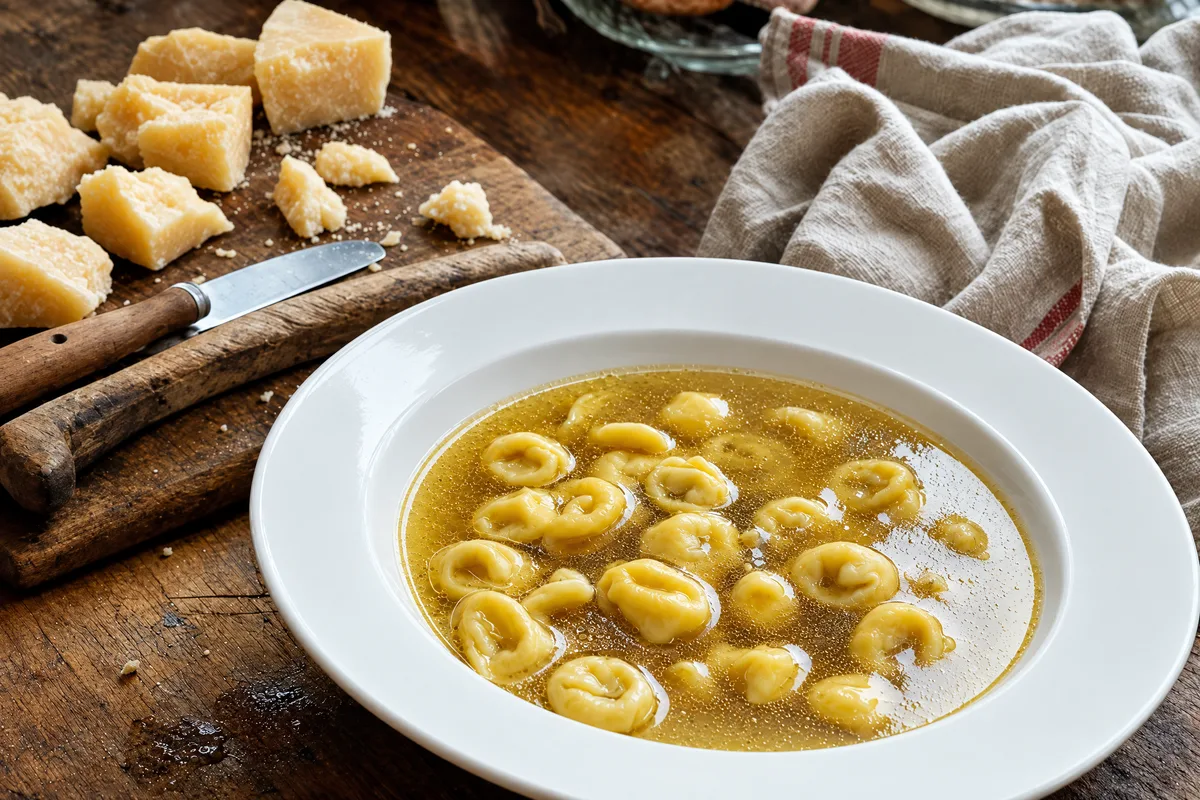
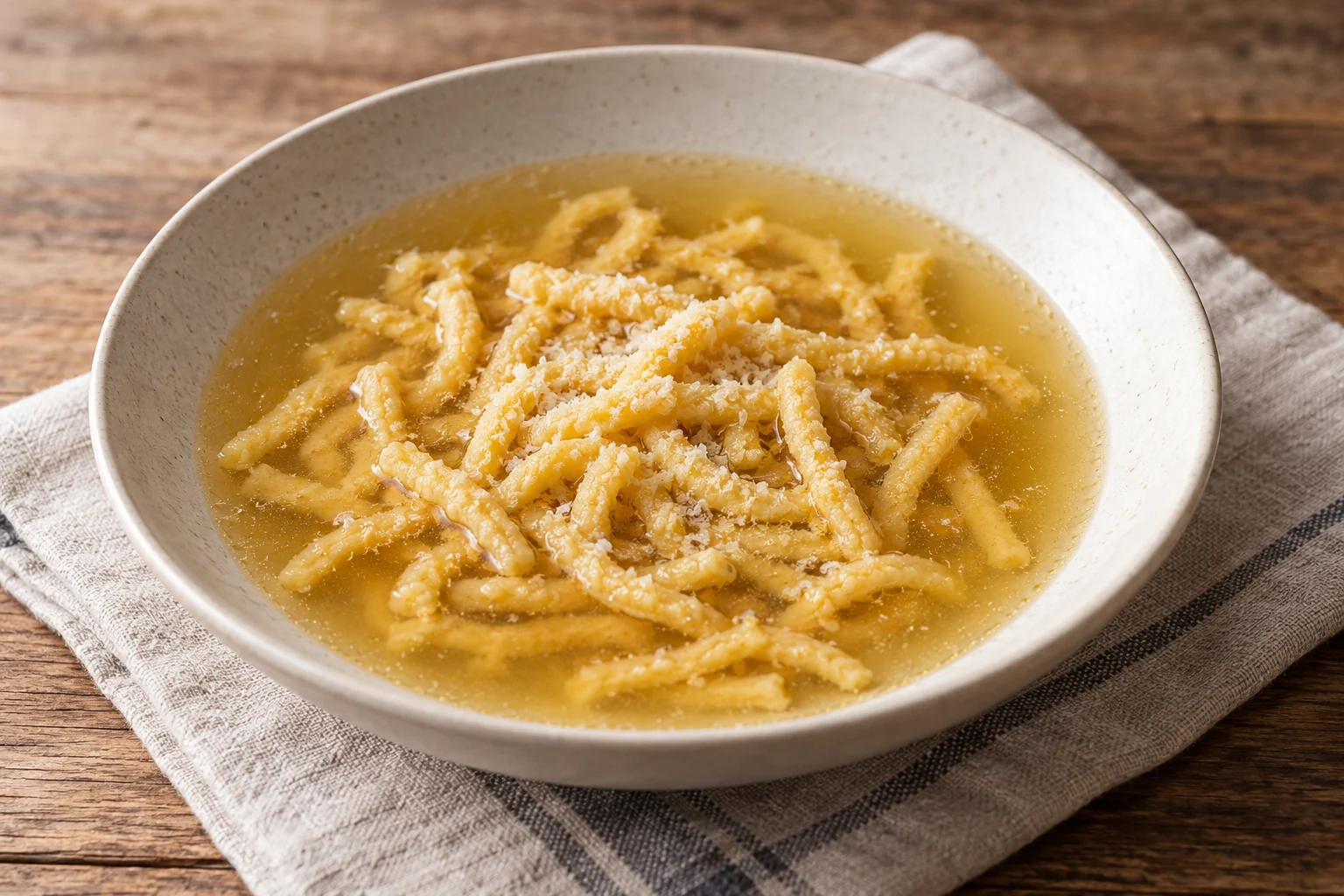
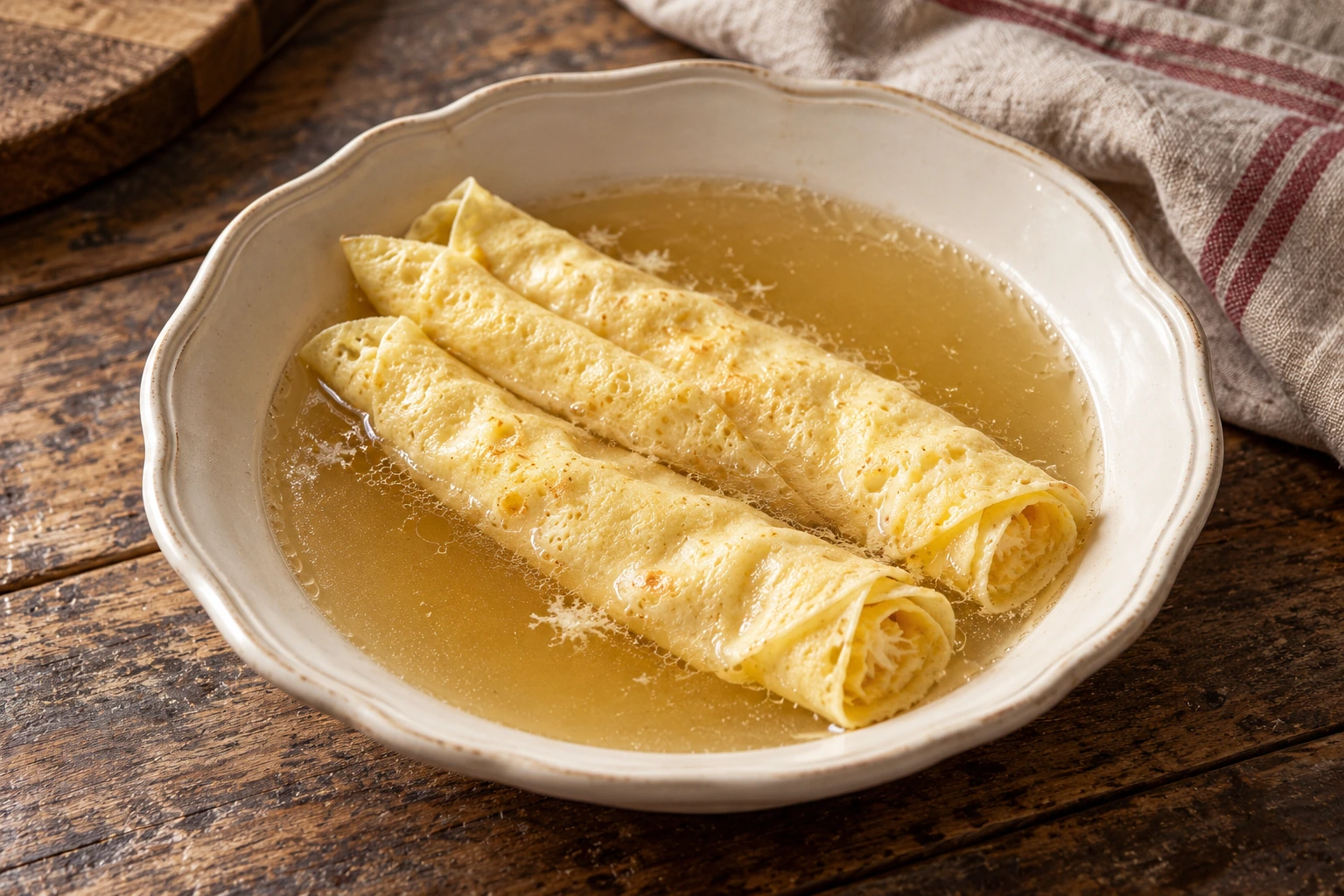
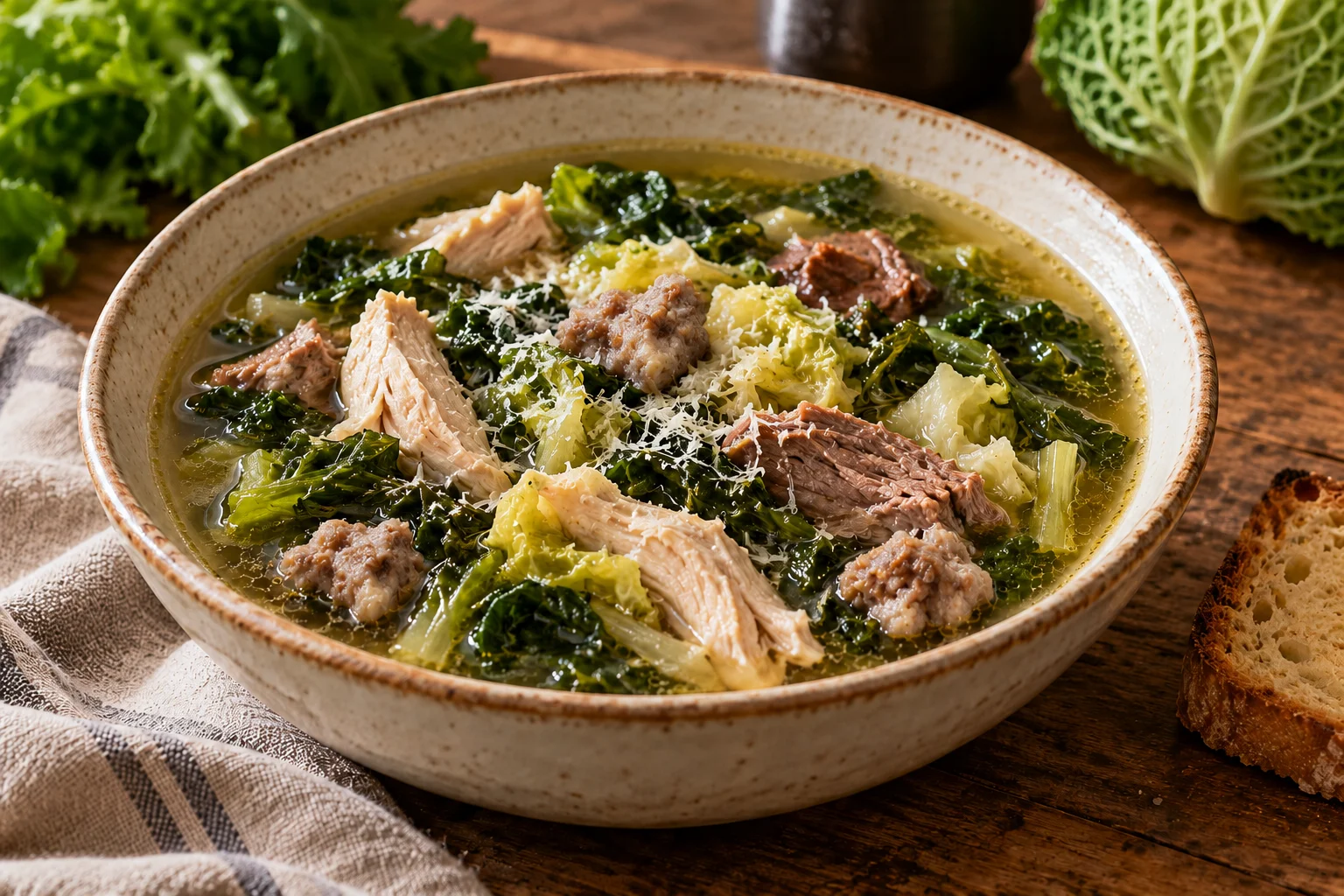
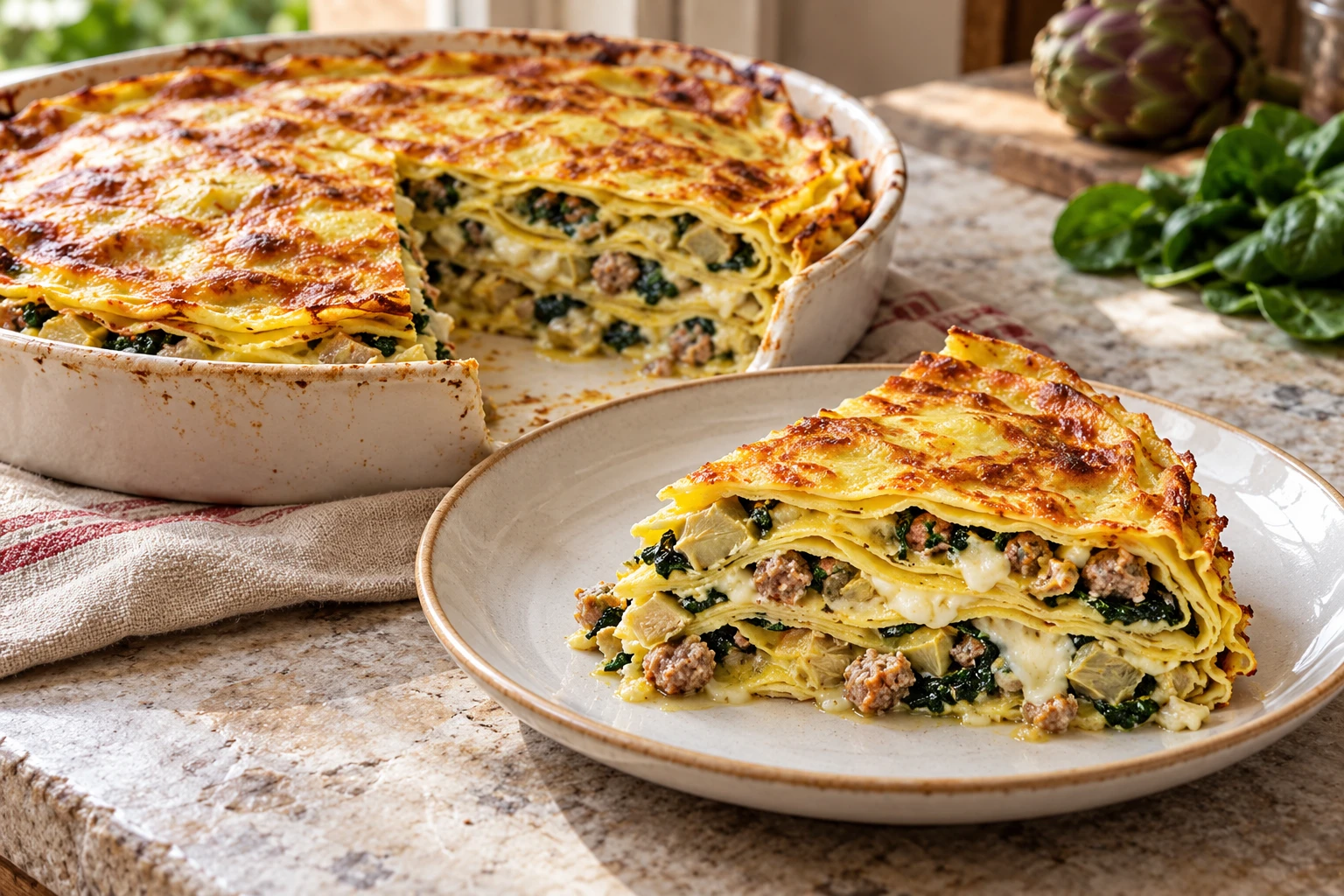
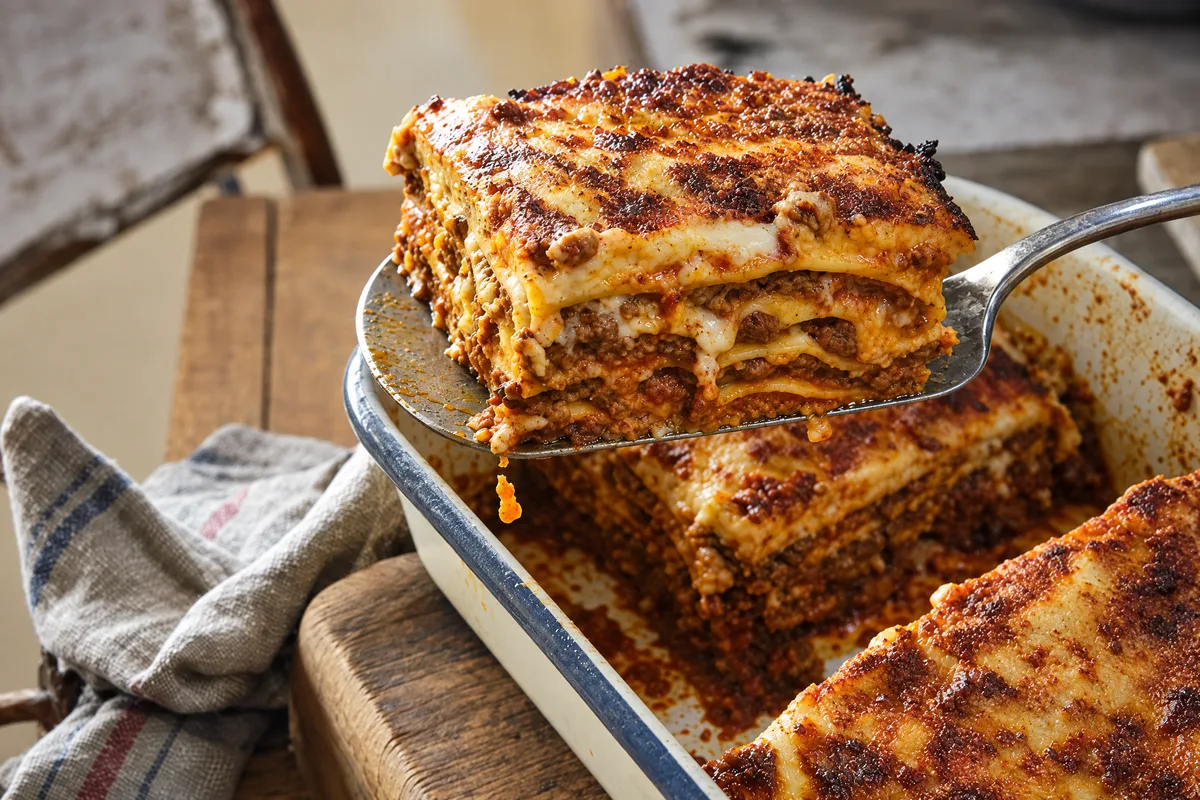
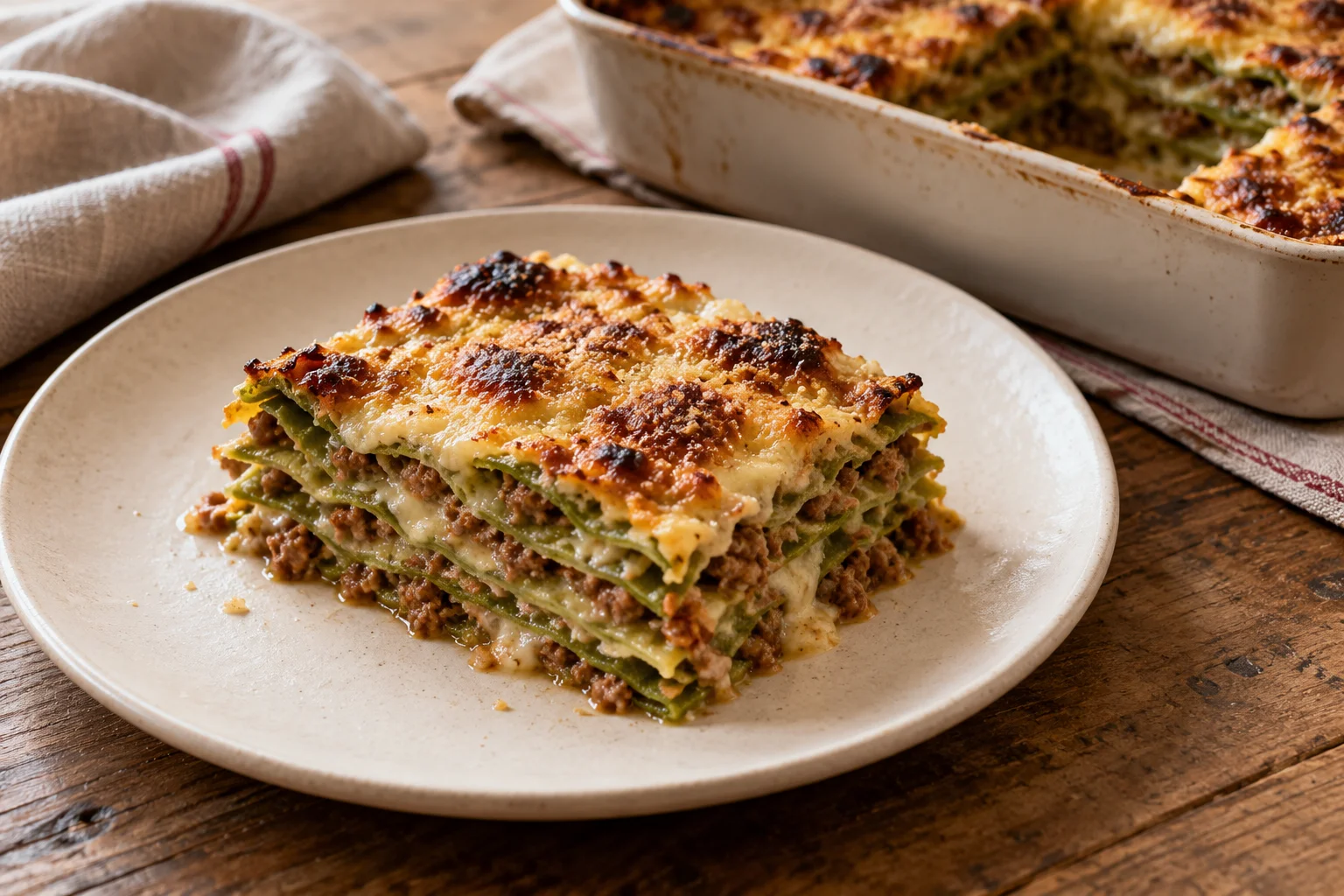
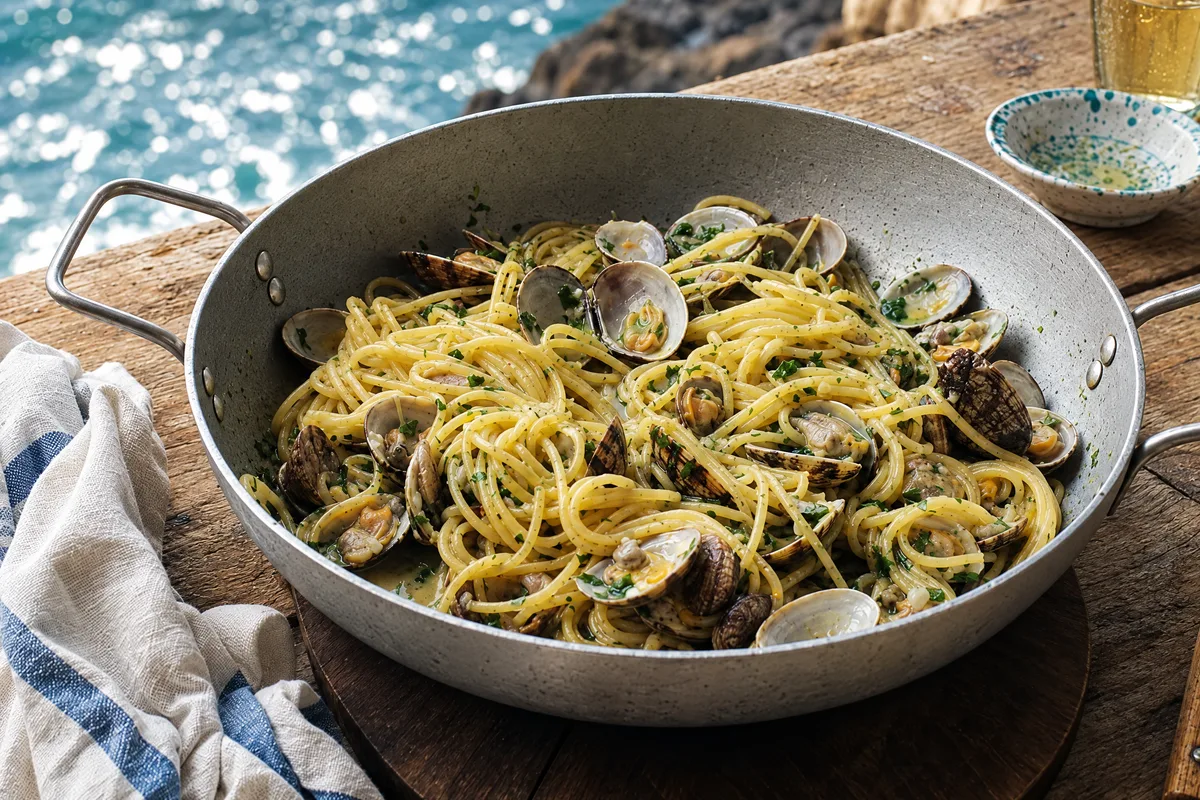
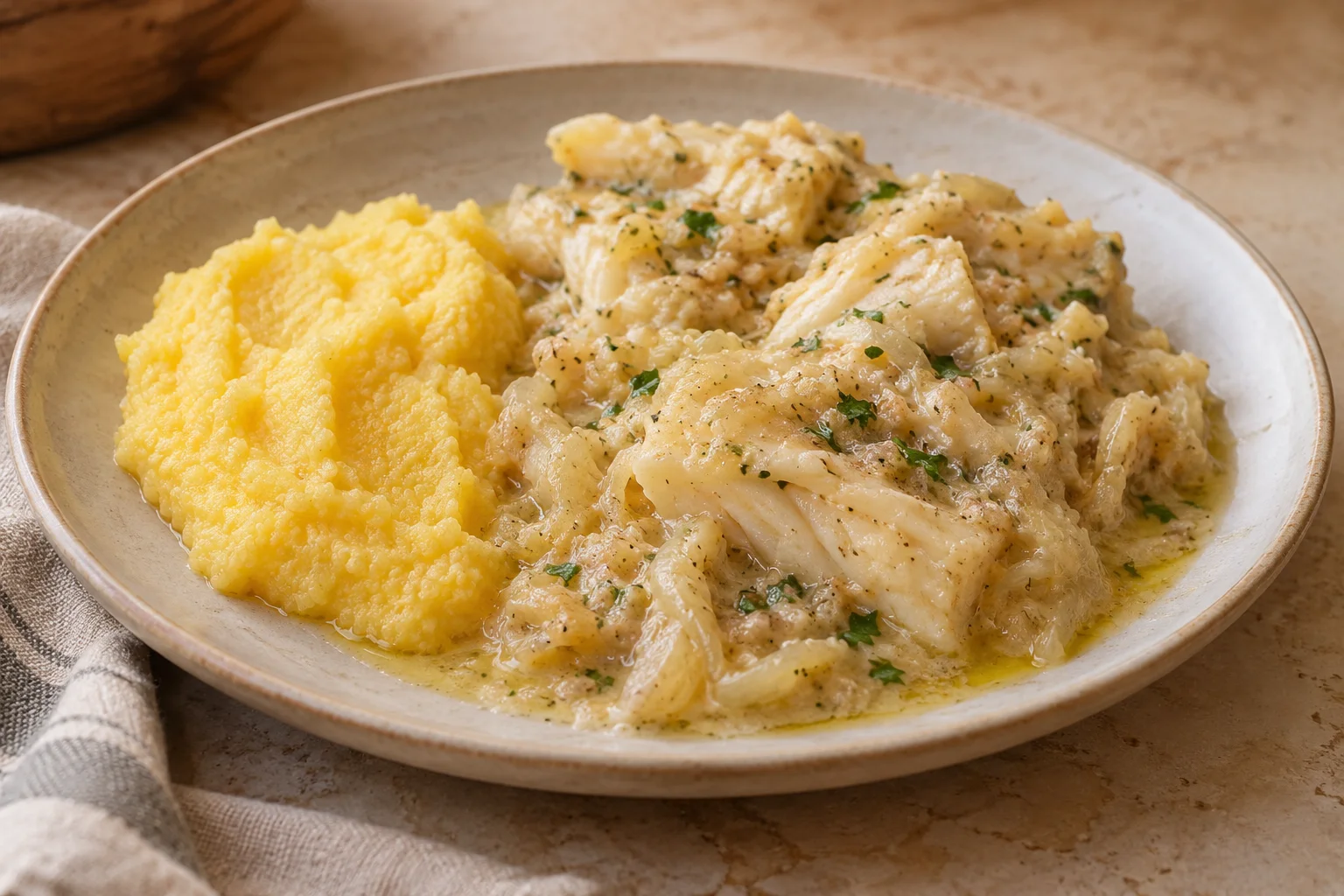
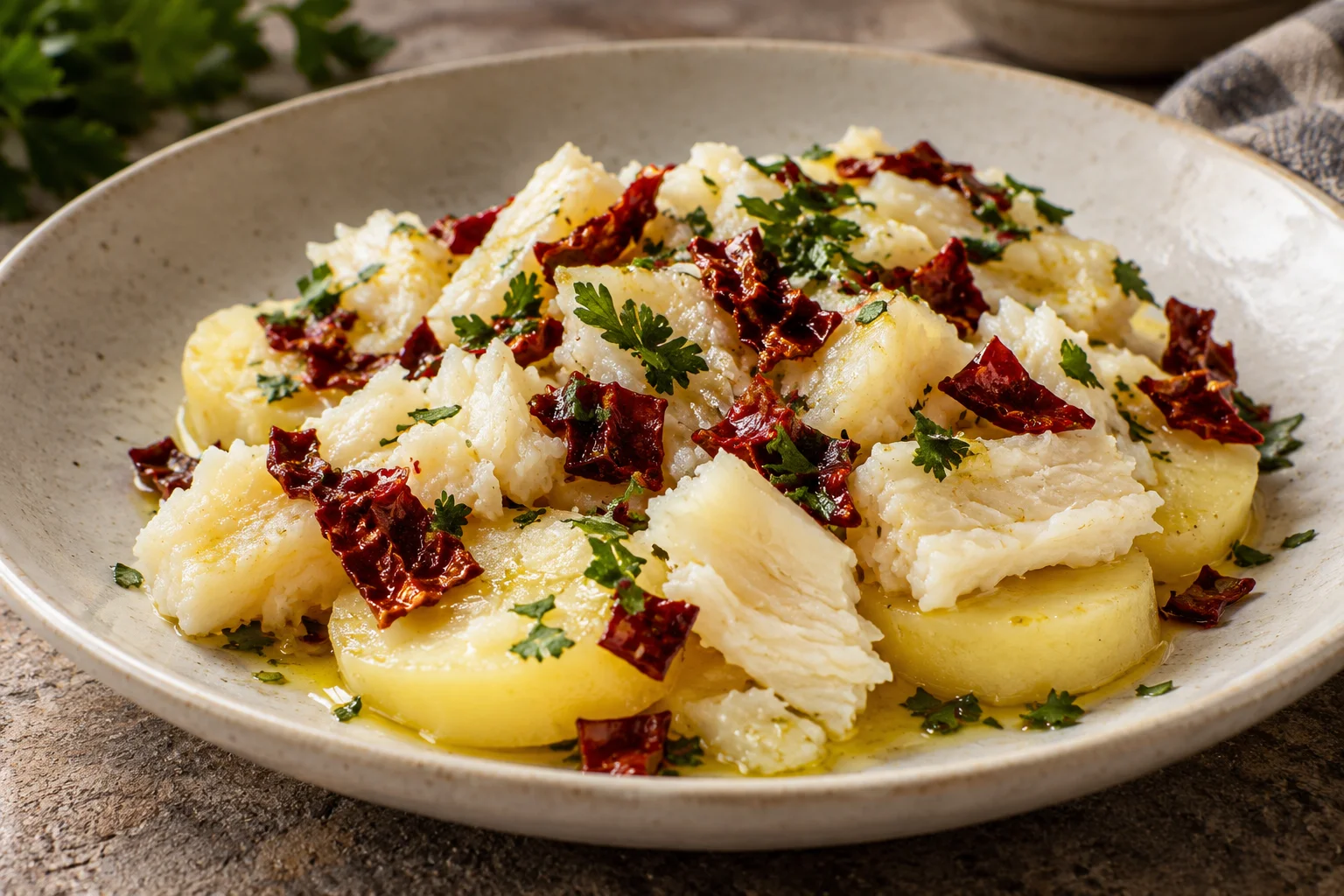
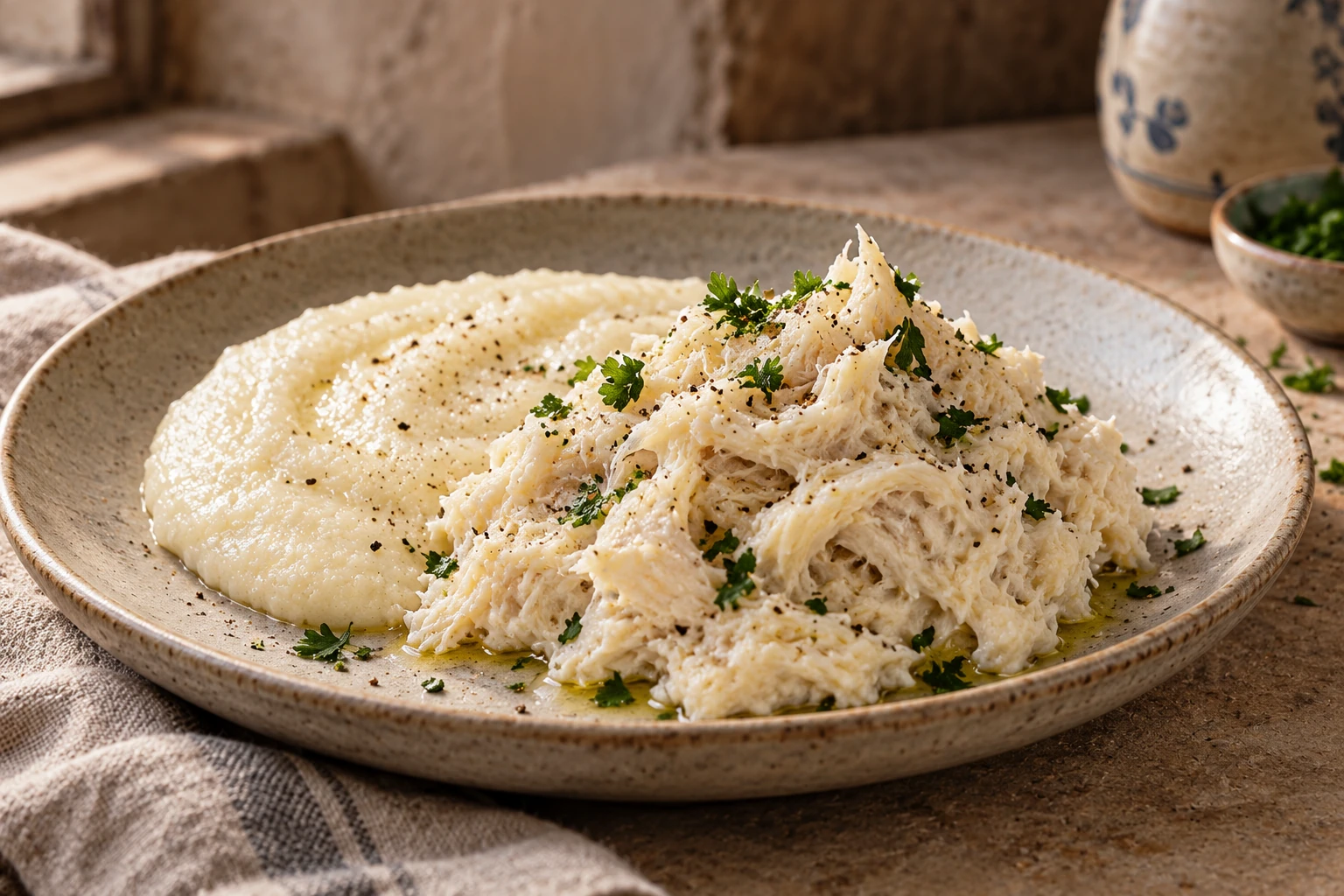
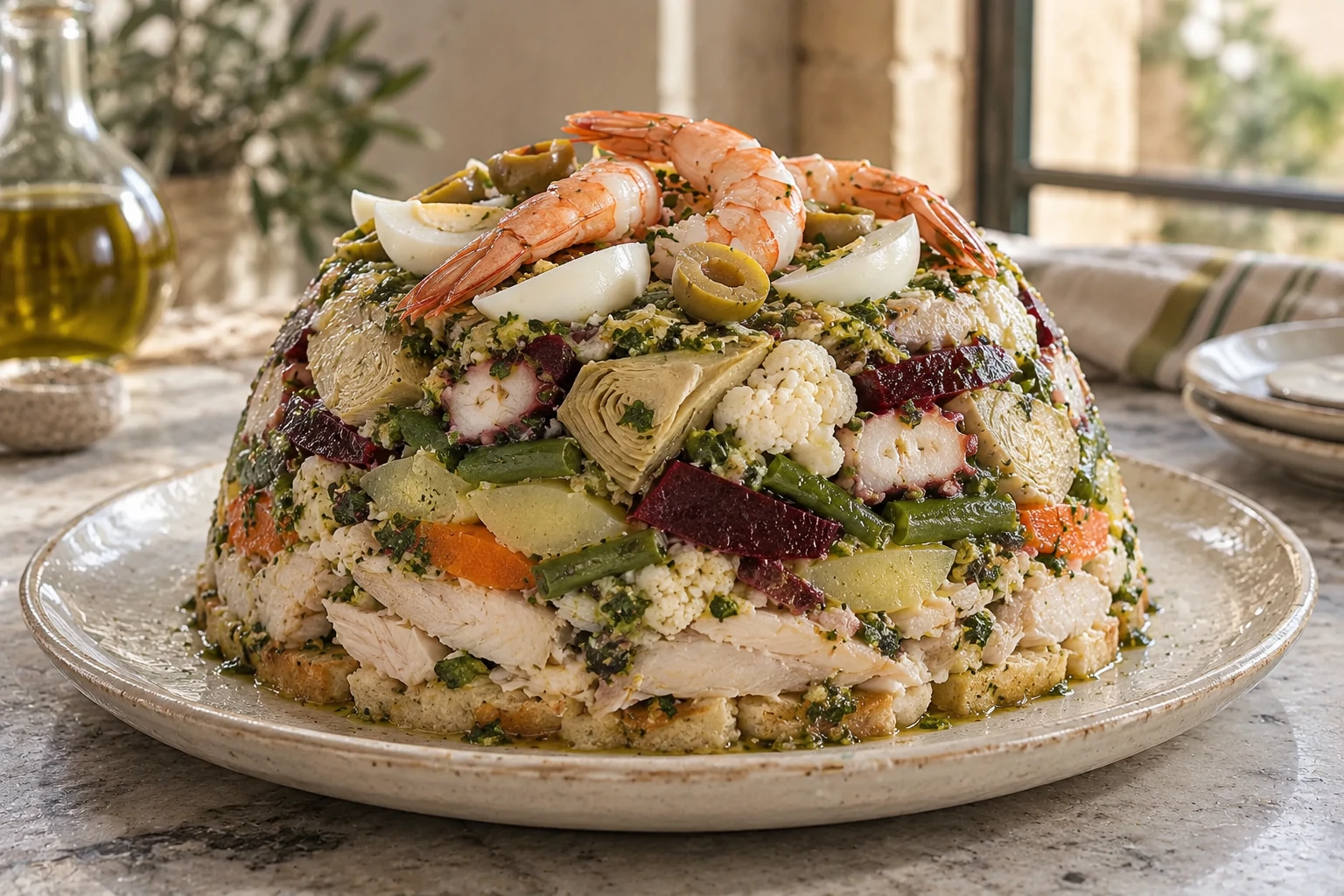
A fish supper can begin with baccalà mantecato and continue with spaghetti alle vongole, with a vegetable dish alongside the main course. A lunch built around pasta in broth needs a different rhythm: prepare the broth before the meal and leave the final pasta cooking until the bowls can go directly to the table. A baked dish such as lasagne or timballo asks for oven space at a particular moment. Choose one of those structures before adding more dishes.
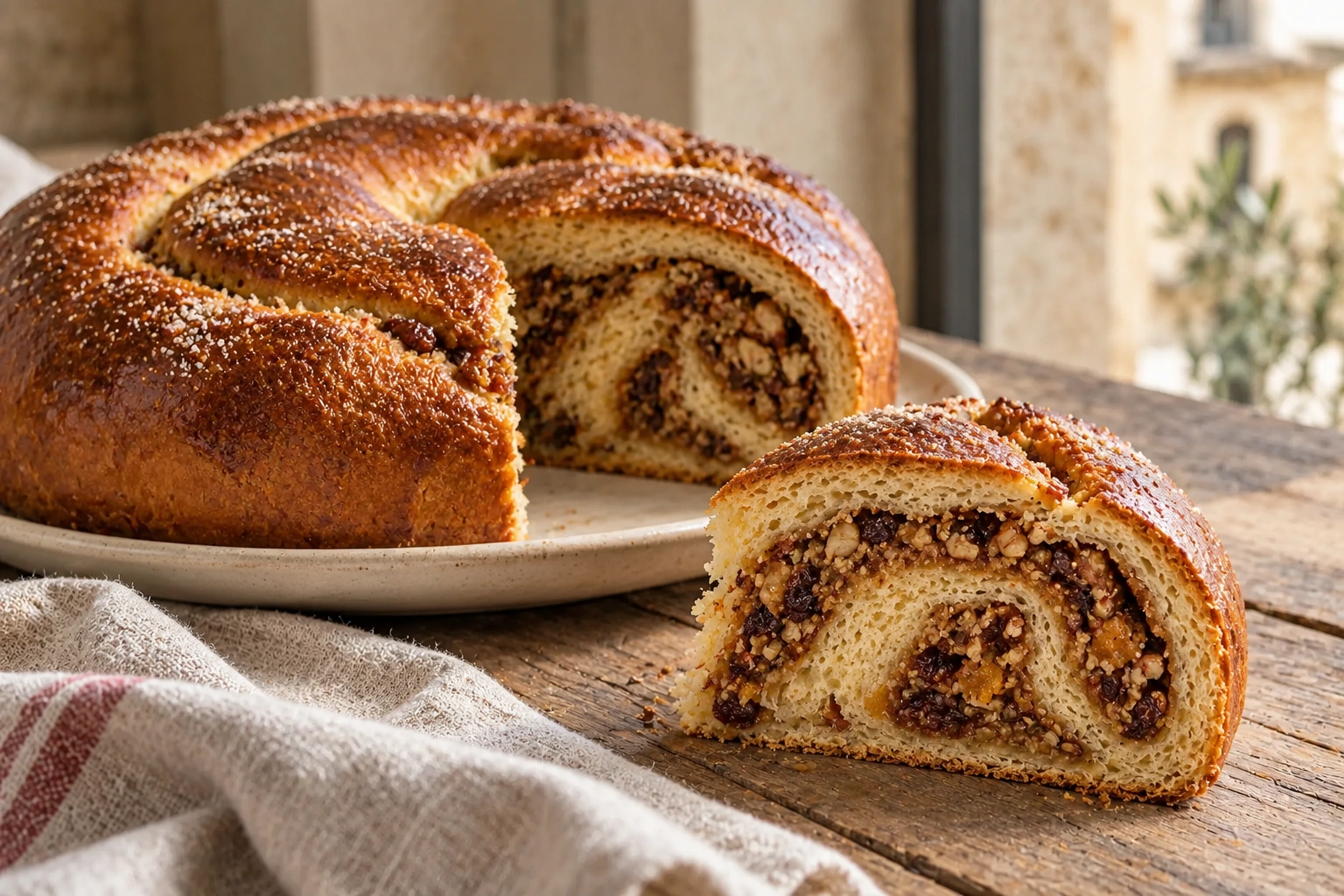
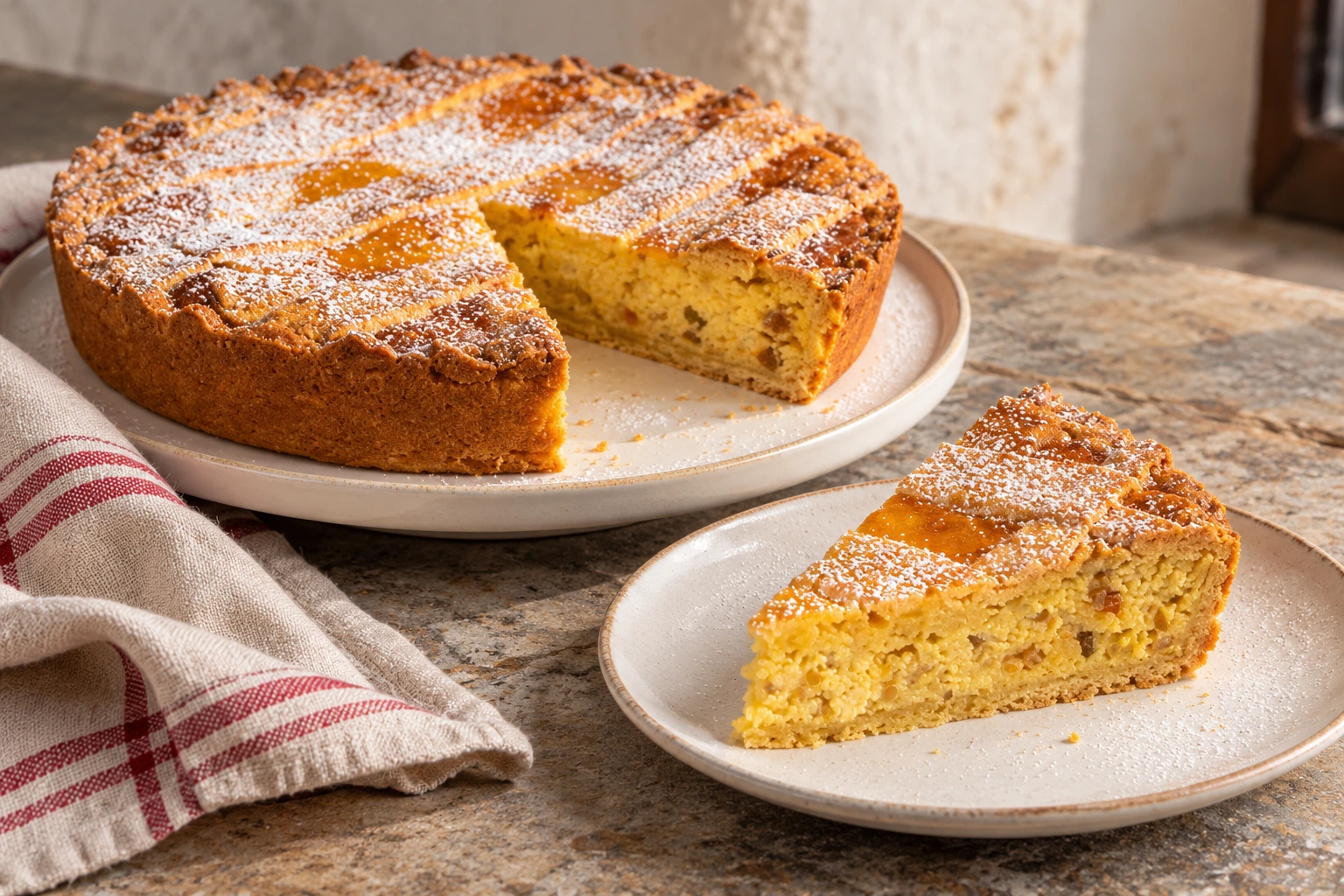
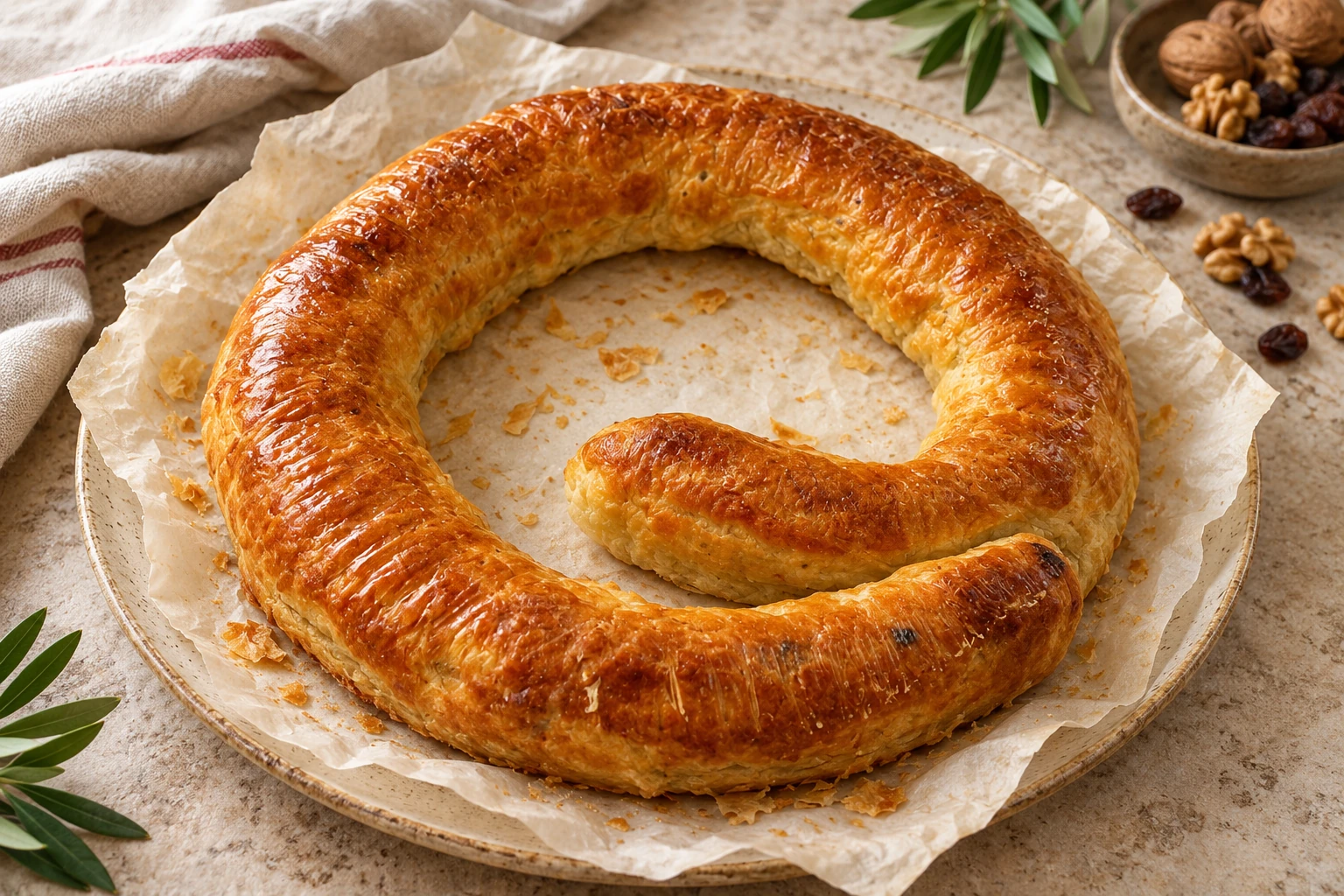
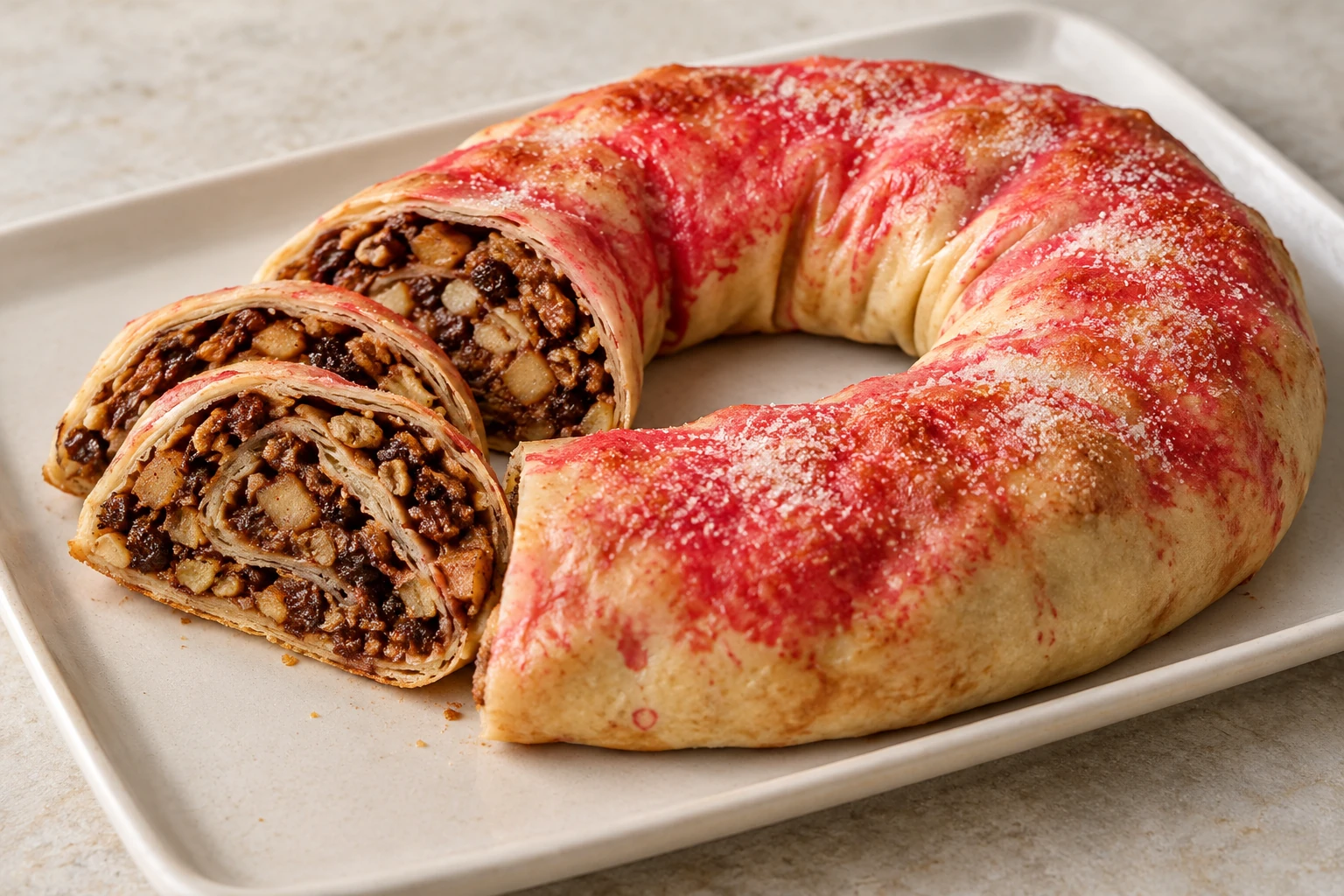
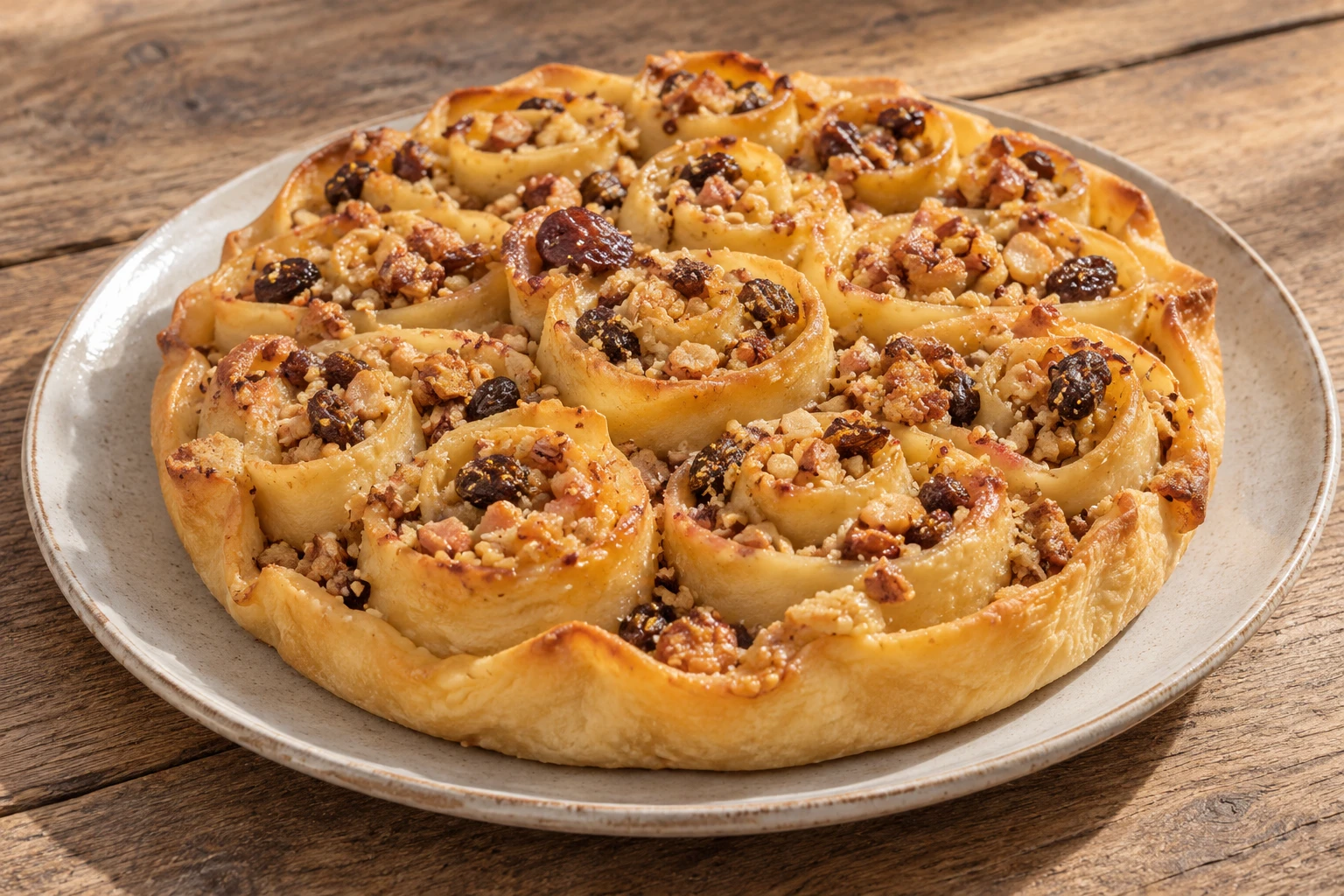
These are menu choices, not a rule that every Italian household follows the same Christmas dinner. The collection includes dishes with an explicit Christmas connection and other regional recipes you can choose for your own table. Pastiera remains a Neapolitan Easter tart; pardulas retain their Sardinian Easter association, and Perugia’s torcolo belongs to San Costanzo on 29 January. Serving one at Christmas does not change its history.
Put the long preparations first
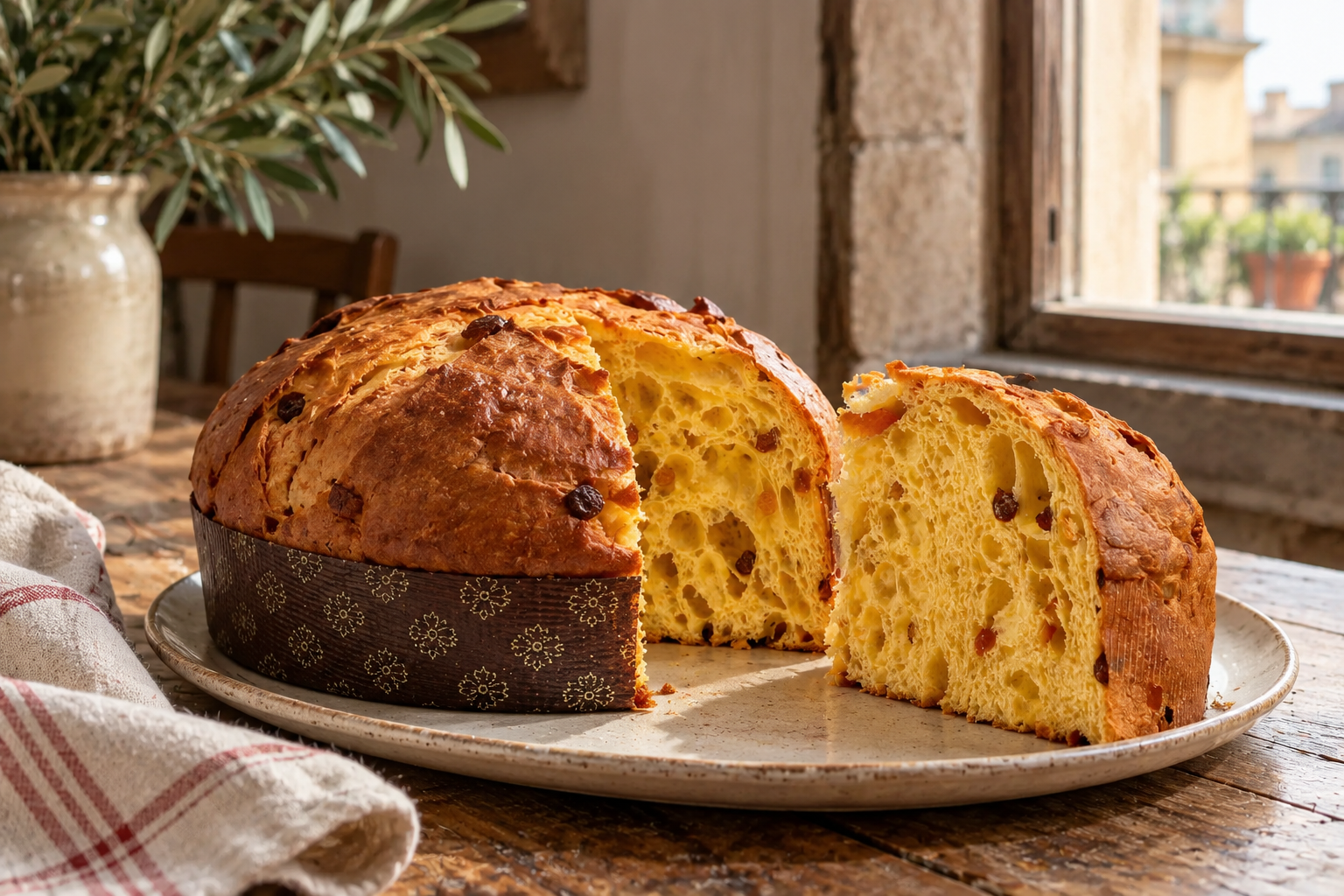
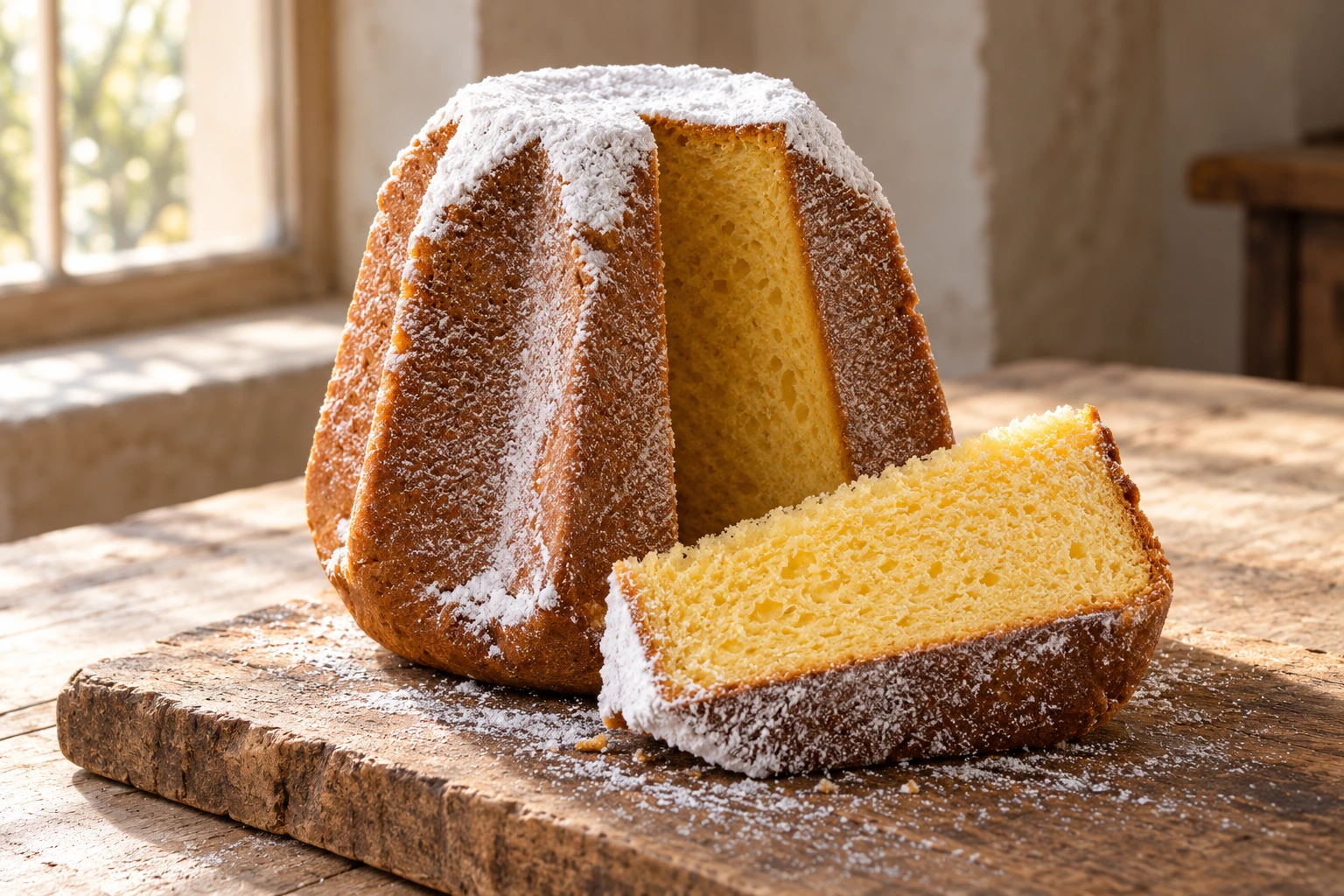
Panettone needs a mature lievito madre, two doughs and inverted cooling. The recipe starts more than two days before serving. Pandoro has a firm preferment and two enriched doughs; its schedule also begins before the baking day. Those cakes need their own project time. If you want a smaller baking task, choose a biscuit or a cake whose method fits the time available rather than shortening a fermentation to make the menu work.
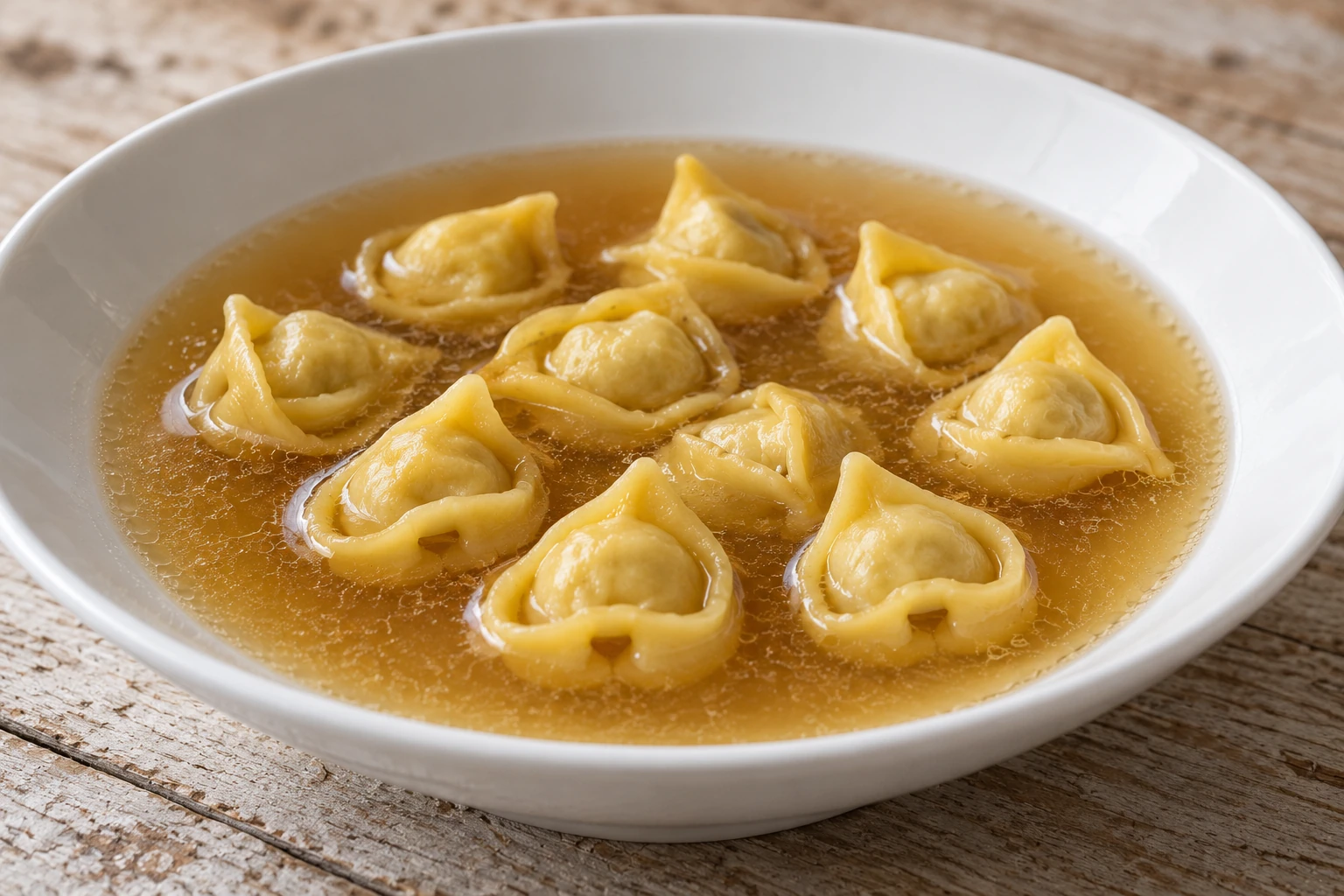
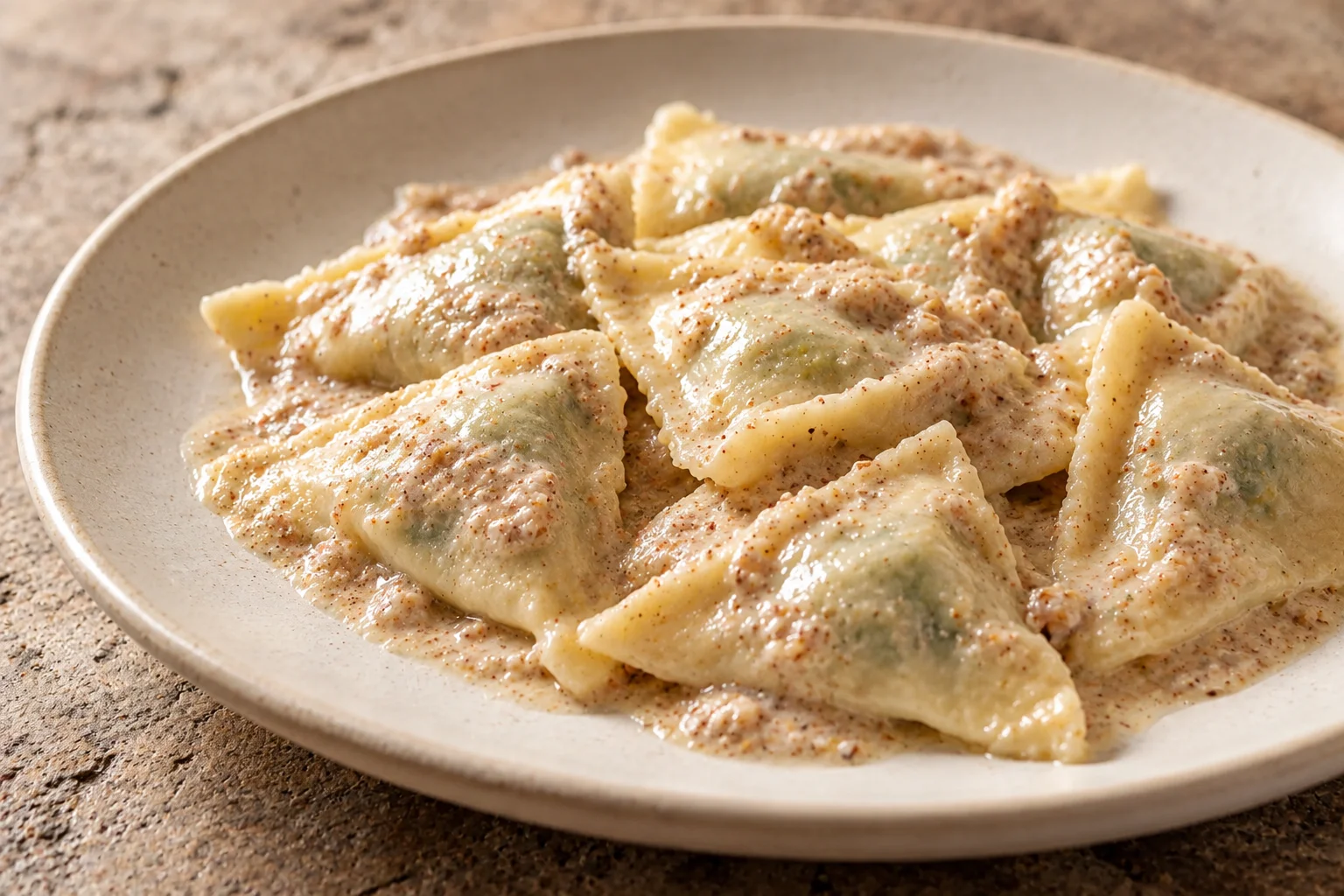
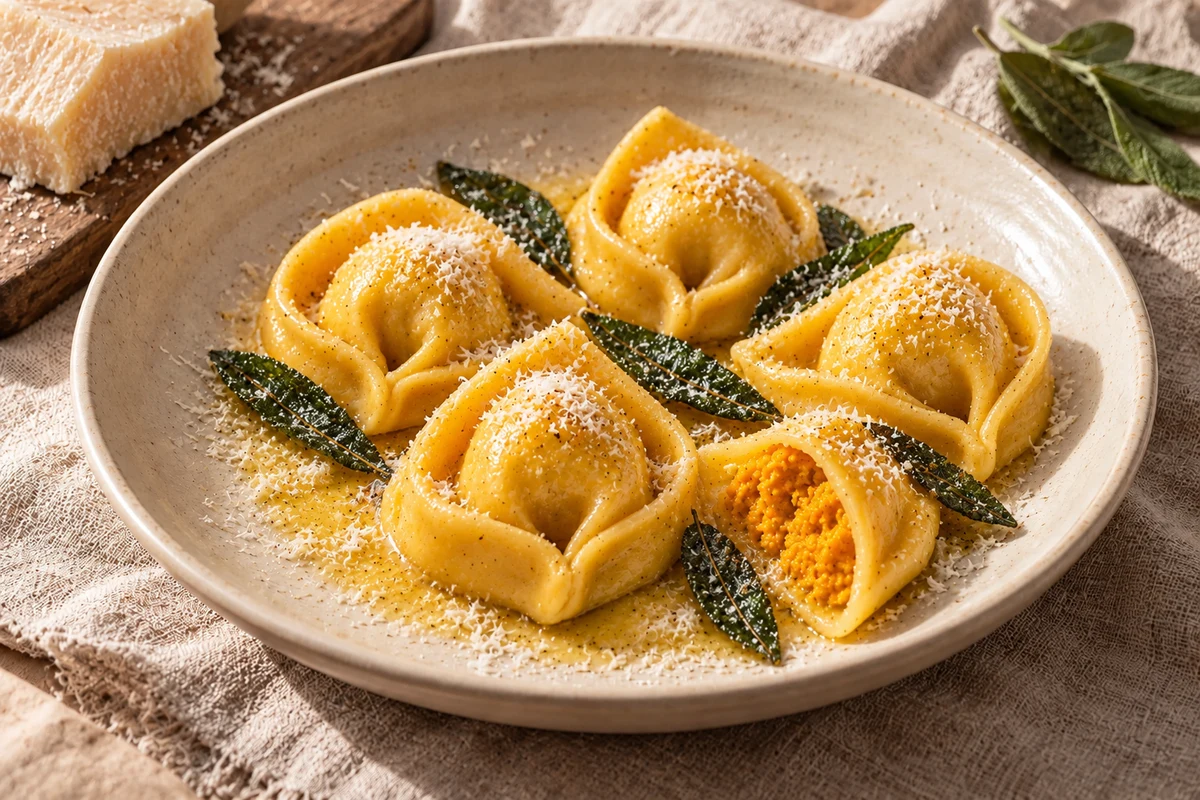
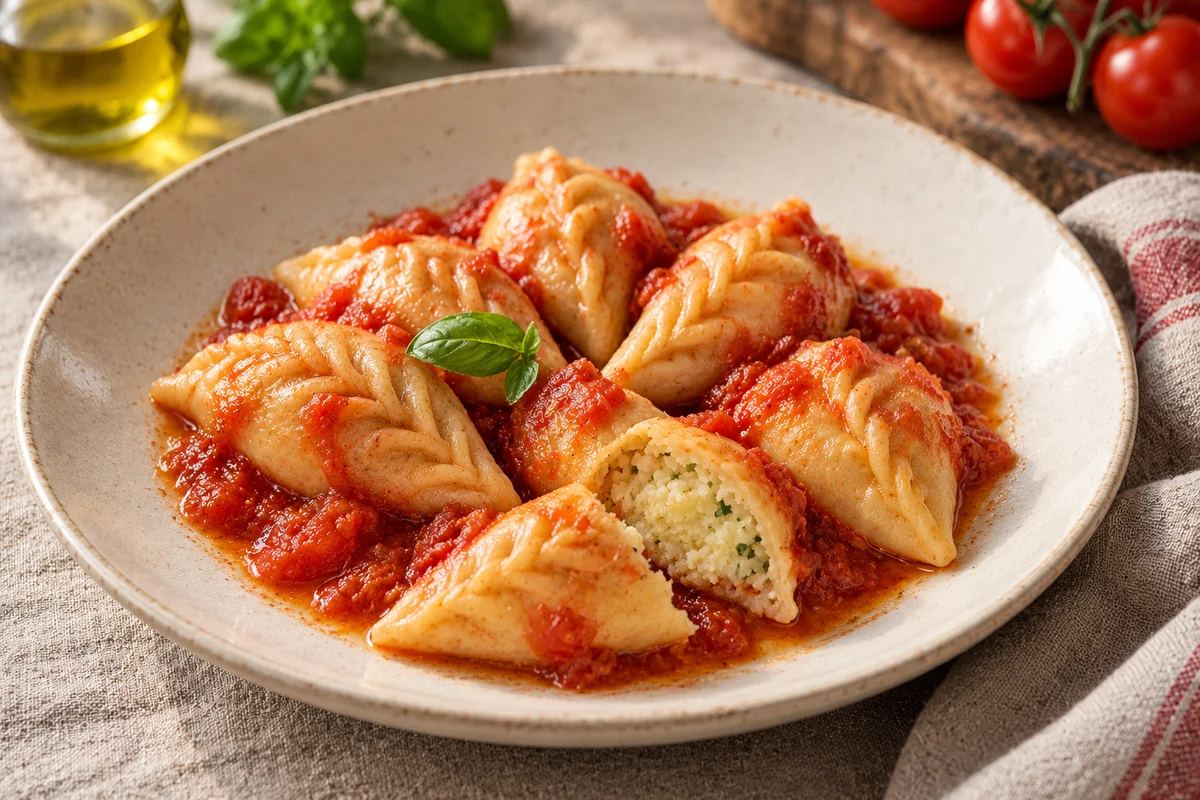
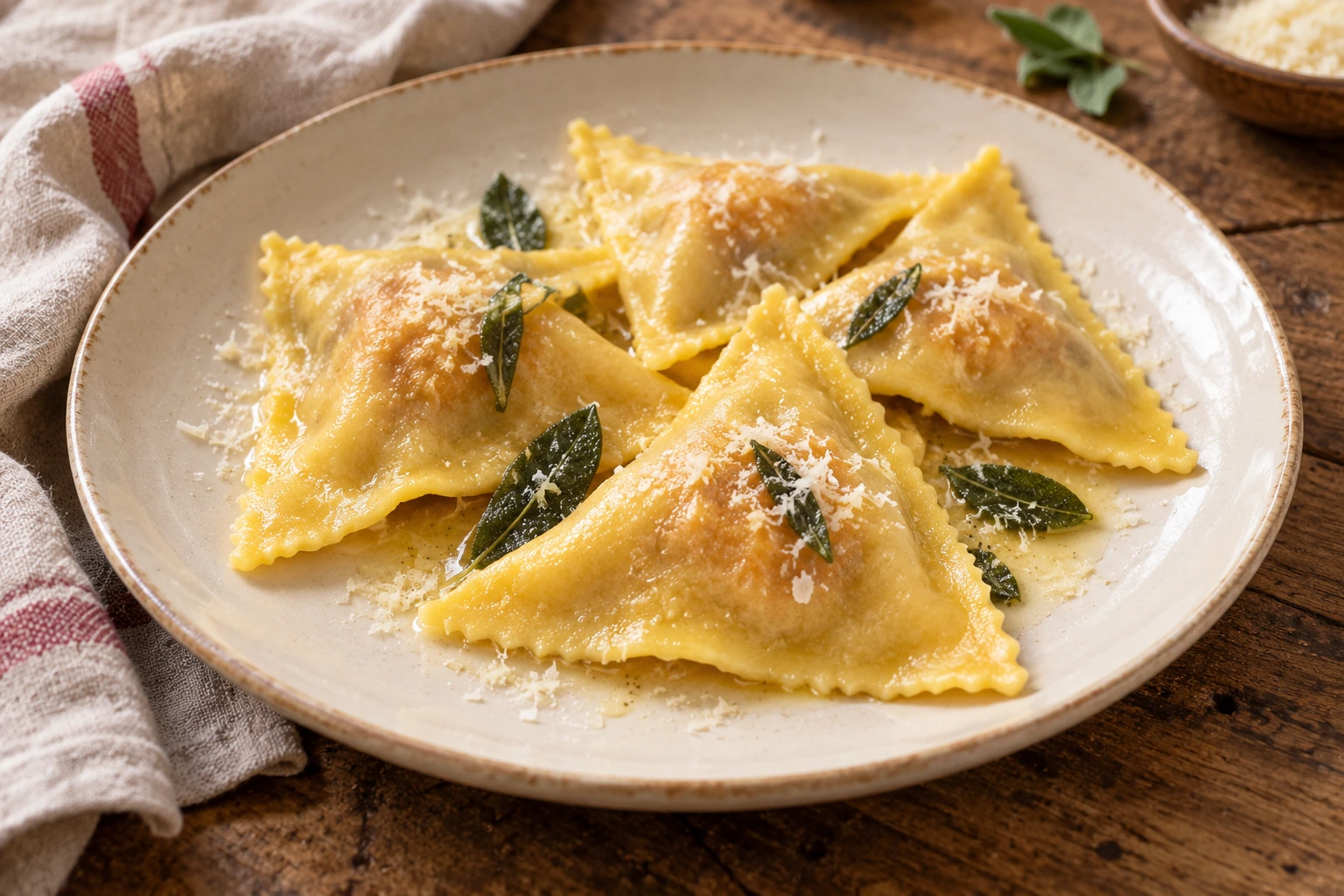
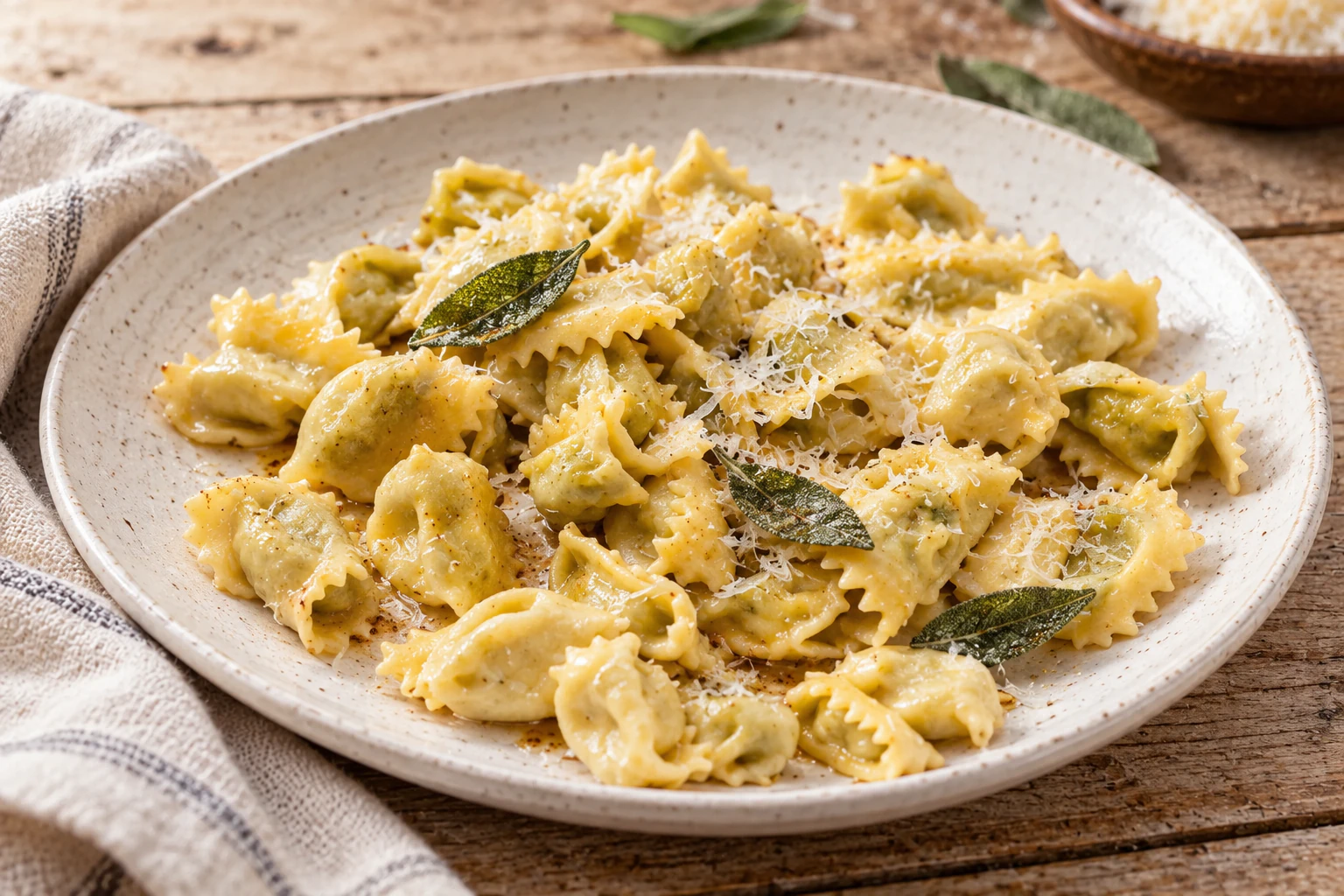
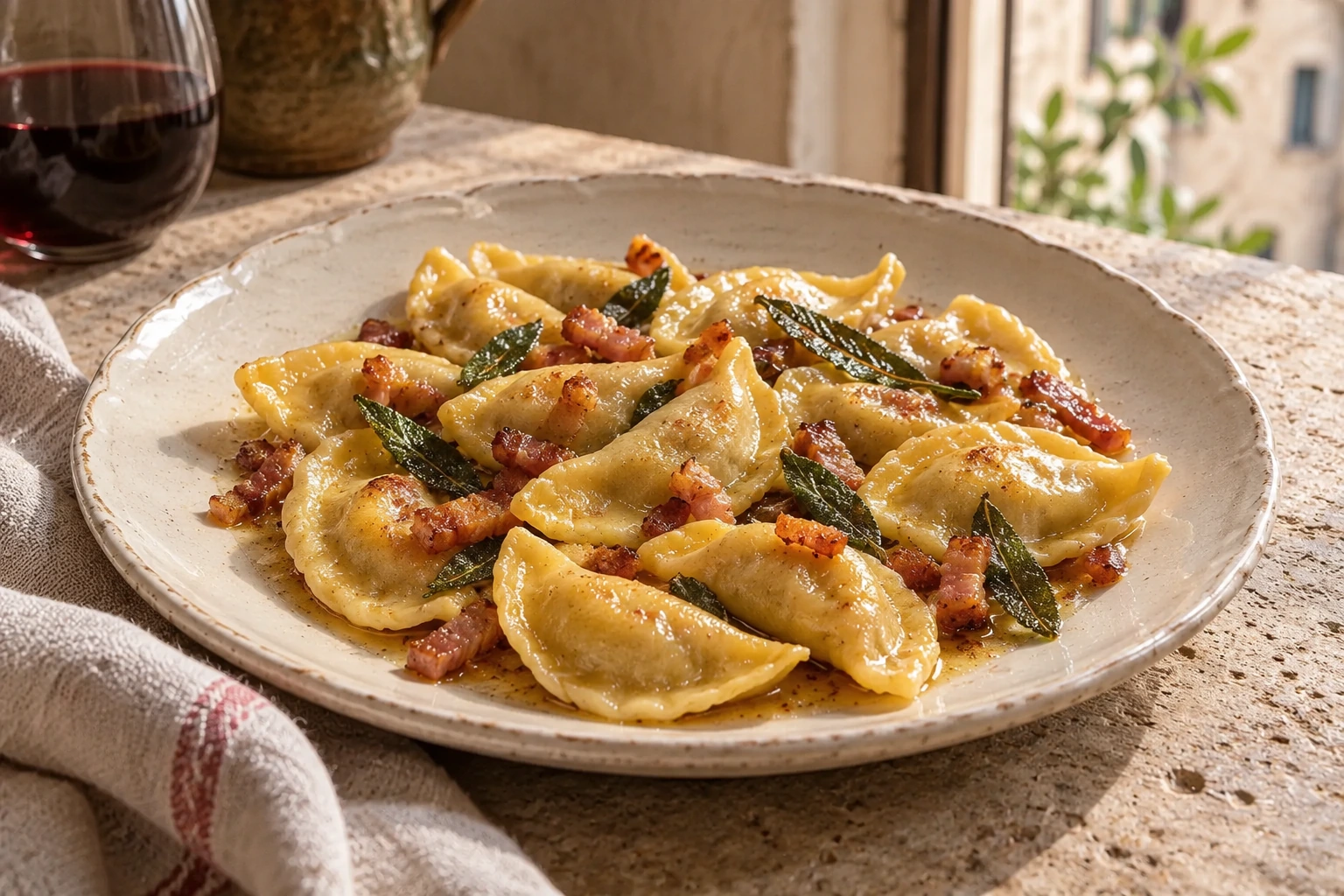
Filled pasta has a similar sequence of decisions. Read the filling first, prepare any braised meat or cooked vegetables, then turn to the dough and shaping. The size and closure of tortellini, plin and culurgiones are part of their methods. A longer guest list should lead to a realistic batch plan, not a rushed change to the pasta’s form.
Shop for the ingredient’s prepared state
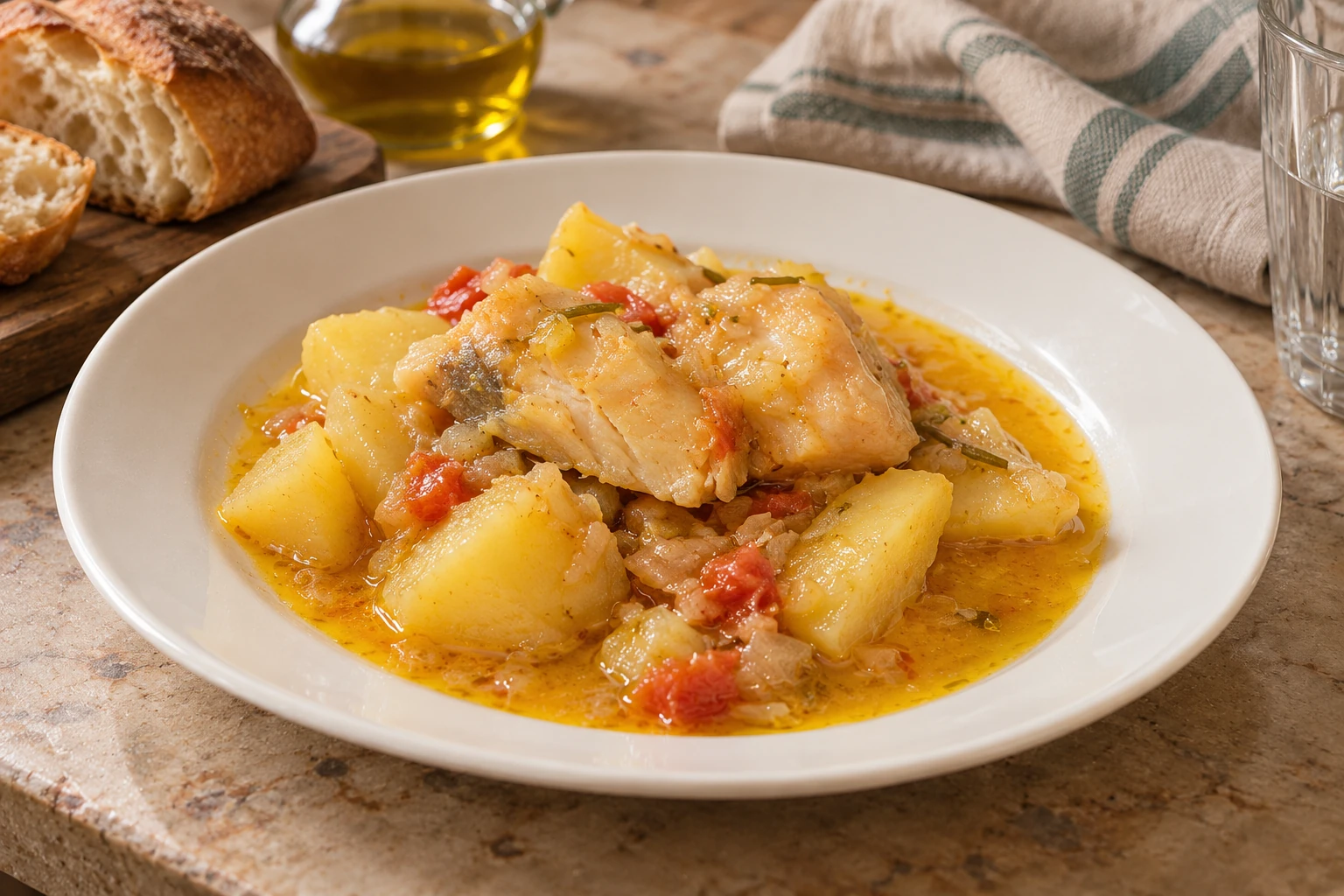
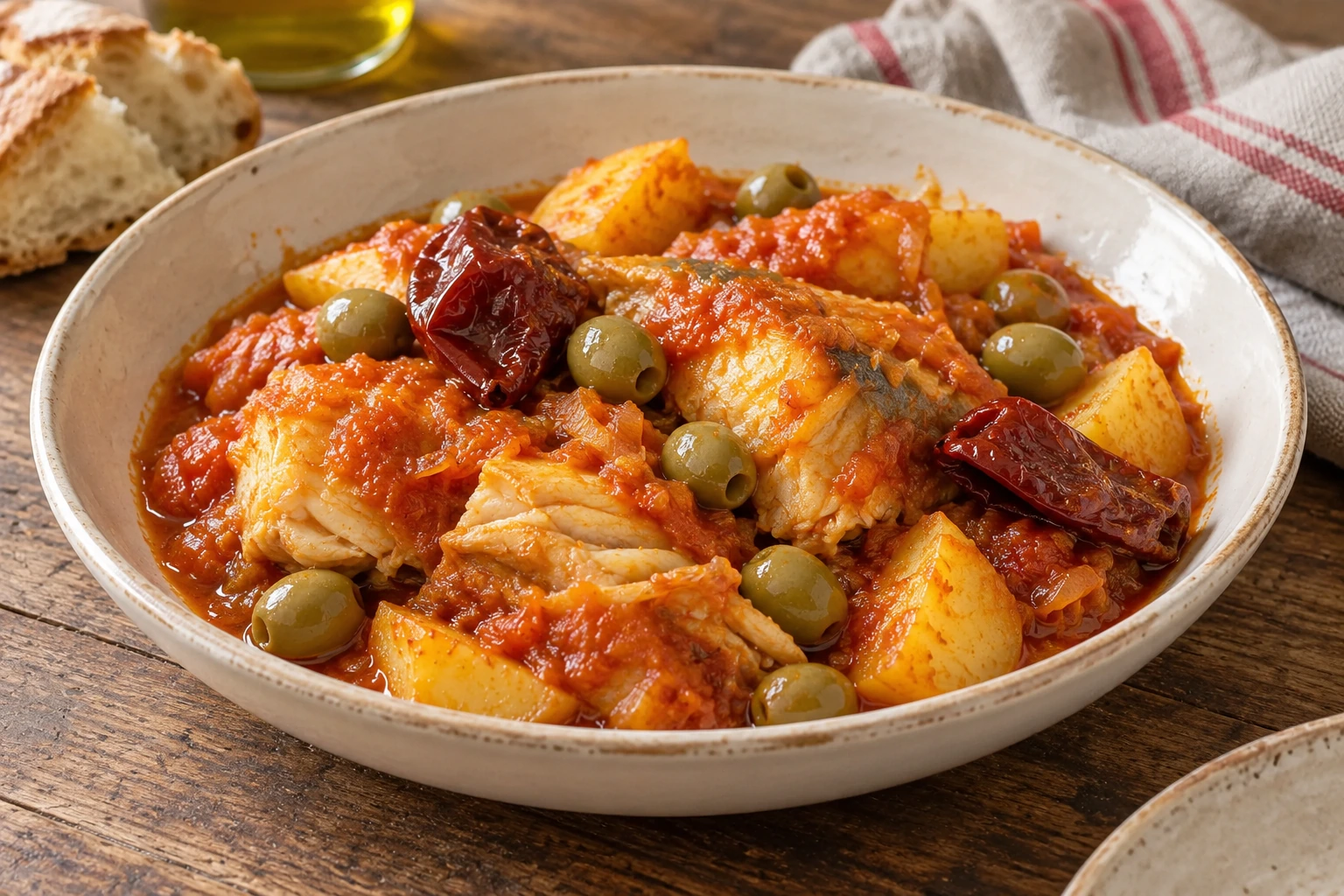
Fish dishes need a precise shopping list. Salt cod and dried stockfish start from different preserved forms. Some of these recipes begin with fish already soaked or desalted, and their cooking times do not include that earlier preparation. Confirm the state and prepared weight before planning the day around the printed total.
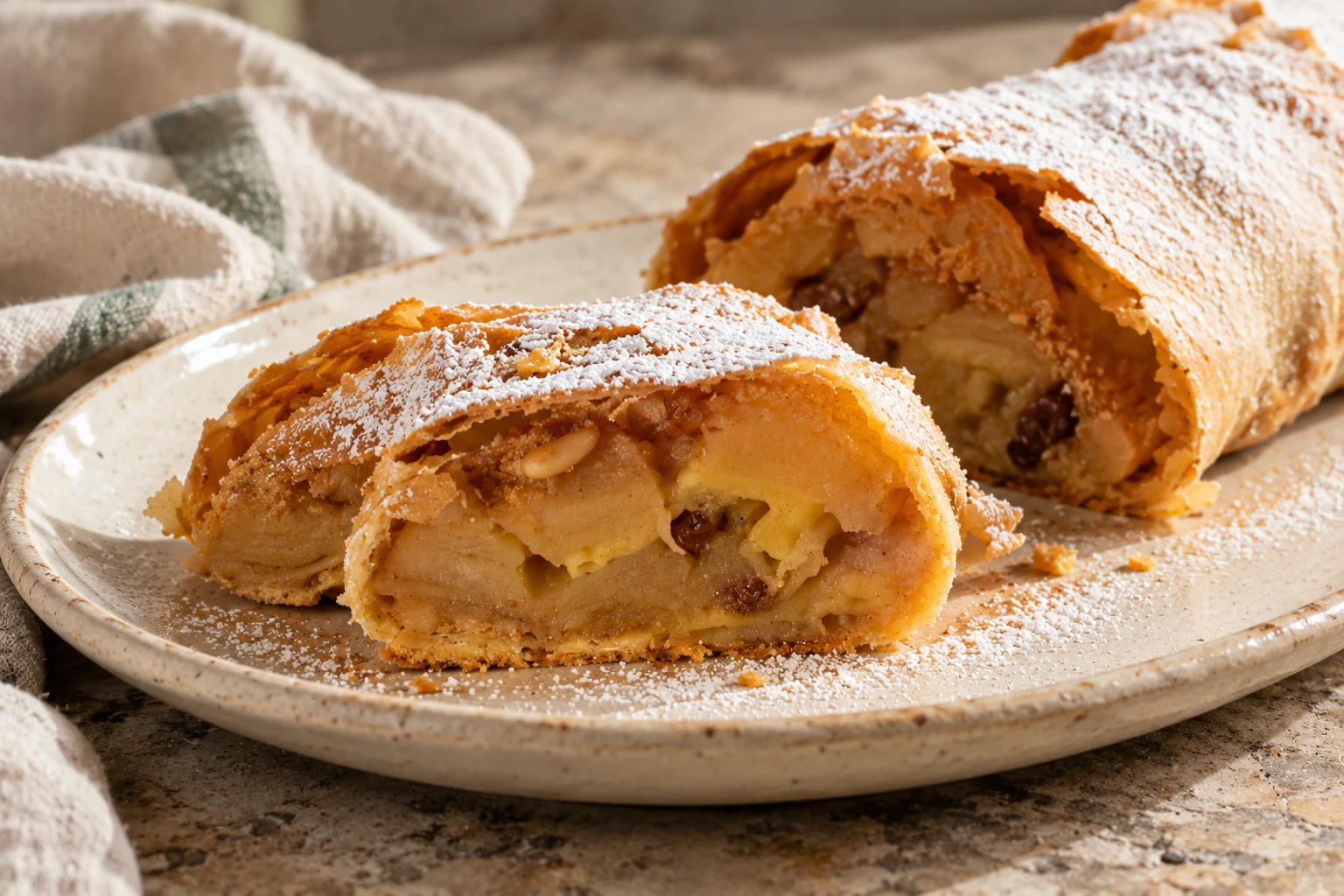
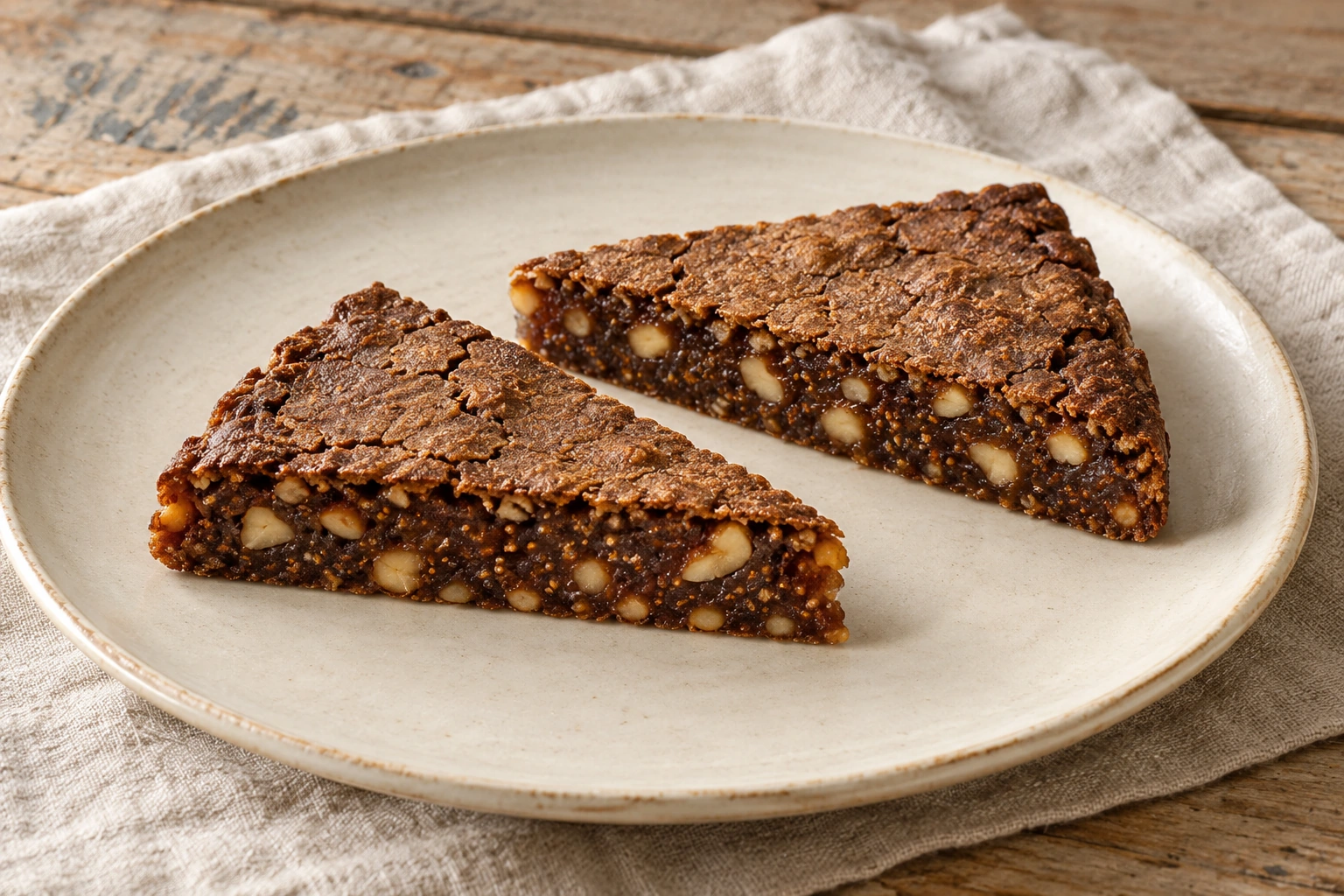
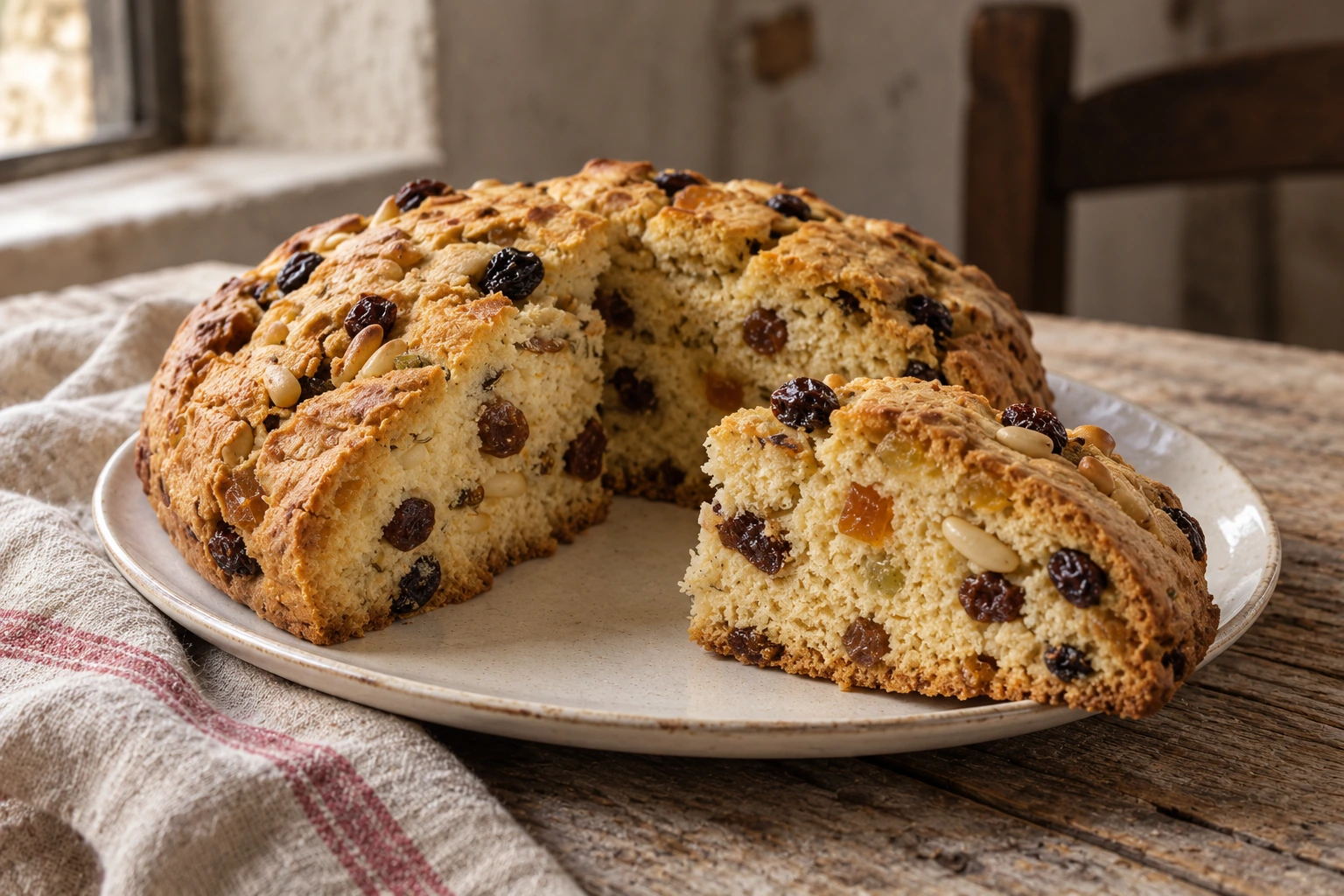
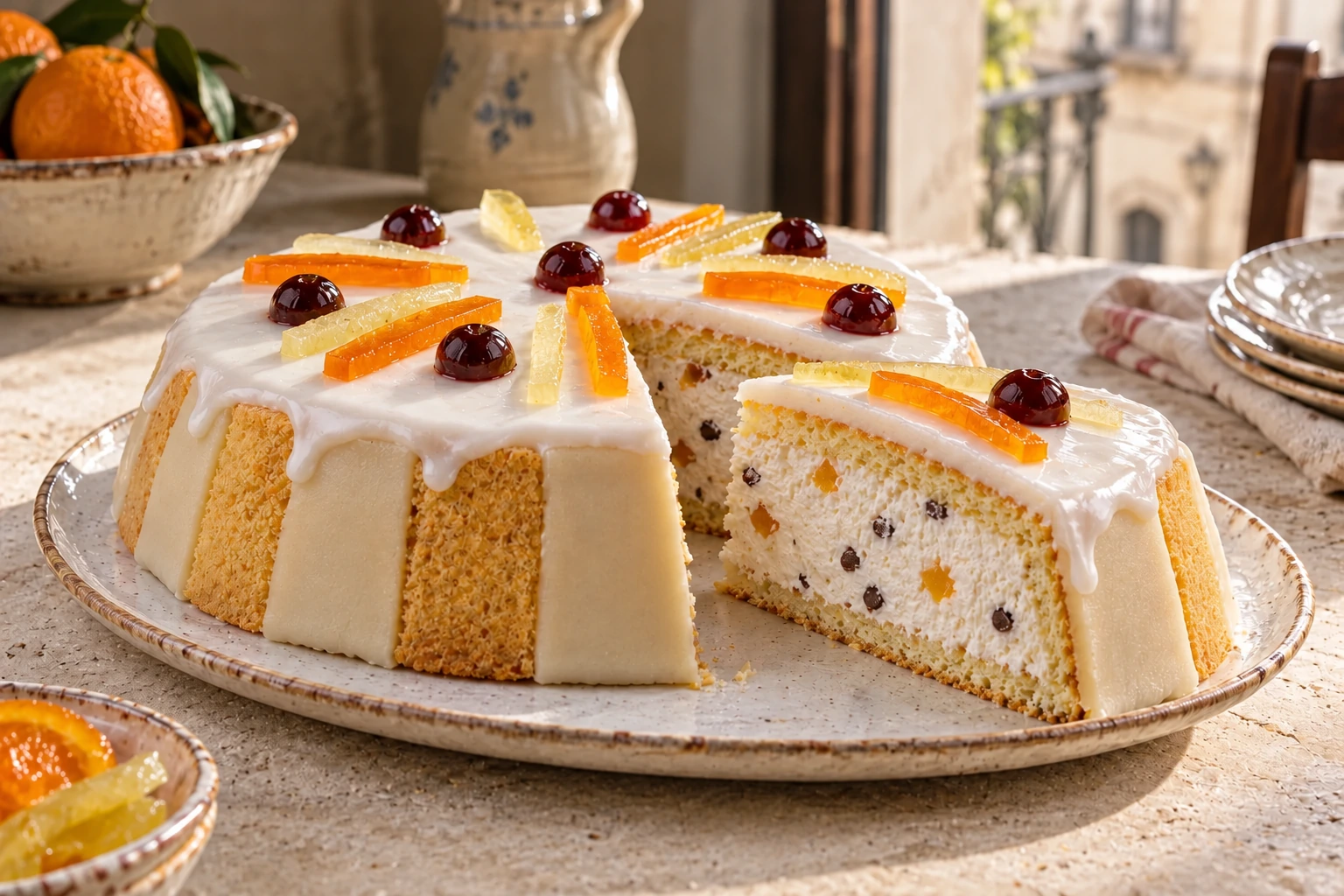
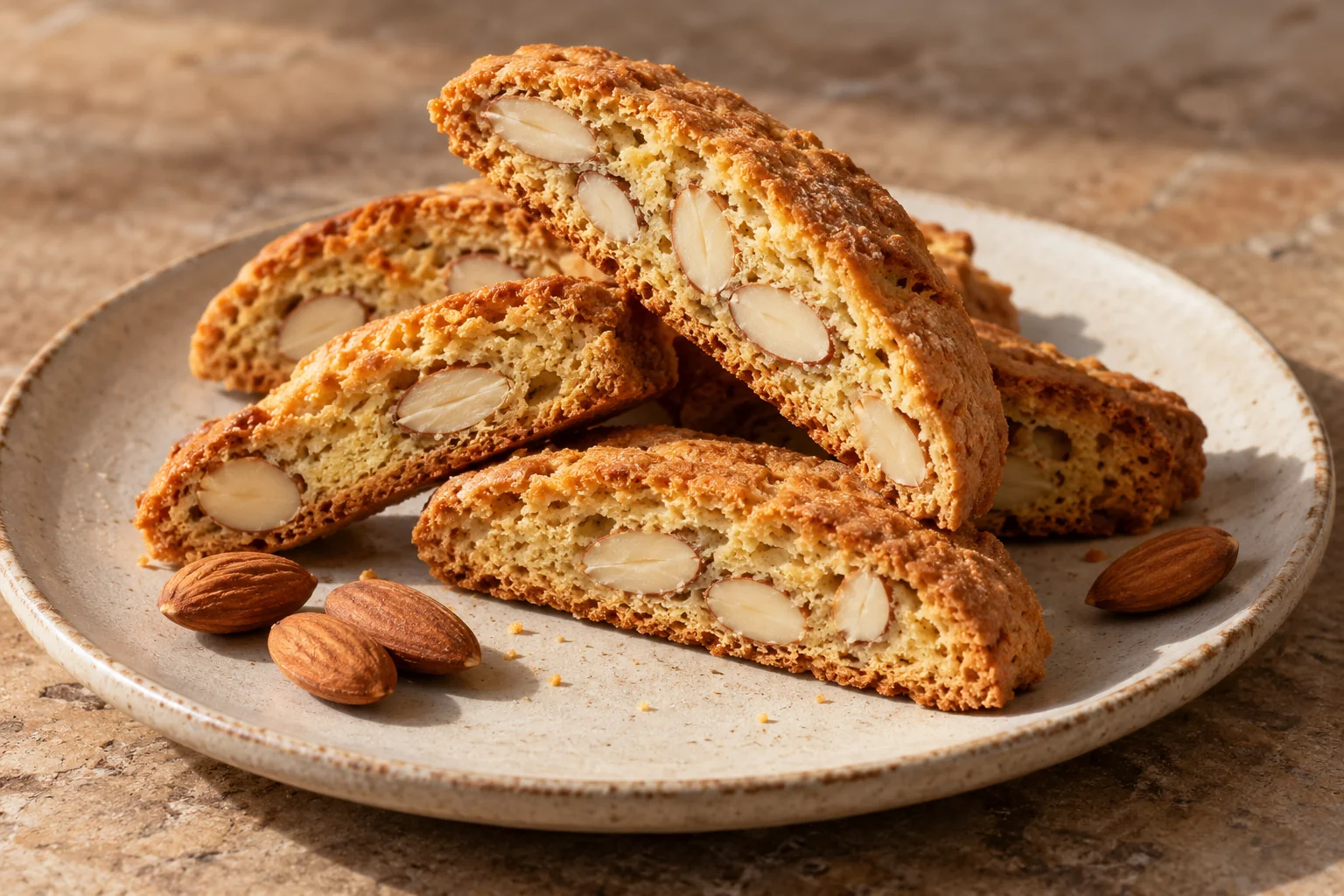
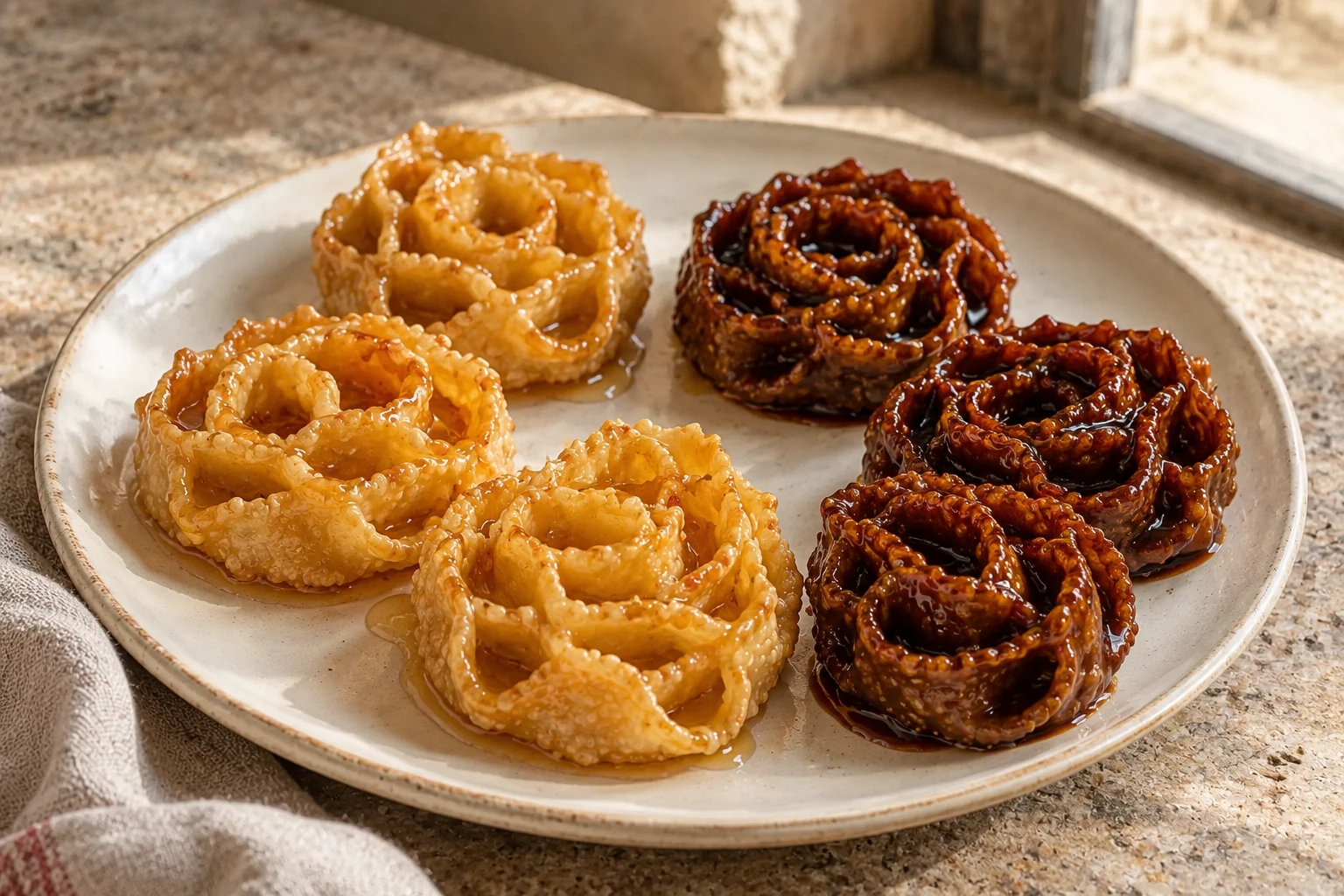
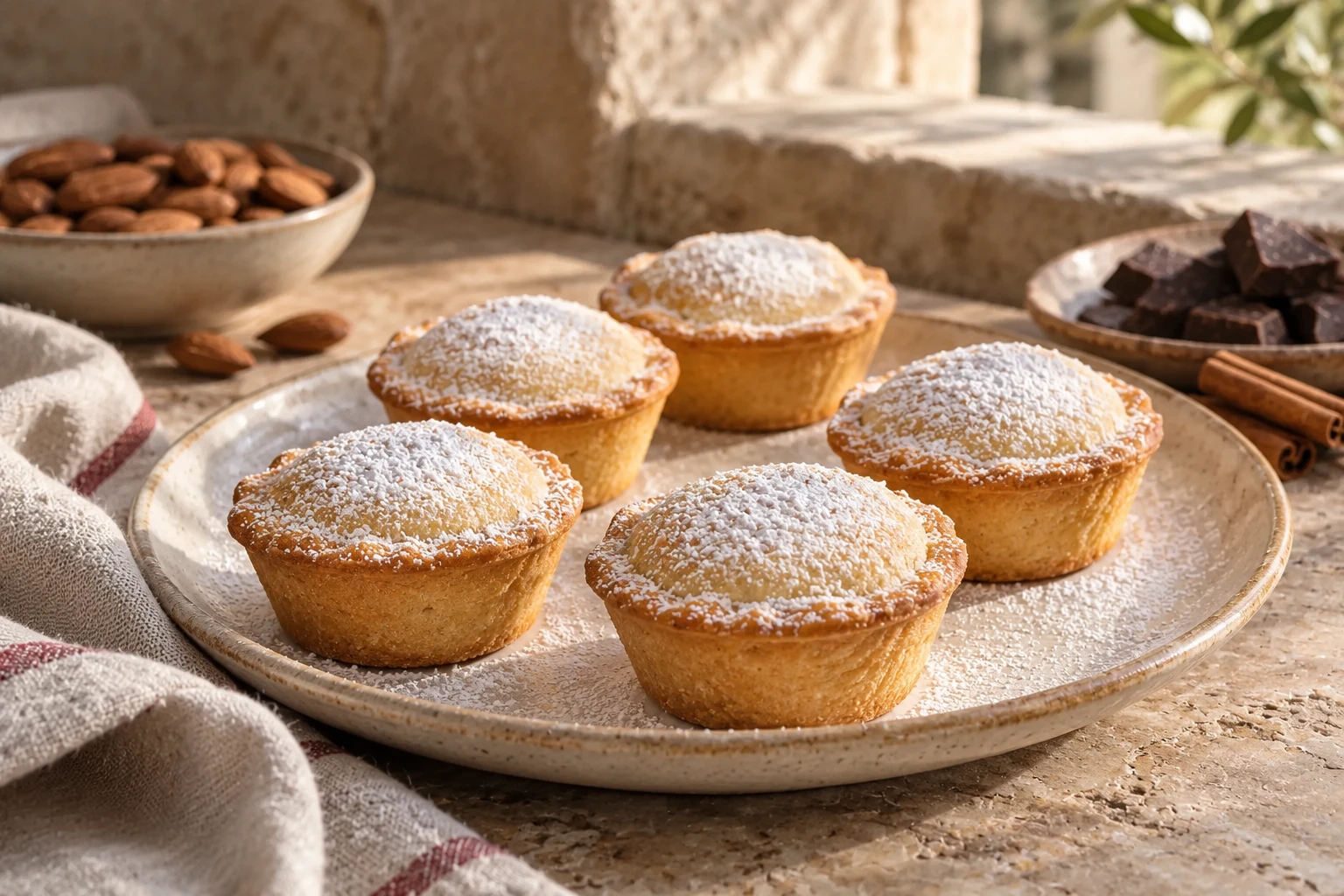
The same care helps with pastry. Whole almonds, almond flour and marzipan are different ingredients. Cooked grape must and fig vincotto have different roles, and candied fruit is not the same as fruit in a light serving syrup. Open the ingredient links from the recipe when you need to check the form to buy.
Leave the final minutes for dishes that need them
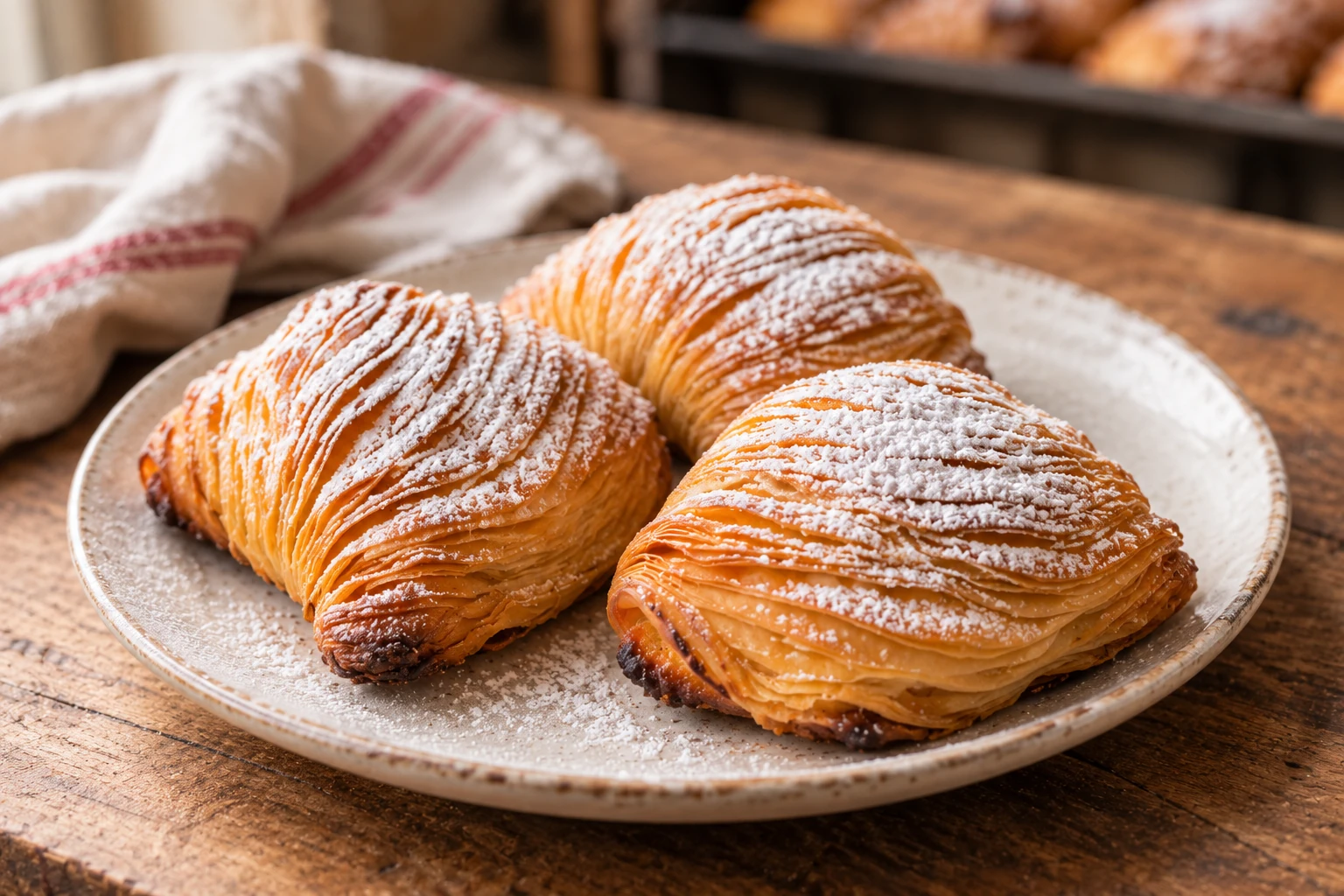
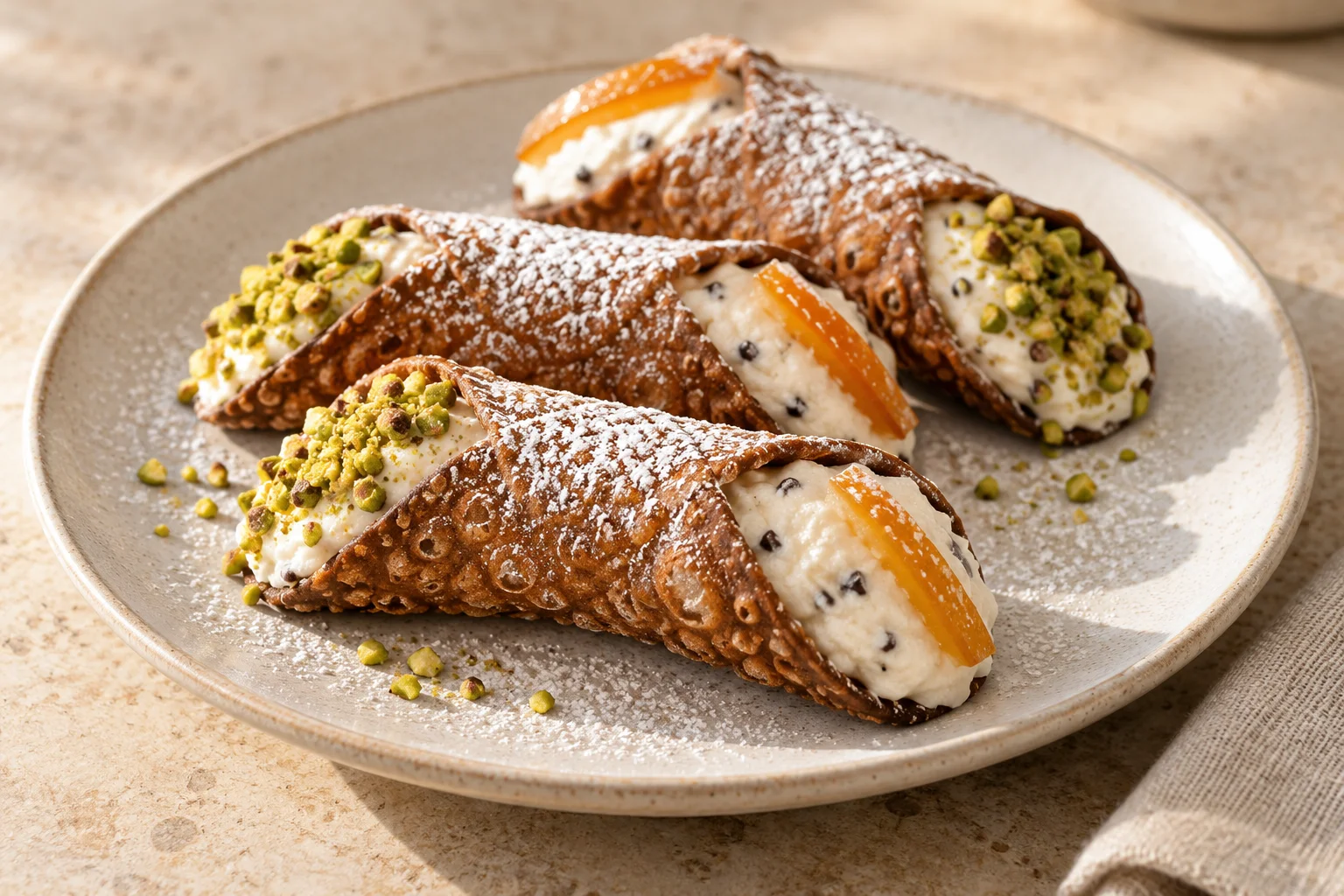
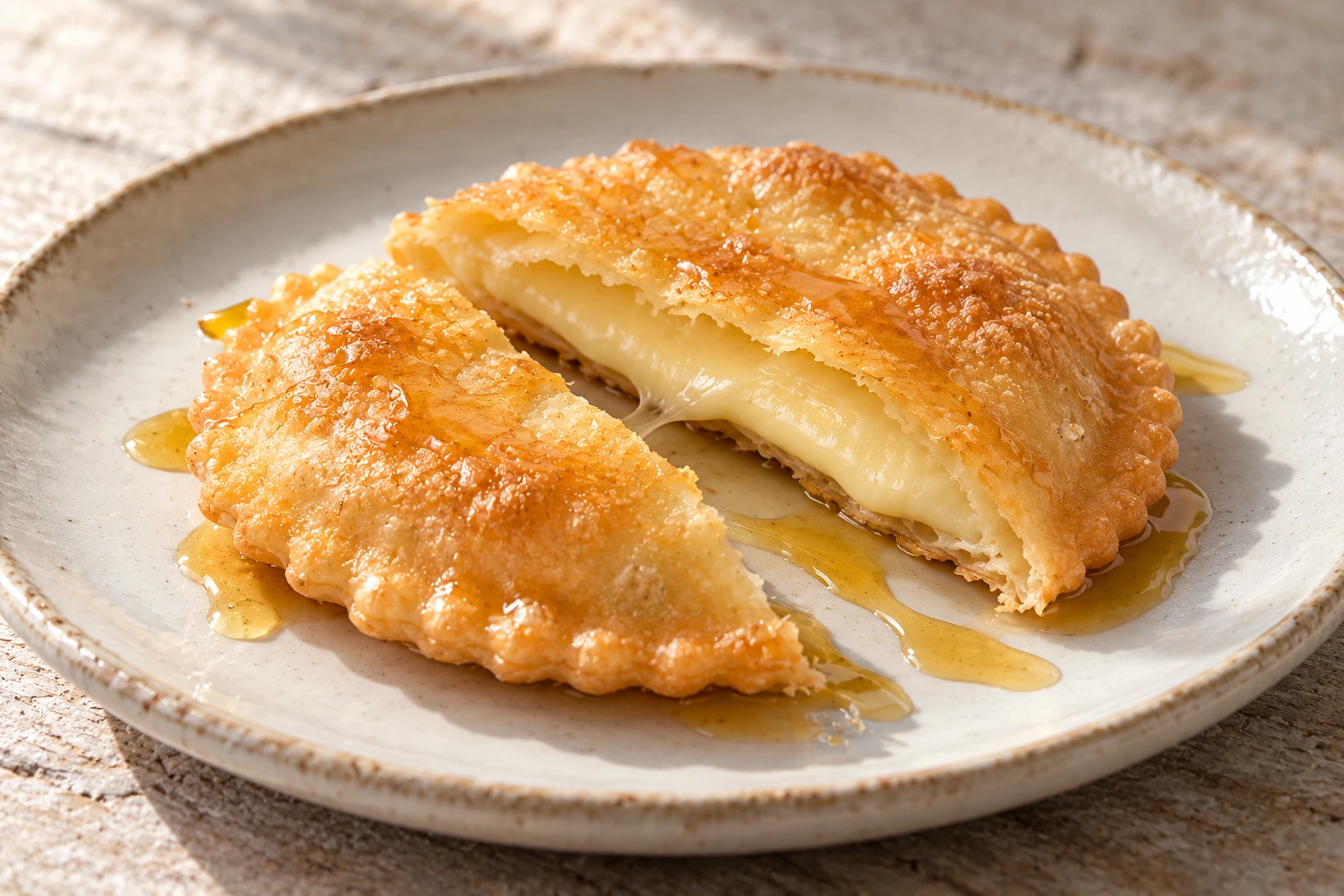
Spaghetti alle vongole is a course to finish and serve. Cannoli keep their crisp shell and cool filling distinct when filled close to the meal. Seadas need a different place in the schedule from a cake that can be baked and cooled before guests arrive. Decide those final tasks before adding a cocktail or another hot course.
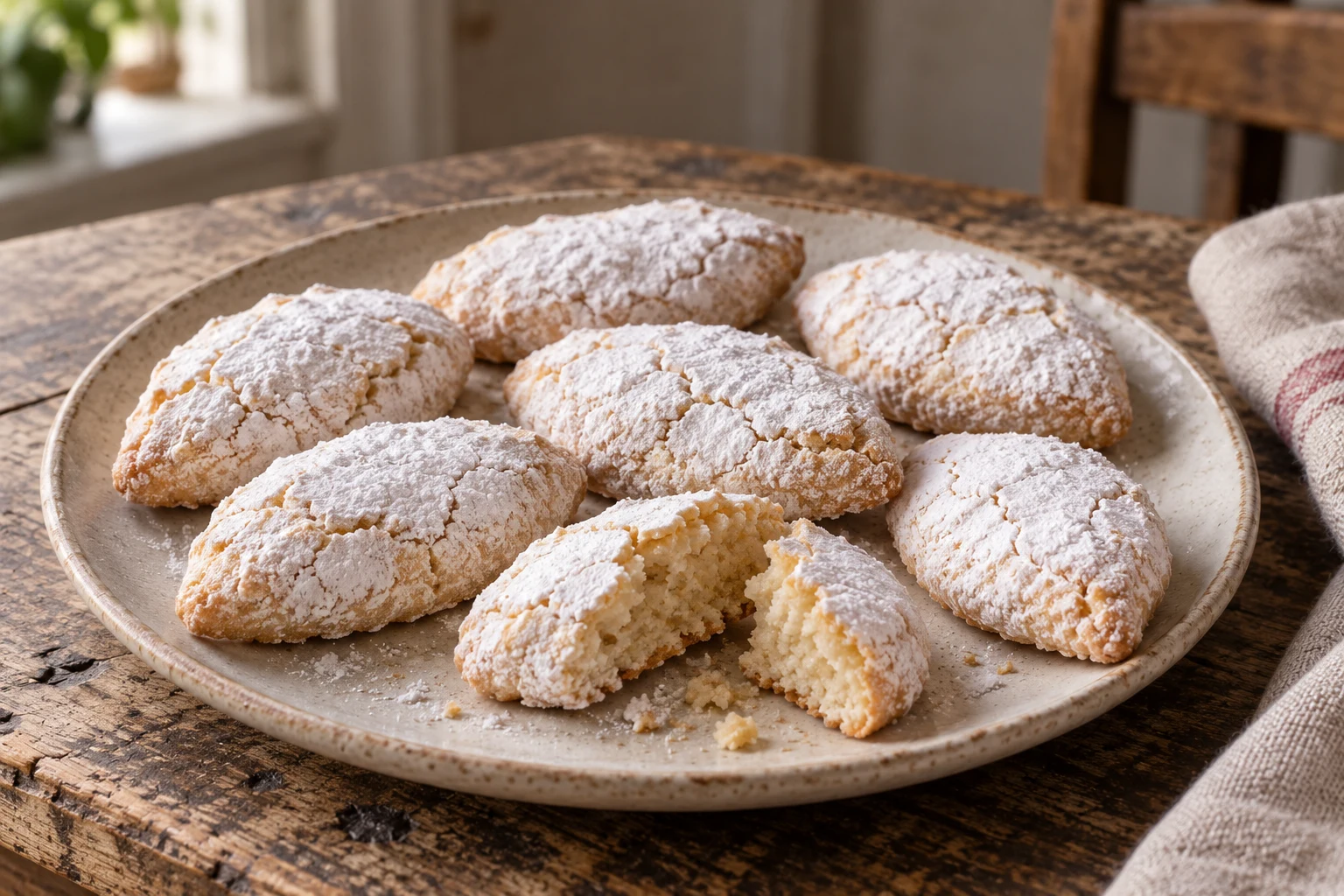
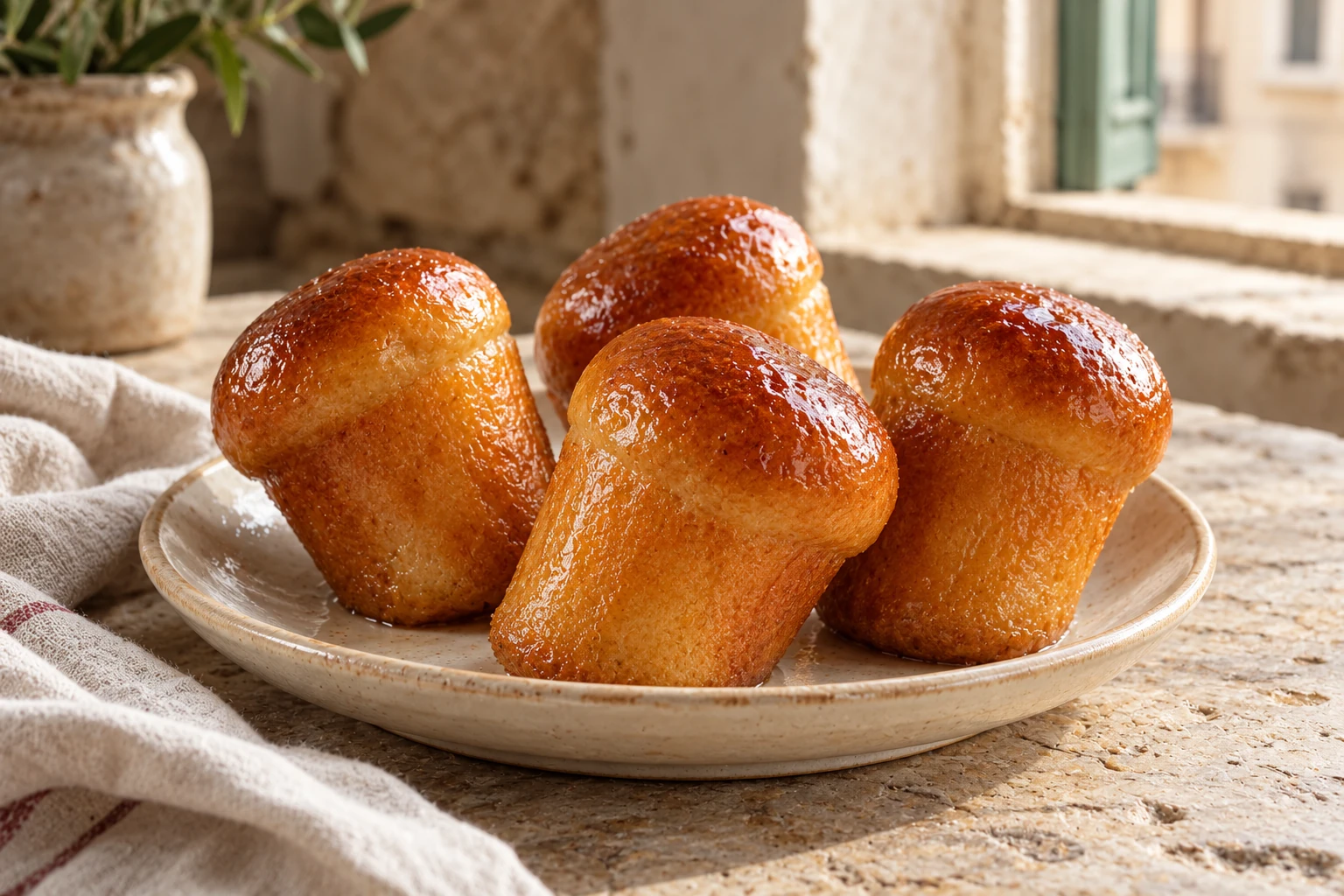
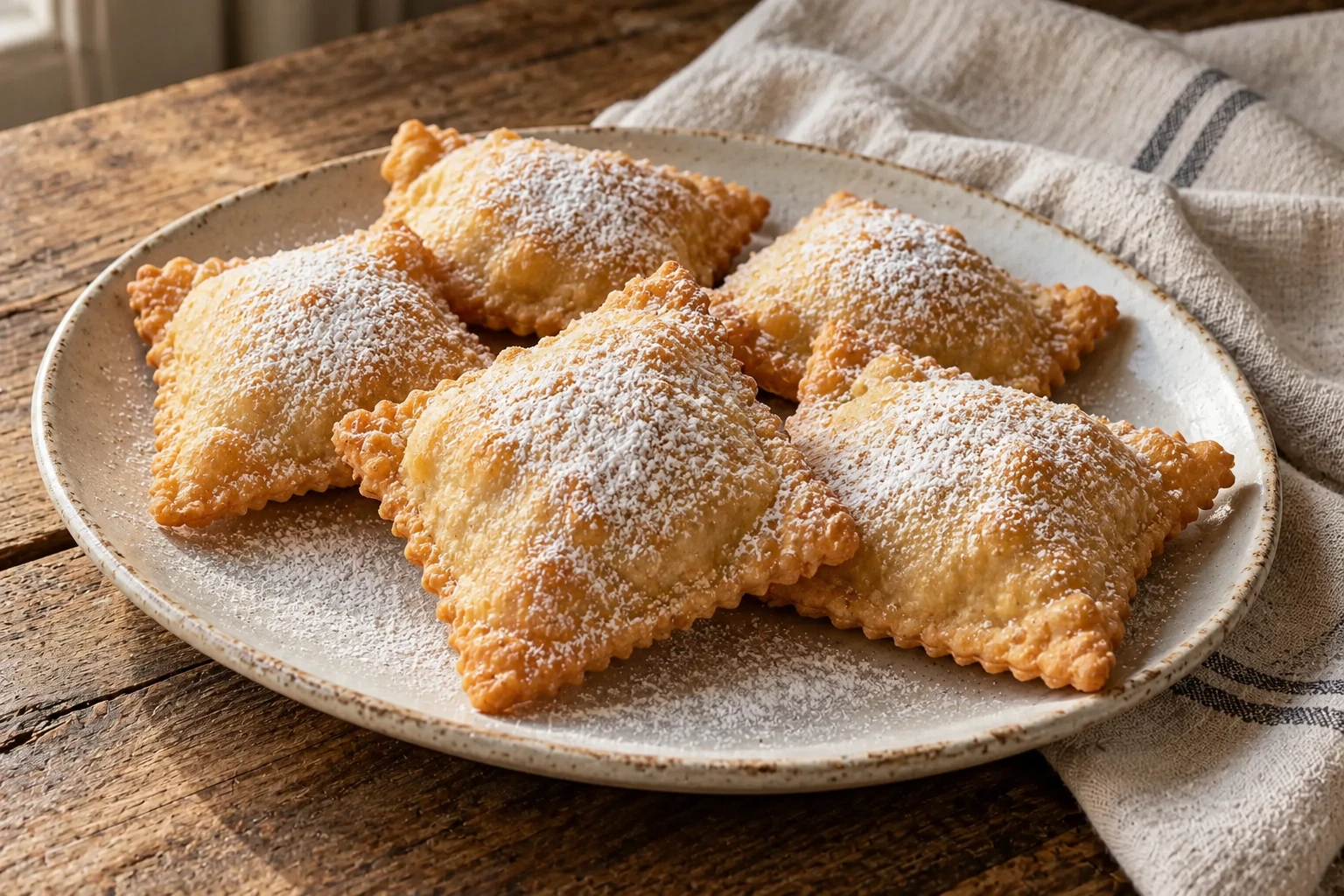
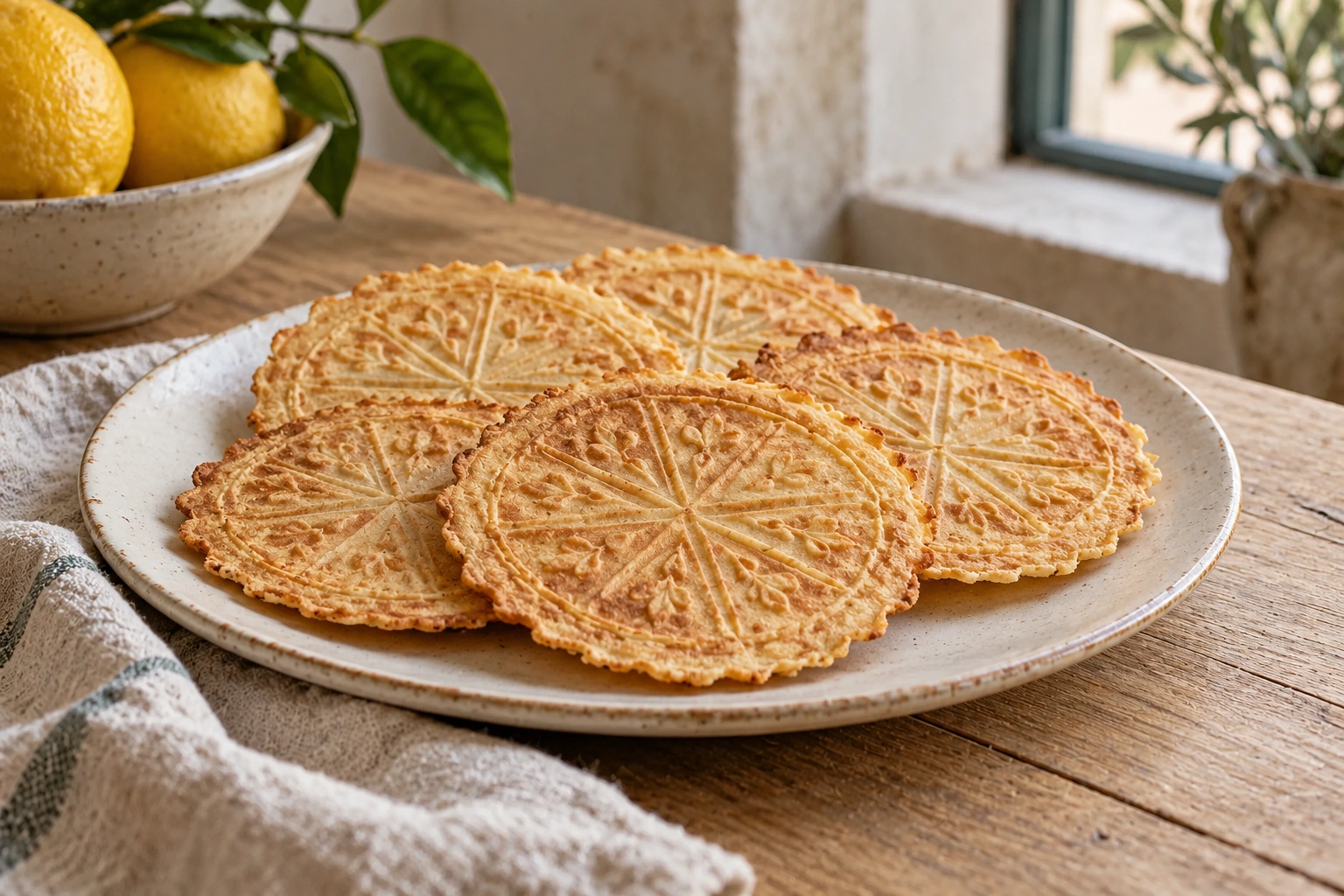
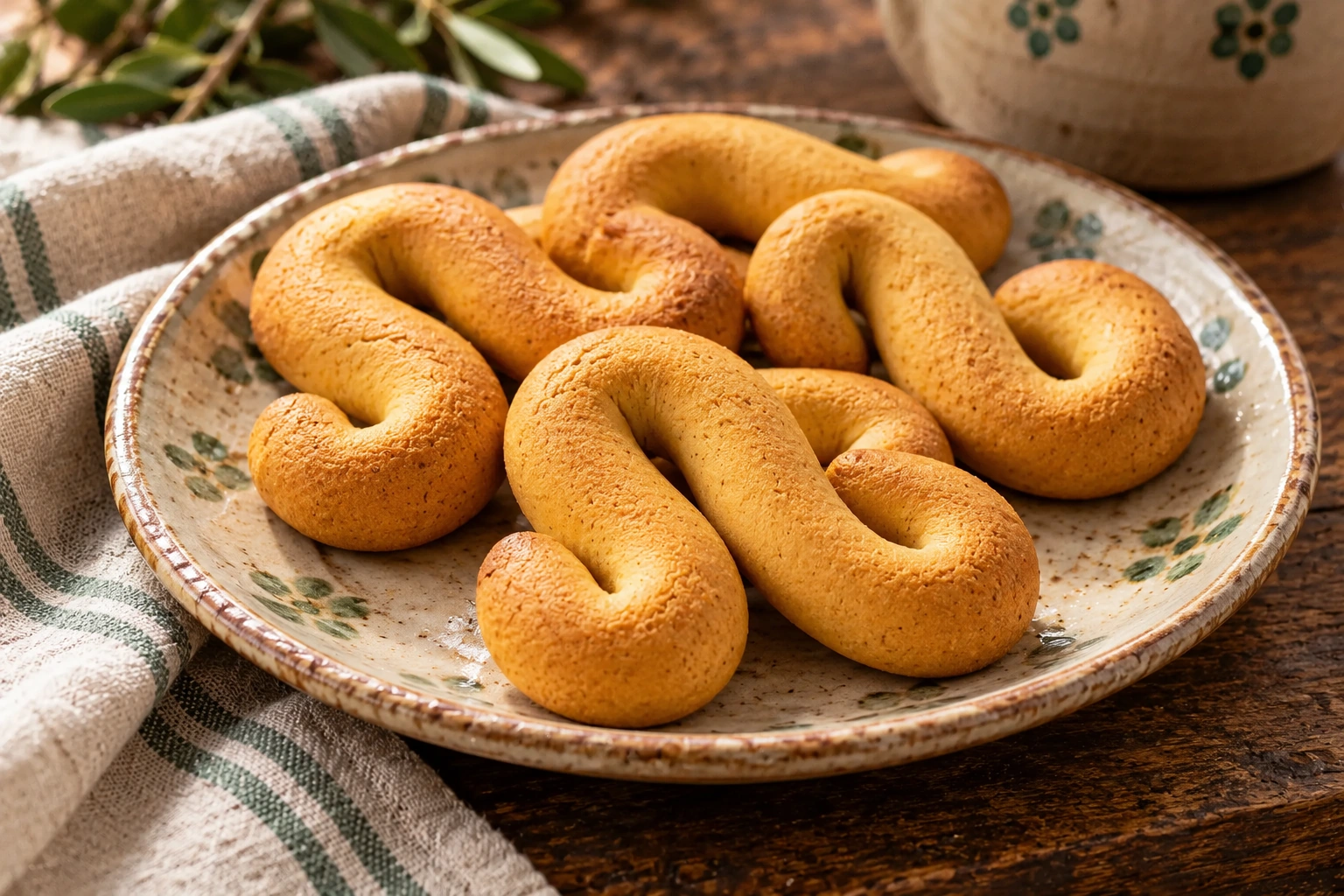
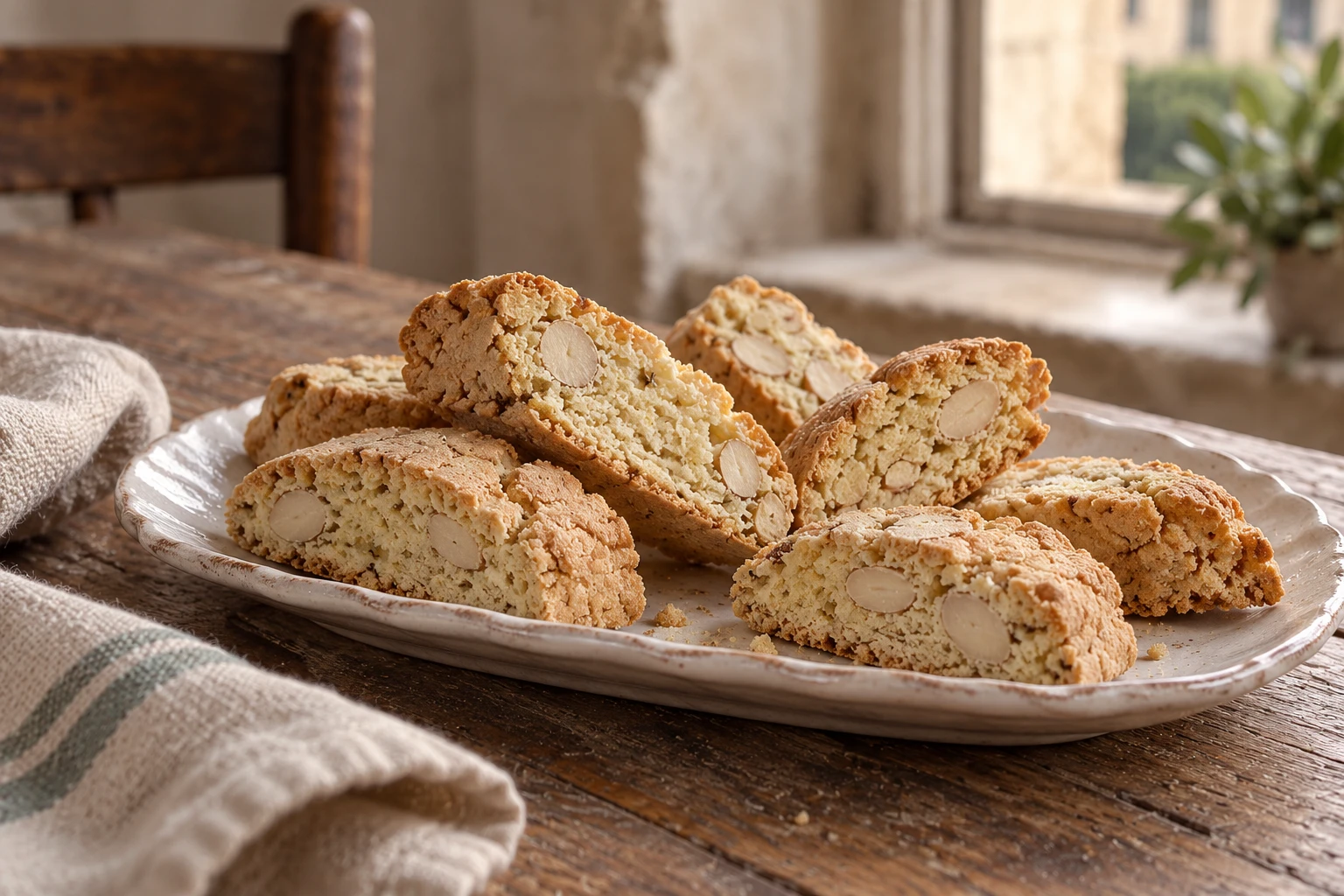
Choose a few sweets in contrasting forms: a slice of cake, a small biscuit and a filled pastry can offer more variety than several large cakes. For more baking choices, open the Christmas cookies and sweets collection. The Christmas guide connects the table with the markets and the wider season.