

Culture
The art, buildings, music and traditions that make Italy worth the trip, and how to see them well.
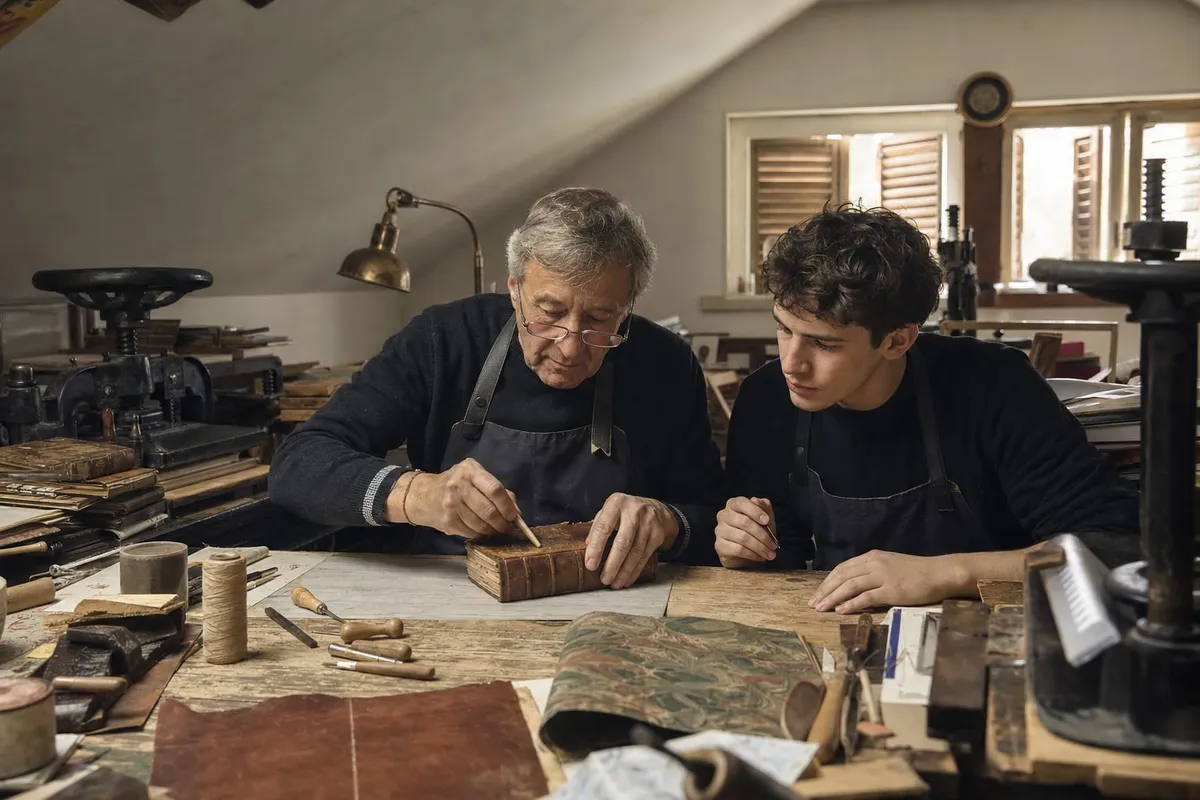
Read: The Workshop Apprentices of FlorenceWorth your time
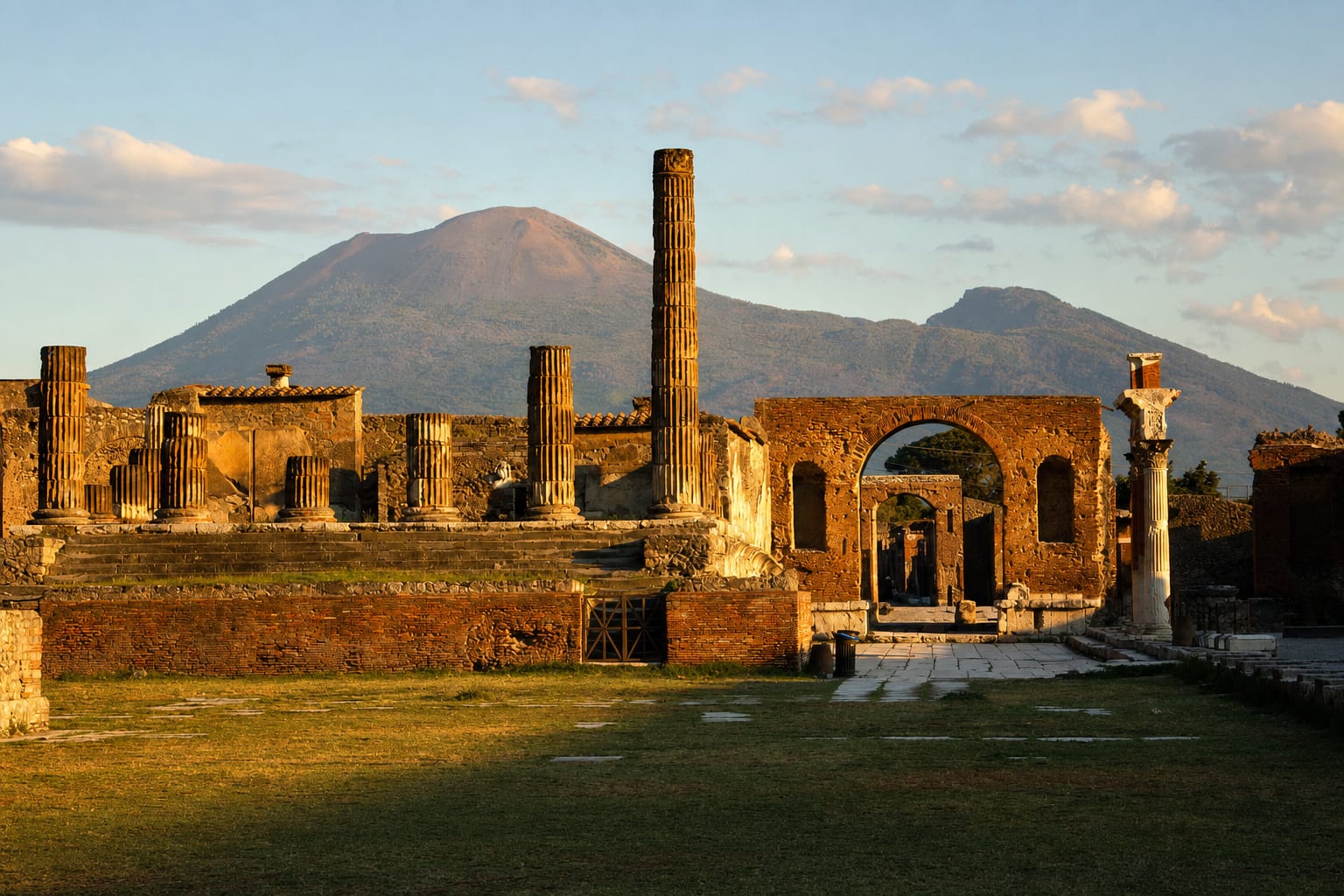
Pompeii Archaeological Site
The Roman city buried by Vesuvius in 79 CE, its streets, houses and frescoes preserved under ash for centuries.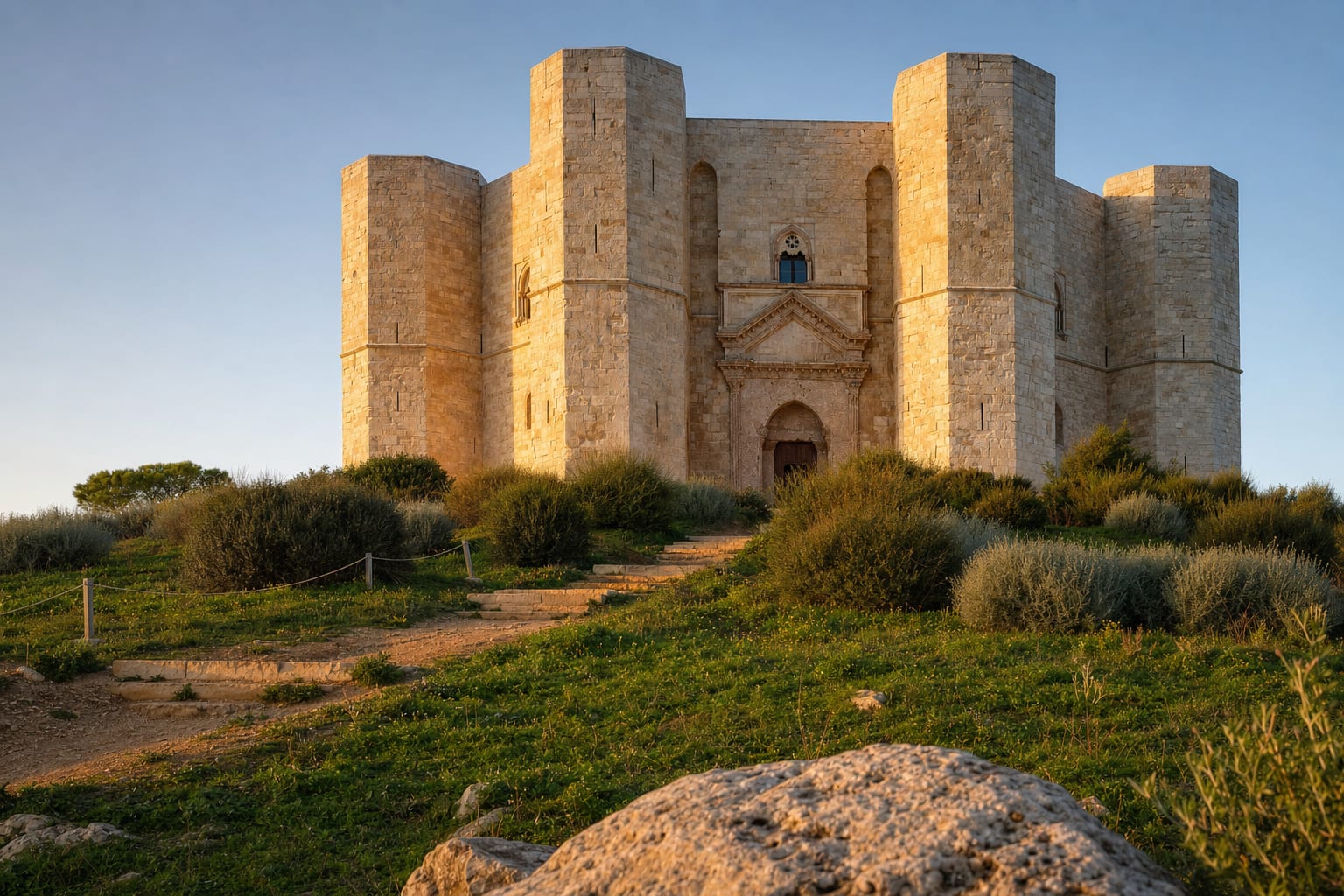
Castel del Monte
Frederick II's octagonal riddle on a Puglia hilltop, its purpose still unexplained after nearly 800 years.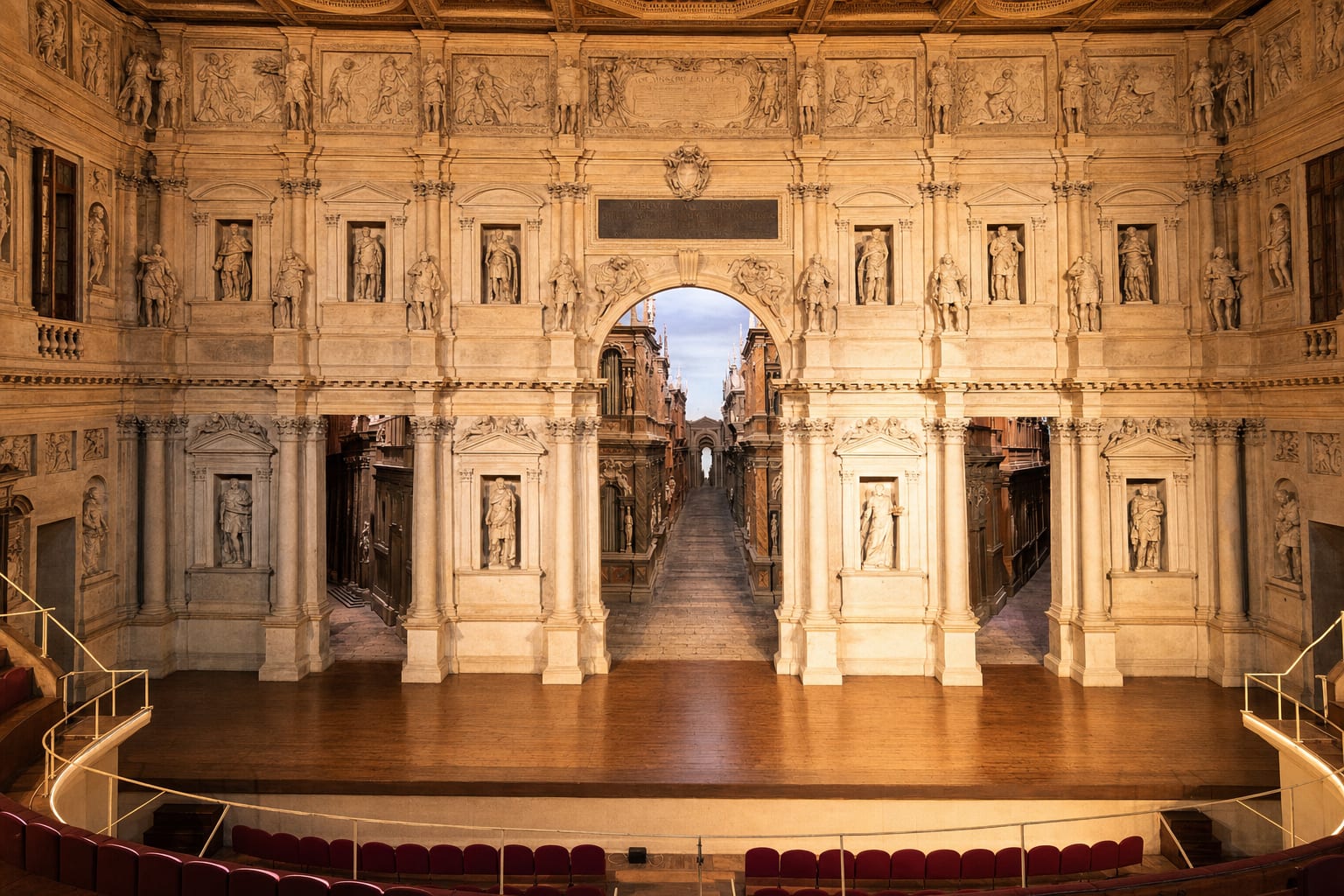
Teatro Olimpico
Palladio's last work: an indoor theatre with a 1585 forced-perspective stage set still standing.
Art & Museums
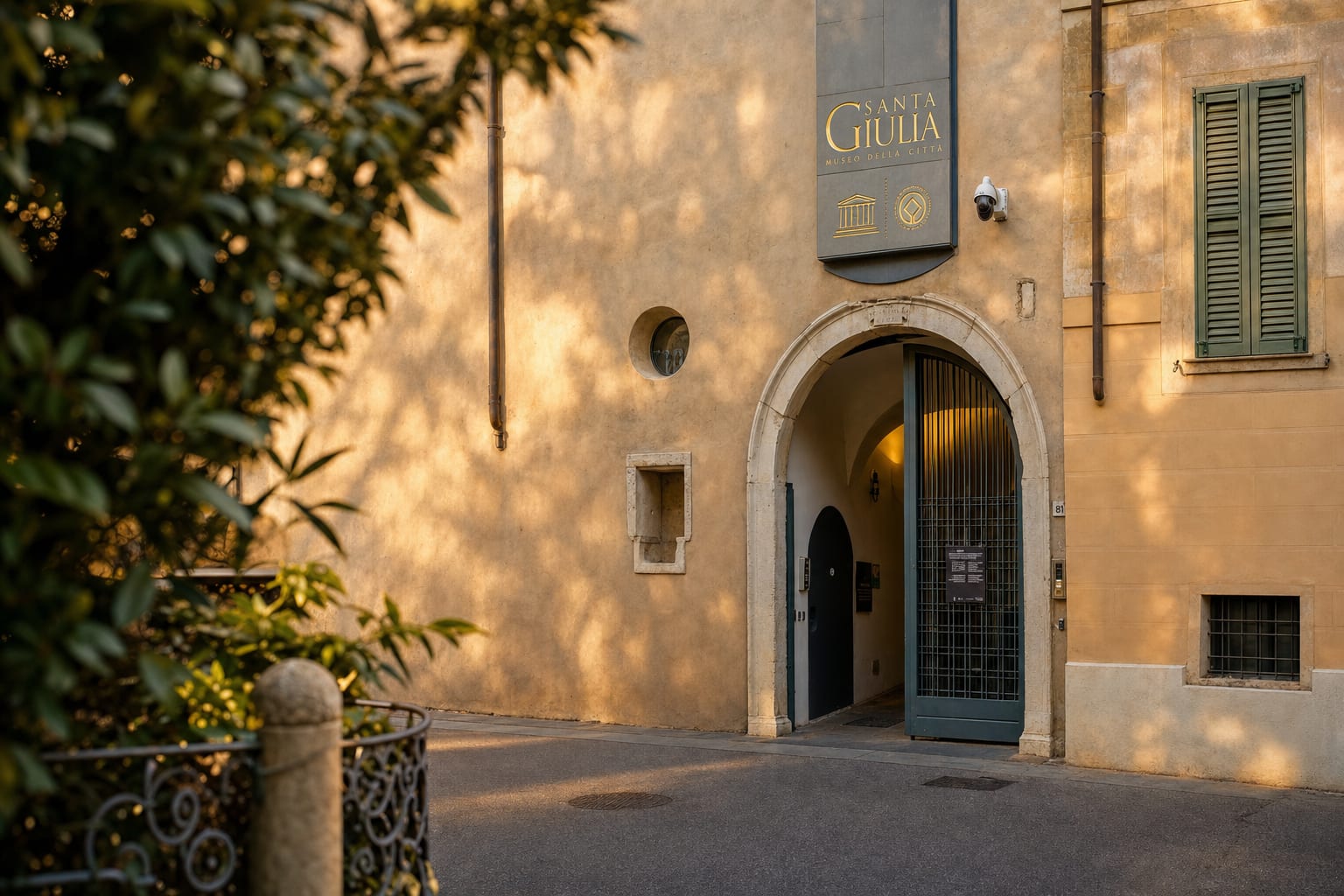
Santa Giulia Museum
Brescia's monastery-museum, descending through Lombard cloisters to Roman houses beneath.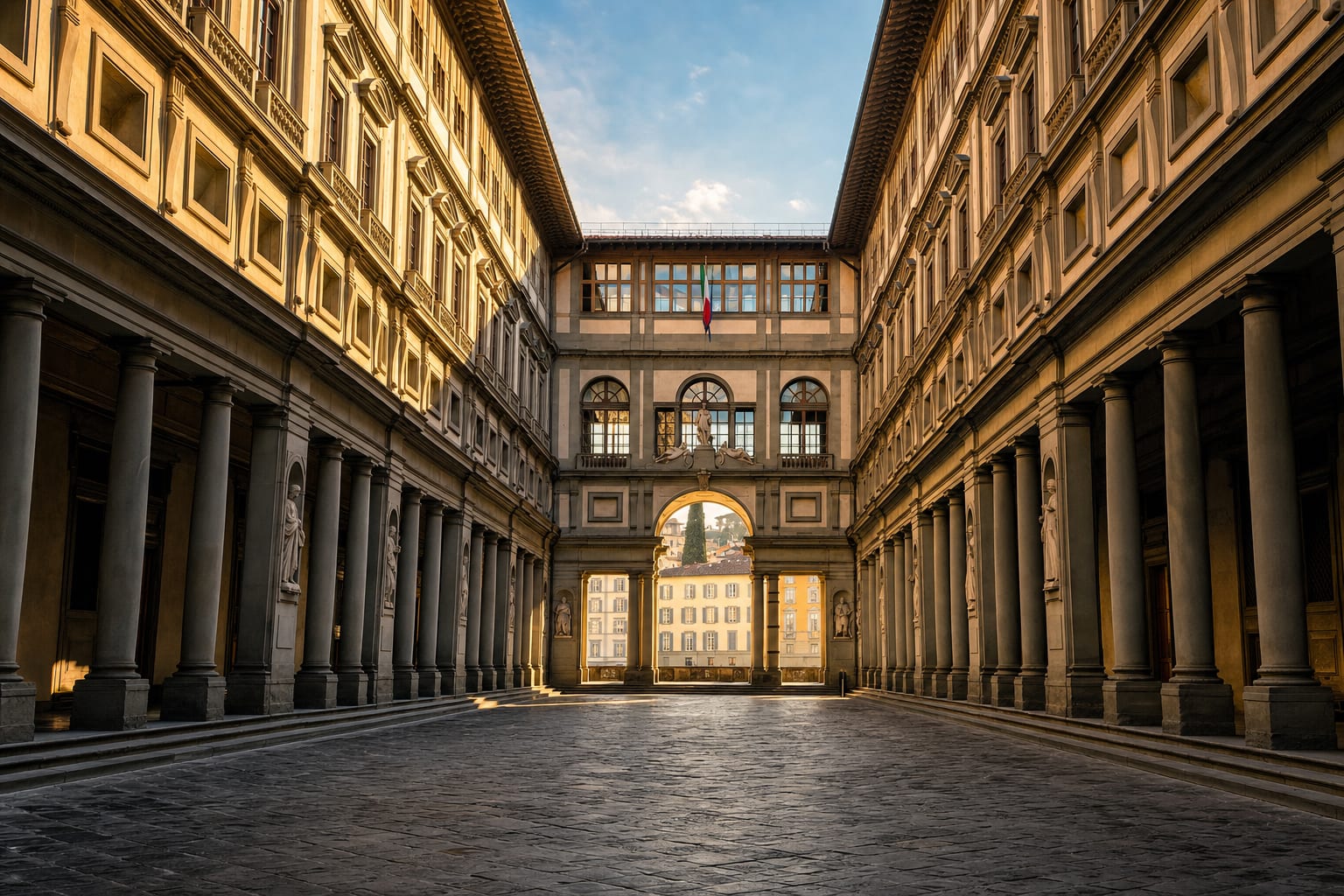
Uffizi Gallery
Florence's great museum of Western painting, where the Medici collection turns the Renaissance into a room by room encounter.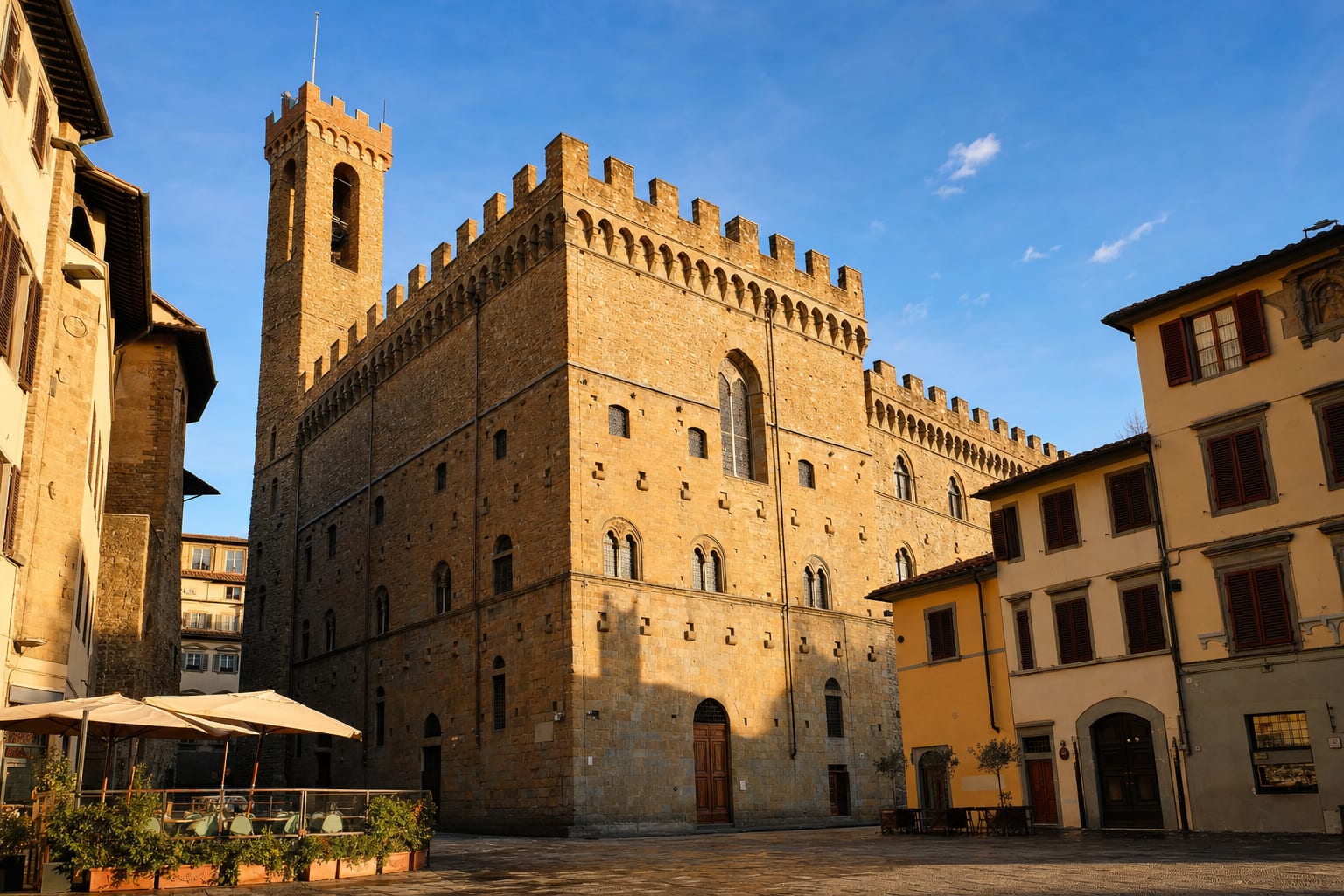
Bargello National Museum
Florence's oldest public palace turned first national sculpture museum, home to Donatello's bronze David.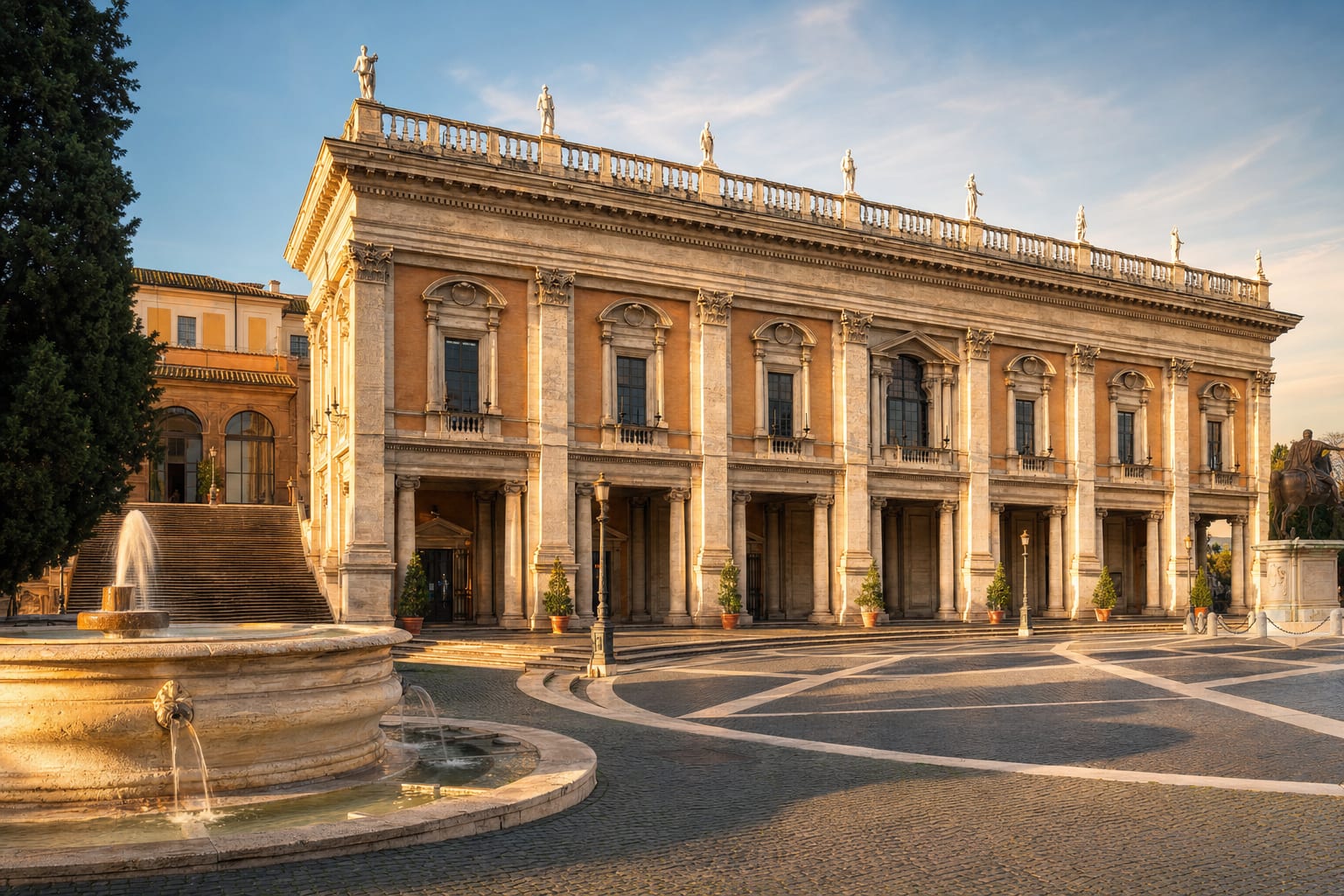
Capitoline Museums
The world's first public museum, on the star-paved piazza Michelangelo designed for Rome.
Architecture
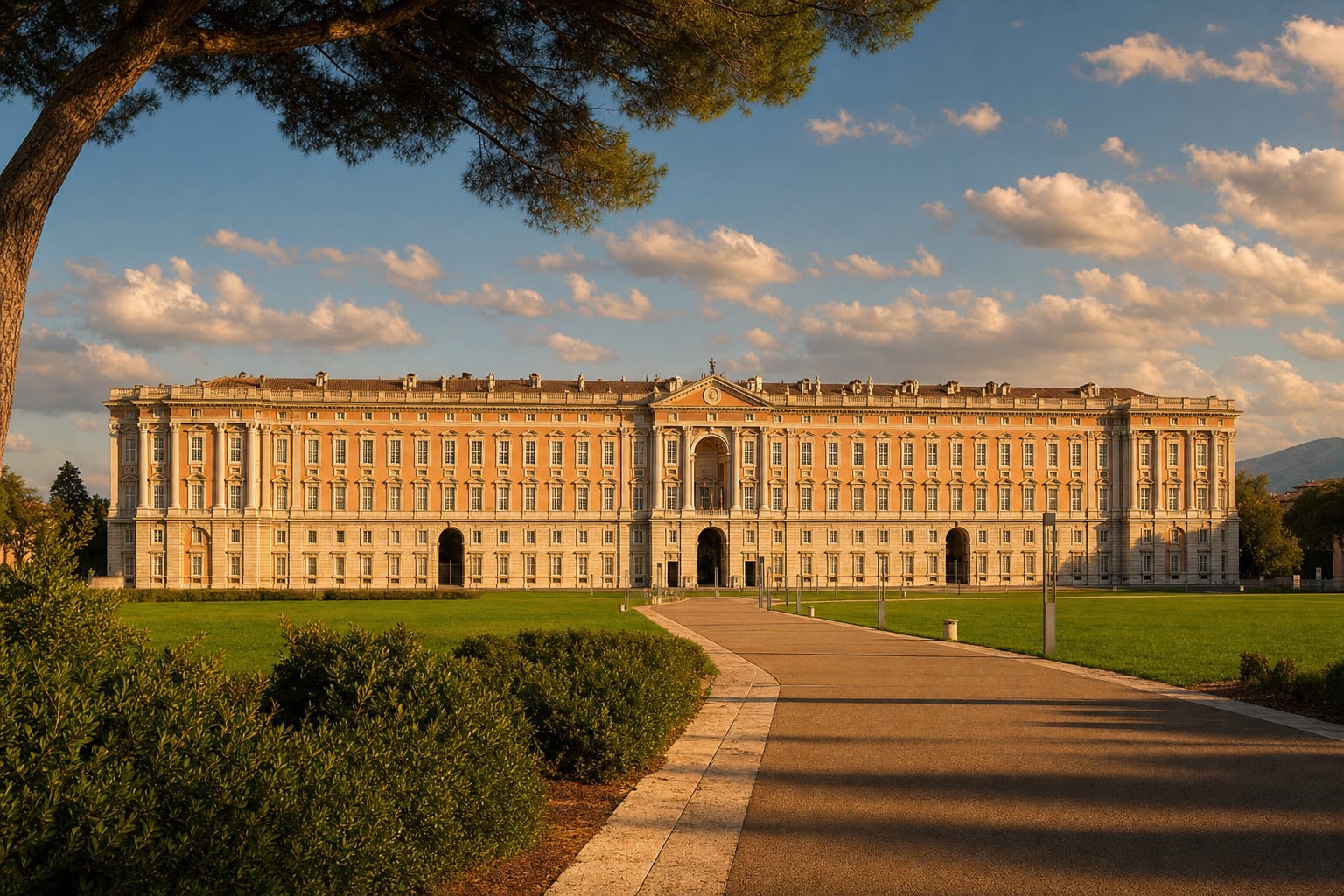
Royal Palace of Caserta
Vanvitelli's Bourbon answer to Versailles: four courtyards, a Royal Staircase and a park with a three-kilometer cascade.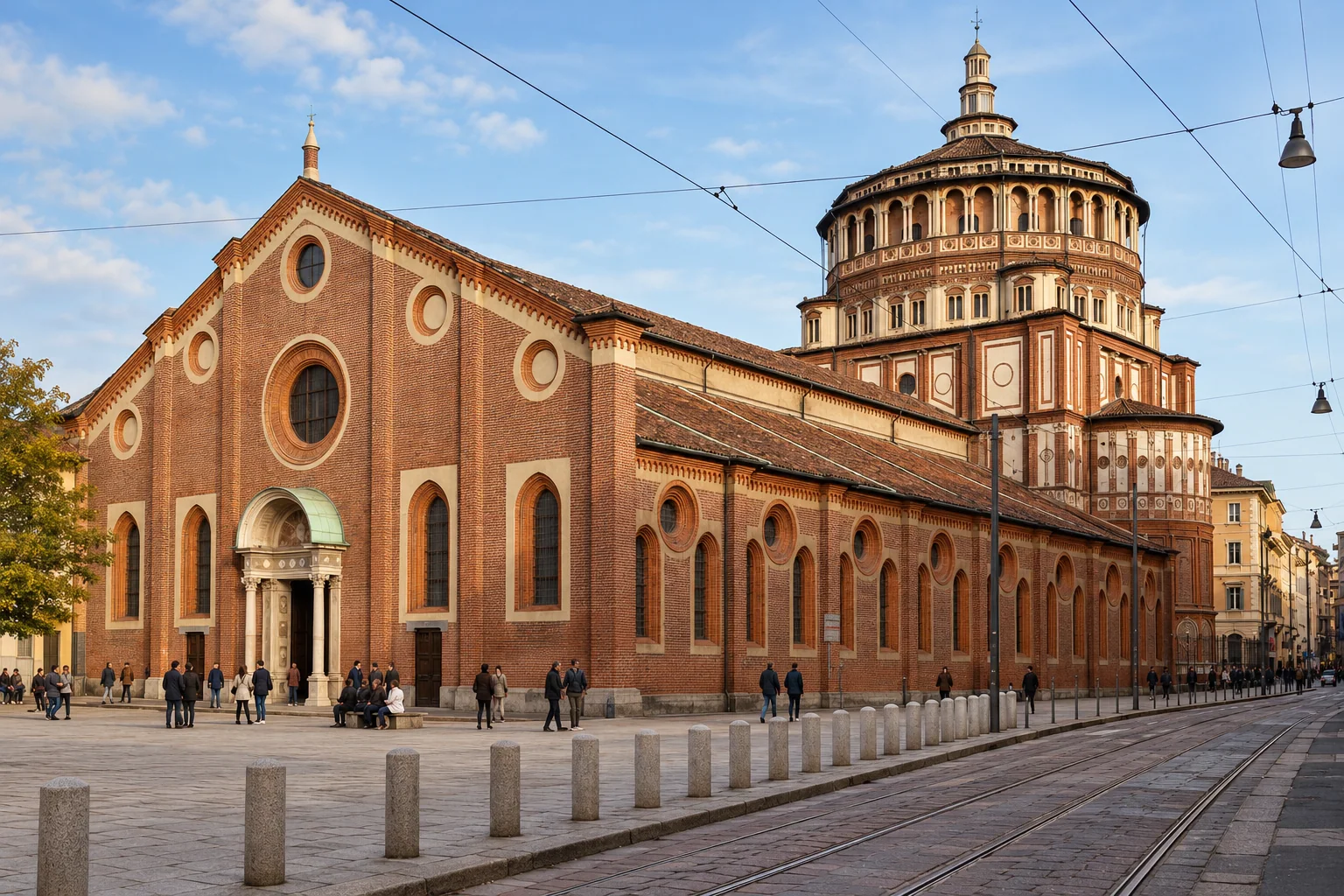
Santa Maria delle Grazie
Solari’s Lombard church and Bramante’s tribune are free to visit; Leonardo’s Last Supper occupies the separately ticketed former refectory.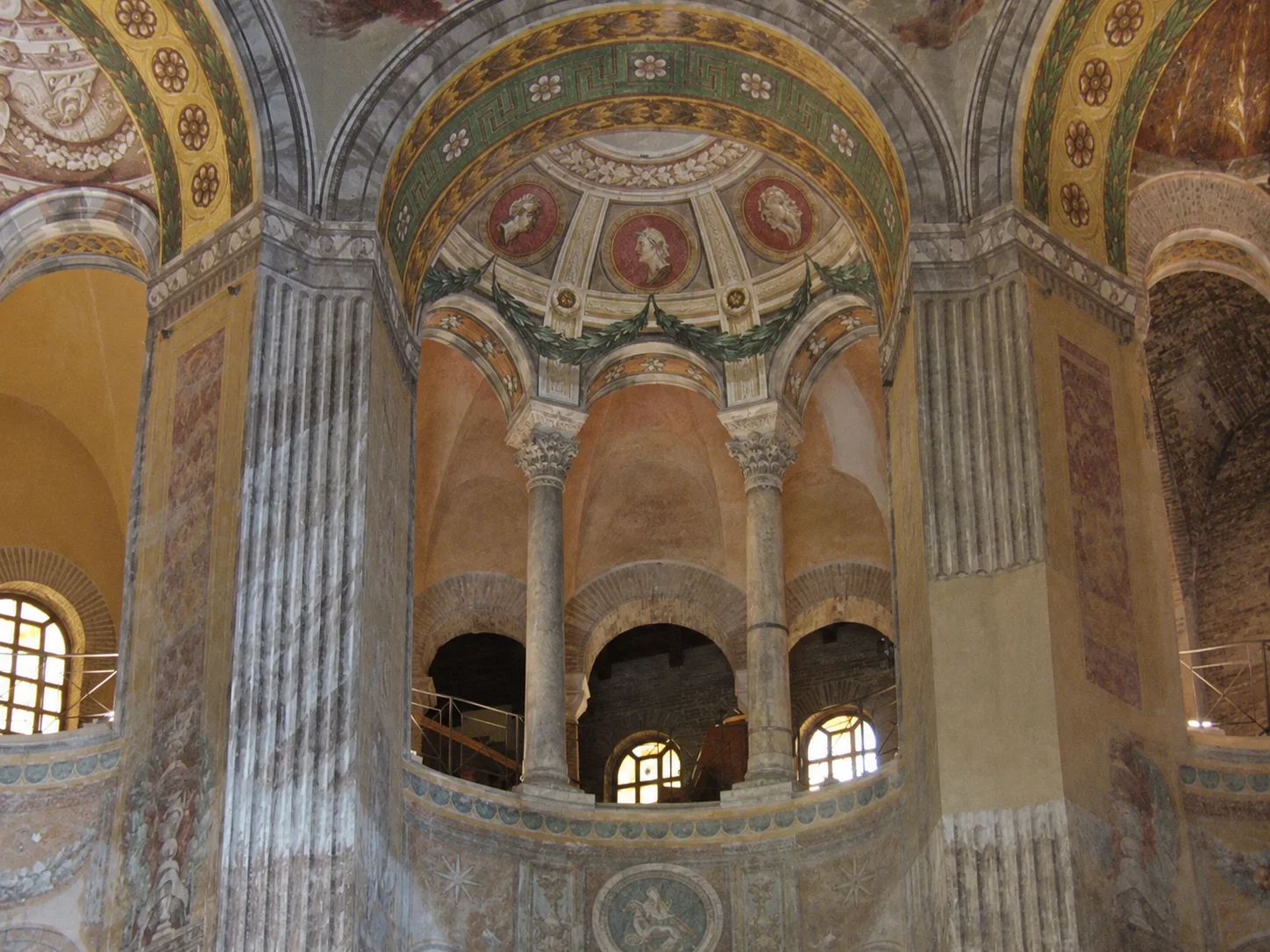
Basilica of San Vitale
A sixth-century octagonal basilica where layered galleries, imperial mosaics, marble and a later painted vault meet.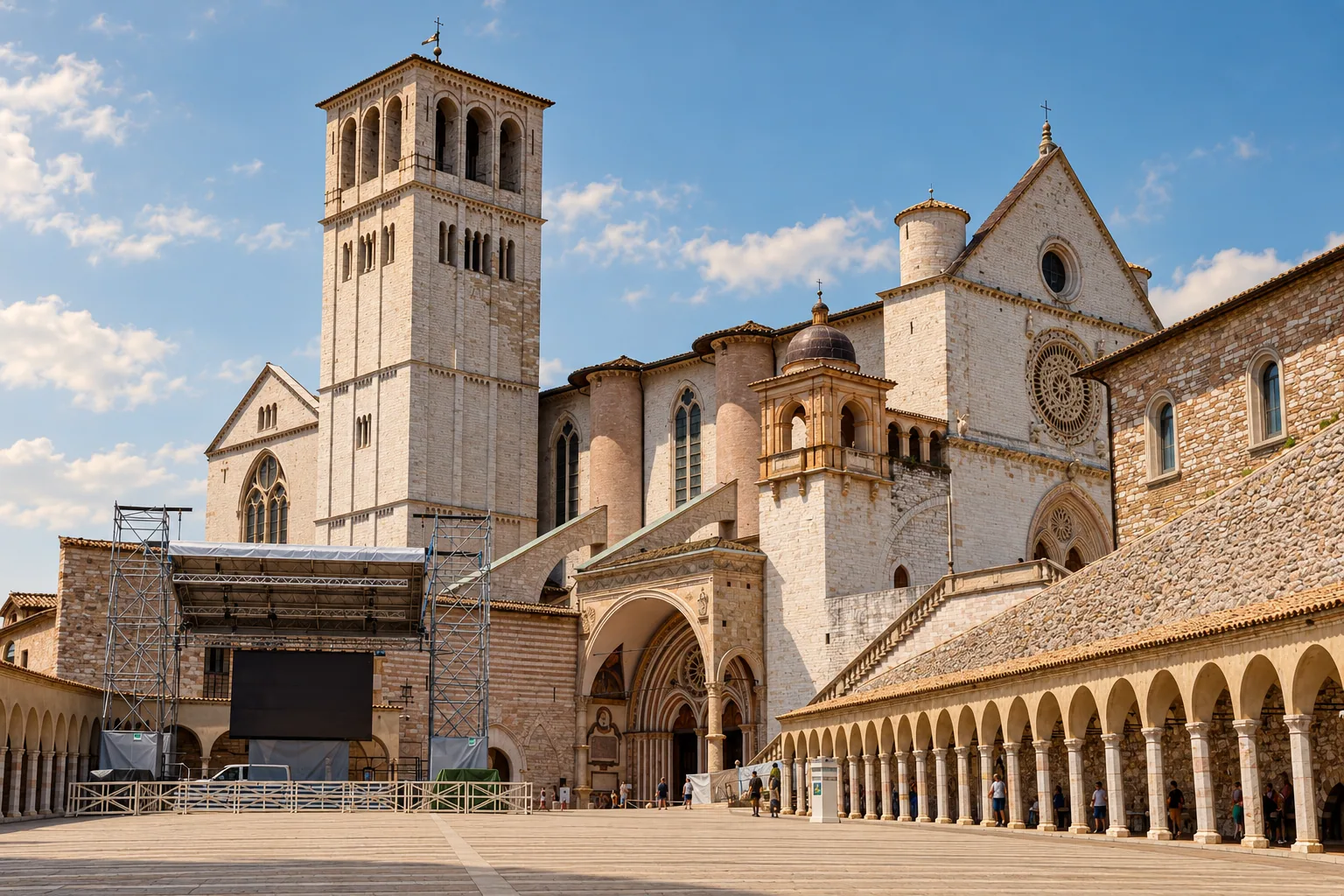
Basilica of San Francesco
The double basilica over Saint Francis's tomb, its walls covered by Giotto and Cimabue's frescoes.
History
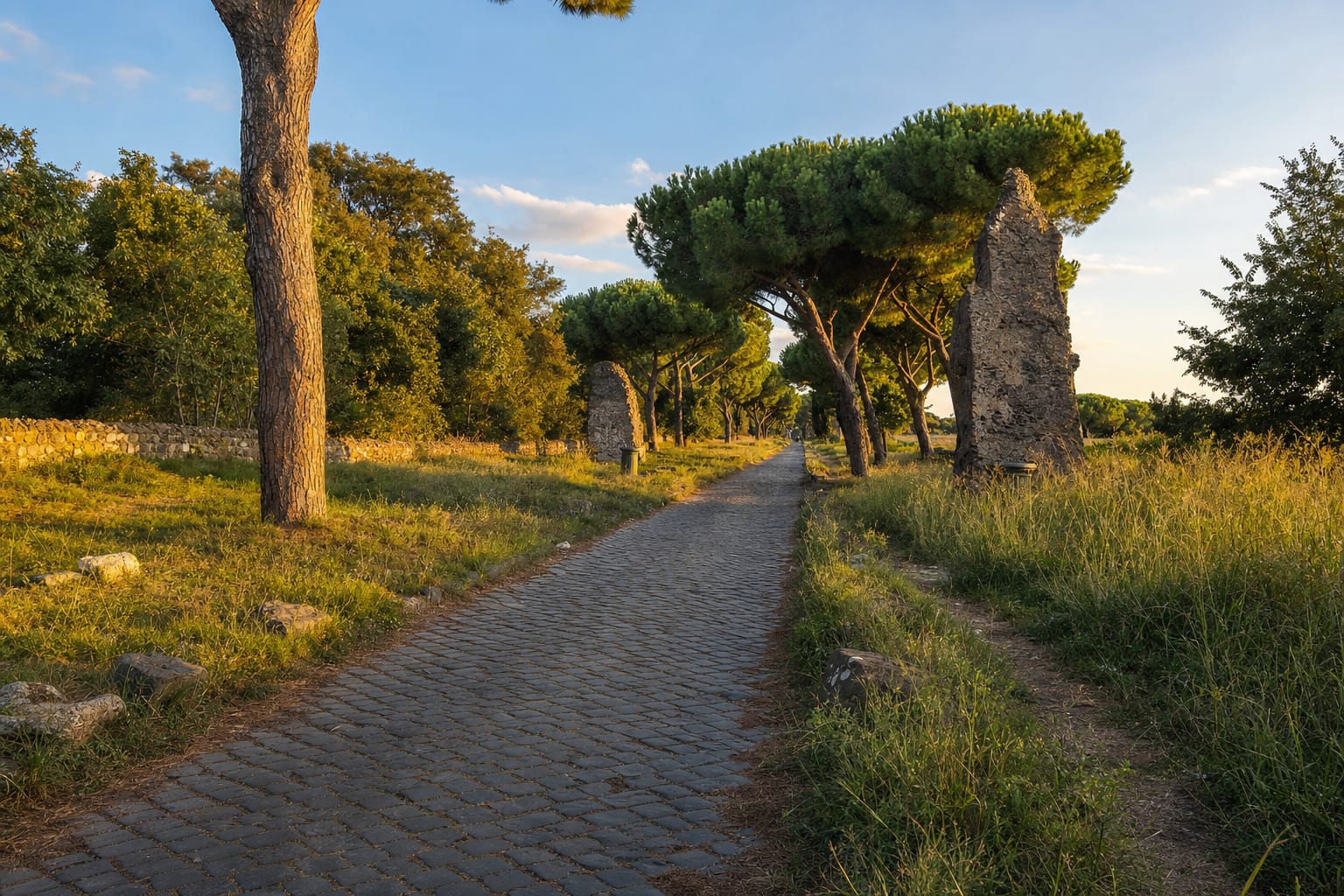
Appian Way
Rome's ancient Regina Viarum, a 312 BCE road of original basalt paving, catacombs and umbrella pines outside the city.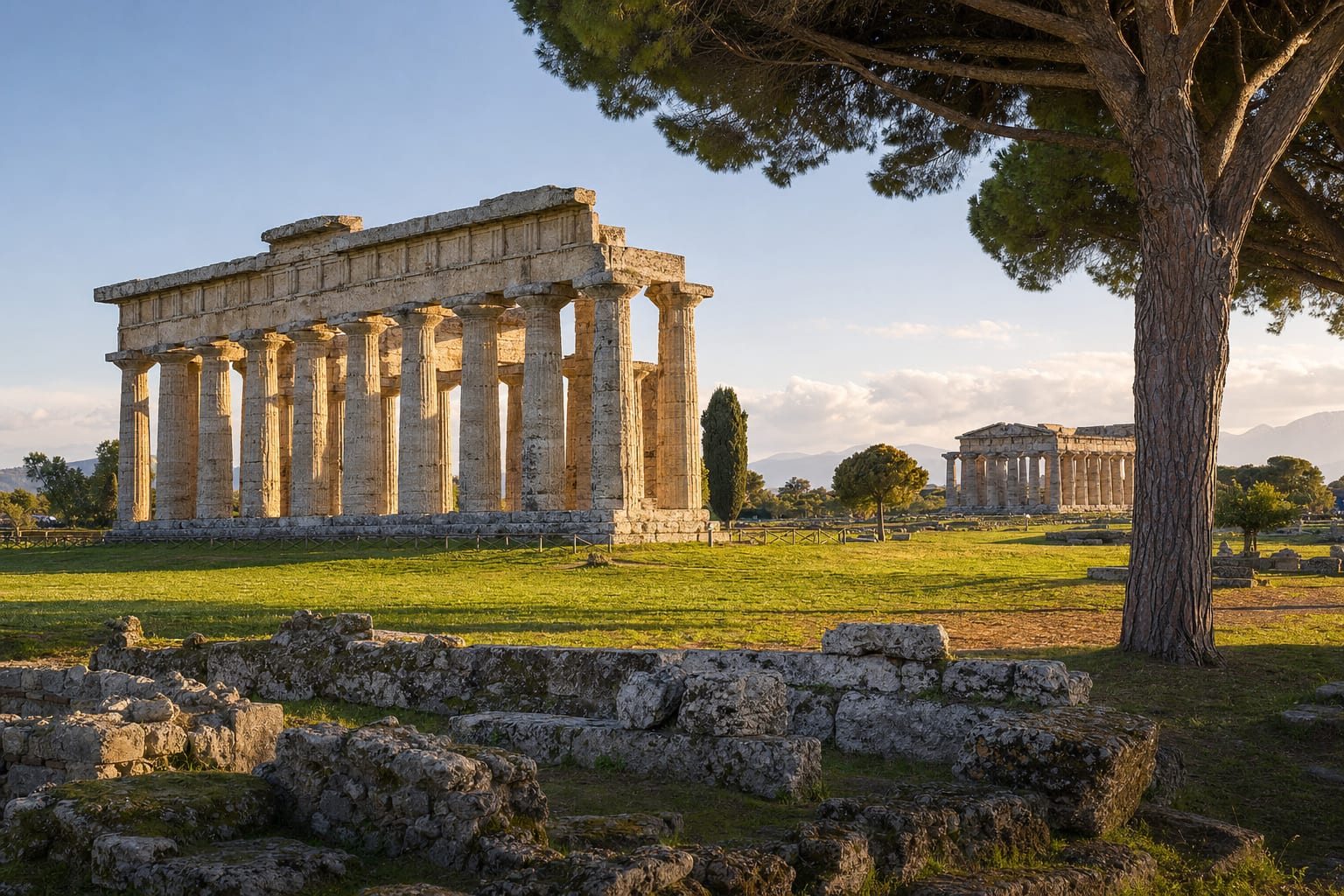
Temples of Paestum
Three Doric temples of the 6th and 5th centuries BC, among the best preserved outside Greece.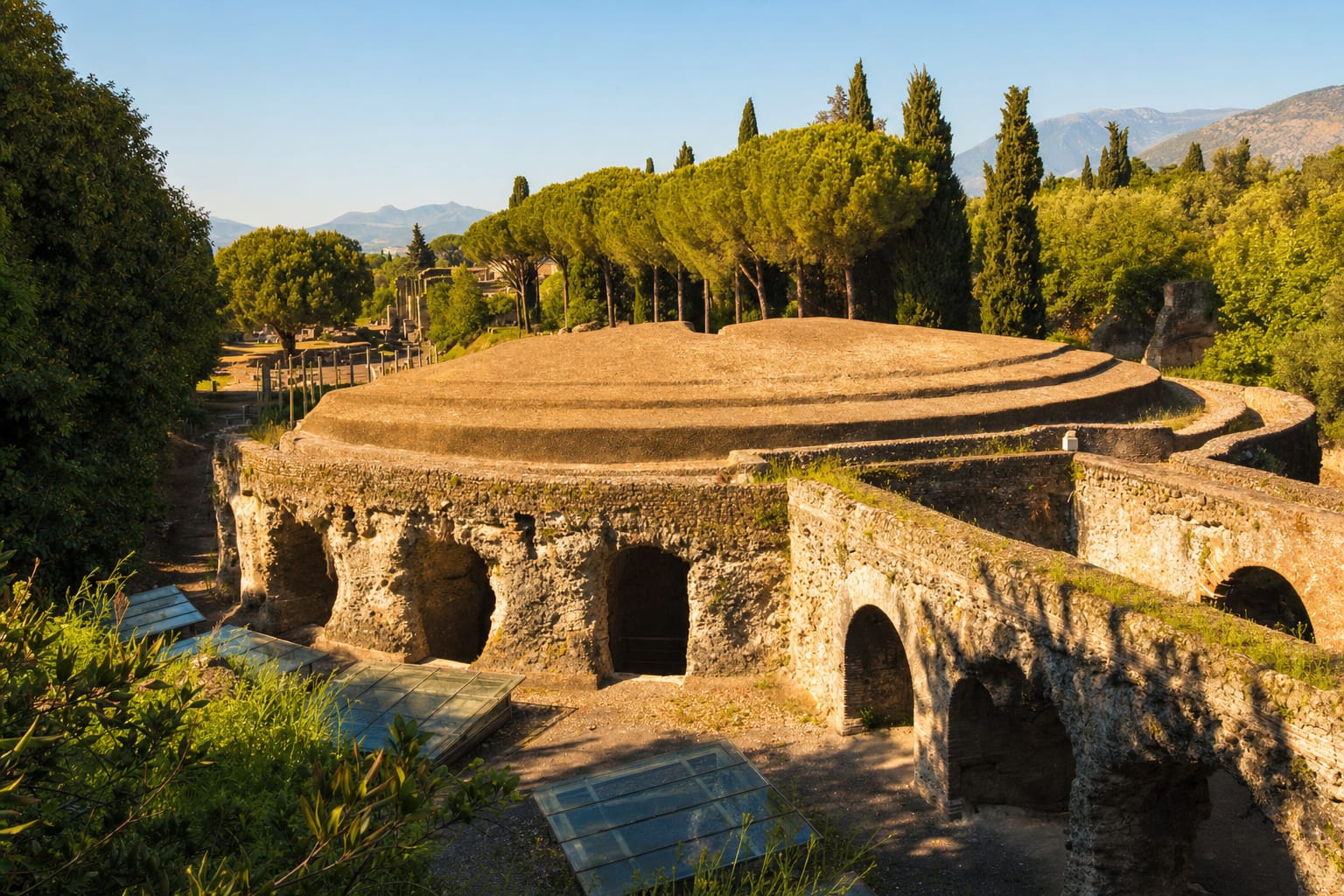
Hadrian's Villa
Emperor Hadrian's sprawling villa at Tivoli, a memory of his travels in marble and brick, with the Canopus and Maritime Theatre.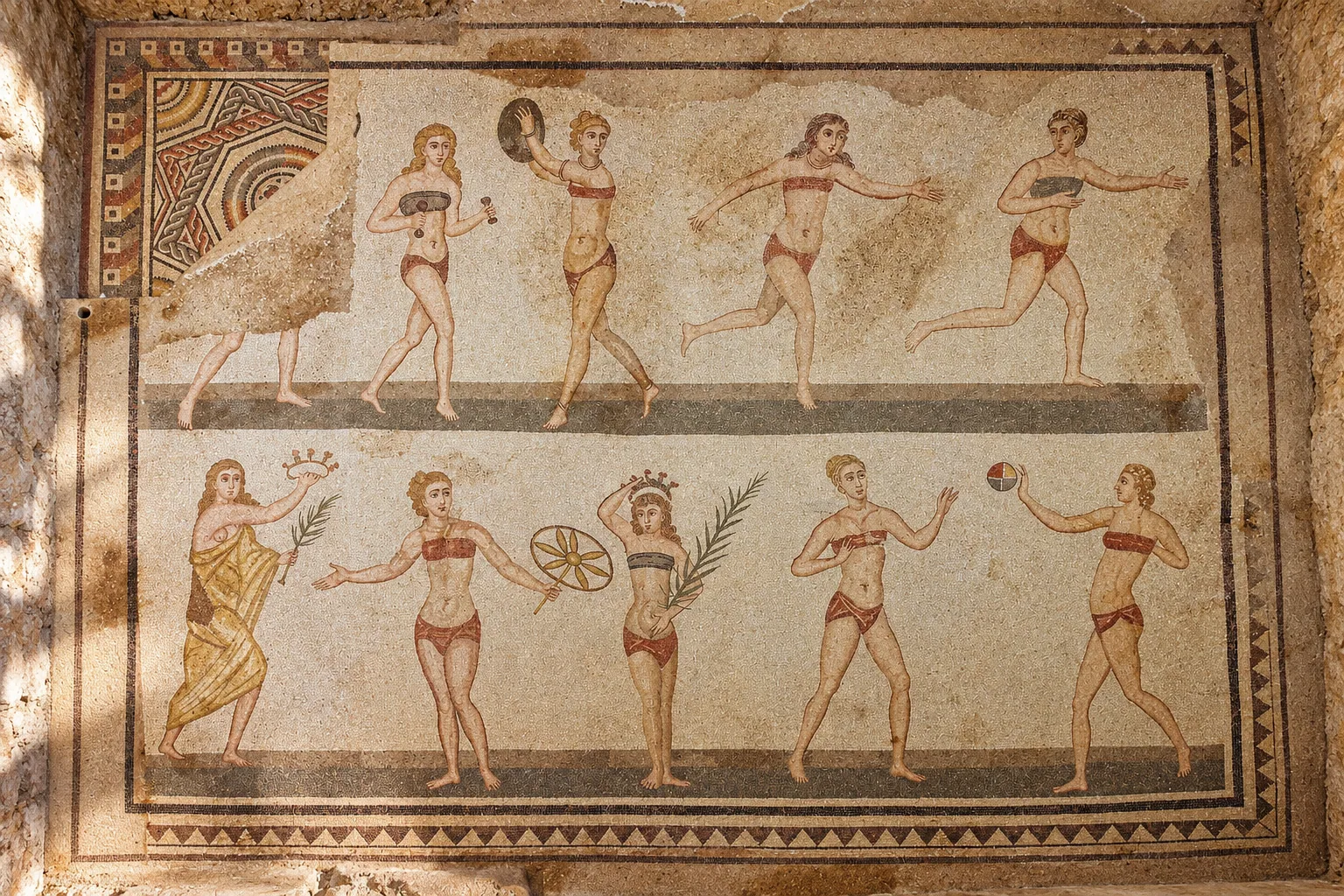
Villa Romana del Casale
A Roman hunting villa whose mudslide-sealed floors preserve the richest Roman mosaics in existence.
Music & Opera
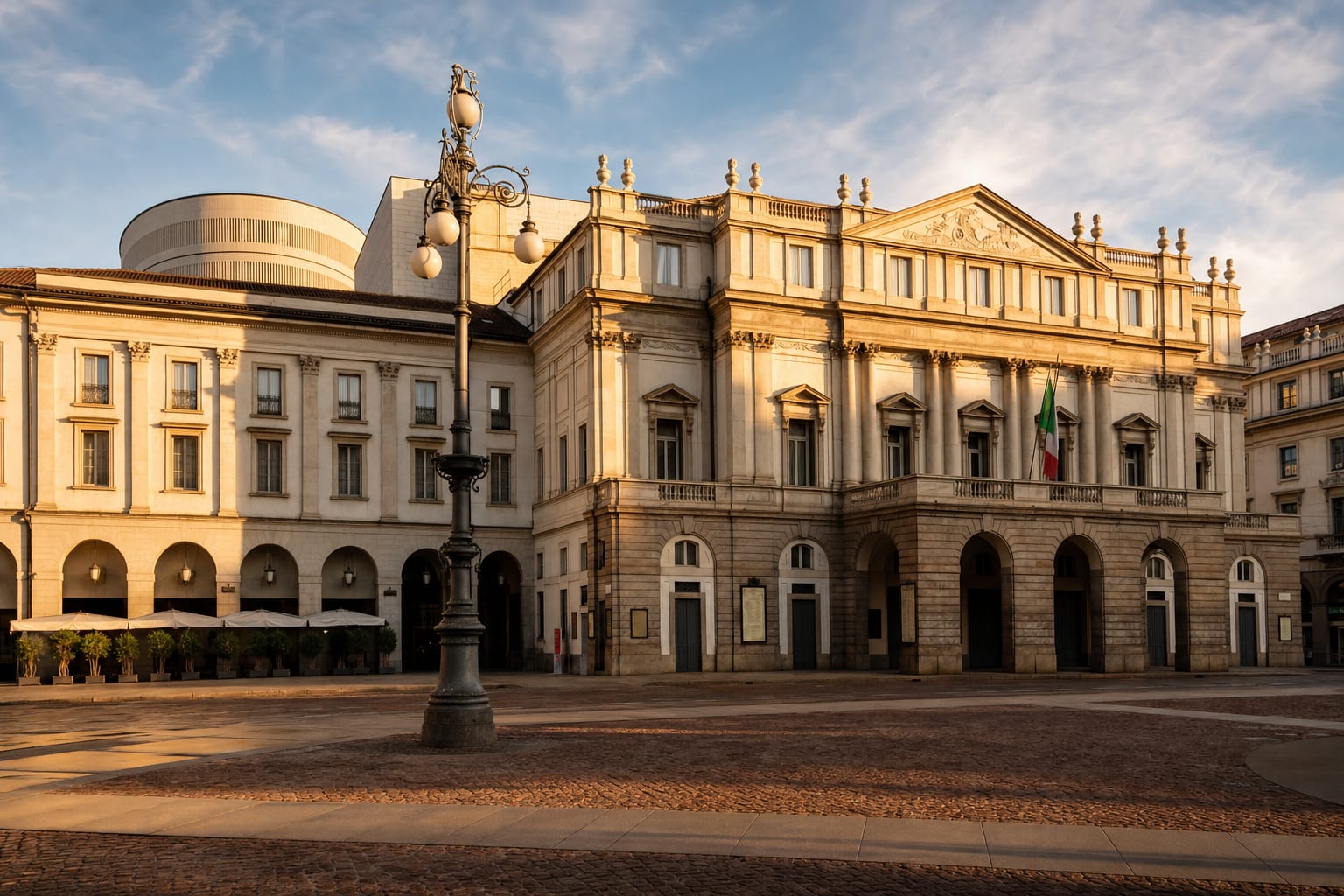
Teatro alla Scala
Milan's 1778 opera house, shaped by Verdi, wartime destruction and Toscanini's legendary 1946 reopening.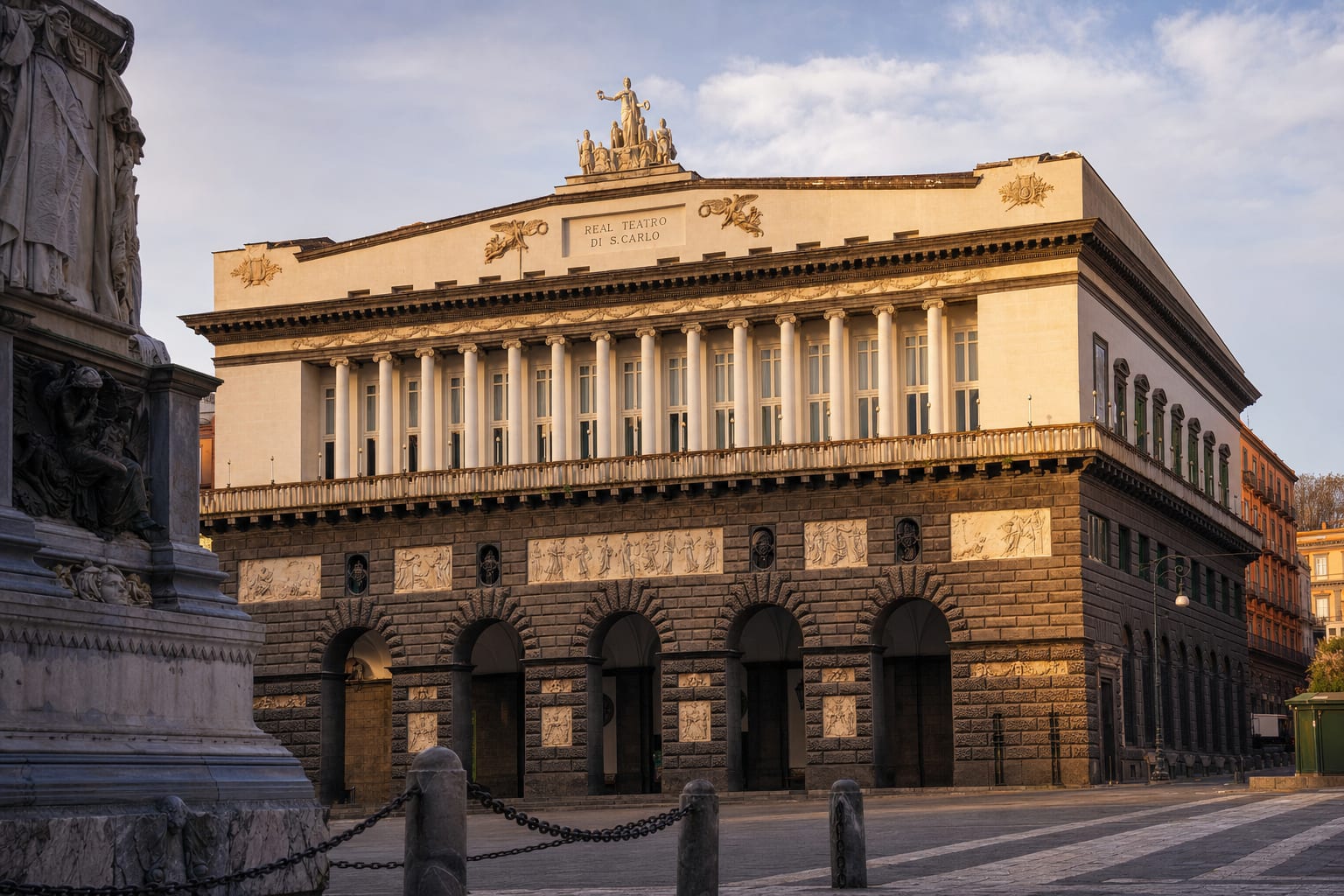
Teatro di San Carlo
The world's oldest continuously active opera house, opened for a Bourbon king in 1737.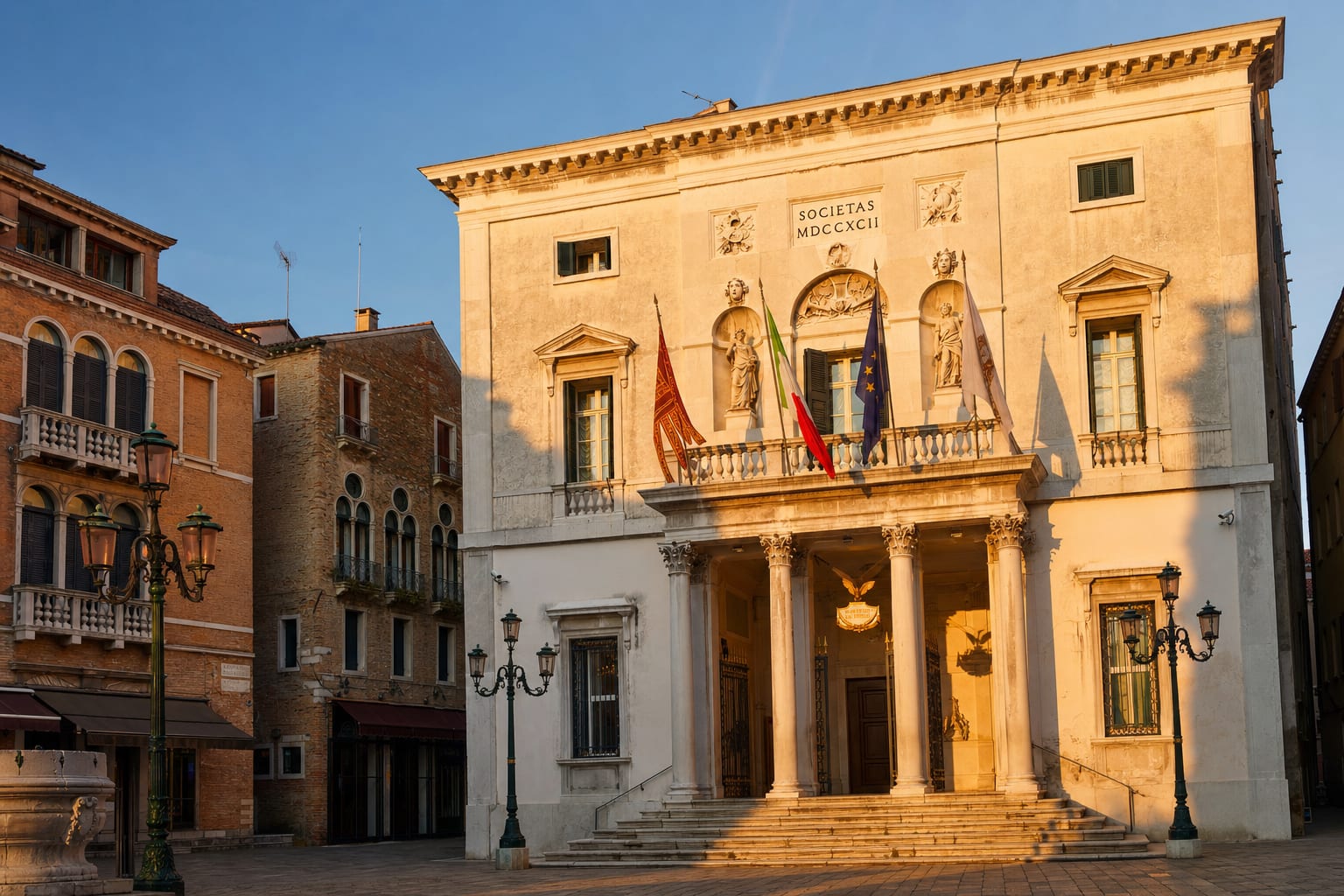
Teatro La Fenice
Venice's opera house, risen three times from fire, where Verdi premiered La Traviata and Rigoletto.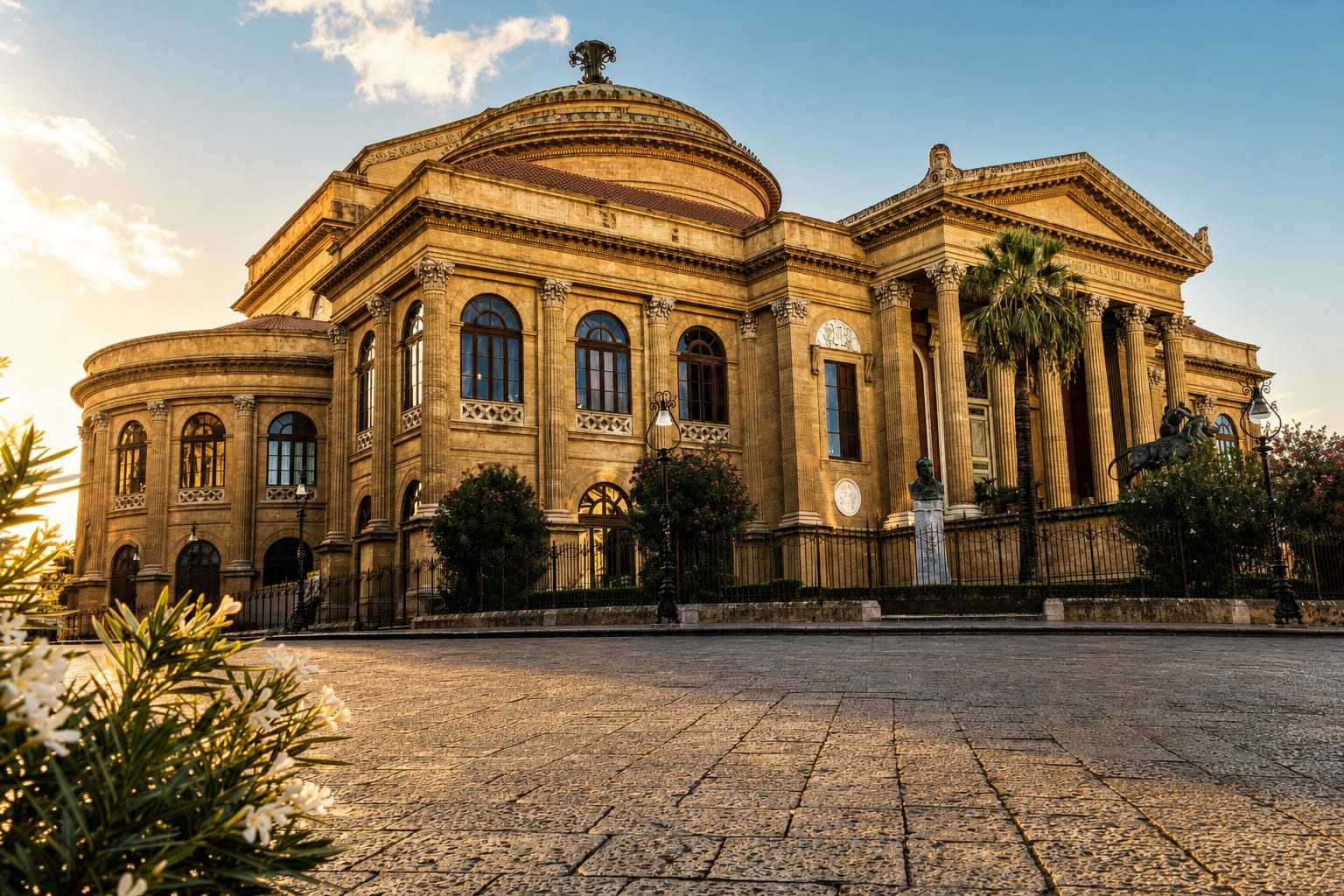
Teatro Massimo
Italy's largest opera house, its grand staircase famous from The Godfather Part III.
A letter from Italy, once a month.
The places, tables and makers we found worth your time. One email, no noise.
One letter a month. Unsubscribe at any time. We never share your address.