


Start with what you enjoy
You do not need to recognise every Italian wine name to choose well. Start with the meal, your budget and the style you enjoy: still or sparkling, light or full-bodied, dry or sweet. Tell the person serving you those three things, then ask for a local suggestion. For bubbles, the sweetness wording matters as much as the name: Prosecco Extra Dry is sweeter than Brut. If you prefer a drier glass, asking for Brut gives you a clearer starting point than simply asking for Prosecco.
Grape, wine name and producer
A grape name and a wine name tell you different things. Sangiovese is a grape; Chianti Classico is a wine denomination whose Annata and Riserva wines contain at least 80% Sangiovese. Start with those two names when comparing bottles, then note the producer and vintage. Photograph the label of a bottle you enjoy: it is a much better reminder than “that Tuscan red”. Use the grape and wine guides below to follow one preference into another bottle, without assuming all wines made from the same grape taste alike.
Read Riserva in context
Do not use Riserva as a shortcut for “the bottle I will like best”. In Chianti Classico, Riserva has a minimum maturation of 24 months, including three in bottle, compared with 12 months for Annata. That tells you something concrete about this wine; it is not one ageing rule to apply to every Italian denomination. If both are available by the glass, ask how they differ and choose for the meal you are having. A useful tasting is a comparison you can remember, not a test you have to pass.
Give a winery visit room in the day
A tasting and a cellar tour are not automatically the same experience. Before booking, confirm what is included, the price, duration, language and meeting point. Ask about step-free access or arrangements for children and non-drinkers if relevant. Chianti Classico offers estate visits and tastings, but check each producer’s actual programme rather than assuming you can walk in. For a first visit, choose one winery and leave time for lunch and a village nearby. Arrange the journey home before tasting, with a driver who will not drink or transport confirmed in advance.


Browse the racks
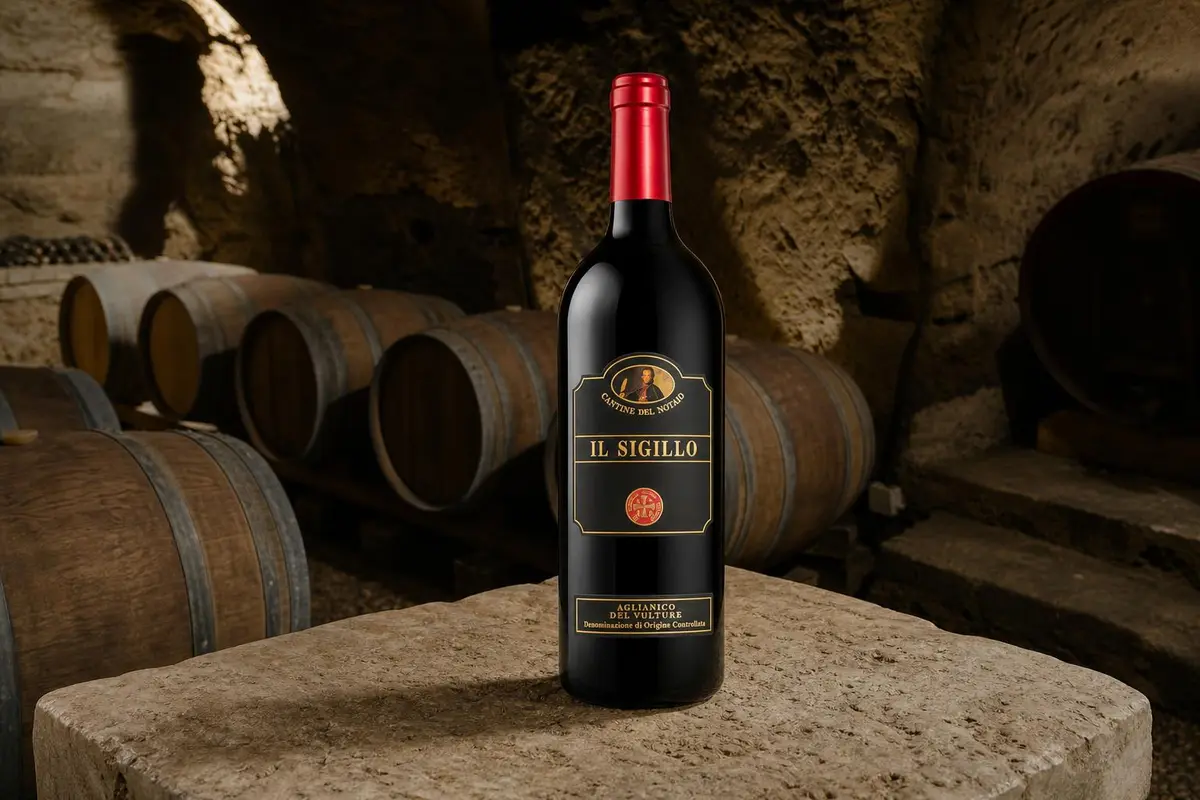
Aglianico
RedAglianico is the grape at the heart of Taurasi DOCG, a red wine from a defined area of Avellino province.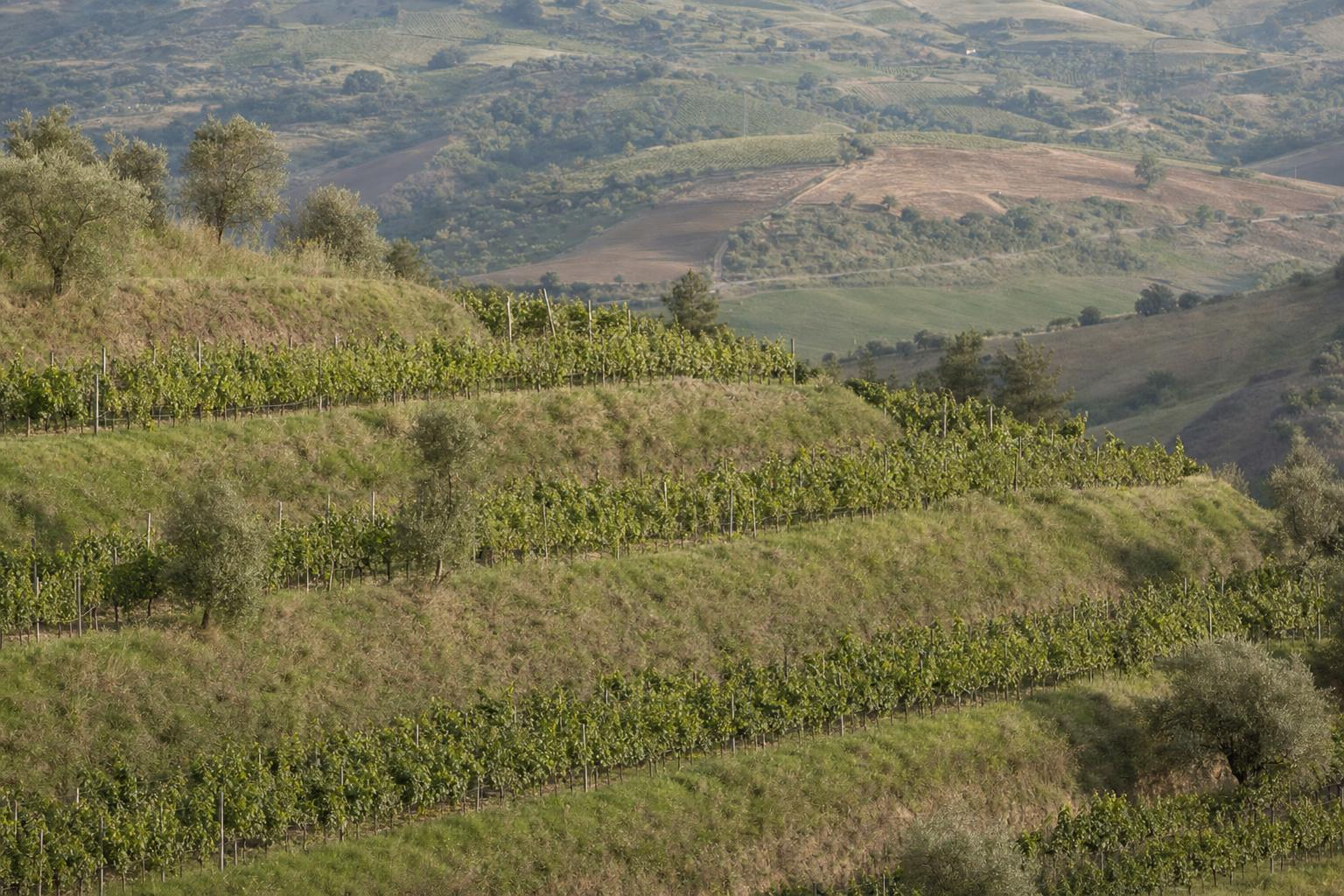
Aglianico del Vulture
RedAglianico del Vulture is a DOC red made only from Aglianico on the volcanic hills around Monte Vulture.
Alta Langa
SparklingAlta Langa is a traditional-method sparkling wine, white or rosé, from Piedmont.
Amarone della Valpolicella
RedAmarone della Valpolicella is a red wine made from dried grapes in the Valpolicella area of Veneto.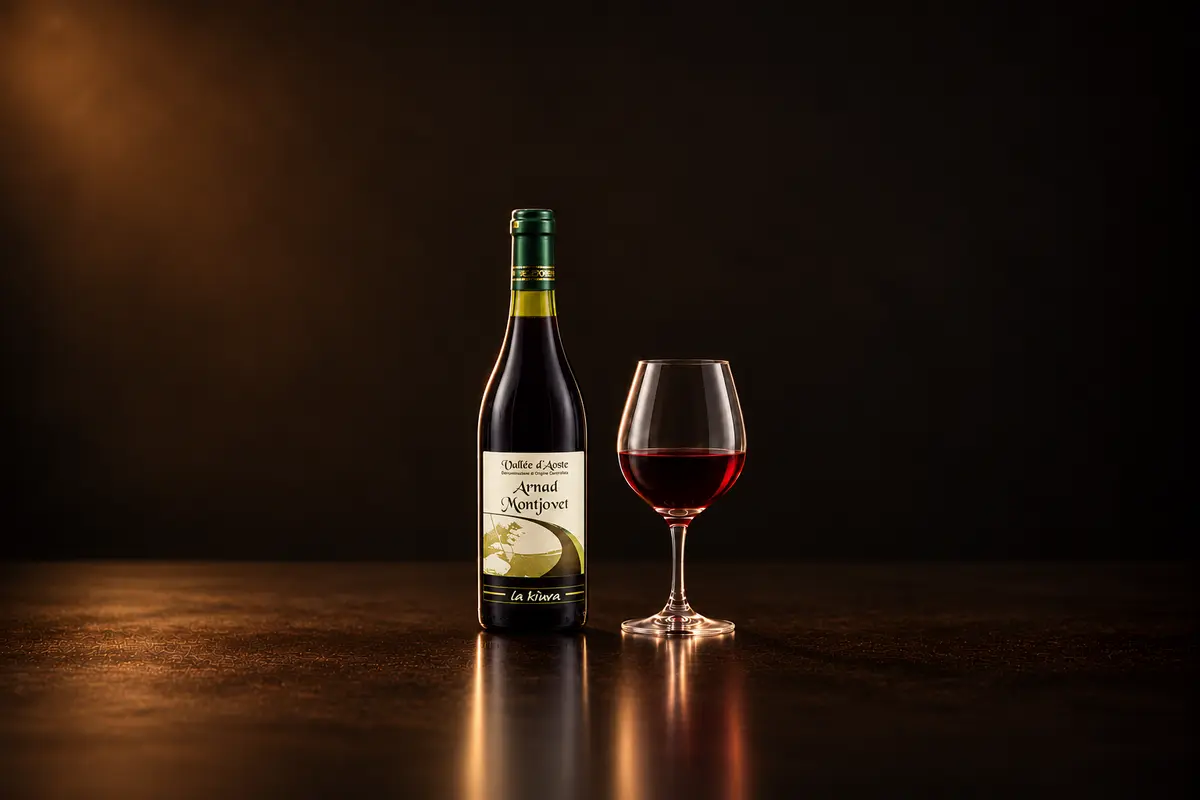
Arnad-Montjovet
RedArnad-Montjovet is a subzone of the Valle d'Aosta DOC, a Nebbiolo-led red from the lower valley.
Arneis
WhiteArneis is the grape behind Roero Arneis DOCG, whose vineyard rules require at least 95% of this variety.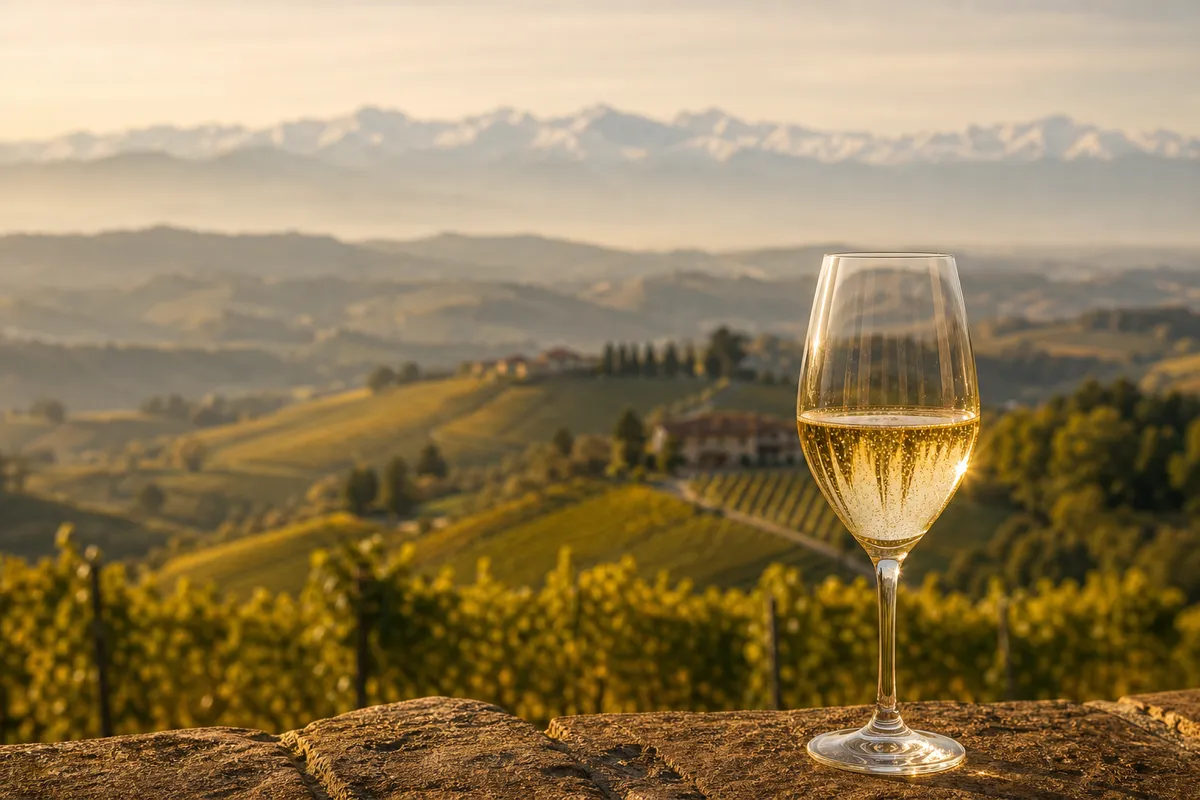
Asti
SparklingAsti DOCG covers Moscato-led wines, including white and rosé sparkling styles and Moscato d’Asti.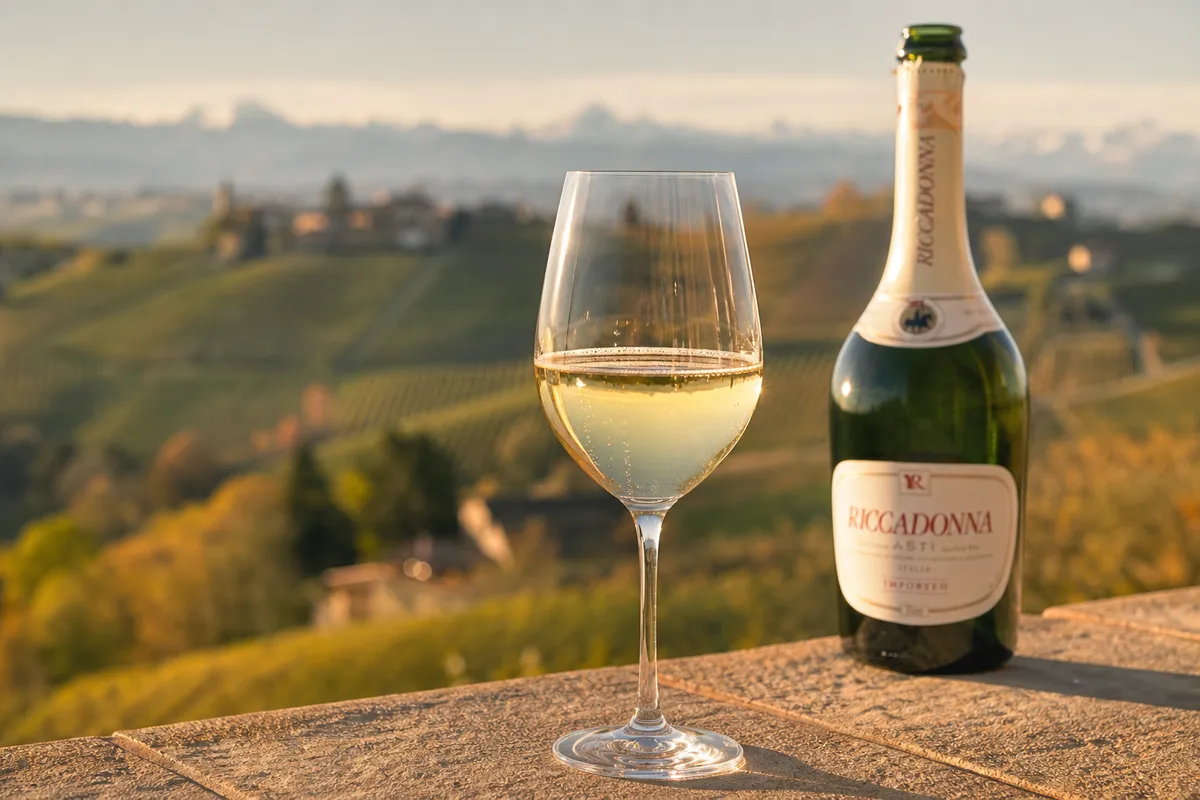
Asti Spumante
SparklingAsti spumante is the sparkling branch of Asti DOCG, with separate white and rosé grape recipes.


The grapes
The varieties behind the labels: native grapes you'll meet nowhere else.
