Article
About Us
Learn about Italia Magnifica, our mission to celebrate authentic Italian culture, regional traditions, and the artisans who preserve Italy's timeless heritage.
Essays, portraits, travel diaries, and dispatches from the Italia Magnifica editorial desk.
From the world of Italian travel, culture, taste, and style
Learn about Italia Magnifica, our mission to celebrate authentic Italian culture, regional traditions, and the artisans who preserve Italy's timeless heritage.
Partner with Italia Magnifica to showcase your Italian products, services, or brand to our passionate audience of Italy enthusiasts.
Get in touch with Italia Magnifica. We'd love to hear from you about Italian culture, travel, cuisine, or collaborations.
Access the Italia Magnifica vendor portal to manage your brand, products, and analytics.
Italia Magnifica privacy policy explaining how we collect, use, and protect your personal information.
Italia Magnifica is committed to making our website accessible to all users, including those with disabilities.
Disclosure about affiliate relationships and how we earn commissions from product recommendations.
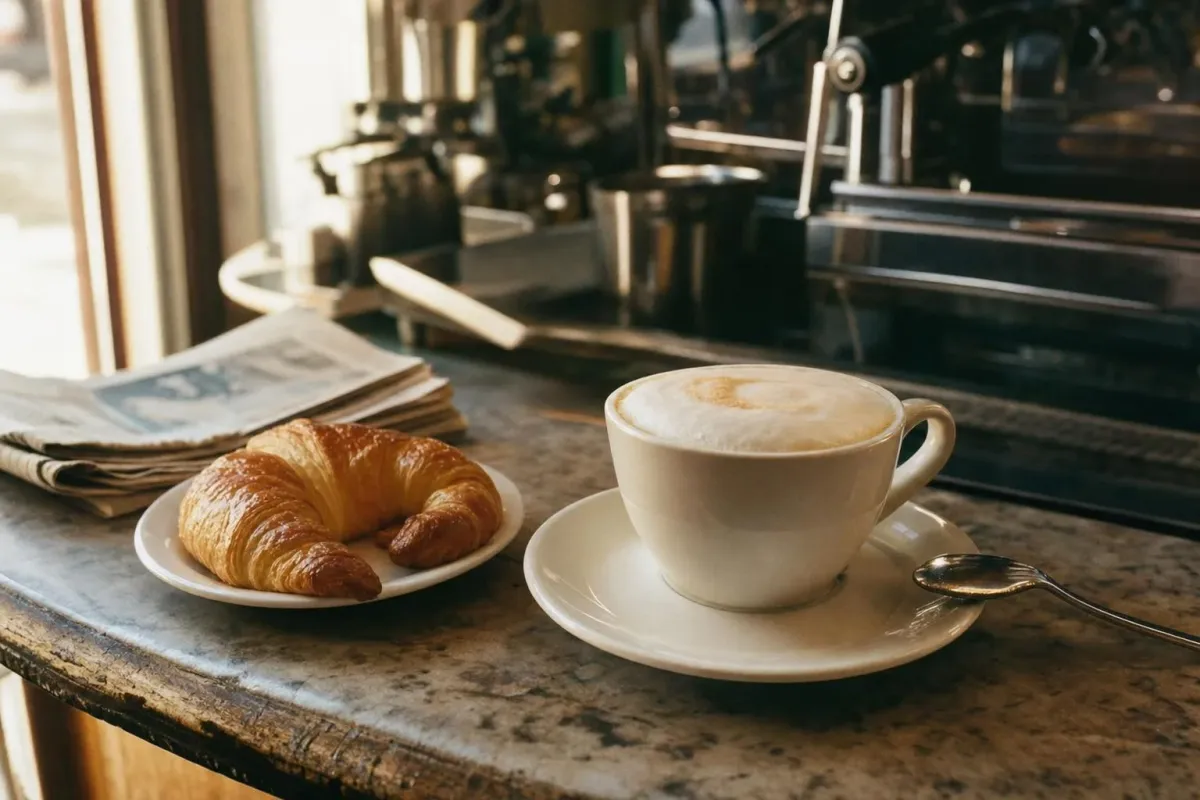
Yes, cappuccino is a breakfast drink in Italy, but the 'no cappuccino after lunch' rule is wildly overblown. Here's the real, nuanced answer, why the custom exists, and what to order after a meal instead.
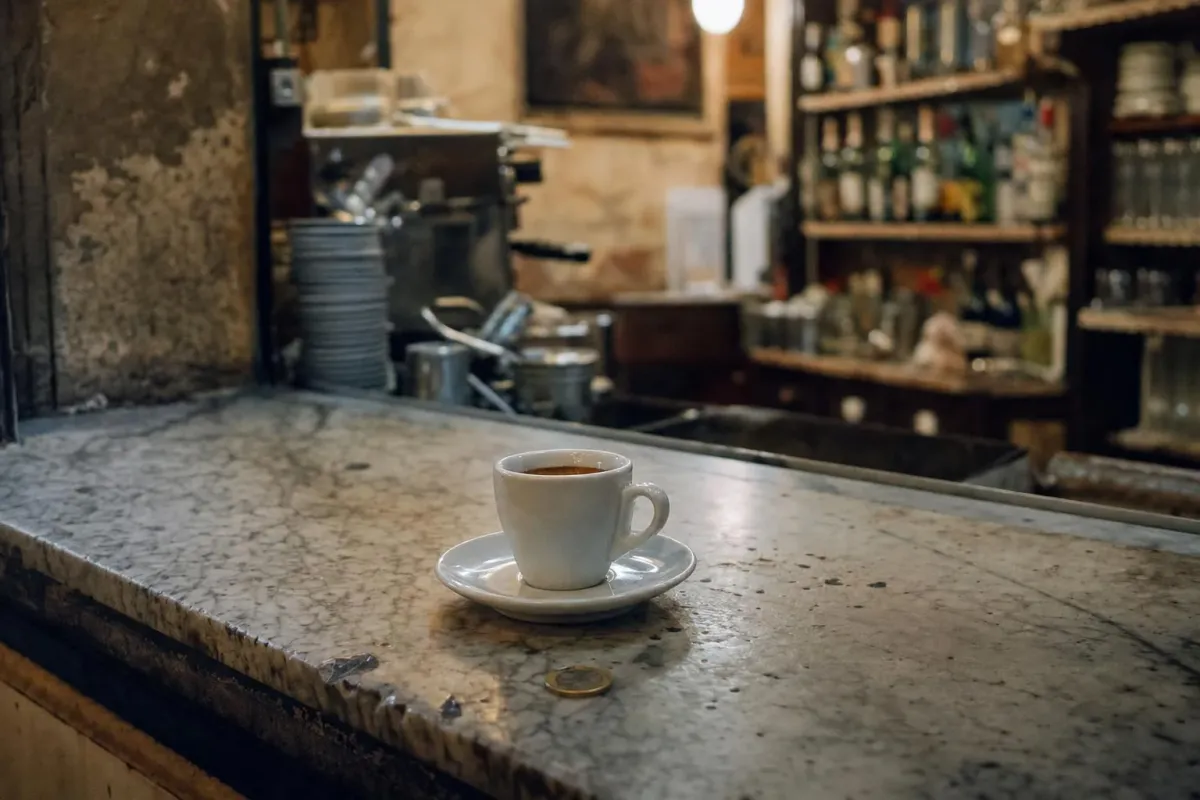
Caffè sospeso is the Neapolitan tradition of paying for an extra espresso and leaving it, anonymously, for a stranger who can't spare the change. Here's where it came from and how to take part.
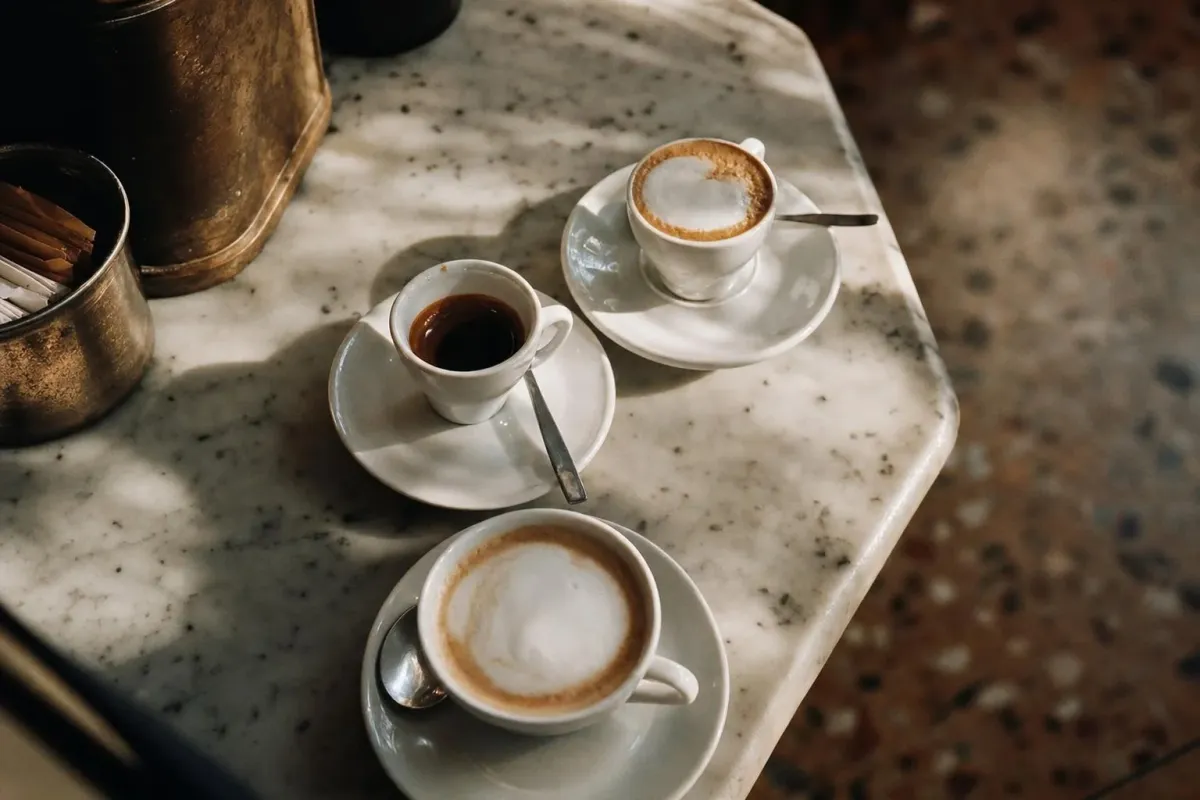
Espresso, macchiato, cappuccino, lungo, ristretto, corretto. A clear, friendly guide to every type of Italian coffee, what is in each cup, and when locals actually drink it.
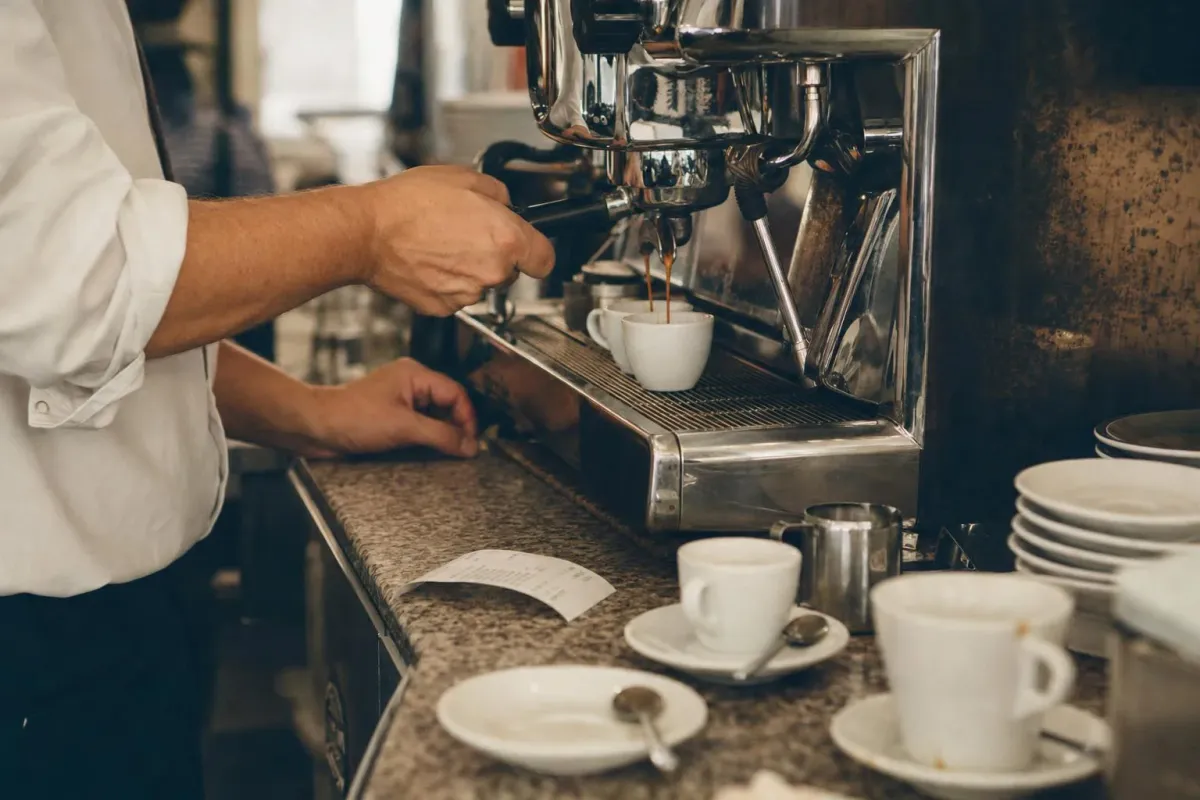
An Italian bar runs on a quick, specific ritual: stand at the counter, pay at the cassa, say 'un caffè.' Here's exactly how to order coffee in Italy without missing a beat.
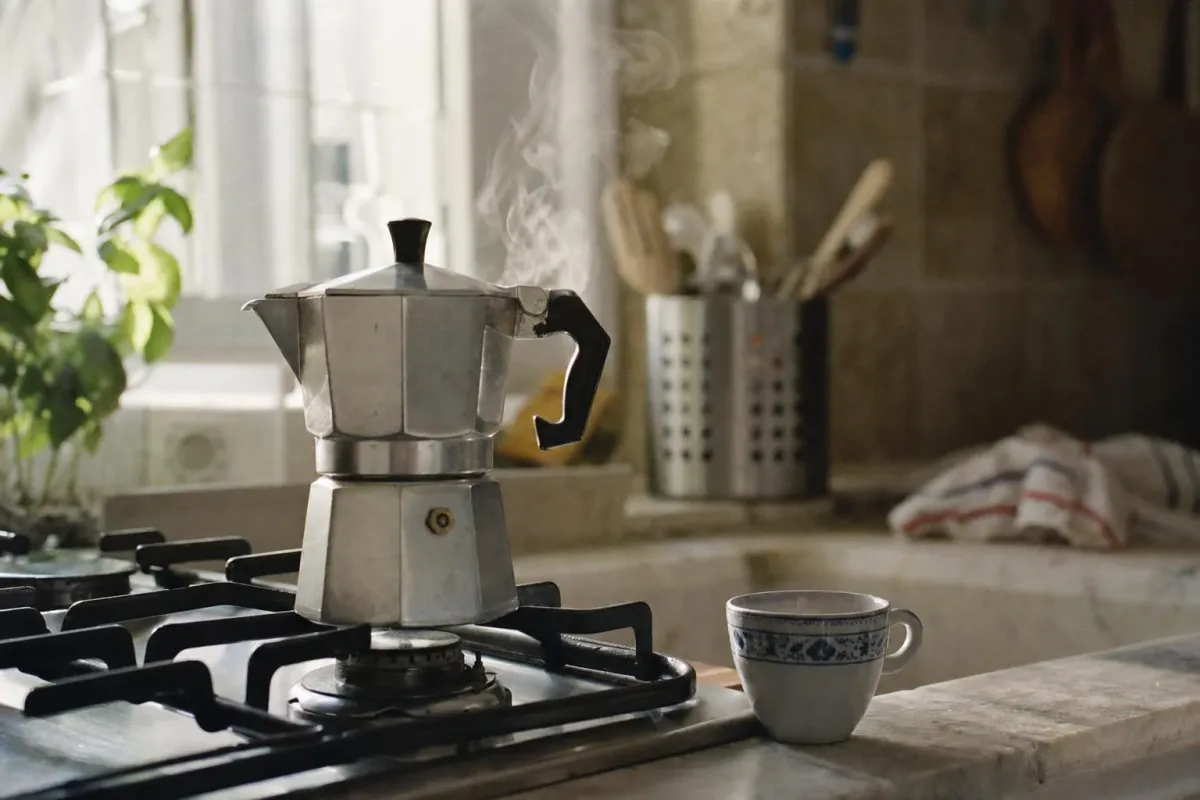
The moka pot has made coffee in Italian homes since 1933. Here's how it works, why it isn't espresso, how to brew it the Italian way, and why it's really about ritual.
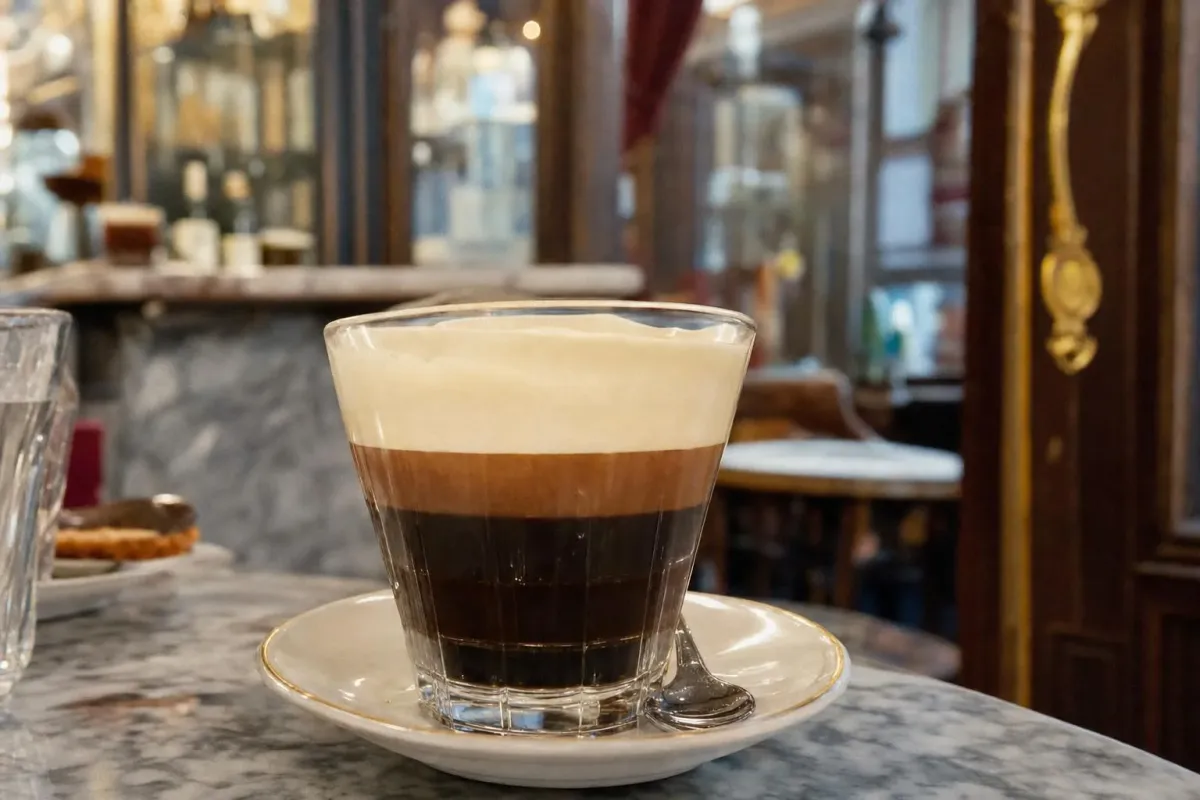
Beyond espresso lies a map: Turin's layered bicerin, the chocolatey marocchino, Lecce's iced almond caffè leccese, and the shakerato. A guide to Italy's regional coffee specialties.
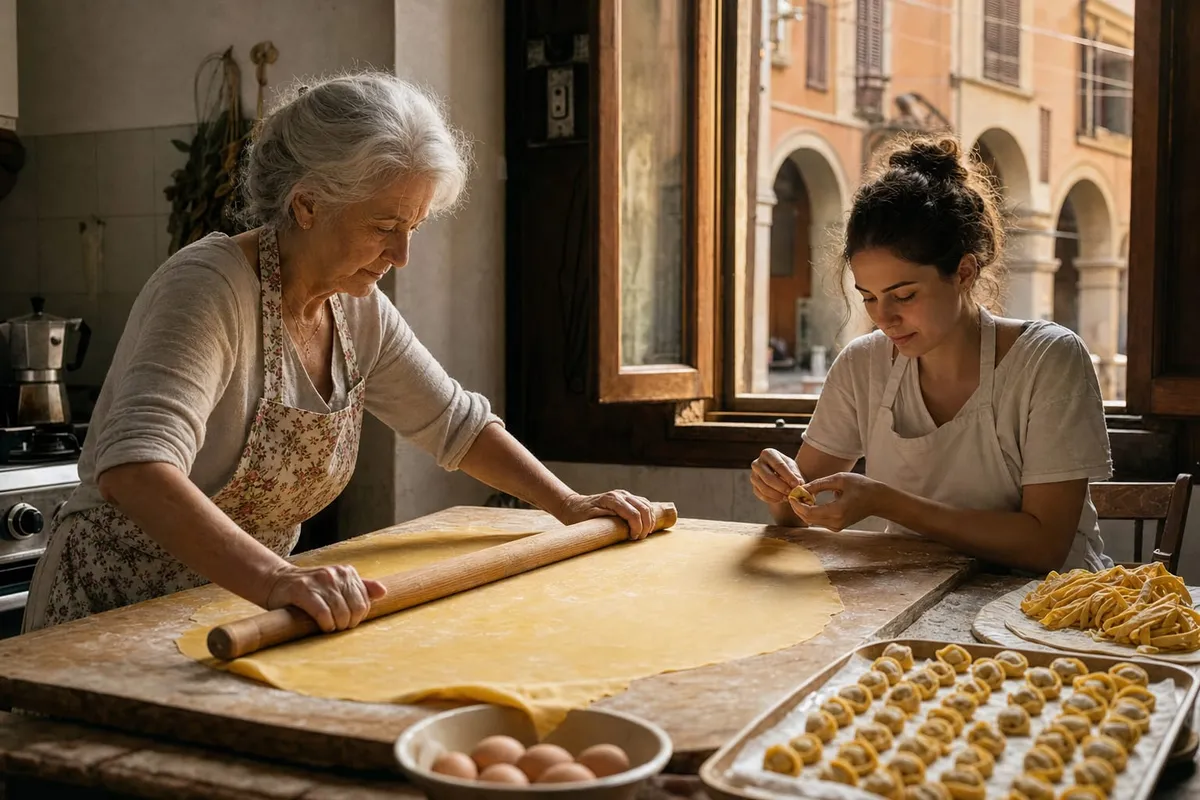
At six in the morning, on wooden boards older than many of the city's restaurants, Bologna's sfogline roll sheets of egg pasta thin enough to let the light through. For a generation the craft looked as if it might not find a second act. In Bologna, quietly, it has.
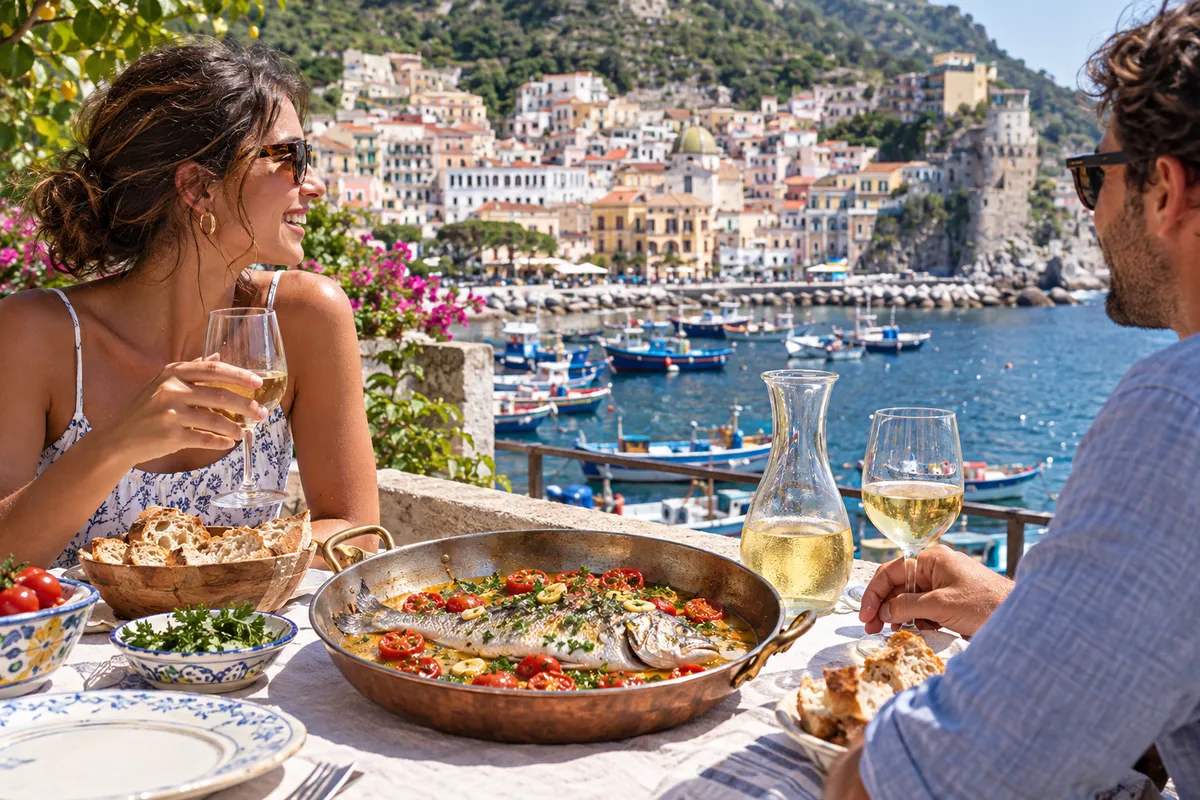
On the Amalfi Coast, the dish fishermen cooked with whatever the morning's catch failed to sell now sits on restaurant menus under its own name. The thing itself, in July, is simpler than its fame.
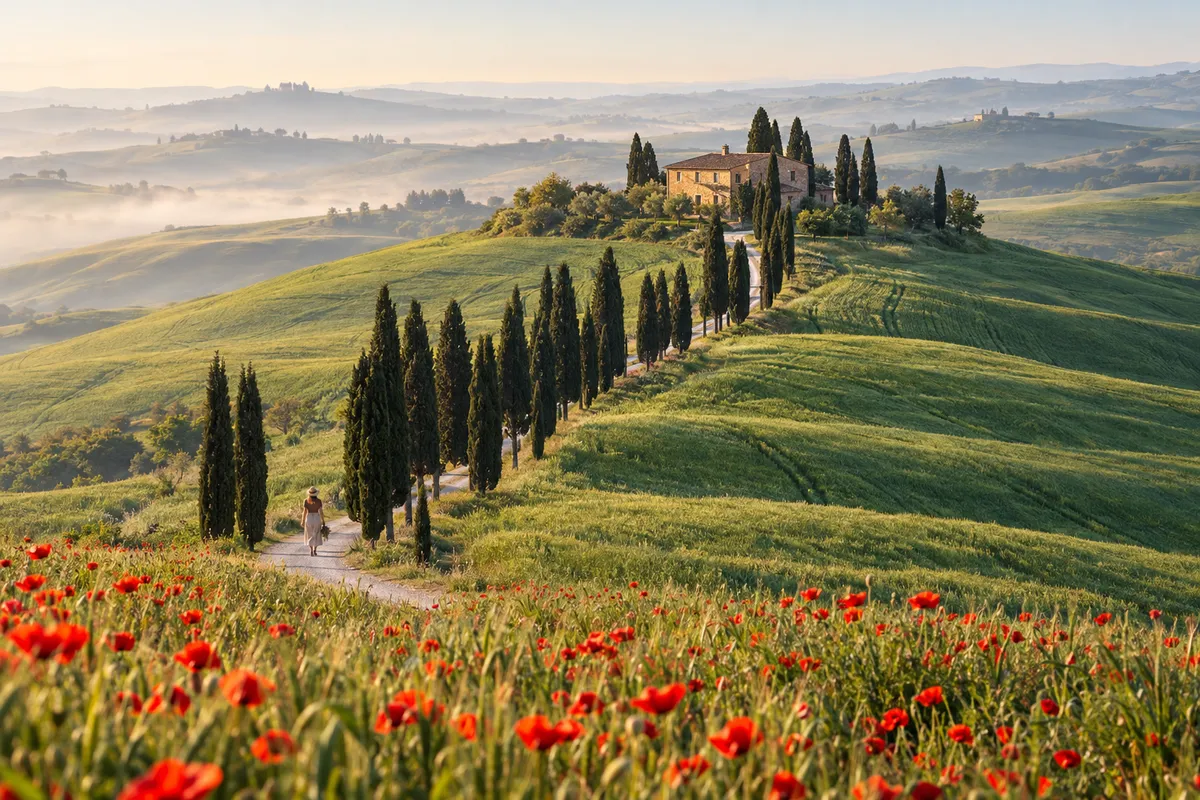
Pienza, Montalcino, Montepulciano: three towns, a cheese, two great wines and enough white gravel road between them to slow down properly. A walker's itinerary for late May, when the grass is still long and the summer crowds have not yet arrived.
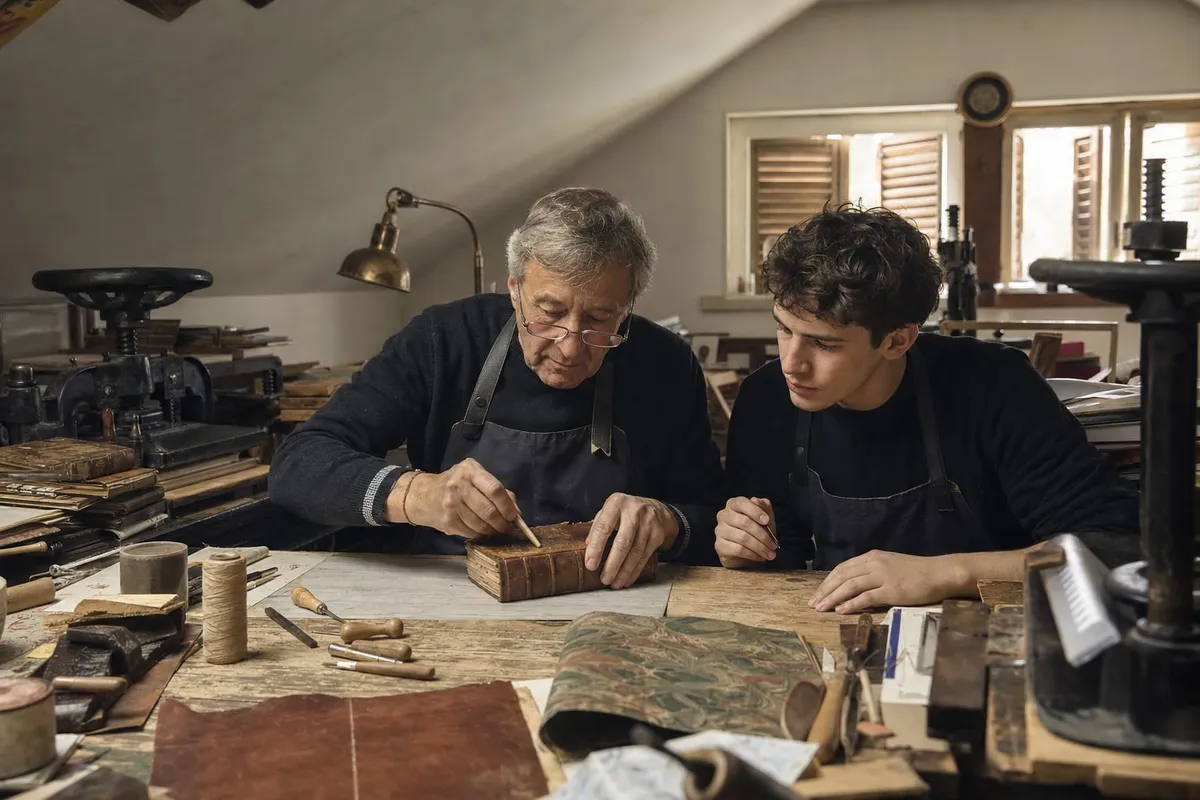
In workshops around Santa Maria Novella and across the river in the Oltrarno, Florentine bookbinders still sew, round and cover old books by hand. The training takes years, the work is invisible when it is done well, and the city's libraries depend on it.
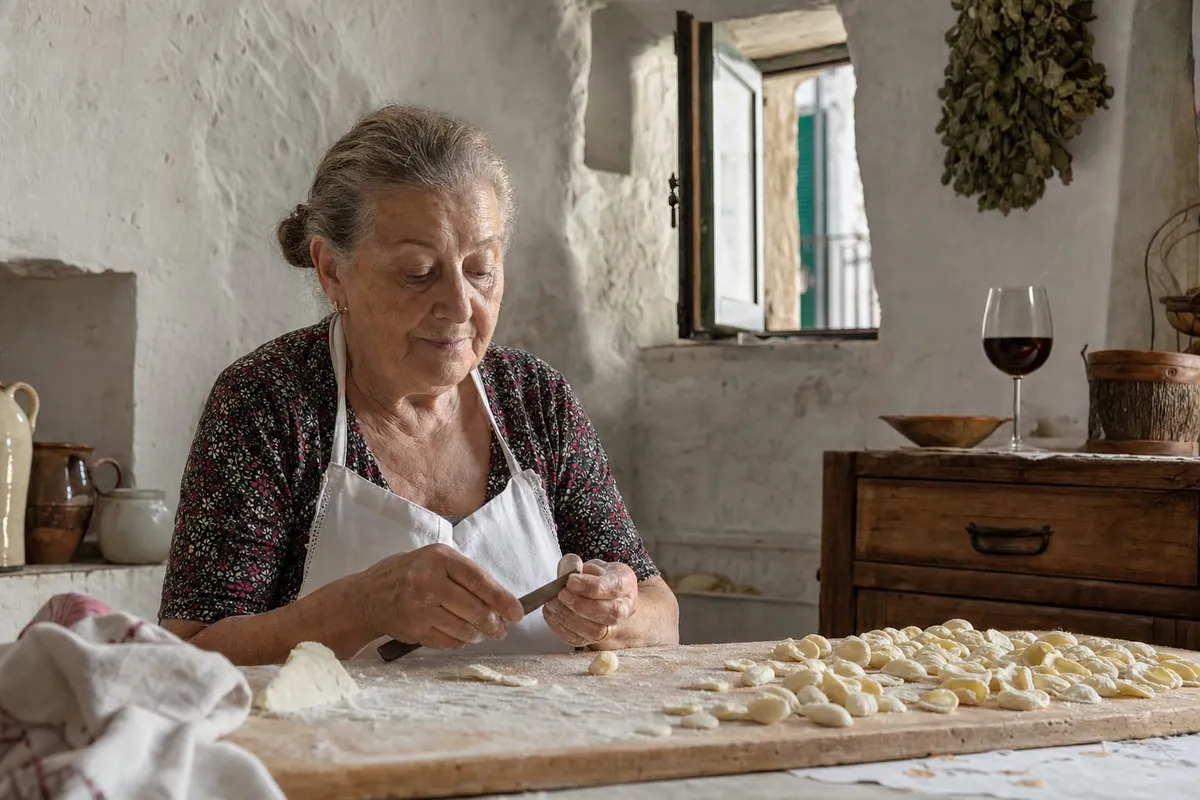
In the whitewashed kitchens of Cisternino, orecchiette are still shaped the way they always were: one thumb, one knife, a bag of semola rimacinata, and a glass of Primitivo on the sideboard for when the trays are full.
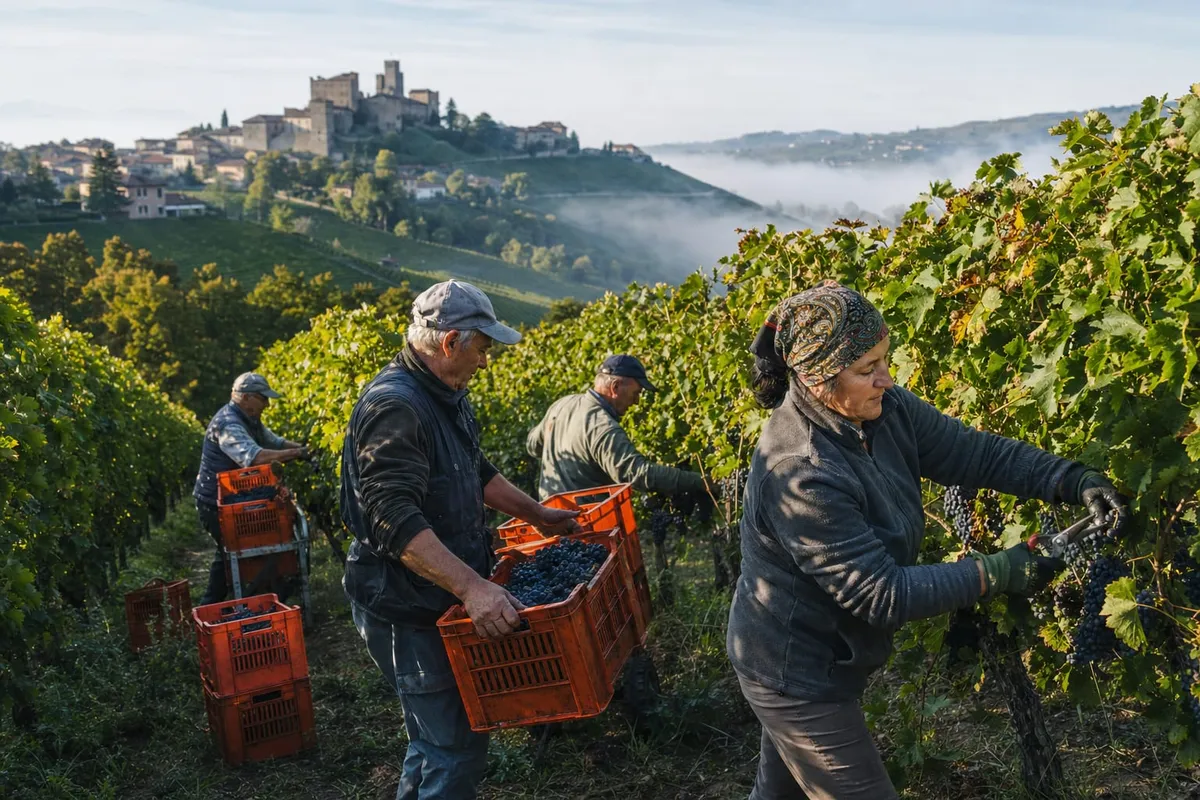
On the Serralunga ridge, the Nebbiolo harvest waits on the fog, the cold nights and the feel of a cluster in the palm. A few weeks in October decide a wine that may still be drinking beautifully in thirty years.
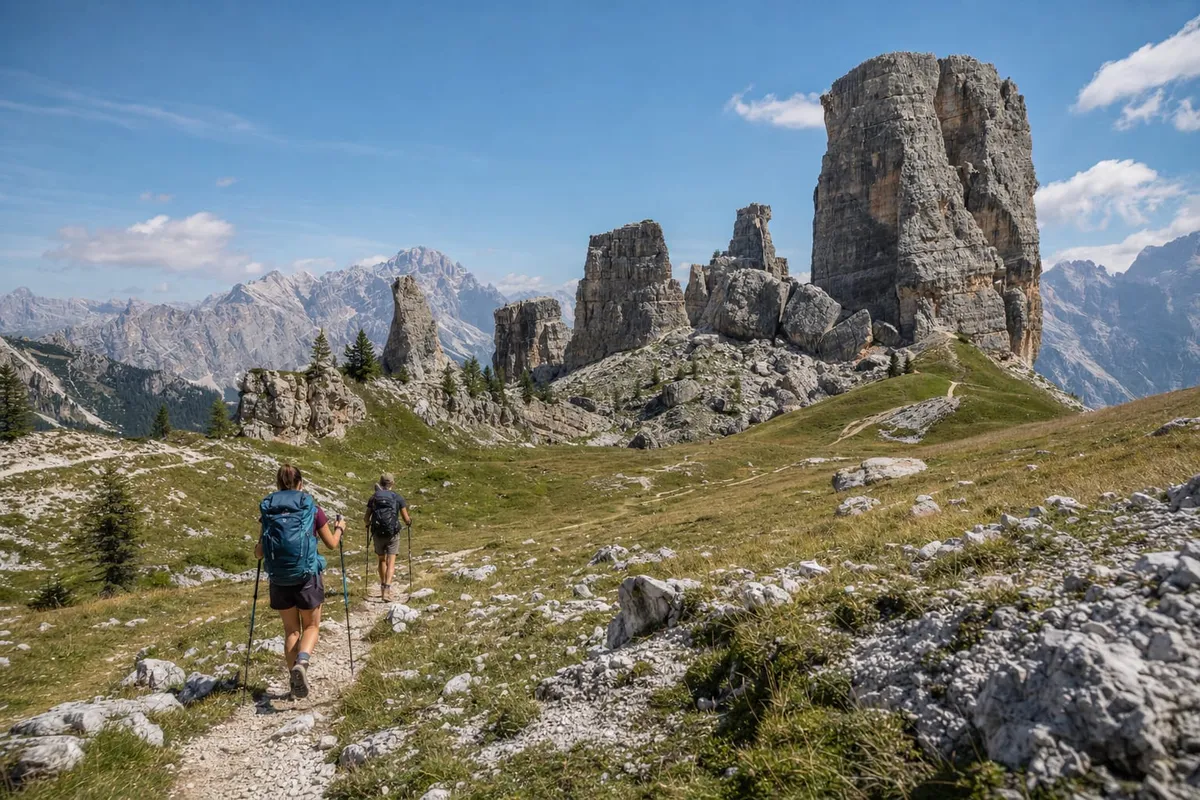
A single day on Alta Via 1, from Rifugio Lagazuoi down to Passo Falzarego and up to Rifugio Nuvolau, a hut that has stood on its rock dome since 1883. Around ten kilometres, a good deal of descent, and a grappa that waits until your boots are off.
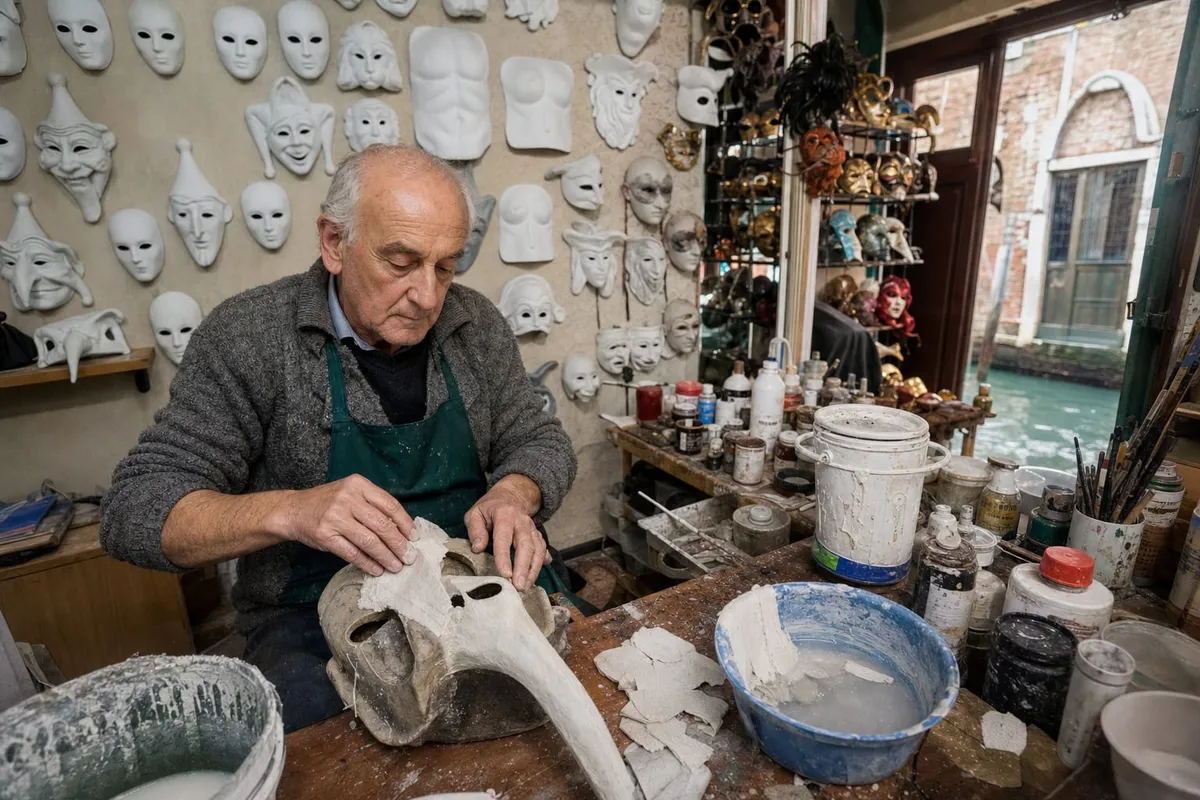
On the fondamente of Cannaregio, a few Venetian workshops still build masks from torn paper, flour paste and a plaster mould, as the city's mascareri did when their craft received its own statute in 1436. It is slow work, and it prefers a quiet street.
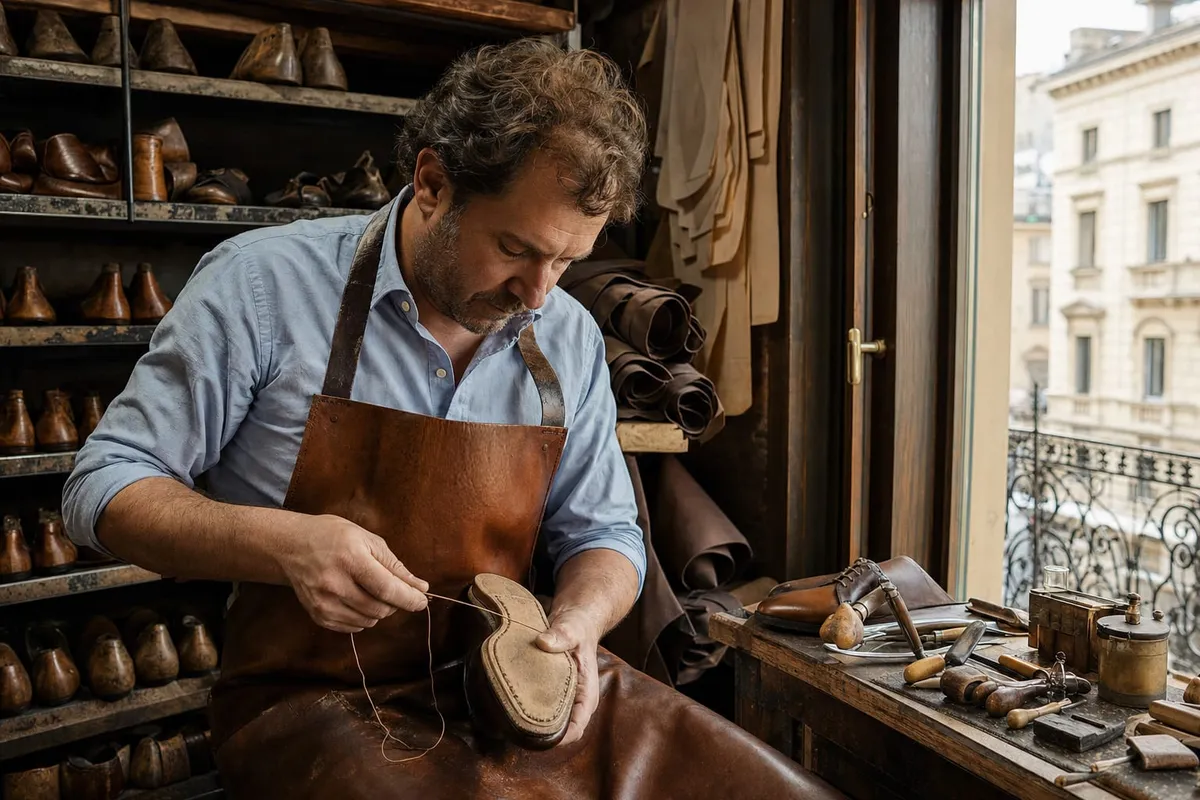
A floor or three above Via Montenapoleone, Milan's bespoke shoemakers still build men's shoes by hand, one wooden last at a time. The fitting takes twenty minutes. The shoes take months, and then they last for decades.
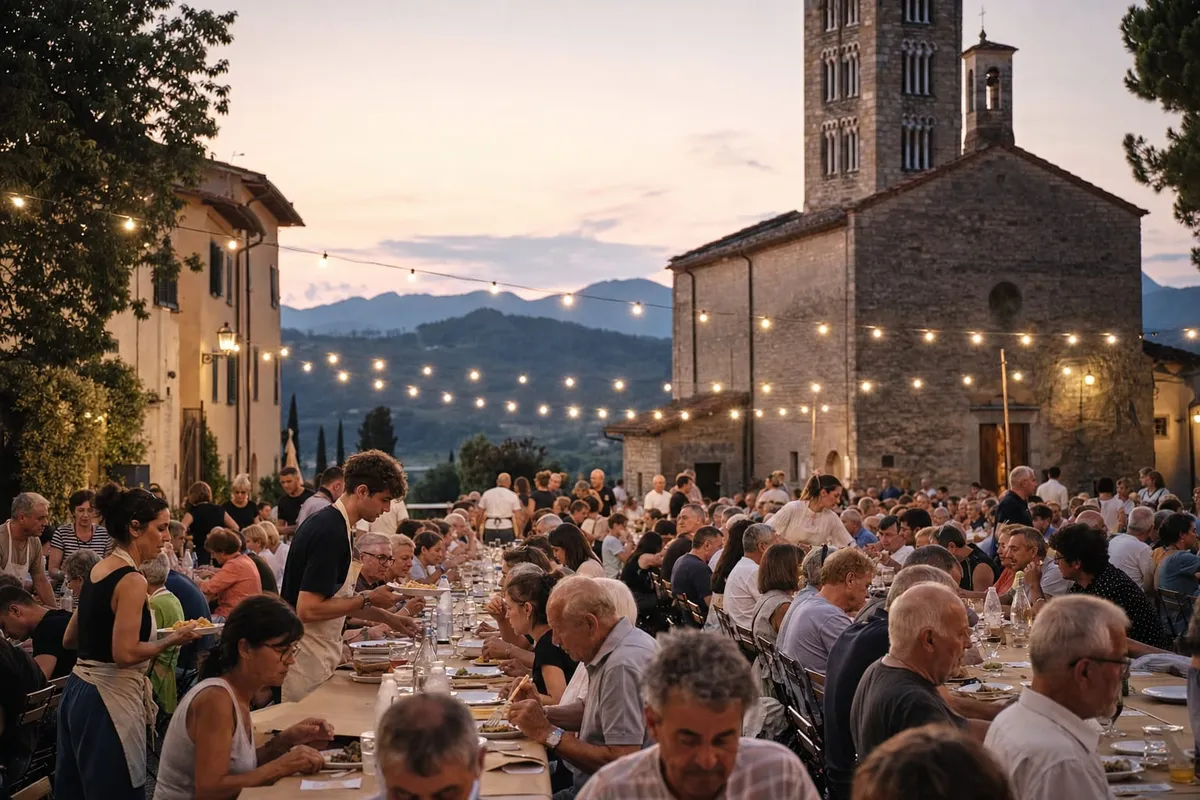
In the villages around the walls of Lucca, summer means the sagra: a parish or village club sets long tables in the piazza, cooks one dish for a few nights, and feeds hundreds. It survives for a reason that restaurants cannot copy.
Milan's fashion houses define global style. Discover the artistry of Italian couture.
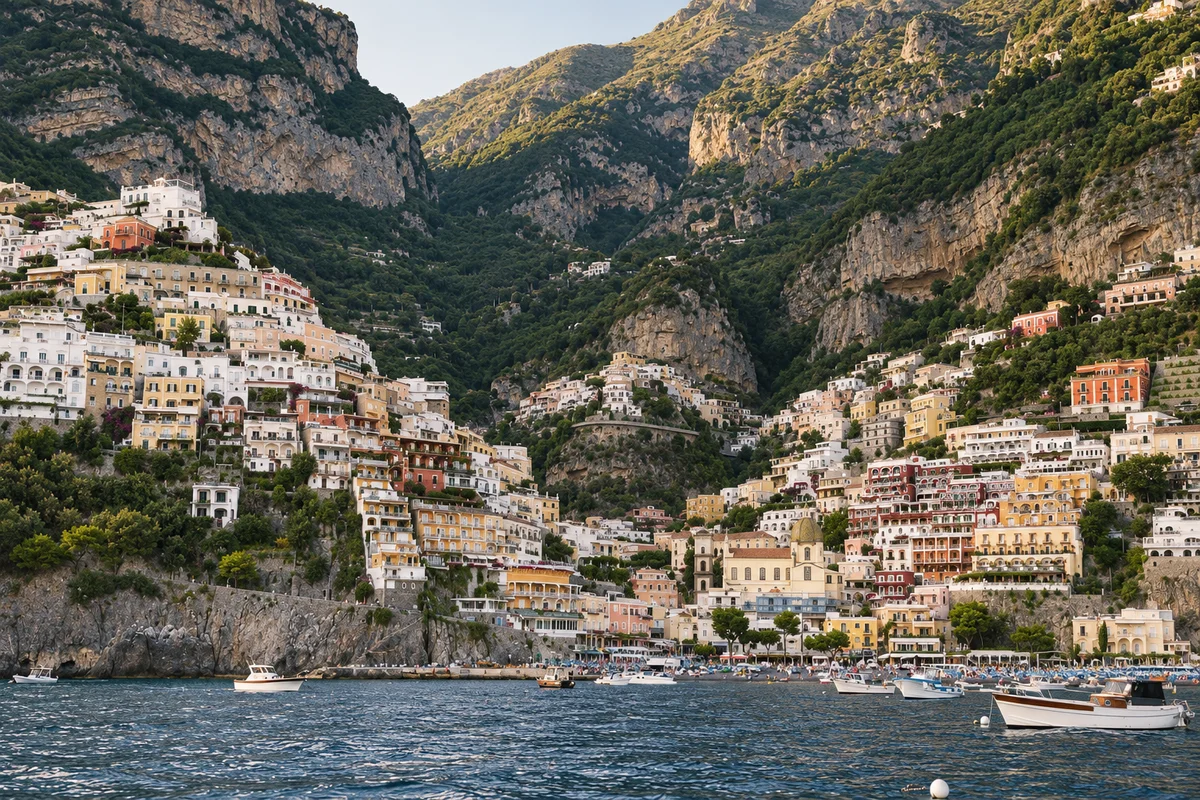
Dramatic cliffs, pastel villages, and azure waters make this UNESCO coastline a Mediterranean dream.
From Dante's Divine Comedy to Ferrante's Neapolitan Novels: Italy's literary treasures.
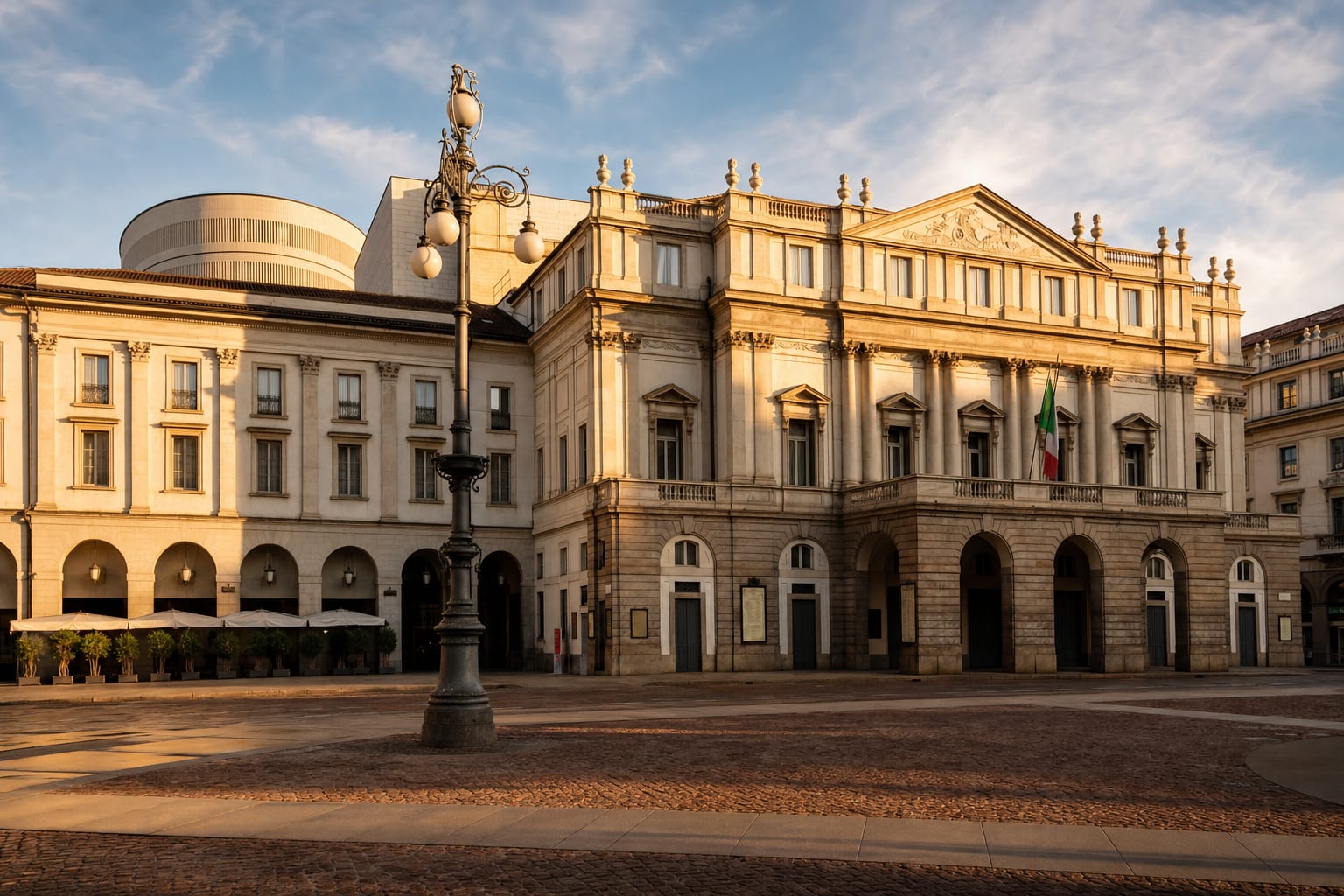
The birthplace of opera, home of Verdi and Puccini, and the language of music itself.
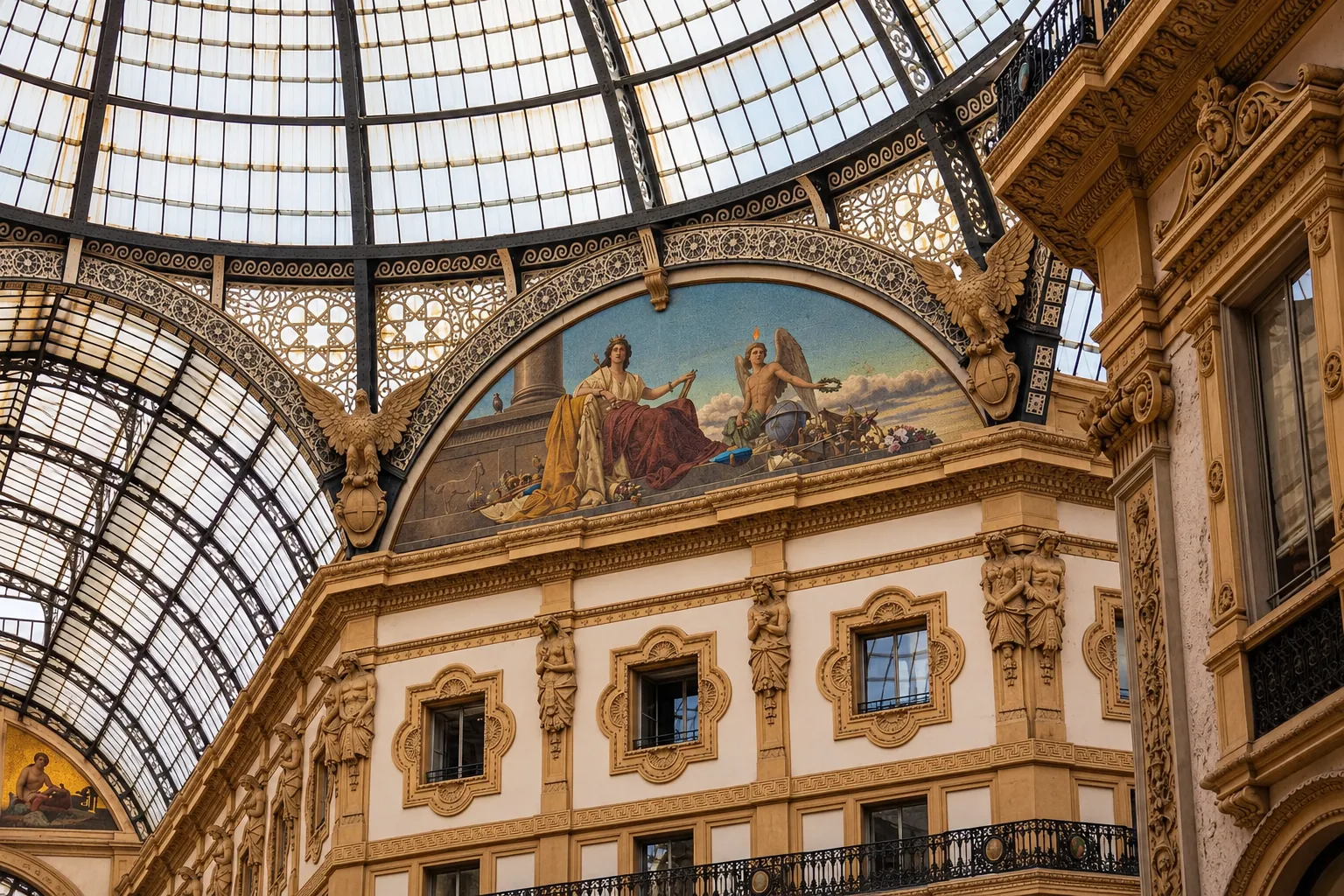
Roman temples, Renaissance domes, and modernist design: Italy's architectural legacy.
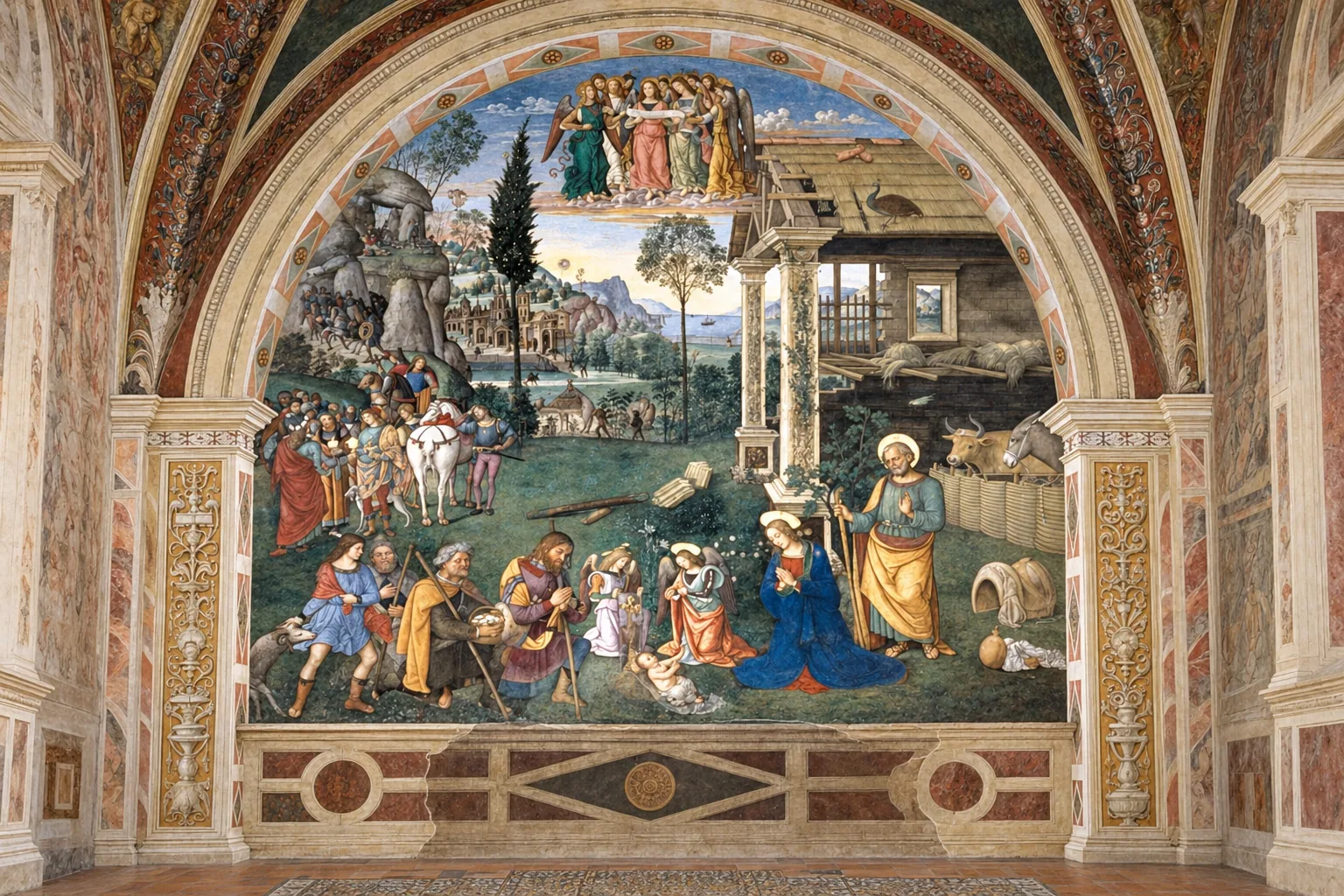
From Michelangelo to Caravaggio, explore the masterpieces that defined Western art.
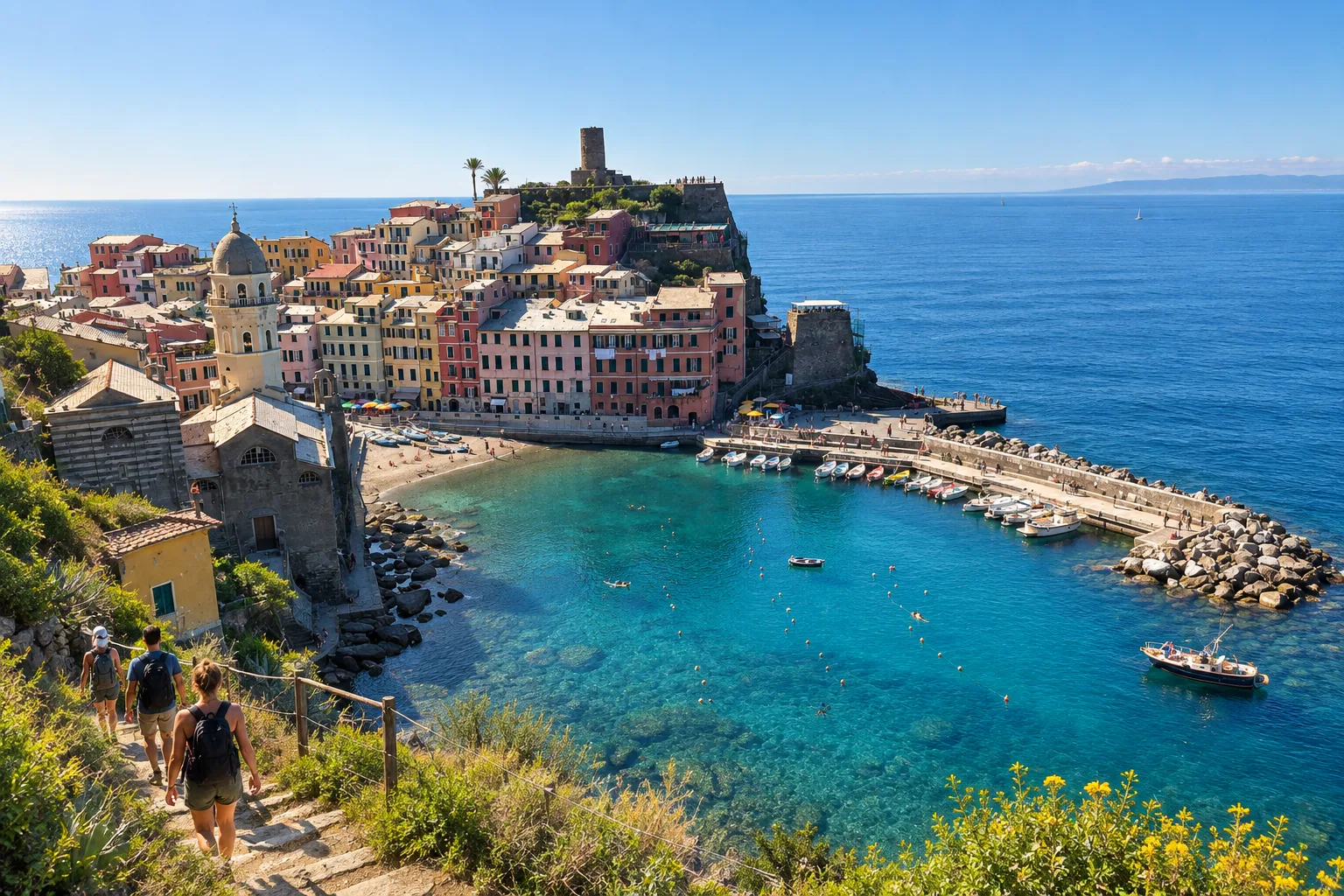
Five colorful fishing villages connected by hiking trails along the rugged Ligurian coast.
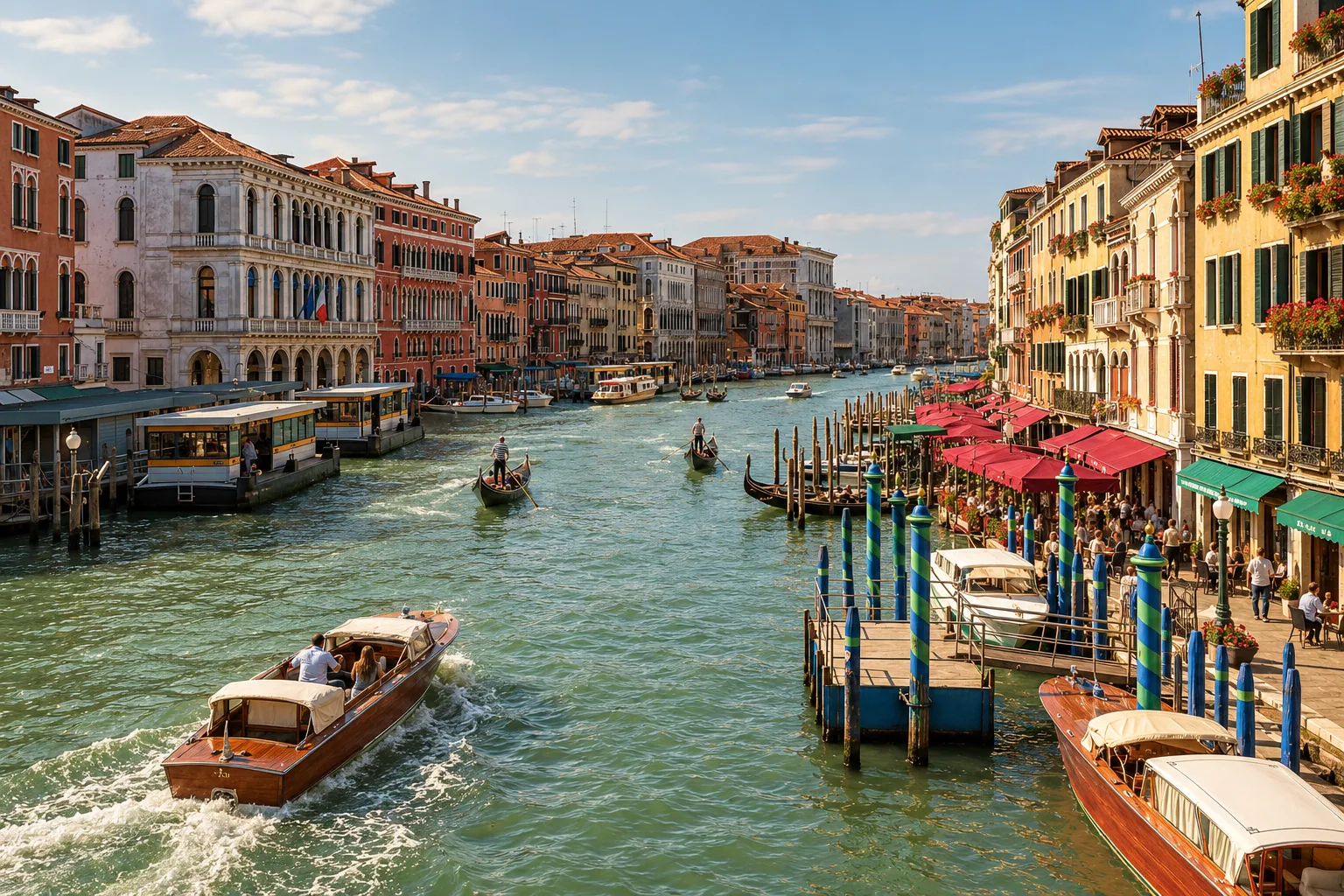
A city built on water, Venice captivates with its canals, Gothic palaces, and timeless romance.
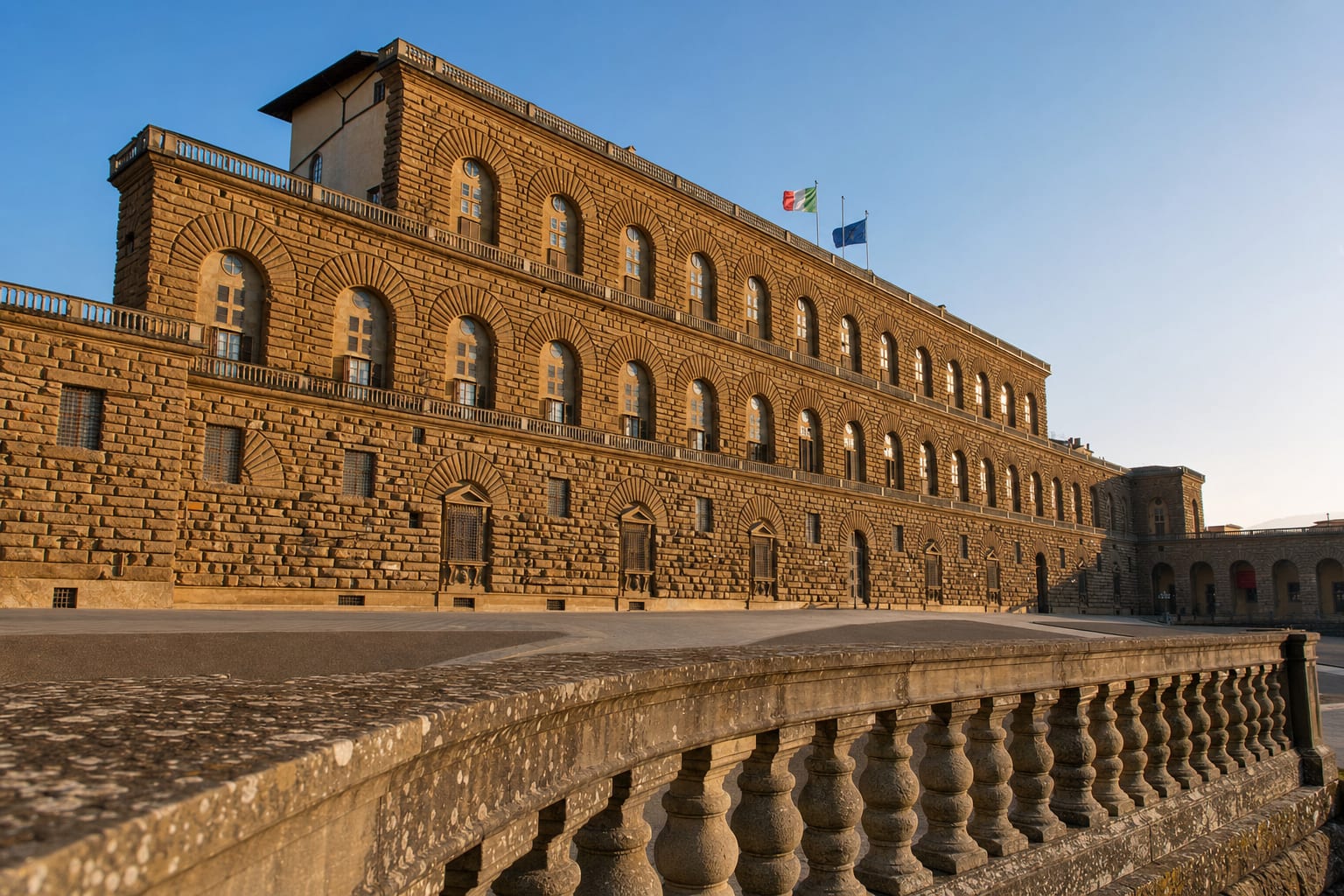
Birthplace of the Renaissance, Florence enchants with world-class art, stunning architecture, and Tuscan cuisine.
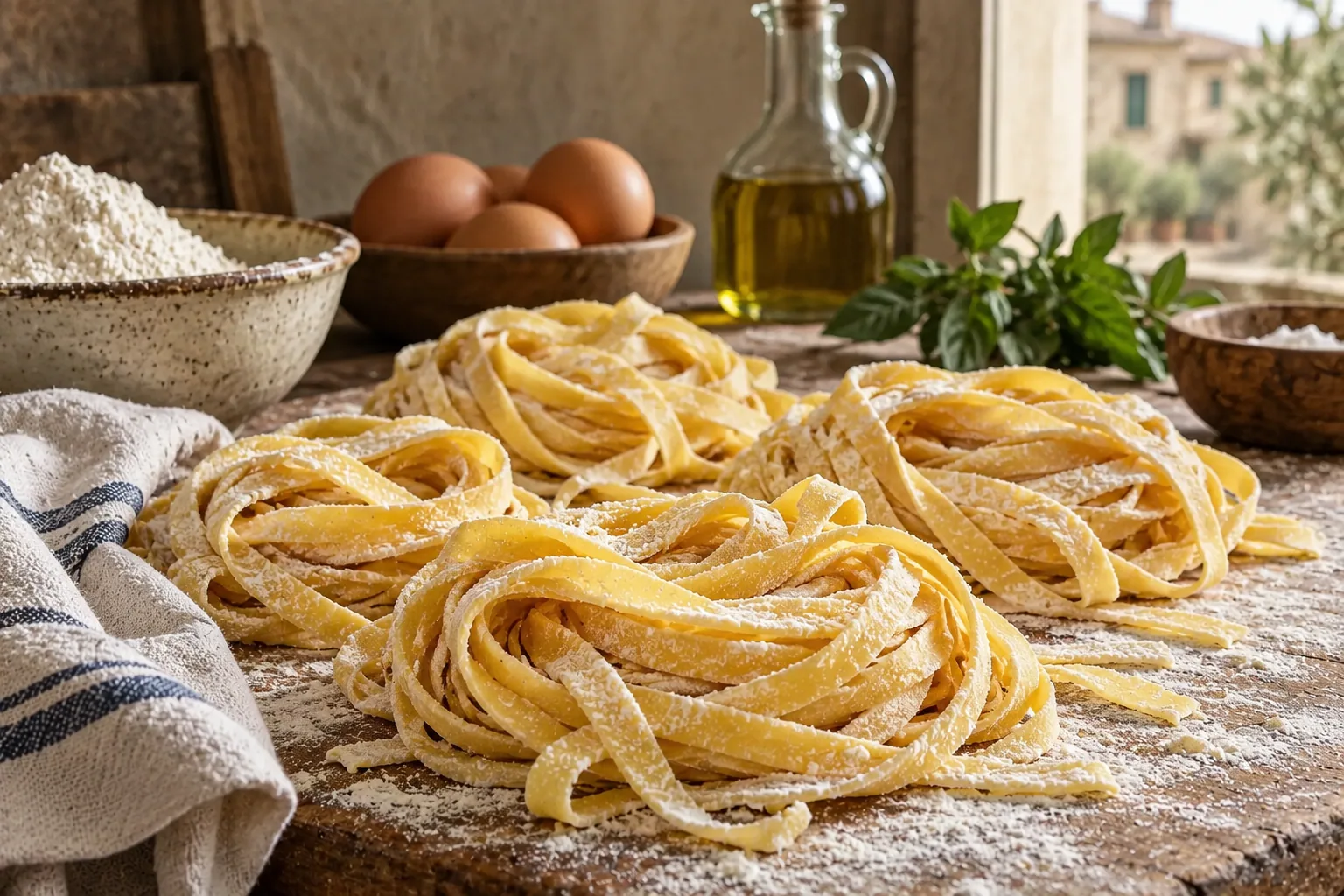
Religious festivals, folk customs, and the rituals that define Italian life.
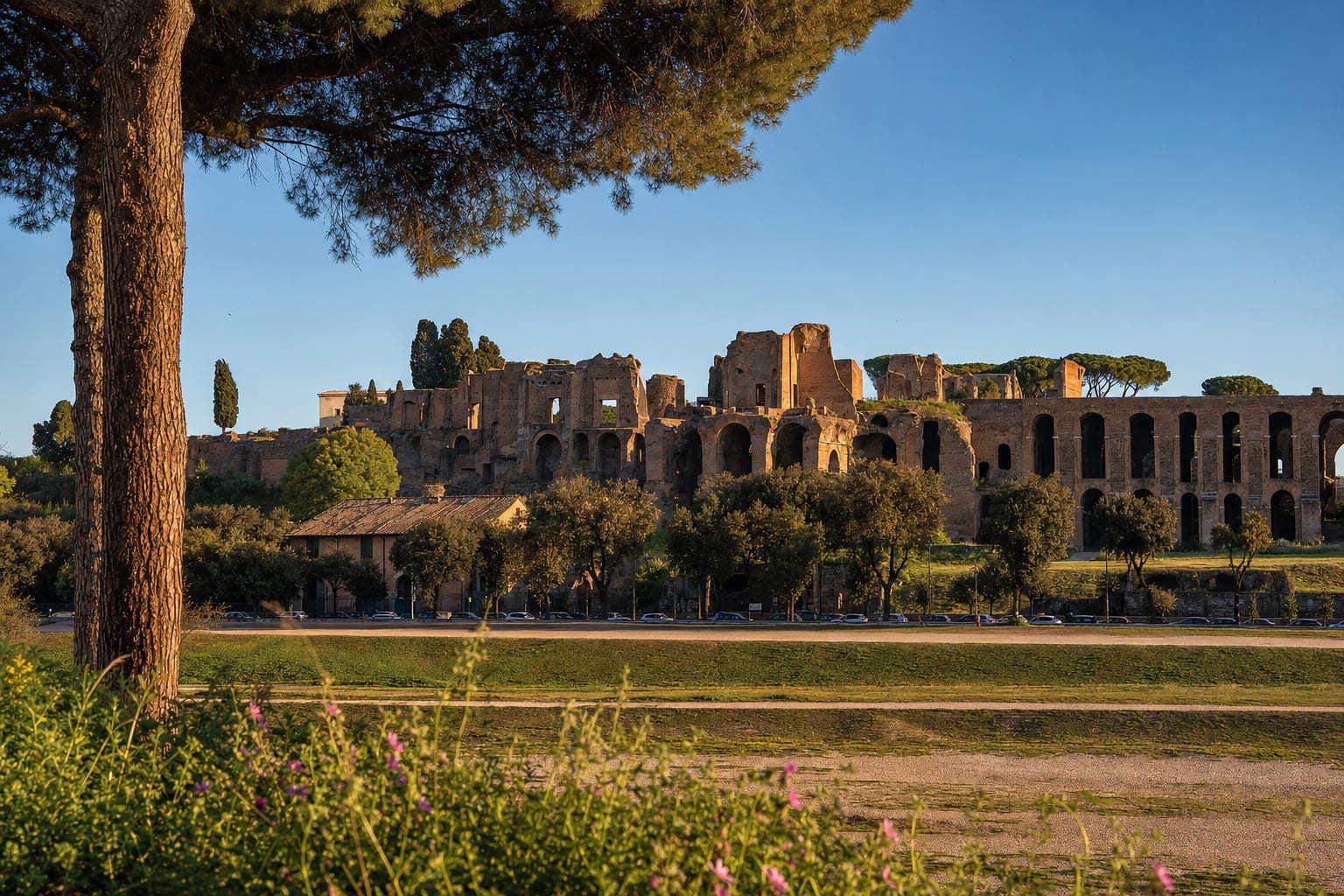
The Eternal City: ancient ruins, Renaissance art, vibrant piazzas, and the world's best gelato.
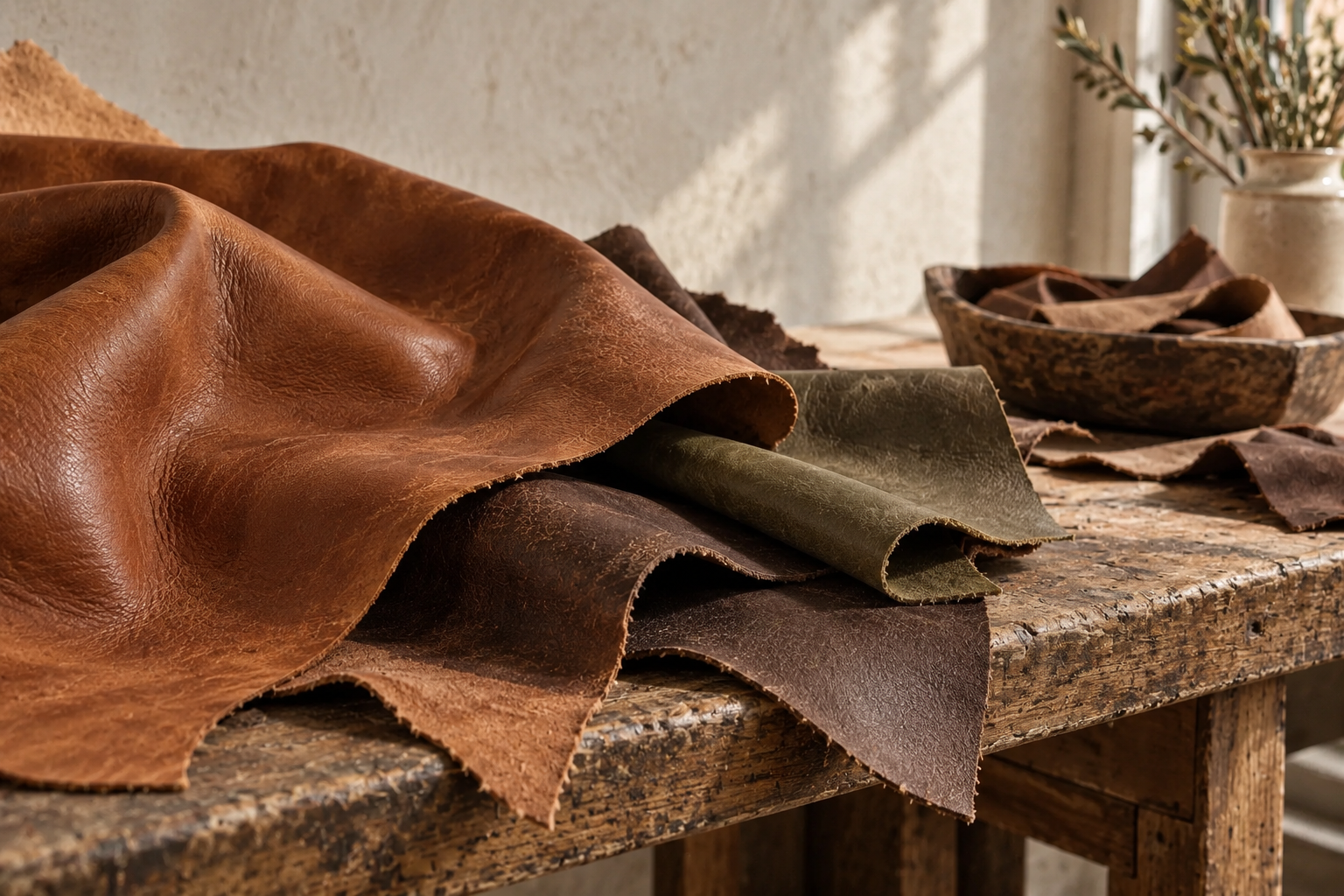
Ferrari, Lamborghini, Maserati: the passion and engineering behind Italian automotive legends.
The places, tables and makers we found worth your time. One email, no noise.
One letter a month. Unsubscribe at any time. We never share your address.