Skip to content
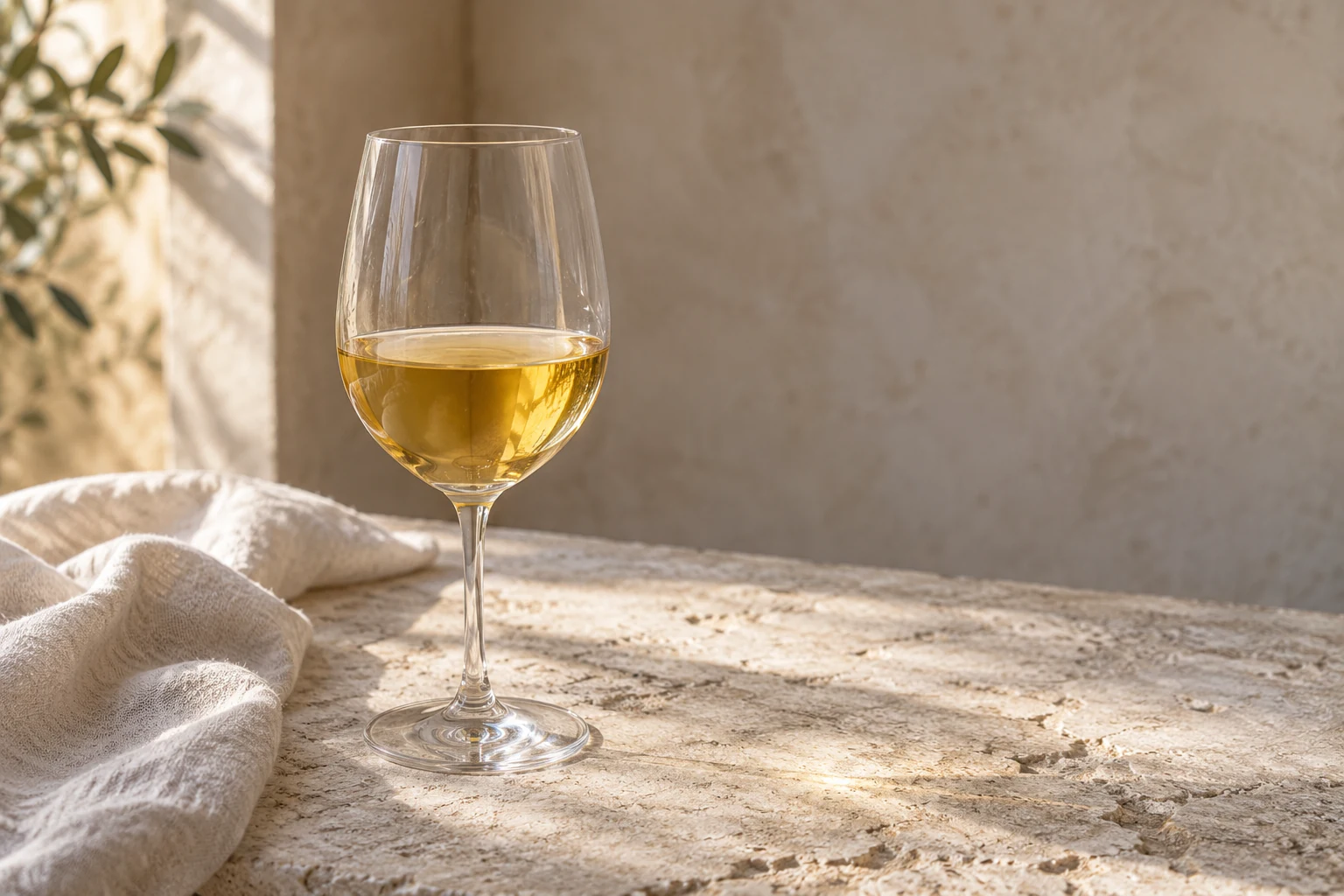
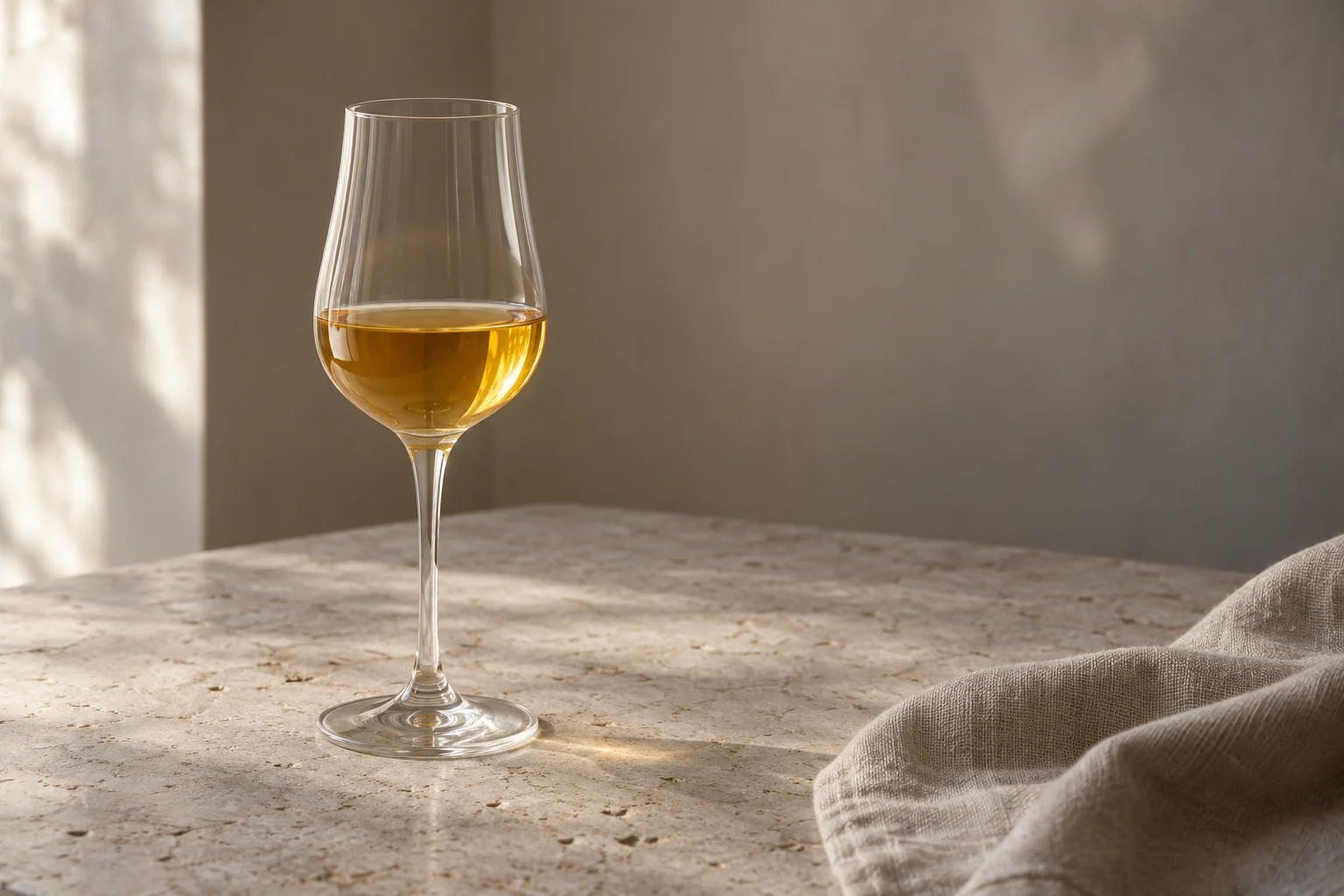
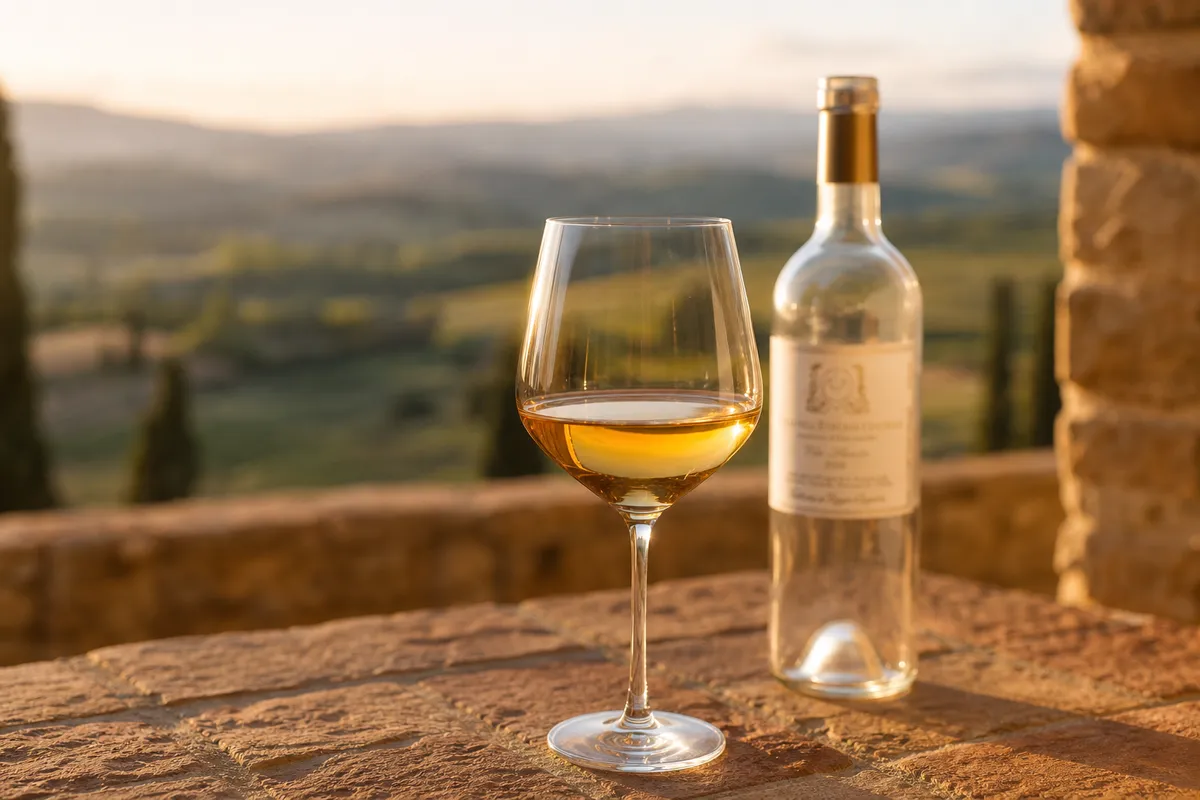
Amber wine in a stemmed glass beside a bottle on a stone terrace

Vin Santo

Vin Santo is a family of wines made from dried grapes, closely associated with the Tuscan table. Read the full denomination on the bottle: Vin Santo del Chianti and Vin Santo di Montepulciano have distinct identities.

What it is
A wine family, not one Tuscany-wide DOC
Starts with
Grapes dried before vinification
Look for
The complete denomination and producer
At the table
Choose the bottle’s style for the dish

A name with several local identities

The words Vin Santo begin the conversation; the rest of the label tells you which wine is in the bottle.

Tuscan Vin Santo includes separately named wines such as Vin Santo del Chianti, Vin Santo del Chianti Classico, Vin Santo di Carmignano and Vin Santo di Montepulciano. The broad name is useful when talking about a style, but it does not replace those full protected names.

In Montepulciano, the white-grape versions use Malvasia bianca, Grechetto bianco and Trebbiano toscano, while Occhio di Pernice has a Sangiovese-led identity. These differences are a reason to explore the bottle’s own place and method rather than assume every Vin Santo tastes the same.

Drying grapes, then time in wood

Drying concentrates the harvested grapes before they are pressed. Fermentation and maturation in wooden vessels, often called caratelli, follow. The drying stage and the period in wood are separate parts of the process; the complete denomination and producer explain the particular method.

For a concrete example, Trecciano’s Vin Santo del Chianti uses Malvasia and Trebbiano, dries the grapes on mats and ferments the juice in small wooden barrels. Its amber colour and dried-fruit character describe that producer’s wine. Each denomination has its own production rules.

Tuscany

Follow the full Tuscan name

Chianti and Montepulciano are useful starting points for understanding different Tuscan Vin Santo wines. Choose a complete denomination first, then compare producers within it. Keep the full name with your tasting notes so you can connect the wine you enjoyed with its particular place.

Tuscany wines

Choose the bottle before the biscuit

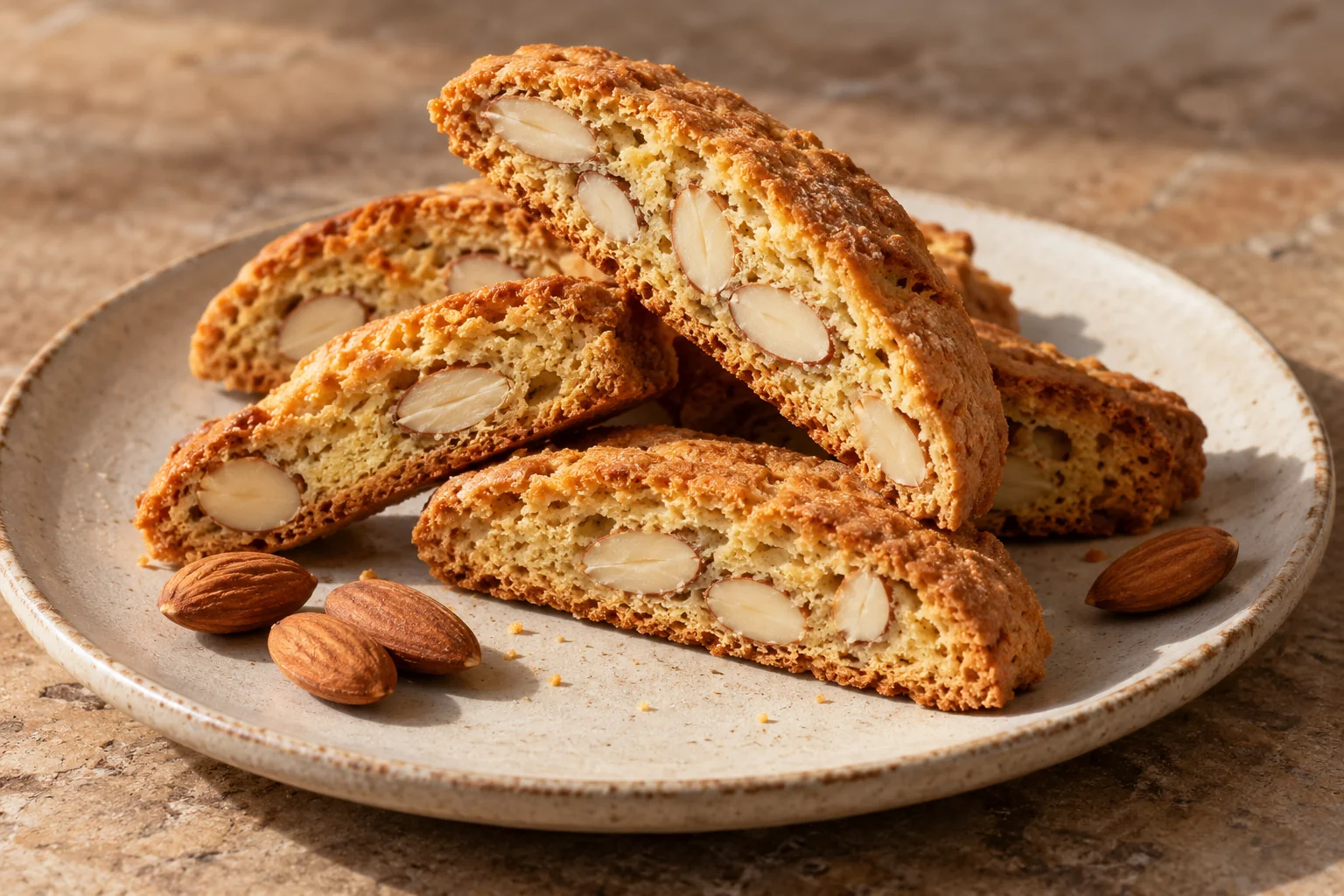
Cantucci make a familiar Tuscan companion. Try a small pour alongside the almond biscuit, tasting the wine on its own first, then with a bite. A drier bottle asks a different question from a sweeter one, so use the actual wine’s style when planning the end of a meal.

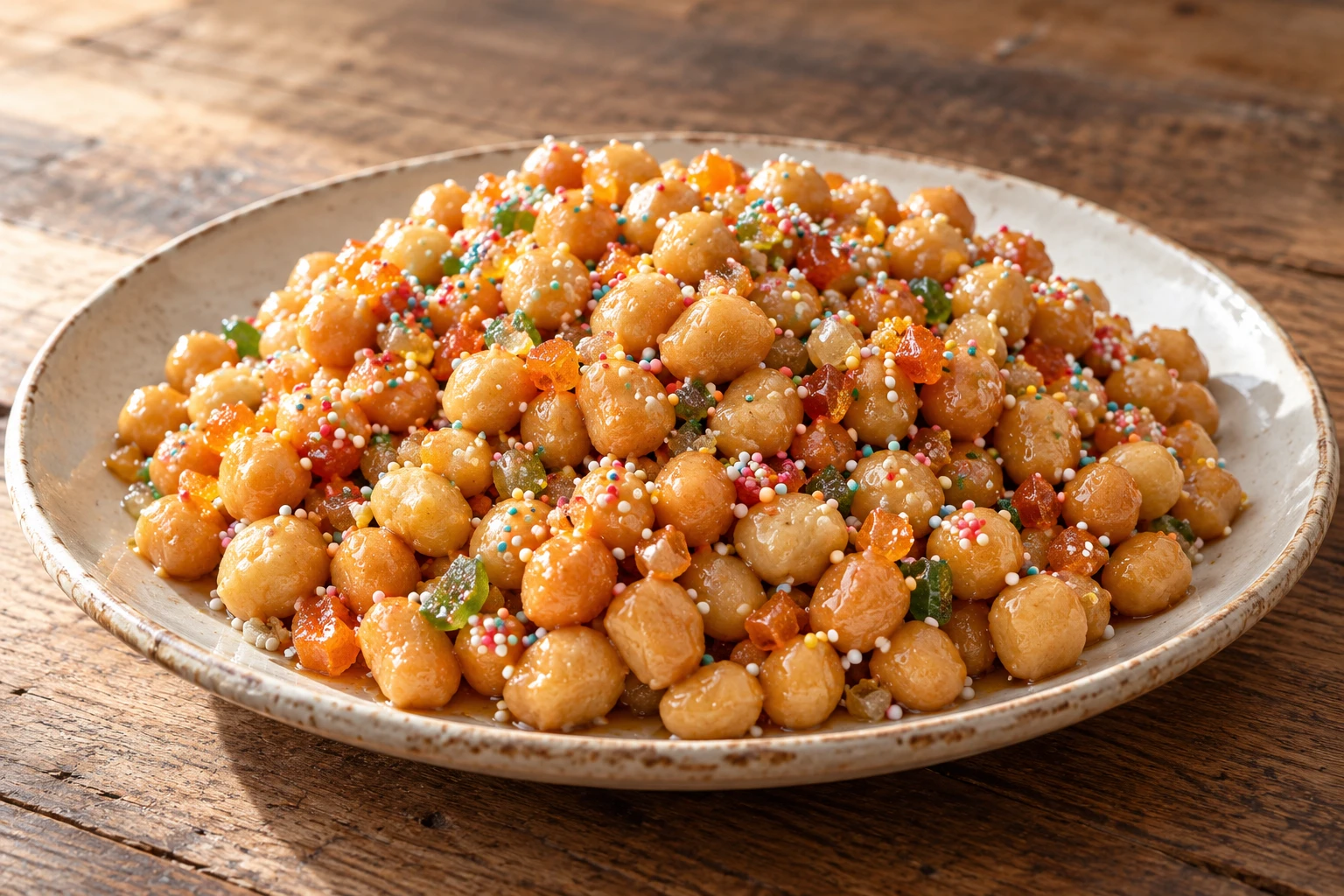
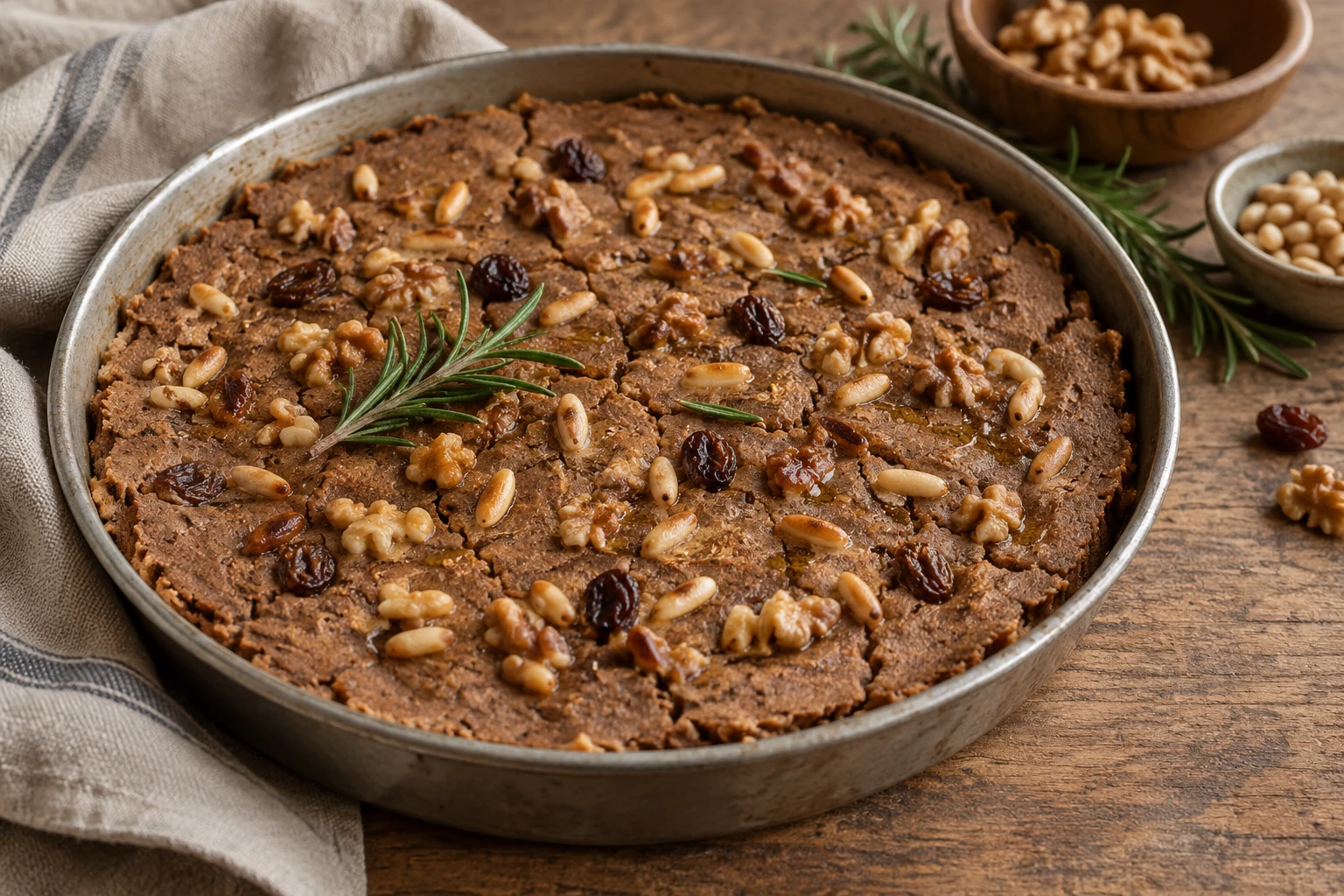
For Christmas, choose one biscuit or cake to accompany the bottle rather than assume a whole mixed dessert plate will behave alike. Open our cantucci recipe for the twice-baked almond biscuits, or explore the Christmas sweets guide for other dishes to consider.

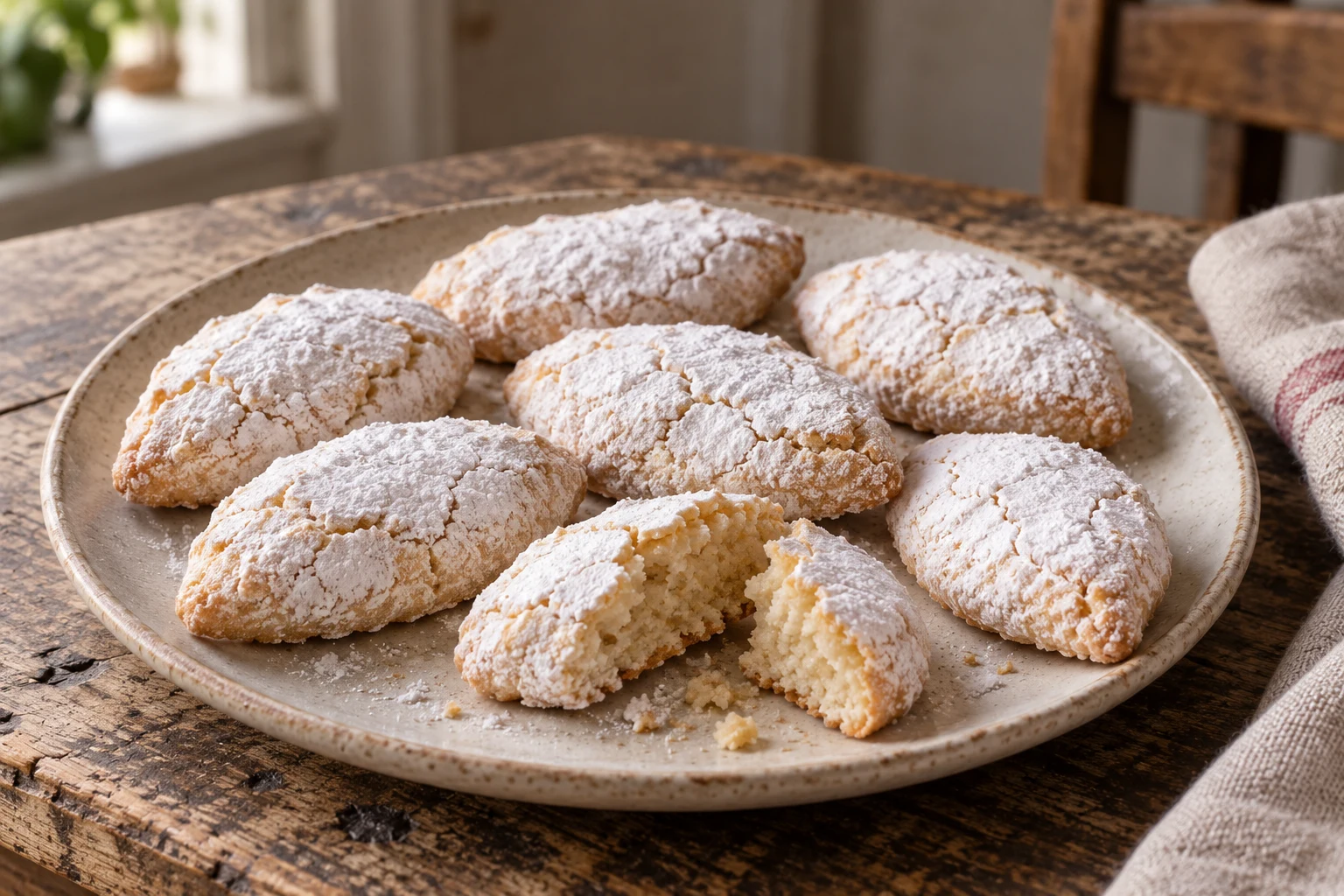
Set a bottle of Vin Santo beside a chosen Christmas biscuit or cake. Cantucci give the table an almond crunch, while ricciarelli offer a softer almond texture. Choose the actual bottle’s style before making the pairing and keep its full denomination with your shopping notes. A small pour alongside one sweet makes a useful starting point.

Read beyond Vin Santo

Check the complete denomination, producer, vintage and bottle size. Read the producer’s description of sweetness and service before choosing a bottle for dessert or a savoury course. If a seller lists only Vin Santo, ask for the label or technical sheet so you can identify the actual wine.

When comparing bottles, keep the purpose clear: a glass after dinner, a gift or an ingredient specified by a recipe. A named Riserva or Occhio di Pernice is not an automatic substitute for every recipe that asks for an unspecified Vin Santo.

Use the bottle’s own guidance

Follow the producer’s storage and serving instructions for the bottle you buy. Keep its technical sheet with a gift if it explains the style or service. After opening, close the bottle between pours and follow the producer’s advice for keeping it.

Questions worth asking

Is Vin Santo a single DOC?

No. Vin Santo is a broad wine-family name. Tuscan protected names include Vin Santo del Chianti, Vin Santo del Chianti Classico, Vin Santo di Carmignano and Vin Santo di Montepulciano. Read the complete name on the bottle to identify the wine.

Is every Vin Santo equally sweet?

No. Choose by the actual bottle’s style and the producer’s description. Vin Santo can accompany biscuits, but the broad name alone does not establish one sweetness level or one pairing for every dish.

A letter from Italy, once a month.

The places, tables and makers we found worth your time. One email, no noise.

One letter a month. Unsubscribe at any time. We never share your address.

Help us get it right

What is it about?