In this article
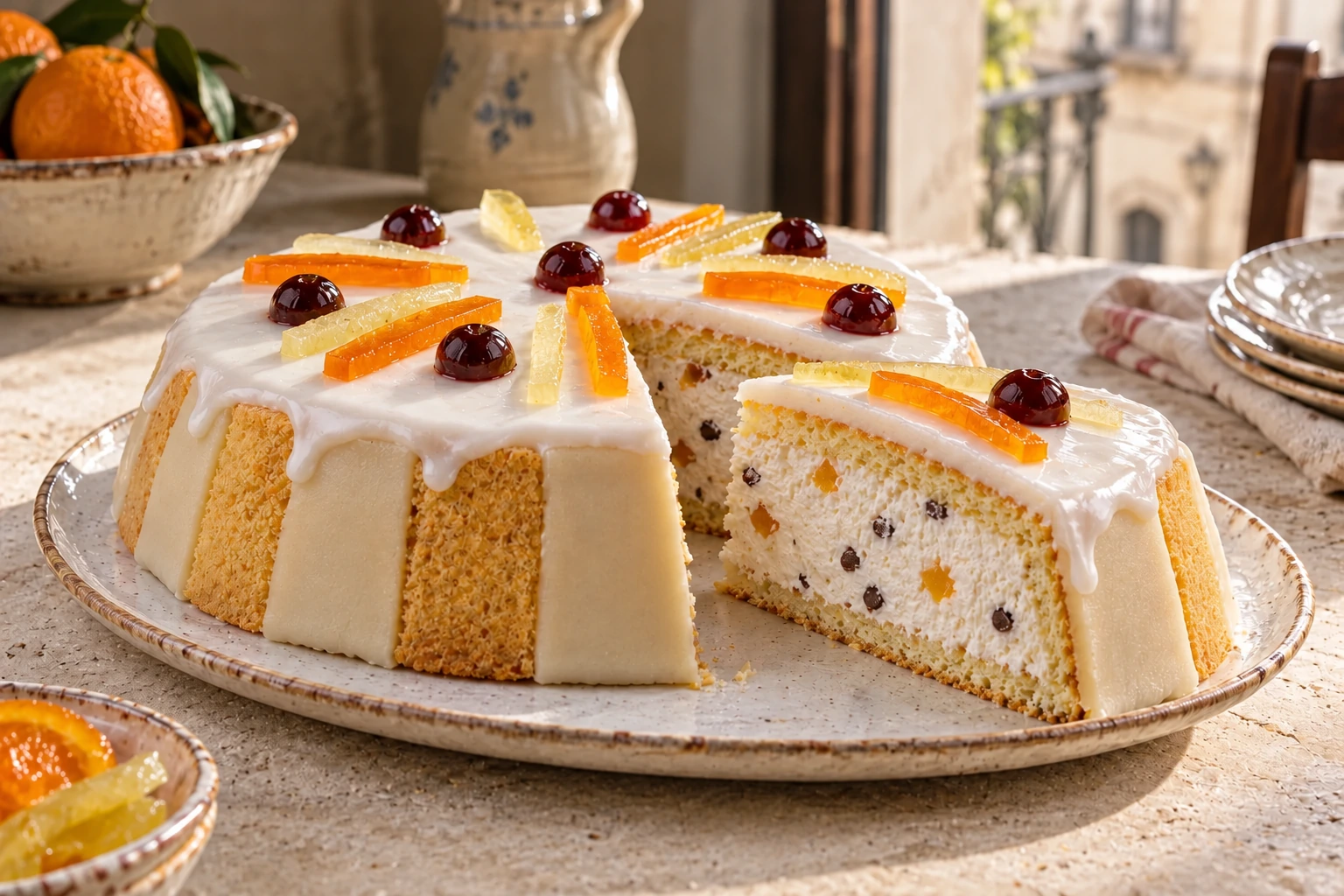
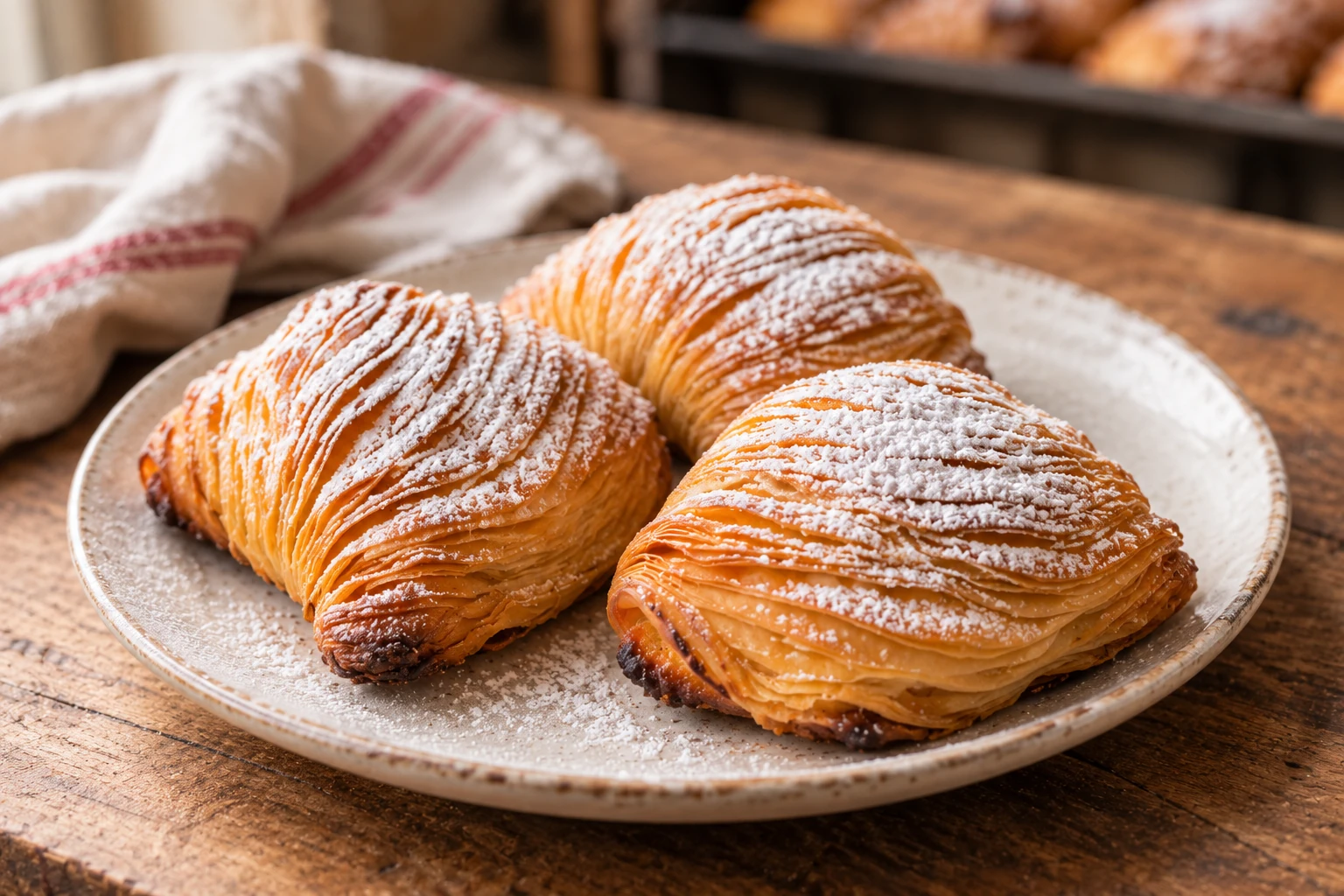
A good Christmas sweet table does not need every regional speciality at once. Choose a cake to slice, a biscuit that can be prepared ahead and, if you want one, a pastry to finish on the day. The collection above separates those different kinds of work. Each card opens the full recipe, including the dough, filling, resting and cooling stages that determine when it can be served.
Start with the texture you want
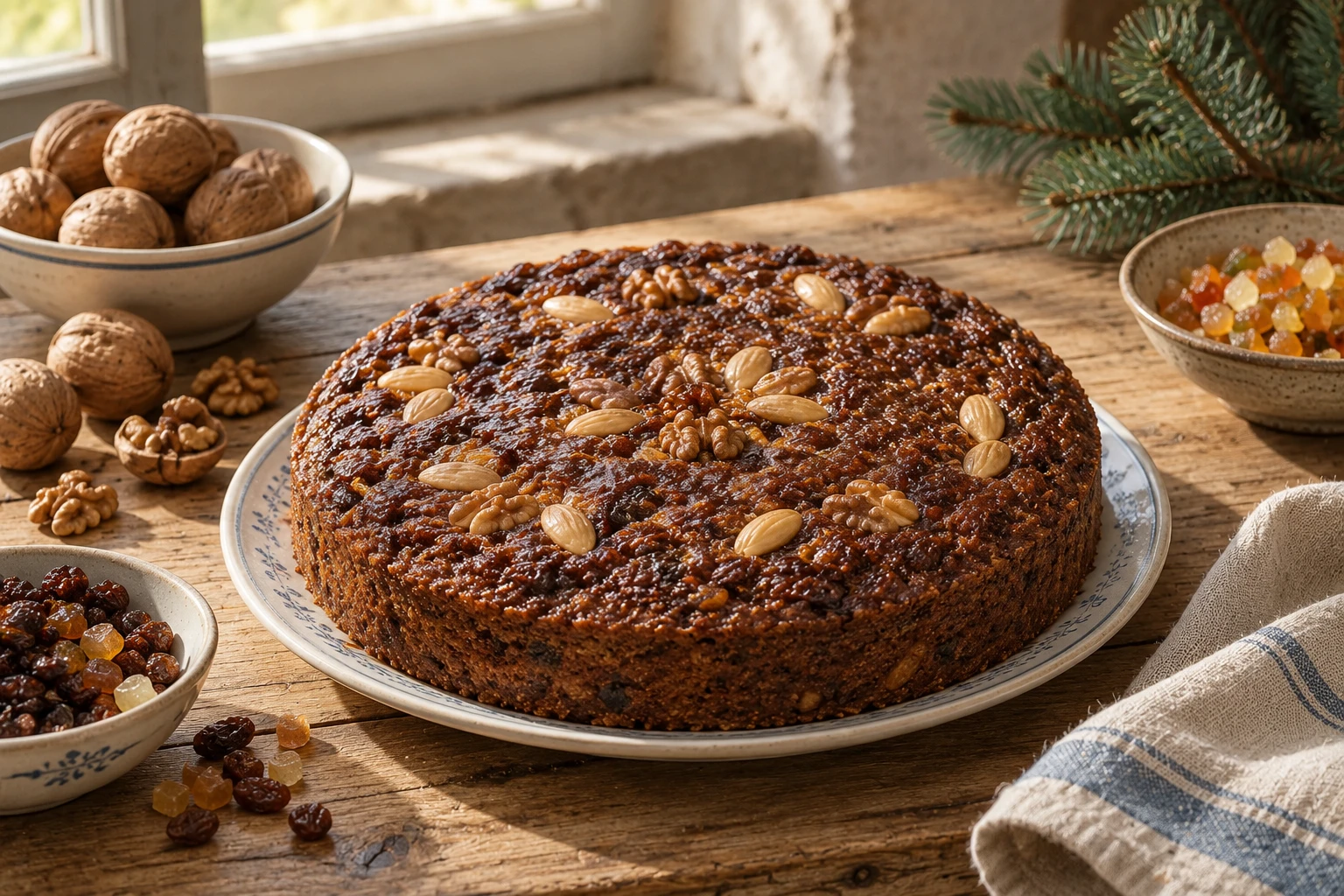
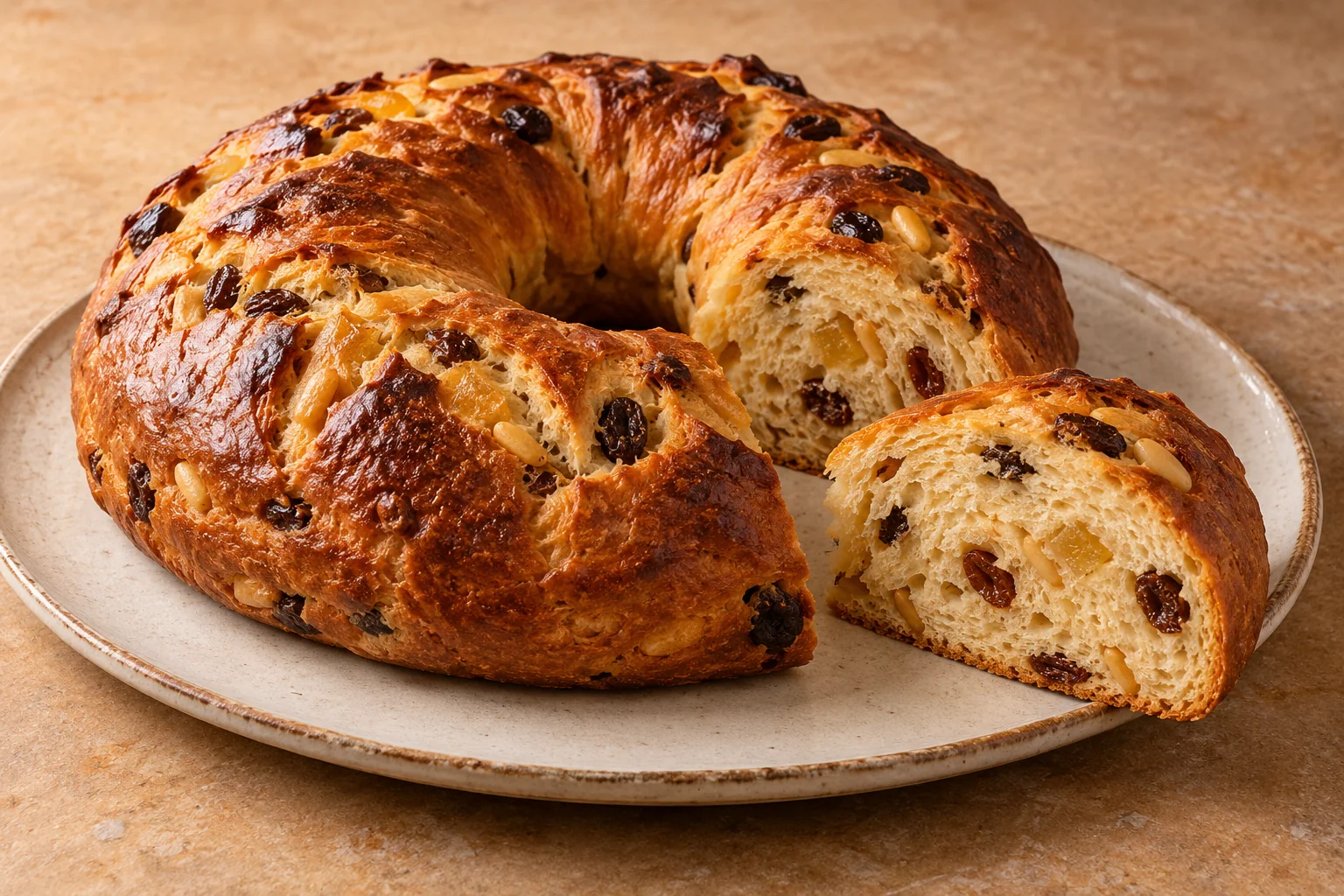
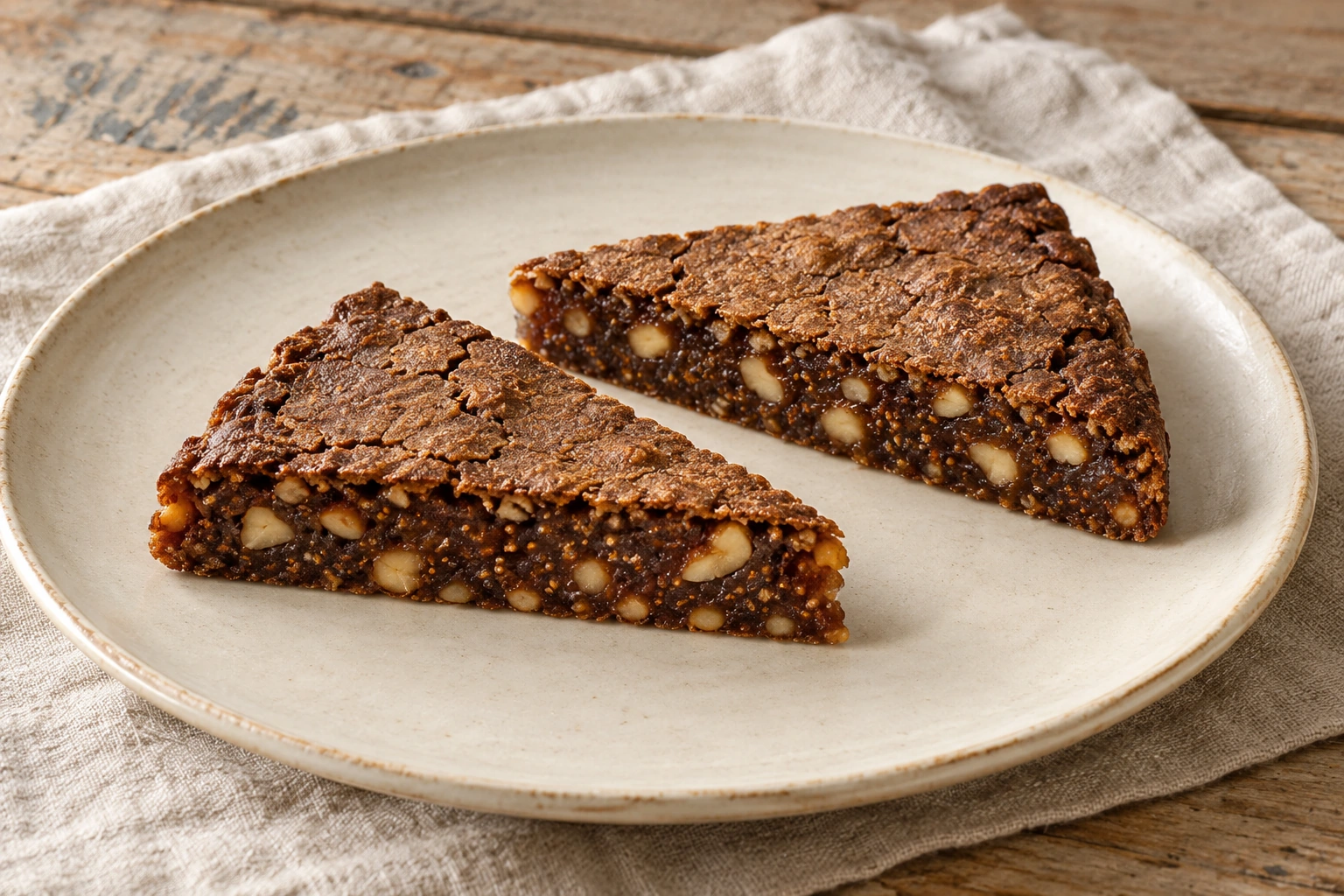
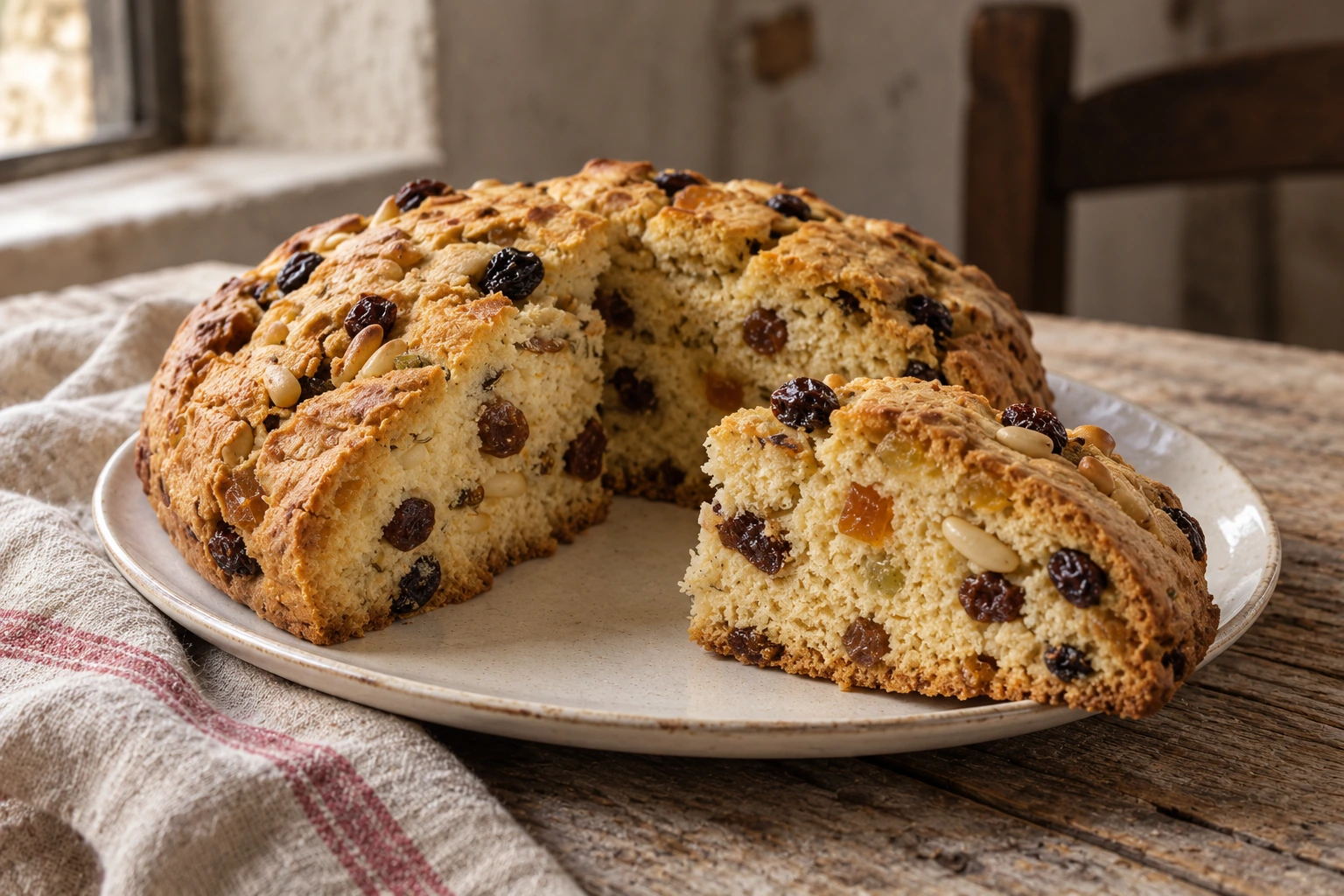
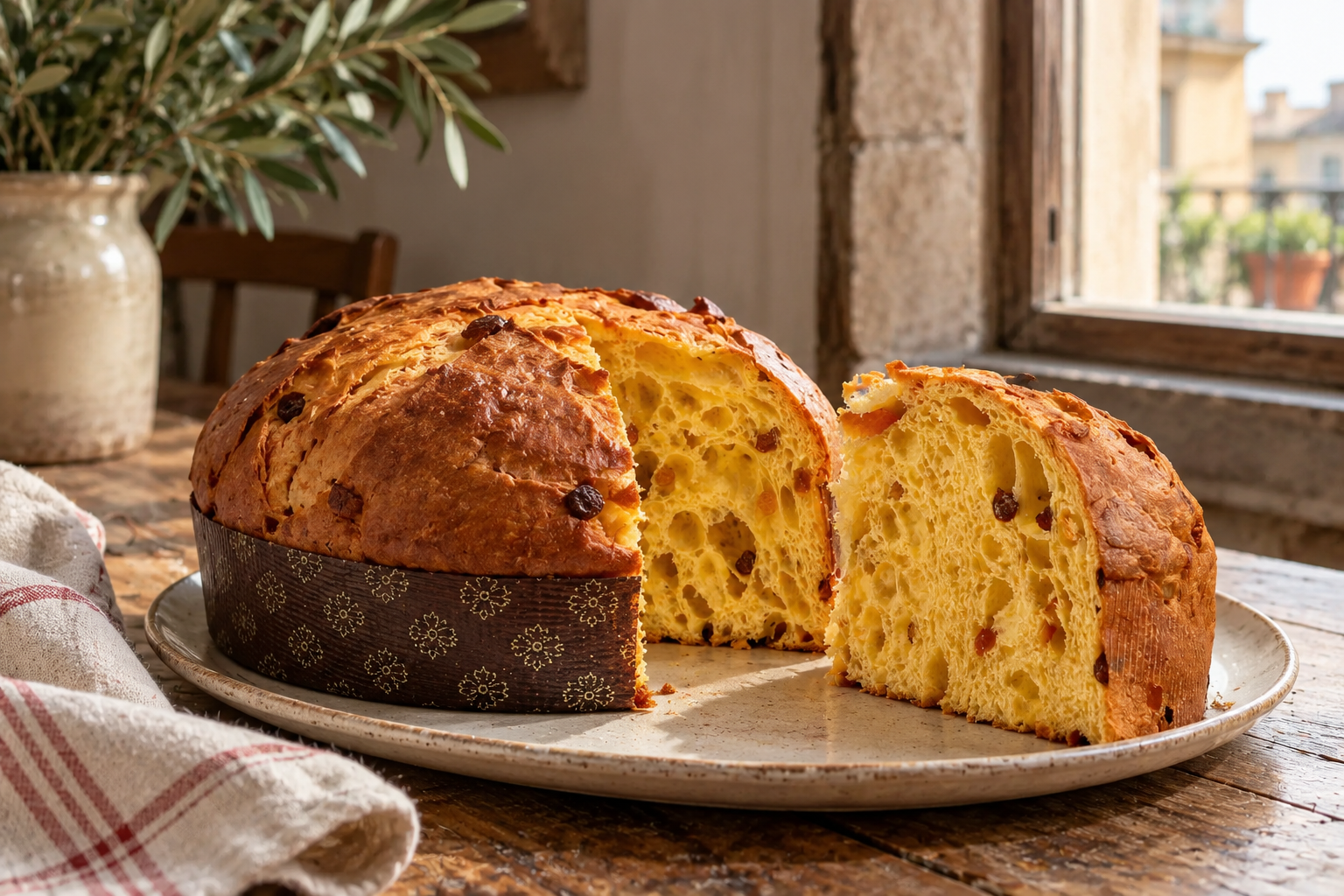
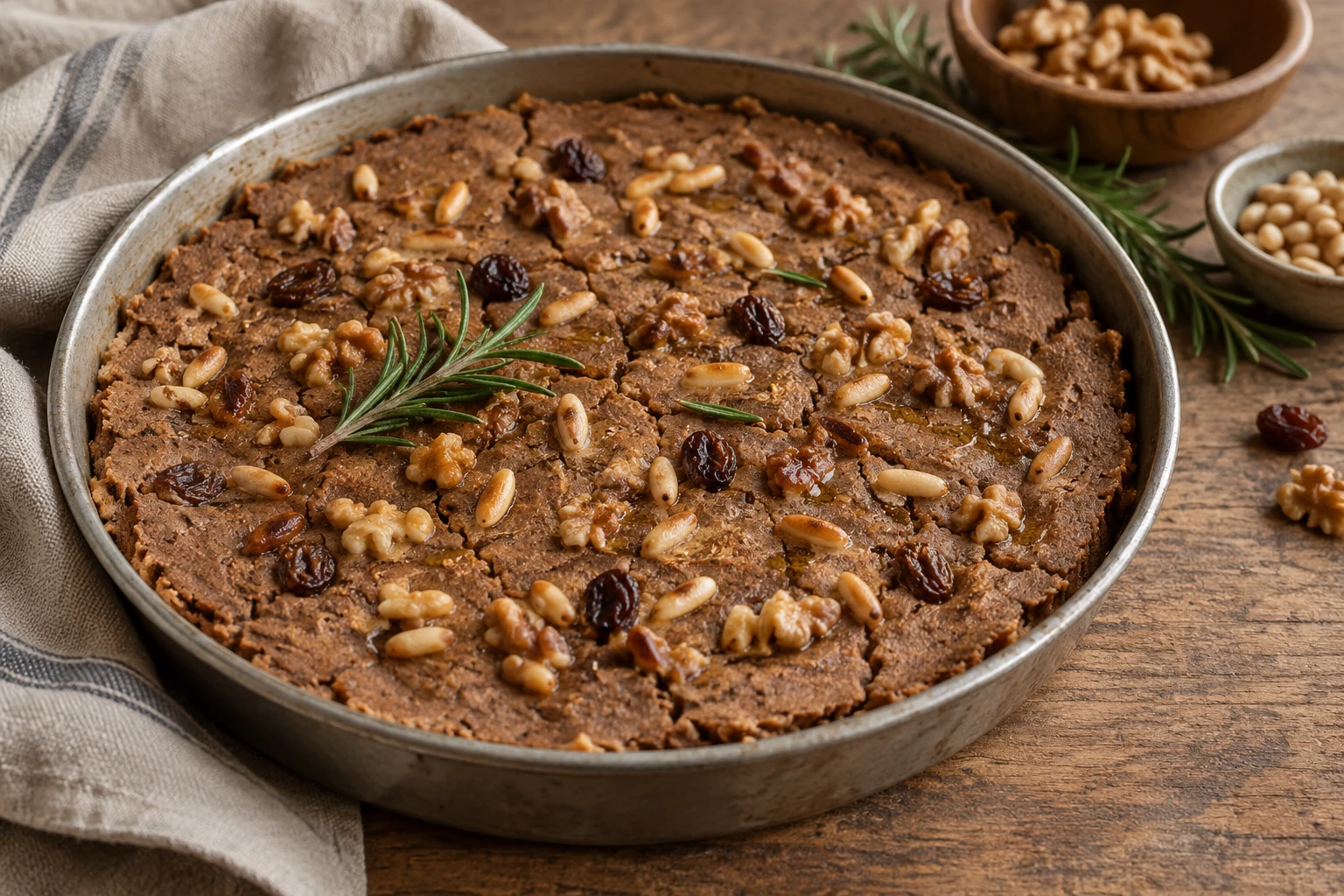
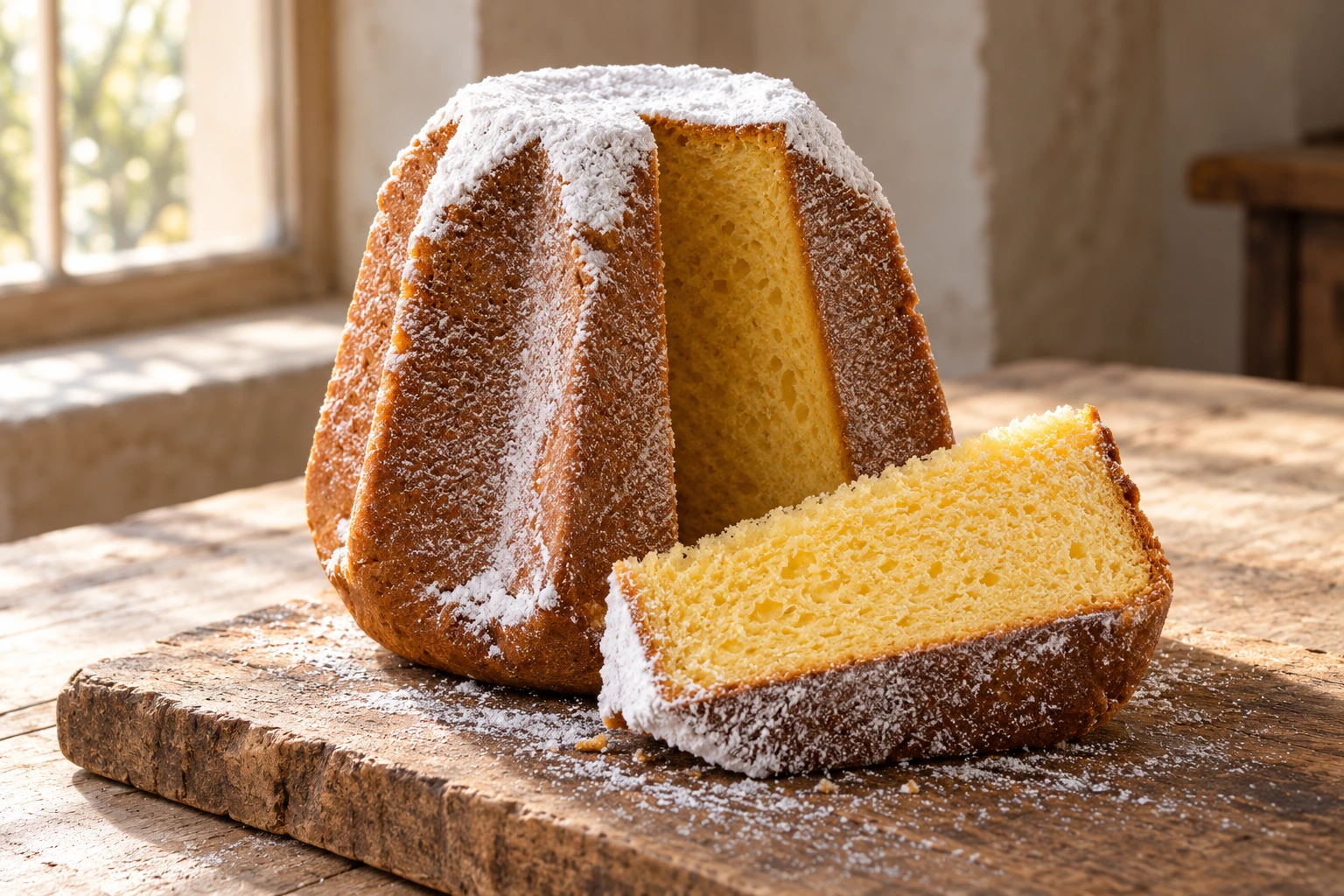
Panettone and pandoro are enriched doughs with long preparation schedules. Pandolce basso gives you a compact, fruit-filled loaf raised with baking powder. Frustingo brings figs, nuts and cooked grape must into a dense cake, while Trentino zelten surrounds dried fruit with a butter-and-egg batter. These are not interchangeable versions of one Christmas cake: choose the method and texture that suit your table.
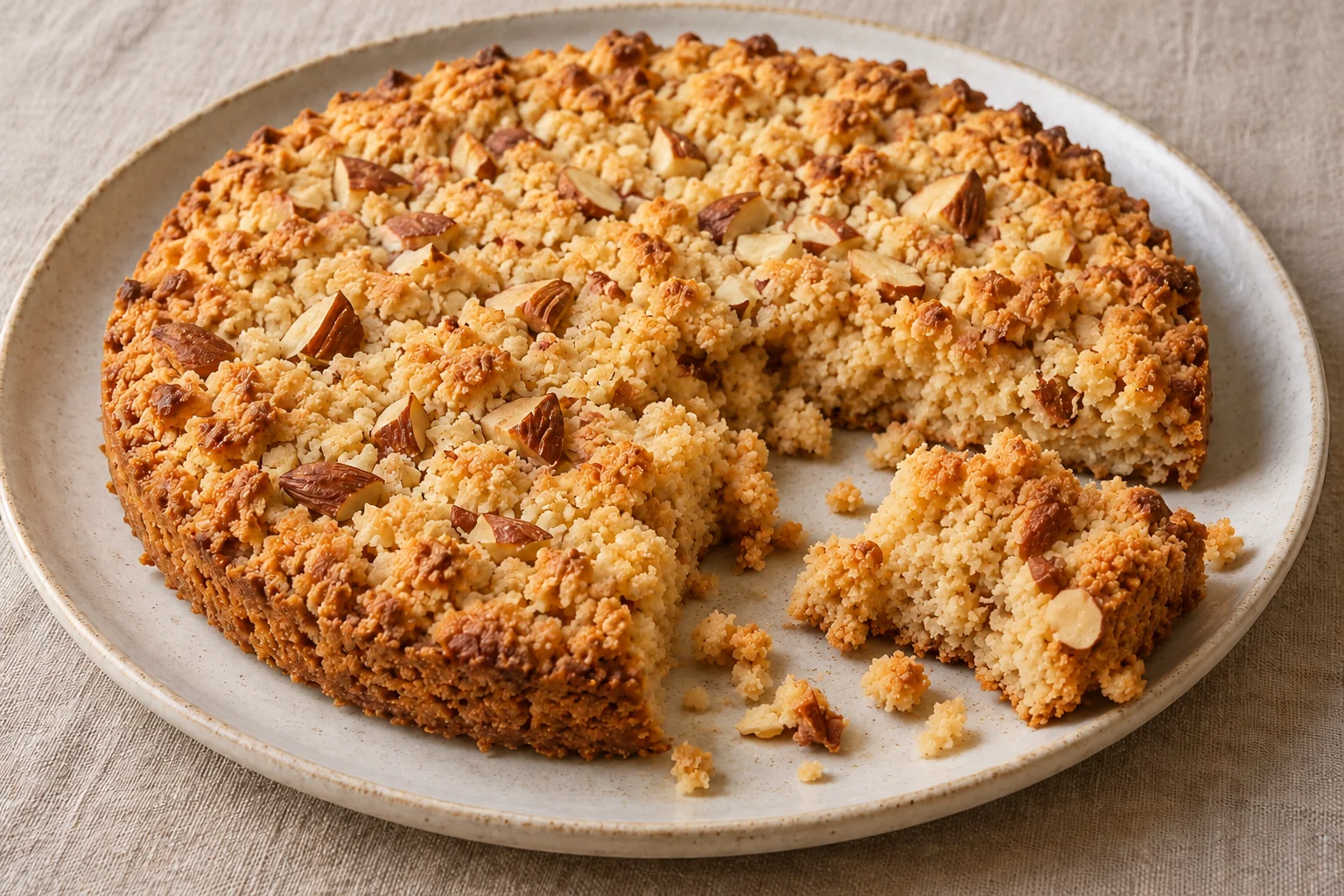
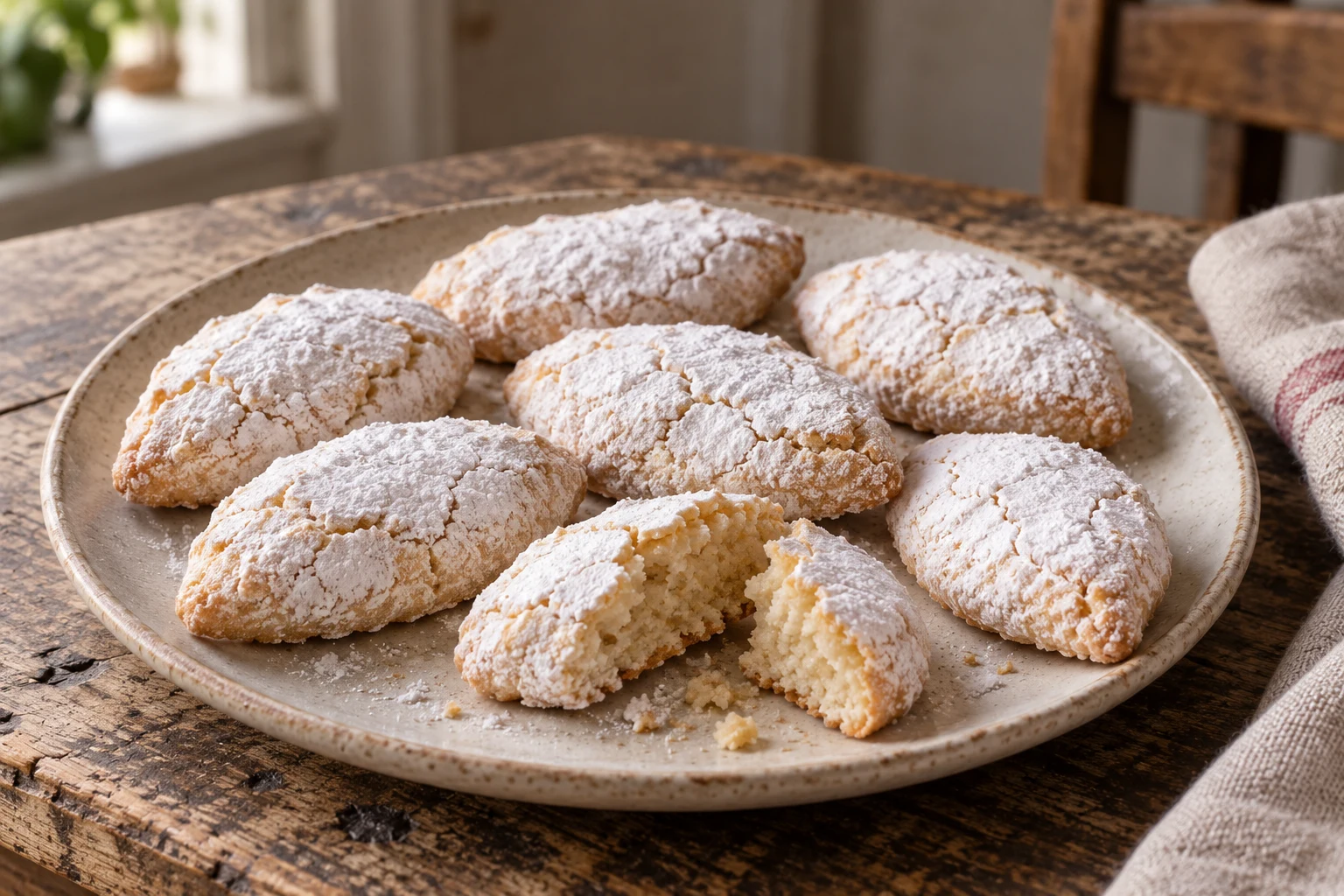
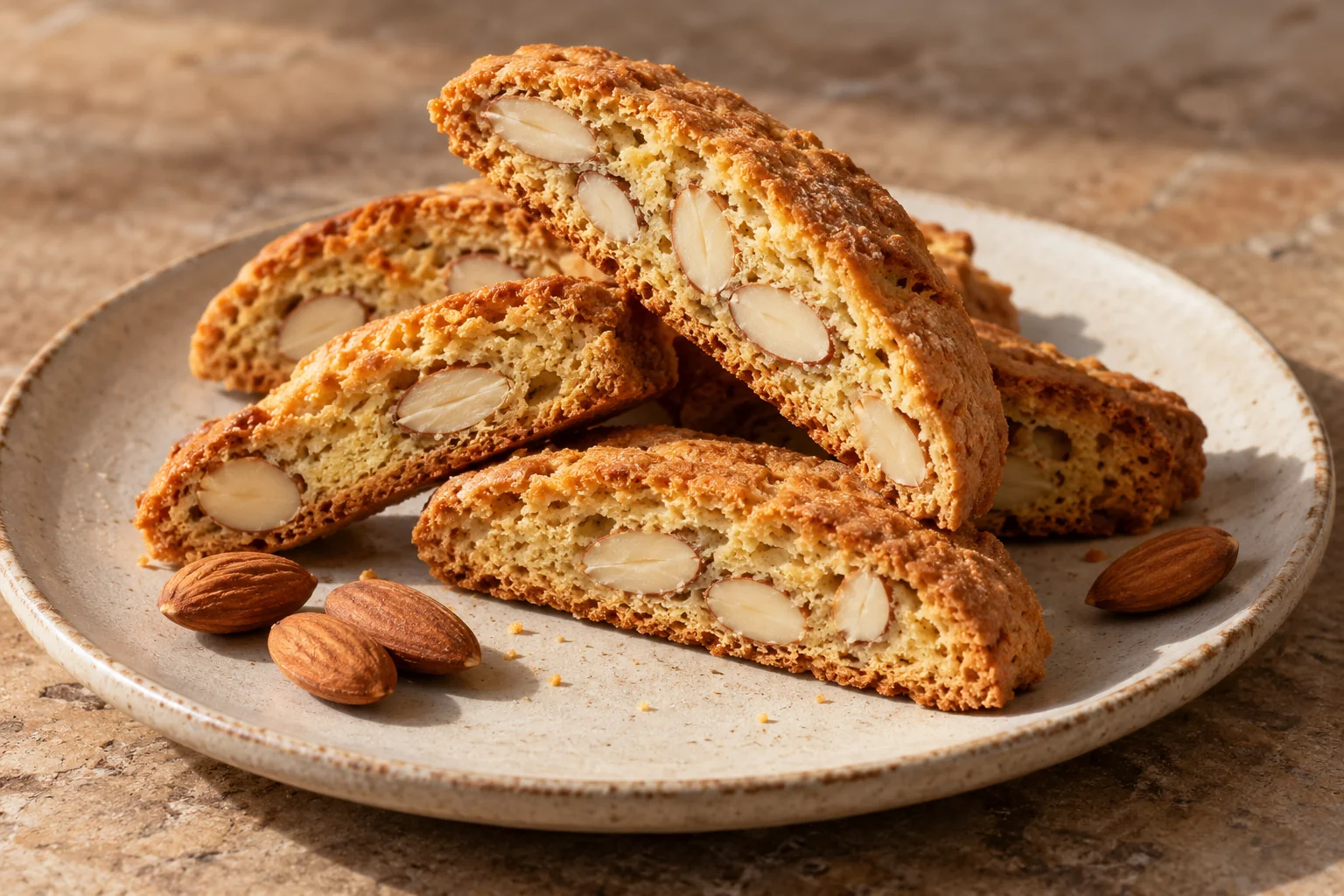
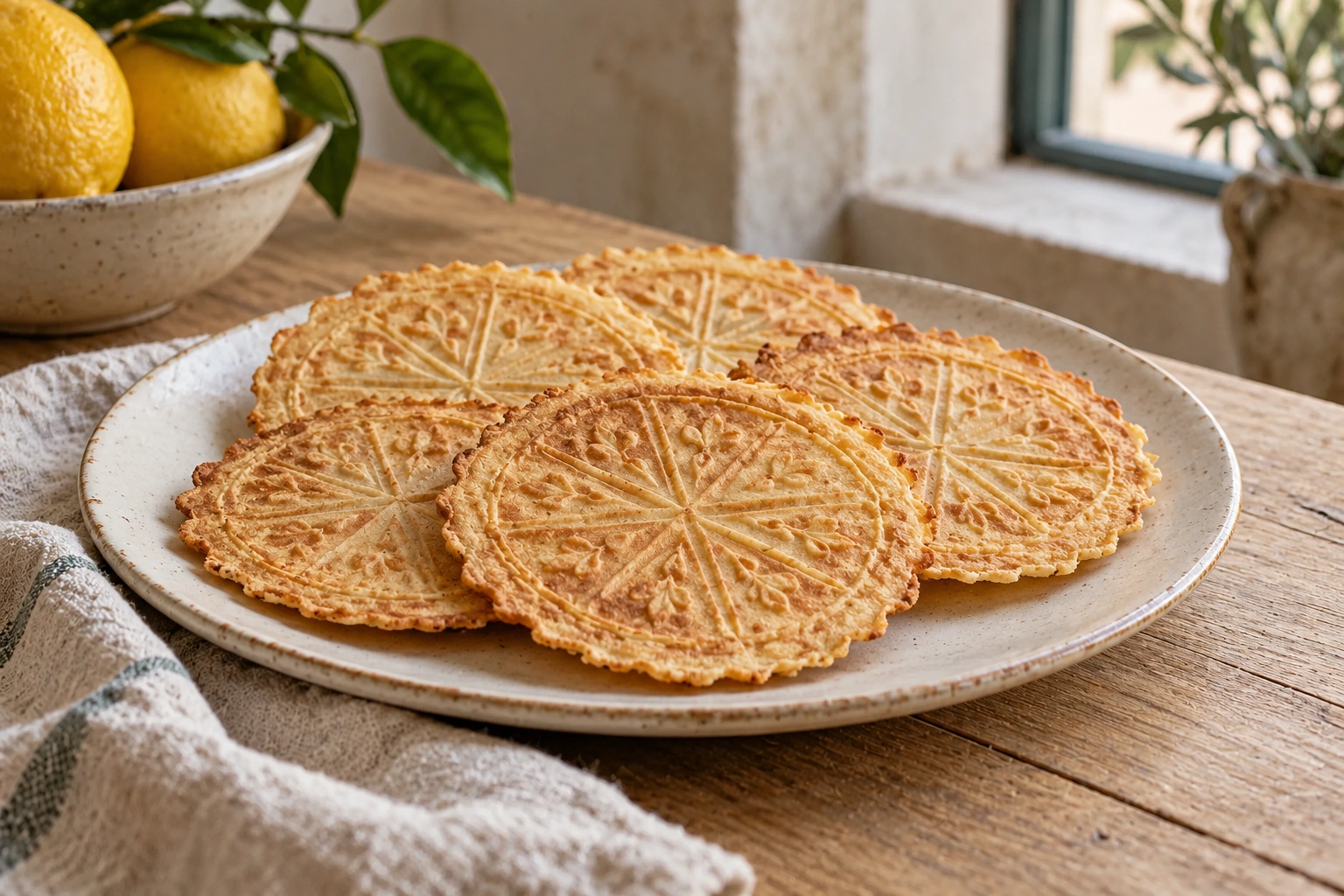
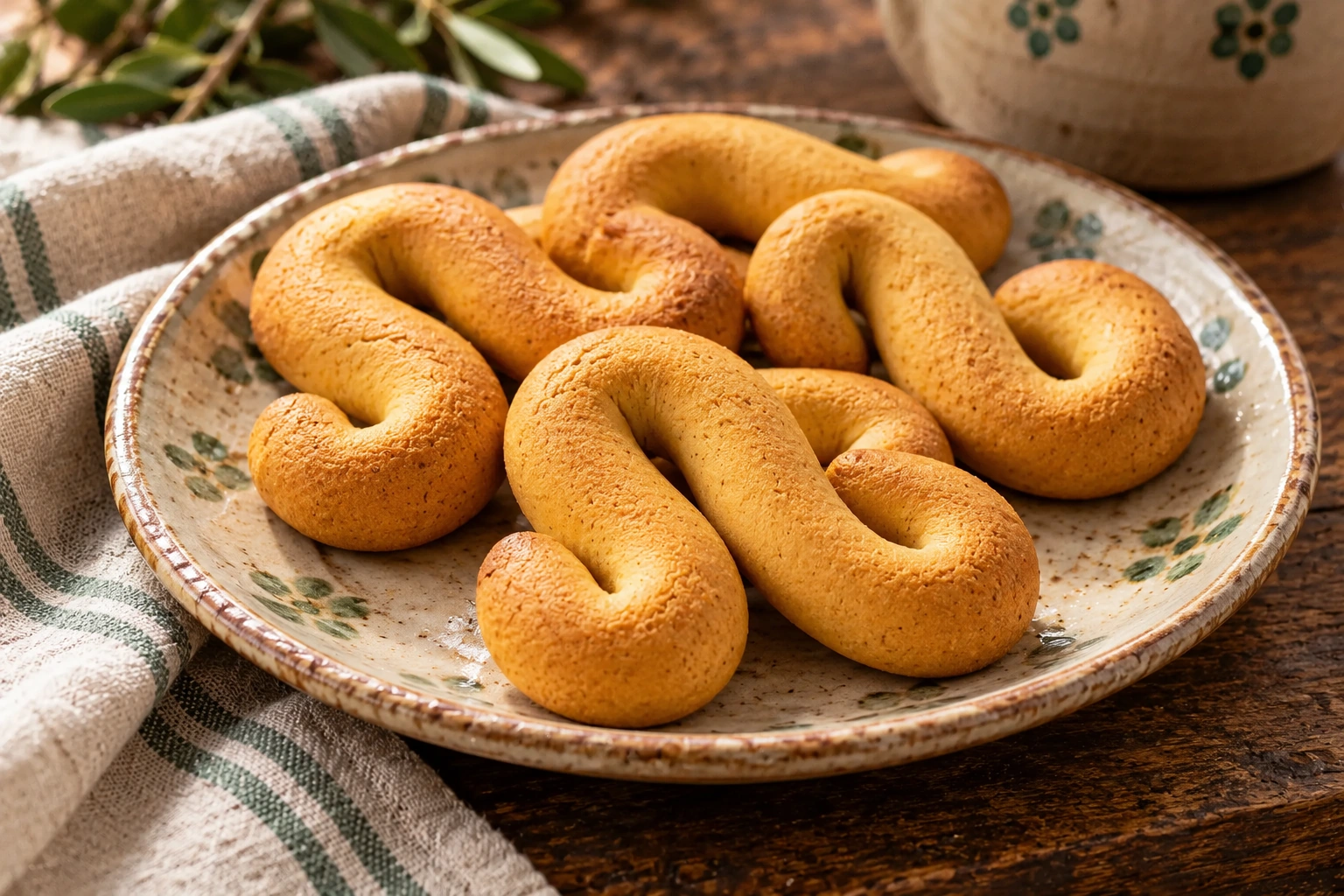
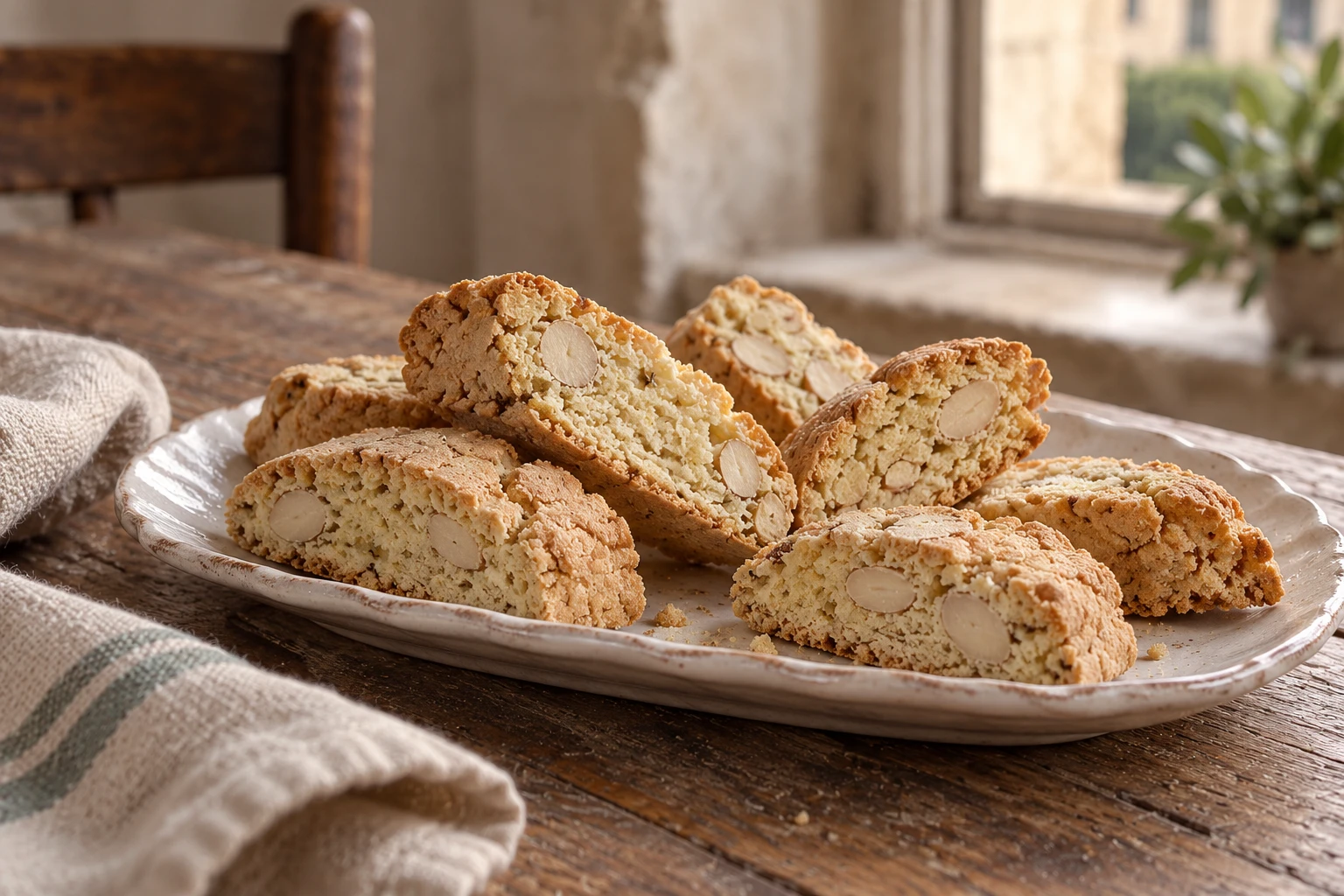
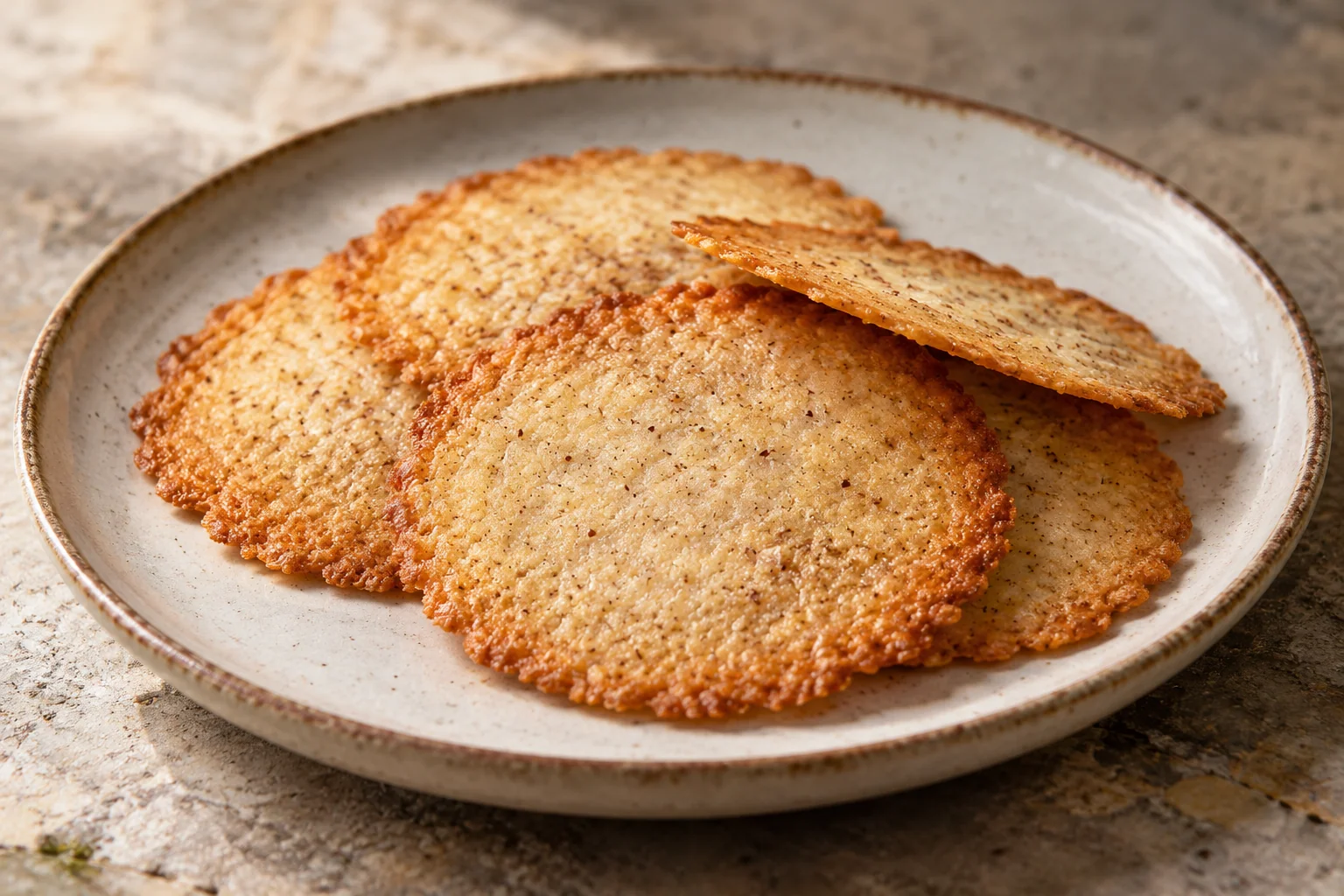
You can then add a smaller sweet with a different bite. Ricciarelli stay soft after baking; cantucci and tozzetti are sliced and baked twice. Sbrisolona breaks into crisp, crumbly pieces rather than neat slices. Ferratelle take their pattern from a heated iron. Thinking in those forms helps you avoid a platter that repeats the same texture under several different names.
Keep the regional identity clear
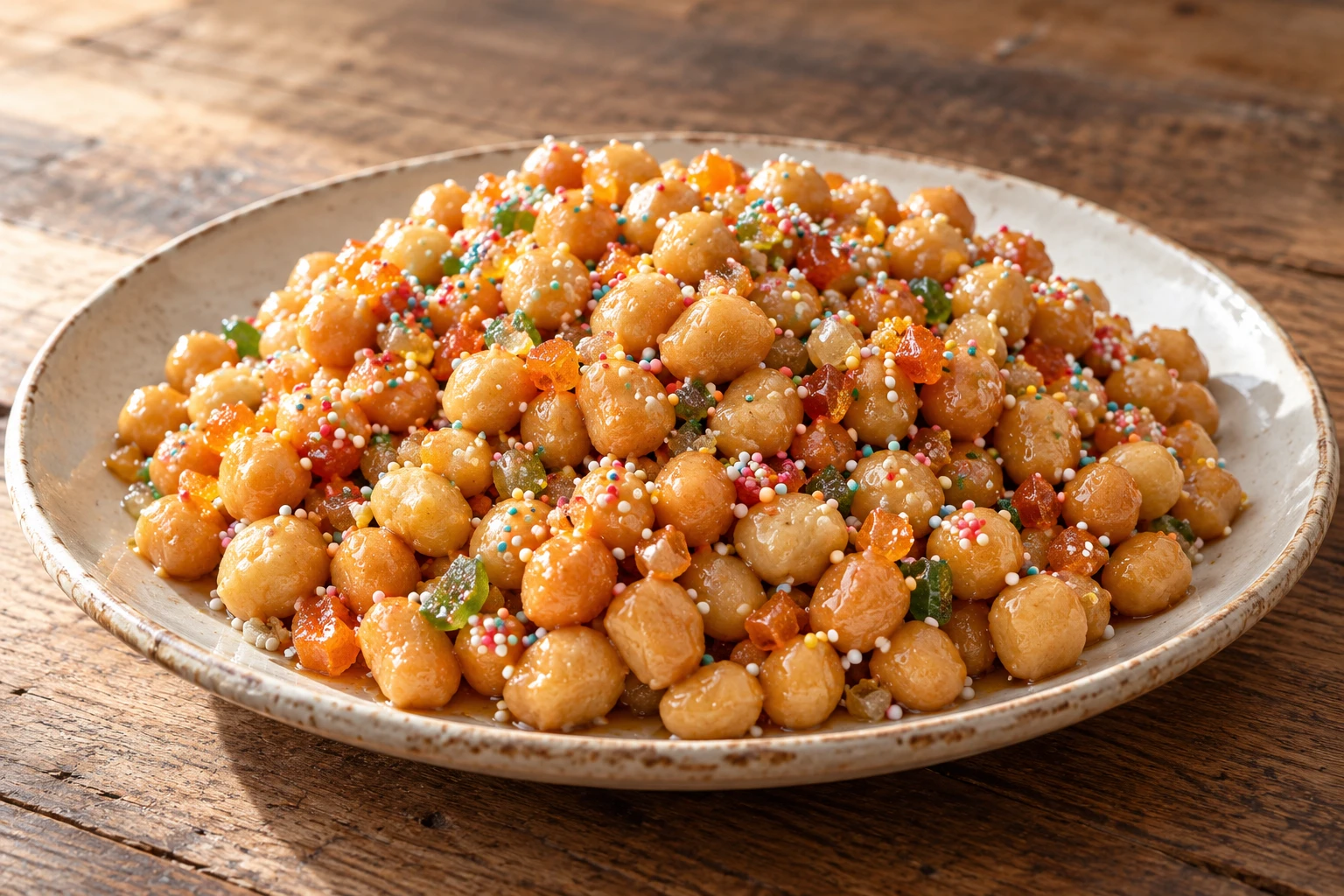
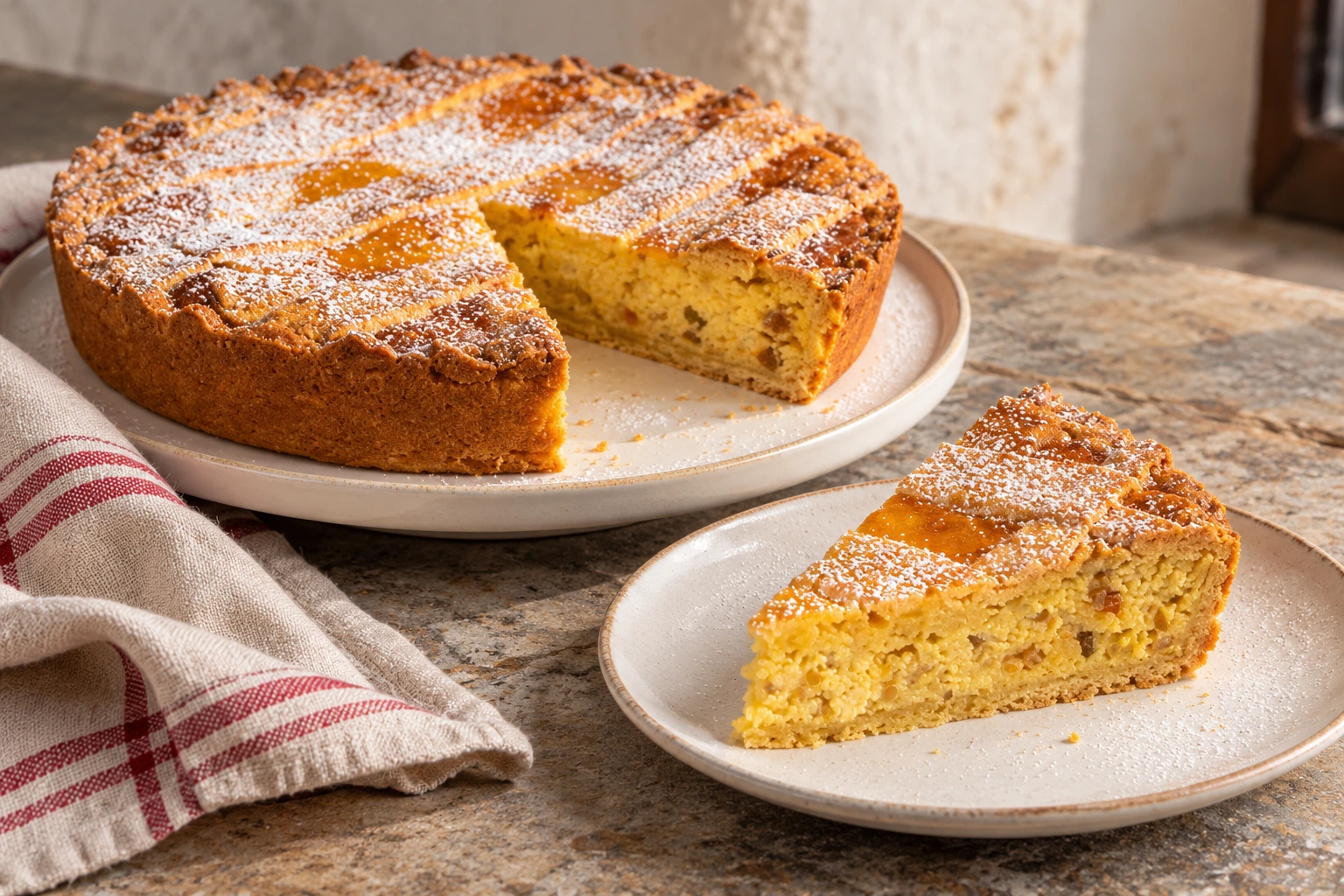
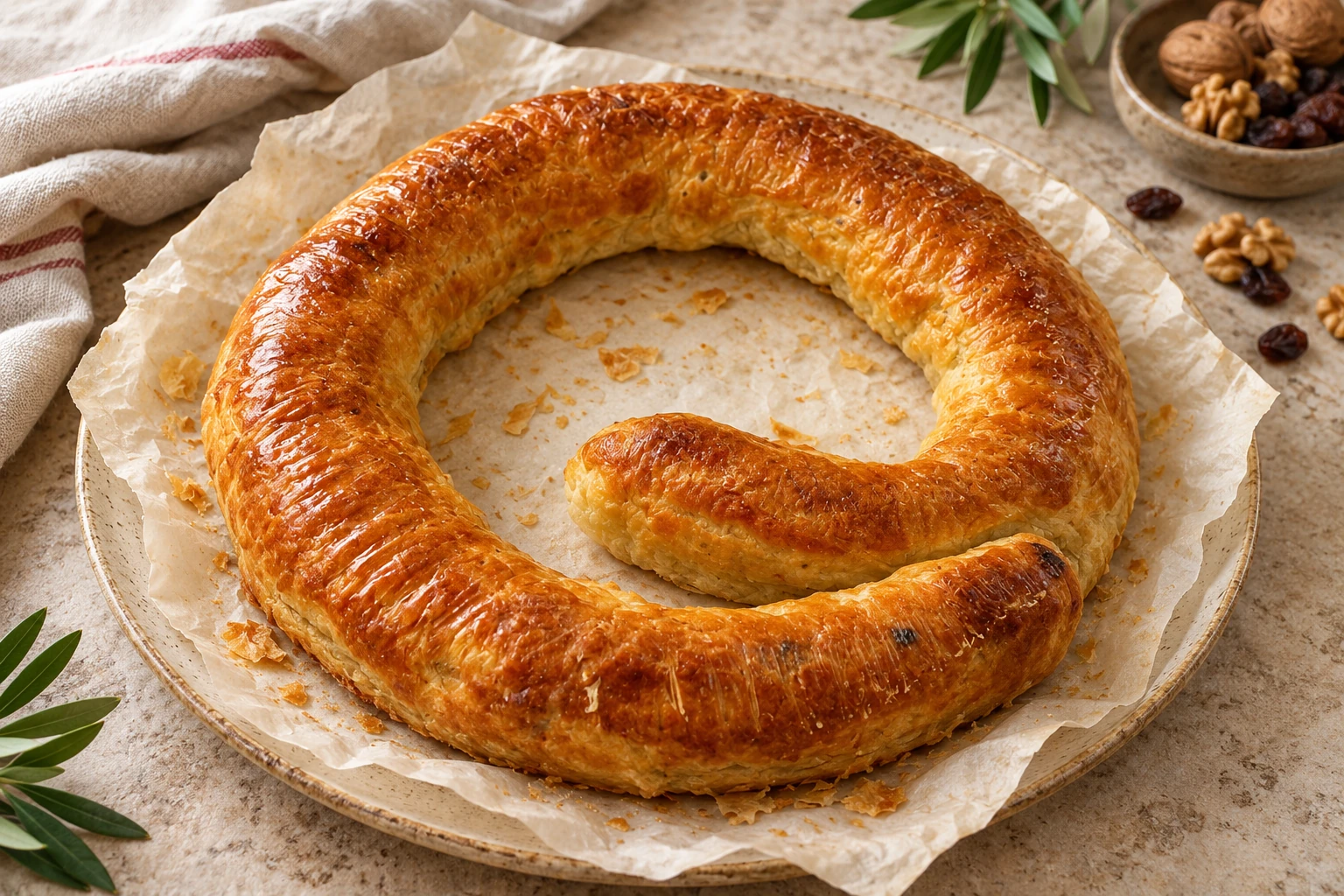
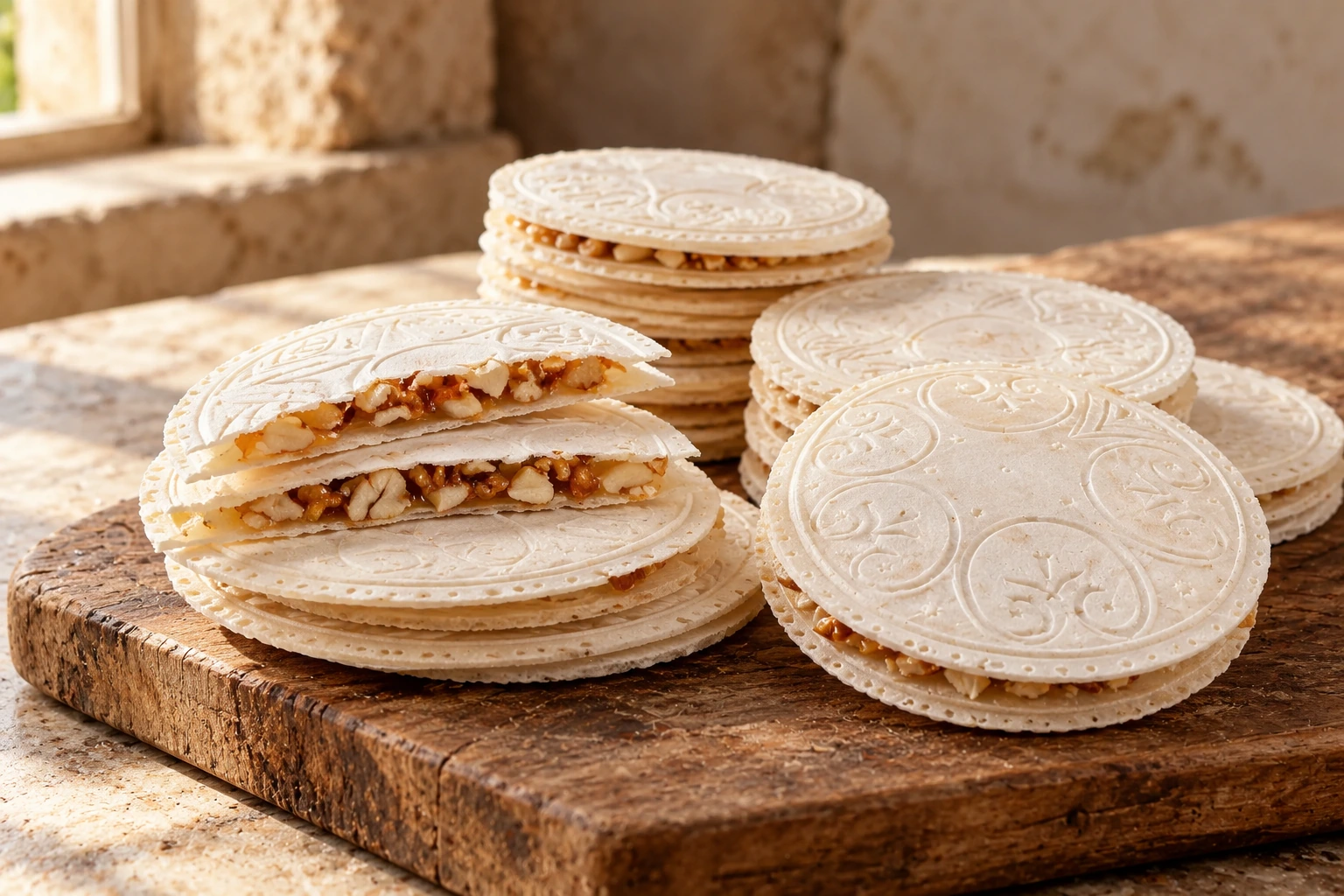
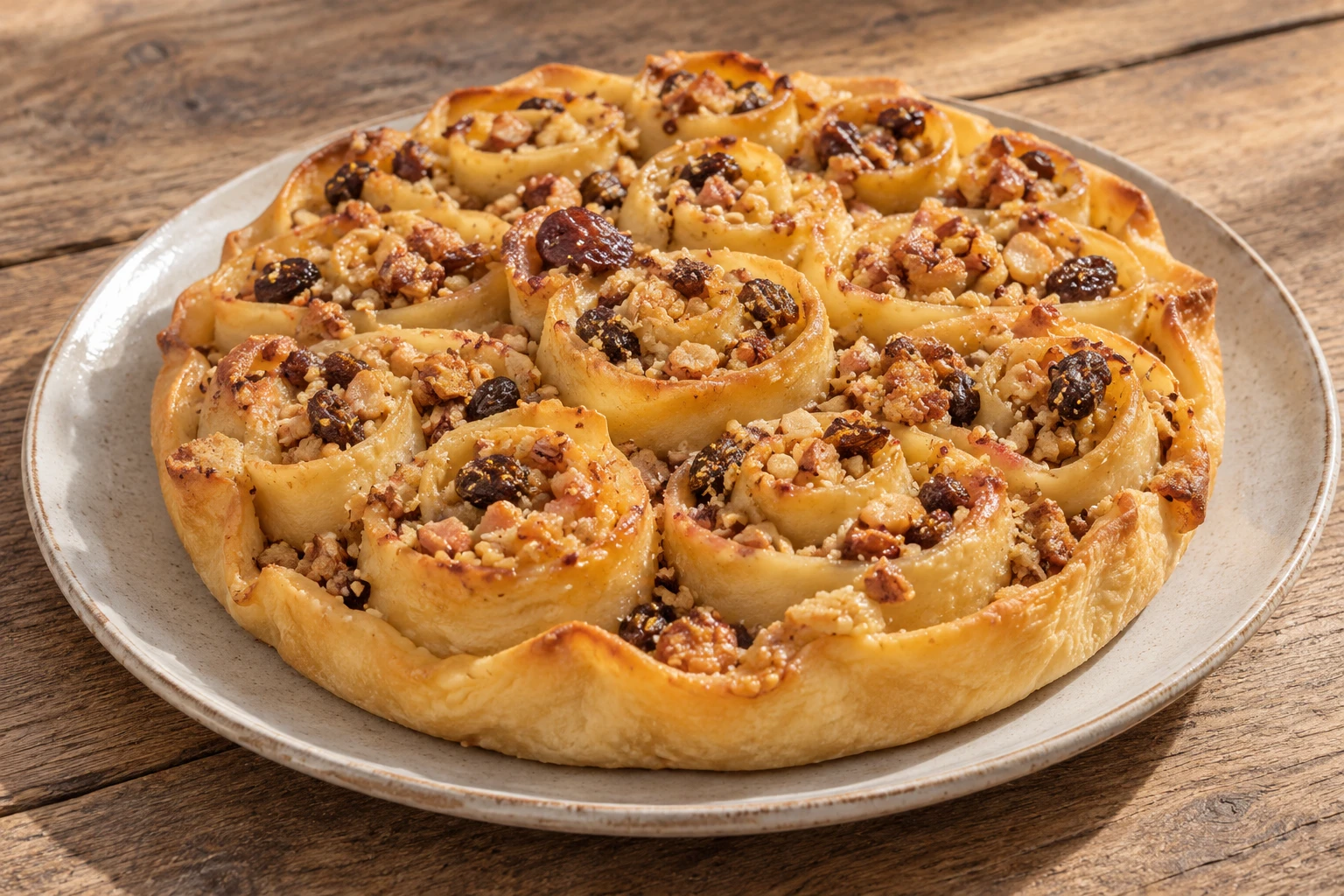
Struffoli, calzoncelli di castagne, pitta ’mpigliata and ostie ripiene di Agnone have explicit Christmas connections in their recipes. Other sweets in the collection are choices for a holiday menu rather than a claim that their history begins at Christmas. Pastiera is a Neapolitan Easter tart; pardulas are associated with Easter in southern Sardinia. Torcolo di San Costanzo belongs to Perugia’s feast on 29 January.
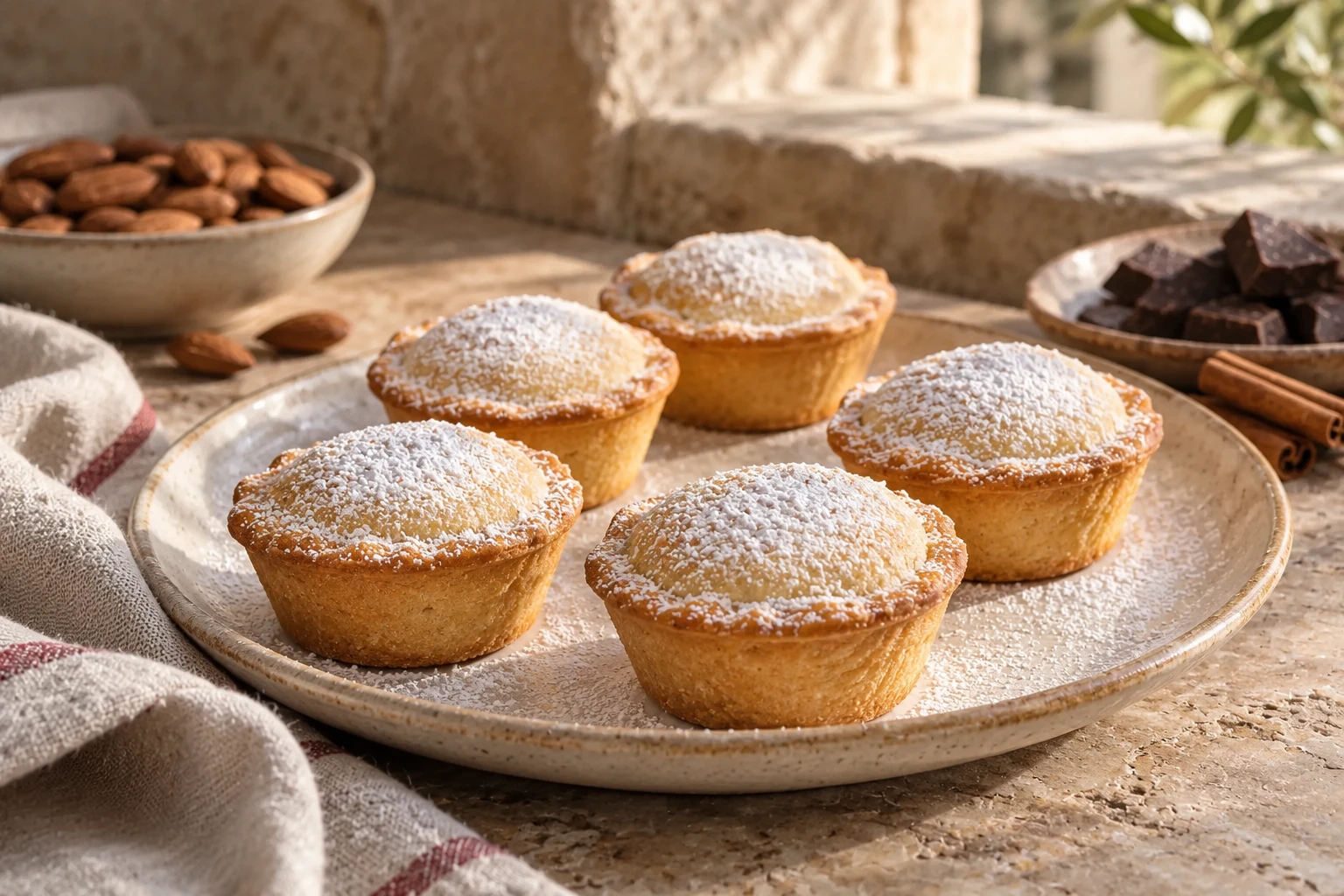
The same care applies to versions within a tradition. These mostaccioli di Soriano are honey cookies without chocolate icing. The bocconotti recipe uses chocolate and toasted almonds without grape jam. The Trentino zelten here is a cake rather than South Tyrol’s yeasted fruit bread. Open the recipe before shopping so the name on your list identifies the preparation you will actually make.
Give fillings and coatings their own time
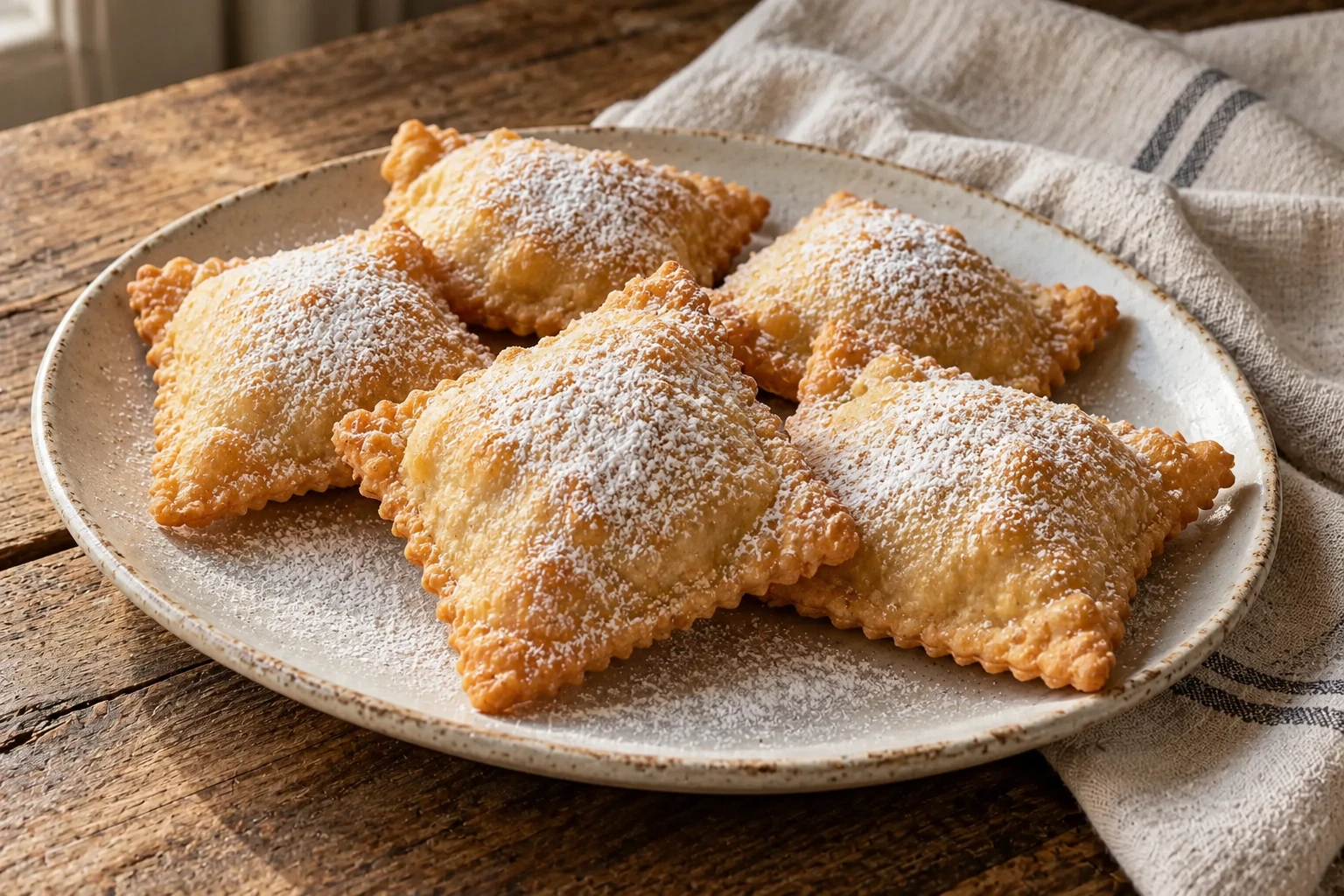
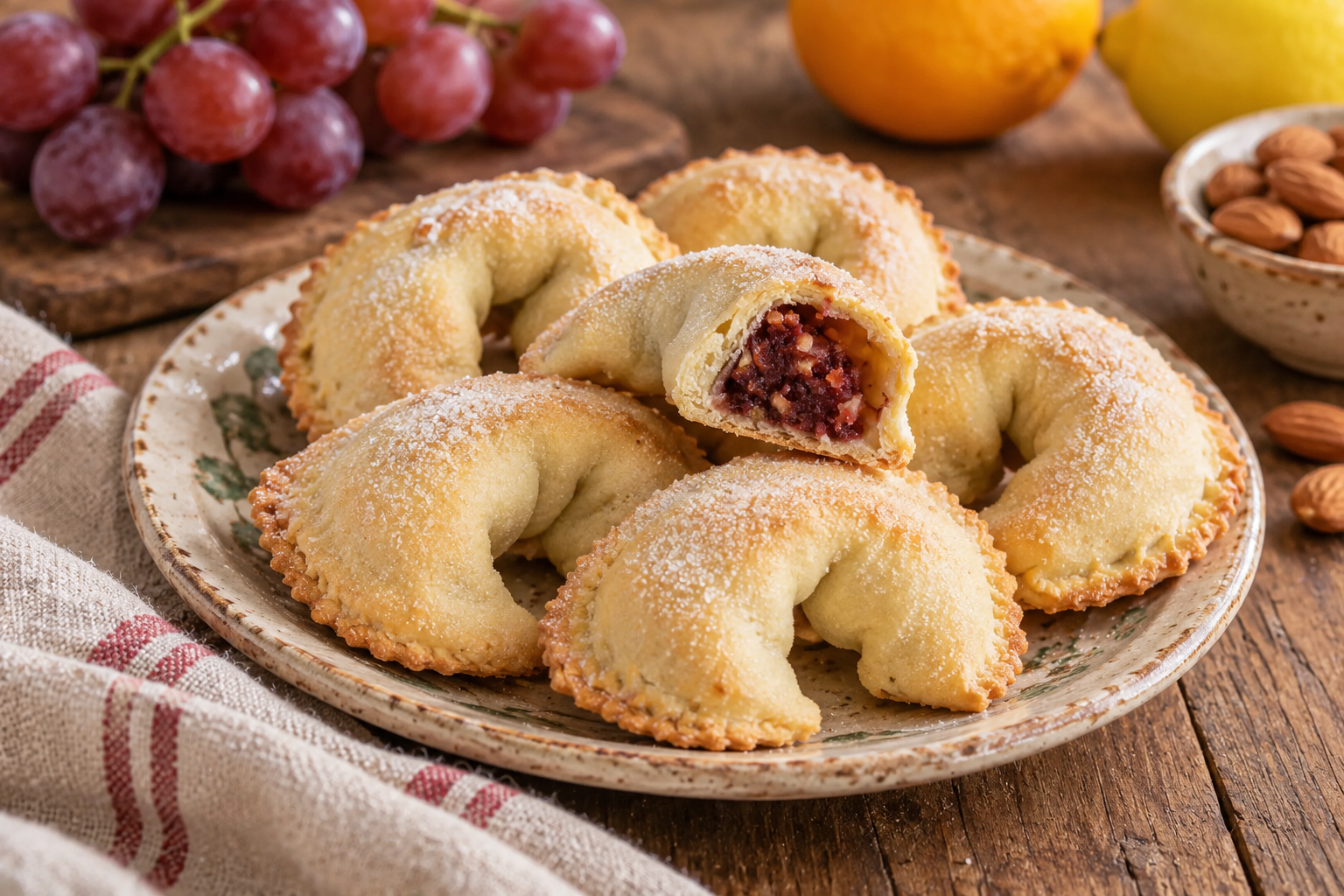
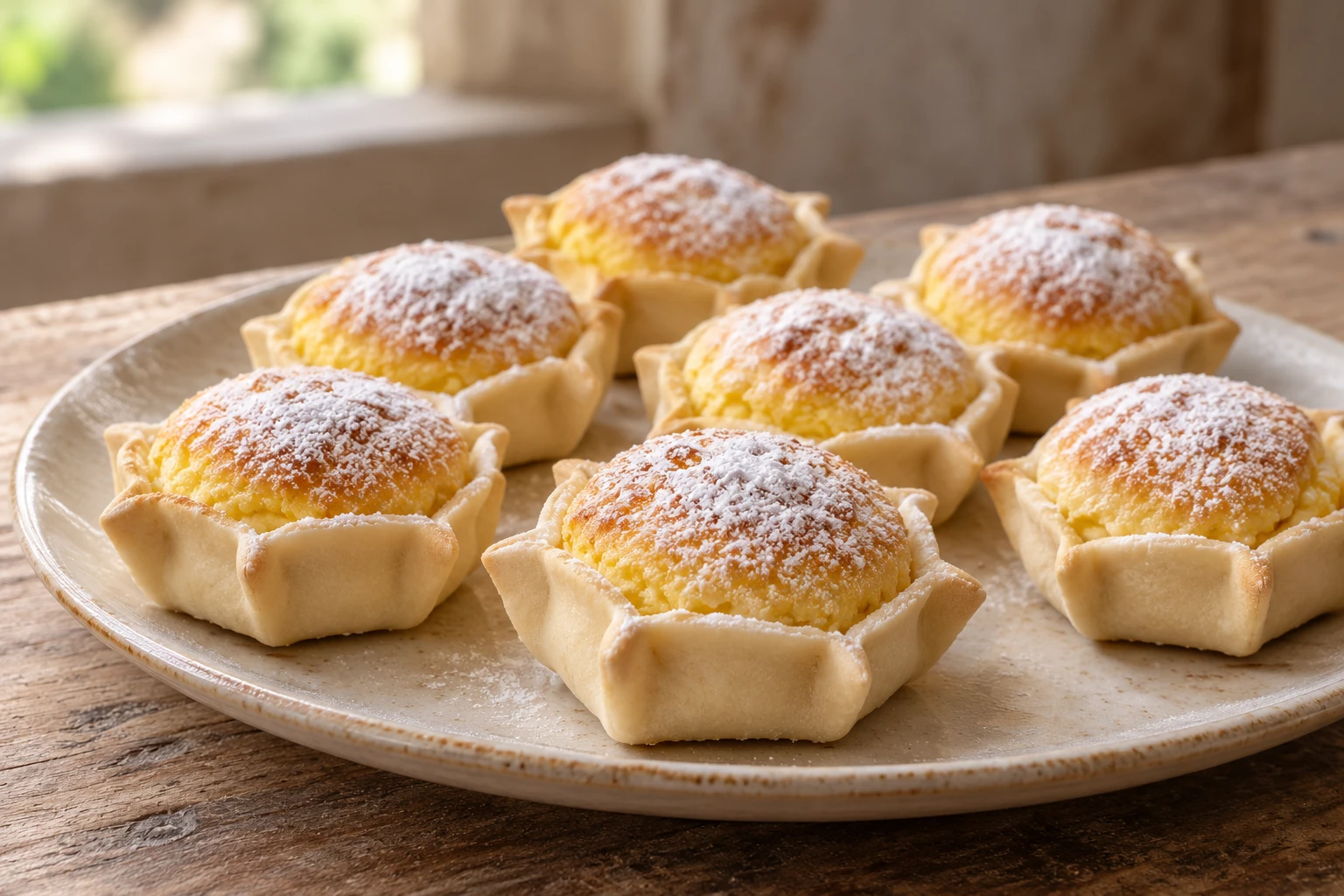
A filled pastry is several tasks, not just its baking time. Bocconotti begin with a filling chilled overnight. Calzoncelli need a prepared chestnut-and-chocolate centre before the thin dough can be closed. Piccillati enclose grape jam and almonds in an oil-and-wine pastry. Organise the components first and let the recipe’s shaping sequence decide how much you can comfortably make.
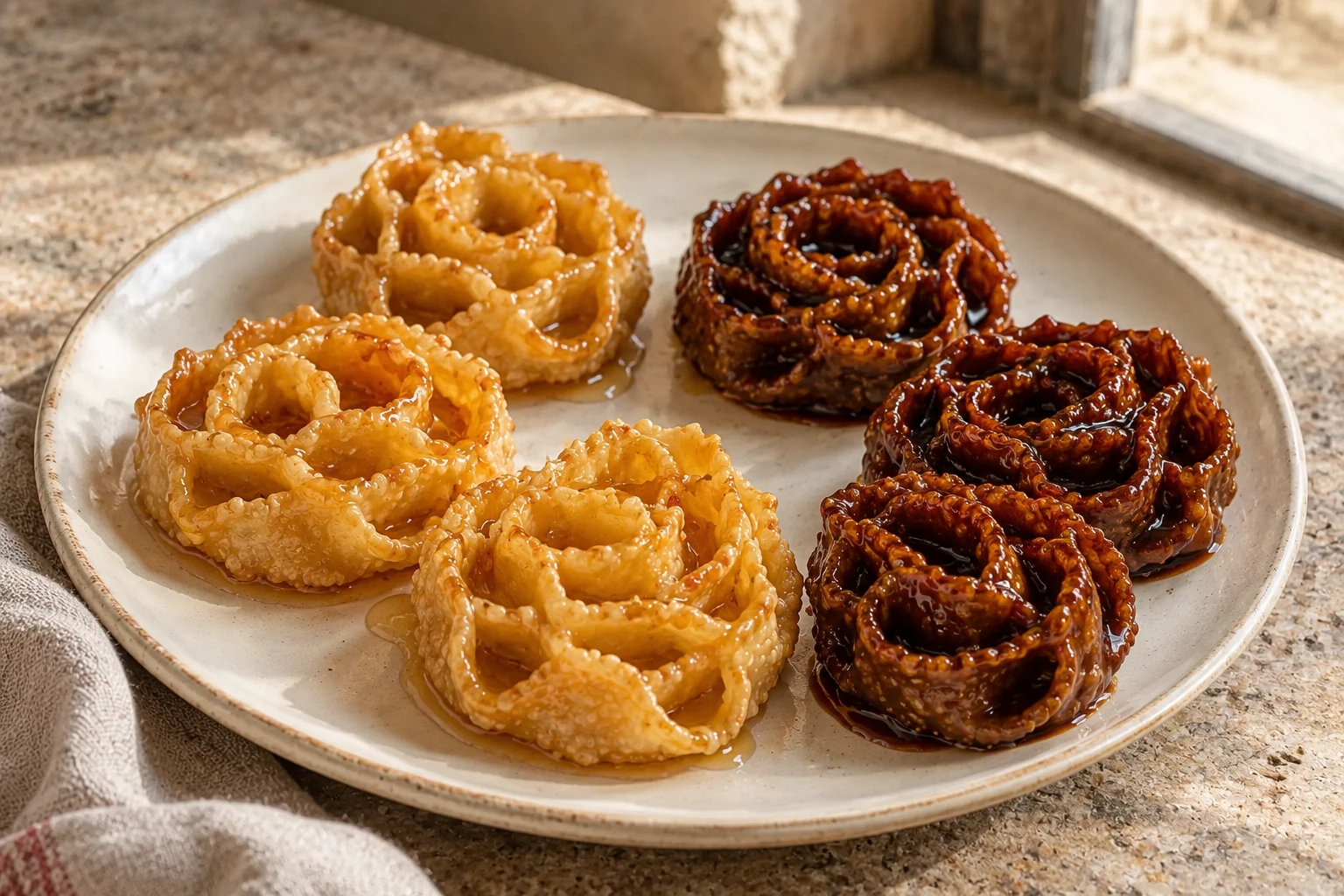
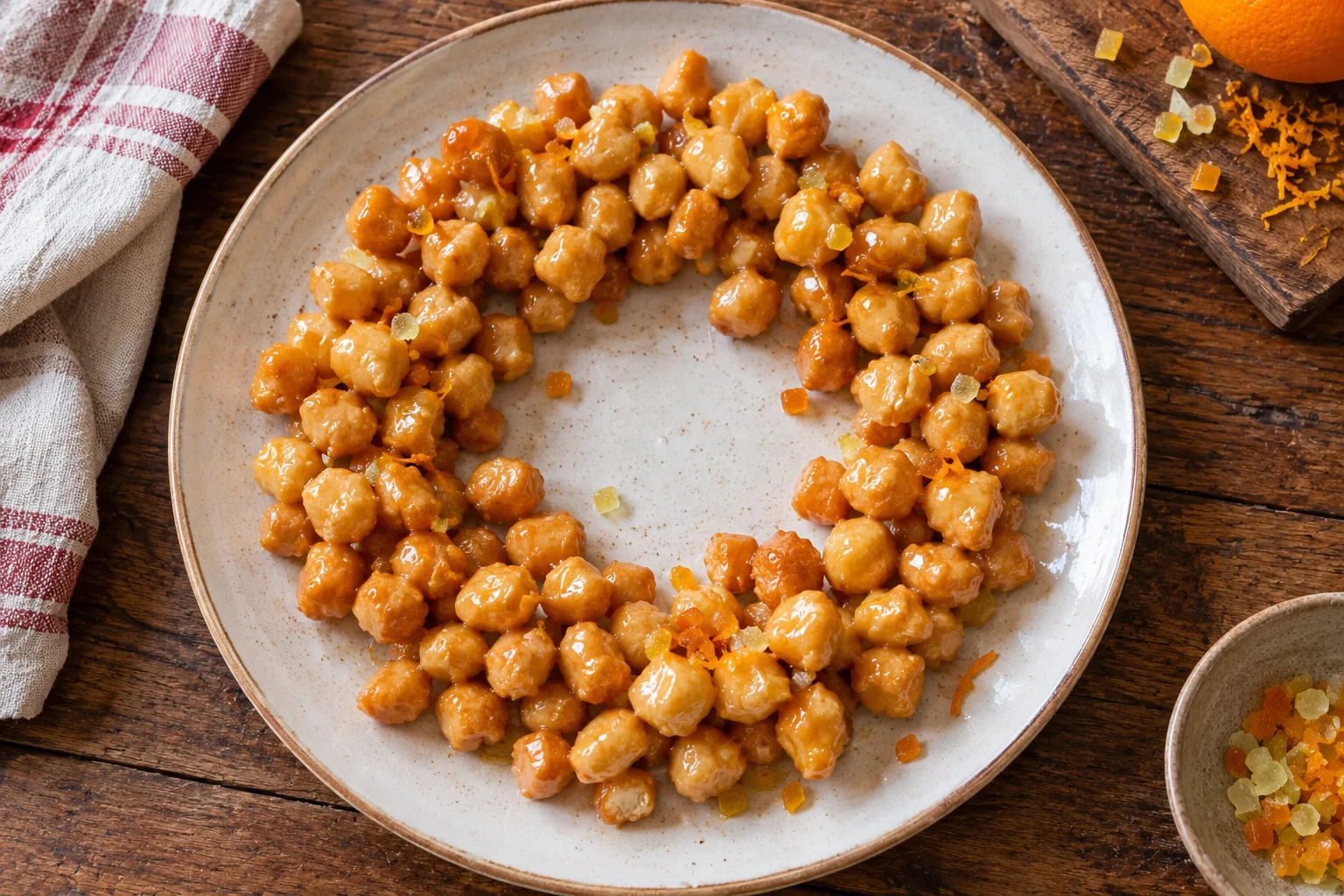
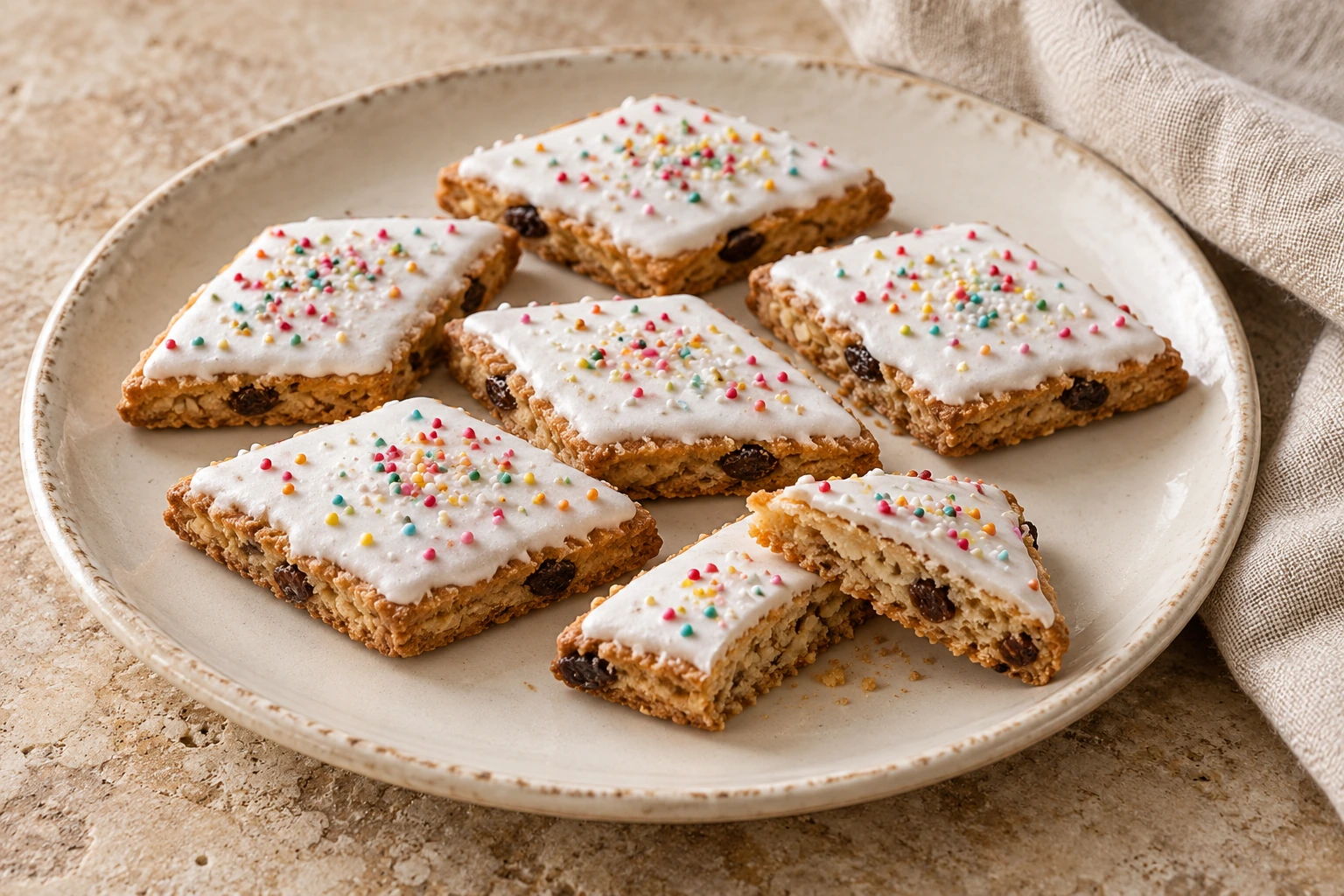
Coatings also change the timetable. Honey gathers cicerchiata into a ring; cartellate hold honey or fig vincotto in their pinched pastry roses. Papassini need their white glaze to dry before they are put together. Those finishes are part of the finished texture, so leave room for them rather than treating decoration as an optional final minute.
Decide what to finish at the table
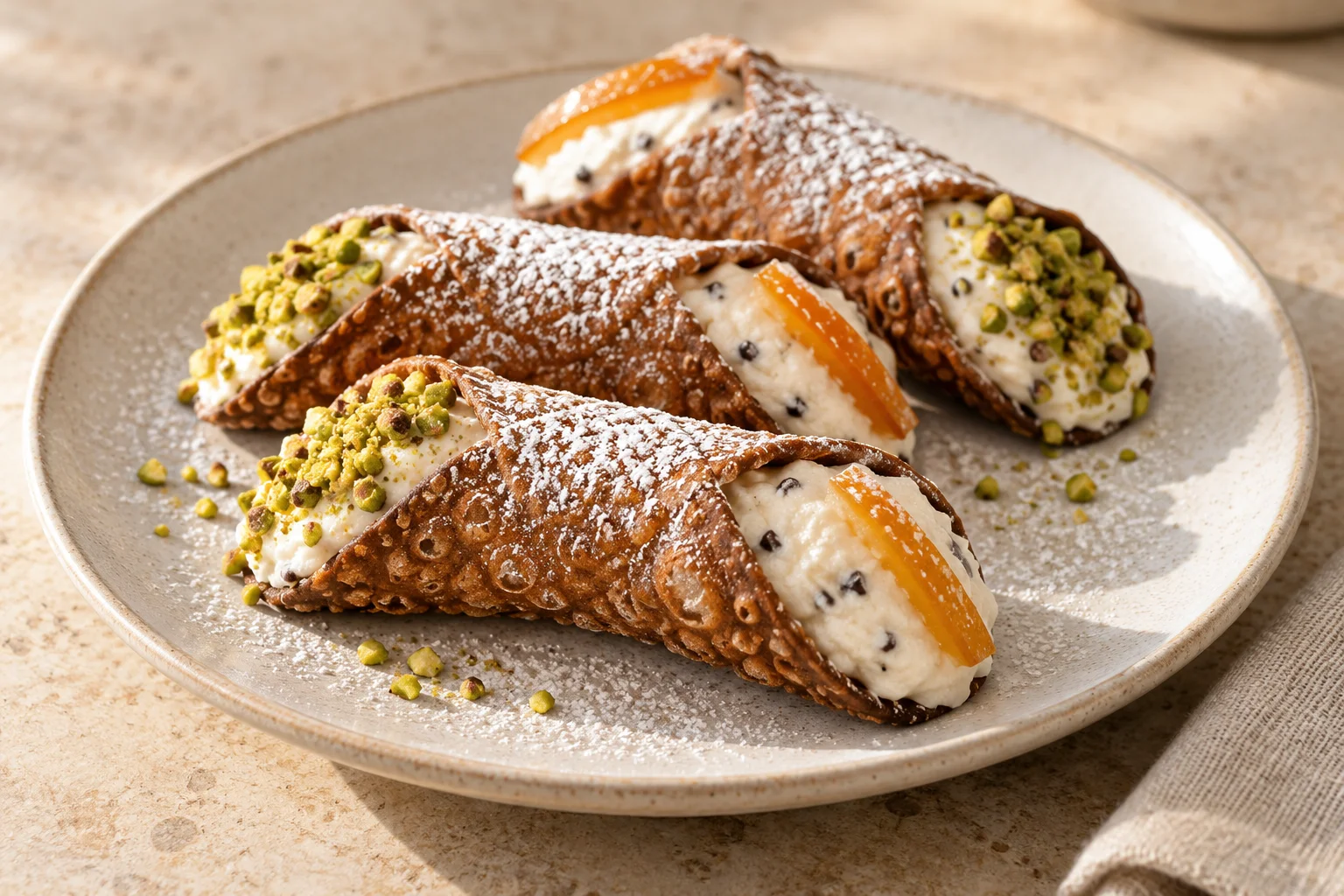
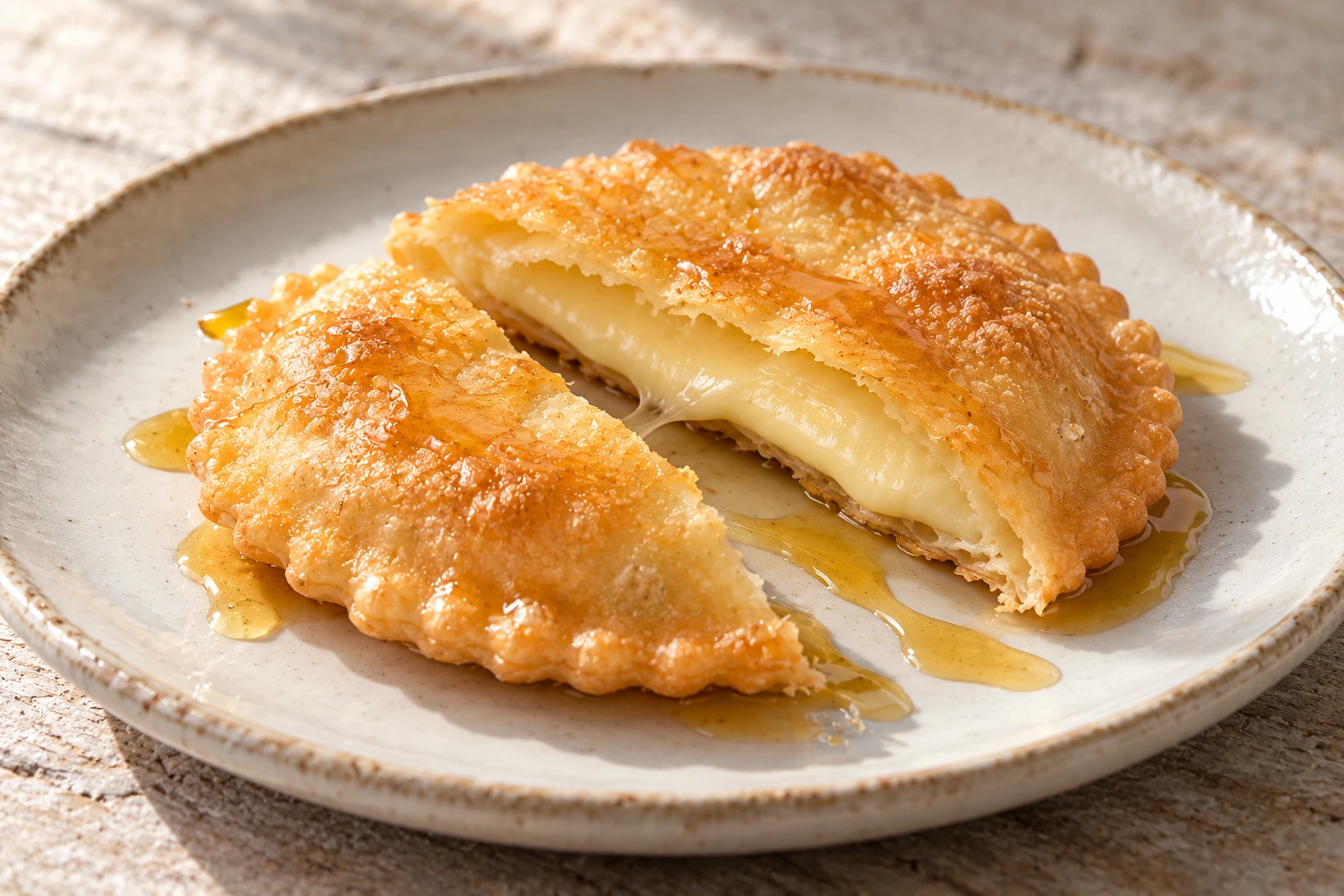
Cannoli are a clear choice when you can fill them close to serving, keeping the fried shell distinct from the ricotta cream. Seadas ask for frying when the dessert course is ready. A prepared cake and a plate of cooled biscuits make different demands on the host. Choose one last-minute sweet if you enjoy that work, and let the others be ready before the meal.
Small portions make a mixed table easier to enjoy. Bring a whole cake out before cutting it if its form is part of the pleasure, then offer modest slices beside the smaller pastries. Use separate serving space for fragile wafers and heavier filled sweets. The recipes supply their own storage instructions; keep those with the preparations rather than applying one rule to every pastry on the table.
For the rest of the meal, open the Christmas recipes collection. The Christmas guide connects the sweets with the season’s markets, meals and places.