Skip to content

Capitoline Museums

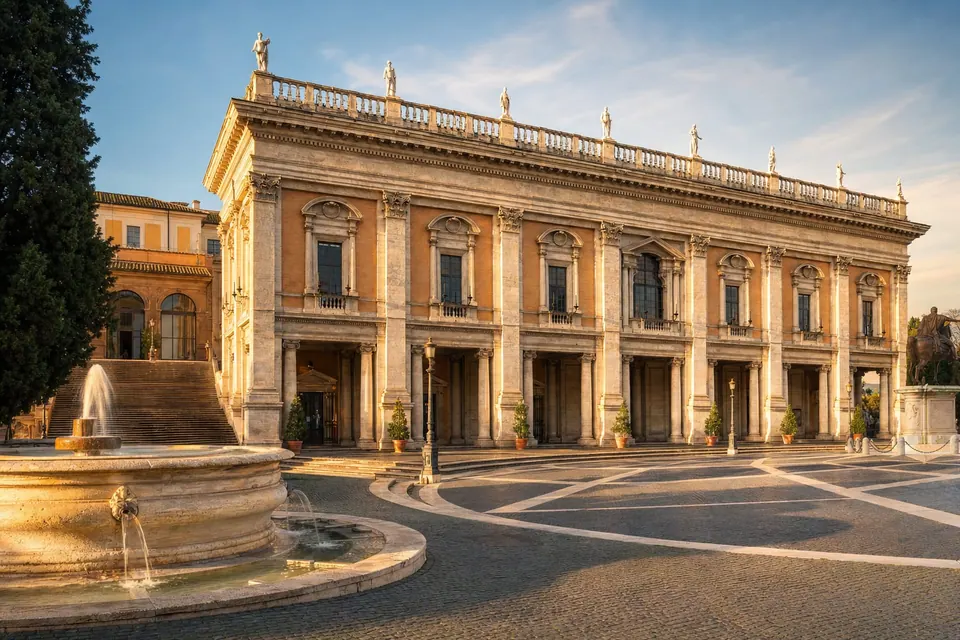
The world's first public museum, on the star-paved piazza Michelangelo designed for Rome.

  • Rome
  • Museum
Where
Rome
Best for
Michelangelo's piazza
Allow
2 hr 30 min
Tickets
From €15
Checked September 2026

In 1471, Pope Sixtus IV donated a group of ancient bronzes, including the Capitoline Wolf and the Spinario, to the Roman people, an act generally credited as the founding of the world's first public museum, more than three centuries before the Louvre opened its doors.

Michelangelo redesigned the piazza and the two palaces flanking it from 1536 onward, laying the star-patterned pavement and the gently rising staircase, or cordonata, that still frames the approach from below. Inside, the original gilded bronze equestrian statue of Marcus Aurelius, moved indoors in the 1980s and replaced outside by a copy, shares the collection with the Capitoline Wolf suckling Romulus and Remus (the wolf itself is ancient, though the twins were added in the Renaissance) and the colossal fragments of a statue of Constantine, a head and hand alone taller than a person. A tunnel beneath the piazza, the Galleria Congiunzione, links the two palace buildings and runs past the foundations of Rome's ancient Tabularium archive.
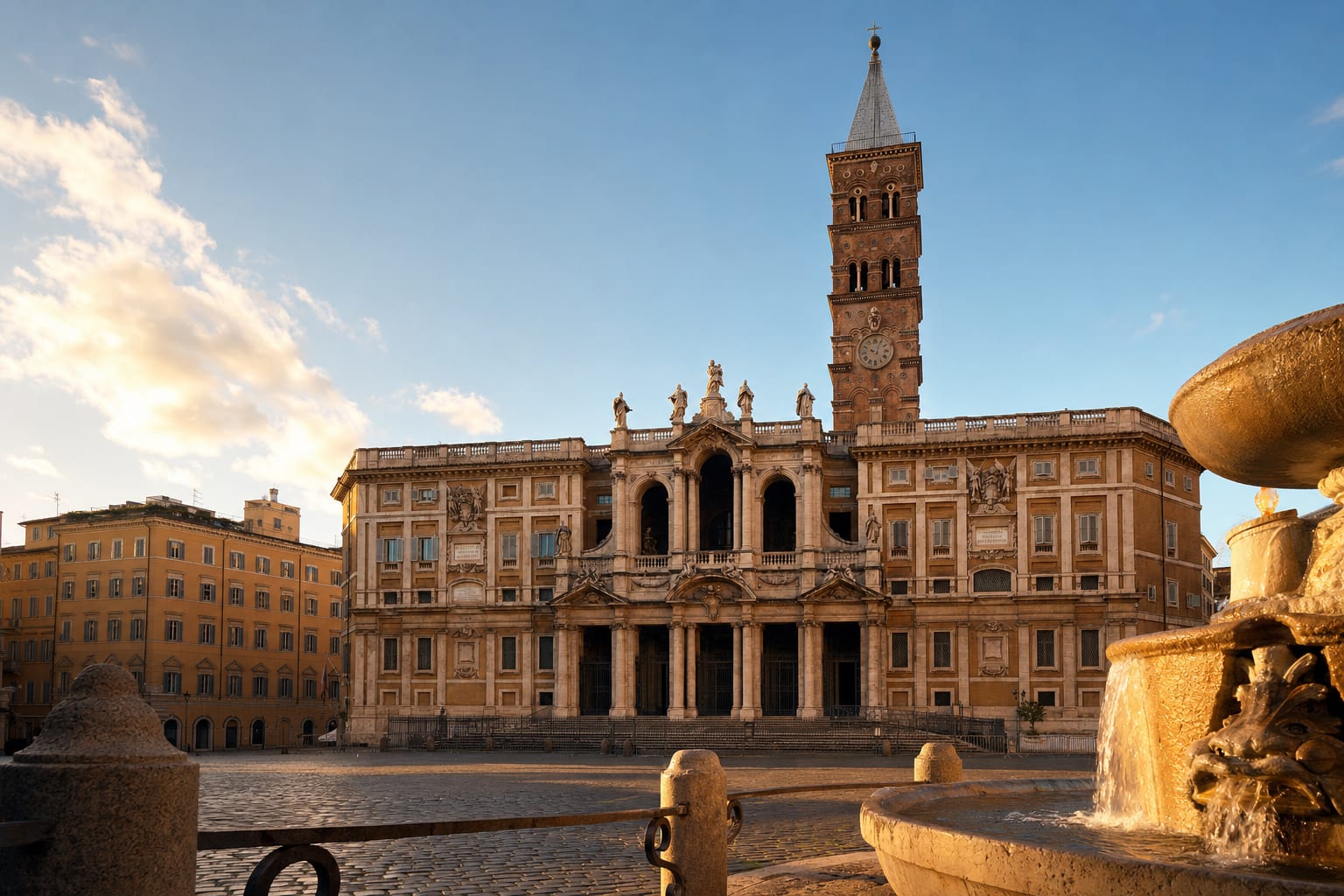
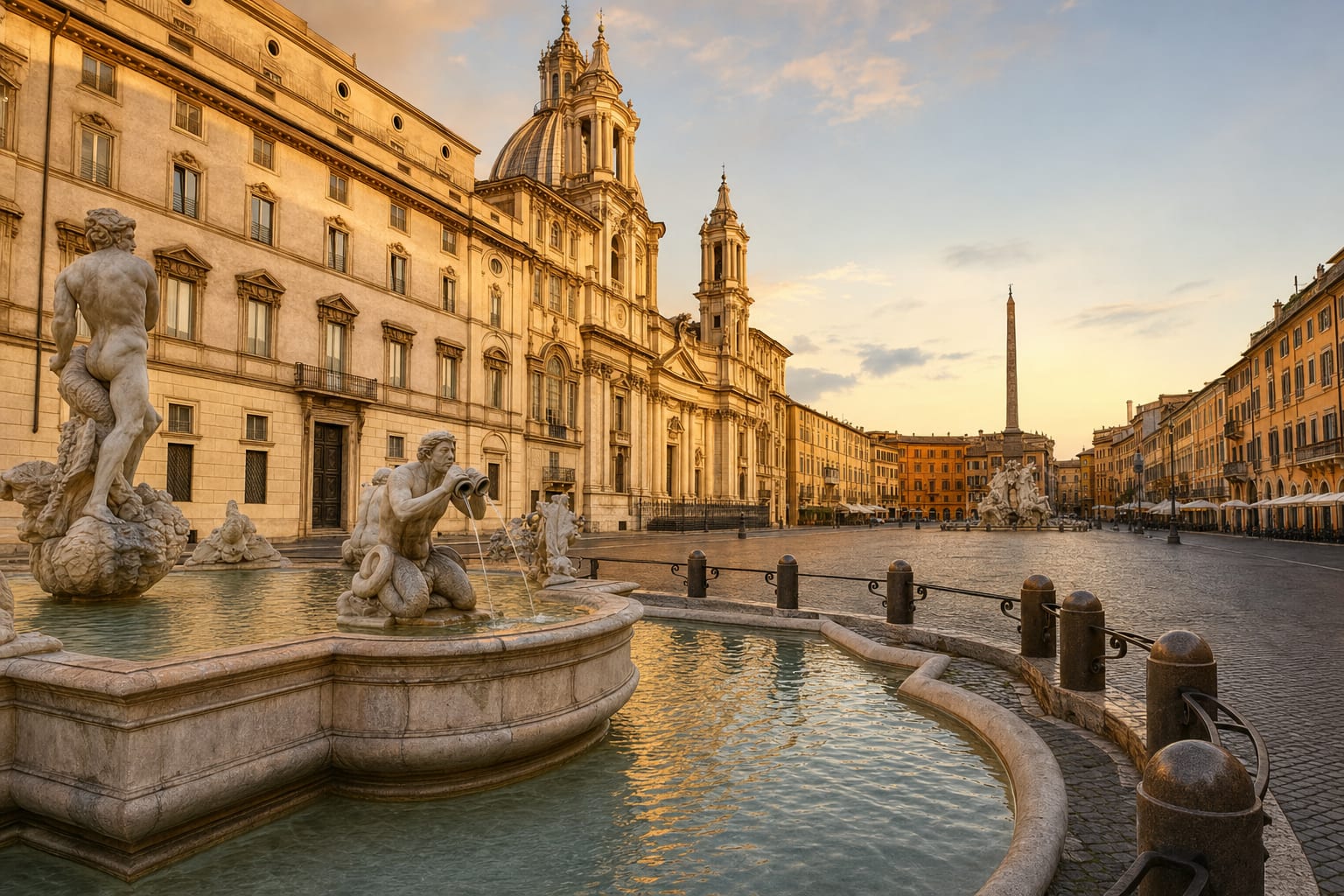
Five works worth finding

If you see nothing else, see these.

  1. The Capitoline Wolf

    The symbol of Rome, with the twins added in the Renaissance. Its age is debated, so read the label.Palazzo dei Conservatori, Sala della Lupa

  2. Equestrian statue of Marcus AureliusRoman bronze, c. 175 CE

    The original gilded bronze that once stood outside, now indoors. It is the only surviving equestrian statue of a Roman emperor from antiquity.Palazzo dei Conservatori, Exedra of Marcus Aurelius

  3. The Colossus of Constantine

    Fragments of a giant statue: a head and a hand alone are taller than a person.Courtyard of the Palazzo dei Conservatori

  4. The Dying Gaul

    A Roman marble copy of a Hellenistic bronze showing a wounded warrior, famously human and dignified.Palazzo Nuovo

  5. The Fortune TellerCaravaggio

    An early Caravaggio with a fortune teller and a young man, full of humor and sleight of hand.Pinacoteca Capitolina, Palazzo dei Conservatori

Plan your visit

Everything you need before you go.

Tickets
From €15
Booking
No booking needed
Time needed
2 hr 30 min
Best time
Right at opening, both for light on Michelangelo's piazza outside and quiet in the bronze rooms
Getting there
The museums sit on the Capitoline Hill above Piazza Venezia, a short walk from the Colosseum and Roman Forum; the nearest bus hub is Piazza Venezia itself.

Full-price admission is 15 EUR, reduced 9.50 EUR; residents of Rome and its metropolitan area enter free with valid ID. Audioguides and videoguides cost extra; pre-booking online carries a small presale fee. Last updated September 2026. Prices change, so check the official site before you go.

Take the underground Galleria Congiunzione between the two palace buildings rather than crossing back over the piazza: it's air-conditioned, faster, and passes the ancient Tabularium foundations most visitors never see.

Get directionsGoogle MapsApple Maps

Good to know

How long should you spend at the Capitoline Museums?

Allow about two and a half hours for the main works in both palaces. You can do it in two hours if you pick your rooms.

Are the Capitoline Museums worth visiting?

Yes. They are in a beautiful setting on Michelangelo’s piazza, much less crowded than the Vatican, and have superb ancient sculpture.

Do you need to book the Capitoline Museums?

Not usually, though lines can appear at peak times. Going right at opening gives you the rooms and the view nearly to yourself.

A letter from Italy, once a month.

The places, tables and makers we found worth your time. One email, no noise.

One letter a month. Unsubscribe at any time. We never share your address.

Help us get it right

What is it about?