


Where to begin in Umbria
The towns and cities to start with.
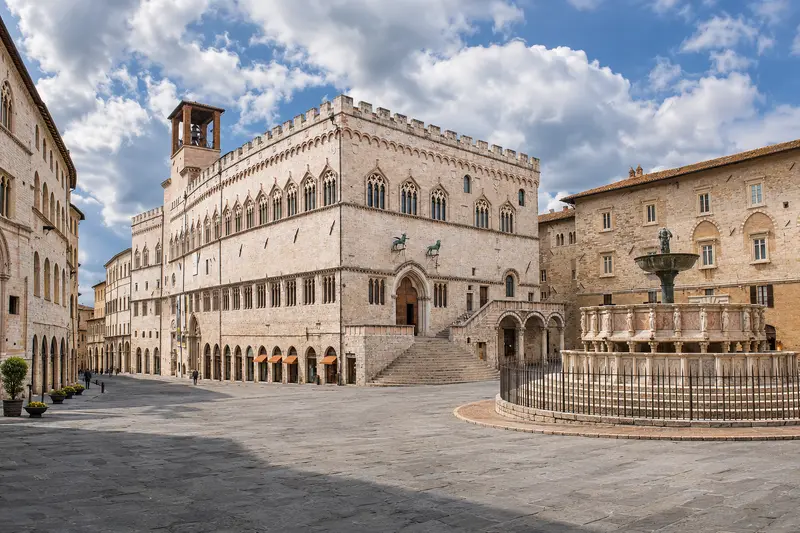
Perugia
The capitalThe Fontana Maggiore and the art of Palazzo dei Priori.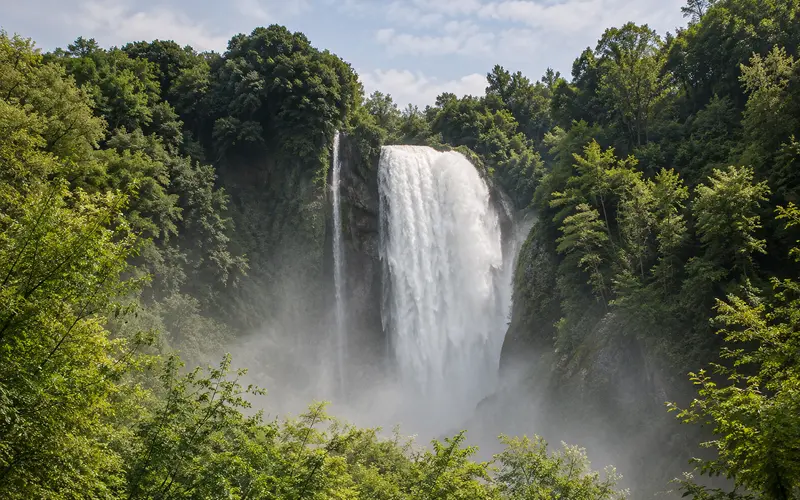
Terni
Umbria's industrial south claims Saint Valentine as its patron and reputed native son.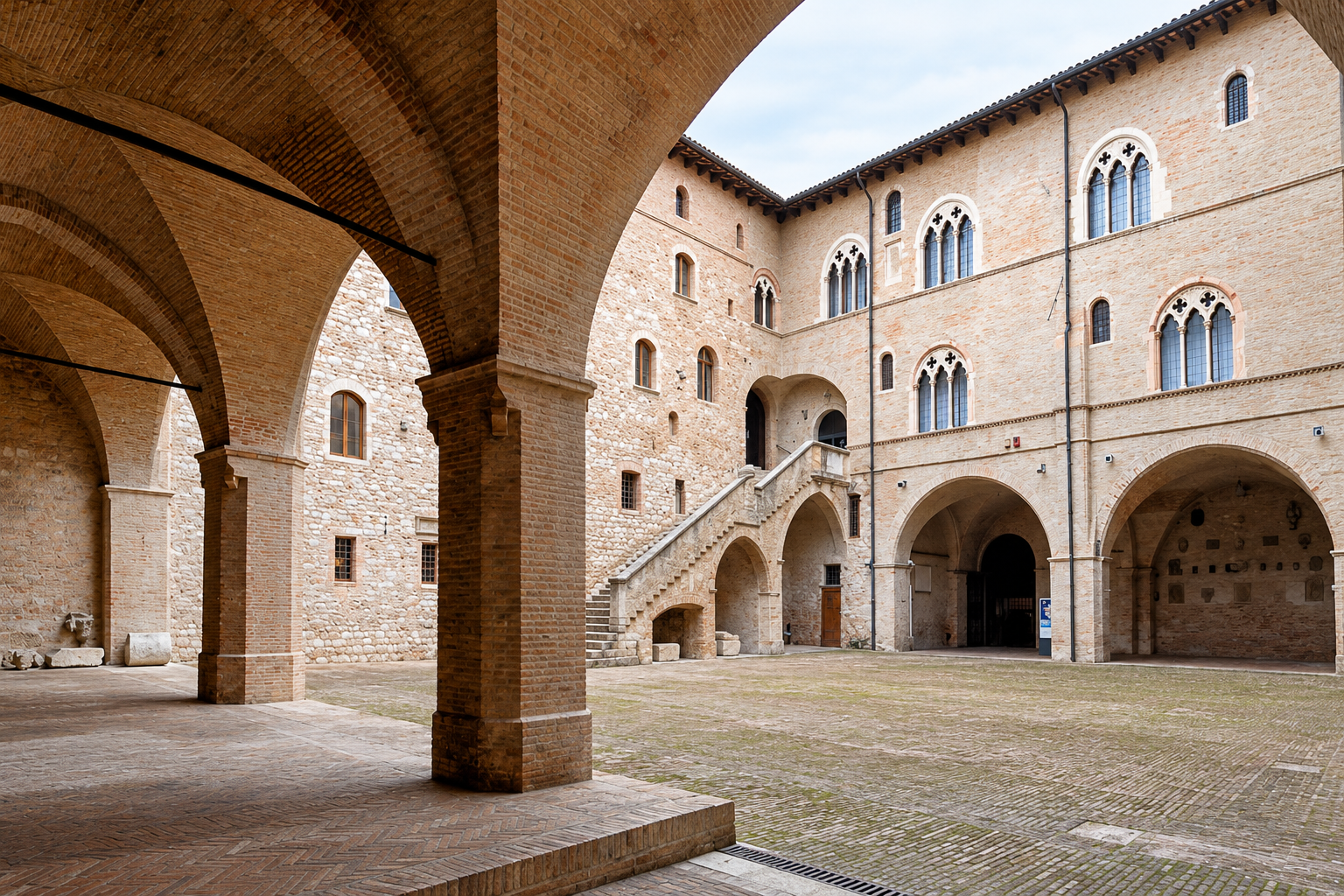
Foligno
Set on the plain where Umbria's valleys meet, Foligno printed the world's first edition of Dante's Divine Comedy in 1472.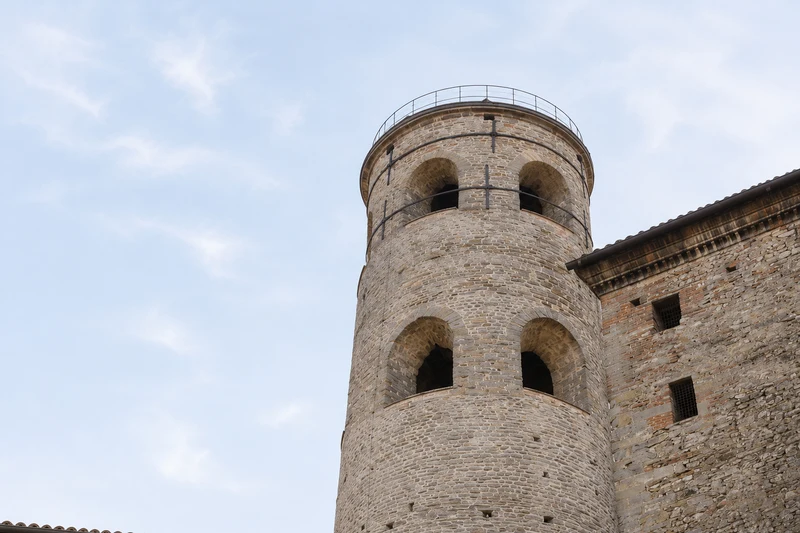
Città di Castello
In the upper Tiber valley near the Tuscan border, Città di Castello pairs a refined Renaissance centre with the surrounding hills' renown for truffles.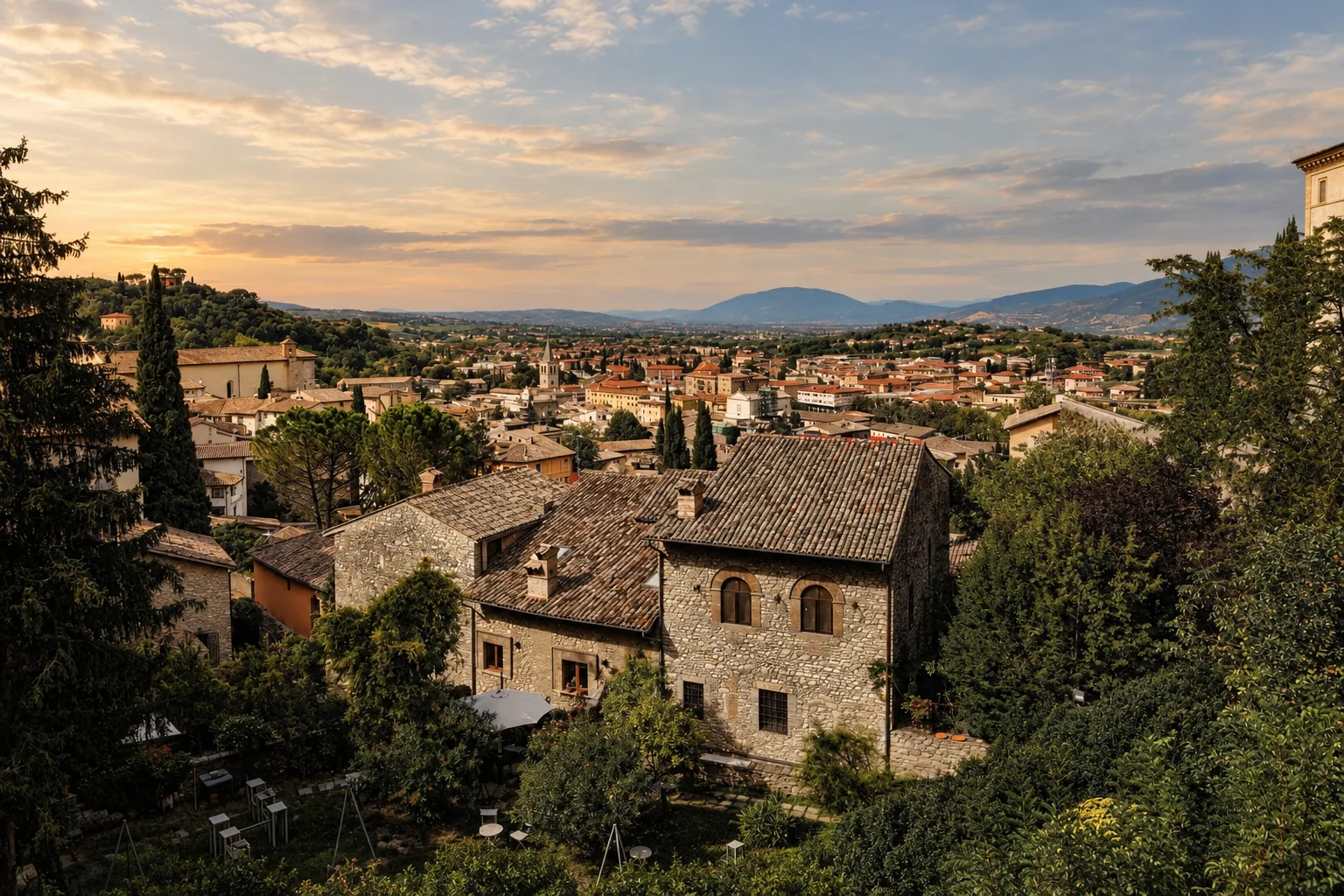
Spoleto
Spoleto draws the world each summer for its Festival dei Due Mondi, a celebrated gathering of theatre, music, and dance.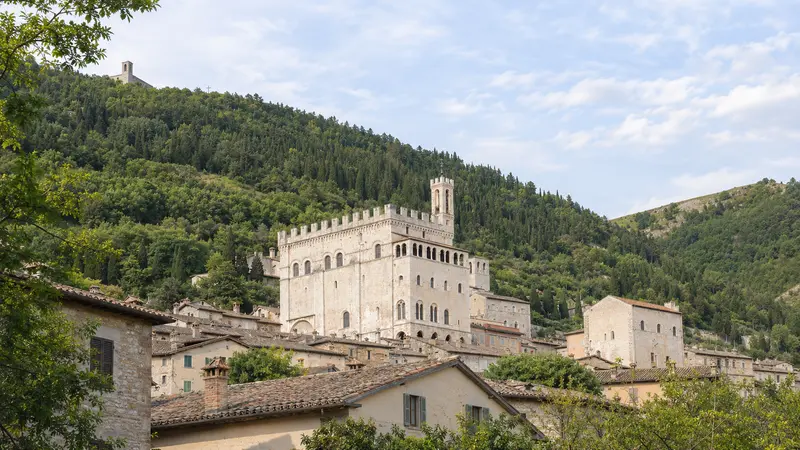
Gubbio
Climbing the flank of Monte Ingino in austere grey stone, Gubbio is among Italy's best-preserved medieval towns.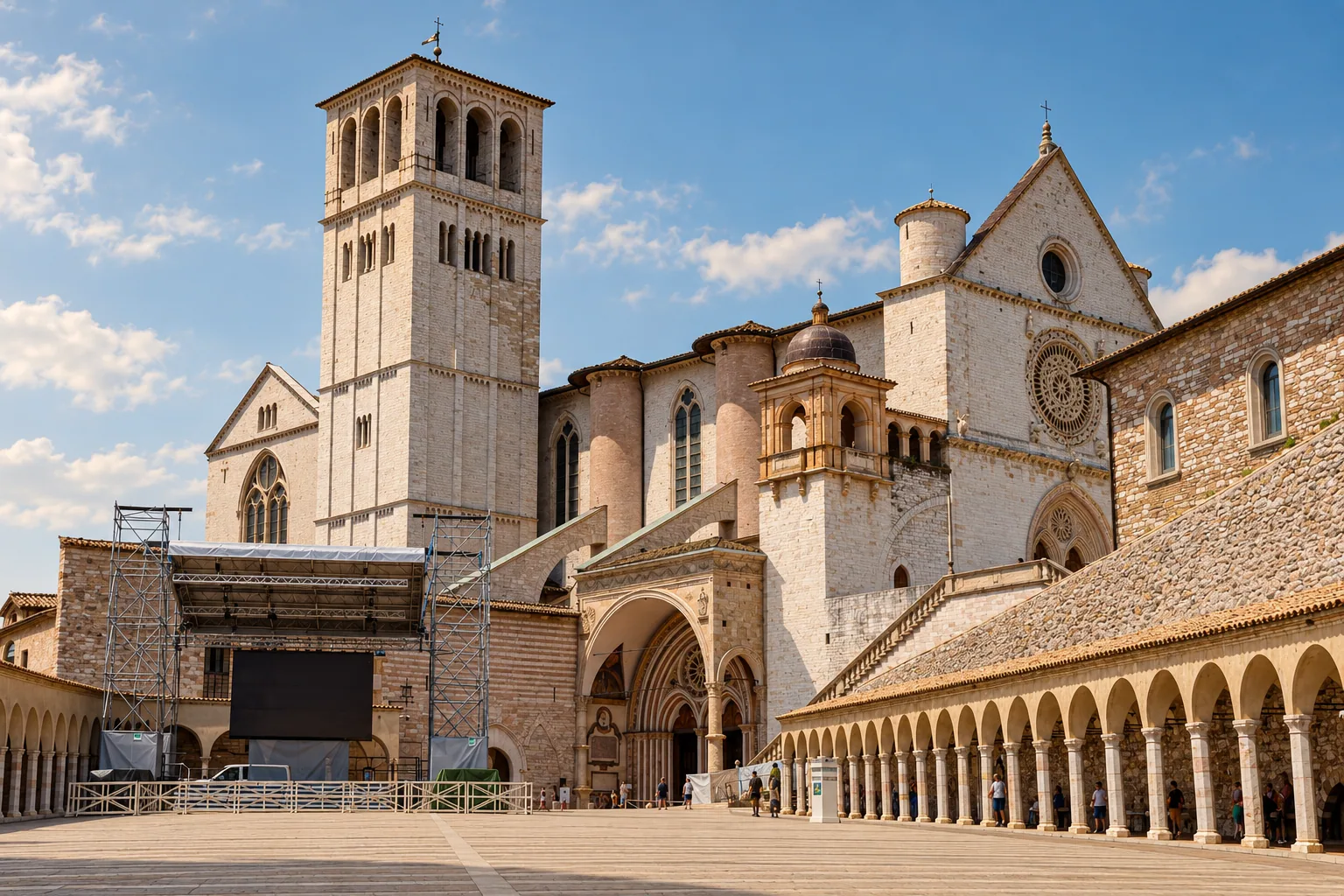
Assisi
The birthplace of Saint Francis is a pink-stone pilgrimage city rising on Monte Subasio.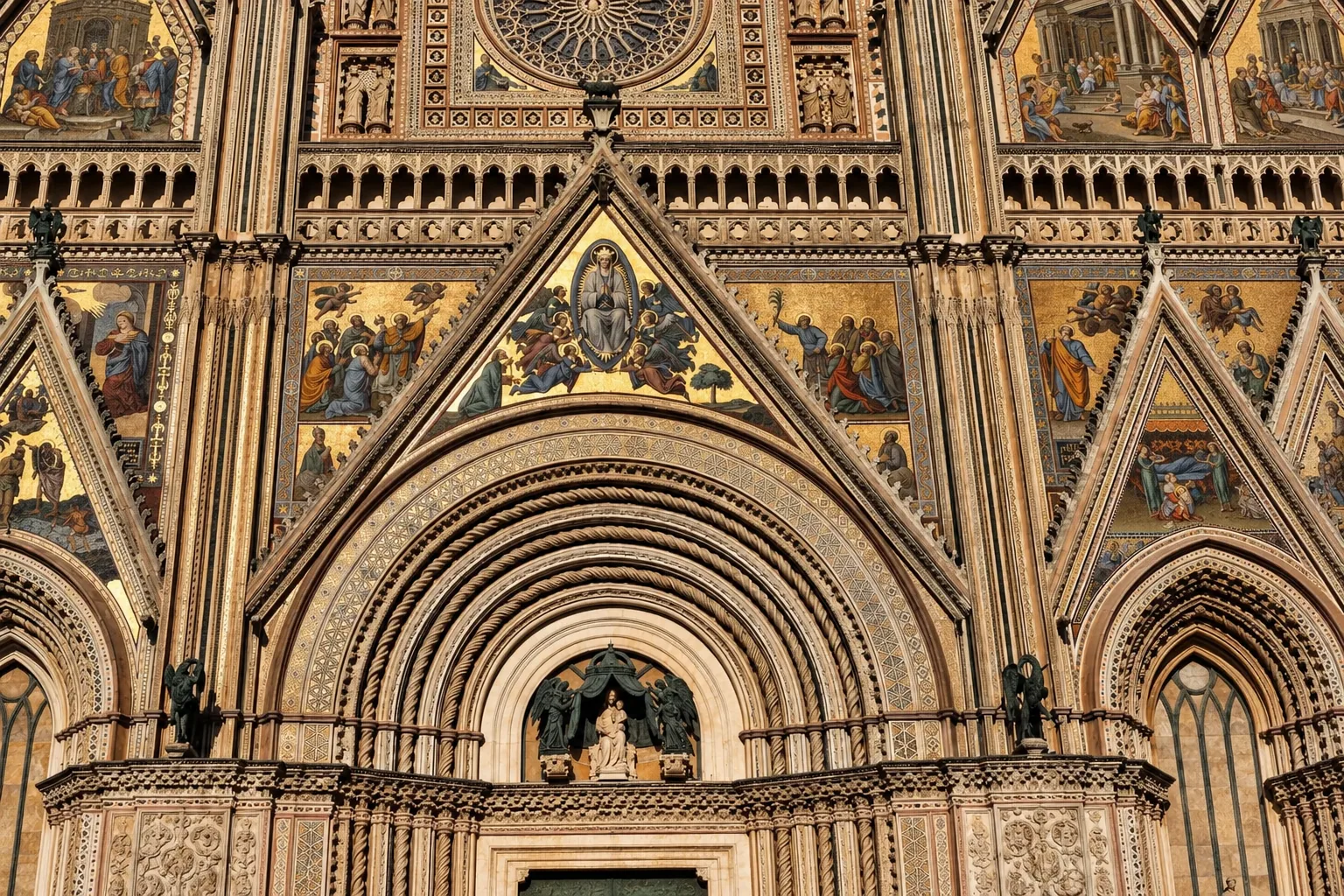
Orvieto
Rising on a sheer plateau of volcanic tufa, Orvieto is crowned by one of Italy's great Gothic cathedrals, its golden mosaic facade blazing above striped marble and Signorelli's apocalyptic Last Judgment.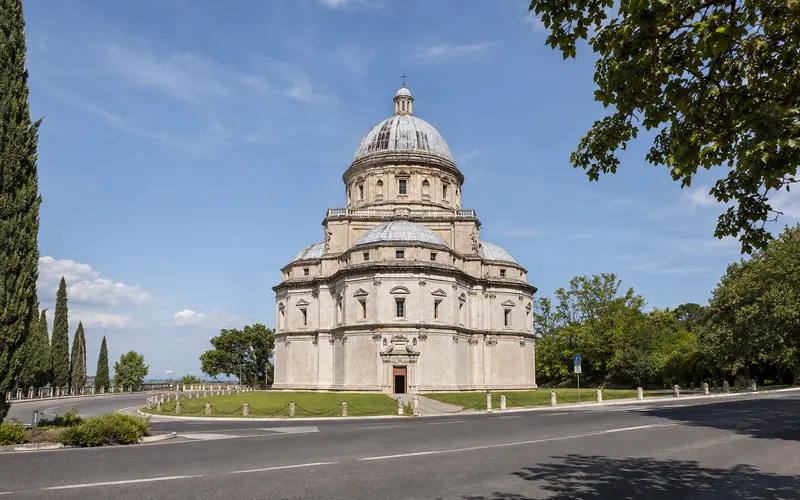
Todi
Crowning three concentric rings of walls (Etruscan, Roman, and medieval), Todi is often praised as one of Italy's most livable towns.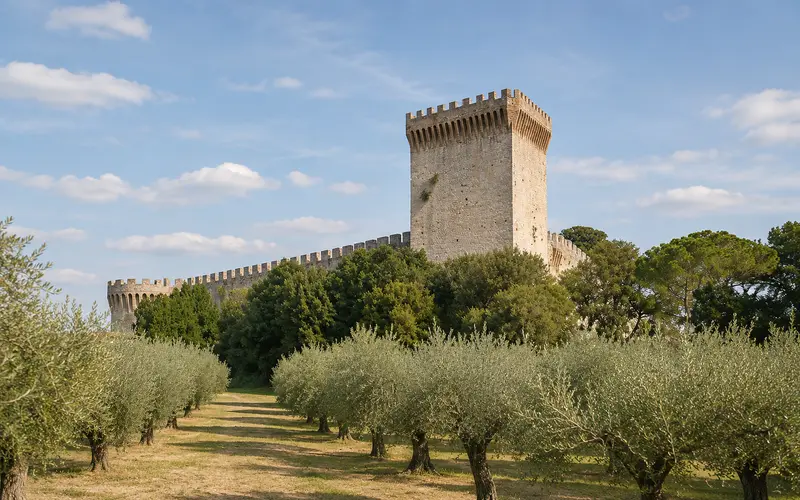
Castiglione del Lago
Set on a promontory above Lake Trasimeno, Umbria's largest lake, Castiglione del Lago looks out over reed beds and islands from behind its medieval walls and fortress.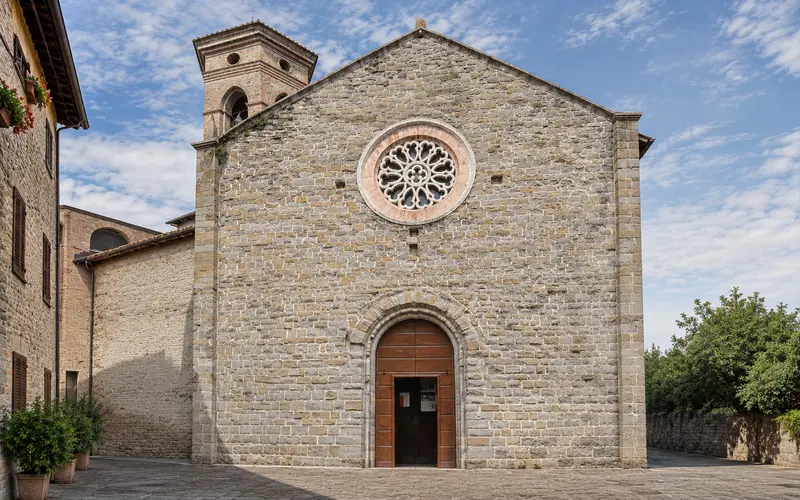
Deruta
For more than five centuries Deruta has been Italy's capital of maiolica, the tin-glazed earthenware fired in its kilns and painted in cobalt, ochre, and copper green.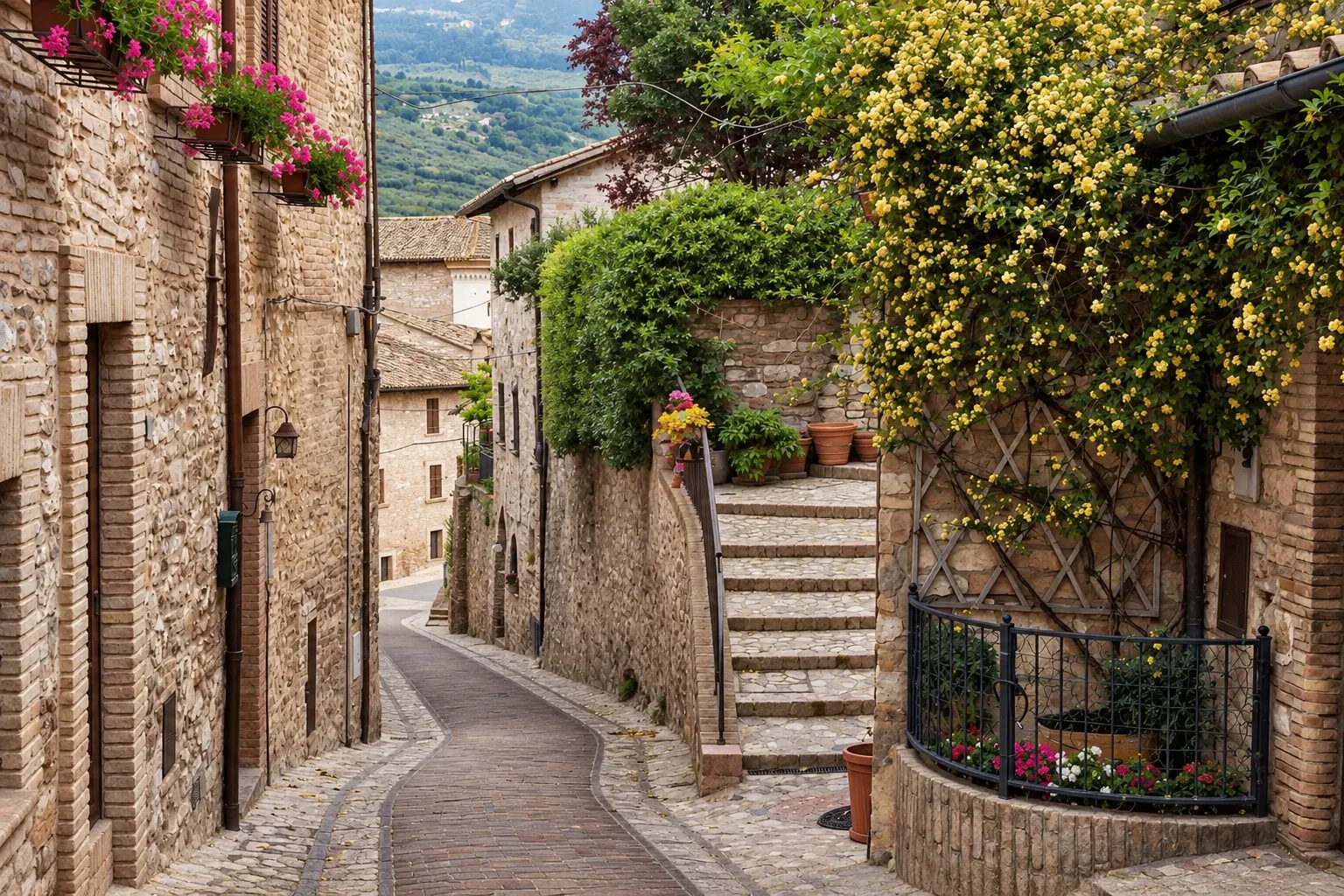
Spello
A rose-stone town wrapped in Roman gates, Spello is famous for its June Infiorate, when residents carpet the lanes in flower petals.


A to Z
From the capital to the smallest borghi.
