

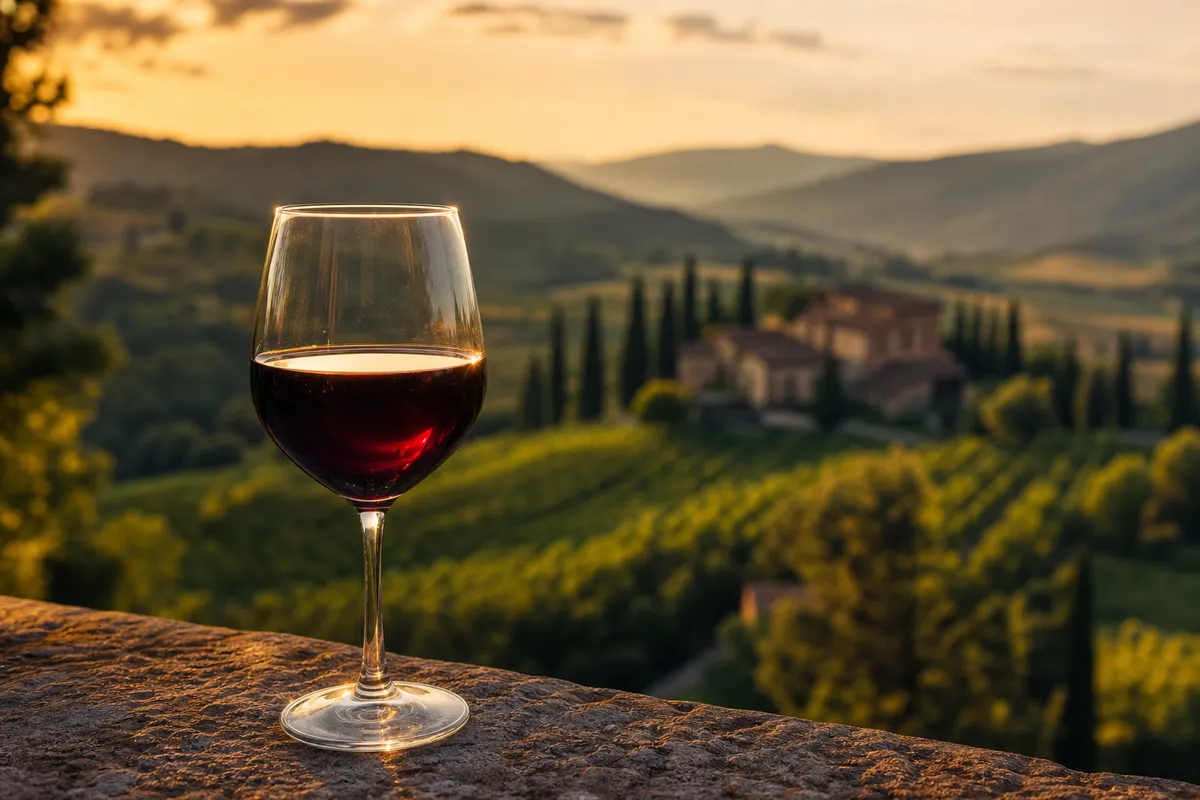
A town on a promontory above the lake
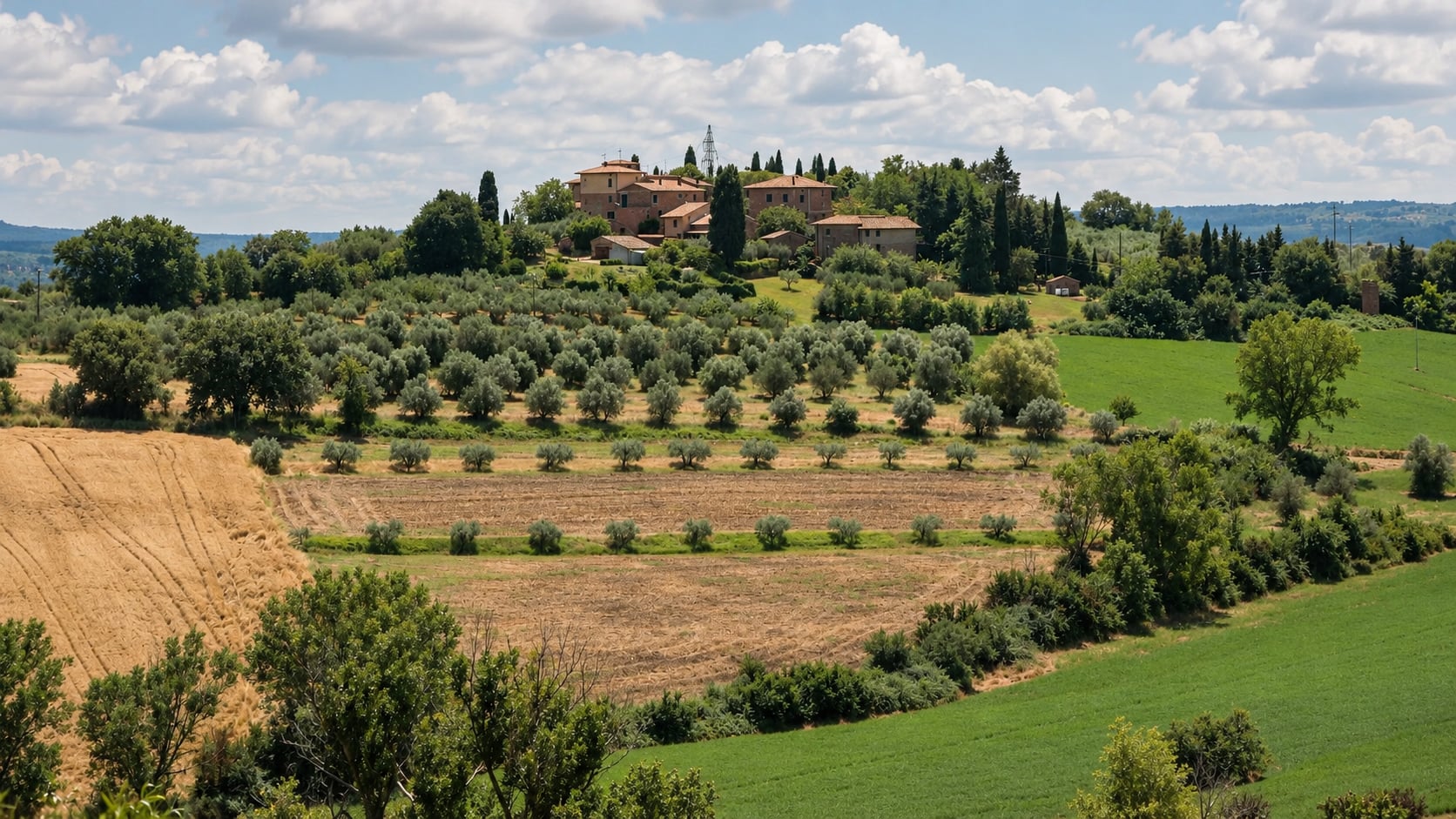
Passignano sul Trasimeno sits on a promontory on the northern shore of Lake Trasimeno, 289 metres above sea level, in the province of Perugia. The old centre still has its medieval character and its town walls, and building pleasure boats is one of the local trades, which suits a town that faces the water in every direction.
The lake rewards a slow look. It covers about 125 square kilometres, making it the fourth largest in Italy, yet it is only about 6.3 metres deep at its deepest, with a shoreline of roughly 53 kilometres. That shallow, wide water lies 258 metres above sea level and sets the pace of everything around it.
It began with no natural outlet at all. Drainage channels were dug in 1420 and again in 1896, and in the 1950s water from streams of the Val di Chiana was diverted into the basin to stop the level from falling dangerously. Much of the lake's modern story is a long effort to keep it in balance.
History arrived on this shore early. In 217 BC, during the Second Punic War, Hannibal ambushed the Roman consul Flaminius on the plain between the mountains and the lake's northern edge. The consul died there, and Roman losses ran to about 15,000 men. Passignano looks out over that same northern shore, so the landscape you are walking is also a battlefield of the ancient world.
The Rocca above the old centre
The Rocca rises over the compact historic centre and is the first place to understand how Passignano works. The Comune traces it to a Lombard military fortress of the fifth and sixth centuries. The Marchesi Toscani, who held it until the eleventh century, raised the square walls, and Perugian and later owners went on fortifying and reshaping it into the medieval castle that stands today.
It has not had an easy century. Bombing in the Second World War damaged the fortress badly, and it was restored before opening to the public in 2008. From the top you look out over the lake, which makes clear why this headland was worth fortifying at all.
The village at the foot of the Rocca came later. It grew mainly in the sixteenth and seventeenth centuries, when several of its churches and historic buildings went up, so the lanes below the fortress read as a town of the sixteenth and seventeenth centuries beneath a medieval crown.
The Museo delle Barche
Inside the Rocca, the Museo delle Barche is a distinctive small museum. It is a documentation centre for the traditional boats of Italy's inland waters, inaugurated in July 2004 by the municipal administration. The idea came out of the Atlante Linguistico dei Laghi Italiani, a linguistic atlas of the Italian lakes directed by Giovanni Moretti of the University of Perugia, so the boats are explained through the words people used for them as well as through timber and nails.
The most important pieces are monoxyle boats, each hollowed from a single oak trunk and dated to about 1200. They were brought up from the shores of Lake Trasimeno during dredging and are lent by the Archaeological Superintendency of Umbria. Seeing a dugout from around 1200 close up says more about life on a shallow lake than any map.
Twenty-one panels place the exhibits in their linguistic, historical and archaeological setting, covering monoxyle boat types across Italy, sailing craft and rafts. Two items widen the picture beyond Trasimeno: a scale model of a fassoi, a craft made from aquatic plants used on the Cabras lagoon in Sardinia, and a reconstruction of the barchetto del gorro, a fishing boat used until the 1930s for large-scale net fishing.
Churches below the fortress
Two churches reward a short detour. The Pieve di San Cristoforo stands outside the historic centre, in the cemetery area, a quiet setting apart from the lakefront bustle. Madonna dell'Oliveto is a sixteenth-century church, one of the Renaissance-era buildings that give the village its character beyond the shore.
Together with the town's other churches, they are a reminder that Passignano's look owes as much to the two centuries after 1500 as to the medieval fortress above it.
Castel Rigone and its sanctuary
Castel Rigone is a frazione of Passignano, and it lives in a different world from the lakefront. Istat puts it at 653 metres above sea level, against 289 for Passignano itself, so the hill village looks down on the lake from far above. Plan it as its own outing rather than a stop on the shoreline walk.
Its landmark is the Sanctuary of the Madonna dei Miracoli, built between 1494 and 1532. The archive entry for the sanctuary records a municipal decision dated 3 May 1494, which puts the project firmly in the last years of the fifteenth century.
The Palio delle Barche
The town's great summer festival looks back to 1495. The Palio delle Barche recalls the last act of the feud between the Perugian families of the Baglioni and the Oddi, when the Oddi fled Passignano's castle by boat, pursued by Baglioni troops. The festival itself is modern: it has been held since 1984, with the final on the last Sunday of July, between four rioni named Centro Storico, Centro Nuovo, Oliveto and San Donato.
Each rione carries a fish as its emblem and fields a captain and a crew with a rower and a helmsman. The race has three phases: a rowing race to the dock, a sprint through the narrow streets with the boats carried on shoulders, and a return to the lake for the final leg.
The festival stretches across a week. There is the Corsa delle Brocche, in which women carry water jugs, and the Lancio della Sfida, a duel of rhymes between the rioni's heralds, then a historical procession on the Sunday and the Incendio del Castello fireworks on the Monday. It is the best time to see how the Rocca, the streets and the water all belong to one story.
The lake, its islands and the park
Passignano's shore lies inside the Parco regionale del Lago Trasimeno, which the Region describes as covering 13,200 hectares. Two woodland areas connected with the town, the Boschi di Castel Rigone and the Boschi di Pischiello-Torre Civitella, are protected as Natura 2000 special areas of conservation.
The three islands sit offshore. Isola Maggiore and Isola Minore lie near the northern shore, while Polvese, about one square kilometre, is the largest, toward the south-east.
Passignano's pier is the departure point for boats to Isola Maggiore, though the island belongs to Tuoro sul Trasimeno, and Isola Polvese belongs to Castiglione del Lago. Isola Minore, the one island inside Passignano's own boundary, is privately owned, uninhabited and closed to visits, so enjoy it from the water's edge. Check the operator's current timetable before you plan a crossing.
At the table
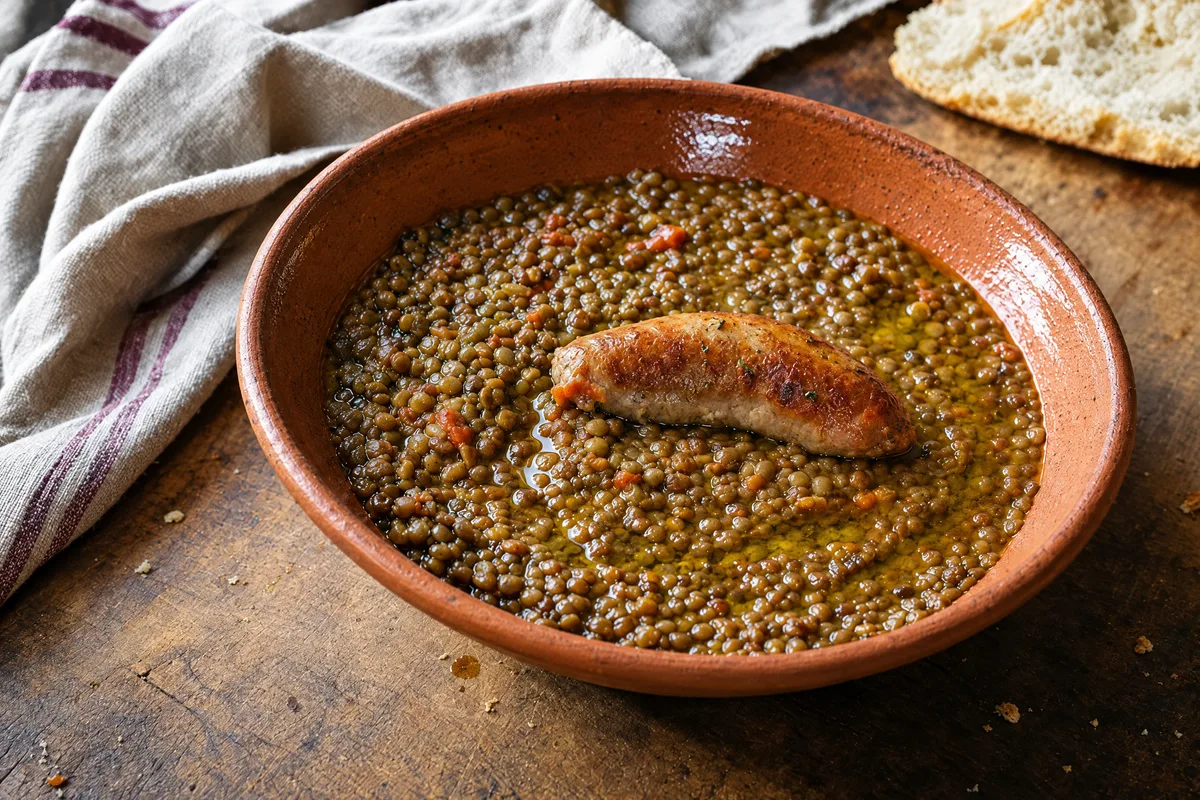
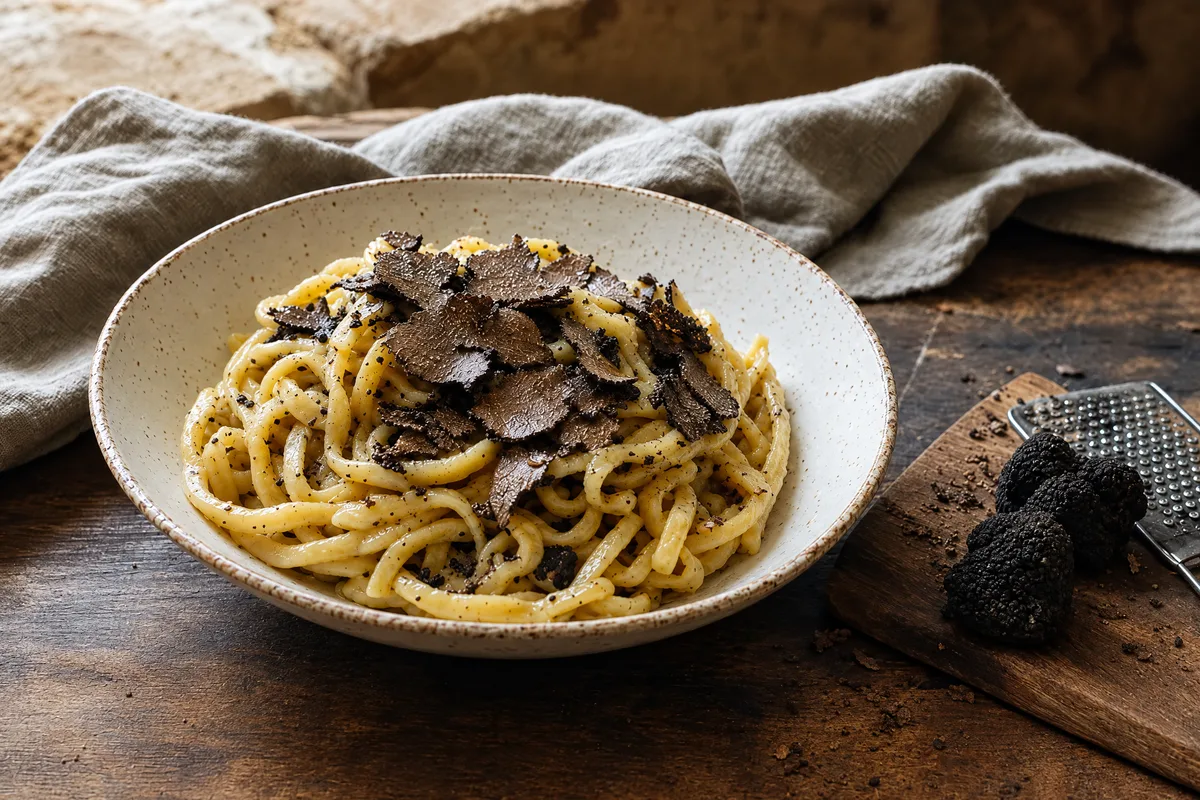
The lake shapes the menu. Umbria's register of traditional agri-food products includes Fagiolina del Lago and six Trasimeno fish: eel, carp, sand smelt, pike, European perch and tench. They belong to the whole lake rather than to Passignano alone, so ask a restaurant which fish is on the plate and where it came from.
Broccoletti del Lago have a closer tie to the town: the regional sheet for the product specifically links them to Passignano sul Trasimeno. They are a seasonal crop, so look for them when they are in season rather than expecting them on every menu.
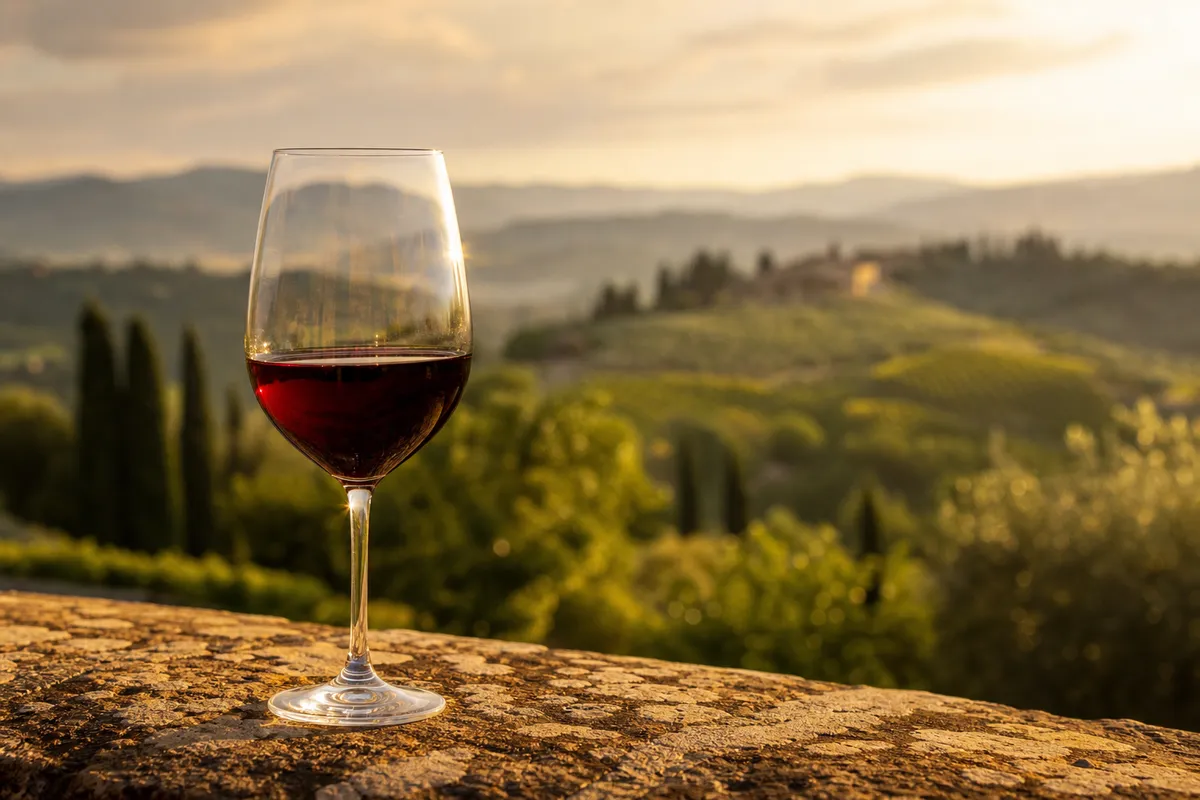
Olive oil and wine complete the picture. The whole municipal territory lies inside the zone of the Umbria DOP oil that may carry the additional mention Colli del Trasimeno, while only part of the municipality falls within the Trasimeno DOC wine area. The label tells you which bottle qualifies.
From the Rocca to the working lake
Passignano is best understood by moving between height and water. The Rocca, with its view over the lake, explains the town's defensive past. In the Rocca, the Museo delle Barche explains the lake's working life, from dugouts of around 1200 to the barchetto del gorro used for net fishing until the 1930s.
The Palio ties the two together every July, when boats are carried up from the water through the old streets. Give Castel Rigone and its sanctuary a separate, unhurried outing in the hills, and leave a slow afternoon for the shore.
More of Umbria
A letter from Italy, once a month.
The places, tables and makers we found worth your time. One email, no noise.
One letter a month. Unsubscribe at any time. We never share your address.