Skip to content
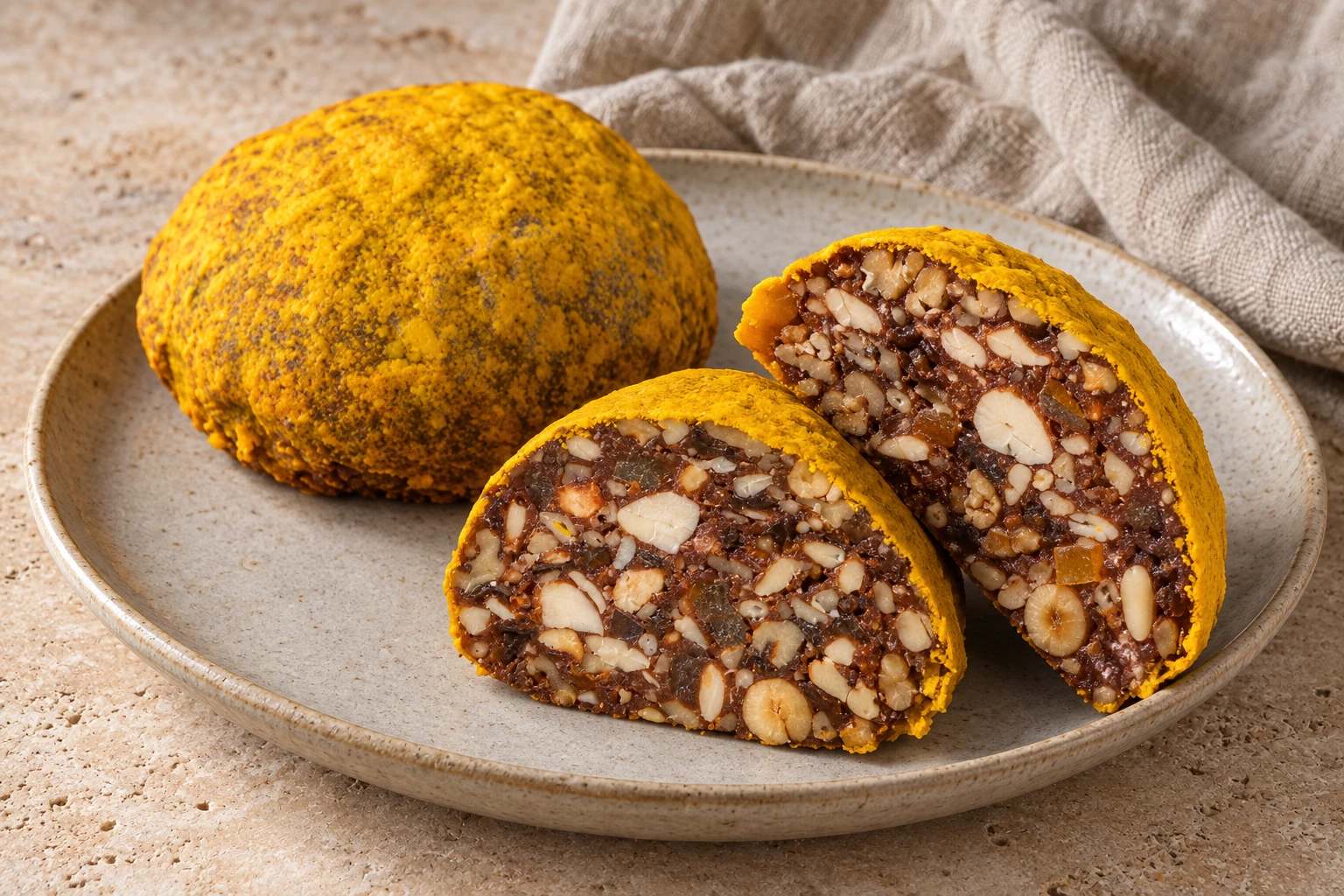
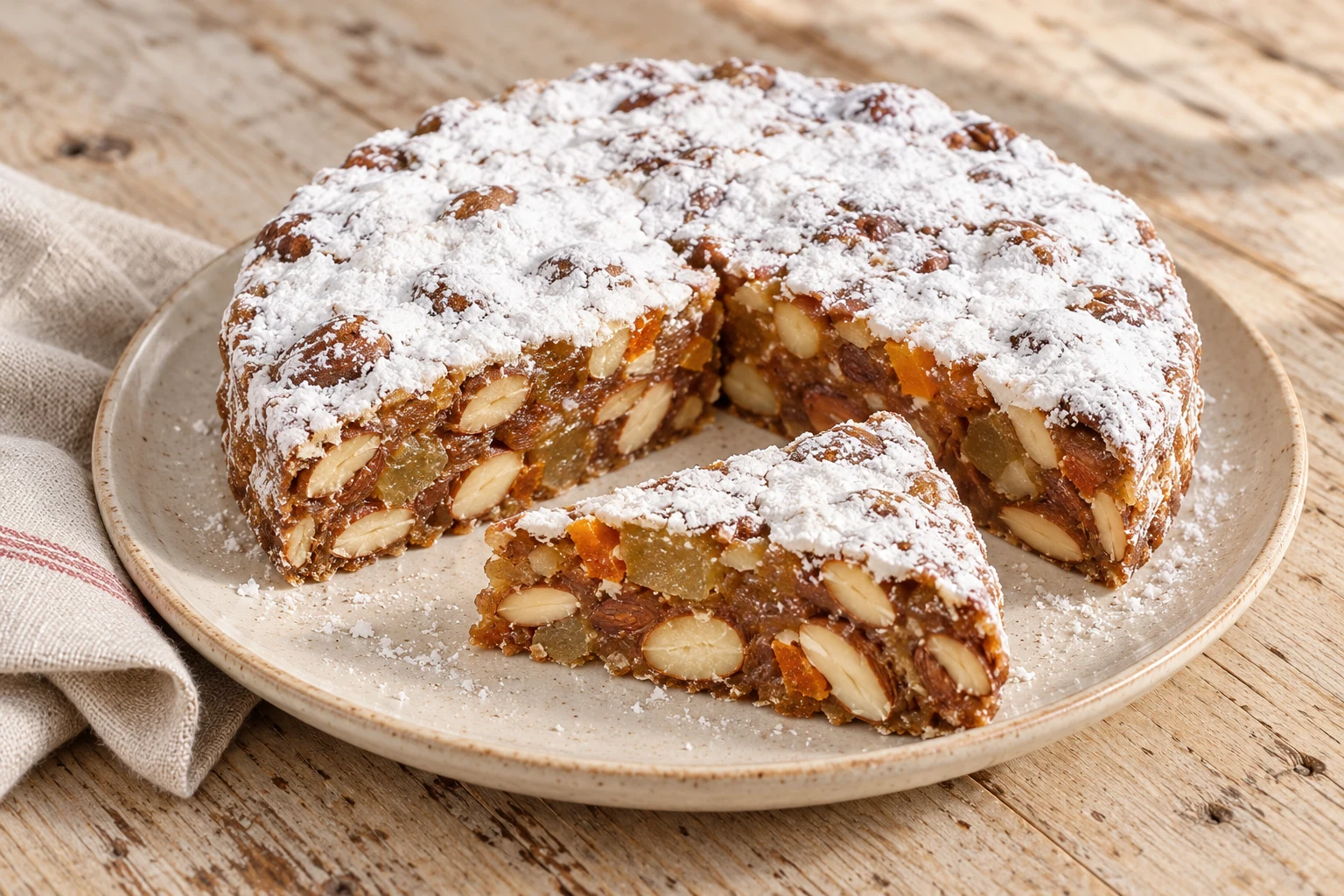
A whole saffron-coated pangiallo and two cut slices showing a dense nut and candied-fruit interior

Pangiallo Romano: Honey, Nuts and a Saffron Crust

Small Roman Christmas cakes of nuts, honey, raisins and candied citrus, baked beneath a thin saffron crust.

  • Lazio

Reserve one third of the listed flour for the saffron coating and use the rest in the cakes. Keep the nuts coarsely chopped, drain and squeeze the soaked raisins, and compact each cake firmly. Make more cakes of similar size when increasing the selected yield; extra trays extend the baking time.

Make ahead Soak the raisins while preparing the nuts, then drain and squeeze them before mixing. Let the baked cakes cool completely before cutting. The one-hour cooling allowance is a planning estimate and may take longer; additional trays also extend the total. Cover once cold and cut the slices shortly before serving.

Total
1 hr 50 min
Prep
20 min
Cook
30 min
Yield
2 cakes

One step at a time, with what each step needs.

Scan for the recipe

Pangiallo Romano: Honey, Nuts and a Saffron Crust

Total 1 hr 50 min · Prep 20 min · Cook 30 min · Yield 2 cakes

Method

  1. Heat the conventional oven to 180°C and line a baking tray with baking paper. Soak the raisins in lukewarm water until softened, then drain and squeeze well. Reserve one third of the flour for the coating.Heat the conventional oven to 350°F and line a baking tray with baking paper. Soak the raisins in lukewarm water until softened, then drain and squeeze well. Reserve one third of the flour for the coating.

  2. Chop the almonds, walnuts, hazelnuts and pine nuts very coarsely with a knife or brief food-processor pulses. Put them in a large bowl.

  3. Warm the honey gently with the grated lemon and orange zest until fluid. Pour over the nuts, then add the chopped chocolate, candied citron, candied orange and drained raisins. Mix well.

  4. Work in the remaining two thirds of the flour. Divide for the selected yield, oil your hands lightly and compact into rounded domes about 12 cm wide and 6–7 cm high. Place on the lined tray with space between them.Work in the remaining two thirds of the flour. Divide for the selected yield, oil your hands lightly and compact into rounded domes about 4¾ in wide and 2¼–2¾ in high. Place on the lined tray with space between them.

  5. For the coating, dissolve the saffron in the weighed water, then whisk with the reserved flour and weighed oil to a smooth batter that brushes on easily.

  6. Brush the cakes with the saffron batter. Bake at 180°C conventional for about 30 minutes. If the colour is pale, add another thin coat halfway through using any remaining batter. Bake extra trays separately if needed.Brush the cakes with the saffron batter. Bake at 350°F conventional for about 30 minutes. If the colour is pale, add another thin coat halfway through using any remaining batter. Bake extra trays separately if needed.

  7. Leave the cakes on the tray until they can be lifted without breaking, then let them cool completely. Slice only once cold, using a sharp knife.

Equipment

  • Food processor or sharp knife
  • Large mixing bowl and spoon
  • Small saucepan
  • Bowl and whisk for coating
  • Baking tray and baking paper
  • Pastry brush
  • Fine grater
  • Kitchen scale

The dinner before Pangiallo Romano: Honey, Nuts and a Saffron Crust

A dinner from Lazio, built around this dish. Change any course and the shopping list follows.

  1. Antipasto

    Supplì al telefono with meat ragù

    Oval Roman rice croquettes with tomato and beef ragù, a mozzarella centre and a crisp breadcrumb coating.

    3 hr 45 min · make ahead

  2. First course

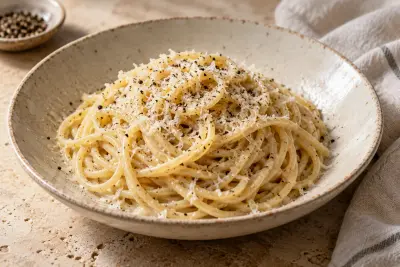
    Spaghetti cacio e pepe alla romana

    Spaghetti coated in Pecorino Romano and black pepper, with a glossy sauce made from cheese and starchy pasta water.

    20 min

  3. Main course

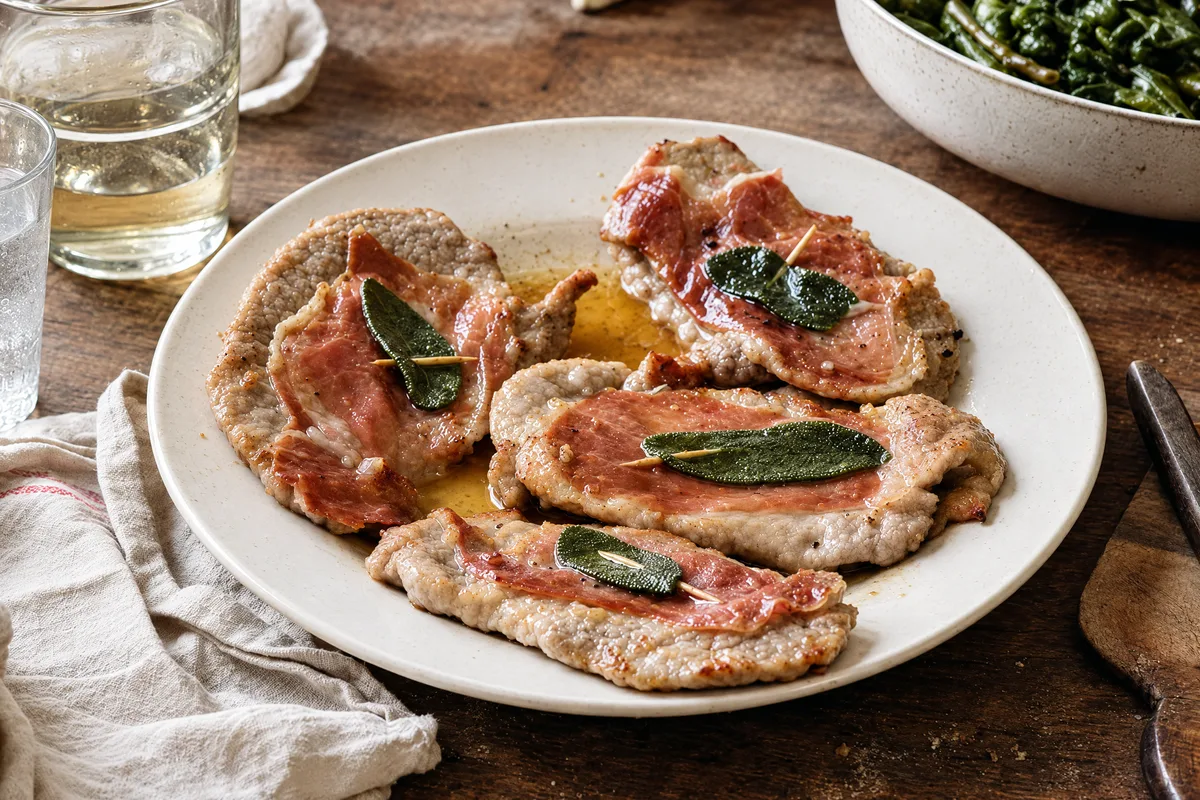
    Saltimbocca alla Romana

    Rome’s ten-minute main course: veal scaloppine pinned with prosciutto and sage, flashed in butter and white wine until they jump in the mouth.

    27 min · make ahead

  4. Side

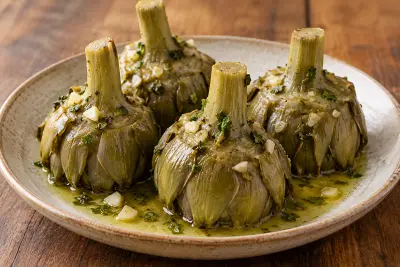
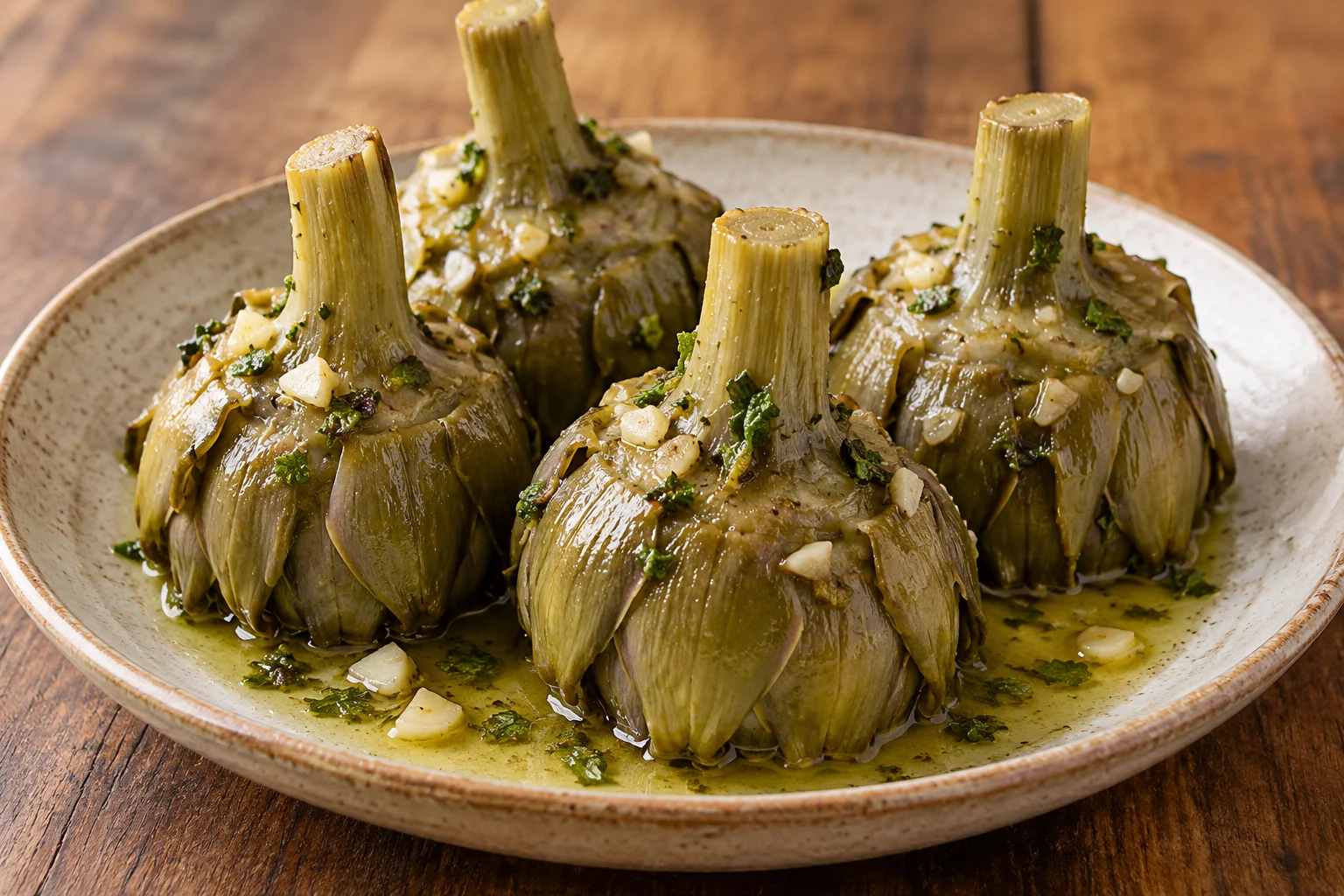
    Carciofi alla romana

    Whole Romanesco artichokes with garlic and mentuccia, cooked head-down in a covered casserole until tender.

    1 hr 30 min · make ahead

  5. Dessert

    Pangiallo Romano: Honey, Nuts and a Saffron Crust

    This recipe

    1 hr 50 min · make ahead

  6. What to pour

    Serve a small slice with espresso or plain black tea.

Lazio

Lazio

Pangiallo brings honey, nuts and candied citrus to Rome’s Christmas sweets table. Recipes across Lazio vary in the fruit, spices and outer coating.

The Lazio guide

Shopping list

People at the table
4
On the table

To buy

Check the pantry

The story behind Pangiallo Romano: Honey, Nuts and a Saffron Crust

Pangiallo belongs to Rome’s Christmas sweets. Nuts, raisins, honey and candied citrus form a compact rounded cake, with different versions across Lazio and between family recipes. The outer colour also varies: saffron batter is one established way to give the cake its yellow surface. This version combines blanched almonds, walnuts, peeled hazelnuts and pine nuts with raisins, candied citron, orange peel and chopped dark chocolate. Warm honey binds the fruit and nuts before the flour is worked in. The cakes are shaped firmly by hand, then brushed with a batter of flour, oil, water and saffron. The recipe makes small domed cakes, about 12 cm wide and 6–7 cm high at the base yield. Their dense interior cuts best after cooling completely. Coarsely chopped nuts keep distinct shapes through the honey and fruit, while the thin saffron coating follows the uneven surface of each cake. Slice small pieces for the Christmas sweets plate.

A whole saffron-coated pangiallo and two cut slices showing a dense nut and candied-fruit interior

Pangiallo adds a Roman nut-and-fruit cake to the Christmas sweets plate. A thin saffron coating surrounds almonds, walnuts, hazelnuts, pine nuts and candied citrus bound with honey. Let the cakes cool completely before slicing. Pair a small slice with espresso, compare it with Siena’s panforte or Umbrian pinoccate, and explore Rome’s Christmas traditions.

A letter from Italy, once a month.

The places, tables and makers we found worth your time. One email, no noise.

One letter a month. Unsubscribe at any time. We never share your address.

Help us get it right

What is it about?