

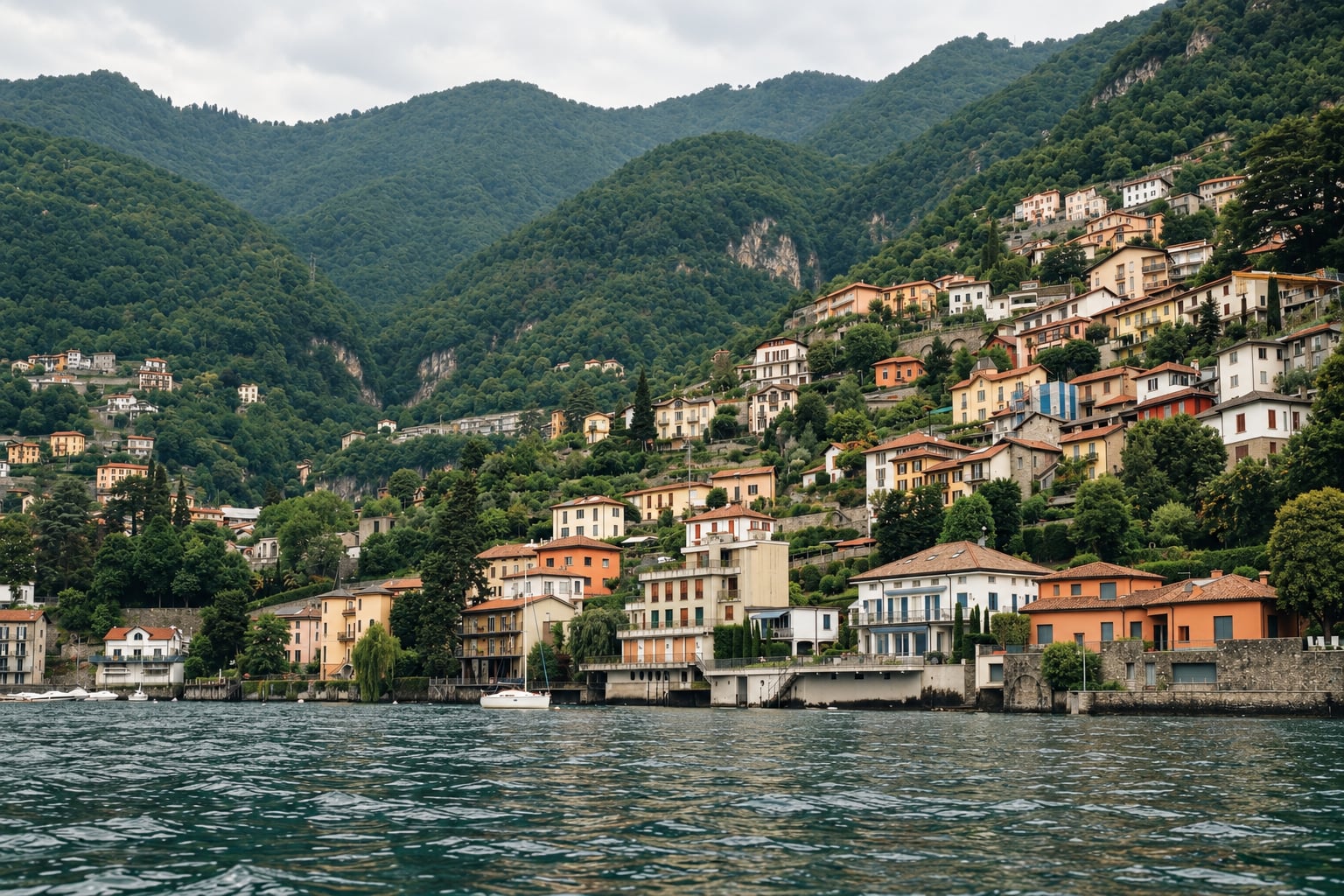
All the monuments, city by city
The landmarks and masterpieces worth planning a day around.
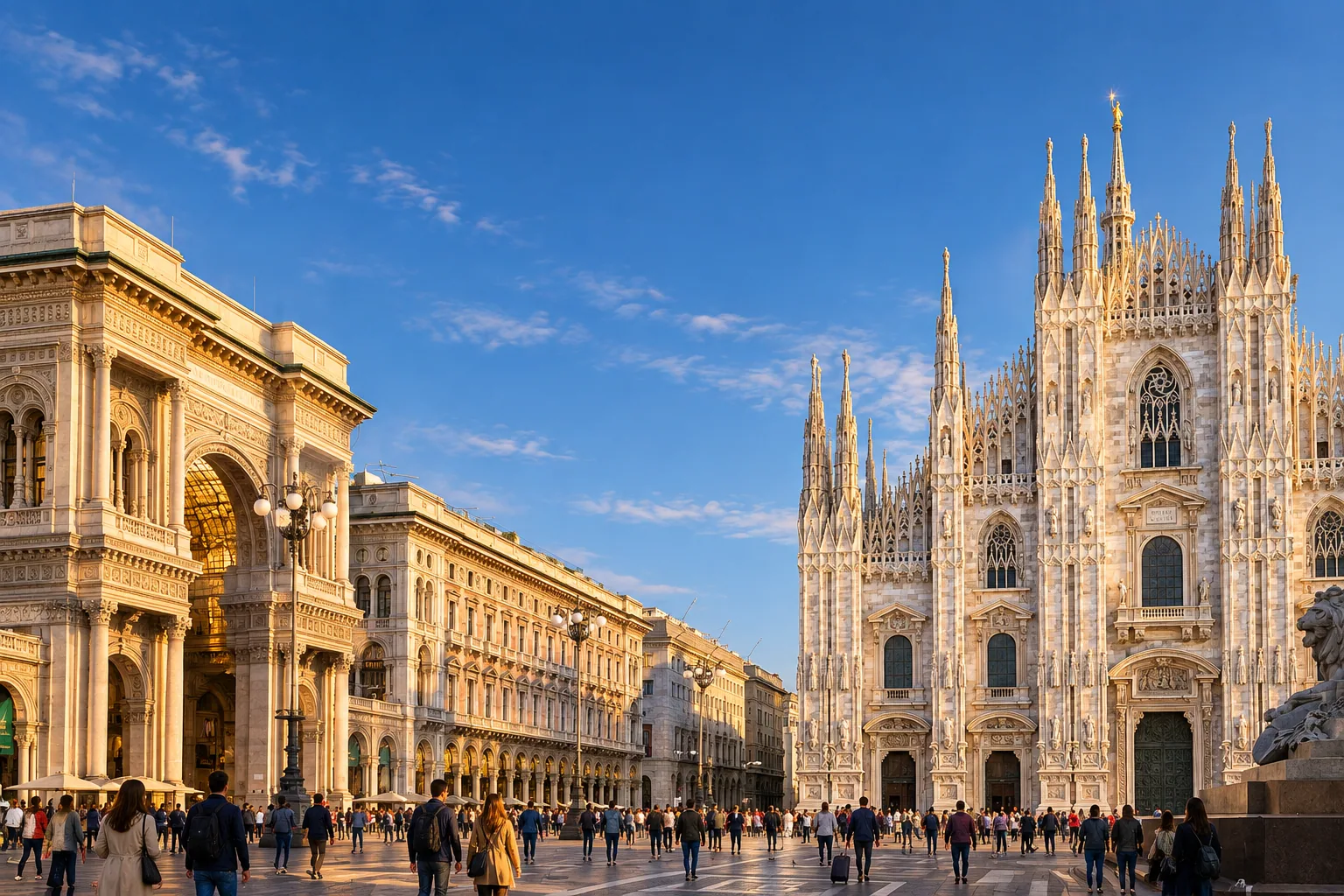 MilanMilan Cathedral135 marble spires, the golden Madonnina, rooftop terraces, six centuries of constructionMilan Cathedral is the largest church in Italy and the fourth largest in the world, an accumulation of construction that probably began in 1386 and, in the strictest sense, never really stopped; the Veneranda Fabbrica del Duomo, founded in 1387 to oversee the work, still maintains it today. Its Candoglia marble facade and 135 spires reflect centuries of shifting architects and styles, from French Gothic ambitions to a Napoleon-ordered facade completion in the early 19th century. On top, the golden Madonnina statue has watched over the city since 1774 and was, for generations, the tallest point Milanese building codes allowed anyone to build past. The real reason to visit is the roof: walkways across the marble terraces put visitors face to face with spires and statues never meant to be seen up close, with the Alps visible on a clear day beyond the modern skyline.Plan the visit
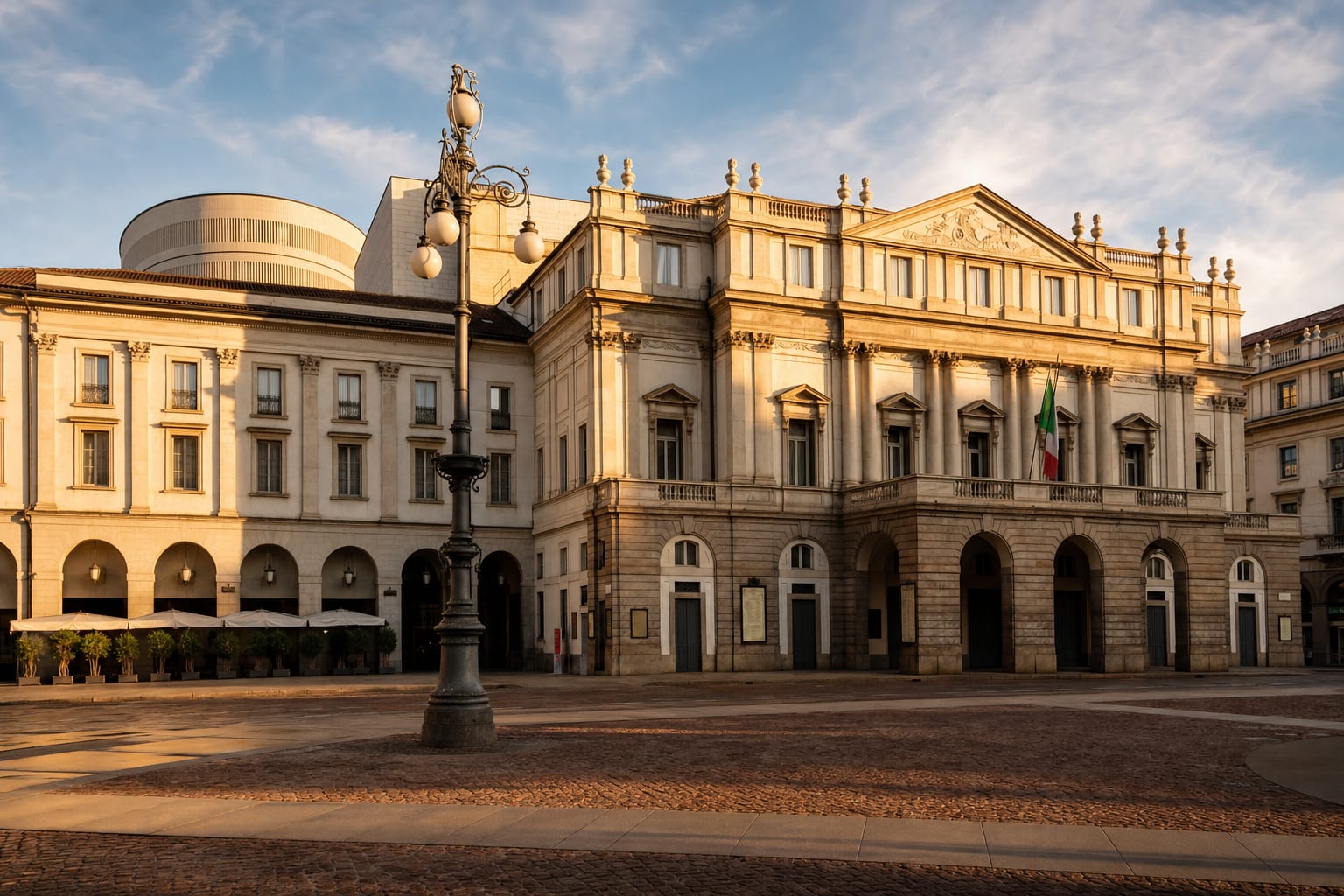 MilanTeatro alla ScalaVerdi and Rossini premieres, Toscanini's 1946 reopening, the Museo Teatrale, its opera and ballet seasonLa Scala opened in 1778 to replace Milan's Royal Ducal Theatre, destroyed by fire the year before, and Giuseppe Piermarini gave it a restrained Neoclassical shell that hid one of the most demanding opera houses in the world behind a modest facade. Rossini and Verdi both built their reputations here, and Arturo Toscanini's celebrated 1946 reopening concert, staged after Allied bombing gutted the theatre in 1943, became one of postwar Italy's defining cultural moments. A careful 2002 to 2004 restoration modernized the stage machinery while preserving the horseshoe auditorium's gilded boxes and famously unforgiving acoustics, where singers know within a few notes whether the house is on their side. The adjoining Museo Teatrale, founded in 1911, holds instruments, costumes, portraits and Verdi memorabilia, and its ticket includes a discreet look into the theatre itself from a box on the third tier.
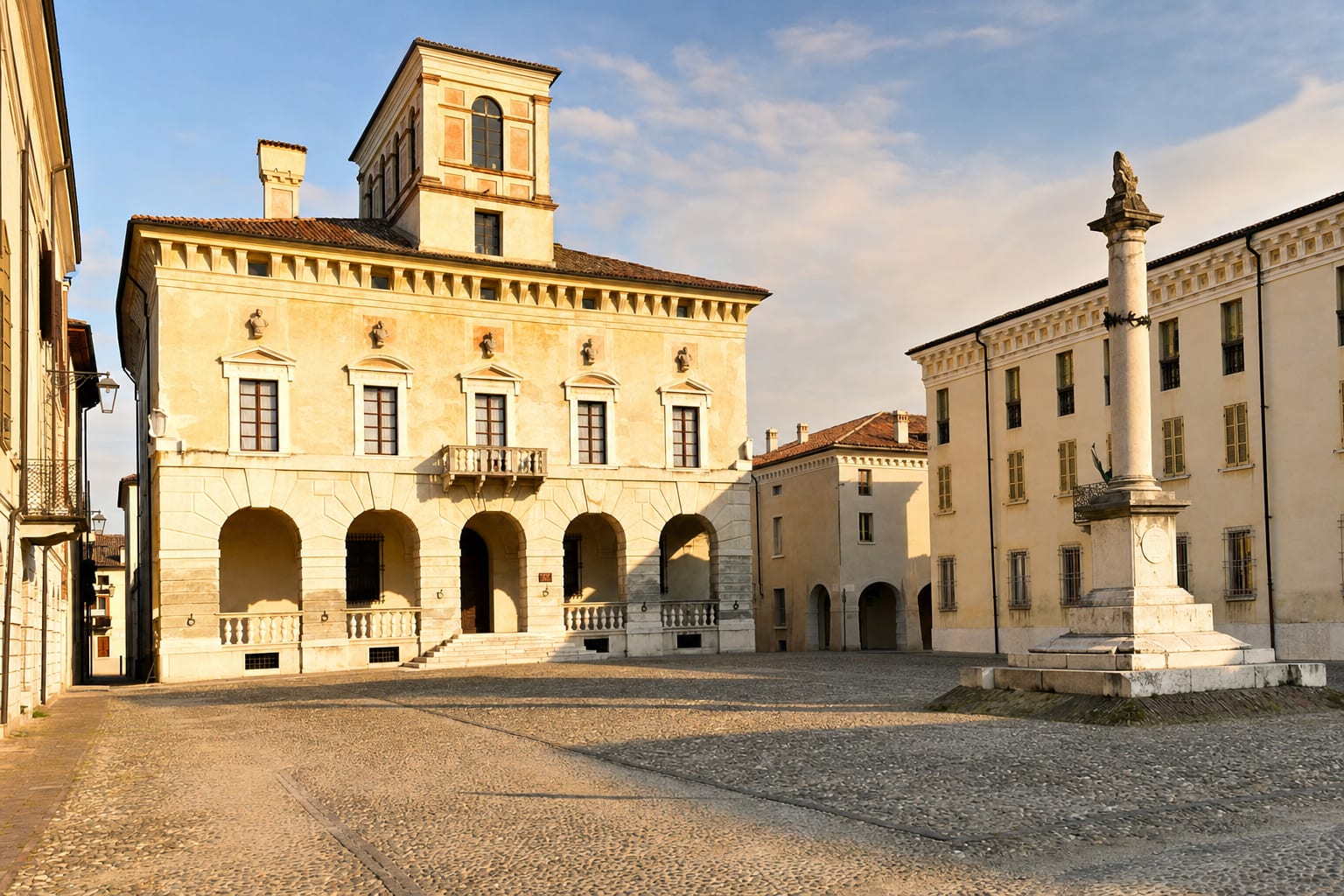 SabbionetaSabbionetaVespasiano Gonzaga's planned Renaissance grid, the Teatro all'Antica, star-shaped walls, the Galleria degli AntichiSabbioneta exists because one man decided a city could be designed whole, on paper, before a single stone was laid. Vespasiano Gonzaga Colonna, a condottiero and minor prince with outsized ambitions, built it from the 1550s onward as a working demonstration of Renaissance ideal-city theory: a strict right-angle street grid inside star-shaped defensive walls, laid out to reflect humanist ideas about geometry, order and princely virtue rather than growing organically like every other Italian town around it. The Teatro all'Antica, completed in 1590, was one of Europe's first purpose-built, freestanding theatres modeled on Roman precedent, decades before permanent theatres became common elsewhere. Sabbioneta never grew much beyond Vespasiano's original vision, and that arrested development is exactly why UNESCO paired it with much larger Mantua in 2008: together they show both what an ideal Renaissance city could become and what happened when the prince behind it died without an heir invested enough to expand it.
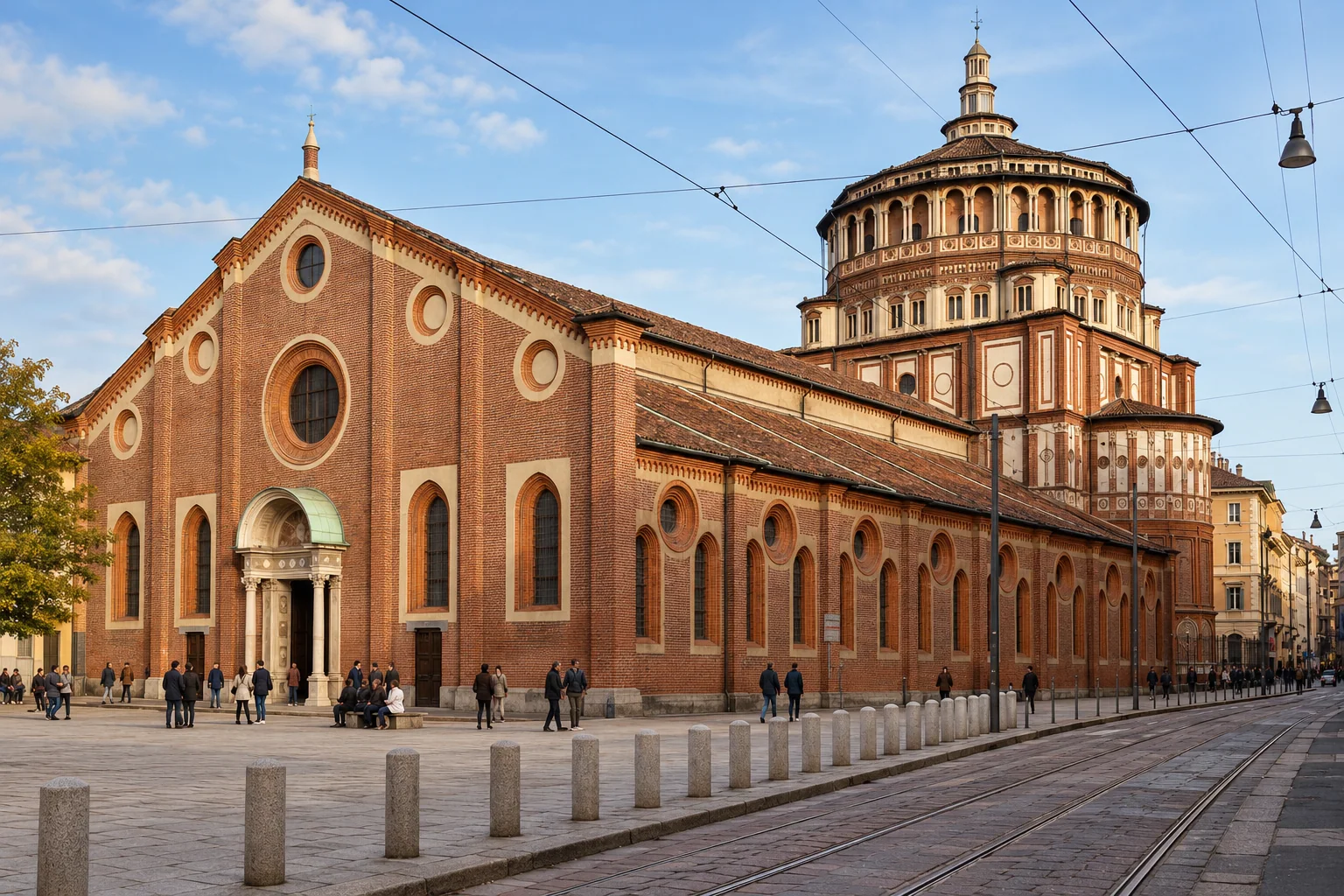 MilanUNESCOSanta Maria delle GrazieLeonardo's Last Supper in the former refectory; Bramante's Renaissance tribune; Solari's three-aisled church; Montorfano's Crucifixion on the opposite end wall.<p>Santa Maria delle Grazie is a Dominican church and convent whose story begins before Leonardo's mural. Construction began in 1463 under Guiniforte Solari; the church was completed in 1482. Its three aisles, pointed ribbed vaults, brick masonry and granite Corinthian capitals belong to the Lombard architecture of the early Renaissance. The side chapels served Milanese families for private prayer and burial, so this was a working religious house as well as a monument.</p><p>Under Ludovico Sforza, the complex became a dynastic project. He entrusted Donato Bramante with the church's eastern enlargement, where semicircular apses gather beneath the tribune's drum and dome. Leonardo painted the Last Supper on the north wall of the Dominican refectory, opposite Donato Montorfano's Crucifixion. Rather than use fresco, he worked in tempera on dry plaster, a slower method that gave him room to revise the image but left its paint layer vulnerable; the work began deteriorating soon after completion. Bombing in 1943 brought down the refectory roof, vaults and eastern wall, while the two end-wall paintings survived. The church, convent and refectory are one UNESCO World Heritage property, but they are separate visits: a church visit does not include the museum. Explore <a class="im-link" href="/en/attractions/sforza-castle">the Sforza court at Castello Sforzesco</a>, then see the museum's own <a class="im-link" href="https://cenacolovinciano.org/en/museum/the-works/the-last-supper-leonardo-da-vinci-1452-1519/">Last Supper account</a> for the painting's conservation story.</p><p>The church is free to enter; the Last Supper is a separately ticketed museum visit. Consult the <a href="https://legraziemilano.it/orari/">parish visitor guidance</a> for church access around services, and the <a href="https://cenacolovinciano.org/en/info/">museum’s official booking information</a> before planning to see Leonardo’s painting.</p>
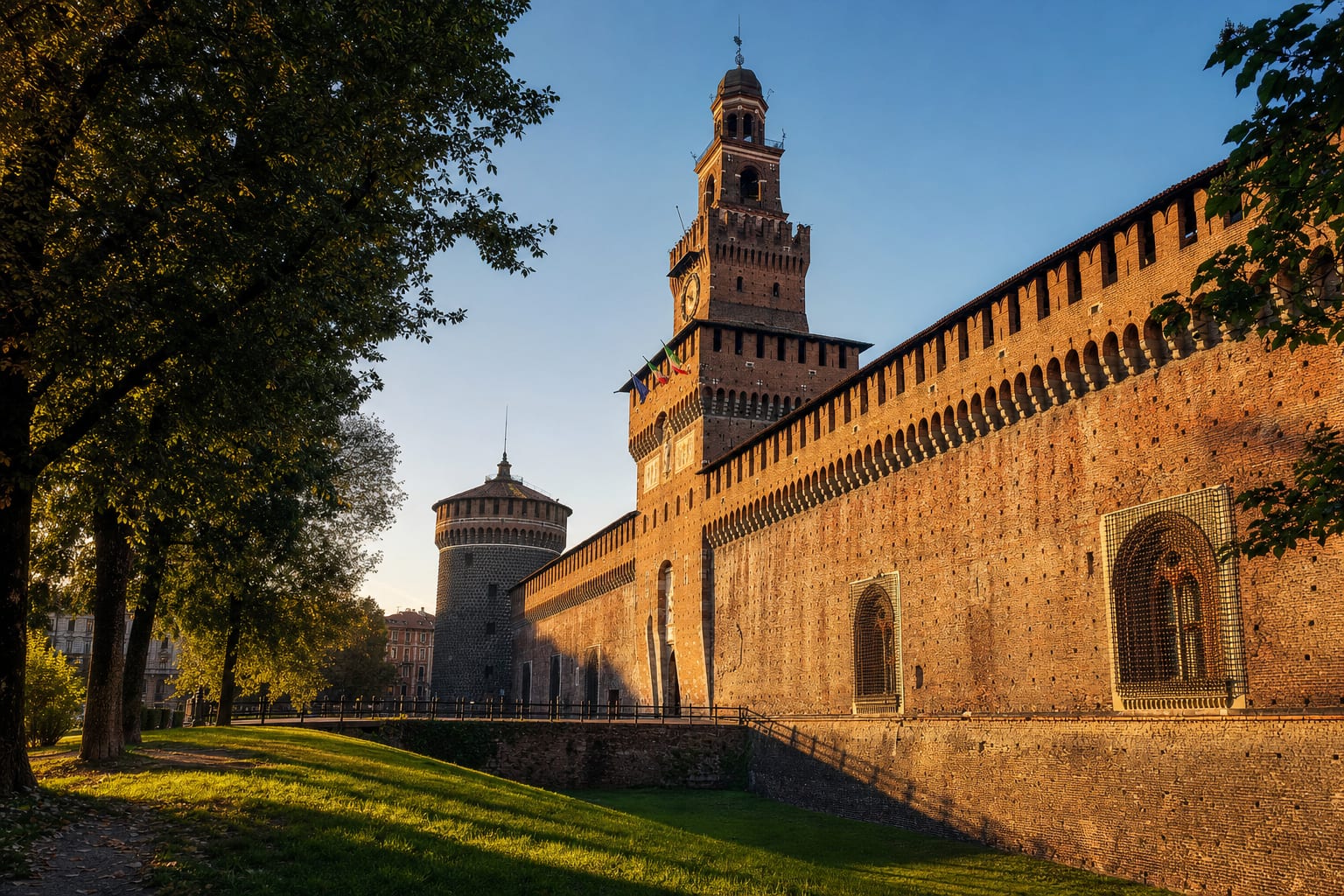 MilanSforza CastleSforza ducal fortress, Michelangelo's last Pieta, Leonardo's Sala delle Asse, Sempione park axisGaleazzo II Visconti raised the first fortress on this site in the mid-fourteenth century, but it was Francesco Sforza, who seized power in Milan in 1450, who rebuilt it into the brick citadel visible today, one of the largest in Europe by the sixteenth century under his successors. Leonardo da Vinci, working for Duke Ludovico il Moro in the 1490s, painted the Sala delle Asse's trompe-l'oeil canopy of interlacing mulberry branches directly onto the ceiling, a rare surviving decorative (rather than easel) work by the artist. The castle later served military occupiers from the French to the Austrians before Milan reclaimed and restored it, with architect Luca Beltrami's major renovation between 1891 and 1905 giving the building much of its current silhouette, including a reconstructed central tower. Its museums now hold, among other collections, Michelangelo's Rondanini Pieta, a raw, unfinished marble the artist was still reworking in the final days of his life in 1564.
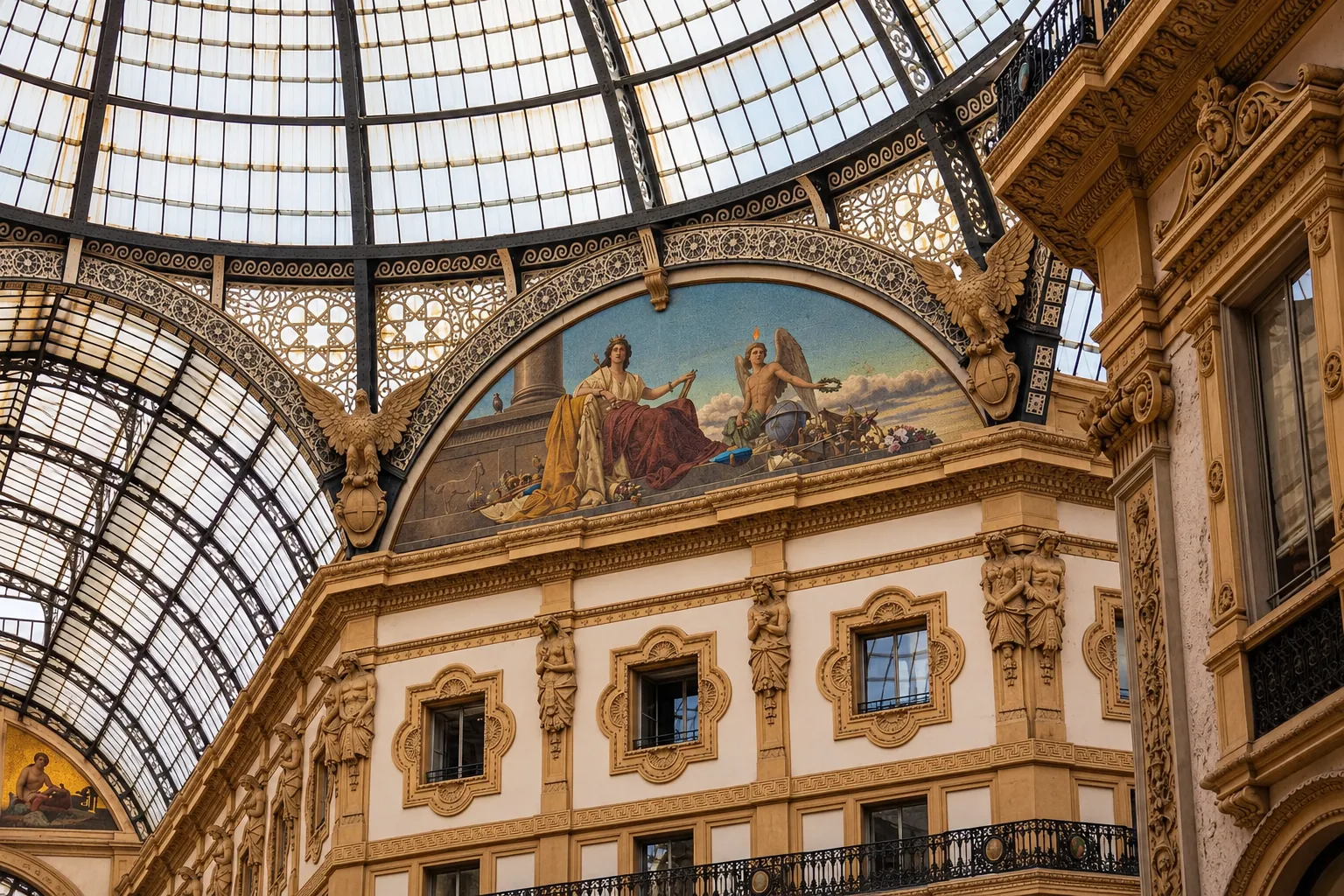 MilanGalleria Vittorio Emanuele IIGlass-domed arcade, Milan's drawing room, mosaic bull luck tradition, Duomo-to-La Scala passageMilan commissioned this arcade in 1861, the year of Italian unification, naming it for the new kingdom's first king, and architect Giuseppe Mengoni built it between 1865 and 1877 as a glass-and-iron cross connecting Piazza del Duomo to Piazza della Scala. Two intersecting barrel-vaulted arcades meet under a central glass dome, a structure larger in scale than the arcades that inspired it, London's Burlington Arcade and Brussels's Saint-Hubert Gallery, and one that went on to lend its own name, galleria, to shopping arcades built in its image afterward. Underfoot at the crossing, a mosaic zodiac wheel includes a bull representing Turin, and tradition holds that spinning three times on one heel over the bull's more sensitive anatomy brings good luck, a custom energetic enough that the mosaic there has needed periodic repair. Mengoni himself died in a fall from the arcade's scaffolding days before its official opening, a fact rarely mentioned on the plaques celebrating his achievement.
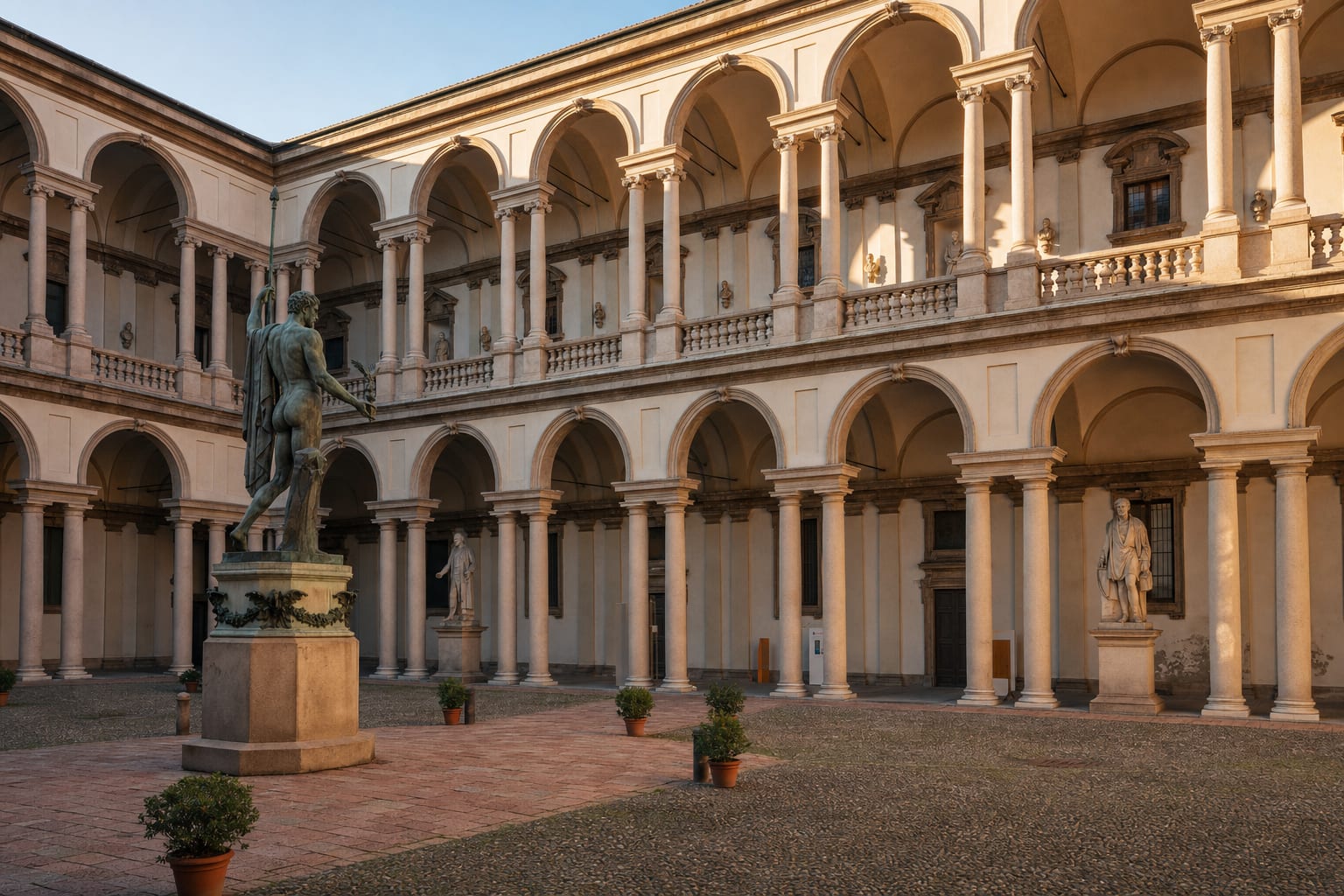 MilanPinacoteca di BreraMantegna's Dead Christ, Raphael's Marriage of the Virgin, Hayez's Kiss, Napoleonic collectionNapoleon built Brera's collection out of confiscated altarpieces, stripping suppressed churches and convents across Lombardy and the Veneto to fill a gallery worthy of his new kingdom; it opened, fittingly, on his birthday, August 15, 1809. The building started as a Jesuit college in 1572, was rebuilt by Francesco Maria Richini in the 1620s, and later held an astronomical observatory whose dome still rises over the courtyard. Inside, Mantegna's Dead Christ foreshortens the body so sharply that the wounded feet seem to reach into the room, while Raphael's Marriage of the Virgin, signed and dated 1504, shows the artist still absorbing his teacher Perugino. Hayez's Kiss, painted in 1859 as a coded call for Italian unification, closes out rooms running from Piero della Francesca to the nineteenth century.
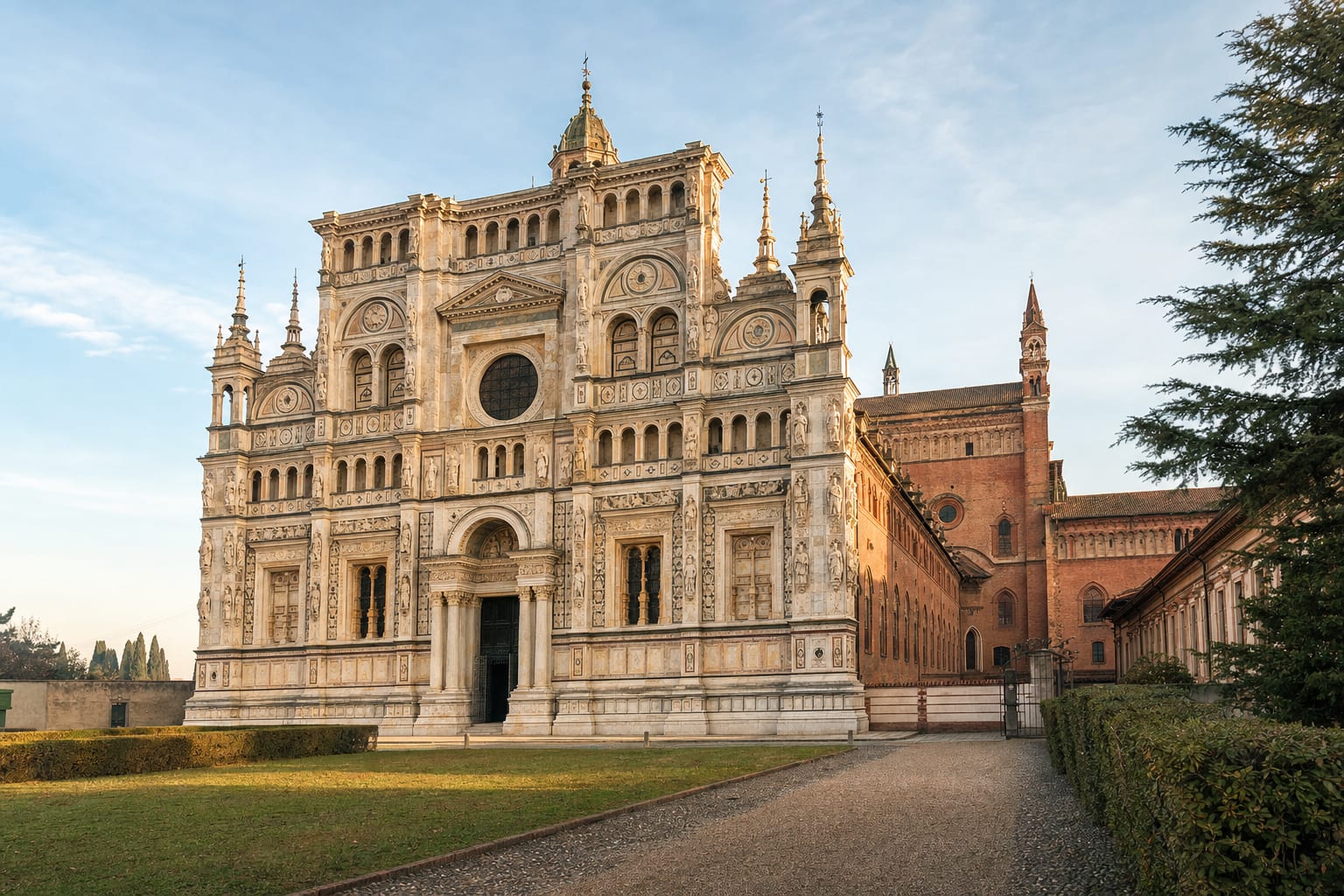 Certosa di PaviaCertosa di PaviaPolychrome marble facade, Visconti and Sforza tombs, Grand Cloister monks' cells, Bergognone artGian Galeazzo Visconti founded this charterhouse in 1396 as a private mausoleum grand enough to rival any cathedral, and its facade, carved in polychrome marble over more than a century by masters including Giovanni Antonio Amadeo, remains one of the most extravagant in Lombardy. Inside, the duke's own tomb sits beneath frescoed vaults, and the family's fortunes twisted enough that Ludovico il Moro is buried here too, his wife Beatrice d'Este beside him. Cistercian monks, who took over from the original Carthusians in 1968, still live and pray on the grounds; visitors reach the Grand Cloister, ringed by 24 individual monks' cells, each with its own small walled garden, only on the guided route through the complex.
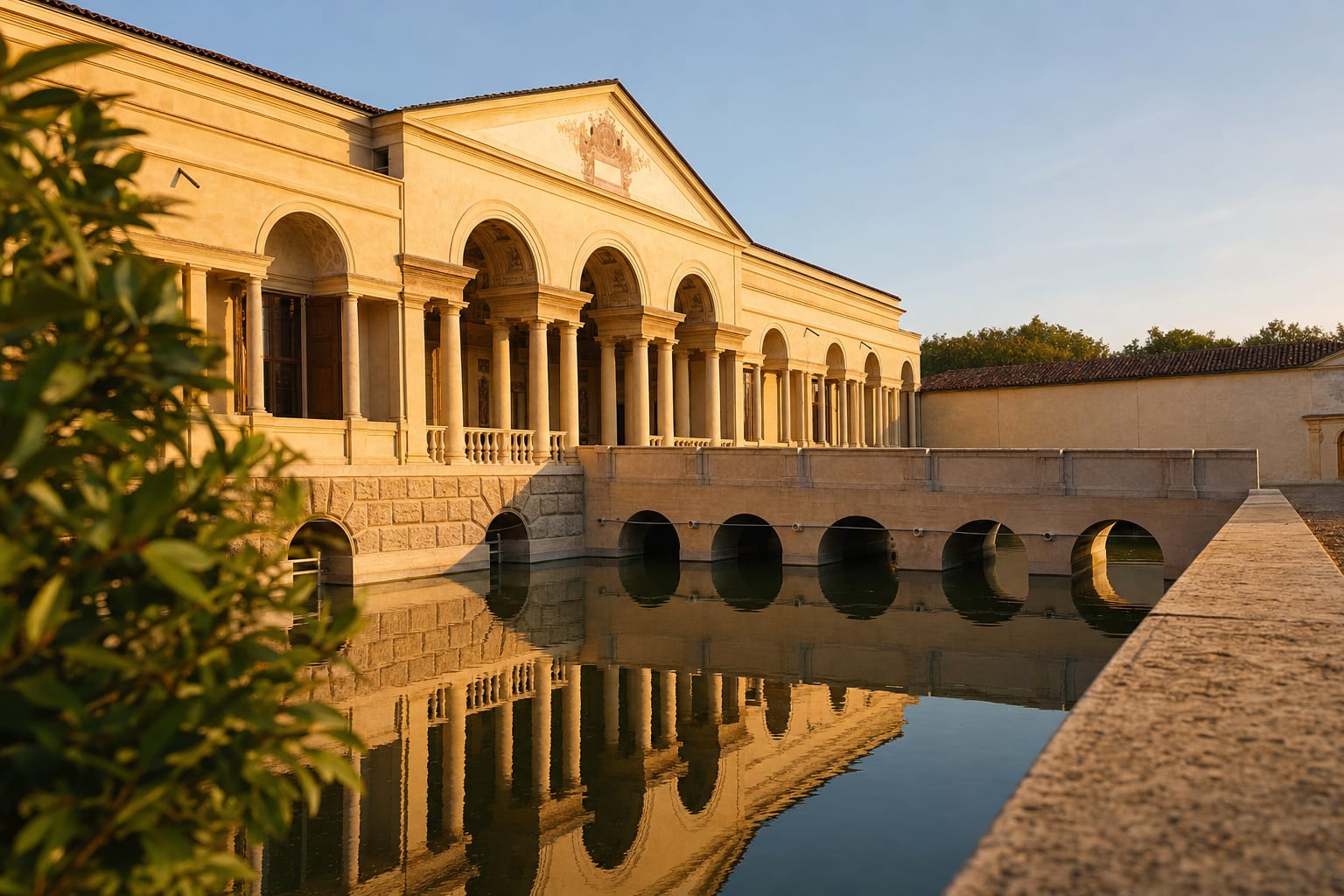 MantuaUNESCOPalazzo TeGiulio Romano's Mannerist villa, Sala dei Giganti, Sala dei Cavalli, Gonzaga leisure palaceFederico II Gonzaga built Palazzo Te between 1524 and 1534 on the site of his family stables, a villa for leisure, horses and lovers, and he gave Giulio Romano, Raphael's pupil, the freedom to bend every rule. The result is a founding building of Mannerism. In the Sala dei Cavalli the Gonzaga stallions are painted as portraits; in the Camera di Amore e Psiche the walls carry an Olympian banquet; and in the Sala dei Giganti the architecture itself seems to collapse as painted giants are crushed beneath falling rock. The palace sits south of Mantua's center and belongs to the UNESCO listing of Mantua and Sabbioneta. The ticket also covers the MACA museum and the Alberti Temple.
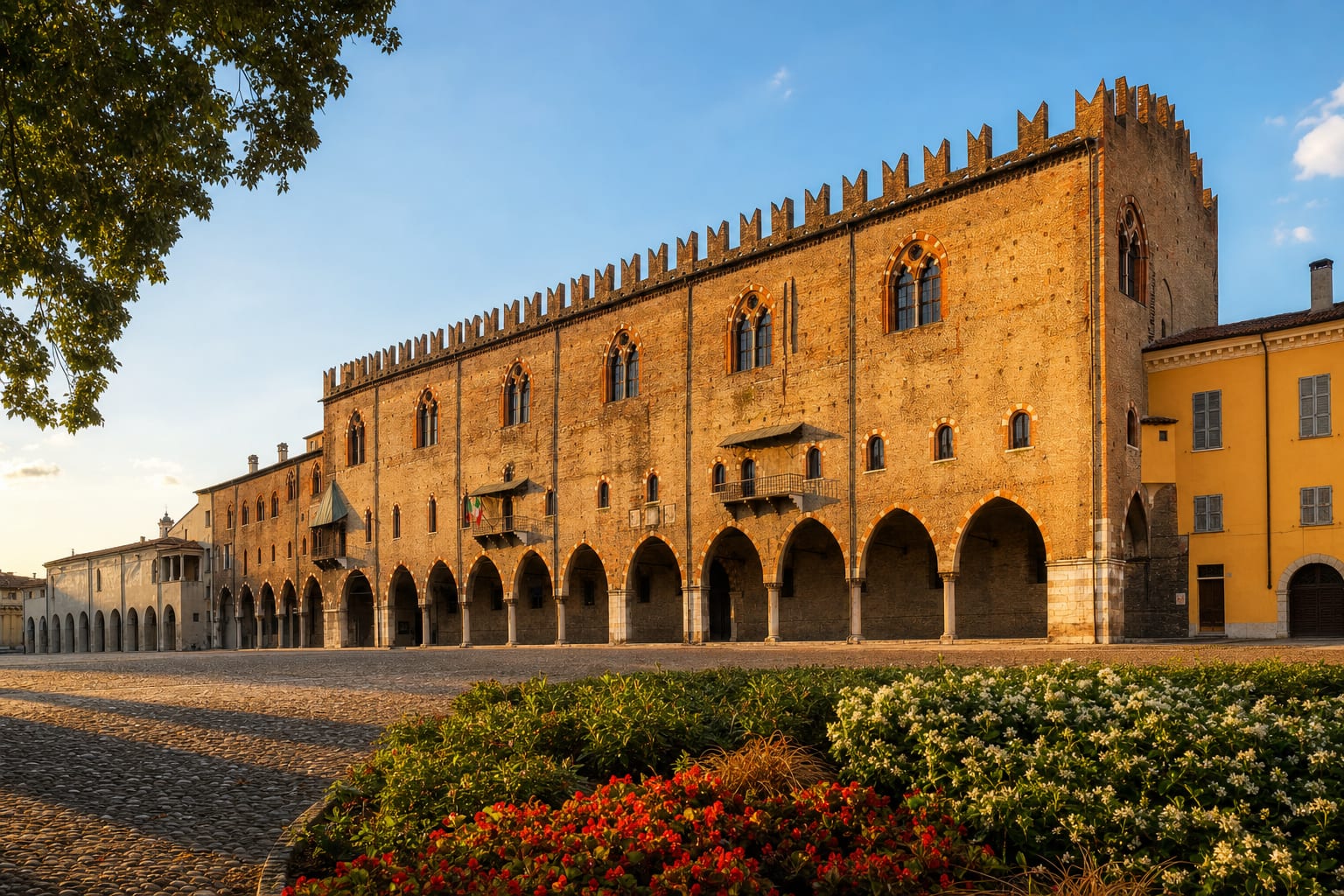 MantuaUNESCODucal Palace of MantuaGonzaga city-palace of 500 rooms, Mantegna's Camera degli Sposi, Castello di San Giorgio, Appartamento dei NaniThe Gonzaga dukes ruled Mantua from a palace complex so vast, some five hundred rooms linked by courtyards and gardens between the town's three lakes, that it amounts to a small city. Its single most famous room is the Camera degli Sposi in the Castello di San Giorgio, which Andrea Mantegna painted between 1465 and 1474 for Duke Ludovico Gonzaga: the painted court gazes out from every wall, and overhead an oculus opens onto a painted sky ringed with cherubs and a servant girl leaning over the balustrade, one of the earliest tricks of illusionistic perspective in Renaissance art. Beyond it lie apartments most visitors never reach, including the tiny Appartamento dei Nani, built to the scale of the Gonzaga court's dwarfs.
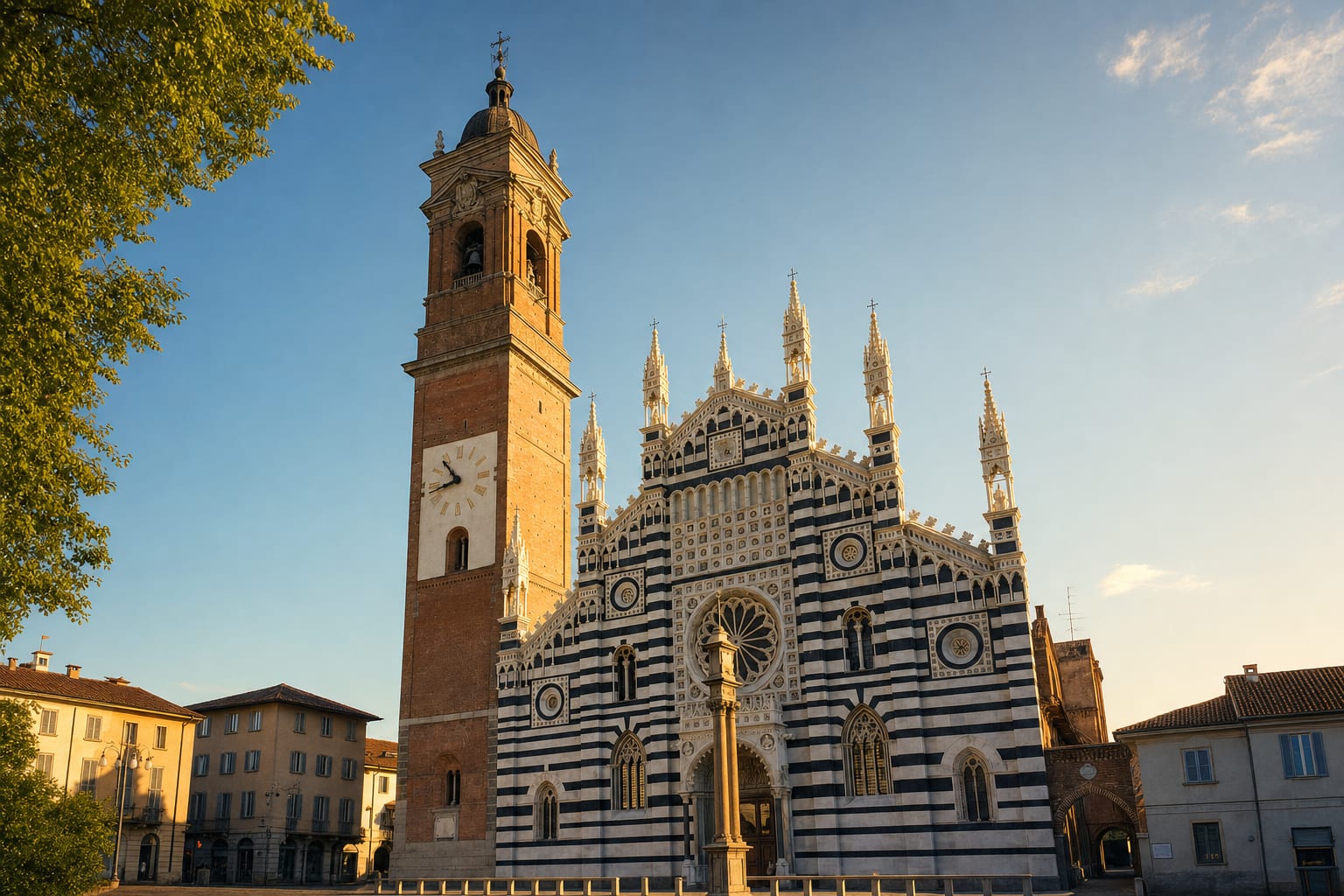 MonzaMonza CathedralIron Crown of Lombardy, Zavattari fresco cycle, striped Gothic facade, royal coronations since CharlemagneMonza's cathedral was founded, tradition says, by the Lombard queen Theodelinda around 595, and its treasury still guards the object that made the town a royal stage: the Corona Ferrea, a slender gold and jeweled circlet built around a thin iron band that legend holds was forged from a nail of the Crucifixion. Kings from Charlemagne to Napoleon Bonaparte were crowned with it as King of Italy, the last coronation in 1805. In Theodelinda's own chapel, the Zavattari family covered the walls in 1444 with a fresco cycle of 45 scenes from her life, painted in the courtly, gold-heavy style known as International Gothic. The striped marble facade outside, added between the 1300s and 1600s, mixes Gothic tracery with a later Baroque portal.
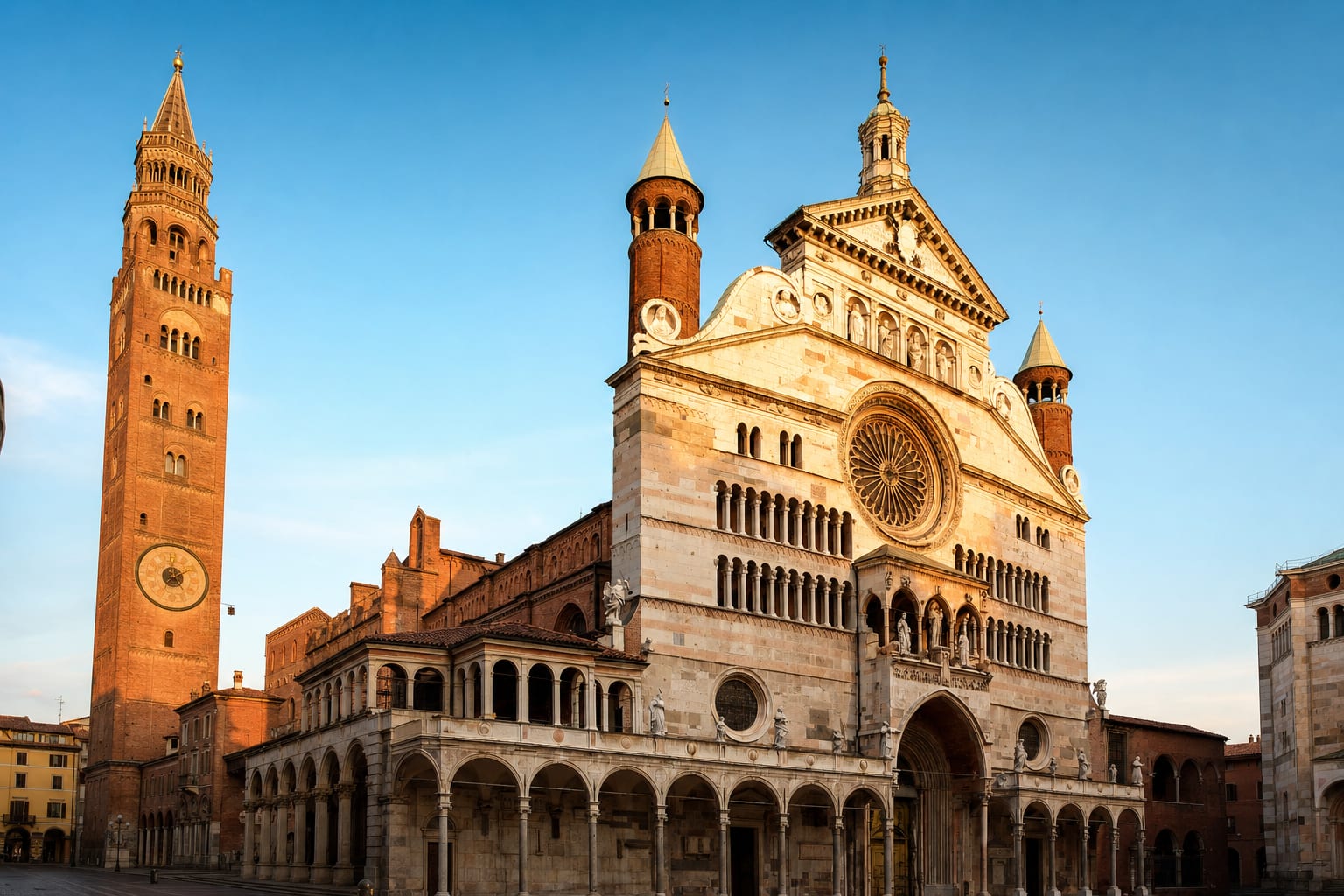 CremonaCremona Cathedral and TorrazzoTorrazzo (112.5 m), astronomical clock, Romanesque facade, nave fresco cycles, baptisteryCremona's cathedral pairs a Romanesque marble facade with the Torrazzo, the tower beside it: at 112.5 meters, the tallest historic brick bell tower in Italy, finished with its marble spire in 1309. On its fourth level is the astronomical clock made between 1583 and 1588 by the Divizioli, 8.2 meters across, which shows the zodiac, the phases of the moon and the solstices; you can climb 502 steps between two concentric towers to a panoramic terrace. Inside the cathedral, Renaissance fresco cycles by Boccaccino, Pordenone and others cover the nave, among the finest in Lombardy. It is the centerpiece of a piazza that also holds the baptistery and the loggia.
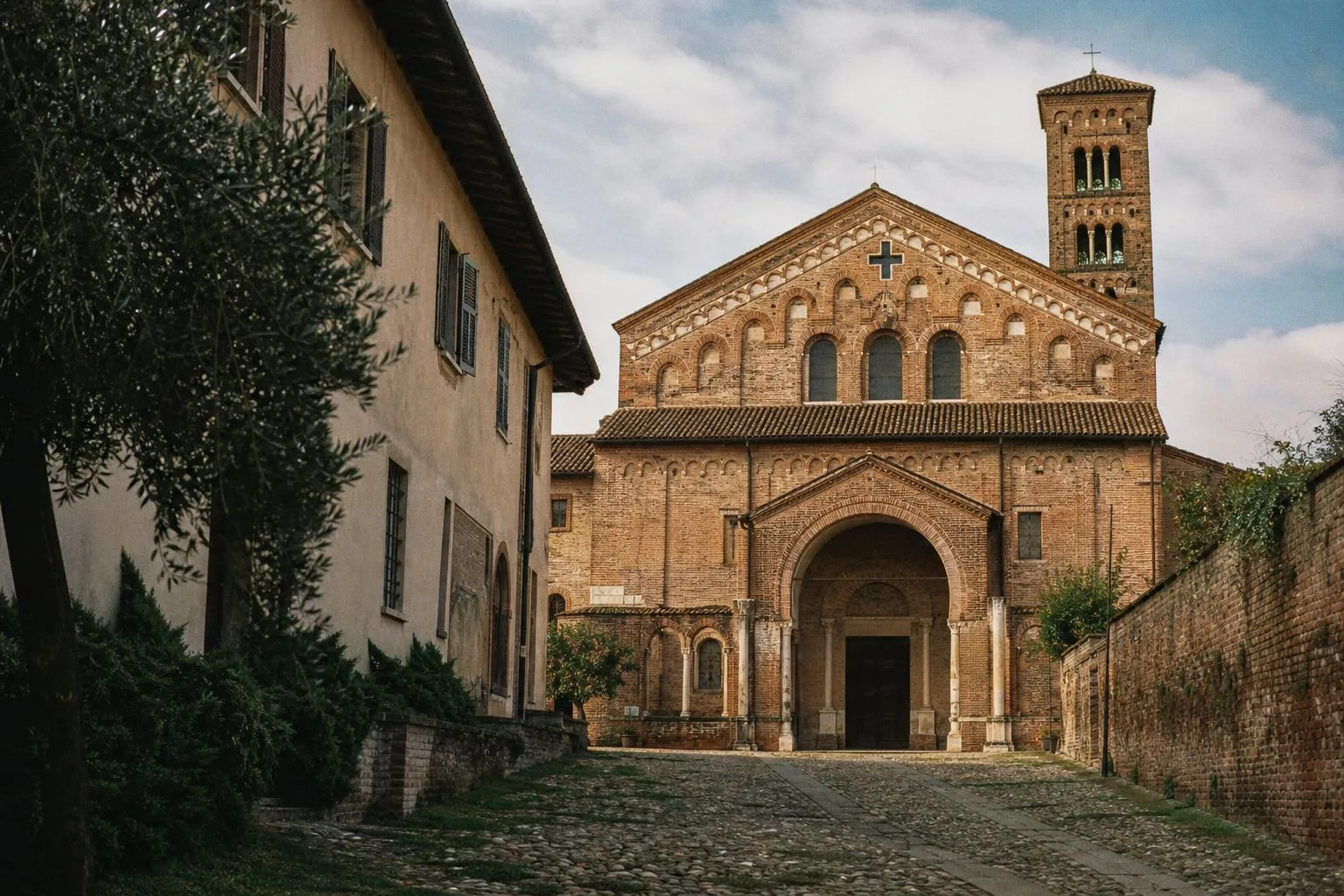 PaviaHidden GemSan Pietro in Ciel d'OroTomb of Saint Augustine, 14th-century marble Arca, crypt of Boethius, Romanesque brickworkThis Romanesque brick basilica in Pavia holds the tomb of Saint Augustine. King Liutprand of the Lombards had the relics brought from Sardinia in the early eighth century, and he built the church to house them. Above the altar stands the Arca of Saint Augustine, a fourteenth-century marble shrine carved with more than 150 statues and reliefs. In the crypt lies Boethius, the philosopher executed in 525, whom Dante places among the wise souls in Paradise as living at ‘Cieldauro’, the church’s golden ceiling. Napoleonic suppression left the basilica in ruin; Angelo Savoldi restored it between 1875 and 1896, and it reopened on 15 June 1896. Augustinian friars care for it today.
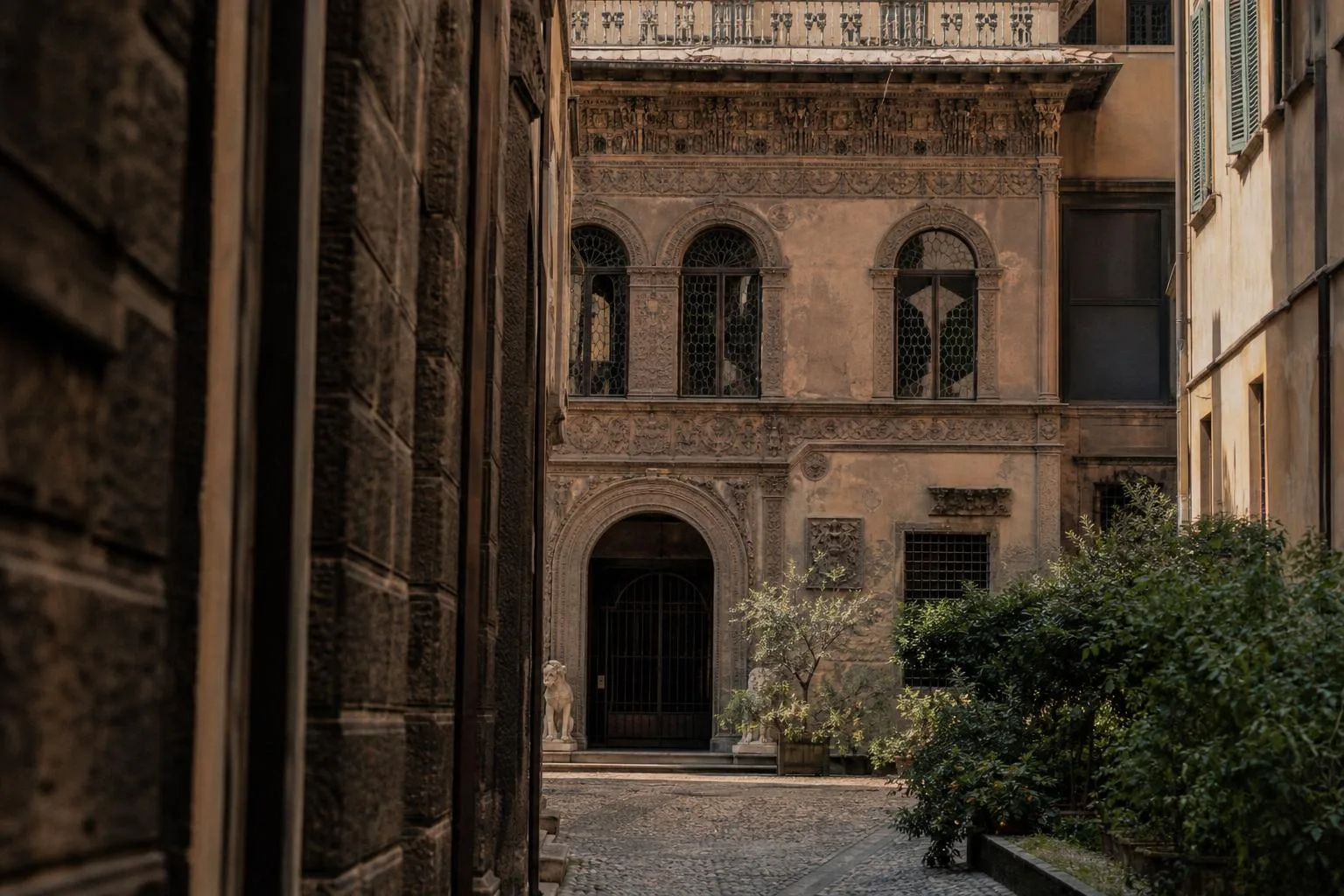 MilanHidden GemBagatti Valsecchi MuseumNeo-Renaissance palazzo, genuine Renaissance furnishings, a Bellini workshop MadonnaThe Bagatti Valsecchi brothers, Fausto and Giuseppe, built themselves a Renaissance palace in the 1880s, three centuries after the style they loved had gone out of fashion, and furnished it so convincingly with genuine 15th and 16th-century pieces that visitors still ask whether it is a real historic house. It opened as a museum in 1994, its rooms named for their function in noble Milanese life: the Sala dei Falconi, the Camera Rossa, an armory hung with weapons the brothers actually collected and wore to costume balls. A small Madonna attributed to the Bellini workshop hangs among cassoni, majolica and stained glass gathered from across Italy. The palazzo sits two streets from the designer boutiques of Montenapoleone, itself a kind of costume, private wealth staged as public spectacle a century before the neighborhood’s current one.
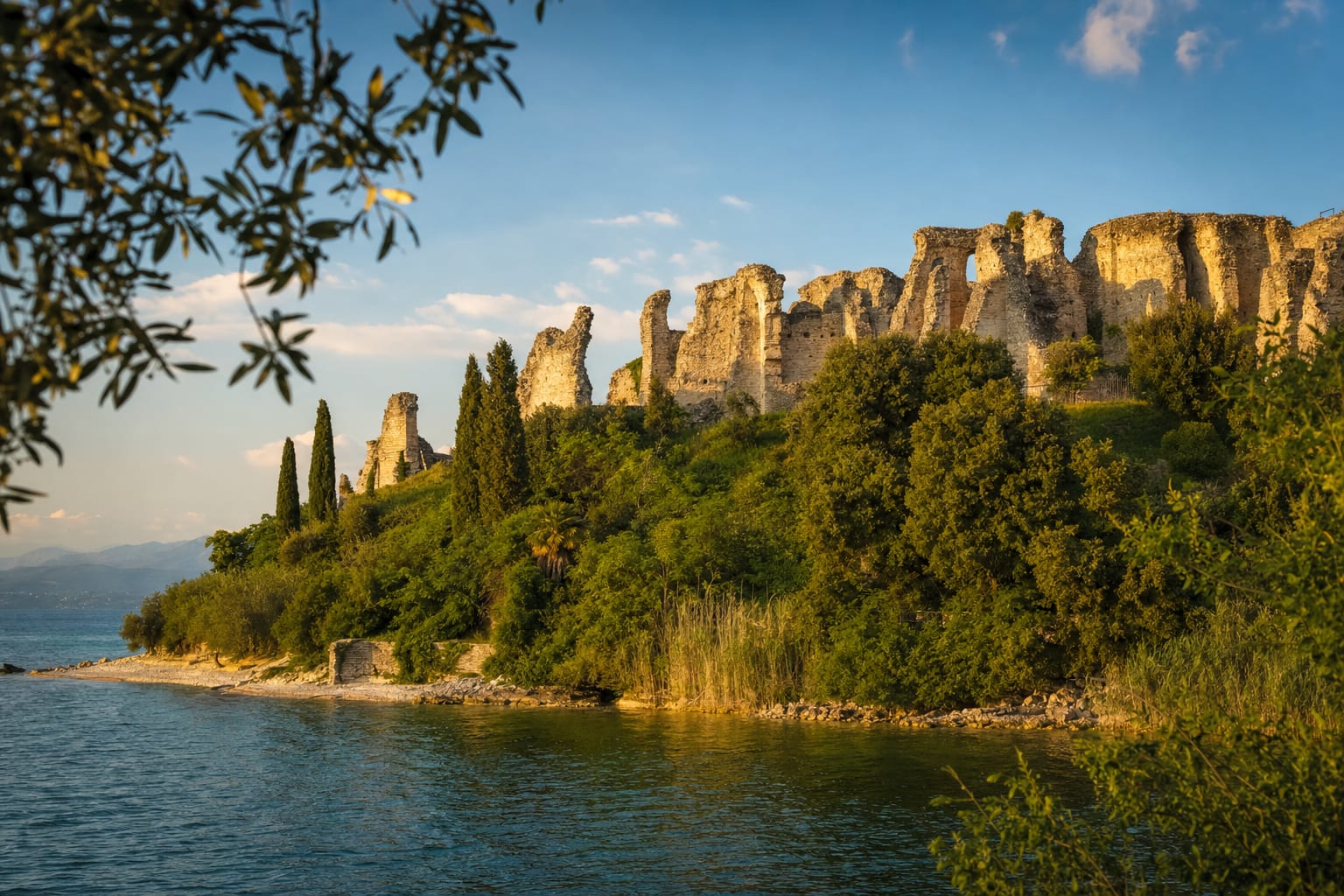 SirmioneGrotte di CatulloLargest Roman villa in Italy, Catullus tradition, olive grove ruins, lake-tip panoramaAt the tip of Sirmione’s peninsula, on land that juts into Lake Garda like a thumb, the ruins of Italy’s largest known Roman villa spread across an old olive grove for nearly 20,000 square meters. Built between the late 1st century BC and the 1st century AD, the complex is named for the poet Catullus, who called Sirmione the jewel of all islands and peninsulas, though the villa itself likely rose after his death and belonged to someone else entirely. Walk the surviving walls and the cryptoporticus, the vaulted underground gallery that kept the villa cool, and climb to the northern terrace for a view down the lake that has drawn visitors since the Romans built it for exactly that purpose. An on-site museum, opened in 1999, displays finds from here and elsewhere around Sirmione.
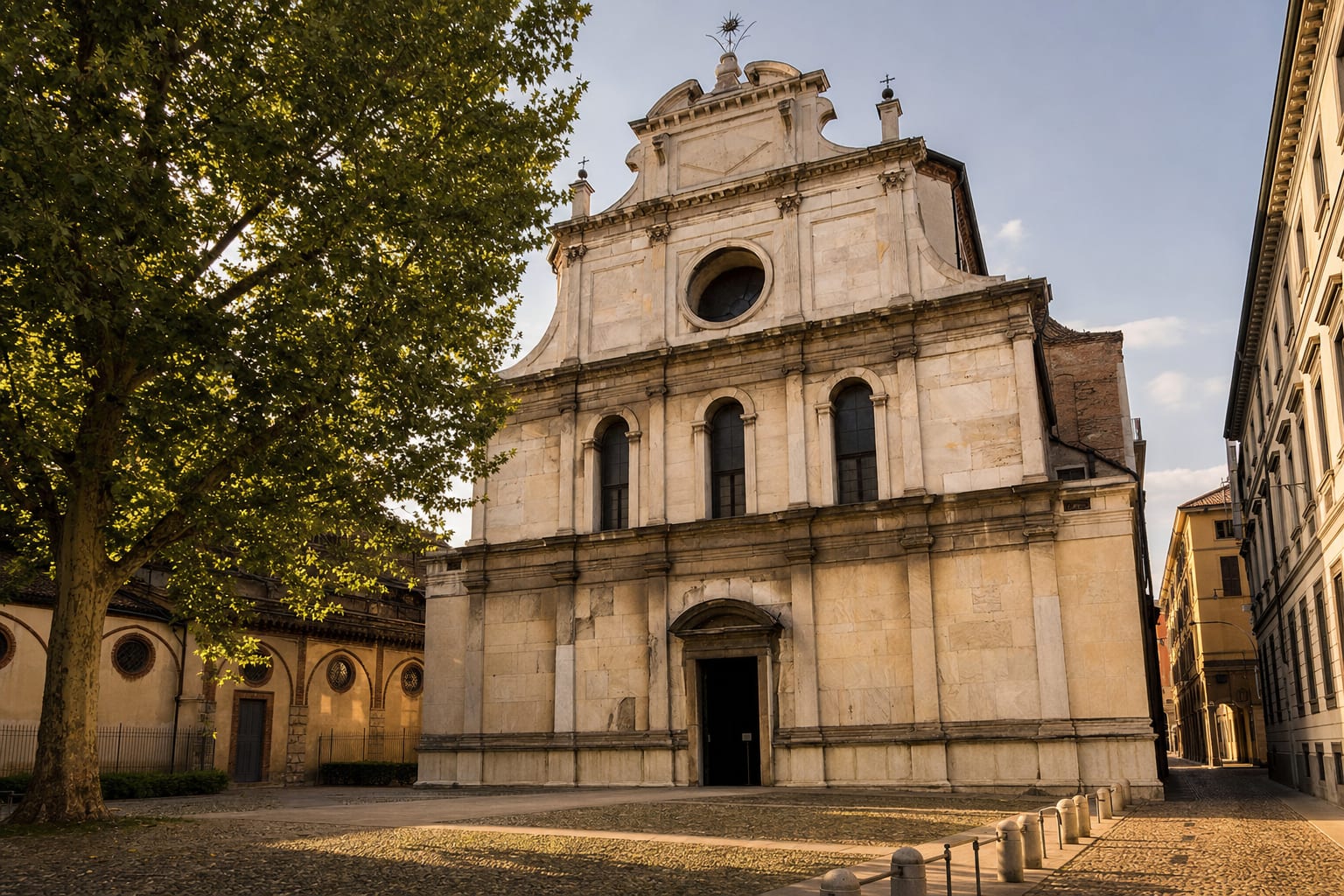 MilanSan Maurizio al Monastero MaggioreLuini fresco of Saint Maurice, Sistine Chapel of Milan nickname, nuns' dividing wall, Roman hippodrome towerThe Benedictine nuns who rebuilt this church starting in 1503, finishing it fifteen years later, wanted two rooms in one: a public hall for the neighborhood and, behind a solid dividing wall, a private choir where the cloistered sisters could hear Mass unseen. Both halls got the same treatment, floor to ceiling frescoes, most of them by Bernardino Luini, a favorite pupil of Leonardo da Vinci, who painted the life of Saint Maurice on the dividing wall itself; his son Aurelio and other family members later filled the side chapels. The result is so dense with color and narrative that Milanese call it their Sistine Chapel. Look too for the square tower rising beside the church, built centuries earlier as part of Roman Milan's lost hippodrome before it became the bell tower. The church shares its courtyard with the Museo Archeologico, built into the surviving convent buildings.
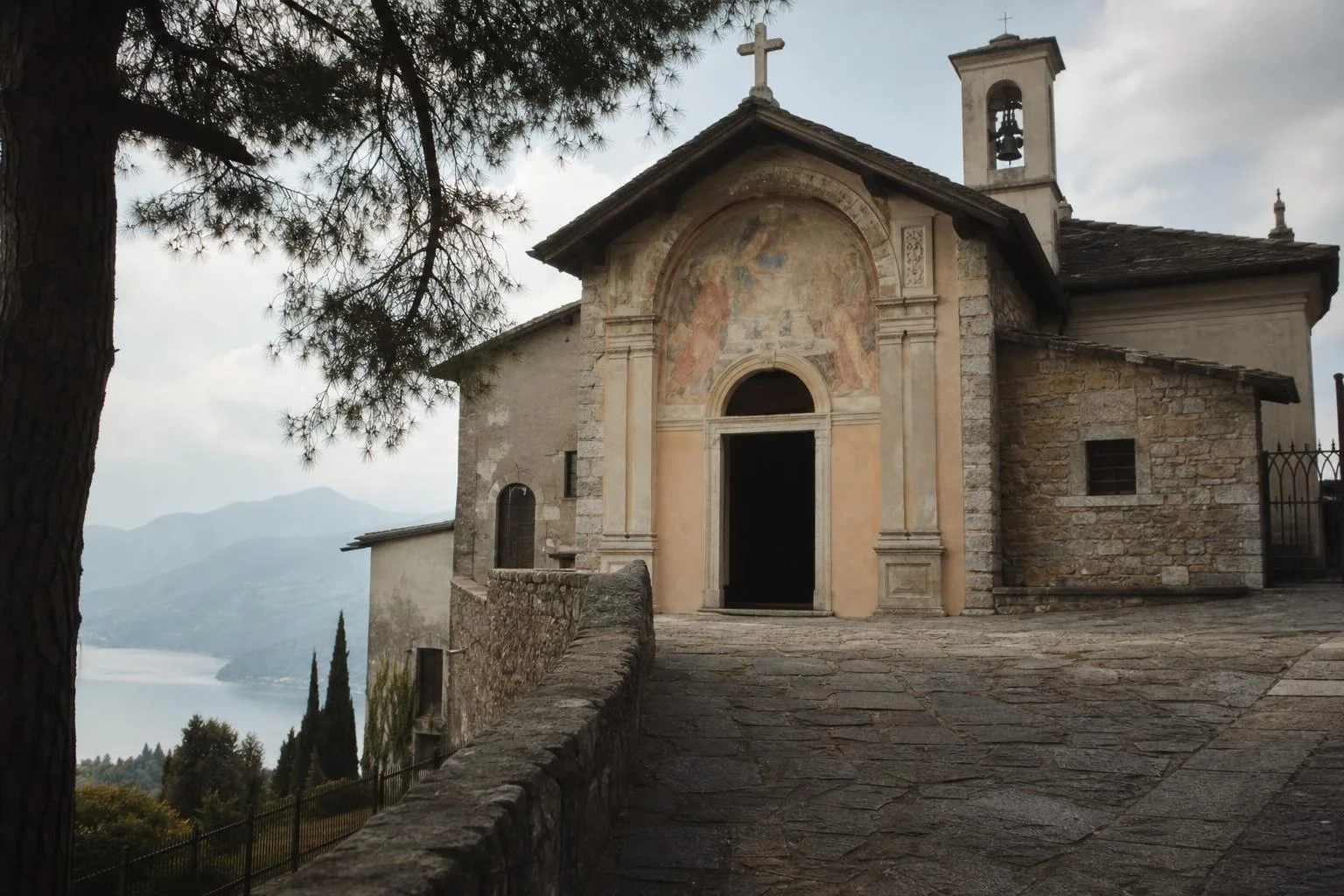 MagreglioHidden GemMadonna del GhisalloPatron sanctuary of cyclists since 1949, pink-jersey collection, cycling memorabilia museum, legendary climbCyclists have ridden up to this chapel above Lake Como for generations, but in 1949 Pope Pius XII made it official: the Madonna del Ghisallo became the Catholic Church's patron saint of cyclists. The small sanctuary now shares its hilltop with a cycling museum, opened in 2006, that holds one of the largest collections of pink Giro d'Italia leader's jerseys anywhere, alongside racing bikes and memorabilia spanning a century of Italian cycling. The road up from Lake Como is itself part of cycling folklore, a climb that professionals and weekend amateurs alike still treat as something close to a pilgrimage, especially in the weeks around the Giro d'Italia.
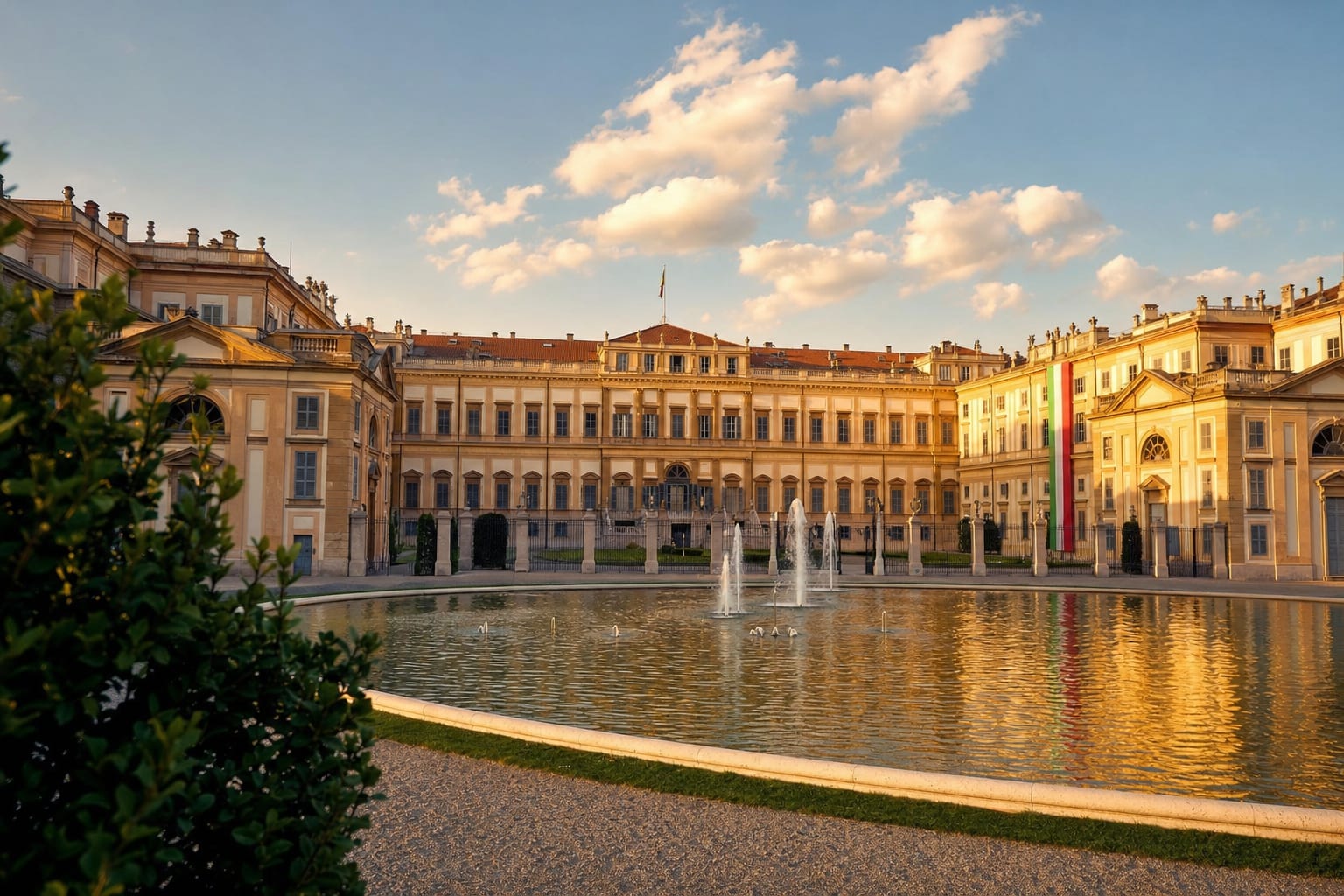 MonzaRoyal Villa of MonzaPiermarini's neoclassical design, 28 restored royal rooms, 14 km walled park, Monza Grand Prix circuitEmpress Maria Theresa of Austria had this summer palace built starting in 1777 for her son, and Giuseppe Piermarini, fresh off the commission, went on to design La Scala with the same restrained neoclassical hand you see here. The Habsburgs gave way to Napoleon's viceroys, then to the House of Savoy, who used it as a royal retreat until King Umberto I was assassinated in Monza in 1900 and the family never properly returned. The 28 restored rooms open to visitors move from Habsburg state rooms to the Savoys' more private apartments, including quarters once kept ready for the Duchess of Genoa and the German Emperor as guests. Outside, a 14-kilometer wall, built in 1807 and 1808 from the stones of a demolished Visconti castle, encloses one of the largest parks in Europe, now shared by farms, gardens and the Monza Grand Prix circuit.
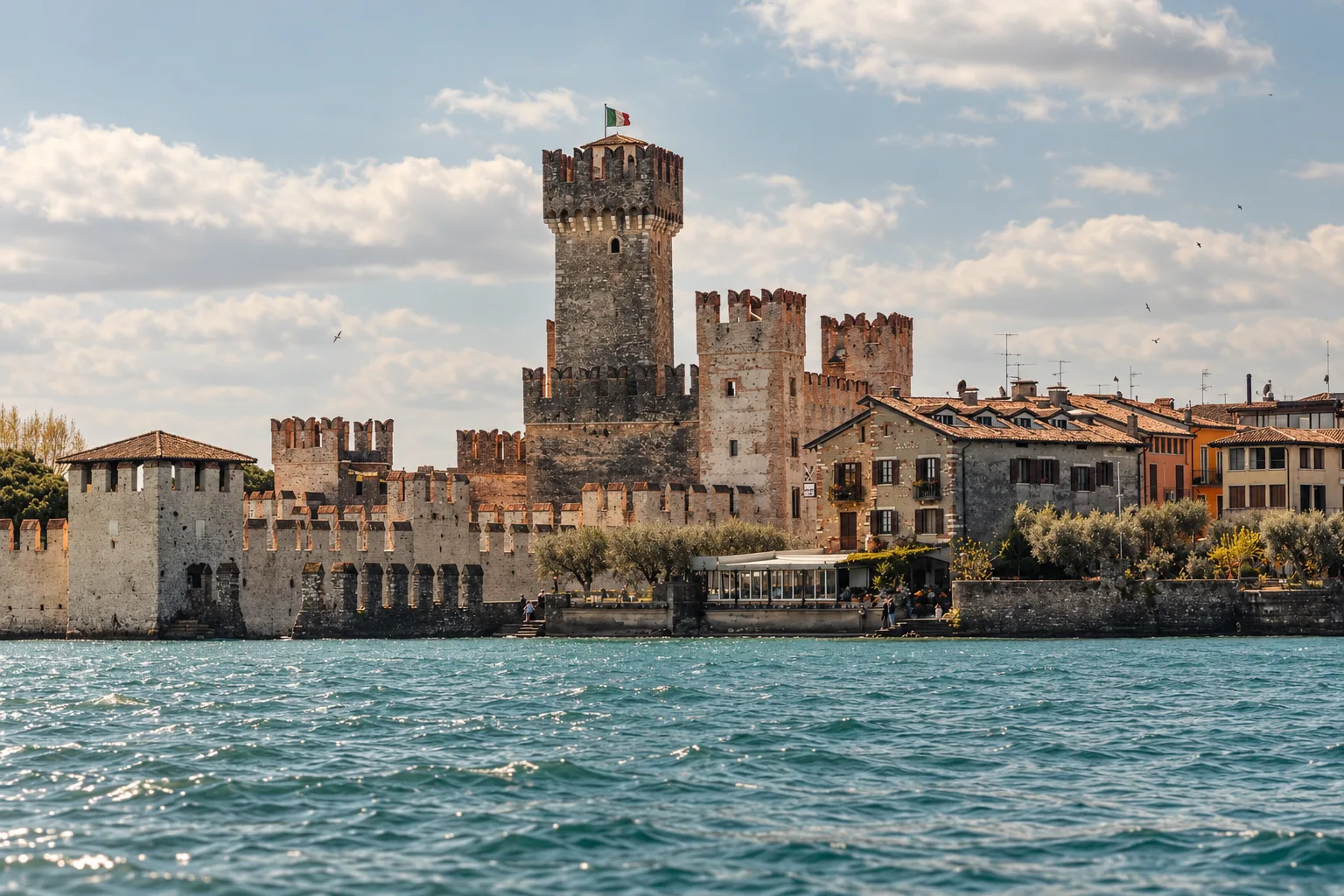 SirmioneScaliger Castle of SirmioneMoated lake fortress, fortified harbor, drawbridge entrance, swallowtail battlements, 146-step keepEvery visitor to Sirmione's old town crosses the same drawbridge, because the Scaliger Castle sits directly across the only strip of land linking the peninsula to the mainland. Mastino I della Scala raised it in the 1250s to secure Verona's hold on Lake Garda, and its swallowtail battlements still mark the work as Ghibelline. Behind the curtain walls is one of Italy's few surviving fortified harbors, a moated dock where the della Scala fleet once rode at anchor, screened from attack on three sides. Climb the keep's 146 steps and the lake opens out in every direction, rooftops on one side, open water on the other. The castle has never been converted into a palace or dressed up as a ruin: it still reads as the checkpoint it was built to be, right down to the drawbridge mechanism above the gate.
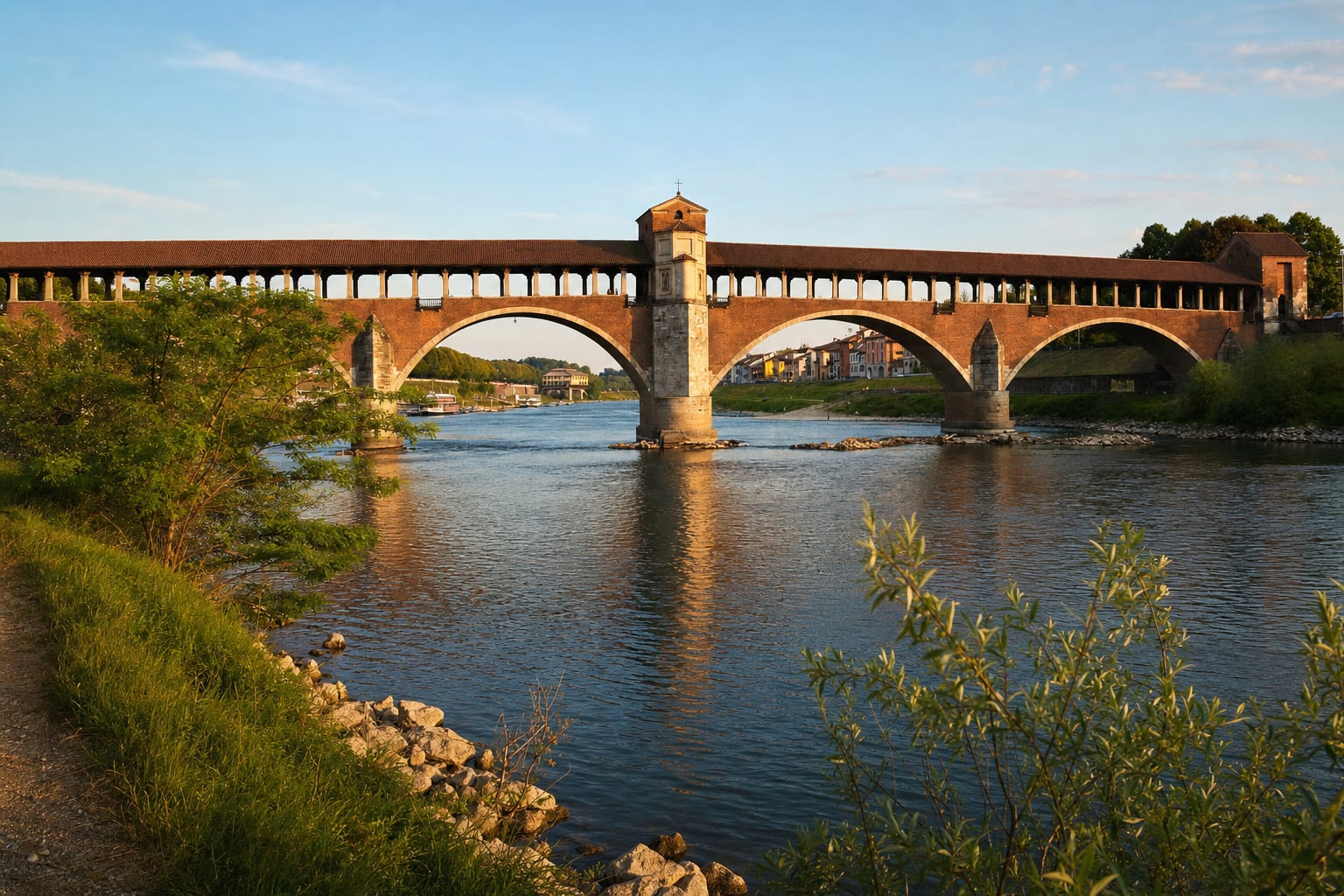 PaviaPonte CopertoCovered bridge over the Ticino, 18th-century chapel at midspan, 1951 postwar reconstruction, Borgo Ticino linkPavia's covered bridge carries pedestrians across the Ticino under a long tiled roof, with a small eighteenth-century chapel to San Giovanni Nepomuceno set into the middle span exactly as the medieval builders intended. The first roofed bridge here went up between 1351 and 1354, on the piers of an older Roman crossing, after Galeazzo II Visconti decided the city needed a covered link to the fishing quarter of Borgo Ticino across the river. Allied bombing brought that bridge down in 1944, and the version standing today is a careful 1951 reconstruction, built a short distance from the original site with five arches instead of the medieval seven. Pavians still use it the way their ancestors did, as the natural route for an evening walk toward Borgo Ticino's trattorias, and the roof makes it one of the few bridges in Italy where a rainy crossing barely counts as bad weather.
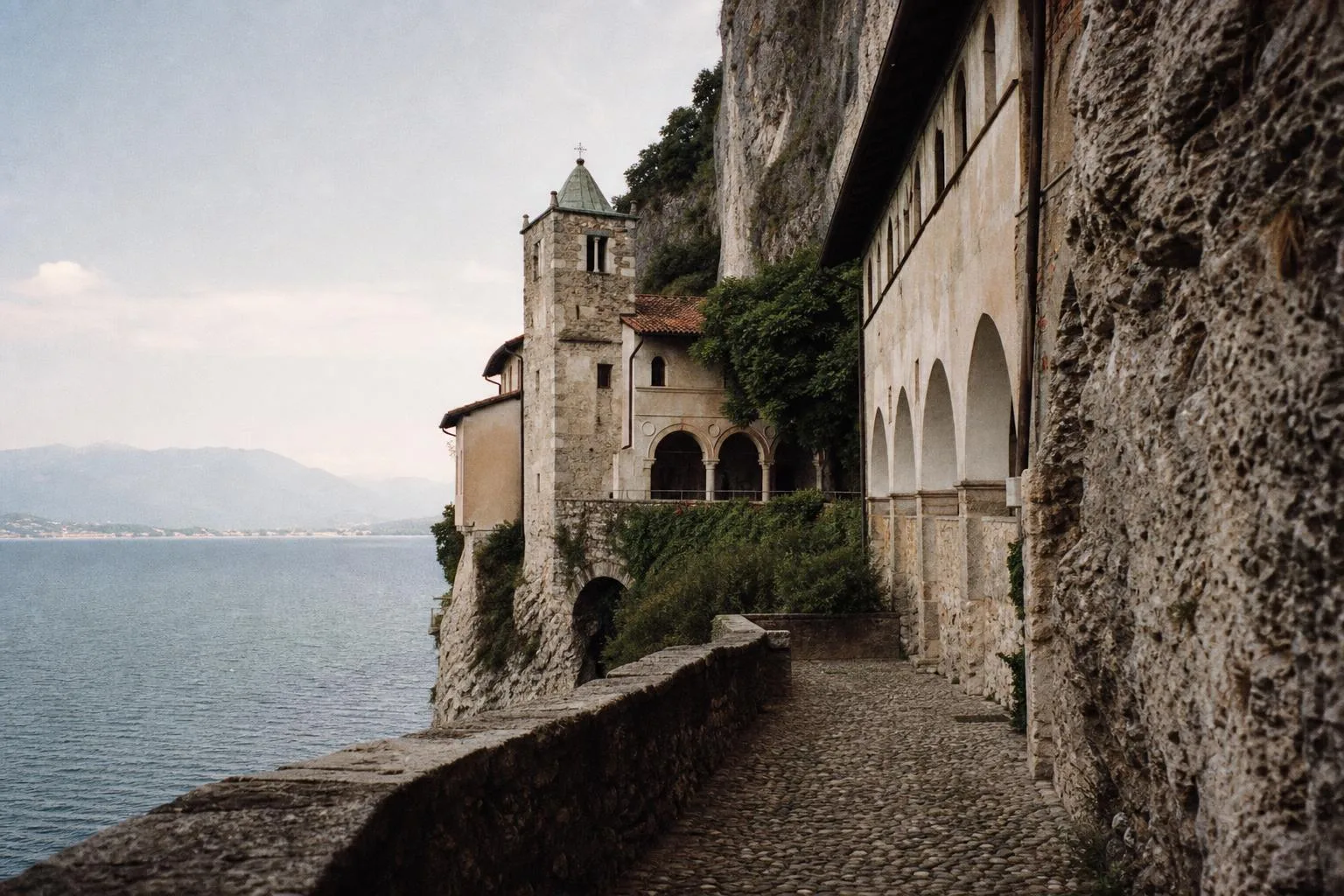 LeggiunoHidden GemSanta Caterina del SassoCliffside hermitage, 1170 founding legend, centuries of frescoes, dramatic Lake Maggiore viewsA cliff above Lake Maggiore's eastern shore holds this small hermitage, founded around 1170 after a merchant named Alberto Besozzi prayed to Saint Catherine of Alexandria and survived a shipwreck below, then stayed on as a hermit on the rock where he came ashore. Dominicans held it first, then Franciscans from Milan for three centuries, then Carmelites, then Benedictine monks who ran it until 2018; a Franciscan fraternity has cared for the site since 2019. Its strangest chapter came in the early 1700s, when boulders shaken loose above the roof lodged in a chapel vault instead of crushing it, and stayed wedged there for nearly two hundred years before finally being cleared in 1910. Frescoes from the 14th to the 17th century still line the three linked churches, and three ways reach the complex today: a long public stairway, a rock-cut elevator, or the passenger ferries calling at Leggiuno's pier below.
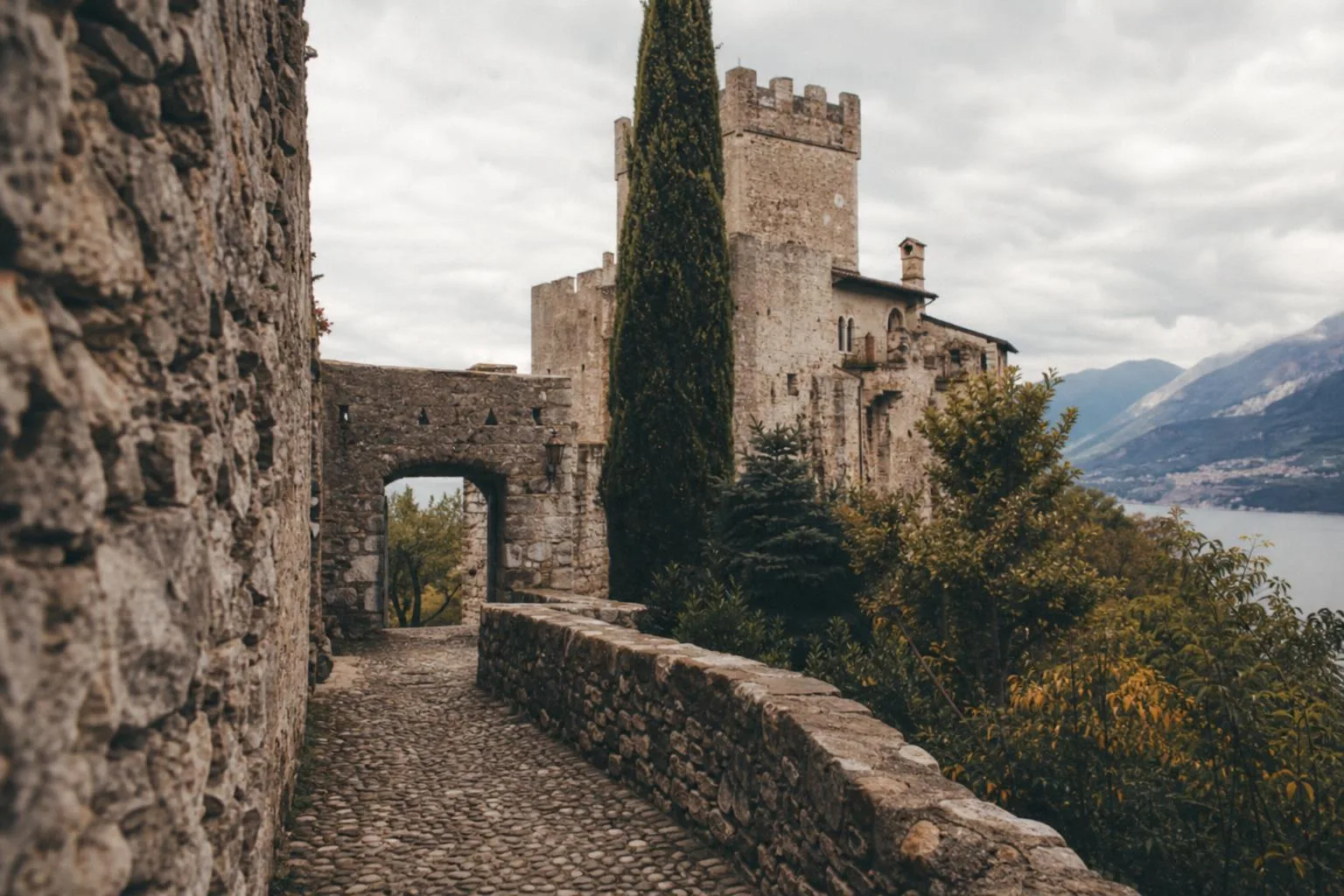 PerledoHidden GemVezio CastleMedieval fortress, Theodolinda legend, botanical garden, Lariosaurus fossil exhibit, Lake Como viewsA fortress has crowned this spur above Varenna since at least the early 12th century, though local legend pushes its origins back to the Lombard queen Theodolinda in the 6th century, watching for enemy ships on Lake Como below. What stands today is largely the medieval castle, opened to visitors only in 1999 after private owners restored it, with a squat keep, a small botanical garden planted into the old courtyard, and views that take in Varenna, Bellagio's promontory, and the lake's central fork in one sweep. The keep houses an unexpected exhibit: fossils and a reconstruction of Lariosaurus, a small Triassic marine reptile first identified from finds near this lake and now something of a local mascot. A Eurasian eagle-owl named Artù lived at the castle for years as its resident bird of prey.
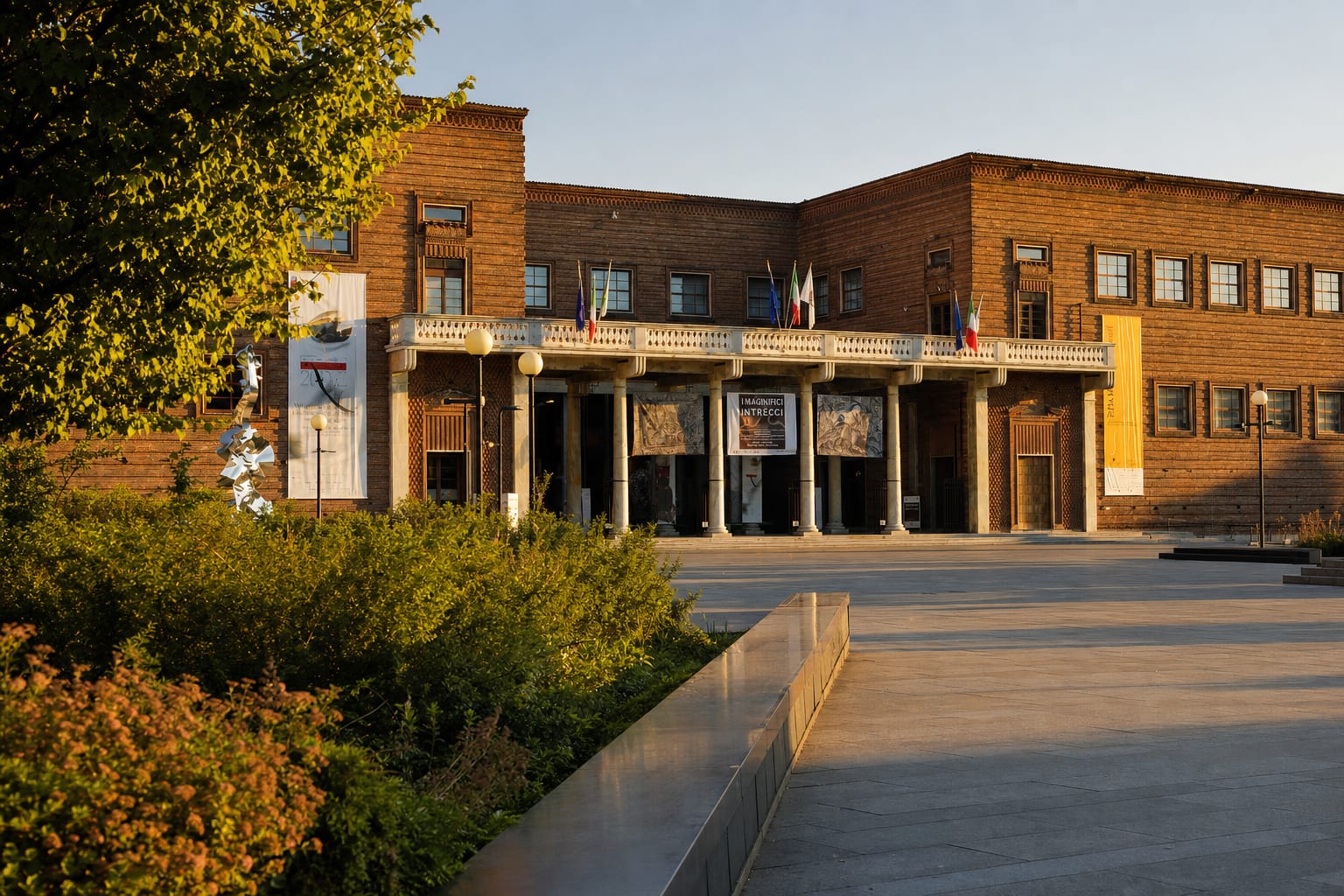 CremonaHidden GemViolin MuseumStradivari and Amati originals, luthier tradition, listening room, live recitalsCremona invented the violin in the sixteenth century and never stopped making them: roughly 150 workshops in the city still practice the craft today. The Museo del Violino, set in the restored Palazzo dell'Arte on Piazza Marconi, gathers instruments by Amati, Guarneri del Gesu and Antonio Stradivari, the three families who defined how a violin should sound. Rather than sealing the collection behind glass forever, the museum has its prized instruments played on rotation, often in the Auditorium Giovanni Arvedi, so the wood keeps vibrating the way its makers intended. A listening room lets visitors compare recordings of different instruments side by side, a rare chance to hear the difference a few centuries and a few millimeters of arching can make.
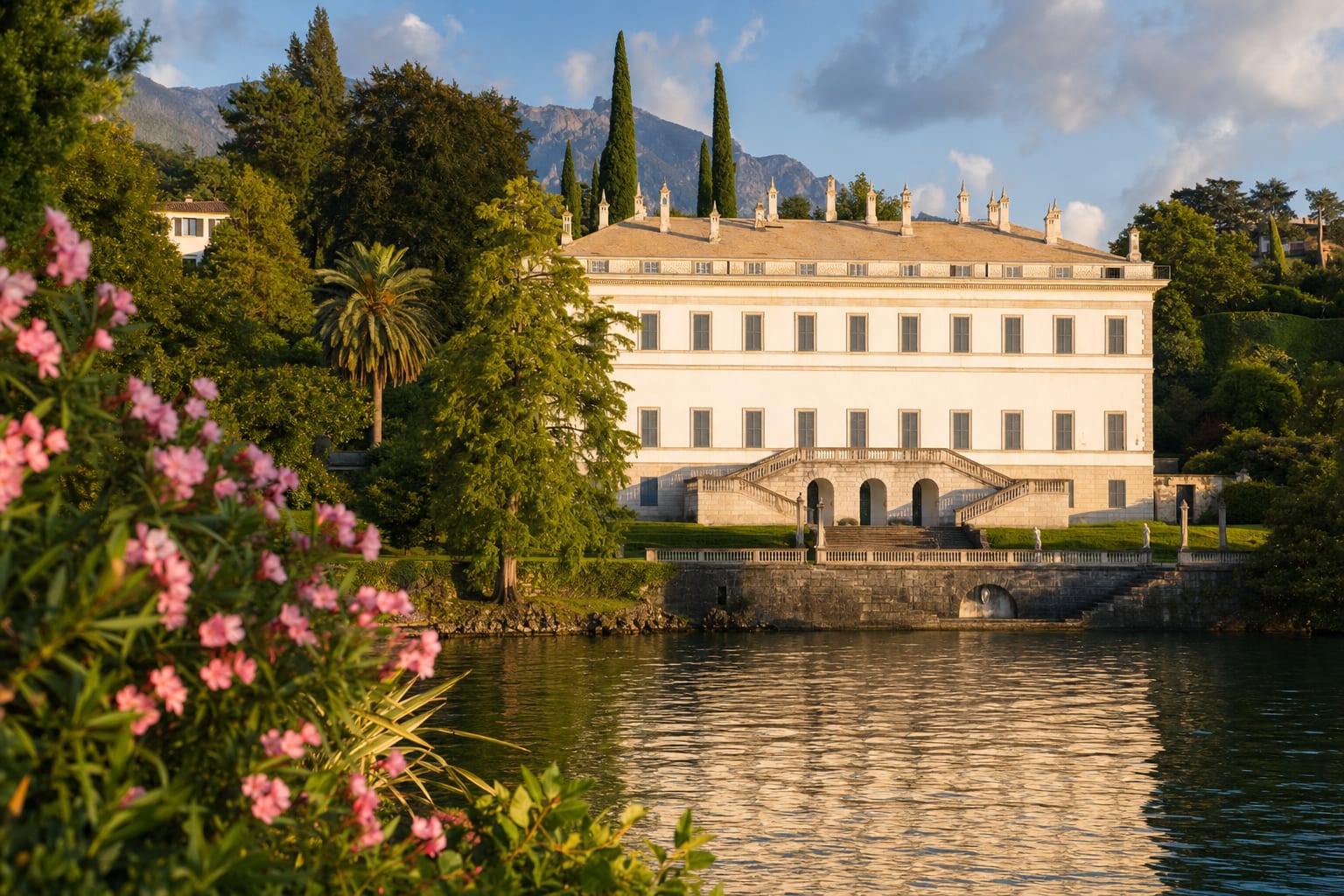 BellagioVilla Melzi GardensLakeside English-style park, azalea and camellia spring, Japanese pond, neoclassical chapelFrancesco Melzi d'Eril, vice president of Napoleon's Italian Republic, built his villa and gardens on Bellagio's shore between 1808 and 1810, choosing an English-style landscape park rather than the formal Italian garden of his neighbors. Paths wind past a Japanese pond, rare trees, a small neoclassical chapel and a museum, always with the lake opening between the trunks. Spring is the season: camellias and then azaleas flood the lakefront walk with color. Your ticket covers the garden, the chapel and the museum; the villa itself remains a private family home. The gardens are seasonal, opening in spring and closing at the end of October.
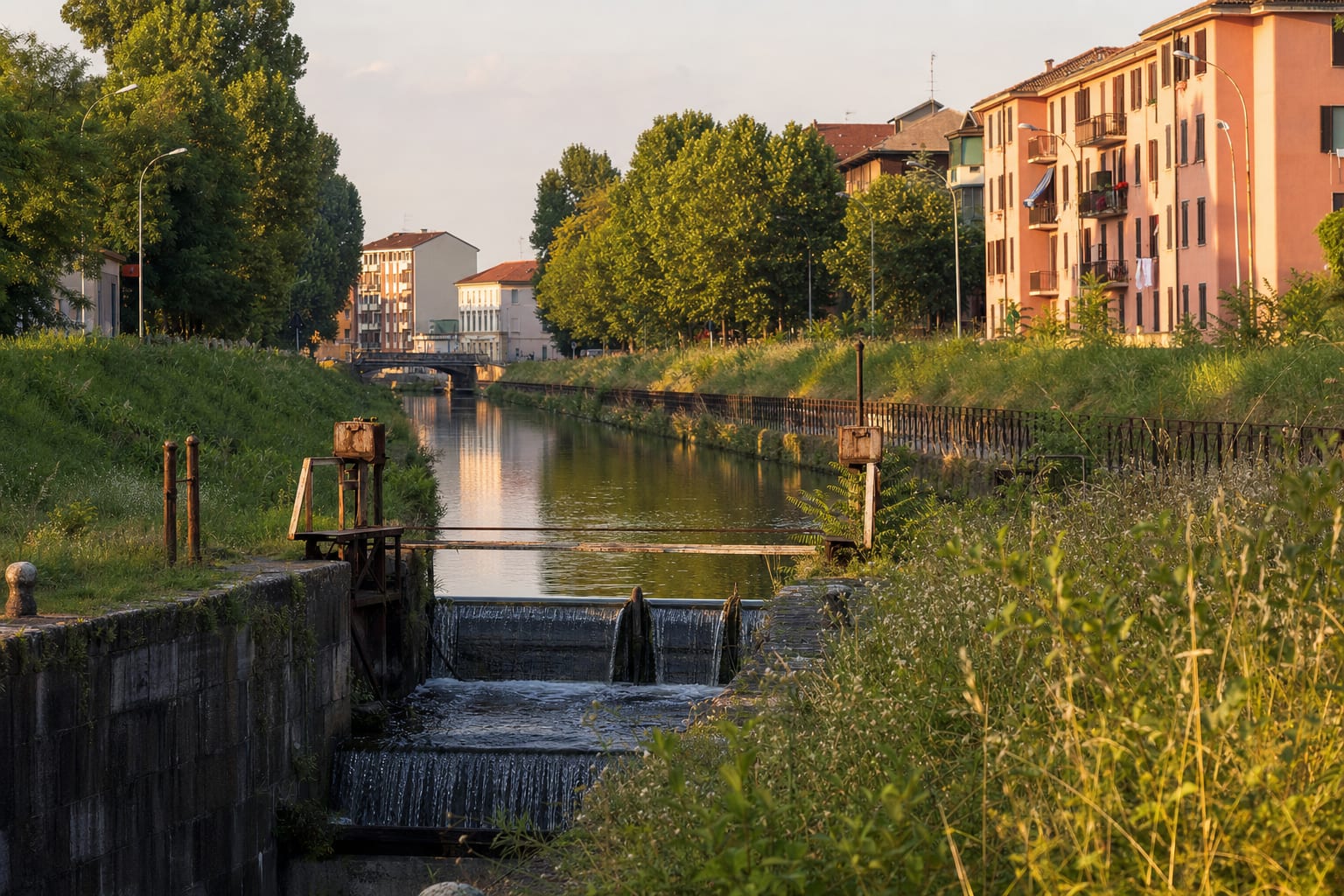 MilanNavigliCanal-side aperitivo, Darsena, Leonardo’s locks, Vicolo dei Lavandai washhouseMilan was once a city of canals, and the Navigli are what remain: the Naviglio Grande, a medieval waterway that carried marble for the Duomo and grain into the city, and the Naviglio Pavese, which links the Darsena to Pavia. Leonardo da Vinci studied and improved the lock system that let boats climb into the city center. The two canals meet at the Darsena, Milan’s old river port, now a favorite place for the evening aperitivo. Along the Naviglio Grande, old courtyard houses, artists’ studios and bars line the quays, and the Vicolo dei Lavandai, a covered washhouse where women once scrubbed laundry in the canal, still stands.
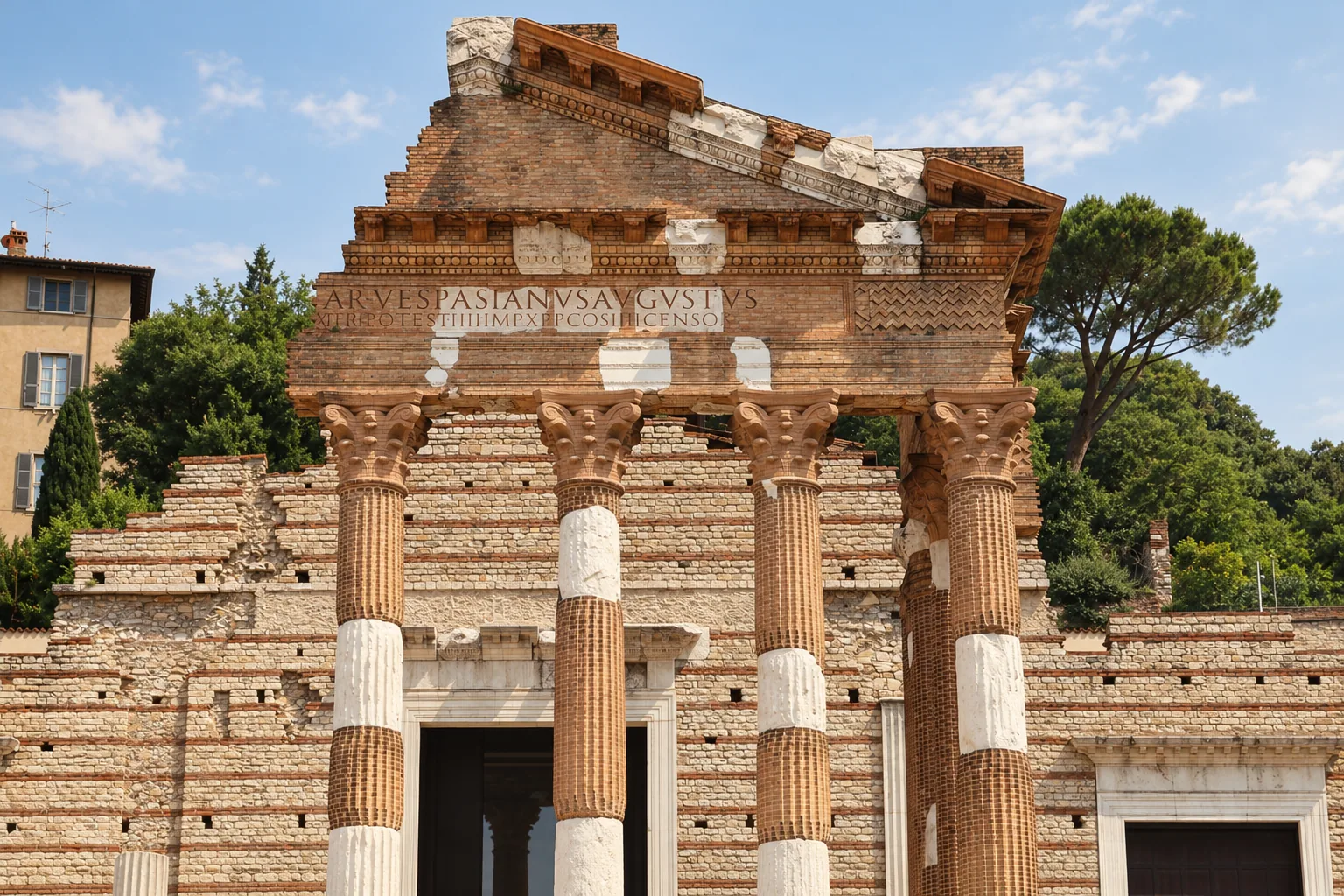 BresciaCapitolium of BresciaVespasian's Capitolium, Corinthian porch, Republican sanctuary frescoes, UNESCO Longobard siteVespasian dedicated this temple in 73 AD to the Capitoline Triad, Jupiter, Juno and Minerva, and its Corinthian porch still fronts Brescia's Roman forum after archaeologists partially rebuilt the columns around the original bases in the 1930s. Beneath the temple, excavations reached a Republican-era sanctuary whose painted walls, uncovered layer by layer, are counted among the oldest surviving frescoes in northern Italy; a fourth underground room from the first century BC opened to visitors only in 2015. The site anchors Brescia's UNESCO listing, granted in 2011 as part of the Longobards in Italy inscription, and the adjoining Roman theater ruins are still visible just behind the temple's three chambers, each aligned exactly with the forum below.
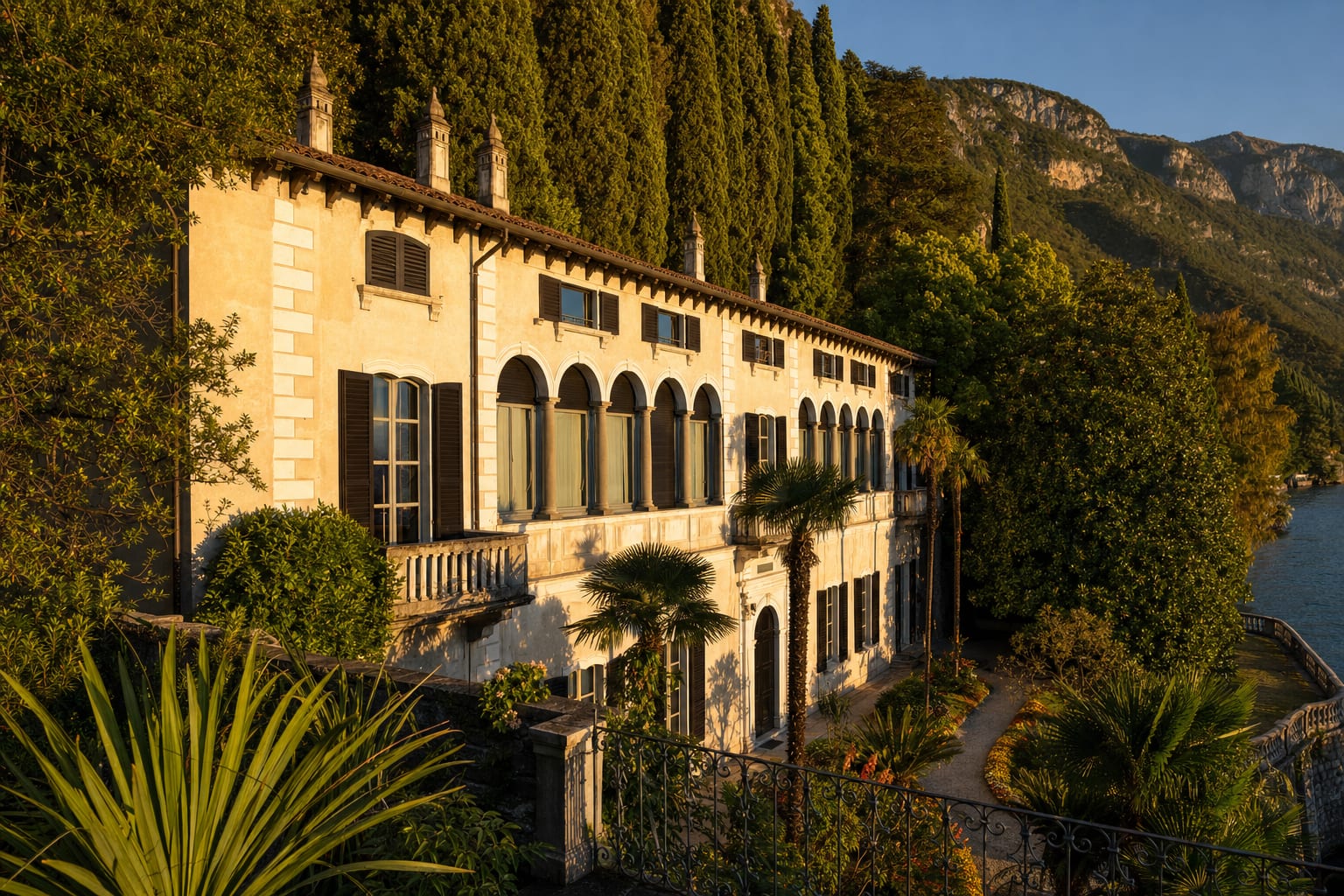 VarennaVilla MonasteroLakeside botanical garden, former Cistercian convent, International School of Physics, Fermi's lecturesA Cistercian convent founded at the end of the twelfth century became, after its 1567 suppression, the private estate that Paolo Mornico purchased in 1569, and the Leipzig architect Walter Kees remade its interiors between 1897 and 1909 in an eclectic Nordic style still visible in the fourteen furnished rooms open to the public today. The De Marchi family of Milan donated the property in 1936, and the gardens opened in 1940. Since 1953, Villa Monastero has hosted the International School of Physics, drawing more than thirty Nobel laureates over the decades, Enrico Fermi among them, to lecture in its conference hall. A museum wing added in 2003 displays scientific instruments from physicist Giovanni Polvani's collection alongside the villa's original furniture.
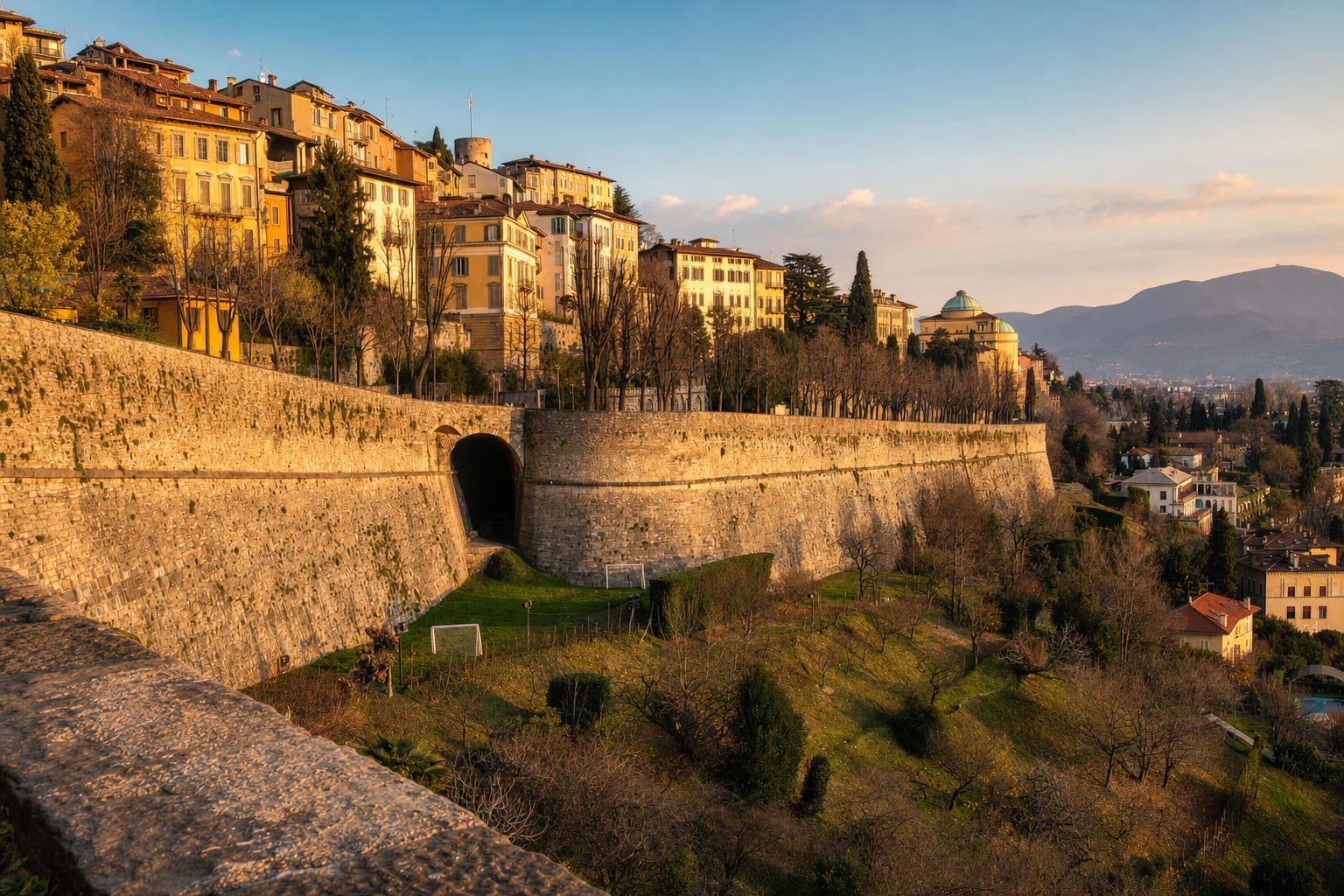 BergamoUNESCOVenetian Walls of BergamoSix kilometers of ramparts, fourteen bastions, UNESCO listing since 2017, sunset promenade views to MilanVenice ringed Bergamo with six kilometers of bastioned walls between 1561 and 1588, a defense so overbuilt it was never once tested in the siege it was designed for. Fourteen bastions and four gates still trace the hilltop almost intact, and UNESCO added the circuit to its Venetian defensive-works listing in 2017, alongside similar walls in Peschiera and Palmanova. Today the ramparts are the city's favorite sunset promenade, a flat walking path with the Po plain falling away on one side and Città Alta's rooftops on the other, running as far as Milan's skyline on the clearest days.
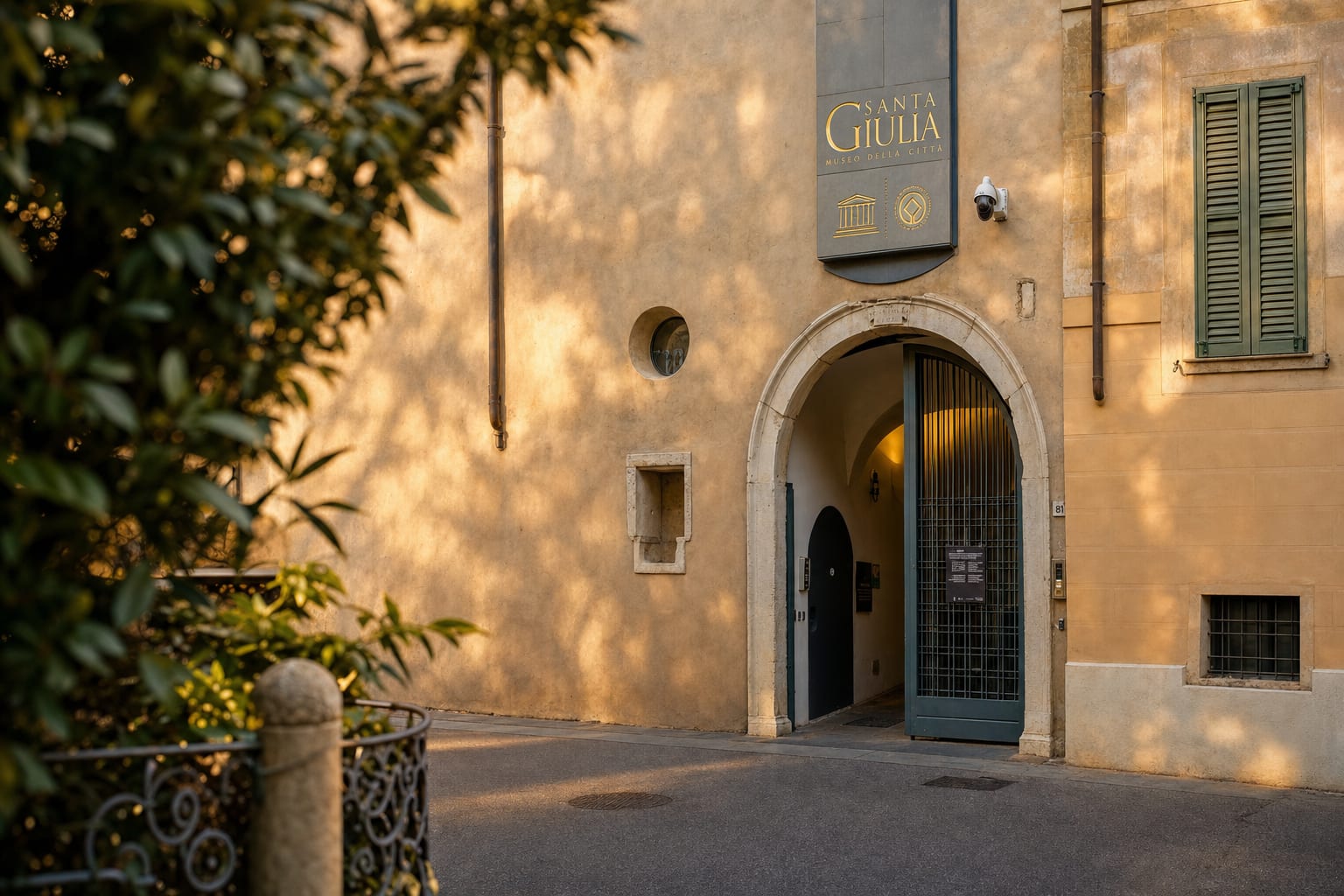 BresciaUNESCOSanta Giulia Museum8th-century Lombard monastery, Winged Victory bronze, Cross of Desiderius, UNESCO listing since 2011Brescia's city museum occupies the former monastery of San Salvatore-Santa Giulia, founded by the Lombard king Desiderius in 753 for his daughter Anselperga to lead as abbess, and the exhibition descends layer by layer through the building's own history, down through Lombard cloisters to Roman domus floors beneath. Its two treasures anchor opposite ends of that timeline: the gilded and jeweled Cross of Desiderius, an 8th-century masterwork of Lombard goldsmithing, and the Winged Victory, a Roman bronze rediscovered in 1826 and only identified as a reworked Aphrodite figure through conservation work. UNESCO listed the complex among Italy's Lombard heritage sites in 2011.
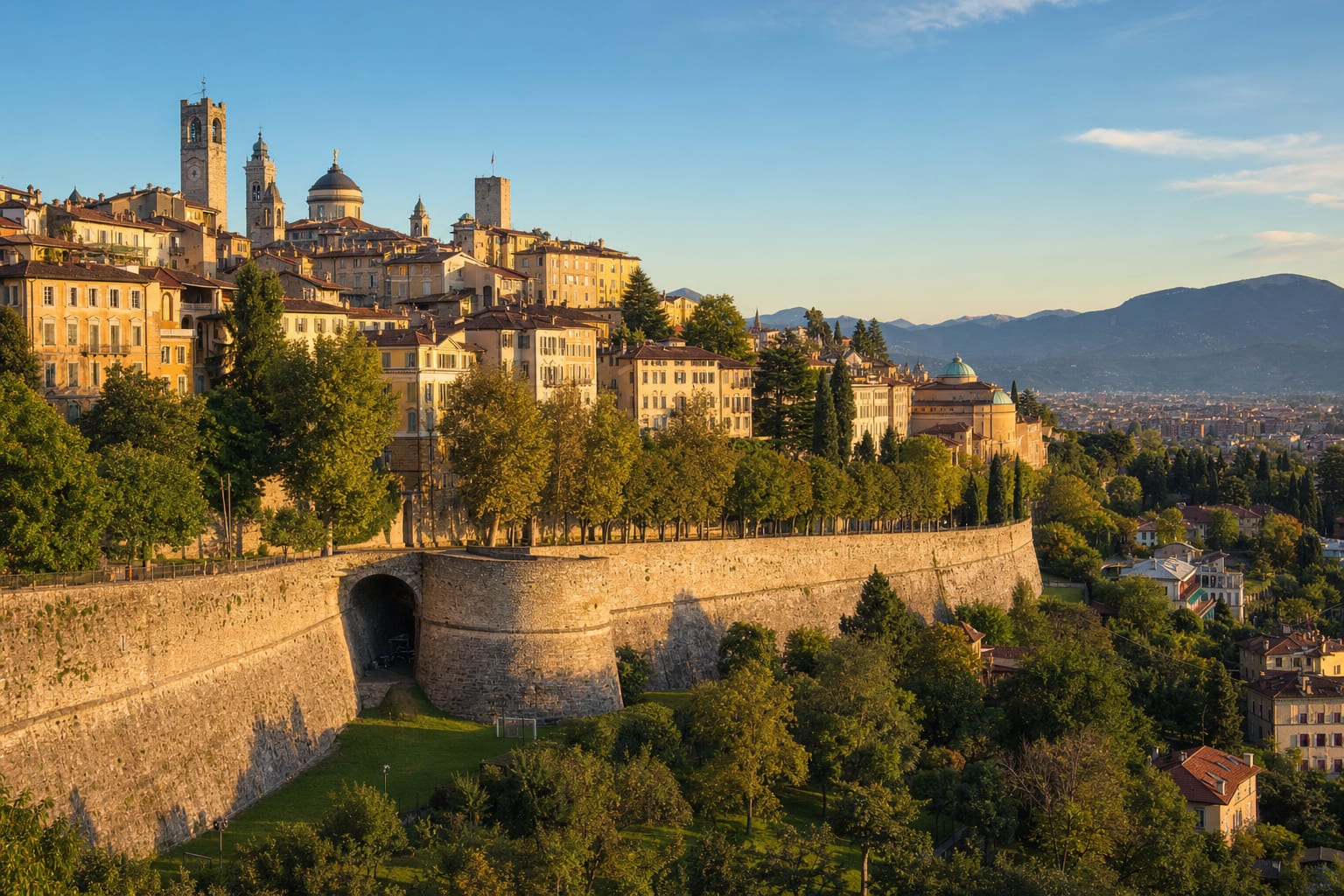 BergamoBergamo Citta AltaFunicular through the Venetian walls, Piazza Vecchia, Colleoni Chapel facade, Basilica of Santa Maria MaggioreBergamo keeps an essentially complete Renaissance town sitting on its hilltop, sealed inside the Venetian walls and reached, most memorably, by a funicular that has climbed since 1887 through the ramparts themselves, its two orange cars gliding past centuries-old stonework on the way up. At the top, Piazza Vecchia gathers the civic library, the twelfth-century Torre Civica and a Renaissance fountain into a composition regularly called the most beautiful square in Italy, with little serious argument. Just off it, the Colleoni Chapel's polychrome marble facade and the Basilica of Santa Maria Maggiore's Baroque interior round out a hilltop that manages to feel both monumental and, at aperitivo hour, entirely lived-in.
Tours worth booking in Lombardy
Compared by our editors, across providers.
Booking through these links may earn Italia Magnifica a commission, at no cost to you.
- Viator
- 2h
- 5.0★ · 2 reviews
from €35Book this tour- Viator
- 7h
- 5.0★ · 13 reviews
from €278Book this tour- Viator
- 3h
- 5.0★ · 35 reviews
from €80Book this tour- Viator
- 4h
- 5.0★ · 1 reviews
from €180Book this tour- Viator
- 3h 30m
- 5.0★ · 3 reviews
from €126Book this tour- Viator
- 1h 30m
- 3.6★ · 5 reviews
from €80Book this tour


City by city
Where the monuments cluster in Lombardy.