

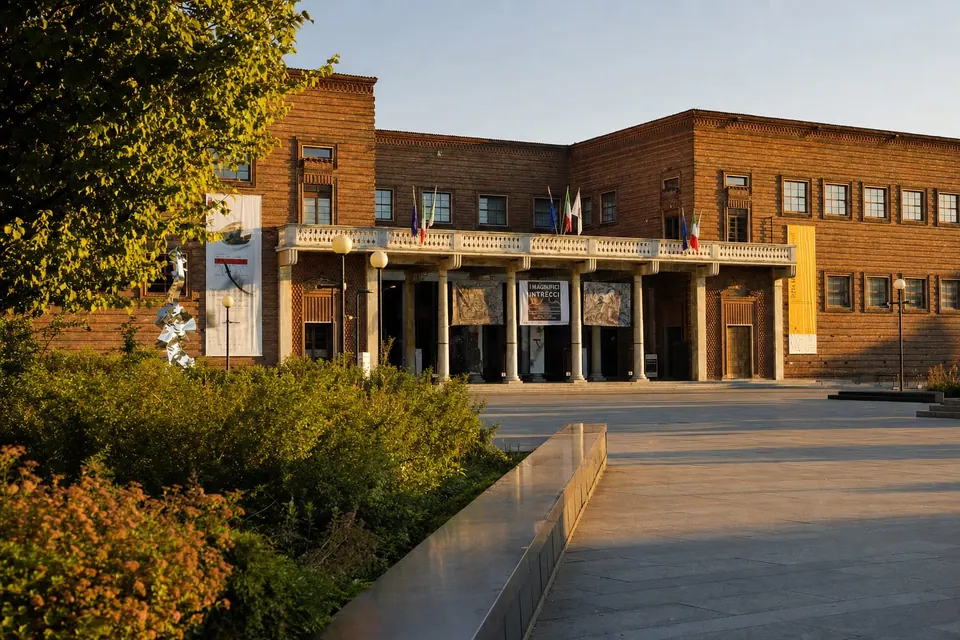
Start with how an instrument is made. The museum in Piazza Marconi gives tools, moulds and workshop decisions a place alongside the finished violins. Let that change the way you look in the Treasury. Pay attention to the curve of the bouts, the cutting of the sound holes and the arching of the front. Small decisions become easier to see once you know what a violin maker had to shape by hand.
Give the Treasury time
Compare the instruments associated with the Amati, Stradivari and Guarneri families. Antonio Stradivari’s 1715 Cremonese was the first of his instruments acquired for the city collections, in 1961. The museum grew around objects like this, while the craft is still practised in the city. Cremona’s traditional violin making is inscribed as intangible cultural heritage, recognising skills handed down through work at the bench.
Plan around a chance to listen
At scheduled auditions in the Auditorium Giovanni Arvedi, a historic instrument is played for an audience. Choose the date and instrument from the event calendar, then plan the galleries around that time. Check the museum visitor page for hours and access. Allow ninety minutes for the galleries, plus the separate audition if you book one. The cathedral and Torrazzo are a short walk away.


