


I monumenti
Tutti i monumenti di Roma
I luoghi e i capolavori attorno a cui vale la pena costruire una giornata.
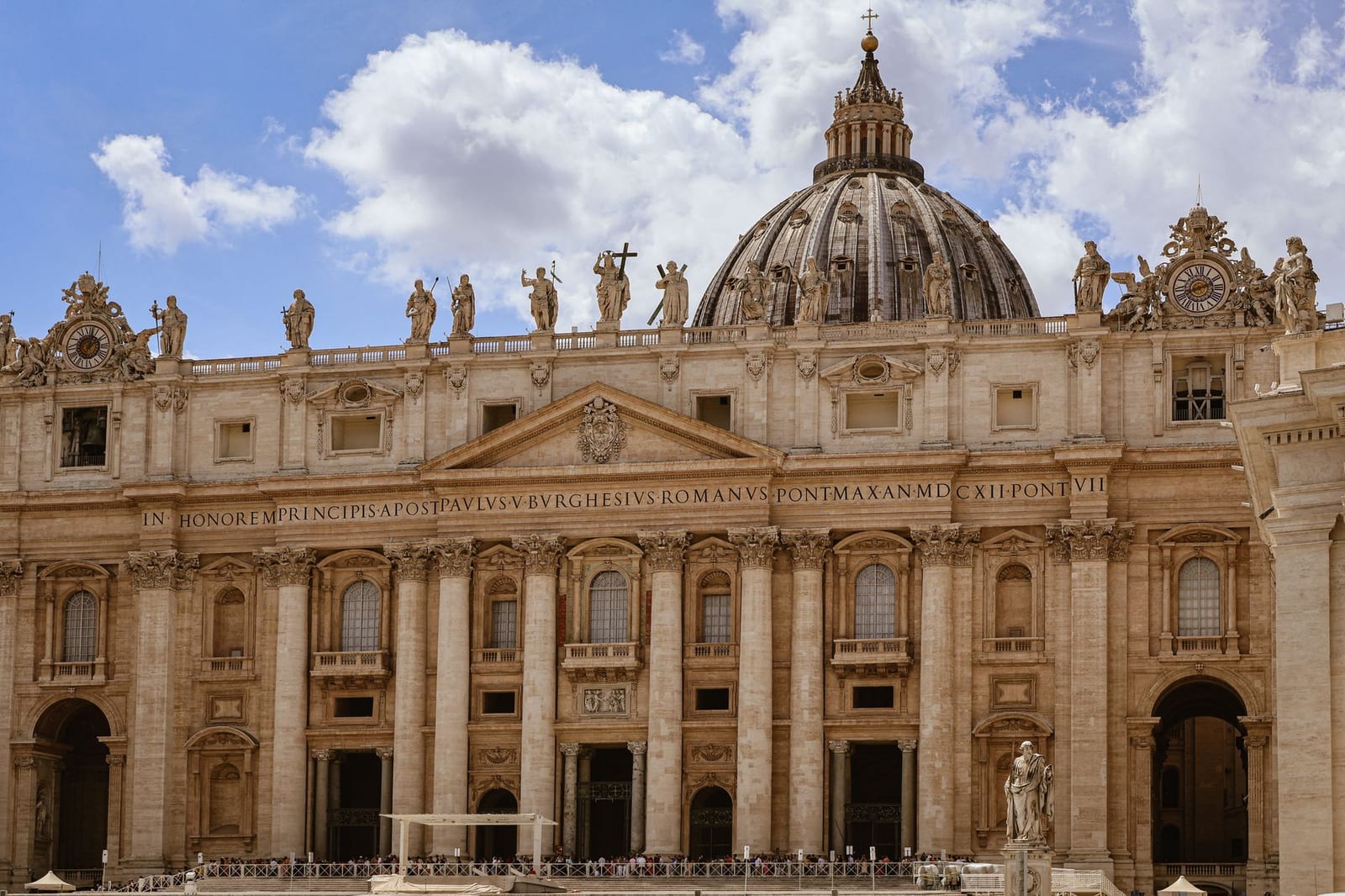 ChiesaBasilica di San PietroMichelangelo's dome; Maderno's façade; Michelangelo's Pietà; Saint Peter's Square; Vatican GrottoesThe current Basilica of Saint Peter was built from 1506 to 1626, replacing the earlier Constantinian basilica. It is the accumulated work of Bramante, Raphael, Michelangelo, Giacomo della Porta, Carlo Maderno and other architects; Michelangelo designed the dome to its drum, while Maderno completed the façade. The basilica is a living place of worship, cared for by the Fabbrica di San Pietro, with distinct related sites including Saint Peter's Square, the Vatican Grottoes and the Vatican Necropolis.Pianifica la visita
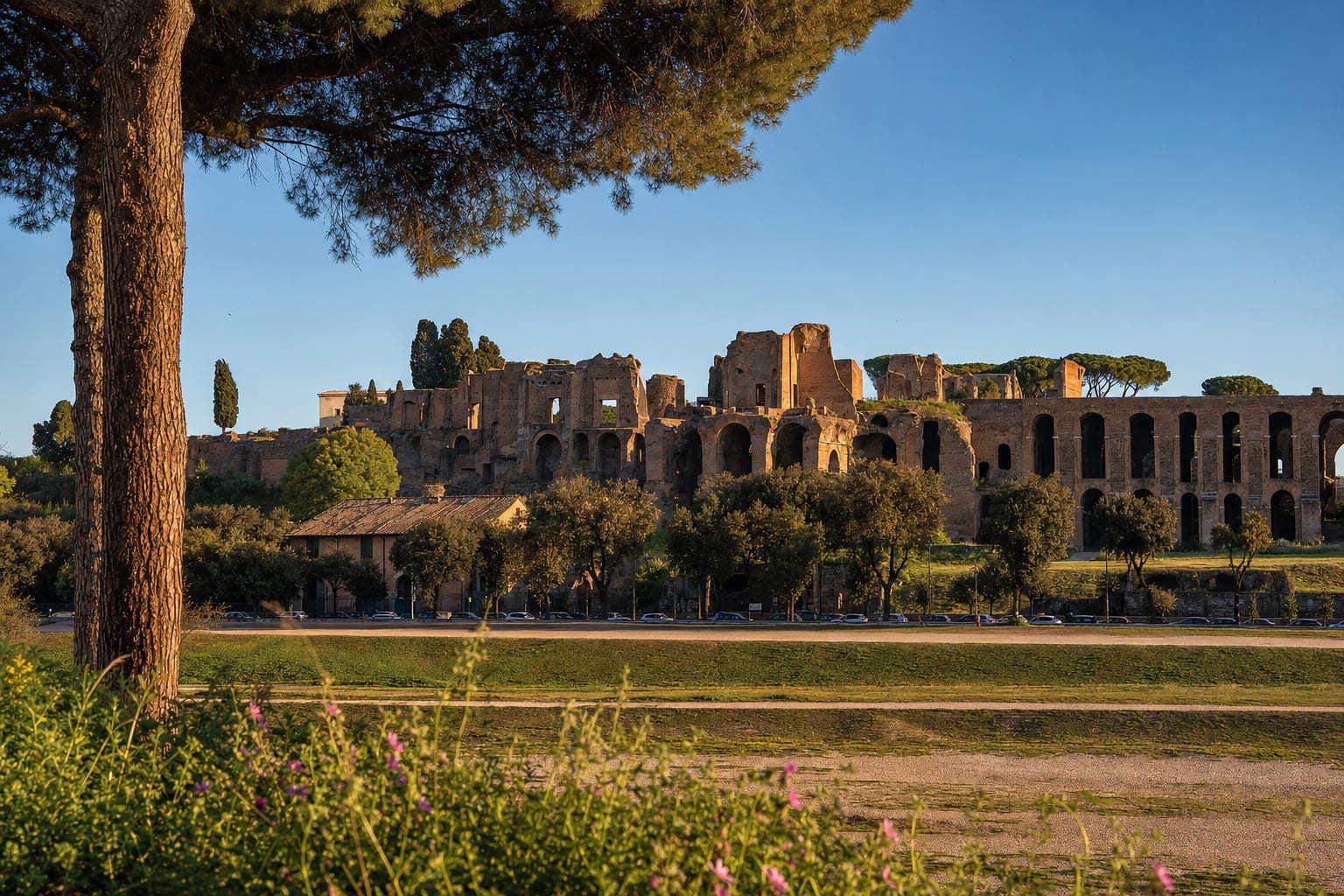 Sito archeologicoPalatinoBirthplace of Rome, imperial palaces, Farnese Gardens, views over the ForumThe Palatine is an archaeological landscape of Rome's earliest urban evidence, aristocratic residences and successive imperial palaces. Iron Age settlements preserve evidence related to the city's earliest core; from the second and first centuries BCE it became a residential district of the Roman elite. Augustus then established his residence here, followed by palace complexes including the Domus Tiberiana, Domus Transitoria, Domus Aurea and Domus Flavia. It lies within the UNESCO World Heritage property Historic Centre of Rome, rather than being separately inscribed.
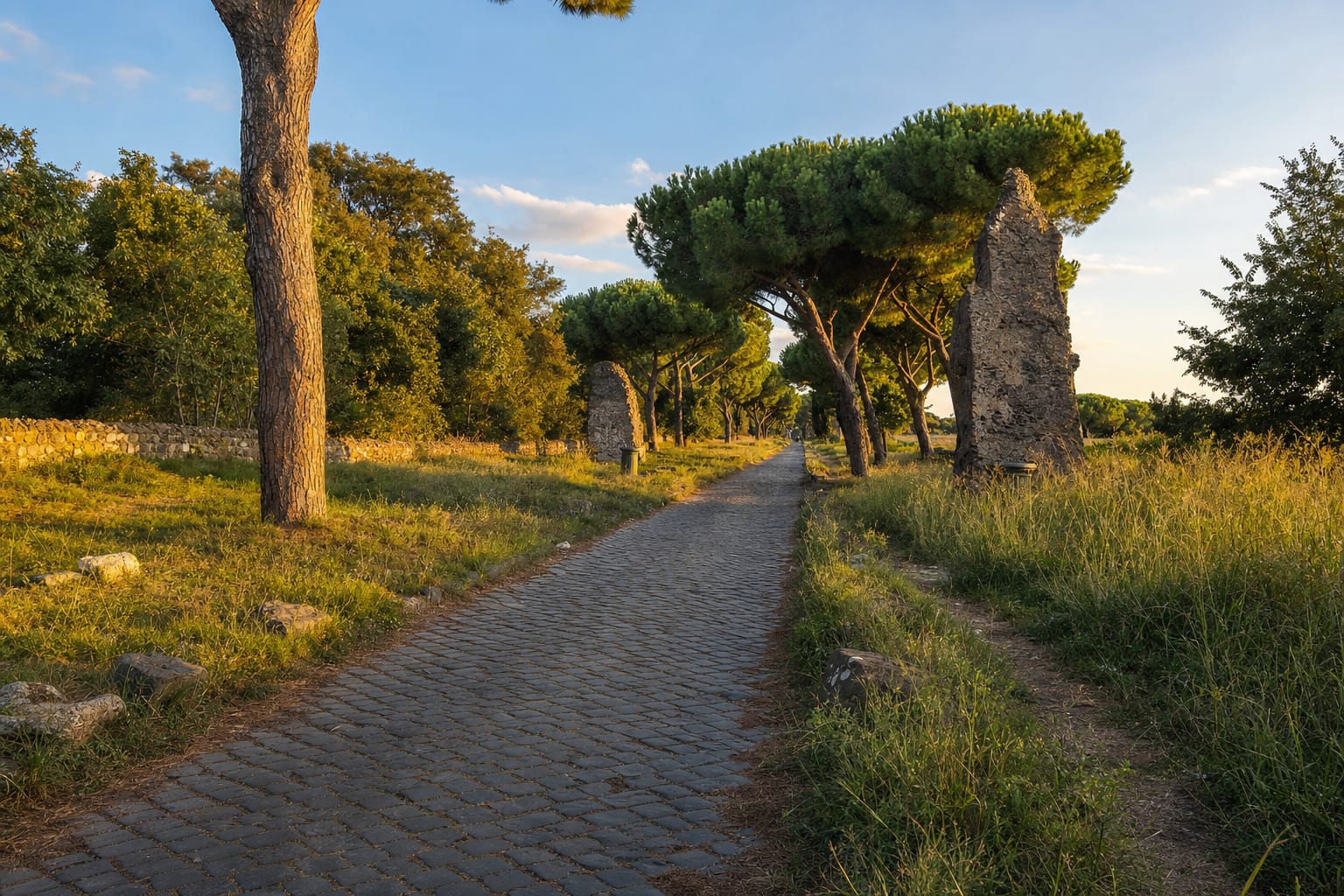 Sito archeologicoUNESCOVia Appia AnticaQueen of Roads, original basalt paving, catacombs and mausoleums, umbrella pinesThe Appian Way began under the authority of the censor Appius Claudius Caecus from 312 BCE, initially linking Rome with Capua. As Roman expansion continued, its route extended toward Beneventum, Tarentum and Brundisium; the Via Traiana was inaugurated in 109 CE as an Adriatic-coast extension between Beneventum and Brundisium. Via Appia. Regina Viarum is a serial UNESCO World Heritage property, so any visit must be planned section by section rather than treated as one continuous accessible route.
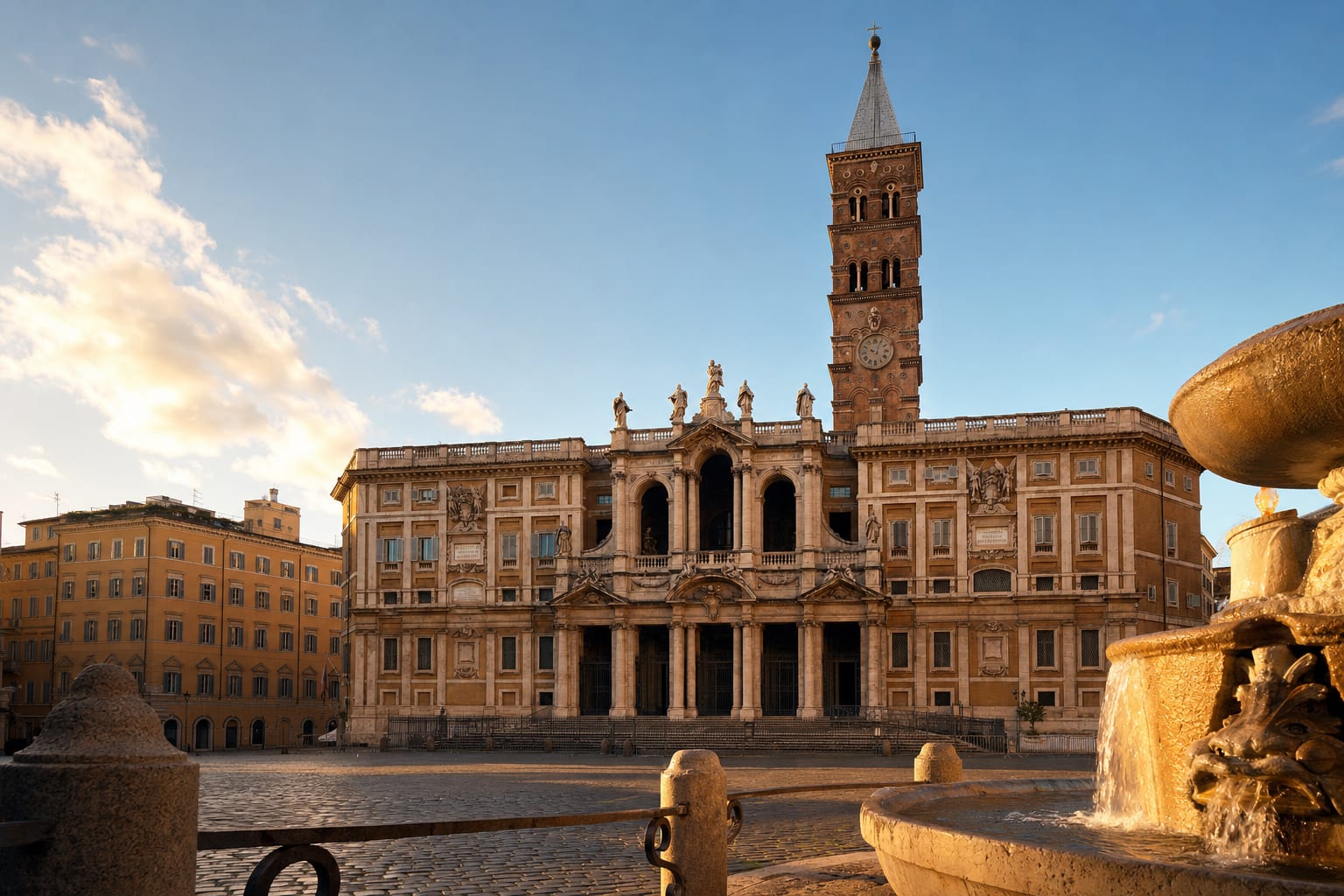 ChiesaBasilica di Santa Maria MaggioreFifth-century mosaics, gilded Renaissance ceiling, papal basilica, legend of the August snowThe Papal Basilica of Santa Maria Maggiore stands on Rome's Esquiline Hill and is one of the city's four Papal Basilicas. The present church dates to the fifth century, in the context of the Council of Ephesus. Its central nave and triumphal arch retain early Christian mosaics, while later fabric includes Jacopo Torriti's apse mosaic, Cosmatesque pavement, Arnolfo di Cambio's Nativity scene and a fifteenth-century coffered ceiling. The August Snow story belongs to a living devotional tradition, not documentary construction history. The basilica is within the UNESCO World Heritage property Historic Centre of Rome, rather than separately inscribed.
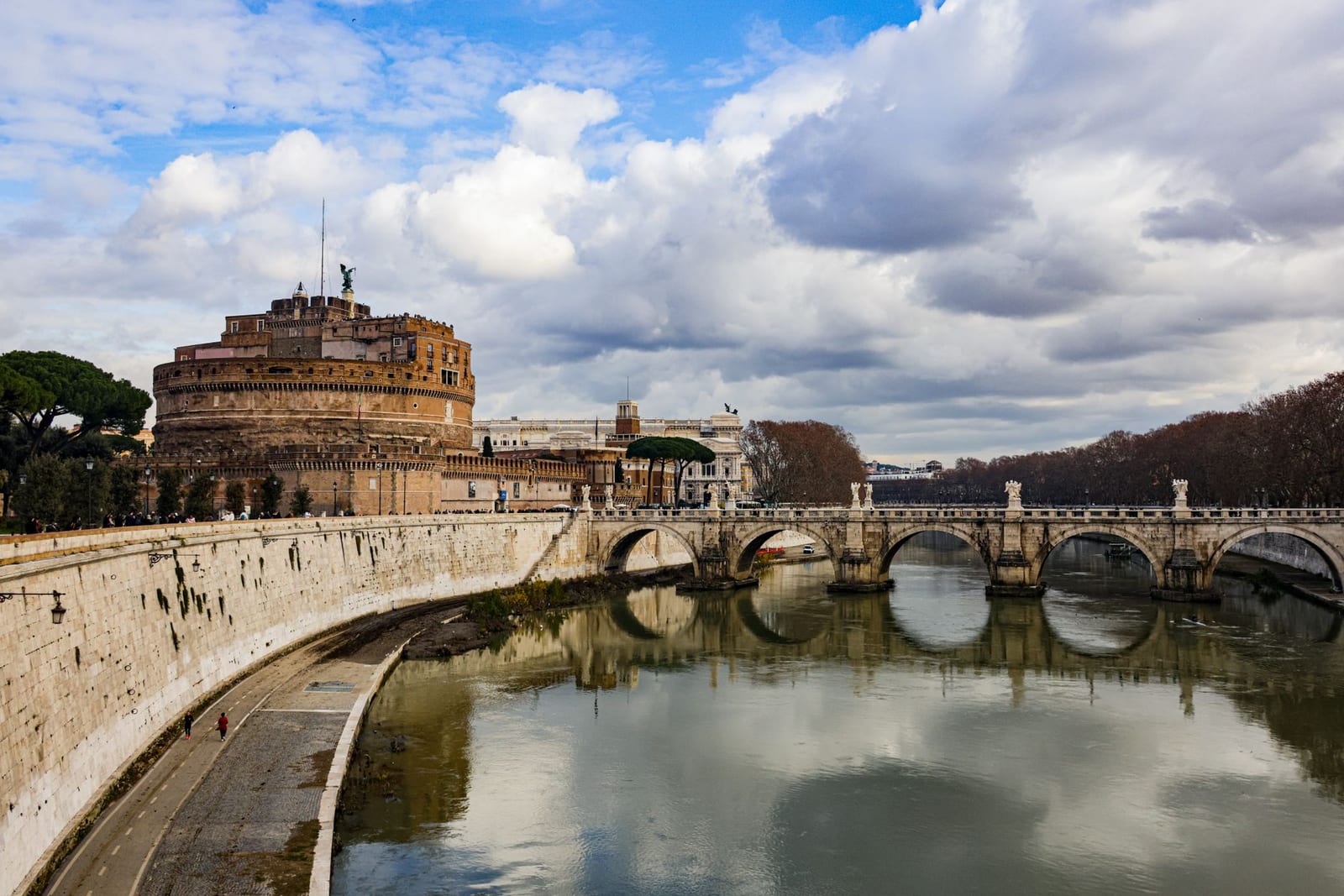 CastelloCastel Sant'AngeloHadrian's mausoleum, papal fortress, Passetto escape corridor, angel-crowned terraceCastel Sant'Angelo began as Hadrian's monumental mausoleum, known as the Mole Adriana, begun in 135 CE and completed in 139. Incorporated into Rome's defences, it later became a fortress and a papal residence, particularly transformed under Paul III Farnese. From the seventeenth century it increasingly served as a political prison; after entering Italian state property in 1870, it became the National Museum in 1925. The angel associated with its name belongs to a medieval plague legend rather than documented event history. Castel Sant'Angelo lies within the UNESCO World Heritage property Historic Centre of Rome, not as a separately inscribed site.
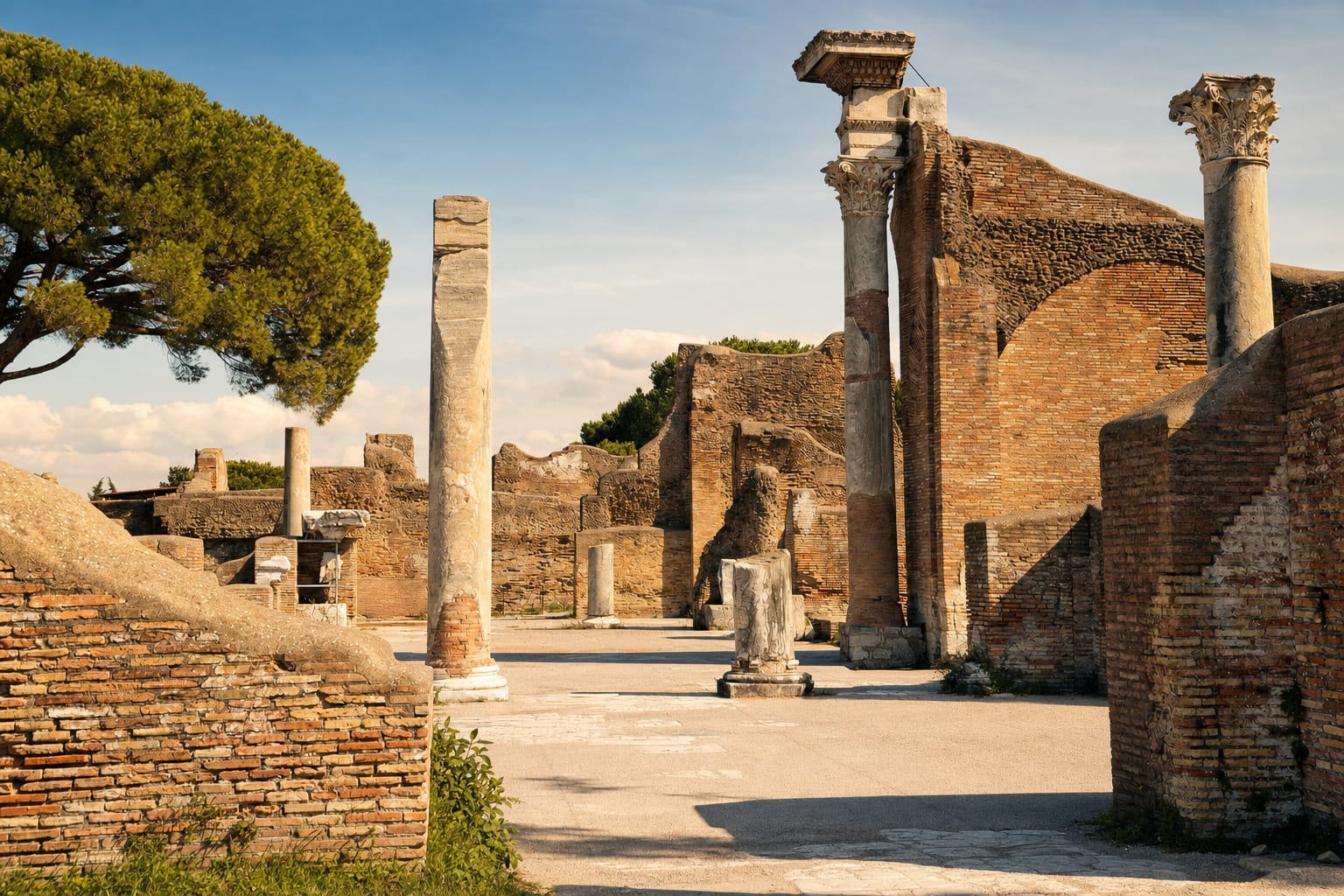 Sito archeologicoScavi di Ostia AnticaRome's ancient harbor city, mosaic shipping offices, intact theatre, everyday Roman lifeRome's harbor city silted into preservation rather than burning like Pompeii, and daily life survives in its bakeries, baths and bars. Black-and-white mosaics still advertise the shipping firms on the square of the guilds.
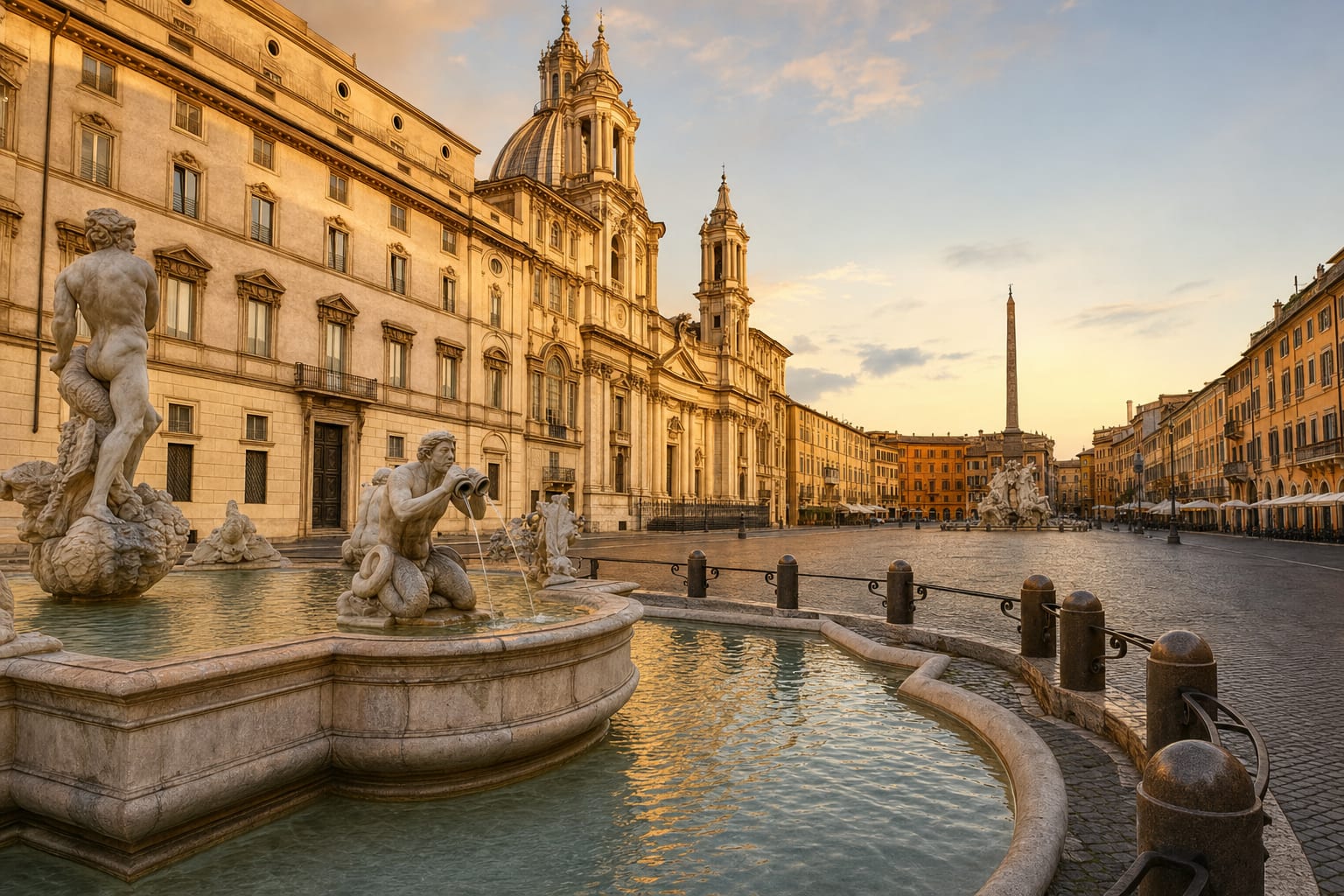 PiazzaPiazza NavonaBernini's Fountain of the Four Rivers, Borromini's Sant'Agnese, stadium of Domitian footprint, Baroque theatre of RomeRome's most theatrical square keeps the exact shape of Domitian's stadium beneath its cobbles. At its center, Bernini's four river gods writhe beneath an obelisk, facing the facade of his rival Borromini.
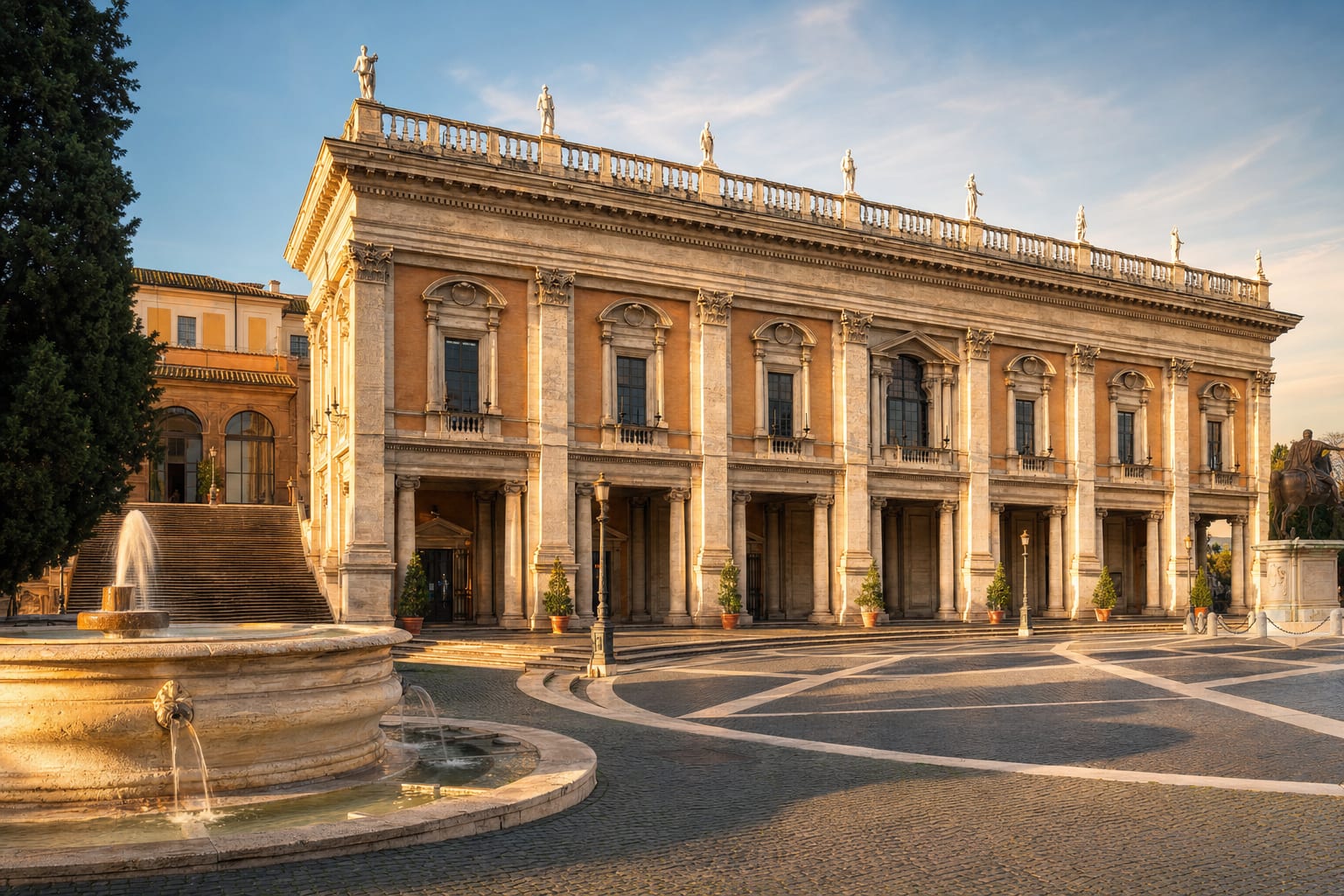 MuseoMusei CapitoliniMichelangelo's piazza, Capitoline Wolf, Marcus Aurelius bronze, oldest public museumThe world's oldest public museum opened on Michelangelo's perfect piazza in 1471, when a pope returned Rome's bronzes to its people. The original Marcus Aurelius rides indoors now, alongside the she-wolf that nursed the city's founders.
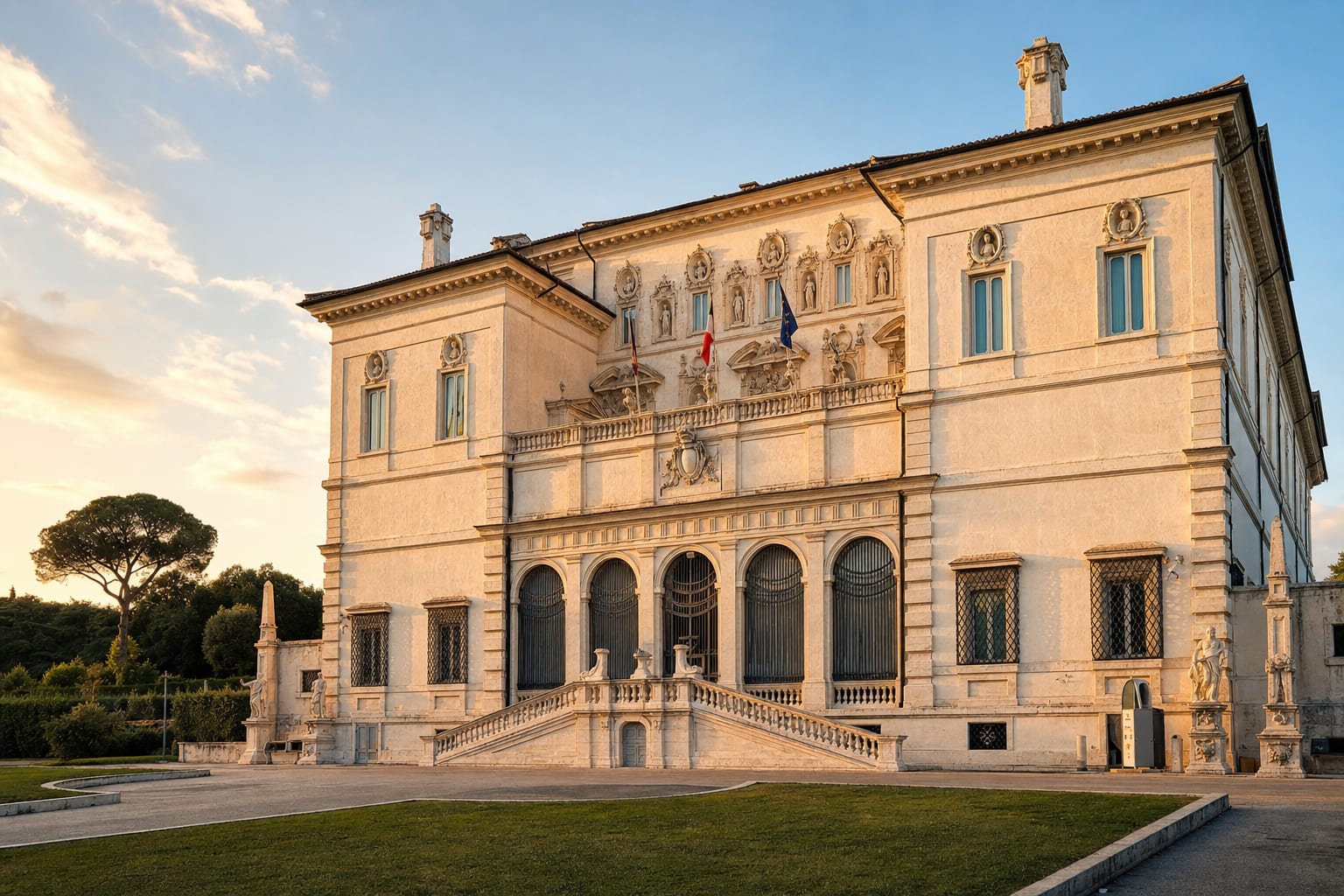 GalleriaGalleria BorgheseBernini's Apollo and Daphne, Caravaggio room, Canova's Pauline Bonaparte, cardinal's pleasure villaCardinal Scipione Borghese collected with a ruthlessness that built the most concentrated gallery in Rome. Bernini's marble turns to flesh here, in rooms where six Caravaggios hang within a few steps of each other.
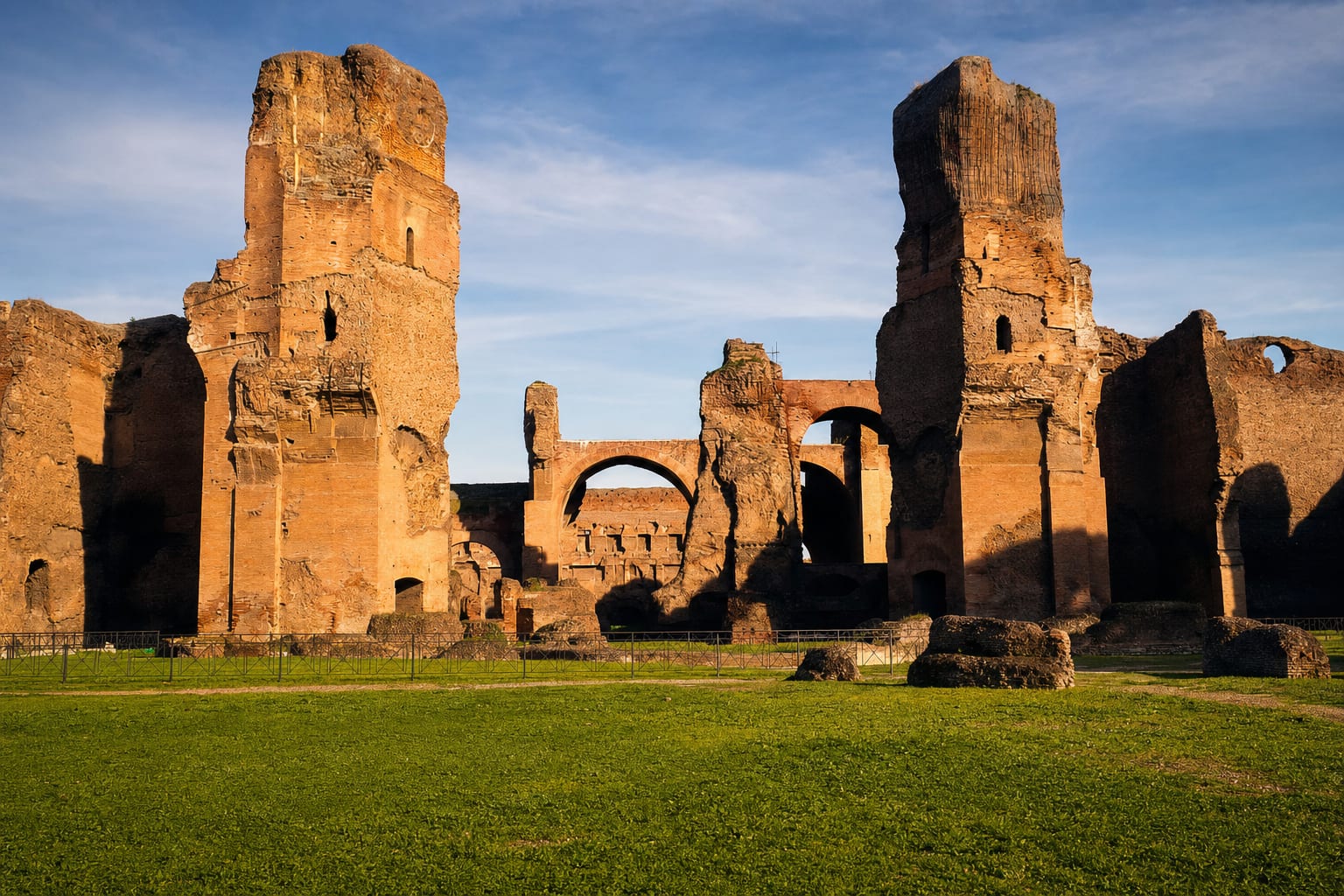 Sito archeologicoTerme di CaracallaVast imperial baths, summer opera stage, mosaic fragments, engineering on a colossal scaleSixteen hundred Romans could bathe at once in Caracalla's complex, beneath vaults that still dwarf everything around them. On summer nights the ruins become Rome's opera house, with arias rising into the brick skeleton.
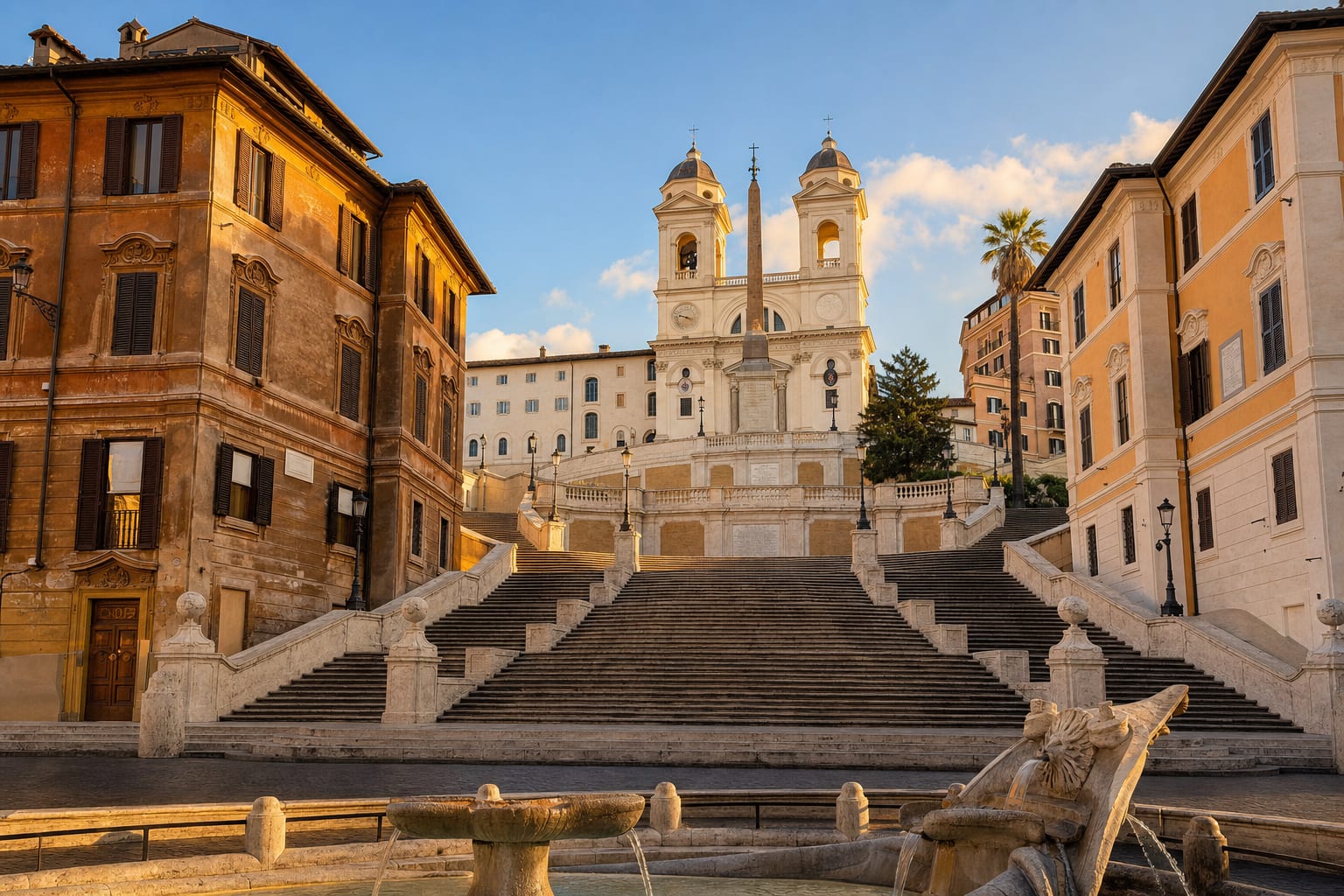 MonumentoScalinata di Trinita dei Monti135-step Baroque cascade, Trinita dei Monti church, Barcaccia fountain, Keats's last viewThe steps cascade from Trinita dei Monti like a Baroque stage set, which is precisely how Romans have used them for three centuries. Keats died in the rose-colored house at their foot, within sound of the Barcaccia fountain.
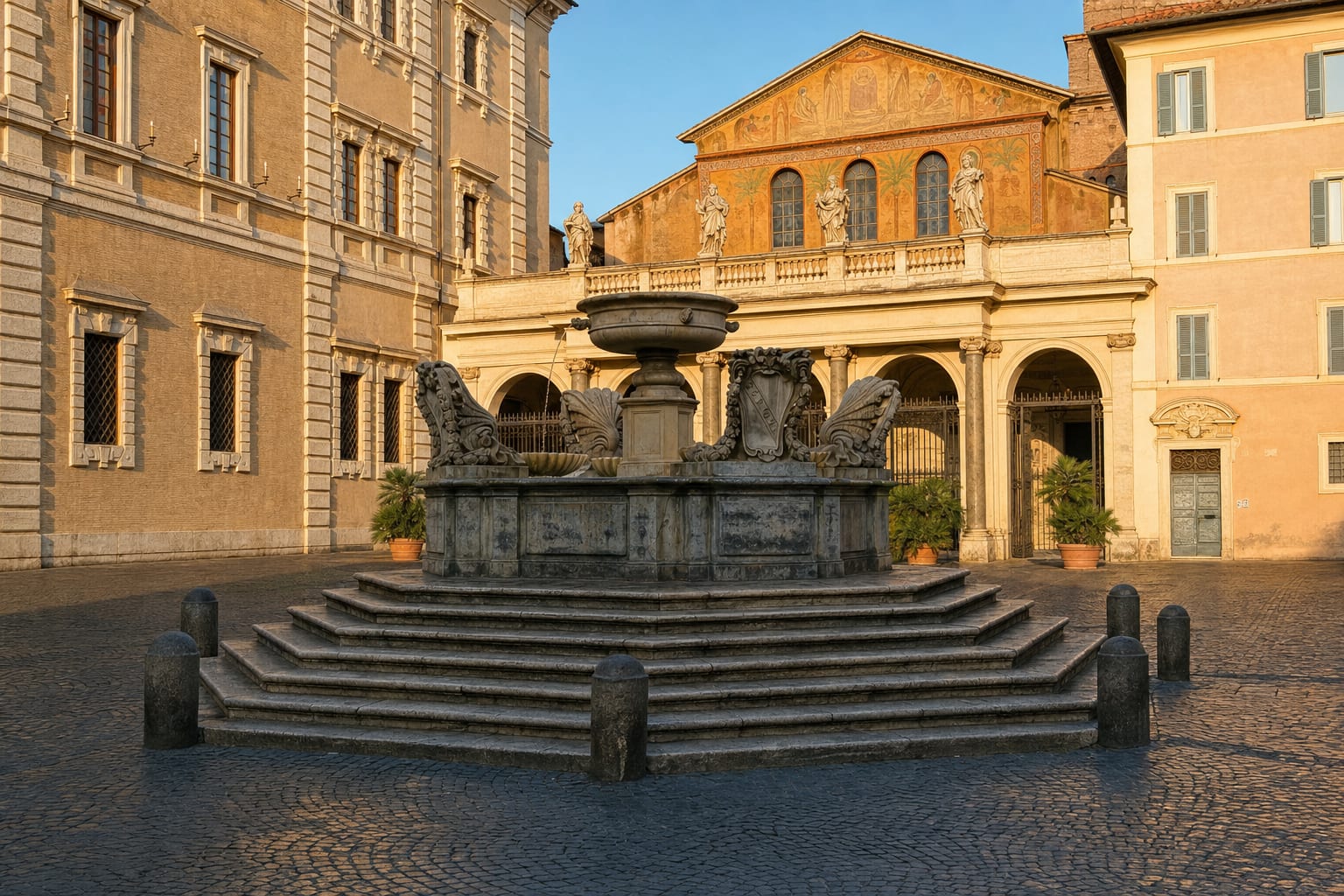 QuartiereTrastevereCobbled lanes, Santa Maria in Trastevere mosaics, trattoria life, Rome across the riverAcross the Tiber, Rome loosens its collar among ochre walls and ivy-hung lanes. The golden mosaics of Santa Maria in Trastevere preside over a quarter that fills each evening with the city's longest dinner.
Prenota una visita
Tour da prenotare a Roma
Confrontati dai nostri editor, tra i vari operatori.
Prenotando da questi link Italia Magnifica può ricevere una commissione, senza costi per te.
- 2 h 30 min
- 5,0★ · 30 recensioni
da 310 €Prenota questo tour- 4 h
- 5,0★ · 98 recensioni
da 180 €Prenota questo tour- 2 h
- 5,0★ · 32 recensioni
da 90 €Prenota questo tour- 8 h
- 5,0★ · 107 recensioni
da 730 €Prenota questo tour- 3 h
- 5,0★ · 36 recensioni
da 220 €Prenota questo tour- 3 h
- 5,0★ · 40 recensioni
da 143 €Prenota questo tour


Nei dintorni
Nel raggio di una gita
Altri monumenti nel Lazio, a una gita di distanza.
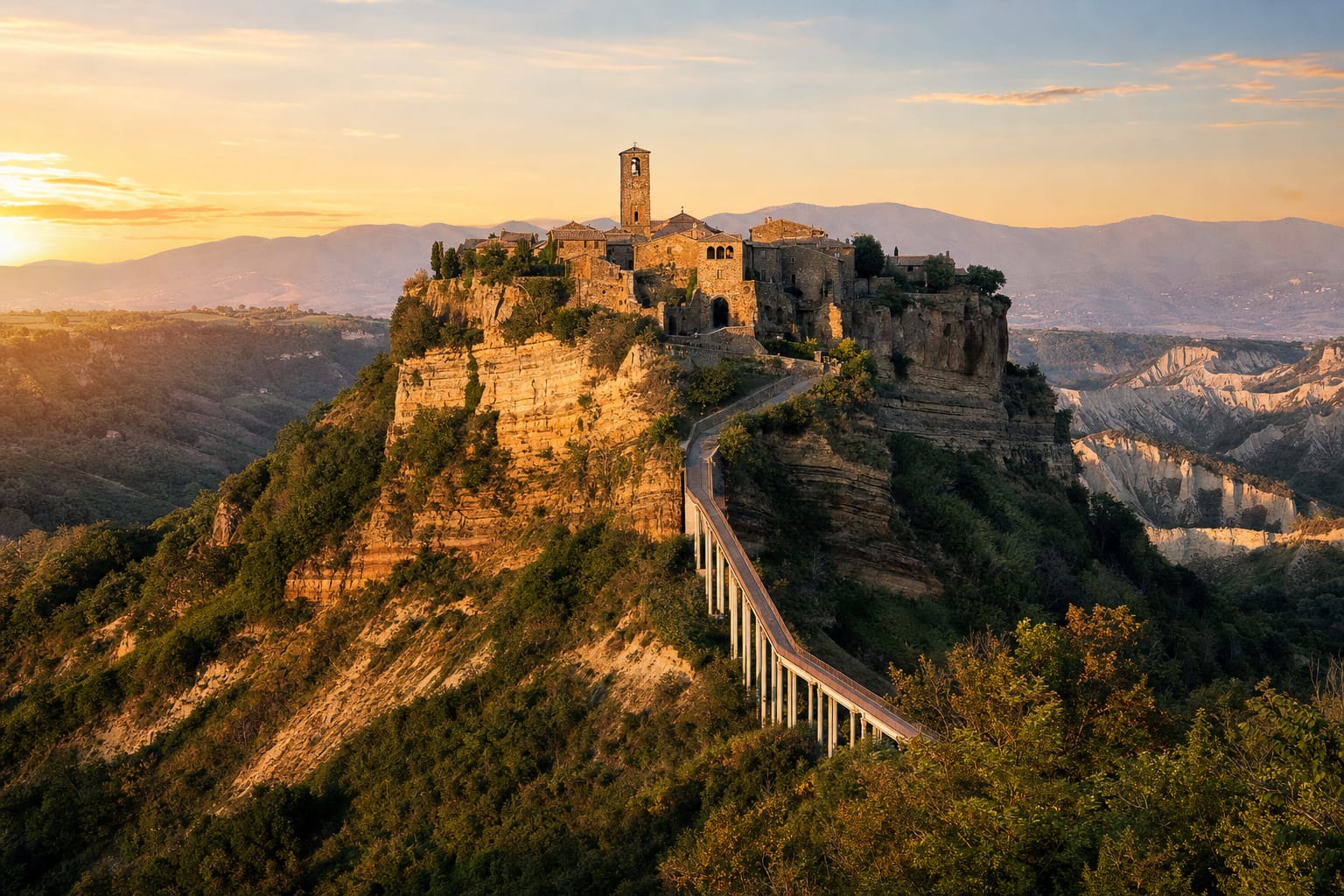 BagnoregioCivita di BagnoregioThe dying town, footbridge approach, eroding tufa pinnacle, Etruscan origins
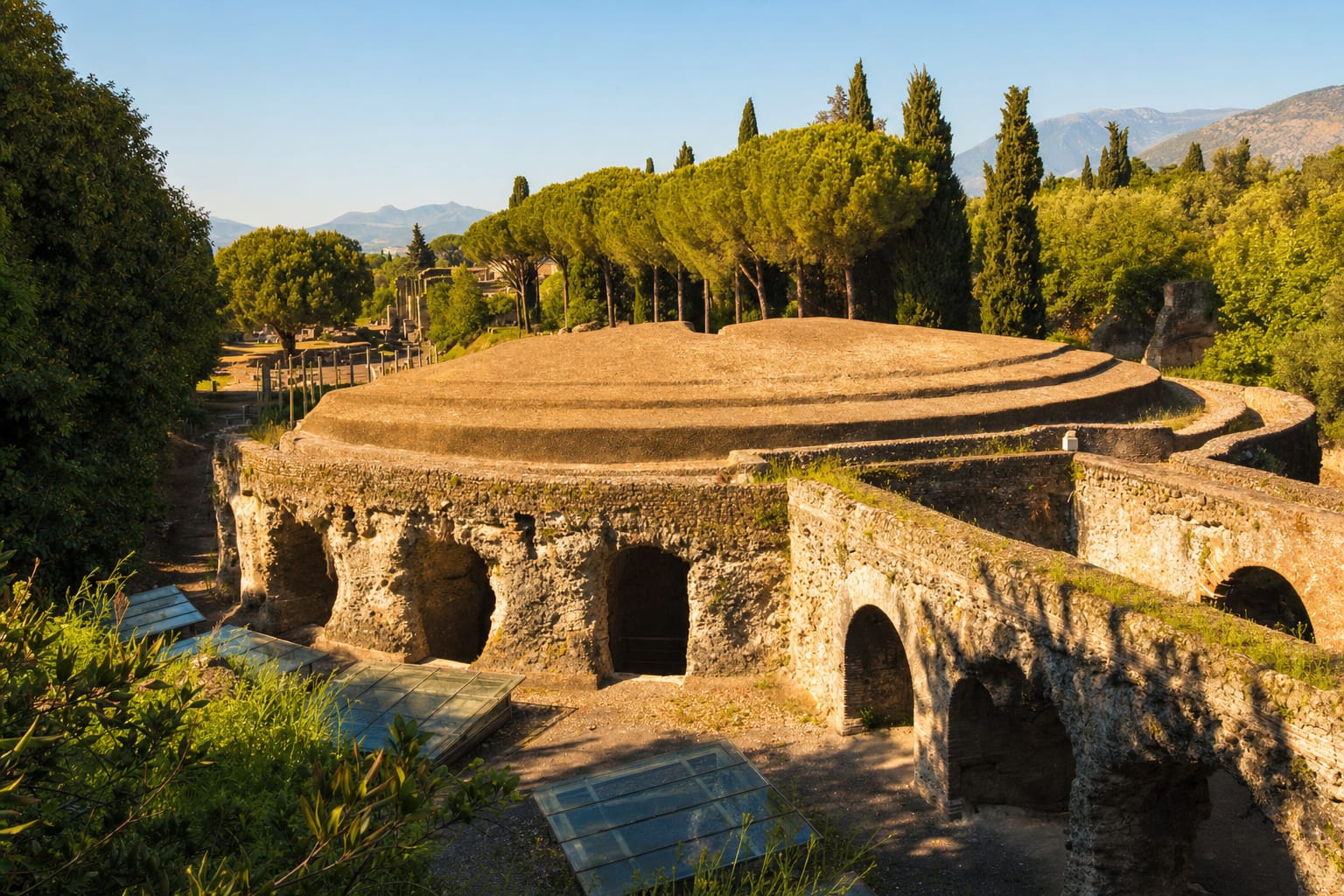 TivoliUNESCOVilla AdrianaEmperor's ideal city, Canopus pool, Maritime Theatre, architectural memories of empire
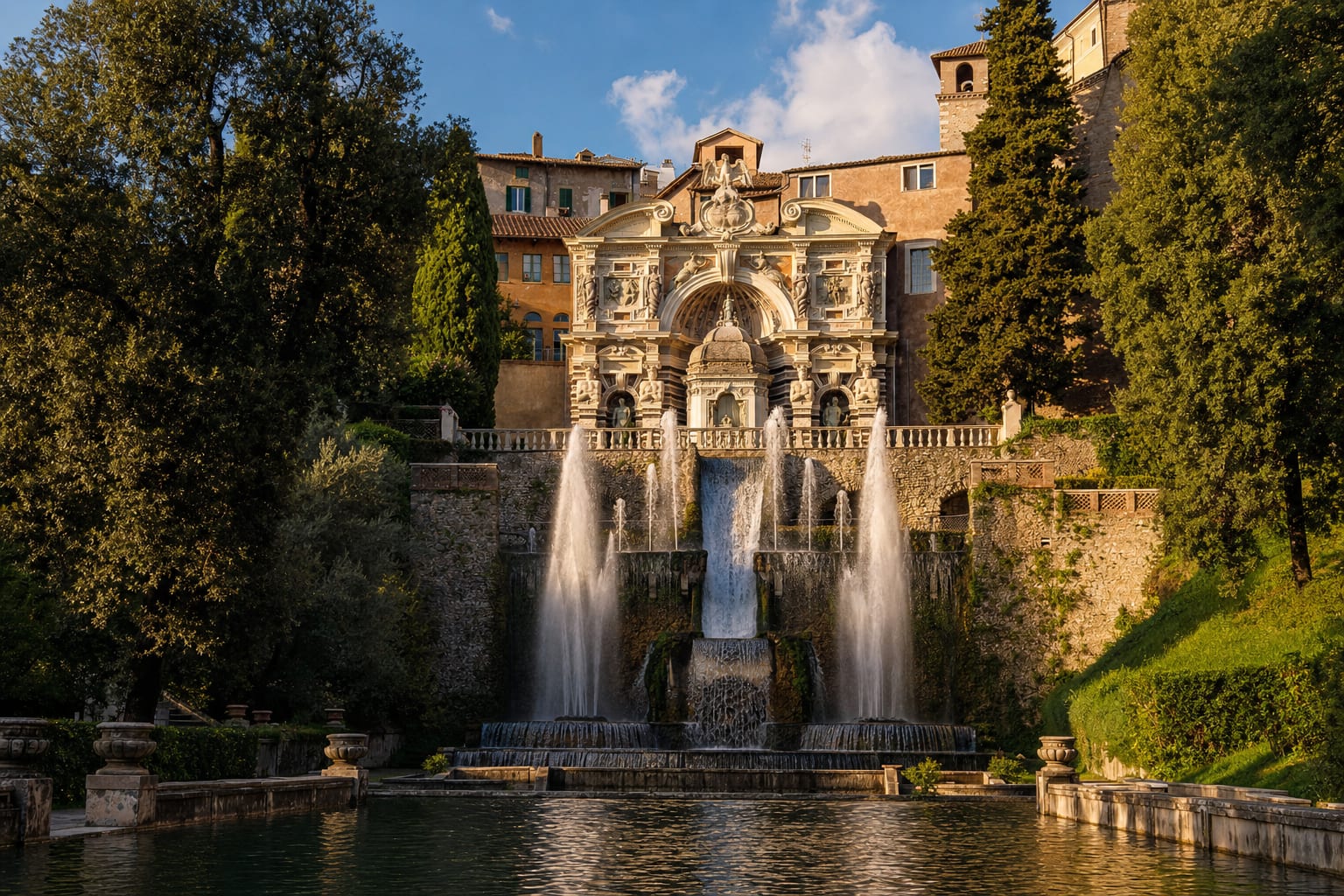 TivoliUNESCOVilla d'EsteFive hundred fountains, Avenue of a Hundred Fountains, water organ, Renaissance garden theatre
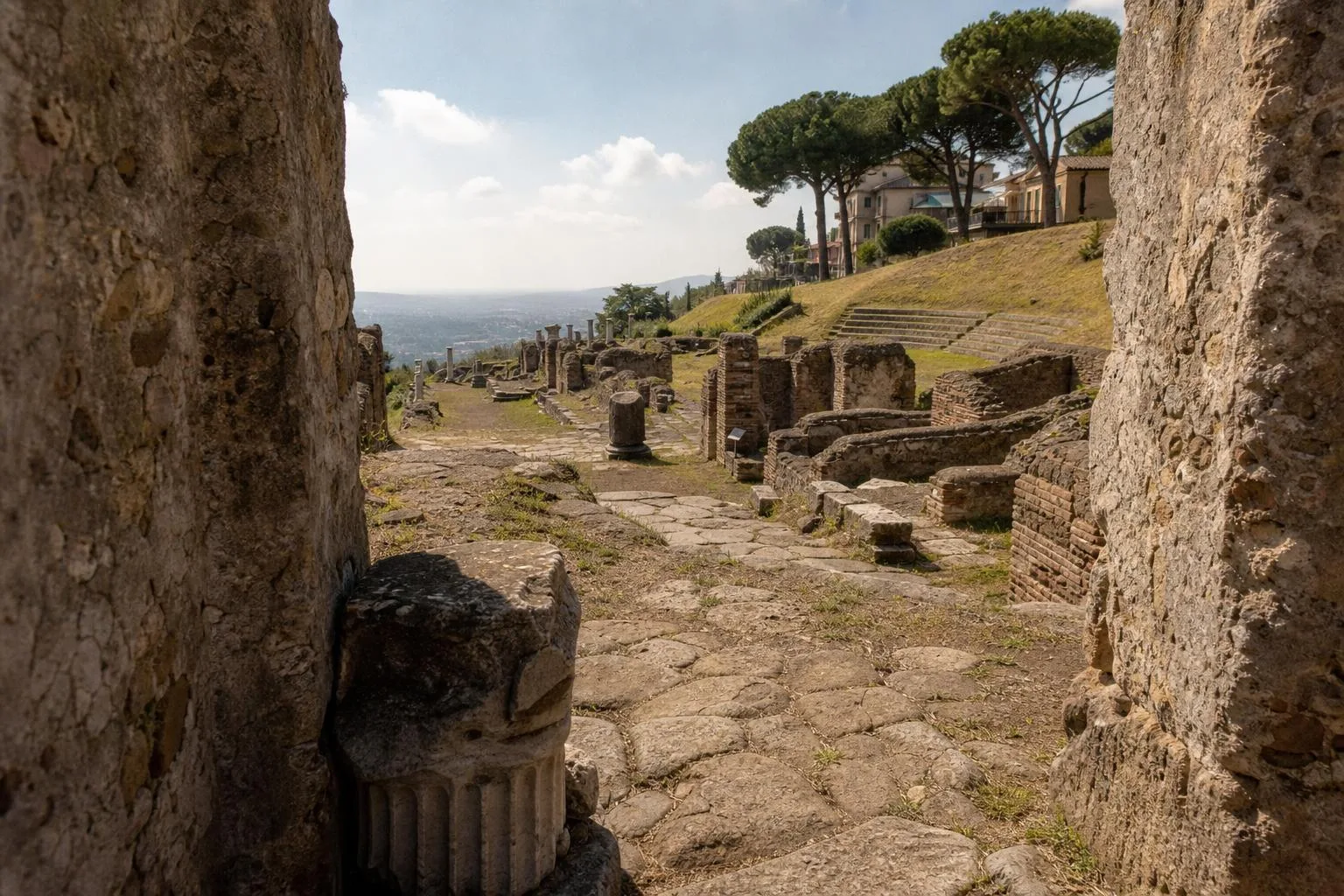 FrascatiGemma nascostaTuscoloAn ancient Latin and Roman hilltop city in the Alban Hills above Frascati whose Roman theatre and Villa of Tiberius are accessible as an open archaeological site.
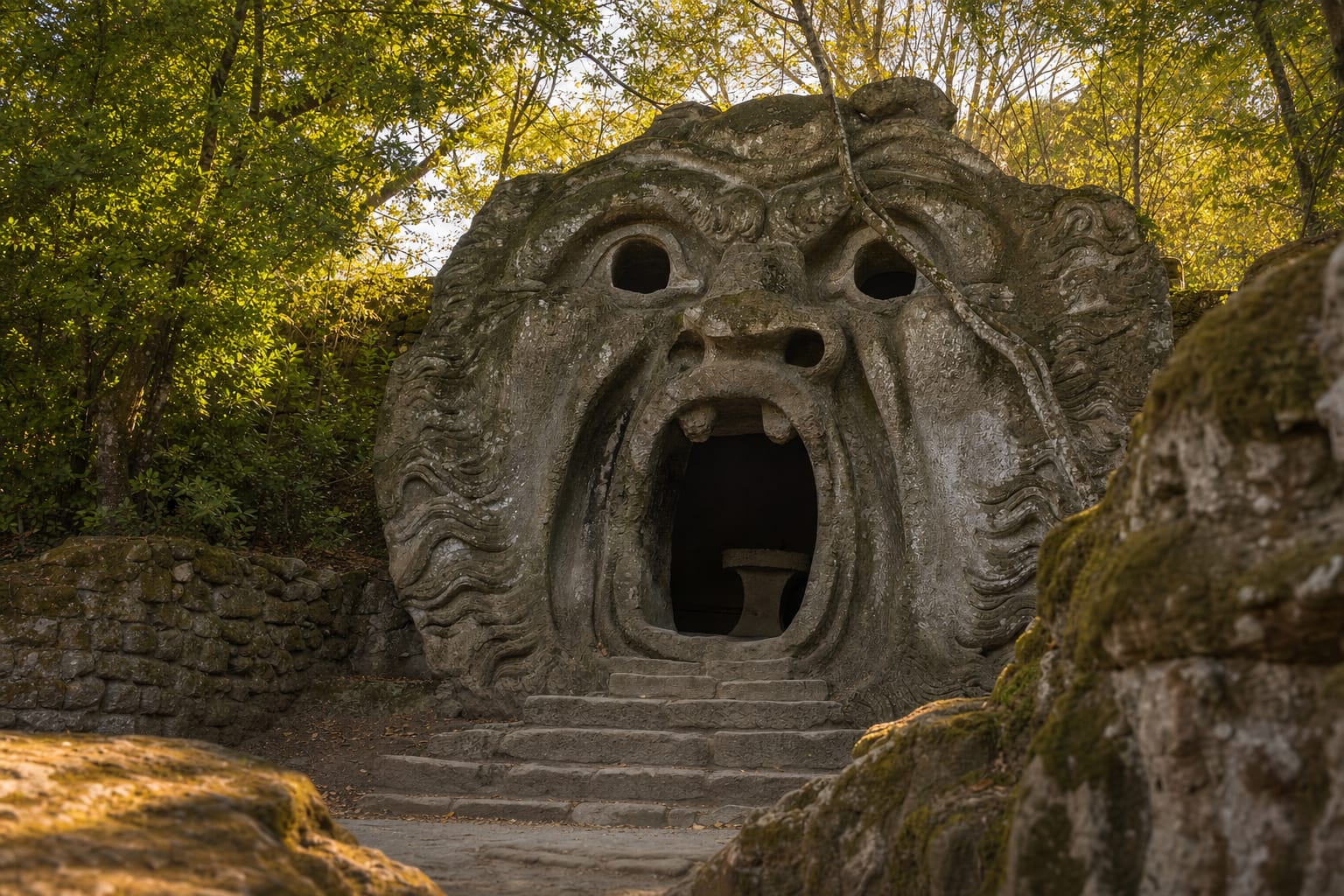 BomarzoSacro Bosco di BomarzoMonster park, Mouth of Hell, leaning house, Mannerist enigmas in the woods
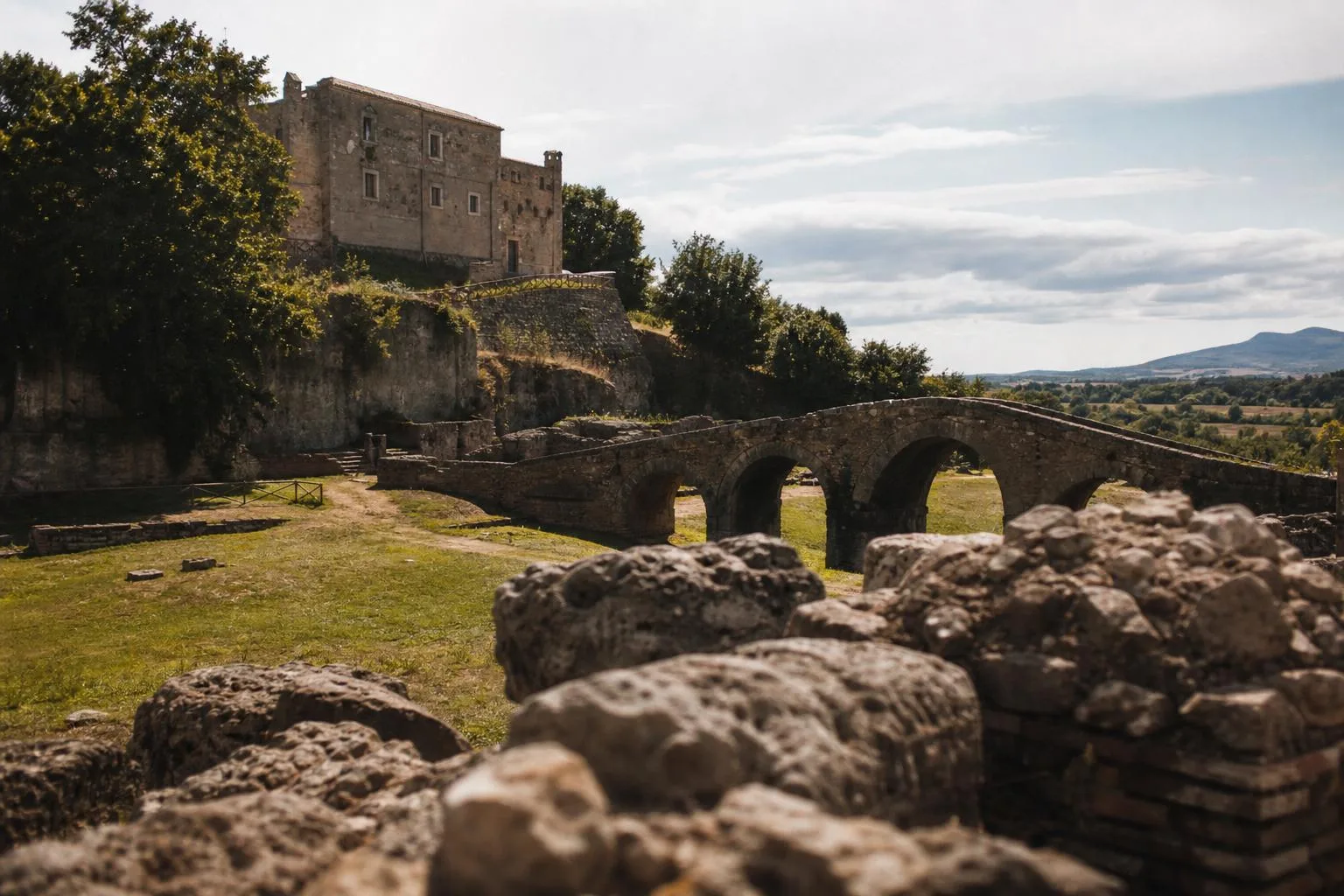 Montalto di CastroGemma nascostaVulciA once-mighty Etruscan and Roman city, now an archaeological-naturalistic park with a Roman bridge (Ponte dell'Abbadia) and a museum in the Castello dell'Abbadia.
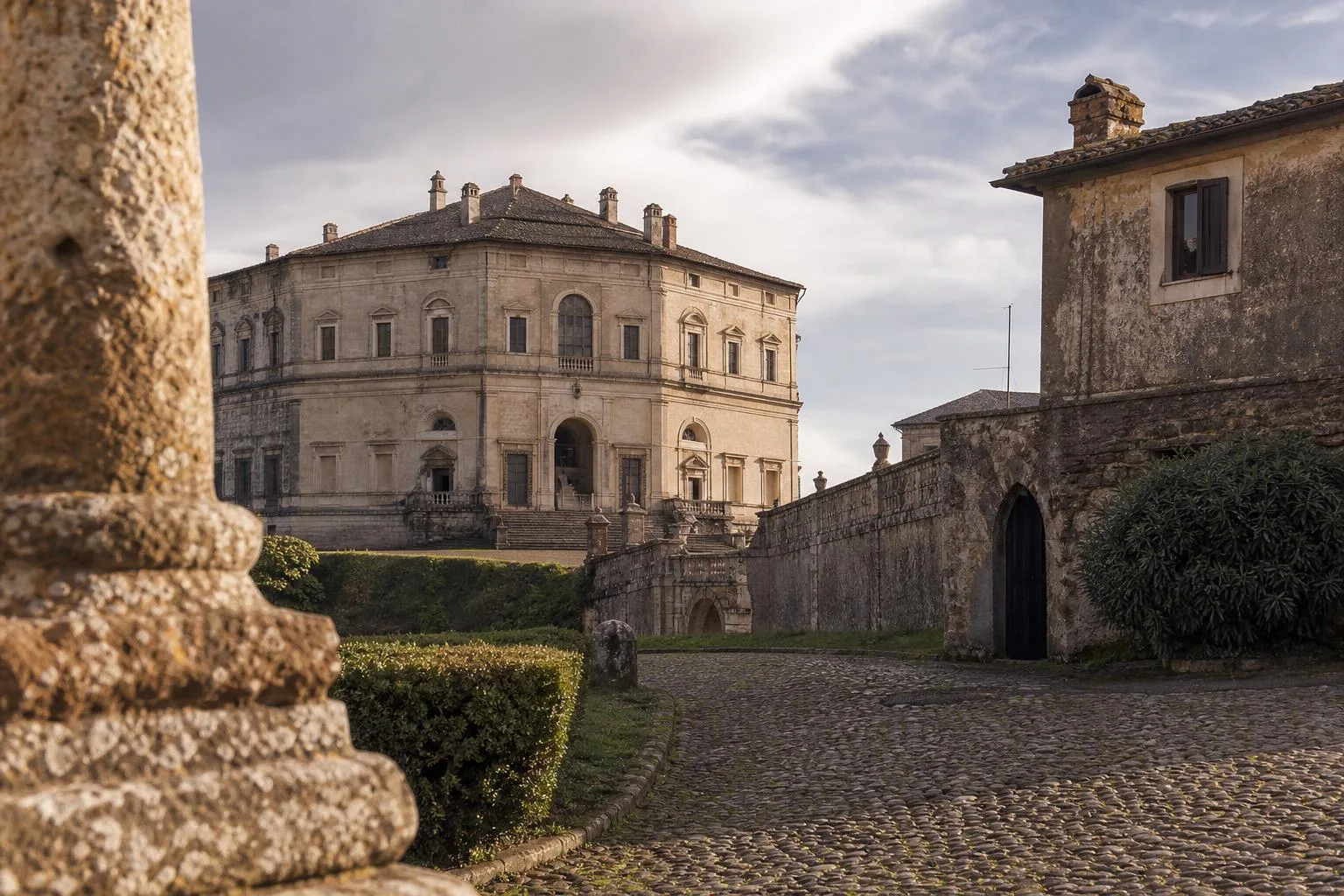 CaprarolaGemma nascostaPalazzo Farnese (Caprarola)A pentagonal Renaissance-Mannerist villa designed by Vignola with the spiral Scala Regia and Zuccari frescoes, state-owned and open to the public.
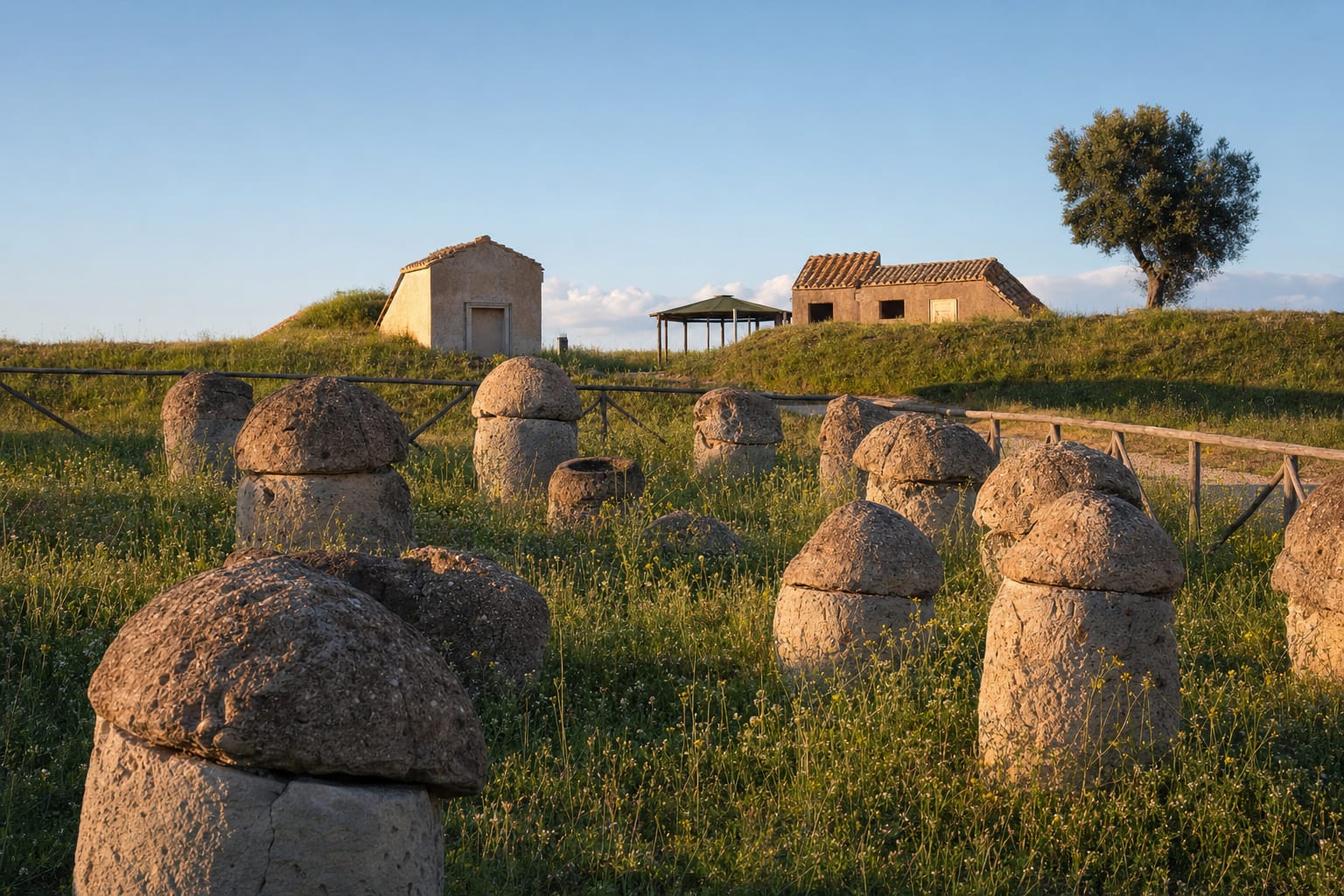 TarquiniaUNESCONecropoli dei MonterozziPainted Etruscan tombs, dancers and banquets, Tomb of the Leopards, window on a lost world