Skip to content
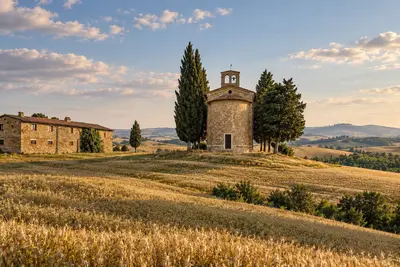
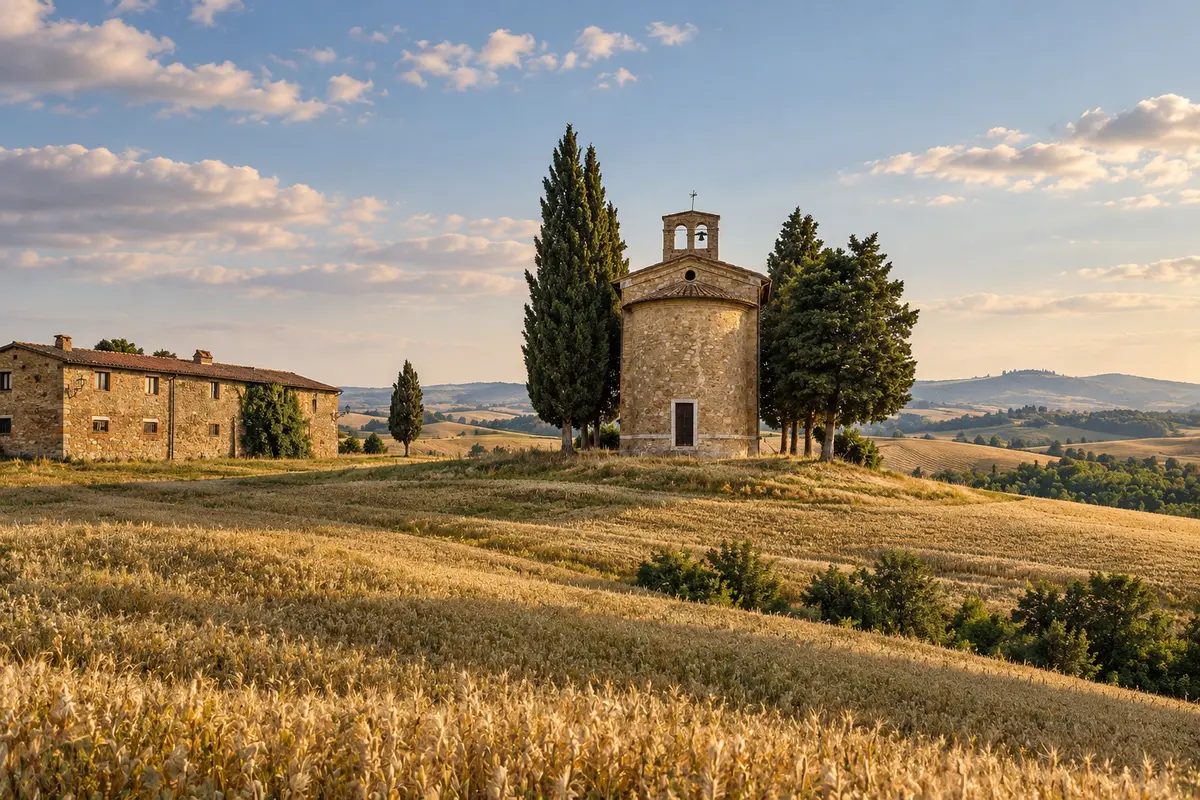
The stone apse and twin-opening bell gable of the Vitaleta chapel in the Val d’Orcia

Ten Days of Romantic Italy

Three days in Venice, three in the Val d'Orcia, then four on the Amalfi Coast, with the two travel days kept light and the evenings kept for the best light.

Romance in Italy is mostly a matter of where you stand and when. This route gives you three kinds of quiet: Venice on its back canals and outer islands, far from the Piazza crowds; a farmhouse base in the Val d'Orcia, where Pienza, Montepulciano and a steaming thermal basin sit among cypress ridges; and the garden terraces of Ravello, high above the Amalfi Coast, before a last arrival by boat at Positano. Ten days, three regions, and only two real travel days.

Day by day

Dorsoduro, the quiet side of Venice

Day 1 · on foot, one boat crossing

Morning
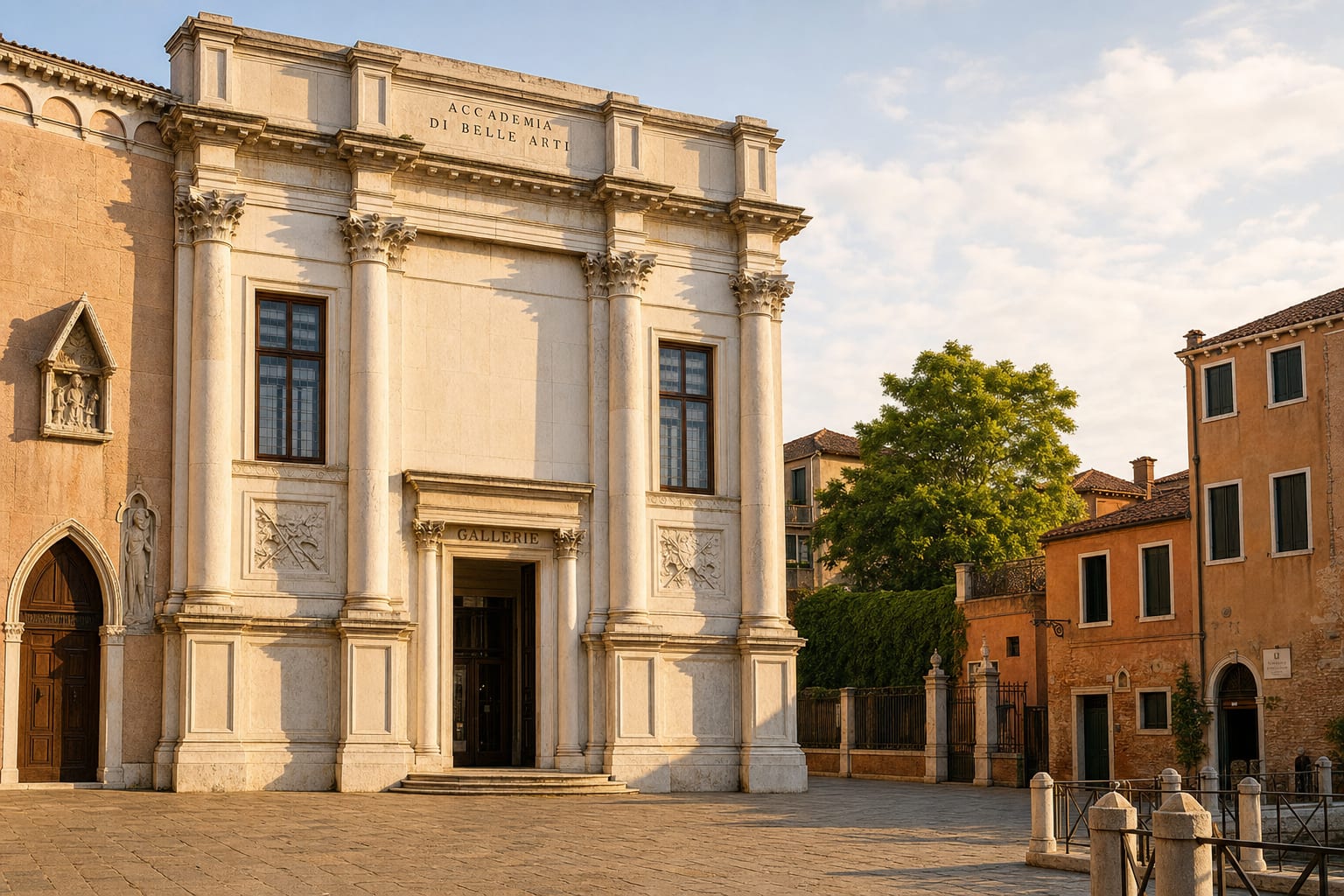
Begin at the Zattere, the broad, sunny promenade along the Giudecca Canal in Dorsoduro, then turn into the narrow Rio di San Trovaso to the squero, a gondola boatyard documented since the 1600s. Its timber houses look more like Alpine chalets than Venetian palazzi, because the first craftsmen and the wood came from the mountains of Cadore. Then walk to the Gallerie dell'Accademia for Venetian painting, from gold-ground altarpieces to Bellini, Giorgione and Veronese.
Afternoon
Walk on to Santa Maria della Salute, the white domed basilica at the mouth of the Grand Canal. Longhena built it after the plague of 1630, in fulfilment of a vow made by the city. Sit on its steps and watch the water traffic, then follow the quiet streets behind it until you find a canal bank to yourselves. This side of Venice has few shops and fewer tour groups, so let the afternoon drift.
Evening
Before the gondoliers finish for the day, cross the Grand Canal on the traghetto from the Salute side to Santa Maria del Giglio, the way Venetians do: a big gondola with two oarsmen, where Venetians traditionally stand. On the far side, walk to Piazza San Marco once the day-trippers have gone. The square is calmer then, and the stone turns blue in the dusk. Dinner afterwards back in the quieter streets of Dorsoduro or San Marco.

Where to eat. Cicchetti (small bar snacks) and an ombra (a small glass of wine) at a bacaro, a traditional Venetian wine bar, taken standing at the counter. Dorsoduro, around Campo Santa Margherita and the Zattere, has plenty.
Cannaregio, the Ghetto and a gondola

Day 2 · on foot, then by gondola

Morning
Start at the Rialto market: the produce stalls of the Erbaria, and the fish market (the Pescheria), which runs Tuesday to Saturday. Look at the Rialto Bridge, then take the Santa Sofia traghetto from the Pescheria to the Cannaregio bank. Ca' d'Oro is a short step from the landing, a Gothic palace on the Grand Canal that holds Mantegna's San Sebastiano in a marble chapel on the first floor.
Afternoon
Walk north through Cannaregio to the Ghetto. The Venetian Senate confined the city's Jewish community here from 1516, first in the Ghetto Nuovo; the word most likely comes from the public foundries where cannon were once cast, though scholars still debate it. Five synagogues and a museum survive among its narrow streets. Then walk to Madonna dell'Orto, Tintoretto's parish church, where he is buried; its brick Gothic façade faces an unusually large, quiet campo.
Evening
Choose your gondola well. Skip the stations beside the Grand Canal and Piazza San Marco and board in Cannaregio or Dorsoduro, asking the gondolier to take the small canals, where it is quiet enough to hear the oar. The gondola is asymmetrical and rowed standing with a single oar, and a good gondolier barely seems to move. Go as the light turns low, then walk back to dinner along the fondamenta (canal-side path).

Where to eat. Lunch from the Rialto stalls or the bacari near the market, where cicchetti are sold to people who shop there. Order the day's fish, and choose the trattoria by whether Venetians are eating in it.

The lagoon islands: Torcello, Burano, Murano

Day 3 · by vaporetto

Morning
Take the vaporetto (water bus) from Fondamente Nove to Torcello, the farthest and quietest island; you may change boats at Burano. Its cathedral, founded in 639, carries a Byzantine mosaic of the Last Judgment across the west wall, and a praying Madonna in the lunette above the door. Next door is Santa Fosca, a twelfth-century church with a marble-columned portico, and in the square stands a stone seat called Attila's throne, probably a judges' chair.
Afternoon
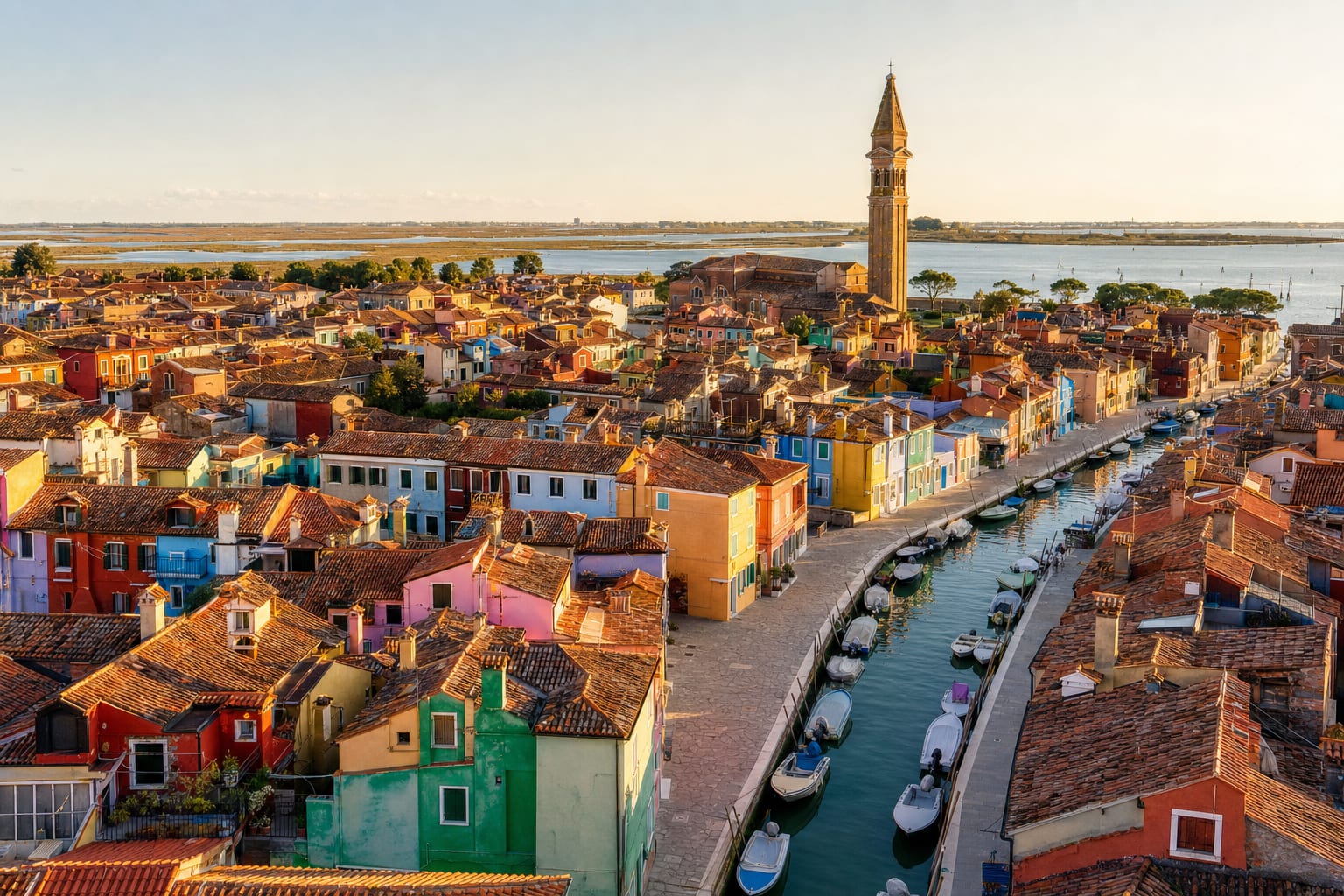
Come back by way of Burano, with its brightly painted houses and the leaning bell tower of San Martino. Lace-making here dates from the sixteenth century, and the Museo del Merletto, in the old lace school, tells its story. Then stop at Murano, home of Venetian glass, where the Museo del Vetro traces the craft, and look for the Vetro Artistico Murano sticker, a regional mark applied only by authorised makers, on anything you might buy.
Evening
Ride back toward San Marco and cross to San Giorgio Maggiore, Palladio's white church on its own island opposite the Piazzetta. Tintoretto's Last Supper hangs beside the high altar, and the campanile has a lift to a view over the whole of the Piazza and the Palazzo Ducale across the water. Stay as the lagoon turns violet, then dine back in Venice.

Where to eat. Eat lunch on Burano and order lagoon fish, the island's tradition. In the evening, make a last round of the bacari in Cannaregio or San Polo for cicchetti and a glass of white wine.

South to the Val d'Orcia

Day 4 · a travel day

Morning
Have a last coffee standing at a Venetian bar, then take the vaporetto or a water taxi to Venezia Santa Lucia station and a fast train south to Florence. Collect your car there, or meet your driver. Leave Florence on the roads south through the hills of Siena, where the landscape slowly empties of buildings and fills with cypress and wheat.
Afternoon
Arrive at your farmhouse or agriturismo near San Quirico d'Orcia, unpack, and do nothing for a while. The Val d'Orcia has been a UNESCO World Heritage landscape since 2004, and the best way to begin is to look at it from your own terrace. Walk the farm lanes if it has any, and learn the names of the hills.
Evening
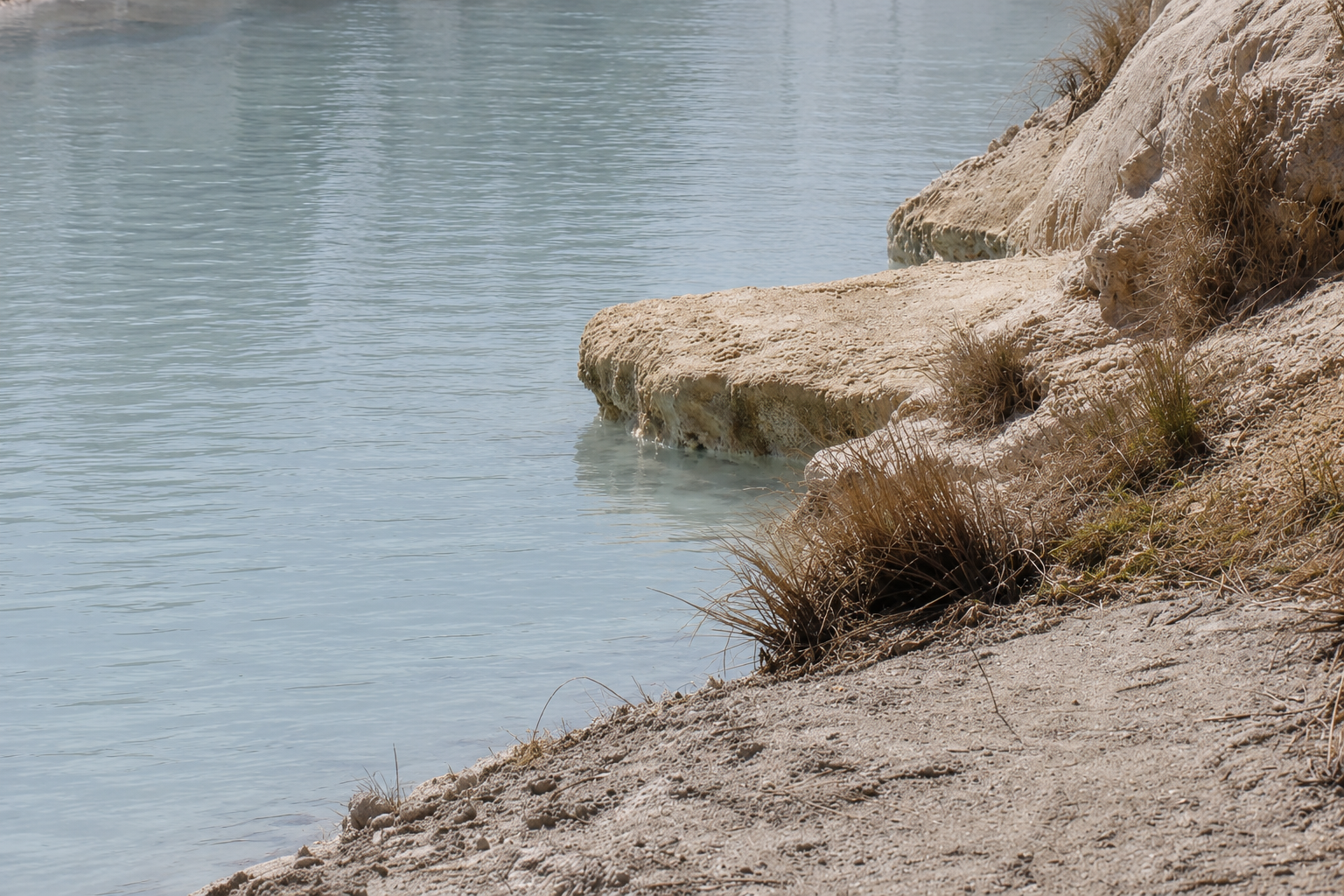
Drive the short way to Bagno Vignoni at dusk. Where the village piazza would be is a steaming rectangular basin of thermal water, of sixteenth-century origin. Lorenzo il Magnifico and Pius II came here to take the waters, and Saint Catherine of Siena is remembered with a loggia and chapel facing the basin. Walk down to the Parco dei Mulini, where the spring water runs past medieval mills cut into the rock.

Where to eat. Dinner at your agriturismo if it serves one: farm tables here run to home-made pasta, cured meats and pecorino. Ask your hosts which Orcia or Brunello di Montalcino to open.

  1. Tuscany
  2. Bagno VignoniCity guide
  3. San Quirico d'OrciaCity guide

Pienza and San Quirico

Day 5 · short drives, easy walks

Morning
Go to Pienza early. Pope Pius II, born here when it was the village of Corsignano, had it rebuilt as an ideal Renaissance town and named it for himself; Bernardo Rossellino designed it. Piazza Pio II holds the cathedral, the Palazzo Comunale and Palazzo Piccolomini. The cathedral's hall-church interior holds five Sienese altarpieces, and from the loggias of Palazzo Piccolomini you look over an Italian garden to the valley and Monte Amiata.
Afternoon
Taste Pecorino di Pienza, the town's sheep's cheese, in the cheese shops of the old town, then drive to San Quirico d'Orcia. The Horti Leonini, an Italian garden of geometric boxwood beds laid out around 1580 by Diomede Leoni, is a good place to sit. San Quirico also lay on the medieval Via Francigena, the pilgrim road to Rome, so the old centre has the feel of a stopping place.
Evening
At the last light, drive toward Pienza and stop at the Cappella della Madonna di Vitaleta, a small chapel standing alone in the fields along the provincial road, framed by cypresses. Go for the light rather than the photograph: the hills turn the colour of honey, then slate. Then home for dinner.

Where to eat. Lunch in Pienza on pecorino at several ages, with bread and honey, or the pasta of the Siena countryside. Dinner back at the farmhouse.

Montepulciano and Vino Nobile

Day 6 · one hill town, unhurried

Morning
Drive to Montepulciano, high on its ridge between the Val d'Orcia and the Valdichiana. Walk up the main street to Piazza Grande, where the Palazzo Comunale, attributed to Michelozzo, recalls Florence's Palazzo Vecchio; around the square stand Palazzo Contucci, by Antonio da Sangallo the Elder, and the Duomo, begun in 1594. The town's wine is Vino Nobile, a DOCG red made mainly from the Prugnolo gentile grape.
Afternoon
Taste Vino Nobile at a cantina in the old centre, then walk out of town to the Tempio di San Biagio, Antonio da Sangallo the Elder's church, begun in 1518 on a central plan beneath a large dome, with two bell towers, only one of them ever finished. Out in the open, away from the streets, it is a calm and balanced building, and a fine place to sit in the afternoon.
Evening
Come back up for dinner in the old town, once the day visitors have gone, or return to the farm for the sunset. In late August, Montepulciano holds the Bravio delle Botti, a barrel race between the eight contrade (districts) of the town, on the last Sunday of the month.

Where to eat. Lunch with local cheese and cured meats at a cantina or enoteca (wine shop with a table) in the old town. Dinner at the farm or in a small trattoria your hosts recommend; the local reds, Vino Nobile and Orcia, suit a meal.

South to Ravello

Day 7 · the long leg south

Morning
Take a last slow breakfast and one last look at the valley, then drive to a mainline station and board a fast train south. It runs to Naples or Salerno, where a driver waits for the ride up the Amalfi Coast. This is the trip's one long transfer; treat it as the day's only task, and travel light, with one bag each if you can.
Afternoon
From the station, your driver takes the coast road, the SS163 Amalfitana, which winds along the cliffs with the Gulf of Salerno below. Ravello sits high above the sea, above the busier towns of the coast, and the air up there feels different. Check in, and take a first walk through its lanes before the light begins to go.
Evening
The evening belongs to Piazza Duomo. The cathedral, founded in 1086, faces the square and the gateway to Villa Rufolo, and the day visitors drain away, leaving it to residents and the few who stay overnight. Have a drink at a café on the square, then eat dinner slowly.

Where to eat. Dinner in Ravello: ask for lemon-scented dishes and pasta with the day's fish. The Amalfi Coast lemon (Limone Costa d'Amalfi IGP) turns up in granita and desserts, too.

  1. Campania
  2. RavelloCity guide

Ravello's two gardens

Day 8 · on foot, slow

Morning
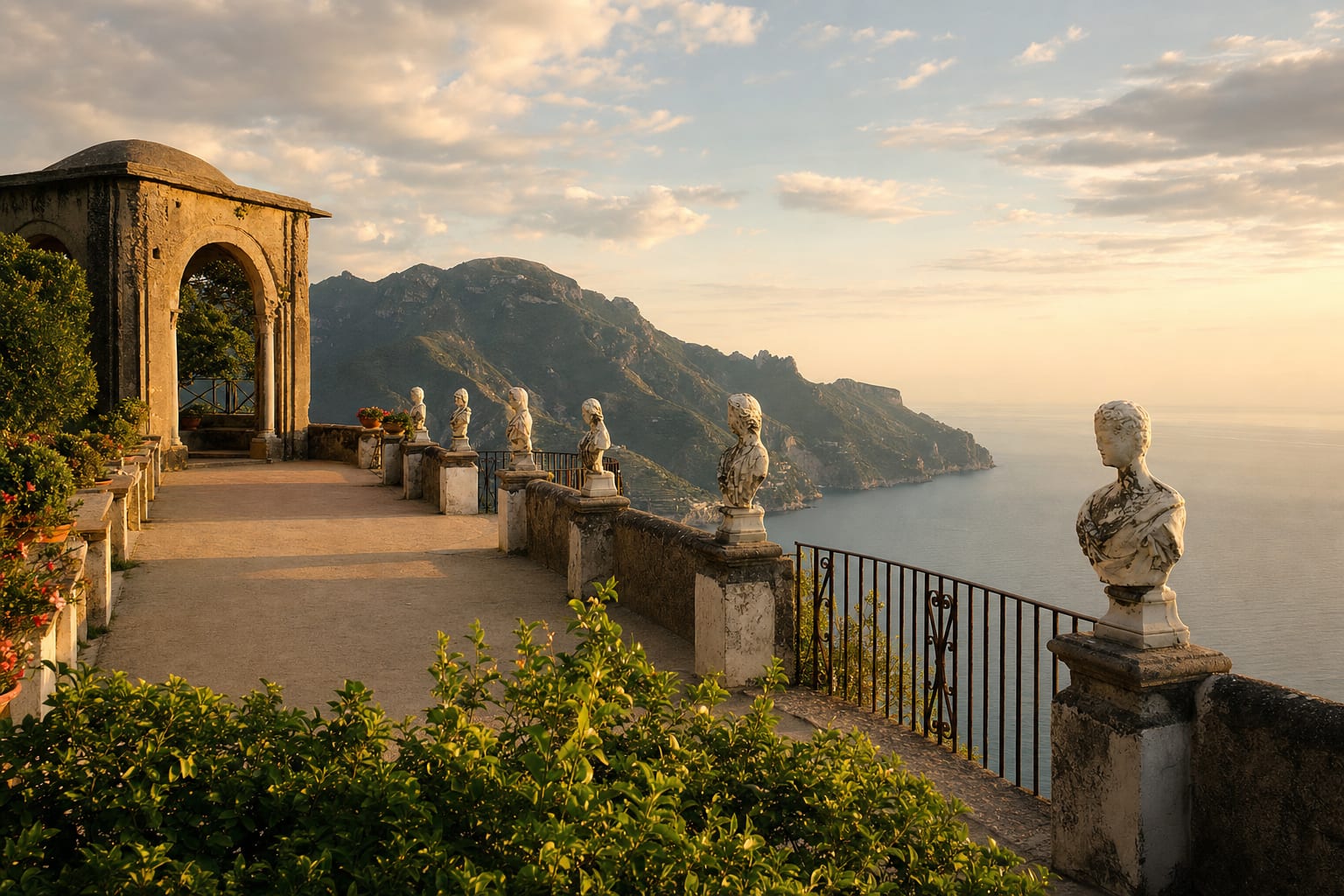
Go to Villa Cimbrone first. The English banker Ernest Beckett bought it in 1904 and remade the villa and its gardens; the Terrazza dell'Infinito, on a rocky promontory, looks across the Gulf of Salerno. Walk through the gardens of statues, grottoes and fountains slowly, and arrive early, so you meet the terrace before the groups do. The villa is now also a hotel, but the garden is open to visitors.
Afternoon
Villa Rufolo is a few steps from the cathedral. Built in the thirteenth century by the merchant Rufolo family (Boccaccio gives a Landolfo Rufolo a story in the Decameron), it has a tower, a cloister with Arab-Sicilian decoration and terraced gardens above the sea. On 26 May 1880 Wagner found here the garden of Klingsor, from Parsifal; the Belvedere is one of the stages of the Ravello Festival in summer.
Evening
Wander back through Ravello's lanes while the sun sinks and the coast below turns grey-blue. If you travel in summer, look at the Ravello Festival programme, since a concert in the gardens of Villa Rufolo is one of the best evenings the coast offers. At other times of year, dine early and sit out on a terrace for as long as the air allows.

Where to eat. Lunch near the piazza, then dinner at one of Ravello's terrace restaurants, where the view is part of the table. Ask for pasta with lemon, fresh anchovies or the day's catch.

Atrani, Amalfi and Positano by boat

Day 9 · short rides, then a boat

Morning
Ride down from Ravello to Atrani, the smallest comune in Italy, a tight cluster of houses around Piazza Umberto I. Visit San Salvatore de' Birecto, the tenth-century church where the dukes of Amalfi were crowned, then walk the short passage through the rock into Amalfi. Atrani is quiet before the coach tours reach Amalfi, which is why it comes first.
Afternoon
Amalfi's Duomo of Sant'Andrea has a bronze door cast in Constantinople, a campanile built between the twelfth and thirteenth centuries and the Chiostro del Paradiso, a cloister of 1266. Amalfi was a maritime republic long before it was a resort. Its medieval paper-making is remembered in the Museo della Carta, and the Valle dei Mulini, the valley of old mills, climbs behind the town.
Evening
Take the boat from Amalfi to Positano, the best way to see this coast: cliffs, towers and small coves go by, and then Positano rises above its port in stacked tiers, which is why it is called the vertical city. Check in, walk the stepped lanes as the light fades, and find a terrace for dinner.

Where to eat. Lunch in Amalfi with a lemon granita or dessert from the Limone Costa d'Amalfi IGP, the protected lemon of these terraces. Dinner in Positano on a terrace above the sea.

Positano, slowly

Day 10 · steps, a beach, a long dinner

Morning
Begin at Santa Maria Assunta, the church at the heart of Positano, where a Byzantine icon of the Black Madonna sits on the main altar. Then climb the stairs of the old town through the stacked houses, stopping wherever the view opens, to see the roofs, the church and the sea from above. Keep the pace of the town: a few steps, a pause, a look.
Afternoon
Walk to Fornillo, the smaller beach, or stay at Spiaggia Grande below the church; both can be reached on foot. Take a table in the shade for a long lunch. Look up along the headlands for the old watchtowers, among them the Torre della Sponda, built to watch for raiders from the sea.
Evening
Make the last dinner a long one. Choose a terrace facing the sea and watch the houses light up, one window at a time, as dusk comes on and the cliff fills with small lights. Order slowly, say very little, and let the evening run on. Walk back up the steps afterwards at an easy pace, and keep the last glass for your own balcony.

Where to eat. Dinner on a terrace in Positano: grilled fish, spaghetti with clams and a lemon dessert. Lunch at Fornillo: a plate of salad or fish and a glass of white wine in the shade.

If you have another day

The coast is the one stretch of this route where a day can be added without changing the plan.

Paestum
Go south to Paestum, founded by Greek colonists as Poseidonia, where three Doric temples stand on the plain. The one called the Basilica is really a temple to Hera, and the site museum holds the Tomb of the Diver, painted around 480 to 470 BC.
The Path of the Gods
Walk a stretch of the Sentiero degli Dei, the Path of the Gods, the high footpath above Positano that passes through the hamlet of Nocelle, with views toward Capri. Keep it a stroll rather than a hike, and follow it with a late lunch.

Where to stay

Verified hotels, city by city.

Venice

Venice

  • Santa Croce Boutique Hotel
  • Rosa Salva Hotel
  • Radisson Collection Hotel, Palazzo Nani Venice
  • Hotel Ai Reali
Check dates: Venice
Ravello

Ravello

  • Caruso
  • Villa Cimbrone
  • Palazzo Avino
  • Garden Ravello Hotel
Check dates: Ravello

Booking through these links may earn Italia Magnifica a commission, at no cost to you.

Where to eat

Verified tables in the cities on this route.

Venice

Venice

  • Hostaria OsottoosopraA plain, traditional Venetian hostaria in Santa Croce, for fish dishes and pasta such as bigoli, a little off the main sightseeing routes.
  • Trattoria dai FioiA relaxed trattoria with a courtyard terrace in Castello, near the Biennale gardens, for pizza, lasagne and grilled meats.
  • Il CapriccioA San Polo restaurant and pizzeria near Campo San Polo, serving seafood with a modern touch and Neapolitan-style pizza.
  • Trattoria La Divina ComidaSeafood-led Venetian cooking, from spaghetti alla busara to creamed salt cod, in the streets between the Frari and Campo Santa Margherita.
All tables: Venice
Ravello

Ravello

  • Sea view pizzaA pizzeria just outside Ravello's main square, with outdoor tables overlooking the coast towards Minori, for pizza at sunset.
  • Ristorante "Bella Vista Sul Mare"The restaurant of Hotel Bonadies on Piazza Fontana Moresca, with outdoor tables and sea views, for regional Italian cooking in the middle of Ravello.
  • Giardini CalceA pizzeria and Campanian restaurant attached to a small guesthouse near the cathedral square, with covered outdoor seating for wood-fired pizza.
All tables: Ravello

Tours worth booking

  1. Professional Photographer in Venice, Italy

    Professional Photographer in Venice, Italy

    Experience Venice through the lens of a professional local photographer. I’ll guide you to iconic landmarks and secret, crowd-free spots for high-end, timeless portraits.

    • 1h 30m
    • Viator
  2. The Secrets of Venice - Private Tour

    The Secrets of Venice - Private Tour

    Come and discover the secrets of Venice with a different tour that will make you feel like a true Venetian citizen and help you to catch the best of the city during your stay. In addition to the most famous places in Venice (such as St.

    • 2h
    • Viator
  3. Venice Hidden Gems and Secrets Tour with a Local in Small Group

    Venice Hidden Gems and Secrets Tour with a Local in Small Group

    Immerse yourself in the real Venice with a secret itinerary tour! A unique walk, far from the beaten paths and from the most touristic areas to discover the essence and secrets of my Venice!

    • 2h
    • Viator

Booking through these links may earn Italia Magnifica a commission, at no cost to you.

Getting around

Venice is car-free: you travel on foot, by vaporetto and by traghetto, the gondola crossings of the Grand Canal. A fast train links Venice with Florence; from there the Val d'Orcia is best done with your own car or a driver, parking outside the walls of Pienza and Montepulciano, where traffic in the old centres is restricted (a ZTL, or limited-traffic zone). The step south to the Amalfi Coast is a fast train to Naples or Salerno plus a driver. On the coast, the SS163 is narrow and busy, so do not drive it yourselves: use the boats between Amalfi and Positano, which run from spring to autumn (a driver otherwise), and a taxi or bus for the climb to Ravello.

Sources and citations (4)
  1. Gondole e gondolieri a Venezia (Magico Veneto)
  2. The Jews in Venice, 1516 to 1797 (Ghetto of Venice)
  3. Bagno Vignoni: terme, storia e benessere (visitsanquirico.it)
  4. Villa Rufolo (Fondazione Ravello)

A letter from Italy, once a month.

The places, tables and makers we found worth your time. One email, no noise.

One letter a month. Unsubscribe at any time. We never share your address.