

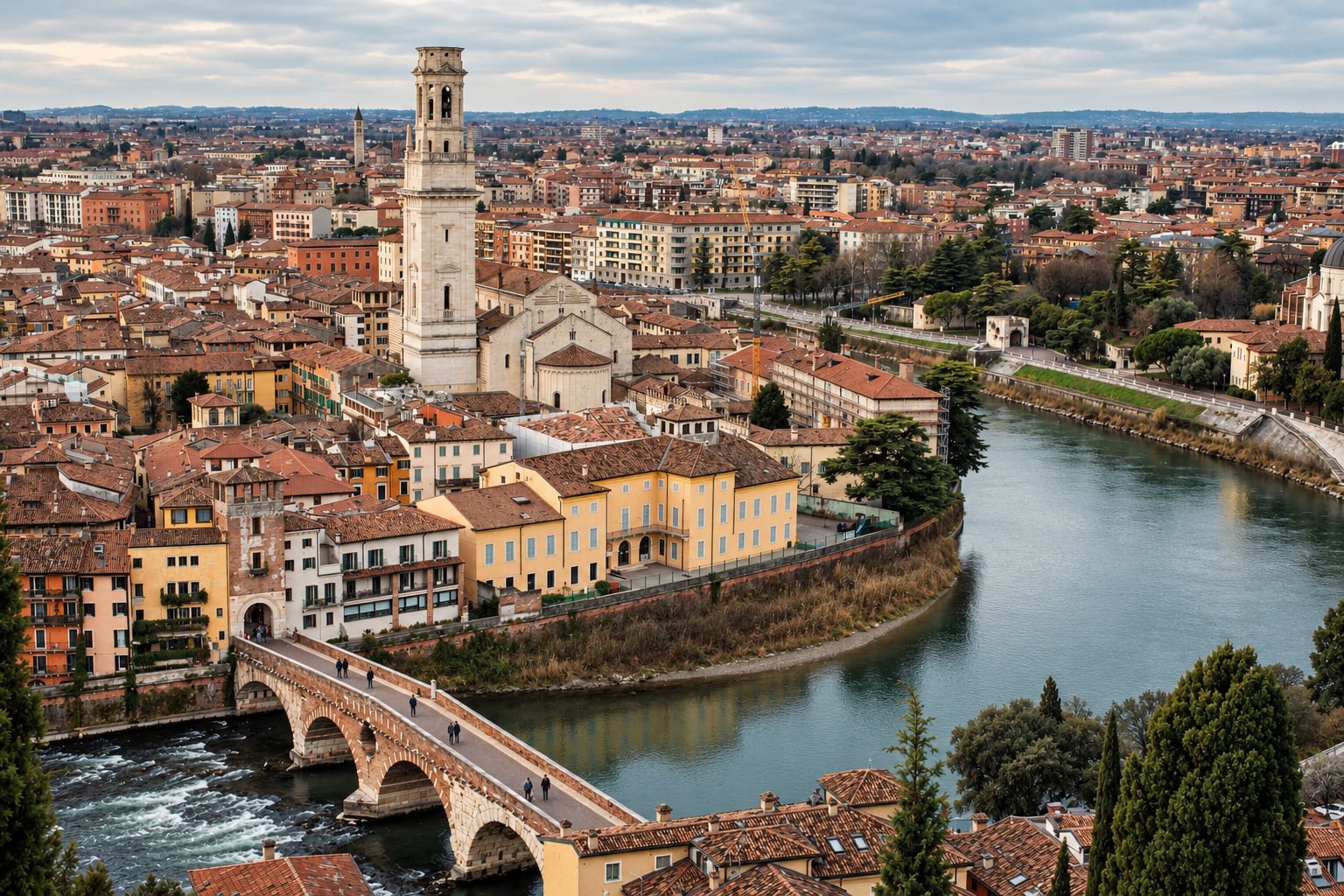
When to visit Veneto
Typical climate in Venice, the regional capital.
Month by month
- Jan
- Mild coastal winter. Sea breezes keep temperatures moderate.
- Feb
- Cool but pleasant by the sea. Fewer crowds to enjoy.
- Mar
- Spring awakens the coast. Mild temperatures and blooming gardens.
- Apr
- Beautiful coastal spring. Ideal for hiking and exploring.
- May
- Warm days perfect for beach visits. Water warming up.
- Jun
- Summer season begins. Beach weather with warm seas.
- Jul
- Peak beach season. Hot days, warm Mediterranean waters.
- Aug
- Height of summer. Hot and sunny, perfect for swimming.
- Sep
- Late summer warmth continues. Great time for coastal visits.
- Oct
- Pleasant autumn by the sea. Warm enough for beach days.
- Nov
- Autumn arrives. Fewer tourists, still mild temperatures.
- Dec
- Quiet winter coast. Mild compared to inland areas.
The short version
For most travelers, the best time to visit Veneto is April to June or September to October. You get warm, comfortable days, an Adriatic warm enough to swim in by late May, the Prosecco hills at their greenest or their harvest-busiest, and the Dolomites open for hiking, all without the sticky August heat or the worst of the Venice crowds. These shoulder months hit the sweet spot for nearly everyone.
That said, the season you pick should match what you came for. Summer suits beach families and opera lovers (the Verona Arena festival runs mid-June through mid-September), but expect heat, humidity, and packed canals. Winter is for skiers heading to Cortina and the Dolomites, or for Carnival in Venice. Deep winter in the cities is cold, damp, and quiet, which some people love and others find bleak.
Spring (March to May)
Spring is when Veneto wakes up, and it's our favorite window alongside early autumn. March can still be chilly and damp, with Venice daytime highs in the low teens Celsius (mid-50s Fahrenheit) and the odd cold snap. But by April and especially May, highs climb into the low 20s Celsius (low 70s Fahrenheit), gardens and the Prosecco hills turn green, and the light is soft and clear. The crowds haven't fully arrived, so you can wander Venice's back lanes, Verona, and Padua without elbowing through tour groups.
Pack layers and a rain jacket. Spring is one of the wetter stretches of the year here, and showers are common, especially in the hills and near the mountains. The Dolomites are still snow-capped and many high trails stay closed into late June, so spring is a cities-and-foothills season, not a hiking-the-peaks one. The Adriatic stays too cold for comfortable swimming until late May (around 18 to 20°C, low 60s Fahrenheit), so think of this as a sightseeing trip, not a beach one.
Summer (June to September)
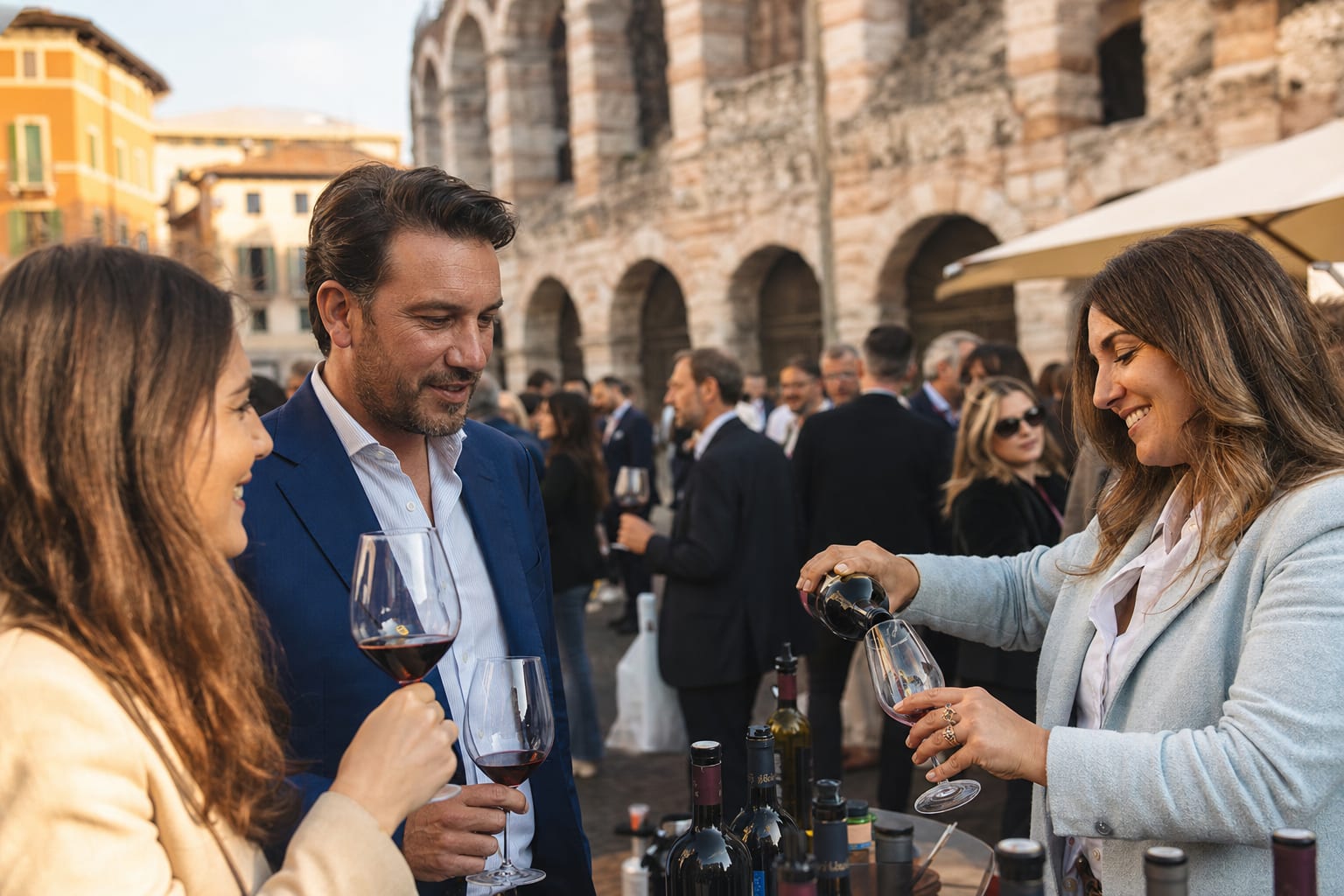
Summer is hot, busy, and humid, and how much you enjoy it depends on where you base yourself. Venice and the flat interior get muggy. Verona regularly pushes 30 to 33°C (86 to 91°F), with humidity that makes it feel hotter and little breeze to help. July and August are peak season: the highest prices, the longest lines at St. Mark's, and the most crowded vaporetti. If heat and crowds wear you down, this is the stretch to think twice about for the cities.
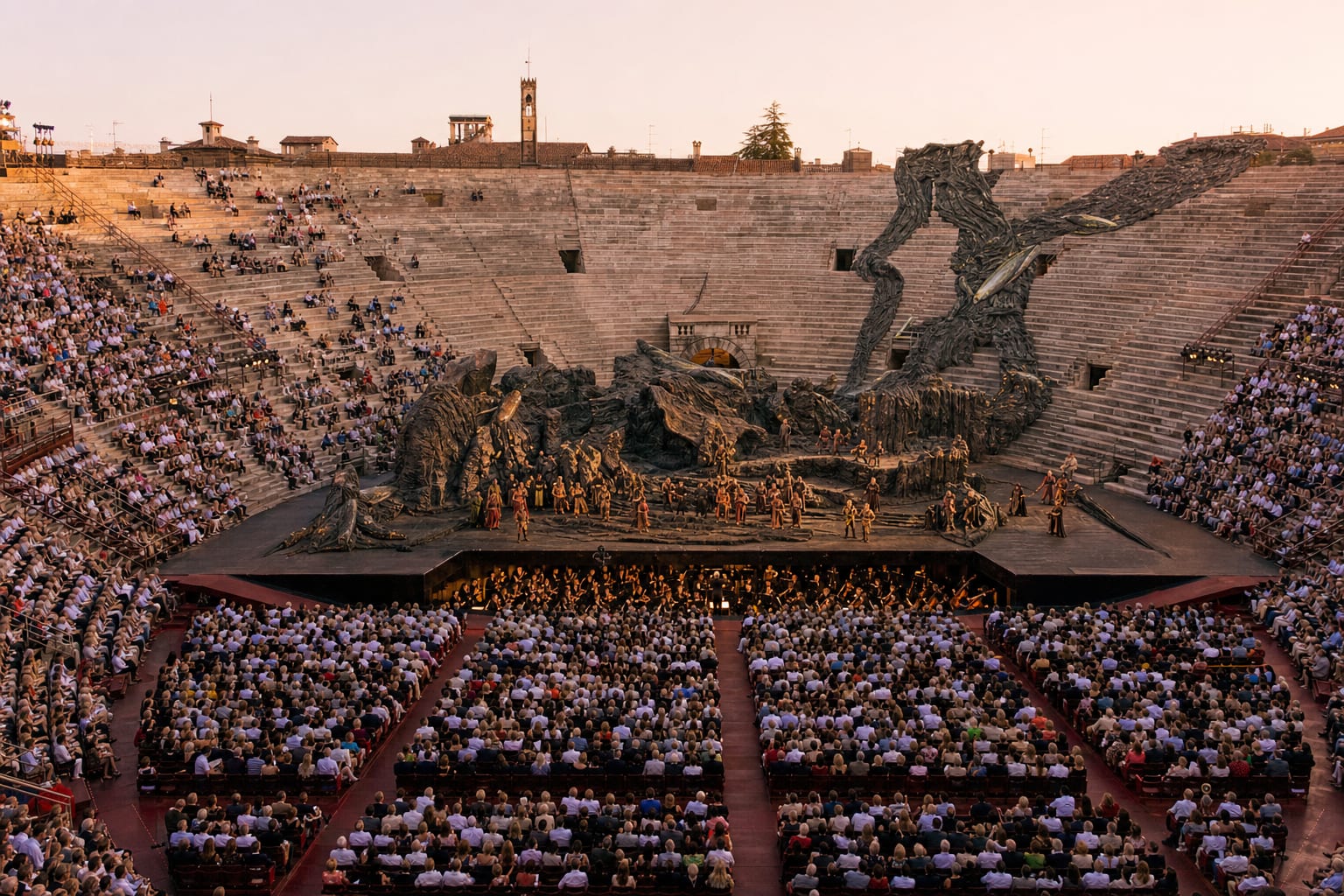
But summer has real payoffs. The Adriatic beaches at Jesolo, Bibione, and Caorle warm to a comfortable 24 to 25°C (75 to 77°F) and stay swimmable into September, which is why Italian families flood the coast. The Verona Arena opera festival (mid-June through mid-September) is a genuine highlight, opera under the stars in a 2,000-year-old Roman amphitheater. And the Dolomites are at their best for hiking, with cool mountain air a short drive from the heat below. If you come in summer, split your time: cities early in the day, then escape to the coast or the peaks.
Autumn (September to October)
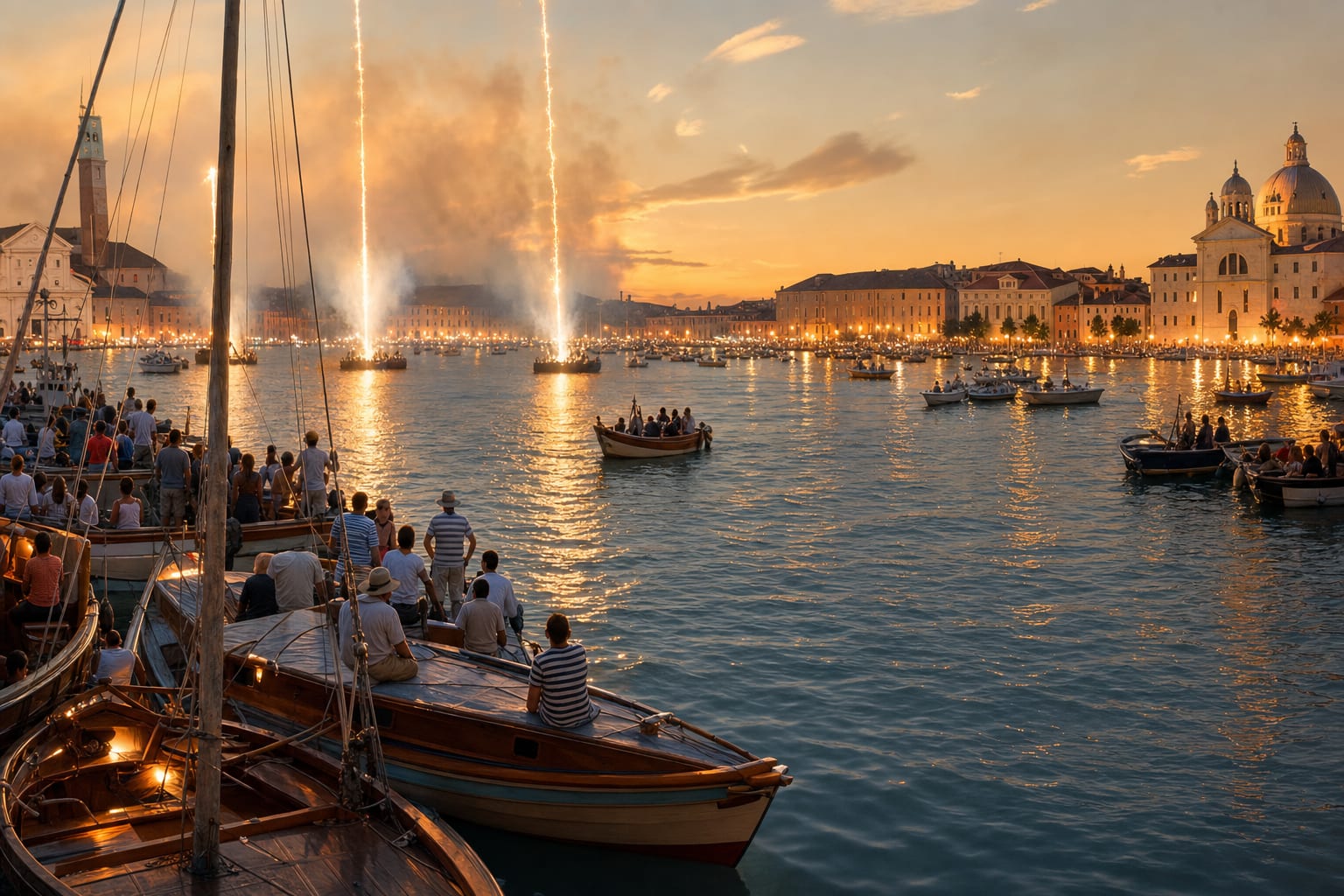
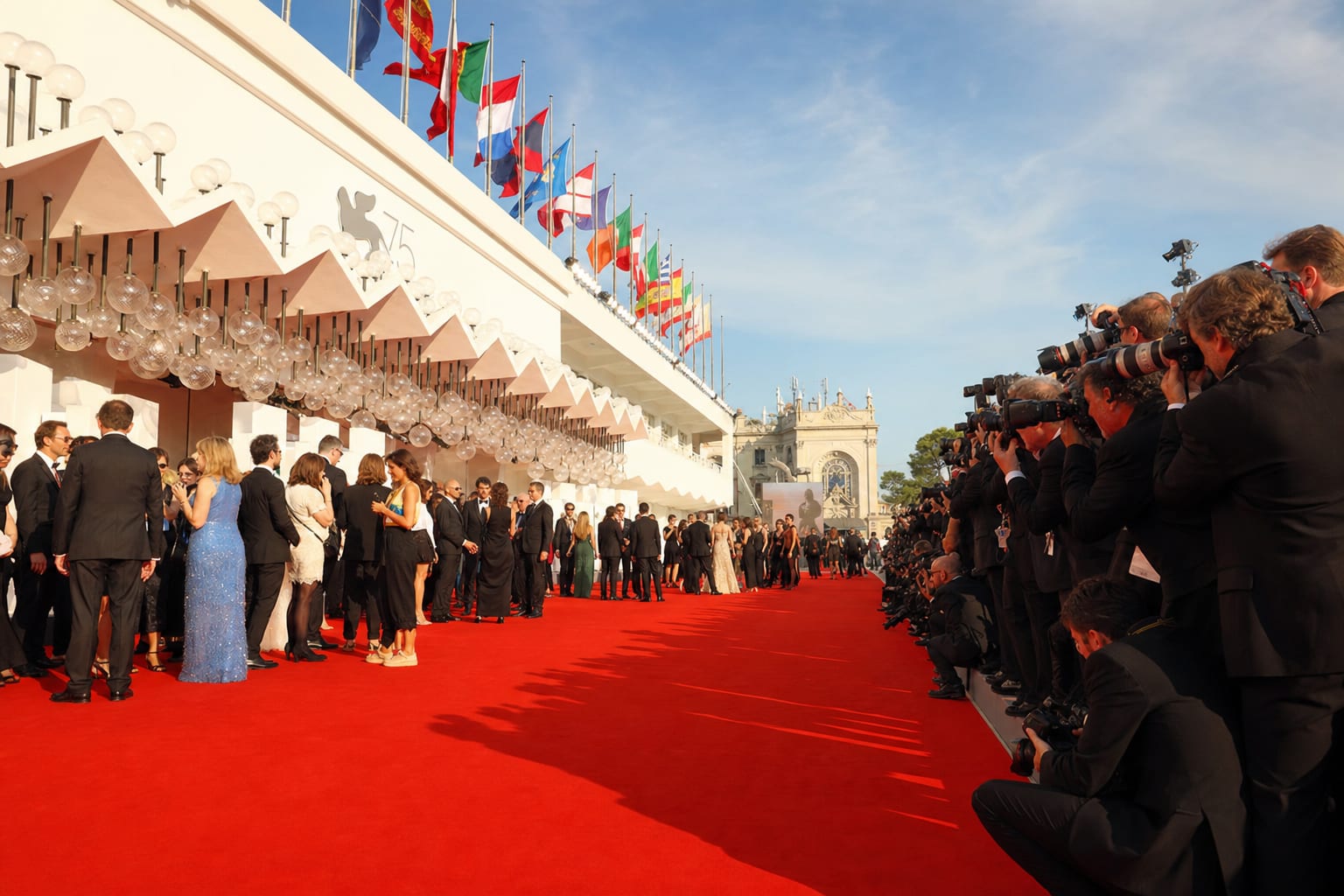
Early autumn ties spring for the best time to visit, and many regulars quietly prefer it. September still feels like late summer, with warm days, the sea still swimmable, and a slow easing of the August crowds. The big draw is the Prosecco harvest in the Conegliano-Valdobbiadene hills, usually wrapping up through September, when the terraced vineyards are busy and the cellars are open. October brings golden light, cooler air in the low to mid teens Celsius (50s to low 60s Fahrenheit), and far thinner crowds in Venice, Verona, and Padua.
There are two honest tradeoffs. First, autumn rain picks up, and the Dolomite hiking season winds down as the first snow dusts the peaks, usually by late October or November. Second, this is when Venice's acqua alta (high water) season begins, roughly late September through winter, with November the most flood-prone month. The good news: the MOSE flood barriers, operational since 2020, are now raised whenever a serious high tide is forecast (around 110cm and up), which has spared the city from the worst flooding it used to face. St. Mark's Square is the lowest point and can still see shallow water at lower tides, so pack waterproof shoes and check the tide forecast the night before.
Winter (November to February)
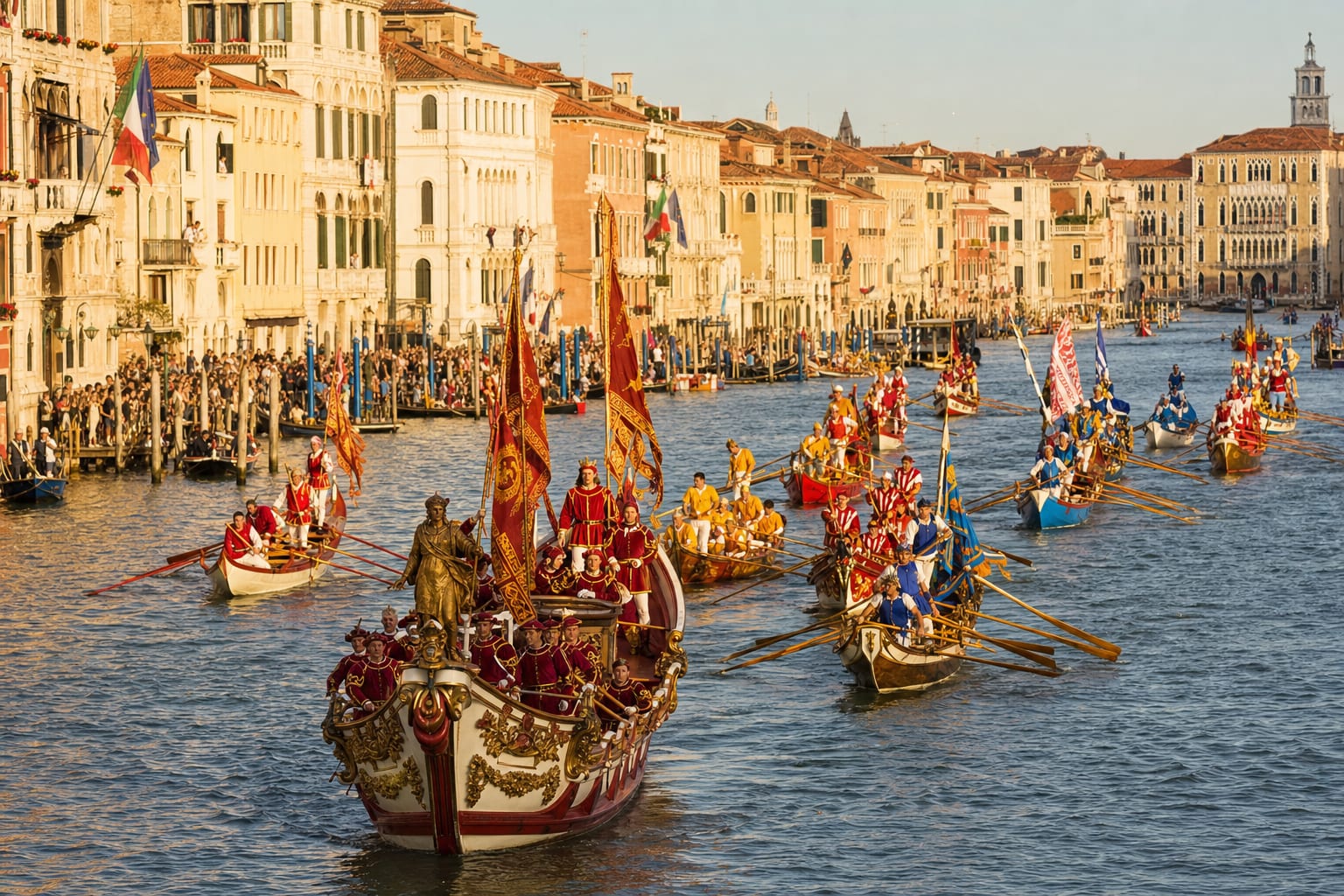
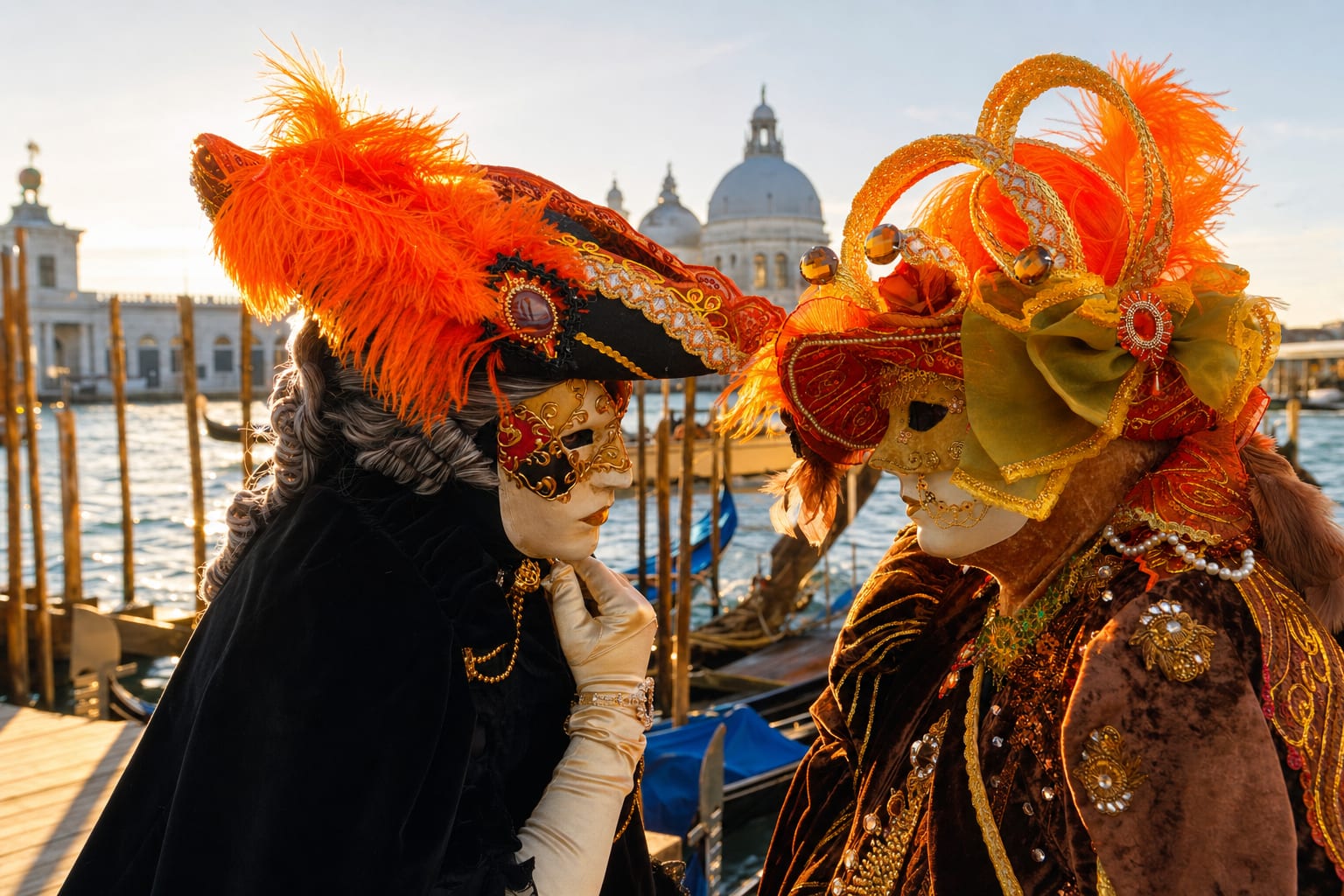
Winter splits Veneto in two. In the cities, it's cold, damp, and often foggy, with Venice and Verona daytime highs around 6 to 9°C (43 to 48°F) and short daylight hours. The upside is atmosphere and quiet: Venice without the crowds, misty canals, hotel deals, and a moody beauty you won't get in July. Christmas markets in Verona and across the region warm up December. Venice Carnival (late January into February, ending on Shrove Tuesday) is the one time winter crowds and prices spike, so book early if that's your goal.
Up in the Dolomites it's a different world entirely. Cortina d'Ampezzo and the surrounding Dolomiti Superski area run a full ski season from roughly December through March or April, with reliable snow and some of the most dramatic mountain scenery in the Alps. Cortina hosted Olympic events during the Milano-Cortina 2026 Winter Games in February 2026, so book well ahead for any future February visit, when demand around the resorts runs high. If you want winter sun and warmth, Veneto isn't it. If you want skiing or a quiet, romantic city break, it delivers.
Weather, by the part of Veneto
Veneto packs several climates into one region, so where you go matters as much as when. The Adriatic coast (Venice, Jesolo, the Lido) is humid and muggy in summer but milder in winter, tempered by the sea, with swimmable water from June into September. The flat interior around Verona, Padua, and Vicenza is the most continental: hotter and more humid in summer, and prone to cold, foggy, sometimes freezing winters. Verona in particular runs a few degrees warmer than the coast in high summer.
The Prosecco hills around Conegliano and Valdobbiadene sit between the two, a little cooler and greener, lovely in spring and at harvest. And then there are the Dolomites in the north (Cortina and the Cadore valleys), which follow a true alpine pattern: short, mild summers ideal for hiking, and long, snowy winters for skiing. You can stand in 30°C city heat and reach proper mountain cool in under two hours, which is exactly how summer visitors should plan their days.
Insider timing
If you want our exact picks, target the second half of May and the second half of September. Late May gives you warm, mostly settled weather, a sea that has just turned swimmable, and crowds that haven't peaked. Late September gives you the harvest, warm days, and a noticeable drop in tourists after the August rush. Both dodge the heat and the worst of the lines. For the Dolomites, late June through early October is the reliable hiking window once the snow clears.
What to avoid: the first three weeks of August, and Ferragosto (August 15) above all. The cities are at their hottest and most crowded, and many family-run restaurants and shops in Venice, Verona, and Padua close for a week or two while the owners take their own holiday. You can find the coast packed and the cities sweaty and half-shuttered at the same time. Also weigh Venice Carnival if you're traveling in February: thrilling if that's your reason for coming, miserable for prices and crowds if it isn't. And whenever you visit Venice in autumn or winter, check the acqua alta tide forecast the night before and keep waterproof shoes handy.