

Skip to content

Positano

Positano

Costiera Amalfitana cultural landscape; La Porta prehistoric evidence; Roman villa of otium; sixteenth-century watchtowers; 1668 città regia.

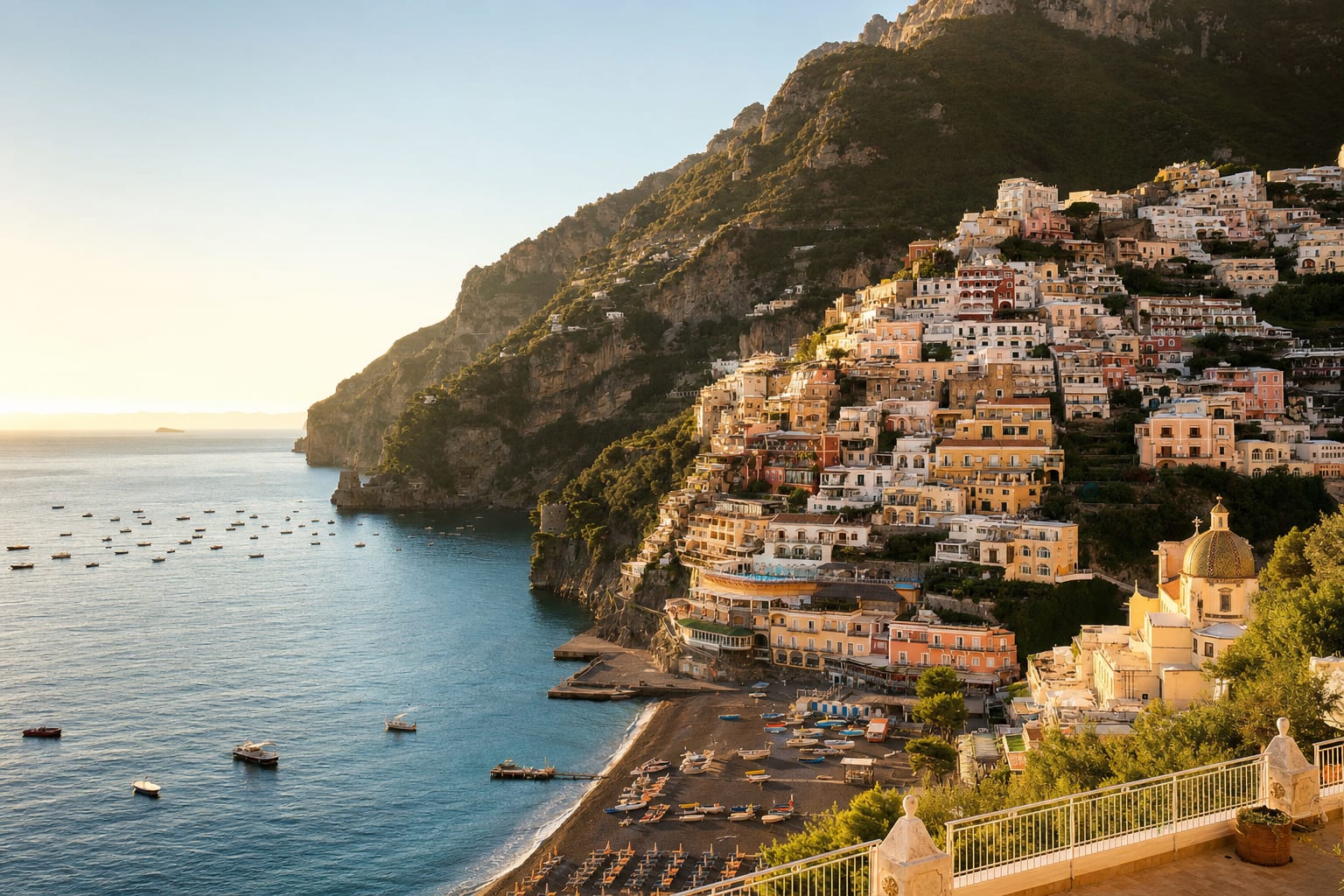
Photograph · Positano

At a glance

Positano facts that matter

Names, makers, dates, and context before the story opens up.

What it isDistrict
WherePositano, Campania
Known forCostiera Amalfitana cultural landscape; La Porta prehistoric evidence; Roman villa of otium; sixteenth-century watchtowers; 1668 città regia
UNESCOWorld Heritage setting

The story

What you're looking at

Positano is a historic settlement and landscape within the UNESCO World Heritage property Costiera Amalfitana. UNESCO records Palaeolithic and Mesolithic remains at the local La Porta cave, while the bay of modern Positano contains evidence of a Roman terraced villa of otium developed from the late first century BCE into the first century CE. Municipal history also records sixteenth-century watchtowers at Fornillo, Trasita and Sponda, and Positano's redemption from feudal control as a città regia in 1668.

A layered coastal settlement whose prehistoric, Roman, medieval and early-modern evidence contributes to the cultural landscape of the Amalfi Coast.

Verified details

Each statement below is linked to the record or institution that supports it.

Positano is a secondary coastal area within the UNESCO World Heritage property Costiera Amalfitana, inscribed in 1997 under criterion (v). It is not a separately inscribed World Heritage property.1

UNESCO records Palaeolithic and Mesolithic remains at La Porta cave in Positano, while noting that intensive settlement of the wider Amalfi coast began in the early Middle Ages.1

Between the late first century BCE and the first century CE, the bay of modern Positano contained a terraced Roman otium villa with painted rooms and colonnades looking toward gardens. The archaeological record also documents rebuilding after the earthquake of 62 CE.2

The municipal planning record documents watchtowers at Fornillo, Trasita and Sponda, built in the second half of the sixteenth century under a viceregal order. In 1668 Positano became a città regia after redeeming itself from feudal control.3

Sources and citations (3)
  1. UNESCO World Heritage CentreCostiera AmalfitanaProperty description and inscription dataRead source
  2. Comune di PositanoMuseo Archeologico Romano di PositanoHistoryRead source
  3. Comune di PositanoPiano Urbanistico Comunale, relazione tecnicaHistorical contextRead source

Plan your visit

Before you go

Booking
Walk-up friendly

Find it

Where to find Positano

Get directionsGoogle MapsApple Maps

Reading

Stories from Campania

Long reads from our writers on the ground.

  1. The magazineAmalfi Coast Travel Guide