Skip to content
Turin

Five Days in Piedmont: Wine and Truffles

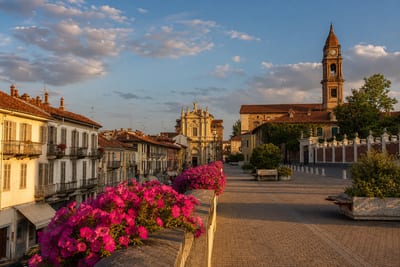
Turin's museums, cafés and vermouth on days one and two, Barolo and La Morra on day three, a truffle hunt with Barbaresco and Neive on day four, and the Roero and Bra on day five.

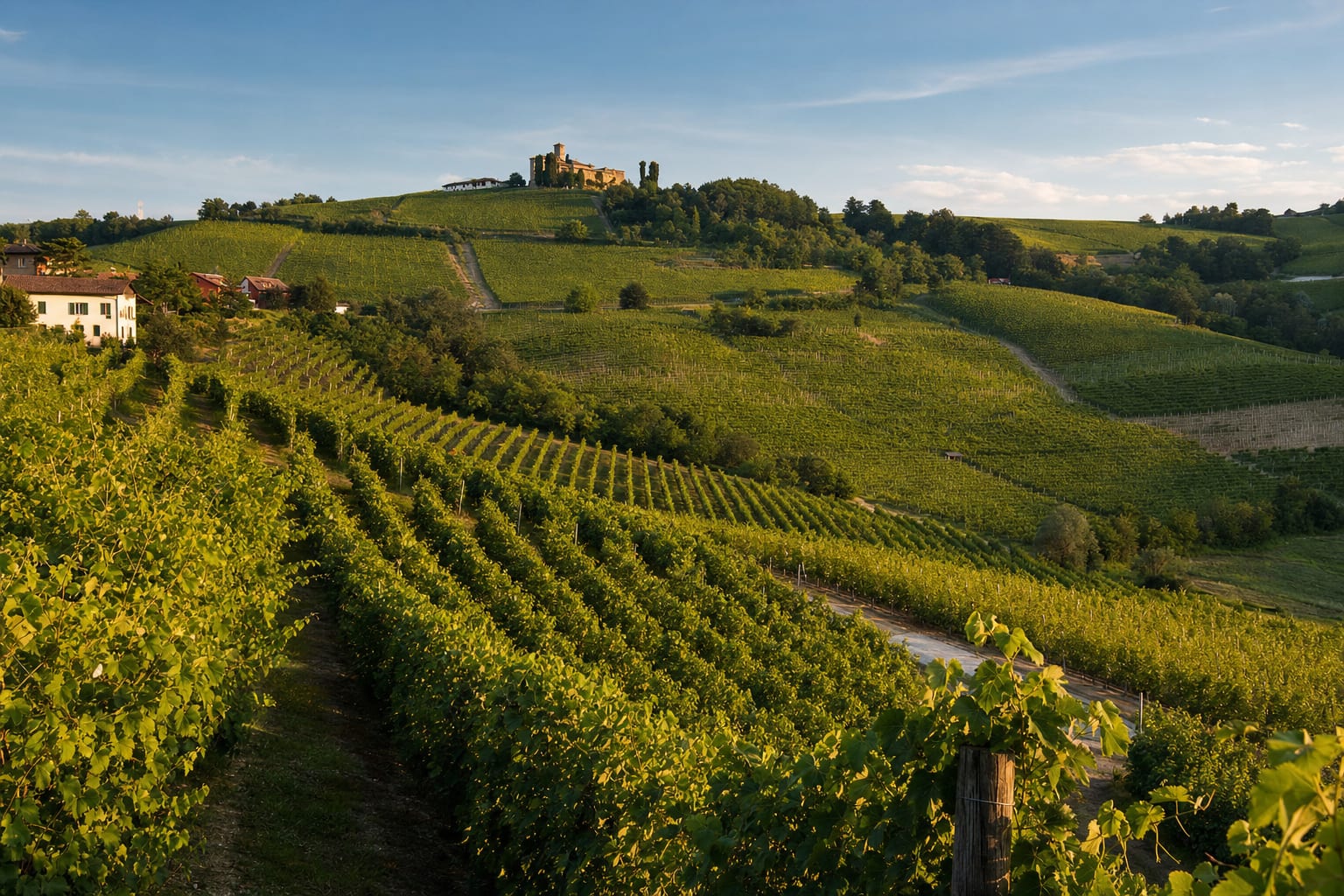
Piedmont works best in the right order: the arcaded city first, then the hills. This plan gives Turin two days for its museums, historic cafés and the vermouth hour, then moves south to the Langhe, where Nebbiolo becomes Barolo and Barbaresco, cellar visits are by reservation, and a licensed trifolau and his dog show you how a truffle is found. The last day crosses the Tanaro into the Roero and ends in Bra, where Slow Food began.

Day by day

The Egyptian Museum, Piazza Castello and the Mole

Day 1 · on foot, flat streets

Morning
Start at the Museo Egizio, founded in 1824 around the Drovetti collection and devoted entirely to ancient Egypt, so book your entry ahead. Go first to the Gallery of the Kings, where the colossal statue of Seti II weighs about five tonnes, then to the Tomb of Kha and Merit and the long papyri. Do not try to see everything: a few rooms taken slowly are better than a march through all of them.
Afternoon
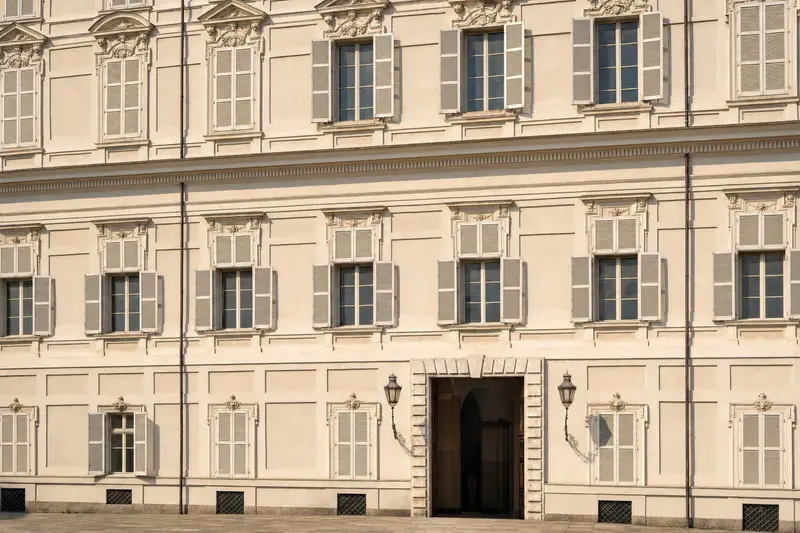
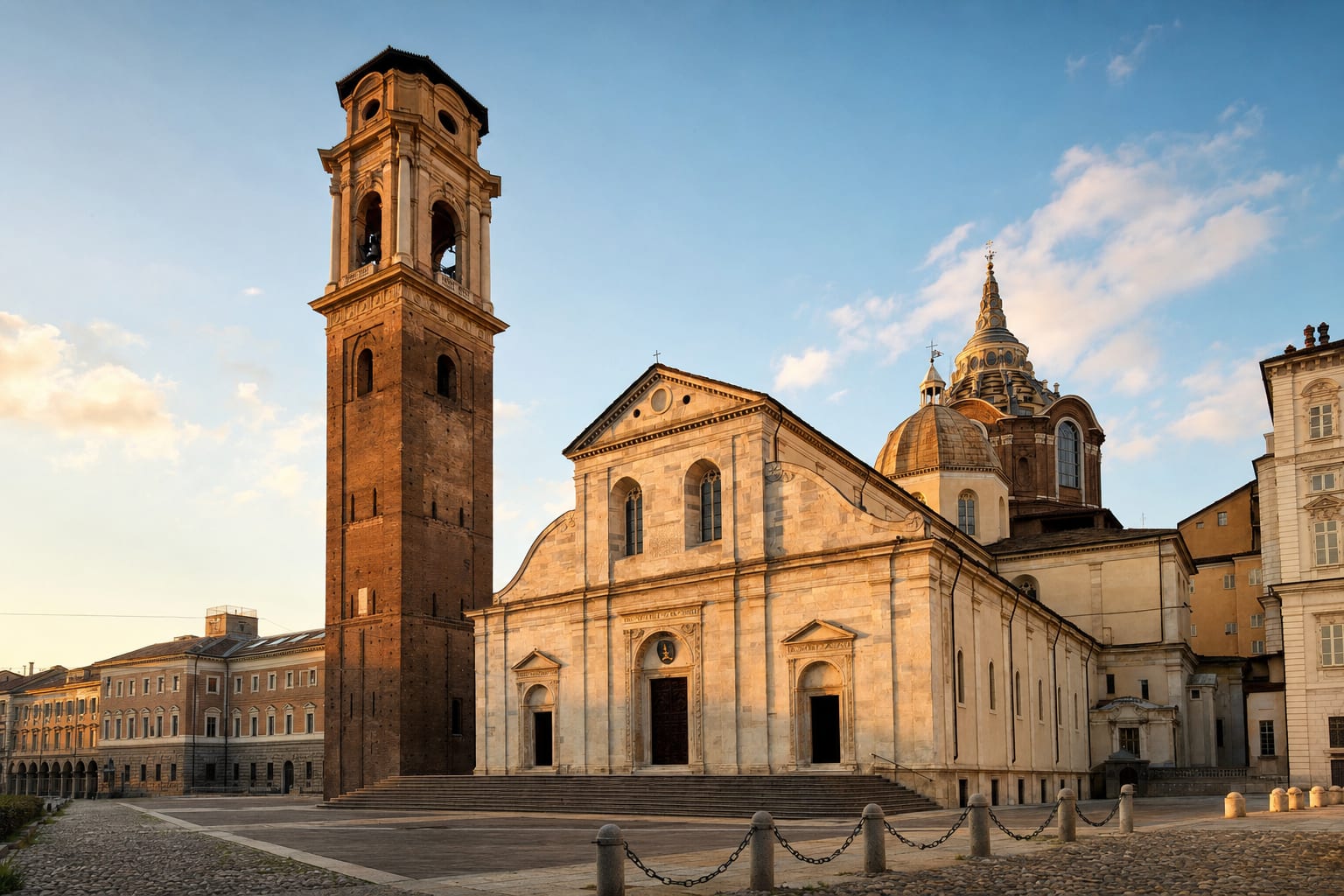
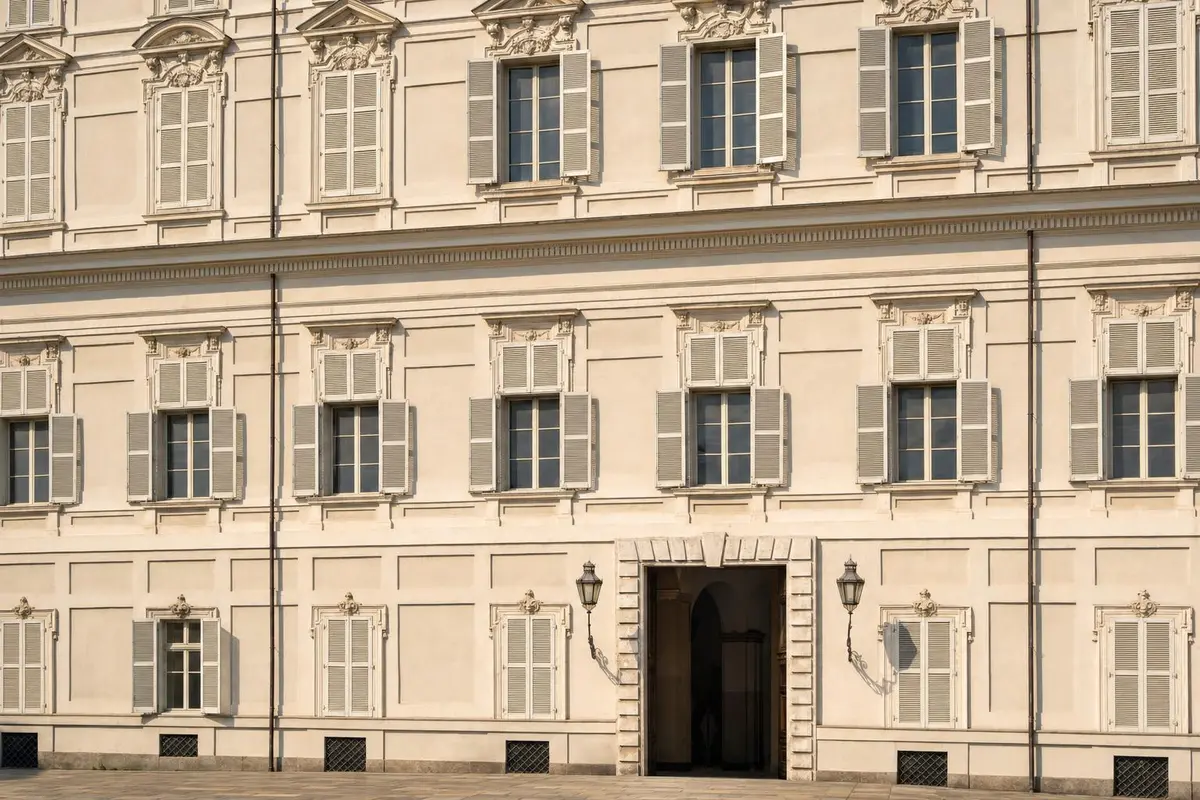
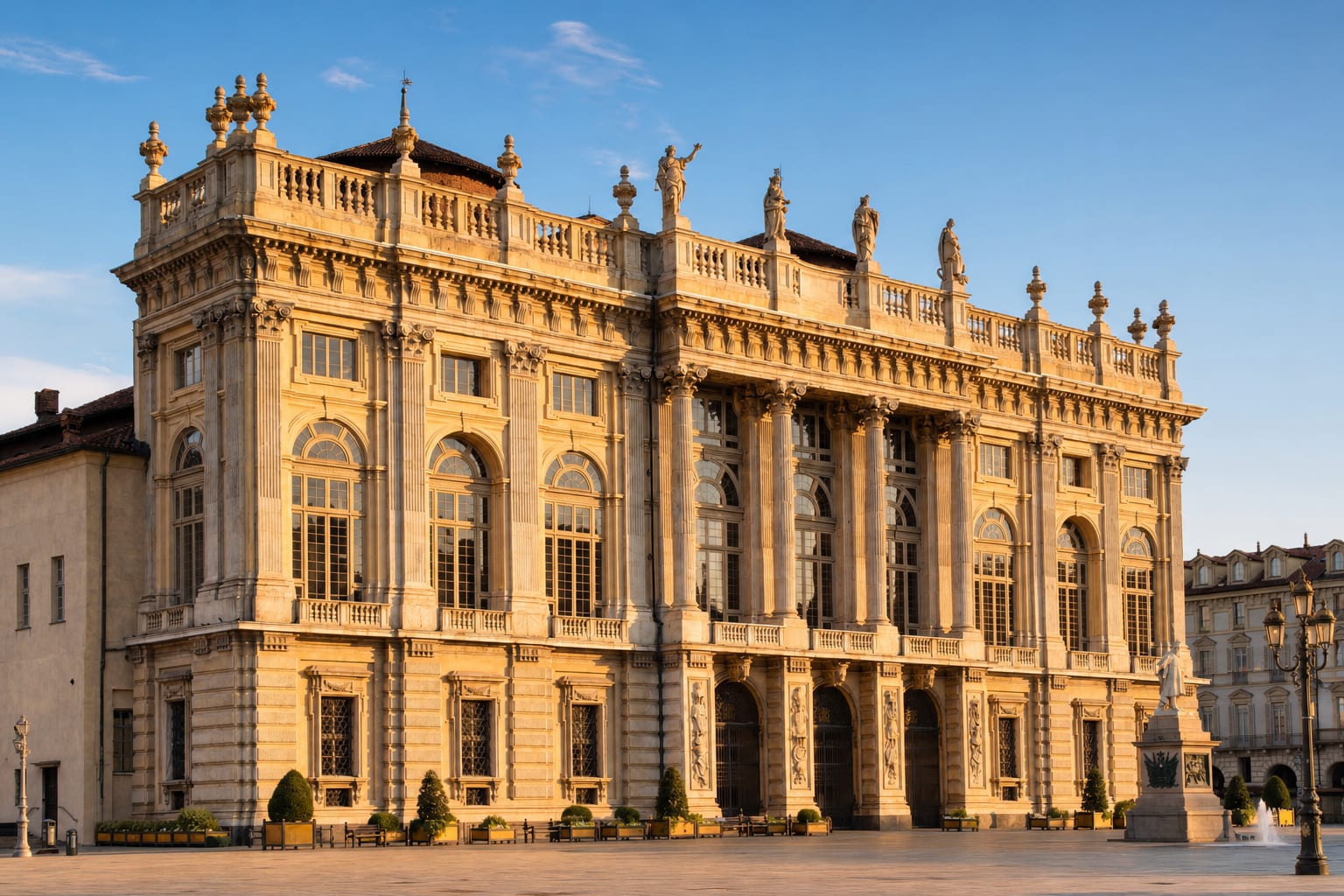
Walk to Piazza Castello, the stage of the Savoy city. Palazzo Madama stands in the middle, a medieval castle with a Baroque front by Juvarra, and the Royal Palace bounds the Piazzetta Reale behind it. Step into the Duomo beside the palace: it is the city's only Renaissance church and keeps the Shroud, in Turin since 1578 and shown to the faithful only at major ostensions. The Roman theatre sits next door.
Evening
Follow Via Po under the arcades toward Piazza Vittorio Veneto, and turn off to the Mole Antonelliana, which began as a synagogue and became the city's emblem. Its glass-walled panoramic lift rises to the Tempietto for the view of Turin with the Alps behind, and the building houses the Museo Nazionale del Cinema. Then take a vermouth: Antonio Benedetto Carpano started selling it here in 1786, near the Royal Palace.

Where to eat. Coffee at Mulassano on Piazza Castello, a small room credited with the Turin tramezzino, the soft triangular sandwich. Baratti & Milano, in the Galleria Subalpina, is the place for Art Nouveau interiors and hot chocolate. At dinner, order the Piedmontese ravioli del plin.

Porta Palazzo, the bicerin and the road to Alba

Day 2 · on foot, then by road

Morning
Begin at Porta Palazzo, the open-air market that fills the octagonal Piazza della Repubblica, with covered market halls such as the Tettoia dell'Orologio, the food hall with the clock, on its north-east side. This is where Turin shops, and it shows you the region's cheeses, fish and meat before you meet the hills. Then walk into the old quarter behind it, where the street grid still follows the Roman town, and on toward the Santuario della Consolata.
Afternoon
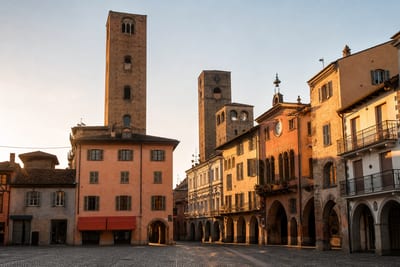
Leave Turin for the Langhe by car, or by regional train to Alba. Alba is the capital of the hills: walk Via Maestra, as locals call the pedestrian main street of the old centre, and look up at the medieval towers that earned it the name of the city of a hundred towers. Step into the Gothic cathedral of San Lorenzo and the Baroque church of the Maddalena by Vittone.
Evening
Stay in Alba for dinner and learn the local table: tajarin, the thin hand-cut egg pasta, ravioli del plin, brasato al Barolo and bagna cauda, the warm dip for vegetables. If you can choose your days, plan to be in Alba on a Saturday morning, when the market fills the old centre and the Slow Food farmers' market, the Mercato della Terra, sets up in Piazza Pertinace; park outside the centre and walk in.

Where to eat. Al Bicerin on Piazza della Consolata, facing the sanctuary: coffee, drinking chocolate and cream in a small glass, in layers you drink without stirring. Cavour was a regular. Keep lunch light, from the stalls at Porta Palazzo, and save your appetite for Alba.

Barolo, La Morra and a cellar

Day 3 · by car, short walks

Morning
Drive into the Barolo zone, part of the UNESCO-listed Langhe vineyards, where the wine takes its name from the village. Begin at WiMu, the wine museum that opened in 2010 inside the Falletti castle, so you understand the wine before you taste it. Then walk the small lanes of Barolo and look at the vines running up to the walls.
Afternoon
Keep the afternoon for a cellar visit, booked in advance, at a family estate in or near Barolo. Barolo is pure Nebbiolo, made to age longer than its neighbour Barbaresco, so ask to taste the everyday reds of the hills too: Dolcetto d'Alba and Barbera d'Alba. A visit usually includes the barrel cellar and a seated tasting; do not stack two in one day.
Evening
Finish in La Morra, the village on the ridge above the vines. The piazza looks over vineyard-covered hills, and the bell tower, built in the early 1700s from the remains of a castle demolished in 1544, has views over the Langhe. Stay for the light as it changes and for dinner in the village, and reserve your table ahead.

Where to eat. Lunch in Barolo or a nearby village: tajarin with butter, or brasato al Barolo, the beef slowly braised in the local wine. Reserve dinner ahead, and ask the cellar you visit where to eat.

A truffle hunt, Barbaresco and Neive

Day 4 · by car, one woodland walk

Morning
Go into the woods with a trifolau, a truffle hunter, and his dog. Hunters must pass an exam and hold a licence, and it is the dog that finds the truffle: you walk, watch and learn how the tuber is dug out. Arrange it ahead through your hotel or a local guide, and treat a find as a bonus, not a promise, since what grows depends on the year. White truffle is eaten raw, shaved over plain dishes such as tajarin.
Afternoon
Drive to Barbaresco, a village whose wine comes from only three communes: Barbaresco, Neive and Treiso, plus a small part of Alba. Climb the medieval tower, the largest and most massive in Piedmont, whose top floor is a panoramic terrace. Nearby, the Enoteca Regionale occupies the deconsecrated church of San Donato, a good place to taste several producers before you choose a cellar.
Evening
Walk Neive, a medieval hill village and a member of the club of the most beautiful villages in Italy. Climb the cobbled lanes to the thirteenth-century clock tower and sit in Piazza Italia, the eighteenth-century town salon. Its hills also yield Dolcetto d'Alba and Moscato d'Asti, the sweet, lightly sparkling dessert wine that ends a meal here.

Where to eat. Eat the truffle as the Langhe do: a plate of tajarin or a simple egg dish with white truffle shaved over it at the table. Dinner in Neive is easy to find on foot; reserve ahead.

The Roero and Bra

Day 5 · by car, then back to Turin

Morning
Cross the Tanaro into the Roero, the hill country on its left bank, where castles and villages crown the hilltops above the rocche, steep cliffs carved into the sandy soil. Its signature white is Roero Arneis, and its red is the local Roero. Take the ridge roads through villages such as Canale and Guarene, and book a tasting at an Arneis estate to taste the difference from the Langhe Nebbiolo.
Afternoon
Continue to Bra, where Slow Food began, as Arcigola, in 1986. Walk the centre to see the Chiesa di Santa Chiara by Vittone, with its quatrefoil plan and double dome, and the octagonal Zizzola villa on Monteguglielmo hill above the town. Taste Bra's own food: the cheese named after the town has always come mostly from the valleys around Cuneo, and the fresh sausage is traditionally eaten raw.
Evening
End at Pollenzo, a hamlet of Bra on the site of the Roman town of Pollentia. The University of Gastronomic Sciences and the Banca del Vino sit in the restored estate, and the neo-Gothic castle belongs to the UNESCO group of Savoy residences. Then return to Turin for your onward journey, tasting the last of the hills in the glass.

Where to eat. Lunch in Bra: ask for the salsiccia di Bra, the fresh veal sausage that is eaten raw, or grilled. Ask the waiter which Roero wine goes with it.

  1. BraCity guide
  2. Piedmont

If you have another day

Stay in Turin and add a Savoy palace, a hilltop basilica or a trip into the Monferrato.

Reggia di Venaria Reale
A short trip from the city, this Savoy hunting palace was begun in 1659 by Amedeo di Castellamonte. See Juvarra's Galleria Grande and the Cappella di Sant'Uberto, whose dome is a painted trompe-l'oeil, then walk the restored gardens. It belongs to the UNESCO group of Savoy residences.
Basilica of Superga
Filippo Juvarra's basilica on the hill above Turin was built to fulfil a vow made by Vittorio Amedeo II during the siege of 1706. See its double dome, the Savoy tombs in the crypt and a wide view over the city and the Alps. A plaque remembers the Grande Torino team, lost here in 1949.
Asti and the Monferrato
Asti sits among the Monferrato hills, with a Gothic cathedral and the medieval Torre Troyana. Its Moscato Bianco gives Asti spumante and Moscato d'Asti, and Barbera d'Asti is the local red. Canelli, Nizza Monferrato and the Infernot of Monferrato are further components of the UNESCO vineyard landscape.

Where to stay

Verified hotels, city by city.

Turin

Turin

  • Turin Palace
  • Principi di Piemonte
  • Hotel NH Collection Torino Piazza Carlina
  • NH Collection Torino Santo Stefano
Check dates: Turin
Barolo

Barolo

  • La Rosa Gialla
  • Agriturismo Le Viole
  • Vineho
  • La Giolitta Accomodations di Daniela Vacca
Check dates: Barolo

Booking through these links may earn Italia Magnifica a commission, at no cost to you.

Where to eat

Verified tables in the cities on this route.

Turin

Turin

  • FERMENTO Care & PassionA minimalist San Salvario pizzeria run by young partners, with traditional and gourmet pizzas, pizza rolls, craft beer and Piedmontese wines.
  • Wémá BoginoA casual pizzeria on Via Bogino, a step from Via Po, with a short menu of fried starters and pizzas.
  • Osteria NuovaNear Porta Nuova station, a stone-and-wood osteria for Piedmontese standards like plin and bagna càuda, with a wine list of Piedmont labels only.
  • Antiche SereA family-run osteria in residential Borgo San Paolo for vitello tonnato, caponèt and bonet in small, simple rooms, with a garden for summer.
All tables: Turin
Barolo

Barolo

  • Locanda in CannubiAn eighteenth-century farmhouse among the Cannubi vineyards for traditional Piedmontese cooking, with a white-truffle menu in season and a terrace over the vines.
  • Bistrot Collina Verde BaroloAn informal Barolo bistro for plates of tajarin and ravioli al plin, with a wine list that stays close to the Langhe.
  • il Bosco delle Galline VolantiCooking from the Germano family's own vegetable garden and food forest, served in the old building of Barolo's first wine cooperative.
  • Locanda La GemellaPiedmontese cooking in the heart of Barolo, with tajarin and porcini, lamb chops and a tasting menu with wine pairing.
All tables: Barolo

Tours worth booking

  1. Walking Tour in Small Groups in English

    Walking Tour in Small Groups in English

    Turin is undoubtedly a beautiful city with a lot of attractions: the world-famous museums, the UNESCO-listed Savoy residences, elegant squares and streets that often hide mysterious stories.

    • 2h
    • Viator
  2. Turin: Egyptian Museum & City Tour Guided Experience

    Turin: Egyptian Museum & City Tour Guided Experience

    History and culture blend perfectly in this museum. The Egyptian Museum of Turin is the oldest museum in the world, entirely dedicated to the Egyptian civilization and is considered the most important in the world after that of Cairo.

    • 3h
    • Viator

Booking through these links may earn Italia Magnifica a commission, at no cost to you.

Getting around

Central Turin is flat and compact, so days one and two are on foot, and the arcades keep off the rain. Alba is reached by regional train or by car. The Langhe and the Roero are different: villages sit on ridgetops joined by winding roads, and the sensible way to cover them is a car with a driver who does not taste, or a driver-guide arranged ahead. Park at the edge of each hill town and walk in, especially in Alba on market day, and expect limited-traffic zones (ZTL) in old centres if you drive yourself.

Sources and citations (4)
  1. Paesaggi Vitivinicoli del Piemonte: Langhe-Roero e Monferrato, UNESCO
  2. Visit Langhe Monferrato Roero: The Tower of Barbaresco
  3. Mentelocale: stagione del tartufo in Piemonte, date e regole per la cerca
  4. Guida Torino: i caffè storici di Torino

A letter from Italy, once a month.

The places, tables and makers we found worth your time. One email, no noise.

One letter a month. Unsubscribe at any time. We never share your address.

Help us get it right

What is it about?