

When to visit Piedmont
Typical climate in Turin, the regional capital.
Month by month
- Jan
- Cold winter weather with occasional rain. Layer up and bring a warm coat.
- Feb
- Still winter-like with cold temperatures. Expect some rainy days.
- Mar
- Spring begins with mild temperatures. Weather can be changeable.
- Apr
- Pleasant spring weather with blooming flowers. Light jacket recommended.
- May
- Warm late spring days. Perfect for outdoor activities.
- Jun
- Summer arrives with warm, sunny days. Stay hydrated.
- Jul
- Peak summer heat. Best enjoyed with coastal breezes or air conditioning.
- Aug
- Hot summer continues. Many locals take vacations.
- Sep
- Pleasant early autumn. Still warm enough for light clothing.
- Oct
- Autumn weather sets in. Bring layers for cool evenings.
- Nov
- Cool autumn weather with increasing rain. Light jacket essential.
- Dec
- Winter conditions return. Cold and occasionally rainy.
The short version
If you want one answer: come in April to June, or in September to October. Late spring gives you green vineyards, mild days, long light, and far fewer people than you'd expect in a region this beautiful. Early autumn is Piedmont at full volume, with the grape harvest across the Langhe, white truffles in Alba, and the famous fog rolling off the Barolo hills at dawn. Both windows hand you comfortable weather and the region's best food and wine without the worst of the crowds.
Pick by what you're after. Spring suits walkers, garden and castle people, and anyone who wants Turin's arcades and museums without breaking a sweat. Autumn suits food and wine travelers above everyone else, and it's the single best stretch of the year to eat and drink here. Summer works if you're heading for the Alps or pairing Piedmont with a lake. Winter is for skiers, and for people who like a quiet, foggy, deeply Italian city with almost no other tourists in it.
Spring (March to May)
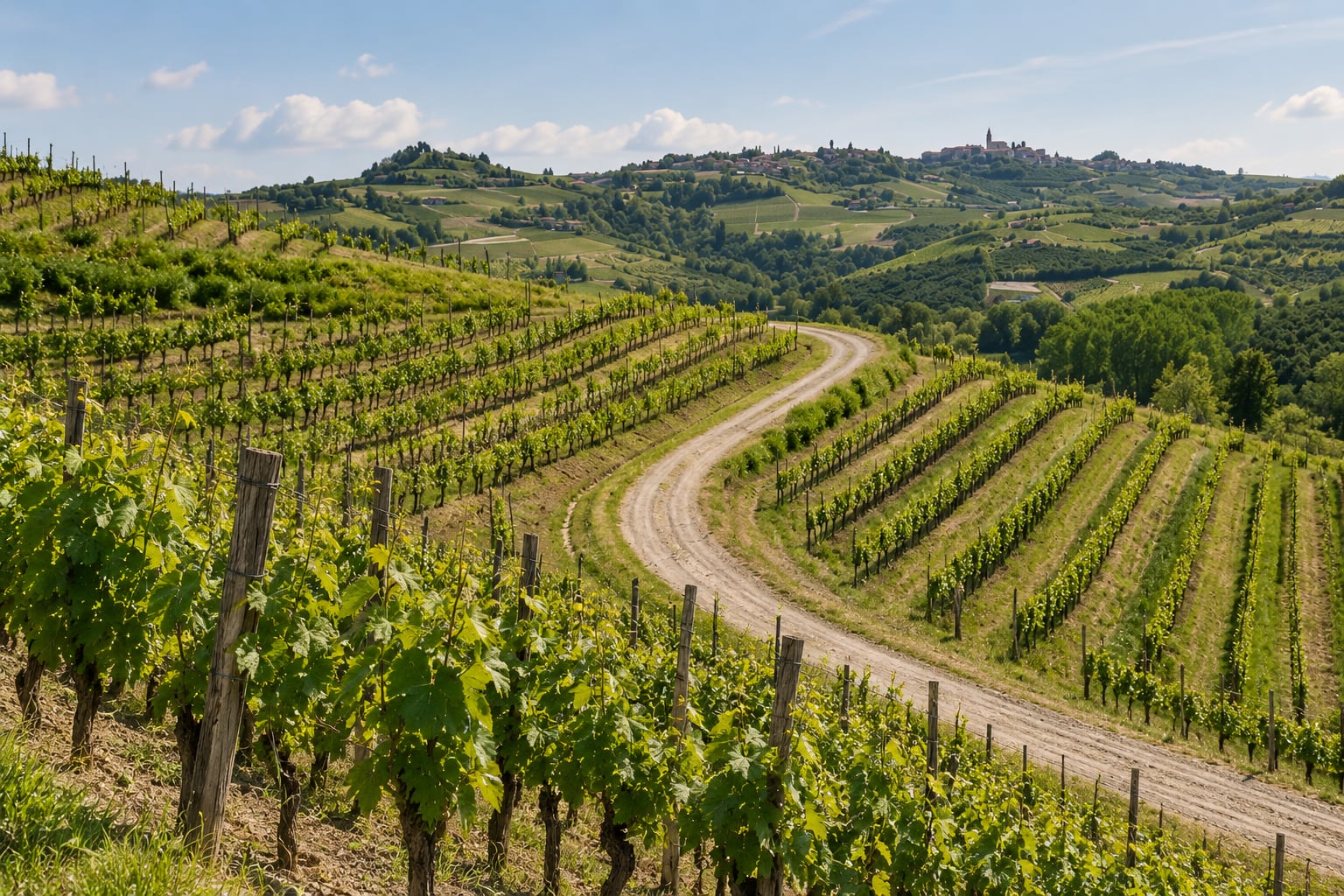
Spring arrives slowly in Piedmont because the Alps keep the early weeks cool. March can still be raw and gray, with snow lingering on the peaks and fog in the mornings. By April things turn: the vineyards green up, the Langhe and Roero hills look freshly painted, and Turin's parks and the riverside along the Po come alive. Daytime highs climb from the low teens Celsius (mid 50s Fahrenheit) in early spring to the low 20s Celsius (low 70s Fahrenheit) by May. It's jacket-and-layers weather, warm in the sun and cool once it drops behind the hills.
The honest tradeoff is rain. May is the wettest month of the year in Turin, and spring afternoons can bring thunderstorms that build over the mountains. Pack a layer and a small umbrella and you'll be fine, since the showers usually pass quickly. The upside is real: this is the quietest of the good seasons, with low crowds, easy restaurant tables, and hillsides at their greenest before the summer heat dries them out.
Summer (June to August)
Summer in the Piedmont lowlands is hot and often muggy. July is the warmest month, with highs around 29C (84F) in Turin and a handful of days that push past 30C (86F), and the humidity here can make it feel heavier than the number suggests. The city empties out in the heart of August as locals leave for the coast and the mountains, and you'll notice shuttered shops and quieter streets, especially around Ferragosto in mid-August. The vineyards are green and full, but this isn't the region's food season, since the harvest and truffles are still months away.
The smart move in summer is to go up. The Piedmont Alps are right here, and resort towns like Sestriere, Sauze d'Oulx, and the Susa Valley turn into cool, walkable hiking bases when the plains are baking. Lake Maggiore and Lake Orta sit on Piedmont's eastern edge for an easy change of pace, and the gardens at the Borromean Islands and Villa Taranto peak in summer. If you do stay in Turin, plan museums and shaded arcades for the afternoon and save walking for early morning or evening, when the city is at its most pleasant.
Autumn (September to October)
This is Piedmont's headline season, and it earns it. September starts warm and settles into clear, golden weather, then October brings the grape harvest across the Langhe, the vendemmia, with tractors on the back roads and the smell of fermenting fruit in the air. The Nebbiolo grapes behind Barolo and Barbaresco ripen late under the morning fog (nebbia, which gives the grape its name), and the hills turn gold and rust. For food and wine, nothing else in the Italian calendar beats it.
Autumn is also truffle season. The International Alba White Truffle Fair runs on weekends from mid-October into early December (10 October to 6 December in 2026), and the whole region leans into it with town festivals and long lunches. The tradeoffs are weather and crowds. October days are lovely but shorter and cooler, autumn is one of the wetter stretches, and harvest-and-truffle weekends fill up the Langhe, so book wineries, restaurants, and rooms well ahead. Weekdays are noticeably calmer than weekends.
Winter (December to February)
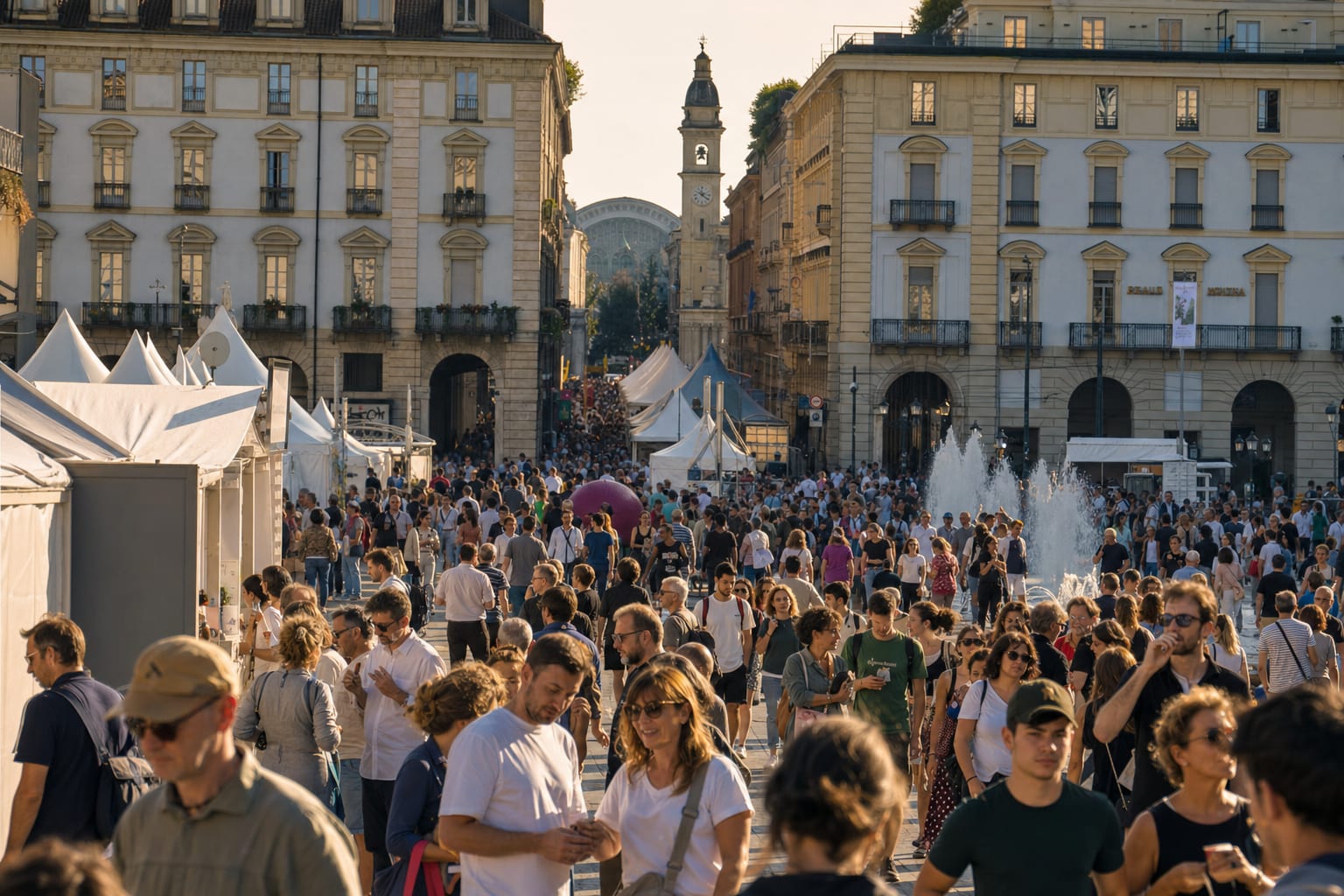
Winter splits cleanly in Piedmont. Down in Turin and the lowlands it's cold, damp, and often foggy, with January highs around 8C (46F) and nights near or below freezing. Snow falls in the city most years. It isn't a punishing cold, but it's a gray one, and the fog can settle in for days. The payoff is a quiet, atmospheric, almost tourist-free Turin: lit arcades, grand historic cafes, hot chocolate (the city gave us the bicerin and gianduja), and museums you can have nearly to yourself. December adds Christmas markets and lights.
Up in the mountains it's a different trip entirely. The Via Lattea (Milky Way) ski area, anchored by Sestriere and strung across the high valleys about 70km west of Turin, links 400km of pistes and is one of the largest ski regions in the Alps. These are the slopes that hosted the alpine events at the 2006 Turin Winter Olympics. The season runs roughly December through March or early April, with the most reliable snow in mid-winter and into early March. If you want both, you can base in Turin and day-trip to the snow, since the mountains are genuinely close.
Weather, by the part of Piedmont
Piedmont means "foot of the mountains," and the geography drives the weather. Turin and the Po plain have a continental climate, with cold foggy winters and hot humid summers, and the rainiest stretches falling in late spring and autumn. The Langhe, Roero, and Monferrato wine hills to the south are gentler and a touch drier than the city, with that signature autumn fog that pools in the valleys at dawn and burns off by midday. This is exactly what makes the harvest landscape so photogenic.
The Alpine arc to the west and north is its own world: cooler year-round, snowbound in winter, and the obvious refuge in summer heat. As a rule, every 1,000 meters of elevation knocks roughly 6C off the temperature, so a sweltering August day in Turin can be crisp and pleasant up in Sestriere or the Susa Valley. The far eastern edge near Lake Maggiore and Lake Orta is milder and more humid, softened by the water, with lush gardens that thrive on the extra moisture.
Insider timing
Target the second half of May and the first half of June for the best spring balance: green hills, warm-but-not-hot days, and the lightest crowds of any good month. Then aim again for mid-September into early October, before the harvest weekends pack out the Langhe. If your trip is built around truffles, choose late October or November weekends at the Alba fair, but book everything (wineries, restaurants, rooms) weeks ahead, and pick weekdays over weekends if you can, since the difference in crowds is large.
Avoid mid-August if you can. The week around Ferragosto (15 August) sees the most closures, with restaurants and family-run shops shut while owners take their own holidays, and the lowland heat is at its worst. Two small habits pay off all year. In autumn and winter, plan around the morning fog: do your indoor things (museums, cafes, tastings) early and save the views for midday, when it lifts. And if you're mixing the city with the mountains, a few extra days in spring or fall let you wait out a rainy afternoon without losing your whole trip.