In this article
Begin with the food you plan to serve. A Christmas table needs space for bowls, platters and the people passing them; its colour and decoration can follow from there. Set one complete place, bring out the serving dishes while they are empty, and see how the meal will fit before repeating the arrangement around the table.
For an Italian Christmas at home, you can build that plan around a Christmas Eve supper or Christmas Day lunch. The two menus call for different dishes and serving vessels. Choose the one you want to cook, then give its courses a clear route from the kitchen to the table.
Set one place first
Lay a plate, the cutlery needed for the opening course, a napkin and a water glass at one seat. Add a bowl if you are beginning with broth, or keep it ready beside the serving area. Try sitting down: check that you can reach the glass, lift the cutlery and move your chair without catching the cloth or the person beside you.
Repeat that practical arrangement once it works. You can bring extra cutlery and plates with later courses rather than filling every place with everything at the start. Ask guests about any help they would like with seating, glasses or serving, and keep a clear route for someone carrying a hot dish.
Let the ceramics and cloth work together
Choose one element to lead the colour. A patterned plate can sit on a plain cloth; a plain white setting can take its colour from washable napkins or a low centrepiece. Work with the pieces you have, including a mixed collection, by repeating one colour or shape. An even rhythm around the table matters more than making every object identical.
Italian ceramics offer many decorative languages. In Deruta, early everyday vessels carried geometric, floral and animal motifs; fifteenth-century maiolica developed a richer palette including yellow, blue and orange. A piece you already own can give the setting its colour story. Its decoration does not need to be a Christmas motif to belong at the meal.
Check that serving pieces are intended for food, and follow the maker’s instructions for heating and washing the particular item. Keep an ornamental object in its decorative role. Set out the cloth and napkins early enough to wash or press them if needed, then use trivets or other appropriate protection for the serving vessels your meal requires.
Keep the centre low and movable
Try a small arrangement of decorations already in the house, or a shallow decorative bowl separate from the food service. Sit at both sides of the table and check the view across it. A centrepiece should leave people able to see one another and leave room for the dishes that will arrive.
Battery-powered candles offer an alternative to a live flame. If you use lit candles, place them in heat-resistant holders on a stable surface, away from cloth, paper and decorations. Keep them beyond children’s and pets’ reach and extinguish them when leaving the room. A decoration that has to move when the main platter arrives is best kept easy to lift.
Give the courses an order
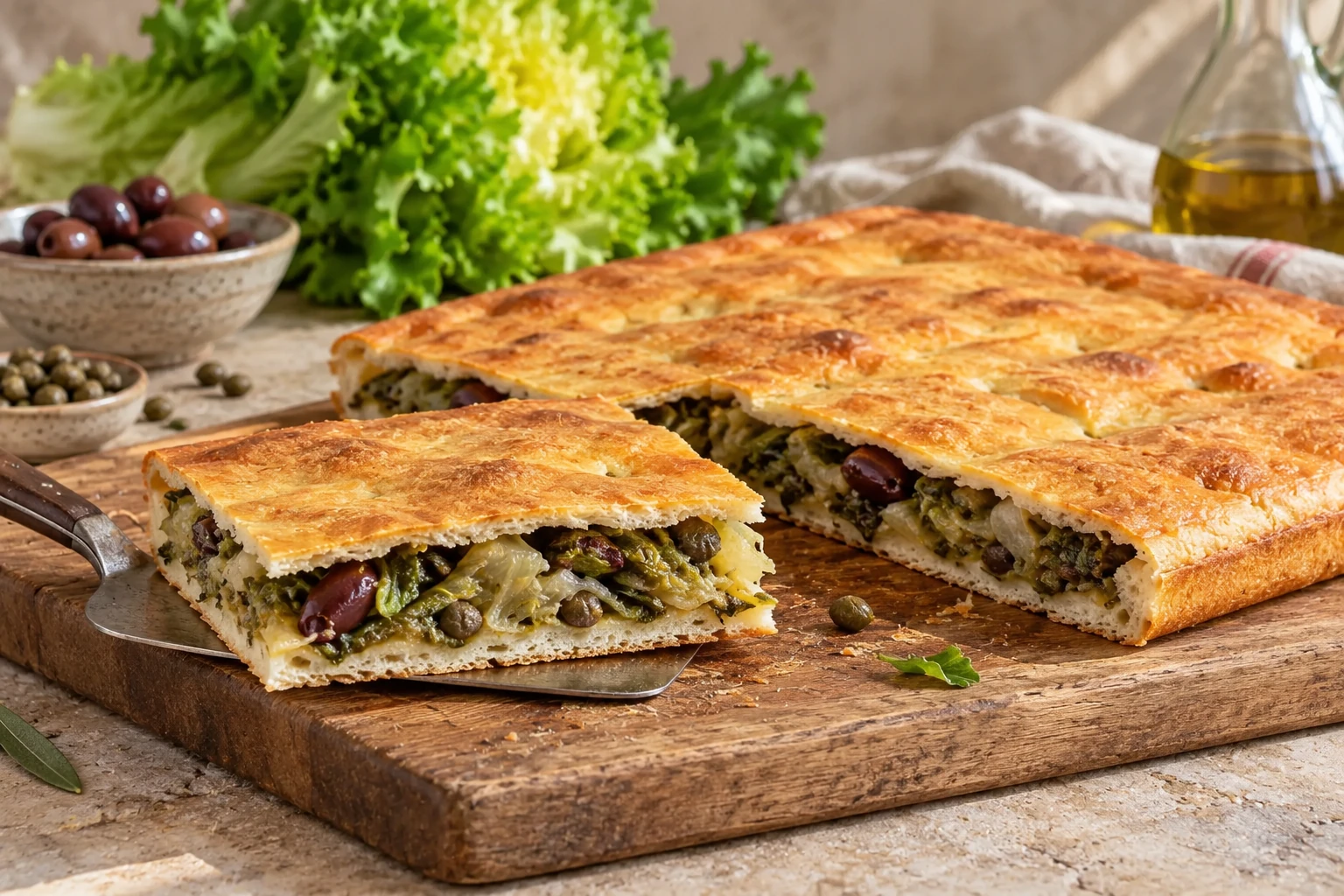
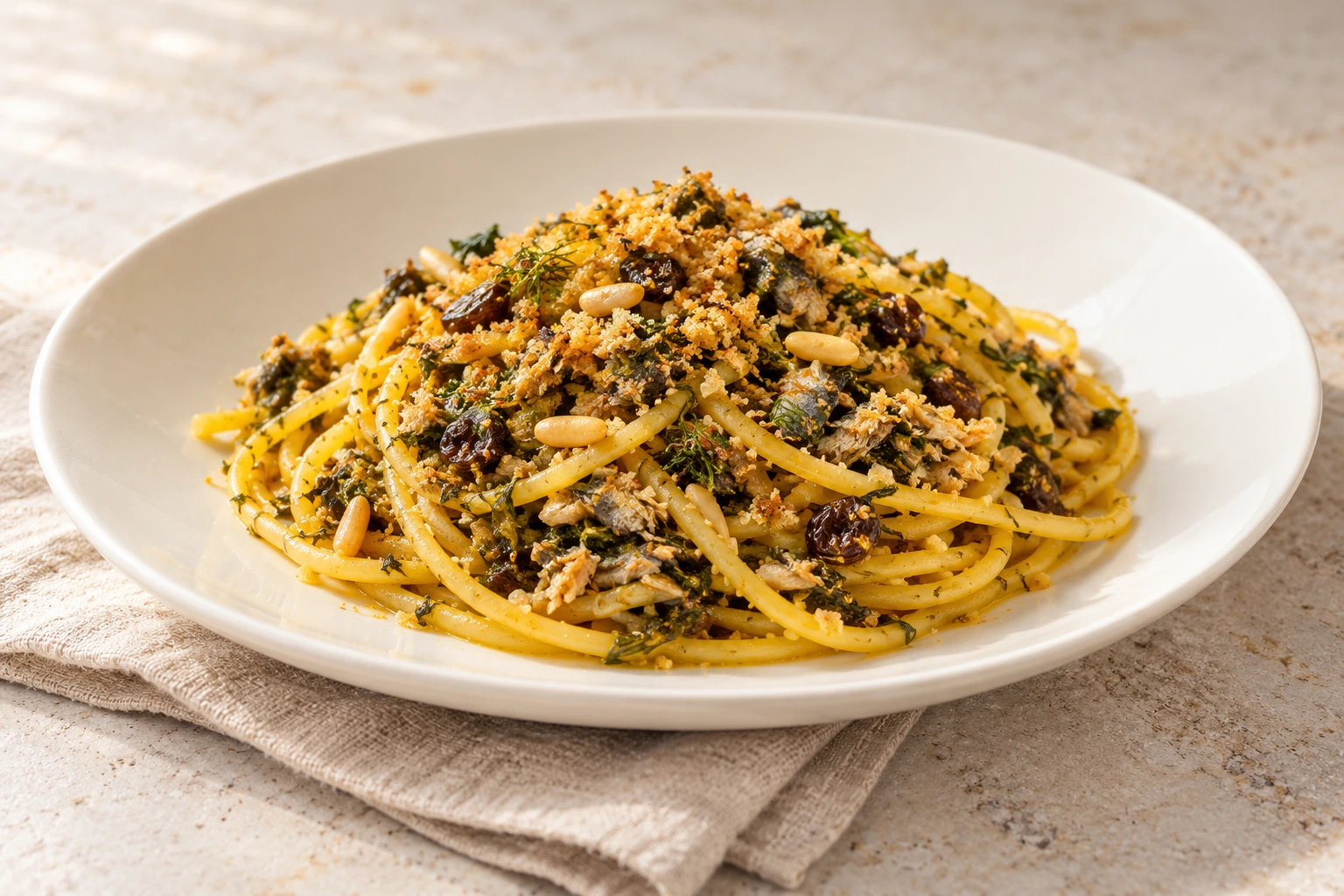
Use the four-course Christmas Eve menu as one example of service. Bring small pieces of pizza di scarola first, finish the spaghetti with clams close to the moment of serving, then bring the baccalà with its potatoes and peppers. Clear the savoury dishes before offering struffoli. This sequence belongs to that particular menu; it gives you a working arrangement to adapt to the food you have chosen.
| Course in this menu | Put ready | Clear space for |
|---|---|---|
| Pizza di scarola | Small plates and a serving utensil for the pie | Glasses and the first shared dish |
| Spaghetti alle vongole | Pasta plates or bowls and fresh cutlery as needed | The pasta arriving from the kitchen |
| Baccalà with potatoes and peppers | Main-course plates and a serving utensil | The fish platter and its accompanying potatoes |
| Struffoli | Small plates and a utensil for the sweets | A clean centre after the savoury dishes |
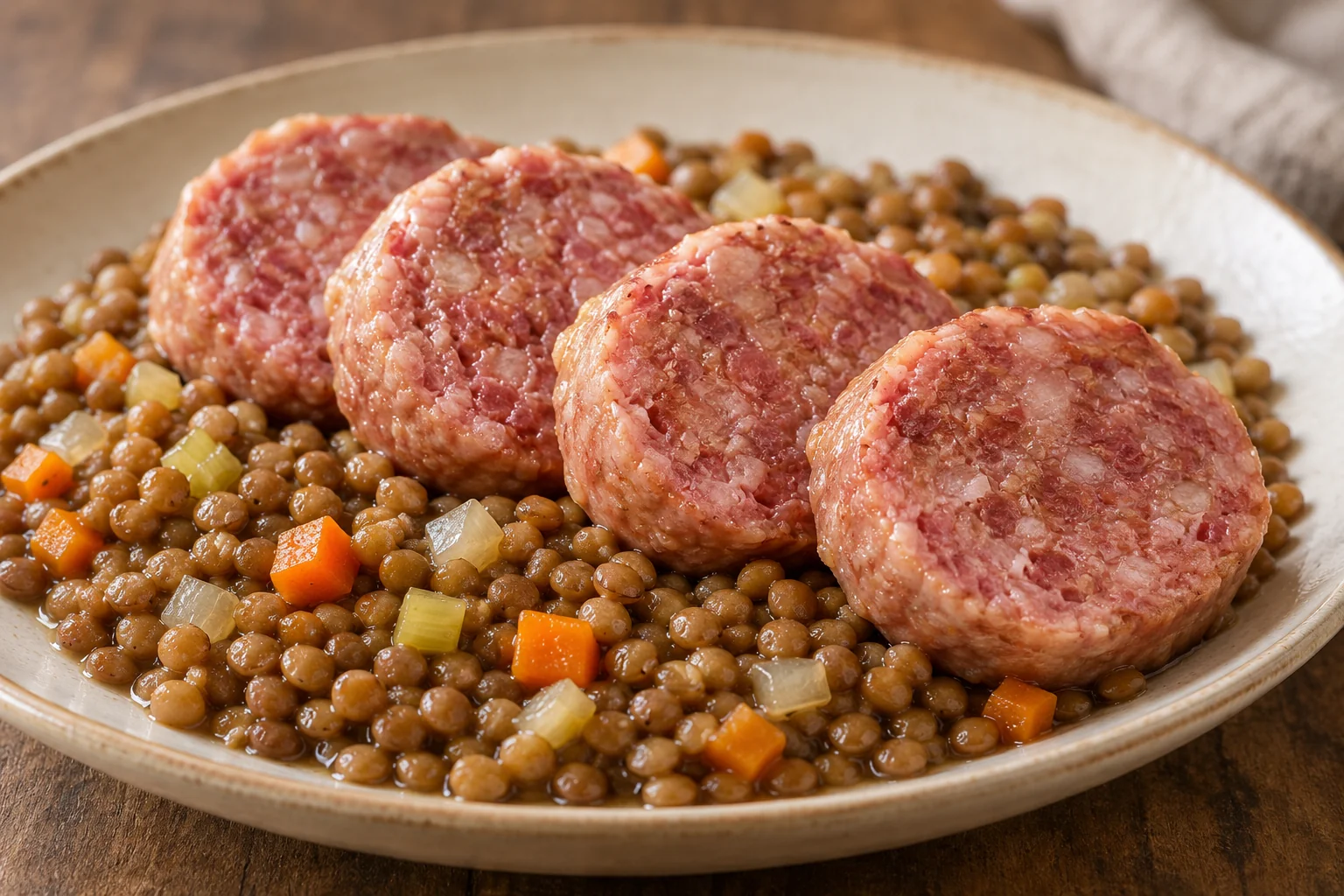
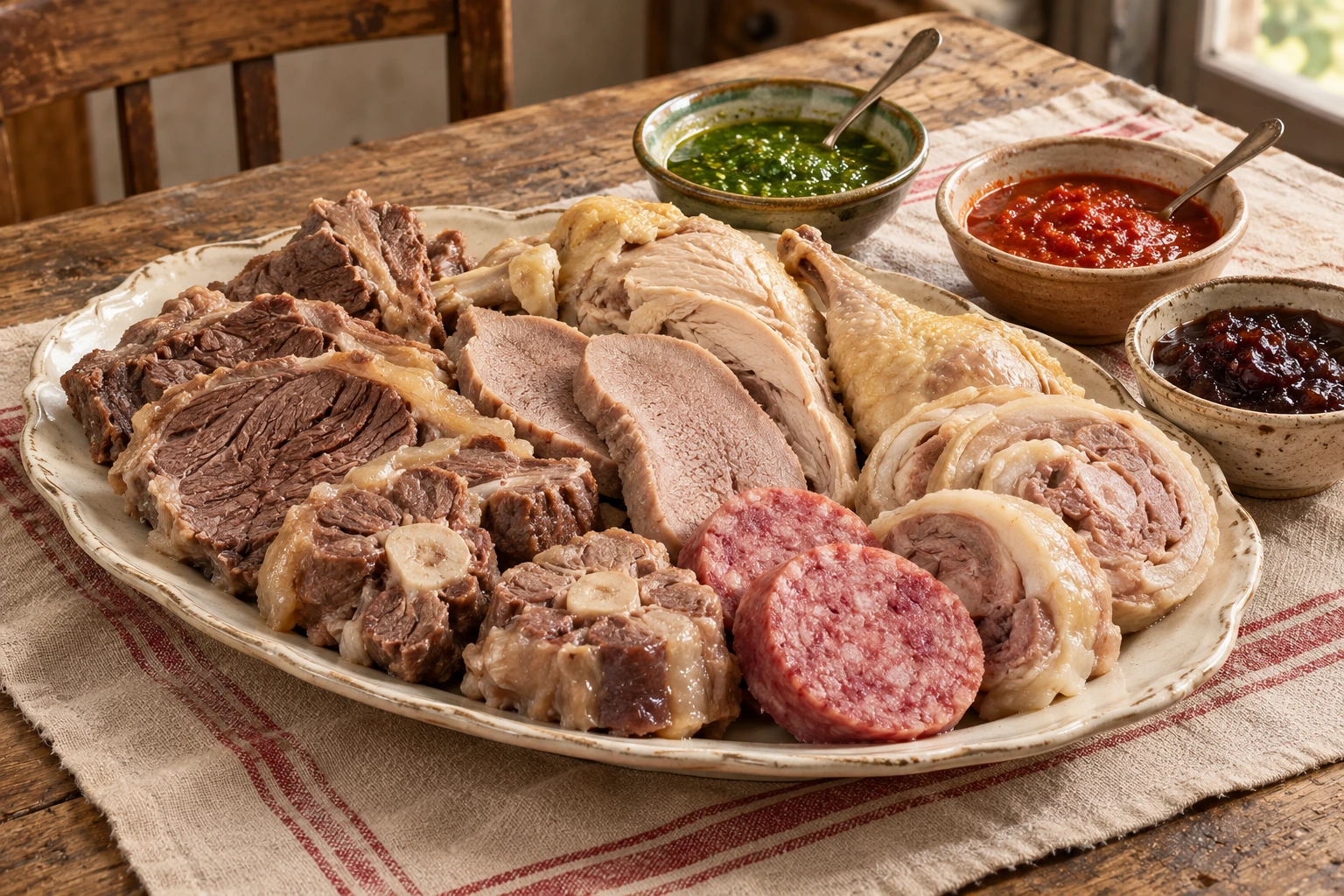
For the Christmas Day menu, the plan is different: bowls for tortellini in broth, plates and sauce dishes for bollito misto, then a clear place for panettone. The Seven Fishes planner needs its own longer sequence of small servings. Keep each menu’s quantities, cooking directions and timeline together when choosing between them.
Give drinks their own space
Place water where people can reach it without stretching over a platter. Add wine glasses only for the drinks you intend to offer and the guests who want them. If the table is crowded, keep spare bottles and glasses at a separate serving point rather than asking diners to work around them.
Choose a drink without wine with the same care as the rest of the meal. The Christmas drinks guide connects bottles and other preparations with the dishes you are serving. Decide who will refill water and carry the next course so those small tasks do not all return to the person at the stove.
Leave room for the people
Before guests arrive, walk the route with an empty platter, try every chair and look across the finished table from a seated position. Put serving utensils with their dishes, leave a place for used plates, and agree who can help clear between courses. Then stop adding objects: the table still needs to receive the meal.
A favourite bowl or a remembered way of folding the napkins can give the setting a family connection. If someone knows the story of a piece, let them tell it; the family Christmas notebook offers ideas for keeping those memories. For the rest of the holiday, return to Christmas in Italy and choose the next gathering around the people you want to welcome.