In this article
Choose one Christmas dish and make room for the person who remembers how it is cooked. Ask what belongs in the filling, which pan comes out of the cupboard and when the work begins. Write down the small decisions as well as the ingredients. A family recipe becomes easier to carry forward when the next cook can see both what to do and why this version matters.
Your nonna may be the person you ask; it may also be a grandfather, an aunt, a parent or the friend who has always brought the biscuits. This invitation is for Italian kitchens and for families in the United States, Canada, Australia and elsewhere who have made the Christmas table their own. Start with a dish you actually share, rather than a menu chosen to prove how Italian the meal can be.
Begin with the dish your family names first
Put the conversation before the shopping list. Ask which dish makes the day feel like Christmas and which part of preparing it the cook most enjoys. Perhaps the answer will give you a manageable project; perhaps it will reveal that the person would rather tell the story than cook a large meal this year. Let that answer shape the afternoon.
A handwritten page, a familiar serving plate or a photograph of the finished dish can give the conversation a starting point. Ask who taught the recipe, where they were living and which details they remember clearly. Keep remembered places and dates as the speaker gives them. If a date is uncertain, leave it uncertain; an approximate memory does not need to be made precise to deserve a place beside the recipe.
Cook once with a notebook beside the scales
Begin with the ingredients and quantities the cook actually uses. Weigh an ingredient when practical, record the size of the tin and note whether an oven setting includes the fan. Write down how the dough or filling should look at the point when the next step begins. Keep approximate quantities clearly marked until you have tried them again.
The useful notes often sit between the numbered steps: how finely to chop the nuts, when to stop adding liquid, how the edge feels before the middle is ready. Ask the cook to show you a decision rather than hurry them into an exact number. Afterwards, make a clean copy that another person can follow, keeping your working notes with it. Test that copy before calling it a finished recipe.

Keep the family version beside the regional name
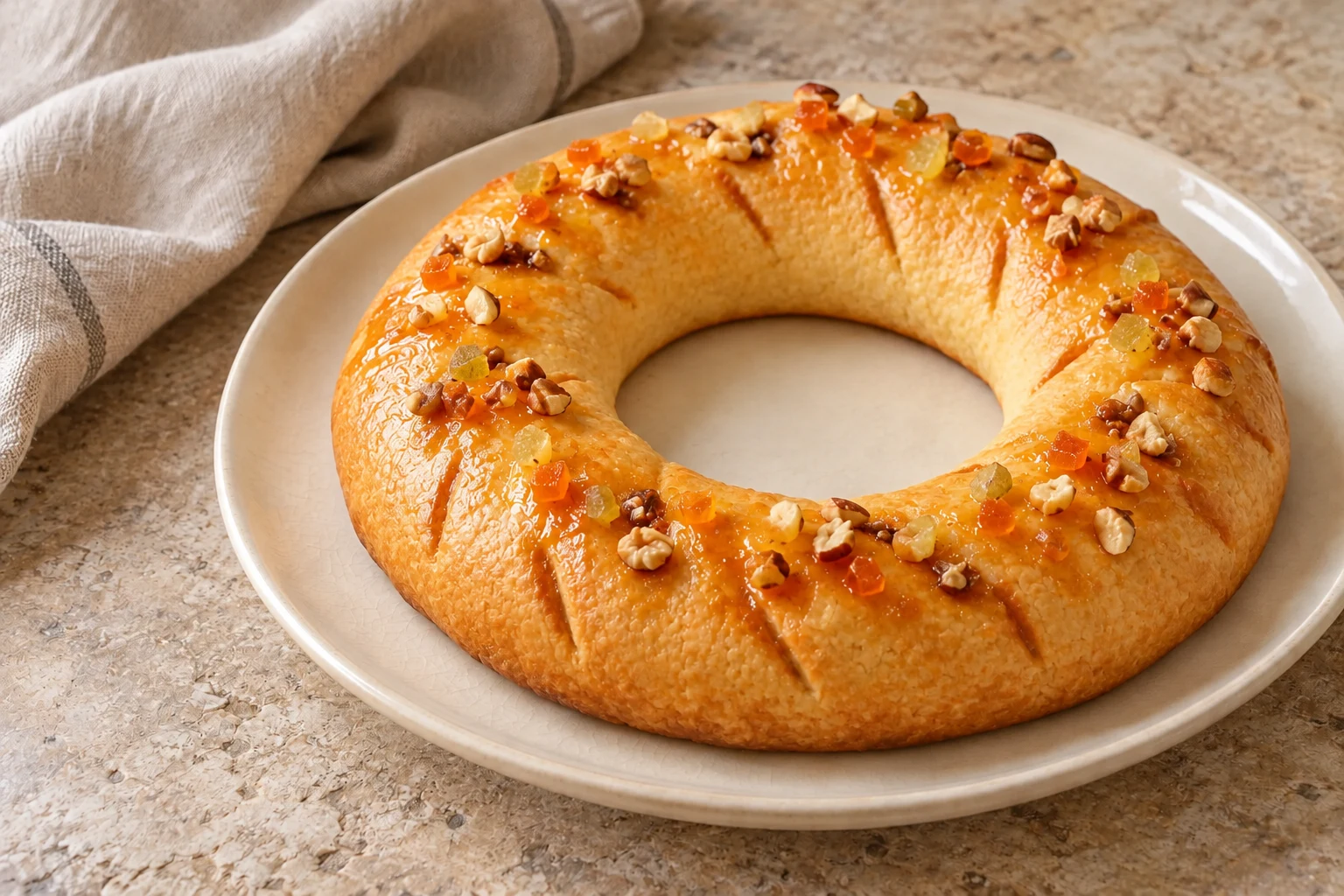
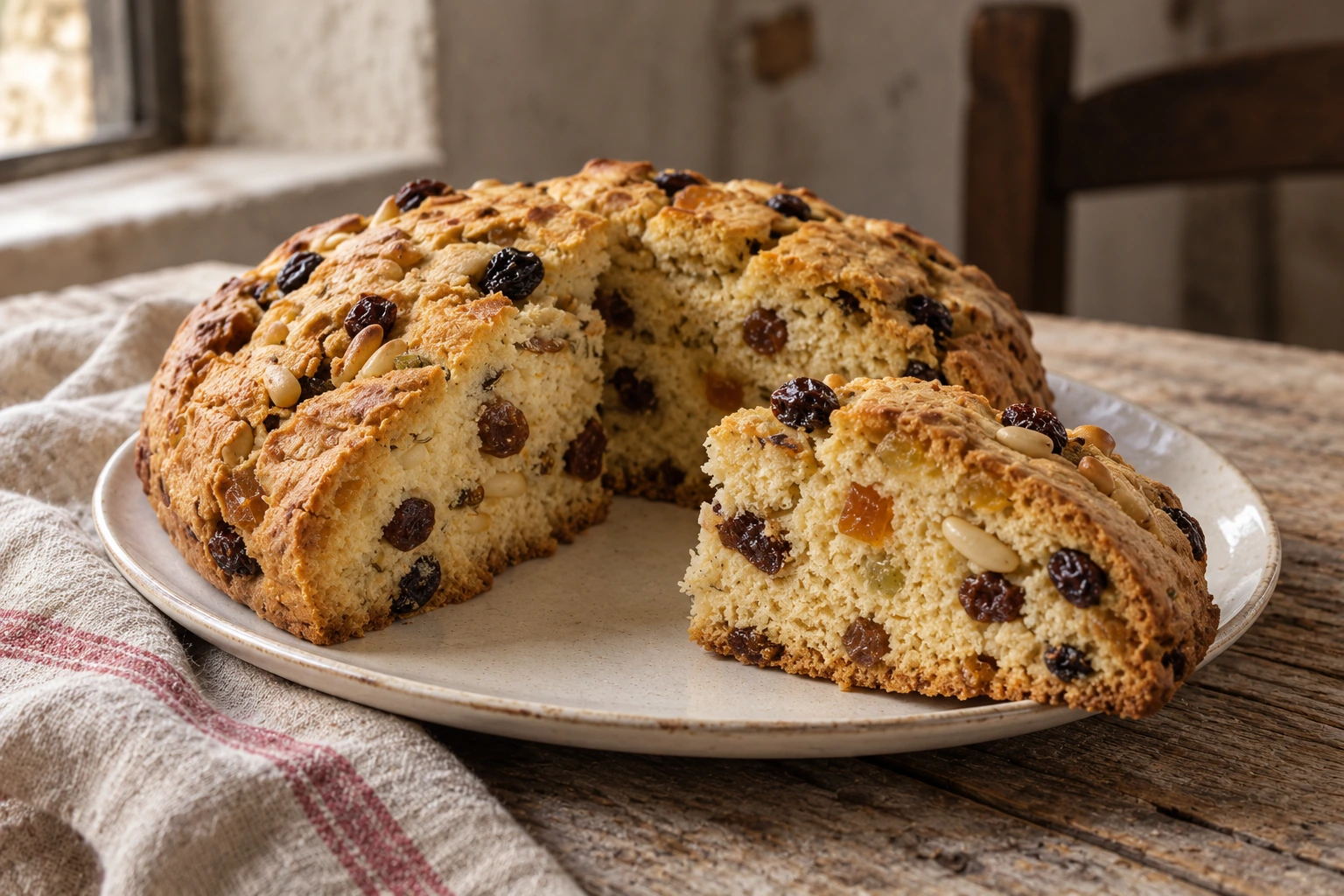
The name on a family recipe and the name in a cookbook need not do the same work. Our cuccidati recipe is one version of Sicilian fig-filled biscuits; shapes and fillings vary. Our pandolce basso is a low Genovese Christmas cake, distinct from the high form. Use such recipes to start a comparison, then keep the differences your family describes.
Write down the household’s own name for the dish, including a dialect word if the speaker wants it kept, alongside a plain description. Ask whether an ingredient changed after a move, whether a different oven altered the timing, or whether the recipe simply changed as another cook took over. Do not supply the explanation yourself. A substitution has a story only when someone can tell you what happened.
For the Christmas Eve table, the Feast of the Seven Fishes feature explores the Italian-American name and its relationship with Italy’s varied meatless Vigilia meals. Let it open a conversation about your household’s dishes, without turning seven into a rule every family must have followed.
Make a recipe card with room for the story
Copy the following headings into a notebook or a document. Complete the cooking details first, then add the memory in the speaker’s words, with their agreement. You can leave a field empty and return to it later.
- Dish and household name: what your family calls it, with a short description.
- Cook and connection: who showed you this version and who taught them, if known.
- Christmas occasion: Christmas Eve, lunch on the 25th, a visit, a gift or another day.
- Ingredients: quantities, preparation state and the exact ingredients in any bought mixture.
- Equipment and method: tin size, oven setting, order of work and the signs of readiness.
- Yield and serving: what the finished batch produced and how your household serves it.
- Storage: directions from a reliable recipe for that preparation, rather than a date guessed from memory.
- The memory: a short account, clearly identified as the person’s recollection.
- Your next test: what worked, what remains approximate and what to ask next time.
Keep the memory and the cooking instructions in separate paragraphs. A cherished recollection is not a substitute for checking a safe method, especially when a preparation involves raw ingredients, preservation or storage. Use the family notes to preserve its character and a reliable cooking reference to resolve an uncertain practical step.
Let the speaker choose what travels beyond the family
Before recording, explain what you want to keep and who will hear or read it, and ask permission. Let the person review any account you intend to share publicly. A private family recording and a public story are different uses; agree which one you are making. Keep that agreement with the notes.
Save a clear copy of the recipe and any recording in a place the family can find again, with a second copy elsewhere. Give the cook their own copy. If you translate the account, keep the original words alongside the translation. An unfamiliar word, a pause or a remembered place name can carry something that a polished summary loses.
Tell us about your nonna’s Christmas
Which dish has stayed on your family’s Christmas table, and what changed when it crossed a border, moved to another kitchen or passed to a new cook? We would like to hear from readers in Italy and from Italian-American, Italian-Canadian and Italian-Australian kitchens, as well as families elsewhere.
Write to Italia Magnifica with a short account and the subject Your Nonna’s Christmas. Tell us the dish’s name, the place or family connection you want included, and the detail that makes this version yours. Say whether you are sharing a memory, a recipe you have cooked, or both. Include only words and photographs you have permission to share, and tell us how you and anyone quoted wish to be identified. Sending a story does not mean that it will be published.
For an afternoon of cooking together, choose a dish from the Christmas recipe collection or the Christmas sweets guide. Make one recipe, keep one story and leave enough time to sit down with the person who shared it.