In this article
A Christmas drinks plan begins with the food and the people at the table. Choose an opening glass, decide what belongs with the sweets, and give anyone who wants it an equally considered drink without wine. You do not need a different bottle for every course, or a ranking of Italy’s most expensive labels, to make the meal feel generous.
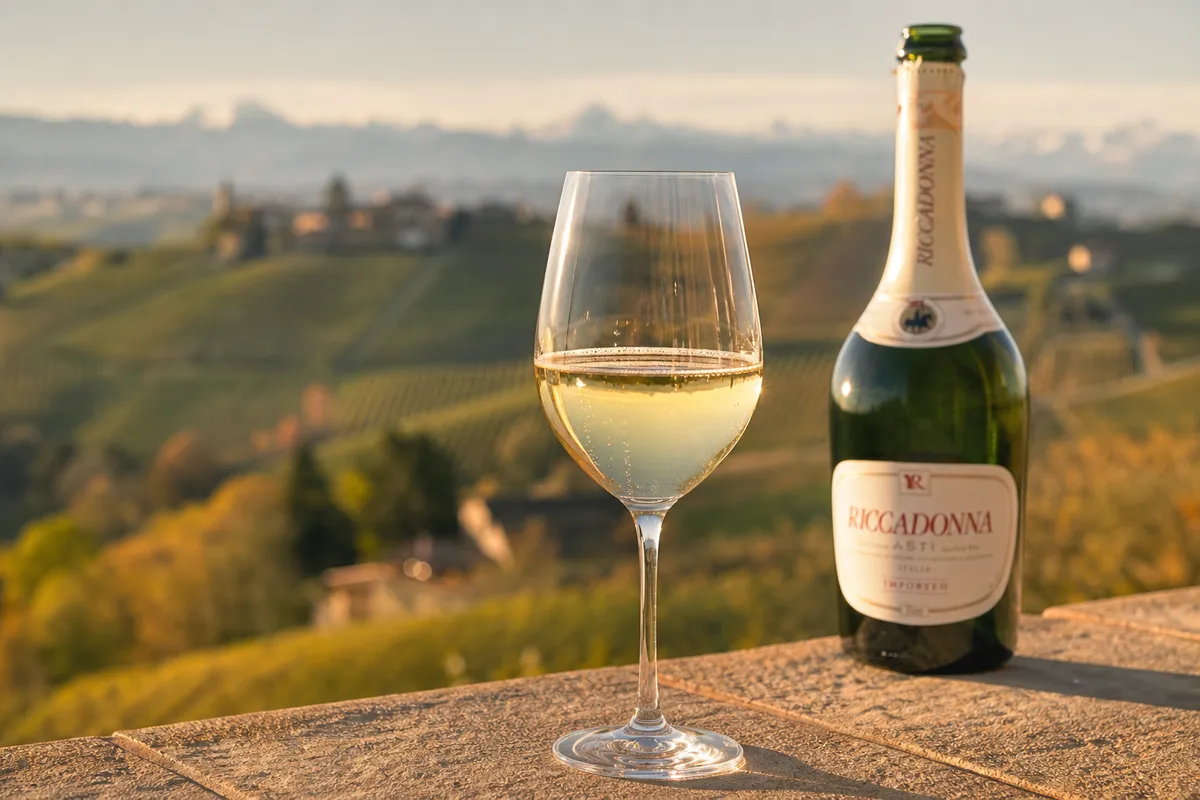
Four useful starting points are Prosecco DOC, Franciacorta, Trentodoc and Asti. Their names tell you different things about origin and production. The sweetness wording adds another decision: a sparkling wine called Extra Dry is sweeter than one called Brut. Read both parts of the label before choosing a bottle for the Christmas Eve supper or Christmas Day lunch.
Read the sweetness before the occasion
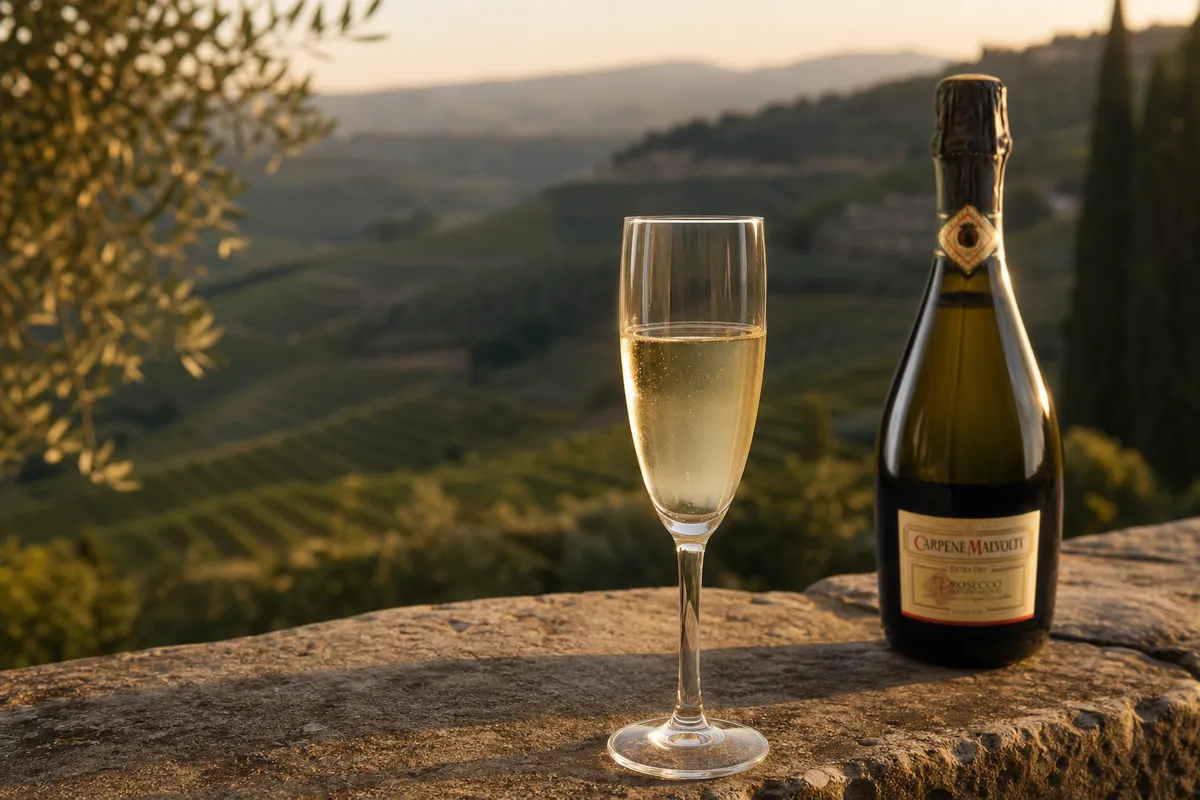
For Prosecco DOC Spumante, Brut has less than 12 grams of sugar per litre; Extra Dry runs from 12 to 17, and Dry from 17 to 32. These names can be misleading if you read “extra dry” as the driest option. The Prosecco sweetness guide puts the terms in order.
Start with the dish you actually intend to serve. Our suggestion for a fish-led opening is to compare a Brut with the food before committing to several bottles. When dessert arrives, reassess the sweetness instead of simply refilling the opening glass. A soft, sweet cake changes the balance of the pairing. These are choices to explore at your own table, not a verdict that one style wins every course.
| Bottle or wording | What it tells you | A question for the Christmas table |
|---|---|---|
| Prosecco DOC | An origin designation; the sparkling version has several sweetness levels | Which sweetness is on this bottle? |
| Franciacorta | Bottle-fermented sparkling wine, with different styles and dosages | Brut, Satèn or another version? |
| Trentodoc | Trentino bottle-fermented sparkling wine | Senza annata, millesimato or riserva? |
| Asti | Both sweet and dry sparkling styles exist | Does the actual label say dolce or secco? |
| Vin brulè | Wine warmed with citrus and spices | Wine version or separate apple-juice preparation? |
Prosecco: check the whole name
Prosecco is based principally on Glera. The DOC covers Veneto and Friuli Venezia Giulia; it is distinct from the Conegliano Valdobbiadene and Asolo DOCG names. For the sparkling DOC wine, check the sweetness alongside the denomination. A familiar name alone does not settle how sweet the glass will be.
Keep the Prosecco guide beside the label while shopping. Compare the actual style and bottle size. If you order for a holiday meal, confirm the merchant’s delivery date and destination before paying.
Franciacorta: style matters within the name
Franciacorta gains its bubbles through a second fermentation in bottle. Its basic style spends at least 18 months on the lees. Satèn is a separate white-grape style: at least 24 months on the lees, lower pressure and Brut dosage. Its rounded texture does not make it a sweet dessert wine. The Franciacorta styles and Satèn details distinguish the choices.
Our Franciacorta guide is a starting point for the bottle you have in mind. If you are serving several dishes, choose the important pairing first and let the other courses follow. Open fewer different wines if that makes service calmer.
Trentodoc: time in the bottle
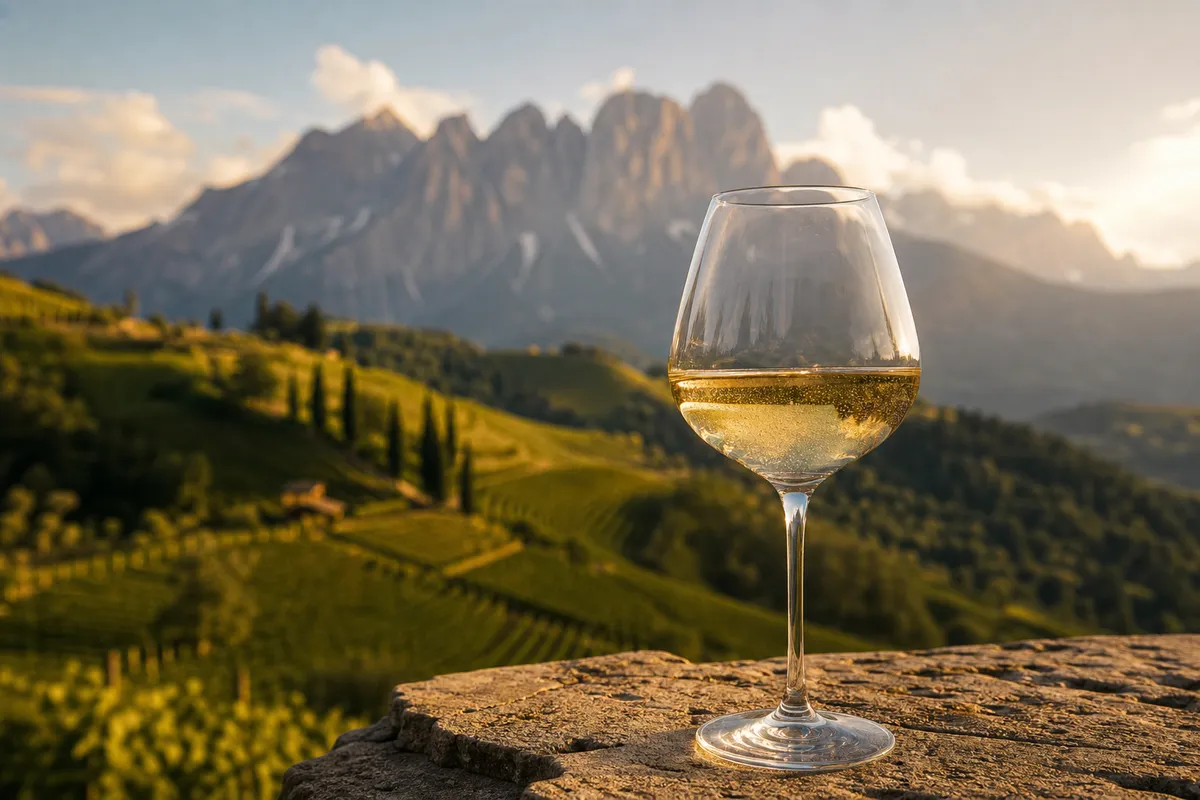
Trentodoc is a Trentino metodo classico sparkling wine. Minimum lees time is 15 months for senza annata, 24 for millesimato and 36 for riserva. Those terms describe a production choice; they do not mean that every bottle has the same dosage. Check sweetness separately. The Trentodoc production guide explains both distinctions.
Read the Trentodoc wine guide before choosing a bottle. A chilled sparkling wine at the table and a hot drink after a market walk have different jobs. There is room to enjoy either without turning the entire day into a tasting itinerary.
Asti: choose sweet or dry deliberately
Asti includes both dolce and secco sparkling wines. Moscato d’Asti is a different, gentler-pressure wine whose fermentation is stopped at a lower alcohol level; it is not simply another name for Asti Spumante. Read the exact style on the bottle. For a sweet Christmas cake, our starting suggestion is a sweet style, then a taste alongside the actual cake.
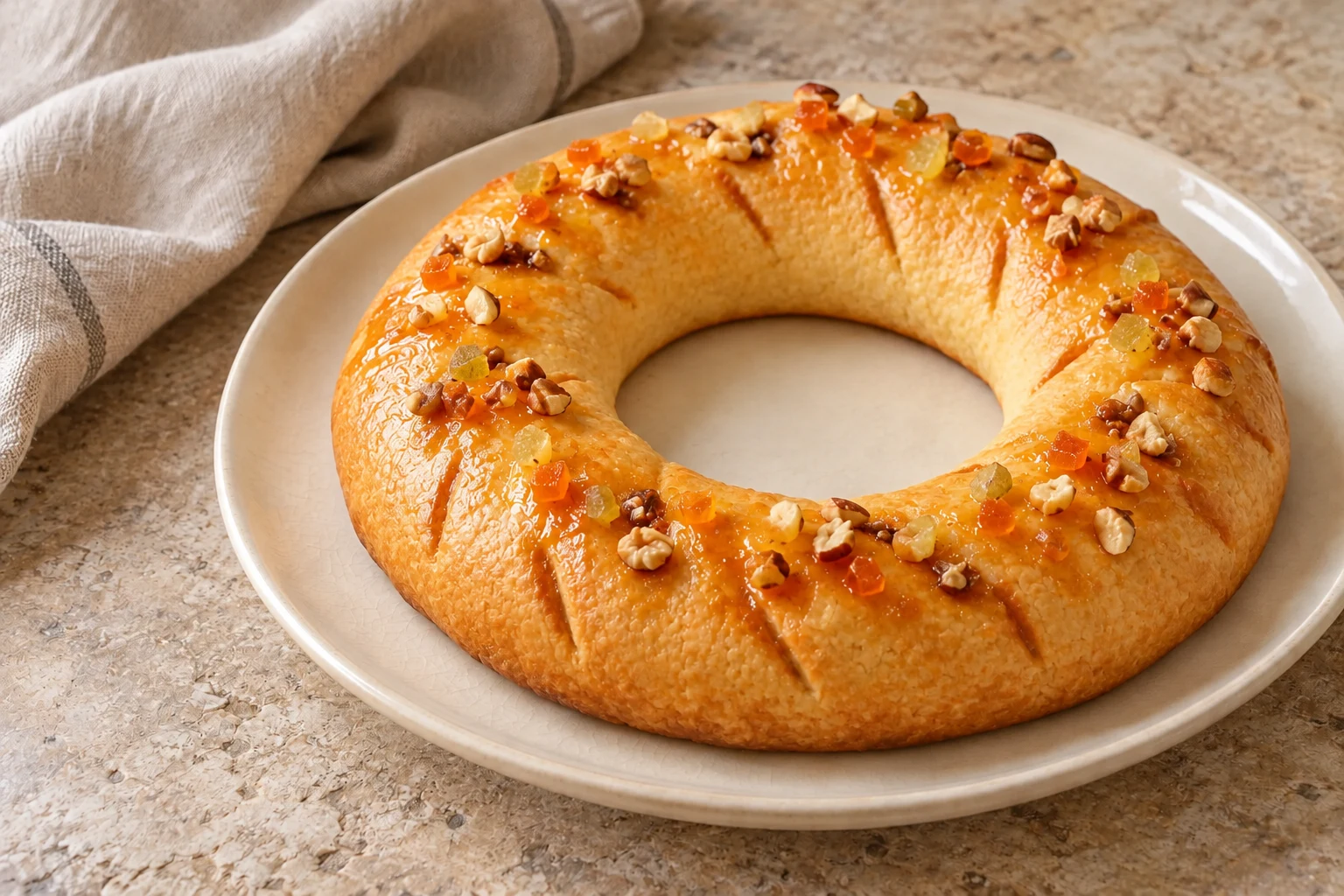
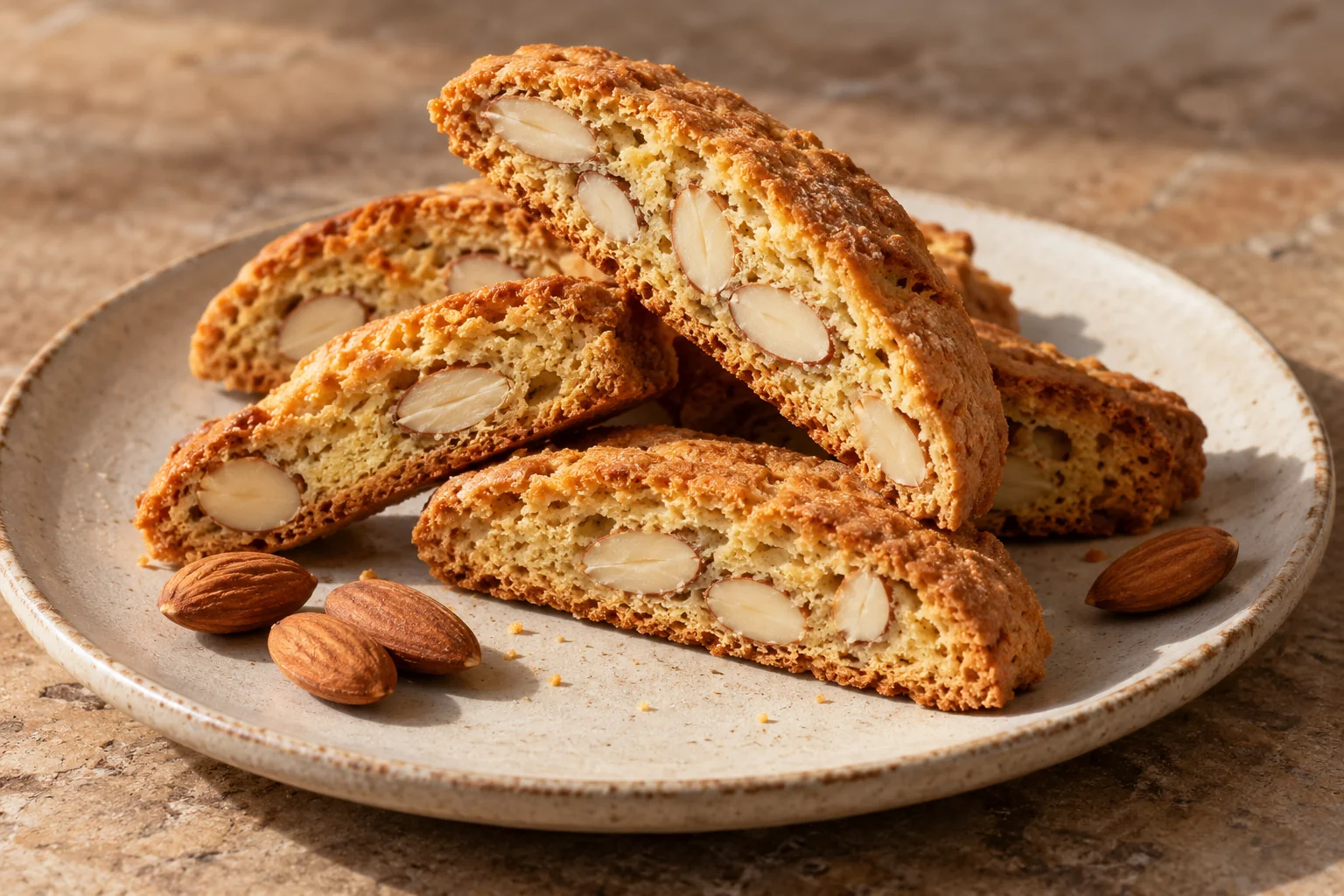
Use the Asti Spumante guide to understand the name. A filled cake, plain pandoro and a small biscuit need not lead to the same choice. Let the dessert determine the last glass, rather than saving the driest opening wine for everything.
A hot cup after the markets
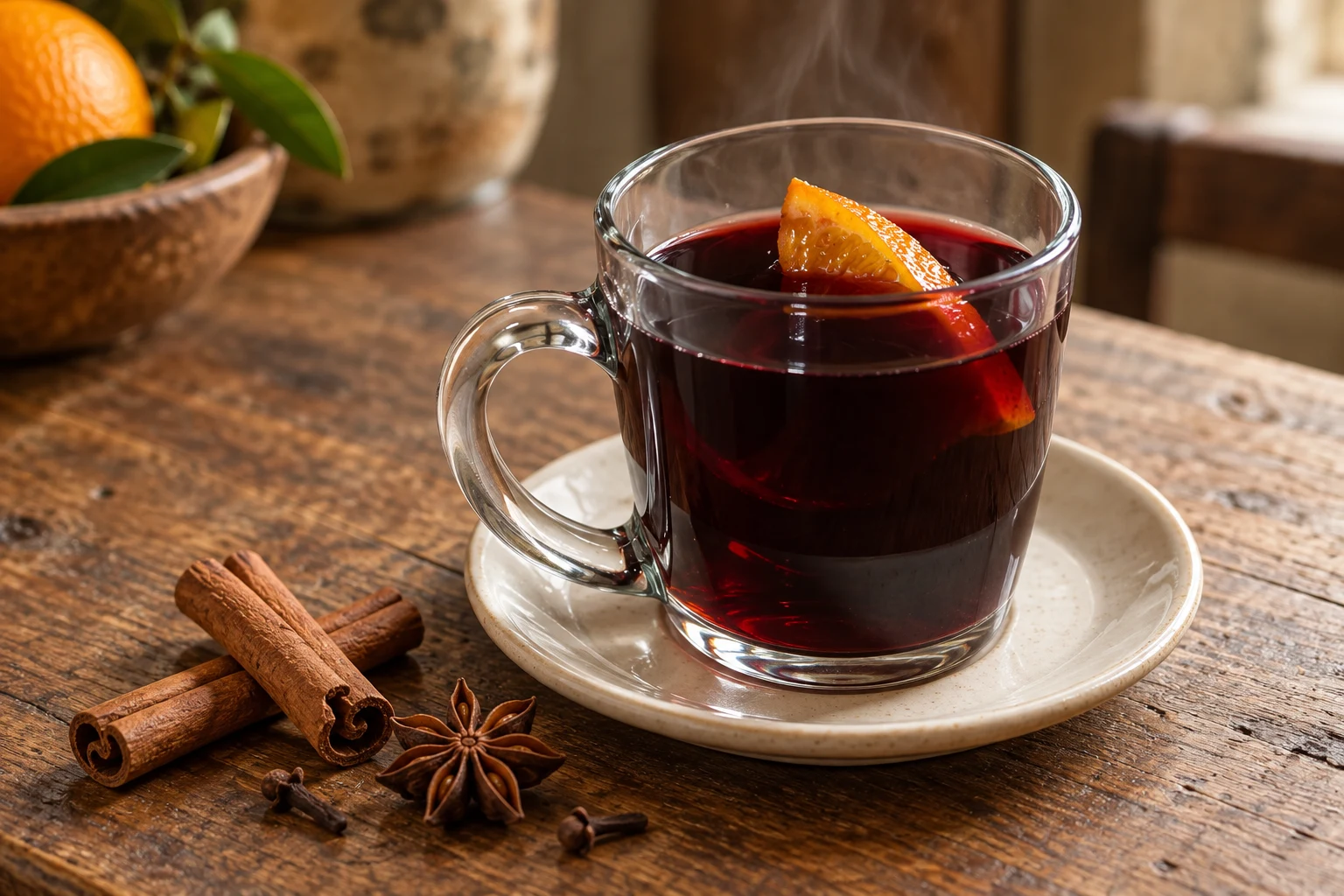
Vin brulè warms red wine with citrus peel and whole spices. Our home preparation makes eight small cups and has a separate apple-juice alternative. Heating the wine does not make it alcohol-free. Prepare the apple version in its own clean saucepan and jug when you want a drink without wine.
The full recipe gives the quantities, gentle infusion method and scaled ingredient controls. Measure the spices ahead, but warm the drink close to serving. A little cup is enough to make a pause after the walk feel like an occasion. The Trentino markets guide helps you plan that walk; individual stalls use their own recipes.
Keep service simple
Put water on the table from the beginning and ask guests what they would like before opening several bottles. Keep a separate jug for the drink without wine, so its contents stay clear to the person pouring. Follow each producer’s serving instructions and use cups intended for hot drinks for the brulè.
Choose the menu first, then make one short drinks list. Our Christmas recipes and Christmas in Italy guide connect the meal with the wider season. The pictured guides let you continue with the individual wines and preparations.
Sources and citations (9)
- Prosecco DOC: sweetness levels and Glera
- Conegliano Valdobbiadene consortium: the three Prosecco denominations
- Franciacorta consortium: bottle fermentation and dosage
- Franciacorta consortium: Satèn, pressure, lees time and Brut dosage
- Trentodoc: minimum lees time and separate dosage categories
- Asti consortium: sweet and dry Asti sparkling styles
- Asti consortium: Moscato d’Asti and lower-pressure fermentation
- Trentino Marketing: vin brulè and apple-juice alternative
- USDA: alcohol retention during cooking