

All the monuments in Orvieto
The landmarks and masterpieces worth planning a day around.
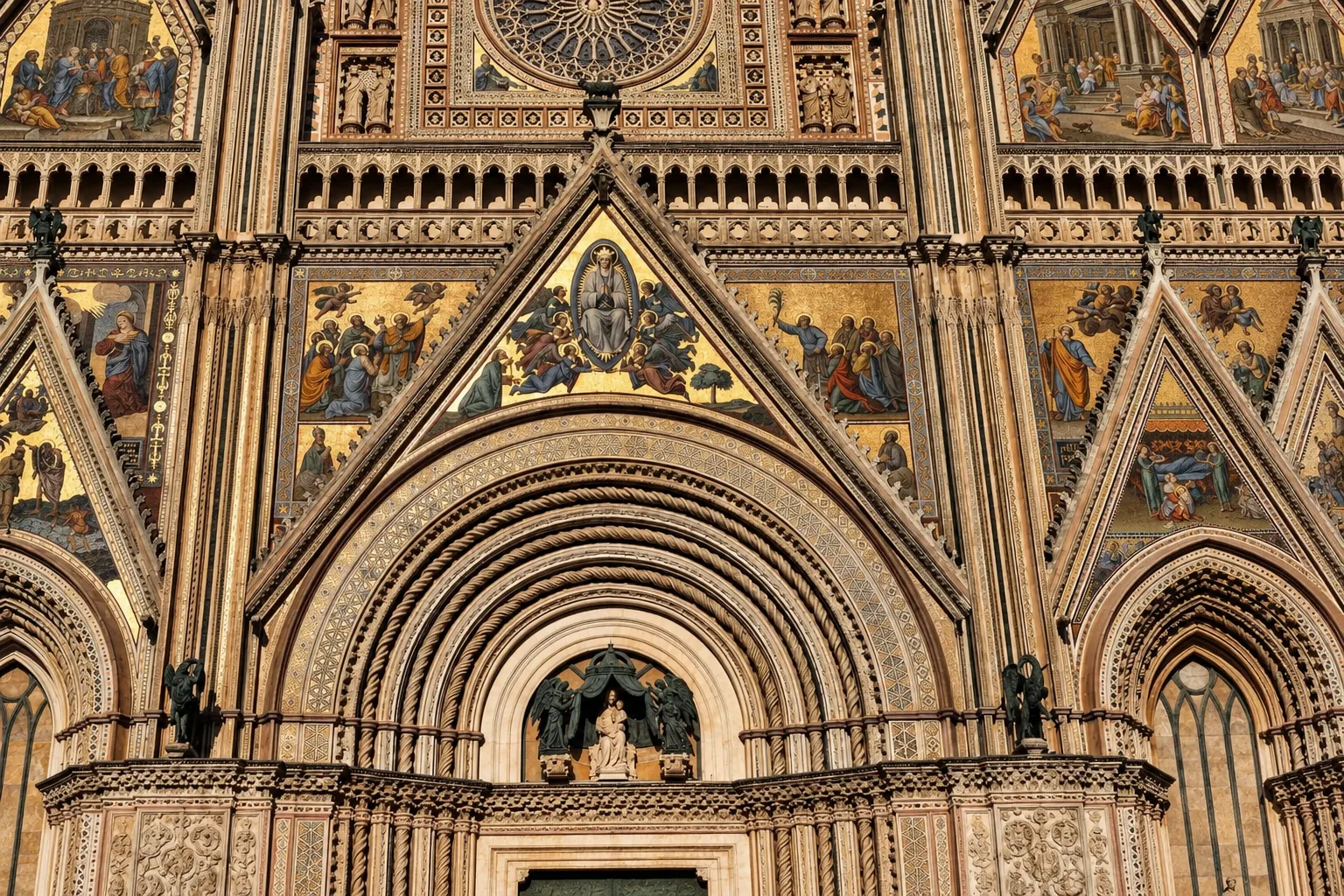
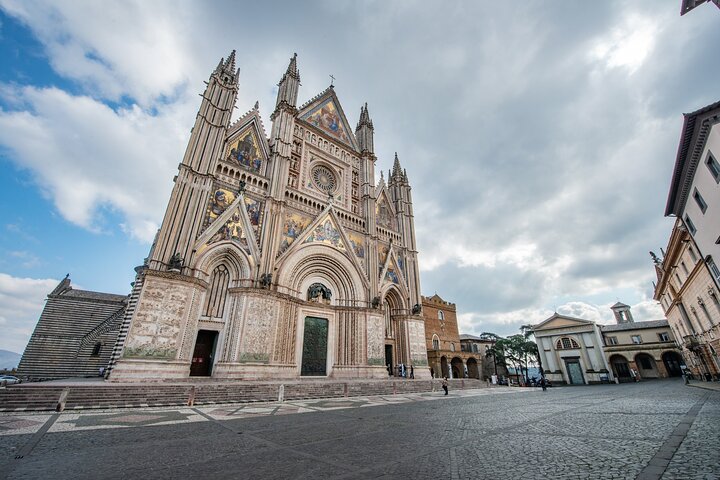
 Duomo di OrvietoOrvieto CathedralGold-ground façade mosaics and marble reliefs; Signorelli’s San Brizio frescoes; the Chapel of the Corporal; basalt-and-travertine bands.On 13 November 1290, Pope Nicholas IV laid the first stone of a new cathedral at Orvieto, then a frequent home of the papal court. The Opera del Duomo connects the project to a larger reordering of the city and the need for a grand church for papal ceremonies. The cathedral’s other great story is devotional: Catholic tradition recounts that a priest in Bolsena saw the consecrated host bleed onto the altar linen in 1263; Pope Urban IV brought the Corporal to Orvieto and established the feast of Corpus Christi the next year. The linen is preserved in the Chapel of the Corporal, while its 1338 reliquary is displayed in the Opera’s museum collection.
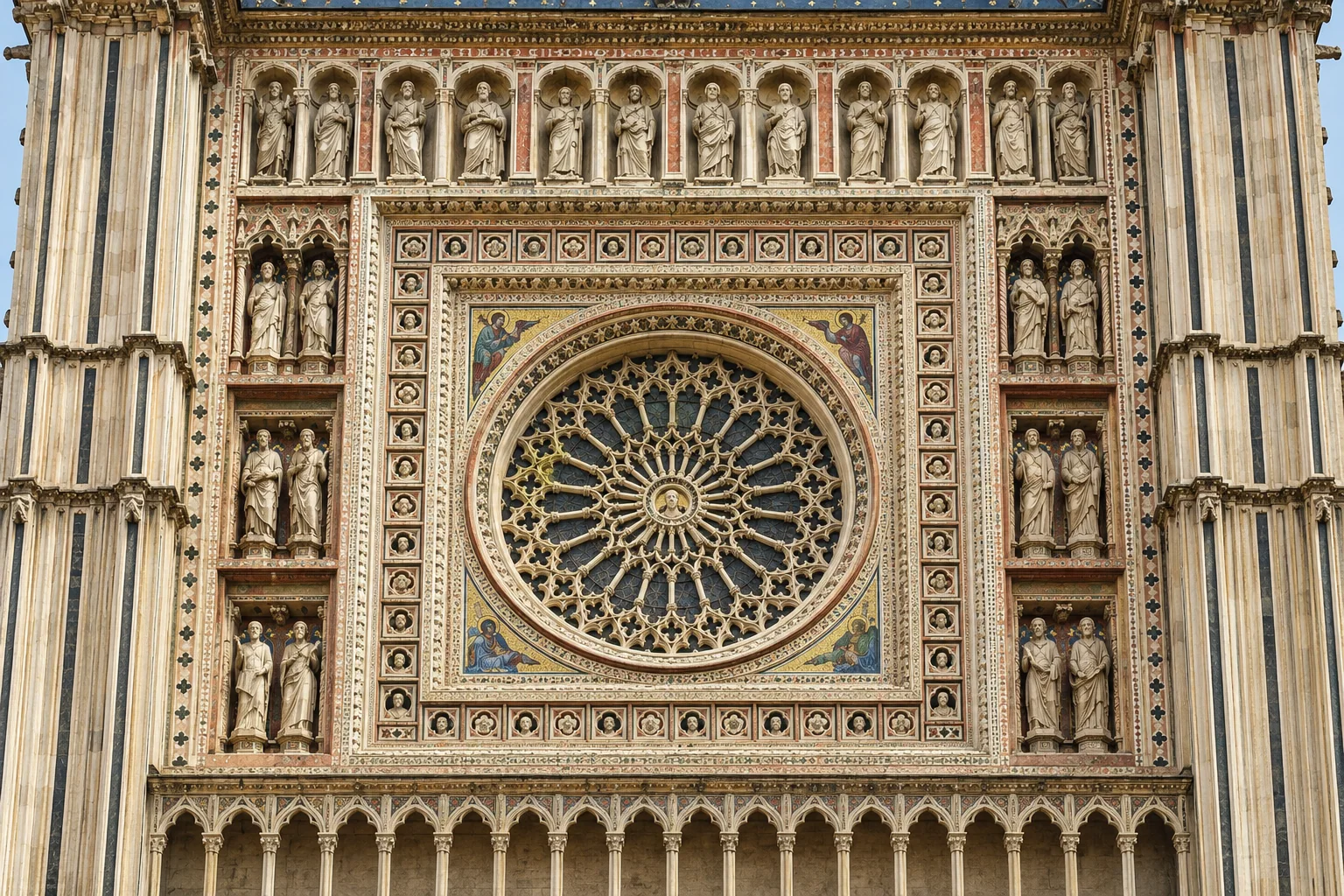
The west façade grew from about 1310 to its architectural completion in 1532, layering gold-ground mosaics and four carved marble piers around a central rose window. Look carefully at the three bronze doors: only Emilio Greco’s central door is sculpted, with reliefs of the Works of Mercy. Inside, columns divide the church into three naves and bands of basalt and travertine pull the eye toward the choir. Then turn into San Brizio. Fra Angelico began its vault in 1447; Luca Signorelli continued the cycle from 1499, filling the walls with the Antichrist, the end of the world and the Last Judgment before completing the work in 1504. The Opera says Signorelli’s cycle inspired Michelangelo’s Sistine Chapel.
Start outside, where the façade’s stories unfold in separate registers, then give the interior and San Brizio time of their own. If seeing the Corporal matters to you, note that the linen is displayed only at designated religious seasons and feast days; its chapel also has a separate free entrance for prayer. For context beyond the piazza, continue with our <a href="/en/regions/umbria/orvieto">Orvieto city guide</a>.Plan the visit
Duomo di OrvietoOrvieto CathedralGold-ground façade mosaics and marble reliefs; Signorelli’s San Brizio frescoes; the Chapel of the Corporal; basalt-and-travertine bands.On 13 November 1290, Pope Nicholas IV laid the first stone of a new cathedral at Orvieto, then a frequent home of the papal court. The Opera del Duomo connects the project to a larger reordering of the city and the need for a grand church for papal ceremonies. The cathedral’s other great story is devotional: Catholic tradition recounts that a priest in Bolsena saw the consecrated host bleed onto the altar linen in 1263; Pope Urban IV brought the Corporal to Orvieto and established the feast of Corpus Christi the next year. The linen is preserved in the Chapel of the Corporal, while its 1338 reliquary is displayed in the Opera’s museum collection.
The west façade grew from about 1310 to its architectural completion in 1532, layering gold-ground mosaics and four carved marble piers around a central rose window. Look carefully at the three bronze doors: only Emilio Greco’s central door is sculpted, with reliefs of the Works of Mercy. Inside, columns divide the church into three naves and bands of basalt and travertine pull the eye toward the choir. Then turn into San Brizio. Fra Angelico began its vault in 1447; Luca Signorelli continued the cycle from 1499, filling the walls with the Antichrist, the end of the world and the Last Judgment before completing the work in 1504. The Opera says Signorelli’s cycle inspired Michelangelo’s Sistine Chapel.
Start outside, where the façade’s stories unfold in separate registers, then give the interior and San Brizio time of their own. If seeing the Corporal matters to you, note that the linen is displayed only at designated religious seasons and feast days; its chapel also has a separate free entrance for prayer. For context beyond the piazza, continue with our <a href="/en/regions/umbria/orvieto">Orvieto city guide</a>.Plan the visit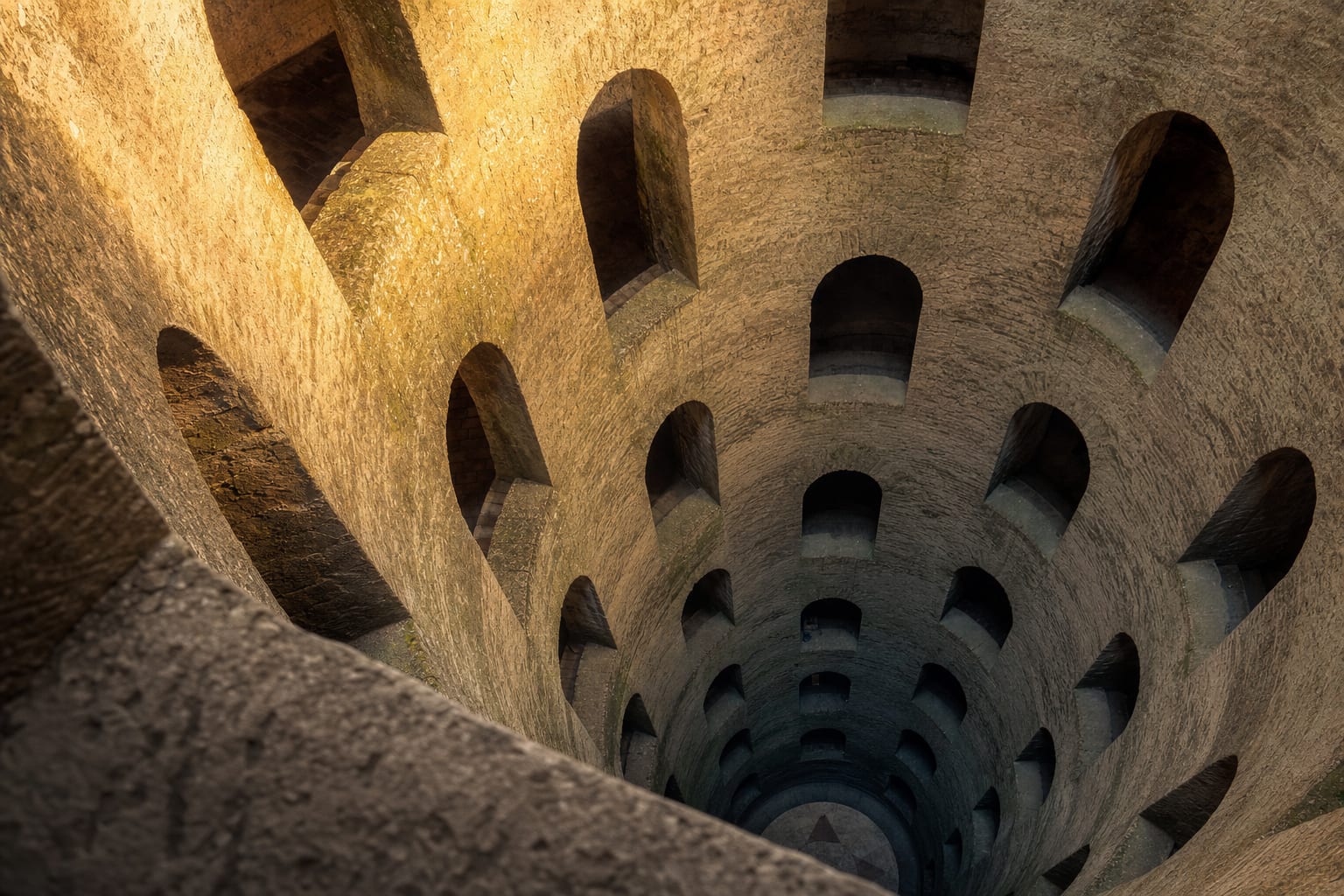 Pozzo di San PatrizioSt. Patrick's WellDouble-helix staircases, 53-meter depth, Sangallo design, 1527-1537 construction, siege-proof water supplyIn 1527, imperial troops sacked Rome and Pope Clement VII fled to Orvieto, worried the city's water supply couldn't survive a siege of its own. He put Antonio da Sangallo the Younger on the problem, and between 1527 and 1537 Sangallo sank a well 53 meters straight into the tufa, wrapping it in two spiral ramps that never cross. Mules loaded with empty jugs went down one ramp while others, full, came up the other, and the two trains never had to pass each other on the 248 steps. Seventy small windows light the shaft as you descend. The well takes its name, Pozzo di San Patrizio, from an Irish legend about a cave so deep it could only be purgatory.
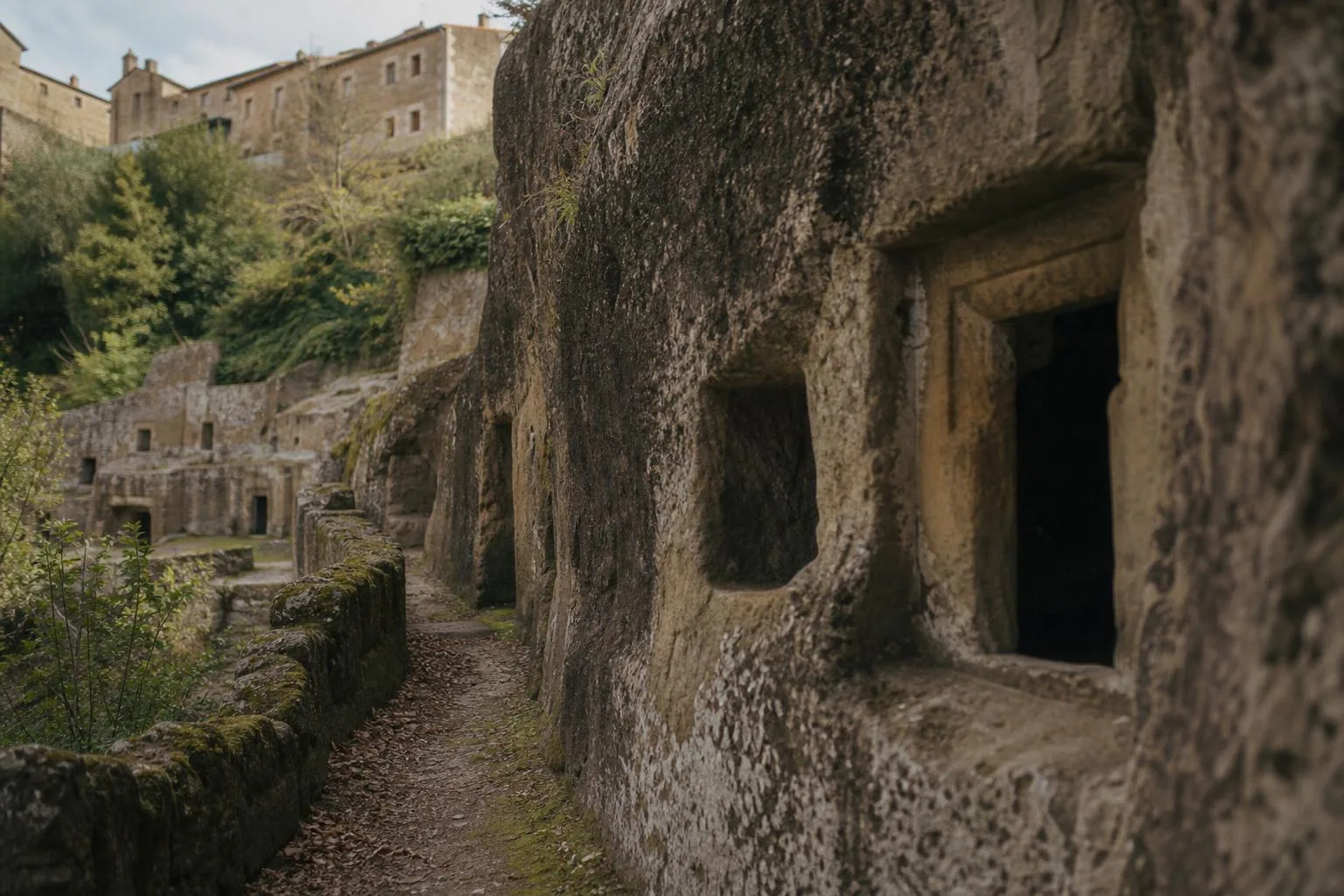 Necropoli del Crocifisso del TufoHidden GemCrocifisso del Tufo Necropolis200 inscribed tuff-stone tombs, Etruscan family names, orthogonal street layout, 6th-century BC originsMore than two hundred rectangular tuff-stone tombs line orthogonal streets below Orvieto's cliff, an Etruscan necropolis that reached its fullest extent between the mid-sixth century BC and the century that followed. Unlike the great tumulus tombs of other Etruscan sites, these chambers are modest, roughly three by two meters, each fitted with stone benches along the walls where the dead were laid out with grave goods reflecting their status: bronze vessels and Attic pottery for the wealthy, weapons and iron tools in male burials, ornaments in female ones. Many tombs carry inscribed family names over their doorways, a rare survival that lets visitors read the necropolis almost like a directory of Orvieto's Etruscan citizens. Disorganized nineteenth-century digging scattered finds across European and American museums before scientific excavation resumed in 1961.
Tours worth booking in Orvieto
Compared by our editors, across providers.
Booking through these links may earn Italia Magnifica a commission, at no cost to you.
- Viator
- 2h
- 3.0★ · 2 reviews
from €165Book this tour- Viator
- 2h
- 5.0★ · 13 reviews
from €119Book this tour- Viator
- 1h
- 5.0★ · 2 reviews
from €60Book this tour- Viator
- 9h
- 5.0★ · 1 reviews
from €240Book this tour- Viator
- 6h
from €500Book this tour- Viator
- 2h
- 4.8★ · 17 reviews
from €130Book this tour


More within reach
Monuments a day trip away, elsewhere in Umbria.
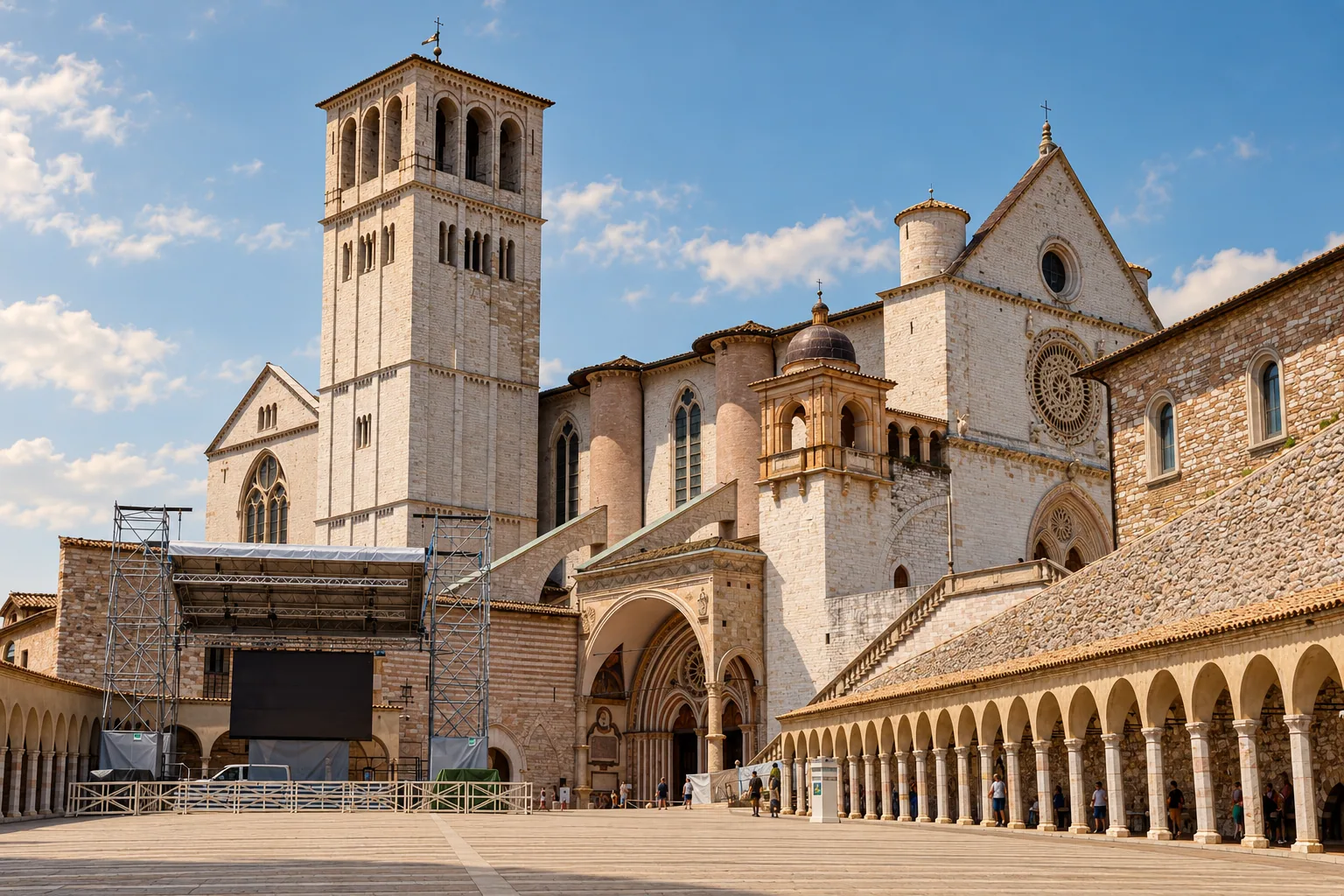 AssisiUNESCOBasilica of San FrancescoGiotto's Life of Saint Francis, two churches stacked, the saint's tomb, Cimabue frescoes
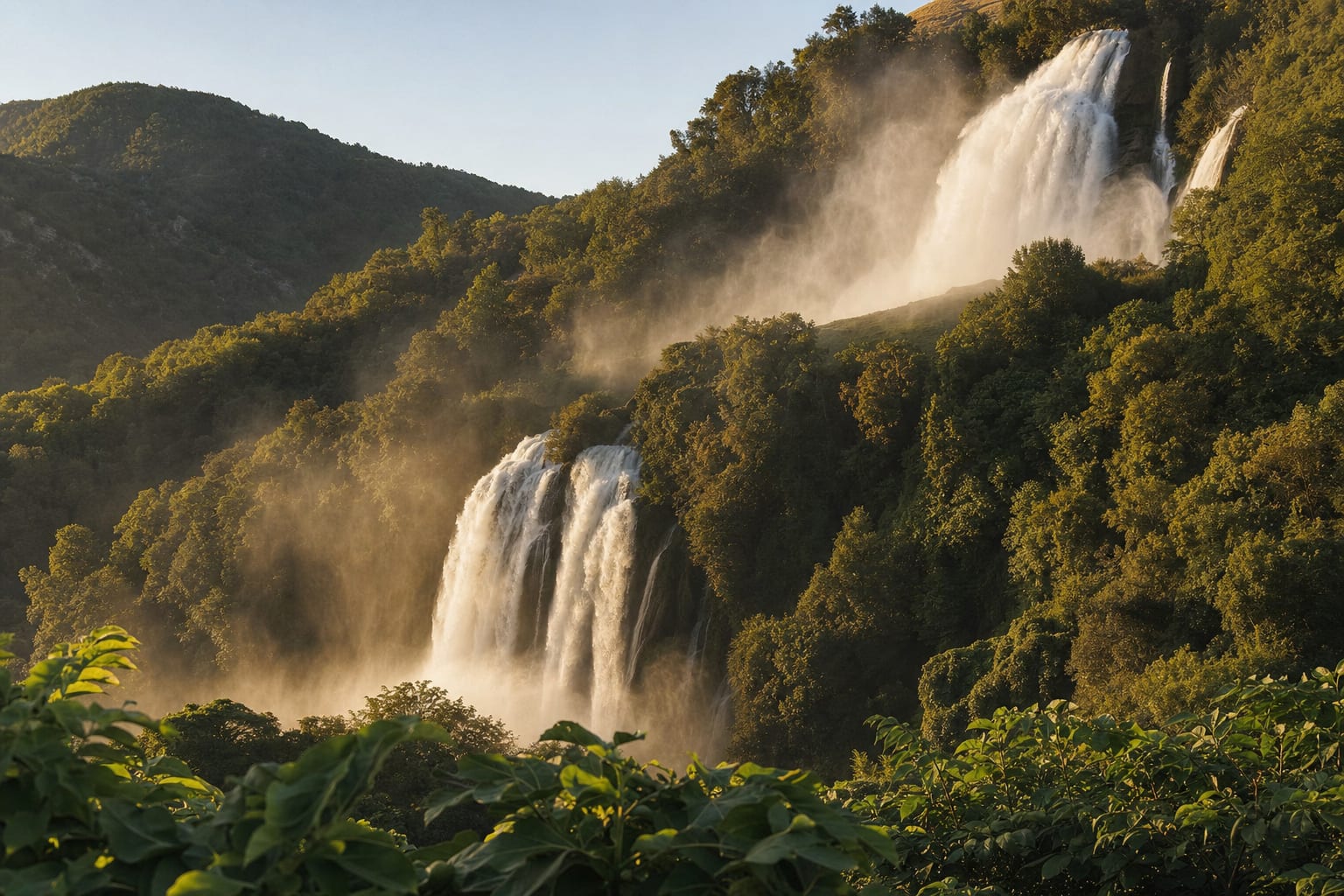 TerniMarmore Falls271 BC Roman origin, 165-meter triple drop, scheduled water releases, Byron's verses, six hiking trails
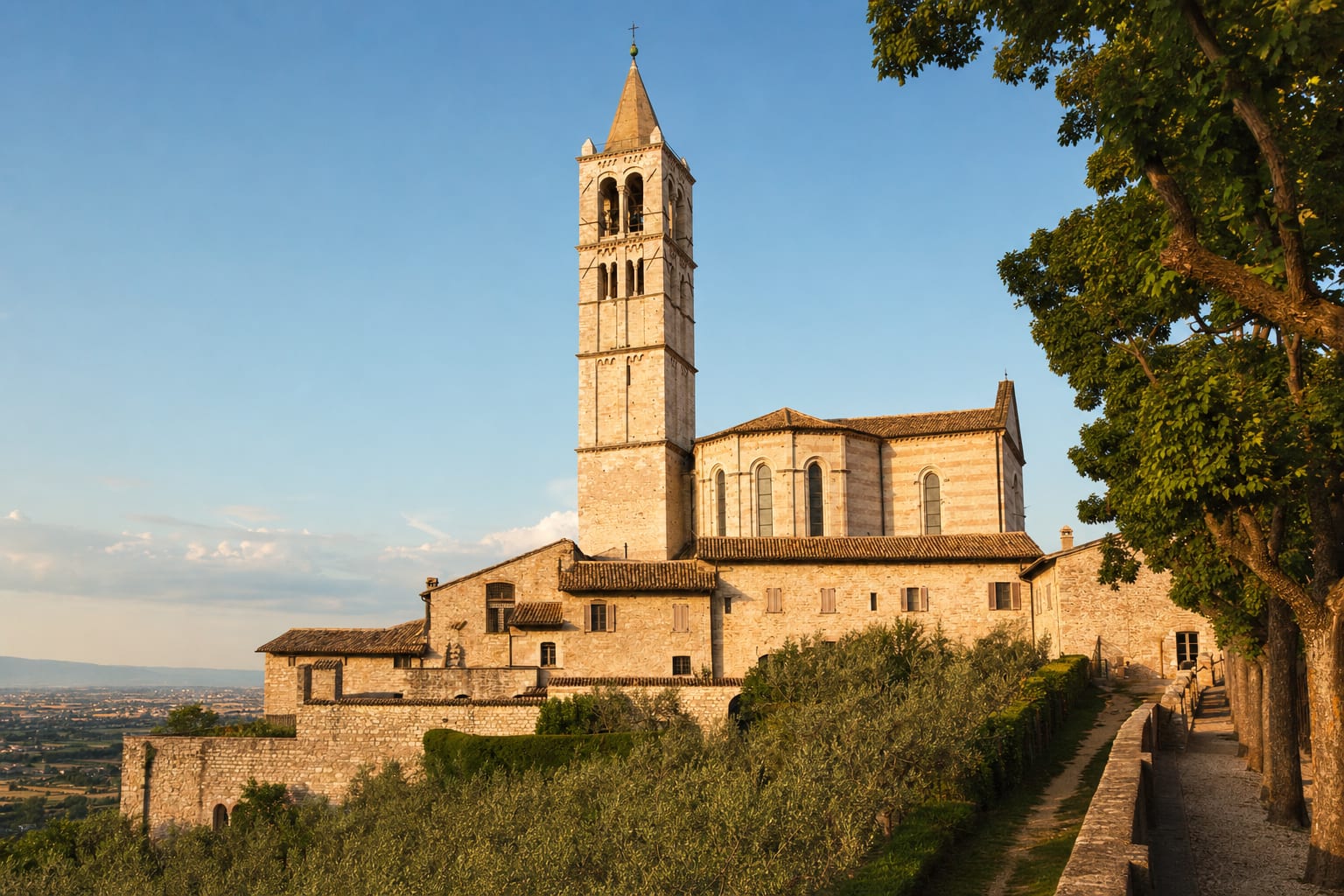 AssisiUNESCOBasilica of Santa ChiaraSaint Clare's tomb, San Damiano crucifix, pink-striped Gothic facade, flying buttress profile
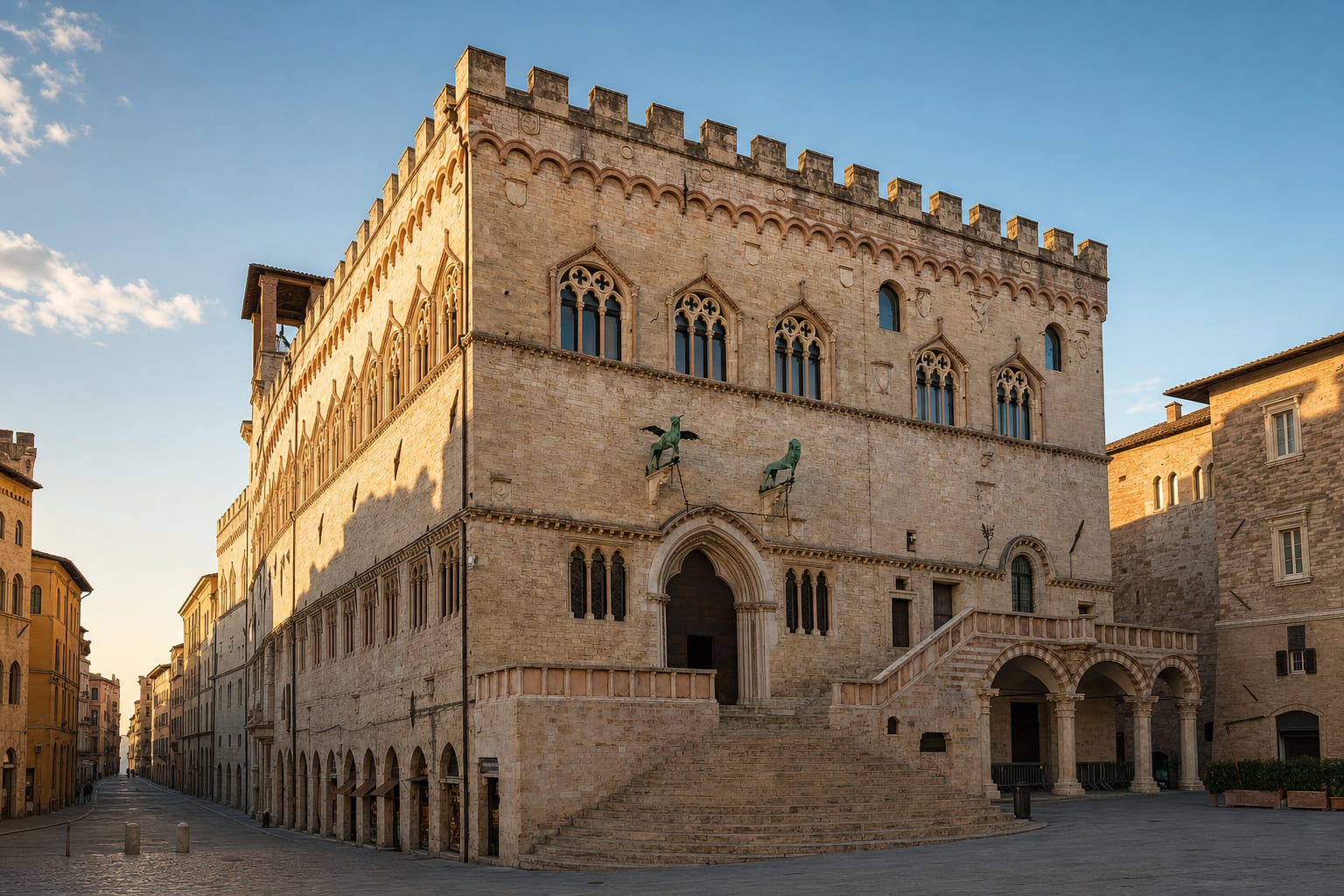 PerugiaPalazzo dei PrioriNational Gallery of Umbria, Perugino and Piero della Francesca, Sala dei Notari, Gothic civic facade
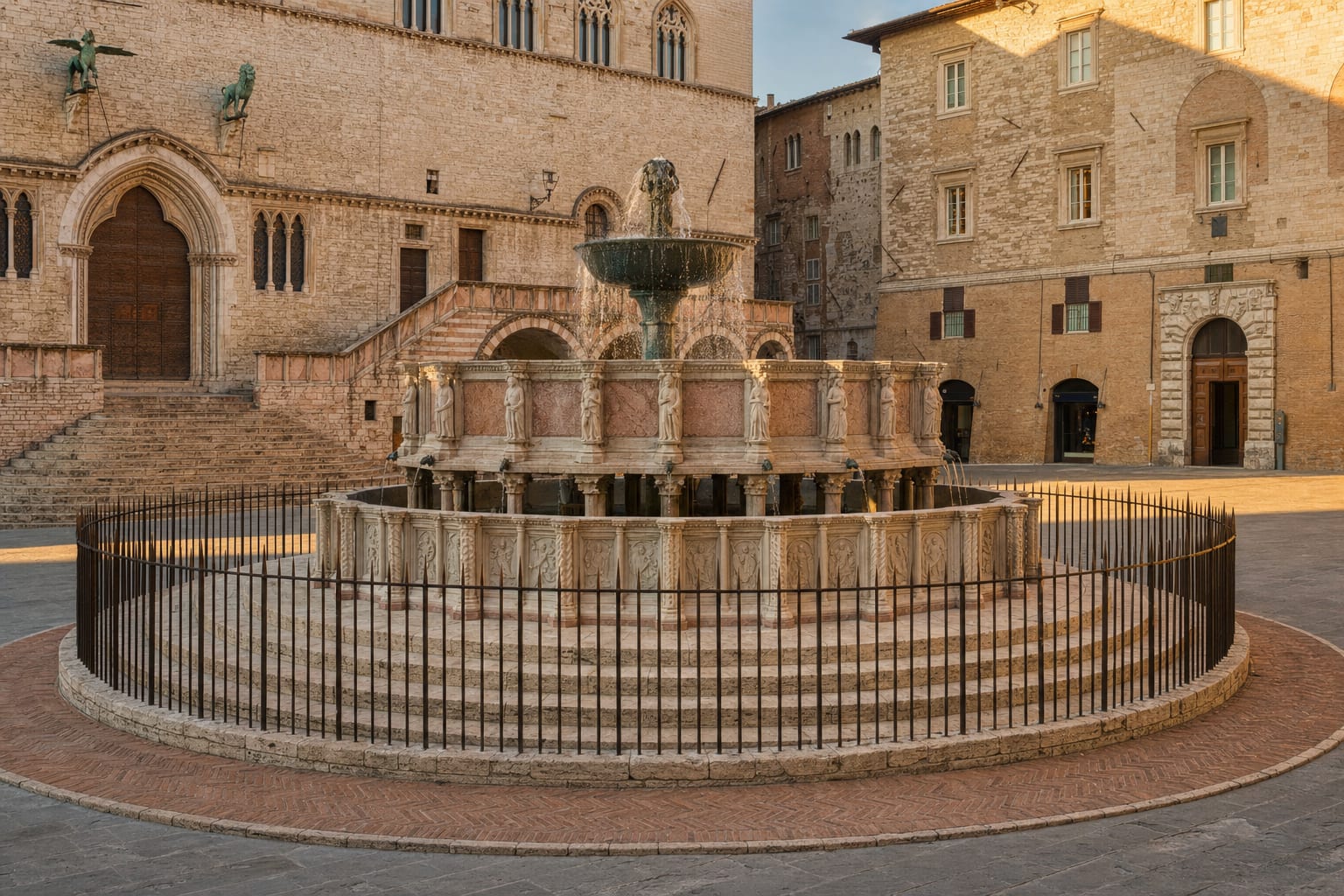 PerugiaFontana MaggiorePisano father and son reliefs, medieval encyclopedia in marble, aqueduct endpoint, pink and white basins
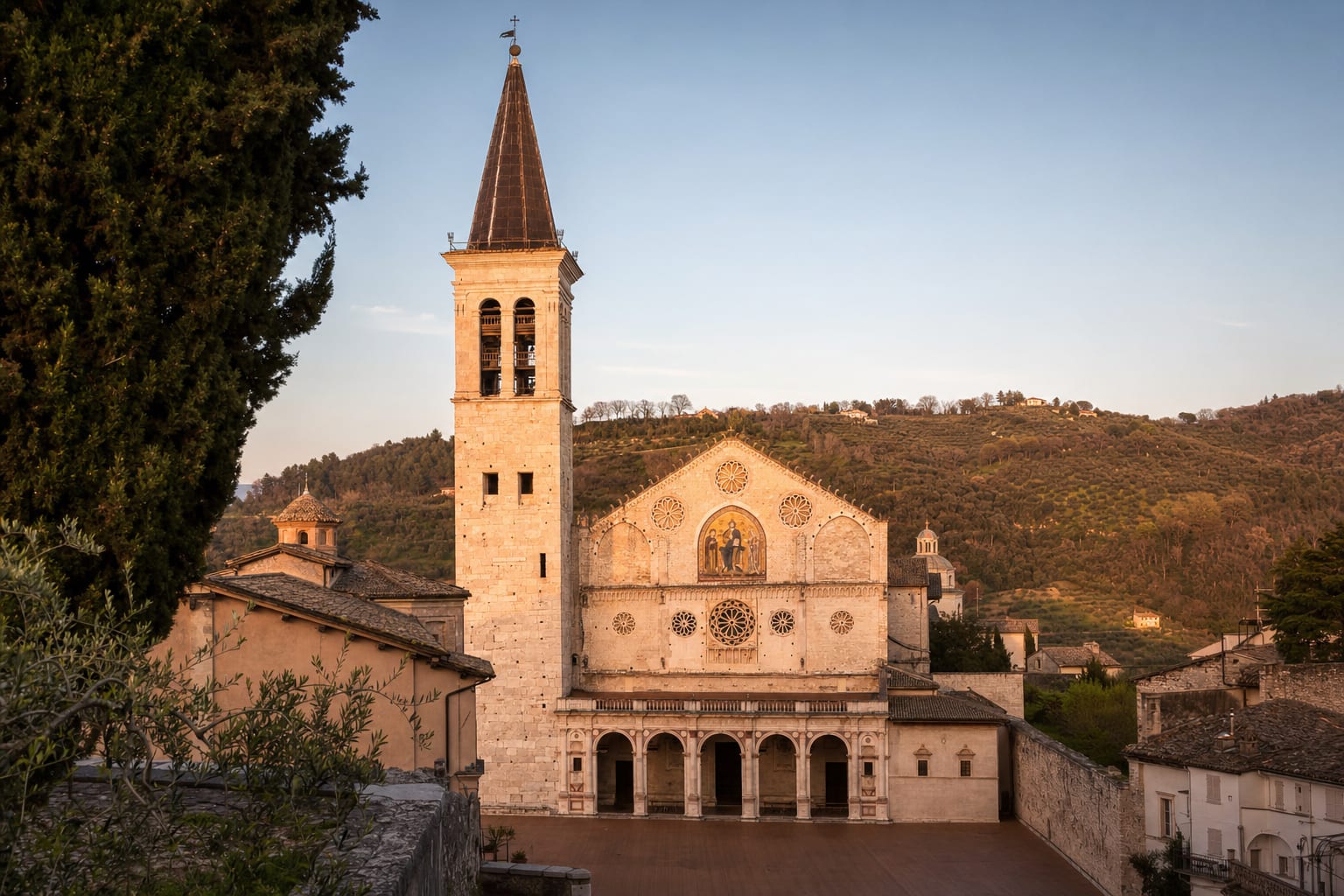 SpoletoSpoleto CathedralLippi's last frescoes, sloping piazza, Romanesque façade with mosaic, Festival dei Due Mondi stage
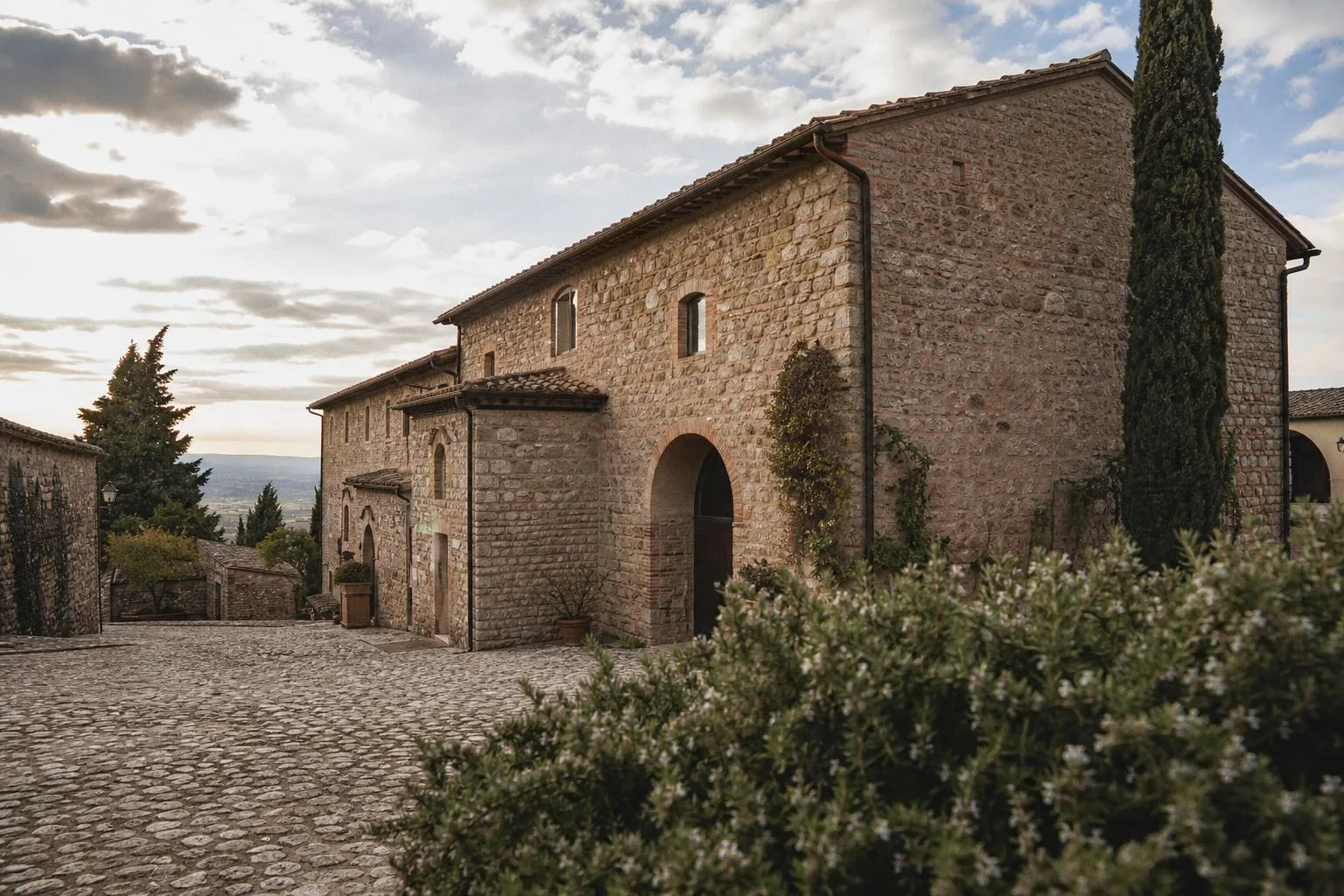 TorgianoHidden GemWine Museum of TorgianoCulture-of-wine museum, Etruscan and Roman vessels, engravings, Lungarotti tasting glass
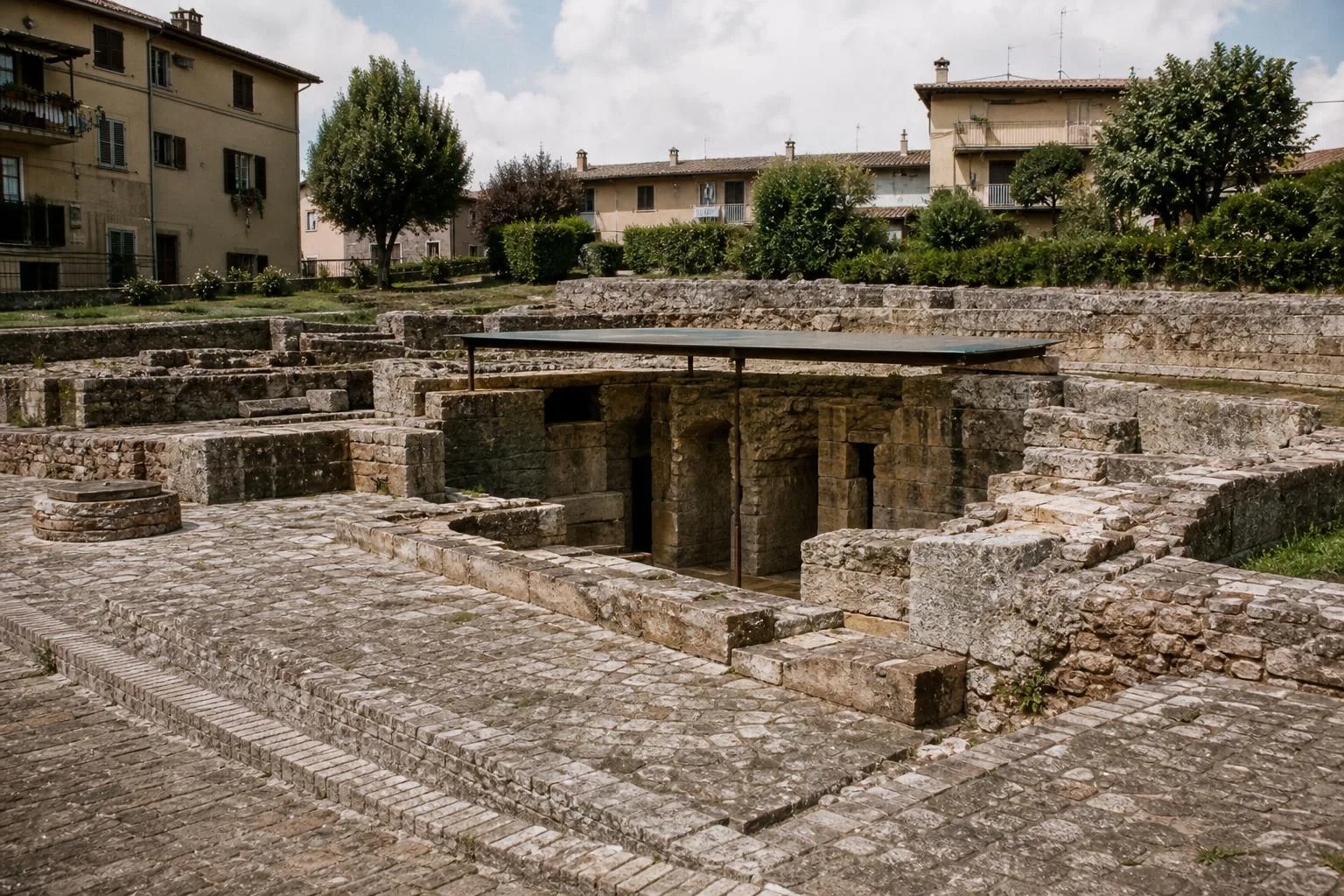 PerugiaHidden GemHypogeum of the VolumniiEtruscan family tomb, Arnth Velimna’s banqueting urn, Palazzone necropolis