

All the monuments, city by city
The landmarks and masterpieces worth planning a day around.
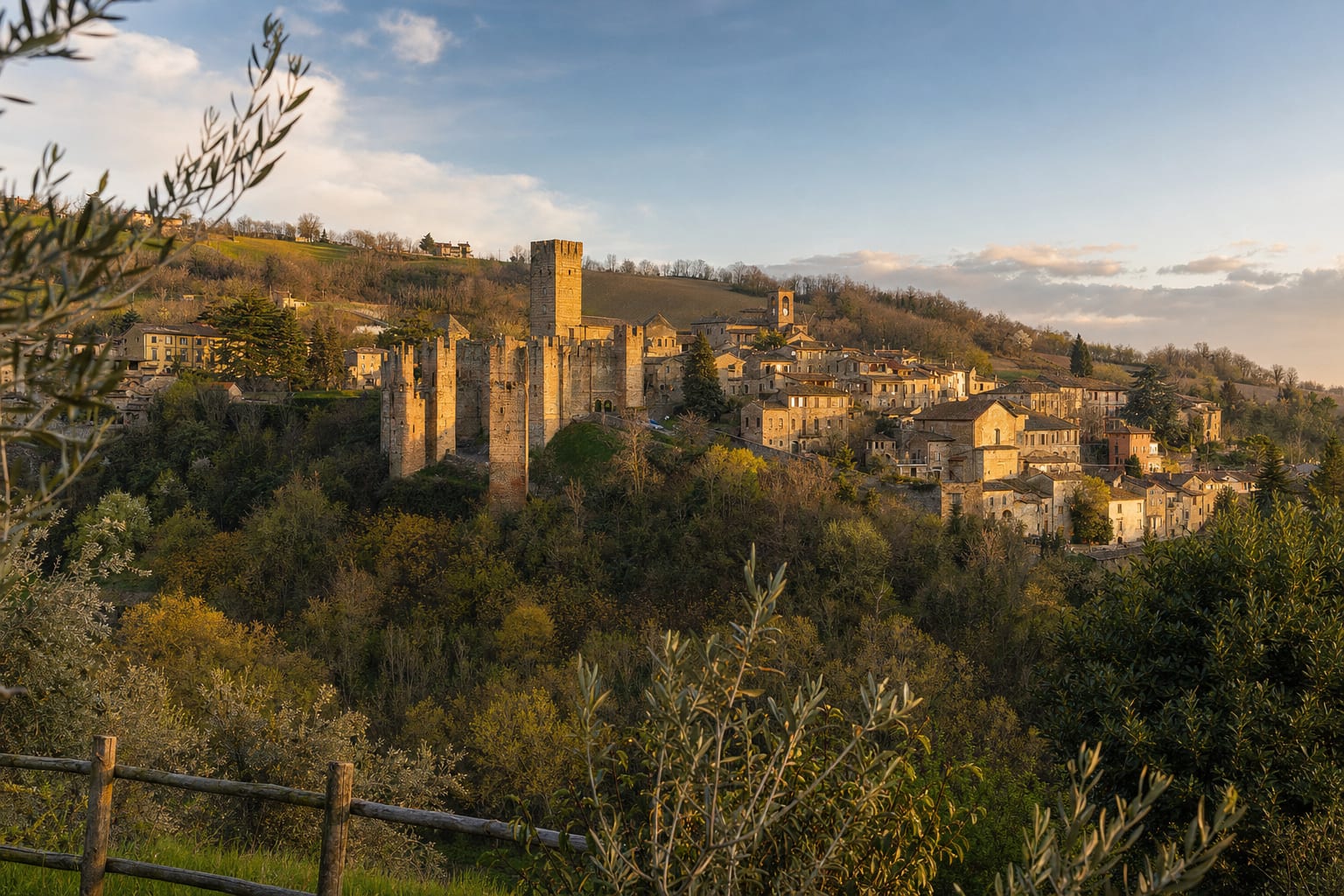 Castell'ArquatoCastell'ArquatoRocca Viscontea fortress, Collegiata church piazza, Gutturnio wine country, fossil badlandsA noble named Magnus founded Castell'Arquato around 756-758 on a hill above the Arda river, and by 1220 the Bishop of Piacenza had granted it self-government, launching centuries under the Visconti, Sforza and eventually Farnese and Bourbon rule. The hilltop piazza still gathers its three great medieval buildings around one open space: the four-towered Rocca Viscontea, a keep-and-curtain fortress now holding a small museum; the Collegiata church, rebuilt after a 1117 earthquake and fronted by a Romanesque "Paradise Portico"; and the Palazzo del Podestà, the old seat of civic government. Beyond the walls, the Arda valley grows the grapes behind Gutturnio, the local red poured generously in the town's wine bars, and fossil-rich cliffs nearby have made the surrounding badlands a small geological park in their own right.Plan the visit
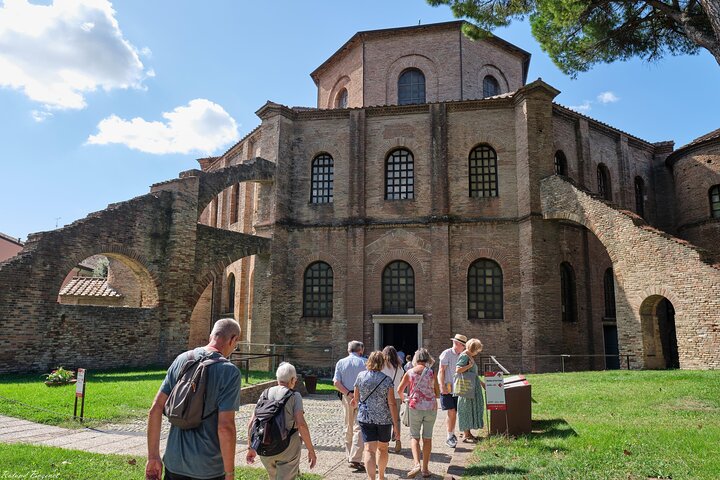
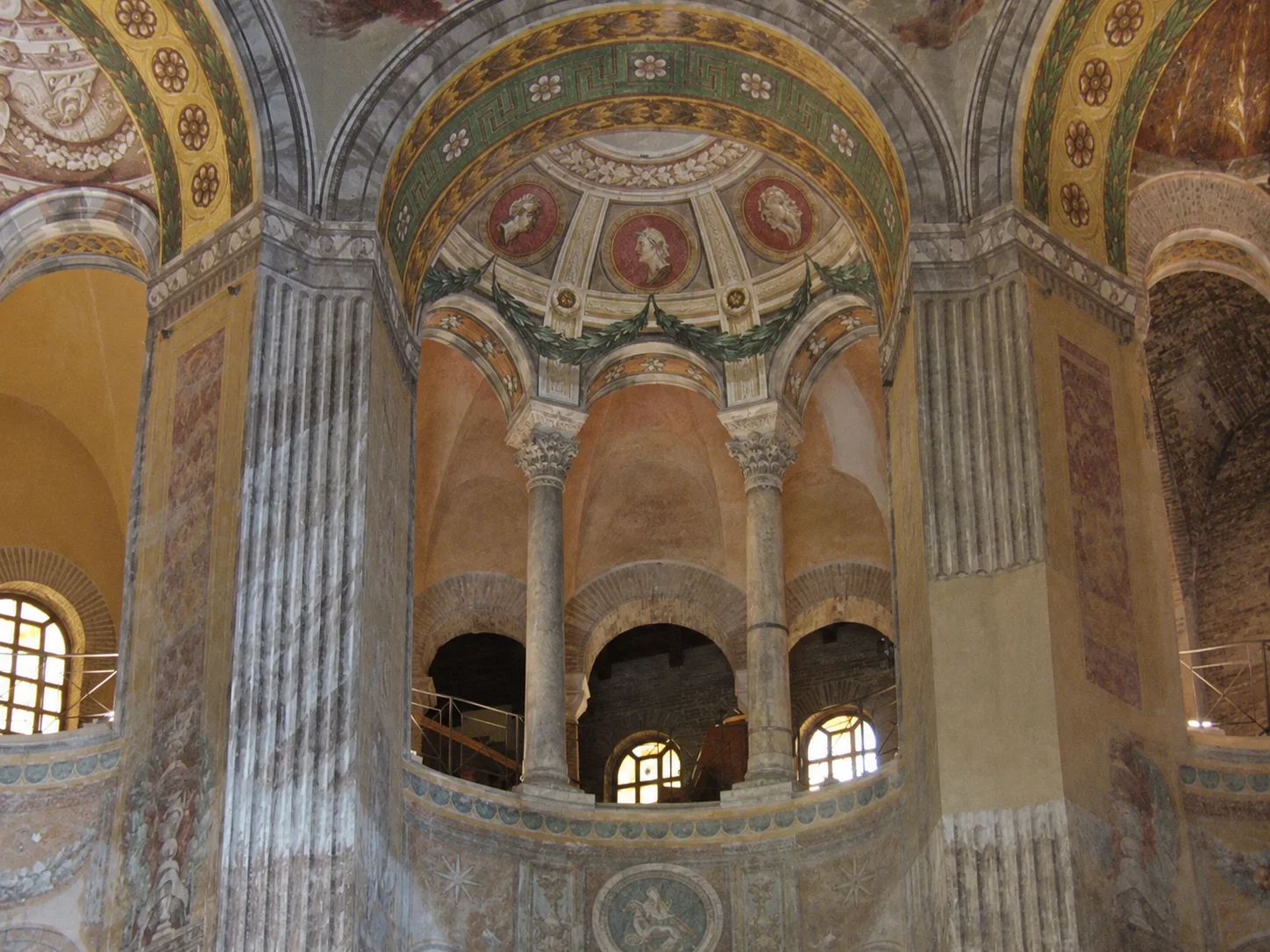 RavennaUNESCOBasilica of San VitaleJustinian and Theodora mosaics, octagonal Byzantine plan, sixth-century splendorSan Vitale was commissioned in the years of Bishop Ecclesius, around 525–526, and consecrated by Archbishop Maximian in 547. Its plan turns away from the long nave of a conventional basilica: two brick octagons, one rising above the other, enclose a central space, while a two-level ambulatory and upper gallery circle the drum of the dome.
Move east into the sanctuary and the building’s surfaces change register. Biblical scenes cover the presbytery in vivid mosaic; in the apse, the facing processions of Justinian and Theodora stand against a gold ground. Above, the central vault carries a later Baroque fresco, not a continuation of the sixth-century mosaics. Look down before leaving the altar area: a circular marble labyrinth is set into the presbytery pavement. These shifts, from brick exterior to layered galleries, mosaic and marble, then a later painted vault, make the church rewarding to read as an architectural sequence as well as a treasury of images.
San Vitale belongs to Ravenna’s UNESCO-listed early Christian monuments. The nearby <a href="/en/attractions/mausoleum-of-galla-placidia">Mausoleum of Galla Placidia</a> and <a href="/en/attractions/basilica-of-sant-apollinare-nuovo">Basilica of Sant’Apollinare Nuovo</a> are included in the broader monument circuits. Galla Placidia requires its own reserved entry time.
RavennaUNESCOBasilica of San VitaleJustinian and Theodora mosaics, octagonal Byzantine plan, sixth-century splendorSan Vitale was commissioned in the years of Bishop Ecclesius, around 525–526, and consecrated by Archbishop Maximian in 547. Its plan turns away from the long nave of a conventional basilica: two brick octagons, one rising above the other, enclose a central space, while a two-level ambulatory and upper gallery circle the drum of the dome.
Move east into the sanctuary and the building’s surfaces change register. Biblical scenes cover the presbytery in vivid mosaic; in the apse, the facing processions of Justinian and Theodora stand against a gold ground. Above, the central vault carries a later Baroque fresco, not a continuation of the sixth-century mosaics. Look down before leaving the altar area: a circular marble labyrinth is set into the presbytery pavement. These shifts, from brick exterior to layered galleries, mosaic and marble, then a later painted vault, make the church rewarding to read as an architectural sequence as well as a treasury of images.
San Vitale belongs to Ravenna’s UNESCO-listed early Christian monuments. The nearby <a href="/en/attractions/mausoleum-of-galla-placidia">Mausoleum of Galla Placidia</a> and <a href="/en/attractions/basilica-of-sant-apollinare-nuovo">Basilica of Sant’Apollinare Nuovo</a> are included in the broader monument circuits. Galla Placidia requires its own reserved entry time.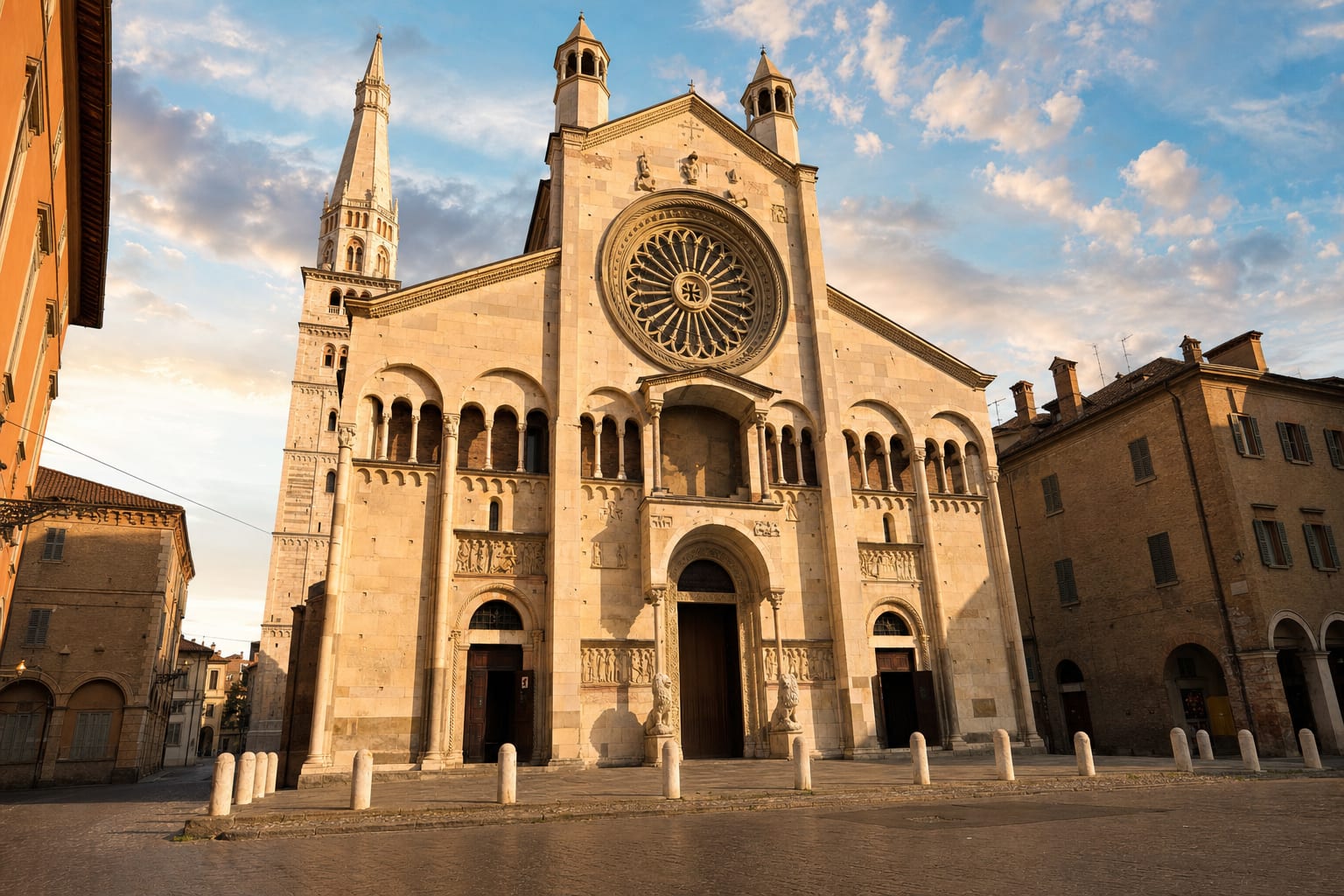 ModenaUNESCOModena CathedralRomanesque masterwork of Lanfranco and Wiligelmo, Genesis facade reliefs, the leaning Ghirlandina tower, Piazza Grande ensembleWork on the cathedral began in 1099, after the rediscovered remains of Modena's patron saint, Geminianus, prompted the demolition of two earlier churches on the site, and the project moved fast enough to be consecrated by Pope Lucius III in 1184. An architect known only as Lanfranco directed the design and, unusually for the period, both he and the sculptor Wiligelmo are named in inscriptions on the building itself, an early instance of artists claiming public credit for their work. Wiligelmo's facade reliefs, cut directly into the pink-white stone around the main portal, run through the Book of Genesis, from Creation to Cain and Abel, in a sequence readable almost like panels of a comic strip, among the earliest and most influential sculptural cycles of the Romanesque period. Beside the cathedral, the Torre della Ghirlandina, a marble-topped bell tower visibly leaning from its own foundation settlement, rises over Piazza Grande, and the whole ensemble, cathedral, tower and piazza together, was inscribed as a single UNESCO World Heritage Site in 1997.
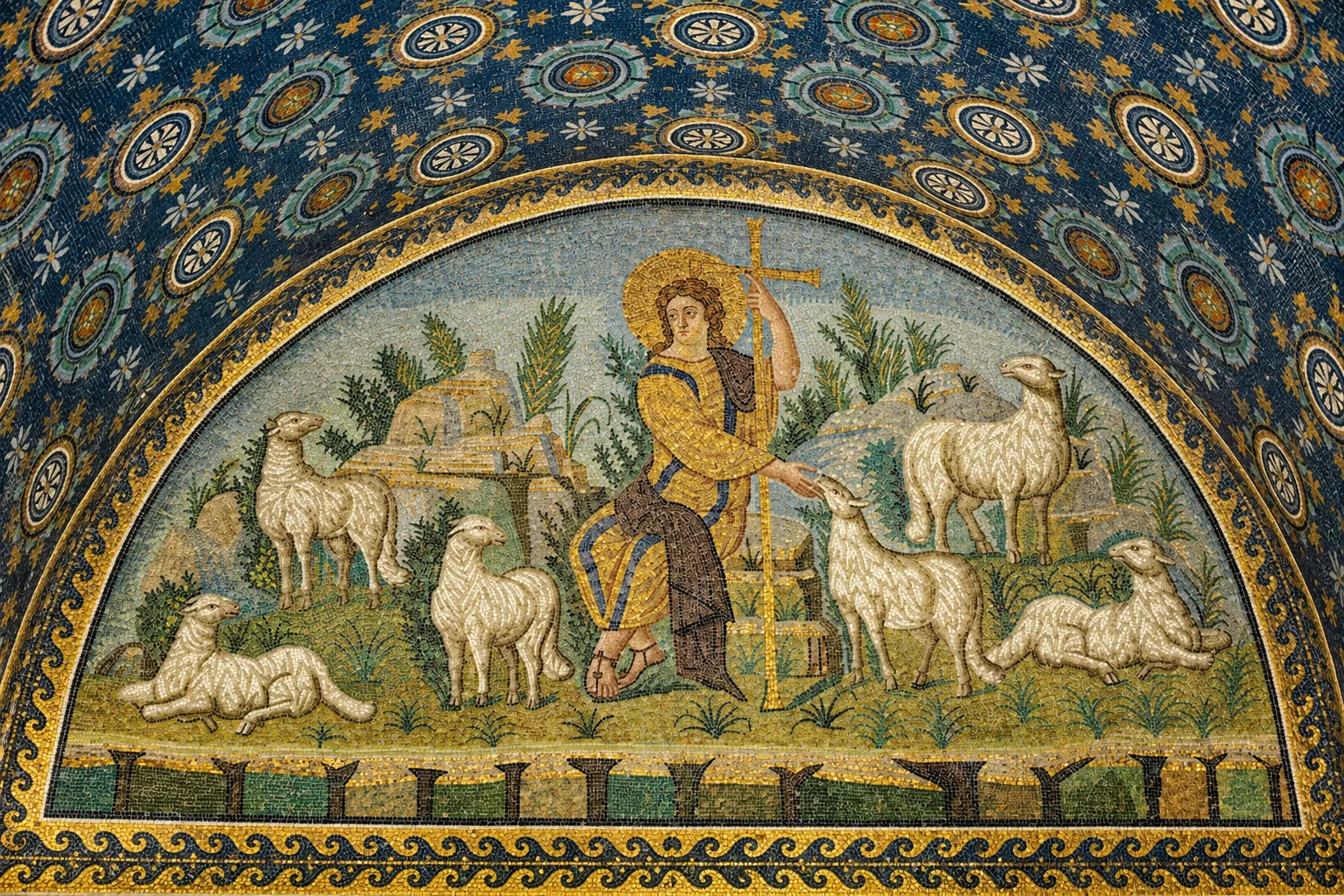 RavennaUNESCOMausoleum of Galla PlacidiaGold-star vault, Good Shepherd mosaic, alabaster windows, Cole Porter legendFrom the lane, the Mausoleum of Galla Placidia is a low brick building with a Latin-cross plan and a square tower-lantern concealing the dome. Ravenna’s official visitor history says it was commissioned after 426 as Galla Placidia’s intended burial place and was meant to connect by a narthex to nearby Santa Croce. It never served as her tomb: she died in Rome in 450 and was buried there. Three marble sarcophagi remain inside, described by the city as empty.
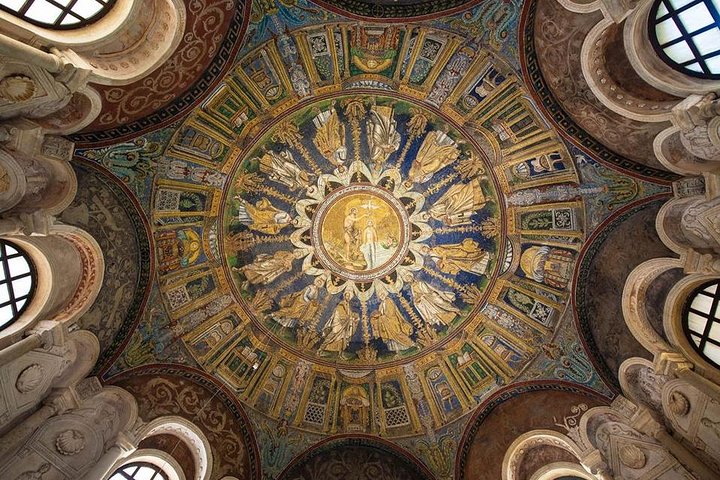
Inside, yellow marble covers the lower walls while mosaics fill the upper walls, arches, lunettes and dome. The central vault places a golden Latin cross among concentric fields of stars and four figures the city identifies as the Beings of the Apocalypse. The lunettes include the paired stags drinking from a spring and, above the entrance, Christ the Good Shepherd. The regional heritage catalogue identifies Saint Lawrence before a flaming grill in the south-arm lunette, opposite the Good Shepherd at the entrance. Small alabaster windows filter the light. A local story links the starry vault with Cole Porter’s “Night and Day”; Ravenna’s tourism office repeats it but gives no documentation that the song was composed here. The mausoleum belongs to Ravenna’s UNESCO-listed group of eight early Christian monuments. Just behind it, <a href="/en/attractions/basilica-of-san-vitale">San Vitale</a> makes a natural next stop; both are included in the four-monument circuit, which also covers <a href="/en/attractions/basilica-of-sant-apollinare-nuovo">Sant’Apollinare Nuovo</a> and the Neonian Baptistery.
RavennaUNESCOMausoleum of Galla PlacidiaGold-star vault, Good Shepherd mosaic, alabaster windows, Cole Porter legendFrom the lane, the Mausoleum of Galla Placidia is a low brick building with a Latin-cross plan and a square tower-lantern concealing the dome. Ravenna’s official visitor history says it was commissioned after 426 as Galla Placidia’s intended burial place and was meant to connect by a narthex to nearby Santa Croce. It never served as her tomb: she died in Rome in 450 and was buried there. Three marble sarcophagi remain inside, described by the city as empty.
Inside, yellow marble covers the lower walls while mosaics fill the upper walls, arches, lunettes and dome. The central vault places a golden Latin cross among concentric fields of stars and four figures the city identifies as the Beings of the Apocalypse. The lunettes include the paired stags drinking from a spring and, above the entrance, Christ the Good Shepherd. The regional heritage catalogue identifies Saint Lawrence before a flaming grill in the south-arm lunette, opposite the Good Shepherd at the entrance. Small alabaster windows filter the light. A local story links the starry vault with Cole Porter’s “Night and Day”; Ravenna’s tourism office repeats it but gives no documentation that the song was composed here. The mausoleum belongs to Ravenna’s UNESCO-listed group of eight early Christian monuments. Just behind it, <a href="/en/attractions/basilica-of-san-vitale">San Vitale</a> makes a natural next stop; both are included in the four-monument circuit, which also covers <a href="/en/attractions/basilica-of-sant-apollinare-nuovo">Sant’Apollinare Nuovo</a> and the Neonian Baptistery.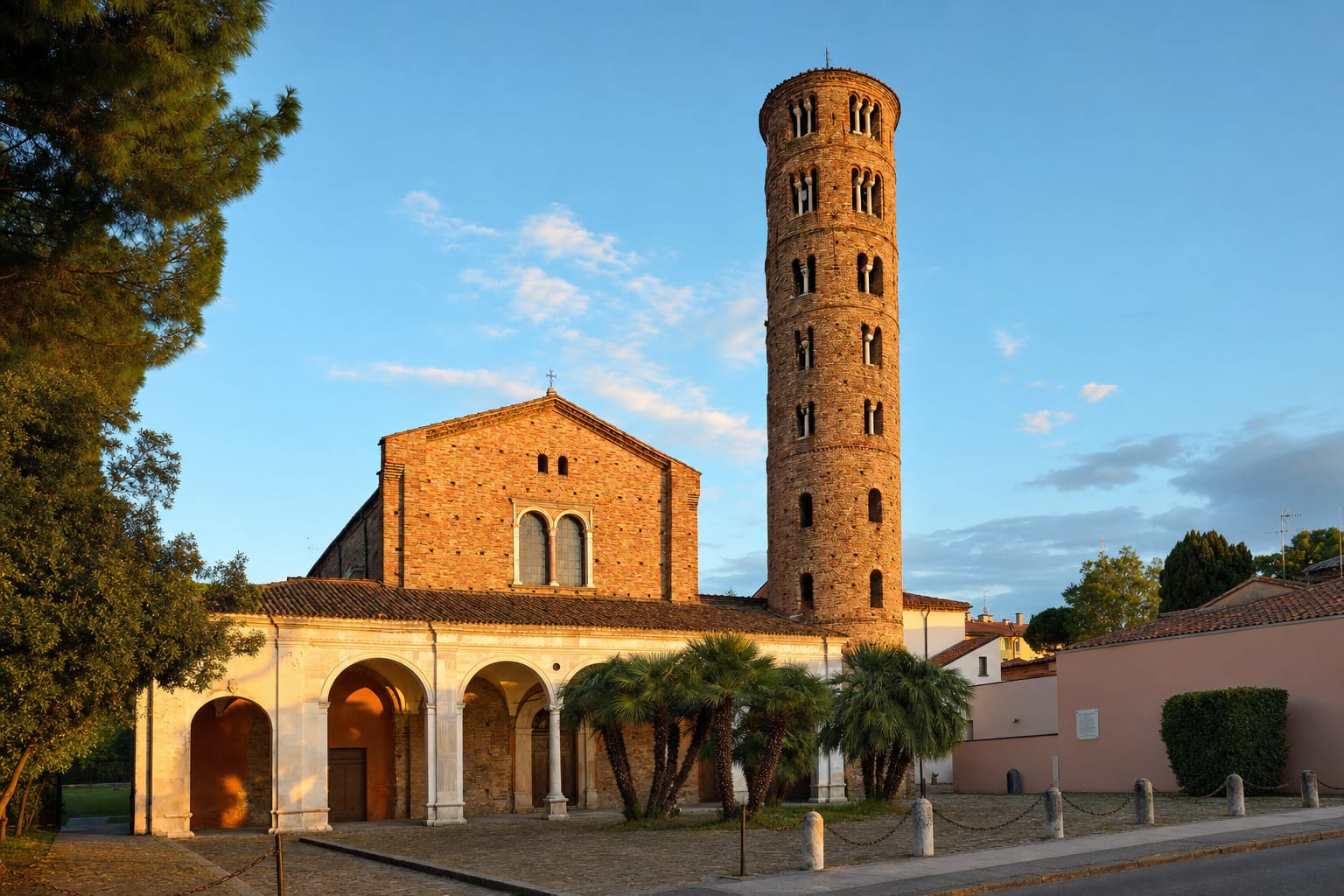 RavennaUNESCOBasilica of Sant'Apollinare NuovoProcessions of martyrs and virgins, Theodoric's palace church, twenty-six Christ scenes, nave-length mosaicsTwo mosaic processions run the full nave, virgins on one side and martyrs on the other, walking toward Christ and the Virgin since Theodoric the Great built this church beside his palace in the early sixth century, dedicating it around 504. Byzantine restorers rededicated it in 561 after Justinian's reconquest, scraping out the Ostrogothic king's courtiers from a mosaic of his palace and leaving only their disembodied hands clutching the curtained columns behind them. In 856 the relics of Saint Apollinaris arrived from Classe and gave the basilica its present name. Twenty-six martyrs process behind Saint Martin on the right wall, twenty-two virgins behind the Magi on the left, and the golden mosaic backdrop has held its color for close to 1,500 years.
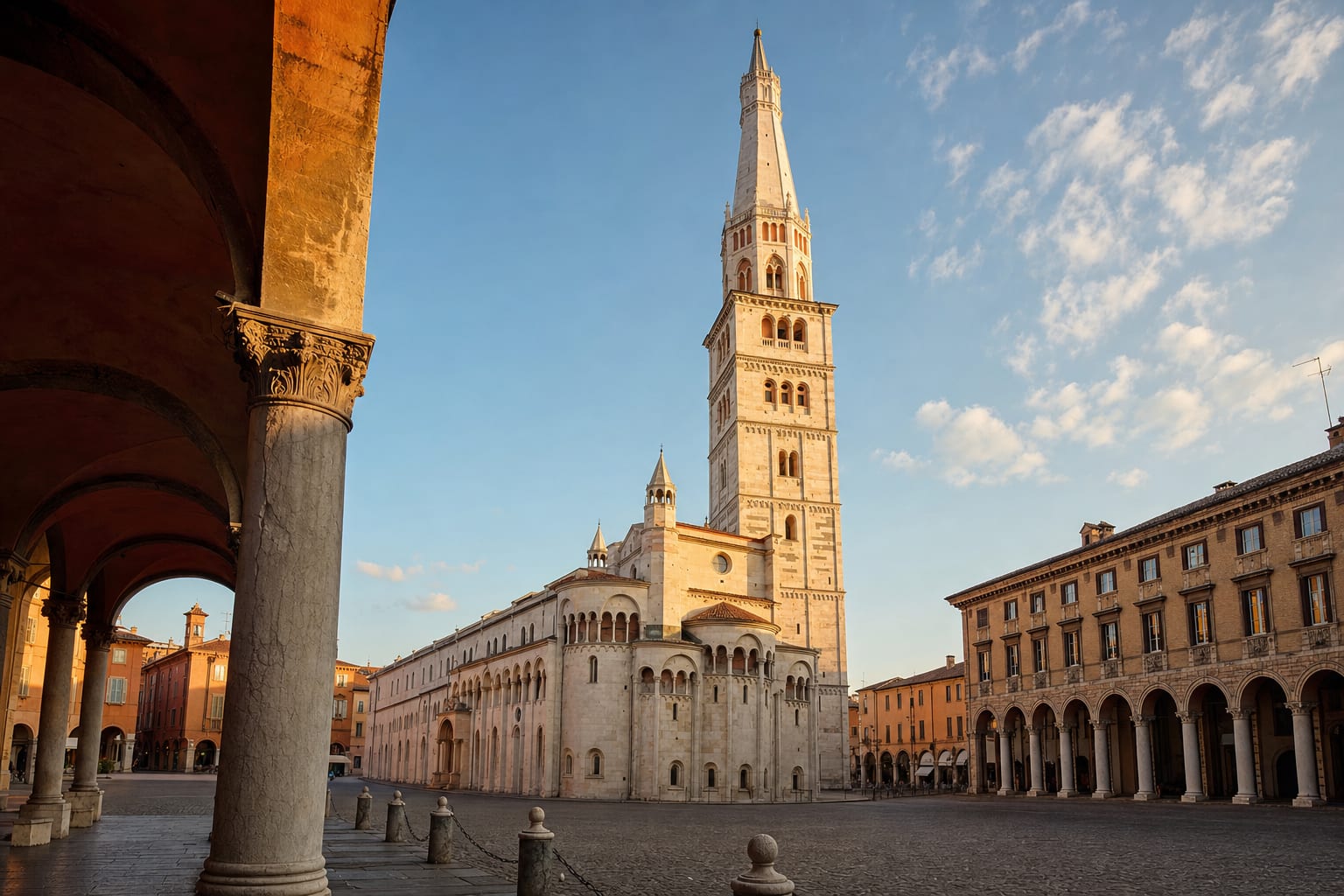 ModenaUNESCOGhirlandina TowerModena's emblem, stolen bucket legend, Sala dei Torresani, Gothic spireModena's bell tower rises 86 meters beside the cathedral, a Romanesque base of the twelfth century topped by a Gothic octagonal spire and a golden ball added in 1319. It leans very slightly, and the citizens have always treated it as the city's emblem. The tower is best known for a bucket: in 1325 Modenese soldiers carried a wooden bucket home from Bologna after the Battle of Zappolino, and Alessandro Tassoni turned the grudge into a mock epic, La secchia rapita. The climb ends in the Sala dei Torresani, where the tower's guards once lived; the Sala della Secchia rapita, part of the tower, takes its name from the trophy. With the cathedral and Piazza Grande it is a UNESCO site.
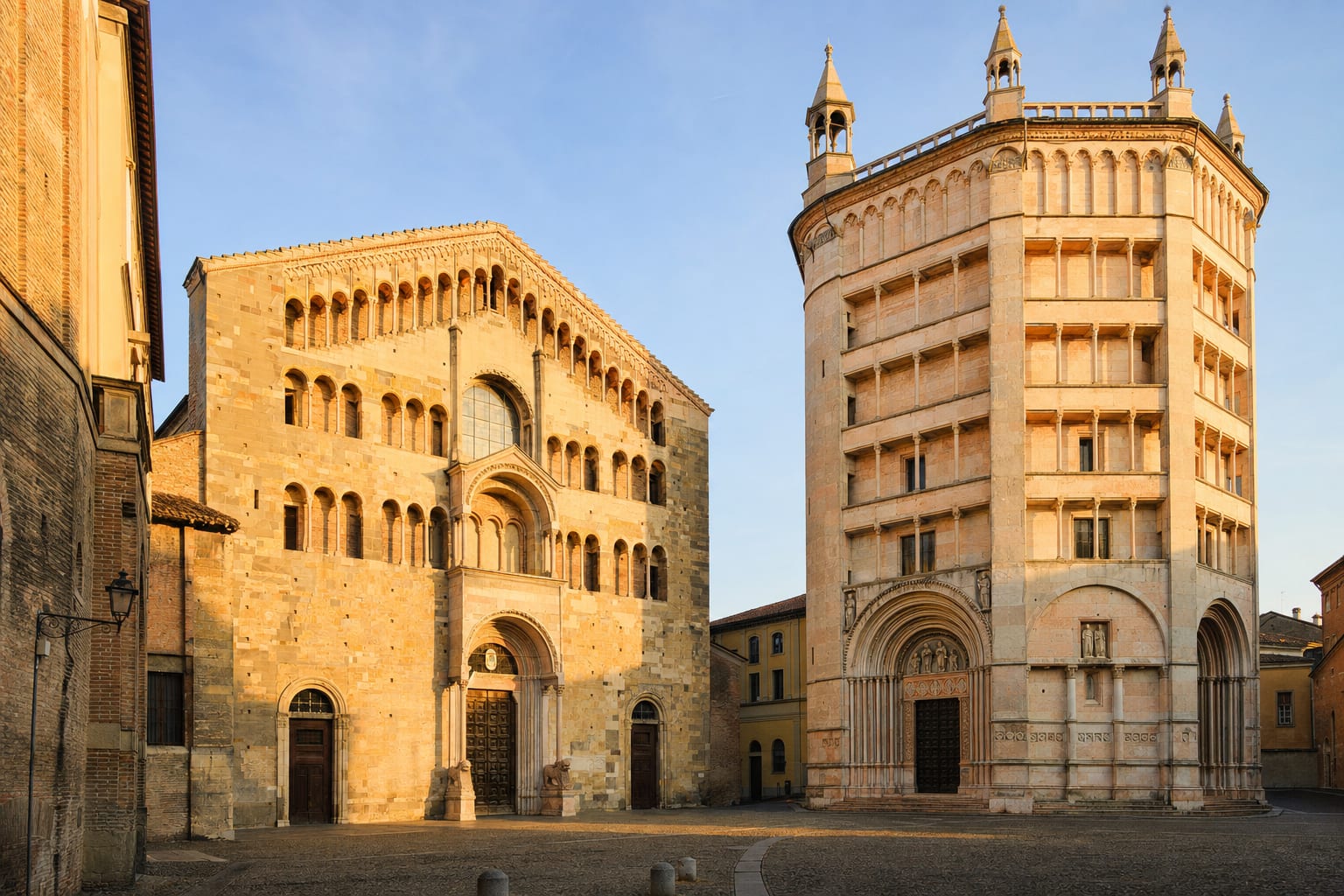 ParmaParma Cathedral and BaptisteryCorreggio's dome ascension, Antelami's pink baptistery, Romanesque ensemble, Benedetto's DepositionParma's cathedral rises where an older church collapsed in the 1117 earthquake, rebuilt through the twelfth century in warm Romanesque stone. Its dome hides the real event: between 1526 and 1530 Correggio painted the Assumption of the Virgin as a swirling vision of clouds and bare feet, a perspective so radical that a contemporary canon reportedly compared it to a stew of frogs' legs. Benedetto Antelami, sculptor of the cathedral's Deposition relief (1178), also designed the octagonal Baptistery next door, raised in pink-veined Verona marble and carved with the months of the year, the zodiac, and scenes from Christ's life. Inside, his frescoed vault turns this small space into one of Emilia's most complete medieval interiors.
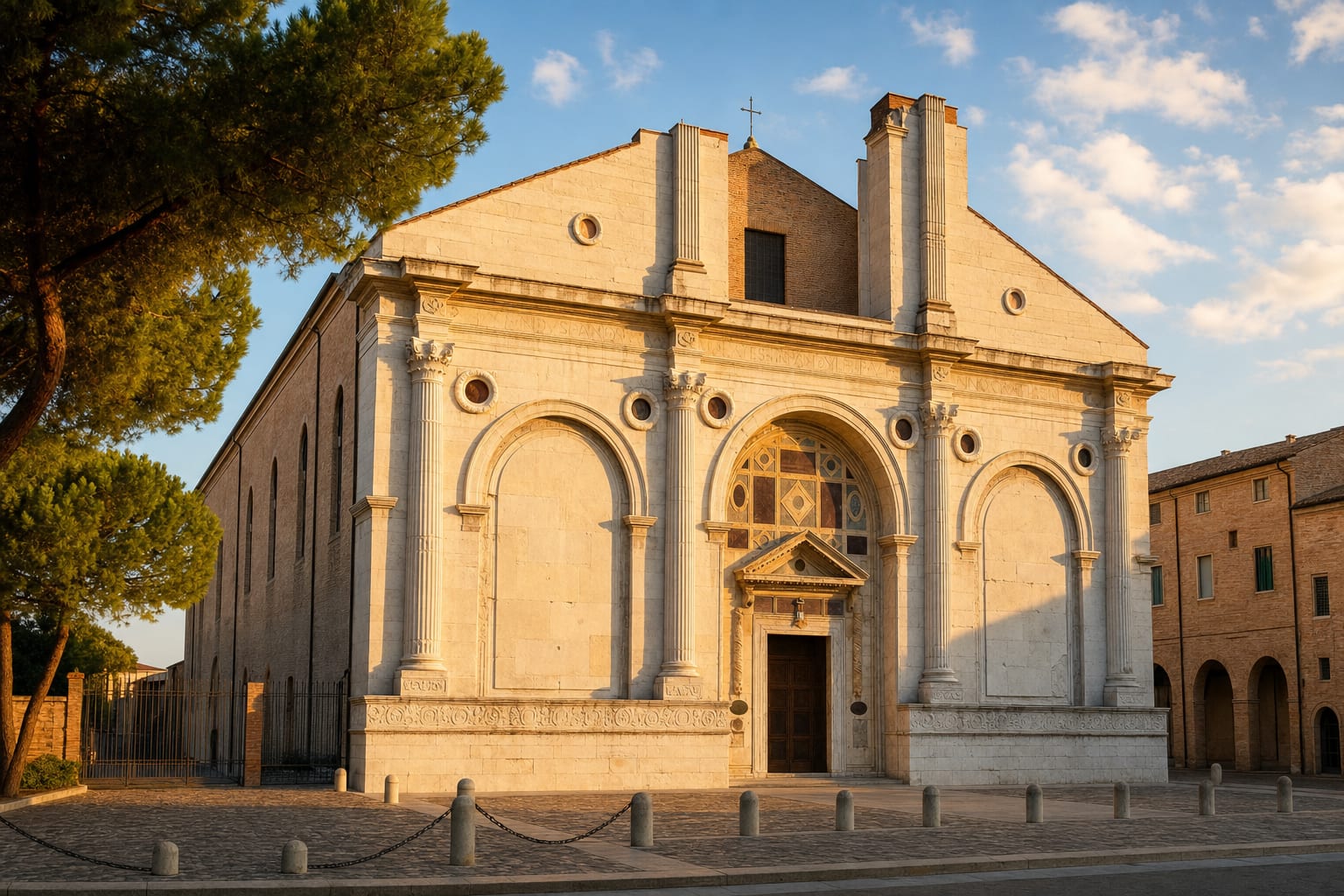 RiminiTempio MalatestianoAlberti's Renaissance facade, Sigismondo's pagan church, Piero della Francesca fresco, Giotto crucifixSigismondo Pandolfo Malatesta, Rimini's warlord and patron, hired Leon Battista Alberti around 1450 to wrap the old Gothic church of San Francesco in a Renaissance shell modeled on Rimini's own Roman Arch of Augustus. The result, the Tempio Malatestiano, was never finished (the upper facade still shows exposed brick), but inside it holds two treasures worth crossing the city for: a wooden crucifix Giotto painted around 1312 and a fresco by Piero della Francesca in which Sigismondo kneels, stiff and unrepentant, before his patron saint. Sigismondo built the temple as much for his mistress and eventual wife Isotta degli Atti, whose initials intertwine with his throughout the marble side chapels, as for God, and Pope Pius II never forgave him for it.
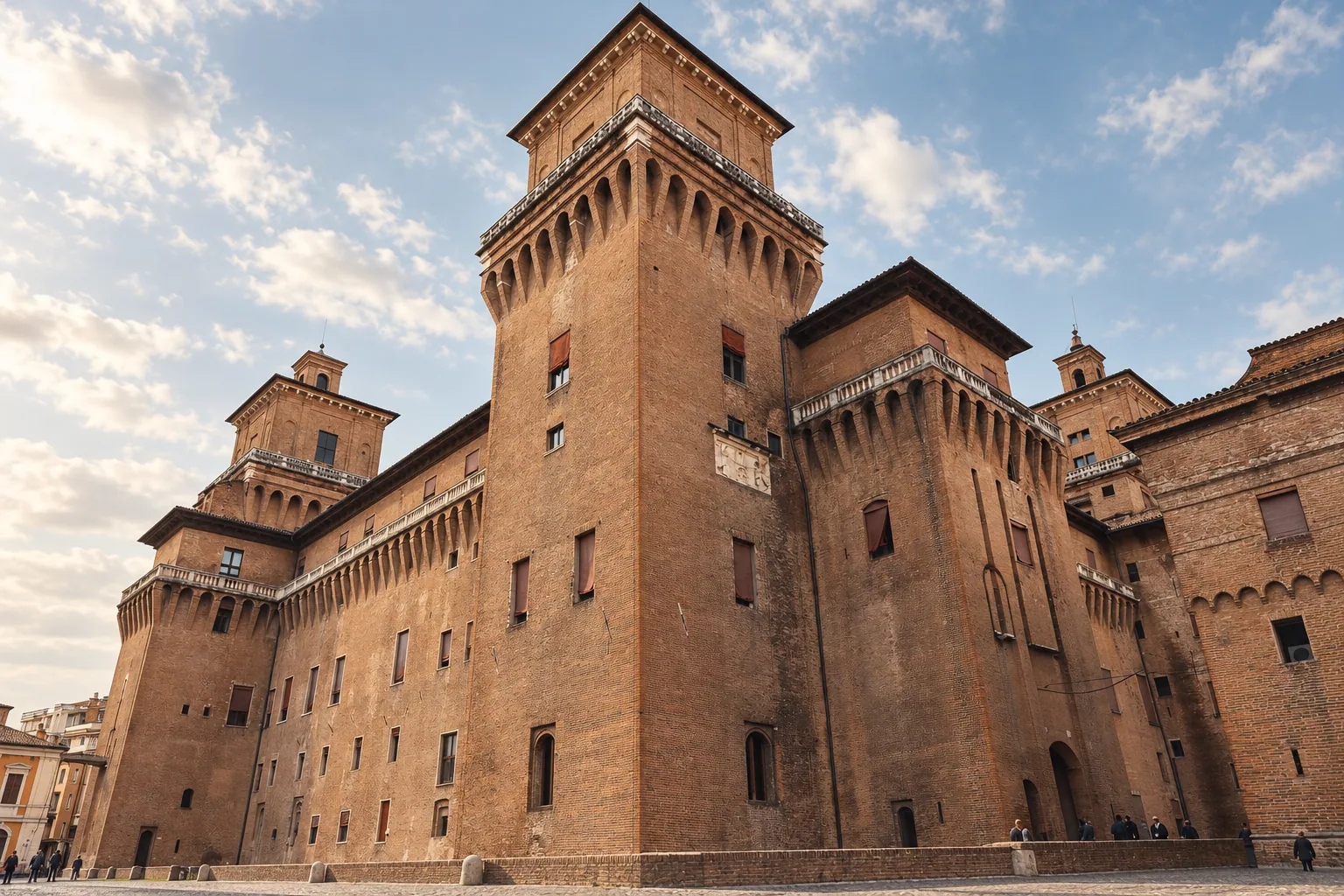 FerraraUNESCOEstense CastleMoated castle in the city center, Este dynasty seat, dungeon of Ugo and Parisina, hanging orange gardenAfter a 1385 tax revolt in which Ferrara's citizens lynched the official who had raised their taxes, Niccolo II d'Este decided he needed a fortress, not just a palace, and had Bartolino da Novara build one around an existing tower, the Torre dei Leoni, right in the city center, complete with moat and working drawbridges. Its lower cells later held Ugo and Parisina, Niccolo III's son and young second wife, whom he had beheaded in 1425 after discovering their affair, a story that still colors every tour of the dungeons. Upstairs, Duke Alfonso I's hanging Giardino degli Aranci offered the opposite of the cells below: orange trees in pots and a private terrace above the moat, for a court that could clearly be as cruel as it was cultivated.
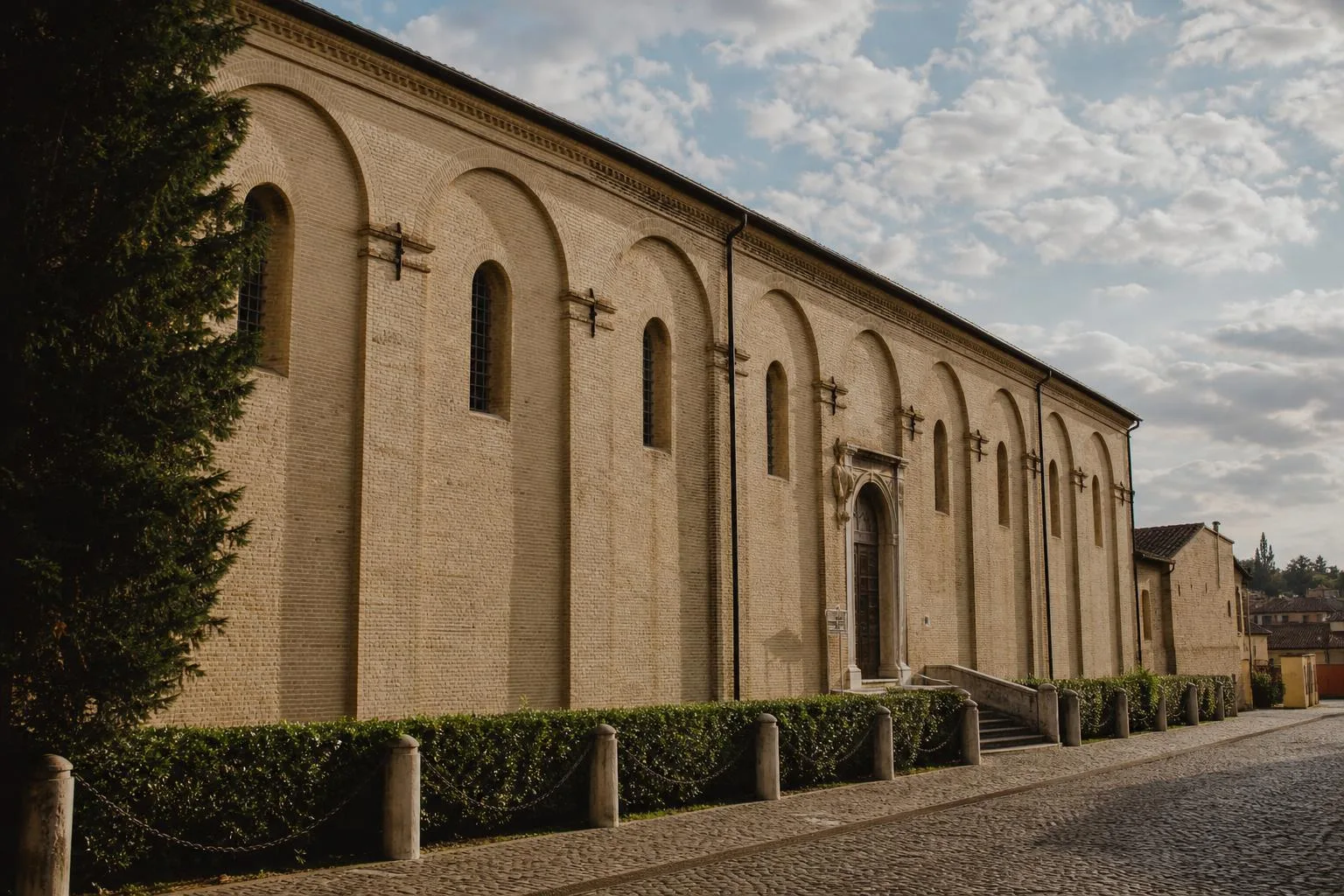 CesenaHidden GemMalatestiana LibraryEurope's first public civic library, intact 1454 reading room, chained codices, UNESCO Memory of the WorldMalatesta Novello, lord of Cesena and younger brother of Rimini's Sigismondo, commissioned this library in 1447 from the architect Matteo Nuti, a student of Alberti, and opened it to the public on August 15, 1454, making it Europe's first library owned by a city rather than a church or a noble house. The reading room, three aisles under a barrel vault lit by forty-four windows angled toward the desks below, has barely changed since: the original 343 codices still sit chained to the same benches where fifteenth-century readers sat, beneath the Malatesta family's elephant emblem and its motto about fearing no mosquito. UNESCO added it to the Memory of the World Register in 2005, the first Italian entry, honoring a library whose building, furniture, and books have simply never left.
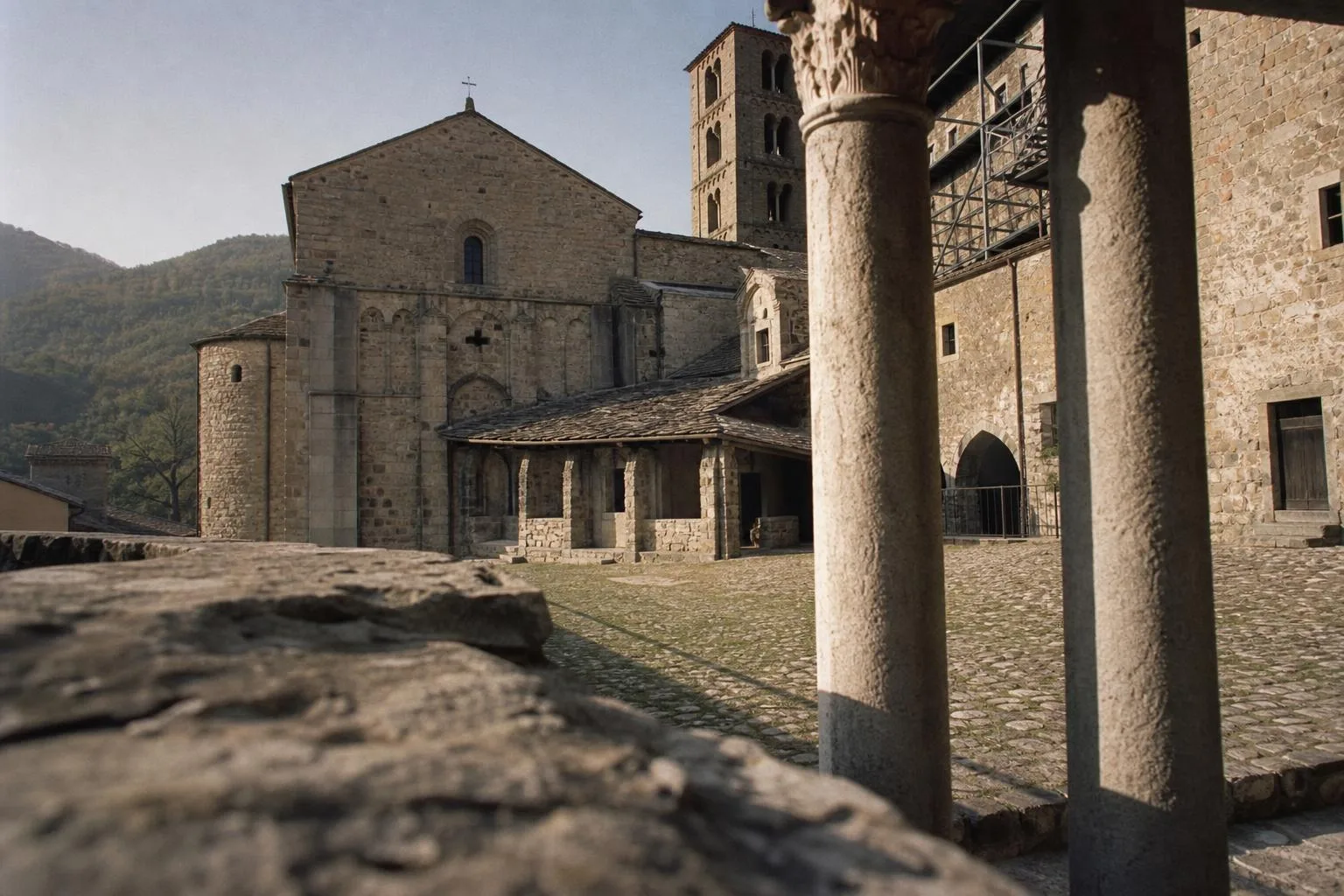 BobbioHidden GemBobbio AbbeySaint Columbanus, medieval scriptorium, crypt mosaic, Renaissance basilica, Abbey MuseumThe abbey of San Colombano in Bobbio was founded in 614 by Columbanus, the Irish monk who crossed Europe founding monasteries, and it became one of the great centers of medieval learning: its scriptorium and library held hundreds of manuscripts, many of which later went to the Ambrosian Library in Milan and the Vatican. The present basilica is Renaissance, built between 1456 and the early 1500s, and it holds Columbanus's sarcophagus, carved by Giovanni dei Patriarchi in 1480. Below it, the crypt has a twelfth-century floor mosaic of the Maccabees and the months of the year, and the Museo dell'Abbazia, in the old scriptorium rooms, shows finds from the site. A quiet, out-of-the-way stop in the Trebbia valley.
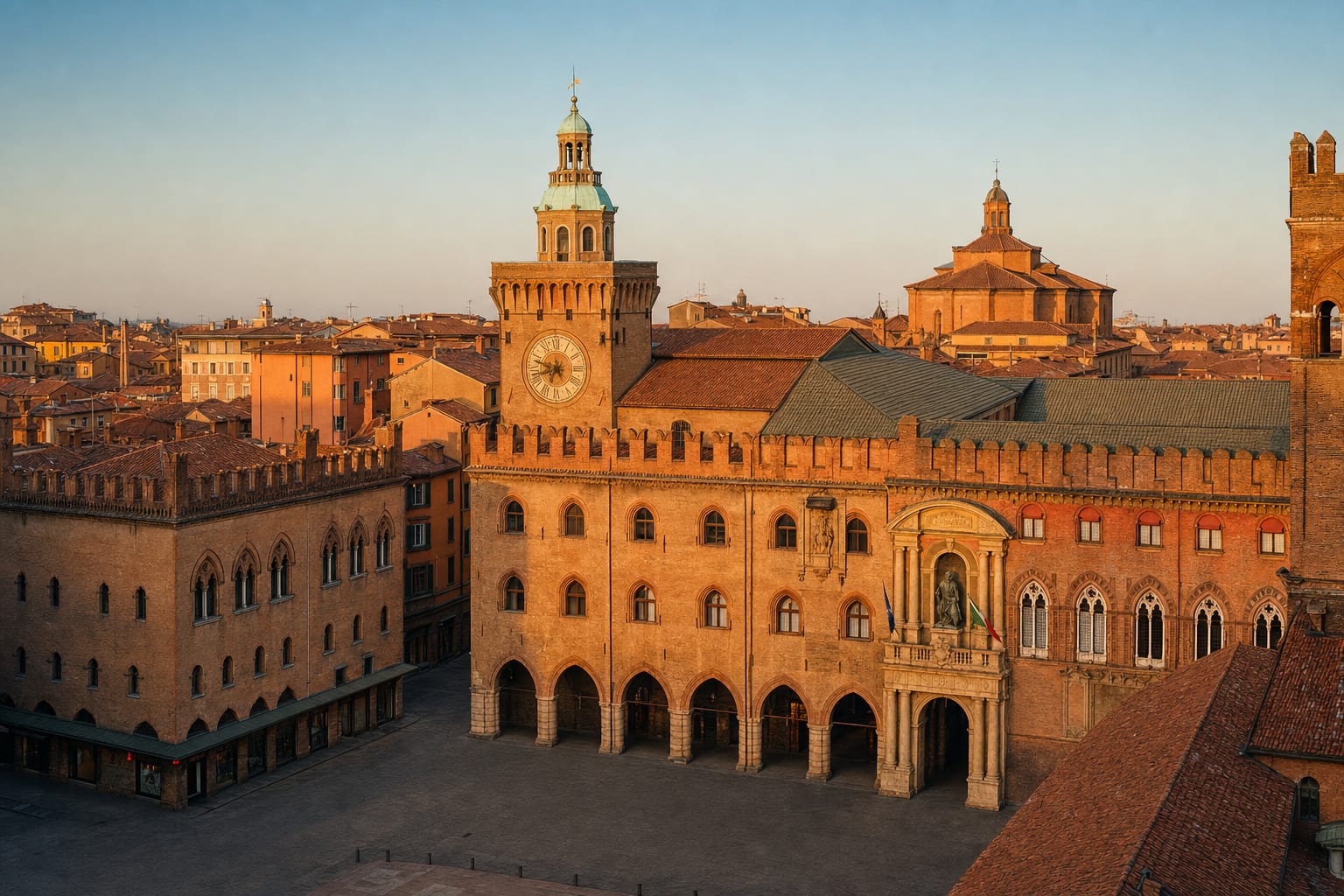 BolognaPiazza MaggioreSan Petronio's unfinished facade, Giambologna's Neptune fountain, summer film screenings, civic palacesBologna built this square across the twelfth to fifteenth centuries and has never stopped using it, for debates, protests, summer film screenings and daily life alike. San Petronio's facade closes off the southeast side still half clad in raw stone, its marble veneer abandoned mid-thought when funds meant for the church were redirected to build a university palace instead. Palazzo d'Accursio, the seat of city government, faces it from the west, while the adjoining Piazza del Nettuno adds Giambologna's bronze fountain of Neptune, cast in 1567 and still startling for how much flesh the sculptor found in bronze. Together the squares form the civic heart of Bologna, ringed by porticoes that let the crowds gather rain or shine.
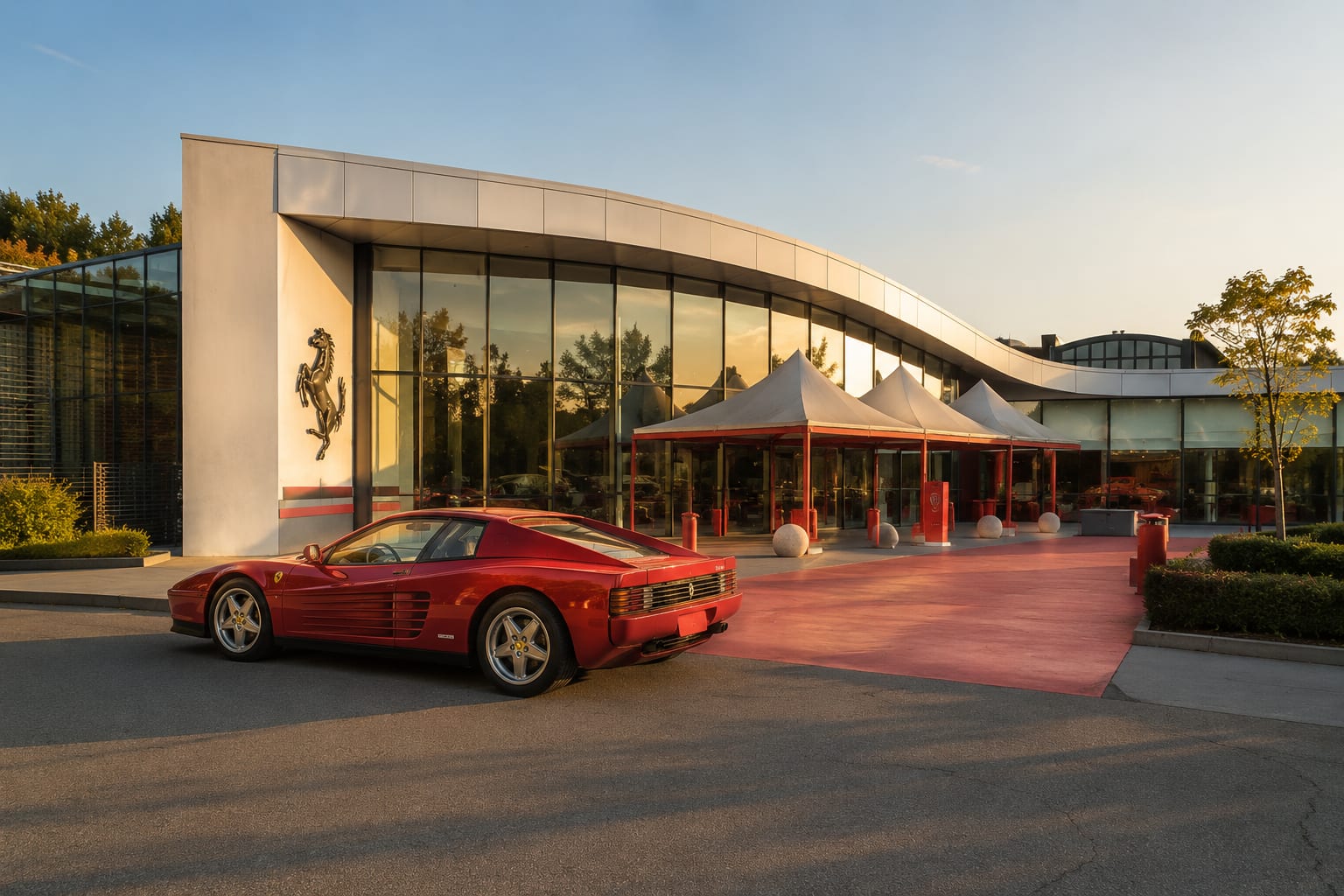 MaranelloMuseo FerrariFerrari's home museum, Formula 1 winners, rosso corsa icons, Hall of Victories, simulatorsMaranello is the town where Ferrari builds its cars, and the museum about 300 meters from the factory gates tells the story in rosso corsa. The museum opened in 1990, gained a new wing in 2004 and now covers about 2,500 square meters, with road cars and racing cars, trophies, photographs and pieces of the technology that moved from track to showroom. Formula 1 winners line the halls, and the simulators let visitors embarrass themselves at Monza. It is the more energetic of the two Ferrari museums; the other, in Modena, is devoted to Enzo Ferrari's life and to design.
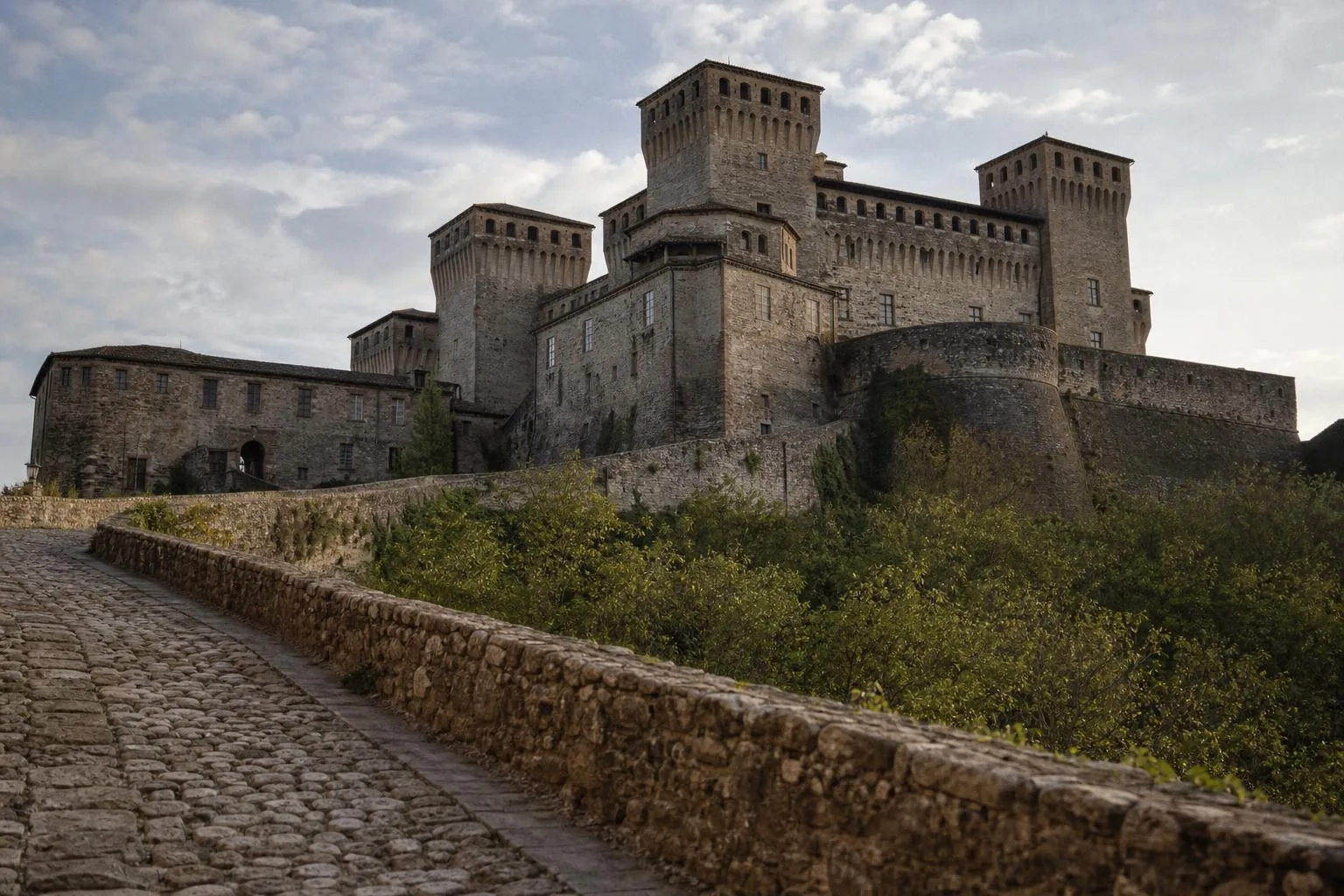 LanghiranoHidden GemTorrechiara CastleCamera d'Oro frescoes, Pier Maria de' Rossi and Bianca Pellegrini, hilltop fortress-residence, Parma valley viewsPier Maria II de' Rossi, count of San Secondo, built this castle between 1448 and 1460, not primarily to defend the Parma valley below but to house his mistress, Bianca Pellegrini d'Arluno, in appropriate splendor. It shows: the fortress's four massive towers ring a courtyard that opens onto loggias and a frescoed bedroom, the Camera d'Oro, painted with the couple's entwined initials and attributed to Benedetto Bembo. Perched on a rocky spur above Langhirano, the castle passed to the Italian state in 1912, survived a 2008 earthquake, and reopened after restoration in 2014. It remains one of the best-preserved fortress-residences in Emilia-Romagna, still looking out over the same valley it once watched over.
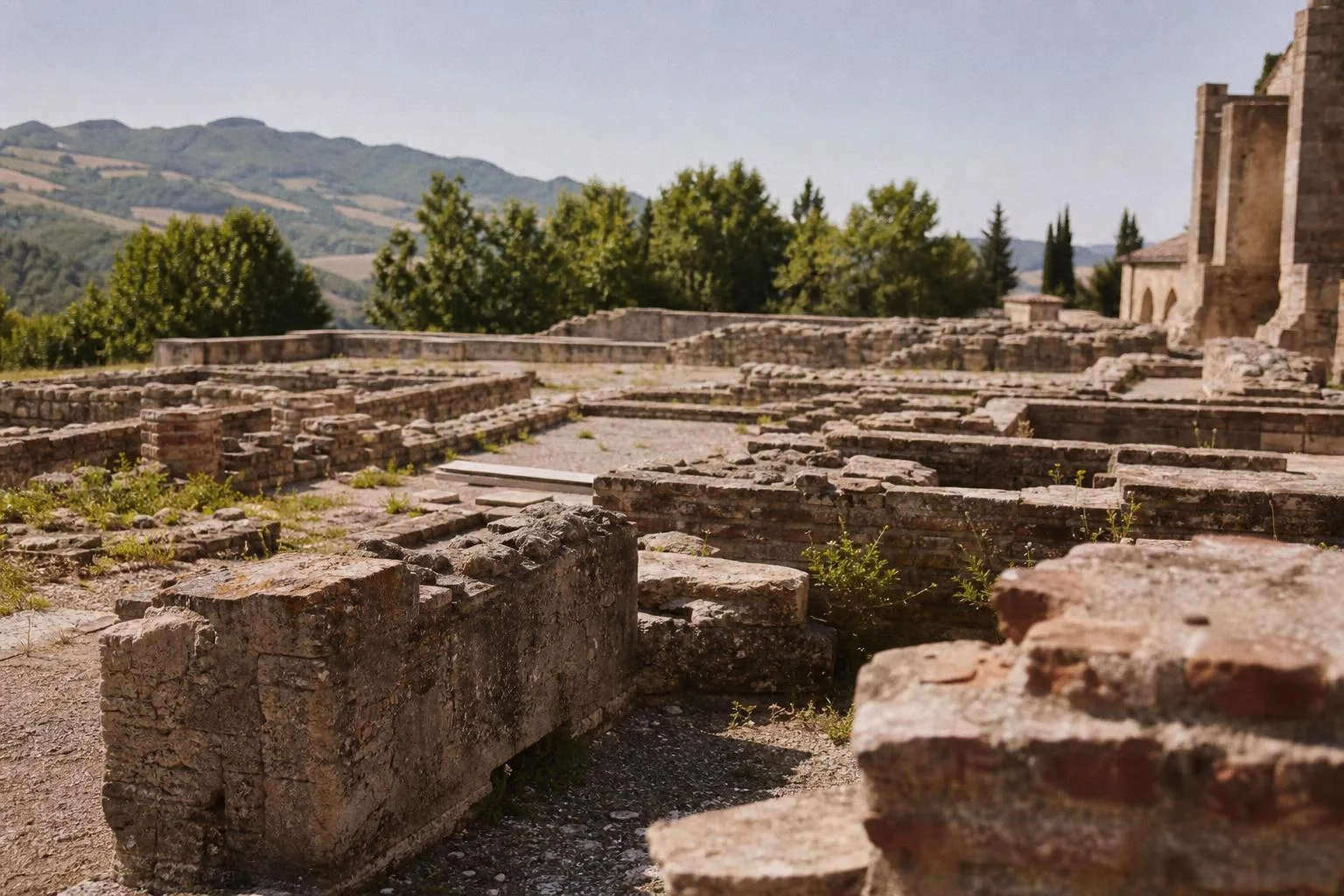 Castell'ArquatoHidden GemVeleiaTabula Alimentaria Traiana, forum and basilica, Antiquarium with castsVeleia was a small Roman town in the Chero valley of the Apennines, founded in the first century and abandoned after landslides from the mountain above. In 1747 a chance discovery changed its fame: the Tabula Alimentaria Traiana, a bronze tablet recording the welfare scheme of the emperor Trajan, by which loans to landowners funded the upbringing of poor children. It is one of the longest Latin inscriptions on bronze to survive. The original is now in Parma; the site's Antiquarium shows casts alongside jewelry, lamps and architectural fragments. Outdoors you walk the forum, the basilica and the baths across a quiet hillside, with almost no one else there.
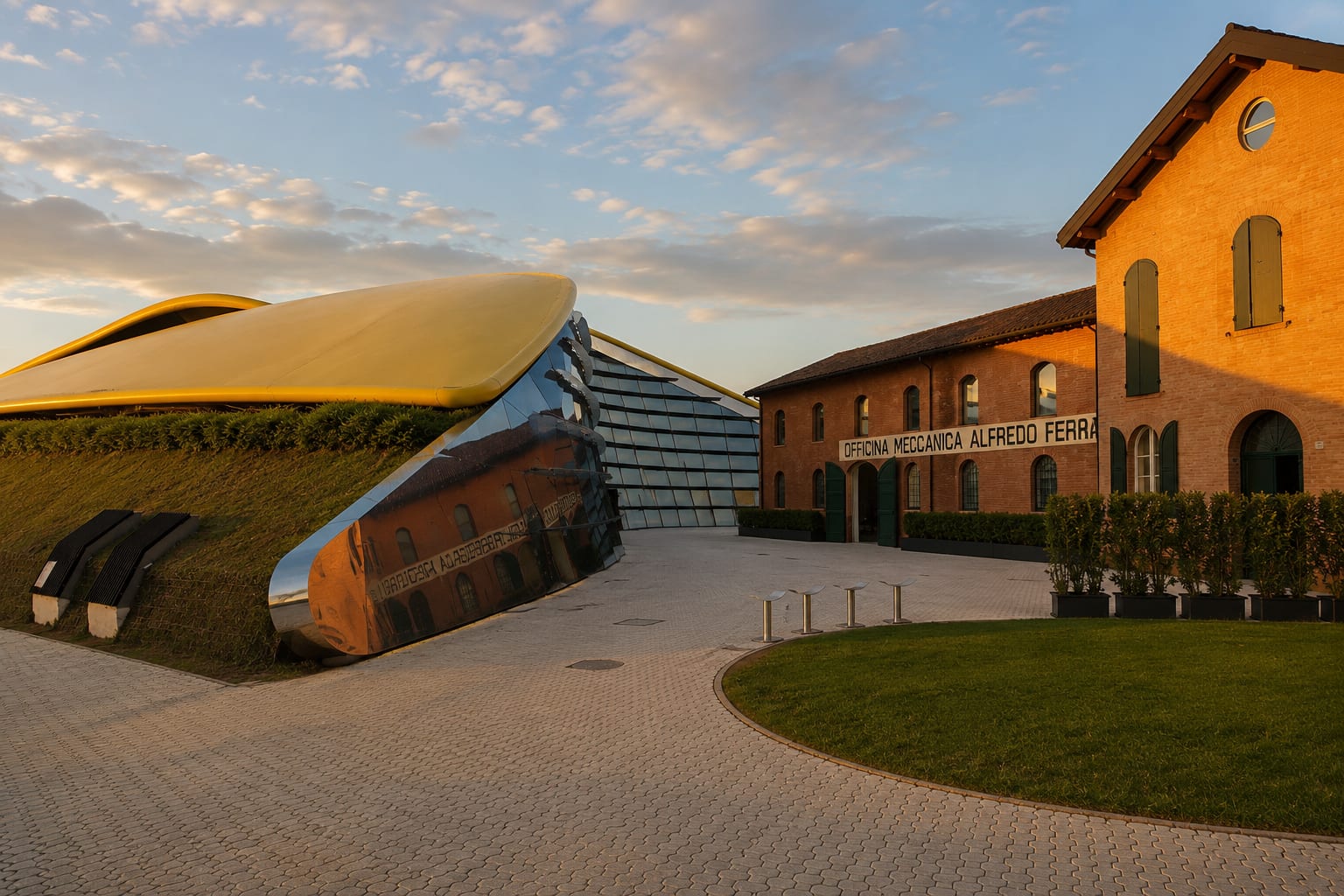 ModenaMuseo Enzo FerrariYellow car-hood pavilion, Enzo's birth house and workshop, Modena's motor valley, racing carsEnzo Ferrari was born in Modena in 1898, in a house beside his father's workshop, and both still stand inside this museum. Around them rises a pavilion designed by Jan Kaplický of Future Systems, completed by Andrea Morgante, whose sweeping yellow aluminum roof is shaped like a car hood. Inside, rotating exhibitions place the racing cars, lit like sculpture, in the story of Modena's motor valley and of Ferrari's life. The restored workshop houses a collection of engines, and a wraparound film sets the founder in his times. The museum is a short walk from Modena's station; the museum at Maranello is a separate visit, and a combined pass covers both.
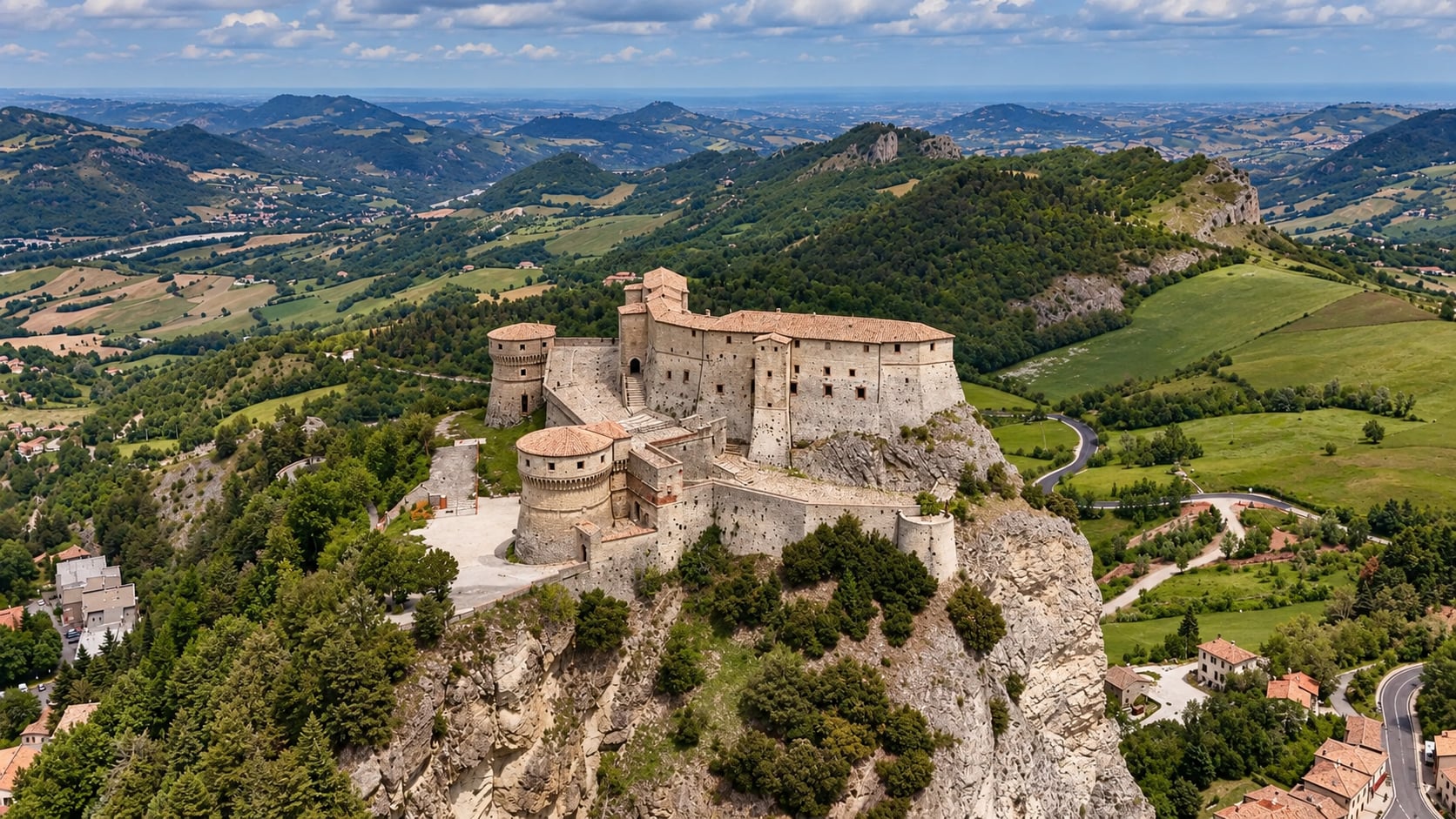
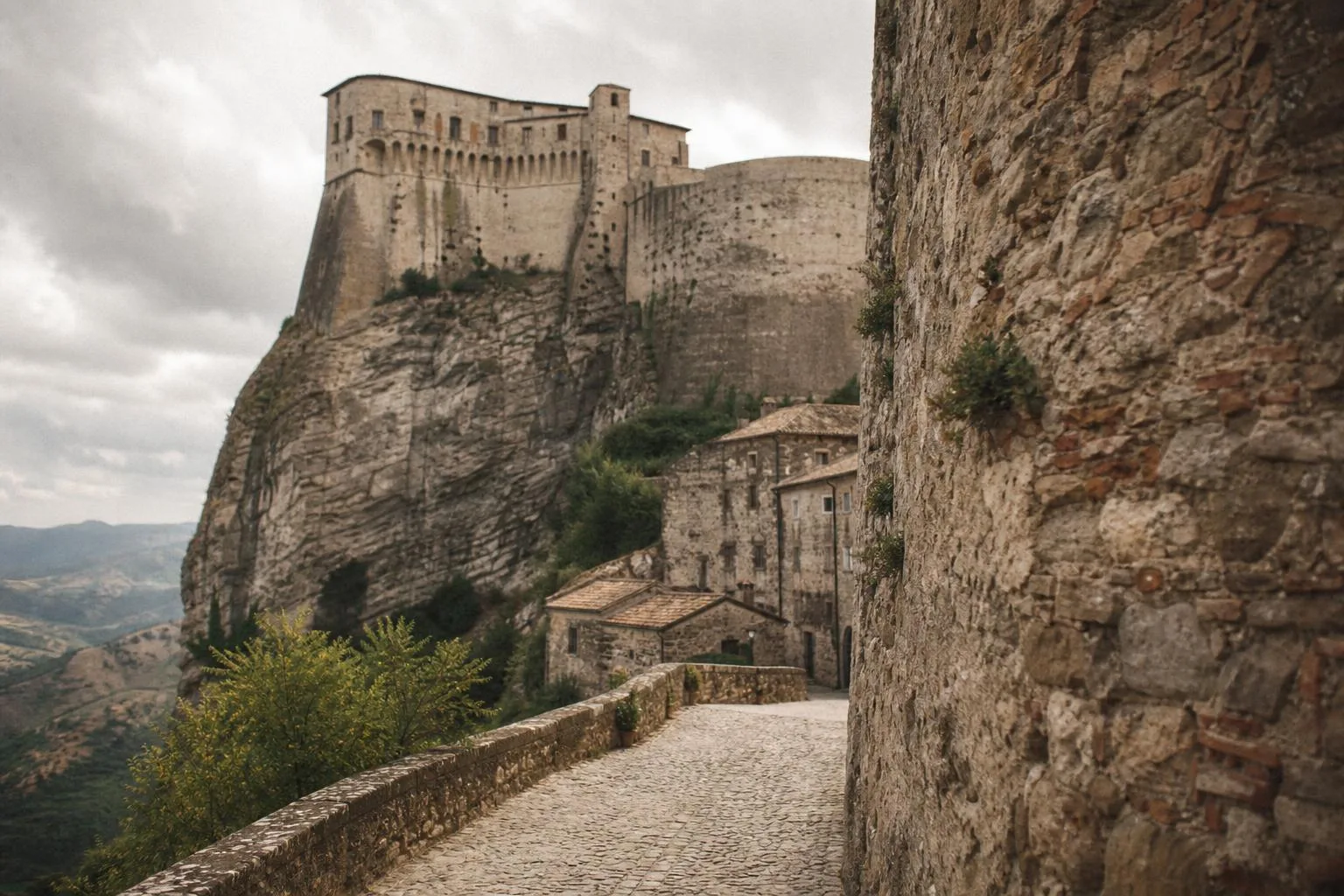 Sant'Arcangelo di RomagnaHidden GemFortress of San Leo1441 Francesco di Giorgio Martini rebuild, arms museum, cliff-top ramparts, Cagliostro's prison cellSan Leo's fortress sits on a sheer block of rock above the Montefeltro hills, a natural stronghold long before Federico da Montefeltro had it rebuilt in 1441 by his military architect, Francesco di Giorgio Martini. The new walls followed the cliff edge so closely that an attacker had nowhere to plant a ladder, and for centuries the Papal States used the fortress as one of their most secure prisons. Its best known inmate was Giuseppe Balsamo, the self-styled Count Cagliostro, an alchemist and occultist held in a cell reachable only through a trapdoor in the ceiling, where he died in 1795. Today the rooms hold a museum of arms and armor, and the ramparts give a clear view over San Leo's rooftops and the winding road below. The short, steep walk up from the village is worth it for the view alone, quite apart from the history.
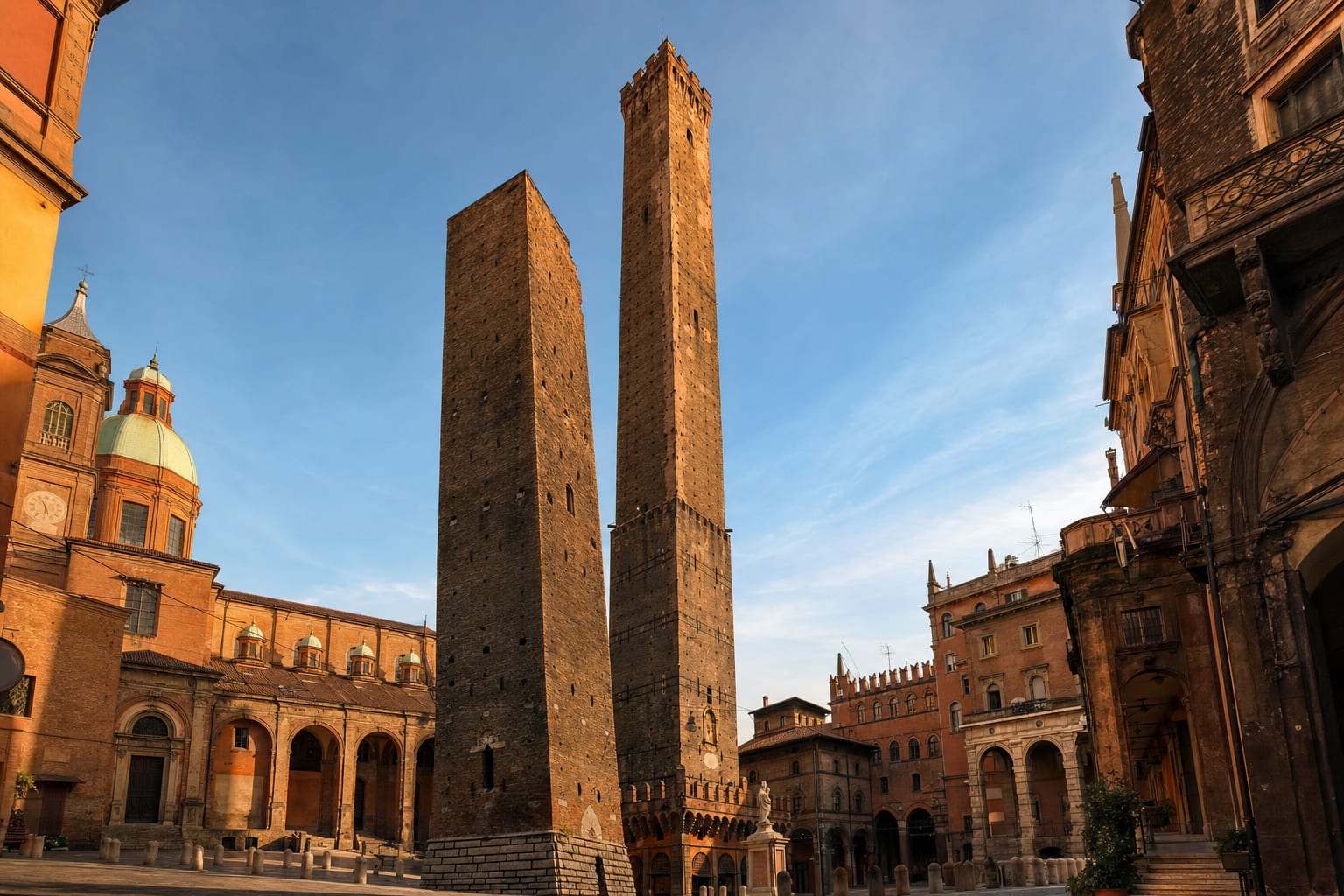 BolognaTwo Towers of BolognaAsinelli and Garisenda towers, medieval lean, Dante's Inferno reference, Bologna's skyline since 1119Of the dozens of defensive towers medieval Bologna's rival families once built, only a handful survive, and none rival the pairing at Porta Ravegnana: the Asinelli, at 97 meters the taller of the two, and its shorter, more dramatically tilted neighbor, the Garisenda. Both went up between 1109 and 1119, and Dante mentions the Garisenda's lean directly in the Inferno, comparing a giant he meets to the tower as seen from beneath its overhang. For decades, climbing the Asinelli's 498 steps for a view over Bologna's red rooftops was the city's classic small ordeal. The Garisenda’s lean is a genuine structural concern, and both towers still dominate Piazza di Porta Ravegnana.
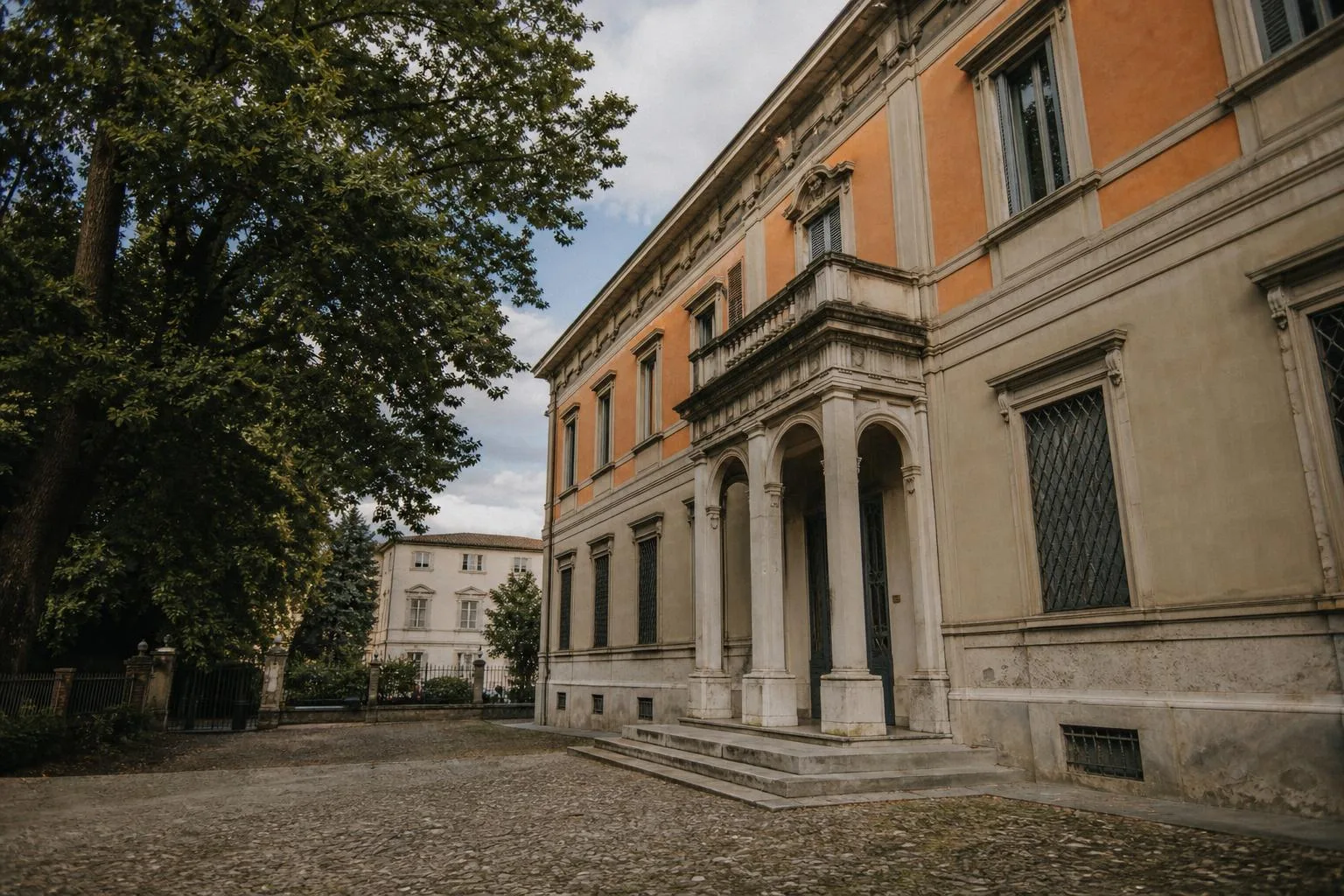 PiacenzaHidden GemGalleria d'Arte Moderna Ricci OddiKlimt’s Portrait of a Lady, Hayez and Fattori, Boccioni, Arata’s 1931 buildingPiacenza’s modern art gallery was the life project of the collector Giuseppe Ricci Oddi, who left the city his collection together with a purpose-built home designed by Giulio Ulisse Arata and completed in 1931. Around 400 works of nineteenth- and twentieth-century art, mostly Italian, hang here, from Francesco Hayez and Giovanni Fattori to Umberto Boccioni and Carlo Carrà. The gallery is best known for Gustav Klimt’s Portrait of a Lady, stolen in 1997 and recovered in 2019, when a gardener clearing ivy from the outer wall found the painting behind a small hidden panel. It is a compact, calm museum that rewards an unhurried hour or two.
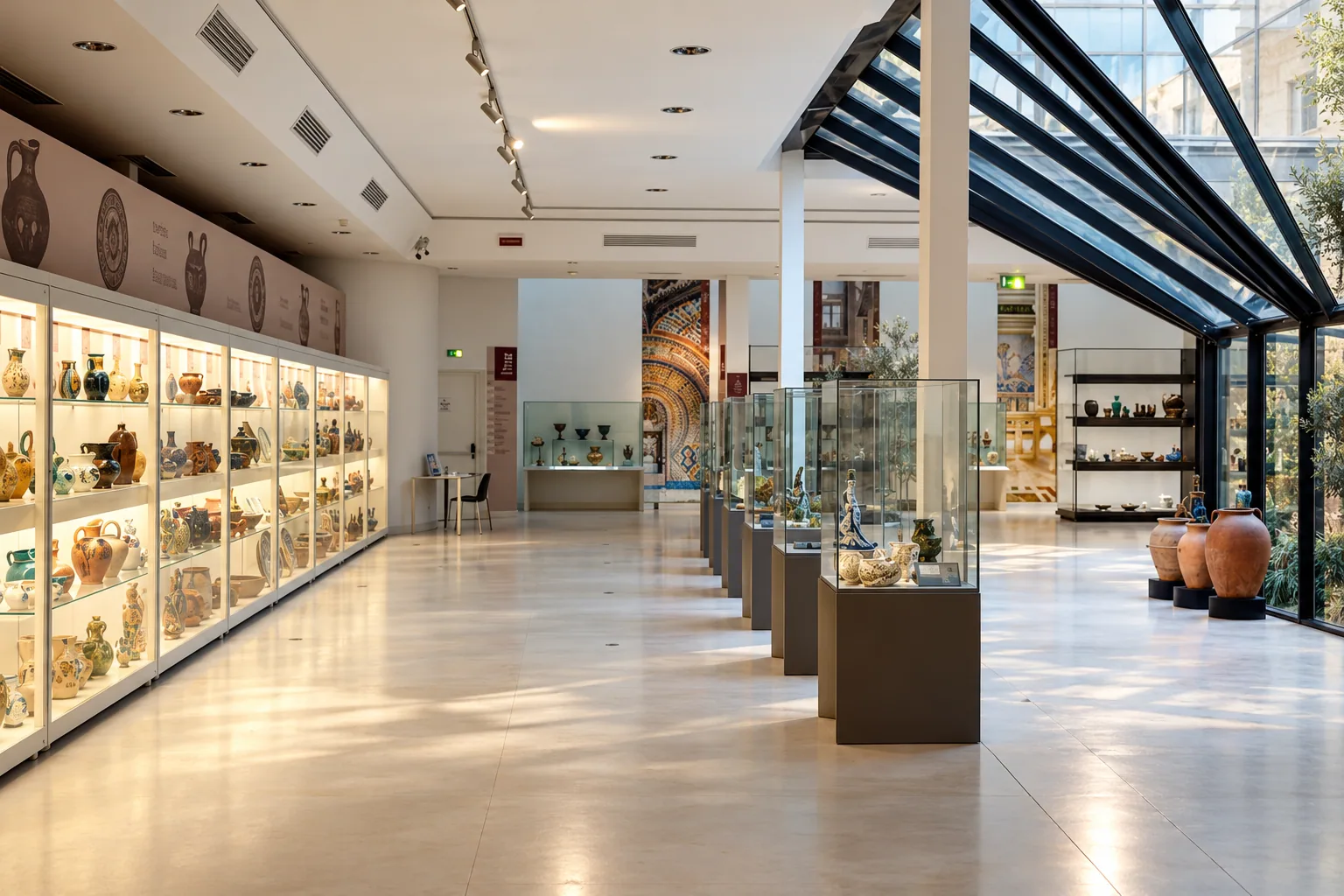 FaenzaInternational Museum of CeramicsWorld's largest maiolica collection, Picasso ceramic donations, Renaissance-to-contemporary span, active local workshopsFaenza gave its name to faience, tin-glazed earthenware, and the museum founded here in 1908 grew into the deepest collection anywhere of that art, now holding more than sixty thousand pieces that run from Renaissance maiolica to contemporary studio ceramics. Rebuilding after the Second World War's bombing raids became a cause international artists took up personally: Picasso, Léger, Matisse and Chagall all donated significant works to help restore the collections, and the Sala Europa now displays Picasso's ceramic plates as a preview to the museum's twentieth and twenty-first century sculpture galleries. Faenza's own workshops still fire and hand-paint maiolica using techniques largely unchanged since the Renaissance, so a visit to the museum pairs naturally with watching potters at work in the town's studios just outside its doors.
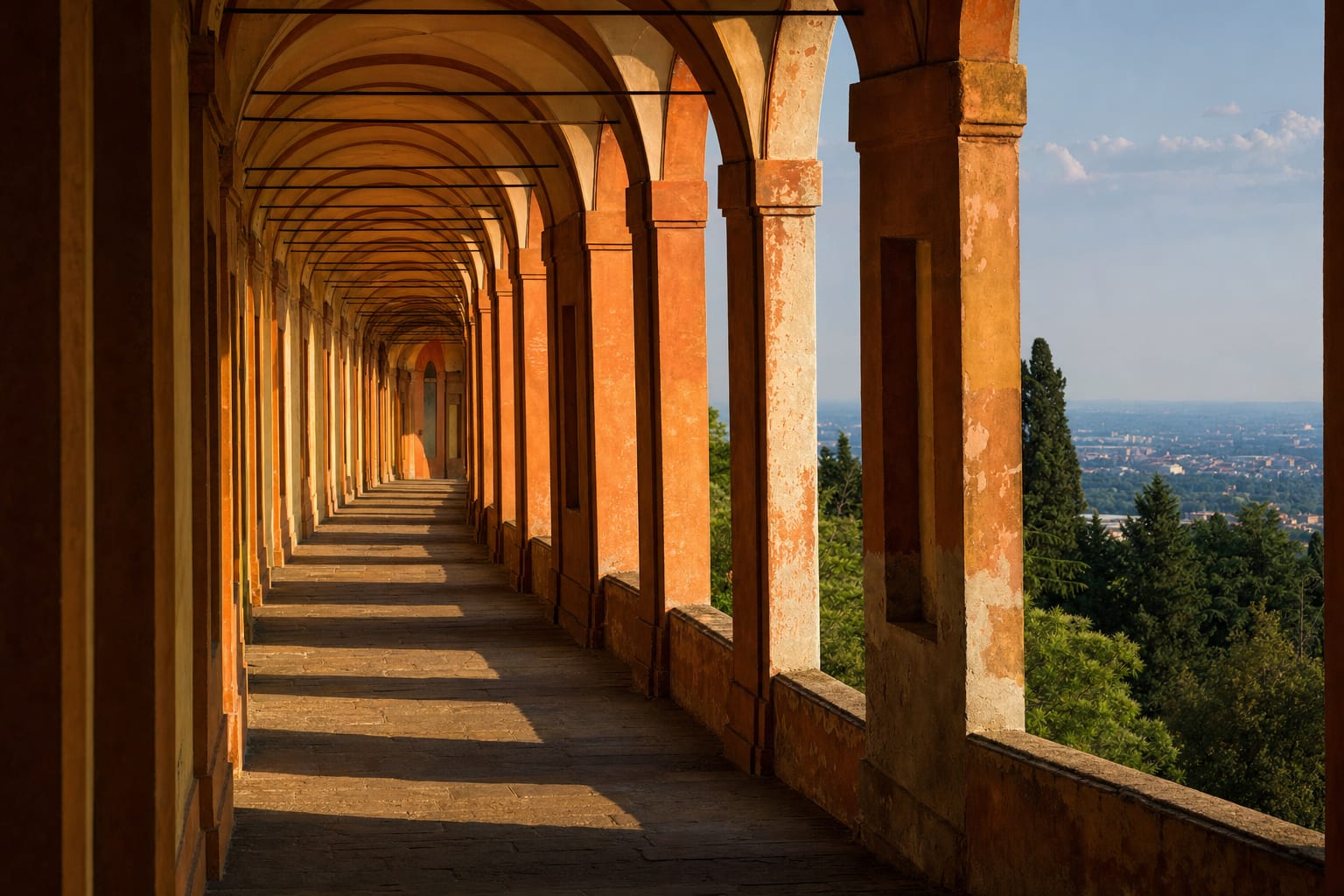 BolognaUNESCOPortico of San LucaLongest portico in the world, 666 arches over 3,796 meters, annual Madonna descent each May, UNESCO listing since 2021Nothing else in the world matches this covered walkway for sheer length: 3,796 meters and 666 arches climbing from the city gate at Porta Saragozza to the hilltop Sanctuary of the Madonna di San Luca, built between 1674 and 1739 specifically to shelter an annual procession carrying a Byzantine icon of the Madonna down into Bologna each spring. Bolognesi walk it today for fitness, for penance, or simply for the view that opens up gradually as the arches climb the Colle della Guardia, and UNESCO recognized the whole system of Bologna's porticoes, this one included, as a World Heritage Site in 2021. Every May, the icon still makes the same descent it was built to protect.
Tours worth booking in Emilia-Romagna
Compared by our editors, across providers.
Booking through these links may earn Italia Magnifica a commission, at no cost to you.
- Viator
- 3h
- 5.0★ · 6 reviews
from €215Book this tour- Viator
- 2h 30m
- 5.0★ · 14 reviews
from €178Book this tour- Viator
- 2h
- 5.0★ · 7 reviews
from €25Book this tour- Viator
- 5h
- 5.0★ · 5 reviews
from €454Book this tour- Viator
- 3h
- 4.1★ · 18 reviews
from €79Book this tour- Viator
- 2h
- 5.0★ · 45 reviews
from €280Book this tour


City by city
Where the monuments cluster in Emilia-Romagna.