In this article
Clear a little space after supper, put the numbered pieces in a bag and choose someone to call. Tombola turns a Christmas gathering into a game of listening, checking and waiting for one more number. The familiar version uses numbers from 1 to 90, with players covering the matches on their own cards.
You can make it a small part of your Italian Christmas traditions: one round after the meal, a few modest non-cash prizes and an invitation to join. Start with one card each when people are learning. Keep the rules visible so newcomers can follow the same game as everyone else.
What to put on the table
Bring out a complete set of ninety numbered pieces, a bag or basket for drawing them, a master board and the players’ cards. A standard card carries fifteen numbers in three rows of five, with some spaces left blank. Each player needs markers or the covering system supplied with the set.
Before handing out the cards, check that the draw contains every number once. Give the caller a clear place for the master board and leave enough space for everyone to see their own card. Put drinks and serving dishes to one side; a knocked-over pile of markers is an avoidable interruption.
Use the age guidance and instructions on your own set. Small numbered pieces and markers need particular care around young children. For someone who needs help reading or handling a card, offer a willing partner and ask how they would like to take part.
How a round works
Choose a caller to mix the pieces, draw one at a time and announce each number clearly. The caller records the drawn number on the master board. Everyone checks their cards and covers a matching number if they have it. Keep drawn pieces separate from those still waiting in the bag.
Leave a pause between calls so people can finish checking. If someone misses a number, repeat it before continuing. When a player announces a winning combination, stop the draw and compare the marked numbers with the master board. Resume only after the claim has been checked and the table knows which combination comes next.
Keep the caller’s board visible throughout the round. It gives the group a shared record when a counter moves or two people remember a call differently. At the end, collect the pieces and markers before starting again, so the next round begins with a complete draw.
Ambo, terno and the winning calls
The names below belong to the familiar fifteen-number game. Ambo, terno, quaterna and cinquina concern one horizontal row on one card. Tombola covers the whole card. Two numbers on different rows do not form an ambo. Explain that distinction before the first draw.
| Call | What completes it | Where to check |
|---|---|---|
| Ambo | 2 drawn numbers | The same horizontal row |
| Terno | 3 drawn numbers | The same horizontal row |
| Quaterna | 4 drawn numbers | The same horizontal row |
| Cinquina | All 5 numbers in a row | One horizontal row |
| Tombola | All 15 numbers | The whole card |
Decide which prizes you are playing for and in what order. A simple family round can use the five calls in the table, with a small prize assigned to each. Read the booklet in your set and agree any variations together; household rules about later prizes can differ.
Agree the house rules first
Settle ties before they happen. You might recognise everyone who completes the same combination on the same draw as a joint winner, or agree how a shared prize will work. Also settle whether a row that has already won a smaller prize can qualify for a later one. Say the decision aloud while all the cards are still clear.
Keep the prizes small enough that everyone is comfortable with the evening. A wrapped ornament, a little notebook or another simple token can give a winning call its moment. Make participation optional and agree one round before offering another; people can stay at the table for the conversation without taking a card.
The Neapolitan voice of the game
Tombola has a strong place in Christmas family gatherings in Naples. Its calls connect with the Smorfia, the tradition that associates numbers with images, people and situations. A caller can accompany the number with its symbolic meaning, giving the draw a spoken character as well as a place on the board.
Let someone who knows those associations explain the ones they enjoy using. Keep the number audible alongside the story, particularly at a table with newcomers or more than one language. The group can enjoy the words without asking every player to memorise them. For a festive trip as well as an evening at home, explore Naples at Christmas.
Leave room for the rest of the evening
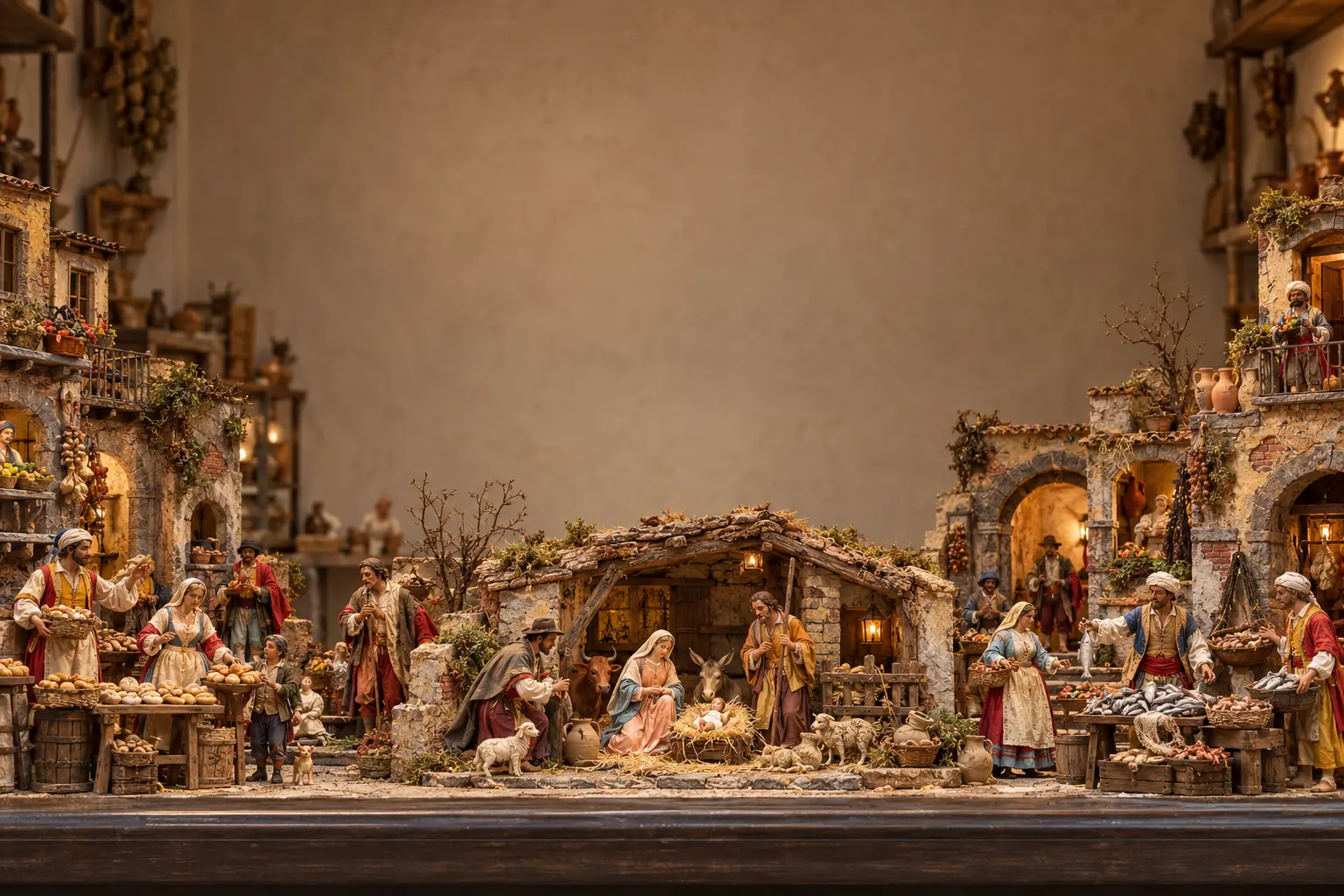
Plan the game around the people who are coming. If children or first-time players want another activity, making a small presepe can come earlier in the day. At the table, offer a clear view of the cards and a pace that gives everyone time to respond. Ask before helping with someone else’s markers.
Bring the sweets back during a pause rather than trying to serve and call numbers at once. Roccocò, cavallucci and torrone offer three different directions for the Christmas sweet plate; choose what fits the meal you have already planned. Check the individual recipes and guests’ dietary needs when deciding what to make.
If a round brings back a family phrase or a story about an old set of cards, write it down afterwards. The family Christmas notebook offers a place to start collecting those details. For the rest of the holiday, return to the Christmas in Italy guide and choose the next gathering, meal or visit at your own pace.