

A boutique hotel in a medieval building beside Basilica di San Petronio, with vaulted ceilings and exposed beams, steps from Piazza Maggiore.
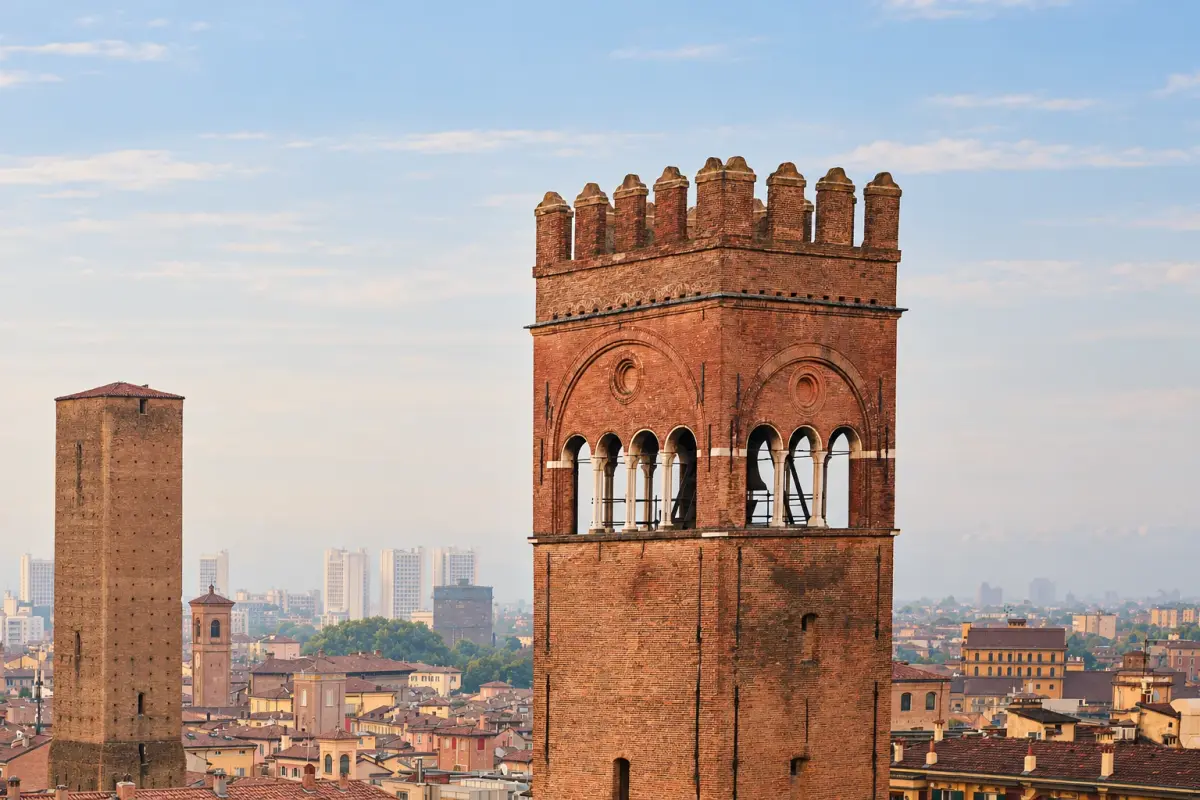
Check dates: Art Hotel CommerciantiHome to the Western world's oldest university and forty kilometres of porticoes, Bologna gathers around Piazza Maggiore and the leaning Two Towers, Asinelli and Garisenda.
Go in spring and fall.
- People
- 391,000
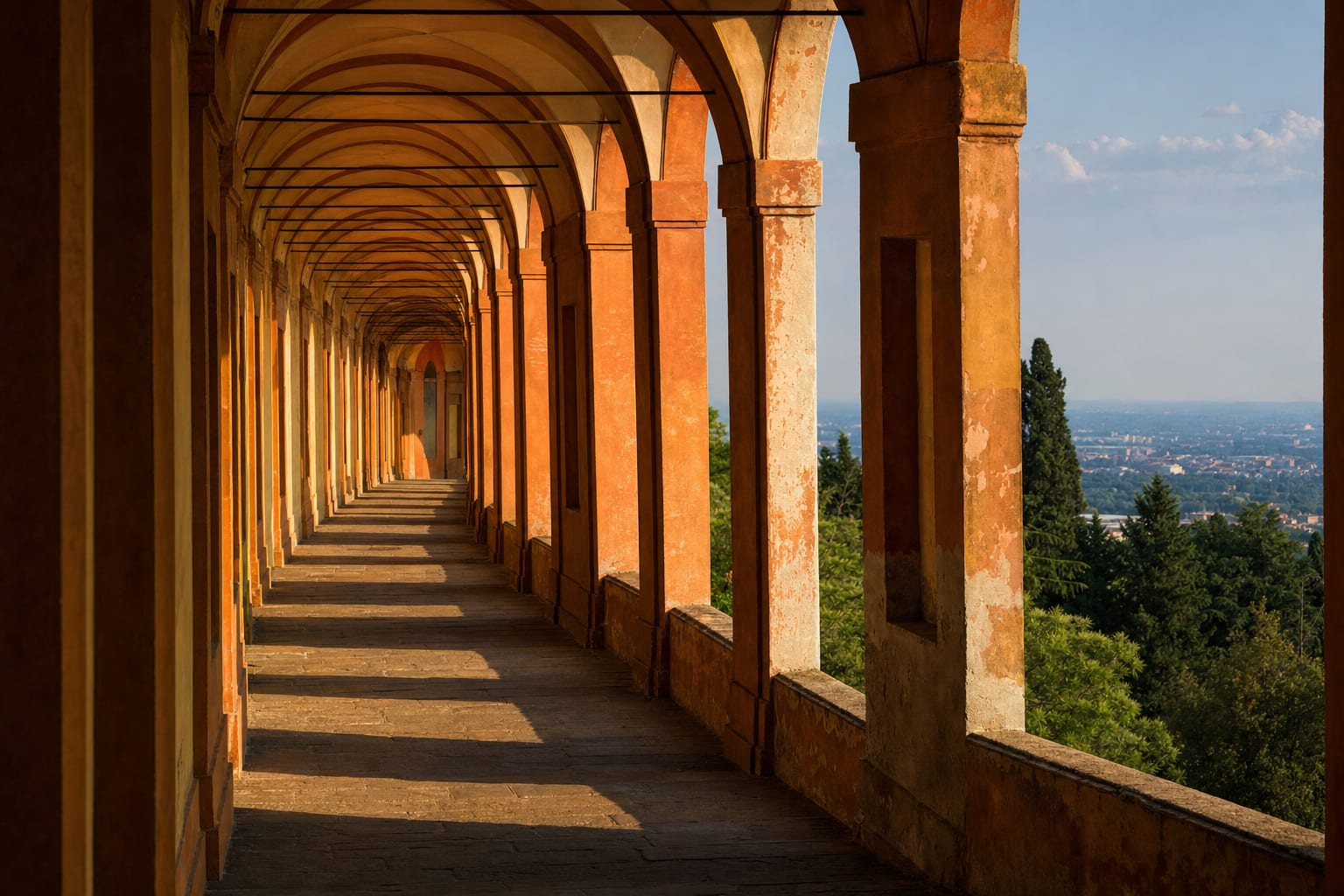
The longest portico on earth climbs 666 arches to the sanctuary of San Luca.
Where to stay in Bologna

Grand Hotel Majestic Già Baglioni
An eighteenth-century palazzo on Via dell'Indipendenza with antique-furnished rooms, a fresco-lined dining room tied to the Carracci, and Roman paving in the basement.
Check dates: Grand Hotel Majestic Già BaglioniCorte Sant'Orsola 4
A small six-room guesthouse on Via Massarenti, within walking distance of Piazza Maggiore, practical for an uncomplicated stay in Bologna.
Check dates: Corte Sant'Orsola 4Villa Benni
A villa B&B on Via Saragozza with a garden, frescoed rooms and period furniture, a quiet residential base outside the old centre.
Check dates: Villa Benni
Other places to stay
Bologna Center Town
A very small B&B in a central building on Via Marconi, a short walk from Via Indipendenza and Piazza Maggiore, for simple, low-key stays.
Search any of these on Booking.com by name, or browse the rooms in Bologna.
Booking through these links may earn Italia Magnifica a commission, at no cost to you.
What to see in Bologna, day by day
One day: San Petronio, the Archiginnasio's anatomy theatre and a dusk walk from Santo Stefano to the Two Towers.Two days: San Petronio and the Two Towers, then the portico climb to San Luca and Raphael at the Pinacoteca.
San Petronio and the Two Towers
Day 1

Piazza Maggiore
Morning
Inside San Petronio, find Cassini's 67-metre meridian, then Giovanni da Modena's Hell in the Bolognini Chapel.
Read the guideFree basilica entry; the Bolognini Chapel has a separate ticket.
Archiginnasio and Anatomical Theatre
Afternoon
Look for the two flayed wooden Spellati beside the lecturer's chair, then the coats of arms upstairs.
Book online for the Anatomical Theatre, with an audio or guided visit.

Two Towers of Bologna
Evening
Start at Piazza Santo Stefano's seven churches at dusk, then follow the porticoes to the leaning Garisenda.
View the towers from outside; climbs are unavailable.
San Luca and the Pinacoteca
Day 2

Portico of San Luca
Morning
From Porta Saragozza it runs flat to the Meloncello arch, then fifteen chapels mark the climb.
Read the guideWalk freely beneath the portico to San Luca.

Pinacoteca Nazionale di Bologna
Afternoon
Go first to Raphael's Ecstasy of St Cecilia, then Guido Reni's Massacre of the Innocents.
Buy a museum ticket on site or online.

The old Ghetto
Evening
Leave the main porticoes for Via dell'Inferno and Via del Carro, the Ghetto's tight medieval lanes.
Dinner: La Taverna di Roberto
Explore the Ghetto’s streets freely.
If you have more time
Portico of San Luca
Walk Bologna’s portico from Porta Saragozza to San Luca, where the arches change from city pavement to a stair and hill route above the roofs.
Walk freely beneath the portico to San Luca.
Where to base yourself
Choose the streets around Via Santo Stefano and Strada Maggiore for porticoes and quiet evenings, or Via Galliera if you arrive by train and want the centre on foot.
Why this order
Plan your visit
Begin with Piazza Maggiore and give its buildings individual attention. San Petronio, Palazzo d’Accursio and the porticoed route towards the Archiginnasio explain different parts of Bologna’s civic and university history. From here, the food streets of the Quadrilatero are a natural continuation, rather than a separate excursion requiring transport.
Use the porticoes as a way to read the city, not just as shelter. An inner-city walk and the longer route towards San Luca are different undertakings. Choose the latter for a day when you want a sustained walk and check your approach and return arrangements; do not squeeze it into the interval before a museum reservation. Consult current access information for the Two Towers area before planning a climb or arranging a meeting there.
At the table, distinguish the pasta shapes and preparations instead of looking for one generic Bolognese dish. Tortellini in broth, tagliatelle with ragù and lasagne offer different experiences. A market visit works well before lunch, while a cooking class needs its own block of time. The railway station is useful for onward travel, but allow the walk between it and the historic centre when planning an arrival-day visit.
For a day centred on food, walk through the Quadrilatero before choosing where to eat. Look at the relationship between the shops, the narrow lanes and the much larger civic square beside them: everyday commerce and monumental Bologna occupy neighbouring spaces. Compare a shop selling ingredients with a place serving a meal, and ask what is made on the premises before booking a demonstration. A purchase, a tasting and a practical pasta lesson offer different levels of involvement.
For an architecture-led day, keep Piazza Maggiore, San Petronio and the Pavaglione portico together. Notice the passage from open square to covered pavement and the entrances along the way. Then choose whether your remaining time belongs to university history around the Archiginnasio or the longer walk towards San Luca. This gives the day a coherent theme while keeping lunch and a pause under the porticoes within reach.
- Start at the squareBegin in Piazza Maggiore and give San Petronio, Palazzo d’Accursio and the Archiginnasio individual attention.
- Follow the porticoesUse the covered arcades to read the city, linking the square to the Quadrilatero food streets on foot.
- Mind the station walkThe railway station suits onward travel, but allow time for the walk to the historic centre on arrival days.
What to eat in Bologna

Fresh egg pasta cut 8 mm wide, tossed in the pan with slow beef and pancetta ragù and Parmigiano Reggiano. Bologna's De.Co. first course, and the plate to order first.
For dinner
Trattoria Valerio
A family trattoria of old Bologna, for tagliatelle al ragù, tortellini in brodo or passatelli in a plain, wood-panelled room.
For lunch
La Taverna di Roberto
A smart, traditional room on Via San Vitale, good at midday for homemade fresh pasta and a mushroom salad.
Closed Sundays
One big night
I Portici (opens in a new tab)
Tasting menus rooted in Bologna's traditions, served under Liberty frescoes in a former theatre-café on Via dell'Indipendenza.
Closed Mondays and Sundays
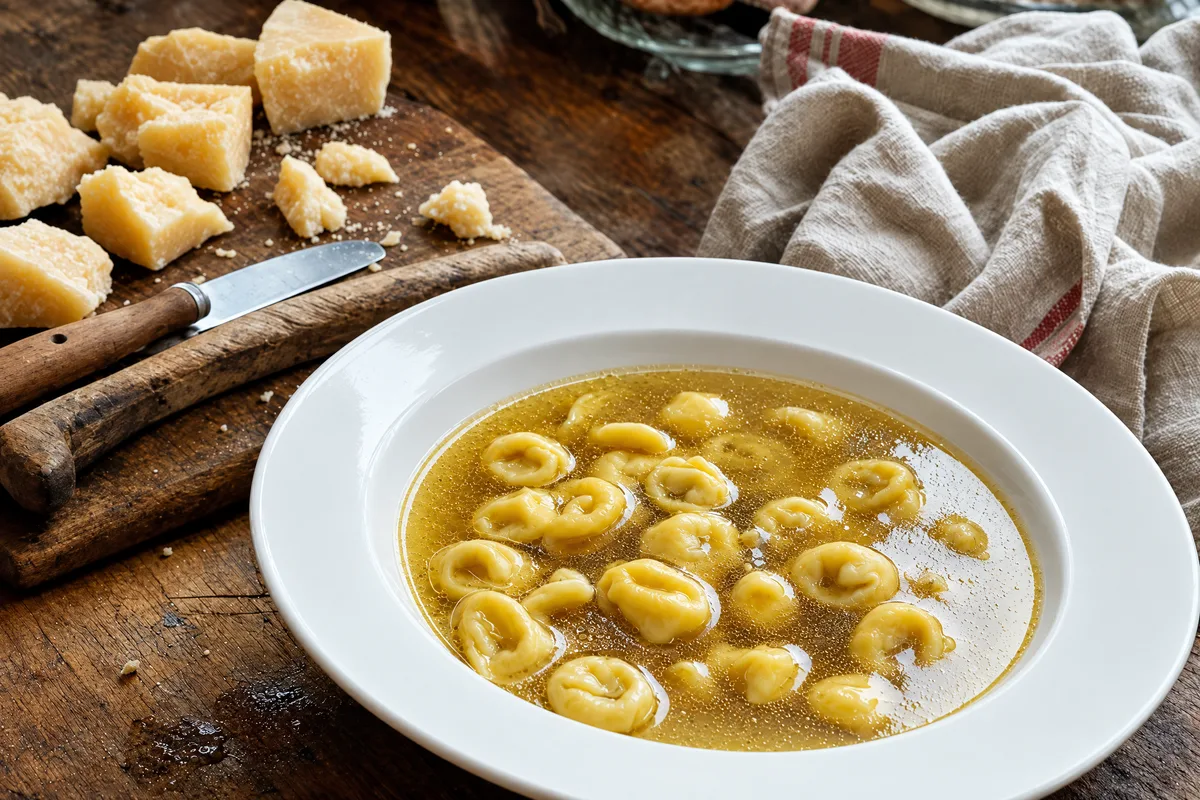
Pork loin, ham, Mortadella Bologna and Parmigiano folded into egg pasta and served in a broth of capon and beef. The city's emblem, ordered here in brodo.
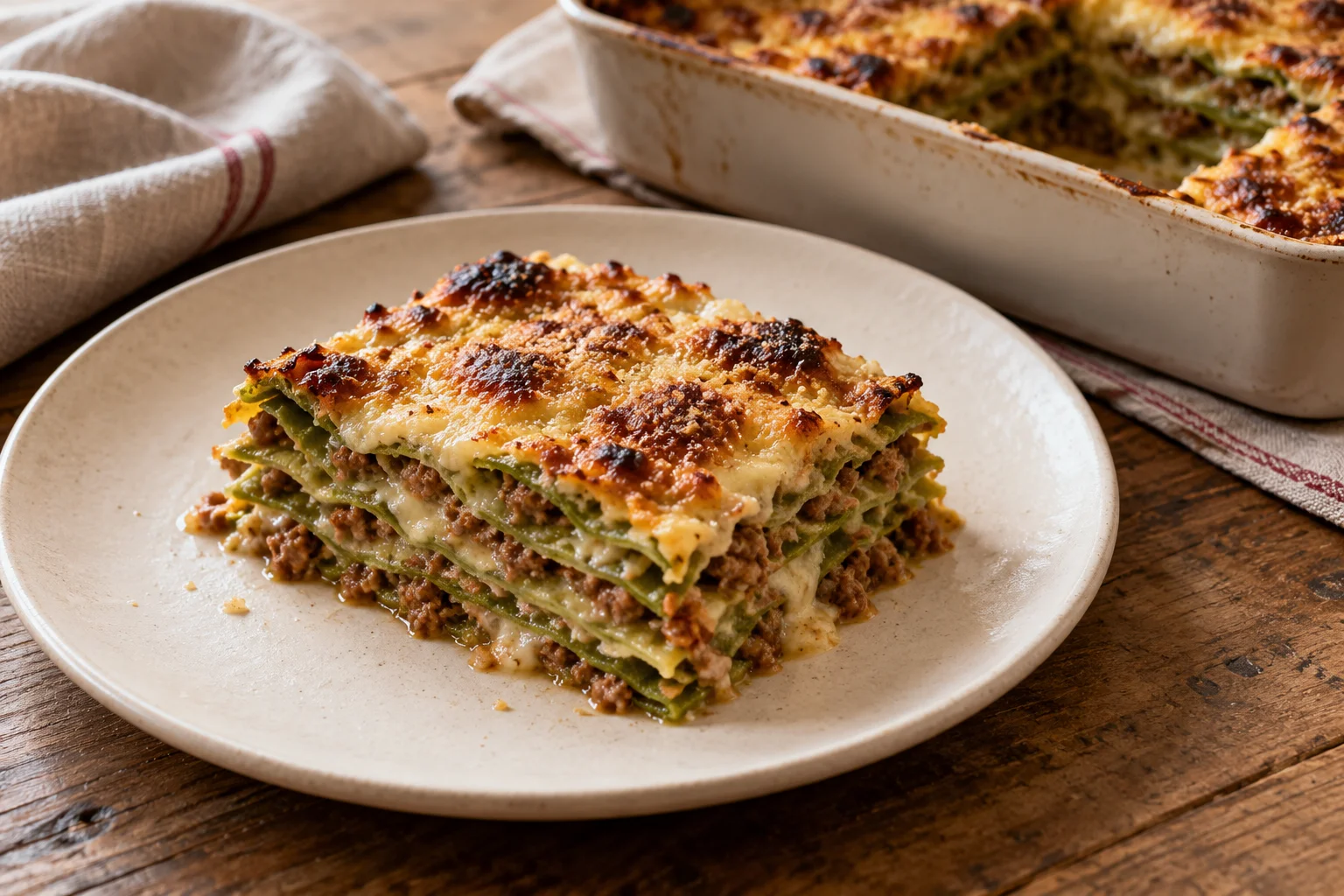
Spinach pasta in at least six layers with ragù, béchamel, butter and Parmigiano Reggiano, baked and rested before serving. In Bologna the lasagne are green, so order them that way.
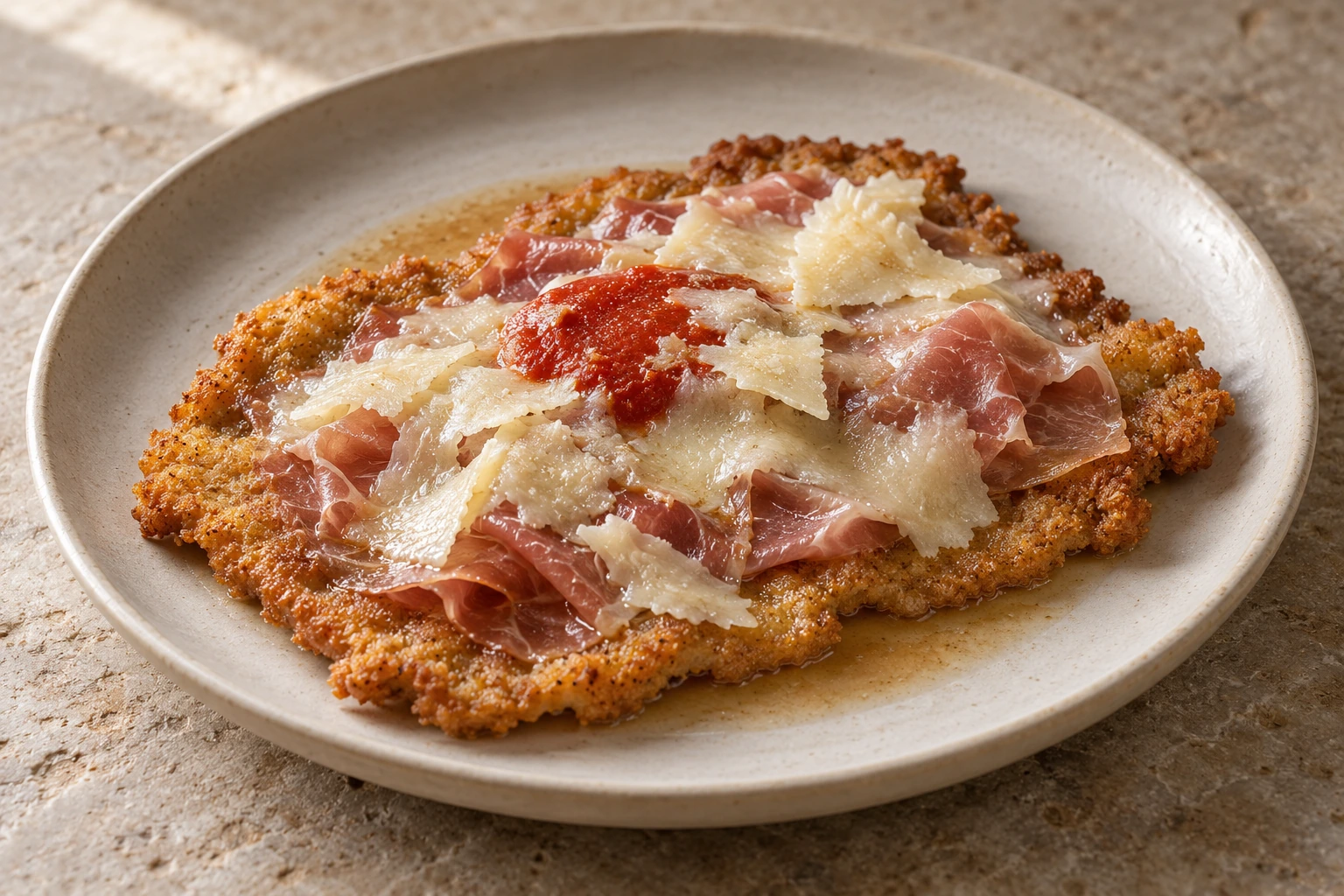
A veal cutlet fried in butter, topped with prosciutto and Parmigiano, then melted under a lid with broth and a little meat sauce. Order it as the main after pasta.
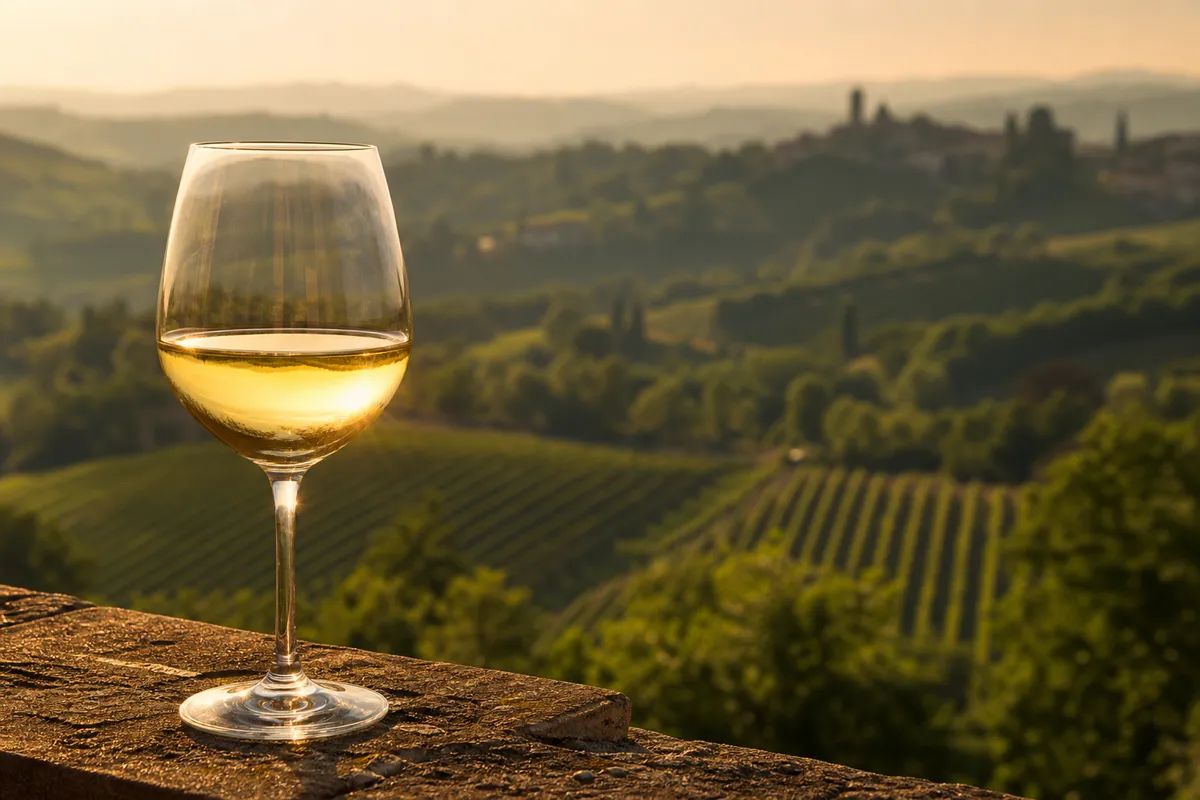
The white of Bologna's own hills, where this grape has its longest tradition: fresh, with a characteristic bitter finish.


More tables
Nettuno
A small slice shop a short walk from Piazza Maggiore, selling pizza by the slice and tray, plus panini and piadine.
Pizzeria · Quadrilatero
Il Portico di San Donato
A pizzeria near Porta San Donato in Bologna's university quarter that also serves lasagne and filled pasta, with generous portions.
Pizzeria
Margherì
A short Neapolitan-style pizza menu of marinara, margherita and a few classics, in Bologna's Navile district.
Pizzeria · La Zucca
Casa Mazzucchelli (opens in a new tab)
A modern restaurant in the Bologna hills where baking is part of the cooking, with big windows over a garden and vegetable plot.
One Michelin star
Iacobucci (opens in a new tab)
A late-sixteenth-century villa just outside Bologna serving Neapolitan and Emilian dishes in refined, intimate rooms, with tasting menus and a plant-based option.
One Michelin star
Go with a local Food tour with a local chef (opens in a new tab) Booking through this link may earn Italia Magnifica a commission, at no cost to you.
When to visit Bologna
Average highs and lows across the year.
Month by month
- Jan
- Cold winter weather with occasional rain. Layer up and bring a warm coat.
- Feb
- Still winter-like with cold temperatures. Expect some rainy days.
- Mar
- Spring begins with mild temperatures. Weather can be changeable.
- Apr
- Pleasant spring weather with blooming flowers. Light jacket recommended.
- May
- Warm late spring days. Perfect for outdoor activities.
- Jun
- Summer arrives with warm, sunny days. Stay hydrated.
- Jul
- Peak summer heat. Best enjoyed with coastal breezes or air conditioning.
- Aug
- Hot summer continues. Many locals take vacations.
- Sep
- Pleasant early autumn. Still warm enough for light clothing.
- Oct
- Autumn weather sets in. Bring layers for cool evenings.
- Nov
- Cool autumn weather with increasing rain. Light jacket essential.
- Dec
- Winter conditions return. Cold and occasionally rainy.
At Christmas
Bologna’s Christmas route can join Piazza Maggiore, the Quadrilatero and the Santa Lucia fair at the Servi portico. Choose one reserved indoor visit, such as the Archiginnasio, and leave time for tortellini in broth. Confirm each fair’s own dates before travelling. The city guide helps arrange the walk, food stops and museum around your stay.


Sources and citations (1)
Where next
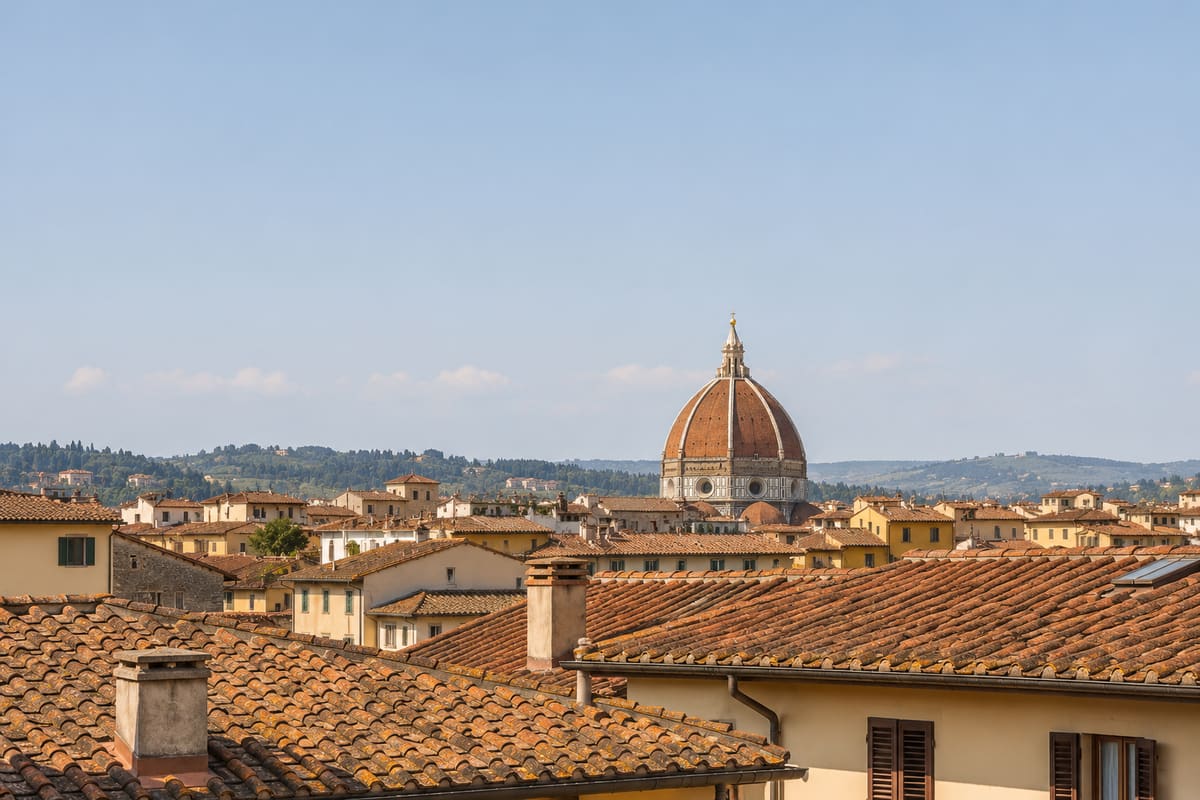
Florence
About 35 min by train. Renaissance birthplace, the Uffizi, Brunelleschi's dome, the David.
The Florence guideHotels in Florence opens in a new tab
Booking through these links may earn Italia Magnifica a commission, at no cost to you.

Booking through these links may earn Italia Magnifica a commission, at no cost to you.
