

All the monuments in Verona
The landmarks and masterpieces worth planning a day around.
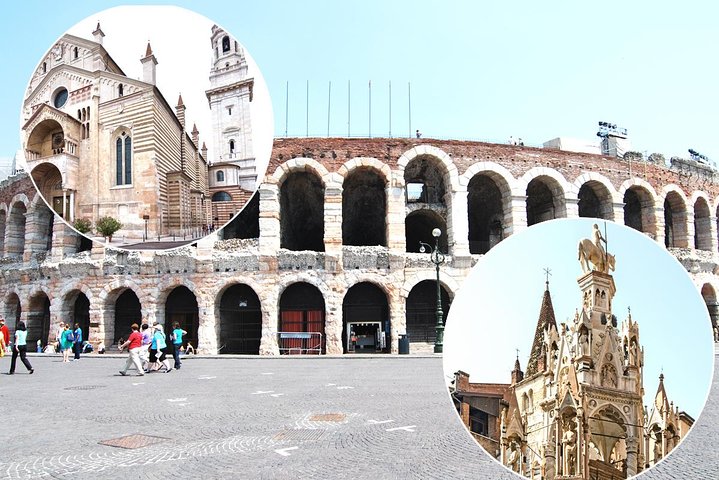
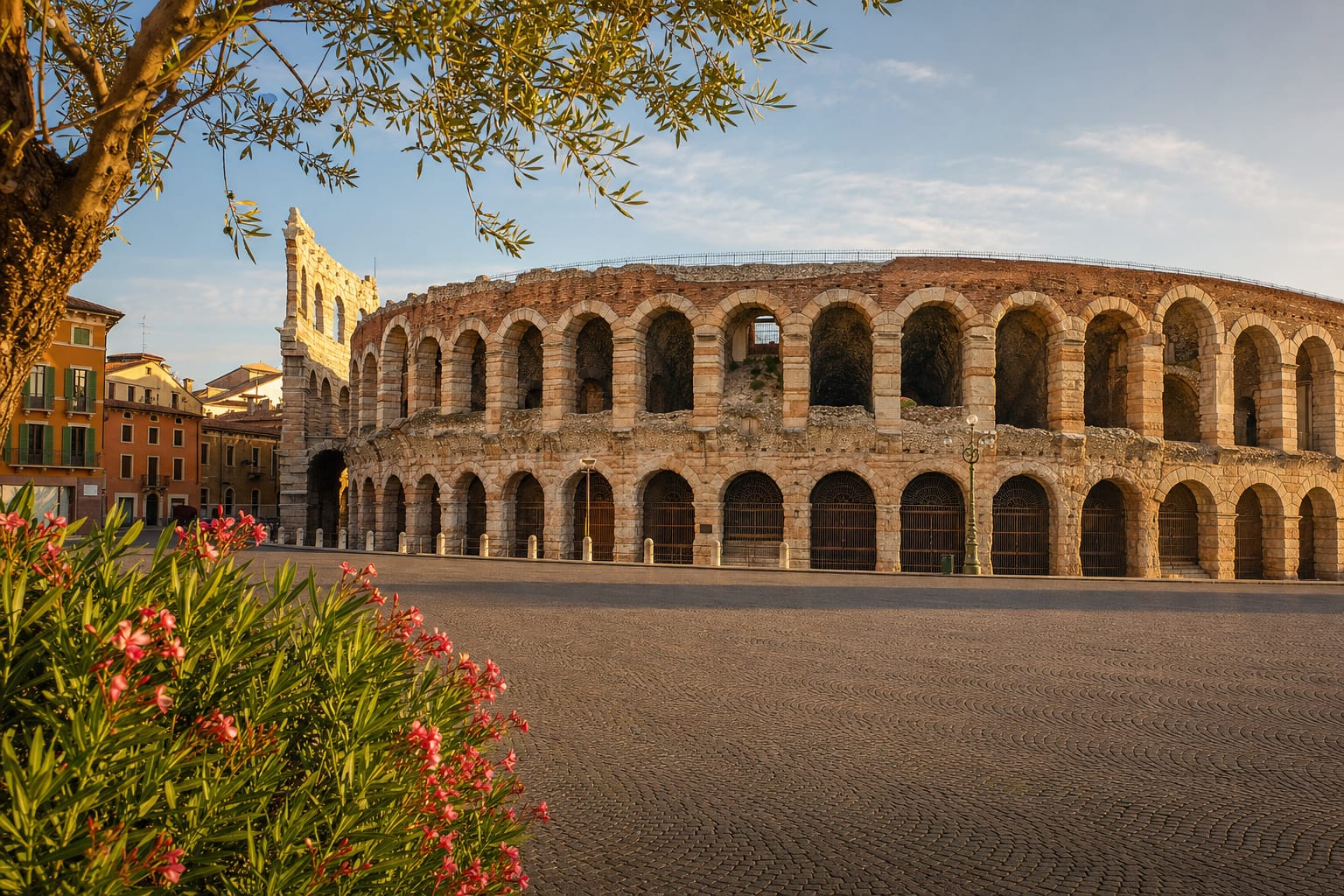 MonumentArena di VeronaFirst-century amphitheatre, summer opera festival, the ala arches, pink Veronese stoneVerona's Arena is a Roman amphitheatre from the first century CE, built of pink-and-white local stone on the edge of Piazza Bra for gladiators and public spectacles. The earthquake of 1117 brought down almost all of the outer ring, and the three surviving arches, called the ala, still stand as the monument's silhouette; the elliptical interior kept the tiered seating, restored across the centuries. In 1913 it staged its first opera, Aida, for the centenary of Verdi's birth, and it has become one of the most atmospheric opera houses in the world. It sits within, and is not a separately inscribed part of, the UNESCO property City of Verona.Plan the visit
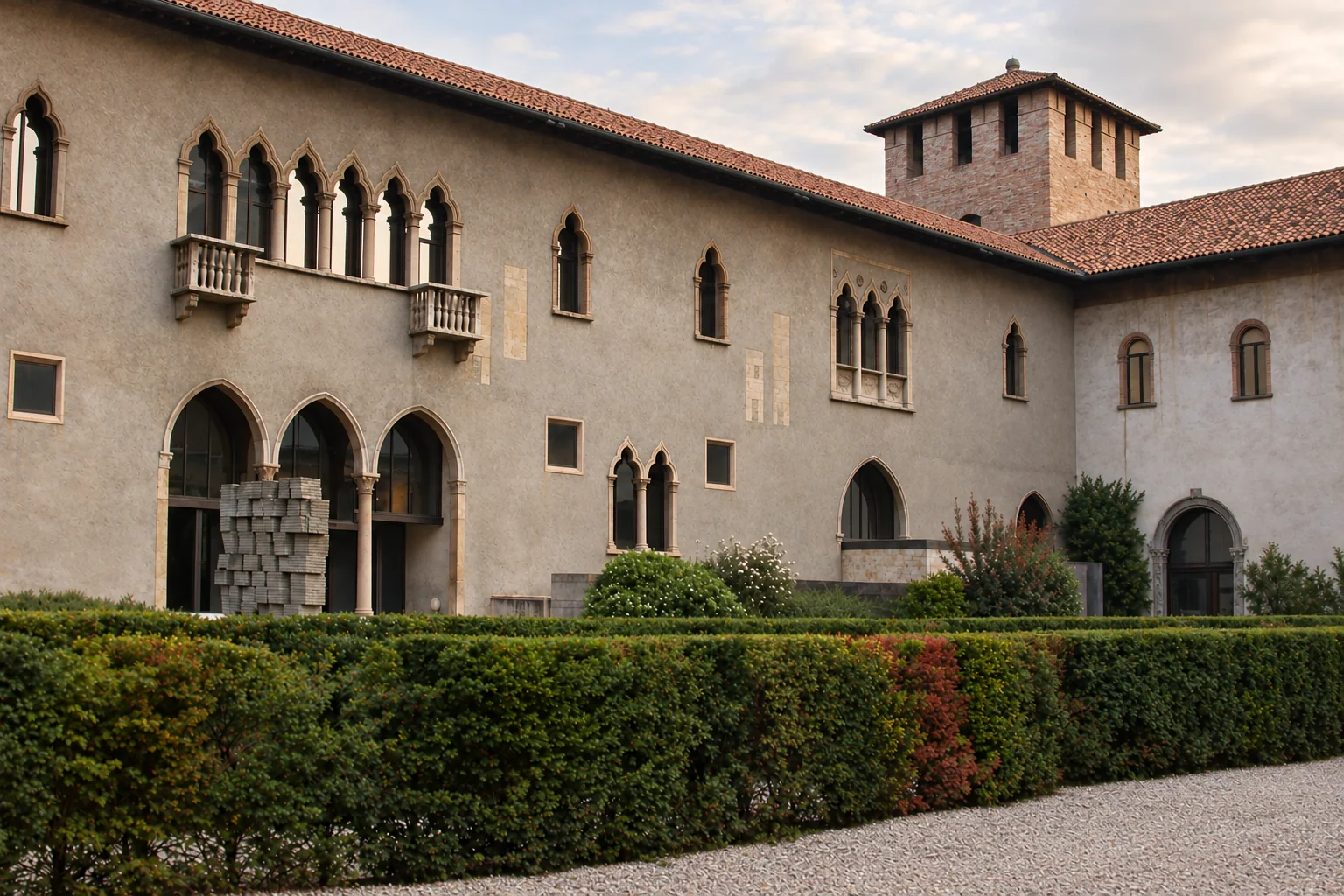 CastleCastelvecchioScaliger castle, Carlo Scarpa design, Cangrande statue, Ponte Scaligero, Pisanello<p>Cangrande II della Scala had Castelvecchio built between 1354 and 1356 after the conspiracy led by his half-brother Fregnano, creating a fortified point to control the city’s northern access on the Adige. The complex has two distinct parts: the eastern court of arms is enclosed by high crenellated walls and seven towers, including the 42-metre Mastio, whose completion in 1376 is recorded by an inscription; the Scaliger residence, the Reggia, occupies the west. Three arches carry the fortified bridge to the left bank, with its longest arch spanning 48 metres. The remains of the earlier church of San Martino in Aquaro are visible in the court of arms, a reminder that the castle absorbed older layers as it grew.</p><p>After Verona came under Venetian rule, the castle served as barracks and armoury; it later housed a military academy. In 1923 its use passed to the city, and restoration work from 1924 to 1926 prepared it as a museum, inaugurated on 25 April 1926. The bridge was destroyed during the Second World War and rebuilt from 1949 to 1951. From 1958, Carlo Scarpa worked with museum director Licisco Magagnato on a reordering that continued in phases through 1975. Scarpa made the building’s history visible through floor openings and cross-sections to reveal its stratigraphy, and joined medieval stone and timber to exposed or bush-hammered concrete. The route moves between galleries and short outdoor passages, with works placed in visual conversation; it reaches a striking point at the equestrian statue of Cangrande I, set on a tall concrete support opposite the older Porta del Morbio.</p><p>The museum’s five connected sculpture rooms present medieval Veronese works from the tenth to fourteenth centuries, while its painting galleries hold more than three hundred works dating from the fourteenth century to the late eighteenth. The building and collection tell one story: a fortified crossing repeatedly adapted, first for military use and later for a civic museum. To continue through the same city, see the <a href="/en/attractions/arena-di-verona">Arena di Verona</a>.</p>
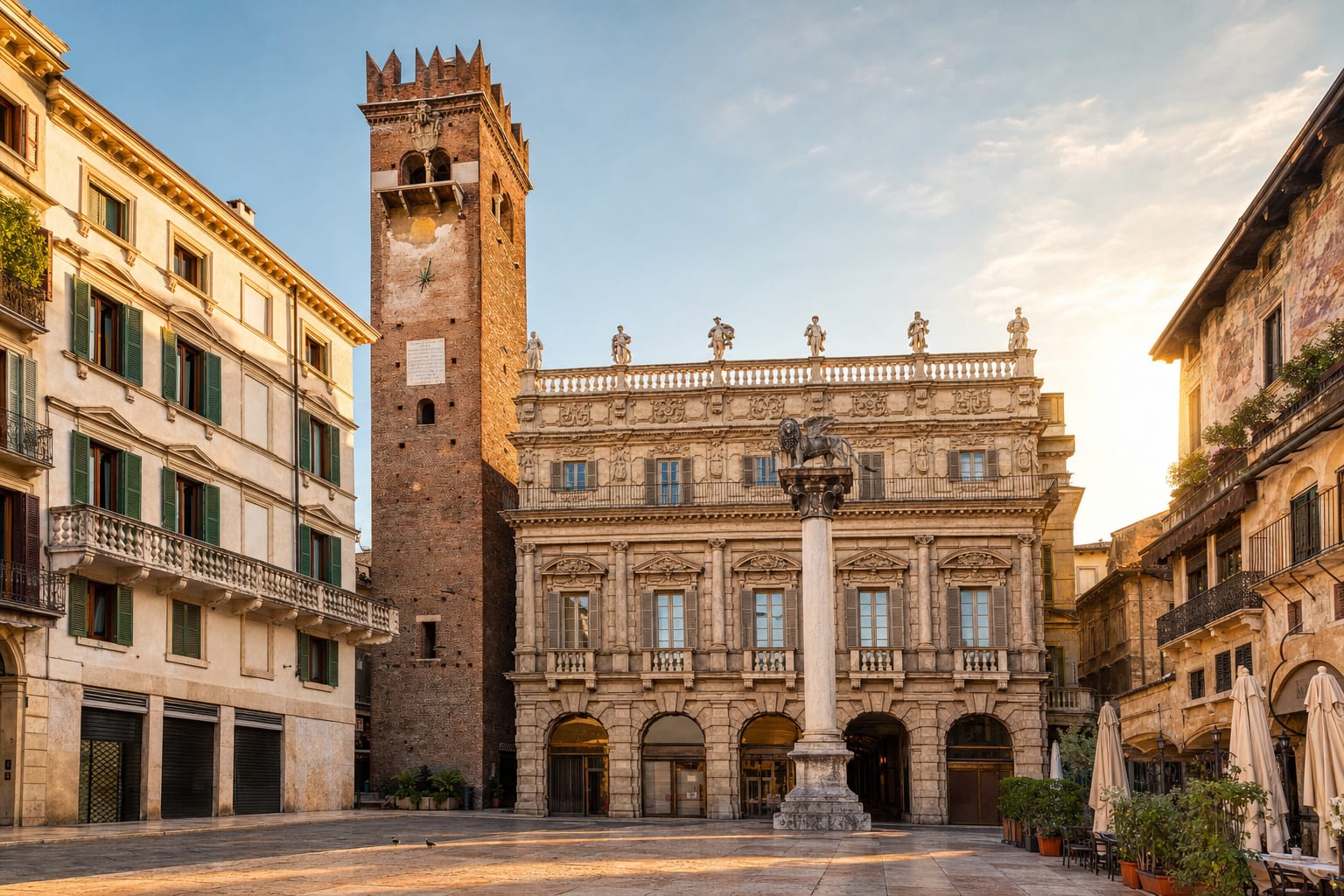 SquarePiazza delle ErbeRoman forum site, daily market, Torre dei Lamberti, frescoed Case MazzantiVerona has sold vegetables, fish, and gossip on this stretch of ground since it was the city's Roman forum two thousand years ago, and the market stalls with their striped umbrellas have barely paused since. What ties the centuries together is stone: a fourteenth-century fountain topped by a Roman statue the Veronese call Madonna Verona, a thirteenth-century canopy called the capitello where mayors once took office, and the frescoed Case Mazzanti lining one side in faded color. The 84 meter Torre dei Lamberti climbs from one corner, and Palazzo Maffei closes the far end with a row of stone gods on its roofline. Sit at any of the surrounding cafes and you are watching the same transaction, produce for coin, that Roman Veronese made on this exact spot.
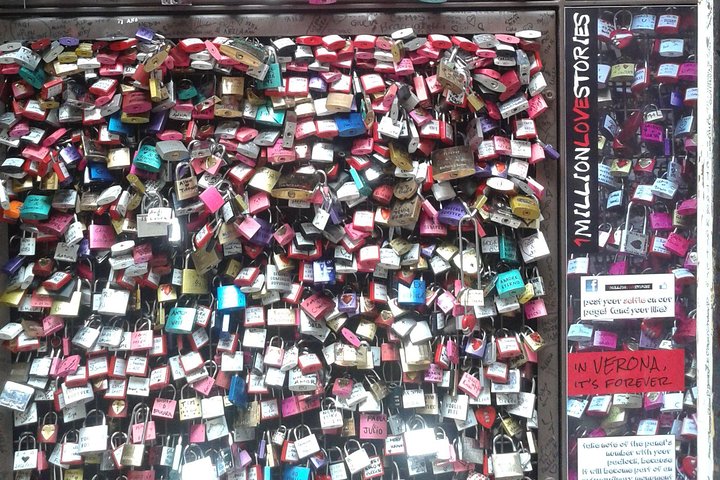
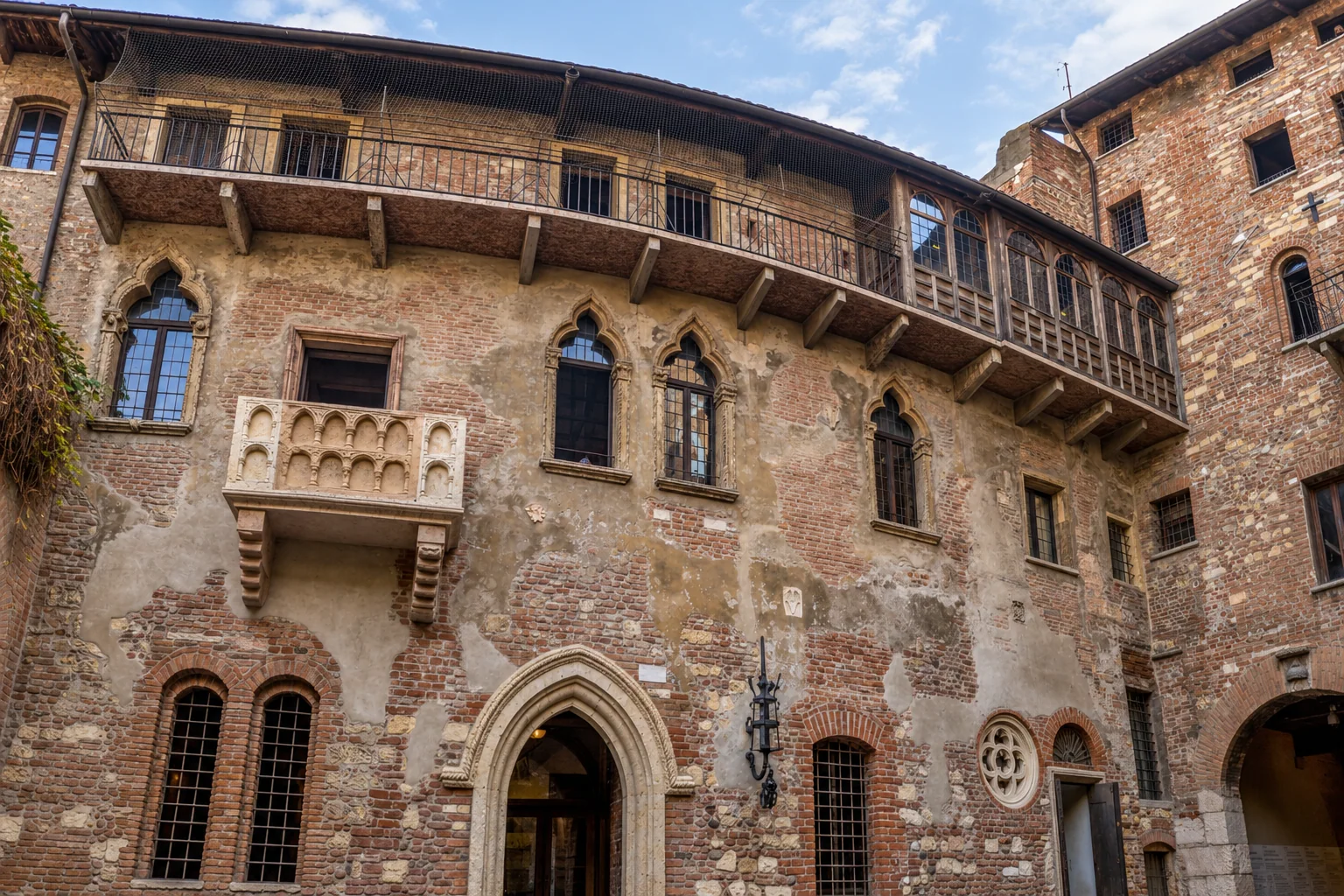 Casa di GiuliettaJuliet's HouseThe medieval tower-house and Cappello inn sign; a balcony added during Antonio Avena’s 1939–1940 neo-medieval refit; and the courtyard copy of Nereo Costantini’s Juliet sculpture.At Via Cappello 23, a medieval tower-house appears in documents by 1351 as an inn called Cappello; the city museum says the inn’s hat sign is still carved into the key of the courtyard arch. The building’s identification as Juliet’s House came much later, when travelers at the end of the eighteenth and start of the nineteenth century began making a romantic pilgrimage to sites linked with Shakespeare’s tragedy. That literary association is not evidence that a historical Juliet lived here.
Verona bought the house in 1905. Between 1939 and 1940, civic-museum director Antonio Avena recast its courtyard facade and interiors in a neo-medieval style, deliberately turning the house into theatrical scenery for the story; the balcony was added in that campaign. Its material history is more layered than the familiar image suggests: the balcony’s central slab is fourteenth-century Avesa stone reused from the Della Scala palaces, while the assembled balcony and its shaped brackets belong to the later staging. Licisco Magagnato completed the museum arrangement in the early 1970s, and the house opened to visitors on 1 June 1973.
The courtyard bronze is also a copy: Nereo Costantini’s original, modeled in 1968 and cast in 1969, is kept in the Sala del Balcone; a new cast replaced the worn courtyard statue in 2014. Today the visit begins in Teatro Nuovo, continues through its foyer and the courtyard, and reaches the house only on the €12 full route. From the Via Cappello exit, continue through Verona’s historic centre to our <a href="/en/attractions/piazza-delle-erbe-verona">Piazza delle Erbe guide</a>.
Casa di GiuliettaJuliet's HouseThe medieval tower-house and Cappello inn sign; a balcony added during Antonio Avena’s 1939–1940 neo-medieval refit; and the courtyard copy of Nereo Costantini’s Juliet sculpture.At Via Cappello 23, a medieval tower-house appears in documents by 1351 as an inn called Cappello; the city museum says the inn’s hat sign is still carved into the key of the courtyard arch. The building’s identification as Juliet’s House came much later, when travelers at the end of the eighteenth and start of the nineteenth century began making a romantic pilgrimage to sites linked with Shakespeare’s tragedy. That literary association is not evidence that a historical Juliet lived here.
Verona bought the house in 1905. Between 1939 and 1940, civic-museum director Antonio Avena recast its courtyard facade and interiors in a neo-medieval style, deliberately turning the house into theatrical scenery for the story; the balcony was added in that campaign. Its material history is more layered than the familiar image suggests: the balcony’s central slab is fourteenth-century Avesa stone reused from the Della Scala palaces, while the assembled balcony and its shaped brackets belong to the later staging. Licisco Magagnato completed the museum arrangement in the early 1970s, and the house opened to visitors on 1 June 1973.
The courtyard bronze is also a copy: Nereo Costantini’s original, modeled in 1968 and cast in 1969, is kept in the Sala del Balcone; a new cast replaced the worn courtyard statue in 2014. Today the visit begins in Teatro Nuovo, continues through its foyer and the courtyard, and reaches the house only on the €12 full route. From the Via Cappello exit, continue through Verona’s historic centre to our <a href="/en/attractions/piazza-delle-erbe-verona">Piazza delle Erbe guide</a>.
Tours worth booking in Verona
Compared by our editors, across providers.
Booking through these links may earn Italia Magnifica a commission, at no cost to you.
- Viator
- 2h
- 5.0★ · 1 reviews
from €175Book this tour- Viator
- 3h
- 5.0★ · 7 reviews
from €69Book this tour- Viator
- 2h
- 5.0★ · 11 reviews
from €230Book this tour- Viator
- 1h
- 5.0★ · 8 reviews
from €39Book this tour- Viator
- 3h
- 5.0★ · 6 reviews
from €199Book this tour- Viator
- 2h 30m
- 5.0★ · 17 reviews
from €180Book this tour




More within reach
Monuments a day trip away, elsewhere in Veneto.
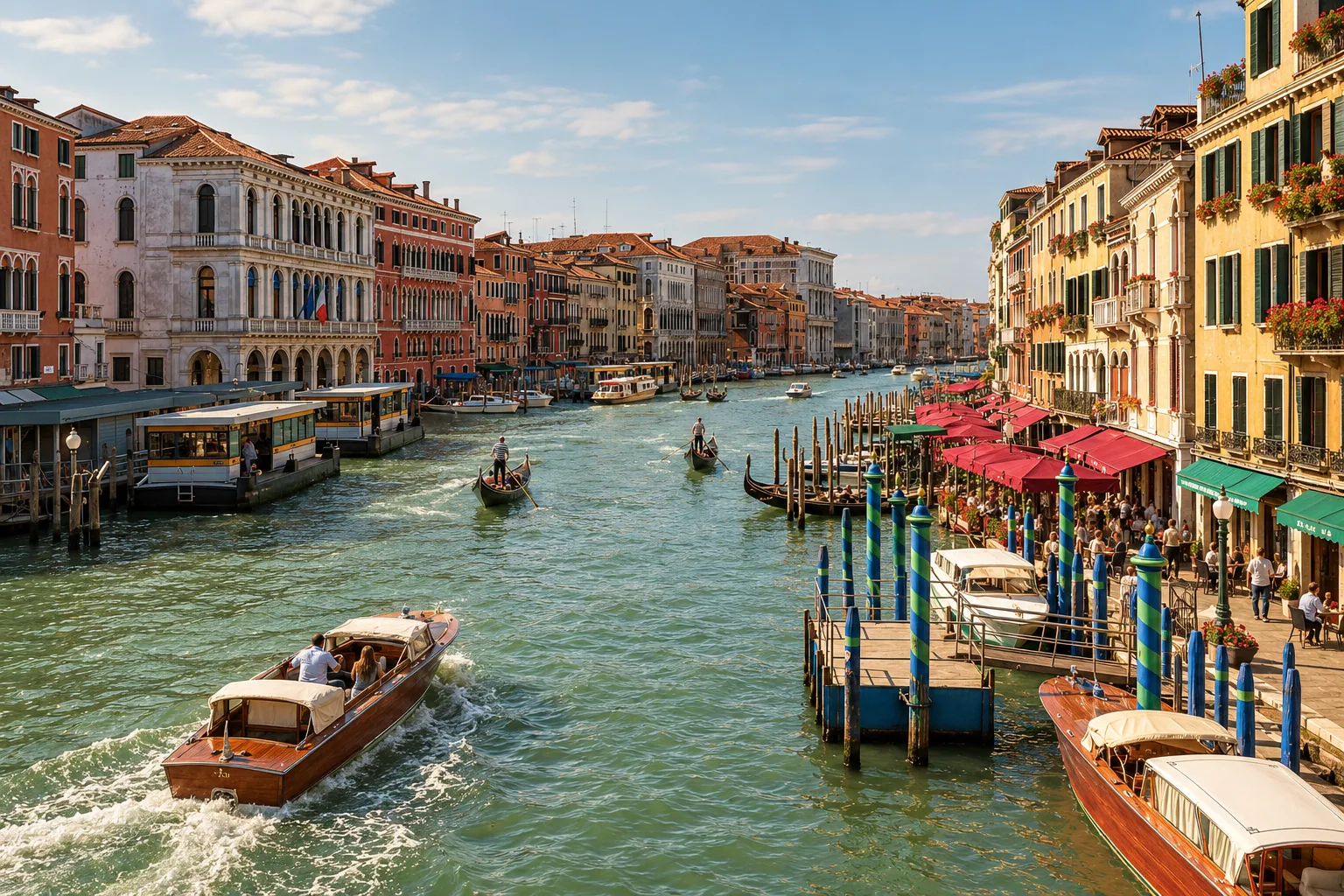 VeniceGrand CanalVenice's main street of water, palace facades, vaporetto Line 1, reverse-S sweep
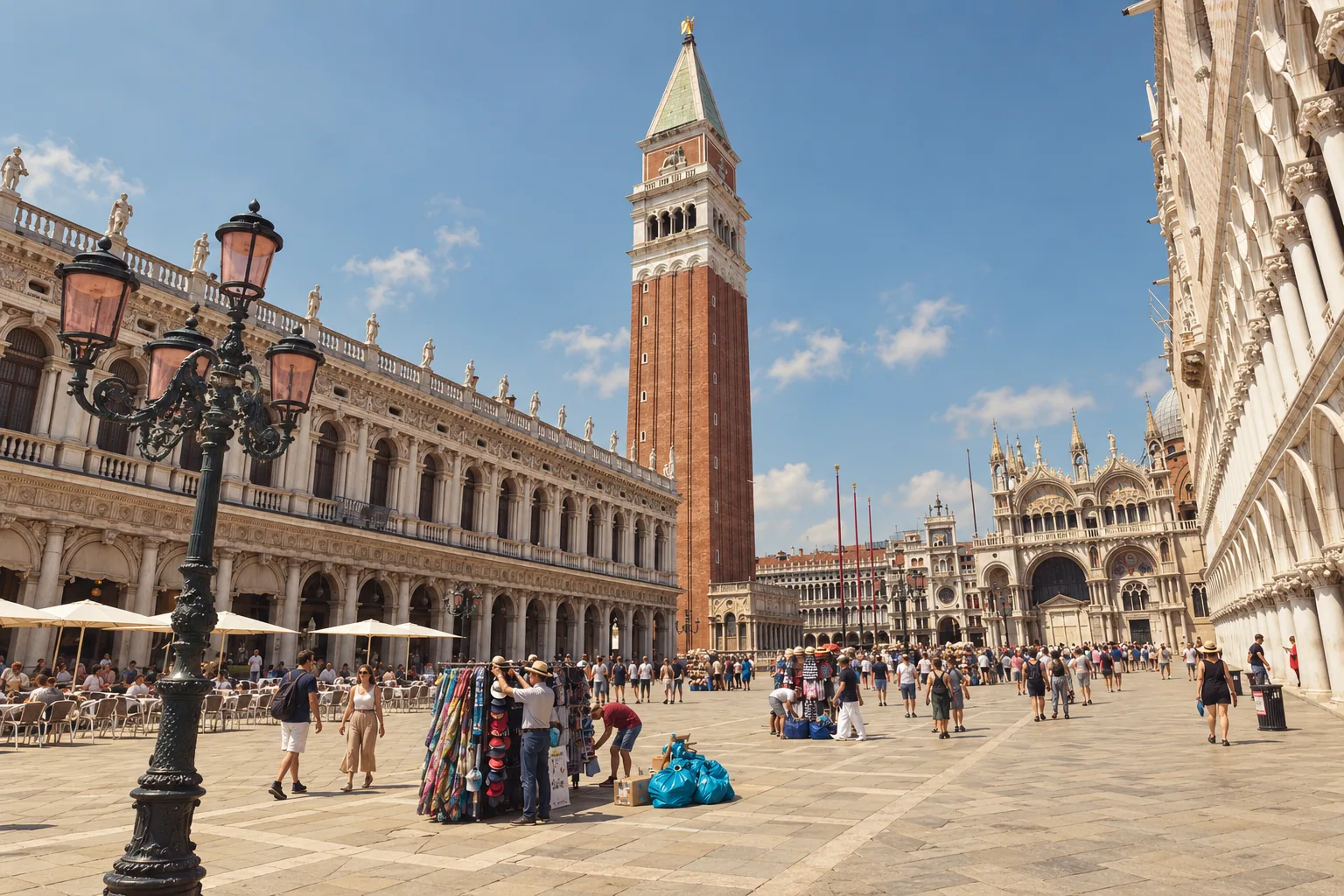 VeniceSt. Mark's SquareNapoleon's "drawing room of Europe," the Campanile, Procuratie arcades, acqua alta flooding
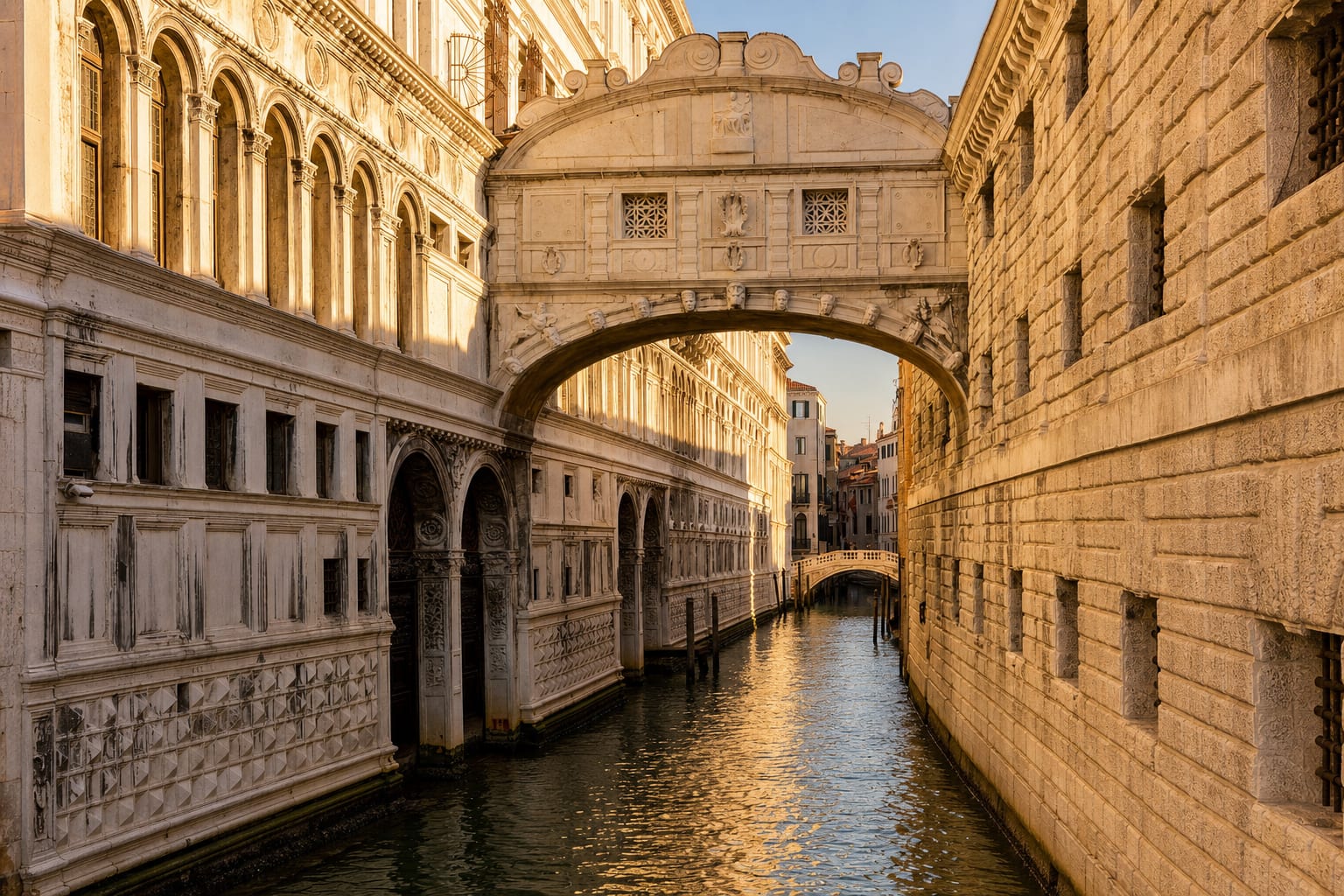 VeniceBridge of SighsEnclosed prison bridge, last view of the lagoon legend, Baroque limestone screen, gondola vantage
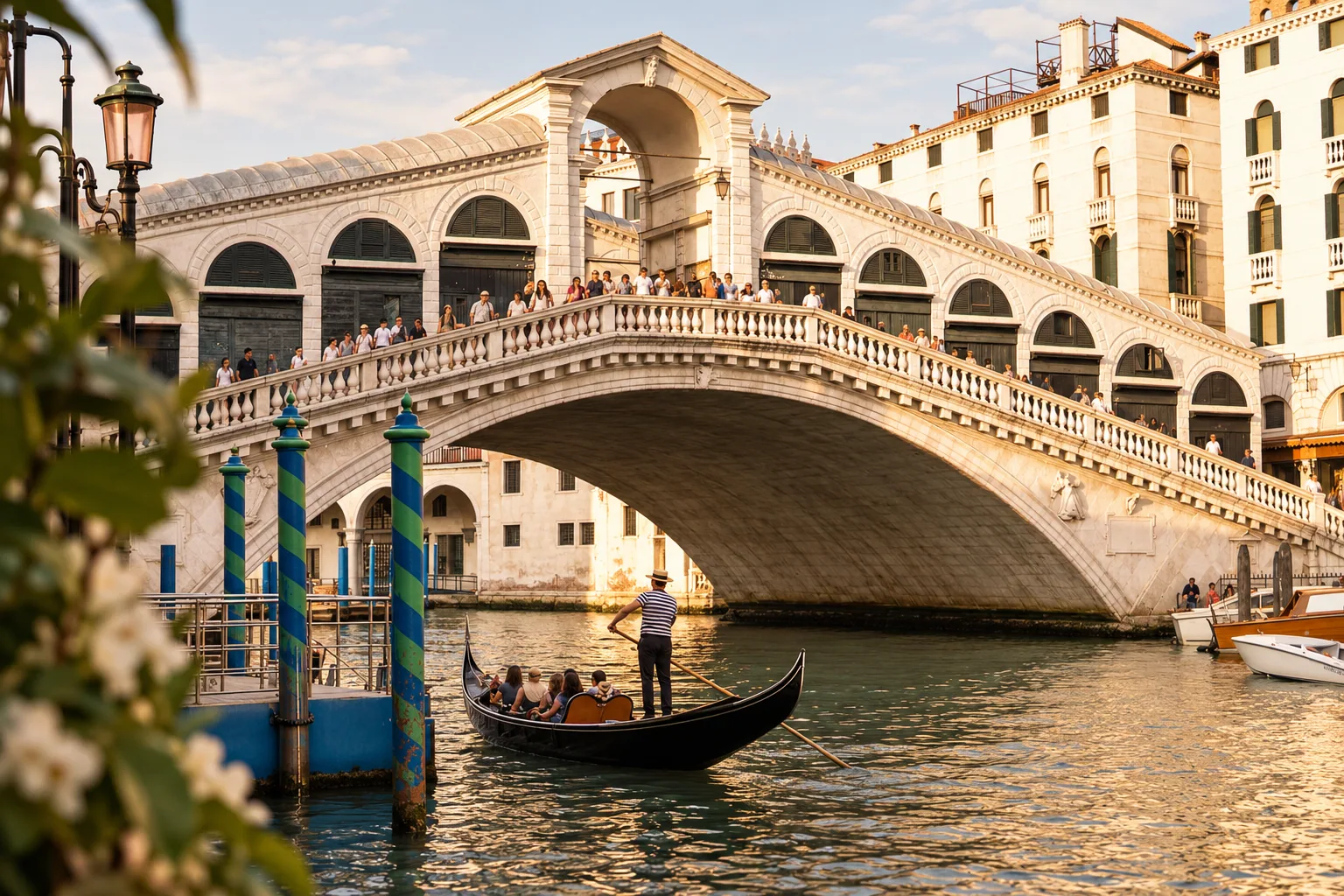 VeniceRialto BridgeSingle stone span of 1591, shop-lined arcades, Grand Canal crossing, market quarter gateway
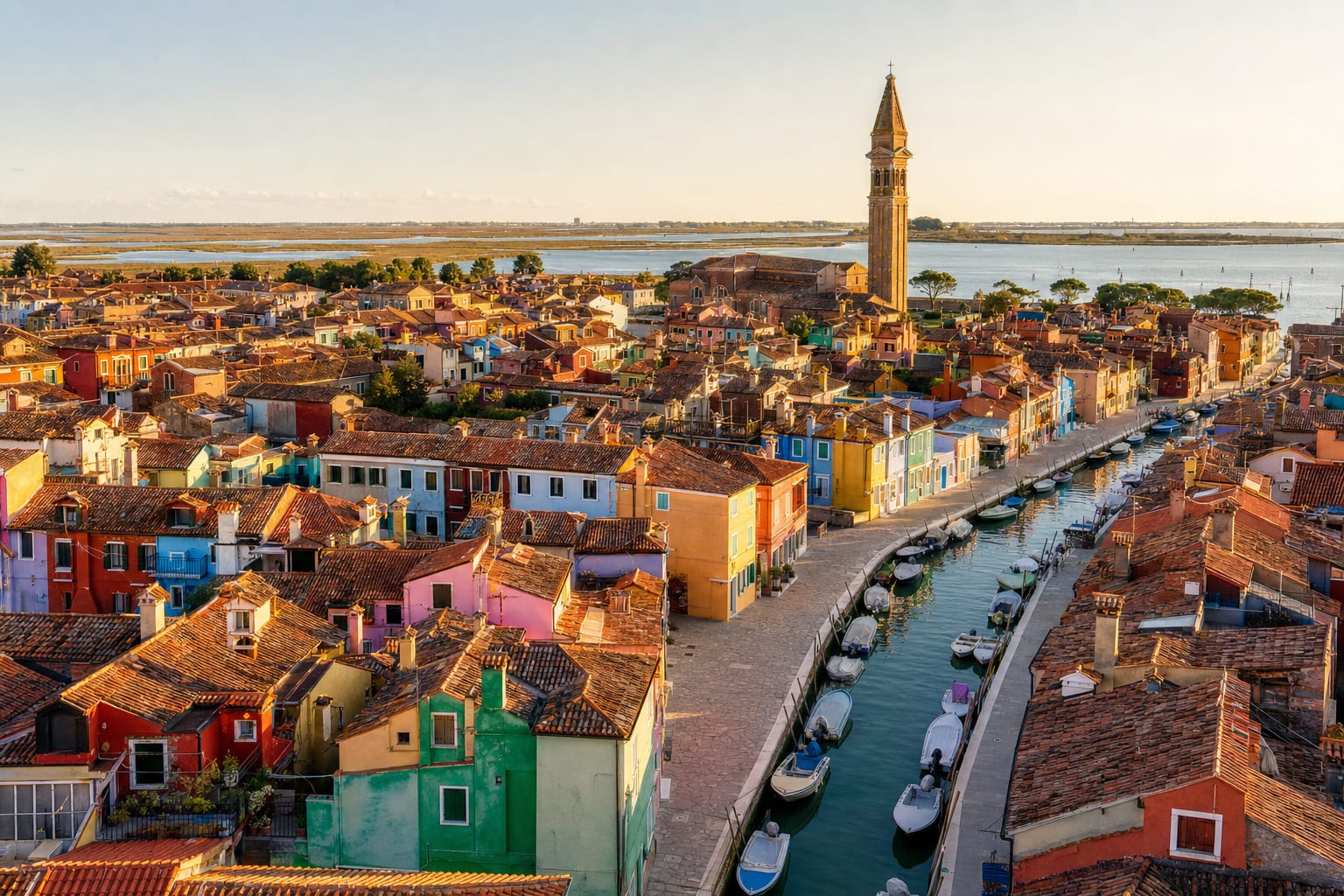 BuranoBuranoPainted fishermen's houses, lace-making tradition, leaning campanile, lagoon colors
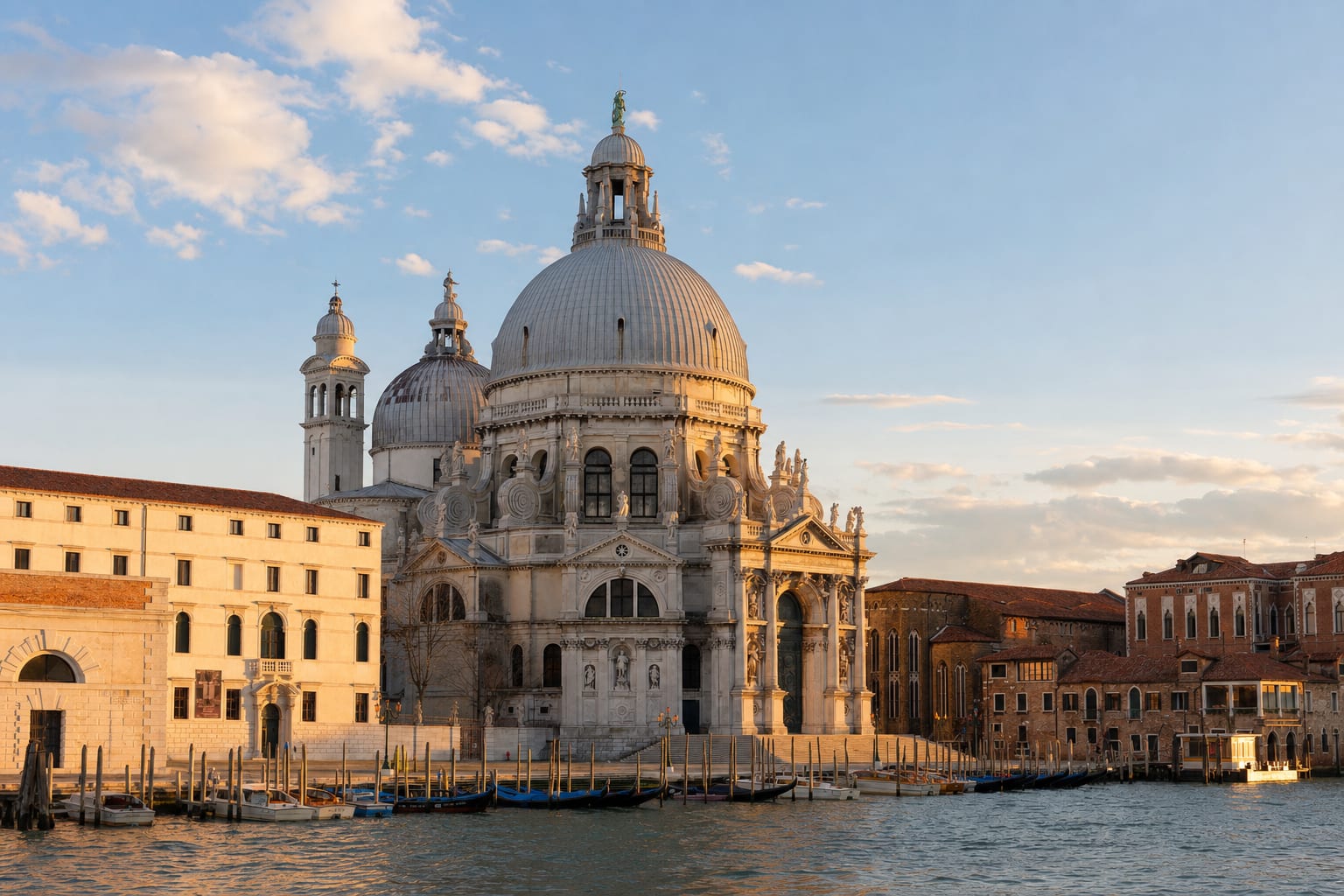 VeniceSanta Maria della SalutePlague-vow basilica, Longhena's octagon, scrolled buttresses, Punta della Dogana silhouette
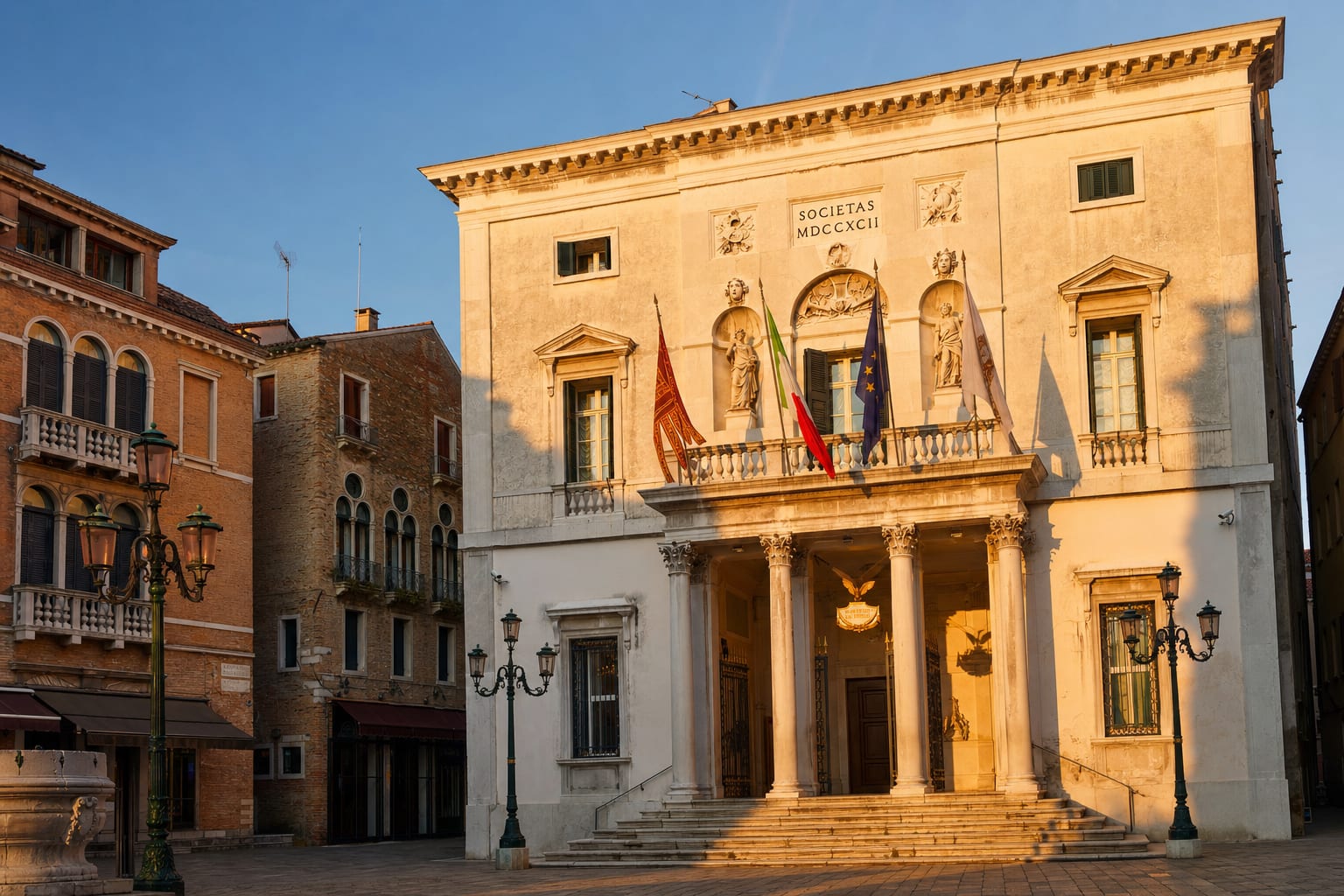 VeniceTeatro La FeniceThe phoenix opera house risen from three fires, Verdi premieres, gilded horseshoe hall, Maria Callas exhibition
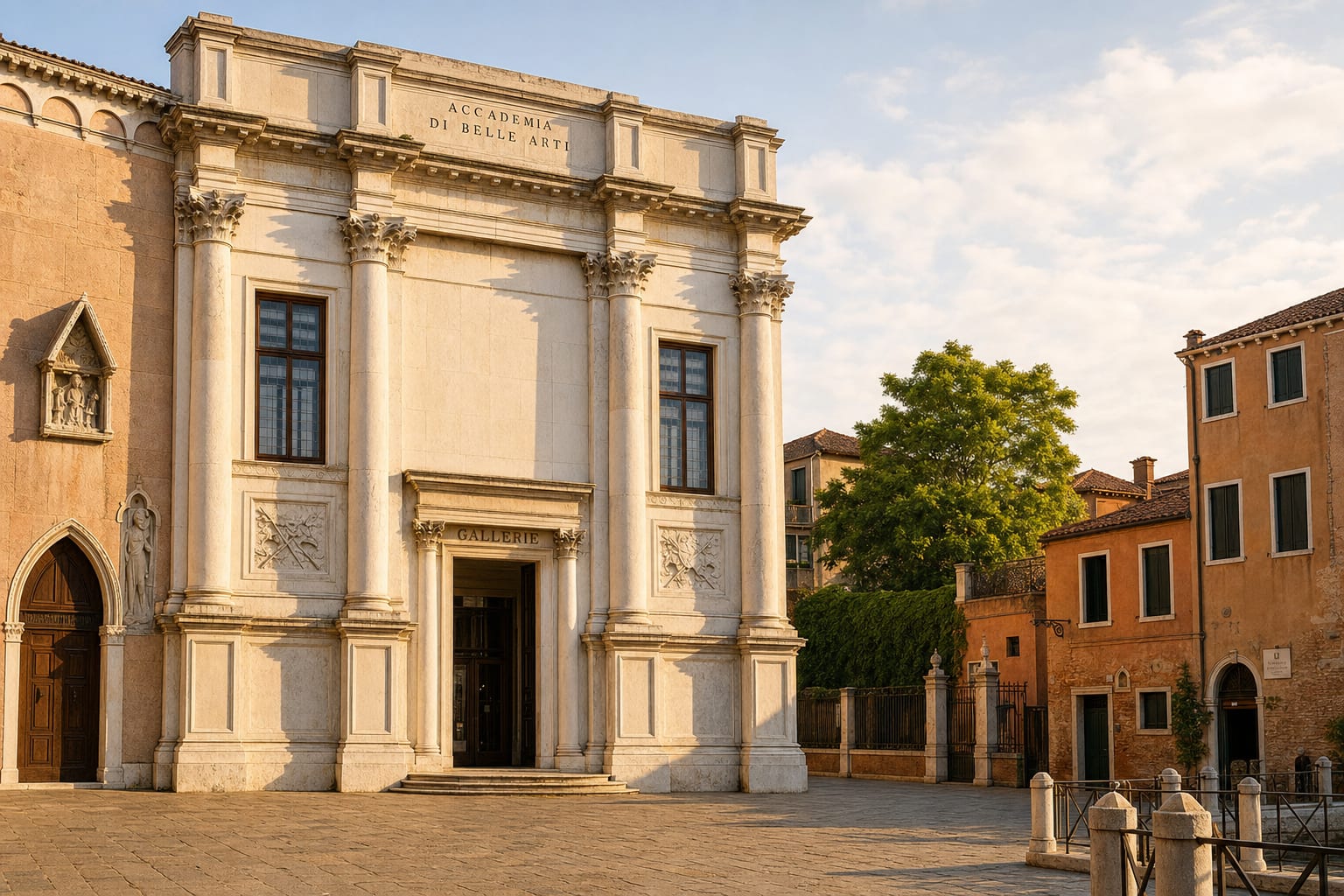 VeniceGallerie dell'AccademiaVenetian painting's full arc, Veronese's Feast, Giorgione's Tempest, Carpaccio's narrative cycles