

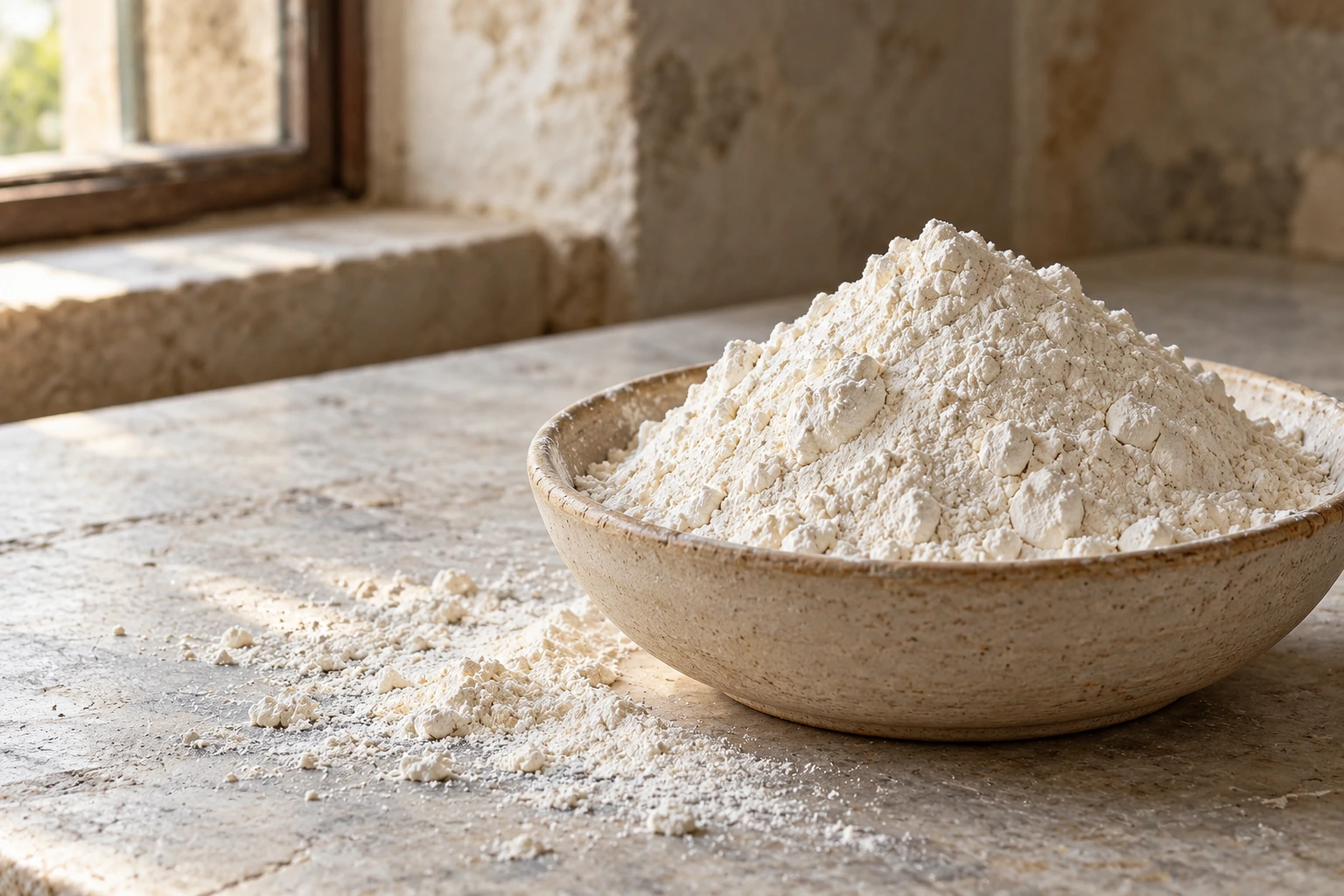
Strong white bread flour
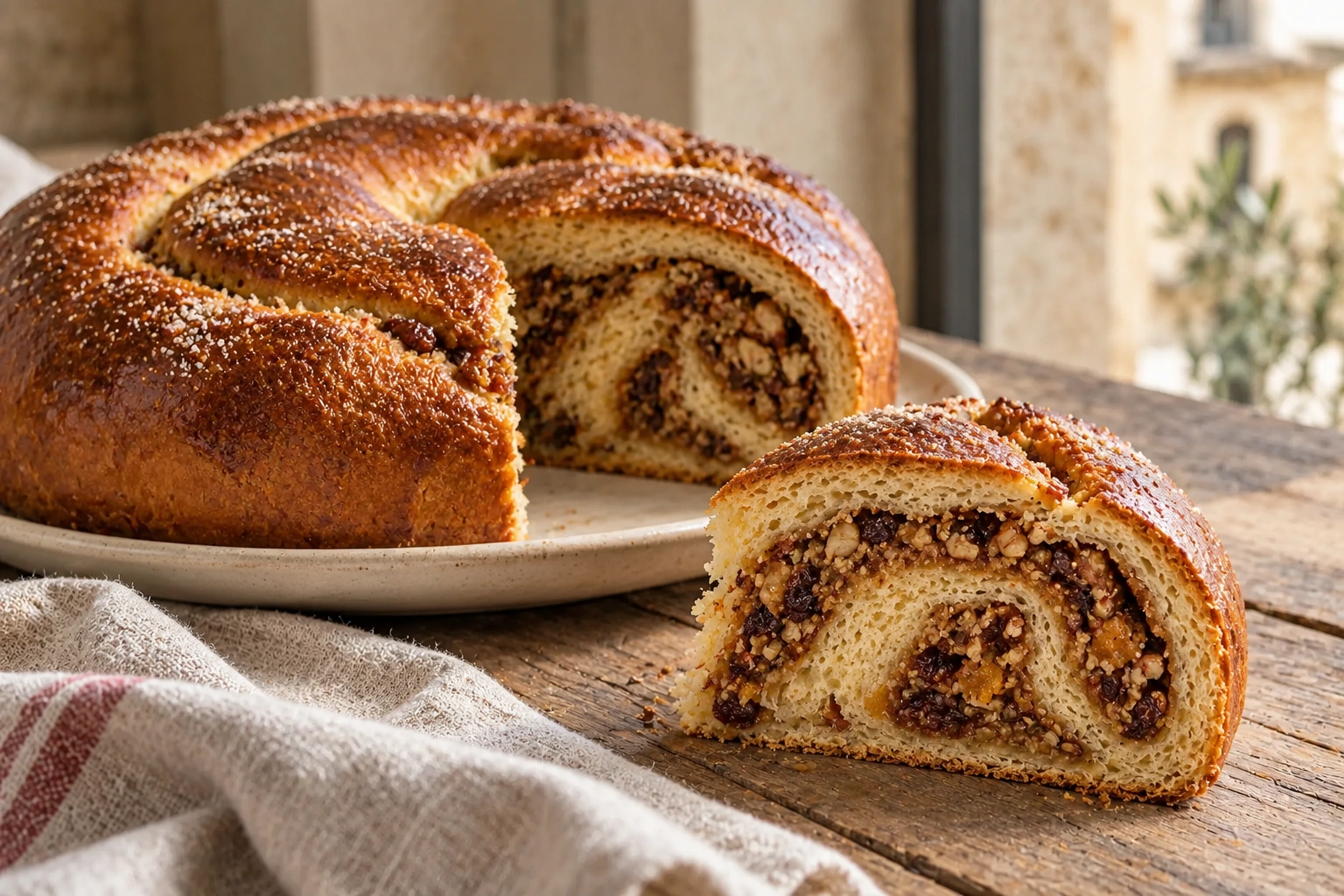
Strong white bread flour supports yeast-raised doughs such as gubana. In Italian shops, look for a suitable farina di forza or Manitoba and read the intended uses on the pack.
- Grain
- Soft wheat.
- Form
- White flour for yeast-raised doughs.
- Label
- Refinement type and flour strength are separate characteristics.
Knead the measured dough
Use the flour blend and liquid quantities given in the gubana recipe. Combine the ingredients thoroughly and knead as directed before leaving the dough to rise. Different flours absorb liquid differently, so changing the flour can alter how the dough handles.
Strength in the flour blend
Manitoba flours sold in Italy are intended for doughs that need strength during kneading and rising. Products differ in their technical characteristics. A type 0 or 00 label describes the flour type; it does not, by itself, establish the strength required by a particular dough.
For a filled yeast dough
The gubana dough must roll out and enclose its filling. Measure the strong flour separately from the type 00 flour specified alongside it. Preserve the balance of the recipe rather than treating every white flour as interchangeable.
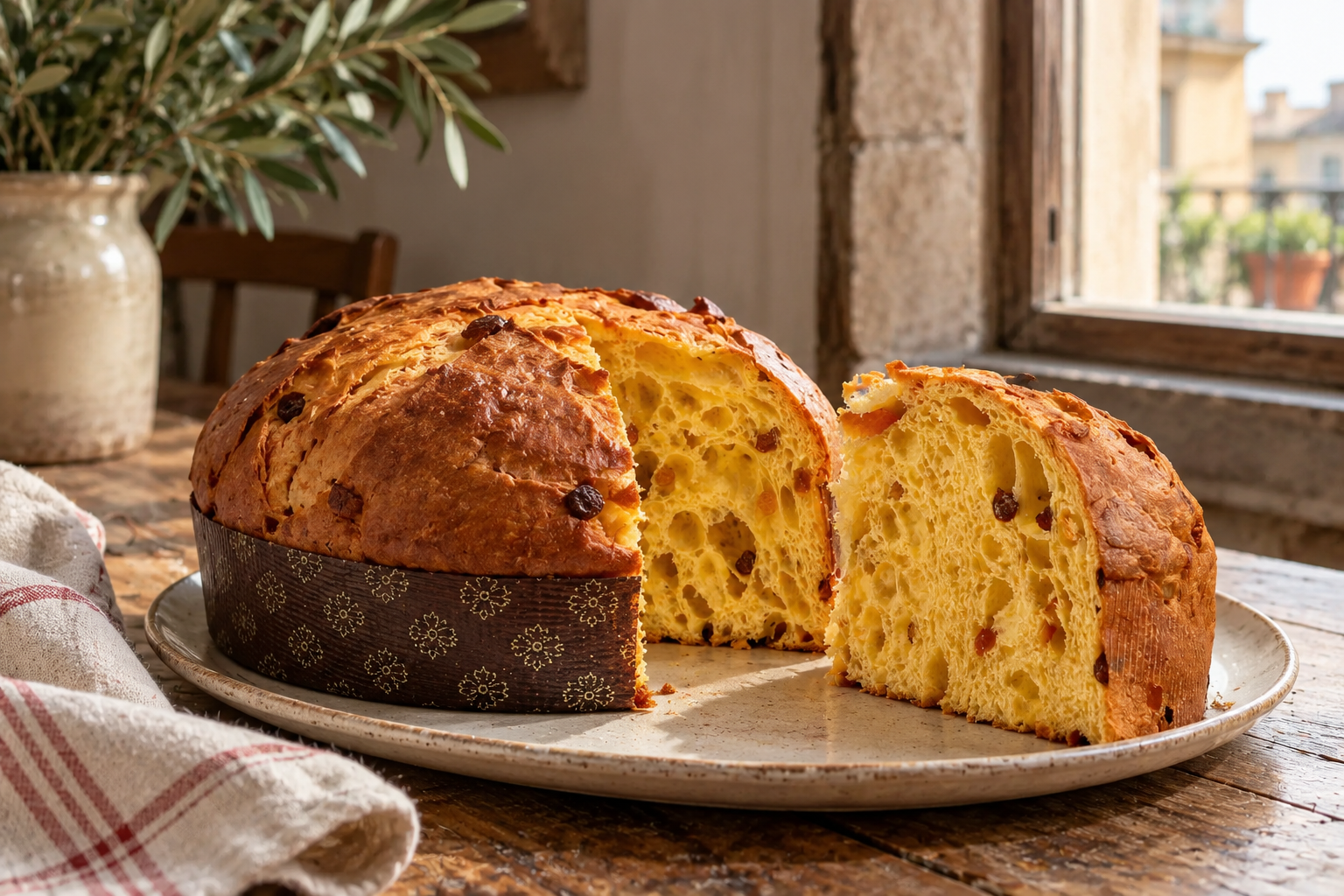


Match the intended use
Choose a white soft-wheat flour identified for bread or enriched yeast doughs. Check the manufacturer’s stated uses and any technical strength value provided. Manitoba is not a universal numerical specification; do not assume every bag has the same strength or requires the same hydration.
Keep flour dry
Store the flour in a cool, dry place as directed on the pack. Close the bag or put it in a clean food container, keeping the label and date. Use dry utensils and protect it from moisture.
