

All the monuments in Genoa
The landmarks and masterpieces worth planning a day around.
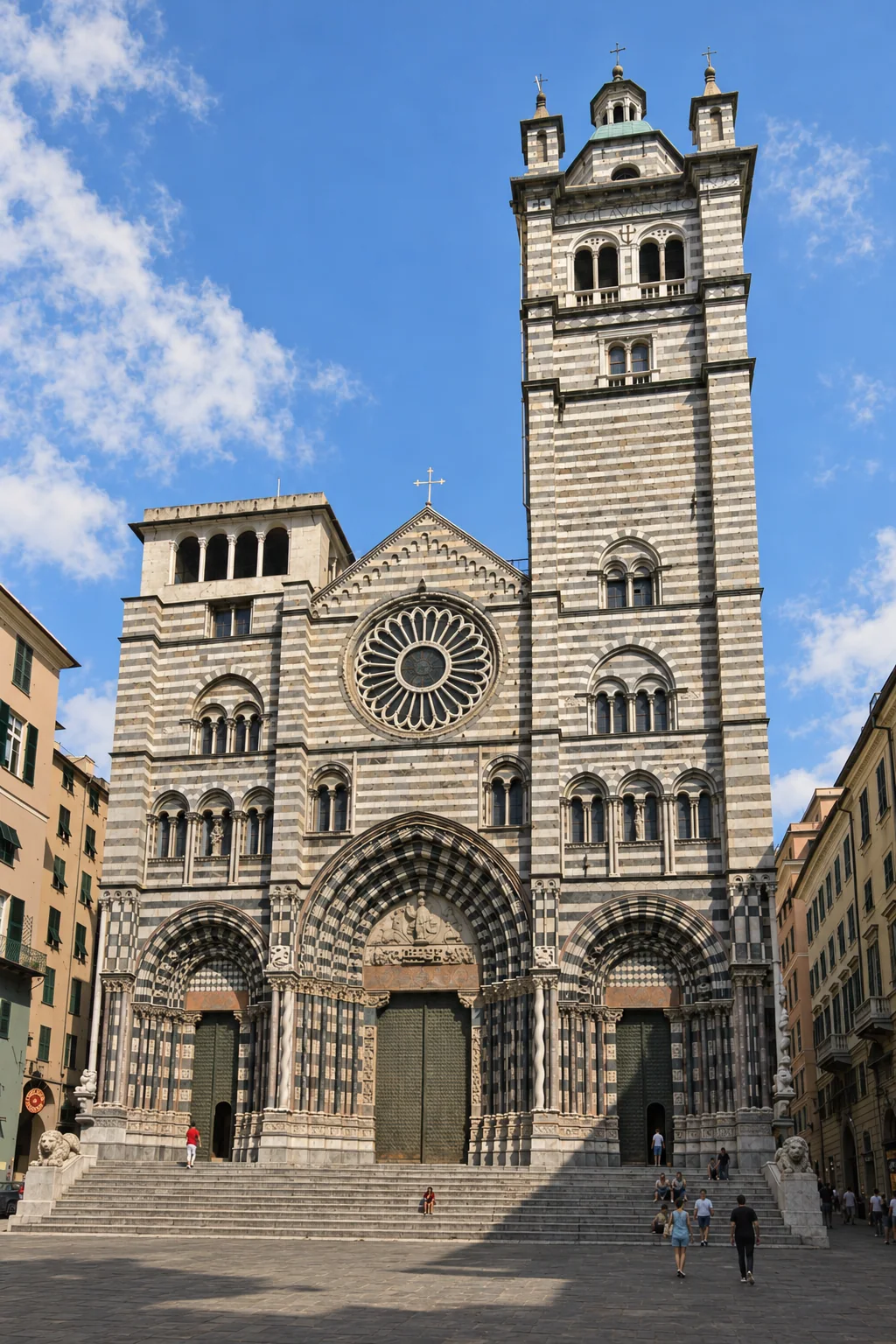 Cattedrale di San LorenzoGenoa CathedralIts striped Gothic west front, surviving Romanesque portals and the chapel of Genoa’s patron saint.<p>Pope Gelasius II consecrated San Lorenzo in 1118, before its façade was complete. An earlier church stood on this site by the early sixth century, but the oldest building phase still visible is Romanesque. The lower west front belongs to an unfinished Gothic transformation begun in the early thirteenth century and influenced by northern France: white, red, pink and green marbles sit alongside black stone. Look upward to see how later generations changed the design; the right bell tower was completed in 1522. Inside, the side aisles retain the springings of arches from a larger rebuilding that was never finished.</p><p>A fire in 1296 damaged the colonnades and capitals. The Romanesque side portals of San Giovanni and San Gottardo survived into the later building. In the left aisle, the Chapel of Saint John the Baptist was begun in 1450; its marble front dates to the middle of the fifteenth century and its interior to the early sixteenth. It holds ashes venerated as those of Genoa’s patron saint. In the right nave, an exact replica recalls an unexploded shell fired by the British fleet in 1941.</p><p>The separate Treasury Museum below the church occupies medieval crypt rooms adapted by Franco Albini in 1956. Reliquaries, objects connected with the Baptist and historic liturgical works give this a different focus from the cathedral itself. Its Sacro Catino is a shallow green-glass dish once believed to be emerald and associated by tradition with the Holy Grail. The city catalogue proposes ancient Syrian manufacture, while acknowledging that the date is disputed. To place San Lorenzo within the surrounding historic centre, continue into <a href="/en/regions/liguria/genoa">our Genoa city guide</a>.</p>Plan the visit
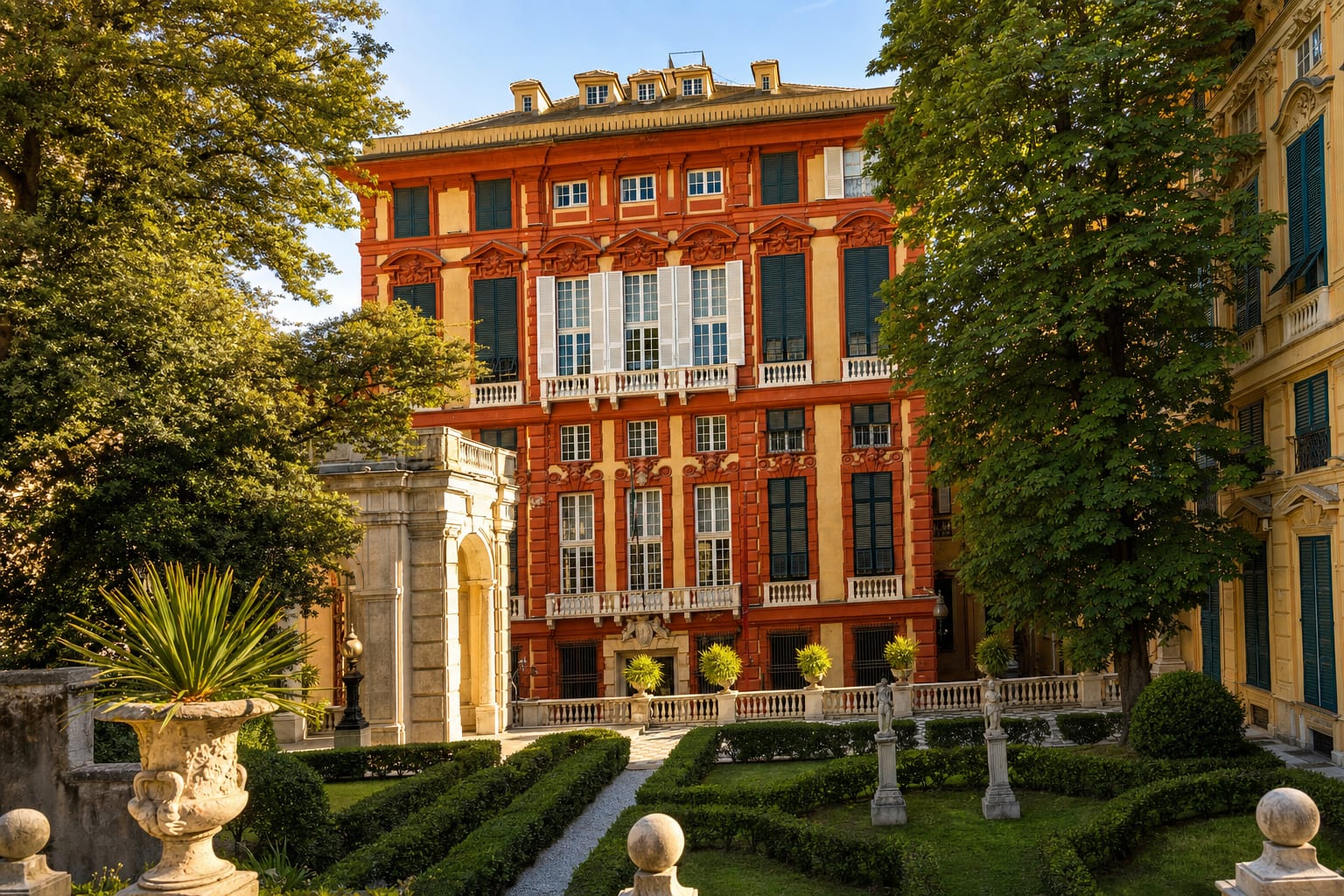 PalaceUNESCOPalazzi dei RolliStrada Nuova palaces, lottery of noble lodging, Palazzo Rosso, Paganini's violin, Rolli DaysIn 1576 the Genoese Republic began listing its finest private palaces in the rolli, official rosters from which the state assigned lodging by lottery to visiting popes, kings and ambassadors, so that grand hospitality became a civic duty. The best of them stand along Via Garibaldi, the Strada Nuova, and its neighbors Via Balbi and Via Cairoli, and UNESCO inscribed 42 of these palaces and streets in 2006. Most remain private, but three open as the Strada Nuova Museums: Palazzo Rosso, a preserved noble house; Palazzo Bianco, the gallery with Flemish and Spanish paintings; and Palazzo Doria-Tursi, where Paganini's violin is kept. On the special Rolli Days, many private palaces open their gilded halls to the public.
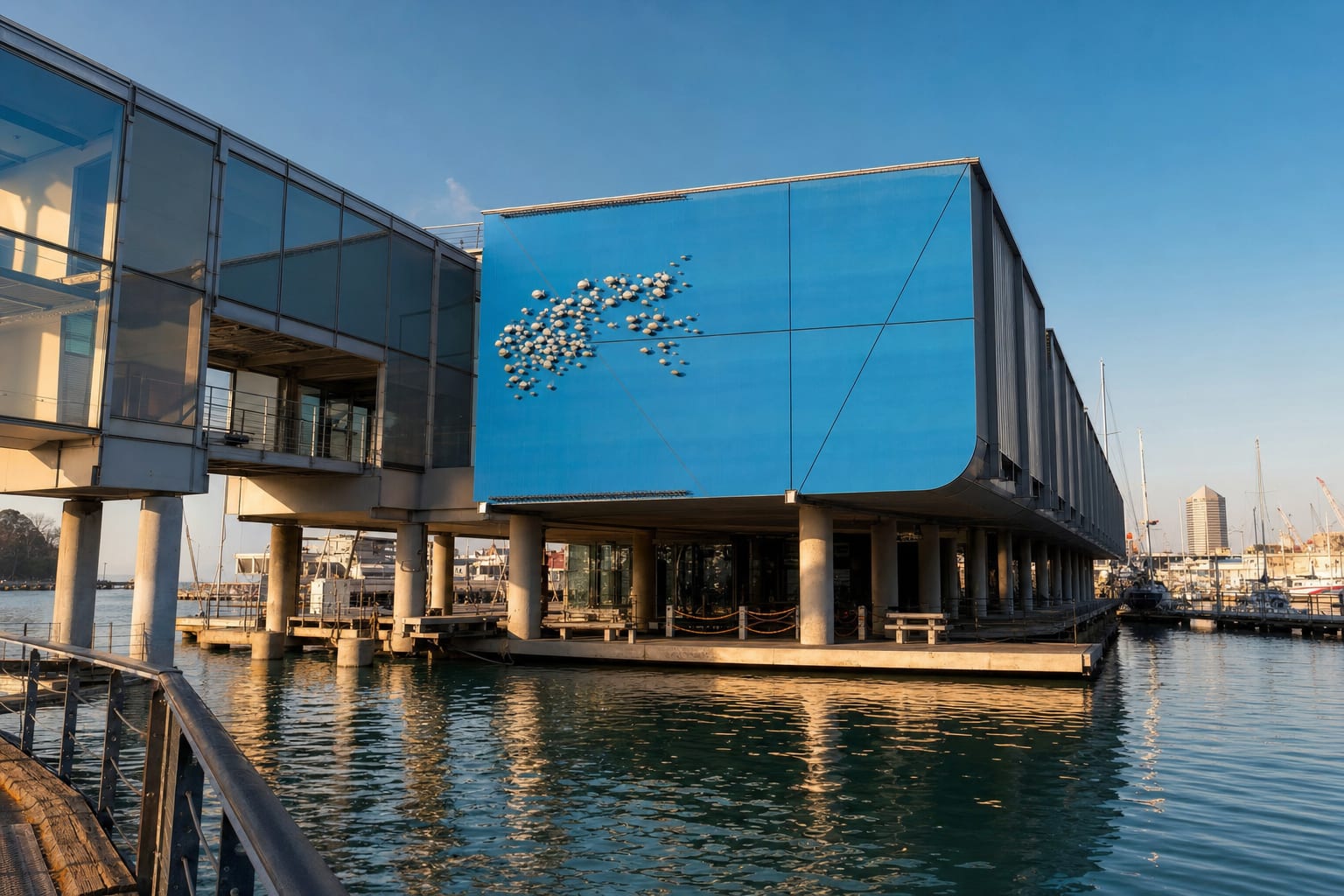 Acquario di GenovaAquarium of GenoaRenzo Piano design, 400 species, dolphins, sharks, penguins, Porto AnticoRenzo Piano and Peter Chermayeff designed the Aquarium of Genoa as the centerpiece of the port’s redevelopment for the 1992 Columbus celebrations, and it remains one of Europe’s largest. Some 400 species live across 12,000 square meters of exhibition space, from sharks and seals to penguins and a dolphin habitat. The rooms move you through the world’s waters, from the Mediterranean and the Red Sea to the Amazon and the polar seas, in tanks that are as much theatre as science. It stands on the old harbor, the Porto Antico, and you can add the Biosphere, the Bigo panoramic lift and the Children’s City in a single visit. Families use it in every weather.
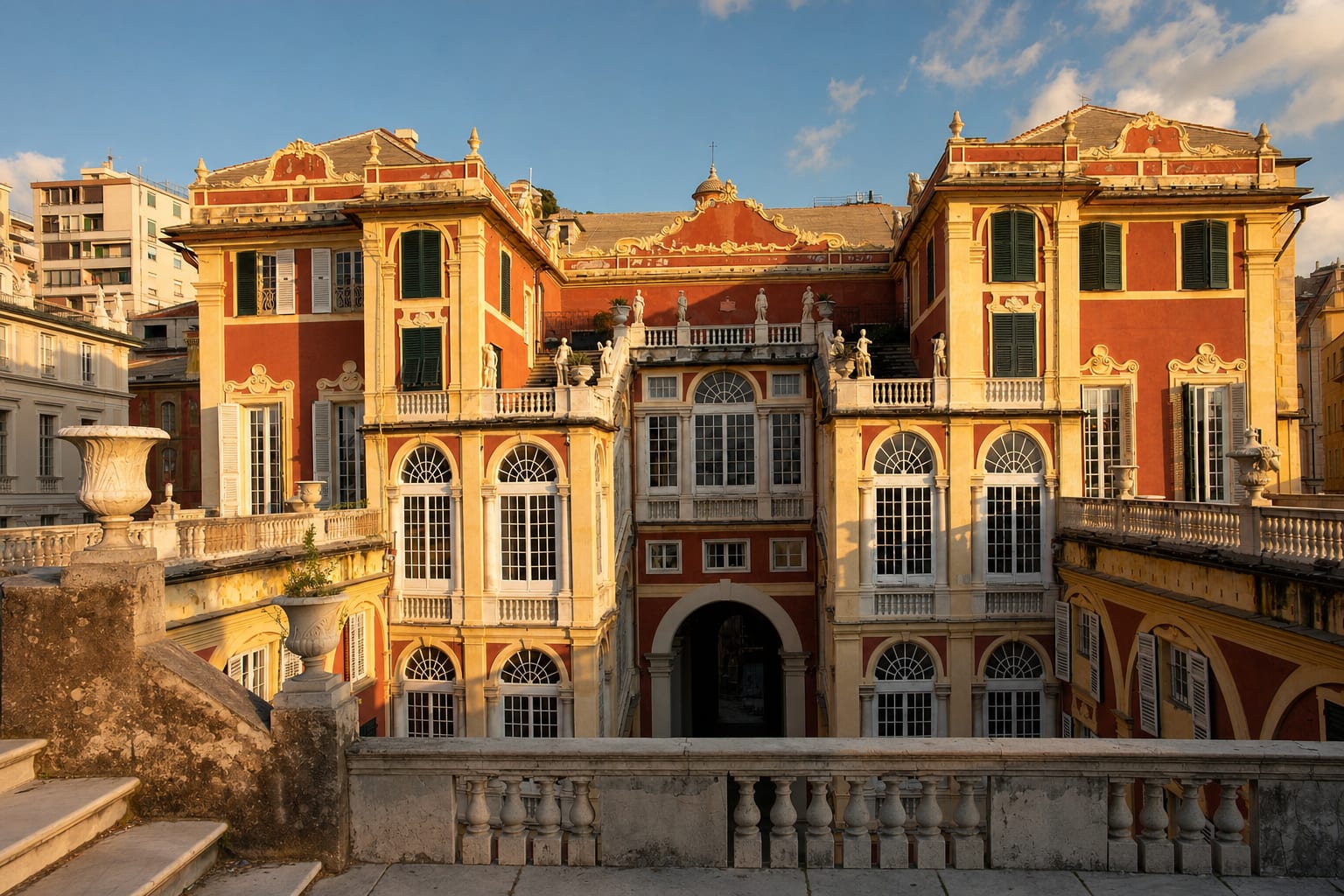 Palazzo Reale di GenovaUNESCORoyal Palace of GenoaHall of mirrors by Domenico Parodi, Van Dyck portraits, Balbi and Durazzo decoration, harbor terraceThe Balbi family built this palace between 1643 and 1650 to show off their banking fortune, and when the Durazzo family bought it in 1677 they added the flourishes that survive today: gilded stucco, an atrium framed to catch the harbor view, and a hall of mirrors by Domenico Parodi that answers Versailles on a Genoese scale. The House of Savoy took it over in 1824 and used it as an official royal residence, and it opened as a state museum in 1919. Portraits by Van Dyck, who spent years painting Genoa's merchant aristocracy, still hang where the Durazzo and Savoy families placed them, and the terrace out back still looks straight down to the working port.
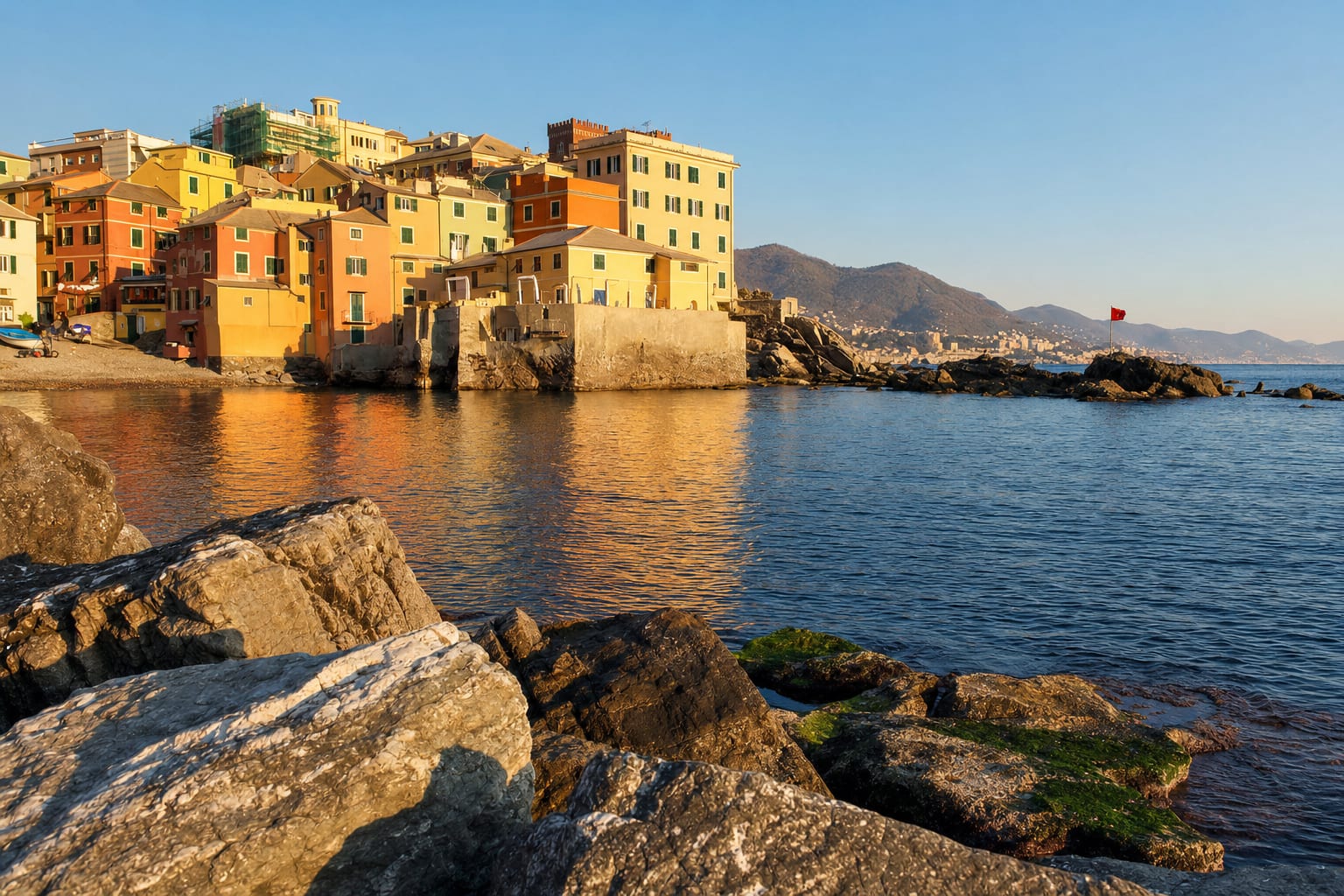 DistrictBoccadasseFishing hamlet inside Genoa, pebble cove, pastel houses, gelato at sunsetBoccadasse is a fishing hamlet that survived inside the city of Genoa: a pocket pebble beach, pastel houses stacked around it, and small boats pulled up on the stones. The name probably comes from Bocca d'Asse, the Genoese for mouth of the donkey, after the shape of the bay; legend says Spanish fishermen settled here around the year 1000. It joined Genoa in 1873 and kept its character. The parish church of Sant'Antonio da Padova, raised by the fishermen in the early 1700s, is hung with ship models given as thanks. Come at the end of the afternoon, buy a gelato and eat it on the rocks while the light turns the houses orange. The singer Gino Paoli lived here.
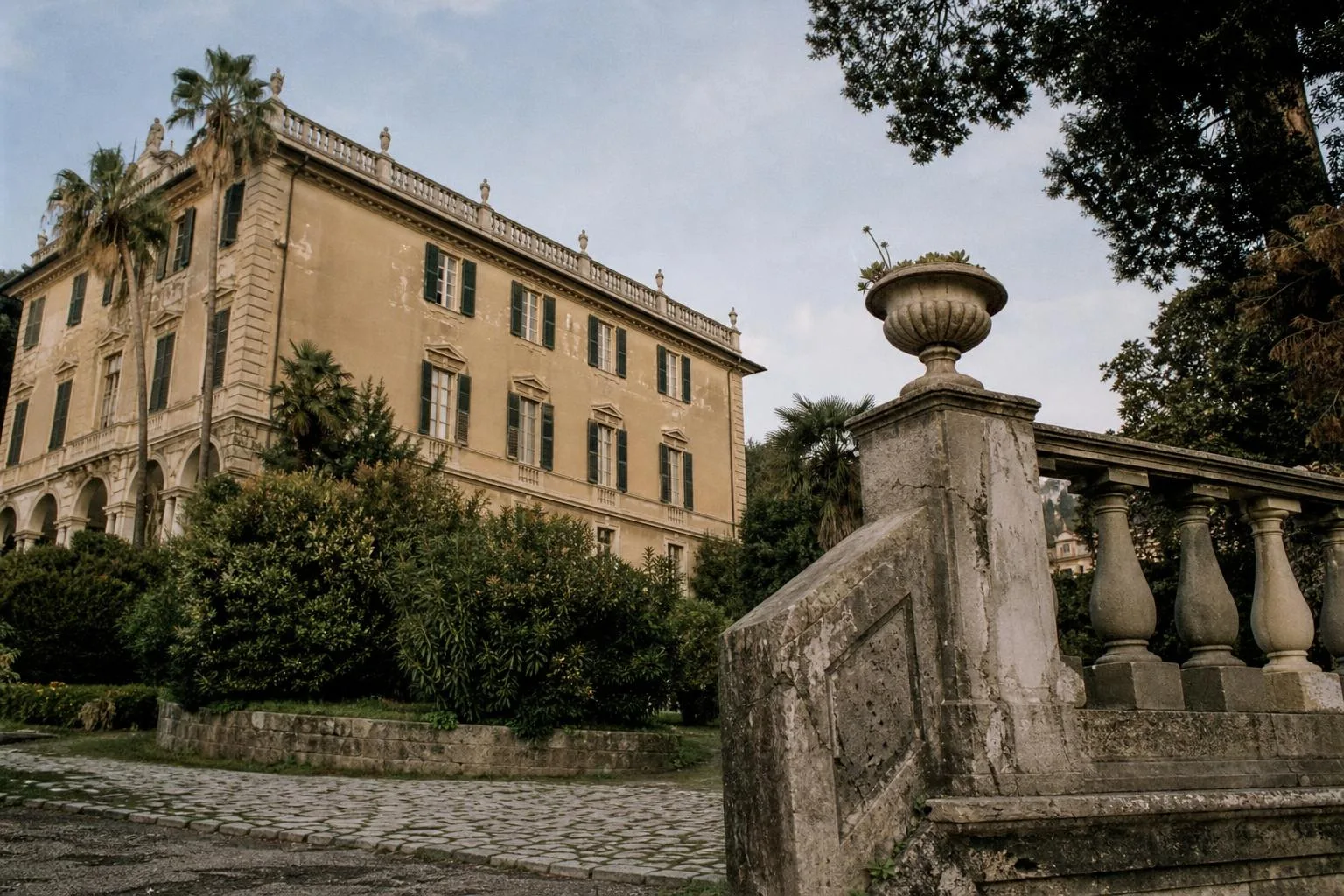 VillaHidden GemVilla Durazzo-PallaviciniThree-act romantic park, Michele Canzio's design, Museo di Archeologia Ligure, Italy's most beautiful garden (2017)Clelia Durazzo Grimaldi planted a botanical garden here in the late 1700s, but it was her nephew's set designer, Michele Canzio of Genoa's Teatro Carlo Felice, who turned the grounds into theater when he built the park between 1840 and 1846. Canzio staged the ninety-seven-thousand-square-meter park as a drama in three acts, Return to Nature, Memory and Purification, scattering temples, a pagoda, an obelisk and artificial ruins along the paths as scenery for a promenade meant to be walked like a story. The park opened in September 1846 to immediate national fame and was voted Italy's most beautiful garden in 2017. The villa itself, in Genoa's Pegli district beside the railway station, now houses the Museo di Archeologia Ligure.
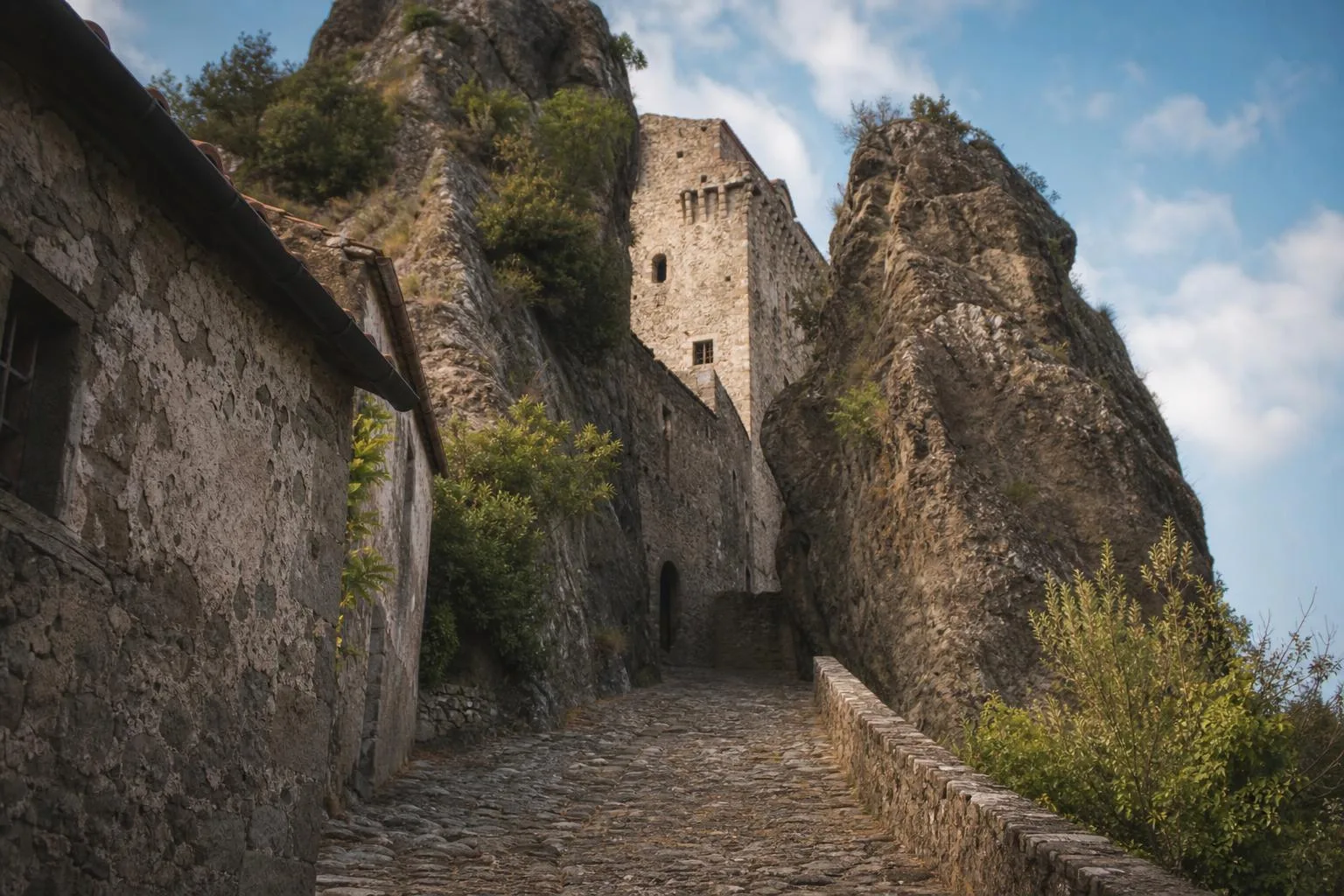 CastleHidden GemCastello della PietraCastle wedged between rock towers, della Pietra family seat, 1797 burning, Antola Regional ParkWedged so tightly between two natural rock towers that its walls seem to grow out of the stone itself, Castello della Pietra above Vobbia may date to the 1100s, though the earliest solid records place the della Pietra family in possession from 1252 onward. Ownership passed through the Spinola, Adorno and other Genoese noble families over the centuries until French troops, suppressing the region's imperial fiefs in 1797, drove out the castle's last occupants and set it ablaze, leaving it a ruin for nearly two centuries. The Beroldo family donated the abandoned castle to Vobbia's municipality in 1979, and restoration allowed full public access from 1994, now managed by the Parco Naturale Regionale dell'Antola. A forest trail is the only way in, on foot, exactly as it always was.
Tours worth booking in Genoa
Compared by our editors, across providers.
Booking through these links may earn Italia Magnifica a commission, at no cost to you.
- Viator
- 2h
- 4.8★ · 4 reviews
from €290Book this tour- Viator
- 1h
- 5.0★ · 53 reviews
from €30Book this tour- Viator
- 2h
- 5.0★ · 15 reviews
from €69Book this tour- Viator
- 2h
- 5.0★ · 7 reviews
from €120Book this tour- Viator
- 7h
- 5.0★ · 3 reviews
from €740Book this tour- Viator
- 3h
- 5.0★ · 11 reviews
from €230Book this tour




More within reach
Monuments a day trip away, elsewhere in Liguria.
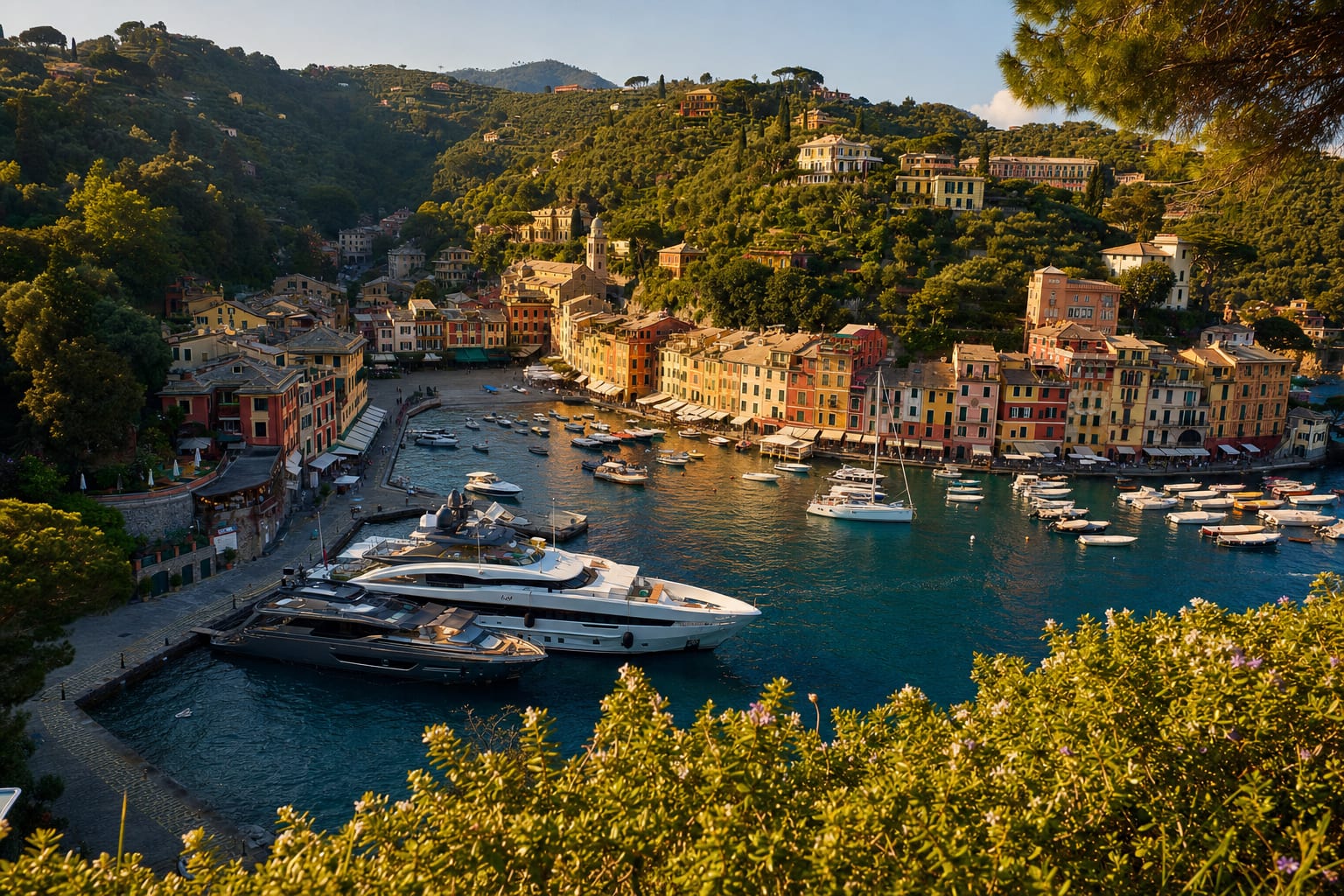 PortofinoPortofinoThe half-moon harbor, Castello Brown, painted facades, the coastal path to San Fruttuoso Abbey
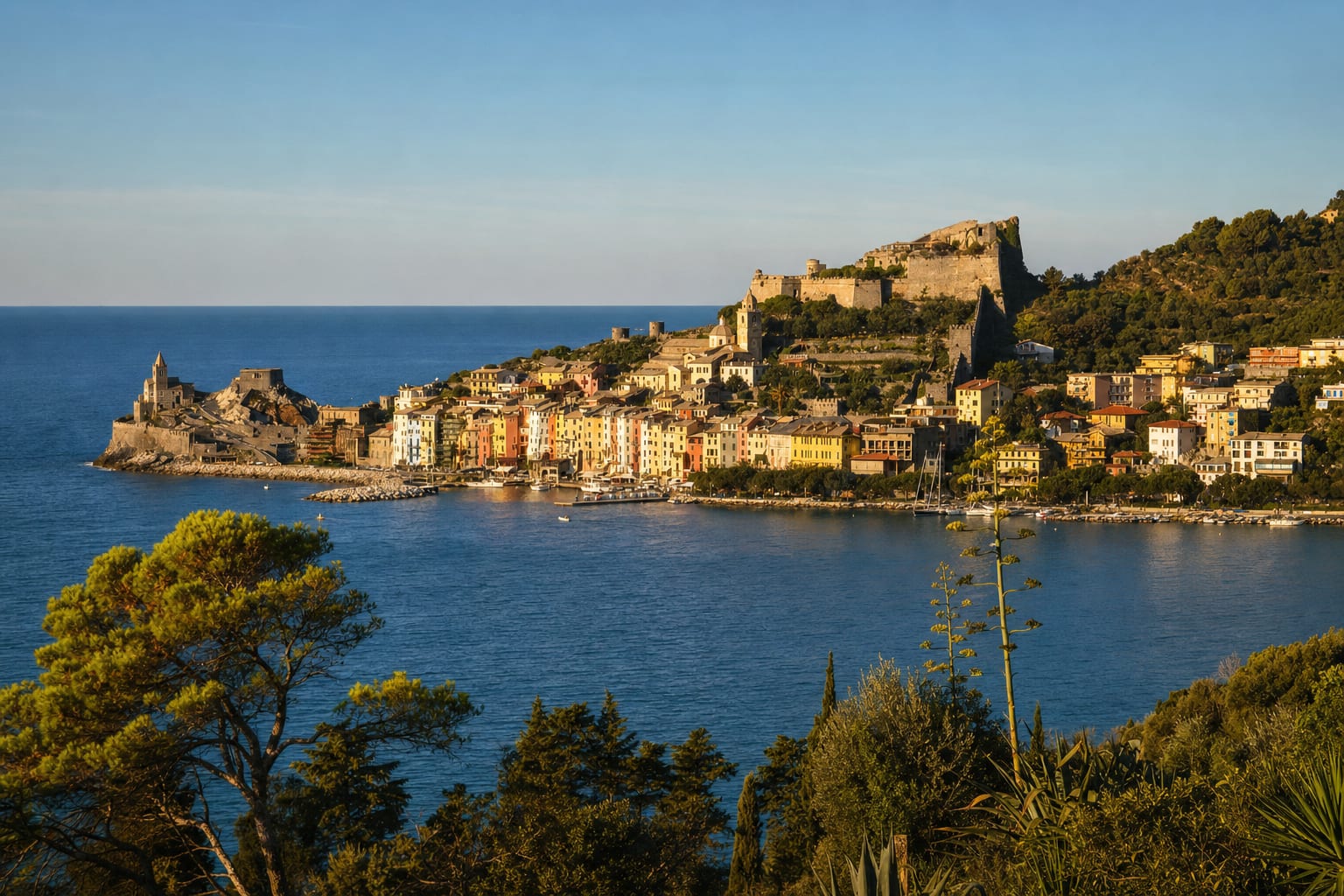 PortovenerePortovenereSan Pietro's cliffside church, Byron's Grotto, striped Genoese houses, boat access to Palmaria island
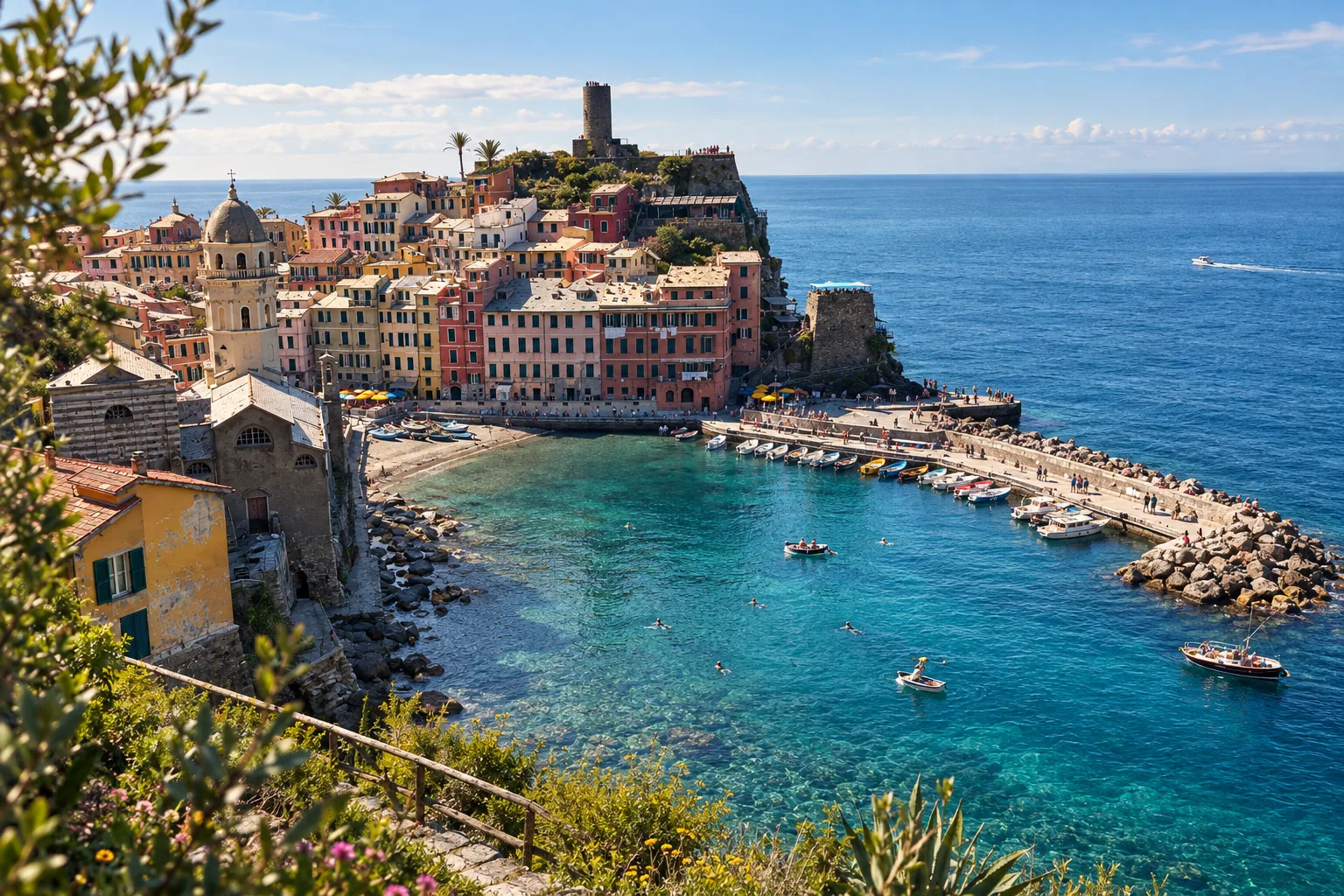 Cinque TerreCinque TerreFive cliff villages, terraced vineyards, the Via dell'Amore coastal path, train-linked coves
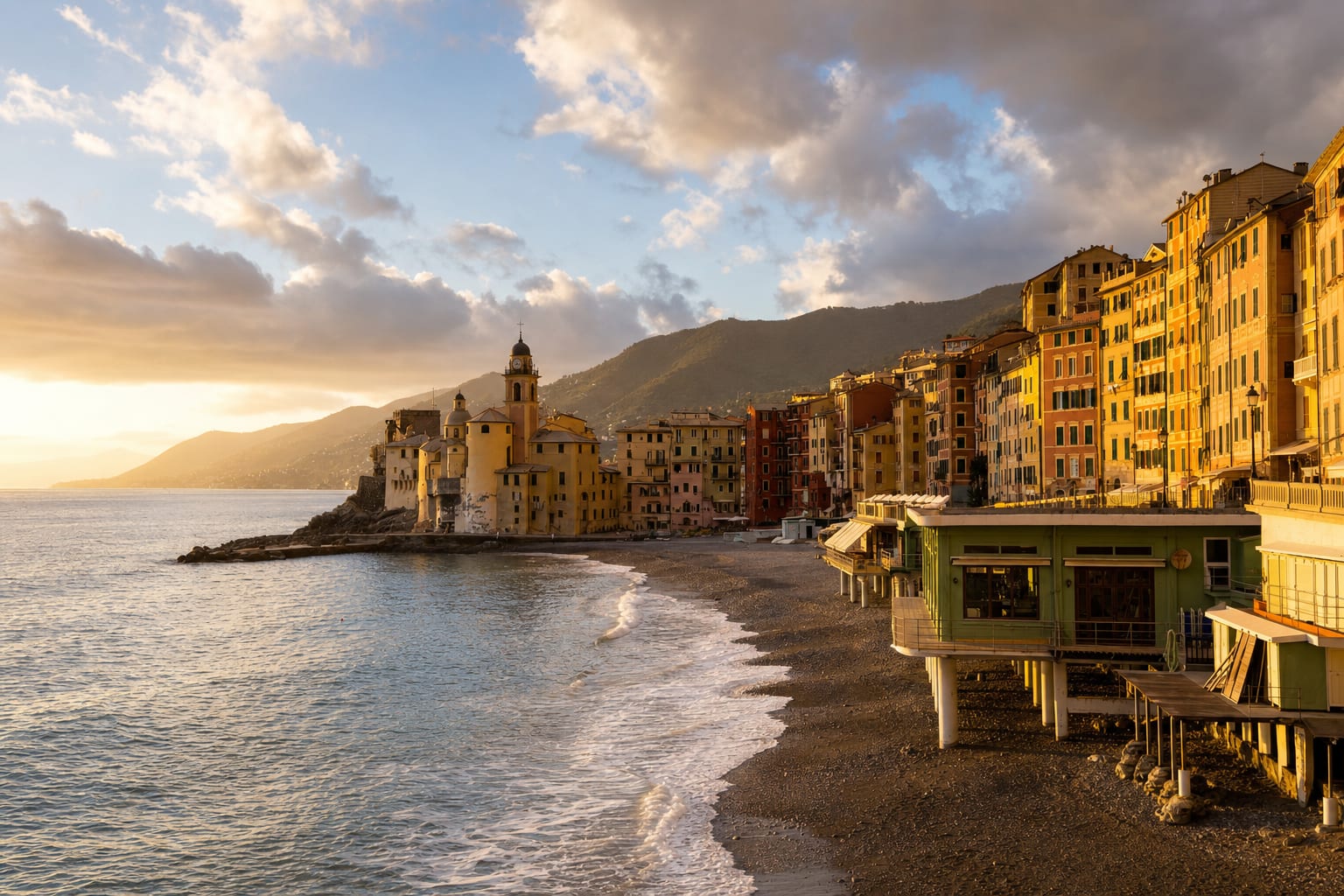 CamogliCamogliPainted seafront houses, Sagra del Pesce, harbor, path to San Fruttuoso
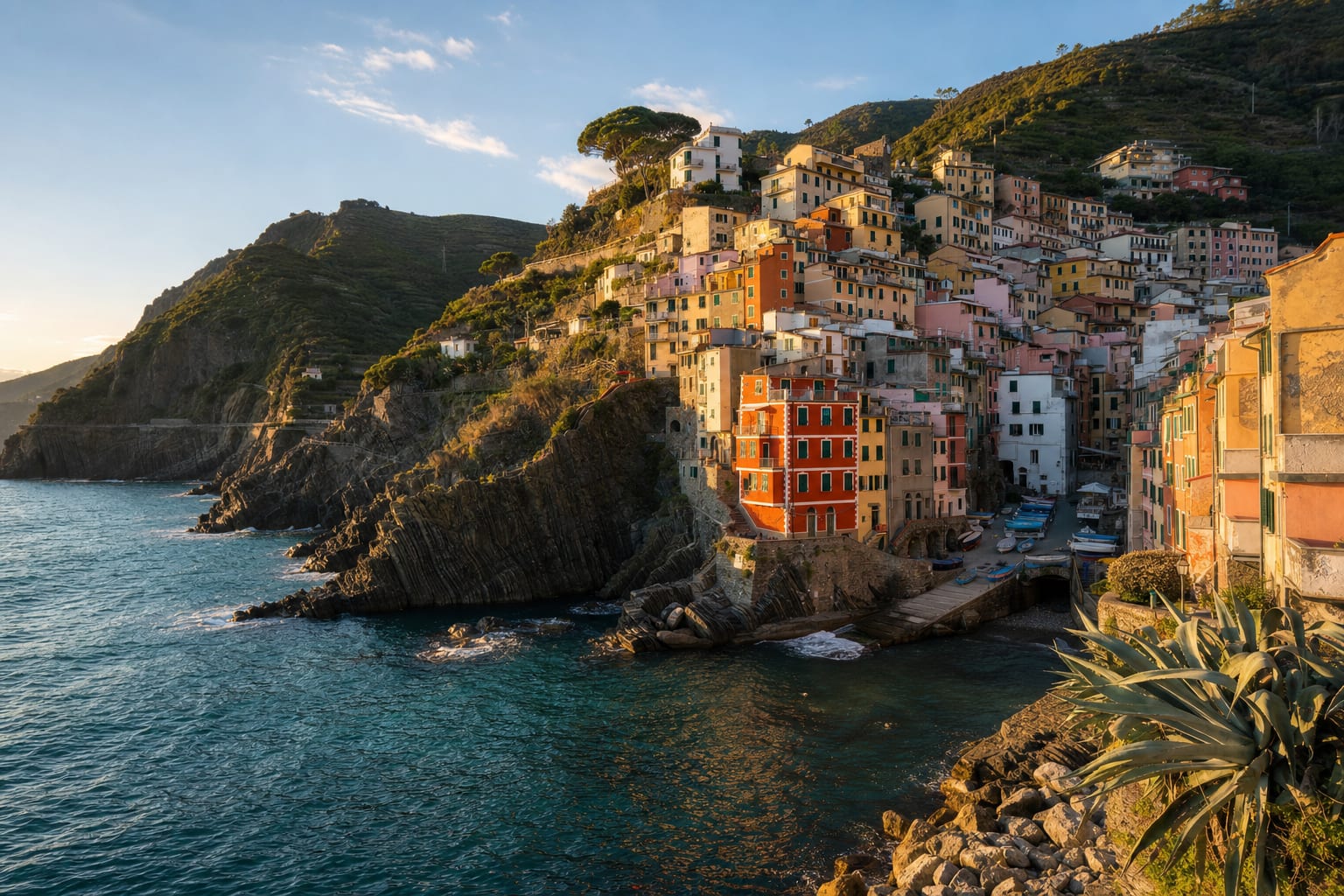 RiomaggioreUNESCORiomaggioreThe slipway marina, the Via dell'Amore trailhead, tower houses lit at night, first of the five villages
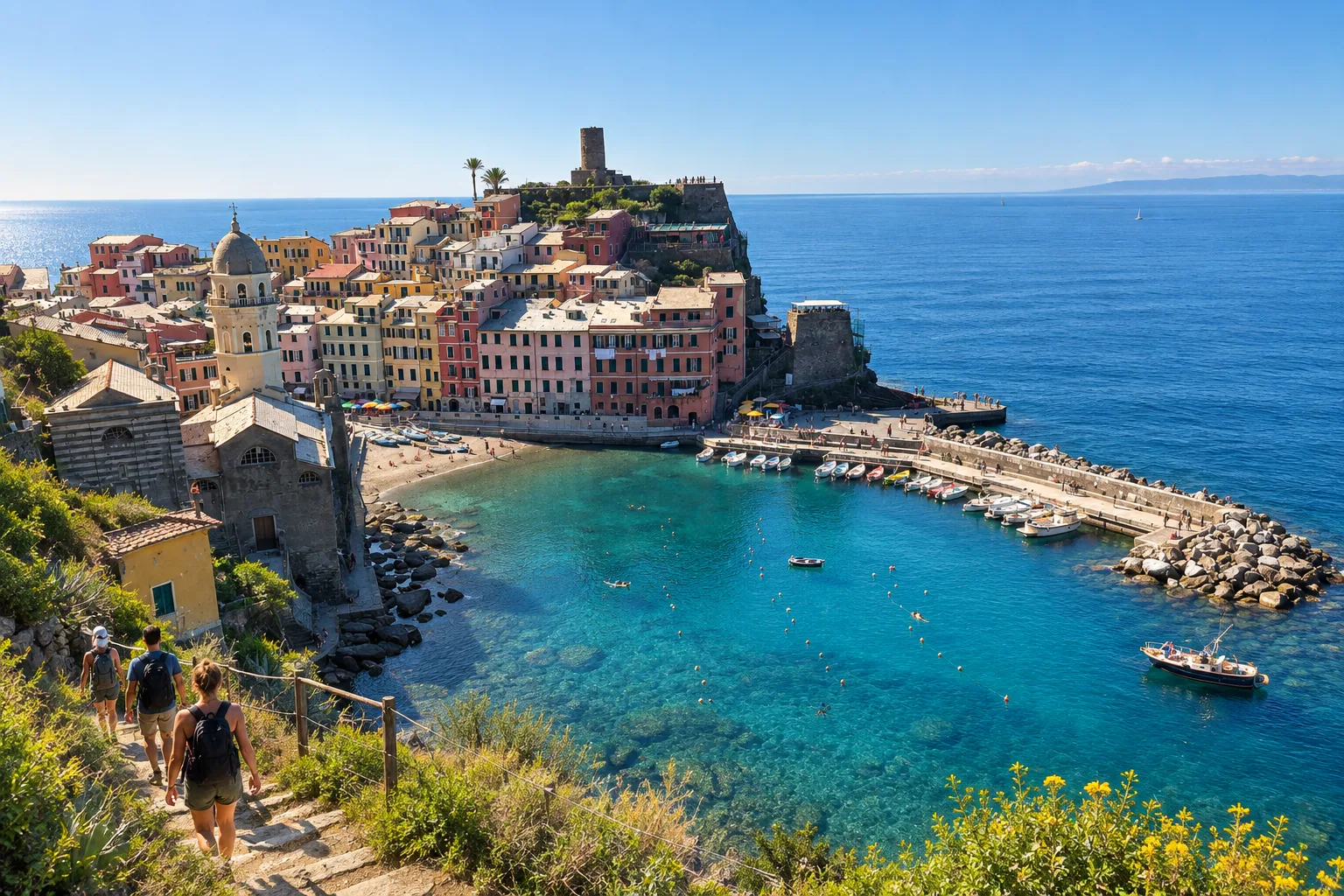 VernazzaUNESCOVernazzaIts natural harbor piazza, the Doria Castle tower, Santa Margherita's waterfront church, colorful tower houses
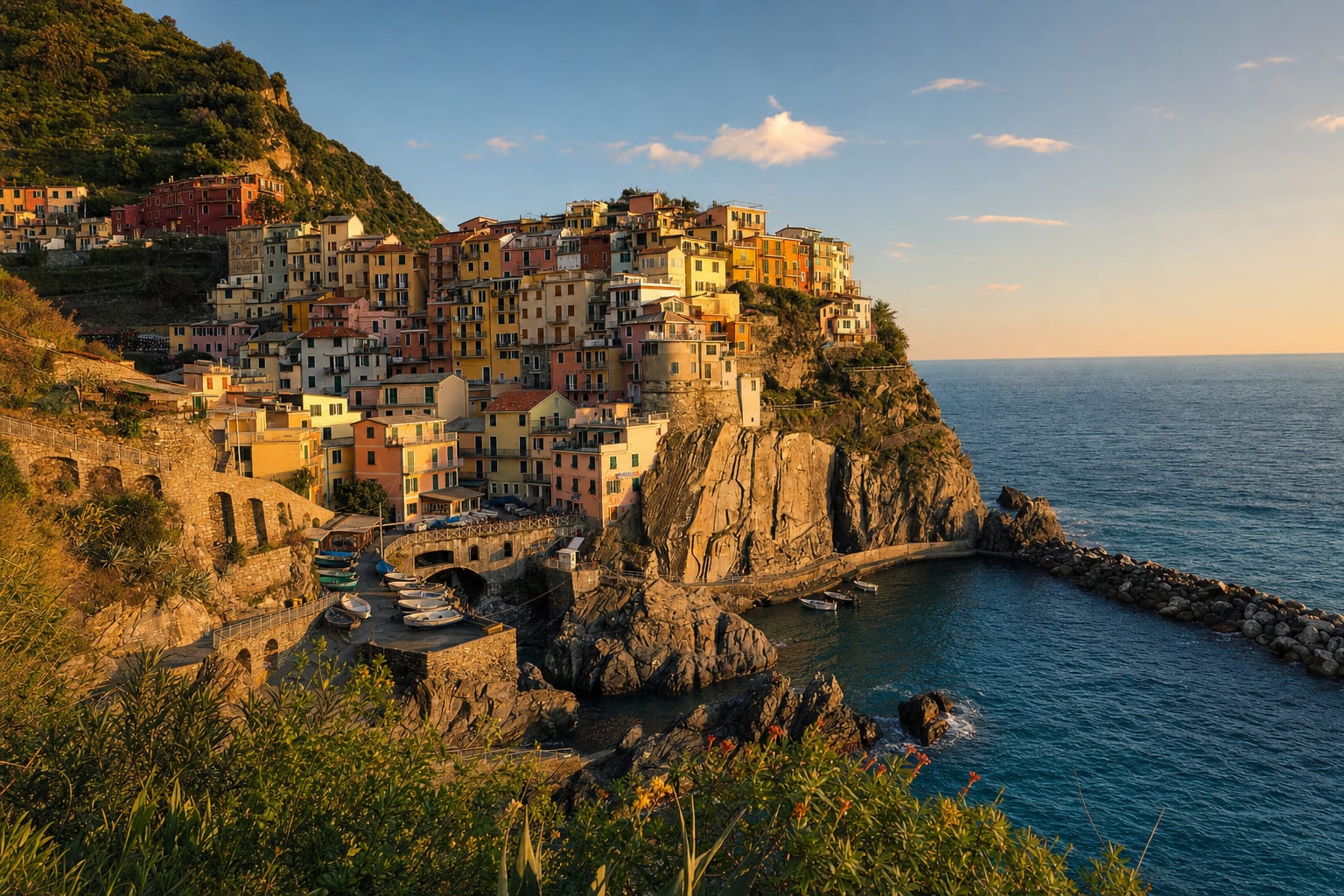 ManarolaUNESCOManarolaTower houses over the cove, the classic Cinque Terre sunset view, Sciacchetra vineyards, cliffside swimming
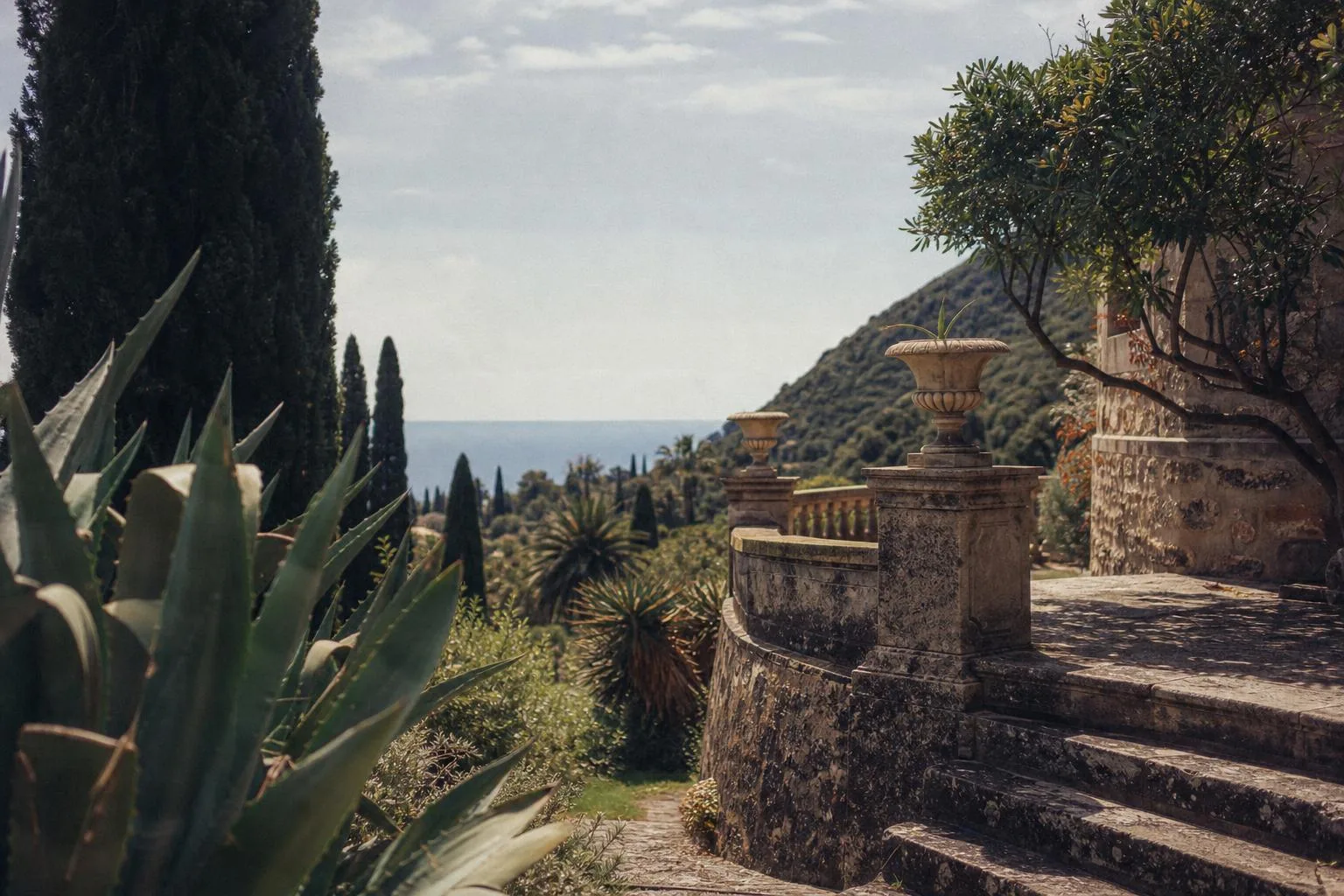 BordigheraHidden GemHanbury Botanical Gardens1867 Hanbury acclimatization garden, 2,500 plant species, La Mortola terraces, University of Genoa research station