Thomas Hanbury bought the La Mortola promontory in 1867, right where the Riviera meets the French border, and set out to build one of Europe's great acclimatization gardens, a place to test plants from six continents against a nearly frost-free Mediterranean winter.
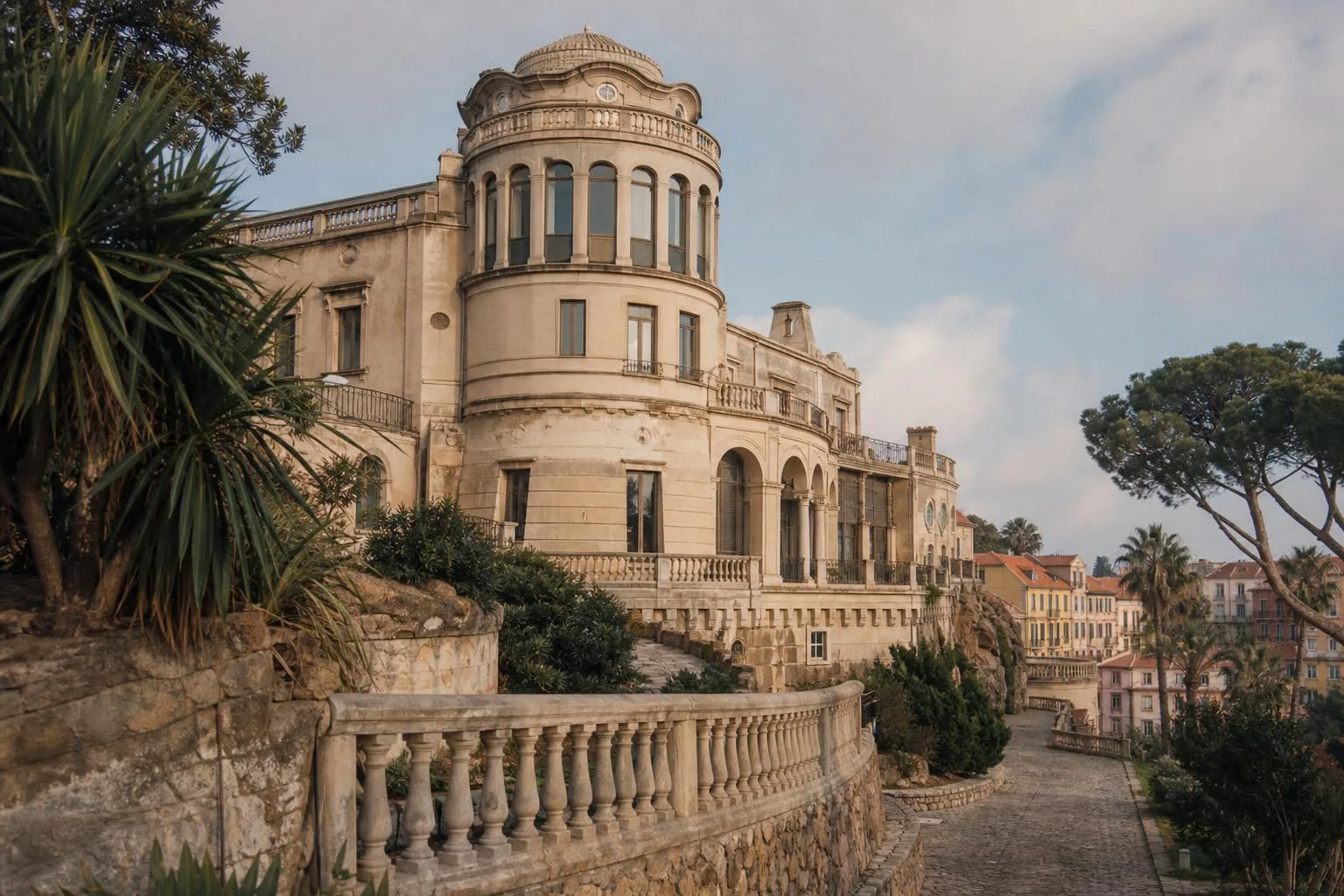
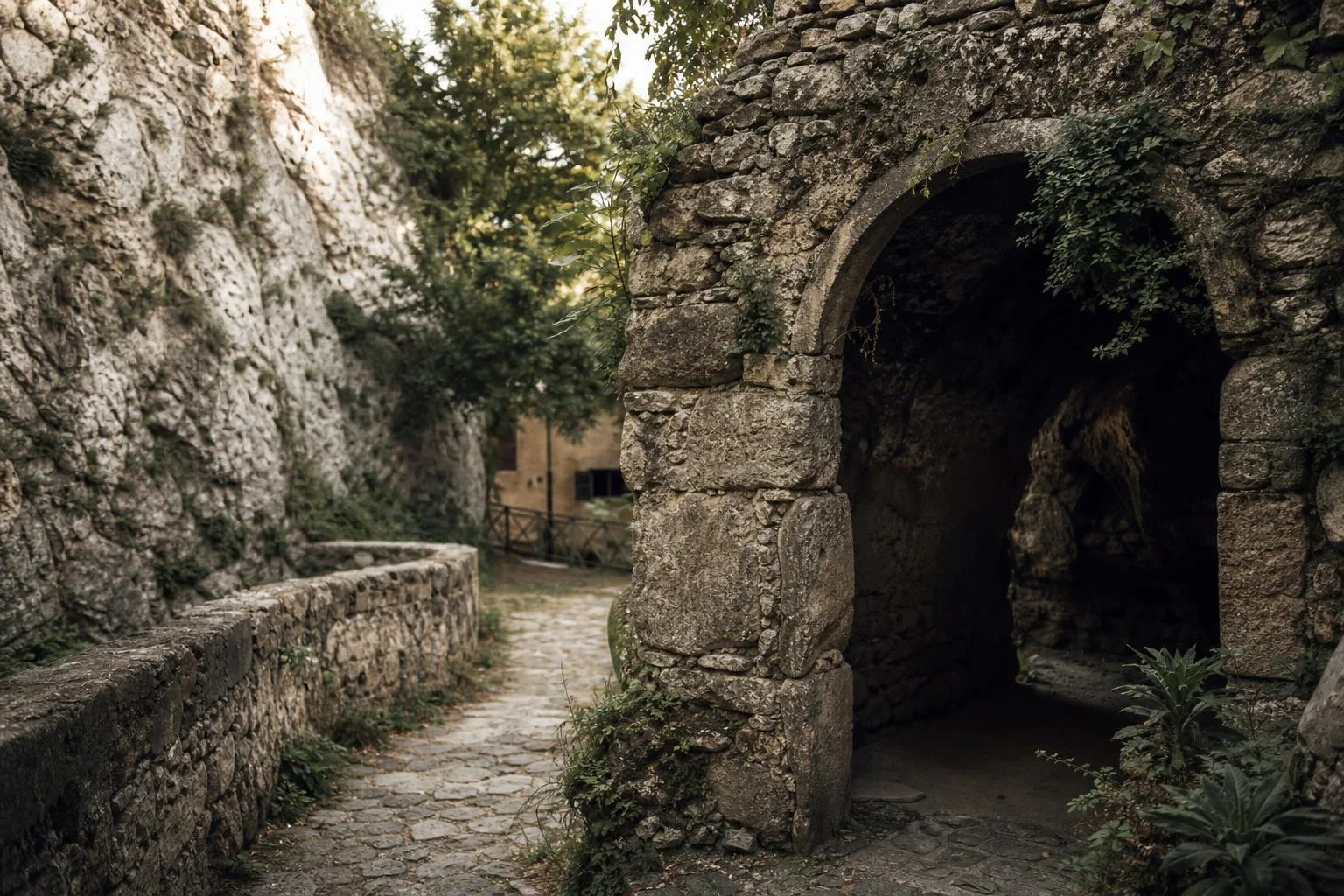
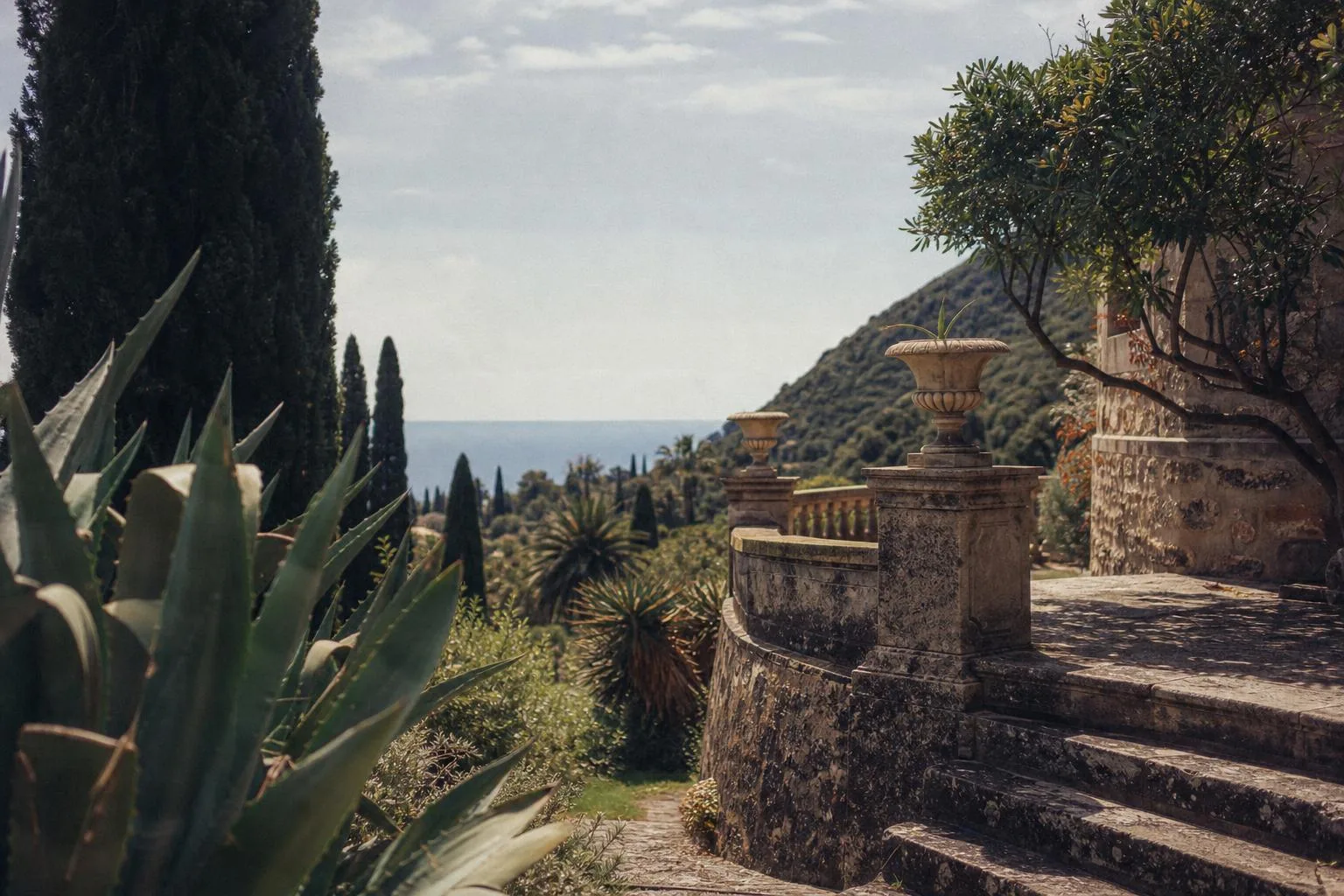
His brother Daniel, a botanist, helped shape the early plant collection, and across eighteen hectares of terraced slopes the garden now holds roughly 2,500 species and varieties, from Mexican agaves to Australian eucalyptus, planted alongside olive groves and umbrella pines already old when Hanbury arrived. The University of Genoa has run the site since 1987, as both a public garden and a research station. Paths switchback down toward the sea, past a short stretch of Roman-era road and a nineteenth-century villa, so the walk down doubles as a lesson in plant geography. Regularly ranked among Italy's finest gardens, it rewards an unhurried morning or afternoon.