

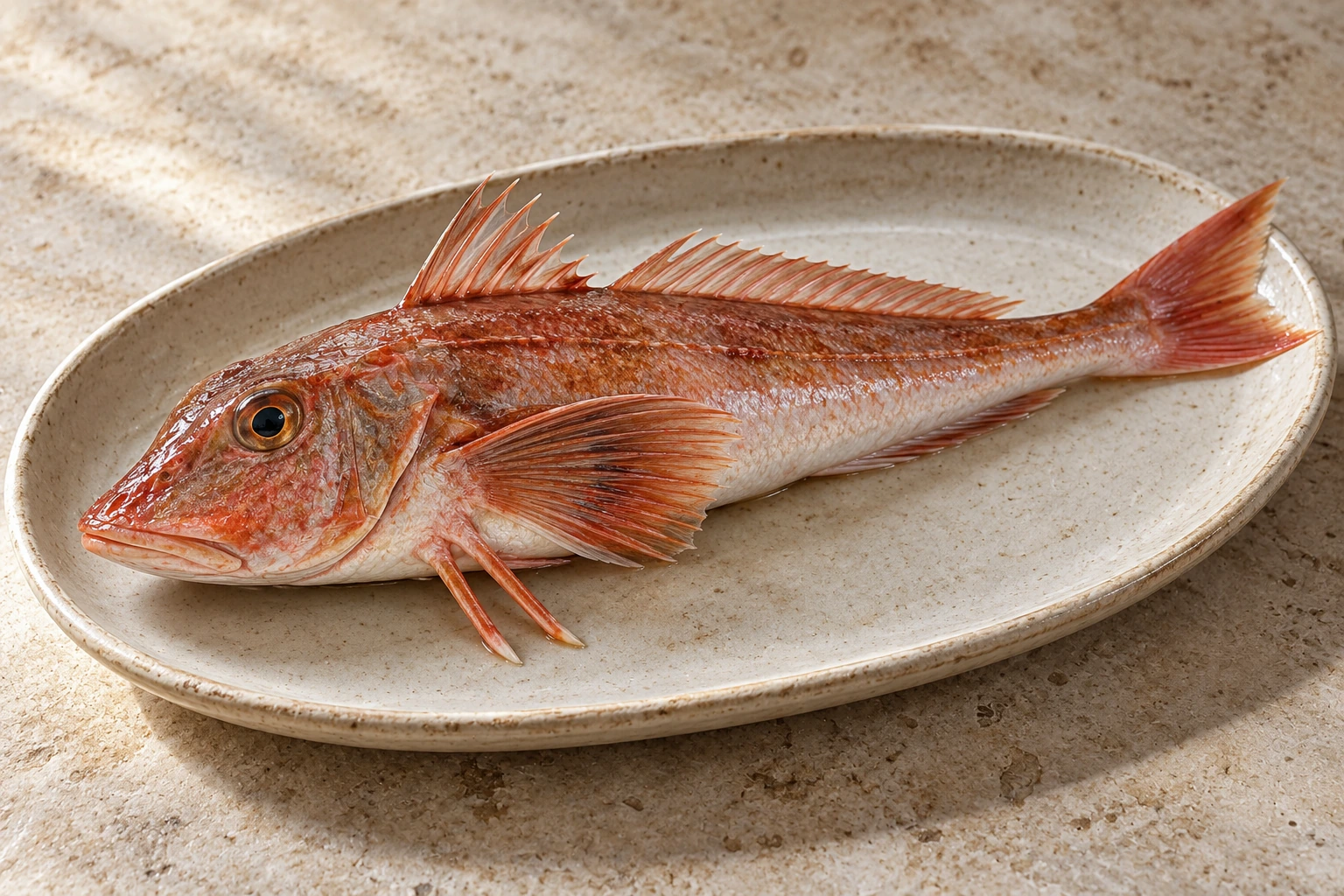
Gurnard
Gurnard brings white flesh and a useful frame to Adriatic fish soups. In Chioggia it is luserna; around Fano, mazzola joins the mixed catch in brodetto.
- Identity
- Triglidae market group: gallinella includes several species, including Chelidonichthys lucerna.
- Form for the pan
- Whole fish for filleting, or cleaned pieces.
Prepare the right cut
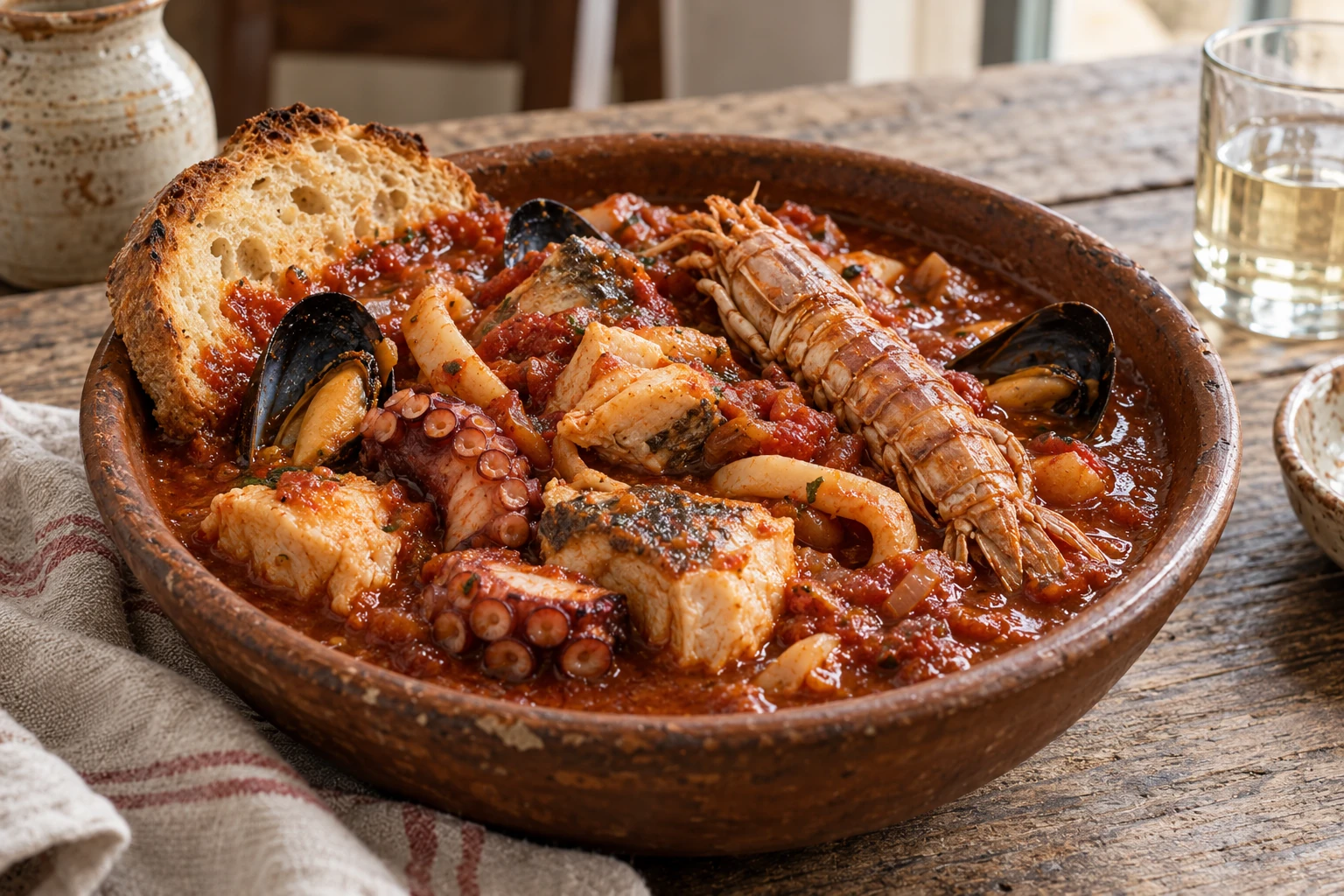
For the Chioggia preparation, ask for a whole fish, then have it scaled, gutted and filleted. Keep the cleaned frame separately for the stock. Filter that stock carefully before adding it to the pan. Add the fillets gently so they remain in recognizable pieces. For the Fano brodetto, specify cleaned pieces and weigh them after preparation.
In Adriatic fish cooking
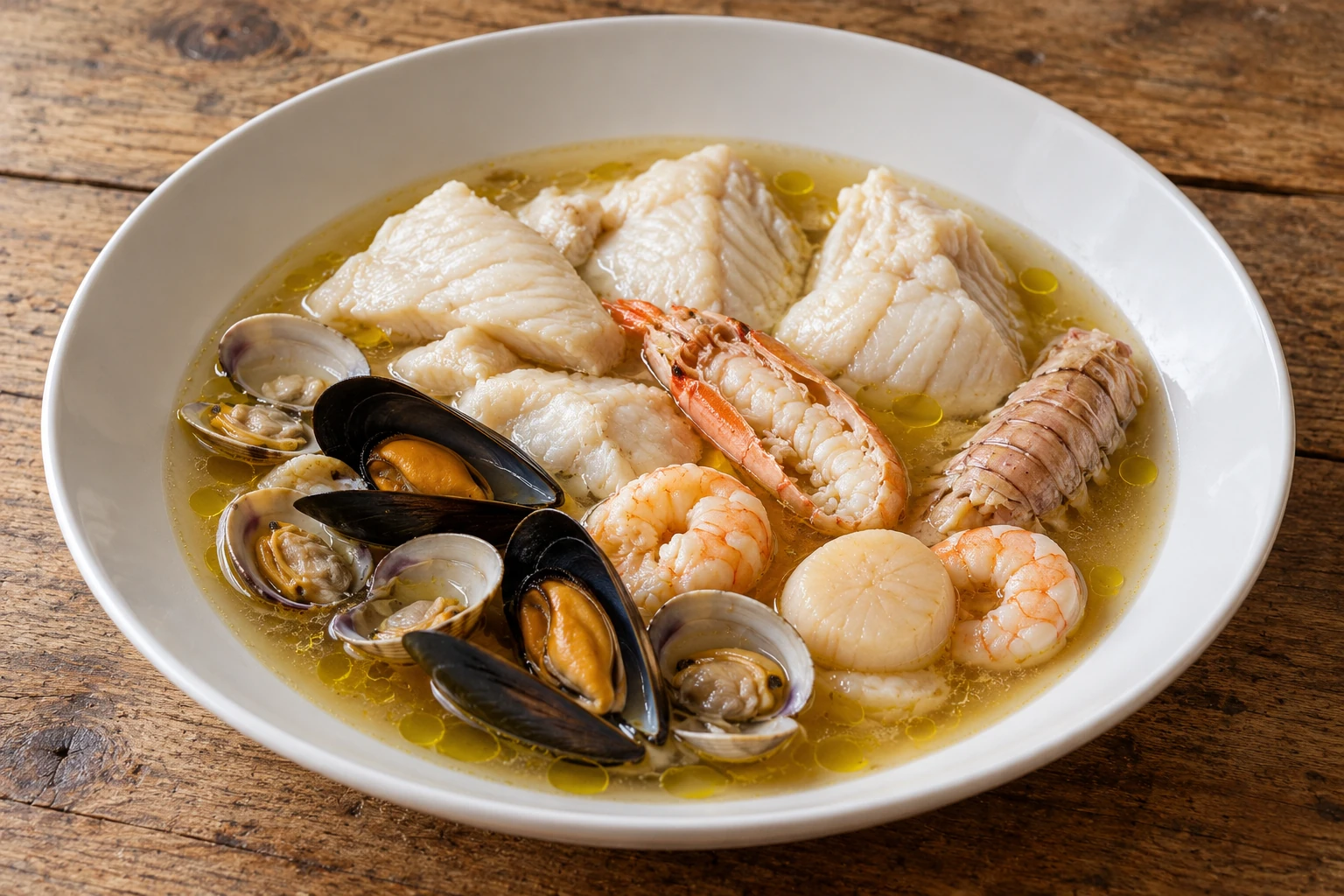
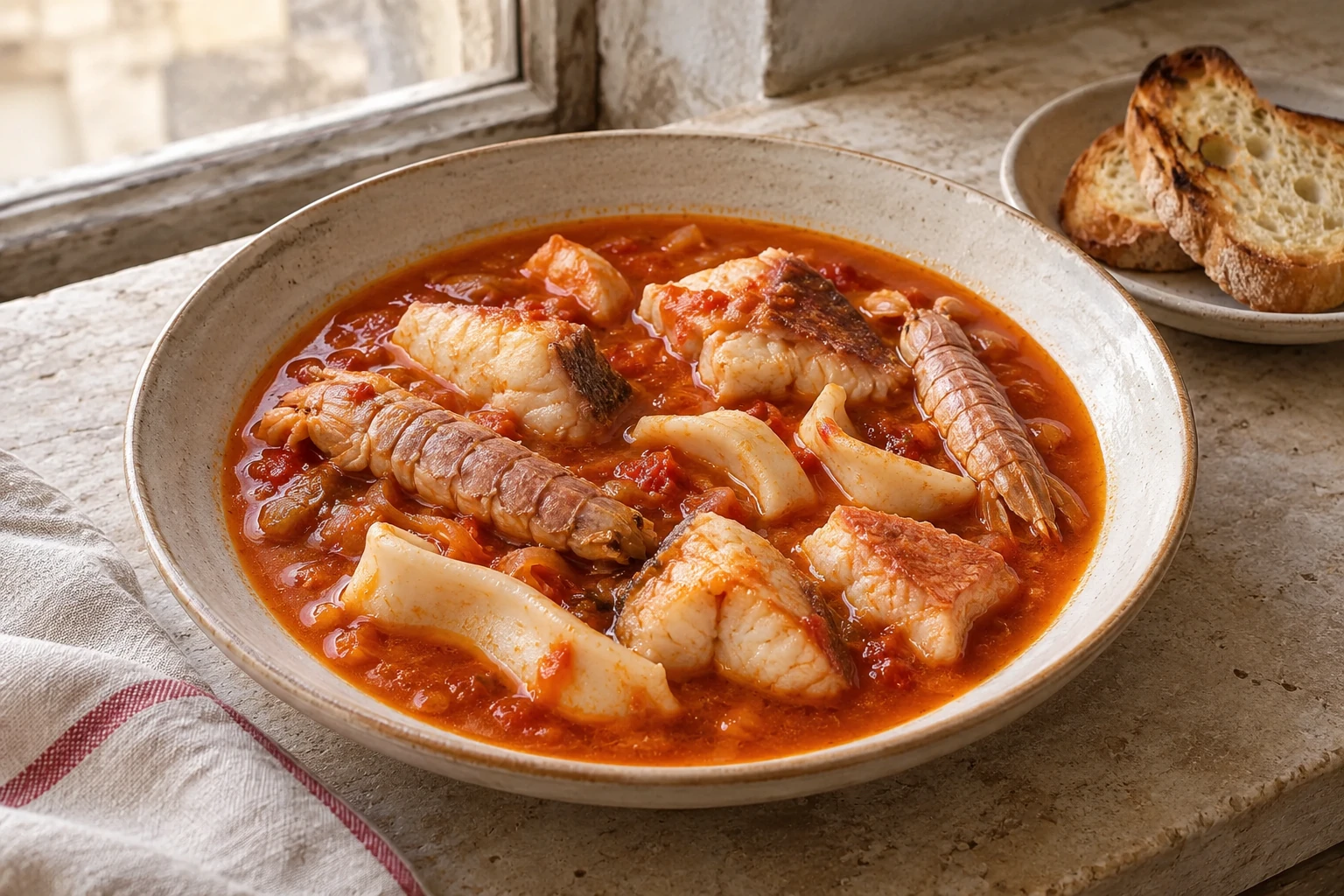
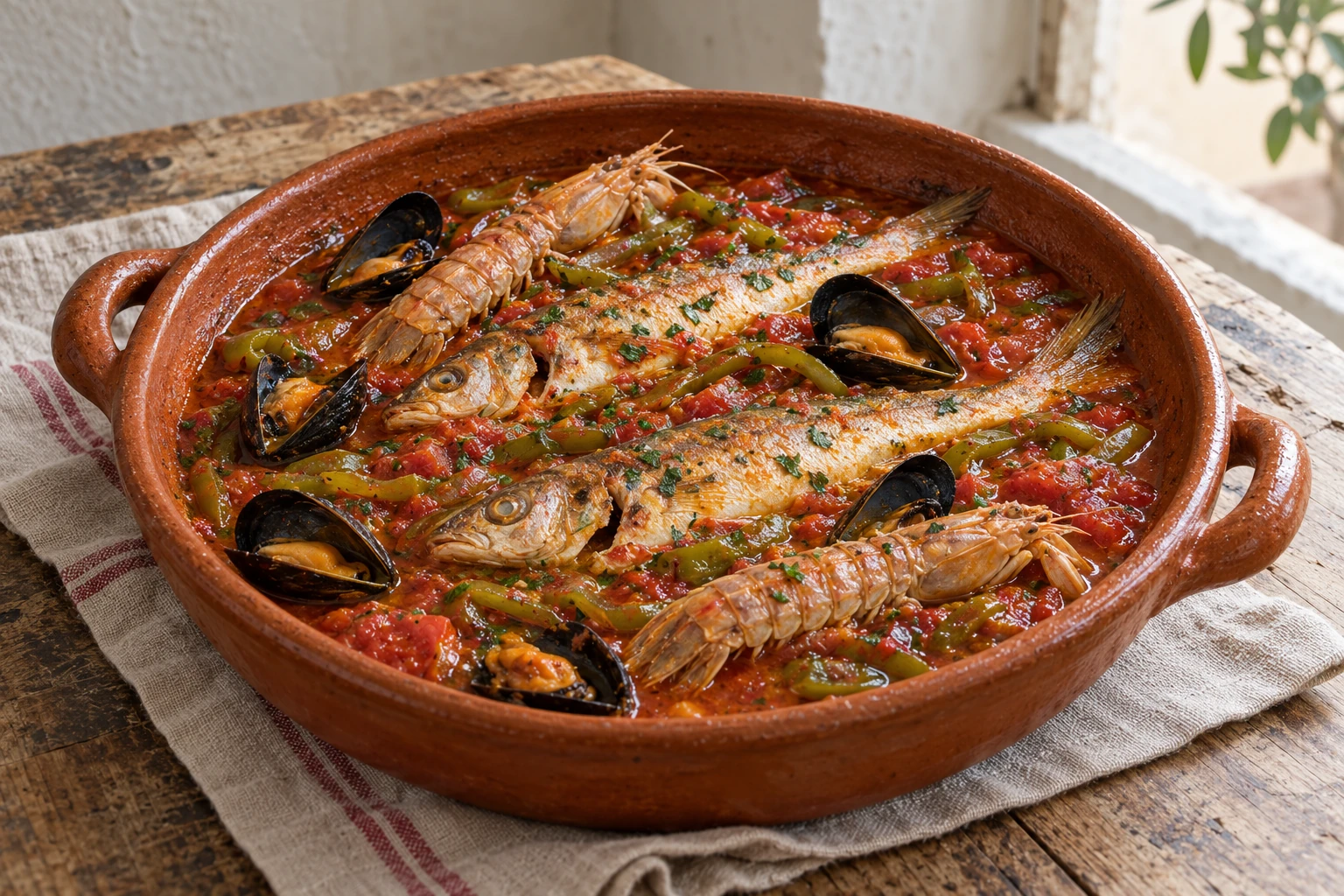
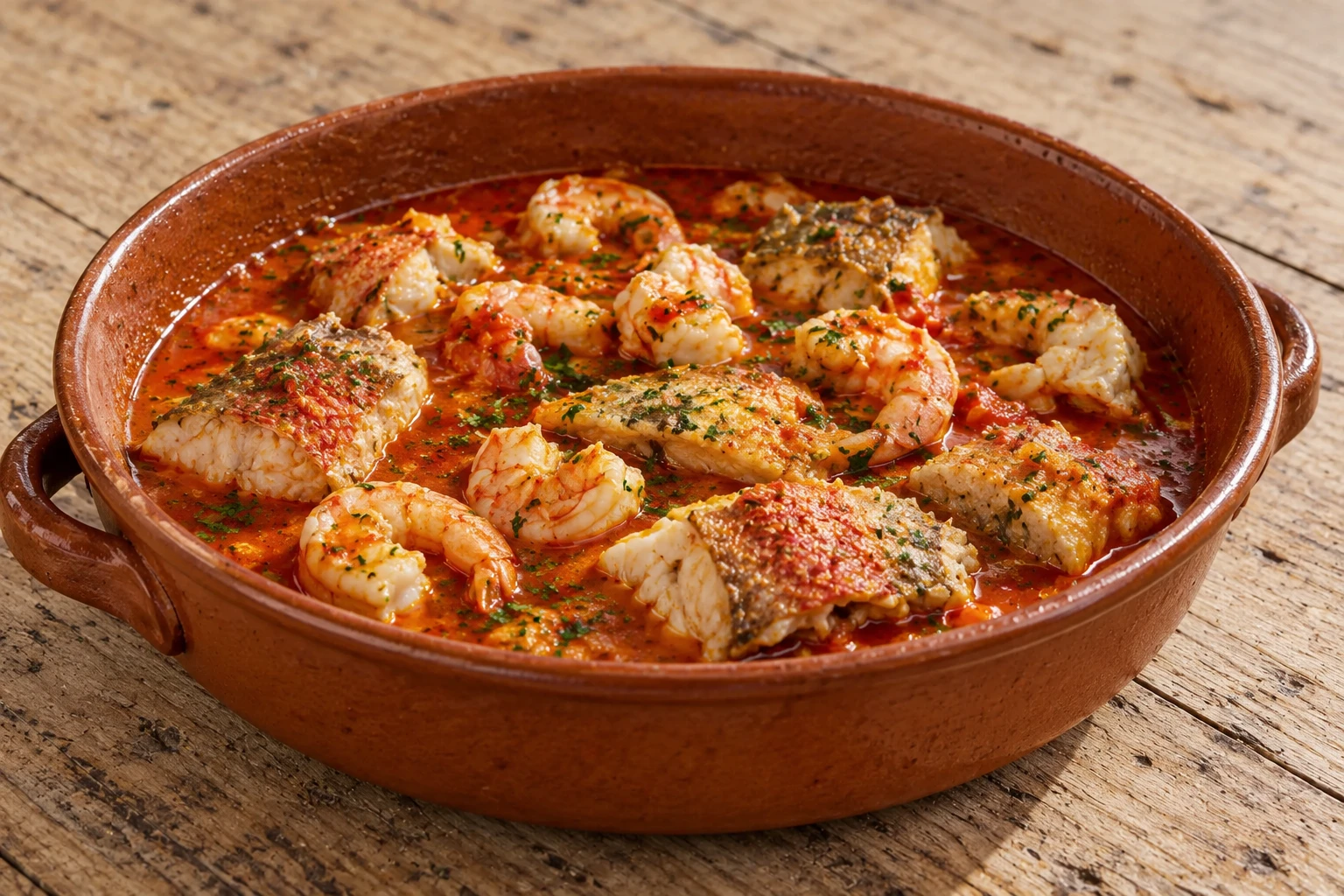
Gallinella, luserna and mazzola belong to the vocabulary of Adriatic fish cooking. In brodeto de pesse alla ciosota, the fish is filleted and its cleaned frame becomes part of the fumetto. The fillets join the shellfish near the end of cooking. In brodetto alla fanese, cleaned pieces cook in a broth sharpened with vinegar and tomato concentrate.
Confirm species and purchase form
Ask for gallinella or mazzola and check the scientific name on the fish label. These Italian market names do not identify tub gurnard alone. Specify whether the recipe weight means a whole fish or cleaned pieces; fillets do not replace a whole purchase weight gram for gram.
Keep it cold until cooking
Follow the seller’s storage directions and the package date. Keep raw seafood covered and refrigerated, separate from food ready to eat. Prepare the fish stock and seafood with clean tools and keep the cleaned pieces cold until their turn in the pan.
