

History
A private palace became a ruling residence
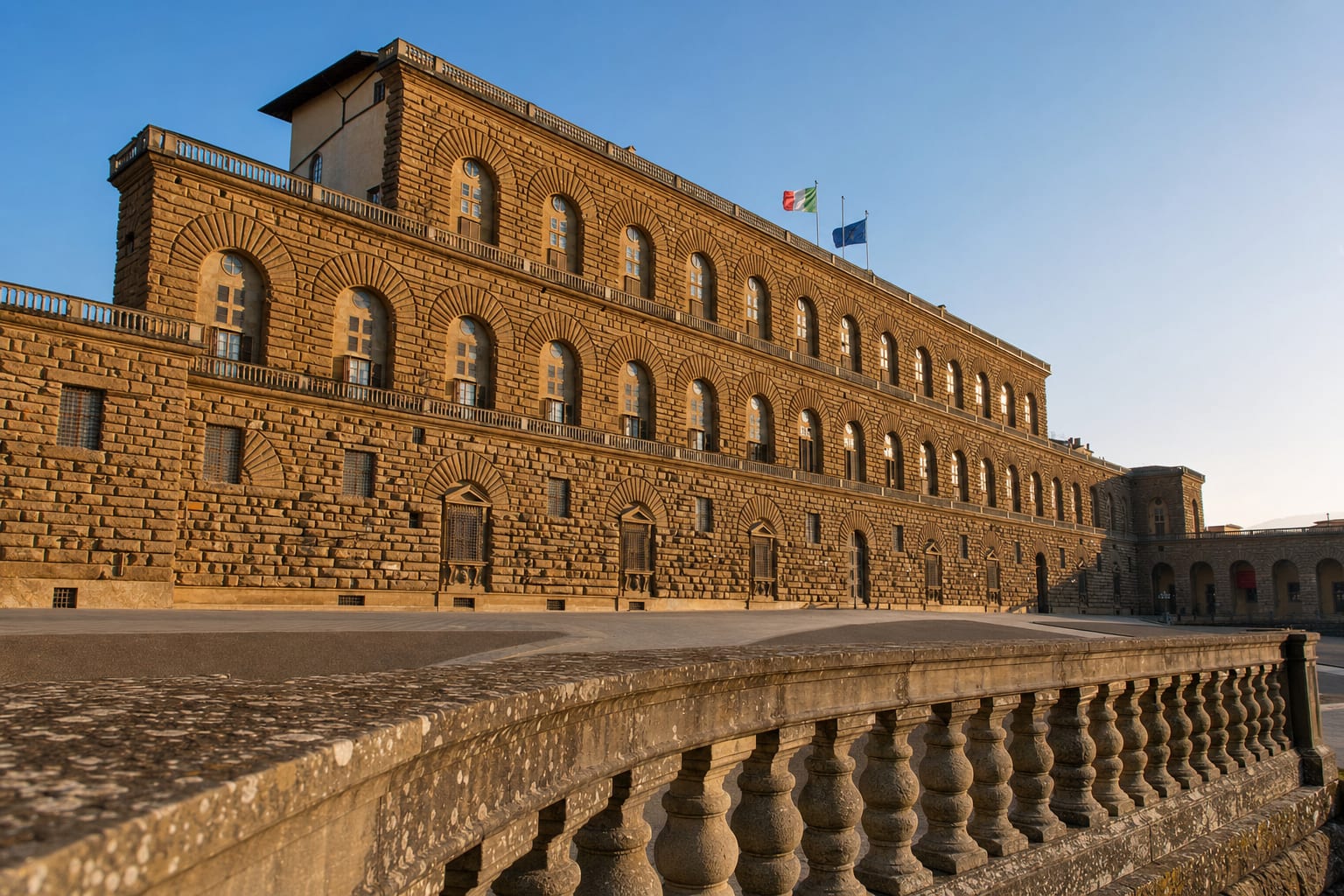
The building began as a statement by the Pitti family, then entered Medici hands and became one of the grandest signs of court power in Florence.1
Palazzo Pitti
The Palatine Gallery, royal apartments, Medici power, court collections, and its direct connection to the Boboli Gardens.
Photograph · Palazzo Pitti
At a glance
Names, makers, dates, and context before the story opens up.
| Italian name | Palazzo Pitti |
|---|---|
| What it is | Palace |
| Where | Florence, Tuscany |
| Known for | The Palatine Gallery, royal apartments, Medici power, court collections, and its direct connection to the Boboli Gardens. |
The story
Begun as a mid-fifteenth-century private residence for Luca Pitti, the palace became the Medici grand-ducal court residence in the mid-sixteenth century and developed with Boboli across later dynasties. Its rooms and current museum access require a dated official check.
Pitti Palace records Medici, Habsburg-Lorraine and Savoy phases and today contains several Uffizi museum institutions. Its qualified early attribution and specific heritage relationships remain governed by source evidence.
Look closer
The details our editors pull from official records, archives, guides, and local sources.
History
The building began as a statement by the Pitti family, then entered Medici hands and became one of the grandest signs of court power in Florence.1
Collection
Paintings are presented with the density of a historic princely collection. That crowded arrangement is part of the meaning, not a failure of modern museum spacing.1
Layout
The palace facade, ceremonial rooms, and garden axis form one court landscape. Visiting only the galleries gives the collection, but not the full political architecture.1
Visit
Between the Palatine Gallery, apartments, treasury, costume holdings, and garden connection, Pitti rewards a half-day pace more than a checklist visit.1
Each statement below is linked to the record or institution that supports it.
The building began as a statement by the Pitti family, then entered Medici hands and became one of the grandest signs of court power in Florence.1
Palazzo Pitti is a palace complex in Florence that today contains multiple museums under the Uffizi Galleries, rather than one undifferentiated museum.1
Paintings are presented with the density of a historic princely collection. That crowded arrangement is part of the meaning, not a failure of modern museum spacing.1
Luca Pitti began the palace as a private residence in the mid-fifteenth century. The Uffizi present a Brunelleschi link as possible, not certain.1,2
The palace facade, ceremonial rooms, and garden axis form one court landscape. Visiting only the galleries gives the collection, but not the full political architecture.1
Eleonora di Toledo acquired Palazzo Pitti for the Medici grand-ducal court in the mid-sixteenth century. Bartolomeo Ammannati enlarged it, and Palazzo Pitti and Boboli developed together over succeeding centuries.2,1
Plan your visit
Book a visit
Compared by our editors, across providers.
Booking through these links may earn Italia Magnifica a commission, at no cost to you.
Nearby
Worth folding into the same day.
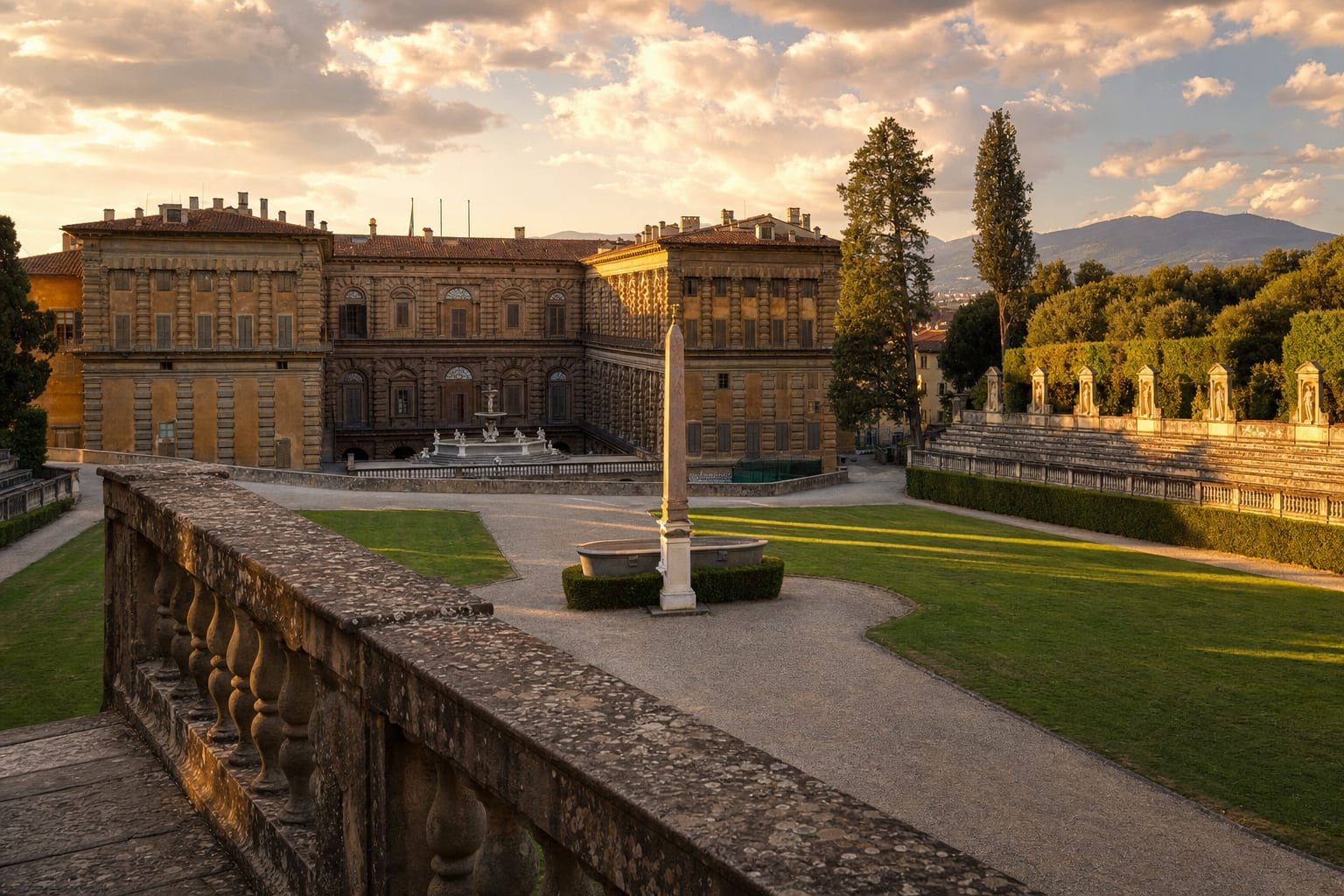 FlorenceBoboli GardensTerraces above Pitti Palace, the Amphitheatre, Buontalenti's grotto, long cypress avenues, fountains, sculpture, and city views.
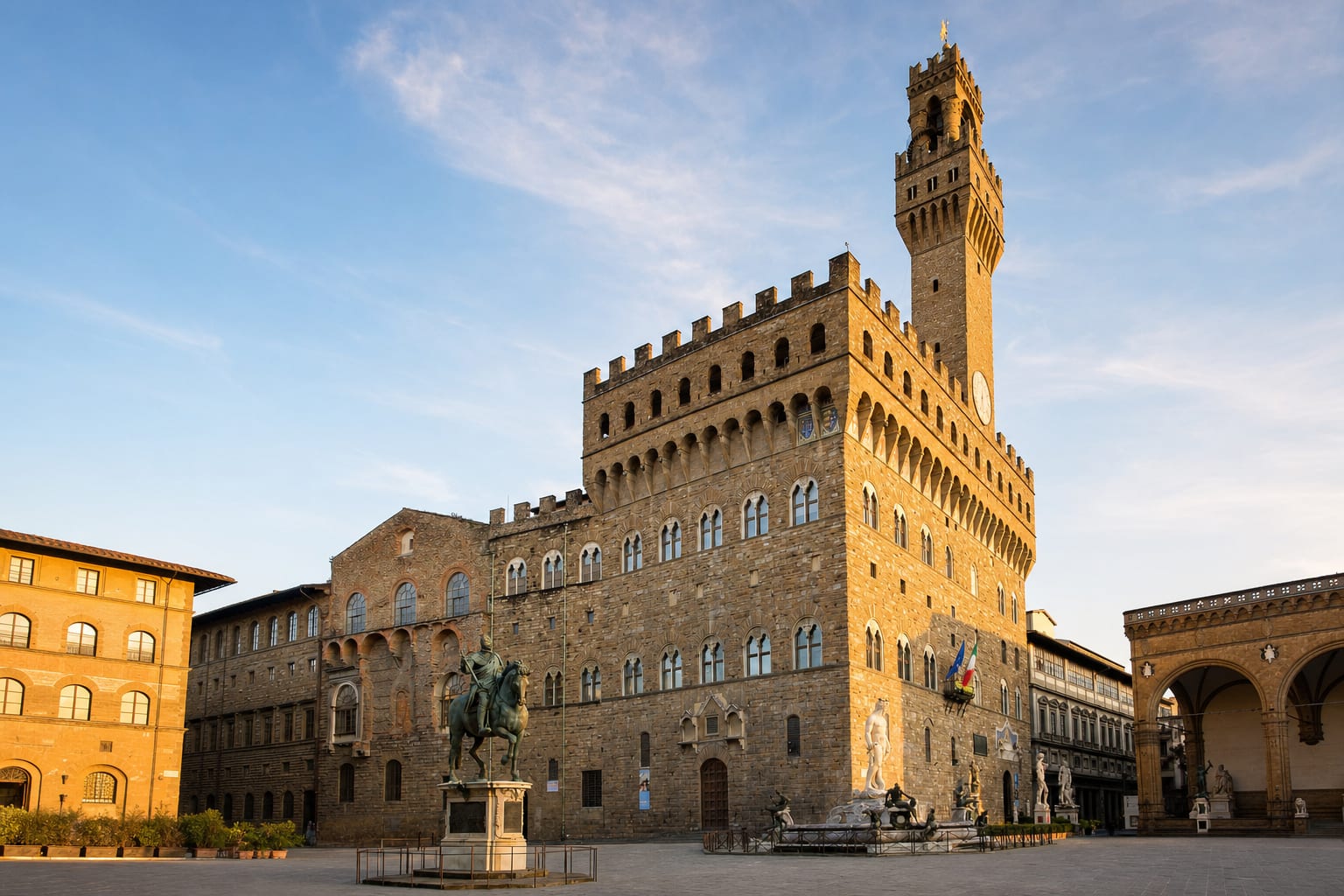 FlorencePalazzo VecchioFlorence's civic palace, Arnolfo's tower, the Salone dei Cinquecento, Medici rooms, and Piazza della Signoria.
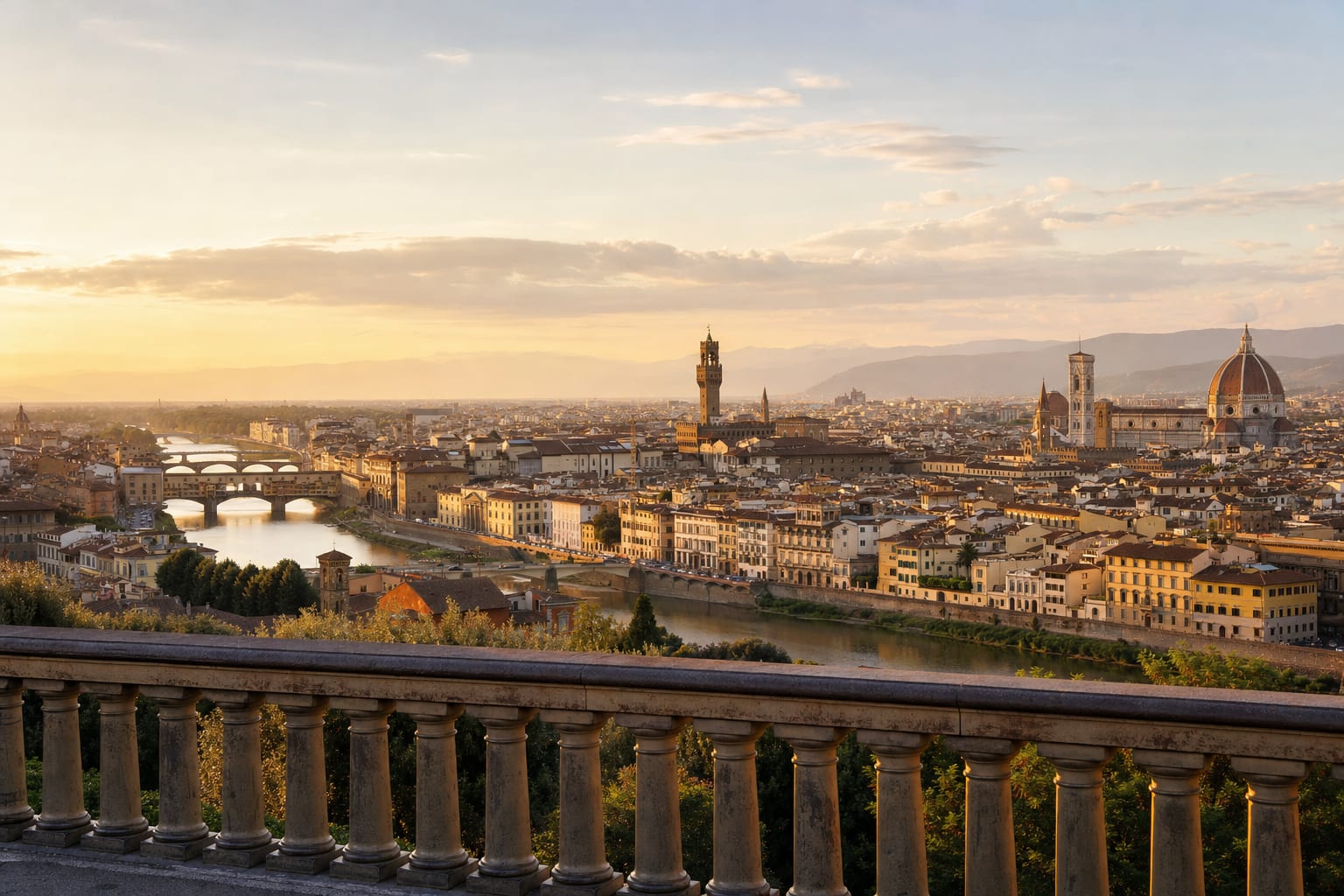 FlorencePiazzale MichelangeloGiuseppe Poggi's panoramic terrace and bronze copies of Michelangelo sculptures.
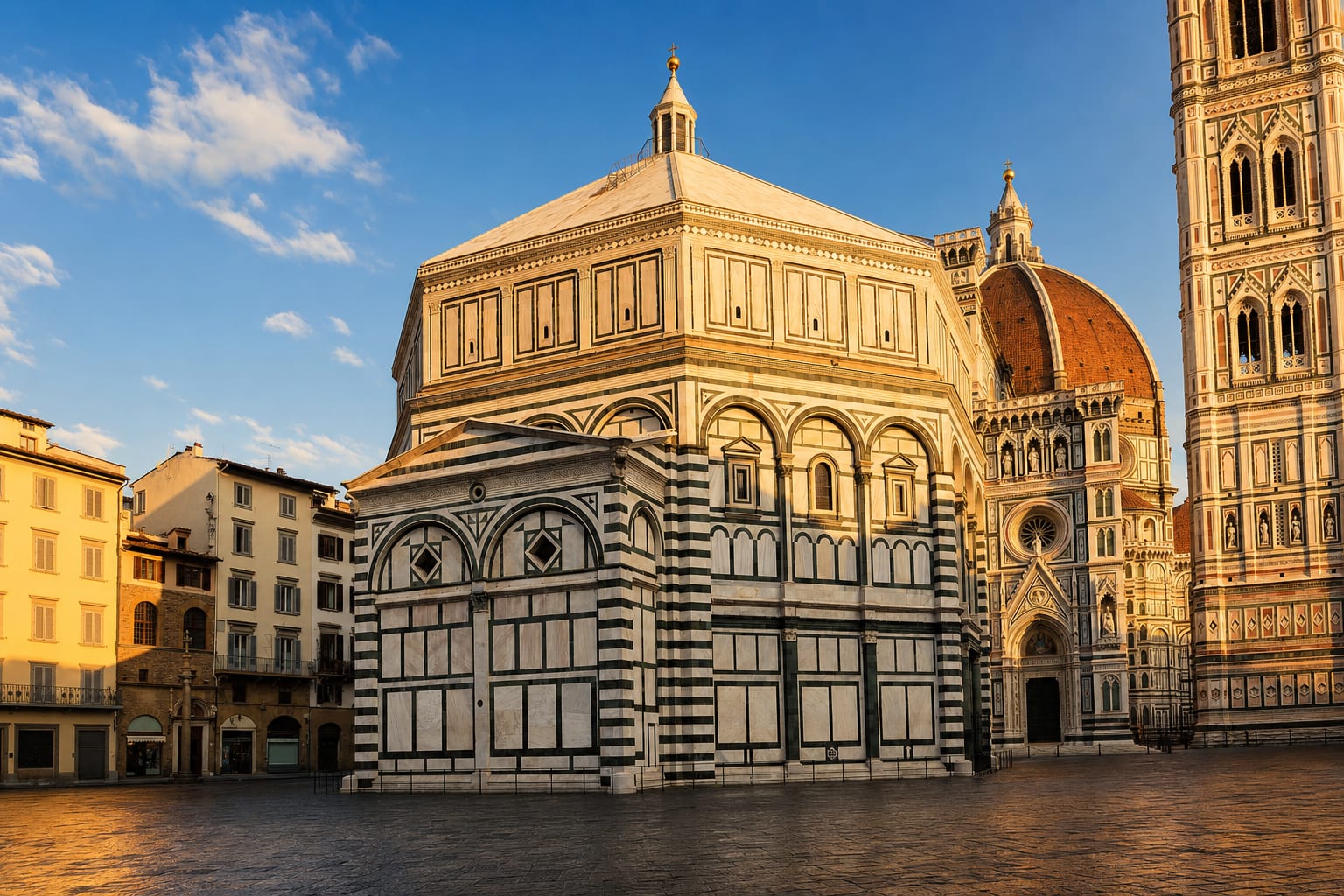 FlorenceFlorence BaptisteryThe octagonal Romanesque building, glittering vault mosaics, Andrea Pisano's doors, and Ghiberti's Gates of Paradise.
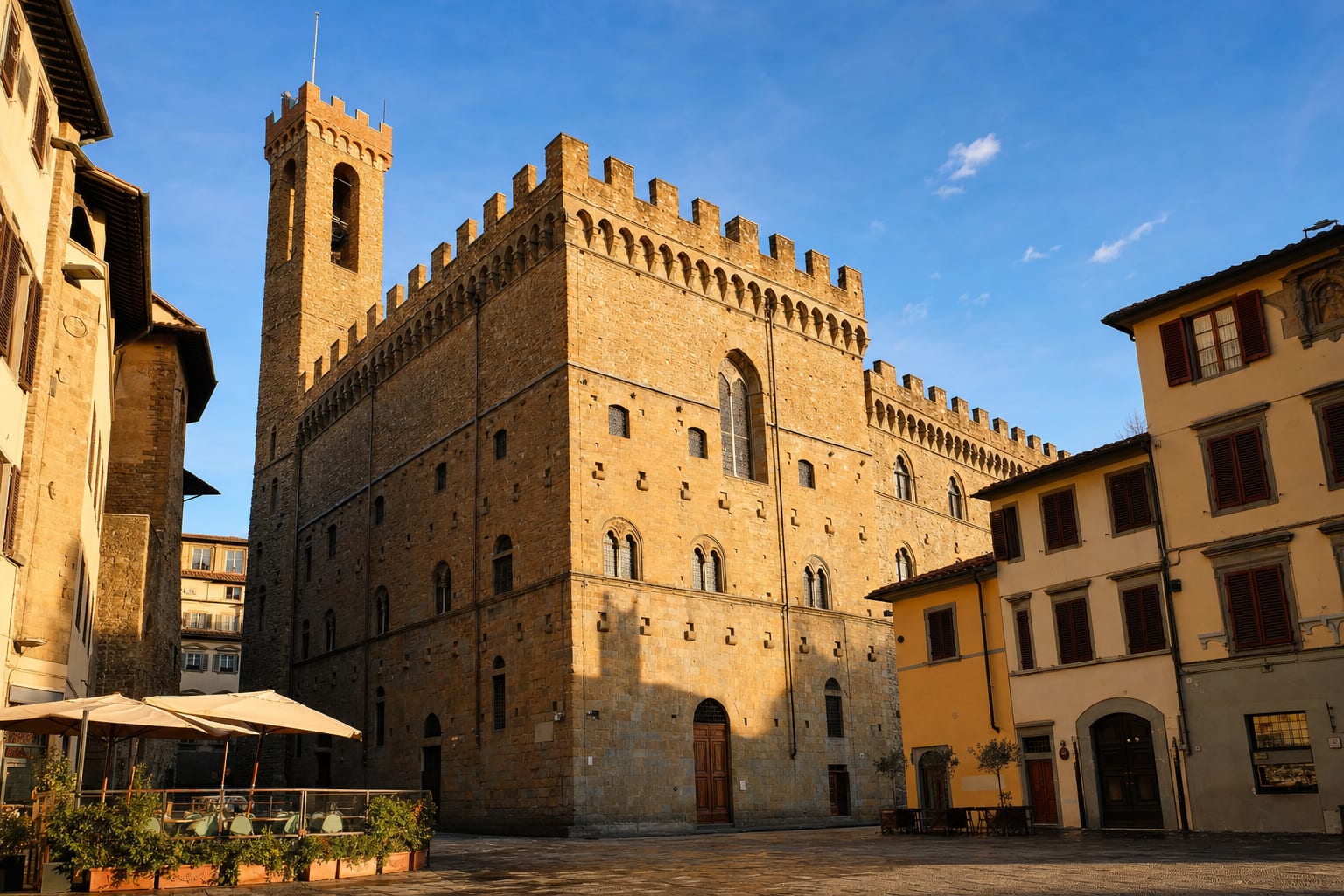 FlorenceBargello National MuseumDonatello's David and Saint George, Michelangelo's early works, Renaissance sculpture, medals, ivories, ceramics, and a severe medieval courtyard.
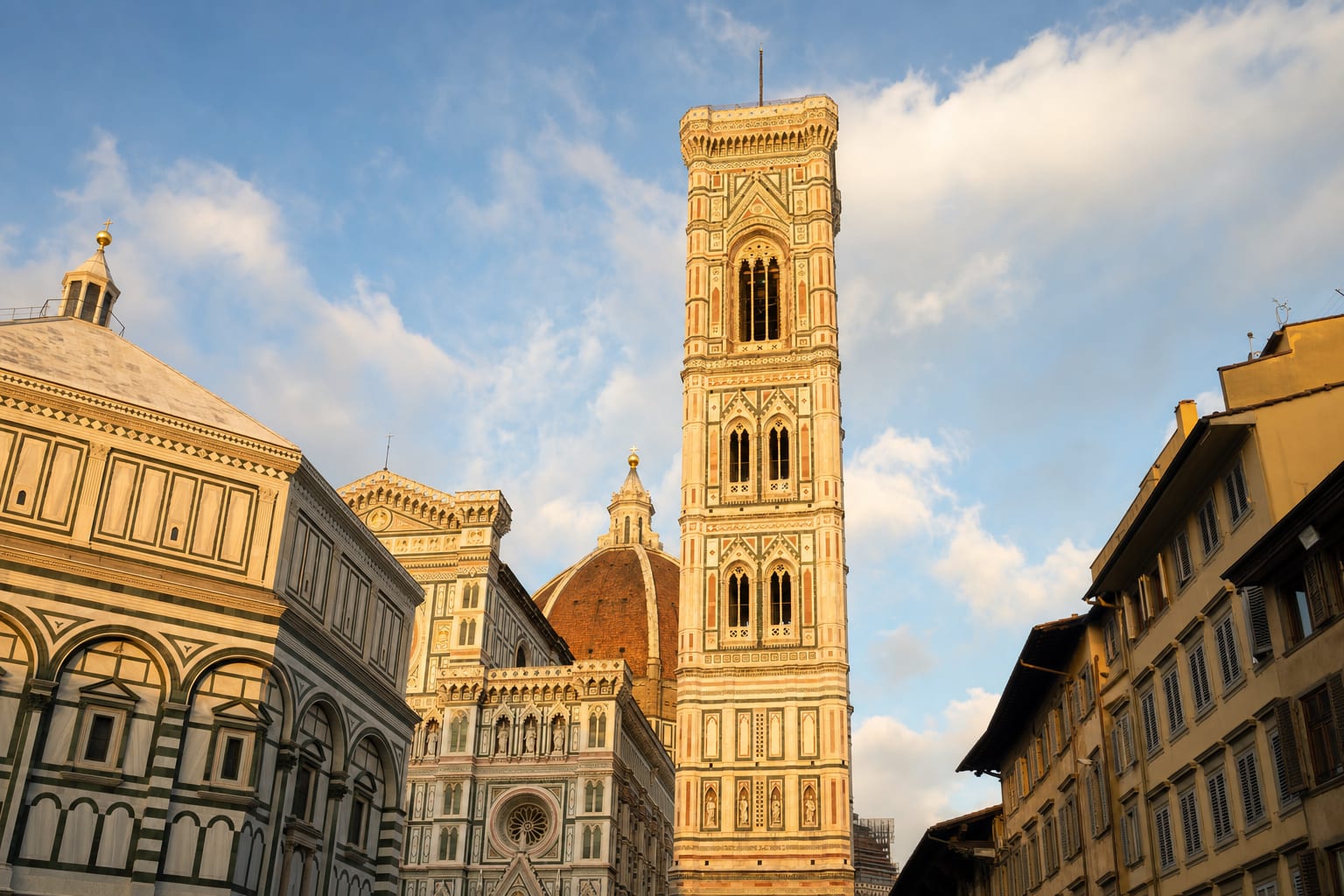 FlorenceGiotto's CampanileFlorence's freestanding bell tower, Giotto's design, colored marble, sculptural panels, and panoramic views from the Duomo complex.
Reading
Long reads from our writers on the ground.


