

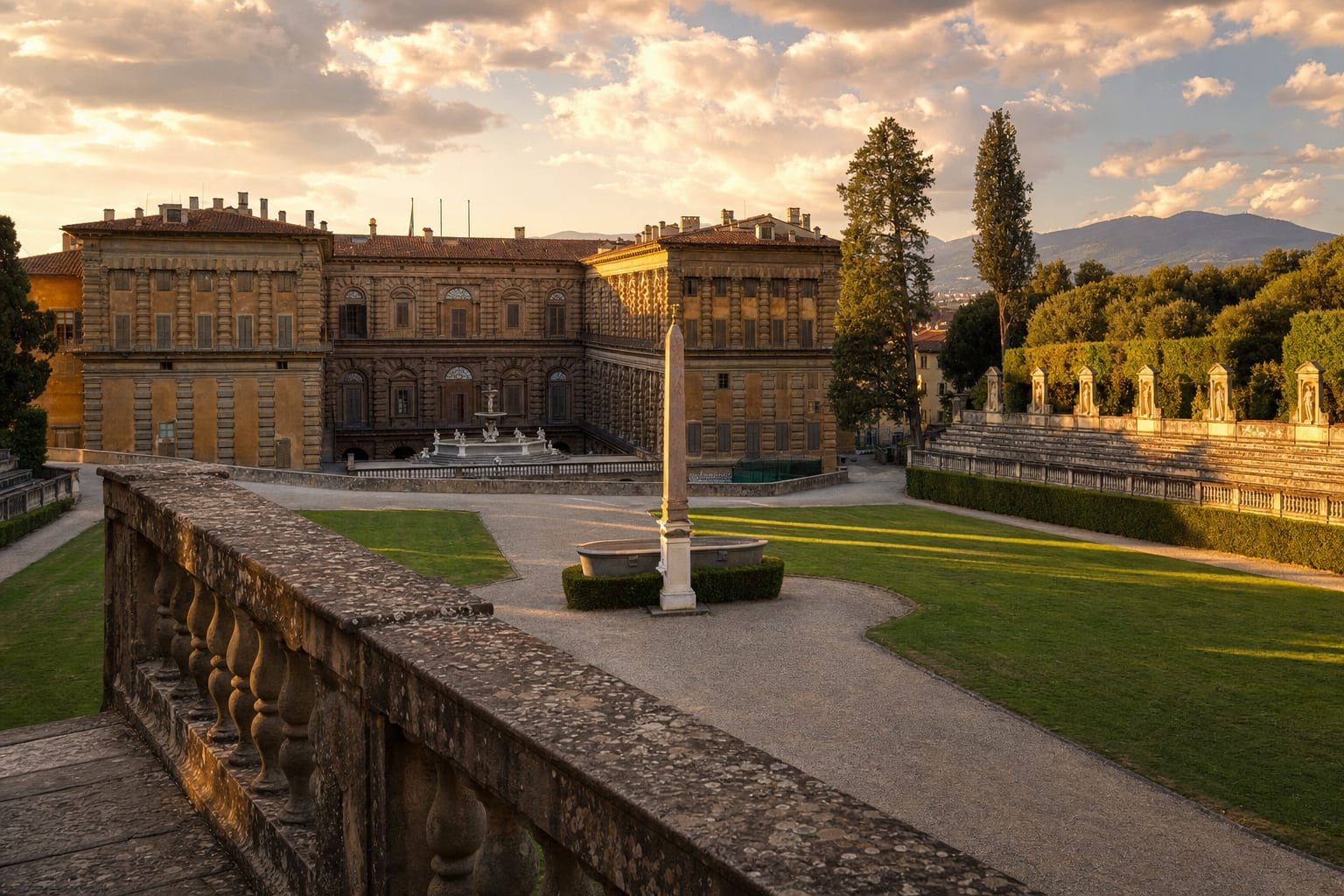
Design
Boboli is a garden of statecraft
The terraces, axes, statues, grottos, and views were built to project control and taste. It is leisure architecture with political intent.1
Giardino di Boboli
Terraces above Pitti Palace, the Amphitheatre, Buontalenti's grotto, long cypress avenues, fountains, sculpture, and city views.
Photograph · Giardino di Boboli
At a glance
Names, makers, dates, and context before the story opens up.
| Italian name | Giardino di Boboli |
|---|---|
| What it is | Garden |
| Where | Florence, Tuscany |
| Known for | Terraces above Pitti Palace, the Amphitheatre, Buontalenti's grotto, long cypress avenues, fountains, sculpture, and city views. |
The story
Work began in 1549 for Eleonora di Toledo under Tribolo and continued through Medici and Lorraine phases. Boboli is integral to the Palazzo Pitti complex; individual features, current access and operational conditions require separate verification.
Boboli preserves a layered history of grand-ducal landscape design, architecture and collections. The source foundation records its development from the sixteenth through eighteenth centuries.
Look closer
The details our editors pull from official records, archives, guides, and local sources.
Design
The terraces, axes, statues, grottos, and views were built to project control and taste. It is leisure architecture with political intent.1
Landmark
The grotto compresses sculpture, architecture, water, and artificial nature into one theatrical chamber, a reminder that Renaissance gardens loved wonder as much as order.1
Unesco
UNESCO recognizes Medici villas and gardens as a system of elite residence, landscape design, and cultural patronage across Tuscany.2
Visit
Boboli is not flat. The garden asks for time, water, and comfortable shoes, then pays back with changing views over Florence and Pitti's severe stone mass.1
Each statement below is linked to the record or institution that supports it.
The terraces, axes, statues, grottos, and views were built to project control and taste. It is leisure architecture with political intent.1
Boboli Gardens is a historic garden and landscape complex behind Palazzo Pitti, of which the Uffizi Galleries describe it as an integral part.3
The grotto compresses sculpture, architecture, water, and artificial nature into one theatrical chamber, a reminder that Renaissance gardens loved wonder as much as order.1
Work on Boboli began in 1549 for Duchess Eleonora di Toledo to a design by Niccolò Pericoli, known as Tribolo.4
UNESCO recognizes Medici villas and gardens as a system of elite residence, landscape design, and cultural patronage across Tuscany.2
After Tribolo's death, direction passed to Bartolomeo Ammannati and then Bernardo Buontalenti. The Uffizi date the Grotta di Madama to 1553-1555 and the Buontalenti Grotto to 1583-1593.4
Plan your visit
Nearby
Worth folding into the same day.
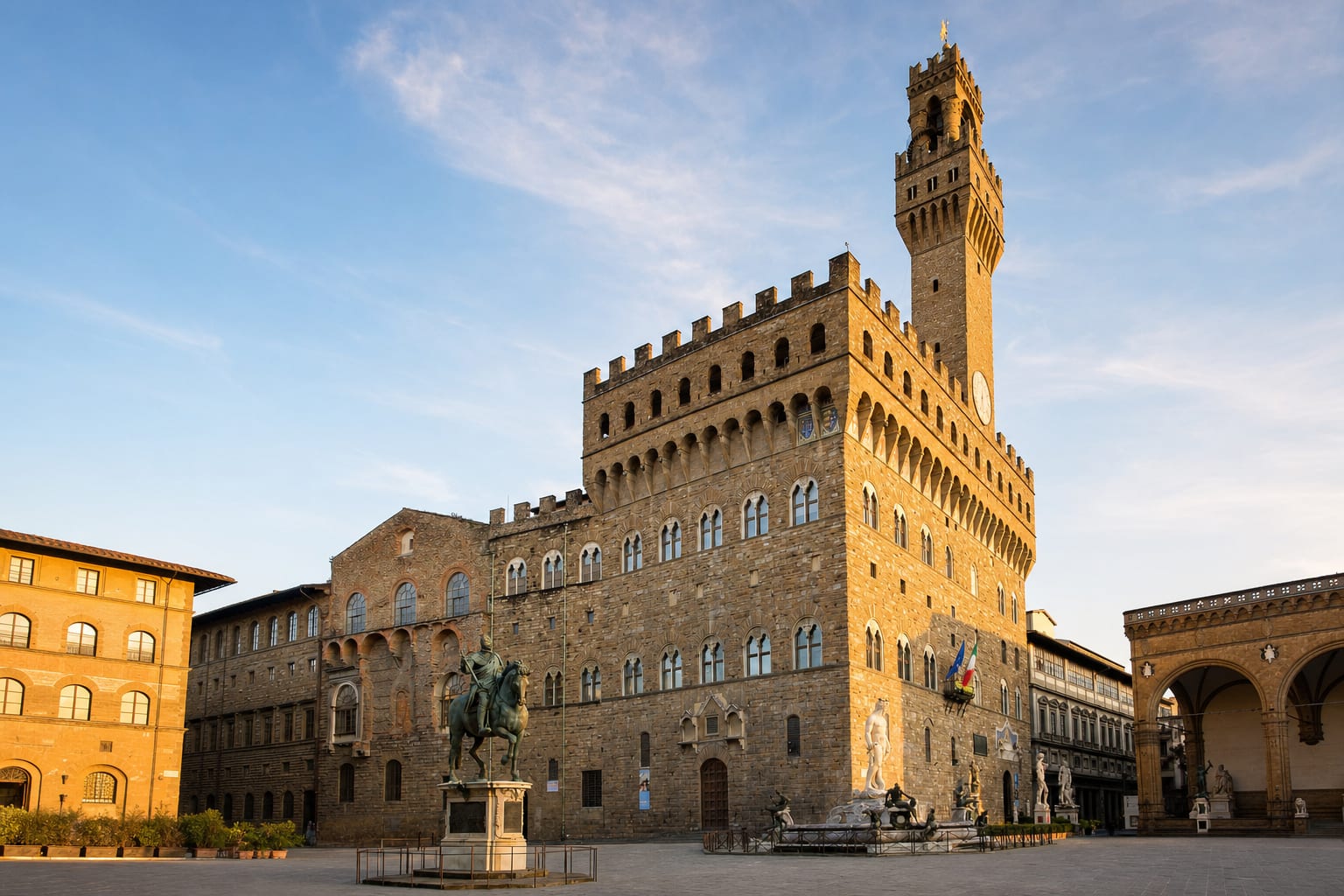 FlorencePalazzo VecchioFlorence's civic palace, Arnolfo's tower, the Salone dei Cinquecento, Medici rooms, and Piazza della Signoria.
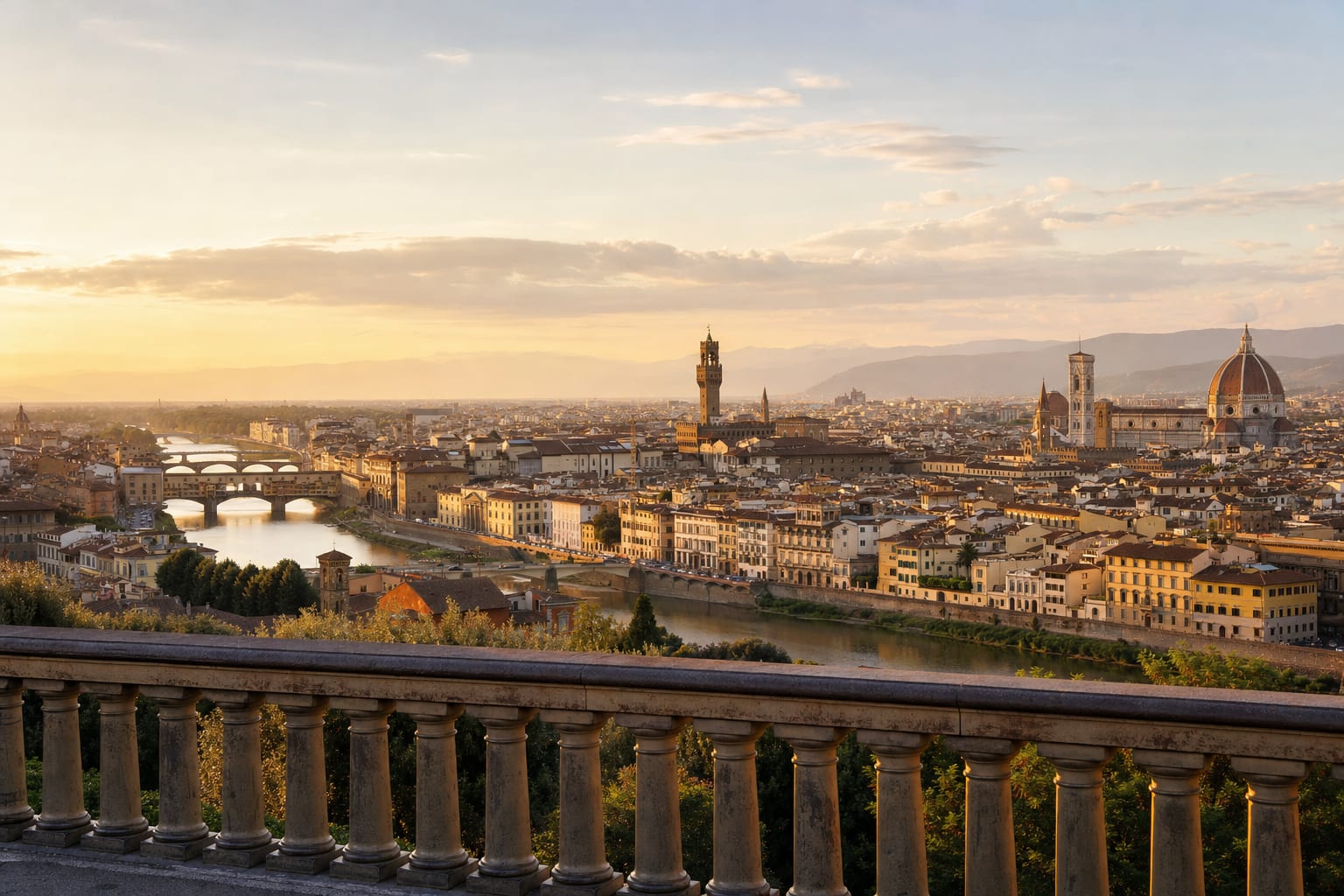 FlorencePiazzale MichelangeloGiuseppe Poggi's panoramic terrace and bronze copies of Michelangelo sculptures.
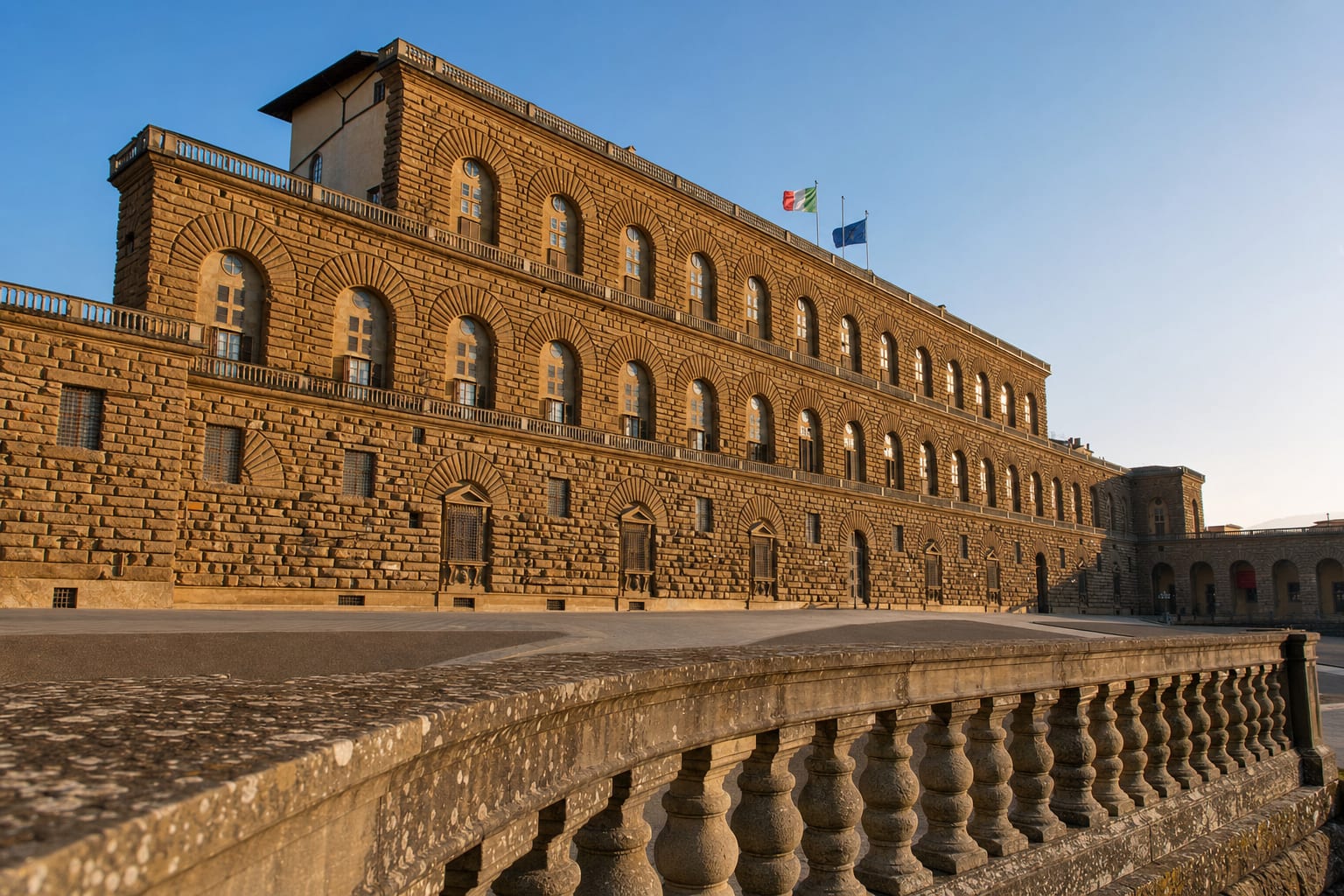 FlorencePitti PalaceThe Palatine Gallery, royal apartments, Medici power, court collections, and its direct connection to the Boboli Gardens.
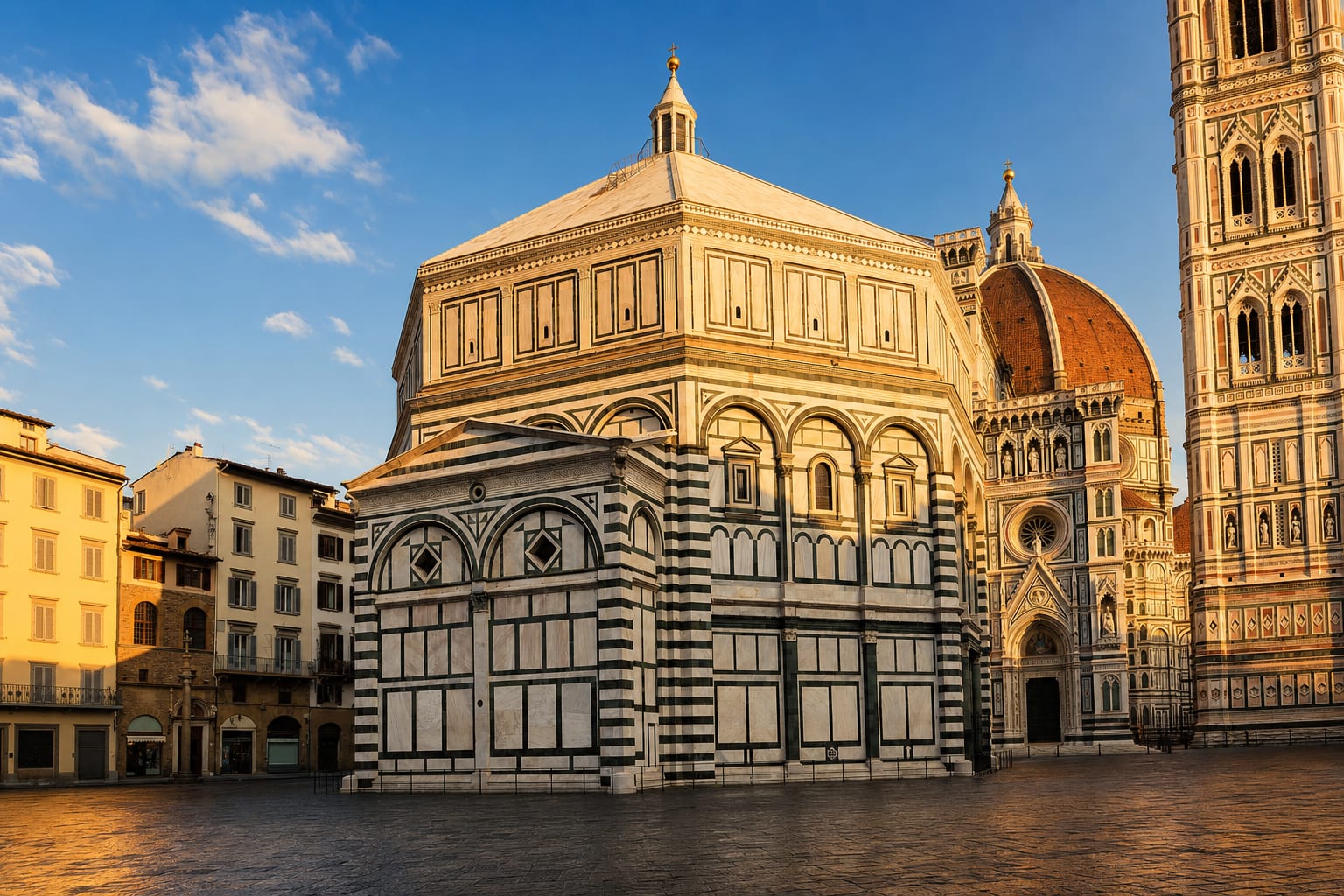 FlorenceFlorence BaptisteryThe octagonal Romanesque building, glittering vault mosaics, Andrea Pisano's doors, and Ghiberti's Gates of Paradise.
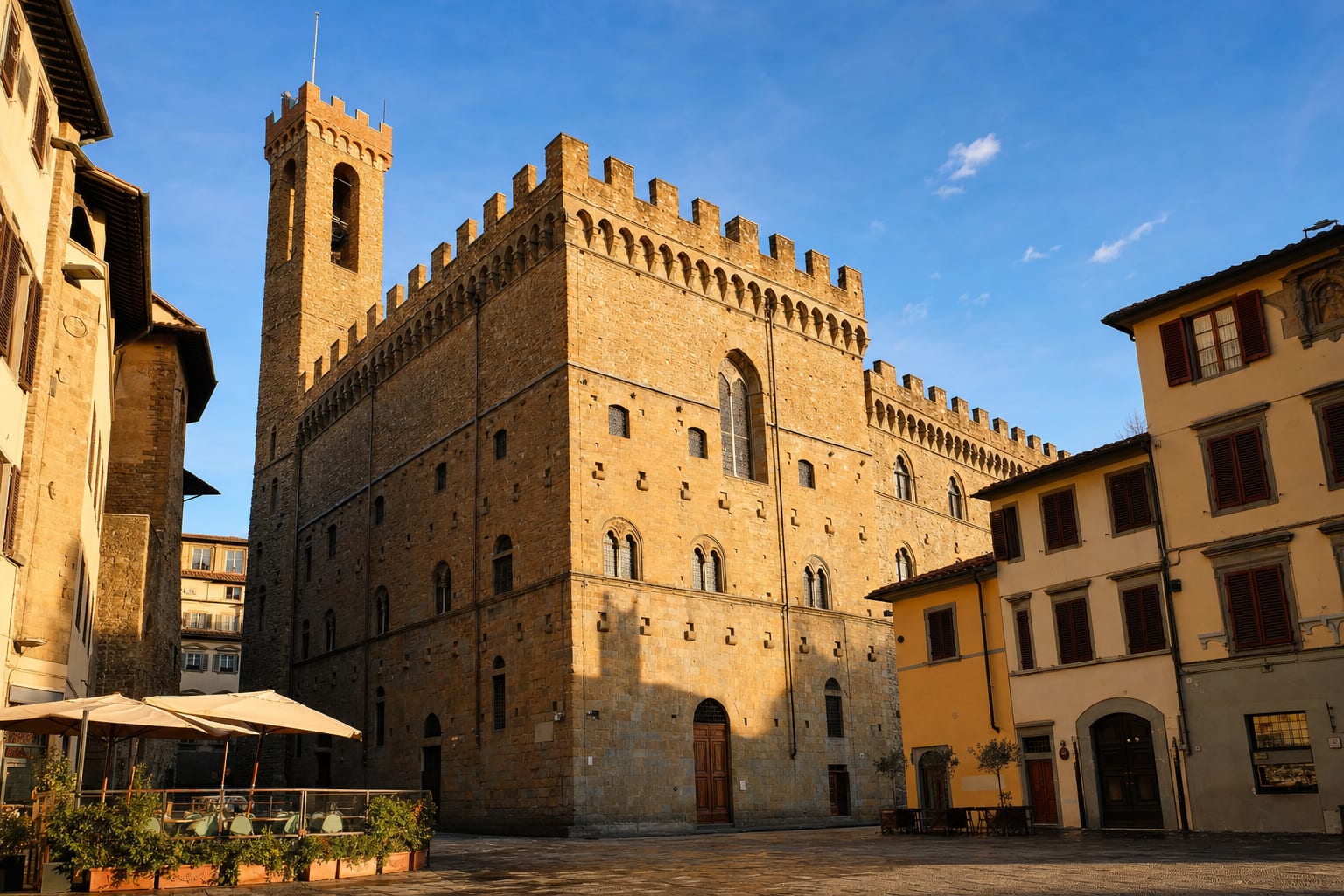 FlorenceBargello National MuseumDonatello's David and Saint George, Michelangelo's early works, Renaissance sculpture, medals, ivories, ceramics, and a severe medieval courtyard.
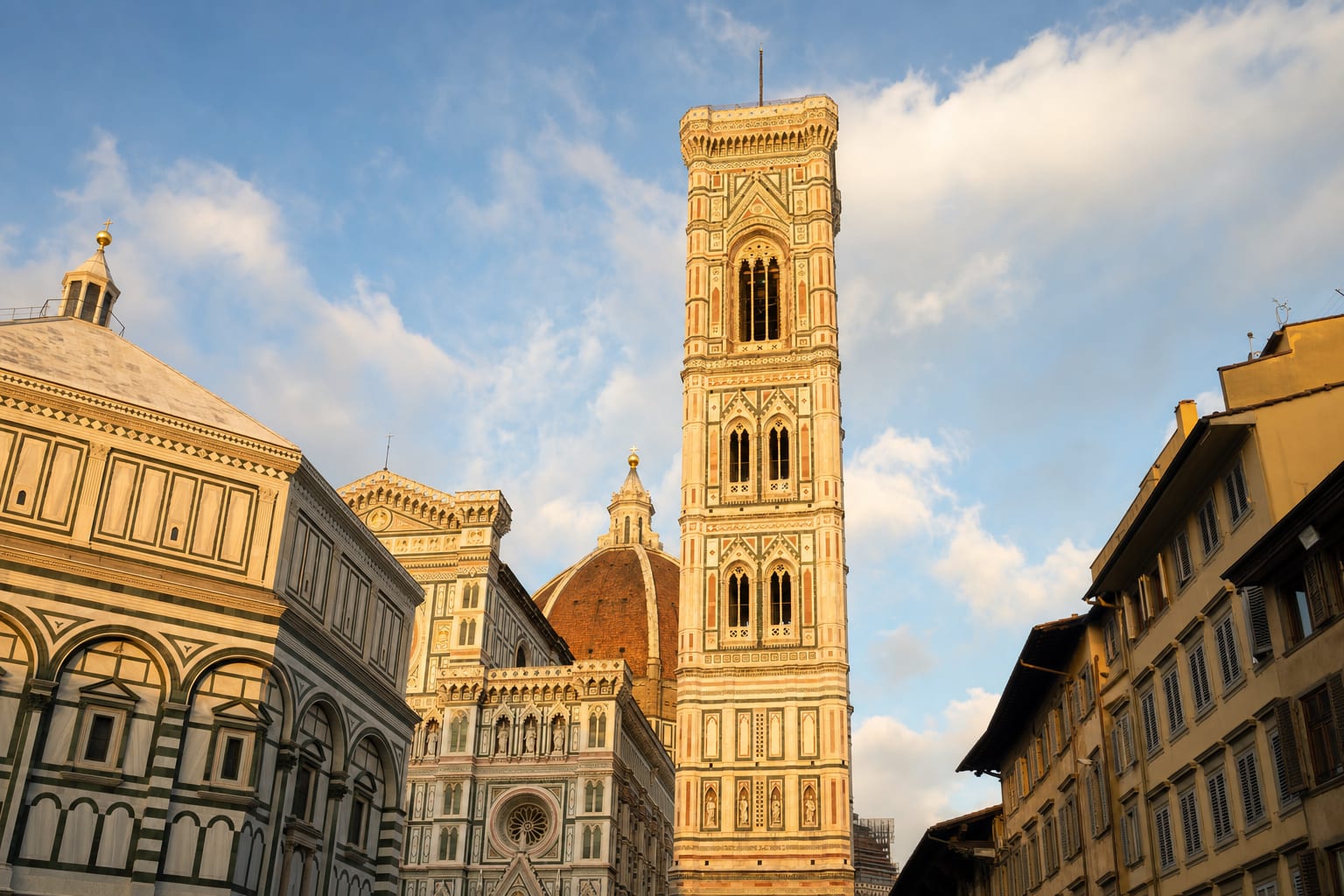 FlorenceGiotto's CampanileFlorence's freestanding bell tower, Giotto's design, colored marble, sculptural panels, and panoramic views from the Duomo complex.
Reading
Long reads from our writers on the ground.