Urbanism
The slope is part of the experience
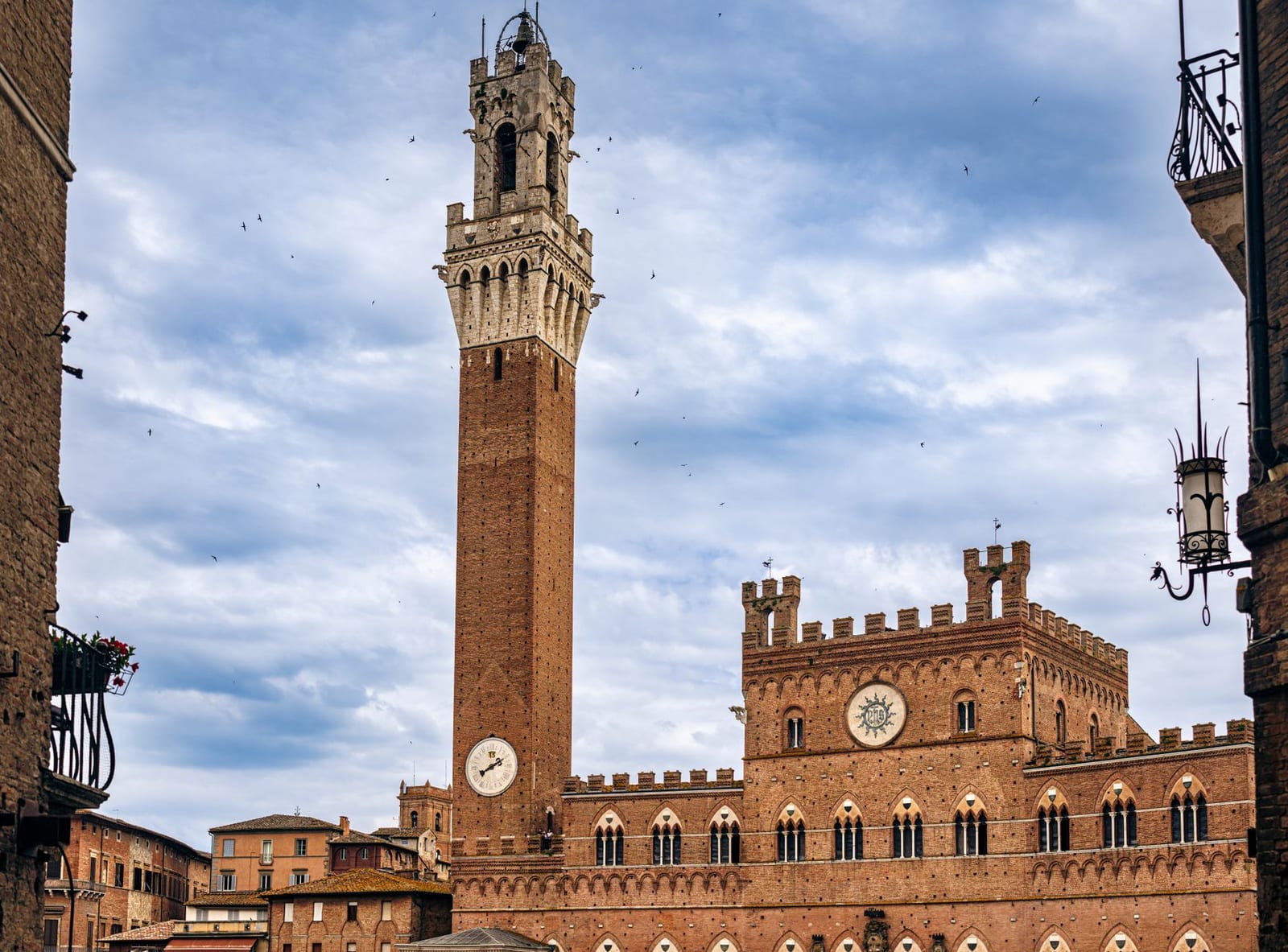
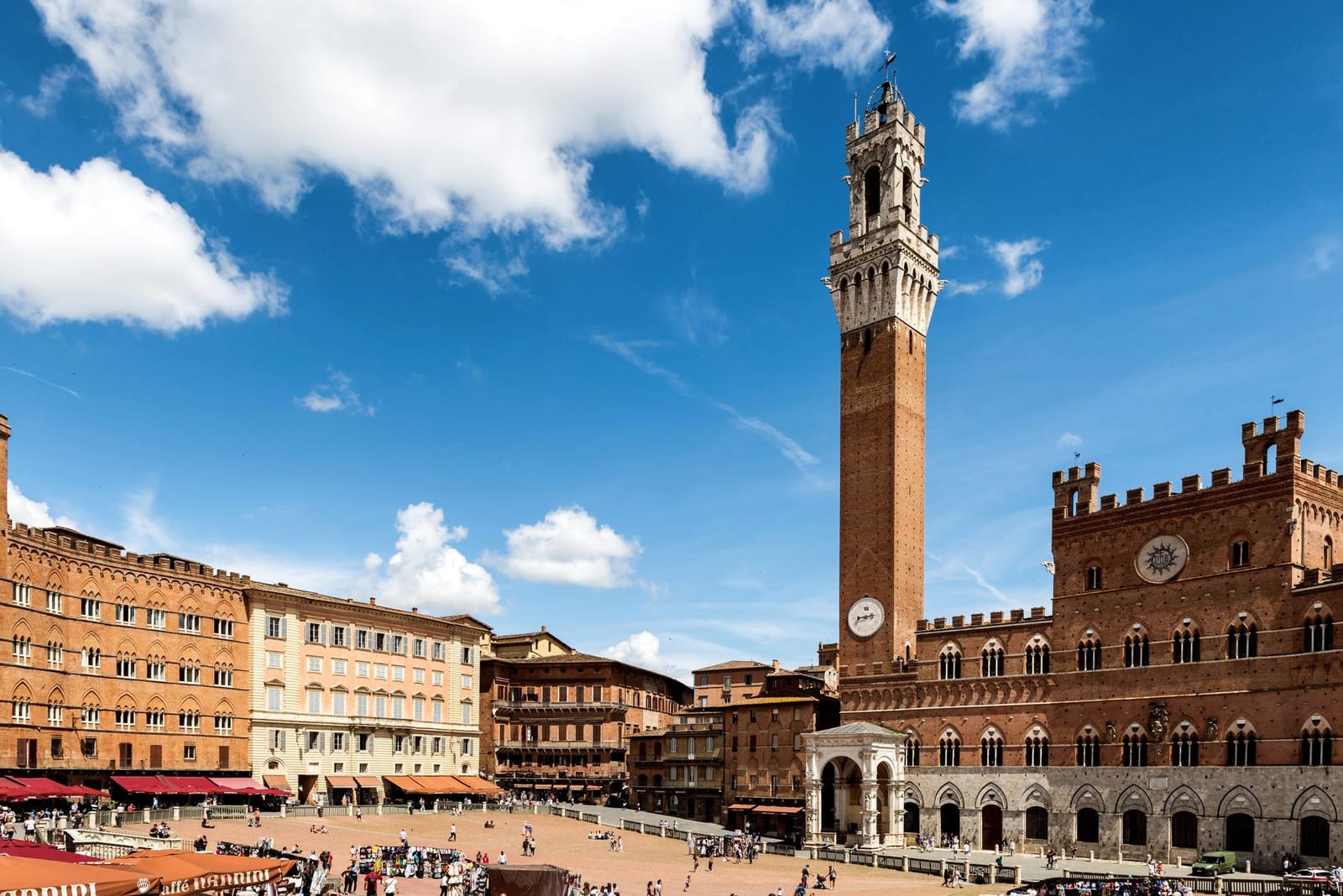
The Campo's concave form draws the eye and the body toward Palazzo Pubblico. It feels theatrical because the square was shaped as a civic gathering place, not just an open space.1
Siena
Its civic role in Siena and its relationship with the Palio.
Photograph · Piazza del Campo
At a glance
Names, makers, dates, and context before the story opens up.
| What it is | Square |
|---|---|
| Where | Siena, Tuscany |
| Known for | Its civic role in Siena and its relationship with the Palio. |
The story
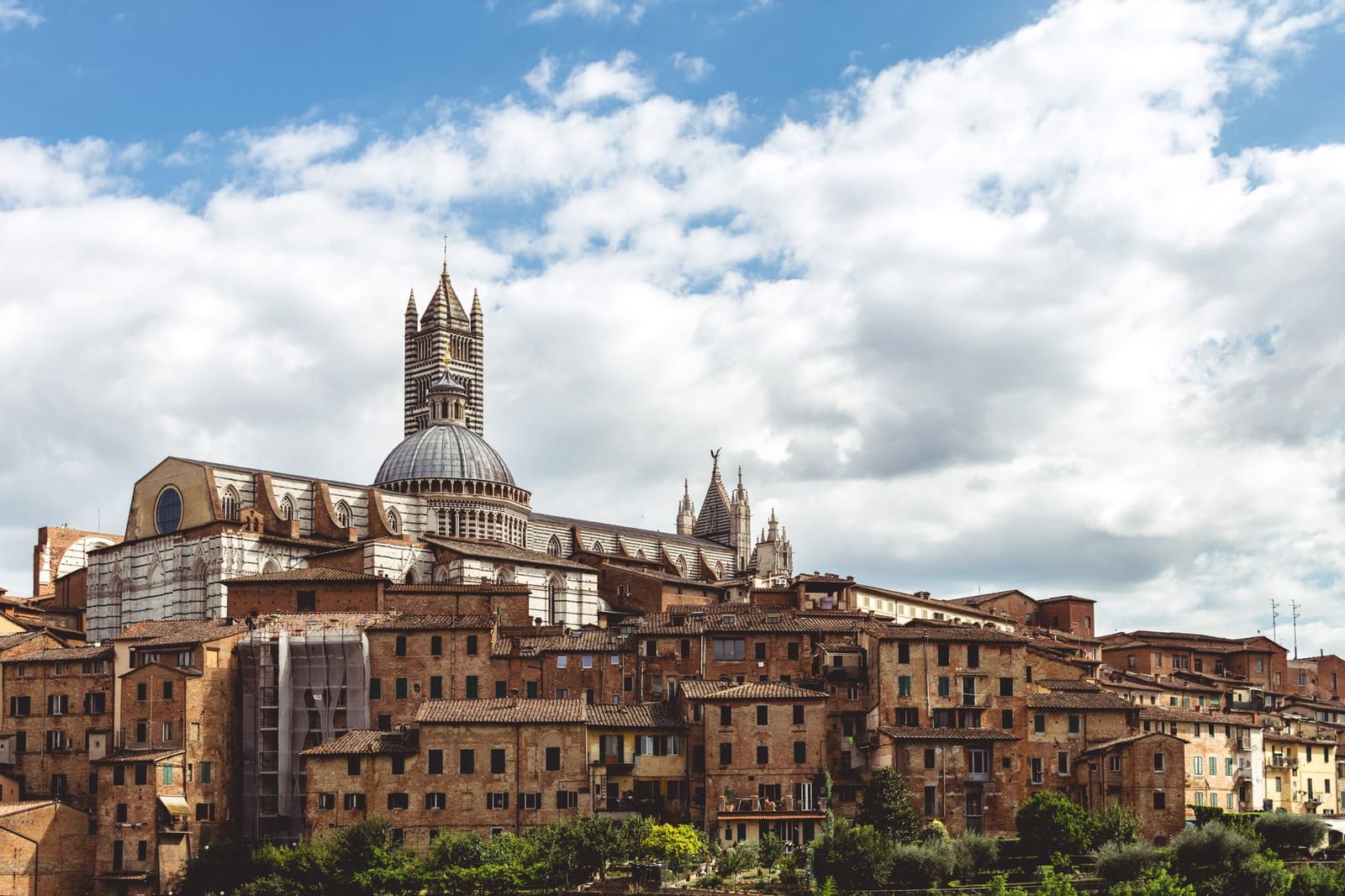
Piazza del Campo is a distinct civic square within Siena's historic urban fabric. UNESCO records the city's development around the Campo and its meeting of three hills and principal streets; a UNESCO evaluation documents the late-12th-century union of two market sectors into one semicircular public space. Municipal cultural records describe the square as a setting for civic and religious events, festivities, games, and carriere, including the Palio. The square is within the Historic Centre of Siena World Heritage property, not a separately inscribed UNESCO site. Current Palio arrangements and practical access require an official, date-specific check.
A civic square central to Siena's historic urban composition, documented as a late-12th-century unification of two market sectors into a single public space.
Look closer
The details our editors pull from official records, archives, guides, and local sources.
Urbanism
The Campo's concave form draws the eye and the body toward Palazzo Pubblico. It feels theatrical because the square was shaped as a civic gathering place, not just an open space.1
Ritual
The famous horse race is not an add-on event. It activates the Campo's perimeter, slope, balconies, and city memory, turning the square into Siena's most intense ritual machine.1
Landmark
The fountain marks one of the square's emotional pauses. Its story connects Siena's civic pride, water engineering, and sculpture, with the famous Jacopo della Quercia reliefs preserved as part of the city's artistic memory.1
Context
UNESCO recognizes the historic center for the integrity of its medieval cityscape. Piazza del Campo is the place where that integrity is easiest to feel in one glance.2
Each statement below is linked to the record or institution that supports it.
The Campo's concave form draws the eye and the body toward Palazzo Pubblico. It feels theatrical because the square was shaped as a civic gathering place, not just an open space.1
Piazza del Campo is a civic square at the meeting of Siena's three hills and principal streets, within the city's historic urban fabric.3
The famous horse race is not an add-on event. It activates the Campo's perimeter, slope, balconies, and city memory, turning the square into Siena's most intense ritual machine.1
In the late 12th century, Siena's communal government united two market sectors to form one semicircular public space that became Piazza del Campo.4
The fountain marks one of the square's emotional pauses. Its story connects Siena's civic pride, water engineering, and sculpture, with the famous Jacopo della Quercia reliefs preserved as part of the city's artistic memory.1
Municipal cultural records describe Piazza del Campo as a historical and continuing setting for civic and religious events, festivities, games, and carriere, with the Palio its most important tradition.5
Plan your visit
Book a visit
Compared by our editors, across providers.
Booking through these links may earn Italia Magnifica a commission, at no cost to you.
Nearby
Worth folding into the same day.
Reading
Long reads from our writers on the ground.