

Skip to content

Ortigia

Ortigia

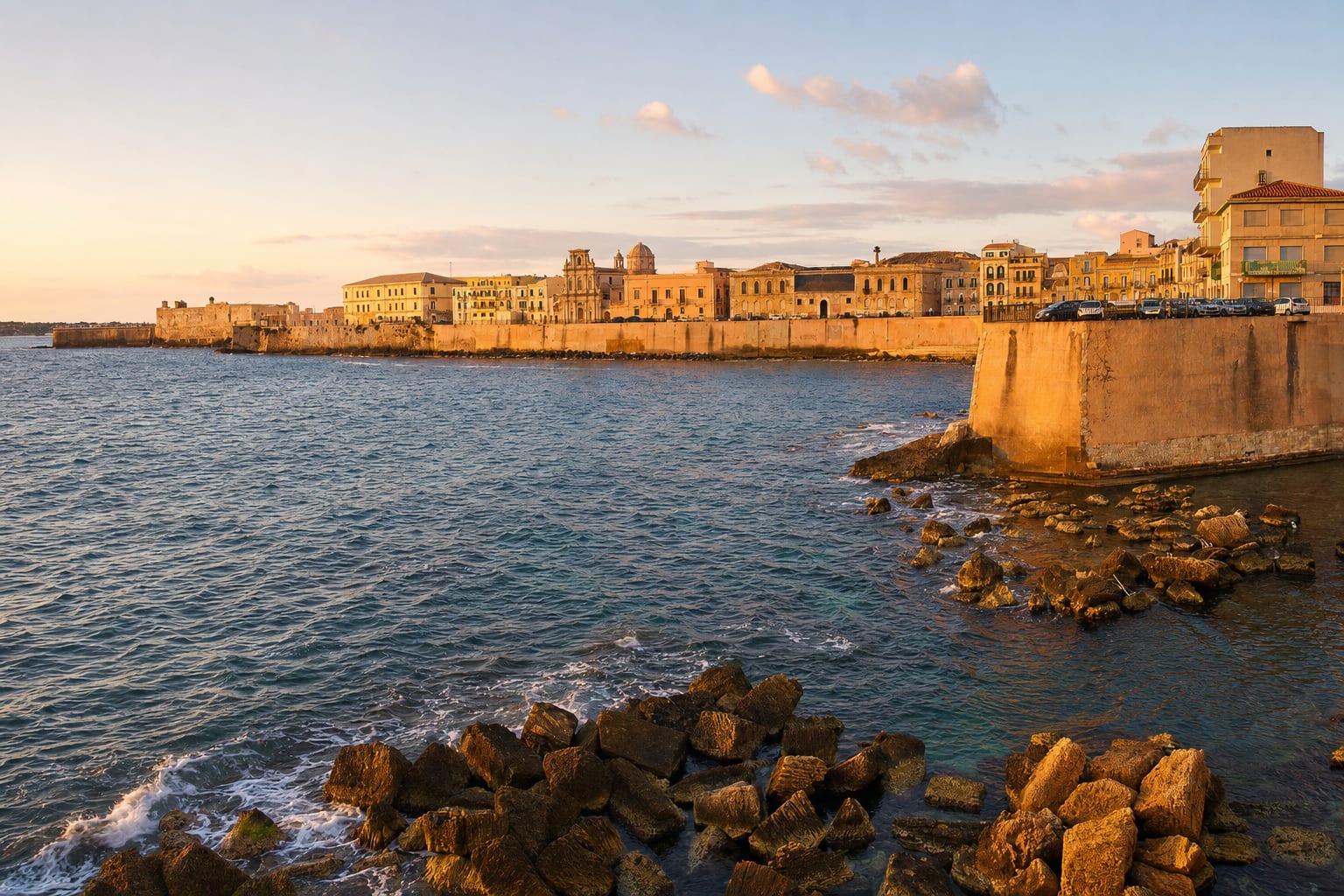
Island heart of Syracuse, Arethusa spring, Baroque lanes, sea-walled market town.

Photograph · Ortigia

At a glance

Ortigia facts that matter

Names, makers, dates, and context before the story opens up.

What it isDistrict
WhereOrtigia, Sicily
Known forIsland heart of Syracuse, Arethusa spring, Baroque lanes, sea-walled market town

The story

What you're looking at

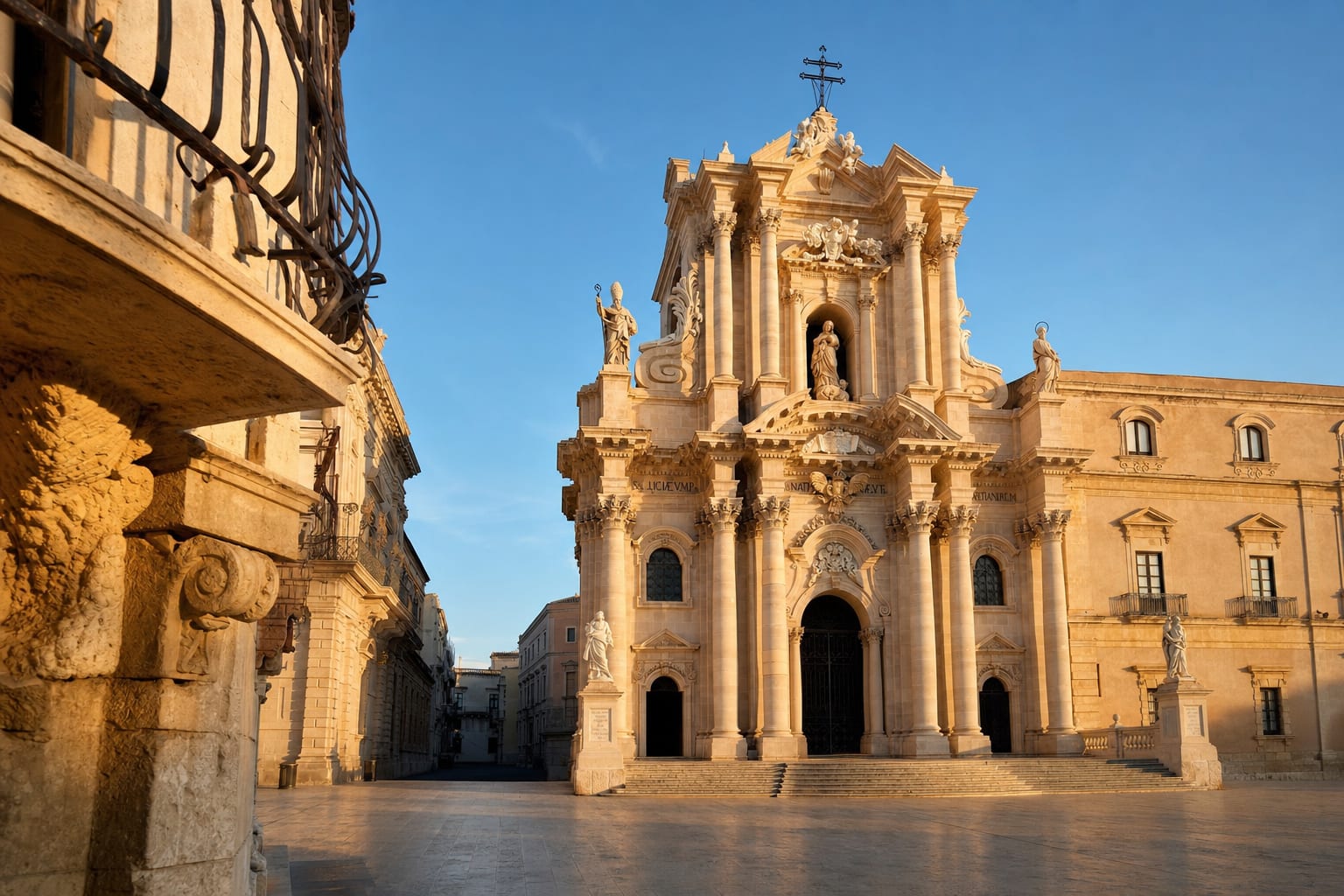
Syracuse began on this small island, where the freshwater Arethusa spring still rises beside the sea as the myths required. Its lanes pack twenty-seven centuries into a kilometer, from Apollo's temple to Baroque balconies.
Verified details

Each statement below is linked to the record or institution that supports it.

Ortigia is within the UNESCO World Heritage serial property Syracuse and the Rocky Necropolis of Pantalica, inscribed in 2005 under criteria (ii), (iii), (iv) and (vi). It is not separately inscribed. UNESCO identifies it as the historic centre of ancient Syracuse, alongside the distinct Neapolis archaeological area.1

UNESCO describes Ortygia as the nucleus of the Greek foundation of Syracuse and the base of successive urban and architectural development. The municipal guide places the first documented urban nucleus around the Piazza Duomo area and records cultural stratification from early sacred use through Greek, Roman, Byzantine, Norman, later medieval and modern phases.1,2

The municipal guide identifies traces of an eighth-century BCE Greek orthogonal plan in Ortigia, with north-south plateiai and east-west stenopoi still recognisable in parts of the island. This is a surviving urban-plan relationship, not proof that every present street follows its ancient line unchanged.2

UNESCO frames Syracuse/Pantalica as a living and evolving urban landscape requiring conservation alongside mixed uses and quality of life. It identifies urbanisation, pollution, illegal development and tourism-related pressures as management contexts for Syracuse. These are not current access, parking, safety or accommodation claims for Ortigia.1

Sources and citations (2)
  1. UNESCO World Heritage CentreSyracuse and the Rocky Necropolis of PantalicaProperty data and Brief synthesisRead source
  2. Comune di SiracusaSyracuse and the Rocky Necropolis of PantalicaOrtigia and Piazza Duomo archaeologyRead source

Plan your visit

Before you go

Booking
Walk-up friendly

Find it

Where to find Ortigia

Get directionsGoogle MapsApple Maps