

Skip to content

Vesuvio

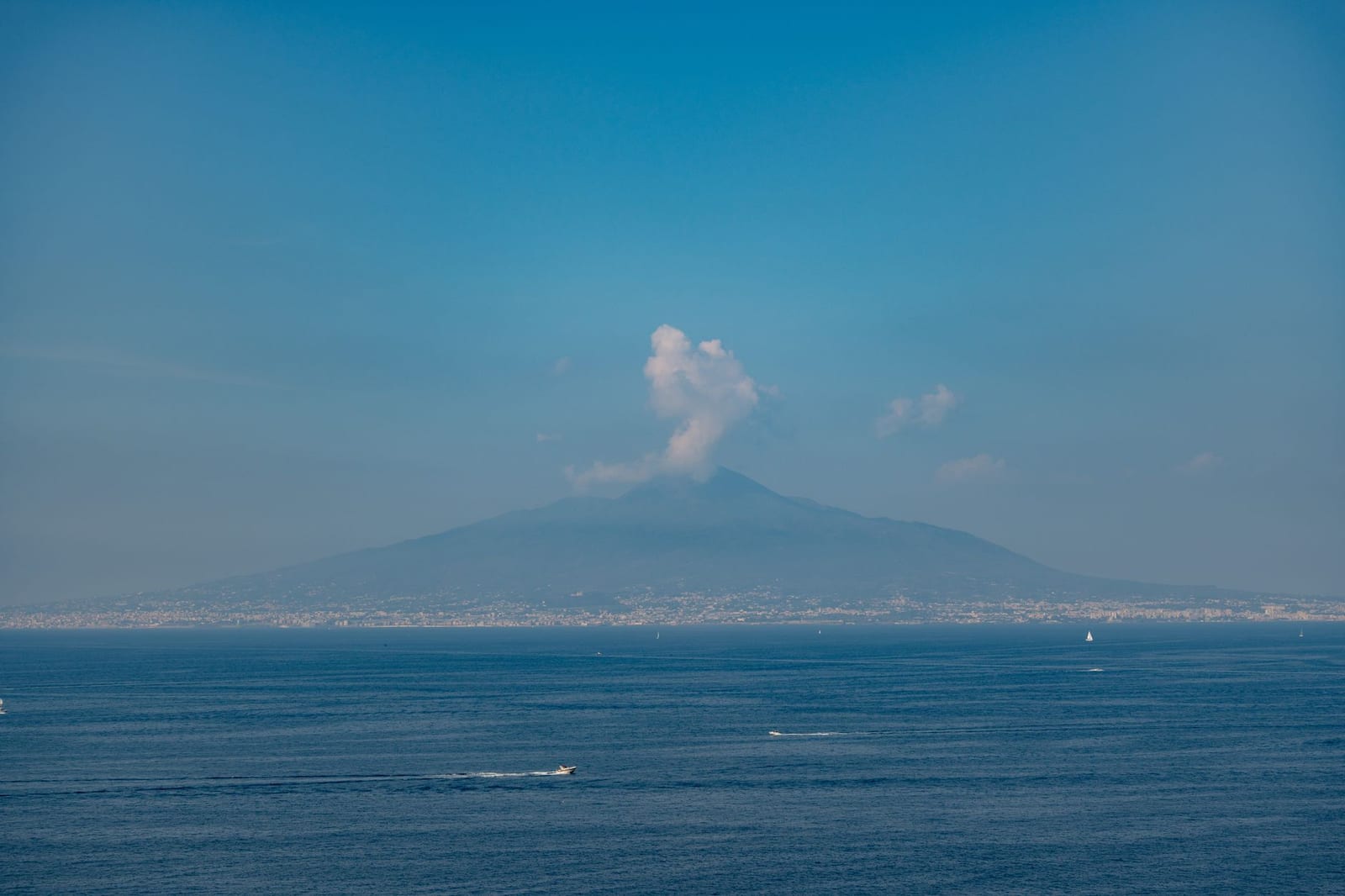
Mount Vesuvius

Its 1944 last eruption, INGV monitoring, Gran Cono Trail 5 and the Vesuvius National Park.

Photograph · Vesuvio

At a glance

Mount Vesuvius facts that matter

Names, makers, dates, and context before the story opens up.

Italian nameVesuvio
What it isNature
WhereTorre del Greco, Campania
Known forIts 1944 last eruption, INGV monitoring, Gran Cono Trail 5 and the Vesuvius National Park.

The story

What you're looking at

Vesuvius is the volcanic complex above the Bay of Naples. Following its 1944 eruption, INGV describes it as being in a closed-conduit quiescent phase with low seismicity and fumarolic activity. The Vesuvius National Park manages the Gran Cono visit route; its operational conditions and access must be checked directly with the Park.

Its eruptions shaped the Vesuvian landscape and are central to regional volcanological research; the current monitored phase follows the 1944 eruption.

Verified details

Each statement below is linked to the record or institution that supports it.

Following its 1944 eruption, Vesuvius has been in a closed-conduit quiescent phase. INGV characterises this phase by low seismicity and fumarolic activity.1,2

Vesuvius National Park lies within UNESCO’s Somma-Vesuvio and Miglio d’Oro Biosphere Reserve. This is UNESCO MAB status, not a World Heritage inscription for the volcano.3

Sources and citations (3)
  1. INGV — Osservatorio VesuvianoVesuvio: monitoringMonitoring overviewRead source
  2. INGV — Osservatorio VesuvianoThe 1944 eruption1944 eruption historyRead source
  3. UNESCOSomma-Vesuvio and Miglio d’Oro Biosphere ReserveReserve overviewRead source

Plan your visit

Before you go

Booking
Walk-up friendly

Find it

Where to find Mount Vesuvius

Get directionsGoogle MapsApple Maps

Reading

Stories from Campania

Long reads from our writers on the ground.

  1. The magazineAmalfi Coast Travel Guide