
Skip to content
Italia Magnifica

Asiago

Asiago

Veneto and Trentino's mountain cheese, DOP protected.

Photograph · Asiago

The story

What you're tasting

Asiago DOP is a mountain cheese produced exclusively in the high-altitude areas of Veneto and Trentino-Alto Adige, at elevations between 300 and 1,000 meters. This cheese is available in two main versions: Asiago Pressato (fresh, aged 20-40 days) and Asiago d'Allevo (aged, matured 3-18 months or longer). Both versions showcase the distinctive character of mountain cheesemaking, with the pressato offering mild, milky flavors and the d'allevo developing intense, nutty, and complex flavors.

Asiago represents centuries of Alpine cheesemaking tradition in the Veneto and Trentino regions, with production methods documented since the Middle Ages. The cheese's name derives from the Asiago Plateau in the Veneto region, where the tradition of producing this mountain cheese developed. Historical records from the 11th century document the production of cheeses in the Asiago area, where the high-altitude pastures and cool climate created ideal conditions for cheesemaking. The tradition of producing Asiago in mountain dairies during summer months, when cattle graze on alpine meadows, became central to the cheese's character, with the high-altitude production creating flavors that reflect the alpine terroir. The cheese gained particular importance during the Renaissance and Baroque periods, when it became a valuable commodity in Venetian markets and was exported throughout northern Italy. The 19th and early 20th centuries saw the formalization of production methods, with local cheesemakers establishing consistent techniques for creating both the fresh (pressato) and aged (d'allevo) versions that would become Asiago. The establishment of the Asiago Consortium in 1979 marked a significant step toward protecting the cheese's name and methods, while the DOP designation, granted in 1996, codified the production regulations, geographic boundaries (restricted to specific high-altitude areas in Veneto and Trentino-Alto Adige), and quality standards that ensure Asiago maintains its traditional character. Today, Asiago stands as a symbol of Alpine Italian cheesemaking excellence, with production centered in the Asiago Plateau and surrounding mountain areas while maintaining the traditional methods and distinctive character that have defined it for centuries.
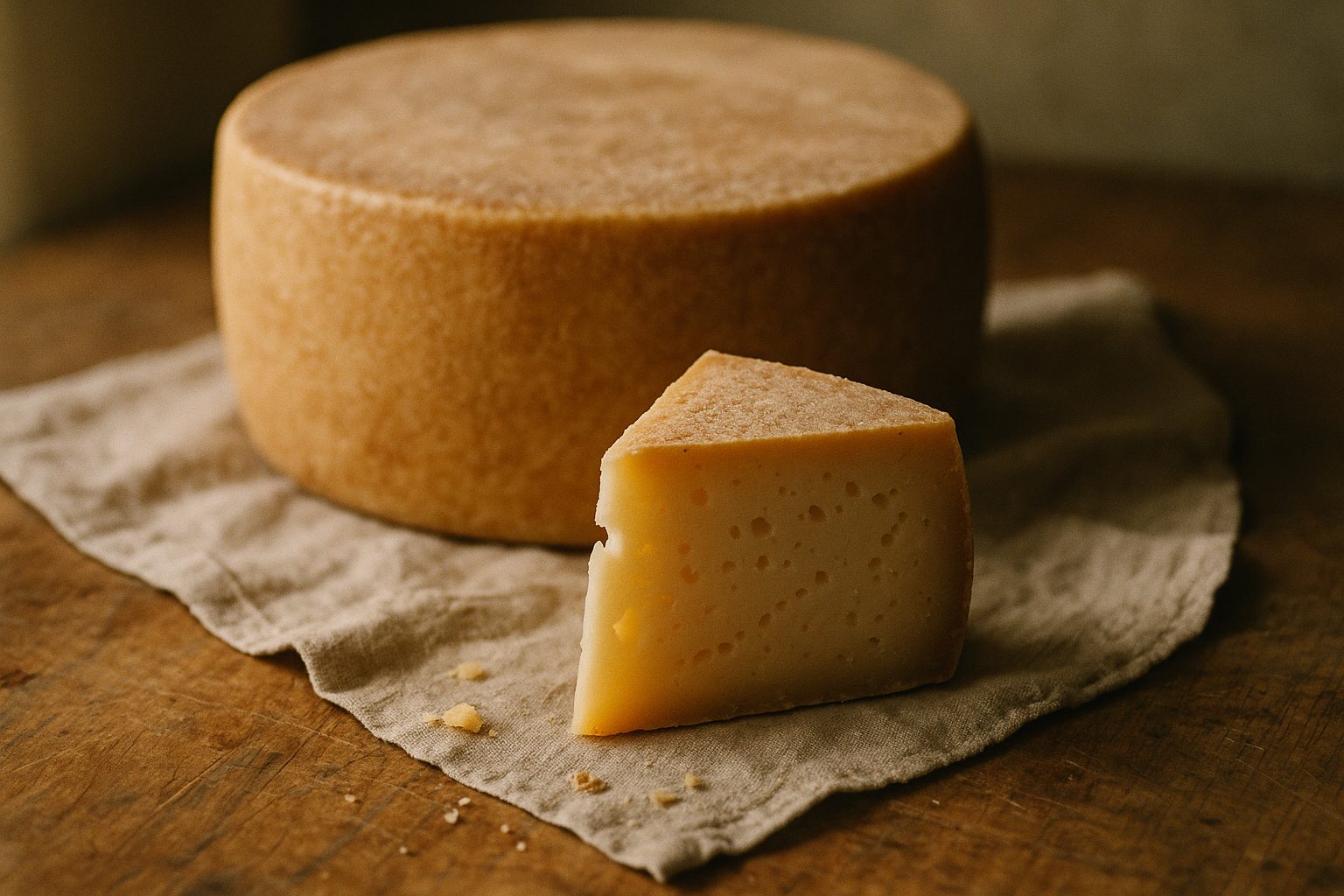
A cut wedge of Asiago beside its wheel on a worn wooden board

Know it

Before you buy

Say it
ah-SYAH-goh
Tasting
Pressato: Mild, milky, and fresh with semi-soft texture. d'Allevo: Intense, nutty, and complex with hard, granular texture. Distinctive mountain character with savory, fruity notes. Becomes increasingly complex with extended aging.
Milk
Cow
Texture
semi-soft to hard
Aging
20 days-18+ months
How to buy
Look for DOP Asiago labels and proper rind development. Specify whether you want Pressato (mild, fresh) or d'Allevo (aged, sharp). Check for proper texture. Buy from reputable sources that can verify mountain origin.
Spot the fakes
Verify DOP seals and production methods. Check for proper texture—pressato should be semi-soft, d'allevo should be hard and granular. Beware of cheeses labeled as "Asiago" without DOP designation or proper origin verification.
Keep it
Unopened: Pressato 20-40 days, d'Allevo 3-18+ months. After opening: 3-4 weeks if properly stored.

The making

How it's made

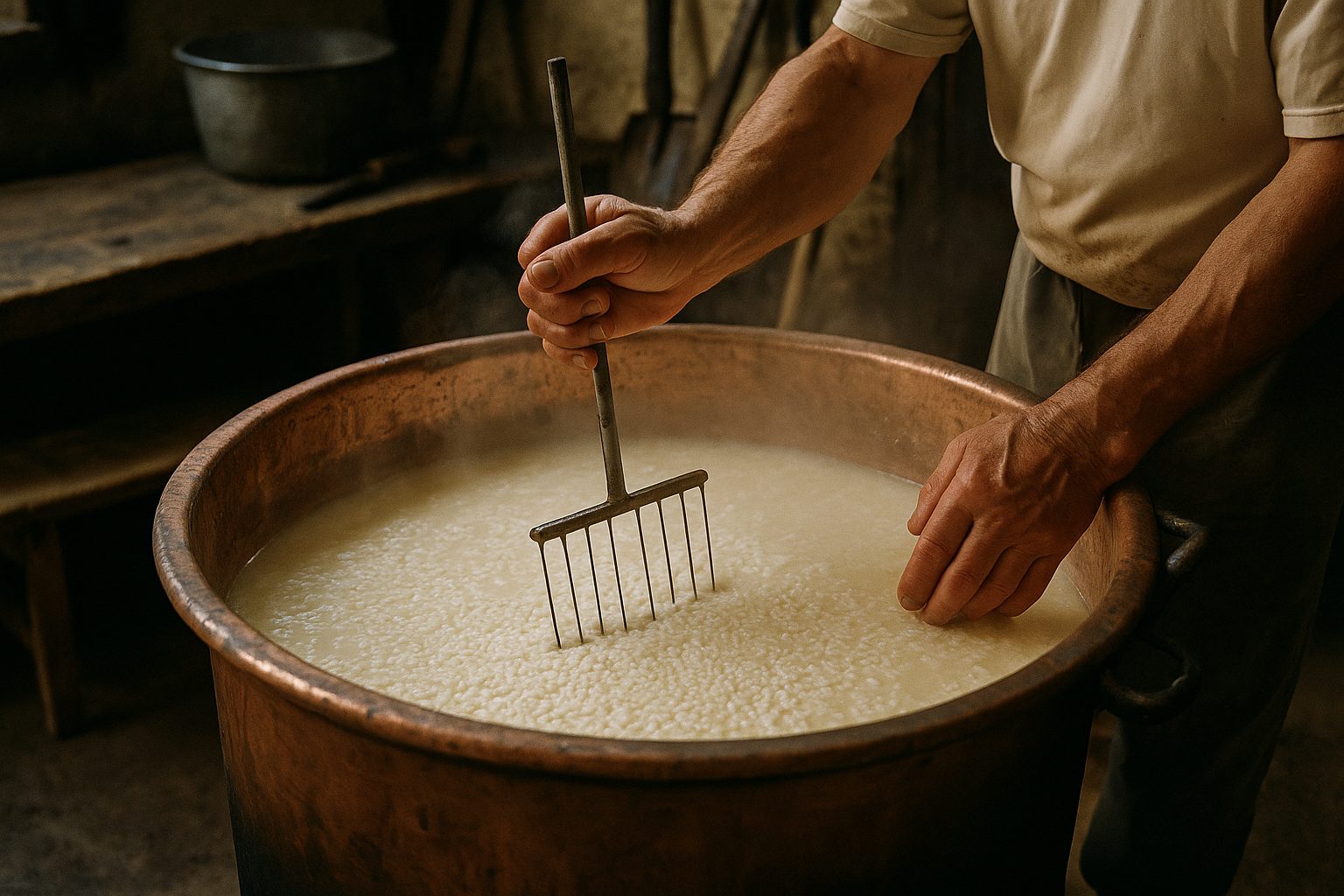
Asiago production follows traditional mountain cheesemaking methods, beginning with fresh, whole or partially skimmed cow's milk from the designated production zone. The milk is collected daily at mountain dairies during summer months, when cattle graze on alpine meadows that impart distinctive flavors to the milk. The milk is heated in traditional copper cauldrons and coagulated using natural calf rennet, creating a curd that is cut into pieces and drained to achieve the desired moisture content. For Asiago Pressato, the curd is cut into larger pieces and drained less, resulting in higher moisture content, then placed in molds and pressed (hence "pressato," meaning "pressed") to form wheels that typically weigh 11-15 kilograms. The wheels are brined briefly and aged for only 20-40 days, resulting in a mild, milky flavor and semi-soft texture. For Asiago d'Allevo, the curd is cut into smaller pieces and drained more thoroughly, resulting in lower moisture content, then placed in molds and pressed to form wheels that typically weigh 9-12 kilograms. The wheels are brined longer and aged for 3-18 months or longer, developing intense, nutty flavors and a hard, granular texture. During aging, the cheeses are regularly turned and monitored, with the rind developing characteristic appearances—pale and smooth for pressato, hard and golden-brown for d'allevo. The extended aging for d'allevo versions allows for the development of complex flavors through enzymatic breakdown, with the cheeses developing nutty, savory, and sometimes fruity notes that reflect both the alpine terroir and the traditional production methods. Temperature and humidity are carefully controlled throughout aging, with traditional producers maintaining conditions (typically 10-15°C and 85-90% humidity) that have been refined over generations. Each wheel is tested by expert graders who evaluate quality through visual inspection, aroma, and texture. Wheels that pass inspection receive the DOP markings, while those that don't meet standards are sold without the protected designation. The finest examples showcase the unique character of mountain cheesemaking, with the pressato offering mild, accessible flavors perfect for table use, while the d'allevo develops exceptional intensity and complexity that makes it ideal for grating and use in traditional dishes.

Asiago is essential to Veneto and Trentino cuisine, used in traditional dishes and as a table cheese. It represents the Alpine cheesemaking tradition and the sustainable practices of mountain dairies.

Cutting Asiago curd with a spino in a copper vat at a Veneto dairy

Verified details

Each statement below is linked to the record or institution that supports it.

Asiago is registered as a protected designation of origin, or DOP, agricultural product.1

The registered production geography intersects the Autonomous Province of Trento and the listed Veneto territory in Vicenza, Padova, and Treviso, so Asiago DOP is not exclusive to either region.1

The register and specification only establish identity, legal status, and legal geography. They do not prove current sourcing, restaurant menus, allergen labels, pricing, availability, media licensing, or current seasonality.1

Sources and citations (1)
  1. MASAFElenco delle DOP e IGP dei prodotti agricoli e alimentariAlphabetical entry Asiago, DOP and territorial columns, extracted lines 66-74Read source

Where it's from

The land behind it

  1. RegionVeneto