

All the monuments, city by city
The landmarks and masterpieces worth planning a day around.
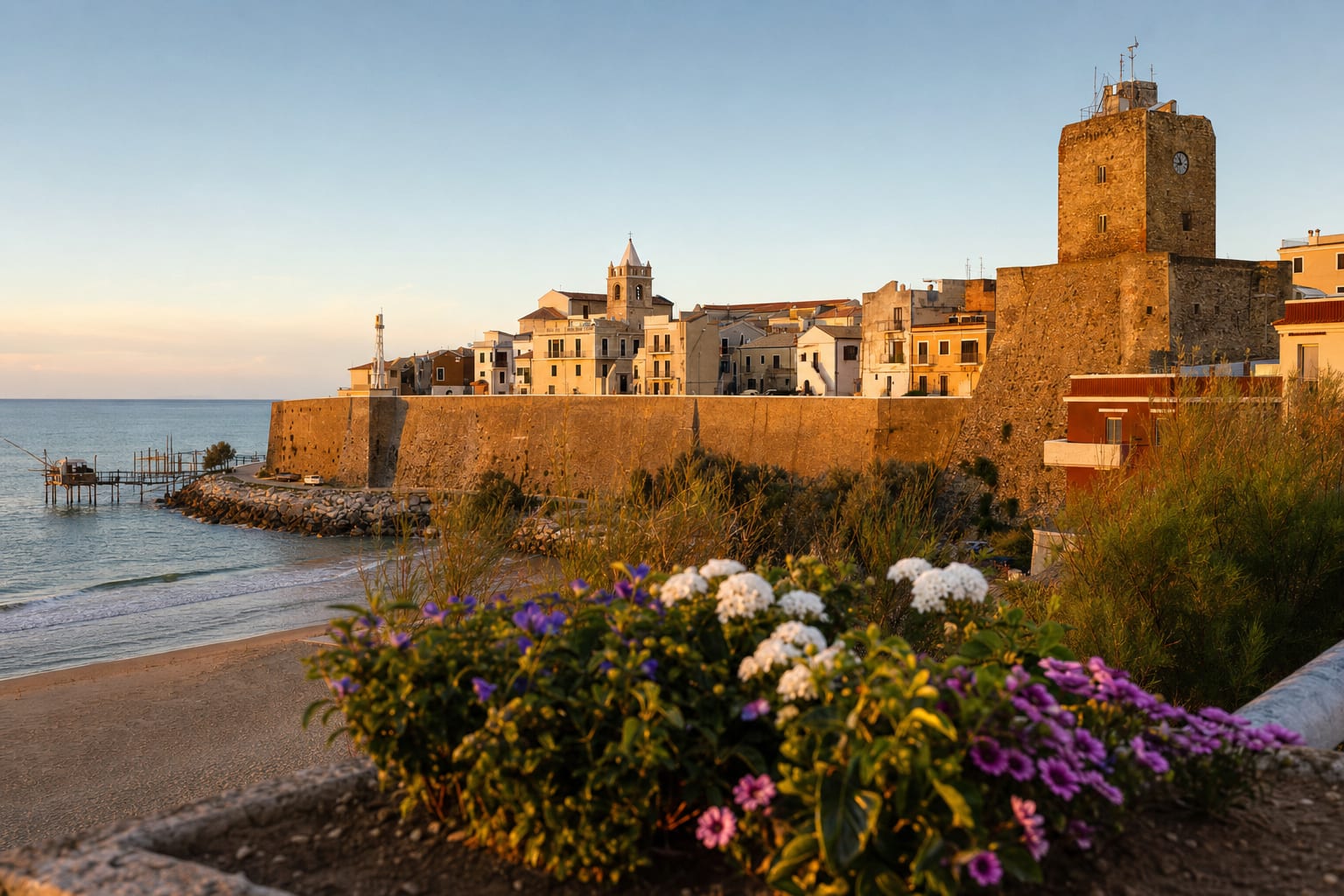 TermoliBorgo Antico of TermoliSwabian Castle, trabucchi fishing platforms, A Rejecelle lane, Romanesque cathedralTermoli’s old quarter fills a small promontory on the Molise coast, its pastel houses packed inside sea walls. The octagonal Swabian Castle, reinforced under Frederick II after 1240, anchors one corner, and one of the medieval towers still guards the entrance to the borgo. A lane called A Rejecelle, barely wide enough for one person, competes for the title of Italy’s narrowest street. Below the walls, wooden trabucchi, old fishing platforms with long overhanging beams and lowered nets, still work the water, and a walkway follows the walls from the castle to the port. The Apulian-Romanesque cathedral of Santa Maria della Purificazione, built in the twelfth and thirteenth centuries, faces the main square.Plan the visit
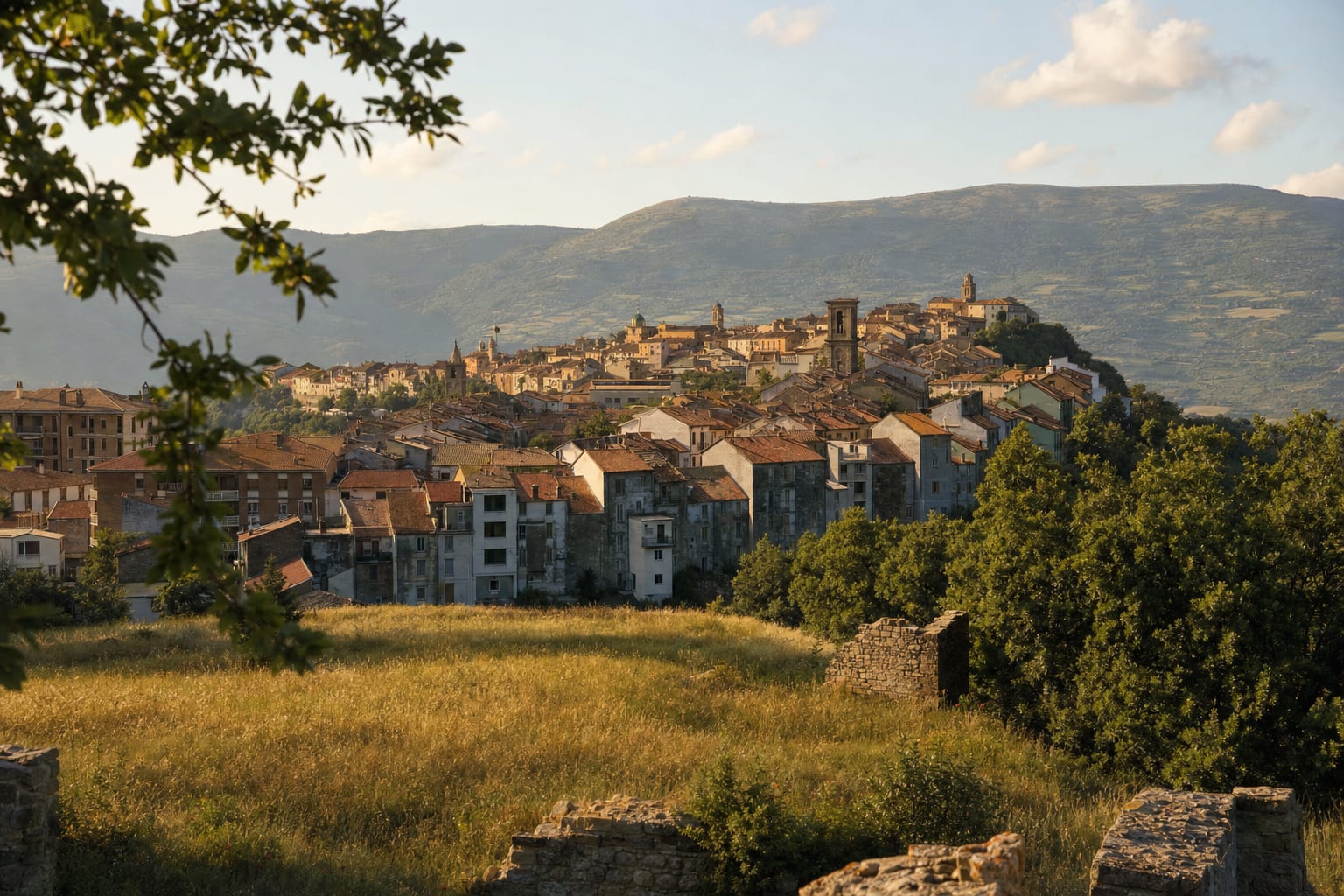 AgnoneAgnoneBells for the popes since 1339, oldest family foundry in Italy, bell museum, foundry tourAgnone is a hill town in high Molise, and its fame is a family business: the Marinelli have cast bells here since at least 1339, and the papal coat of arms on their work was granted by Pius XI in 1924. Their bells hang in Montecassino and Pompeii, and the foundry still works largely by medieval methods. The visit is a guided tour of about an hour that runs through a short film, the International Bell Museum and the foundry floor, and it ends with a small concert played on bells of different sizes. Book ahead: this is a working workshop, and it is the reason to make the long drive up.
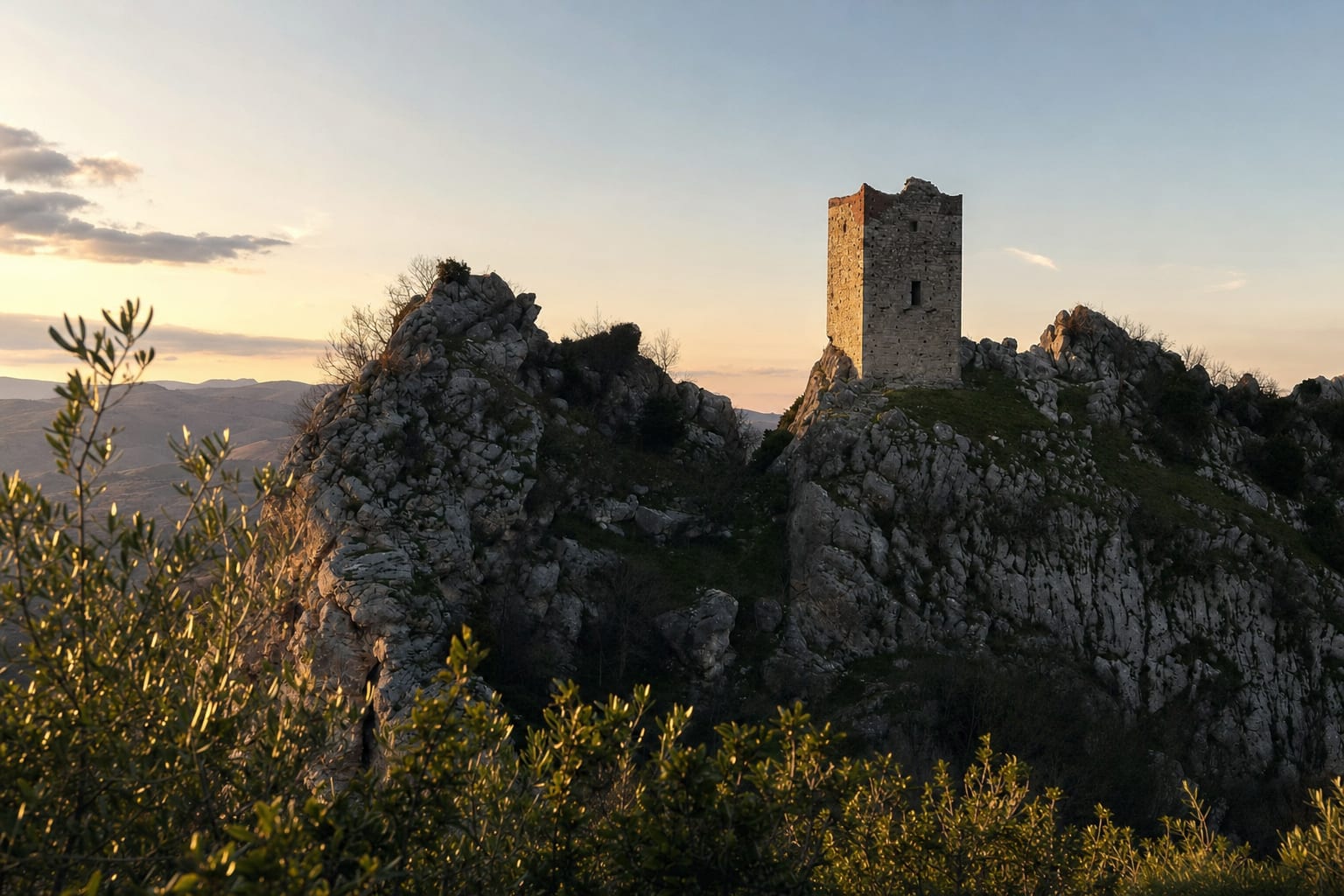 OratinoOratinoStone-carvers' village, one of Italy's most beautiful borghi, Rocca tower on the cliff, Biferno valley viewsOratino is a village of barely 1,300 people a short drive from Campobasso, and for generations its economy has run on stone: local masons carved the door frames, window surrounds and balconies visible on nearly every house in the historic center, a craft tradition still practiced by artisans in town today. Above the village, the medieval Rocca tower stands alone on its own crag, a lookout post rather than a lived-in castle, with views that stretch across the Biferno river valley toward the wooded hills of inland Molise. The recognition Oratino has earned as one of "I Borghi più belli d'Italia" (The Most Beautiful Villages of Italy) rests less on any single monument than on the cumulative effect of walking its narrow stone lanes, where carved lintels and worked balconies turn even ordinary houses into small showcases of a craft most of Italy has lost.
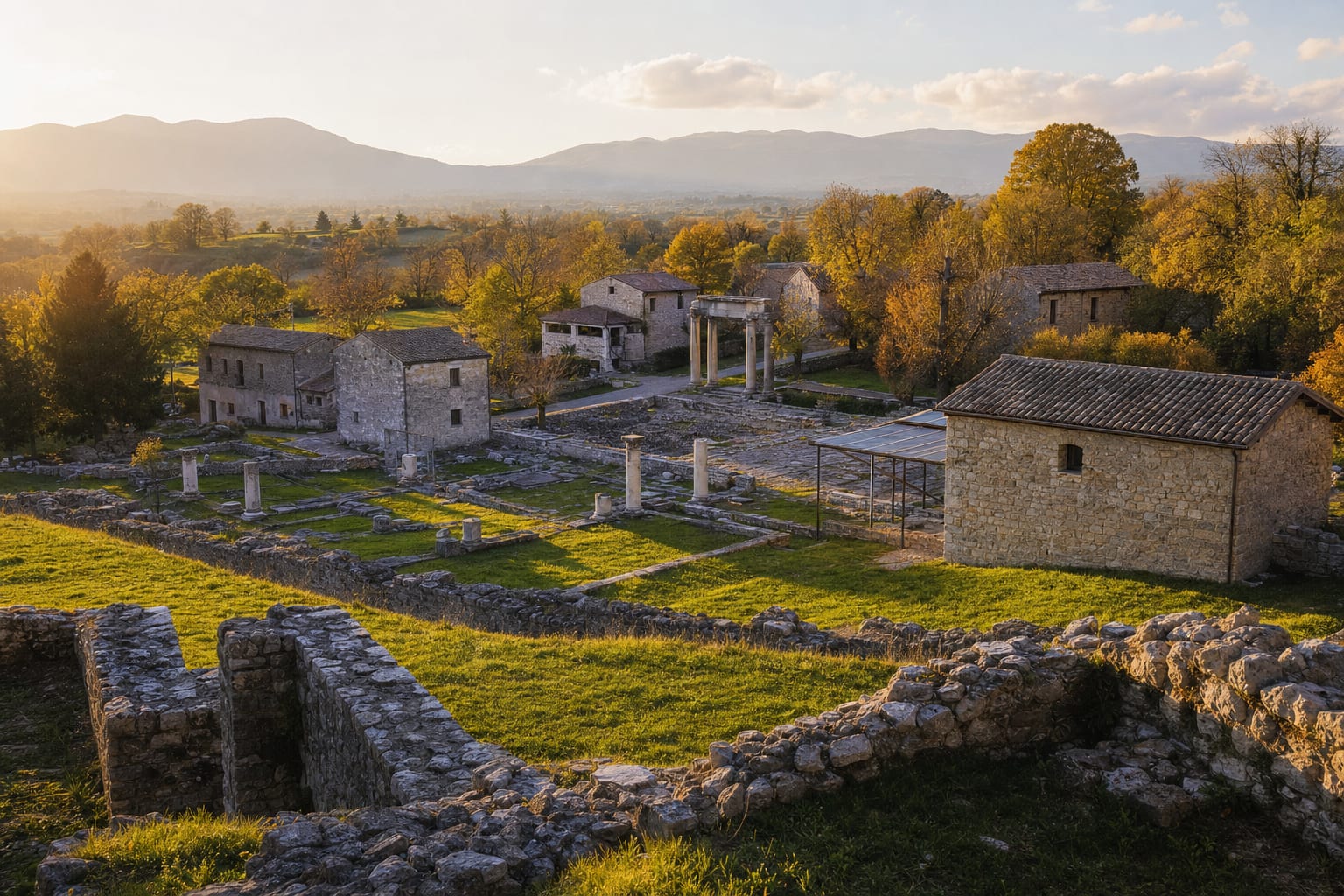 SepinoHidden GemSaepinum Archaeological AreaRoman town in the fields, theatre with farmhouses grown in, intact gates, tratturo crossroadsSaepinum, in the Molise countryside, is the Roman provincial town that no one bothered to demolish. Its walls, forum, basilica and city gates stand among working fields at the foot of the Matese mountains, where a sheep track, or tratturo, still crosses the ancient grid. Inside the walls you can follow the cardo and decumanus, walk under the arch of the Porta Bojano and see the theatre, whose curve was long ago colonised by farmhouses that still stand in its shell. The Museum of the City and Territory occupies farm buildings raised over the theatre's structures and explains daily life here. It is a quiet, uncrowded place where Roman streets are still lined with grass and wheat.
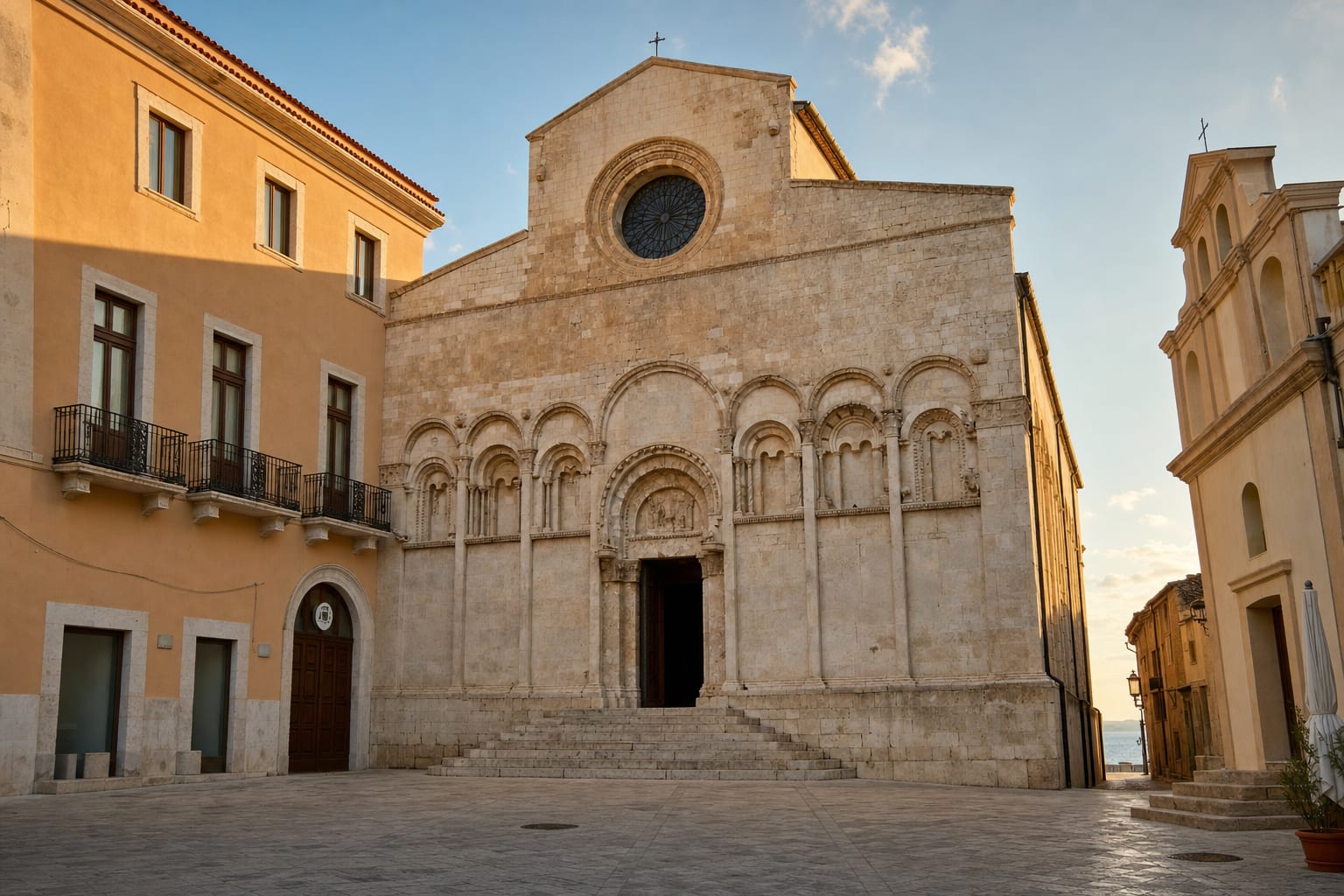 TermoliTermoli CathedralApulian Romanesque façade, crypt mosaics, relics of San Timoteo and San Basso, old-town headlandTermoli's cathedral crowns the small walled promontory of the old town, and it looks across the Adriatic in the manner of the great Apulian churches. Its Romanesque façade, twelfth to thirteenth century, is a smooth wall of pale stone with a single rose window above a tight row of arcades on slim columns, the same vocabulary as the basilica of San Nicola in Bari. Below the church a crypt keeps fragments of the older façade, a Romanesque mosaic floor with animals, and the relics of San Basso, found in 1760, and of San Timoteo, Saint Paul's companion, discovered in the 1940s. Damaged by an earthquake in 1456 and by a raid in 1566, it was stripped of Baroque additions in the twentieth century.
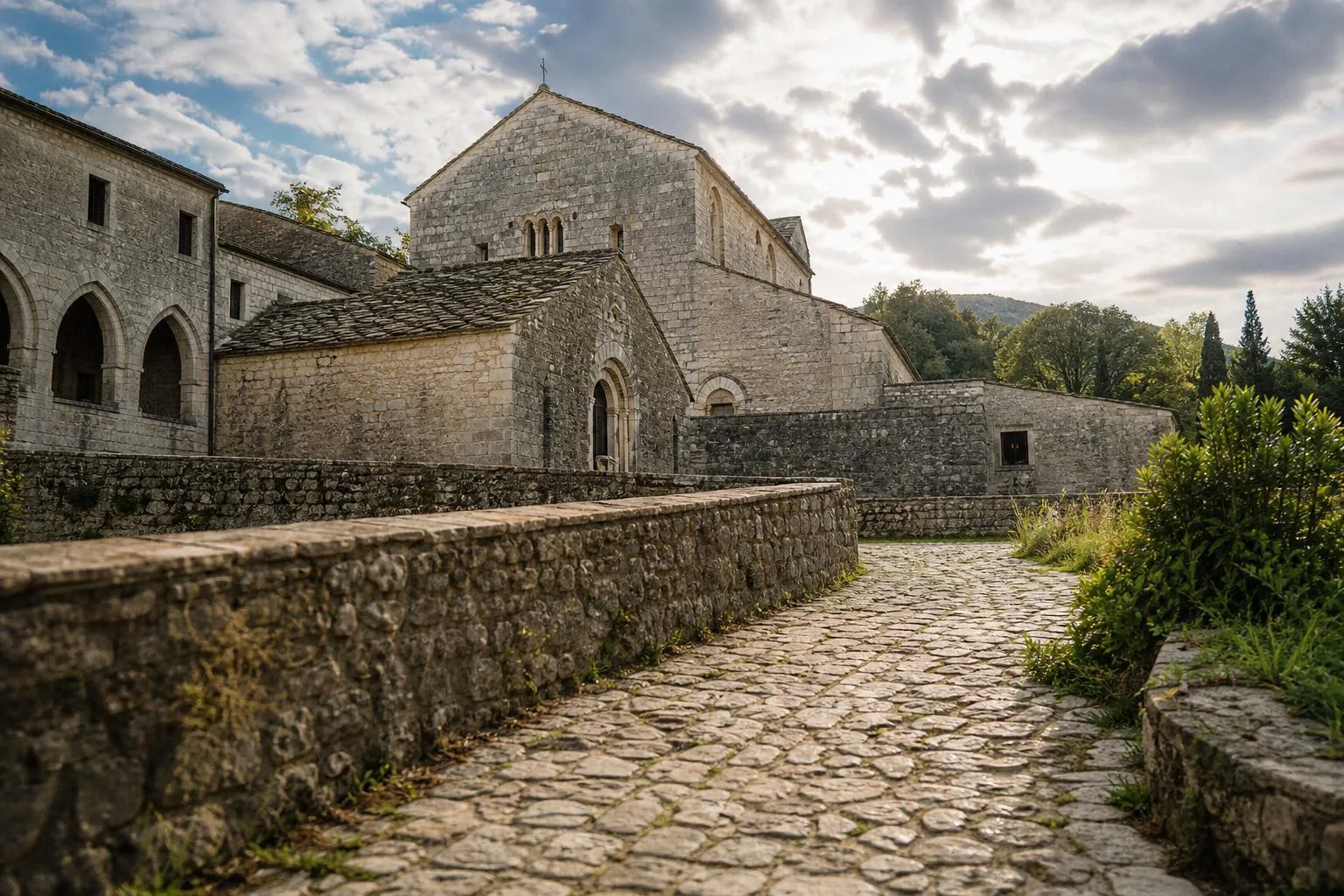 IserniaHidden GemSan Vincenzo al VolturnoCrypt of Epiphanius frescoes, 731 Benedictine founding, active convent since 2016, early medieval archaeologyThree noblemen from Benevento, Paldo, Tato and Taso, founded this monastery in 731 near the source of the Volturno river, and by the early ninth century it housed more than three hundred monks, one of the great Benedictine centers of early medieval Europe. Earthquakes in 848 and Saracen raids in 881 devastated the community, and a new abbey church, consecrated by Pope Paschal II in 1115, rose to replace what was lost. Excavations around the site's Crypt of Epiphanius have uncovered mid-ninth-century frescoes, including an image of the Archangel Raphael, painted before the raids destroyed most of the older monastery. Bombed again in the Second World War, the site now combines an active convent of Benedictine nuns, resident since 2016, with an archaeological area open to visitors, far less visited than Monte Cassino to the south.
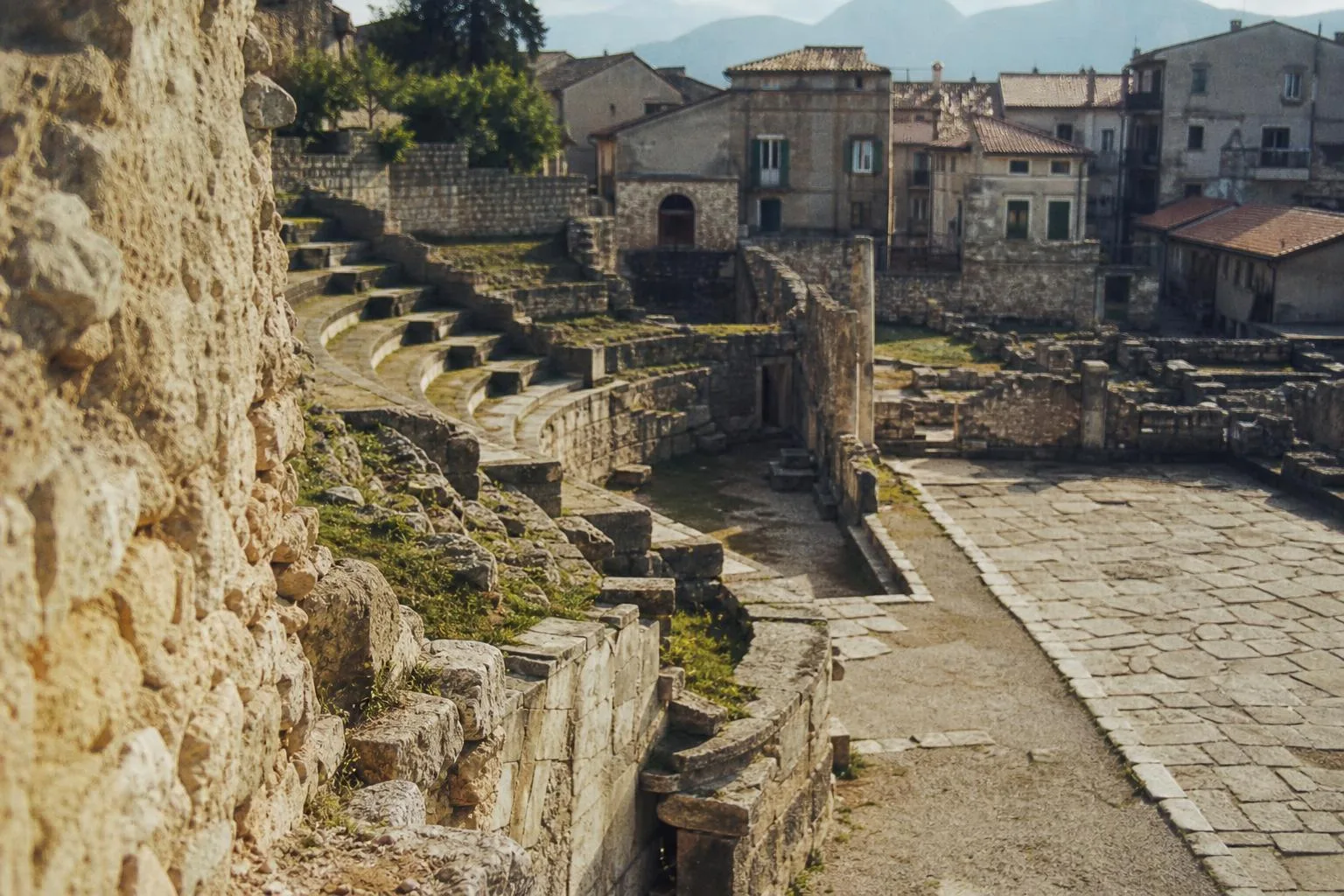 IserniaHidden GemVenafrum (Roman theatre and amphitheatre)Amphitheatre Verlascio, Augustan theatre, Venus of Venafro, olive-oil townVenafro was the Roman town of Venafrum, known in antiquity for its olive oil. Two monuments of it remain. The amphitheatre, called Verlascio or Verlasce, dates to the first century AD, measures about 110 by 85 meters and once held up to 15,000 spectators. Its elliptical shape survives because seventeenth-century houses were built into the ruin, so today the arena is ringed by ordinary facades and reticulated walls with brick facing. Higher up the slope of Monte Santa Croce sits the theatre from the Augustan age, built in opus reticulatum. The town’s archaeological museum, in the convent of Santa Chiara, holds the Venus of Venafro and the Venafro chess pieces, among the oldest in Europe.
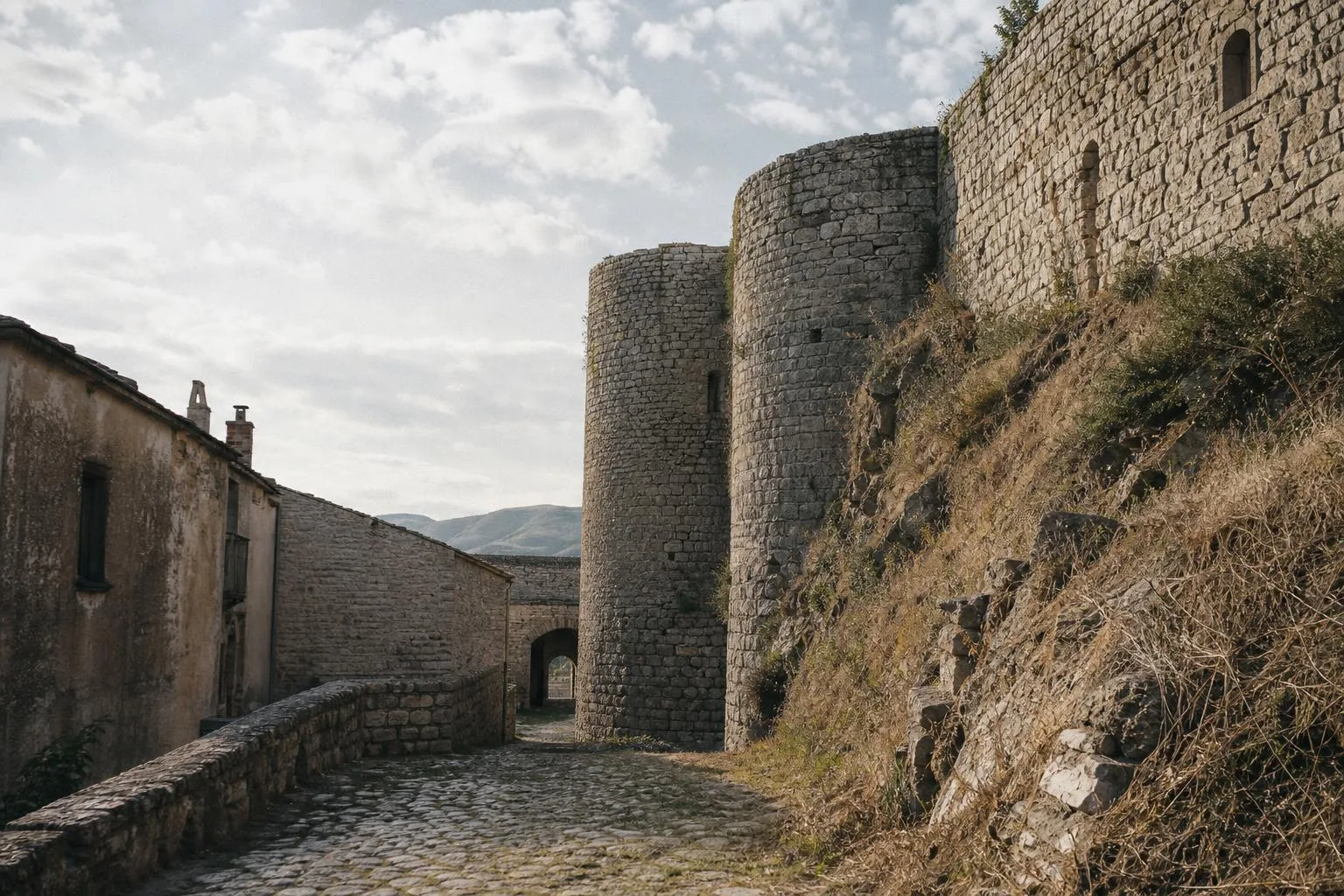 CampobassoHidden GemCastle of PianisiMedieval ruins, cylindrical tower, church of Santa Maria in Planisi, Fortore viewsThe castle of Pianisi is a ruin on a hill above the Fortore valley, in the territory of Sant’Elia a Pianisi, about 33 km east of Campobasso. Documents mention it from 1008, and in the 1260s and 1270s it belonged to the Angevin lord Jean de Nanteuil; in 1276 Charles I of Anjou granted it to Tipaldus Alamannus. Later the de Palma family held it until feudalism ended in 1806. Excavations by the University of Molise between 2013 and 2015 brought back a large cylindrical tower and the church of Santa Maria in Planisi, and the site is being studied as a future archaeological park. It is a quiet place, best for people who like ruins and long views over Molise.
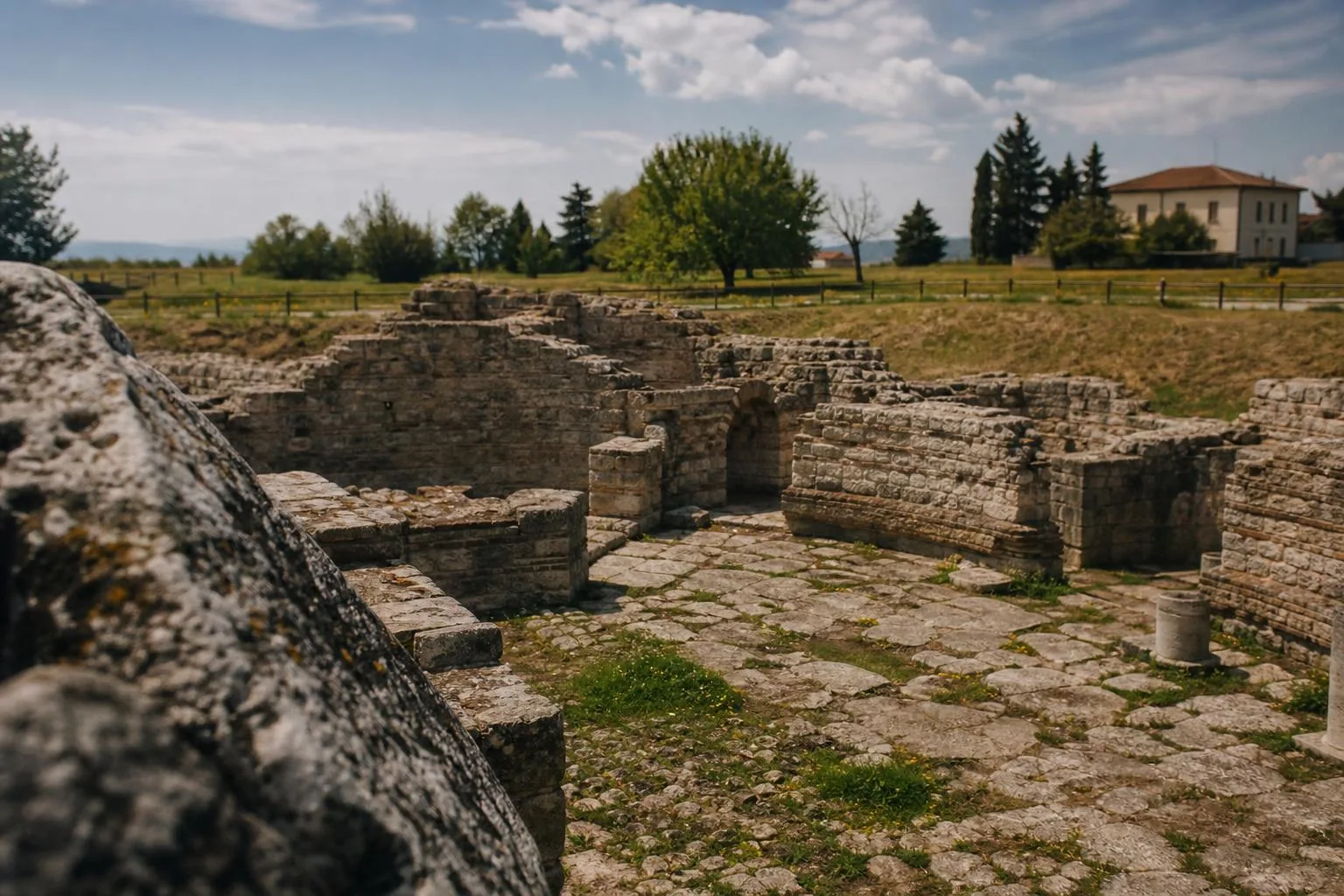 TermoliHidden GemLarinumFlavian-era amphitheater, polychrome marine mosaics, Frentanian-then-Roman city, free admission and few visitorsLarinum began as a Frentanian town before Rome absorbed it, and what can be seen today at Larino's Piano San Leonardo site dates mostly from the Roman centuries that followed. A Flavian-era amphitheater once held roughly 15,000 spectators for the gladiatorial games and hunts that were the Frentani region's biggest draw, and nearby baths preserve polychrome marine mosaics remarkably intact for their age. Despite the site's real archaeological weight, it stays almost empty: recorded visitor numbers have run to only a few thousand a year, and admission has always been free.
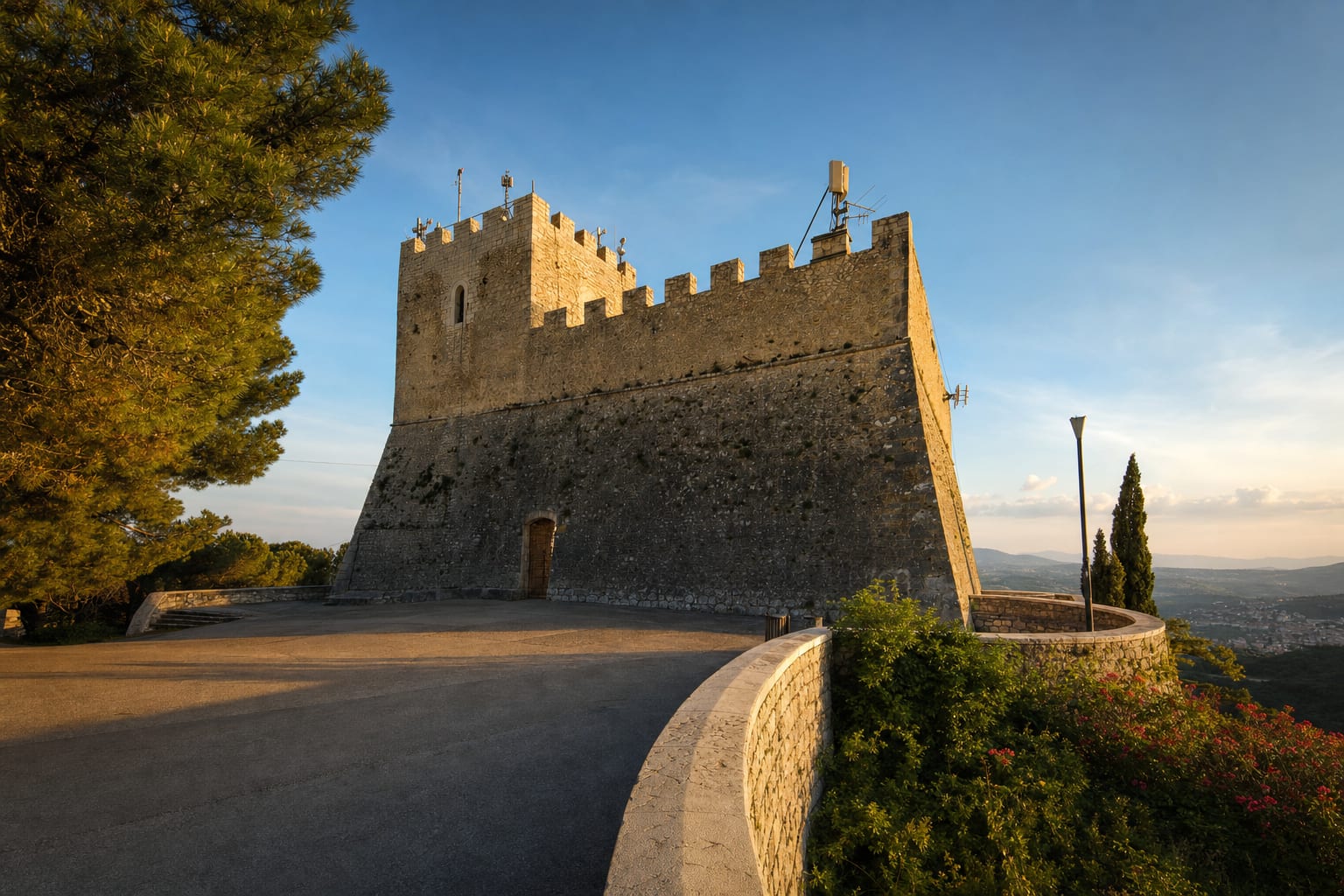 CampobassoMonforte CastleHilltop castle, Monforte-Gambatesa family, walls and towers, Matese viewsCastello Monforte crowns the hill above Campobasso, and it is what the Molise capital looks up to. The origin is debated: some scholars date it to Norman times, a document mentions a castle in 1375, and the family that gave it its name, the Monforte-Gambatesa, repaired it after the earthquake of 1456 under Count Cola. It later fell into ruin, even serving as a temporary cemetery in the 1800s, and the city acquired it in 1861. What you see today is a fortified enclosure with walls and towers, a small church and a weather station. The reason to climb is the panorama, over the city and the hills to the Matese range on clear days.
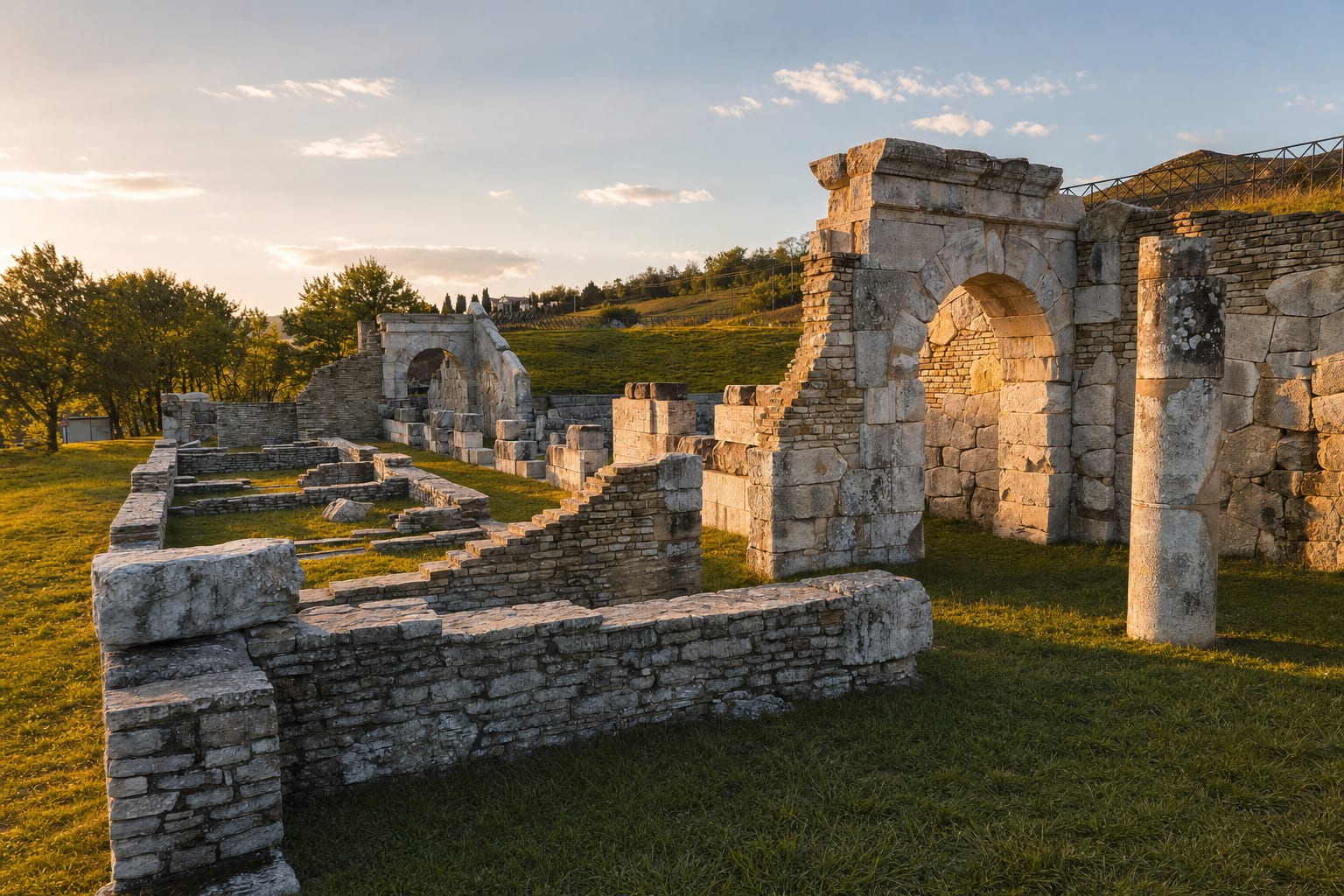 PietrabbondanteSamnite Sanctuary of PietrabbondanteSamnite stone theatre with anatomical seating, Italic temple terrace, rare Oscan inscriptions, summer dramaThe Samnites, Rome's toughest early rivals in central Italy, built their grandest sanctuary high on the slopes of Monte Caraceno at 966 meters, a stone theatre and twin-temple terrace facing out over the hills of ancient Samnium. The theatre's curved stone seats were carved with anatomically shaped backrests, a small ergonomic touch that has kept them comfortable for more than two thousand years, and the site preserves rare inscriptions in Oscan, the Samnites' own language, alongside the Latin that eventually replaced it. Classical drama is still staged here most summers, actors working the same stone risers the Samnites once filled.
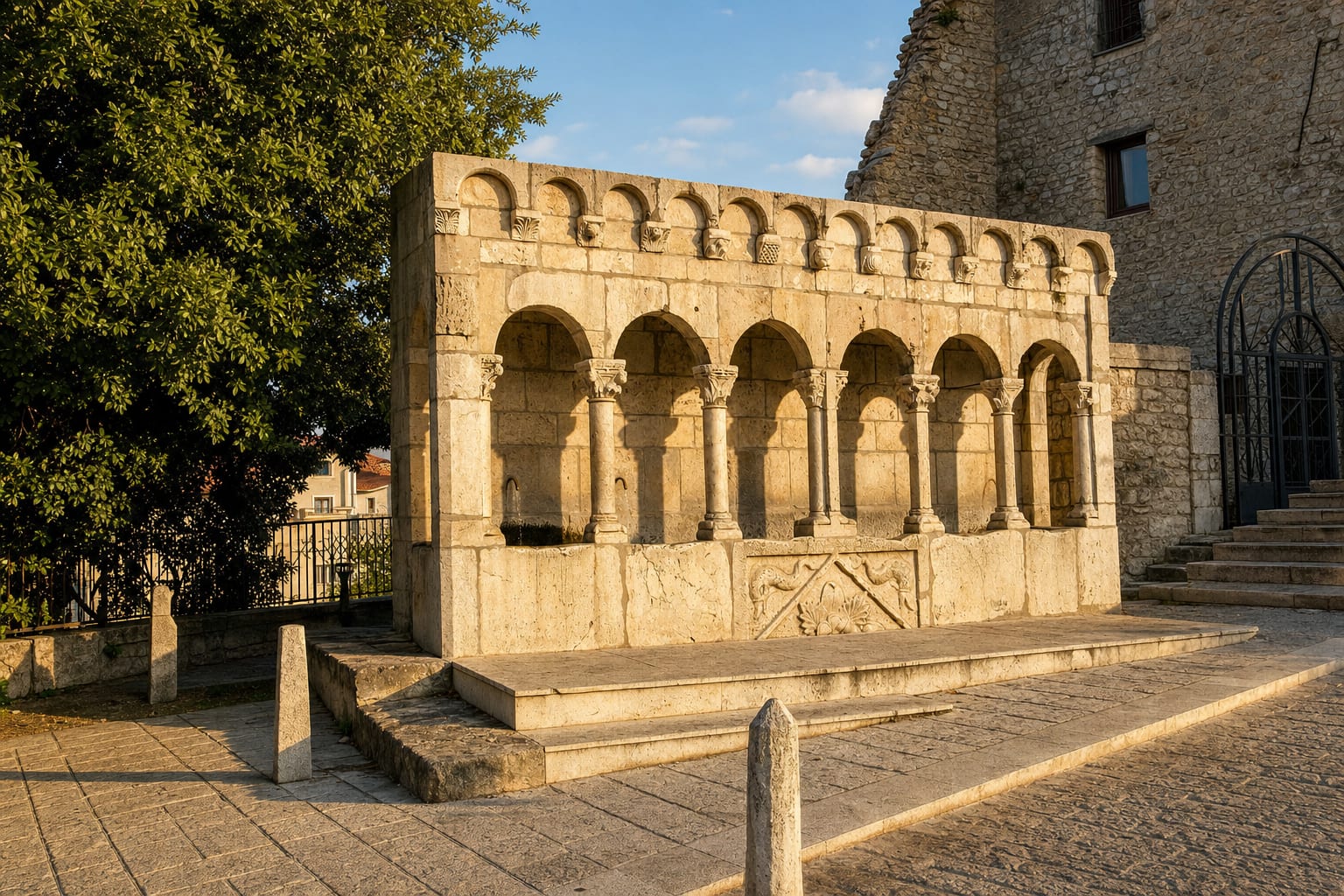 IserniaFraterna FountainSix-arched public fountain, recycled Roman stones, symbol of Isernia, rebuilt after the 1943 bombingIsernia's central Piazza Celestino V holds this arcaded public fountain, a six-jet monument that reads almost like a small loggia rather than a simple water source, assembled in 1835 by the noble Rampini family out of Romanesque round arches, polygonal columns and reused Roman-era tombstones and stonework. Its lower basin fuses fragments from three older fountains around town. An Allied bombing raid on September 10, 1943, that flattened much of Isernia dismantled the fountain too, but it was rebuilt afterward stone by stone in its original form, and it remains the town's clearest emblem, mysterious enough in its patchwork origins that historians still debate exactly which pieces came from where.
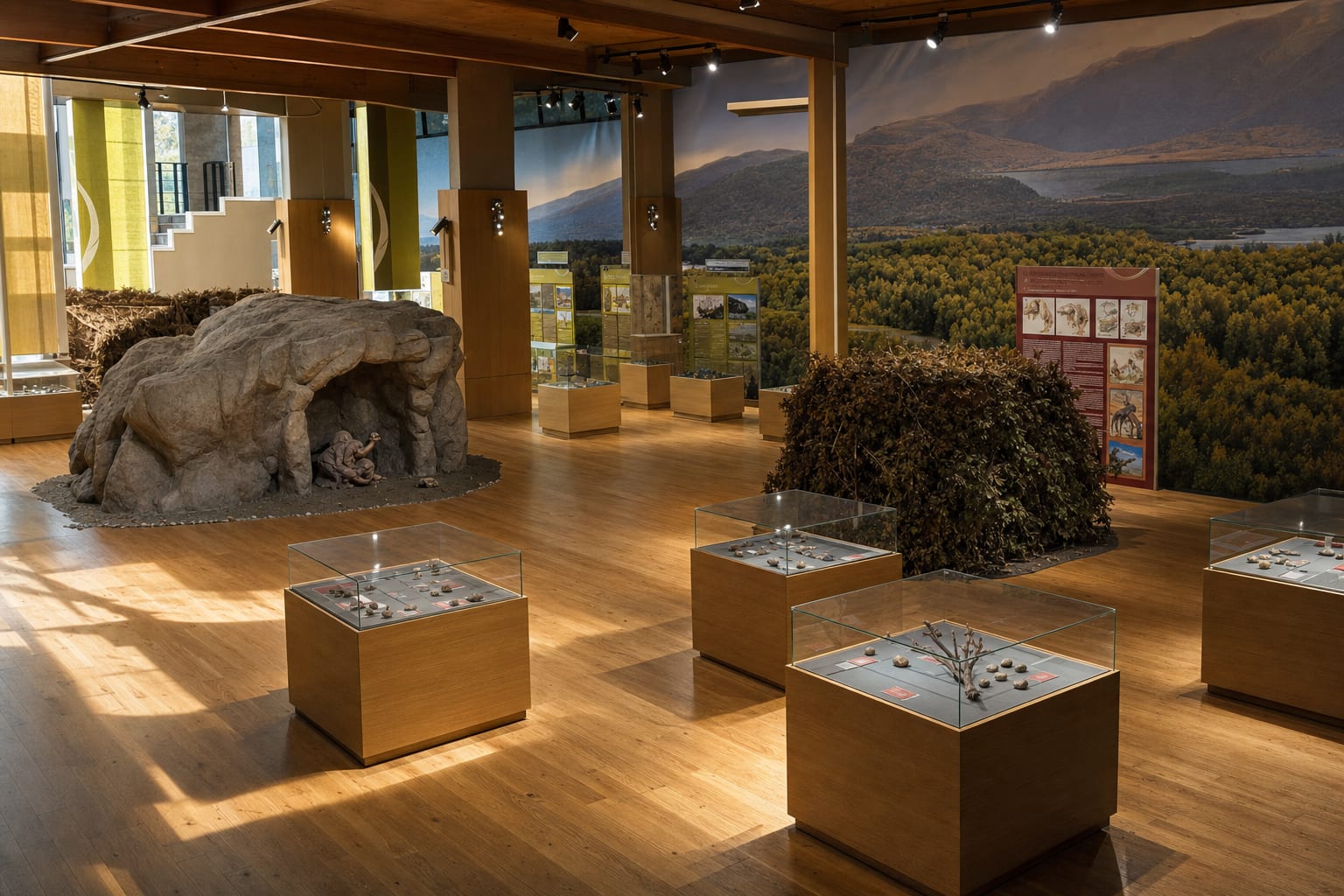 IserniaPaleolithic Museum of IserniaLa Pineta site, c.600,000-year-old human traces, in-place excavation viewed from walkways, a child's tooth findRoad construction near Isernia in 1979 sliced straight into an open-air butchering camp roughly 600,000 years old, the oldest major trace of human presence anywhere in Italy, where early hominins had processed the carcasses of bison, elephant and rhinoceros alongside crude stone tools. Rather than excavate and remove everything, archaeologists built the museum directly over the dig, so bones and tools sit in the same clay where they were dropped, visible from suspended walkways above the actual excavation surface. A single child's tooth, found among the debris, remains one of the few direct human traces from a site otherwise made almost entirely of the animals people ate.
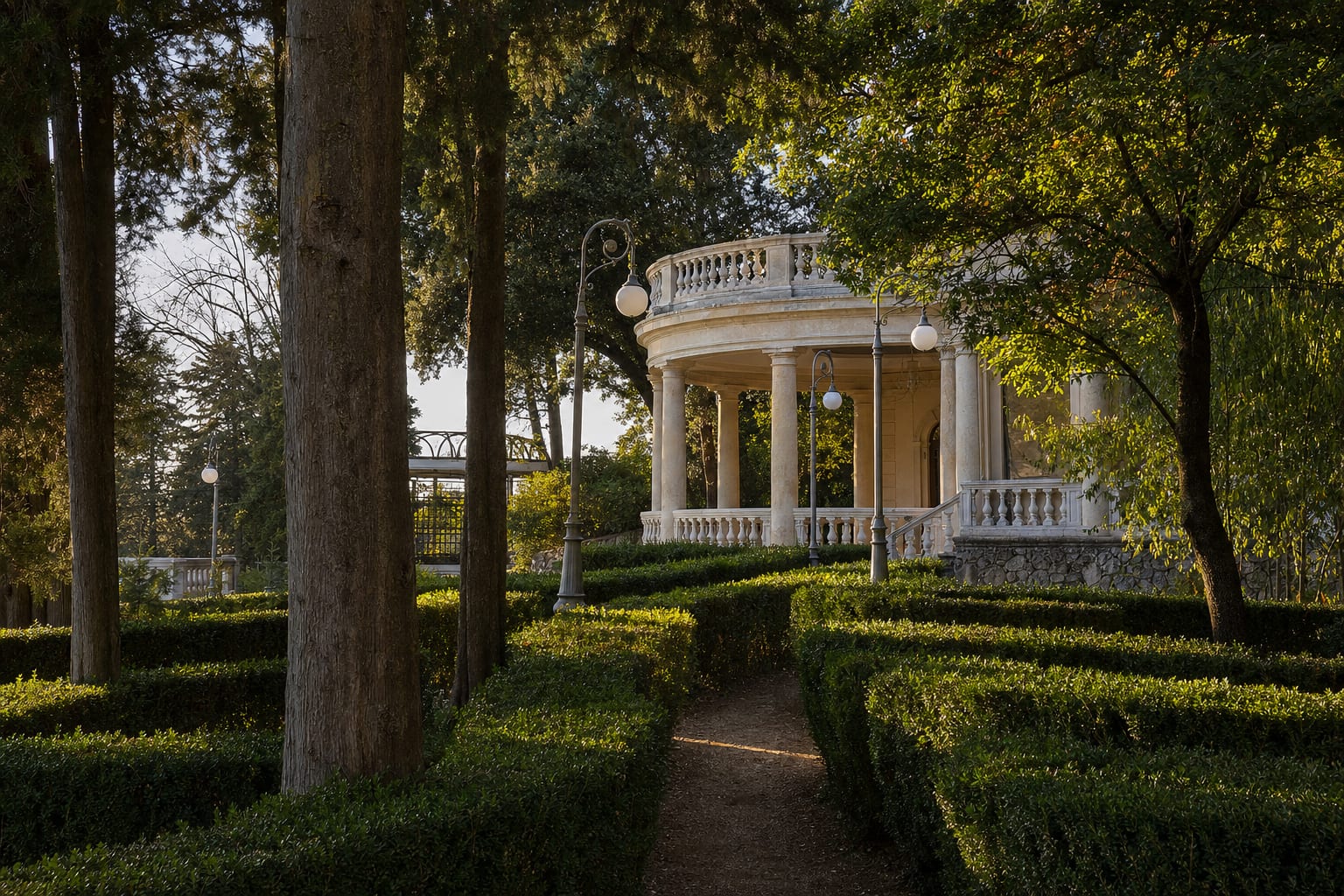 CampobassoVilla De CapoaMonumental town garden, sequoias and cedars, Countess de Capoa's 1875 donation, Liberty-style ironworkCampobasso's grandest garden began life in the 18th century as private land before being reorganized into a neoclassical park, then donated in 1875 by Countess Marianna de Capoa to the girls' orphanage she had founded, and finally handed to the comune in 1929. Nearly 16,000 square meters of tree-lined avenues, clipped hedges, statues, a late-15th-century sarcophagus and a grotto still follow that neoclassical plan, restored to its original layout in recent decades. The wrought-iron main gate and Liberty-style lampposts, made by local craftsman Giuseppe Tucci, count among the finest surviving Art Nouveau work in the city, a formal counterpoint to the garden's shaded, informal paths.
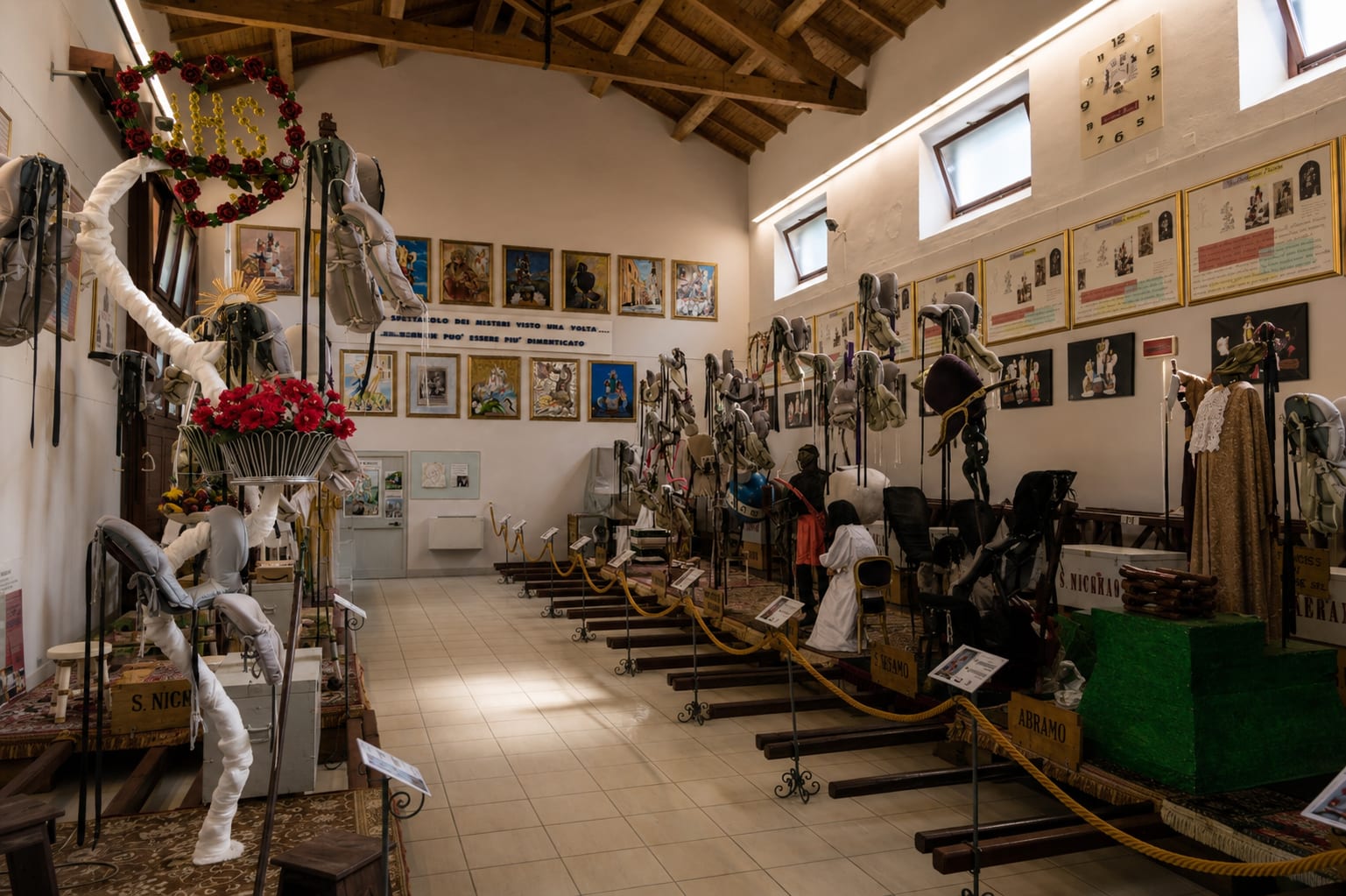 CampobassoMisteri MuseumThirteen flying machines of 1748, children borne as angels, Corpus Domini procession, Di Zinno's engineeringSculptor Paolo Di Zinno built thirteen ingenious steel-and-wood machines in 1748, contraptions that let children and adults appear to float in the air as angels and saints above the crowds during Campobasso's Corpus Domini procession, a piece of devotional engineering still considered remarkably advanced for its time. The museum keeps these Misteri, along with photographs and film of the procession itself, on display the rest of the year, offering a rare close look at machines usually seen only from a distance and in motion each June. It is a small, community-run space more than a formal institution, and it treats the procession less as folklore than as a piece of living civic identity.
City by city
Where the monuments cluster in Molise.