

All the monuments in Termoli
The landmarks and masterpieces worth planning a day around.
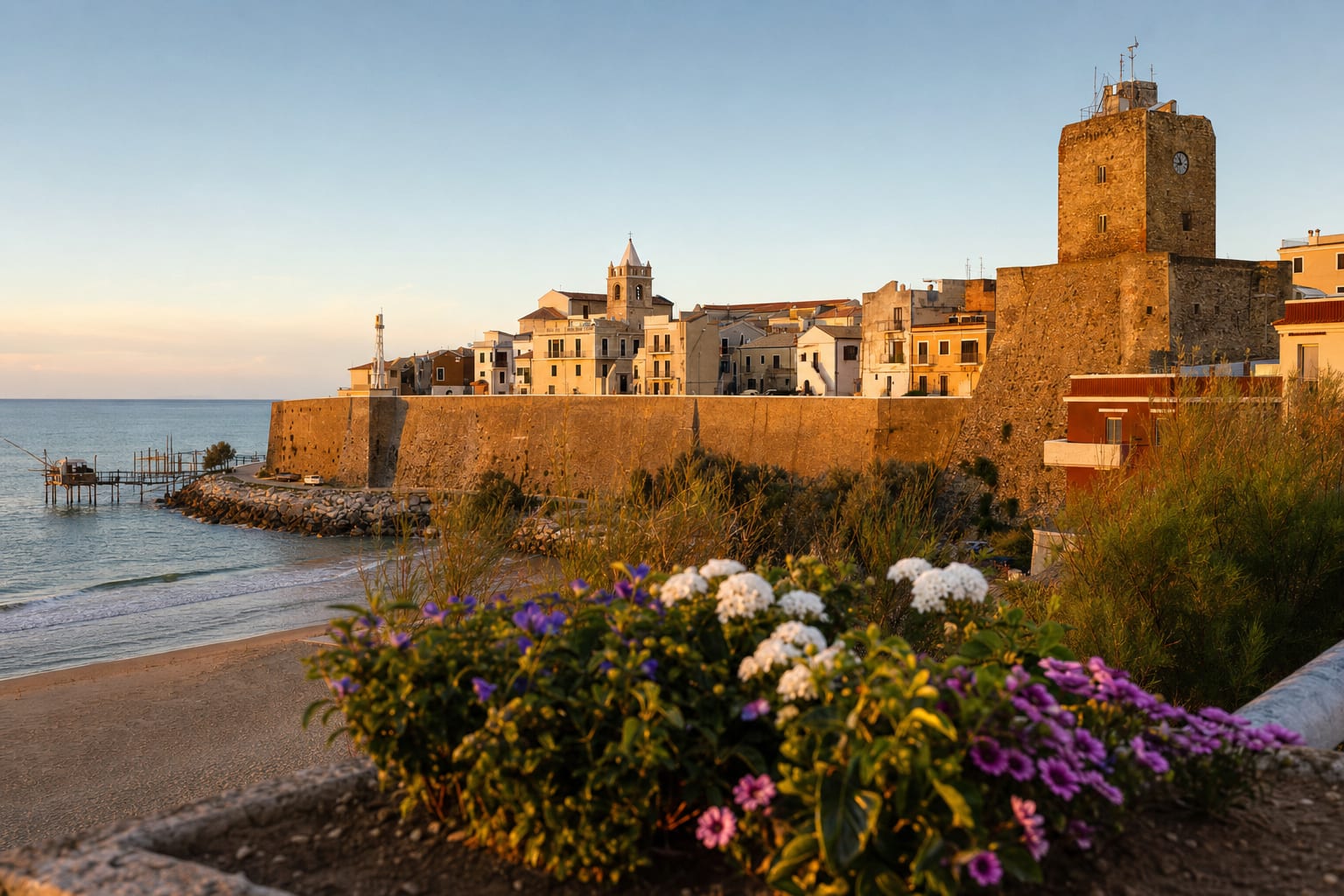 Borgo Antico di TermoliBorgo Antico of TermoliSwabian Castle, trabucchi fishing platforms, A Rejecelle lane, Romanesque cathedralTermoli’s old quarter fills a small promontory on the Molise coast, its pastel houses packed inside sea walls. The octagonal Swabian Castle, reinforced under Frederick II after 1240, anchors one corner, and one of the medieval towers still guards the entrance to the borgo. A lane called A Rejecelle, barely wide enough for one person, competes for the title of Italy’s narrowest street. Below the walls, wooden trabucchi, old fishing platforms with long overhanging beams and lowered nets, still work the water, and a walkway follows the walls from the castle to the port. The Apulian-Romanesque cathedral of Santa Maria della Purificazione, built in the twelfth and thirteenth centuries, faces the main square.Plan the visit
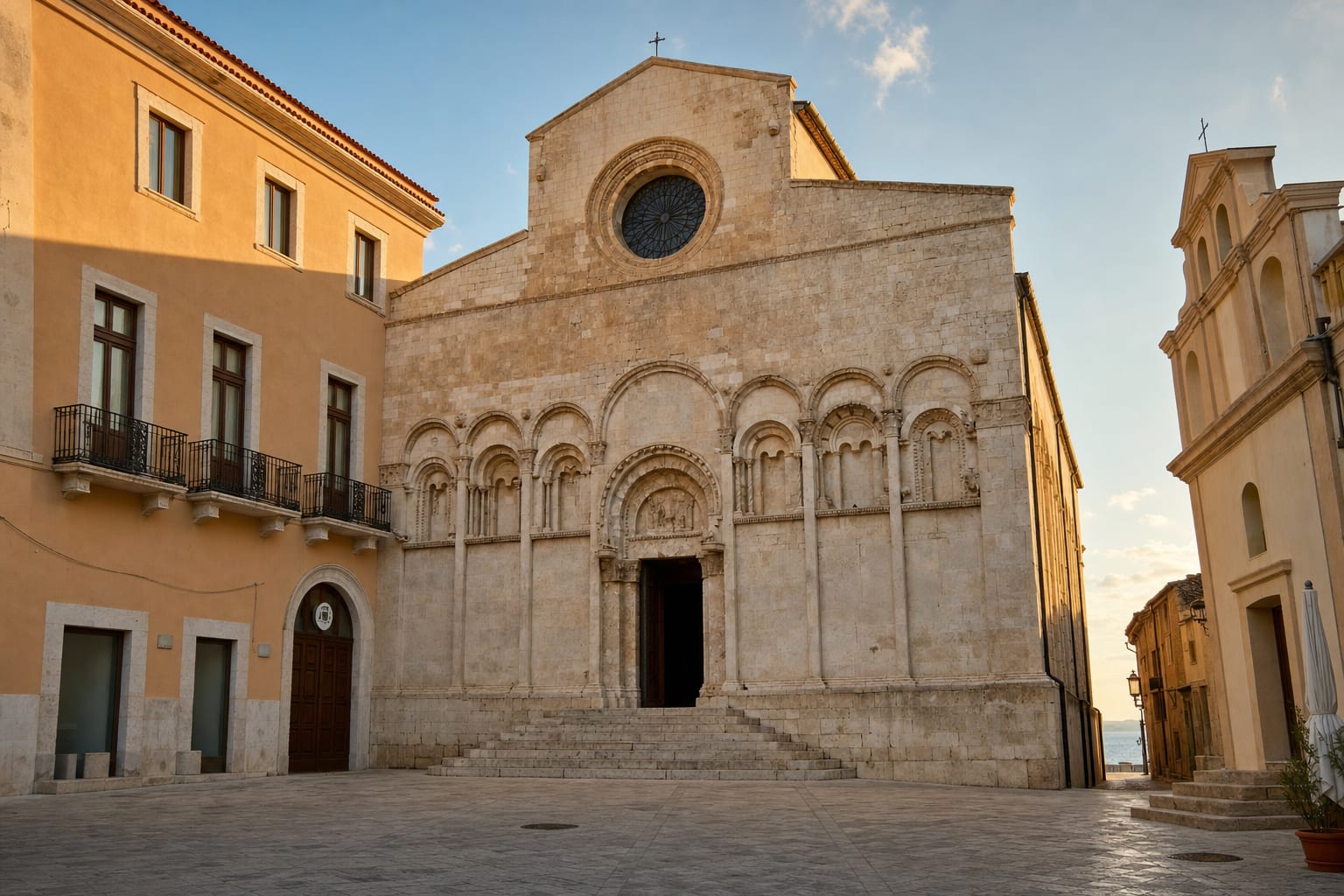 Cattedrale di TermoliTermoli CathedralApulian Romanesque façade, crypt mosaics, relics of San Timoteo and San Basso, old-town headlandTermoli's cathedral crowns the small walled promontory of the old town, and it looks across the Adriatic in the manner of the great Apulian churches. Its Romanesque façade, twelfth to thirteenth century, is a smooth wall of pale stone with a single rose window above a tight row of arcades on slim columns, the same vocabulary as the basilica of San Nicola in Bari. Below the church a crypt keeps fragments of the older façade, a Romanesque mosaic floor with animals, and the relics of San Basso, found in 1760, and of San Timoteo, Saint Paul's companion, discovered in the 1940s. Damaged by an earthquake in 1456 and by a raid in 1566, it was stripped of Baroque additions in the twentieth century.
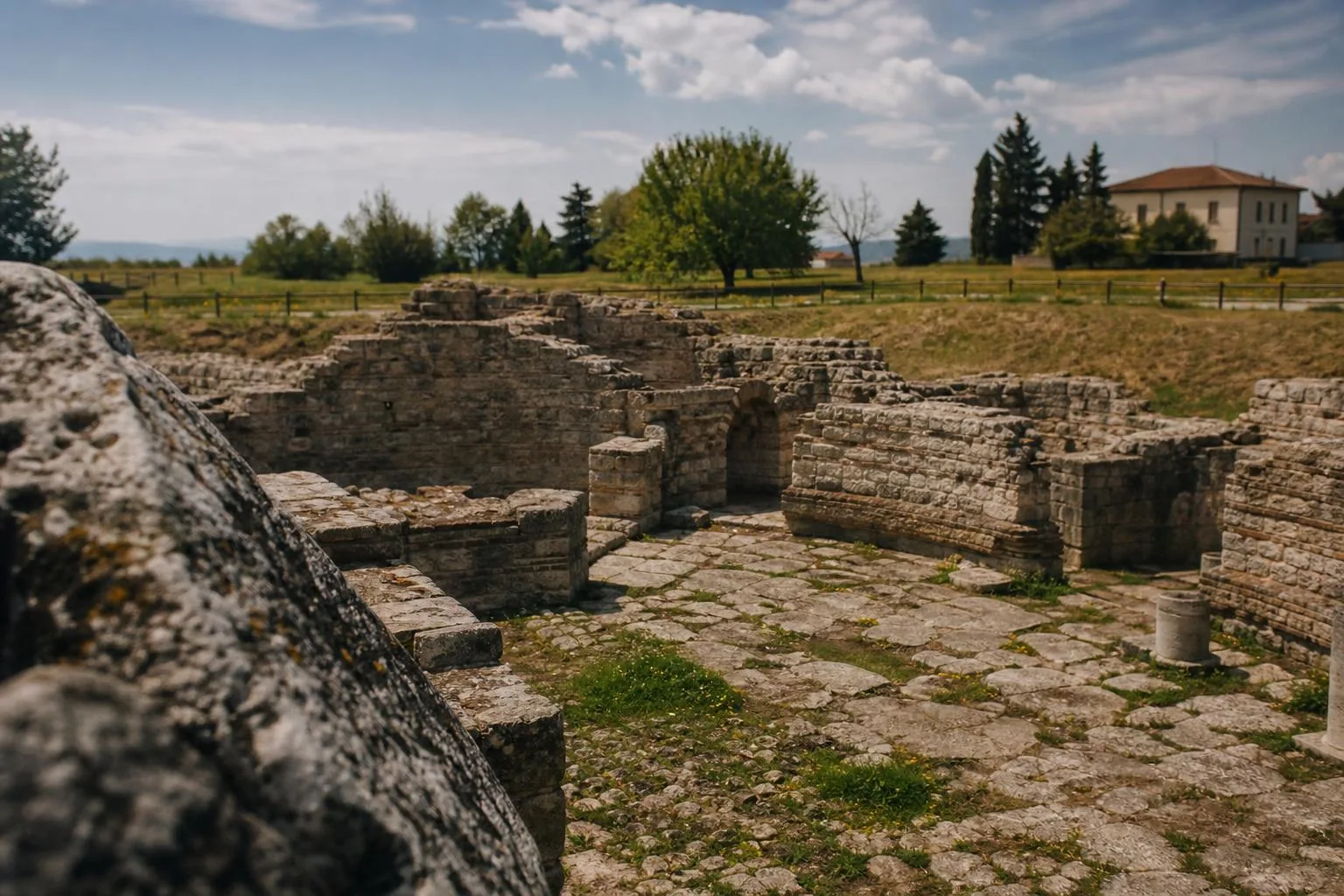 Archaeological siteHidden GemLarinumFlavian-era amphitheater, polychrome marine mosaics, Frentanian-then-Roman city, free admission and few visitorsLarinum began as a Frentanian town before Rome absorbed it, and what can be seen today at Larino's Piano San Leonardo site dates mostly from the Roman centuries that followed. A Flavian-era amphitheater once held roughly 15,000 spectators for the gladiatorial games and hunts that were the Frentani region's biggest draw, and nearby baths preserve polychrome marine mosaics remarkably intact for their age. Despite the site's real archaeological weight, it stays almost empty: recorded visitor numbers have run to only a few thousand a year, and admission has always been free.
More within reach
Monuments a day trip away, elsewhere in Molise.
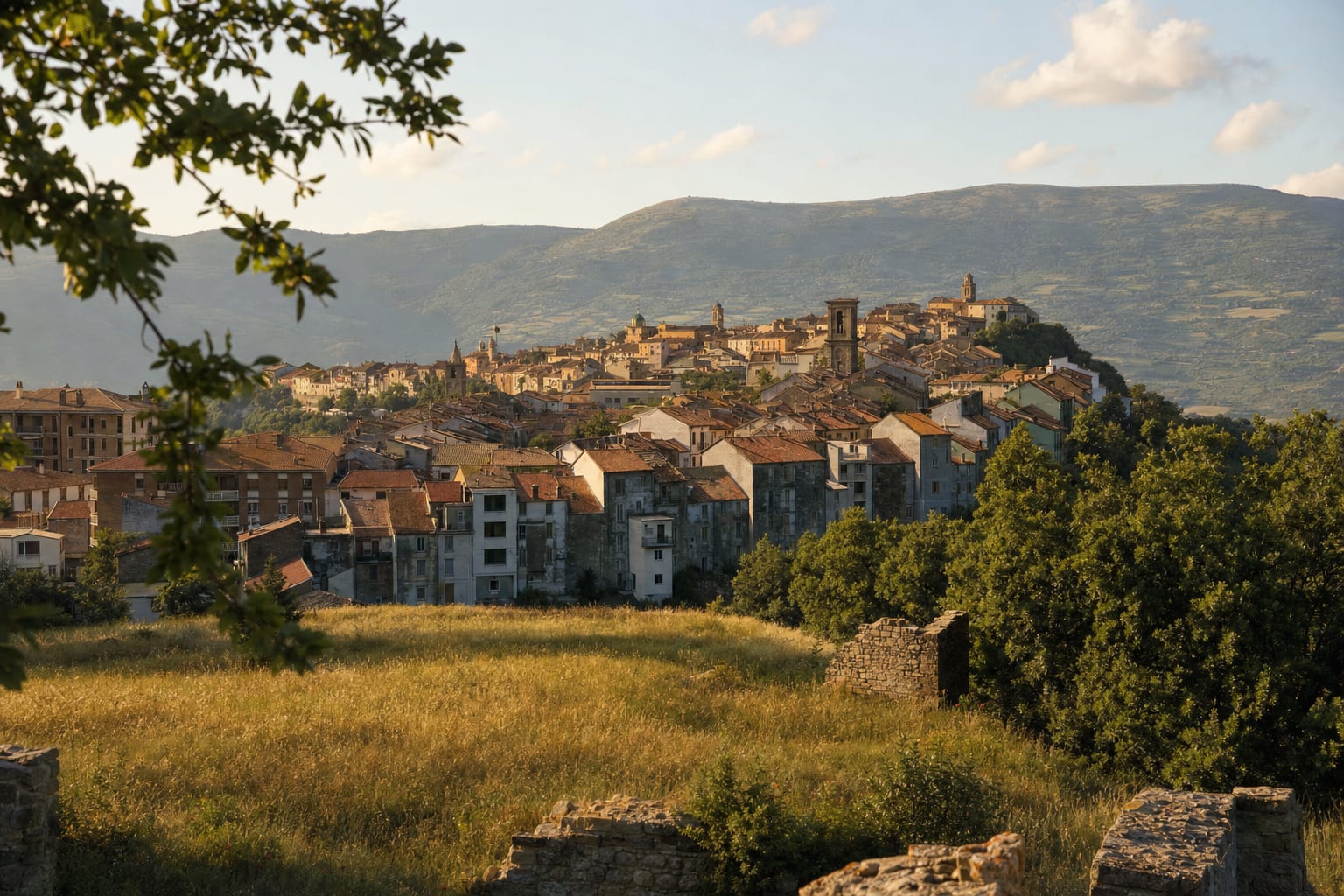 AgnoneAgnoneBells for the popes since 1339, oldest family foundry in Italy, bell museum, foundry tour
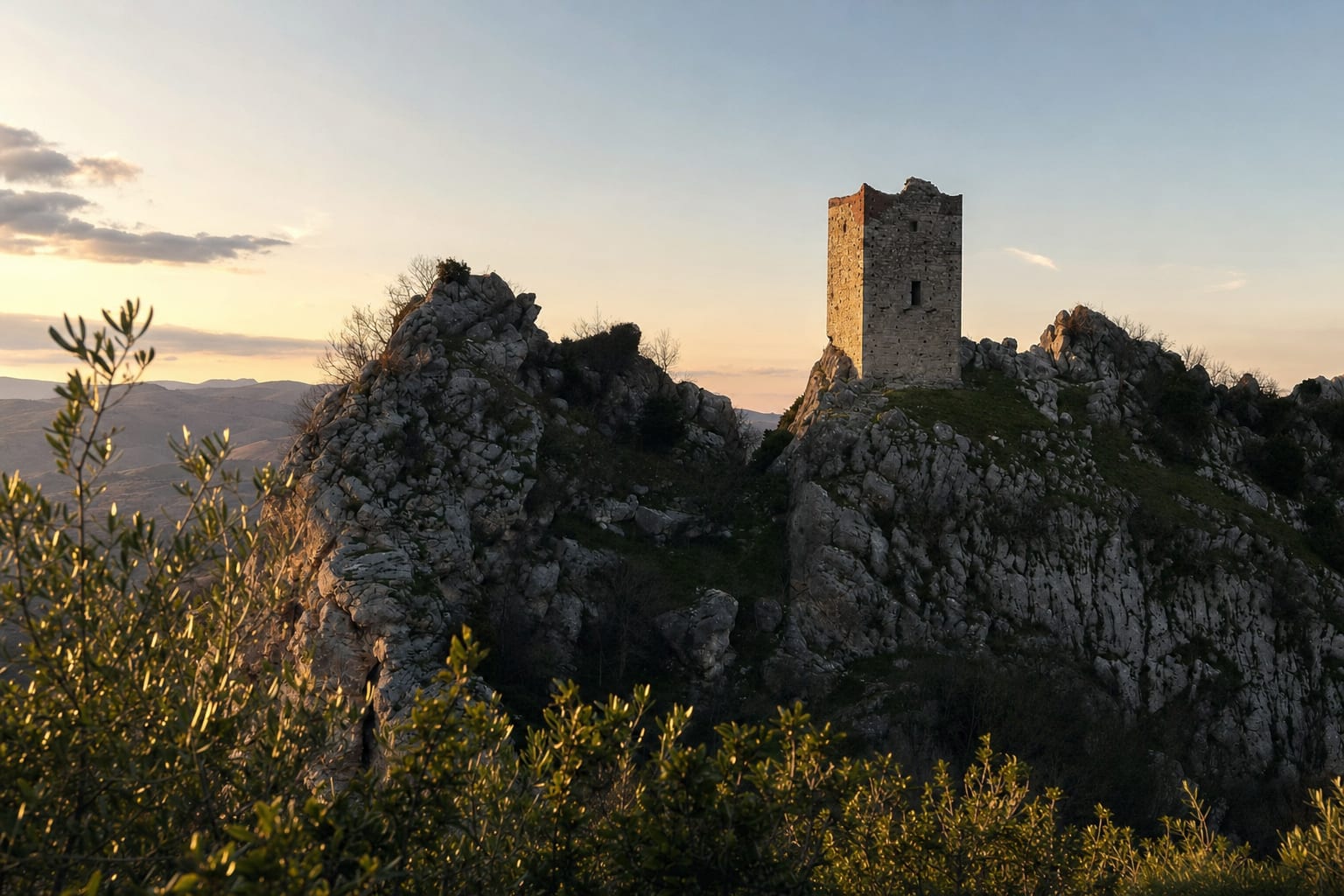 OratinoOratinoStone-carvers' village, one of Italy's most beautiful borghi, Rocca tower on the cliff, Biferno valley views
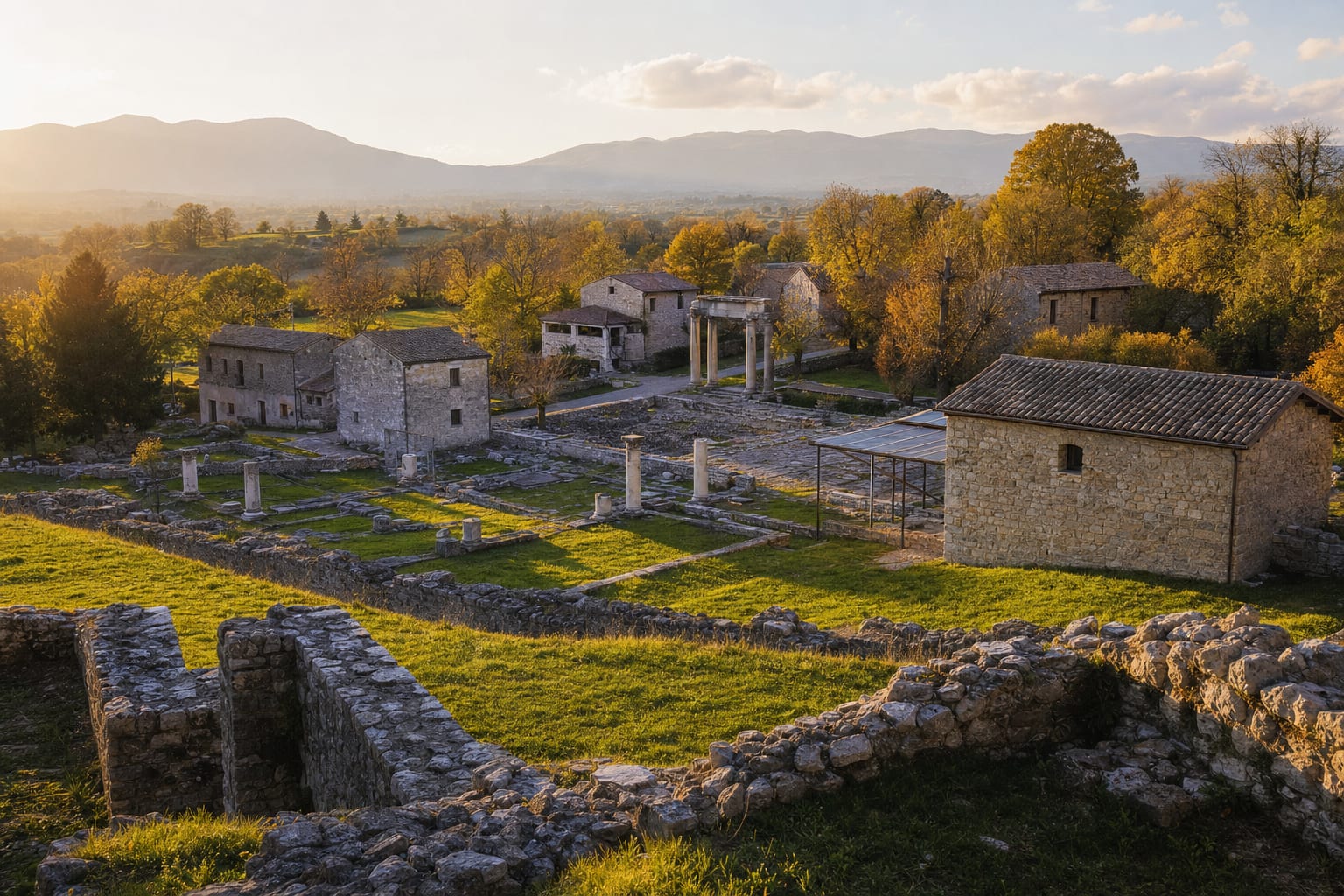 SepinoHidden GemSaepinum Archaeological AreaRoman town in the fields, theatre with farmhouses grown in, intact gates, tratturo crossroads
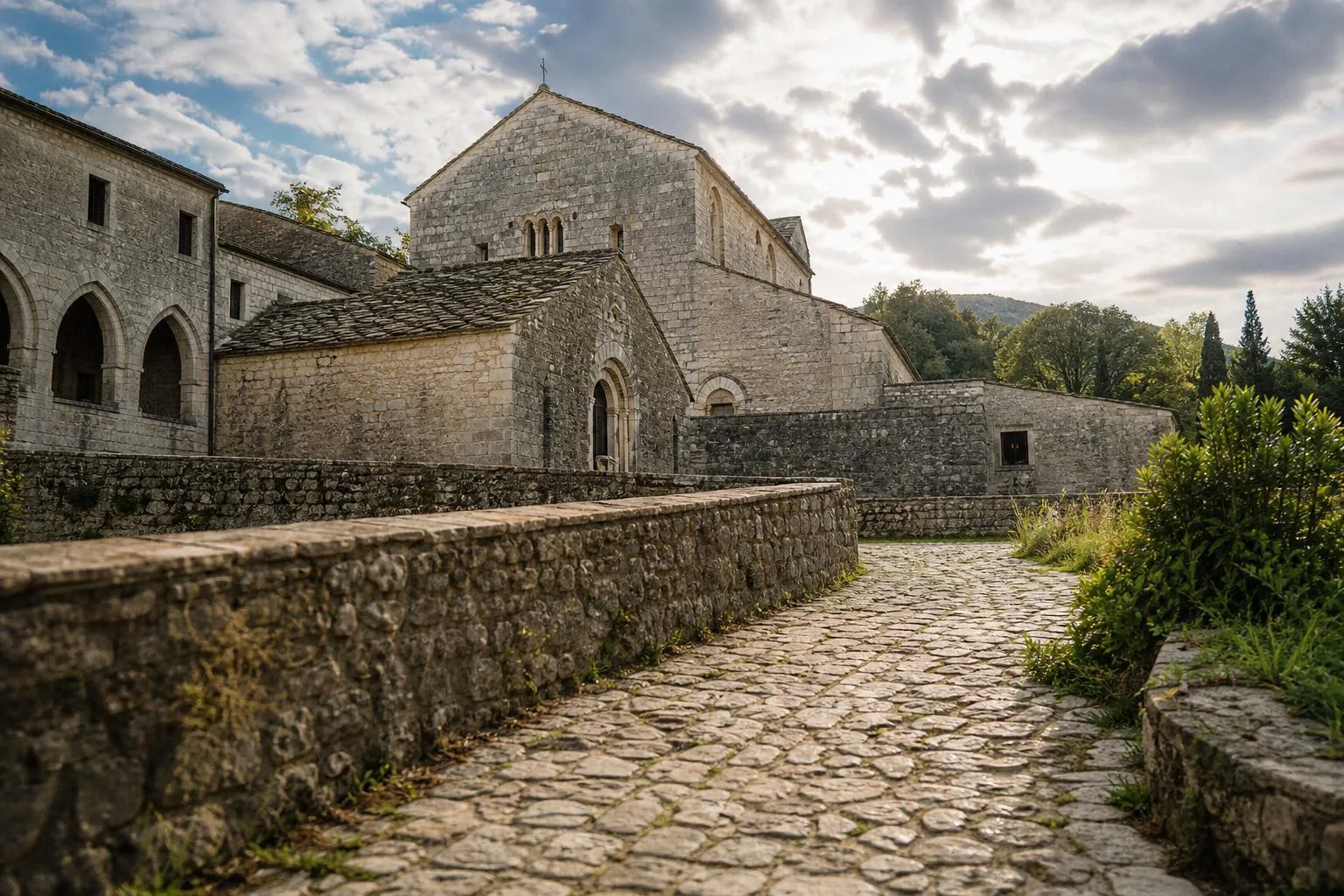 IserniaHidden GemSan Vincenzo al VolturnoCrypt of Epiphanius frescoes, 731 Benedictine founding, active convent since 2016, early medieval archaeology
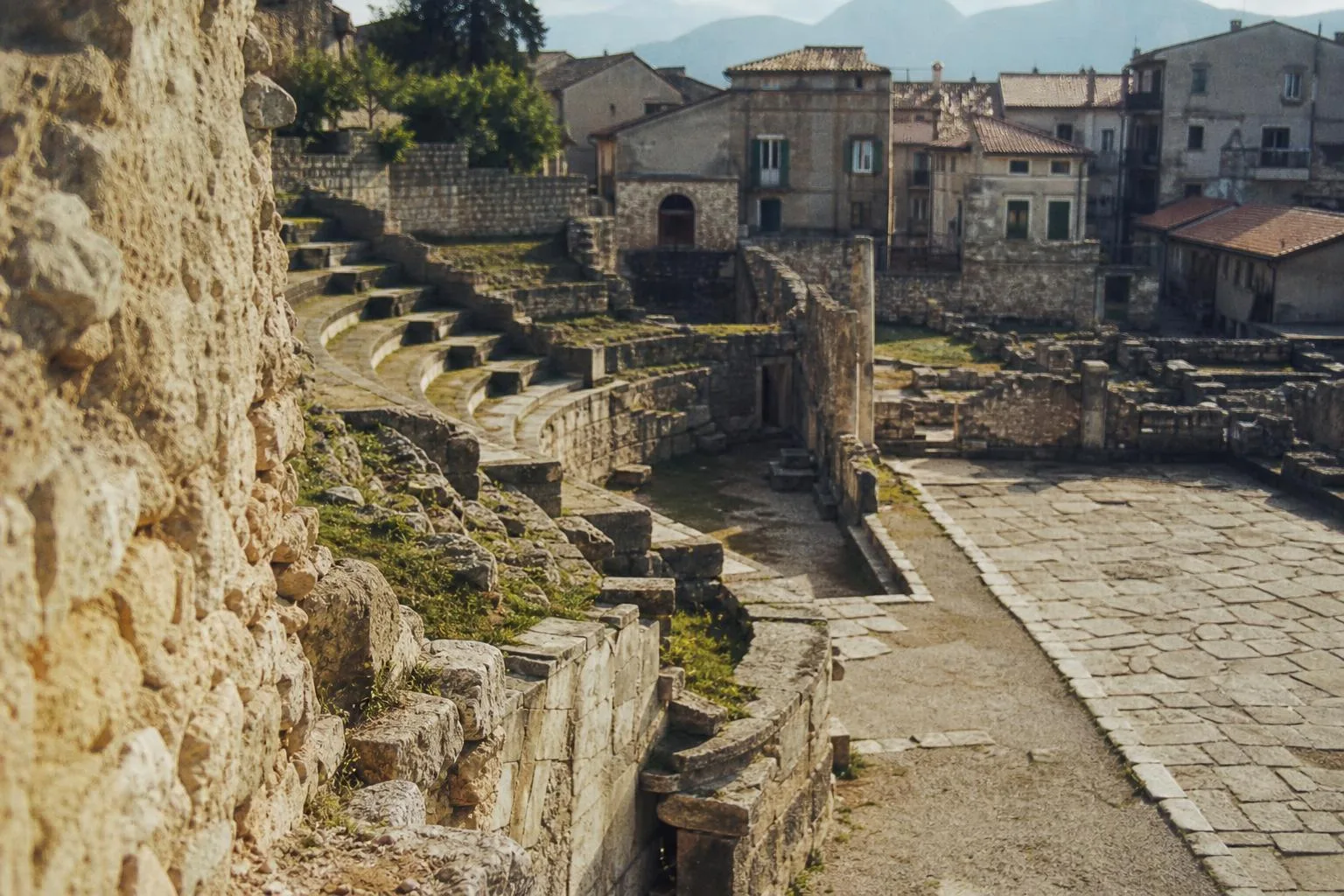 IserniaHidden GemVenafrum (Roman theatre and amphitheatre)Amphitheatre Verlascio, Augustan theatre, Venus of Venafro, olive-oil town
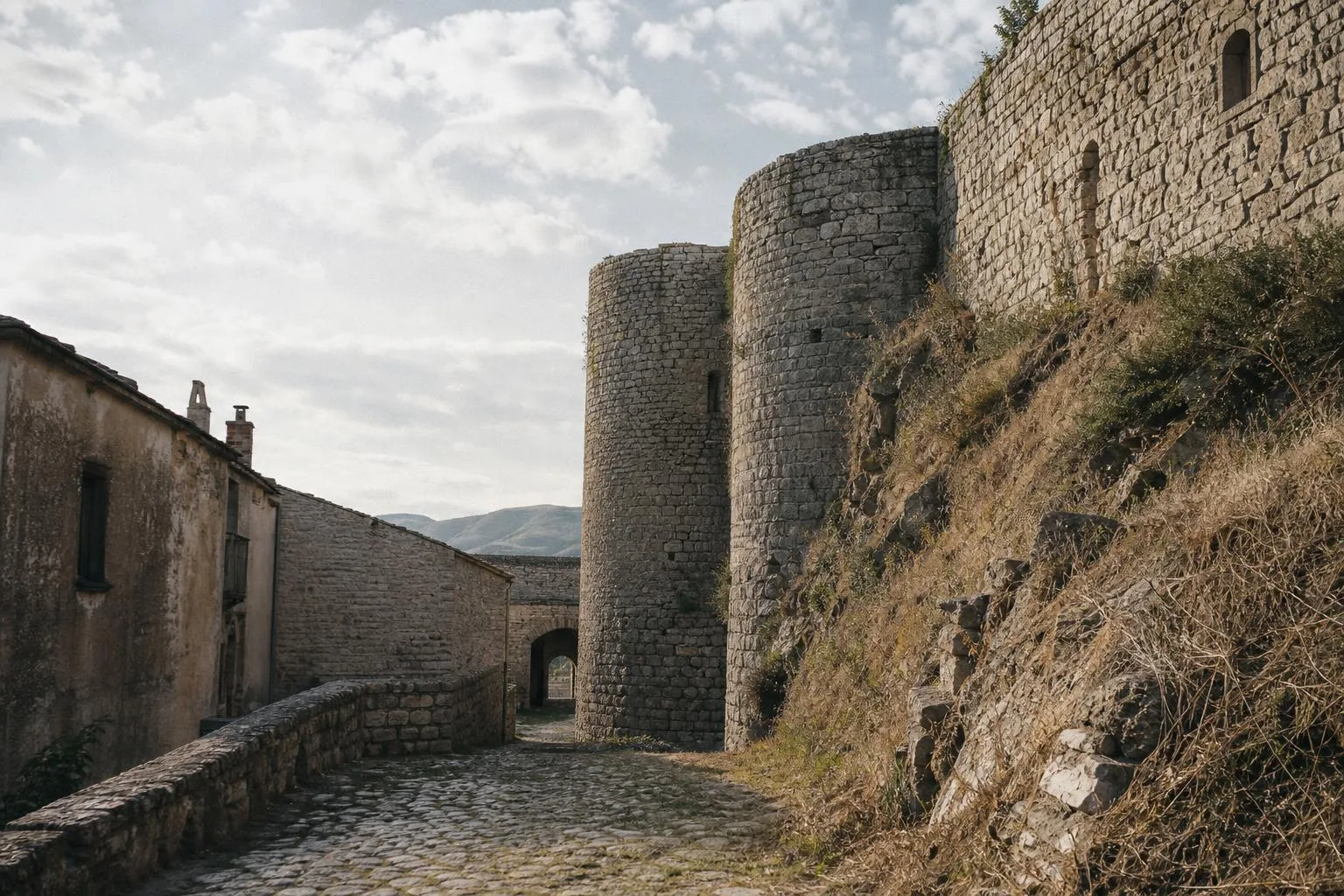 CampobassoHidden GemCastle of PianisiMedieval ruins, cylindrical tower, church of Santa Maria in Planisi, Fortore views
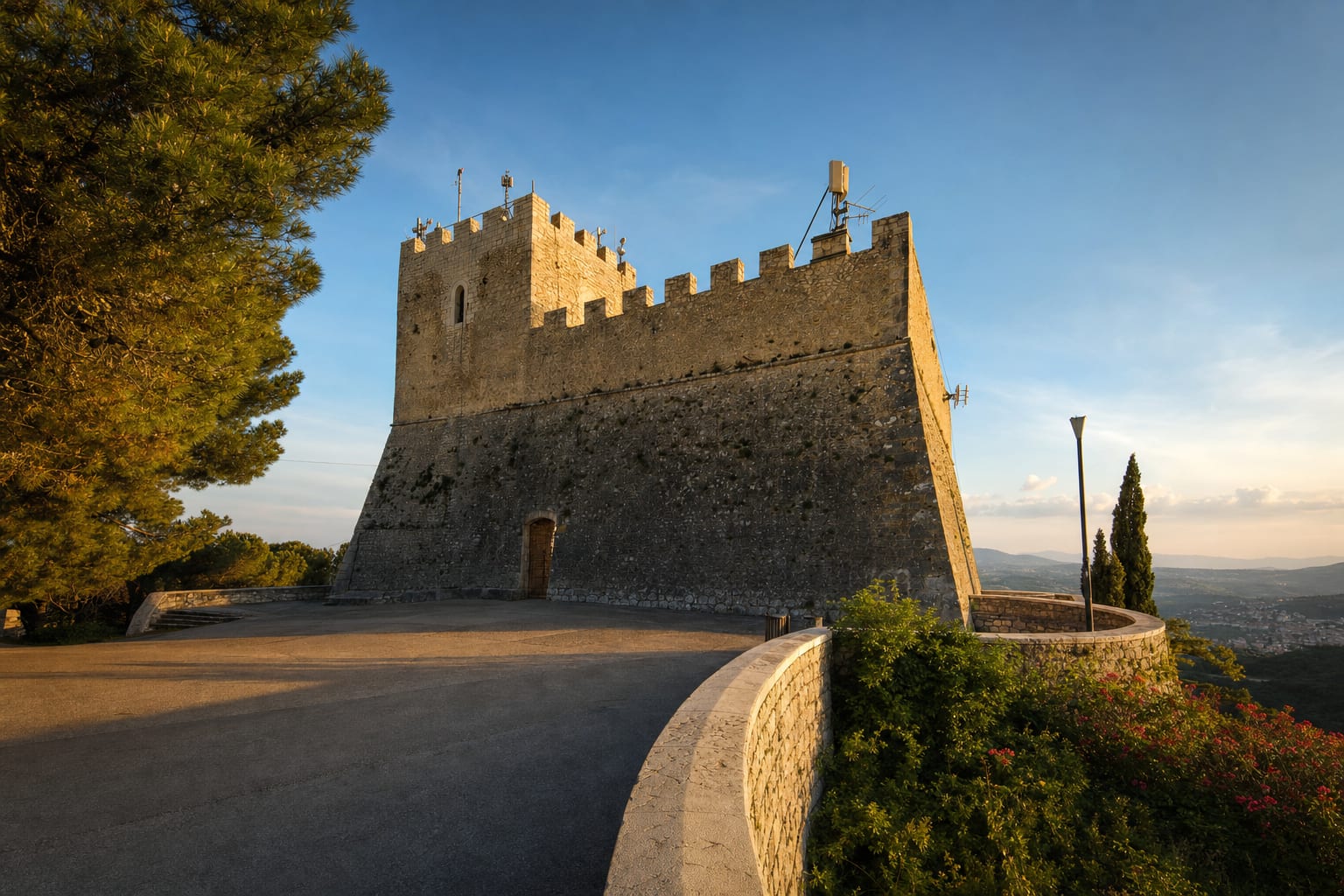 CampobassoMonforte CastleHilltop castle, Monforte-Gambatesa family, walls and towers, Matese views
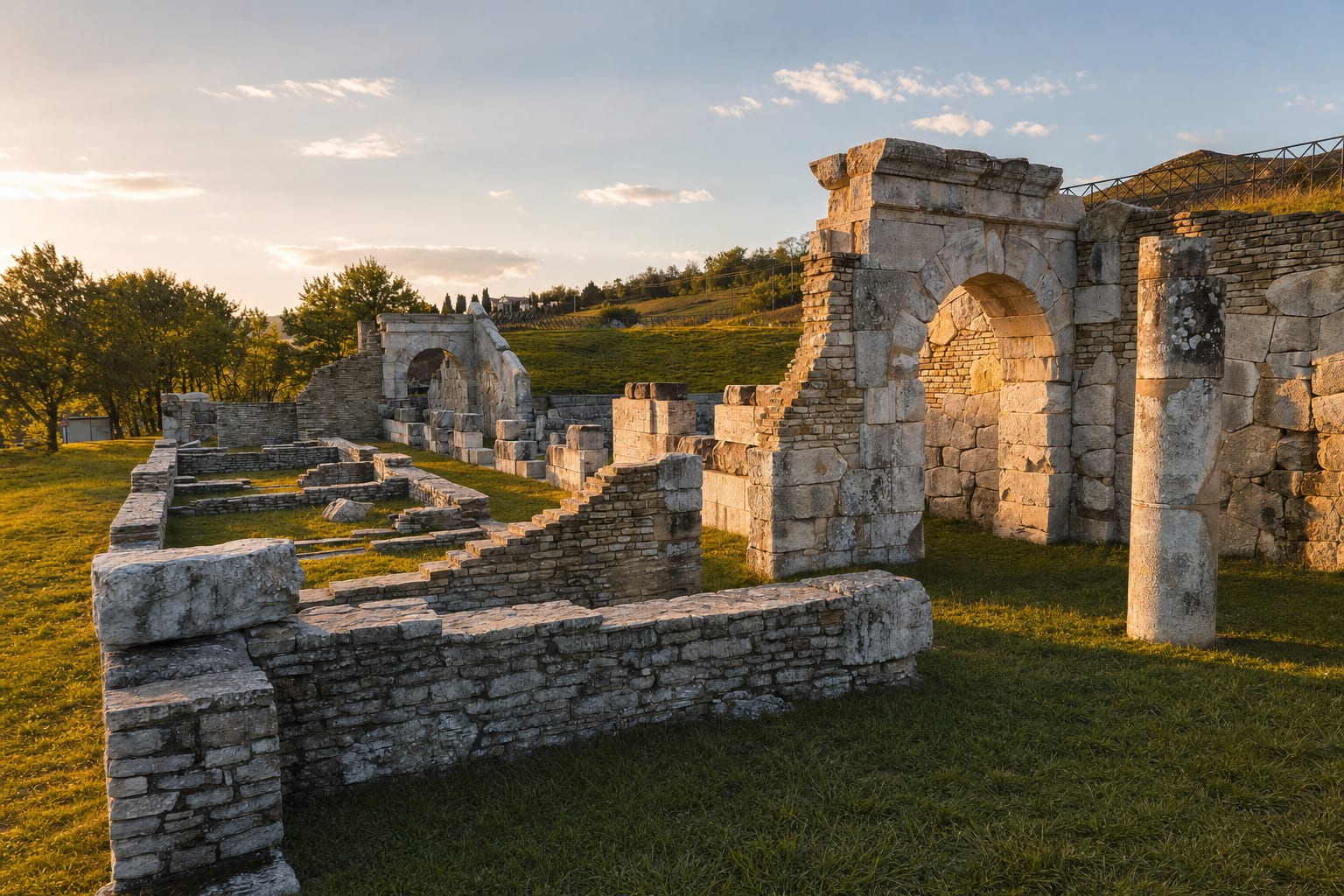 PietrabbondanteSamnite Sanctuary of PietrabbondanteSamnite stone theatre with anatomical seating, Italic temple terrace, rare Oscan inscriptions, summer drama