

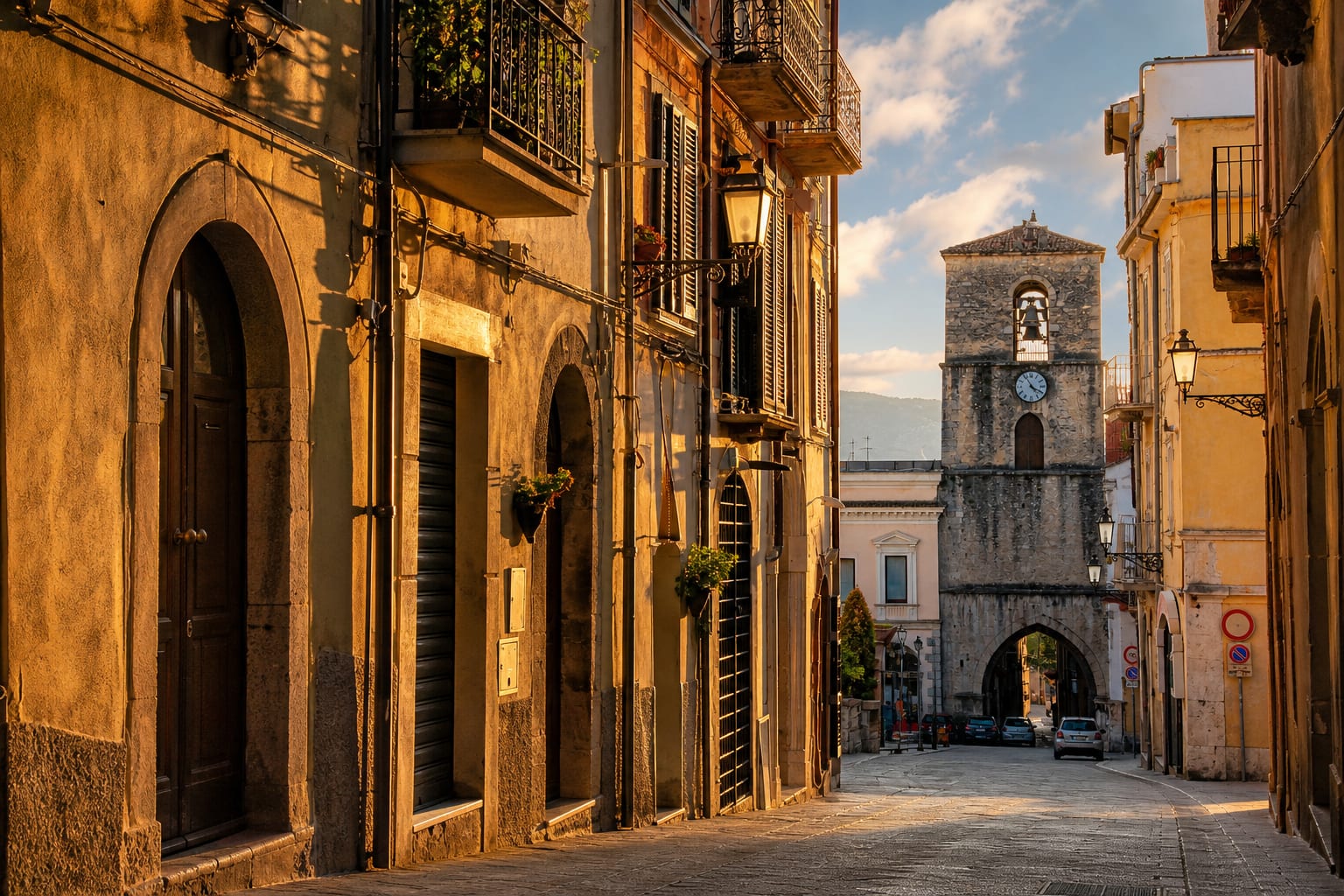
All the monuments in Isernia
The landmarks and masterpieces worth planning a day around.
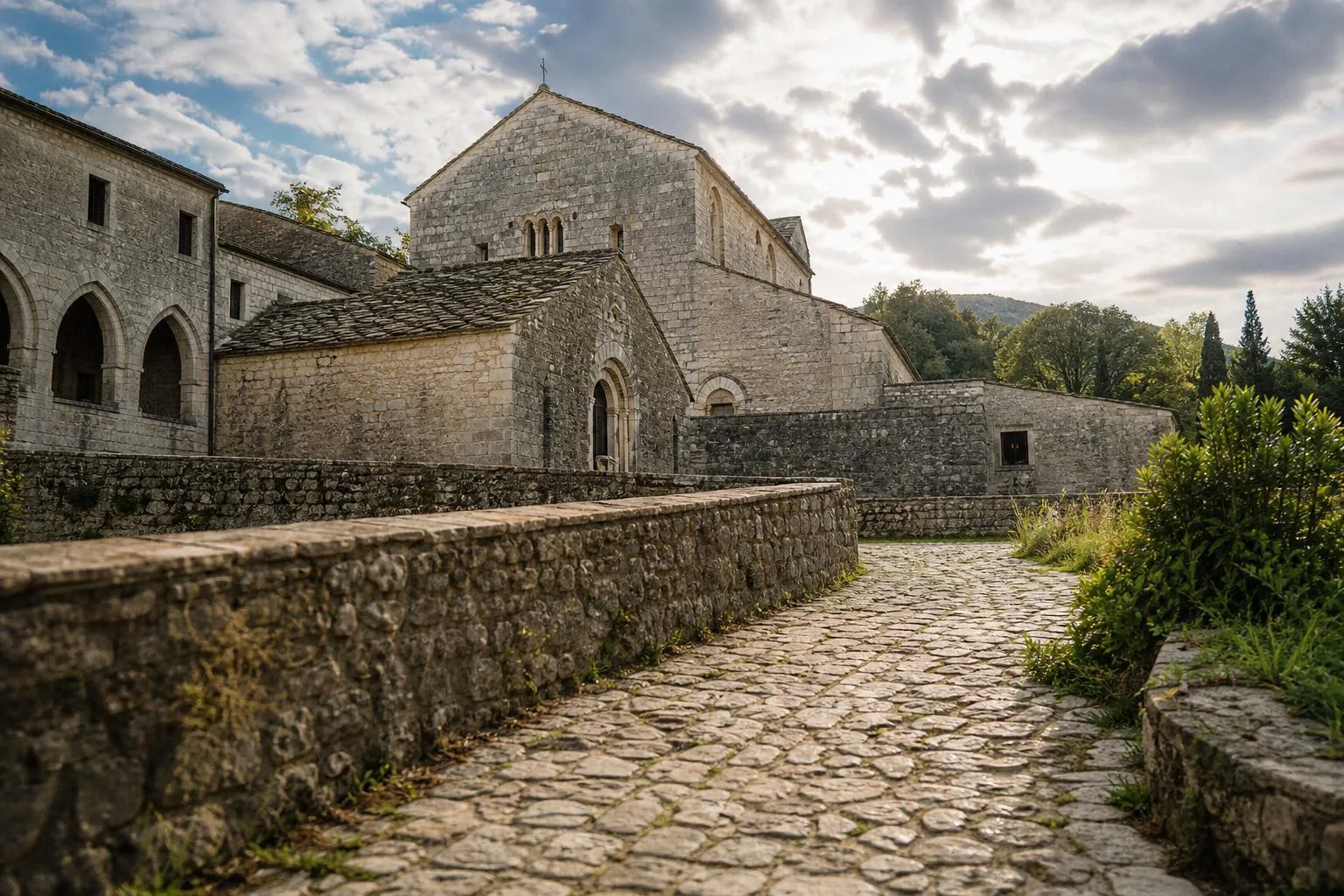 Abbazia di San Vincenzo al VolturnoHidden GemSan Vincenzo al VolturnoCrypt of Epiphanius frescoes, 731 Benedictine founding, active convent since 2016, early medieval archaeologyThree noblemen from Benevento, Paldo, Tato and Taso, founded this monastery in 731 near the source of the Volturno river, and by the early ninth century it housed more than three hundred monks, one of the great Benedictine centers of early medieval Europe. Earthquakes in 848 and Saracen raids in 881 devastated the community, and a new abbey church, consecrated by Pope Paschal II in 1115, rose to replace what was lost. Excavations around the site's Crypt of Epiphanius have uncovered mid-ninth-century frescoes, including an image of the Archangel Raphael, painted before the raids destroyed most of the older monastery. Bombed again in the Second World War, the site now combines an active convent of Benedictine nuns, resident since 2016, with an archaeological area open to visitors, far less visited than Monte Cassino to the south.Plan the visit
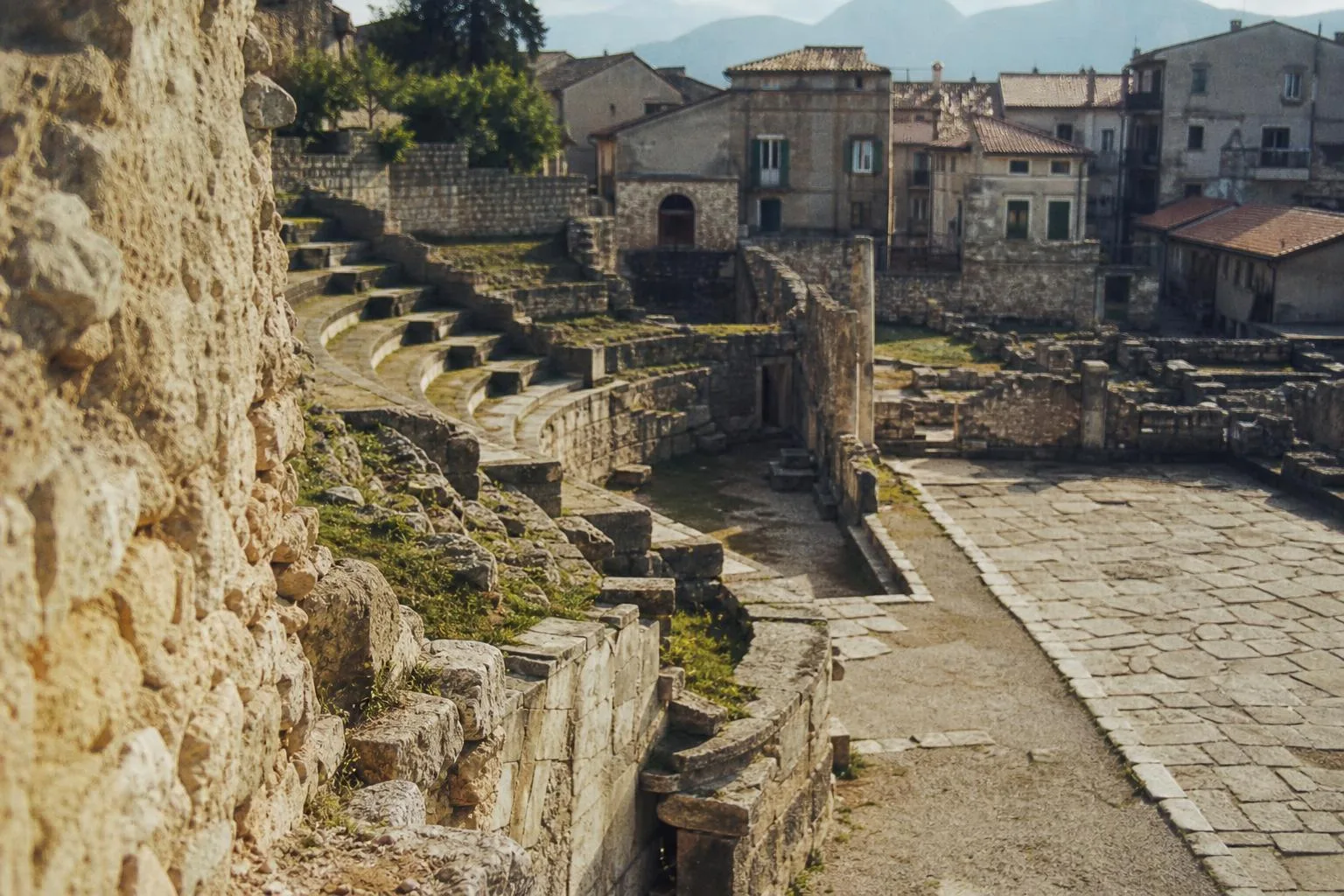 Venafro romana (teatro e anfiteatro Verlasce)Hidden GemVenafrum (Roman theatre and amphitheatre)Amphitheatre Verlascio, Augustan theatre, Venus of Venafro, olive-oil townVenafro was the Roman town of Venafrum, known in antiquity for its olive oil. Two monuments of it remain. The amphitheatre, called Verlascio or Verlasce, dates to the first century AD, measures about 110 by 85 meters and once held up to 15,000 spectators. Its elliptical shape survives because seventeenth-century houses were built into the ruin, so today the arena is ringed by ordinary facades and reticulated walls with brick facing. Higher up the slope of Monte Santa Croce sits the theatre from the Augustan age, built in opus reticulatum. The town’s archaeological museum, in the convent of Santa Chiara, holds the Venus of Venafro and the Venafro chess pieces, among the oldest in Europe.
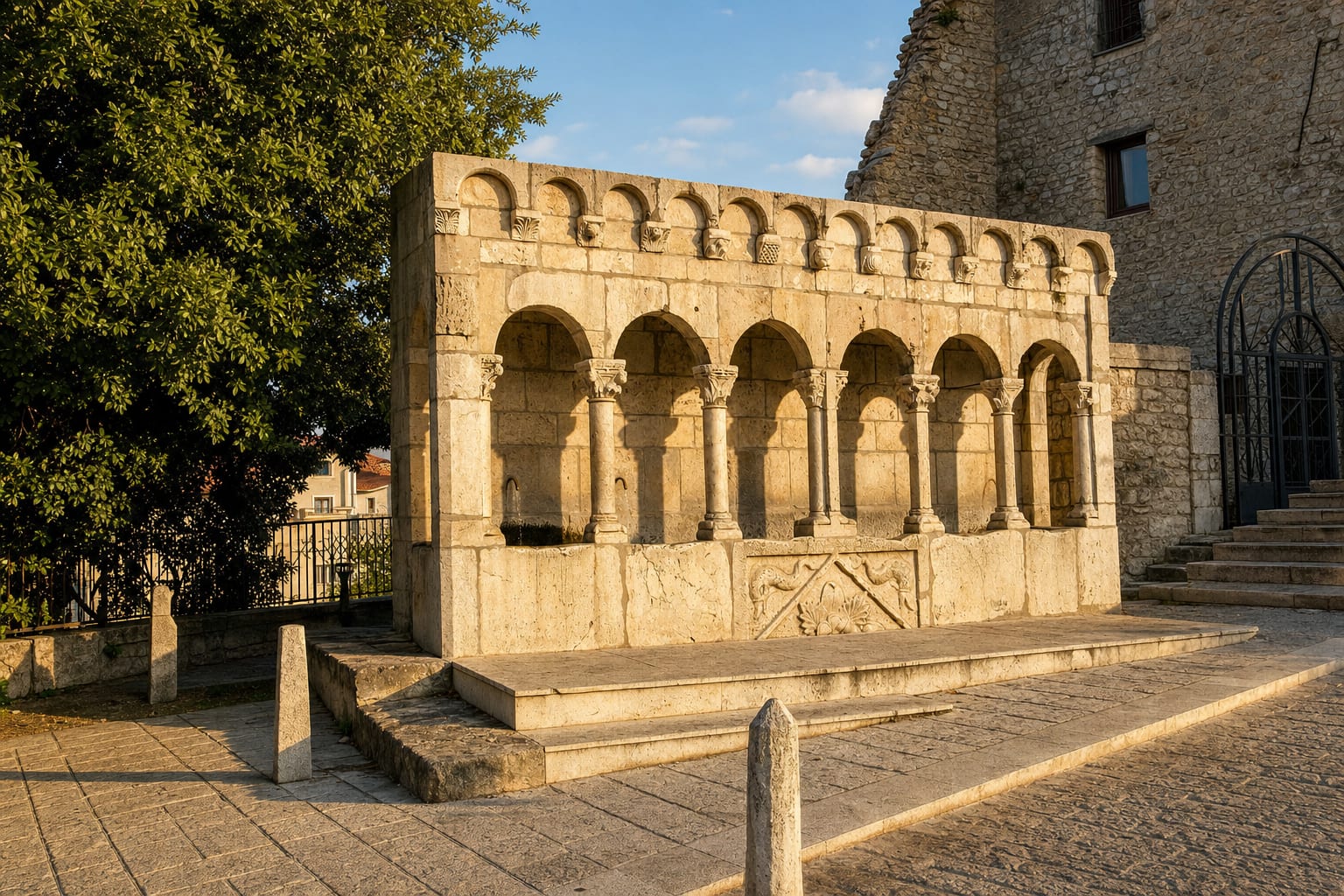 Fontana FraternaFraterna FountainSix-arched public fountain, recycled Roman stones, symbol of Isernia, rebuilt after the 1943 bombingIsernia's central Piazza Celestino V holds this arcaded public fountain, a six-jet monument that reads almost like a small loggia rather than a simple water source, assembled in 1835 by the noble Rampini family out of Romanesque round arches, polygonal columns and reused Roman-era tombstones and stonework. Its lower basin fuses fragments from three older fountains around town. An Allied bombing raid on September 10, 1943, that flattened much of Isernia dismantled the fountain too, but it was rebuilt afterward stone by stone in its original form, and it remains the town's clearest emblem, mysterious enough in its patchwork origins that historians still debate exactly which pieces came from where.
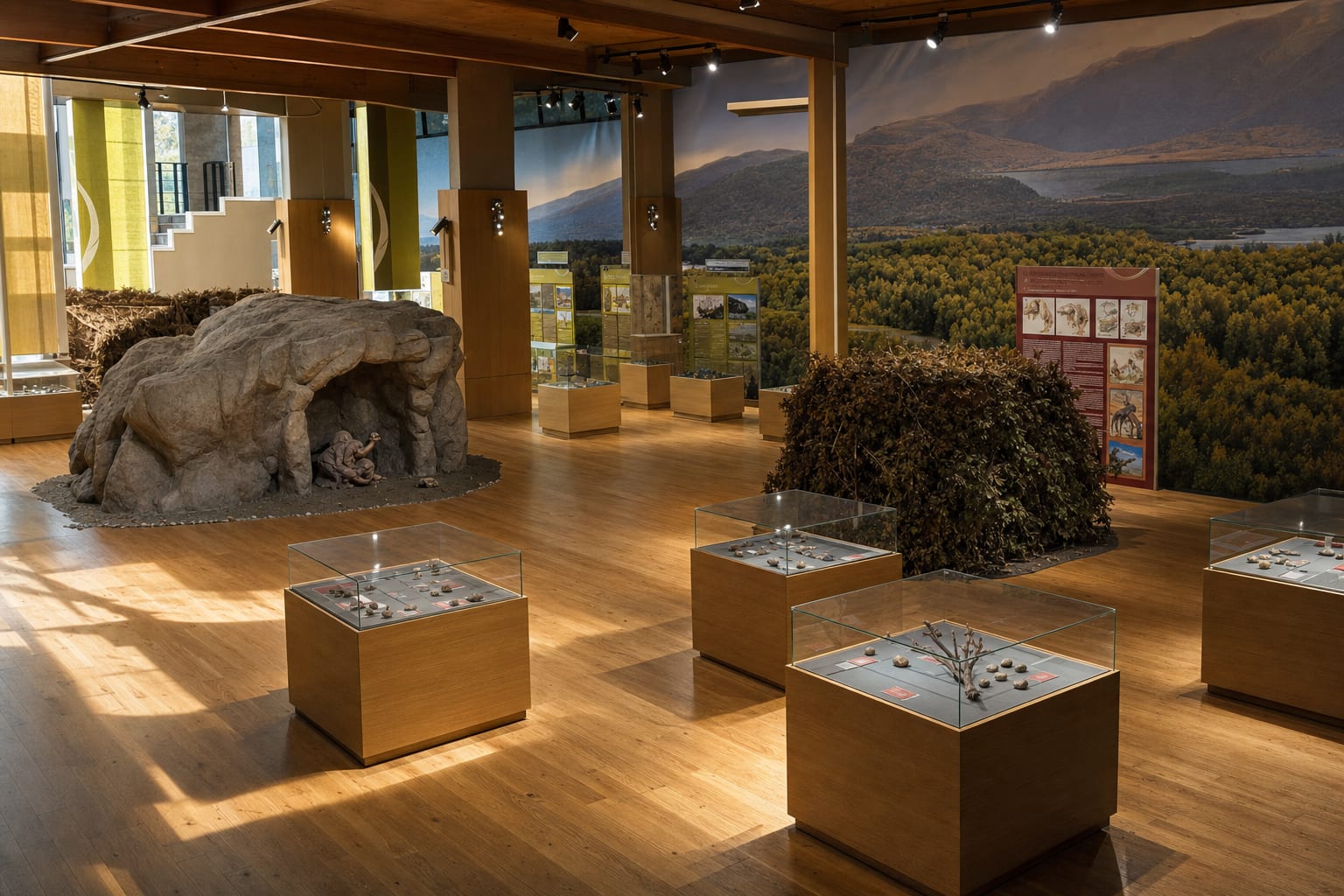 Museo Nazionale del Paleolitico di IserniaPaleolithic Museum of IserniaLa Pineta site, c.600,000-year-old human traces, in-place excavation viewed from walkways, a child's tooth findRoad construction near Isernia in 1979 sliced straight into an open-air butchering camp roughly 600,000 years old, the oldest major trace of human presence anywhere in Italy, where early hominins had processed the carcasses of bison, elephant and rhinoceros alongside crude stone tools. Rather than excavate and remove everything, archaeologists built the museum directly over the dig, so bones and tools sit in the same clay where they were dropped, visible from suspended walkways above the actual excavation surface. A single child's tooth, found among the debris, remains one of the few direct human traces from a site otherwise made almost entirely of the animals people ate.
More within reach
Monuments a day trip away, elsewhere in Molise.
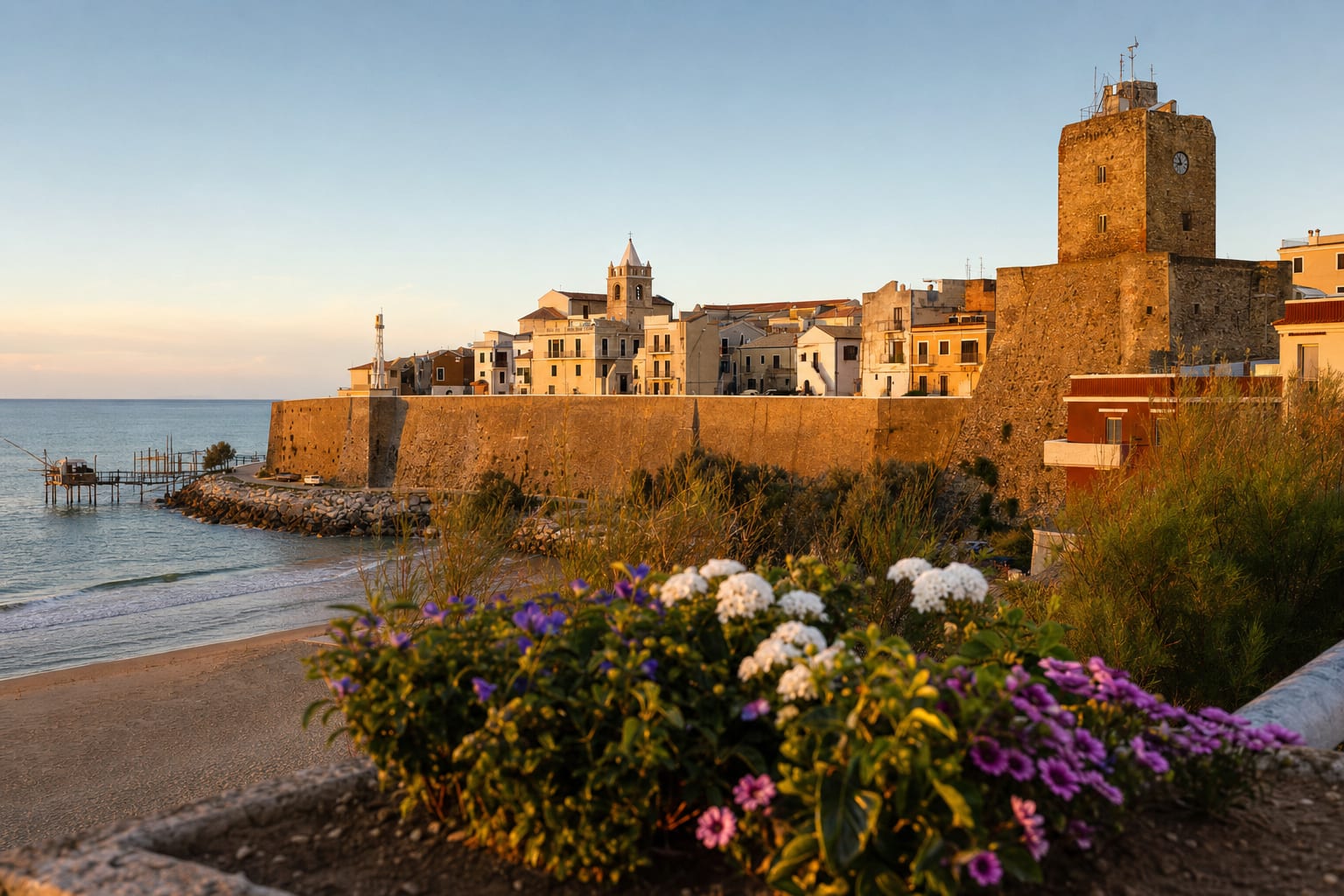 TermoliBorgo Antico of TermoliSwabian Castle, trabucchi fishing platforms, A Rejecelle lane, Romanesque cathedral
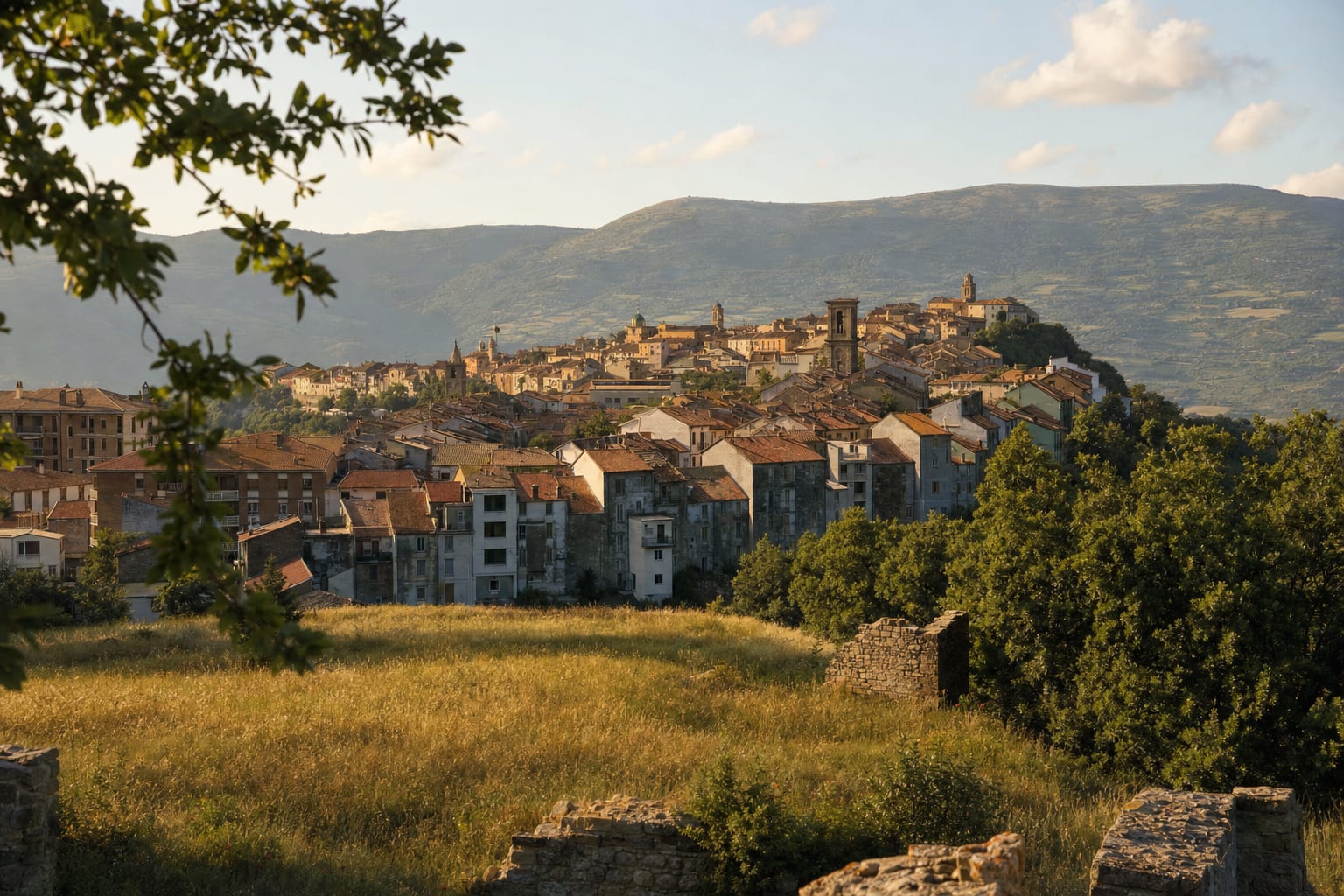 AgnoneAgnoneBells for the popes since 1339, oldest family foundry in Italy, bell museum, foundry tour
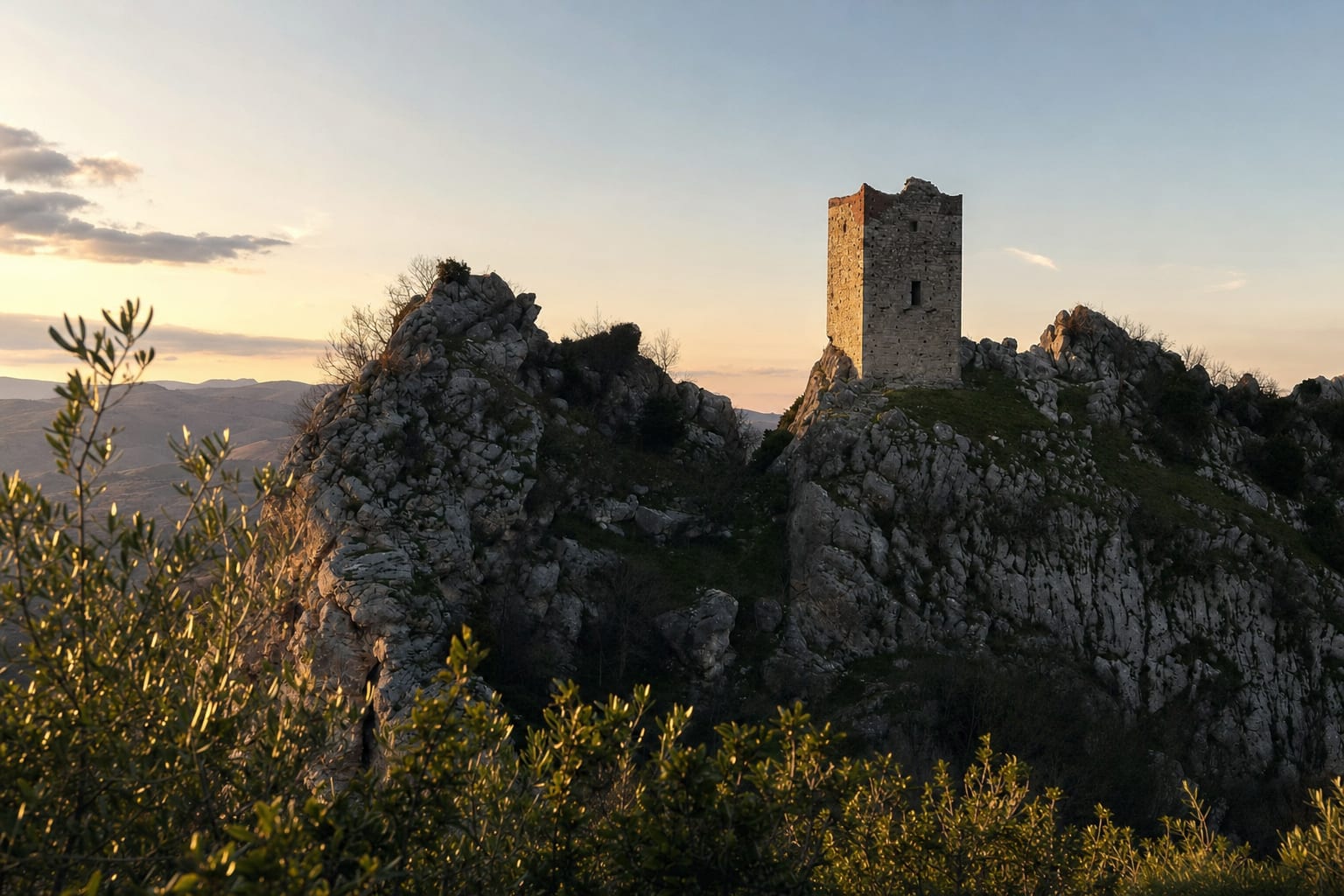 OratinoOratinoStone-carvers' village, one of Italy's most beautiful borghi, Rocca tower on the cliff, Biferno valley views
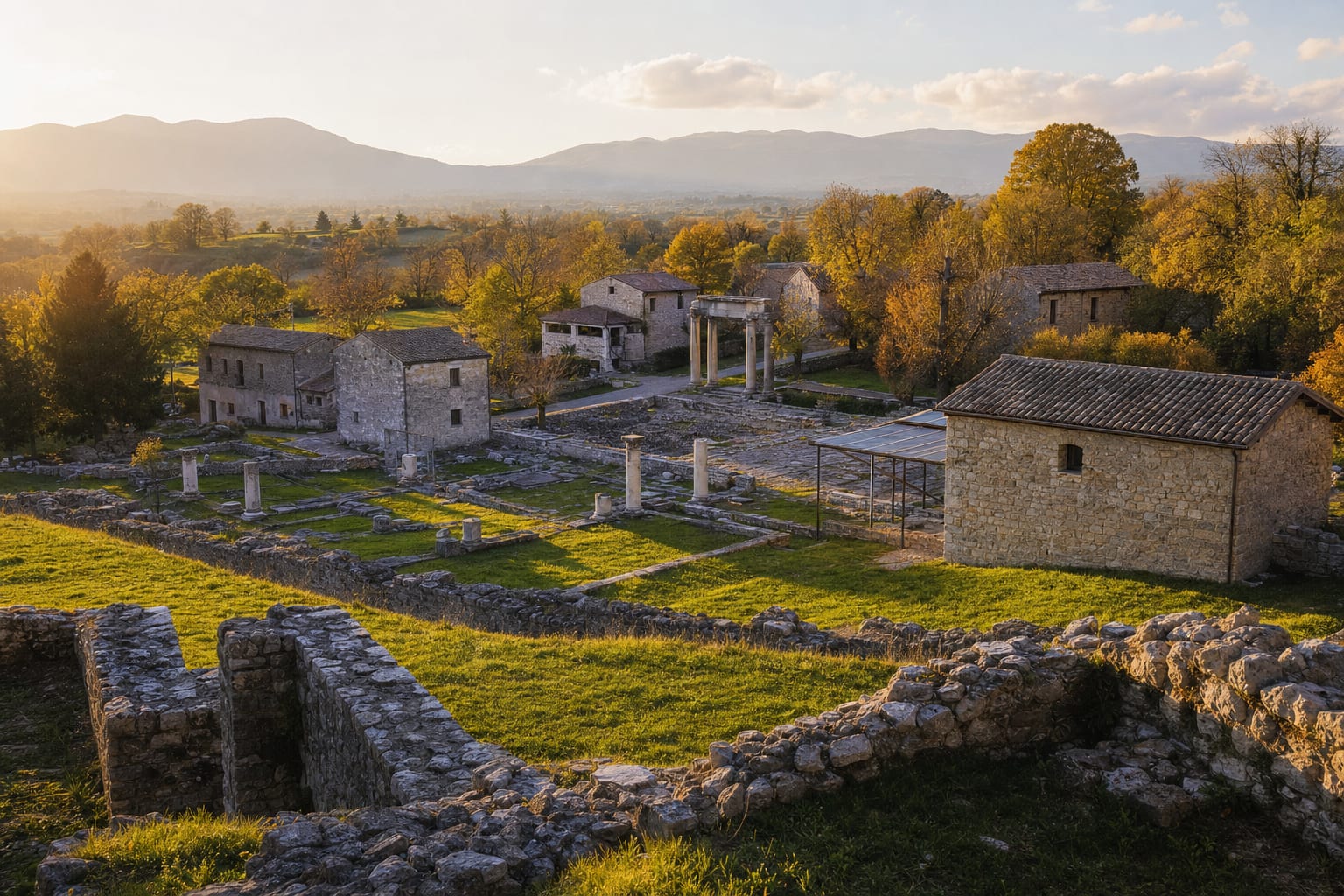 SepinoHidden GemSaepinum Archaeological AreaRoman town in the fields, theatre with farmhouses grown in, intact gates, tratturo crossroads
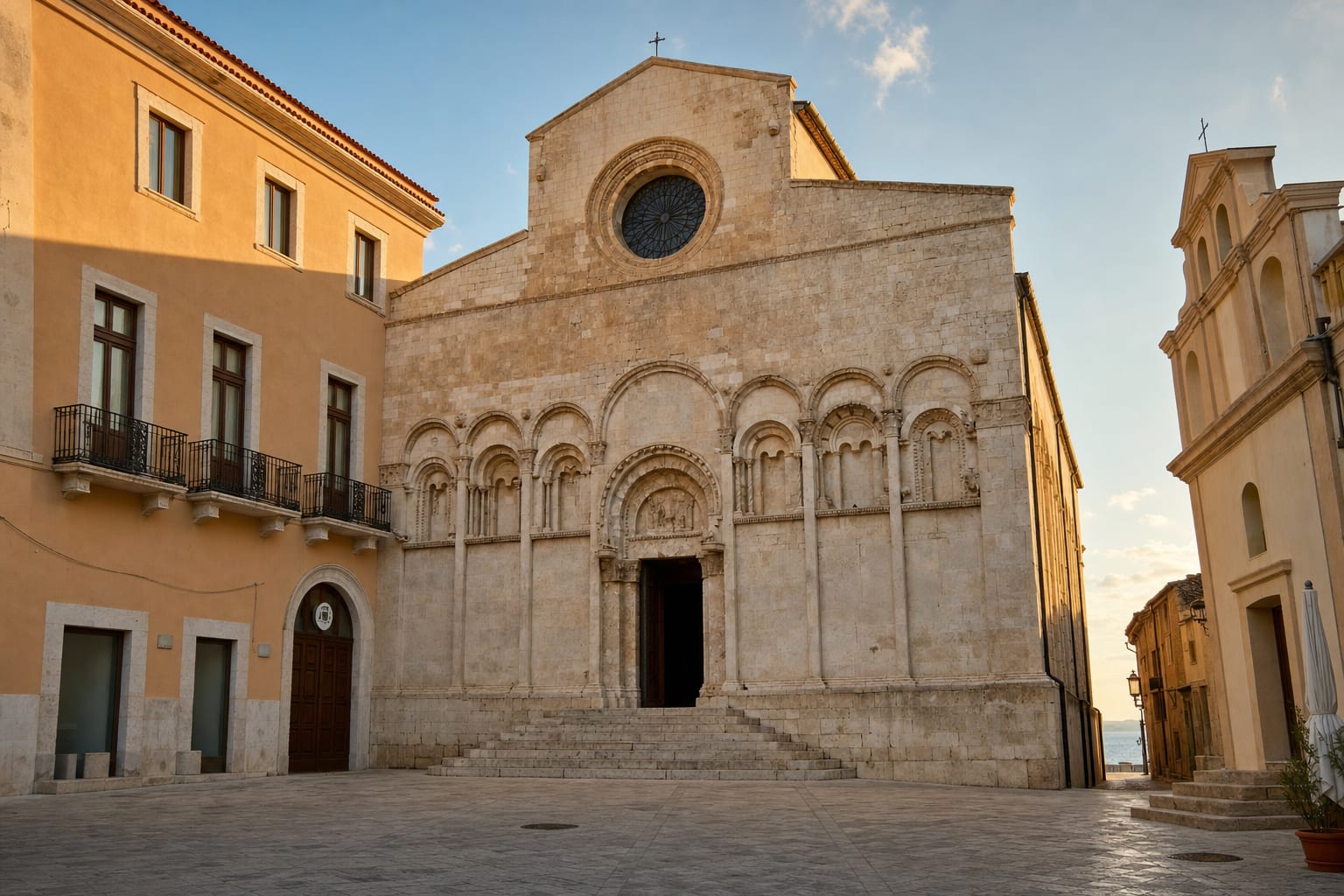 TermoliTermoli CathedralApulian Romanesque façade, crypt mosaics, relics of San Timoteo and San Basso, old-town headland
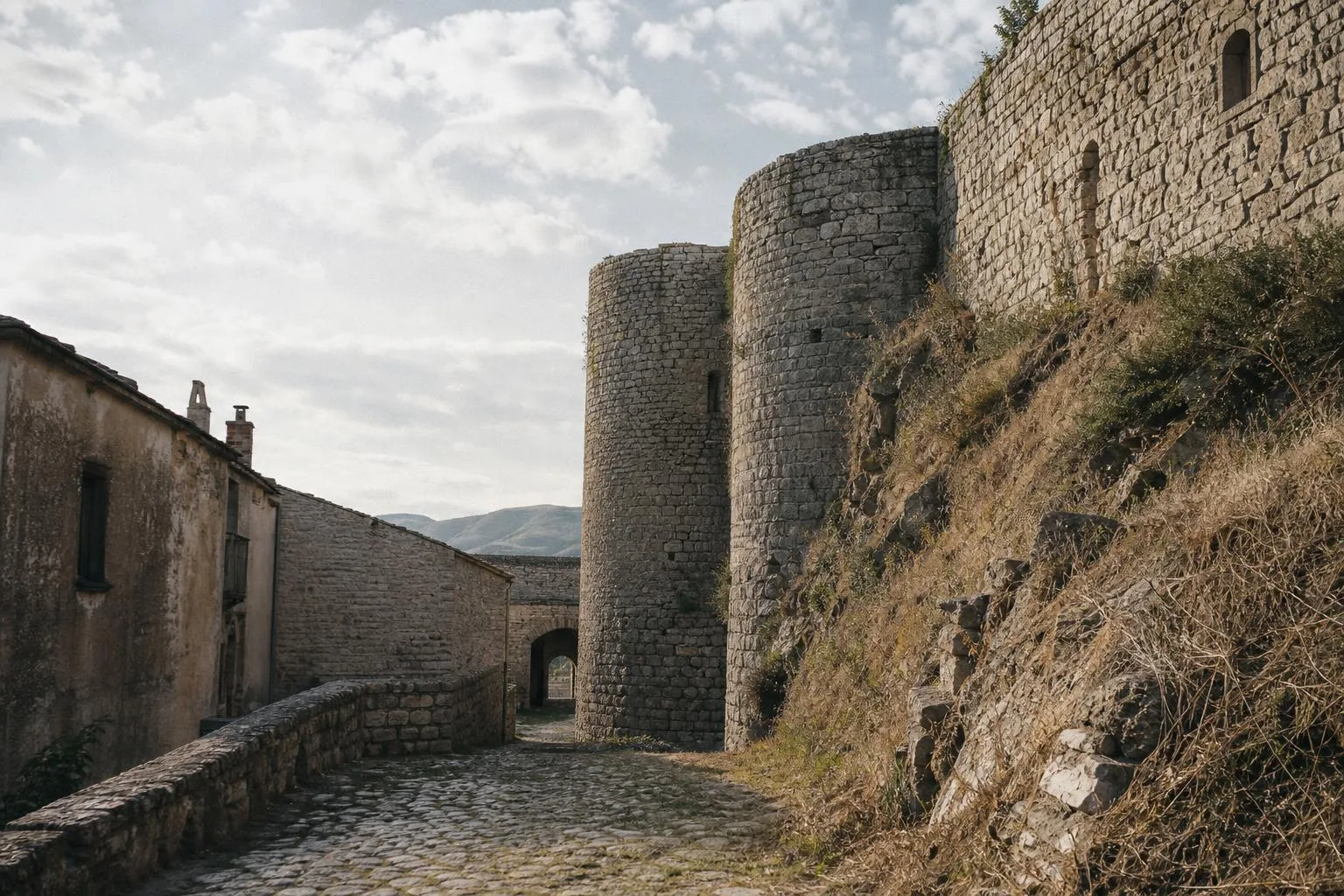 CampobassoHidden GemCastle of PianisiMedieval ruins, cylindrical tower, church of Santa Maria in Planisi, Fortore views
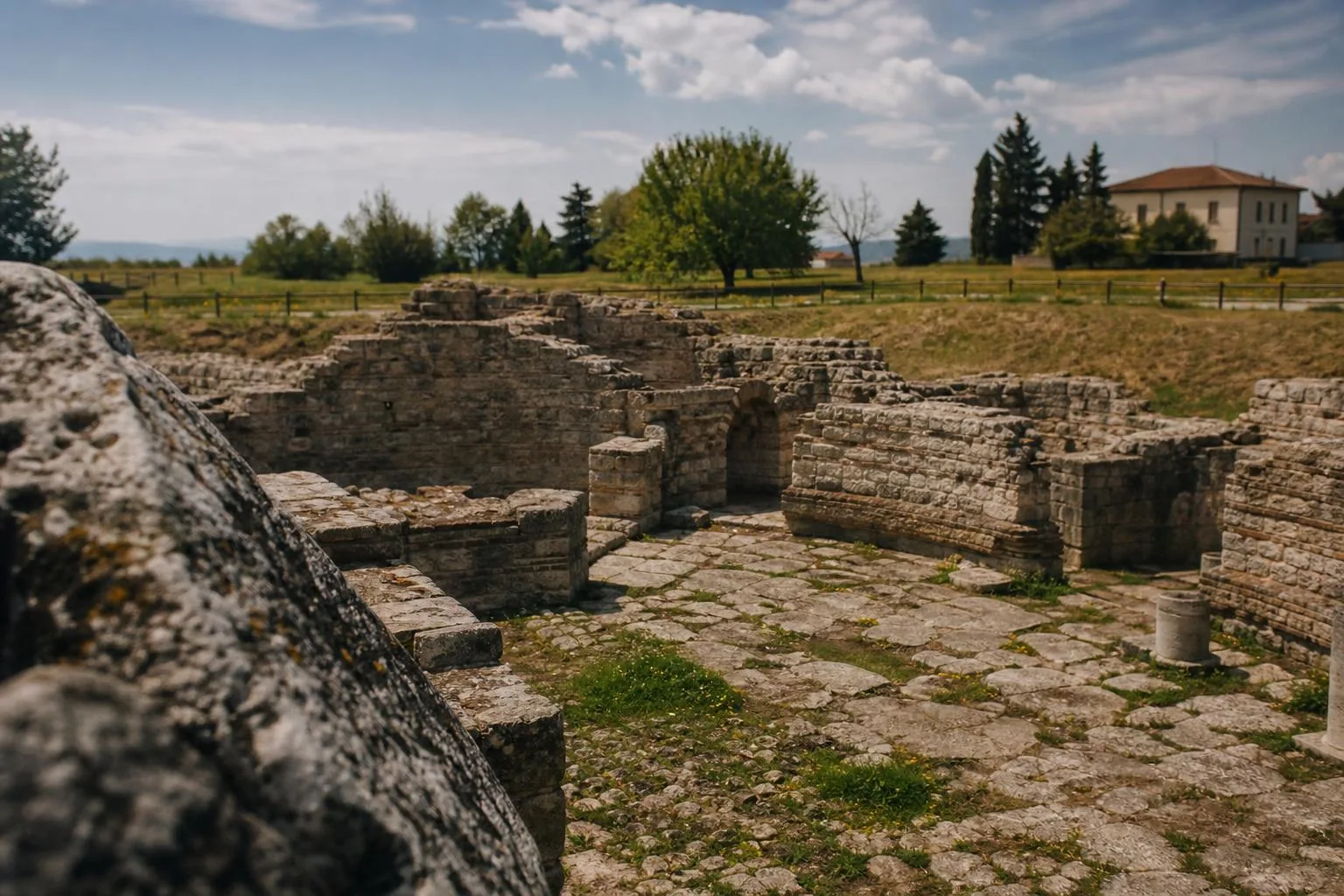 TermoliHidden GemLarinumFlavian-era amphitheater, polychrome marine mosaics, Frentanian-then-Roman city, free admission and few visitors
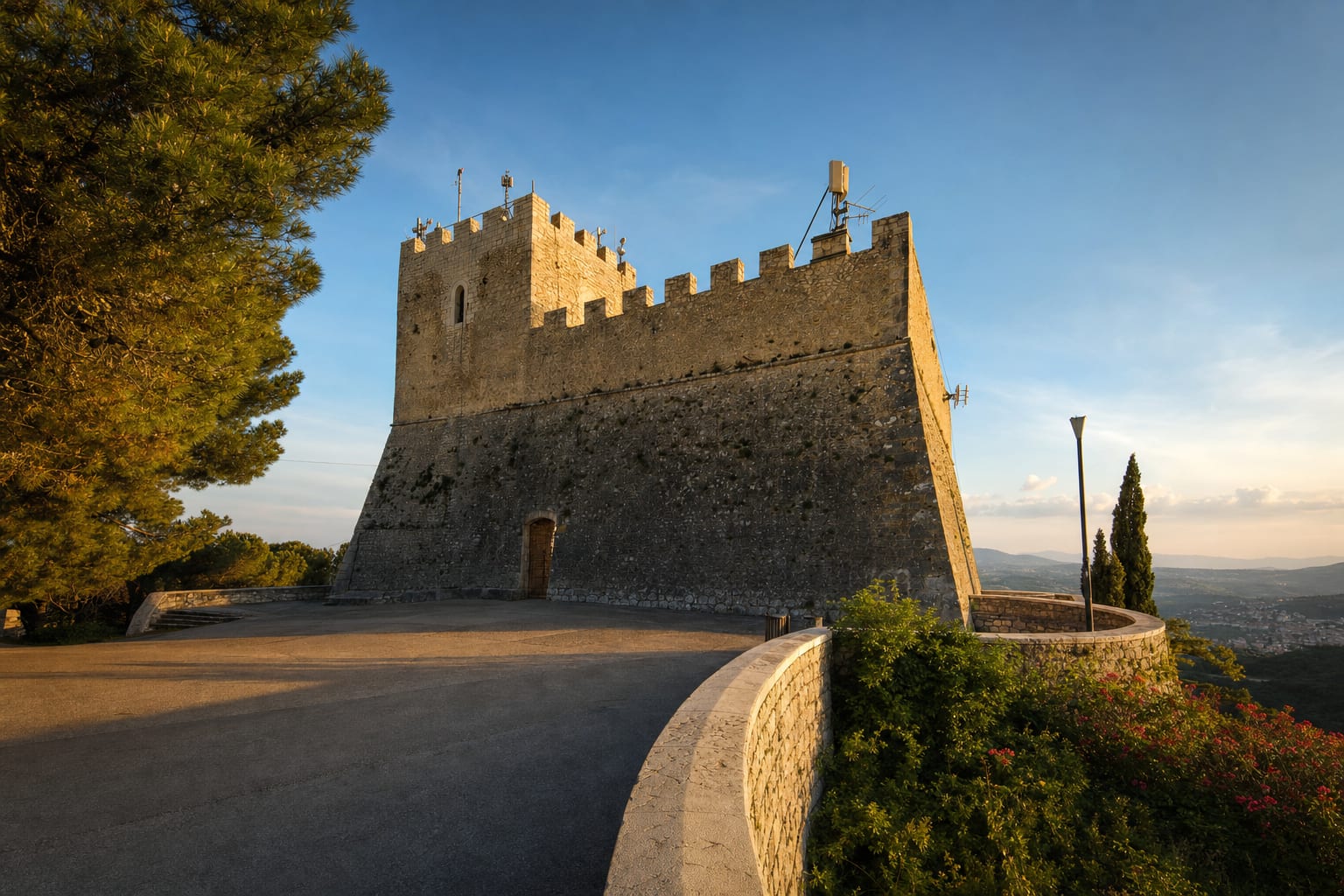 CampobassoMonforte CastleHilltop castle, Monforte-Gambatesa family, walls and towers, Matese views