

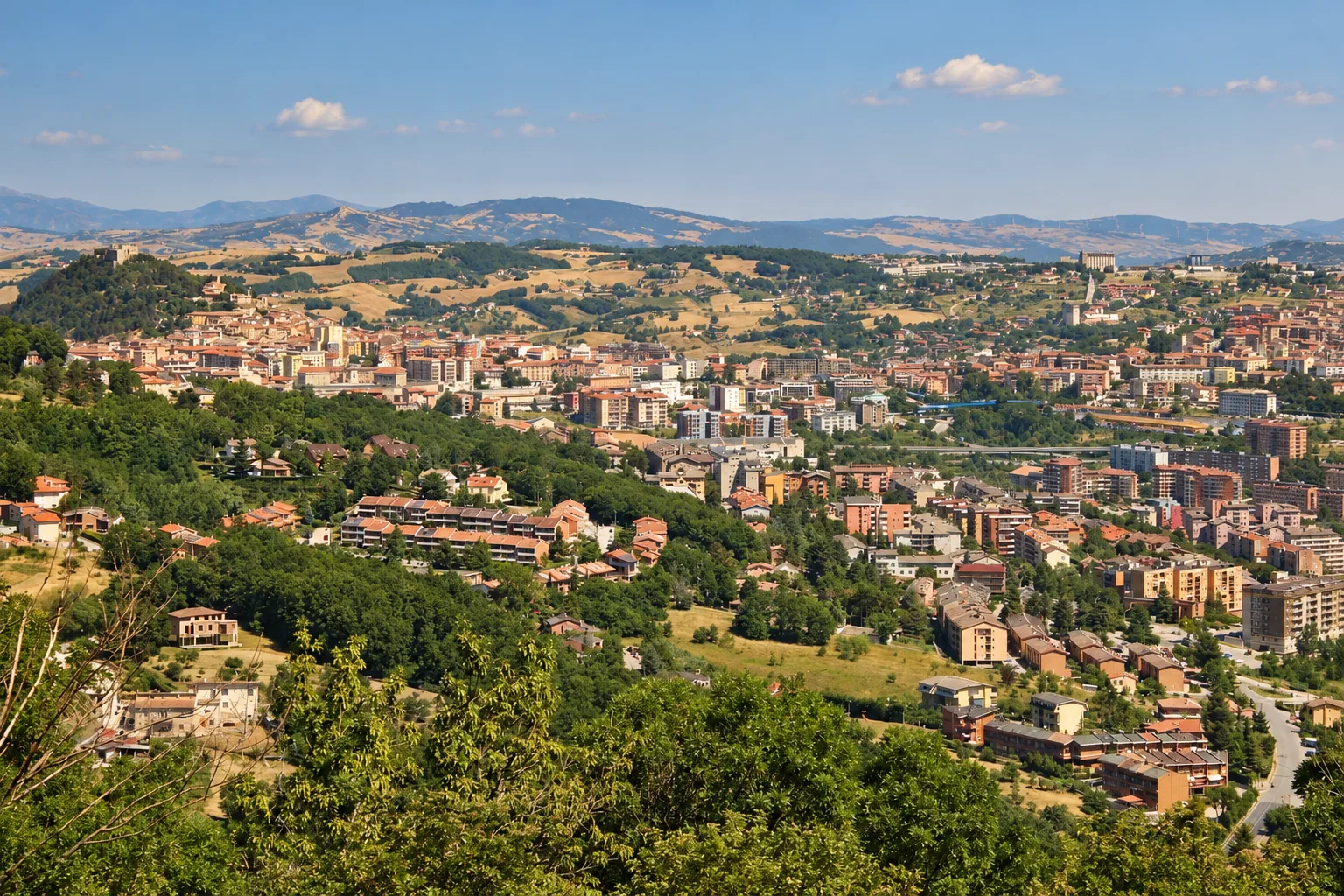
All the monuments in Campobasso
The landmarks and masterpieces worth planning a day around.
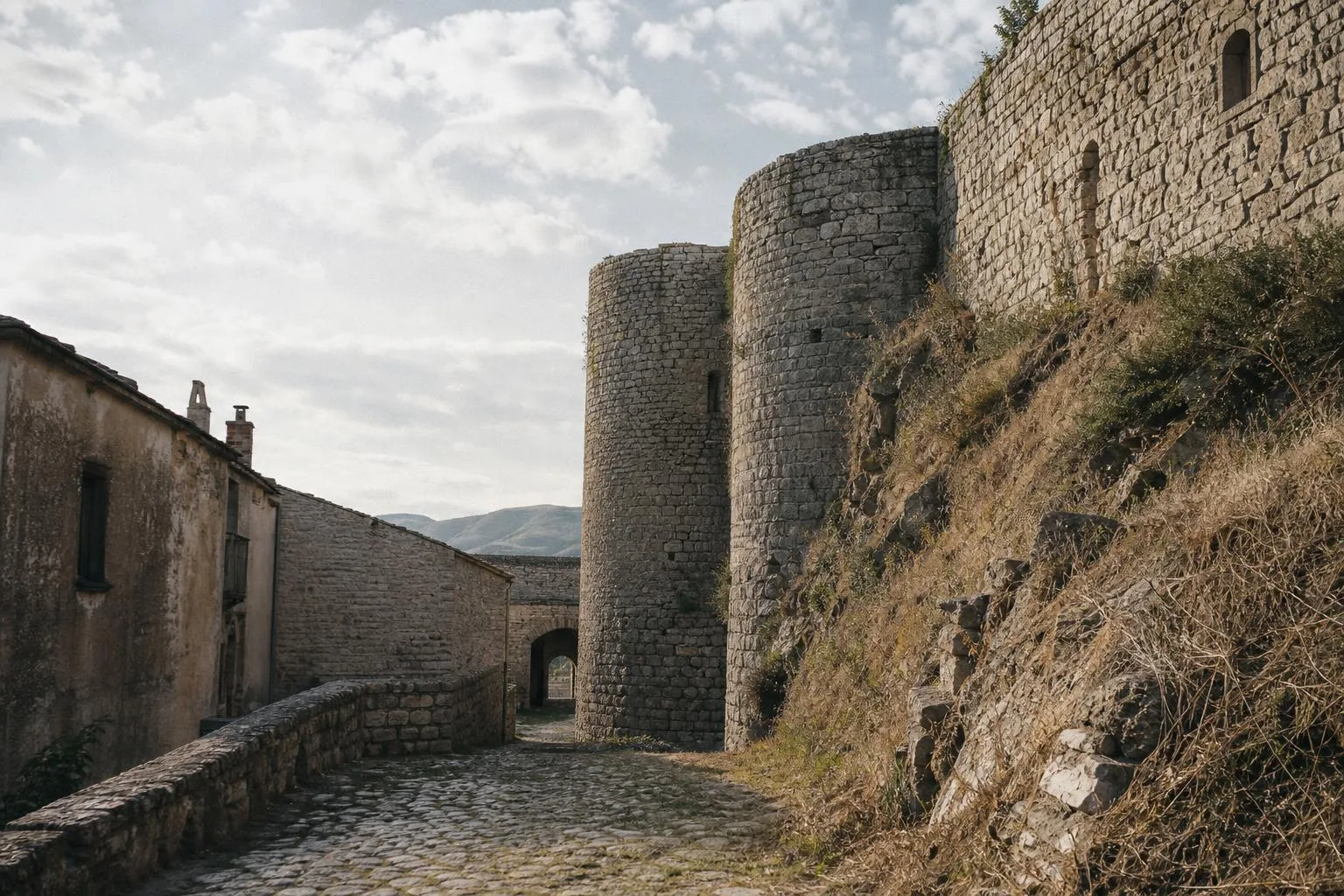 Castello di PianisiHidden GemCastle of PianisiMedieval ruins, cylindrical tower, church of Santa Maria in Planisi, Fortore viewsThe castle of Pianisi is a ruin on a hill above the Fortore valley, in the territory of Sant’Elia a Pianisi, about 33 km east of Campobasso. Documents mention it from 1008, and in the 1260s and 1270s it belonged to the Angevin lord Jean de Nanteuil; in 1276 Charles I of Anjou granted it to Tipaldus Alamannus. Later the de Palma family held it until feudalism ended in 1806. Excavations by the University of Molise between 2013 and 2015 brought back a large cylindrical tower and the church of Santa Maria in Planisi, and the site is being studied as a future archaeological park. It is a quiet place, best for people who like ruins and long views over Molise.Plan the visit
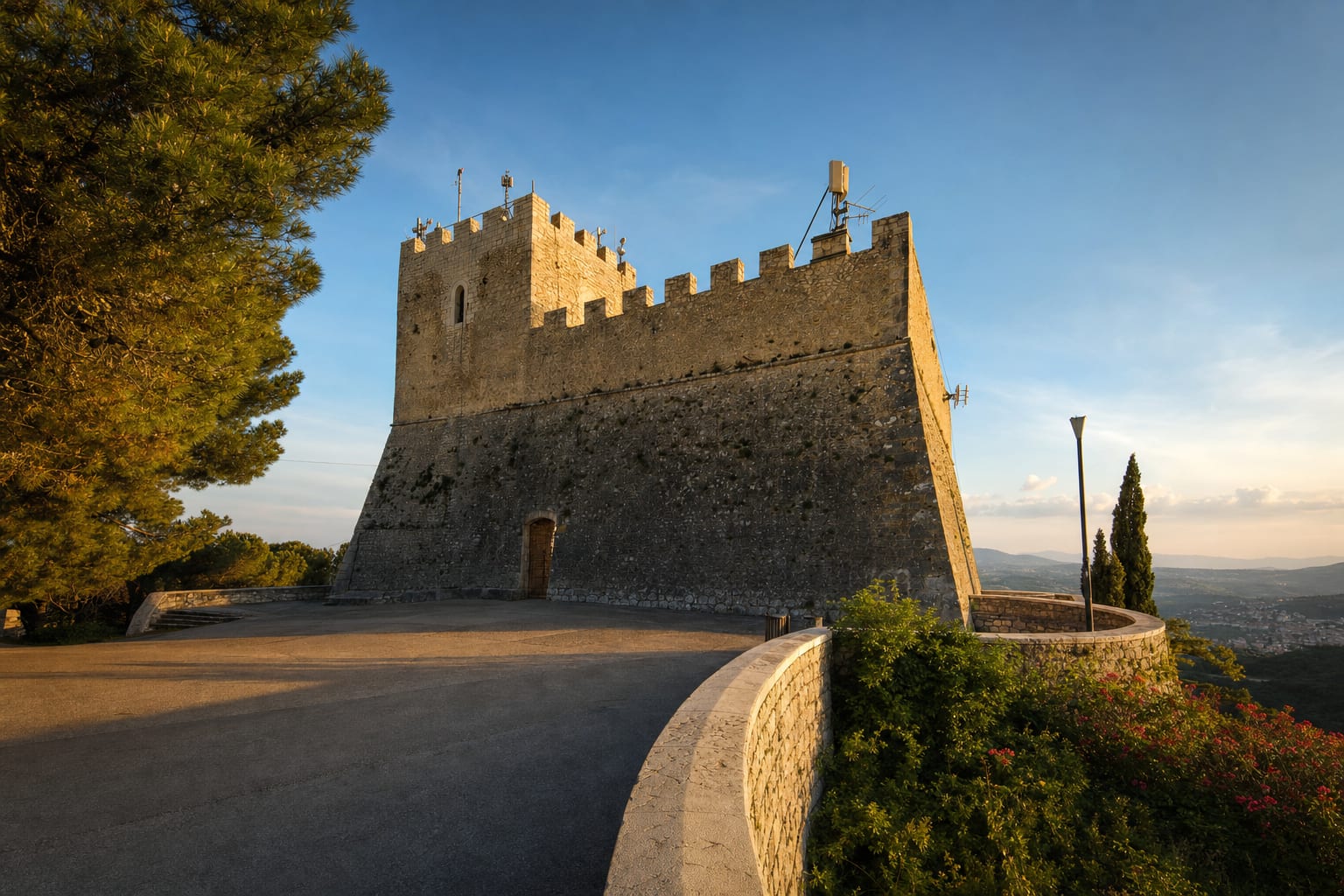 Castello MonforteMonforte CastleHilltop castle, Monforte-Gambatesa family, walls and towers, Matese viewsCastello Monforte crowns the hill above Campobasso, and it is what the Molise capital looks up to. The origin is debated: some scholars date it to Norman times, a document mentions a castle in 1375, and the family that gave it its name, the Monforte-Gambatesa, repaired it after the earthquake of 1456 under Count Cola. It later fell into ruin, even serving as a temporary cemetery in the 1800s, and the city acquired it in 1861. What you see today is a fortified enclosure with walls and towers, a small church and a weather station. The reason to climb is the panorama, over the city and the hills to the Matese range on clear days.
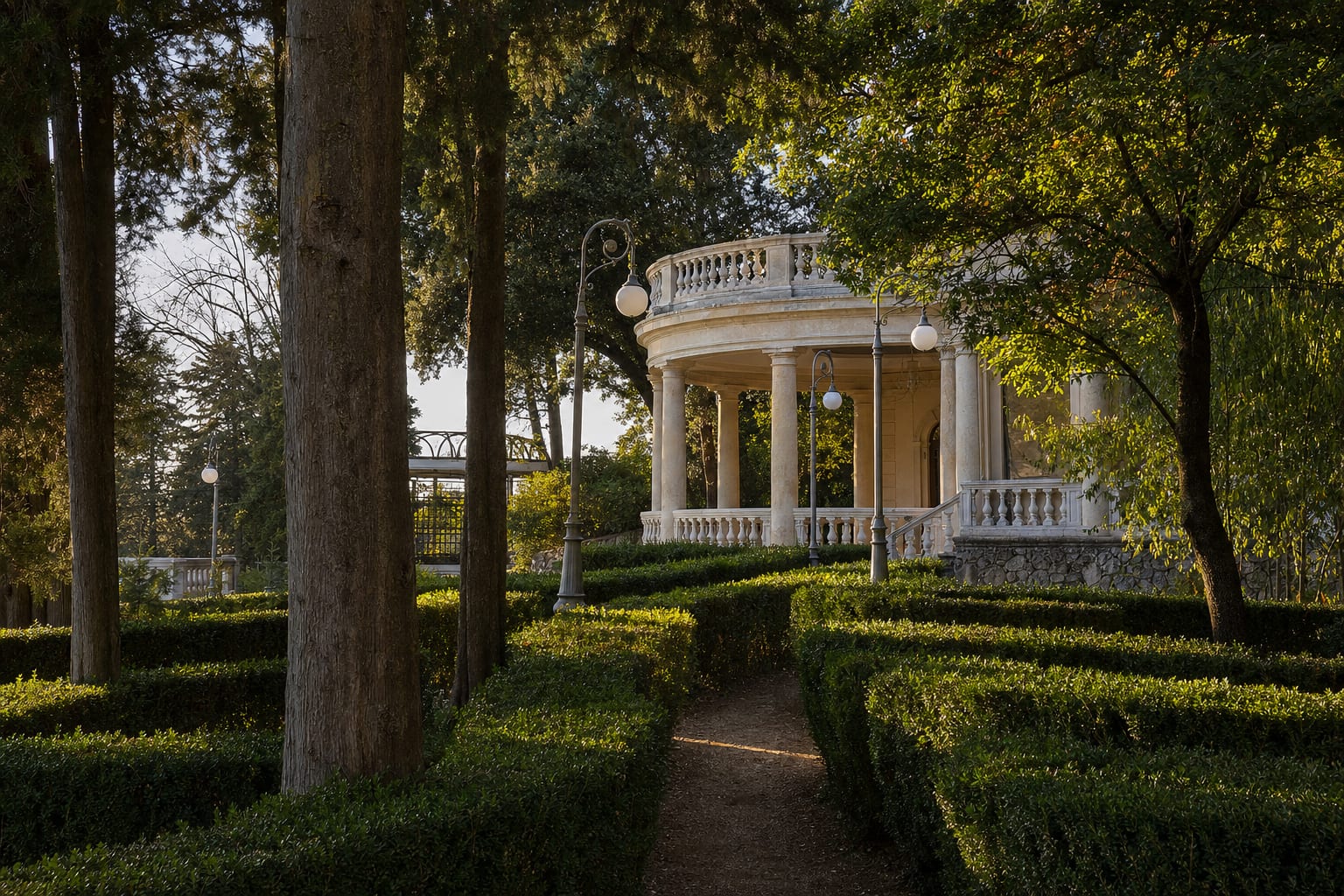 GardenVilla De CapoaMonumental town garden, sequoias and cedars, Countess de Capoa's 1875 donation, Liberty-style ironworkCampobasso's grandest garden began life in the 18th century as private land before being reorganized into a neoclassical park, then donated in 1875 by Countess Marianna de Capoa to the girls' orphanage she had founded, and finally handed to the comune in 1929. Nearly 16,000 square meters of tree-lined avenues, clipped hedges, statues, a late-15th-century sarcophagus and a grotto still follow that neoclassical plan, restored to its original layout in recent decades. The wrought-iron main gate and Liberty-style lampposts, made by local craftsman Giuseppe Tucci, count among the finest surviving Art Nouveau work in the city, a formal counterpoint to the garden's shaded, informal paths.
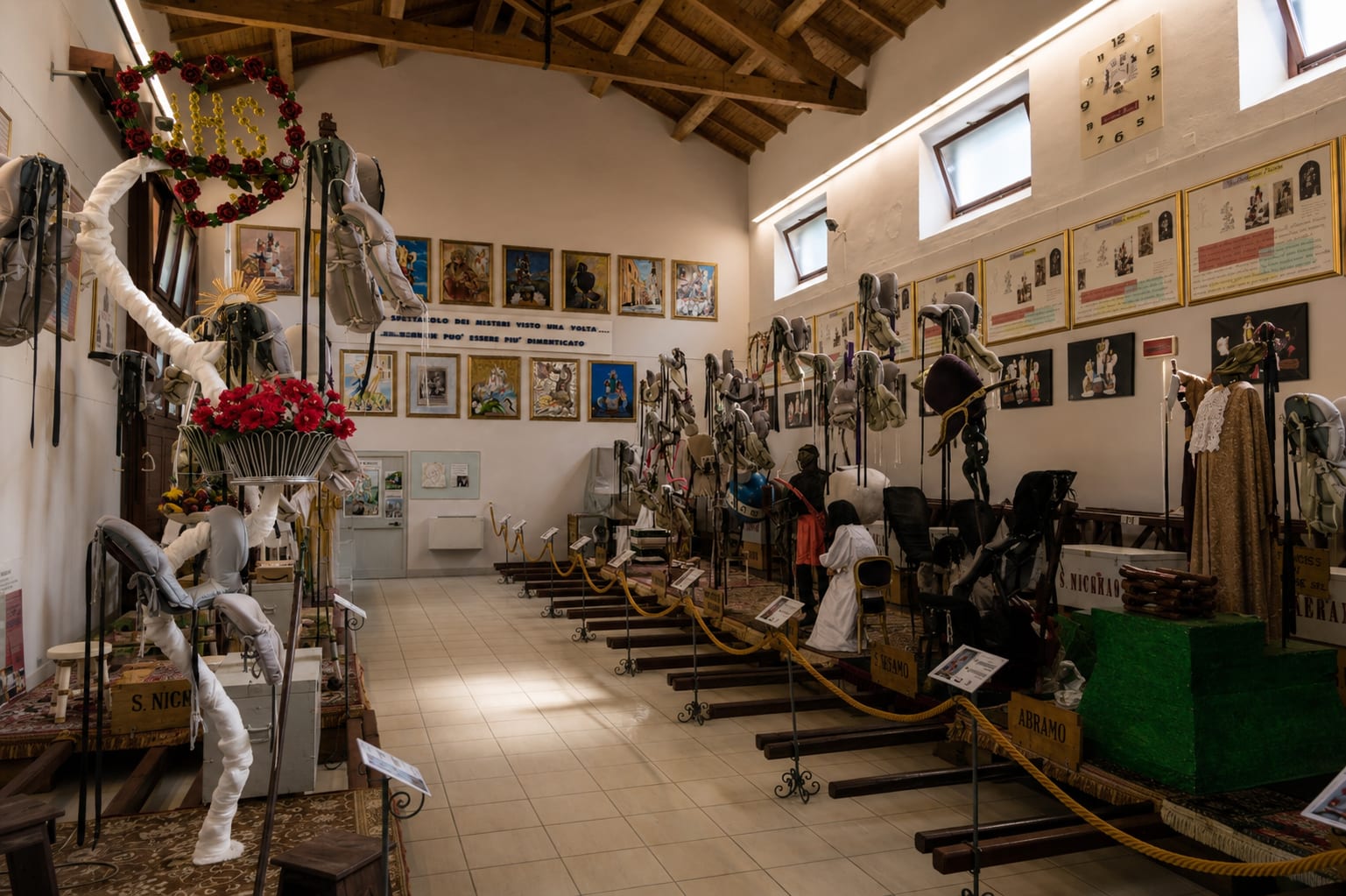 Museo dei MisteriMisteri MuseumThirteen flying machines of 1748, children borne as angels, Corpus Domini procession, Di Zinno's engineeringSculptor Paolo Di Zinno built thirteen ingenious steel-and-wood machines in 1748, contraptions that let children and adults appear to float in the air as angels and saints above the crowds during Campobasso's Corpus Domini procession, a piece of devotional engineering still considered remarkably advanced for its time. The museum keeps these Misteri, along with photographs and film of the procession itself, on display the rest of the year, offering a rare close look at machines usually seen only from a distance and in motion each June. It is a small, community-run space more than a formal institution, and it treats the procession less as folklore than as a piece of living civic identity.
More within reach
Monuments a day trip away, elsewhere in Molise.
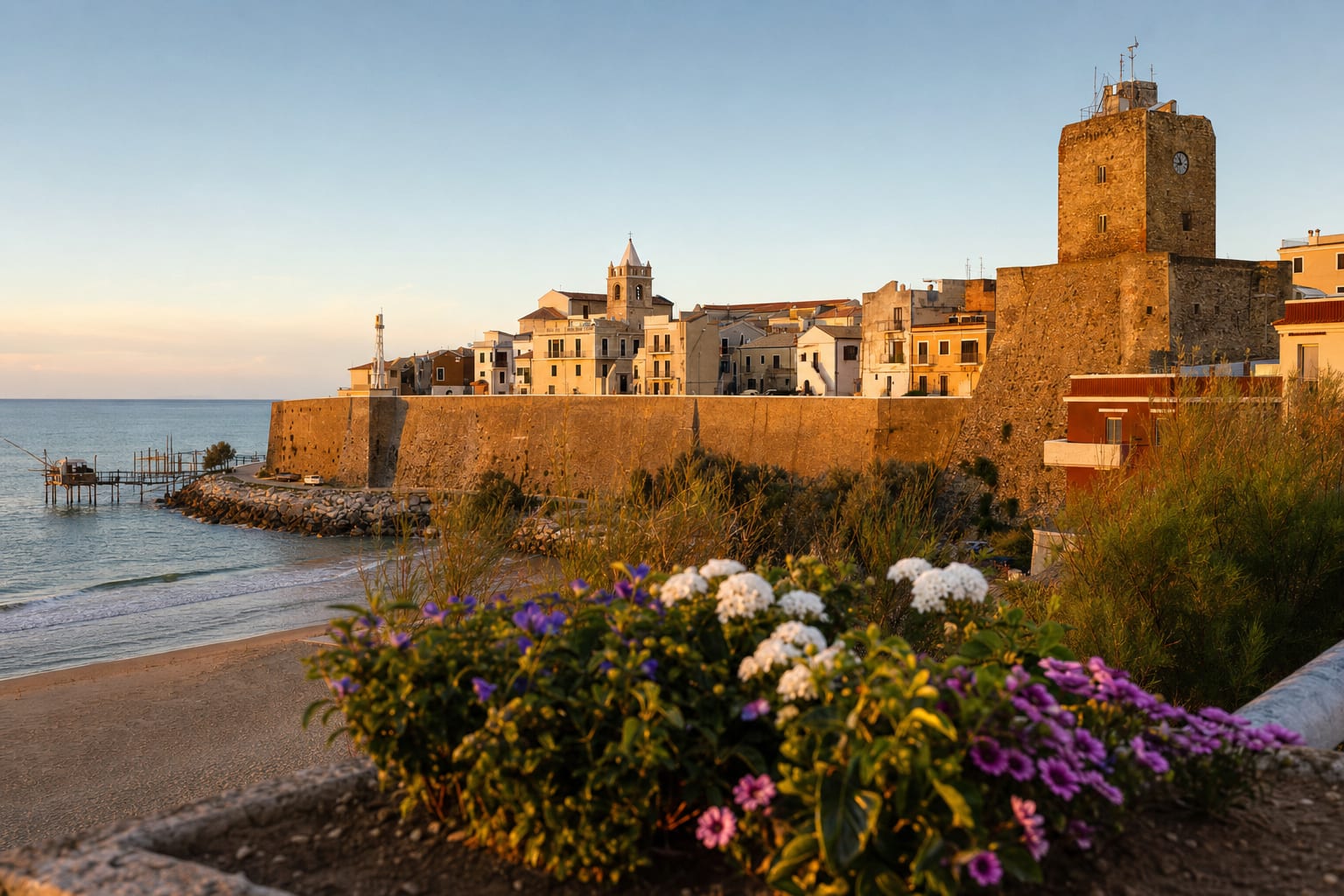 TermoliBorgo Antico of TermoliSwabian Castle, trabucchi fishing platforms, A Rejecelle lane, Romanesque cathedral
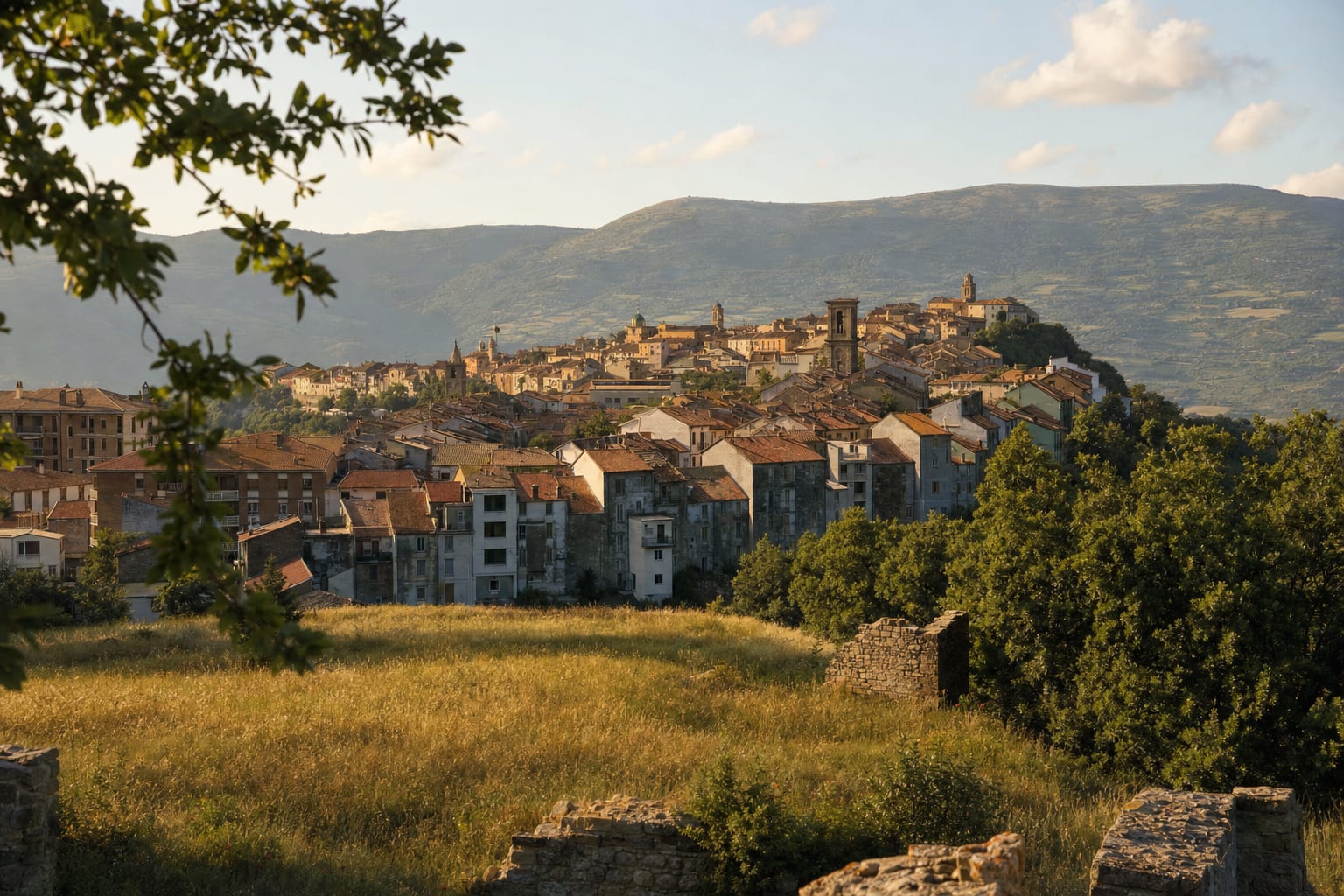 AgnoneAgnoneBells for the popes since 1339, oldest family foundry in Italy, bell museum, foundry tour
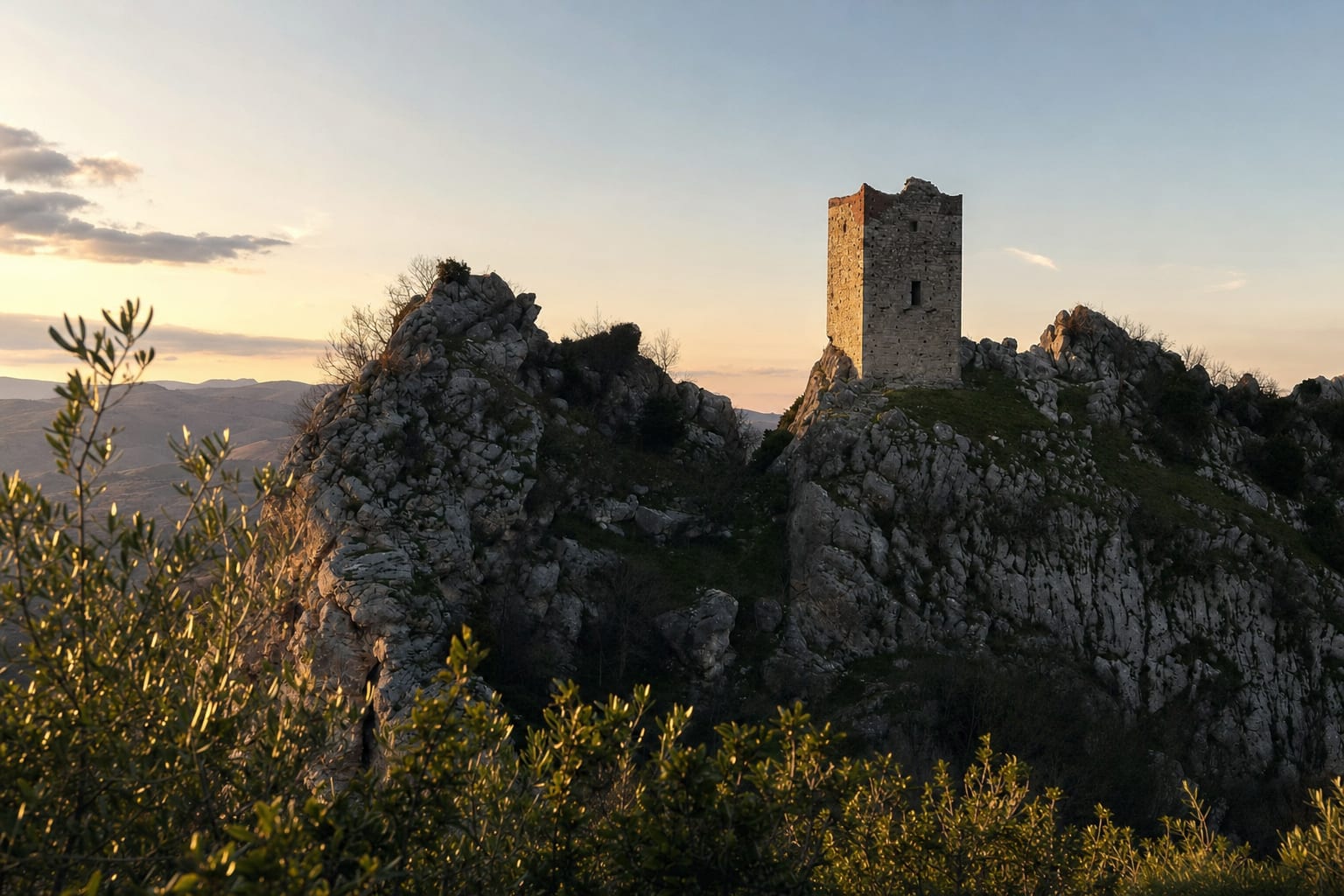 OratinoOratinoStone-carvers' village, one of Italy's most beautiful borghi, Rocca tower on the cliff, Biferno valley views
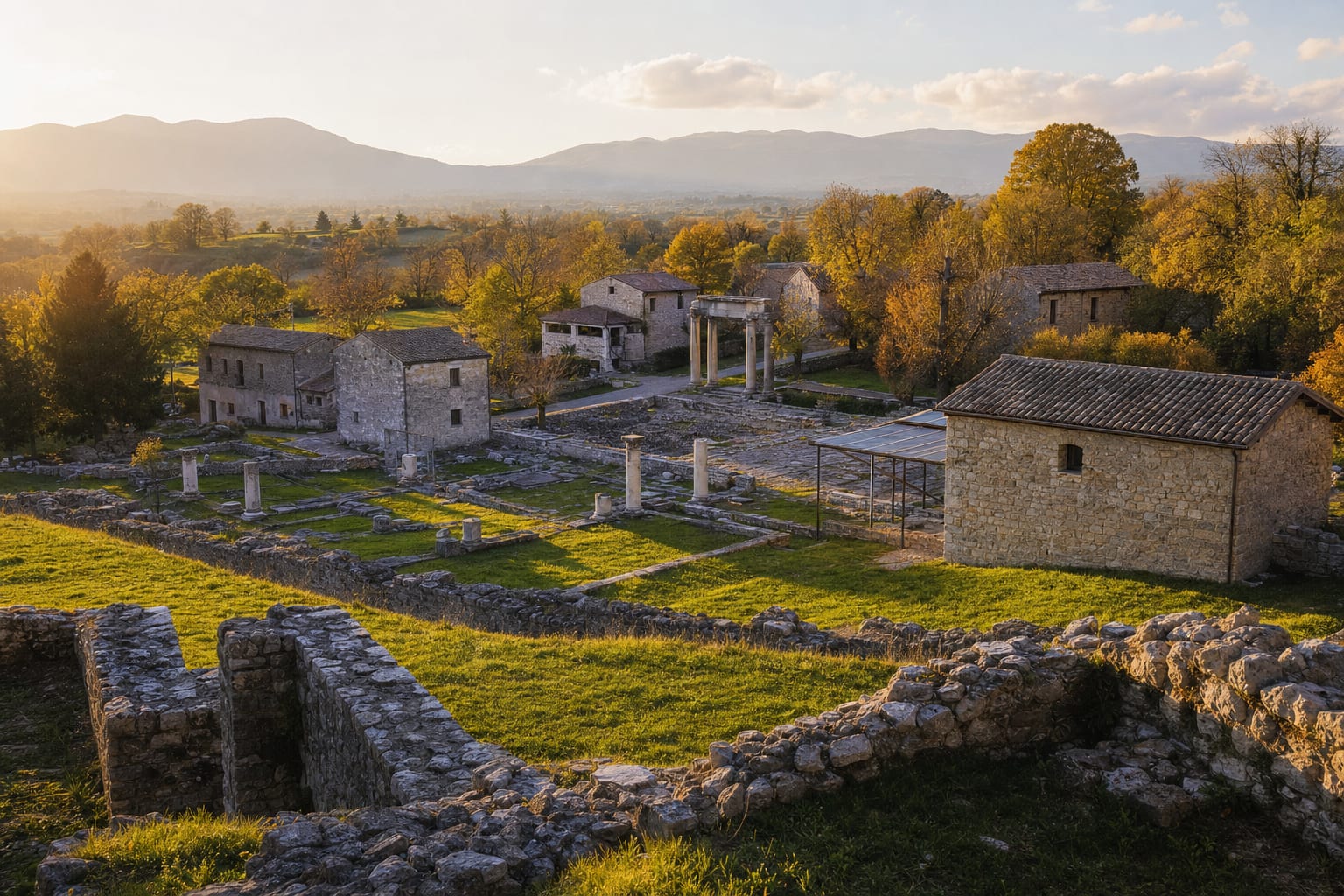 SepinoHidden GemSaepinum Archaeological AreaRoman town in the fields, theatre with farmhouses grown in, intact gates, tratturo crossroads
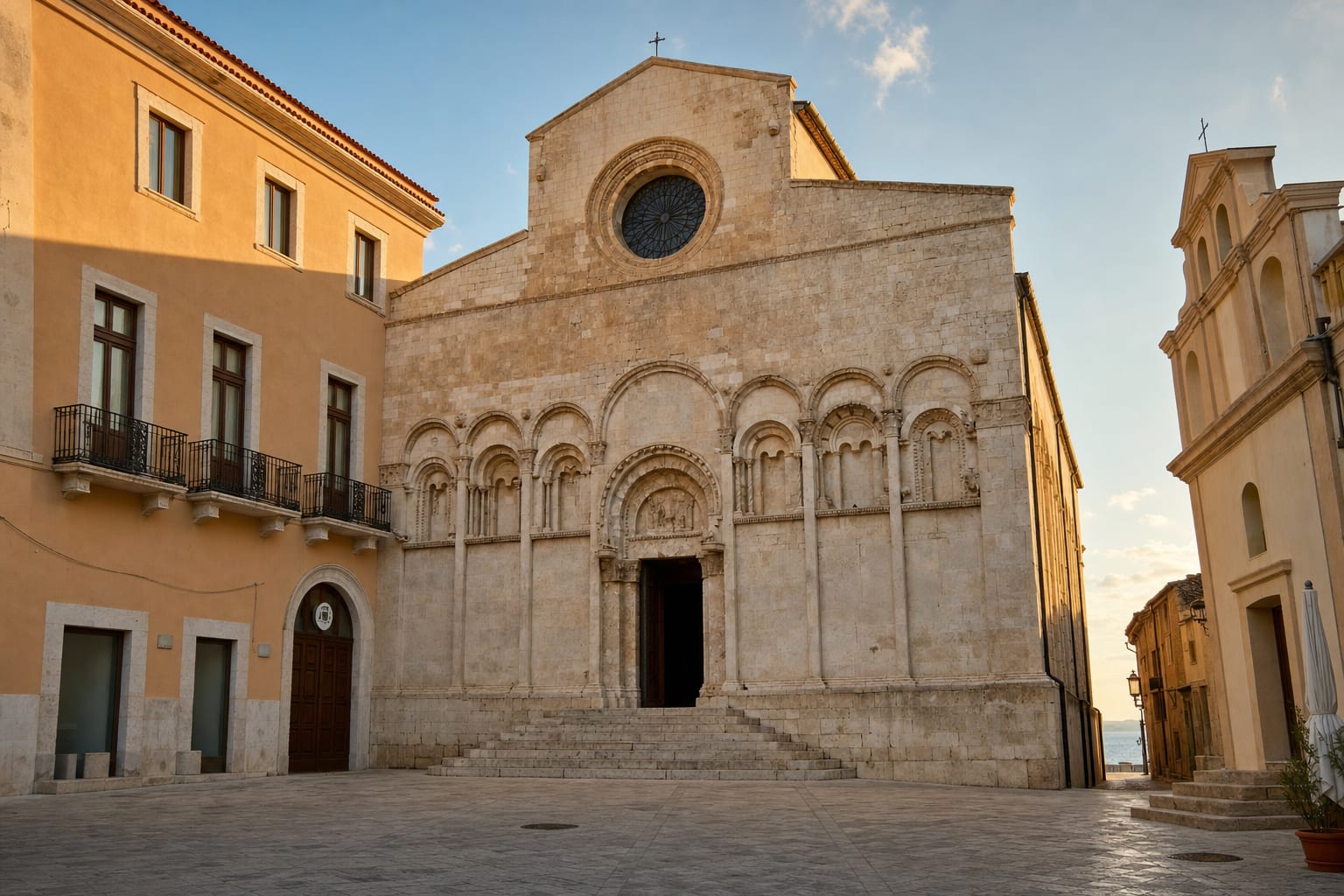 TermoliTermoli CathedralApulian Romanesque façade, crypt mosaics, relics of San Timoteo and San Basso, old-town headland
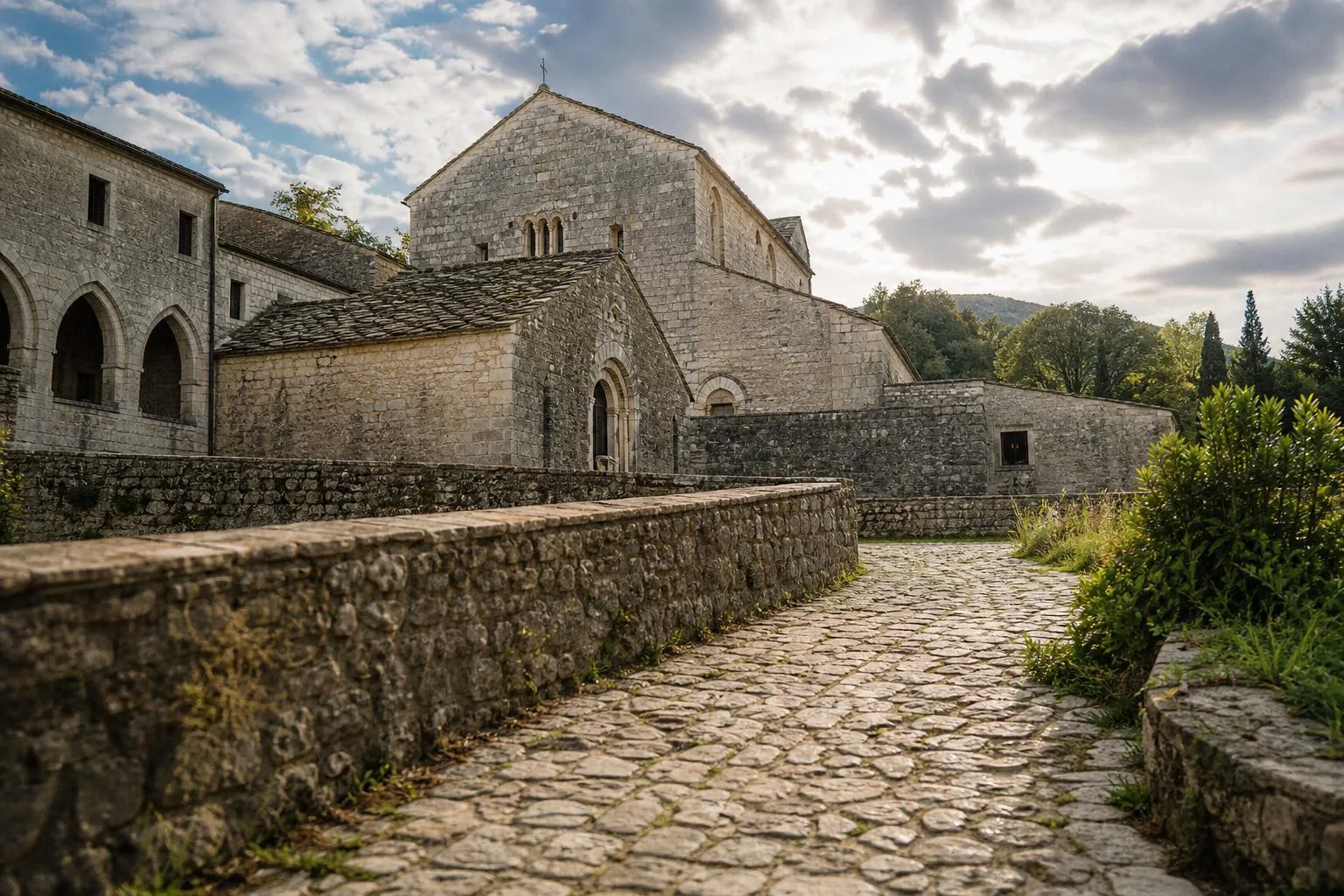 IserniaHidden GemSan Vincenzo al VolturnoCrypt of Epiphanius frescoes, 731 Benedictine founding, active convent since 2016, early medieval archaeology
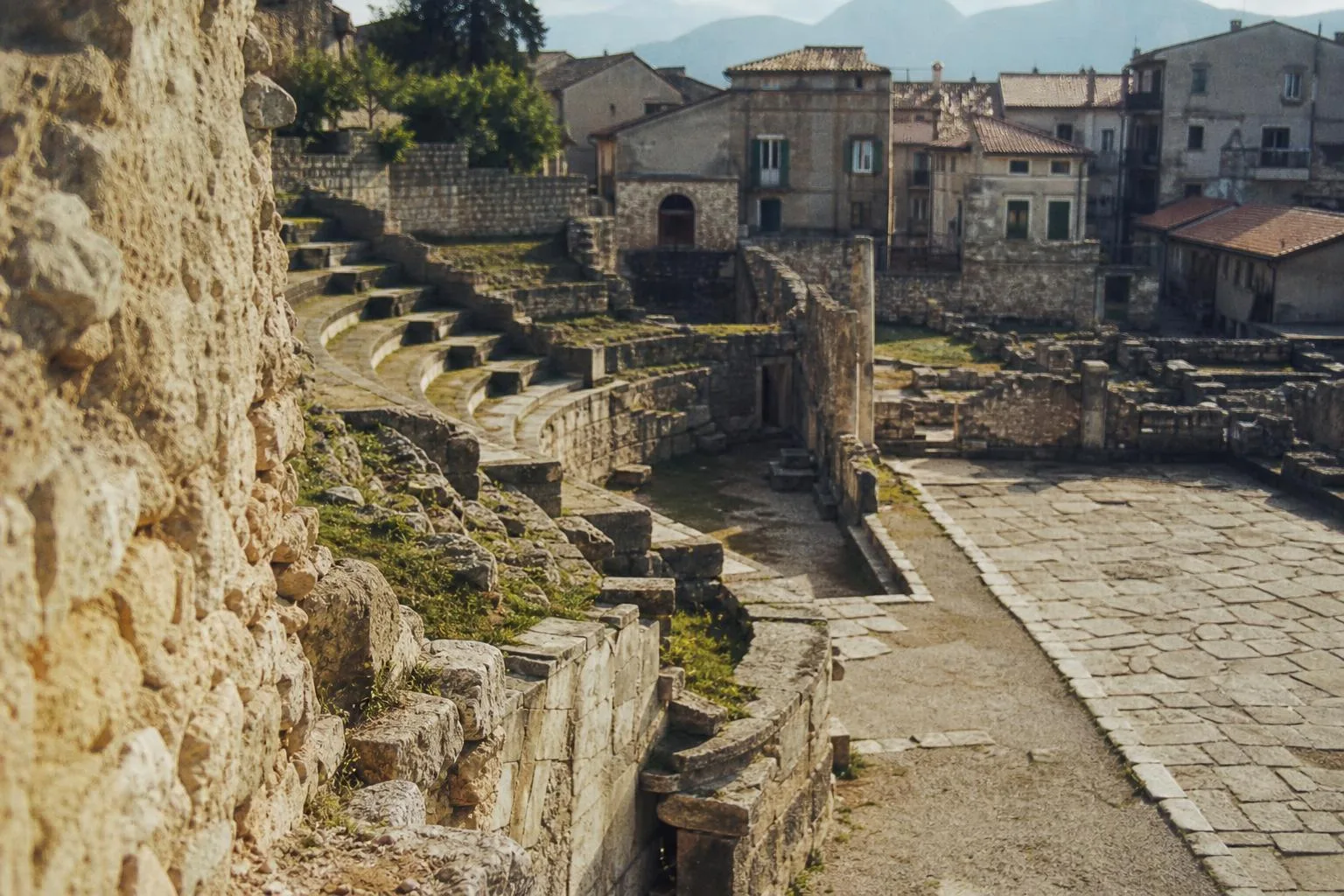 IserniaHidden GemVenafrum (Roman theatre and amphitheatre)Amphitheatre Verlascio, Augustan theatre, Venus of Venafro, olive-oil town
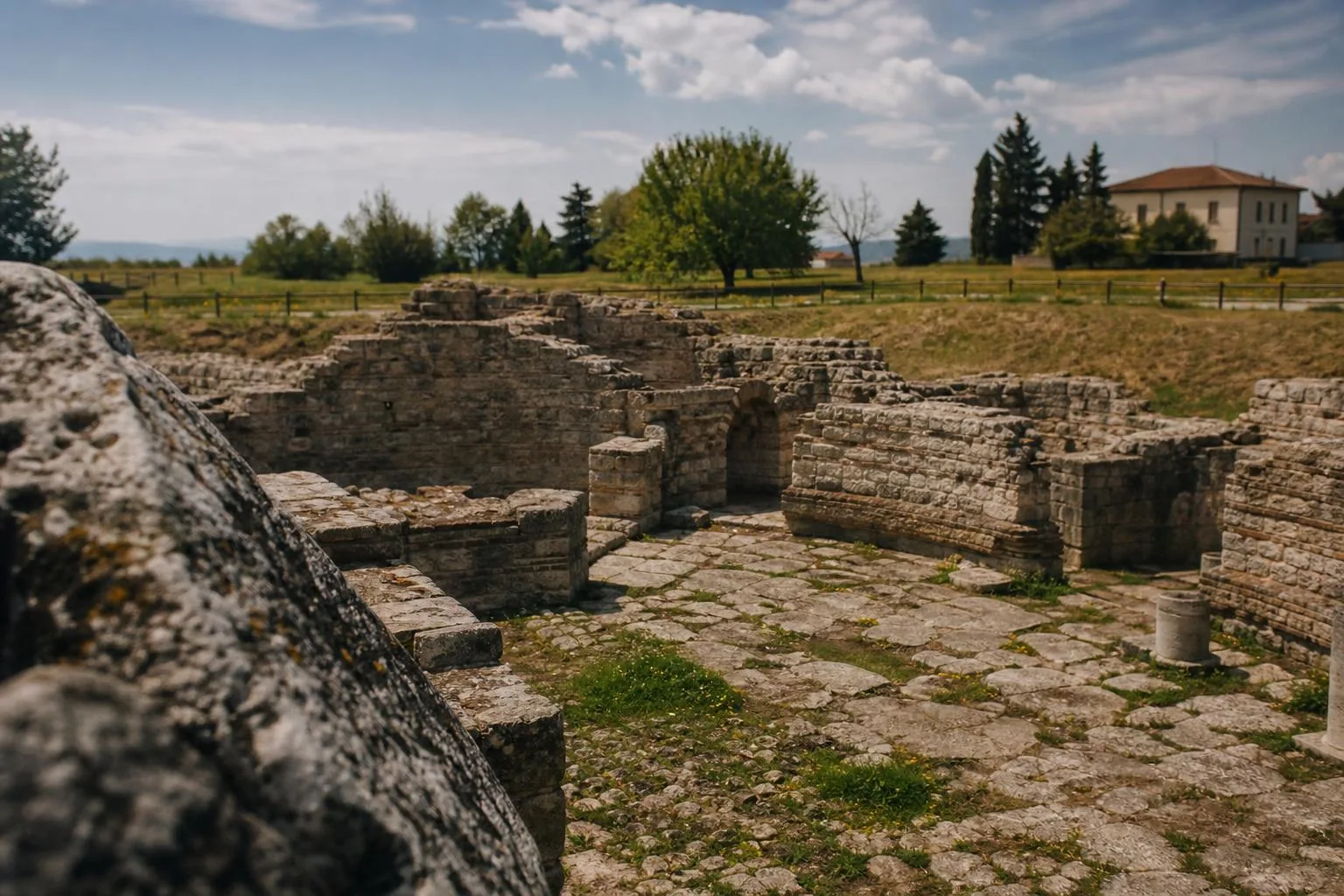 TermoliHidden GemLarinumFlavian-era amphitheater, polychrome marine mosaics, Frentanian-then-Roman city, free admission and few visitors