Mécoulin
- Place
- Cogne, in the Gran Paradiso area
- Bread
- Sweet wheat bread with eggs and butter
- Fruit
- Raisins, sometimes soaked in rum

Cogne’s amber-crusted sweet bread opens into golden crumb dotted with raisins: a mountain loaf to slice and share through winter.
The similar names belong to two distinct Valdostan bread traditions.
| Mécoulin | Micóoula | |
|---|---|---|
| Place | Cogne, in the Gran Paradiso area | Hône, in the lower Aosta Valley |
| Bread | Sweet wheat bread with eggs and butter | Rye and wheat bread |
| Fruit | Raisins, sometimes soaked in rum | Chestnuts and raisins among its additions |
A cut wedge shows the bread’s texture clearly: a browned outside, a softer yellow interior and dark raisins distributed through it.
Mécoulin is a sweet loaf rather than a filled roll. The fruit sits within the dough, with small hollows and strands of crumb around it. Milk, eggs and butter enrich the bread; the crust takes on an amber colour as it bakes.
House versions differ in richness and aroma. Some include cream, lemon zest or rum-soaked raisins. These additions should be read as details of a particular preparation, rather than ingredients that every loaf must contain. The same care applies to texture: the name does not promise that every baker makes an identical bread.
The ingredients are worked into an enriched dough and left to rise before the loaves are shaped and baked. Raisins bring small, distinct pockets of fruit through the crumb. In versions that use rum, the raisins can be soaked before being added.
For home baking, choose a complete recipe and follow its own mixing, rising and shaping instructions. Different enrichments change the dough, so a milk-only version and one with cream and oil should not be treated as an interchangeable list of ingredients.

Mécoulin belongs to Cogne at the foot of the Gran Paradiso. Its older village tradition is connected with communal ovens and the annual bread bake. Sweet loaves followed the rye bread, and children who joined the collective occasion received sweet bread. Some families still bake it when the first snow arrives. The names mécoulin and mécoulen both refer to this Cogne sweet.
Aosta ValleyCut wedges or slices that keep the crust, crumb and raisins together. A plain plate lets the golden interior show. Coffee, tea or a glass of milk makes a simple accompaniment; the bread can also take its place among several Christmas sweets. Start with smaller portions when serving an assortment.
For a breakfast table, bring out the loaf and cut more as needed. A cut face gives a better sense of its texture than the browned outside alone. There is no single portion count attached to the name: loaf sizes and the other food on the table differ.
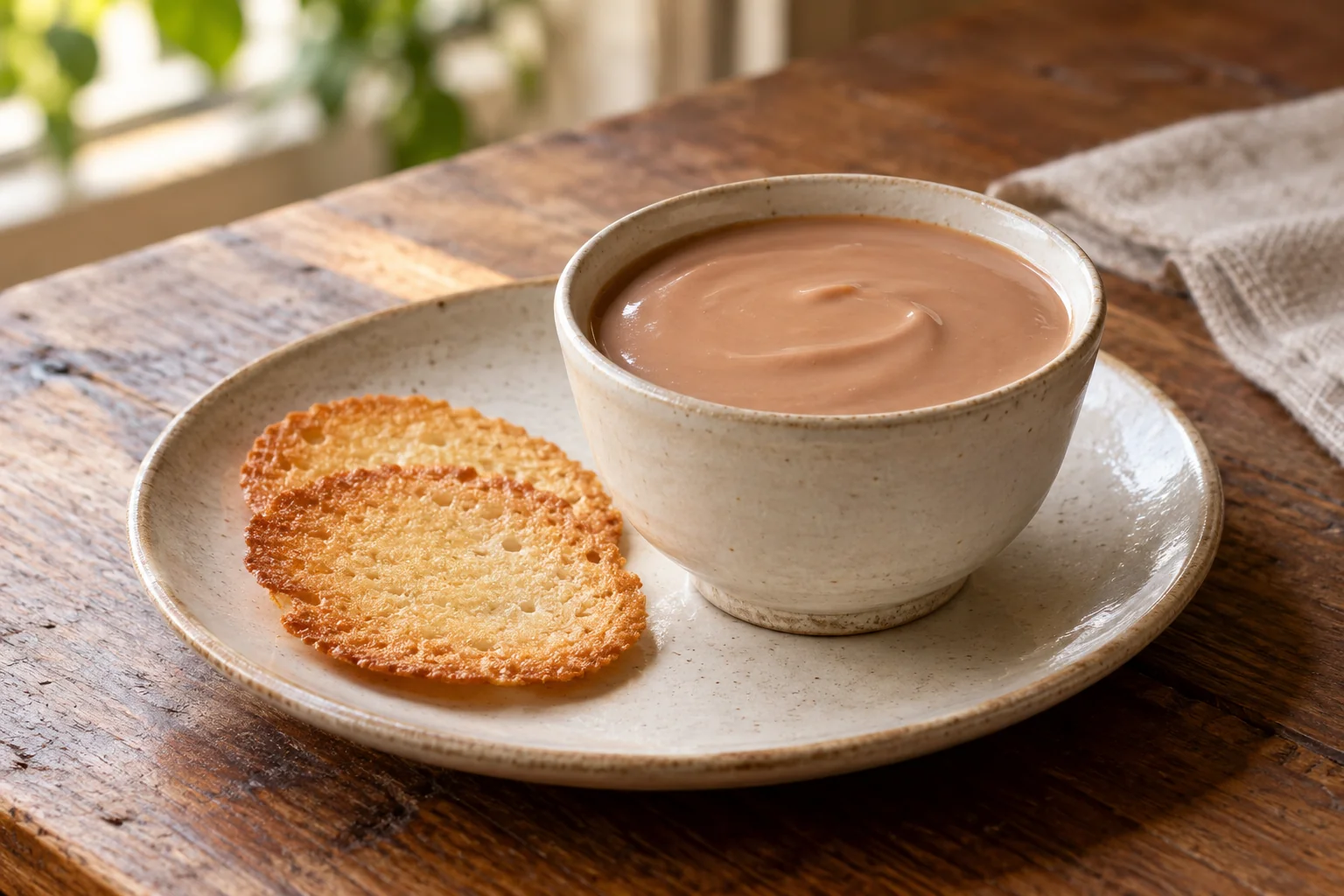
Bring Cogne’s raisin sweet bread to the Christmas table in small wedges or slices. Its golden crumb and amber crust offer a different texture from the valley’s thin tegole biscuits or spoonable crema di Cogne. Explore those two local sweets, then the wider Christmas collection. Mécoulin and Hône’s Micóoula retain their own places and bread traditions.
Look for mécoulin or mécoulen and check the actual ingredients. Ask whether the raisins have been soaked in rum and whether the dough includes cream or other enrichments. When choosing between breads, keep Cogne’s mécoulin distinct from Hône’s Micóoula.
If buying a wrapped loaf, retain its product information with any gift. For a freshly cut piece, ask how the bakery recommends keeping it. A commercial recipe can be designed for a different keeping period from a home-baked loaf, even when both carry the same traditional name.
Rewrap the remaining bread after cutting so the exposed crumb is protected. Follow the directions and date supplied with the particular loaf. A bread’s traditional association with keeping through winter does not establish a shelf life for every modern recipe or package.
Both spellings are used for the sweet raisin bread of Cogne.
No. Mécoulin belongs to Cogne. Micóoula belongs to Hône and uses a different rye-and-wheat bread tradition with additions such as chestnuts and raisins.
Rum-soaked raisins appear in some recipes. Check the specific recipe or product rather than assuming all loaves contain it.
The places, tables and makers we found worth your time. One email, no noise.
Please enter a valid email address.
One letter a month. Unsubscribe at any time. We never share your address.