

Skip to content

Area Archeologica di Aquileia

Archaeological Area of Aquileia

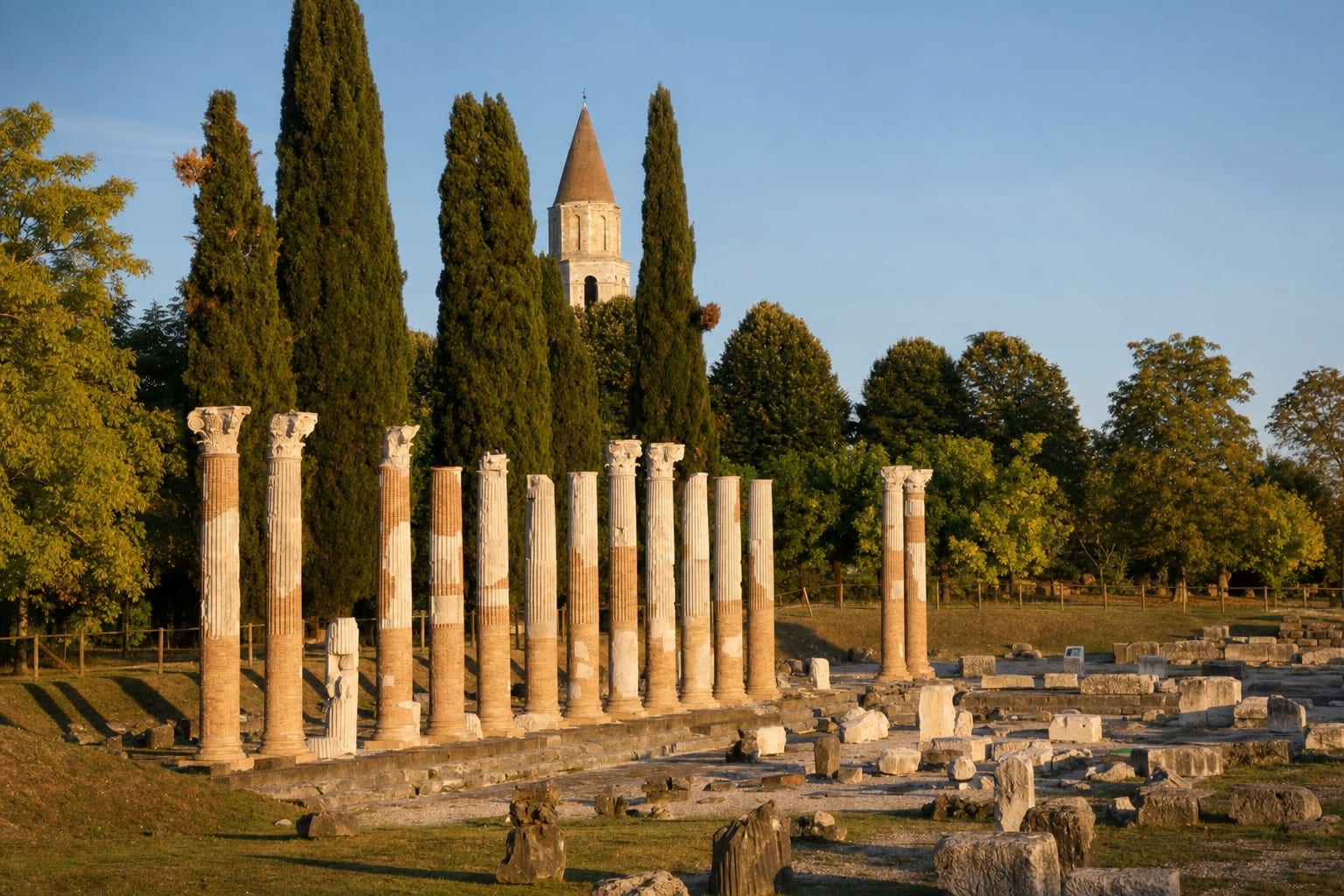
Roman river port, forum colonnade, fourth city of Italy once, unexcavated promise.

Photograph · Area Archeologica di Aquileia

At a glance

Archaeological Area of Aquileia facts that matter

Names, makers, dates, and context before the story opens up.

Italian nameArea Archeologica di Aquileia
What it isArchaeological site
WhereAquileia, Friuli-Venezia Giulia
Known forRoman river port, forum colonnade, fourth city of Italy once, unexcavated promise

The story

What you're looking at

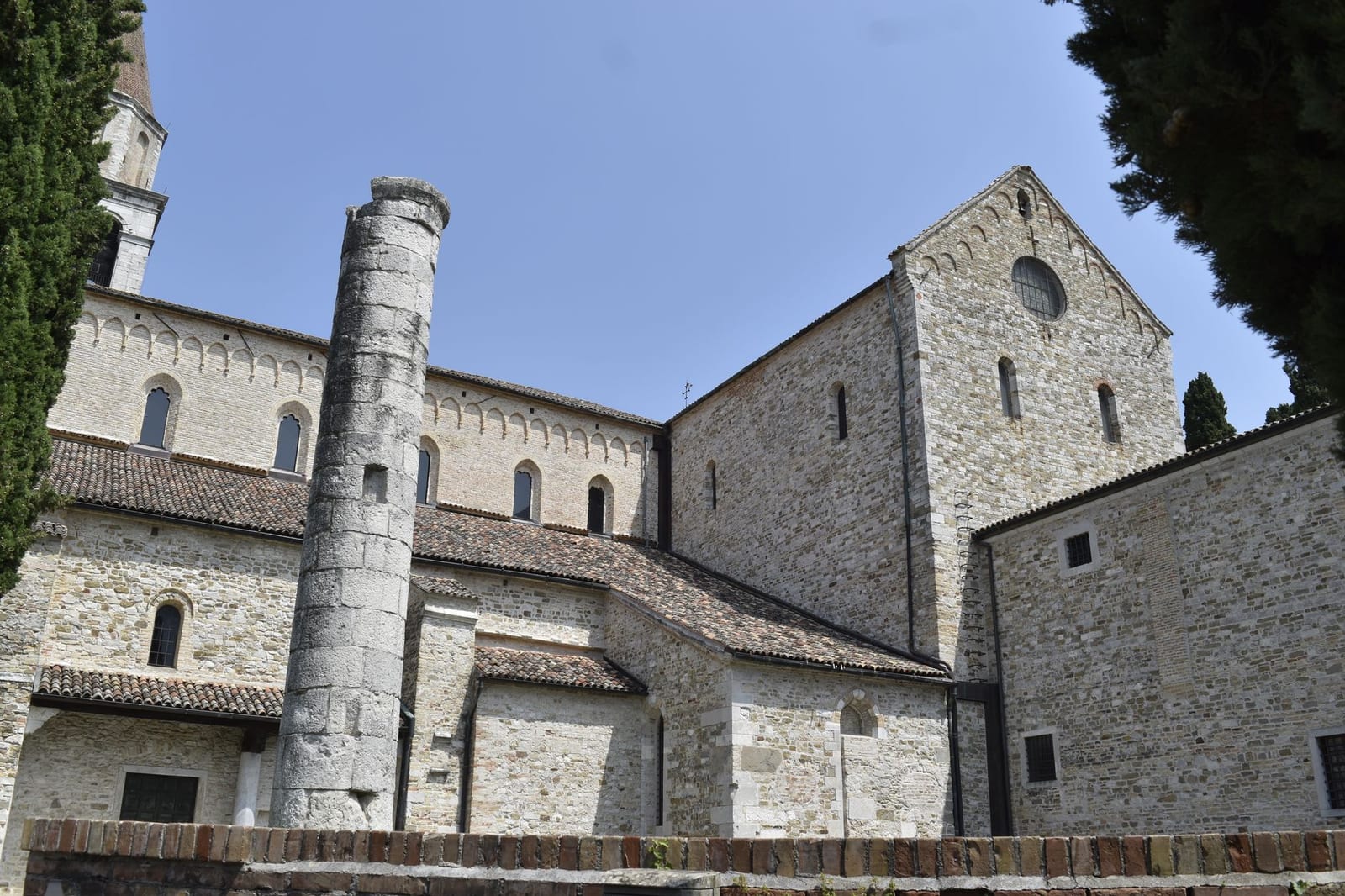
Founded in 181 BCE on the Natissa River, Roman Aquileia became a major trading centre between the Mediterranean and Central Europe before its destruction in 452. The archaeological area preserves part of the forum, Roman basilica, late-antique horrea, baths, residential complexes and port installations, while much of the ancient city remains unexcavated beneath the town and fields. It forms part of the wider UNESCO property Archaeological Area and the Patriarchal Basilica of Aquileia; the basilica is a distinct, separately managed component.
Verified details

Each statement below is linked to the record or institution that supports it.

The Archaeological Area of Aquileia is part of the UNESCO World Heritage property Archaeological Area and the Patriarchal Basilica of Aquileia, inscribed in 1998 under criteria (iii), (iv) and (vi). It is not the whole property on its own.1

The Roman city was founded in 181 BCE on the Natissa River and became a major trading centre between the Mediterranean and Central Europe. UNESCO records its sack and destruction in 452 by the Huns led by Attila.1,2

Most of ancient Aquileia remains unexcavated beneath the contemporary town and agricultural land. The inscribed archaeological area includes part of the forum, Roman basilica, late-antique horrea, baths, residential complexes, cemetery remains, and buried amphitheatre and circus structures.1

The Roman port installations form a long row of warehouses and quays along the riverbank. UNESCO notes that they were incorporated into fourth-century defences, substantial traces of which survive.1

Sources and citations (2)
  1. UNESCO World Heritage CentreArchaeological Area and the Patriarchal Basilica of AquileiaProperty identity and criteriaRead source
  2. UNESCO Ufficio Patrimonio MondialeArchaeological Area and the Patriarchal Basilica of AquileiaProject overviewRead source

Plan your visit

Before you go

Booking
Walk-up friendly

Find it

Where to find Archaeological Area of Aquileia

Get directionsGoogle MapsApple Maps