

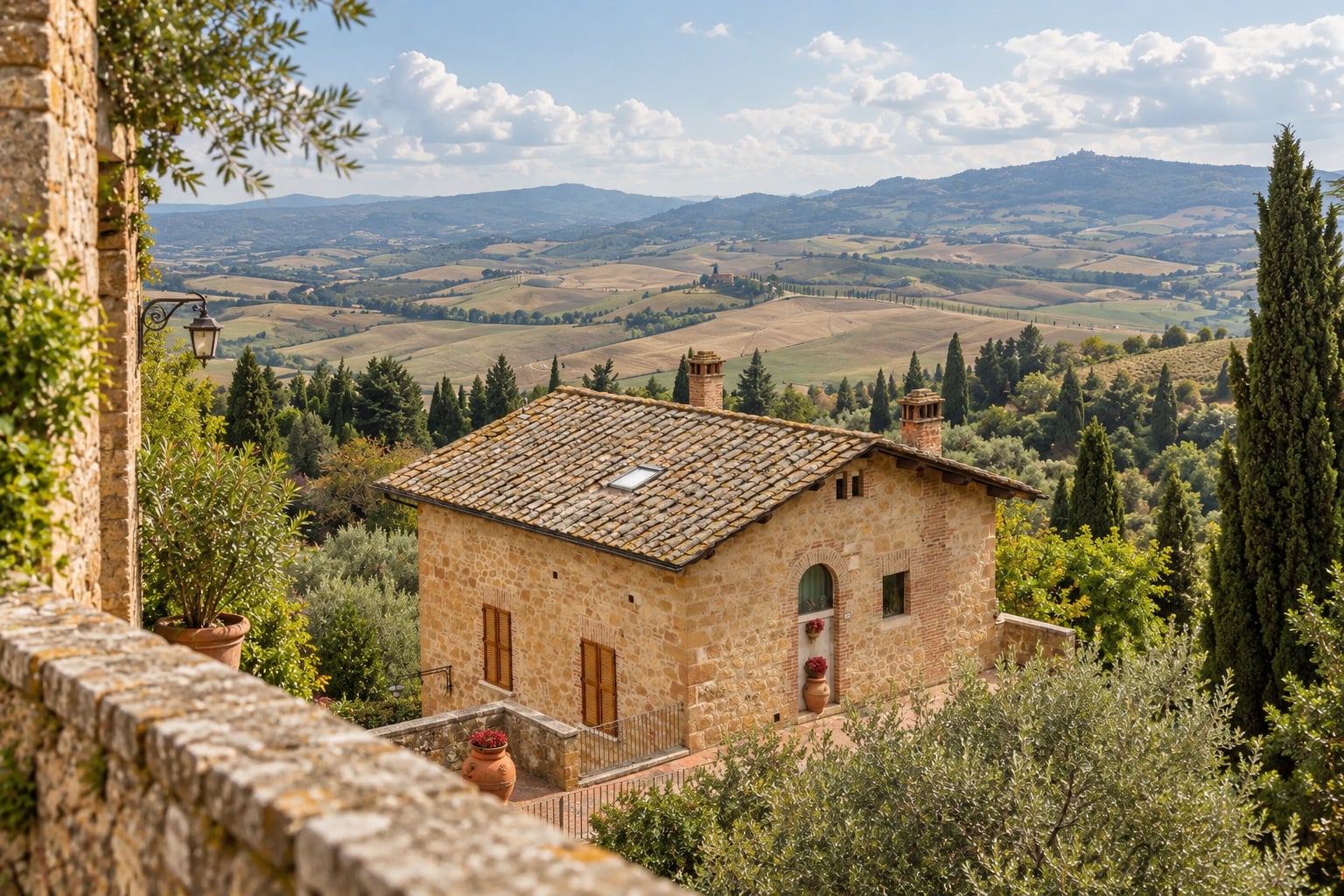
Every city in Tuscany
From the capital to the smallest borghi.
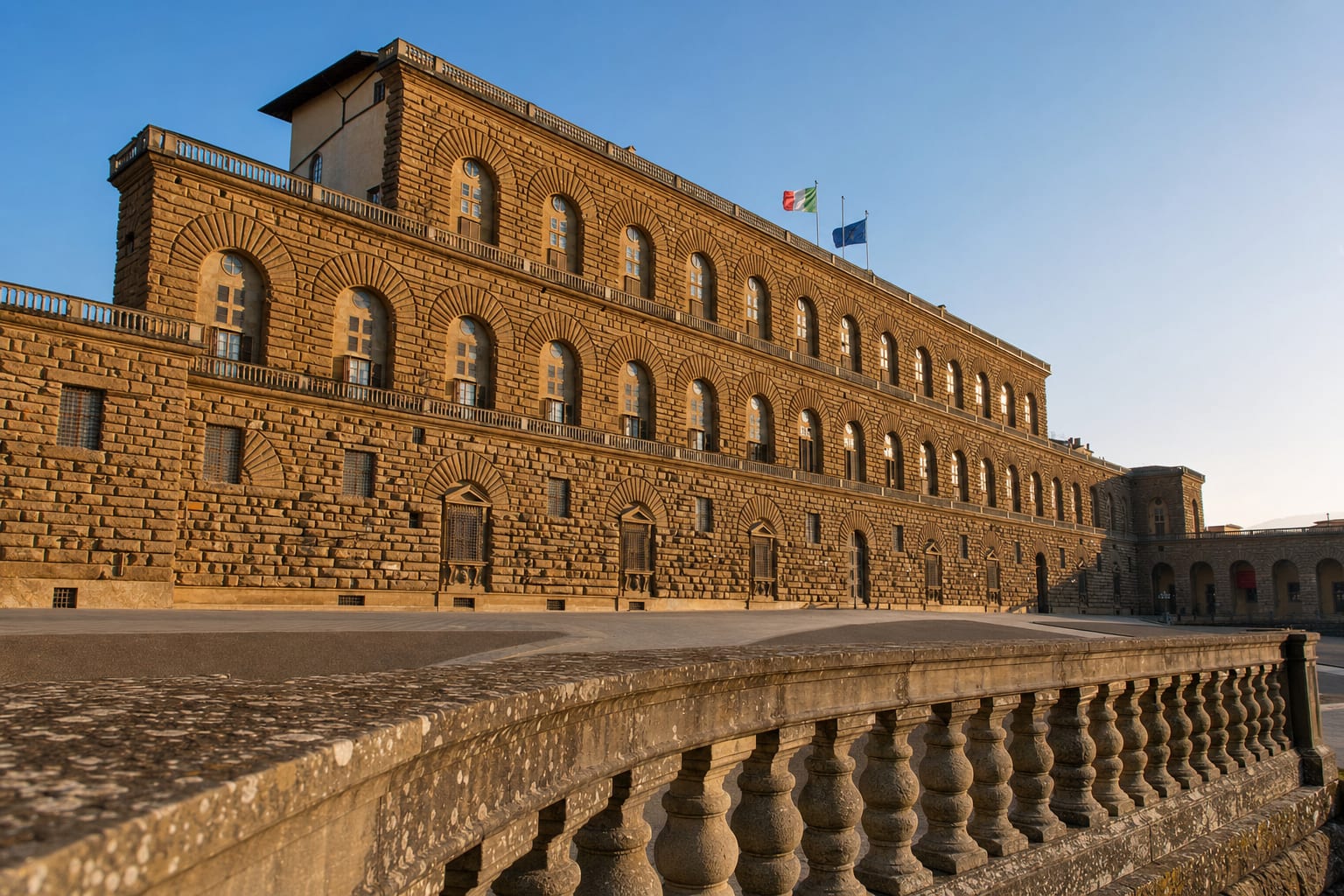 FlorenceThe capitalThe cradle of the Renaissance, where Brunelleschi's terracotta dome crowns the Duomo and the Uffizi holds Botticelli's Birth of Venus. Michelangelo's David, the Ponte Vecchio's jewelers and the Medici palaces make Florence an open-air gallery on the Arno.
- Abbadia San Salvatore
- Abetone Cutigliano
- Agliana
- Altopascio
- Anghiari
- Arcidosso
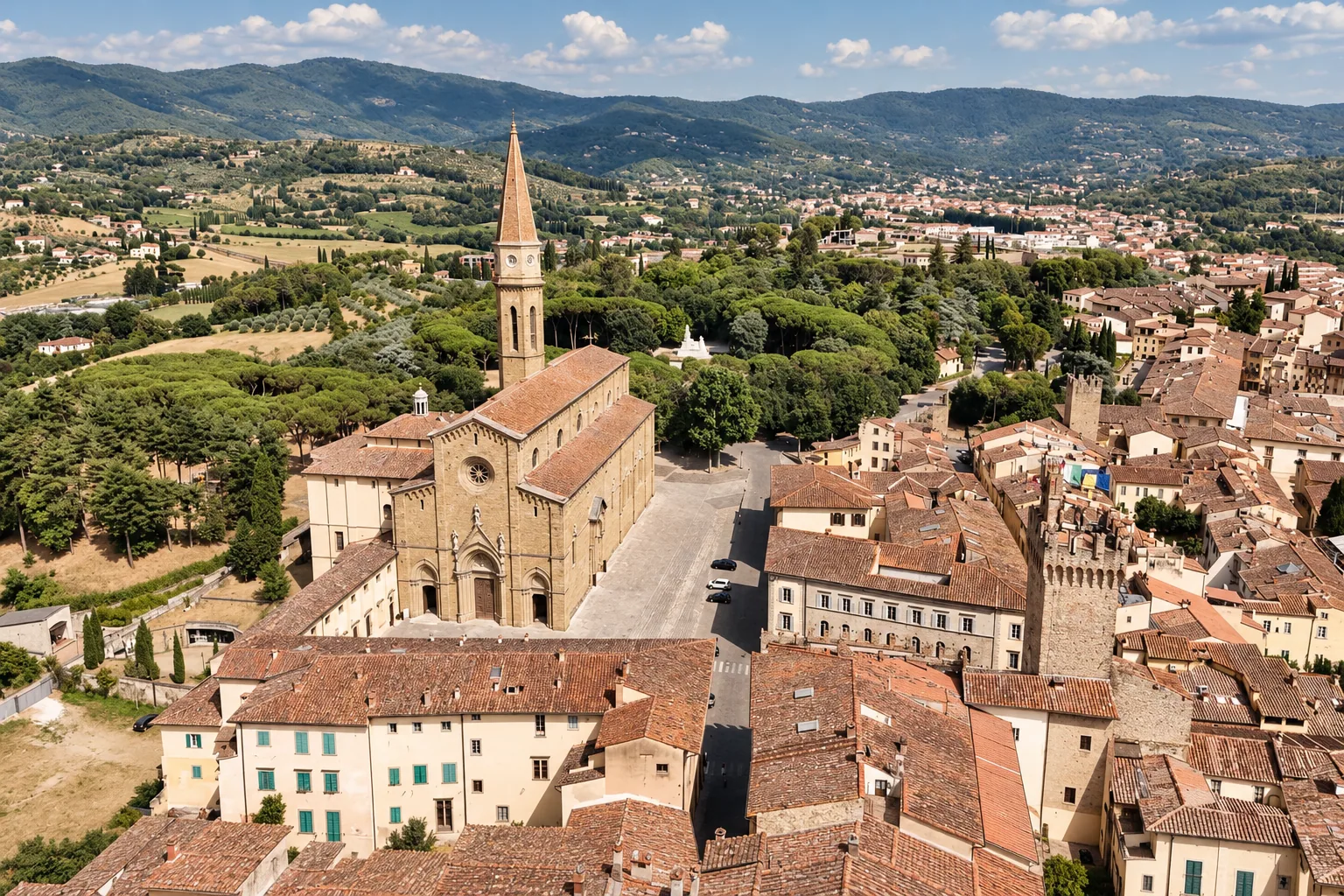 ArezzoArezzo is the provincial capital of eastern Tuscany, set on a hill above the Piana Aretina between the Upper Valdarno, Val di Chiana, Casentino and Valtiberina. Its civic framework combines qualified Etruscan and Roman layers, an amphitheatre and locally produced terra sigillata, medieval growth, and a long period under Florentine rule. Its major cultural sites, including Piazza Grande and Basilica di San Francesco, need distinct histories and visitor information.
- Asciano
- Aulla
- Badia Tedalda
- Bagni di Lucca
- Bagno a Ripoli
- Bagnone
- Barberino di Mugello
- Barberino Tavarnelle
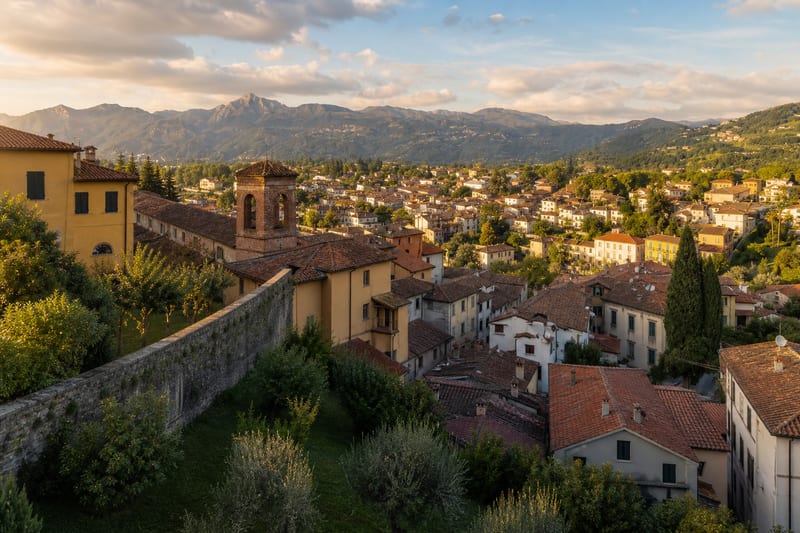
- Bibbiena
- Bibbona
- Bientina
- Borgo a Mozzano
- Borgo San Lorenzo
- Bucine
- Buggiano
- Buonconvento
- Buti
- Calci
- Calcinaia
- Calenzano
- Campagnatico
- Campiglia Marittima
- Campo nell'ElbaCampo nell'Elba is Elba's largest municipality by area, with Marina di Campo as its administrative seat and Pianosa within its municipal territory. Its coast, historic hill villages, granite landscapes, airport, Pianosa archaeology and prison history need separate evidence-backed coverage.
- Camporgiano
- Cantagallo
- Capalbio
- Capannoli
- Capannori
- CapoliveriCapoliveri is an Elban hill town whose historic identity joins a strategic historic centre with the long iron-mining landscape of Monte Calamita. The town, the Calamita mines, the former workers' workshops, coastal settlements and the Polluce shipwreck museum need distinct coverage rather than a single resort narrative.
- Capolona
- Capraia e Limite
- Capraia Isola
- Caprese Michelangelo
- Careggine
- Carmignano
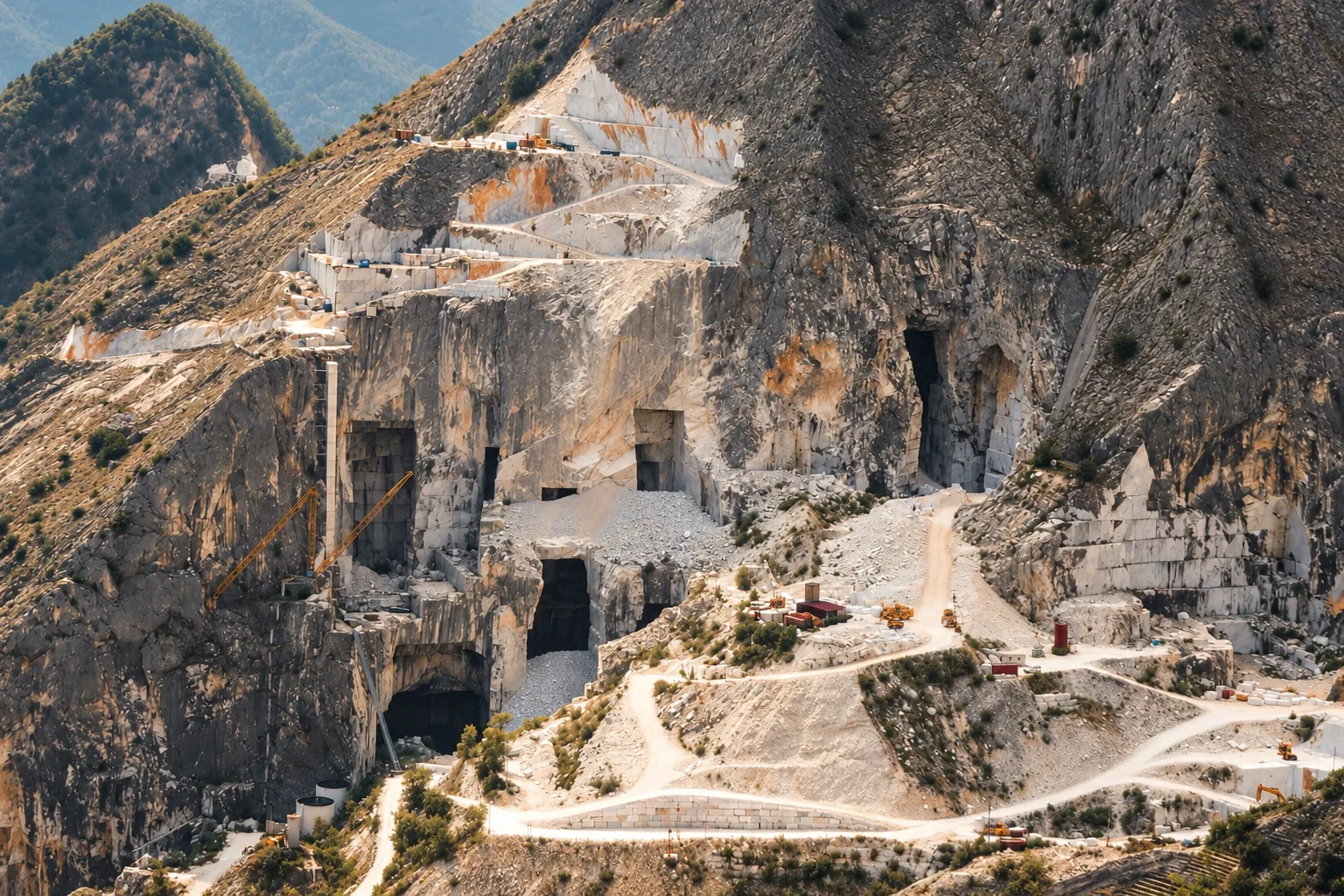 CarraraCarrara is a municipality in north-western Tuscany at the foot of the Apuan Alps, shaped by the extraction and working of its marble. This noindex foundation separates the city from its quarry basins, marble institutions and coastal settlements.
- Casale Marittimo
- Casciana Terme Lari
- Casola in Lunigiana
- Casole d'Elsa
- Castel del Piano
- Castel Focognano
- Castel San Niccolò
- Castelfiorentino
- Castelfranco di Sotto
- Castelfranco Piandiscò
- Castell'Azzara
- Castellina Marittima
- Castelnuovo Berardenga
- Castelnuovo di Val di Cecina
- Castiglion Fibocchi
- Castiglion Fiorentino
- Castiglione d'Orcia
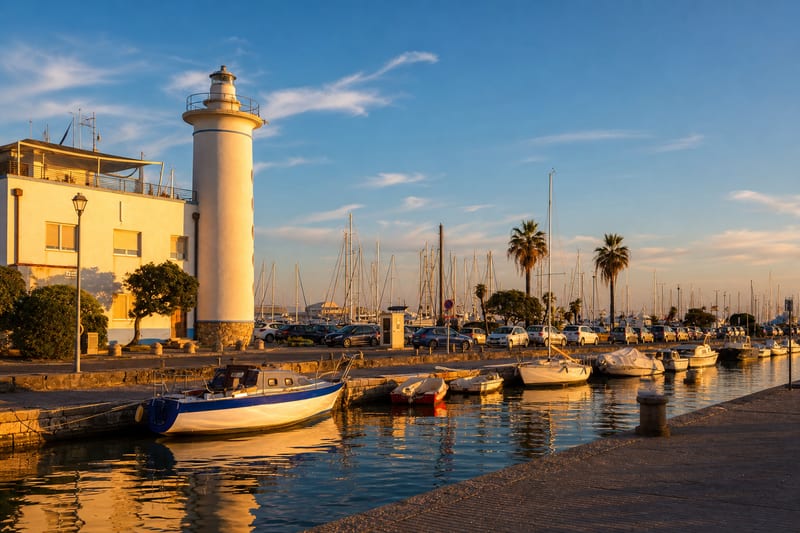
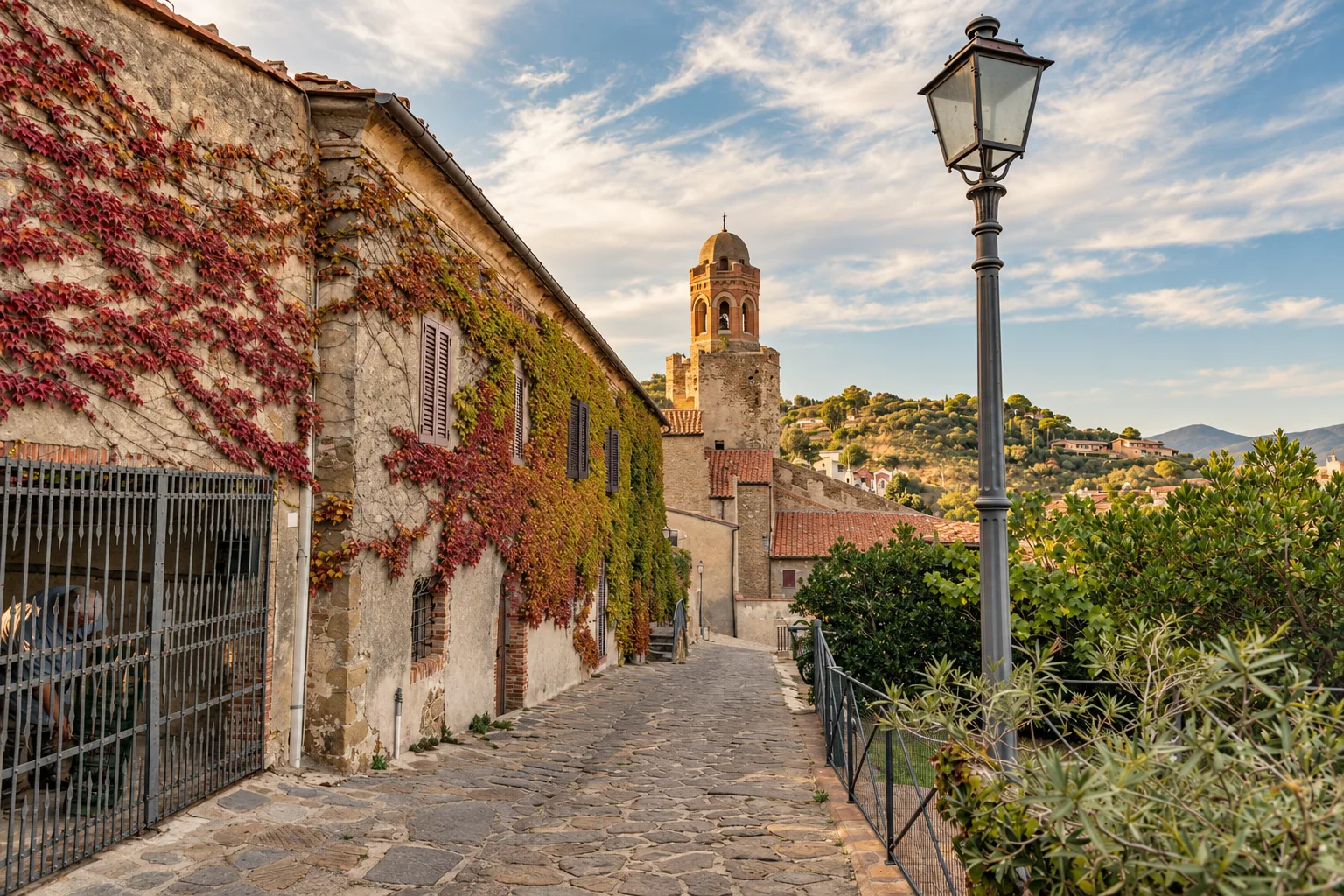 Castiglione della PescaiaA Maremma seaside town beneath a fortified medieval hilltop, its harbor edged by pine forest and long sandy beaches. The marshes of the nearby Diaccia Botrona nature reserve make it a haunt for birdlife.
- Castiglione di Garfagnana
- Cavriglia
- Cecina
- Cerreto Guidi
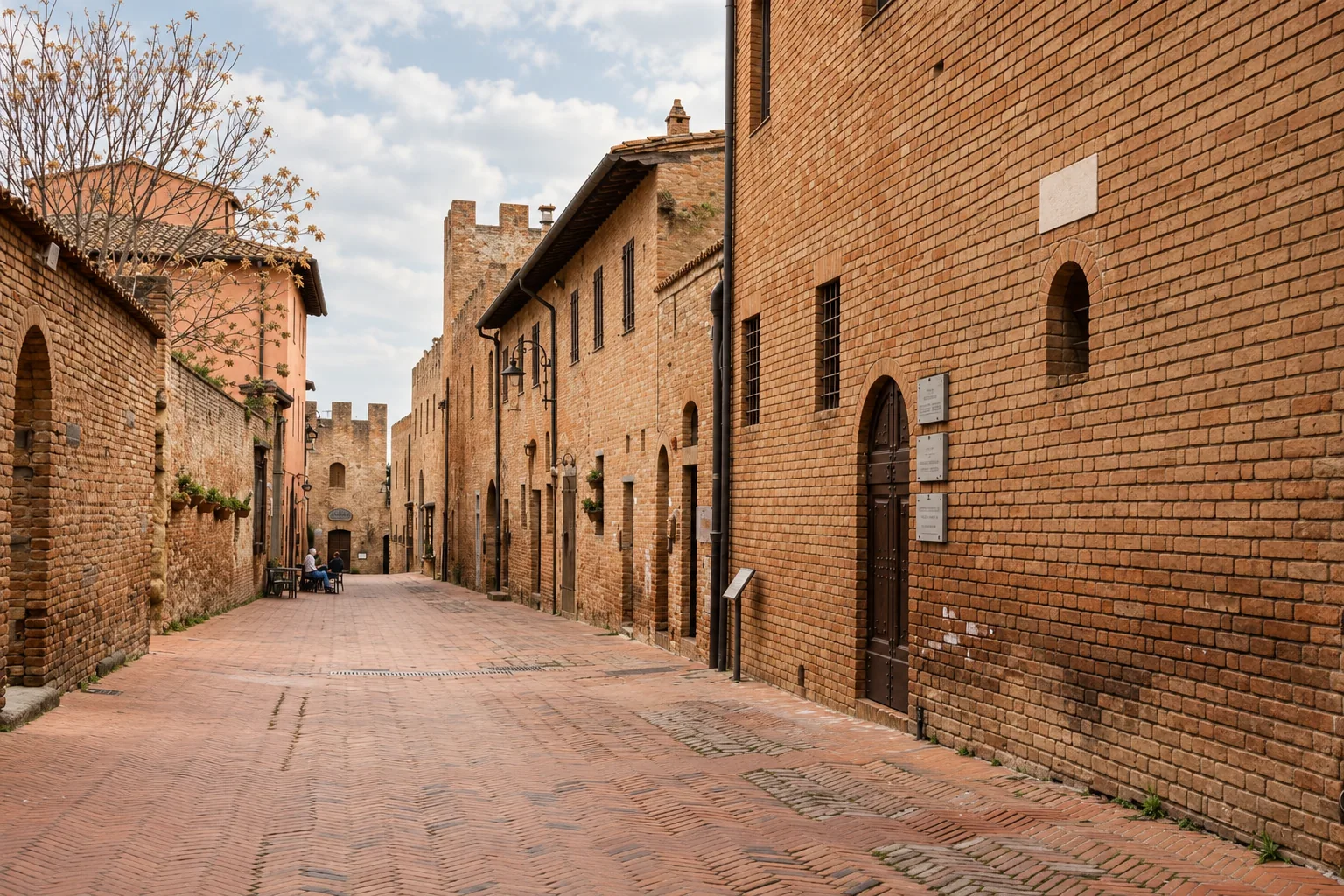 CertaldoA brick-built hill town in the Val d'Elsa, its upper borgo reached by funicular and untouched by modern building. Giovanni Boccaccio, author of the Decameron, was born and died here, and his house is now a museum.
- Cetona
- Chianciano Terme
- Chianni
- Chiesina Uzzanese
- Chitignano
- Chiusdino
- Chiusi della Verna
- Cinigiano
- Civitella in Val di Chiana
- Civitella Paganico
- Collesalvetti
- Comano
- Coreglia Antelminelli
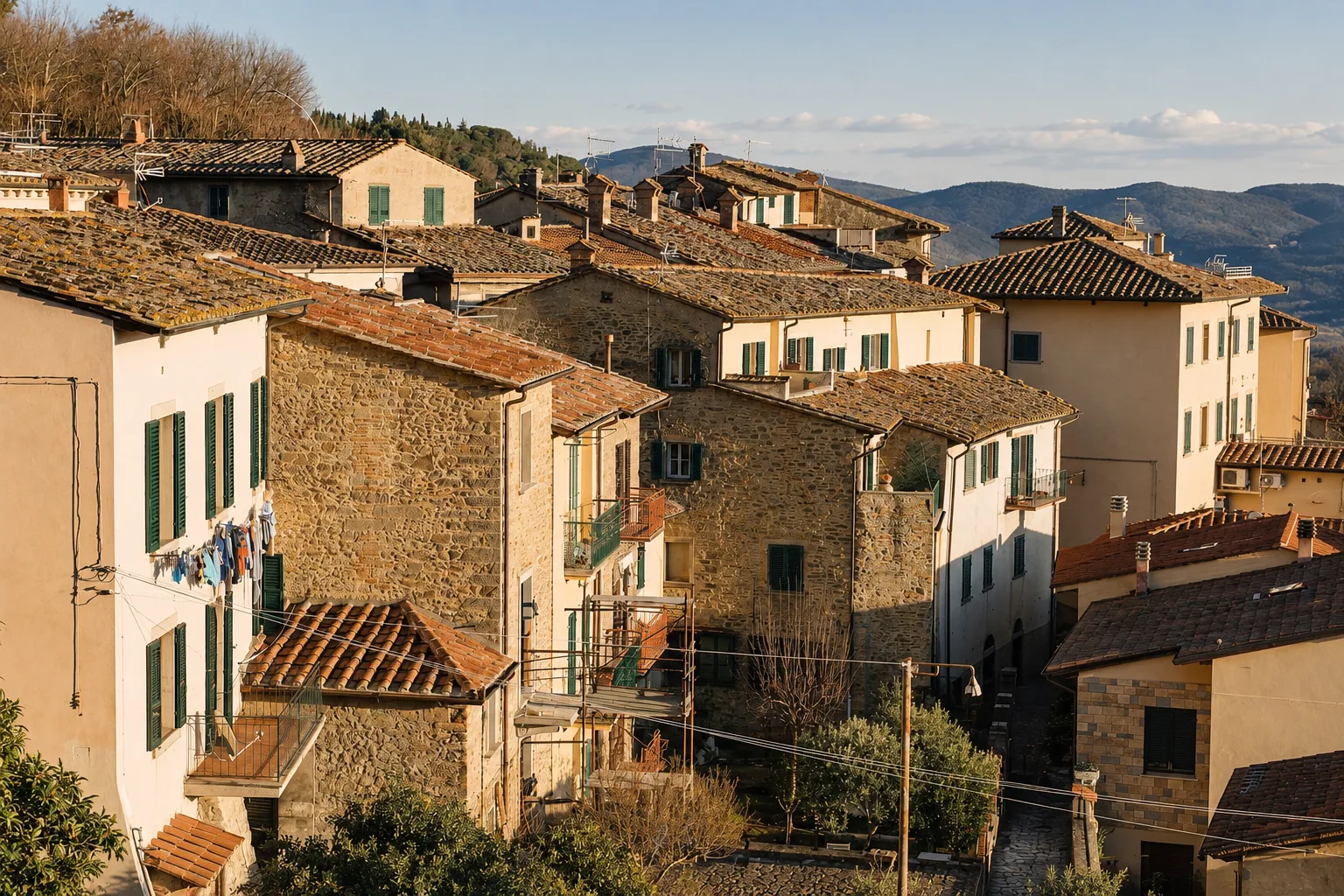 CortonaAn Etruscan hill town high above the Valdichiana, its steep streets and Renaissance churches looking out toward Lake Trasimeno. International readers know it from Under the Tuscan Sun, but its roots run far deeper.
- Crespina Lorenzana
- Dicomano
- Fabbriche di Vergemoli
- Fauglia
- Figline e Incisa Valdarno
- Filattiera
- Firenzuola
- Fivizzano
- Foiano della Chiana
- Follonica
- Fosciandora
- Fosdinovo
- Fucecchio
- Gaiole in Chianti
- Gallicano
- Gambassi Terme
- Gavorrano
- Guardistallo
- Impruneta
- Lajatico
- Lamporecchio
- Larciano
- Lastra a Signa
- Laterina Pergine Valdarno
- Licciana Nardi
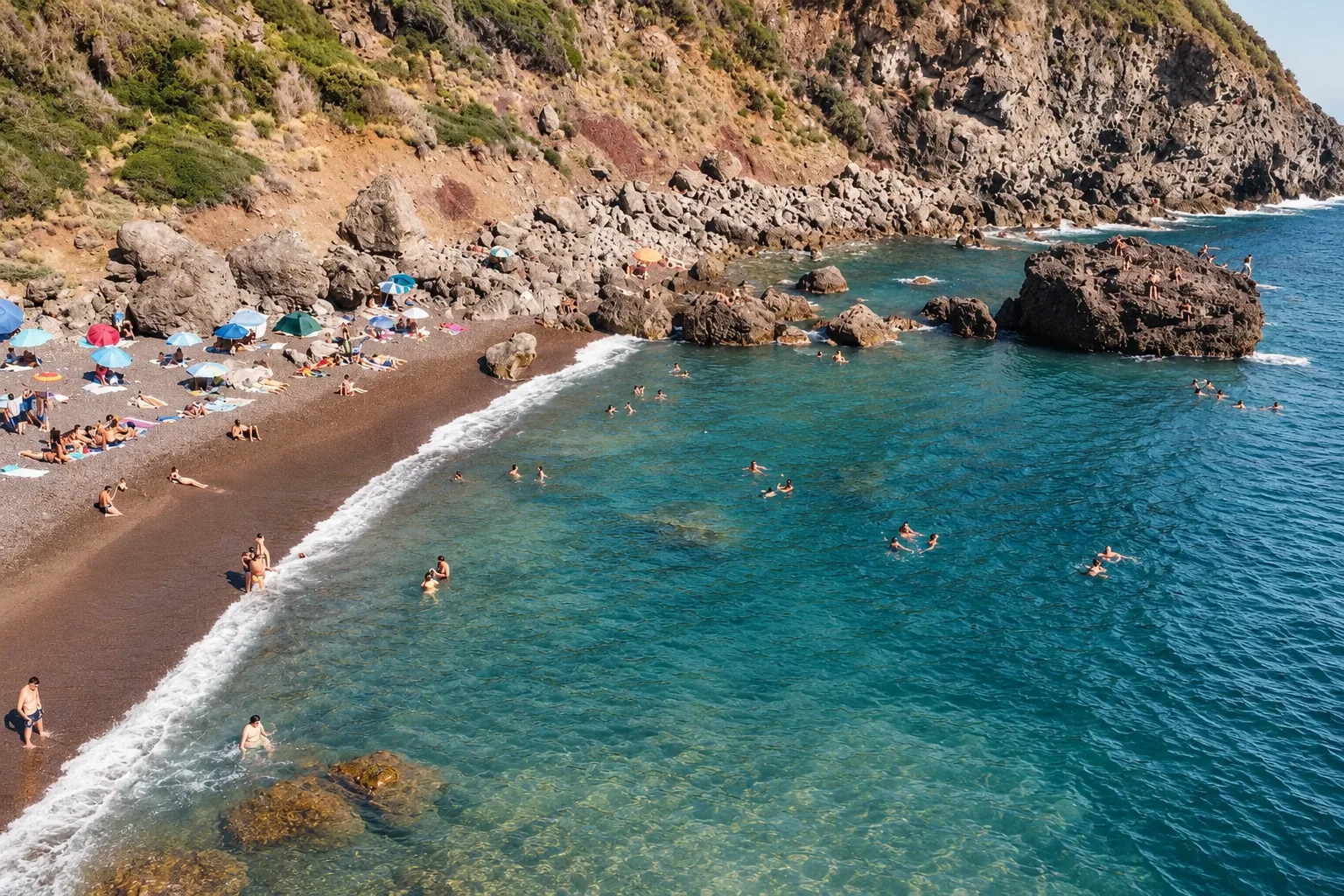 LivornoLivorno is a purpose-built Medici port city whose modern identity formed through late-sixteenth-century planning, international commerce and the Livornine measures. Its historic core reveals the link between port and city in the Fossi, former defensive waterways adapted for commercial use, and in Venezia Nuova, a mercantile district of canals, bridges, warehouses and merchant palaces. Its free-port history must be treated as historic context, not a current customs regime.
- Londa
- Loro Ciuffenna
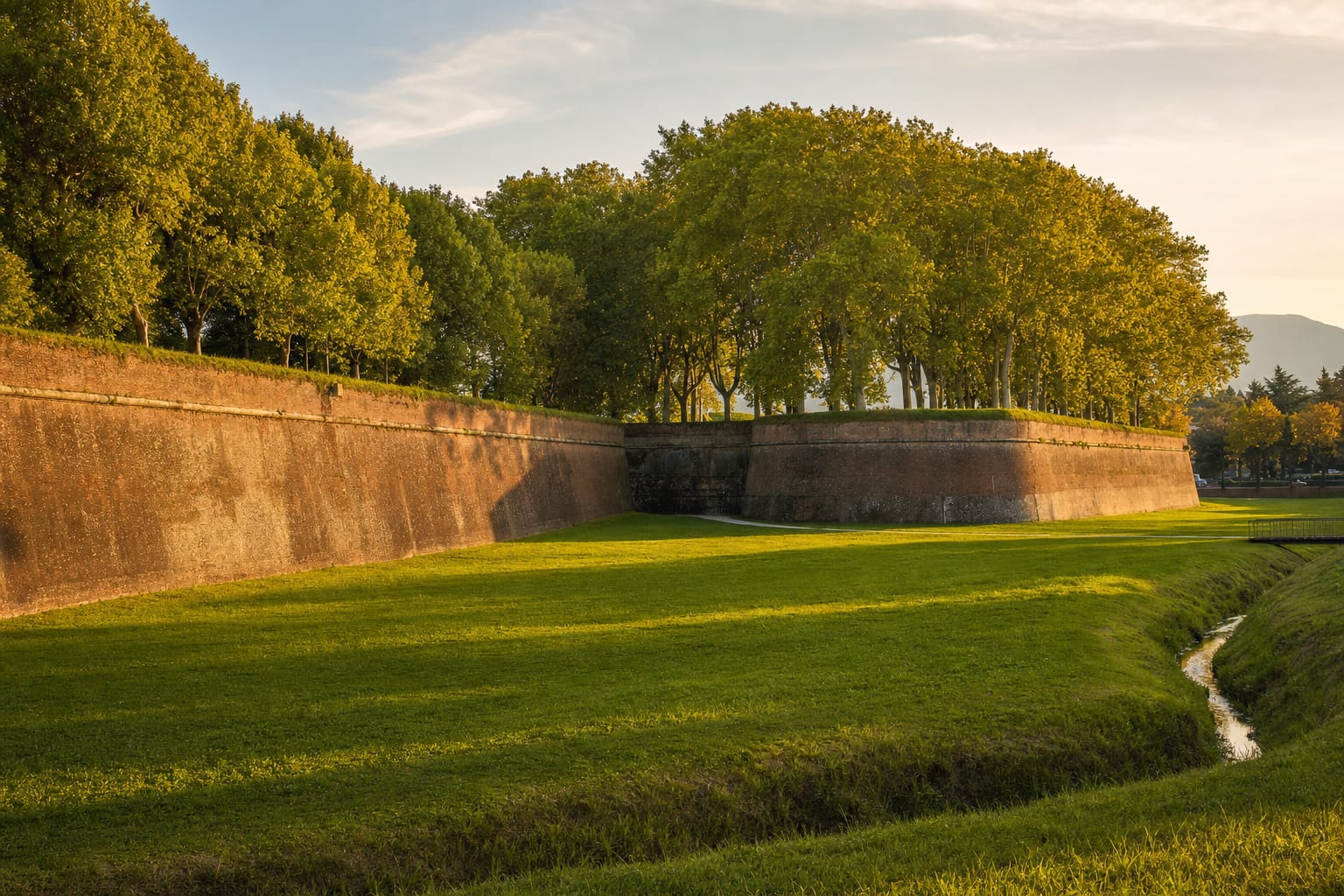 LuccaLucca is the provincial capital in northern Tuscany's Piana di Lucca. Its Roman urban plan remains legible in the historic centre, while the surviving bastioned walls trace the city's third major enclosure and later became a public promenade. Medieval commerce, the Via Francigena and silk manufacture shaped the city's long civic history.
- Lucignano
- Magliano in Toscana
- Manciano
- MarcianaMarciana is a historic hill settlement and municipality on western Elba, set on the slopes of Monte Capanne. Its Pisan fortress, historic borgo, mountain, sanctuaries, museums, archaeology, coast and pastoral landscapes need separate evidence-backed coverage.
- Marciana MarinaMarciana Marina is Elba’s smallest municipality, a distinct coastal settlement shaped by its historic harbour, Torre degli Appiani, Cotone quarter, coastal landscapes and proximity to protected territory. Its maritime, built and living heritage need separate evidence-backed coverage.
- Marciano della Chiana
- Marliana
- Marradi
- Massa e Cozzile
- Massarosa
- Minucciano
- Molazzana
- Monsummano Terme
- Montaione
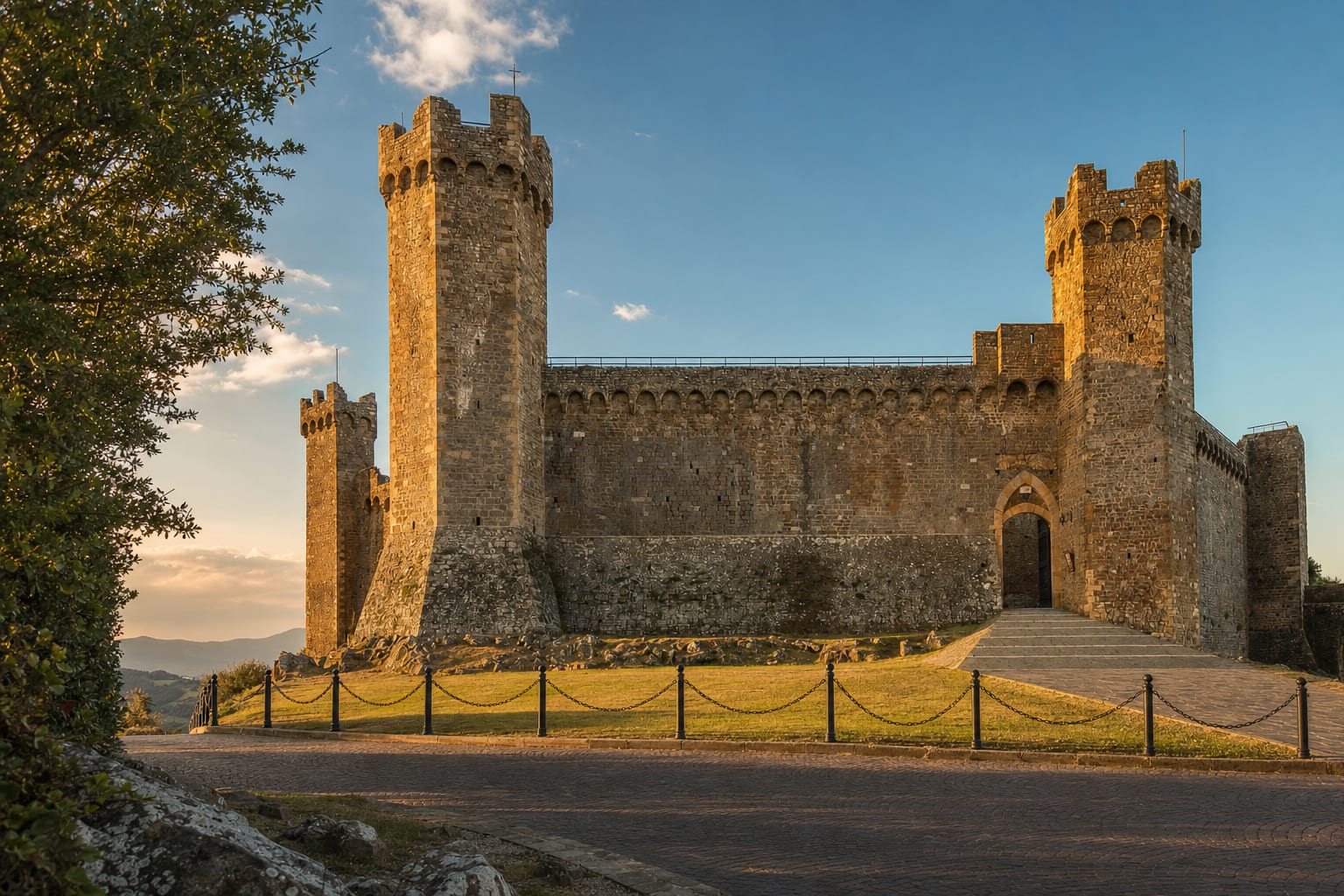 MontalcinoA hilltop town crowned by a fourteenth-century fortress, the last stronghold of the Sienese republic. Its slopes produce Brunello di Montalcino, one of Italy's most prestigious and age-worthy reds.
- Montale
- Monte Argentario
- Monte San Savino
- Montecarlo
- Montecatini Val di Cecina
- Montelupo Fiorentino
- Montemignaio
- Montemurlo
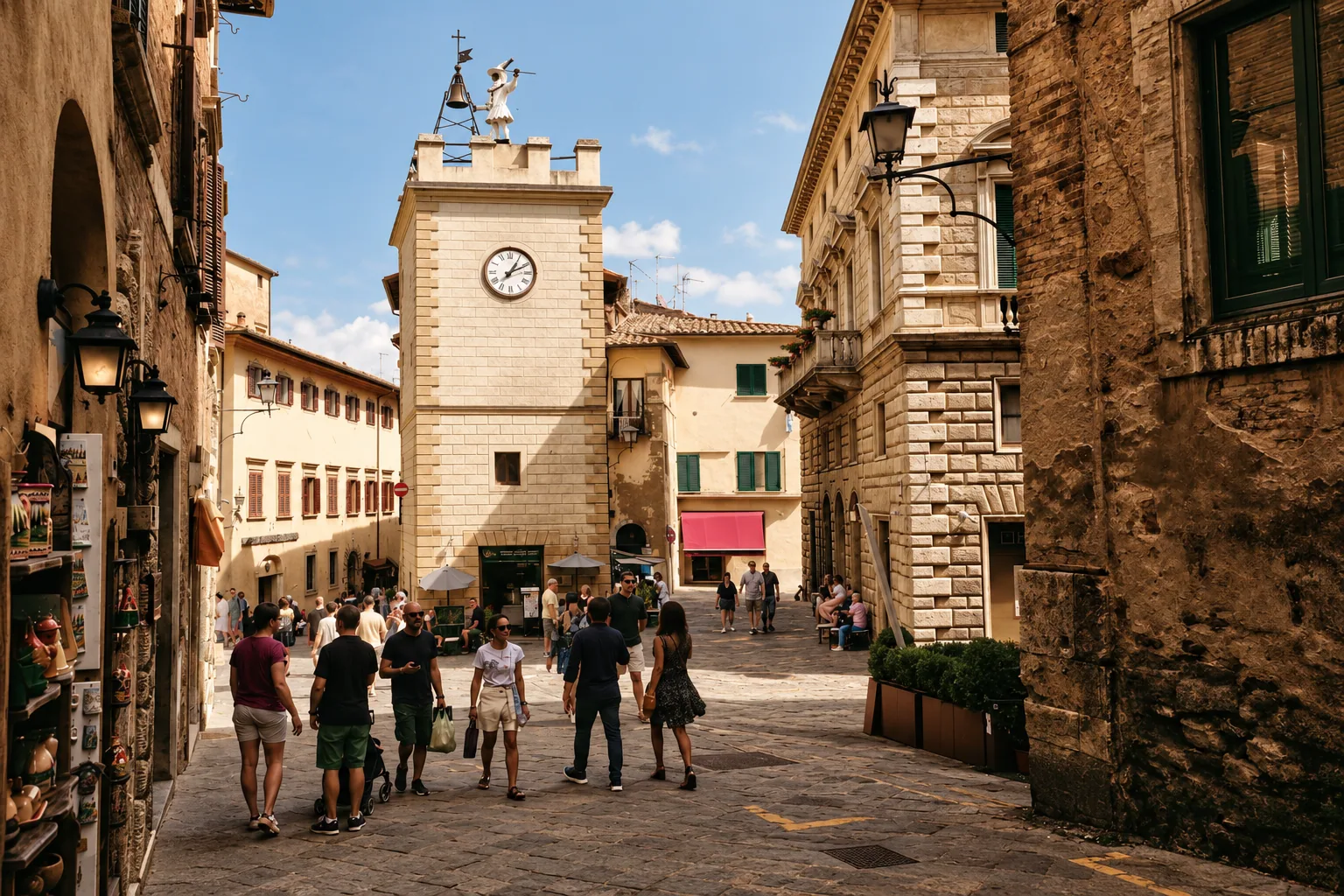 MontepulcianoA Renaissance hill town stretched along a high ridge between the Val d'Orcia and the Valdichiana. Noble palaces line its climbing main street, and its cellars age Vino Nobile di Montepulciano, a robust Sangiovese red.
- Monterchi
- Monteroni d'Arbia
- Monterotondo Marittimo
- Montescudaio
- Montespertoli
- Montevarchi
- Monteverdi Marittimo
- Monticiano
- Montieri
- Montignoso
- Montopoli in Val d'Arno
- Mulazzo
- Murlo
- Orciano Pisano
- Ortignano Raggiolo
- Palaia
- Palazzuolo sul Senio
- Peccioli
- Pelago
- Pescaglia
- Piancastagnaio
- Piazza al Serchio
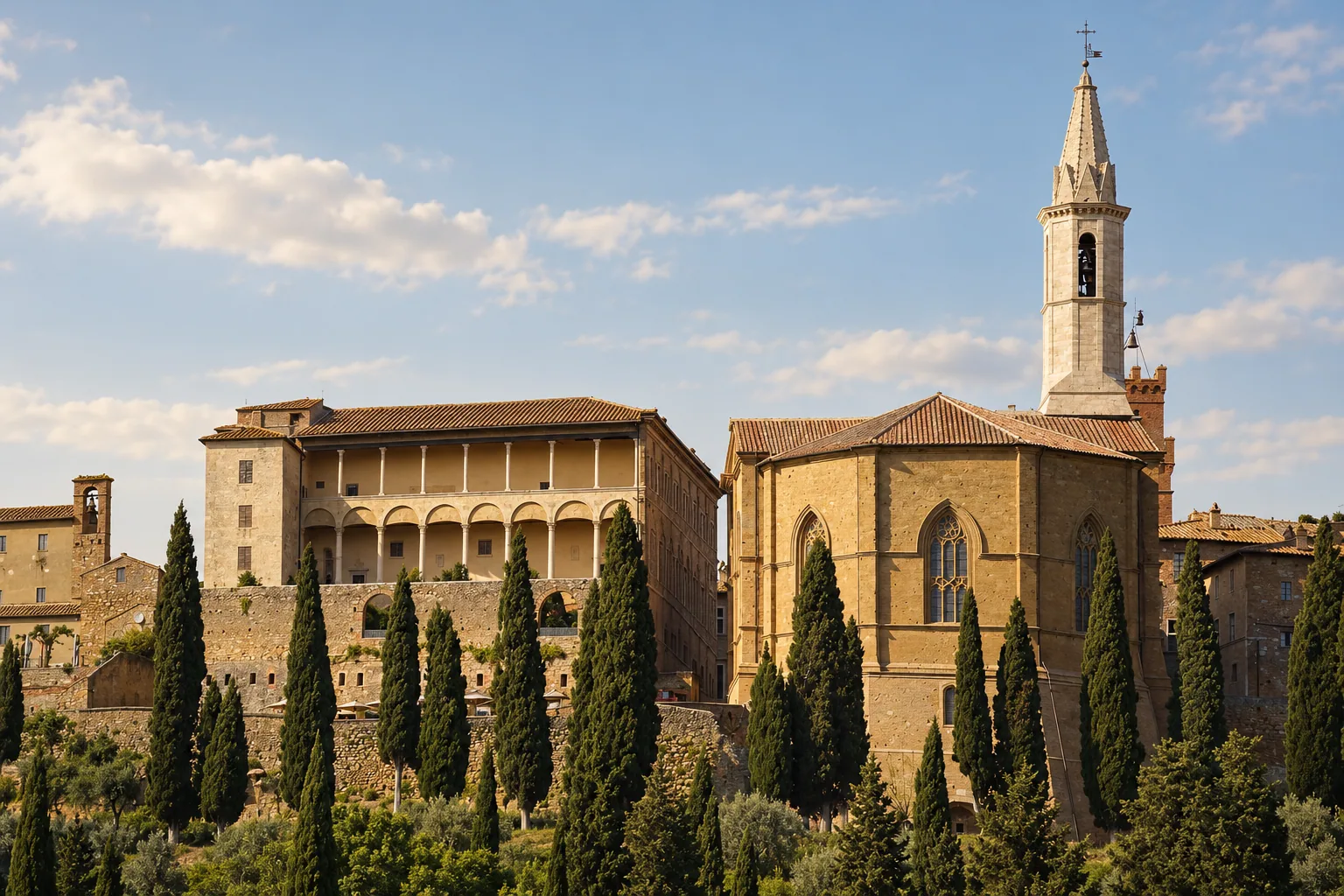 PienzaThe ideal Renaissance city, redesigned in the fifteenth century by Pope Pius II as a model of harmonious planning. Its cathedral and palace face the Val d'Orcia, and its dairies produce a celebrated Pecorino di Pienza.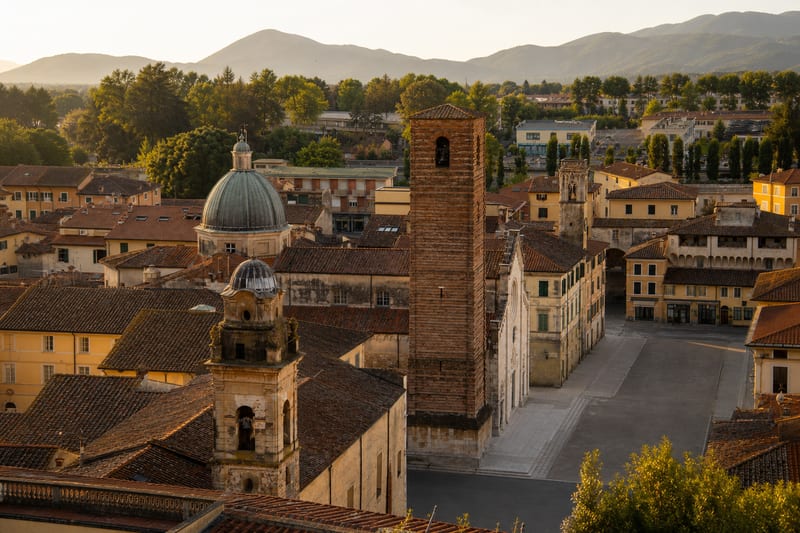
- Pieve a Nievole
- Pieve Fosciana
- Pieve Santo Stefano
- PiombinoPiombino is a coastal city whose identity joins a historic port and former state capital with industrial heritage and a wider archaeological landscape. It was the capital of a small autonomous state from 1399 to 1815, first under the Appiani and later through Ludovisi and Ludovisi Boncompagni phases. Its municipal archive also treats steelmaking as a core modern historical layer. Baratti–Populonia is a distinct archaeological destination within the municipality, not a synonym for the city centre.
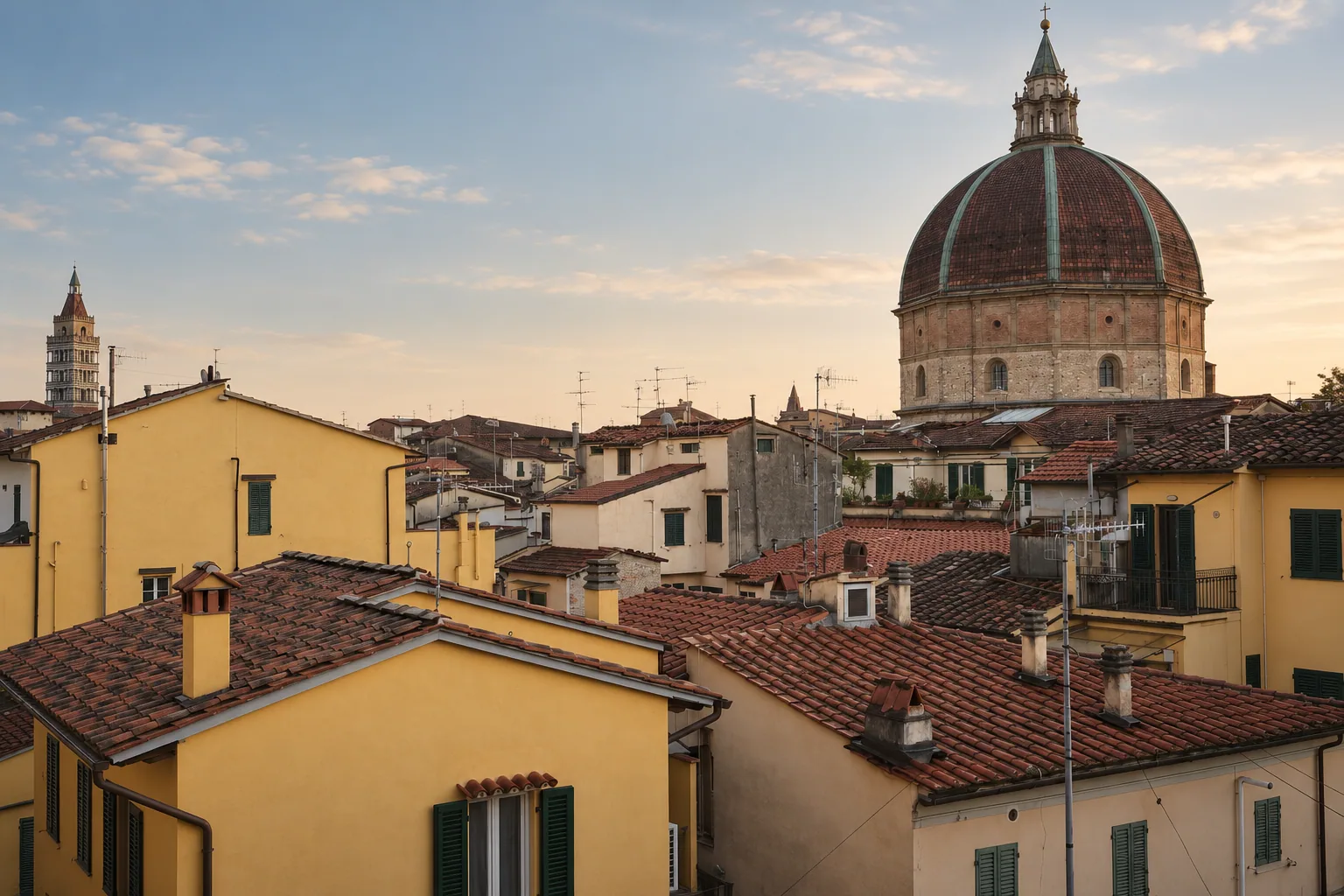 PistoiaA handsome small city below the Apennines, its medieval piazza framed by a striped Romanesque cathedral and baptistery. The surrounding plain is a vast nursery, supplying ornamental plants and trees across Europe.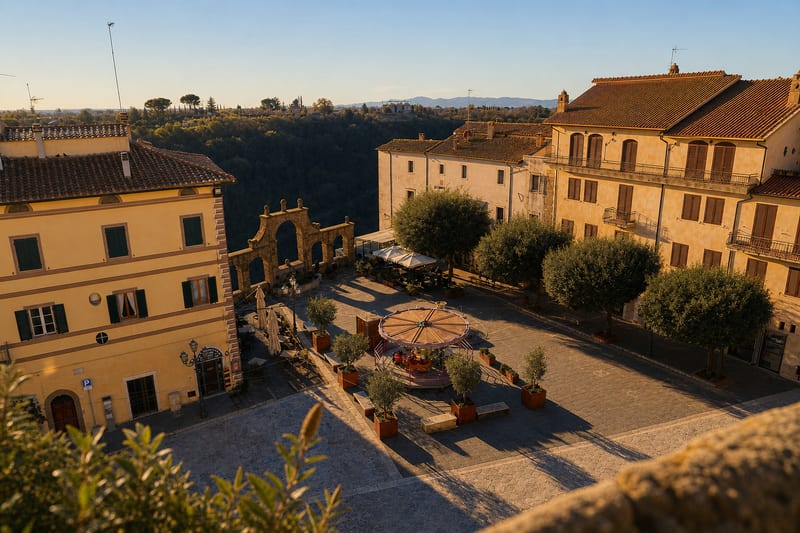
- Podenzana
- Poggibonsi
- Poggio a Caiano
- Pomarance
- Ponsacco
- Pontassieve
- Ponte Buggianese
- Pontremoli
- Poppi
- Porcari
- Porto AzzurroPorto Azzurro is an Elban coastal town whose historic identity is bound to Porto Longone and the Spanish fortress of San Giacomo. The town, its bay, fortress, prison history, harbour and nearby mining landscape require separate treatment rather than a single resort narrative.
- Pratovecchio Stia
- Quarrata
- Radicofani
- Radicondoli
- Rapolano Terme
- Reggello
- Rignano sull'Arno
- RioRio is eastern Elba’s merged municipality, bringing together the medieval hill settlement of Rio nell'Elba, the iron-mining harbour of Rio Marina, Cavo and a network of coastal settlements. Its mining, maritime, archaeological and landscape layers need separate evidence-backed coverage.
- Riparbella
- Roccalbegna
- Roccastrada
- Rosignano Marittimo
- Rufina
- Sambuca Pistoiese
- San Casciano dei Bagni
- San Casciano in Val di Pesa
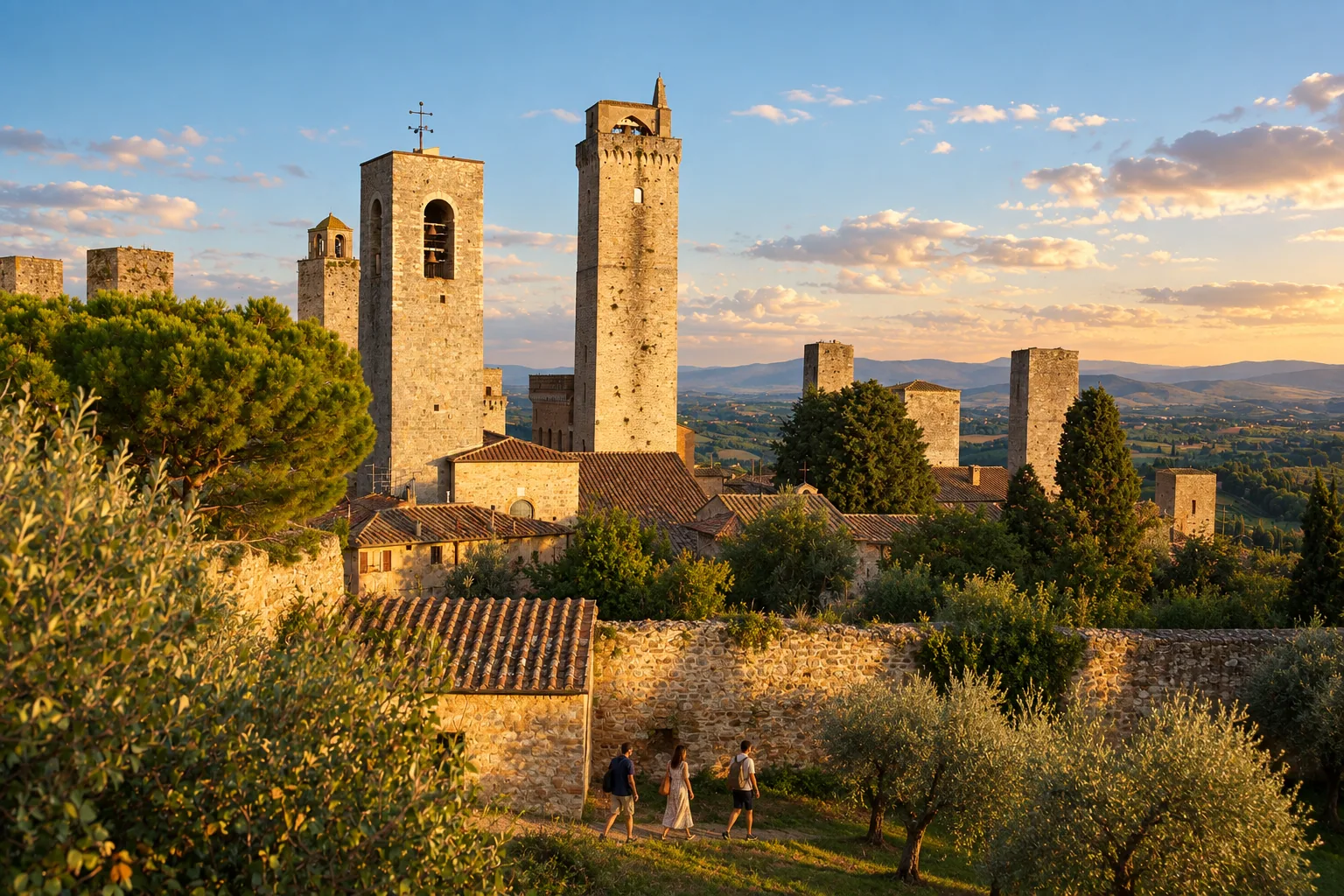 San GimignanoThe town of beautiful towers, where fourteen medieval skyscrapers still spike the skyline above the Val d'Elsa. Around Piazza della Cisterna the local vineyards pour Vernaccia di San Gimignano, Tuscany's noble white.
- San Giovanni Valdarno
- San Giuliano Terme
- San Godenzo
- San Marcello Piteglio
- San Quirico d'Orcia
- San Romano in Garfagnana
- San Vincenzo
- Sansepolcro
- Santa Croce sull'Arno
- Santa Fiora
- Santa Luce
- Santa Maria a Monte
- Sarteano
- Sassetta
- Scansano
- Scarlino
- Scarperia e San Piero
- Seggiano
- Semproniano
- Serravalle Pistoiese
- Sestino
- Sillano Giuncugnano
- Sinalunga
- Sovicille
- Stazzema
- Subbiano
- Talla
- Terranuova Bracciolini
- Terricciola
- Torrita di Siena
- Trequanda
- Tresana
- Uzzano
- Vagli Sotto
- Vaglia
- Vaiano
- Vecchiano
- Vernio
- Vicchio
- Vicopisano
- Villa Basilica
- Villa Collemandina
- Villafranca in Lunigiana
- Vinci
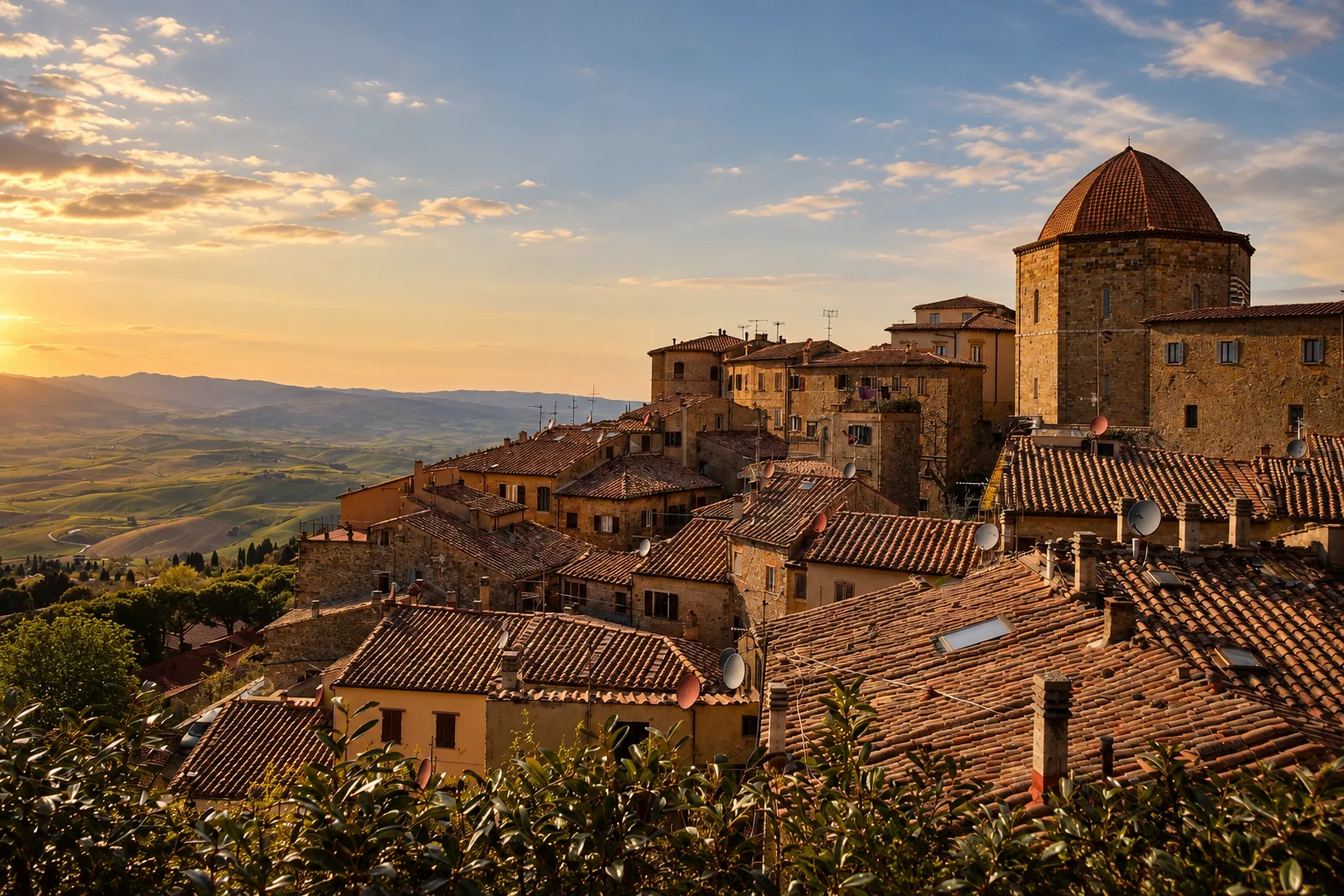 VolterraAn ancient hill town high above the Val di Cecina, layered with Etruscan, Roman and medieval remains, including a finely excavated Roman theatre. Volterra has carved its translucent local alabaster into art for centuries.
- Zeri
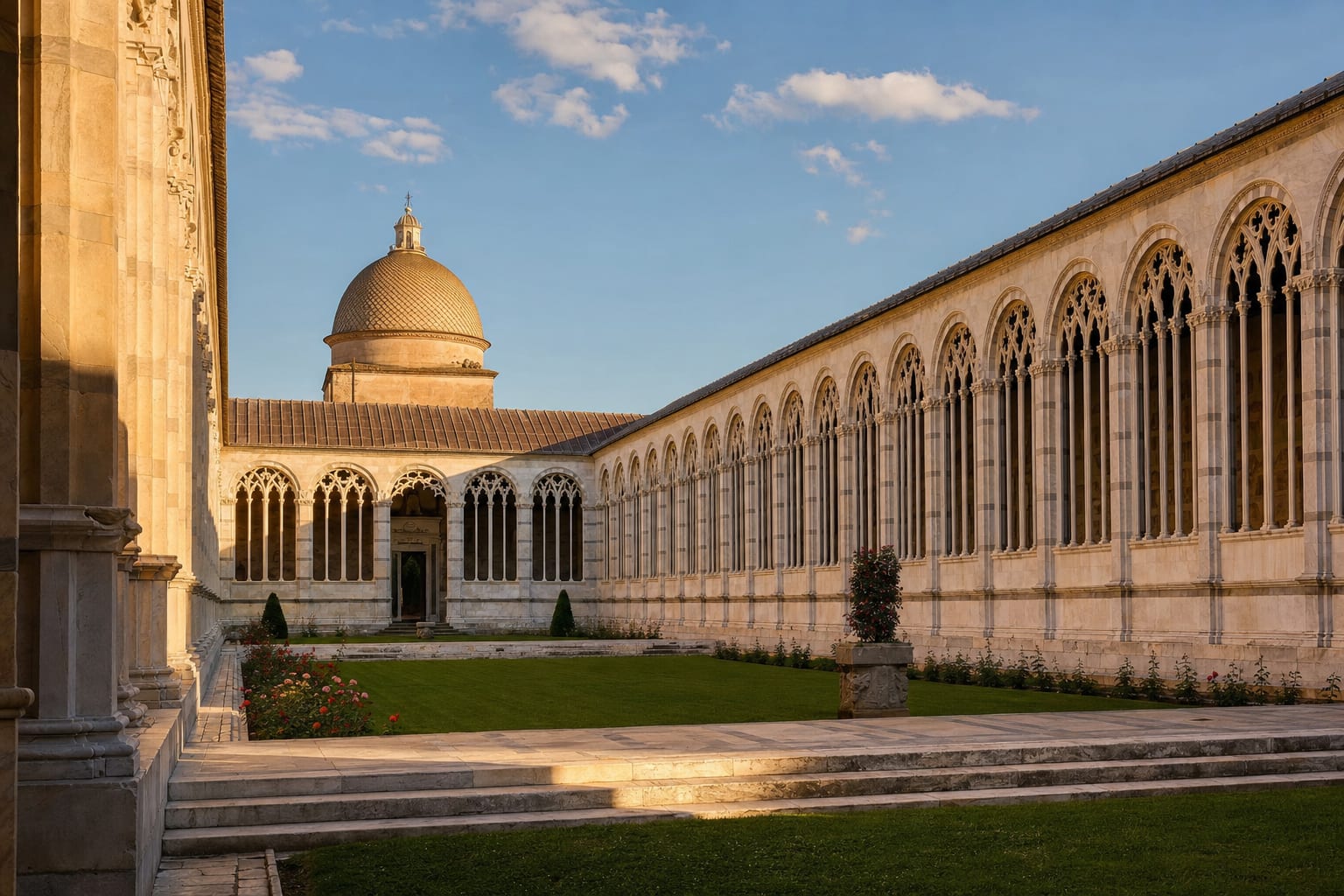 PisaA medieval maritime power on the Arno, gathered around the green of the Piazza dei Miracoli. There the famously tilting bell tower stands beside a Romanesque cathedral and the frescoed Camposanto, its soil said to come from Golgotha.
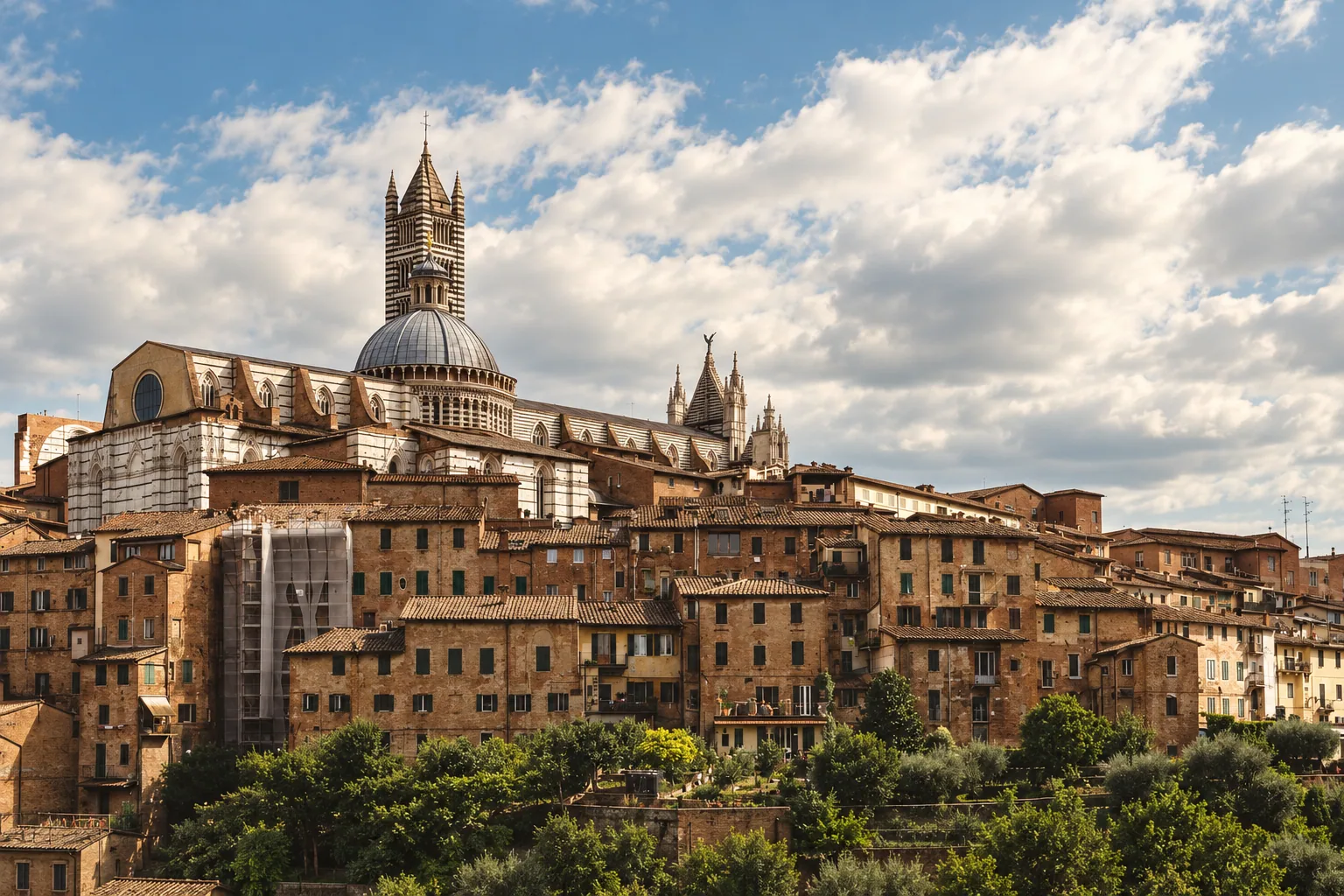 SienaA Gothic city built across three hills, gathered around the shell-shaped Piazza del Campo where the Palio horse race is run twice each summer. Its striped marble cathedral and the towering Torre del Mangia define a perfectly preserved medieval skyline.


