

All the monuments, city by city
The landmarks and masterpieces worth planning a day around.
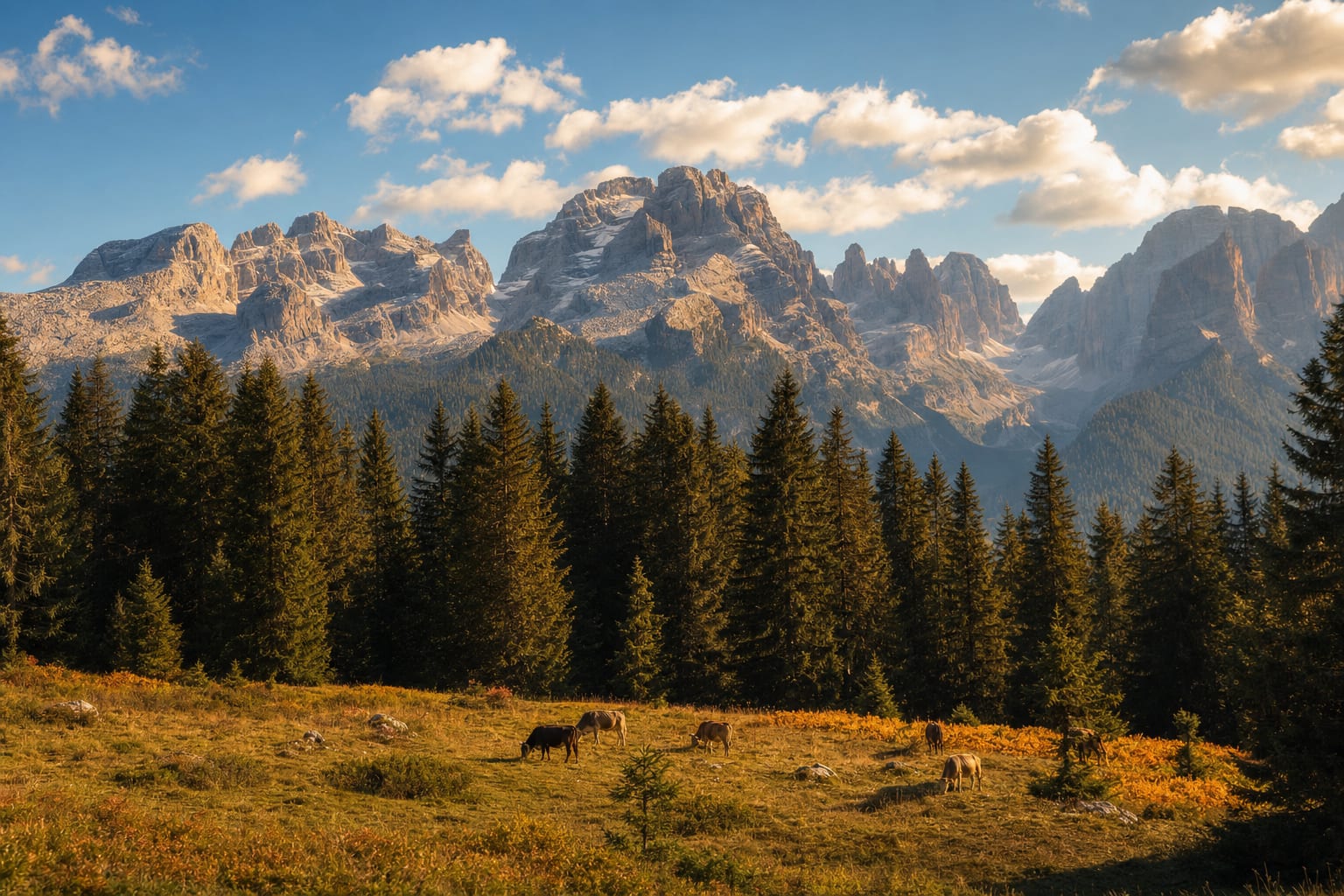 Madonna di CampiglioUNESCOBrenta DolomitesWestern Dolomite towers, Via delle Bocchette ledge routes, Campiglio ski slopes, reintroduced brown bearsWest of the Adige and detached from the rest of the range, the Brenta group gives the Dolomites their most vertical face: sheer grey towers laced together by the Via delle Bocchette, a network of ledges and iron rungs bolted into the rock starting in 1935. Madonna di Campiglio sits at its base, a ski resort each winter and the trailhead for hut-to-hut treks the rest of the year. The peaks anchor the Adamello Brenta Nature Park, a 650-square-kilometer reserve established in 1967, where brown bears, once nearly gone from the area, were reintroduced from Slovenia in a project that began in the late 1990s and now roam the beech forests below the rock. UNESCO folded the Brenta into its Dolomites World Heritage listing in 2009, the only group west of the Adige to make the cut.Plan the visit
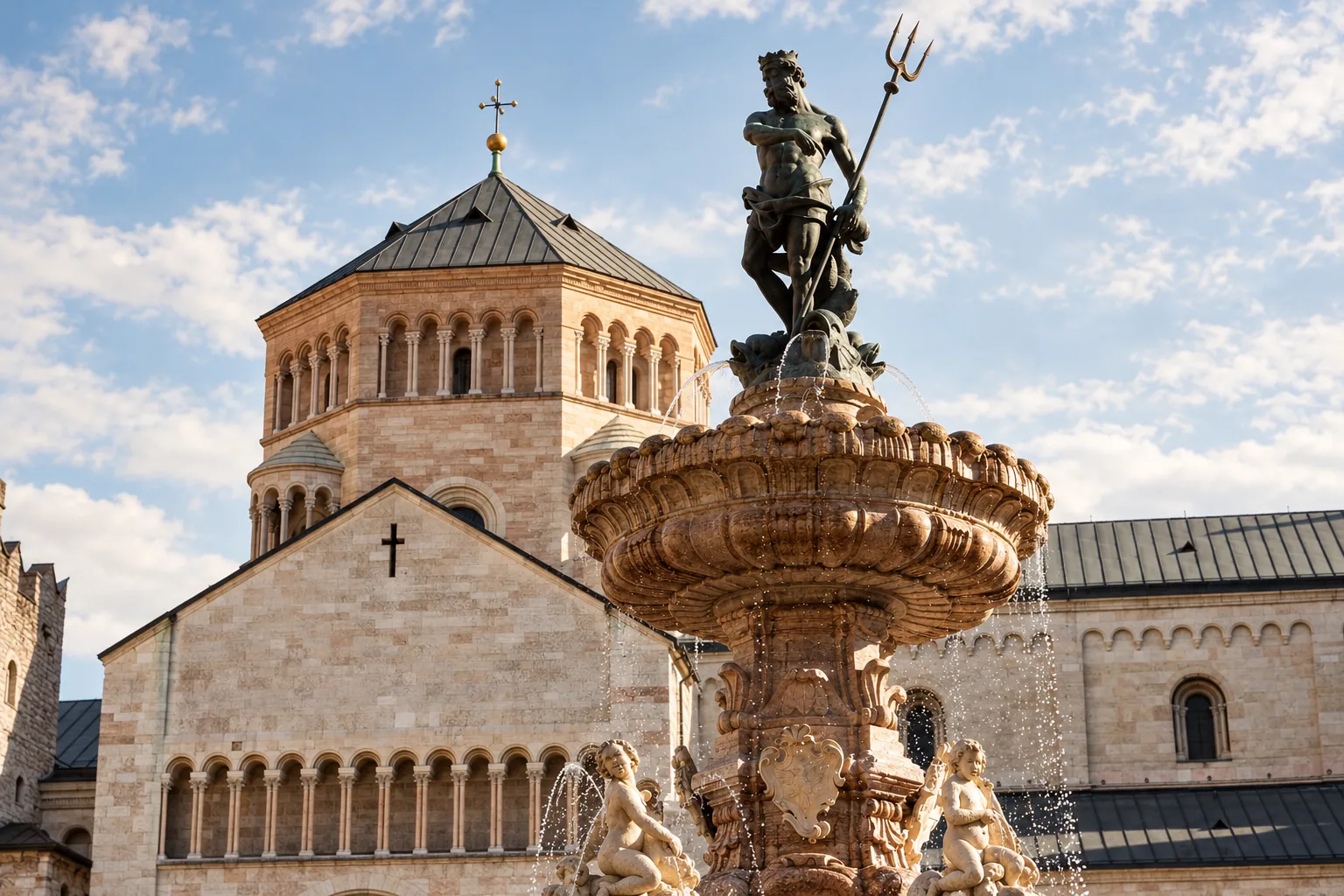 TrentoTrento CathedralCouncil of Trent, Wheel of Fortune rose window, early Christian basilica beneath, Neptune fountainTrento's cathedral, dedicated to Saint Vigilius, was begun in 1212 under Prince-Bishop Federico Vanga to the design of Adamo d'Arogno, and it mixes Lombard Romanesque with Gothic across three centuries of work. It matters beyond Trentino: the Council of Trent (1545 to 1563) held sessions here, and the Catholic Counter-Reformation took shape in this nave. On the north transept is a rose window depicting the Wheel of Fortune, and beneath the floor lie the remains of a fourth-century early Christian basilica, visited with the diocesan museum ticket. Outside, the Piazza Duomo with the Neptune fountain and the frescoed Cazuffi-Rella houses is among the finest small squares in the Alps.
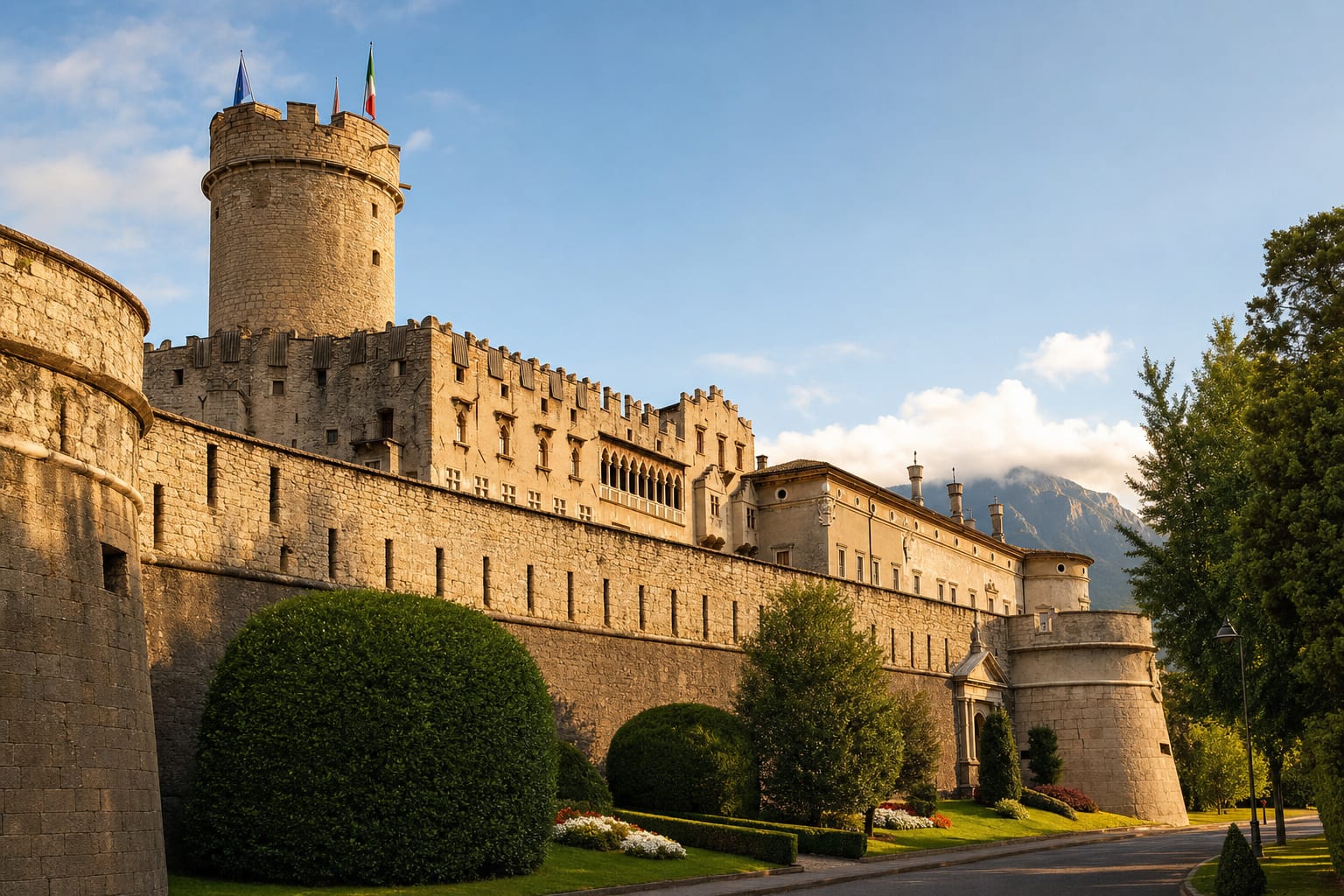 TrentoBuonconsiglio CastlePrince-bishops’ residence, Cycle of the Months frescoes, Renaissance loggia, Torre AquilaFor five centuries the prince-bishops of Trento ruled from this castle, adding a Renaissance loggia and gardens onto a thirteenth-century fortress as their power grew. Its best-known treasure hides inside the Torre Aquila (Eagle Tower): the Cycle of the Months, commissioned around 1400 by Prince-Bishop Giorgio di Liechtenstein from a still-unidentified Bohemian master. Eleven surviving frescoed panels (March was lost to fire) show nobles hunting and feasting beside peasants sowing, pruning and threshing through the year, one of the fullest pictures of medieval social life anywhere in Europe. The prince-bishopric ended when Napoleon’s troops arrived in 1796; the castle is now Trentino’s provincial museum, its rooms carrying collections of archaeology and art that span 10,000 years, from prehistoric finds to nineteenth-century pieces.
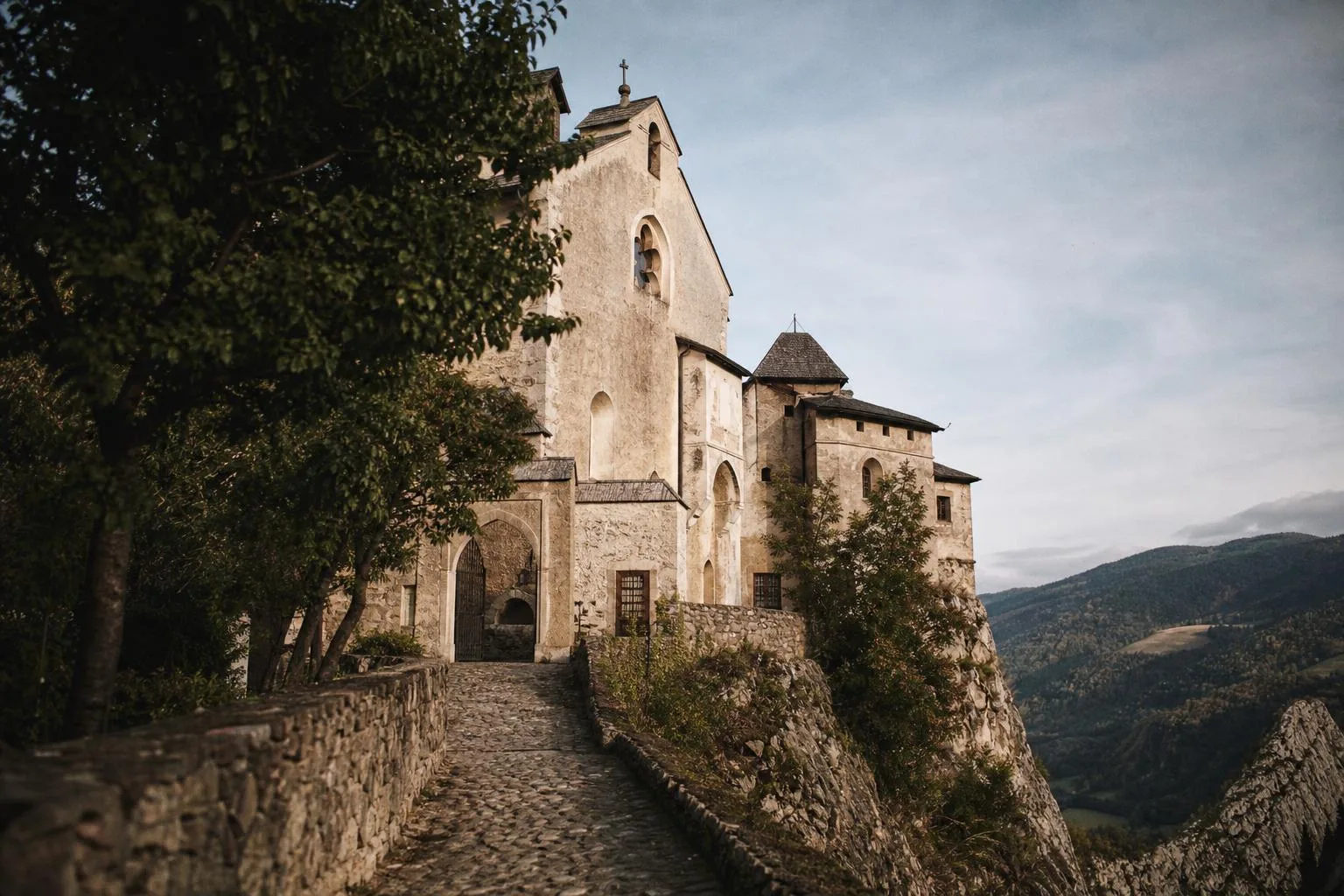 BressanoneHidden GemSäben AbbeyFormer bishop's seat, Benedictine-turned-Cistercian monastery, Stations of the Cross climb, Acropolis of Tyrol viewsLong before Bressanone existed as a bishop's seat, Sabiona held that role: from an early date until around the year 1000, this rock above Chiusa was the cathedral of an Alpine diocese, and locals still call it the Acropolis of Tyrol for the ruins and views it keeps. After lightning destroyed the old bishop's palace here in 1535, a local canon rebuilt it as a convent, and five Benedictine nuns from Salzburg moved in when it opened in 1686, growing within a year to about thirty sisters. Their enclosed life lasted nearly three and a half centuries, ending in 2021, when Cistercian monks from Austria's Heiligenkreuz Abbey took over. Visitors reach the top on foot, climbing a Stations of the Cross path from Chiusa to the Church of the Holy Cross and the Chapel of Our Lady; the cloister stays closed to outsiders.
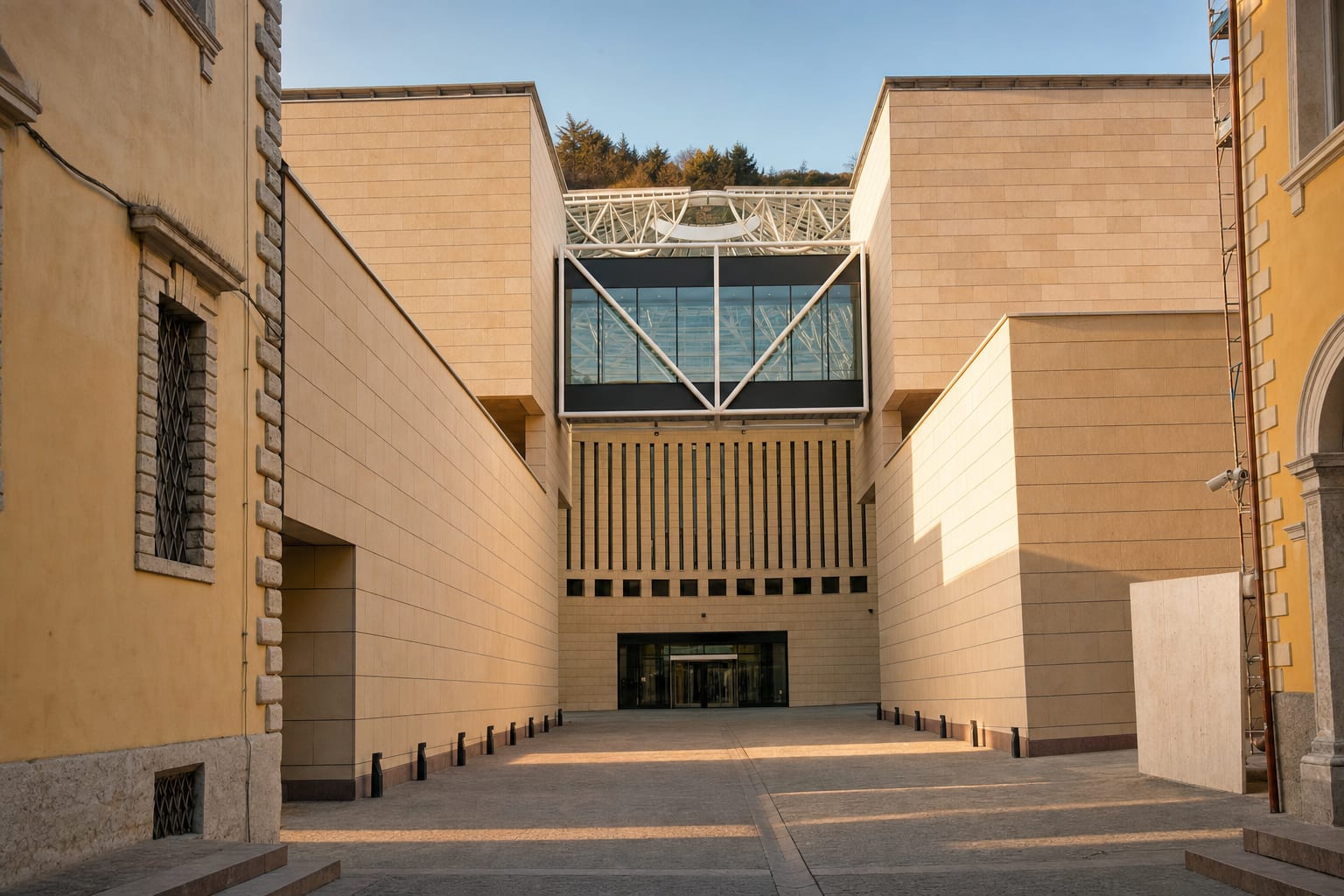 RoveretoMART RoveretoBotta's glass-domed piazza, Futurism collection, Depero archive, twentieth-century Italian artMario Botta sank a glass-domed rotunda into the middle of Rovereto and filled it with Italy's twentieth century. Opened in 2002, the museum holds one of the country's deepest collections of Futurism, alongside Morandi, de Chirico and a strong run of contemporary work, all arranged around Botta's central piazza coperta, lit from above by a ring of glass. The connection to Rovereto runs deeper than the building: this was the hometown of Fortunato Depero, the Futurist painter and designer, and MART also runs the small Casa d'Arte Futurista Depero nearby, built to his own eccentric floor plan. A combined ticket covers both, plus the Galleria Civica in town, so a single visit can trace Futurism from its manifestos to its household objects.
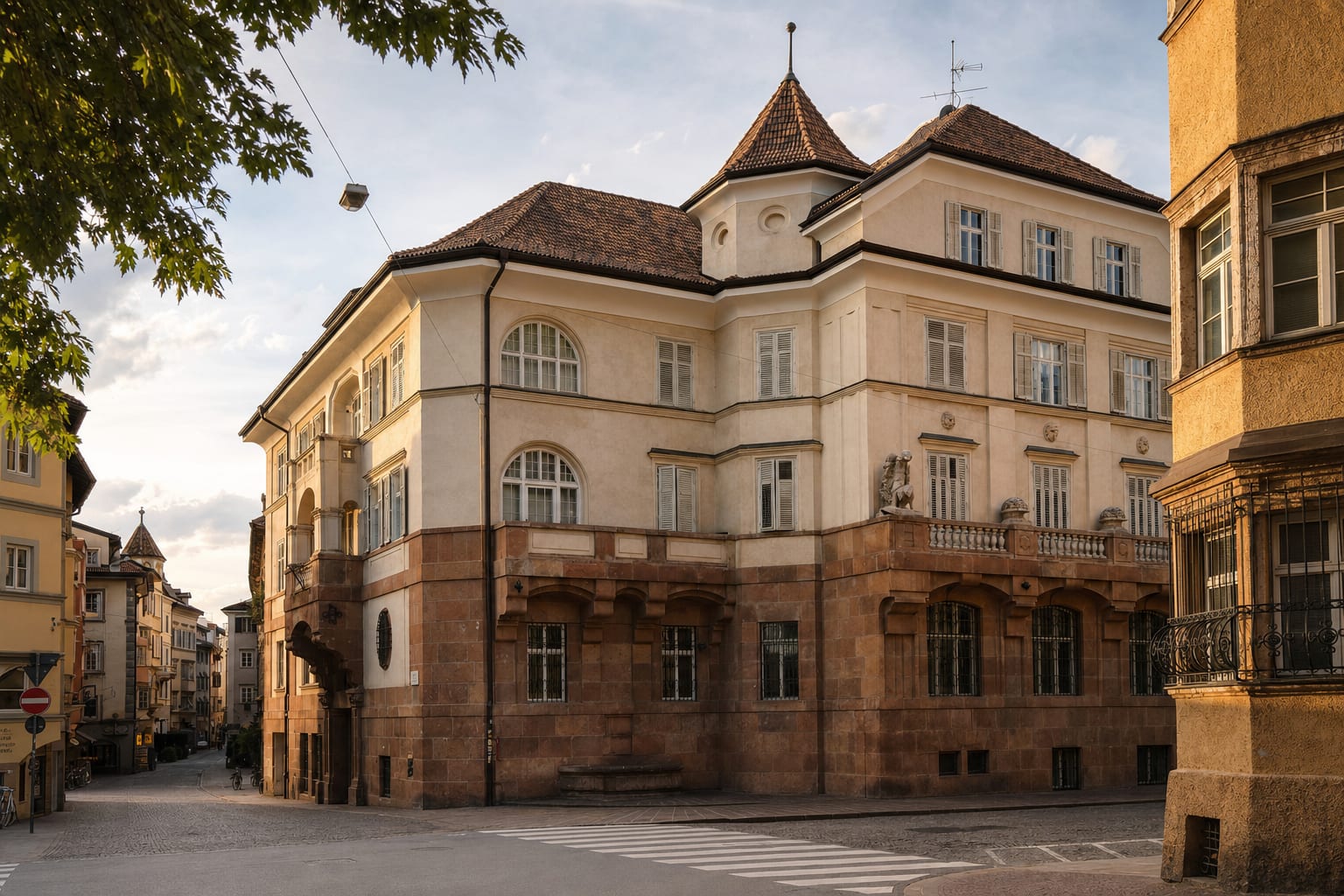 BolzanoSouth Tyrol Museum of ArchaeologyOtzi the Iceman, 5,300-year-old mummy, Copper Age kit complete, cold-chamber viewingOtzi melted out of a glacier on the Austrian-Italian border in September 1991, complete with his clothes, tools and an unfinished yew longbow, a Copper Age life interrupted mid-task and preserved for 5,300 years. Bolzano's museum keeps him at glacier temperature in a small cold cell, viewable through a window barely larger than a porthole, and the effect humbles most visitors more than any painting could. The floors above lay out everything found around him: a copper axe, a fur quiver of arrows, a woven grass cape, and the tattoos still visible on his skin, mapped by researchers as possible early acupuncture points. It is the fullest picture anywhere of how one ordinary person actually lived, worked and died five millennia ago.
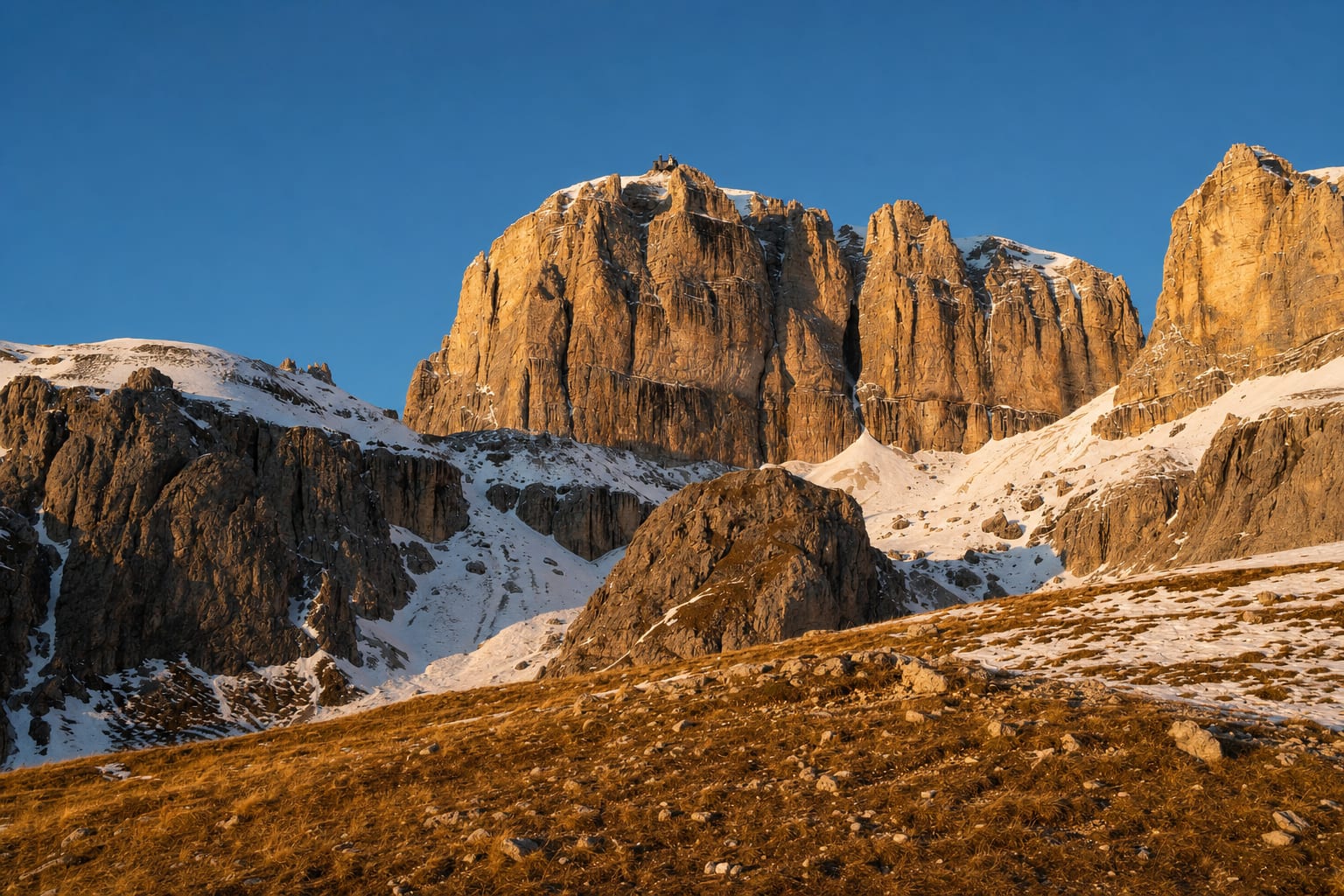 CanazeiUNESCOSass PordoiCable car to 2,950 m, Terrace of the Dolomites, Marmolada glacier view, Sella plateauFrom Passo Pordoi a cable car lifts you in a few minutes to 2,950 meters, onto the stony plateau of Sass Pordoi, the Terrazza delle Dolomiti on the Sella massif. From the summit station the view sweeps across the Marmolada, the Dolomites’ highest peak with its glacier, and around to the Sella towers and the valleys of Fassa and Arabba. There is a rifugio at the top, and marked trails cross the plateau toward the Rifugio Boè. It is high-alpine scenery with almost no effort: the ride does the climbing, and the walk is the choice you make once you are up there.
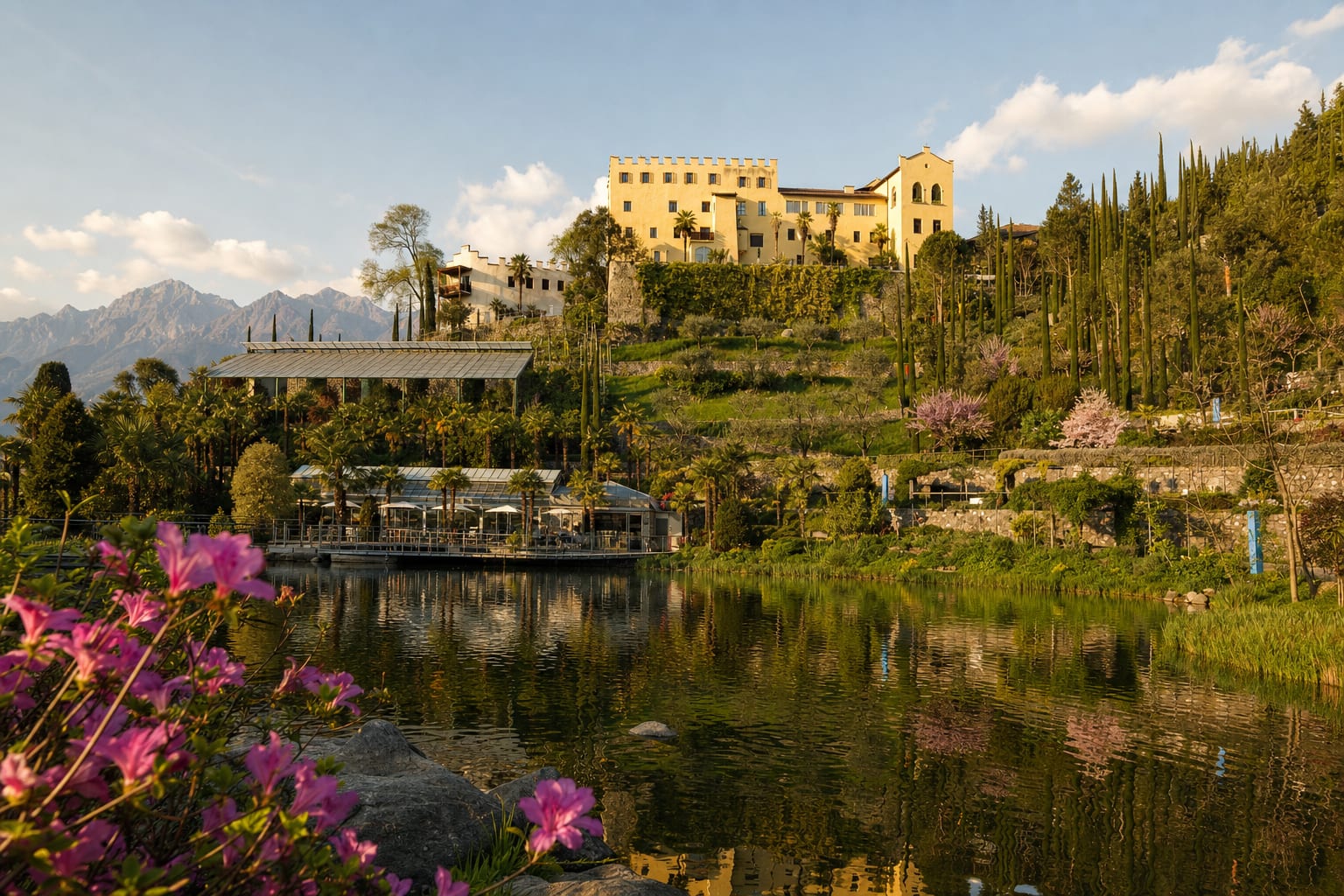 MeranoTrauttmansdorff Castle GardensEighty garden worlds, Sissi's castle, Touriseum museum, palms beneath the AlpsEmpress Elisabeth of Austria, known as Sissi, spent the winter of 1870 recovering here, and the terraces below her castle still perform the trick that made Merano famous: palms and olive trees flourishing within sight of Alpine peaks. Eighty themed garden worlds climb the south-facing slope, from a Mediterranean amphitheater of agaves and cacti to a Japanese-style water garden and a glasshouse of lotus and papyrus. The neo-Gothic castle above, rebuilt from 1846 for the Trauttmansdorff family on the ruins of the medieval Neuburg fortress, now houses the Touriseum, South Tyrol's museum of tourism history. One ticket covers both, and a shuttle bus climbs from central Merano, so the walk uphill is optional.
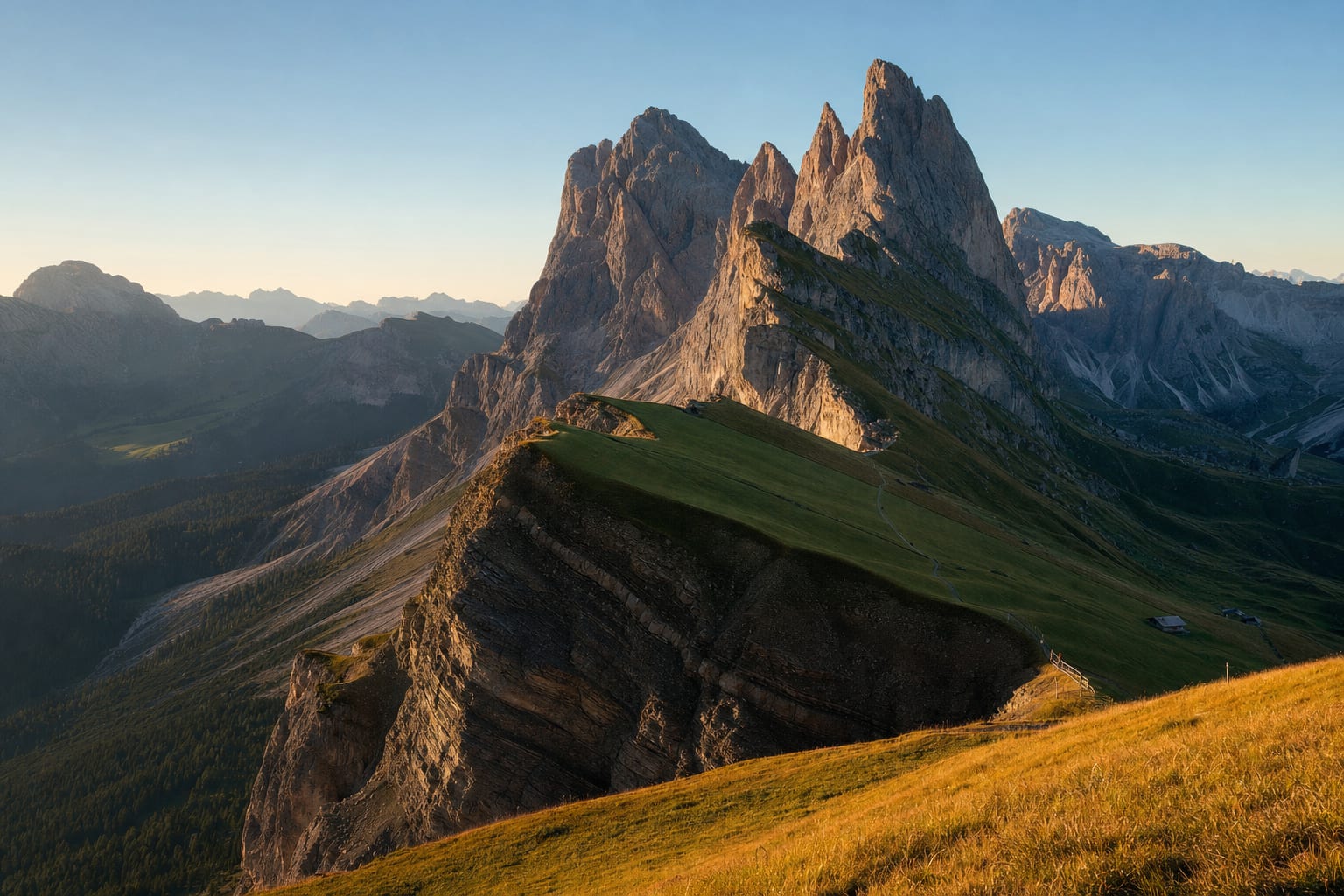 OrtiseiUNESCOSecedaDolomites ridge, sheer north face, Odle peaks, alpine meadows, summit crossSeceda is the ridge above Ortisei that most people picture when they imagine the Dolomites: green meadows tilting to a sharp edge, then a north face that falls away in pale rock toward the Odle (Geisler) peaks. The upper cable car station stands near 2,500 meters, and a summit cross marks the high point along the ridge. The Dolomites were inscribed by UNESCO in 2009, and this is among the finest places to see why. In summer, the meadows are strung with alpine huts and paths for every level; in autumn the larches turn gold. You ride up in two stages, by gondola to Furnes and then by cabin to the ridge. Bring a warm layer.
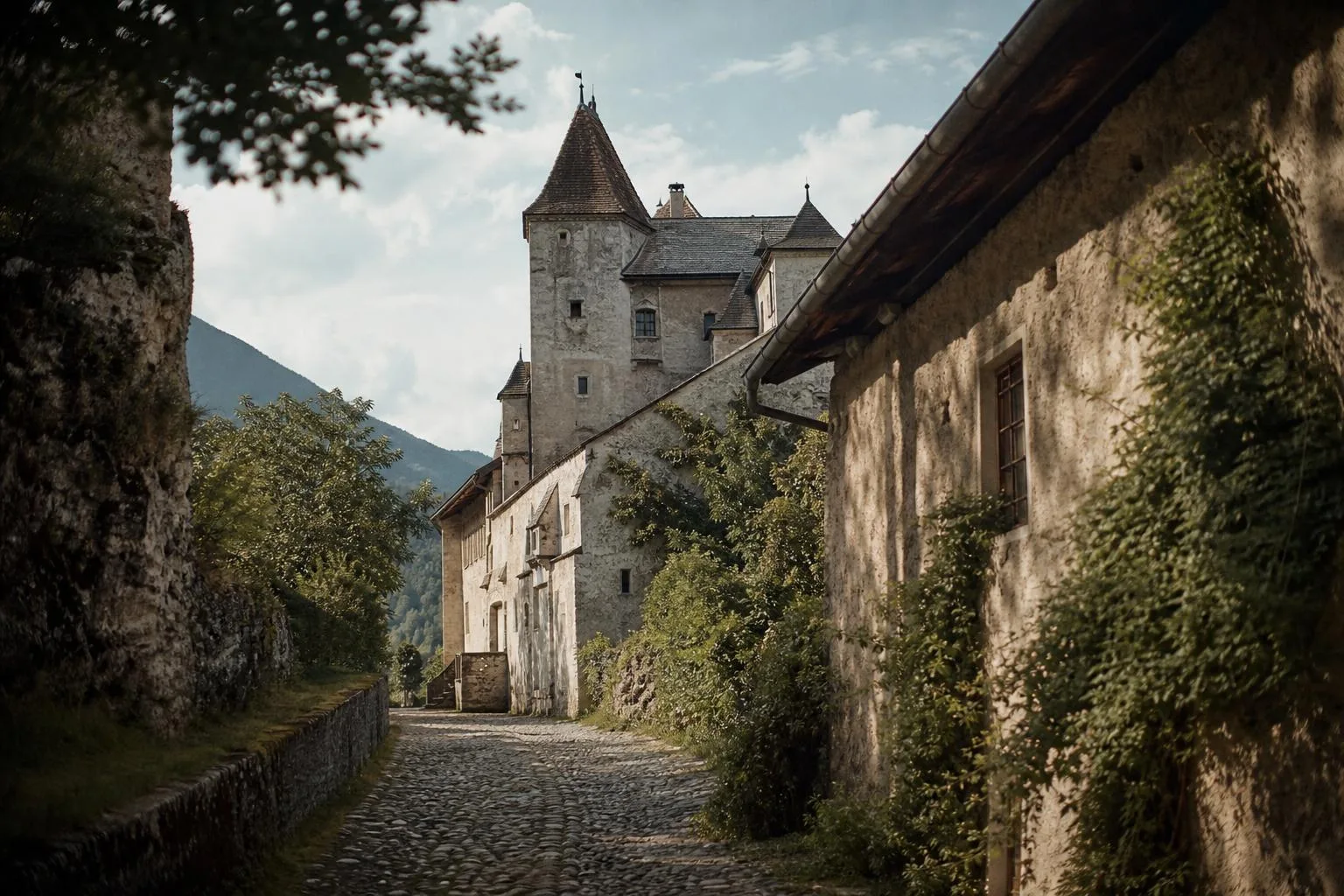 BressanoneHidden GemReifenstein CastleUntouched medieval interiors, original kitchen, woodcarved chapel, Bavarian log coffinsNever conquered and never gutted by fire, Reifenstein Castle, known in Italian as Castel Tasso, preserves its interiors with a completeness few Tyrolean castles can match: an original medieval kitchen with its open hearth, a woodcarved chapel screen, and the Grüner Saal, a Green Room still furnished as when the Teutonic Order held the castle after 1470. First recorded around 1110, it passed between the Lords of Stilfes, the Trautson family and Duke Sigismund of Austria before the Teutonic Knights rebuilt much of what stands today. Since 1813 the Thurn und Taxis family, who gave the castle its Italian name, have owned it. In 1996, workers found eight Bavarian log coffins from the fourth to eighth centuries near the chapel.
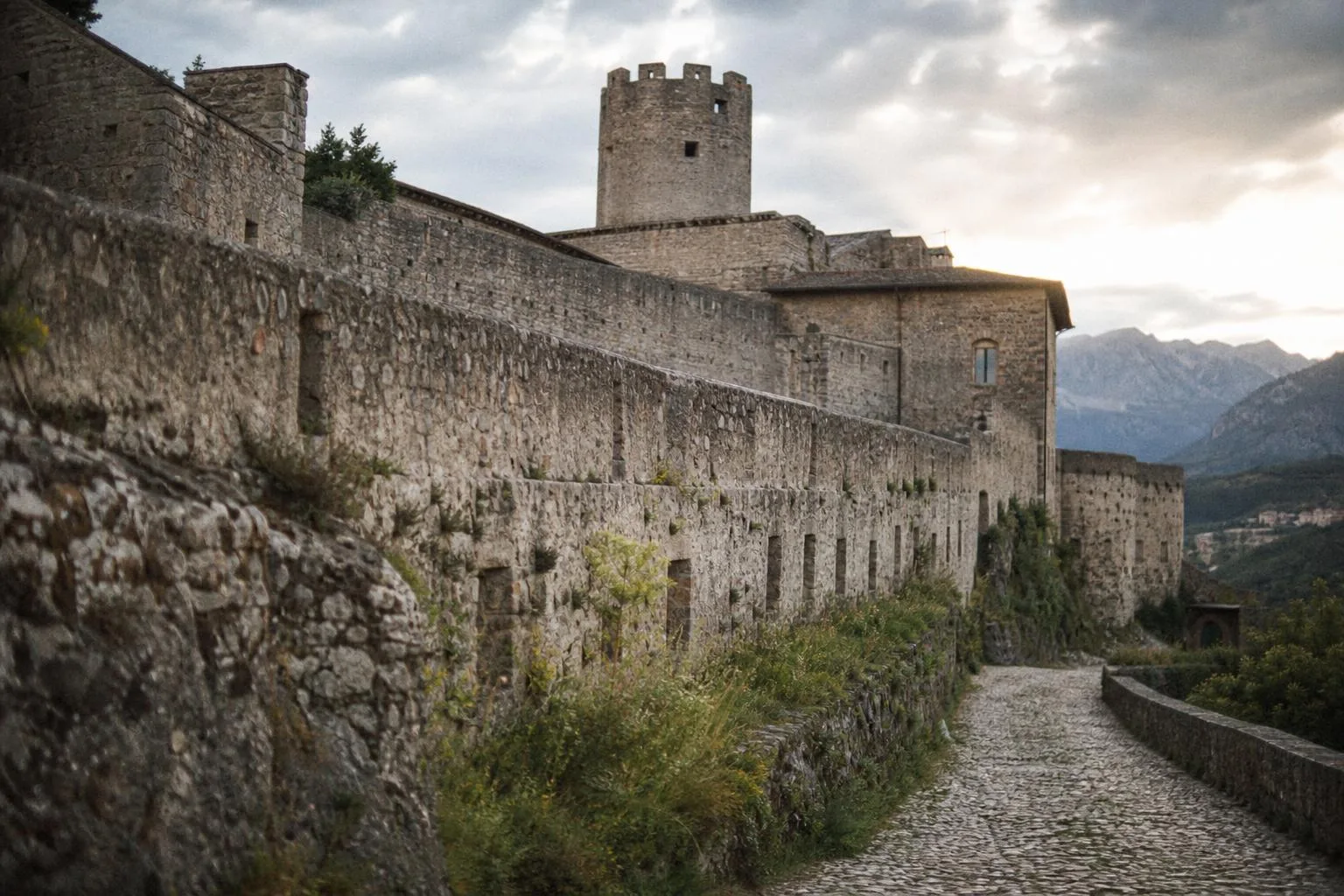 RoveretoHidden GemCastel BesenoLargest Trentino fortress, 1487 Battle of Calliano, Von Trapp family ownership, Buonconsiglio museum networkThe largest fortified complex in Trentino-South Tyrol spreads its elliptical walls across a hilltop above Besenello, stretching about 250 meters, first documented in the twelfth century as a fief of the Counts of Appiano. The castle's most consequential day came in 1487, when it served as the site of the Battle of Calliano between Venetian and Tyrolean forces, a clash that helped fix the border between Italian and German-speaking Trentino for centuries afterward. The Von Trapp family, of Sound of Music fame, owned the castle until donating it to the province in 1973, and restoration through the later twentieth century turned it into a branch of the Buonconsiglio Castle museum network, now drawing around forty thousand visitors a year with summer events staged inside its walls.
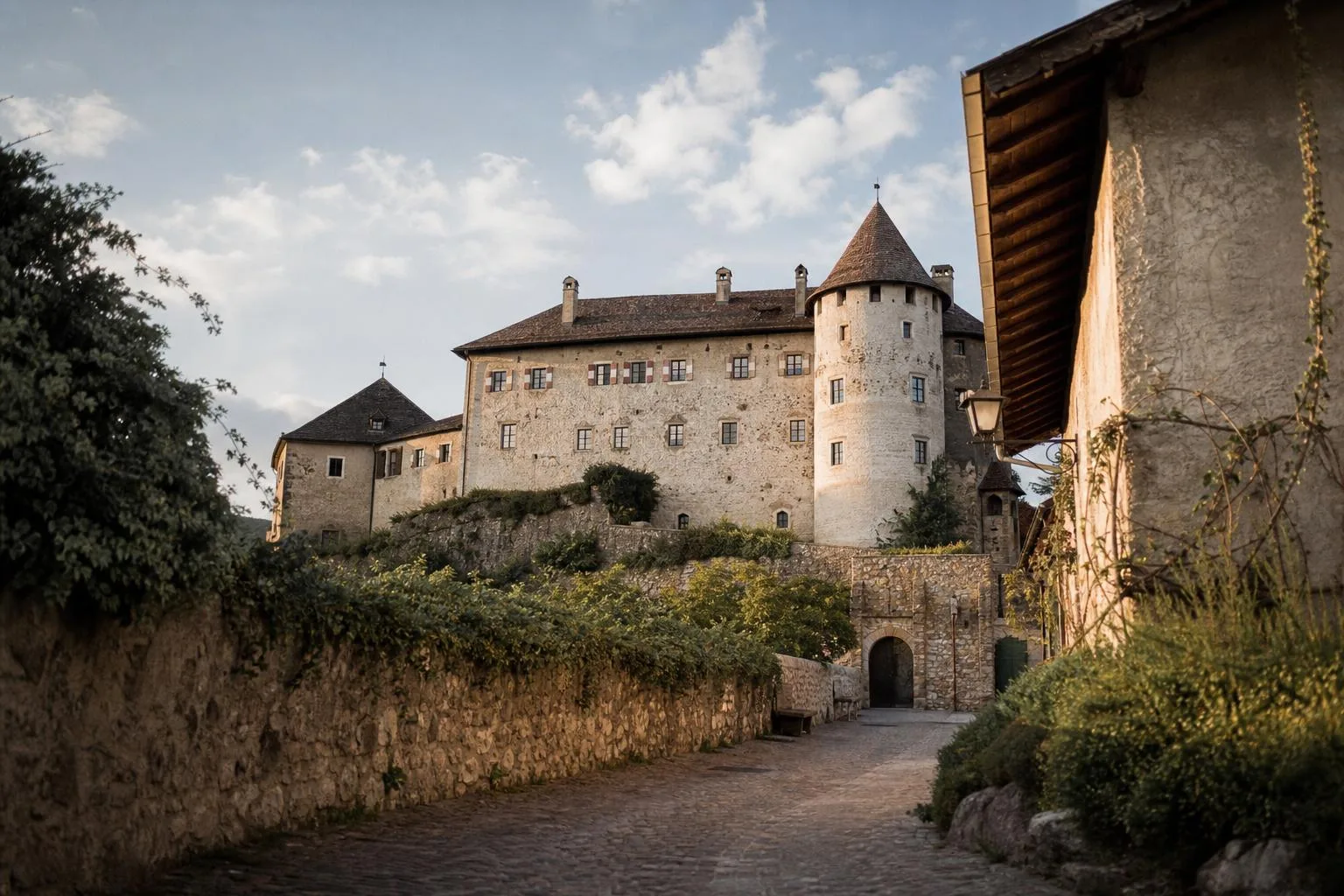 TrentoHidden GemCastel ThunOriginal family furnishings, Stanza del Vescovo pine room, 2010 reopening, Buonconsiglio museum networkThe Thun family established their seat in the Val di Non around the mid-thirteenth century, and by 1629 had risen to become Counts Thun-Hohenstein of the Holy Roman Empire, one of Trentino's most powerful noble houses. Their castle survives as one of the best furnished in the region, its rooms still holding the family's original furniture, art and decoration, including the Stanza del Vescovo, a seventeenth-century room entirely paneled in Swiss pine with a coffered ceiling and a maiolica stove. The Autonomous Province of Trento purchased the castle in 1992 and spent eighteen years restoring it before reopening it to the public on April 17, 2010, as the fourth site in the Buonconsiglio Castle museum network, a milestone that finally let visitors inside a residence the same family had occupied for nearly seven centuries.
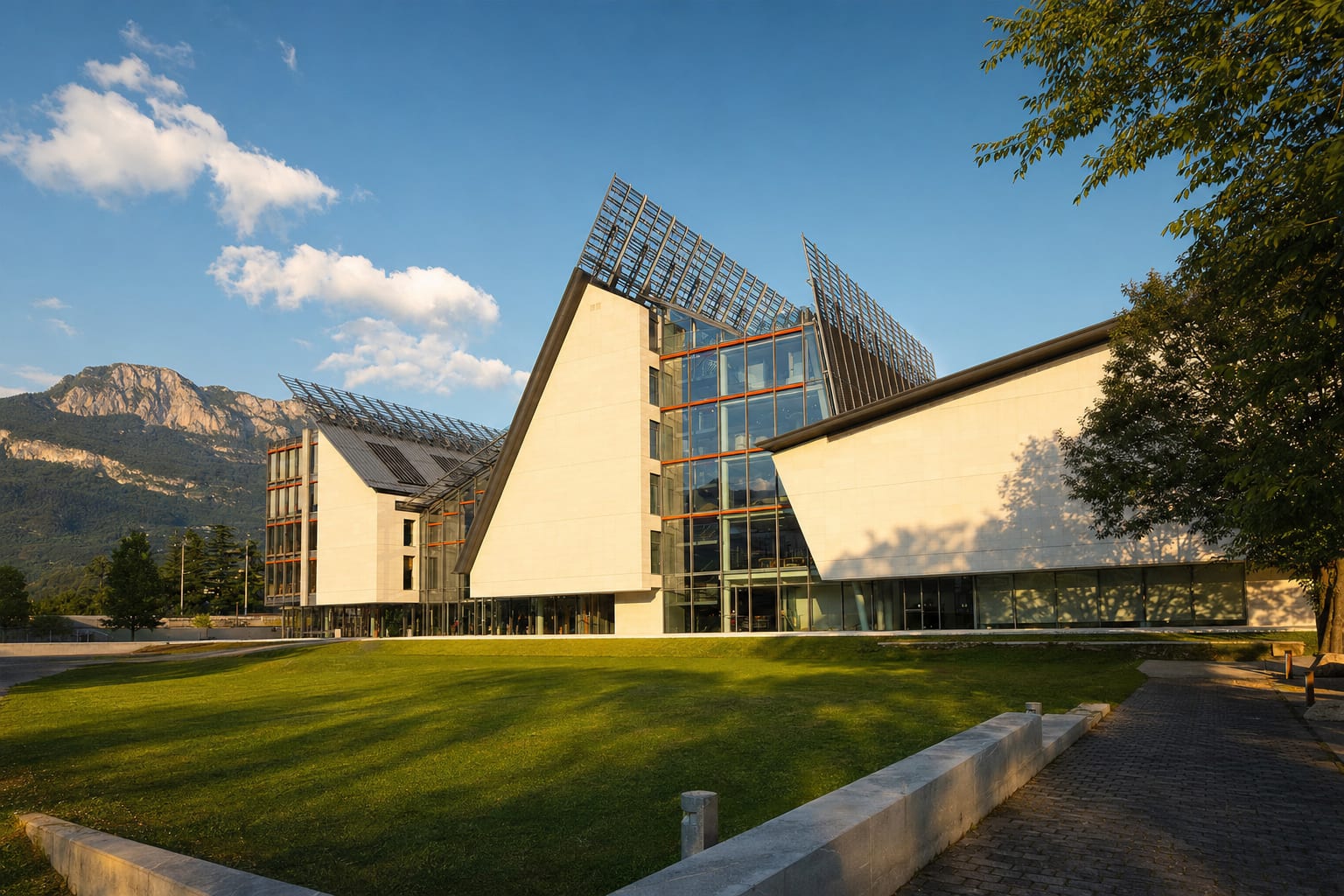 TrentoMUSE Science MuseumRenzo Piano architecture, glacier-to-rainforest exhibit descent, suspended animal displays, LEED Gold certificationRenzo Piano designed MUSE to echo the jagged profile of the Dolomites visible from its site in Trento's Le Albere district, a 130-by-35-meter building across six levels, two below ground and four above, that opened on July 27, 2013, replacing the older Museo Tridentino di Scienze Naturali that had operated since 1964. The exhibition itself descends the way a mountain does, starting with glaciers at the top and working down through Alpine ecology to a tropical greenhouse at the base, with taxidermied animals suspended in a central void that visitors look up into from multiple floors at once. Sustainable engineering runs through the whole structure, earning MUSE a Gold LEED certification, and the surrounding Le Albere neighborhood, also designed by Piano, gives the museum a modern residential setting unusual for a science museum of this scale.
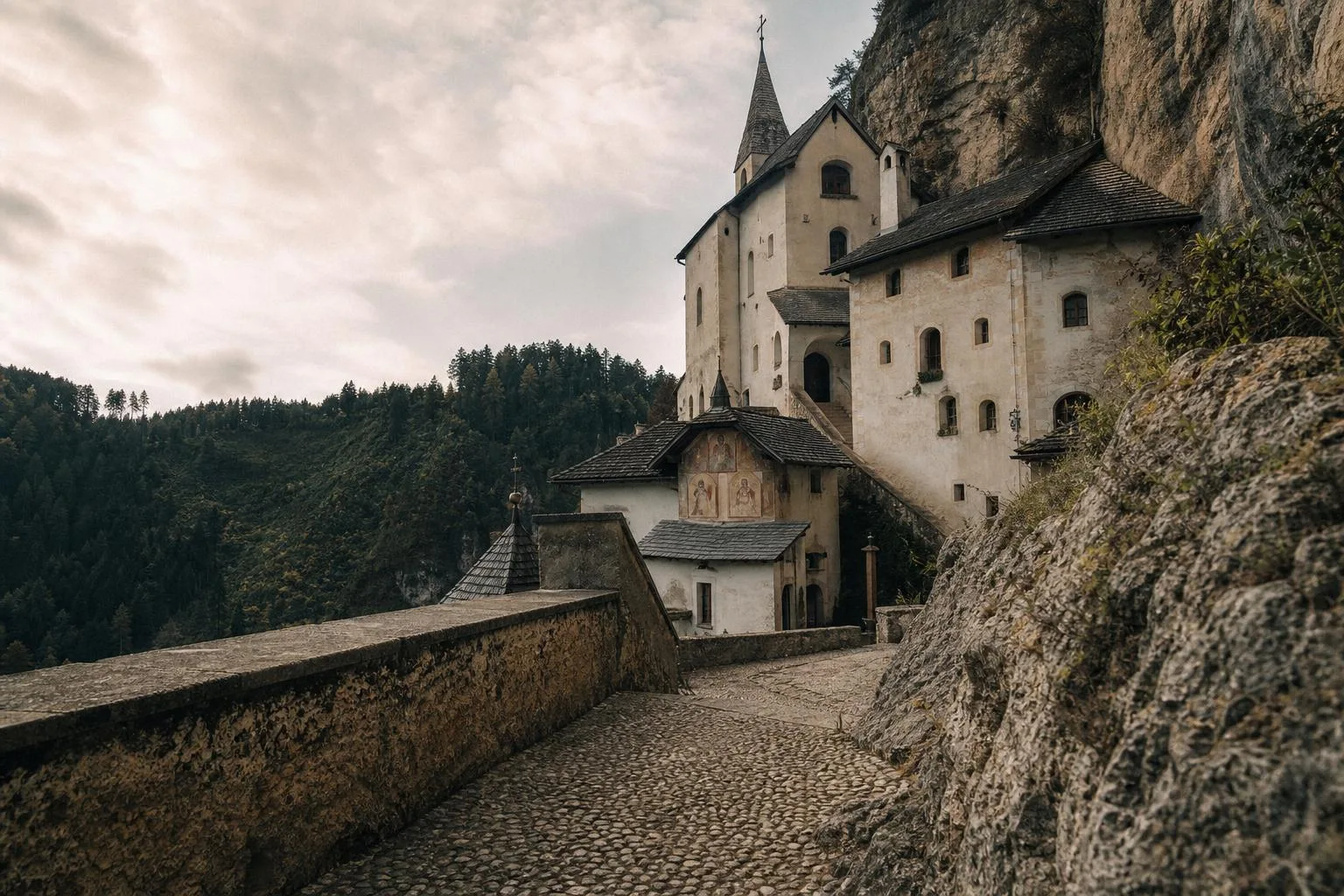 BolzanoHidden GemSanctuary of San RomedioFive churches on a rock spur, 130-step covered stair, San Romedio and the bear legend, Val di Non settingFive small churches stack up a sheer rock spur in the Val di Non like a stone accordion, built one above the other across roughly nine centuries around the hermitage of San Romedio, an 11th-century noble-turned-hermit. A covered stair of about 130 steps and several bridges link the levels, past frescoed chapels to the saint's tomb at the top, where legend says he tamed a bear that had killed his horse and rode it the rest of the way to Trento. A real bear, kept in an enclosure below the sanctuary for over a century, still recalls the story, though the practice is controversial.
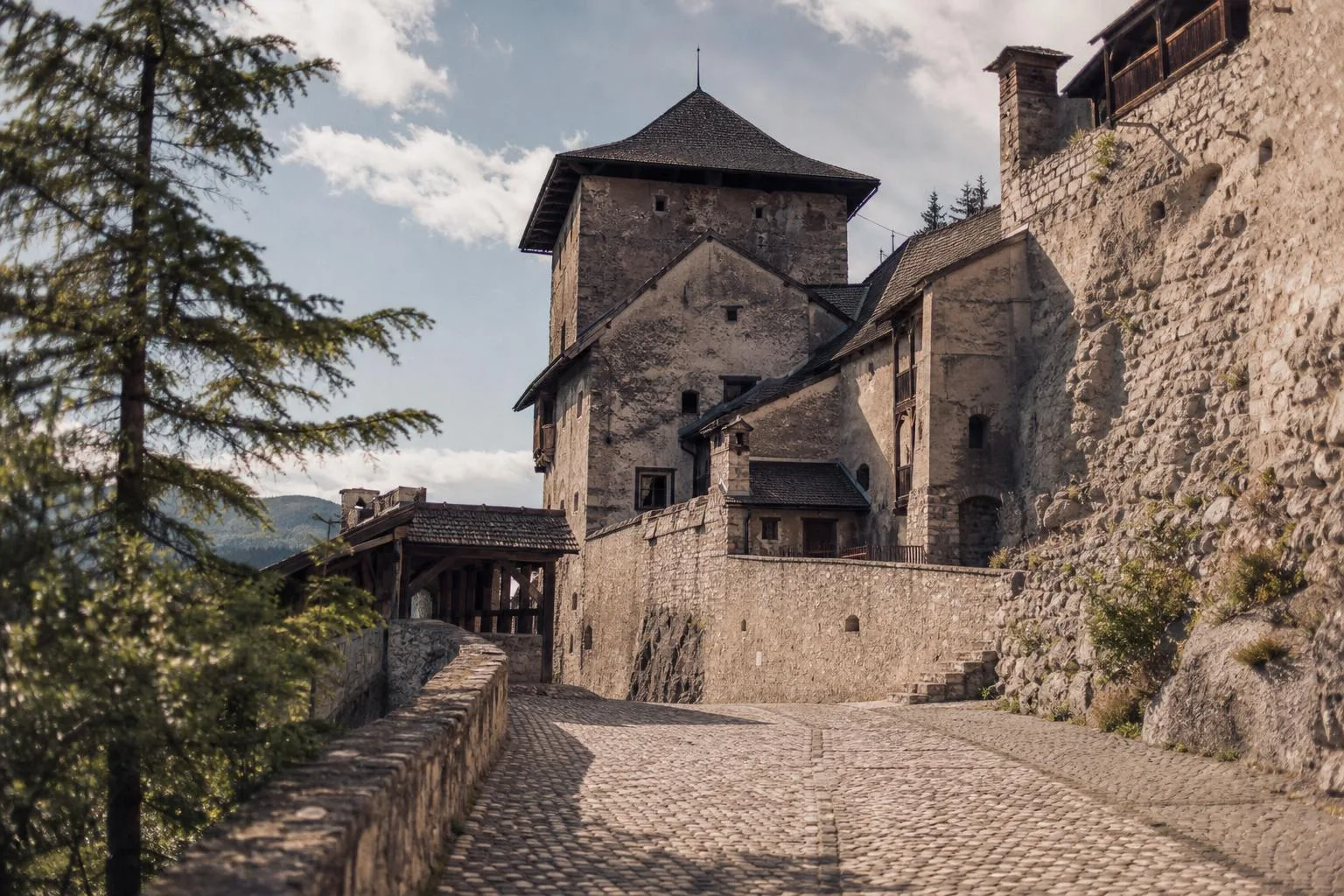 OrtiseiHidden GemTrostburgWolkenstein family seat, South Tyrolean Castle Museum, Knights' Hall and Gothic stube, guided-tour-only accessAbove the village of Ponte Gardena, where the Isarco valley narrows before opening toward the Dolomites, this 12th-century castle has belonged to the Wolkenstein family for most of its history, including the poet-knight Oswald von Wolkenstein. It now houses the South Tyrolean Castle Museum, with scale models of 86 regional castles laid out for comparison alongside the real Knights' Hall, chapel and a Gothic stube paneled entirely in carved wood. The whole complex can only be seen on a guided tour, which is part of its charm: nothing here has been smoothed over for casual visitors.
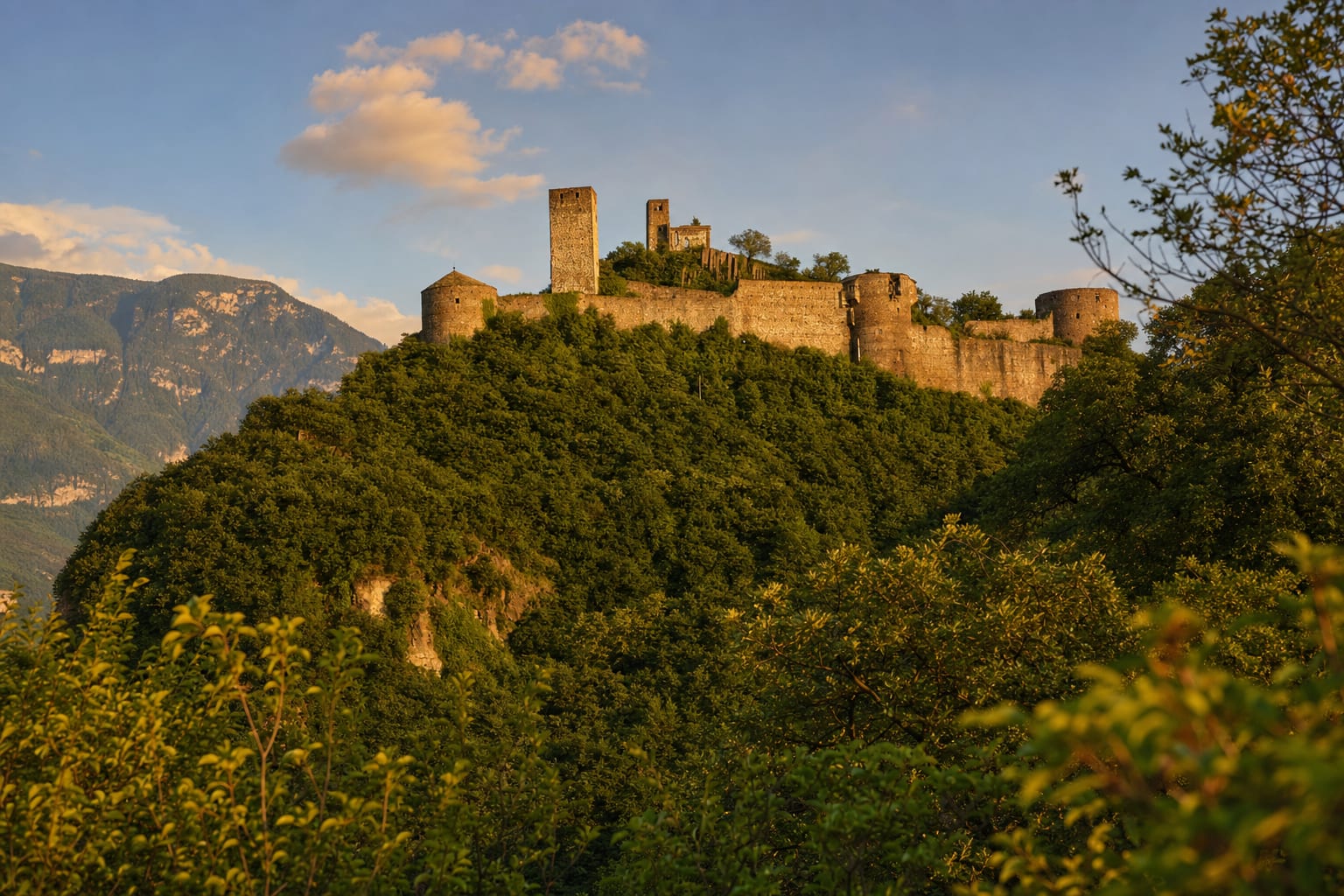 BolzanoMessner Mountain Museum FirmianSigmundskron castle setting, Reinhold Messner's vision, mountain art and expedition relics, Dolomite viewsClimber Reinhold Messner, the first person to summit Everest without supplemental oxygen, threaded a museum through the ruins of Sigmundskron castle at the meeting point of three valleys above Bolzano, using its towers and courtyards to tell the human story of mountains rather than simply displaying climbing gear. Art, religious objects, model peaks and pieces of Messner's own expedition history wind up through the fortress toward galleries that open onto real views of the Dolomites he spent a career climbing. It is the flagship of six Messner Mountain Museums scattered across South Tyrol, and by most accounts the one to see first.
Tours worth booking in Trentino-Alto Adige
Compared by our editors, across providers.
Booking through these links may earn Italia Magnifica a commission, at no cost to you.
- Viator
- 2h
- 4.4★ · 14 reviews
from €9Book this tour- Viator
- 5h
- 4.6★ · 15 reviews
from €7Book this tour- Viator
- 3h 30m
- 4.9★ · 27 reviews
from €89Book this tour- Viator
- 9h
- 1.0★ · 1 reviews
from €7Book this tour


City by city
Where the monuments cluster in Trentino-Alto Adige.