

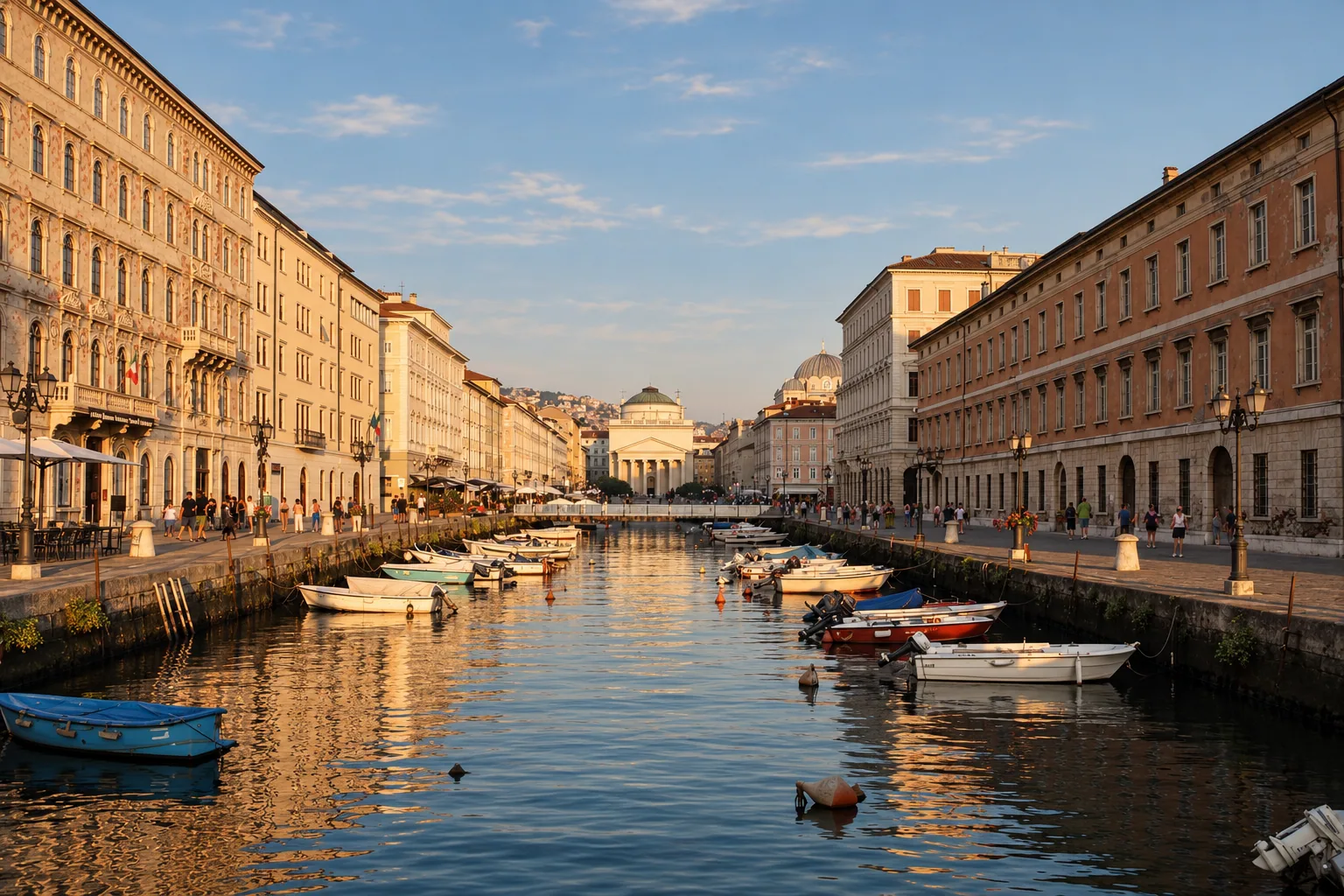
All the monuments in Trieste
The landmarks and masterpieces worth planning a day around.
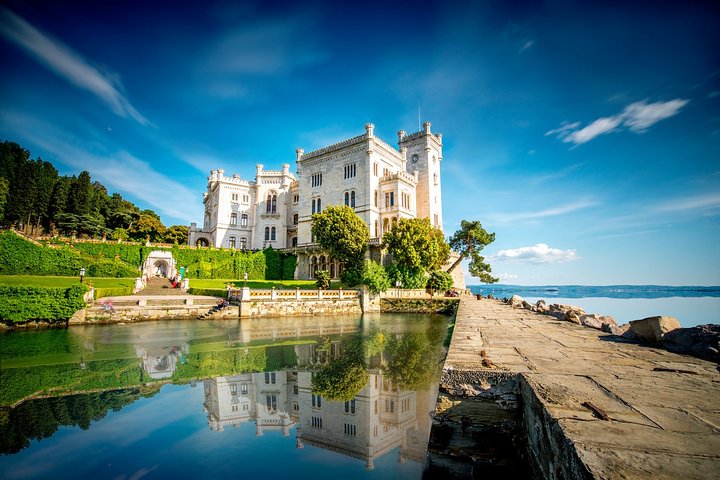
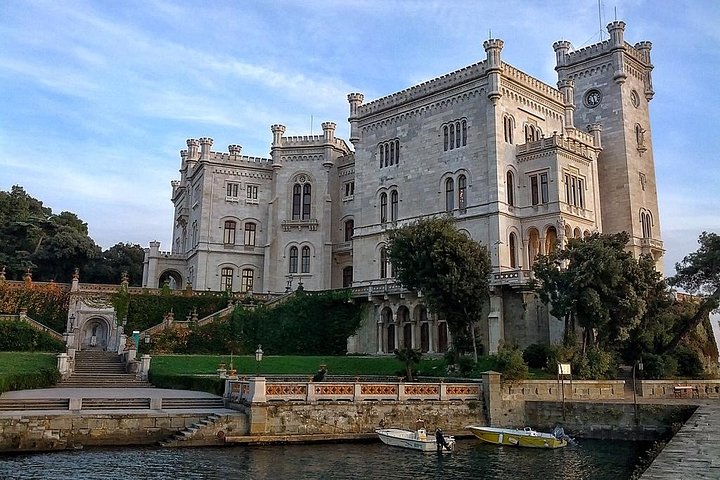
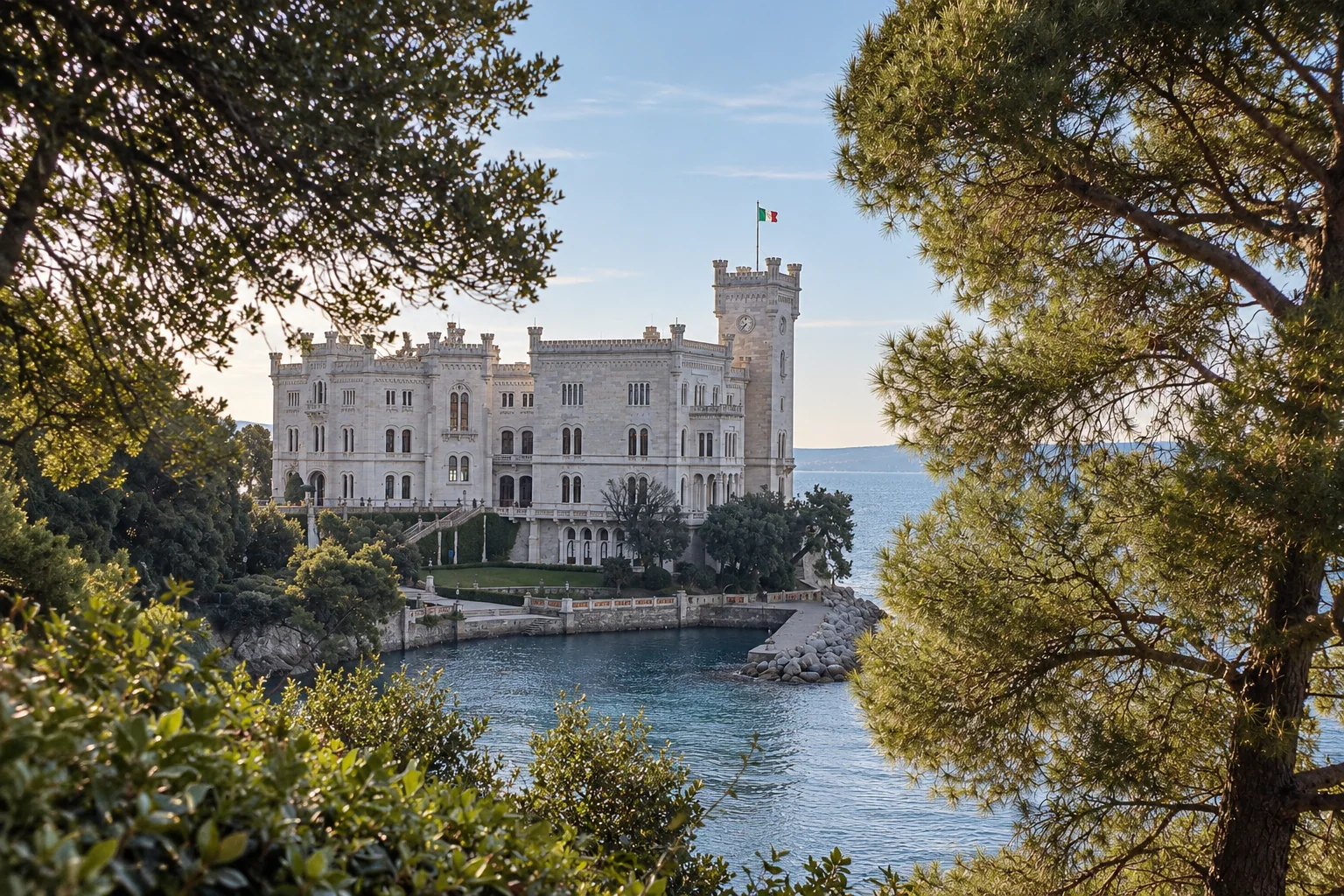 Castello di MiramareMiramare CastleMaximilian and Charlotte’s seaside residence, the Novara Room, Cesare Dell’Acqua’s history paintings, and the historic park above the Gulf of Trieste.<p>Miramare stands at the tip of the Grignano promontory, where Istrian white stone meets the Gulf of Trieste. Commissioned by Archduke Ferdinand Maximilian of Habsburg as a residence for himself and Charlotte of Belgium, the eclectic castle was designed by Austrian engineer Carl Junker and built between 1856 and 1860. Gothic, medieval and Renaissance references come together in a seaside residence shaped around its view of the water.</p><p>The rooms retain furnishings and collections connected with the archducal household. Maximilian’s study is identified by the museum as the Novara Room; the catalogue also places Charlotte’s painting <em>Yacht Phantasie</em> there. In the Sala Storica, Cesare Dell’Acqua’s commissioned history cycle records episodes from life at Miramare, including the 1865 oil painting of Empress Elisabeth’s arrival.</p><p>The residence and its 22-hectare park belong to one designed landscape. Park designer Wilhelm Knechtel arranged woodland to the east and Mediterranean gardens with formal parterres near the castle and sea, transforming a karst promontory that had held pasture, vineyards and a small oak wood. The smaller Castelletto, designed by Junker in 1856, served as an occasional residence while the main castle was being built. Continue the waterfront story in Trieste at <a href="/en/attractions/piazza-unita-d-italia">Piazza Unità d’Italia</a>, or look across the city from <a href="/en/attractions/san-giusto-hill">San Giusto Hill</a>. The park is free to enter; the castle museum has a separate ticket.</p>Plan the visit
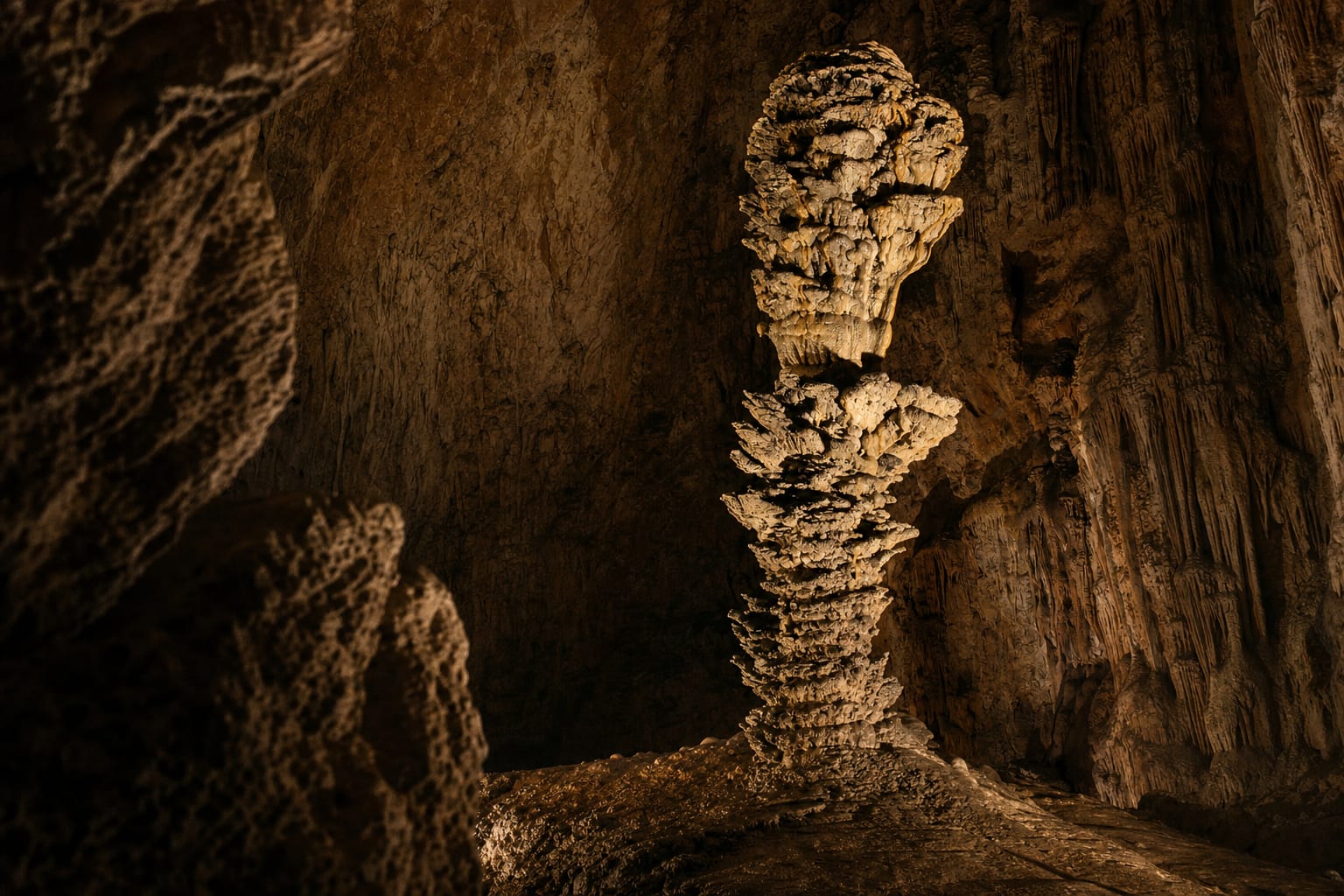 NatureHidden GemGrotta GiganteWorld's largest show-cave chamber (98 m), geodetic pendulums, Carso karst setting, five-hundred-step stairwayThe Carso plateau above Trieste hides a single limestone chamber tall enough to swallow the dome of St. Peter's, discovered by cavers in 1840 and opened to the public in 1908 as the largest show-cave room on earth, a record still standing today. A steel stairway of roughly five hundred steps winds down through the dark to the floor, where stalagmites rise beside two enormous geodetic pendulums that have measured the earth's tides and the faintest tectonic shifts since the 1950s, feeding data straight to Italy's national oceanography institute. The cave holds a constant 11 degrees Celsius year round, so the guided walk feels like stepping into another season entirely. Bring a light jacket even in August.
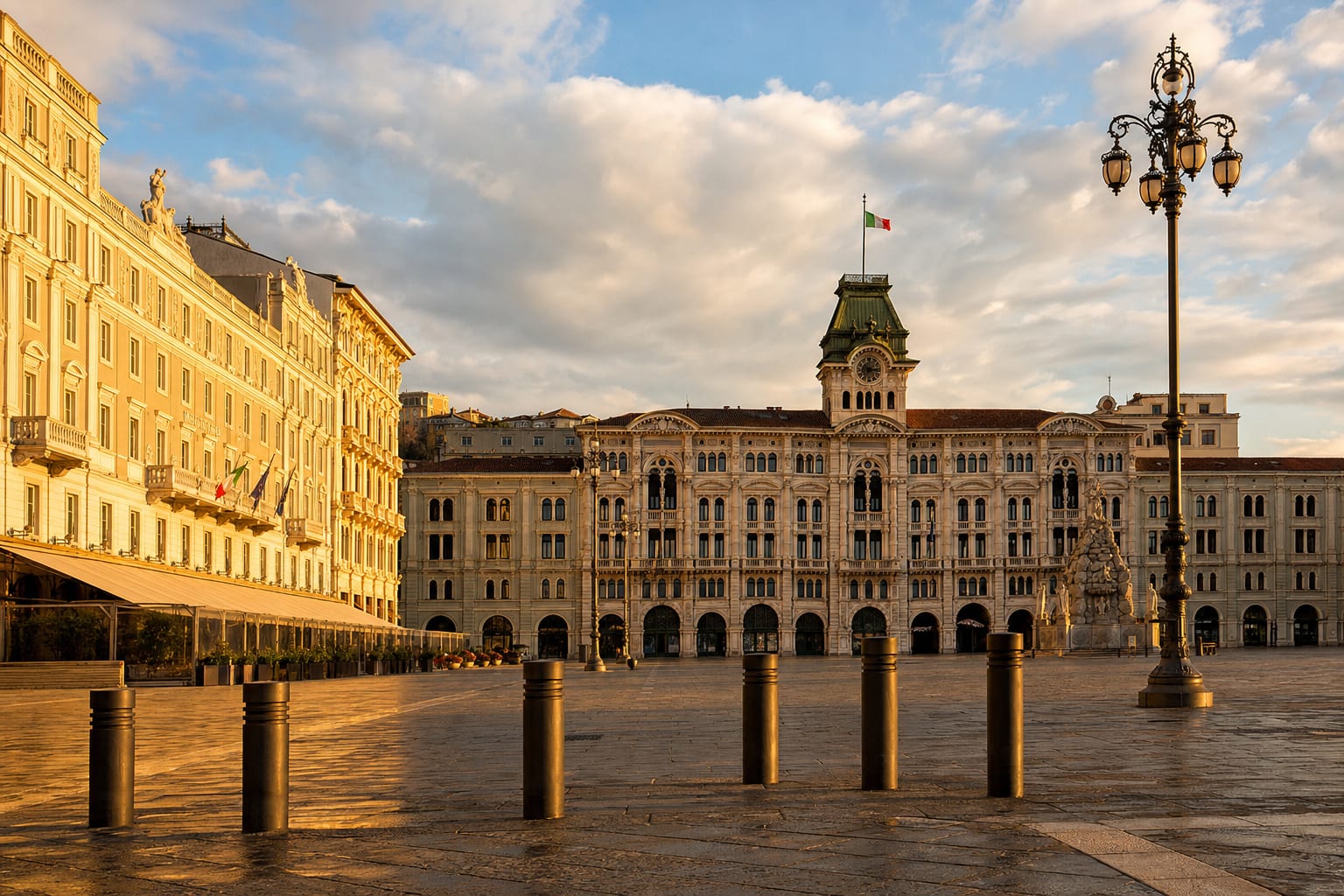 SquarePiazza Unita d'ItaliaSea-facing piazza, Habsburg palaces, Fountain of the Four Continents, blue-hour viewsTrieste opens its grandest square straight onto the Adriatic, a rare arrangement for an Italian piazza and the reason locals call it Europe’s largest square facing the sea. The Palazzo del Governo, the town hall and the Grand Hotel Duchi d’Aosta ring three sides in Austro-Hungarian style, evidence of the decades when Trieste was the Habsburg empire’s main port. At the base of the town hall, two bronze figures nicknamed Mikeze and Jakeze have struck the hour since 1875. The Fountain of the Four Continents, carved between 1751 and 1754, anchors the center, its allegorical figures a reminder of the trade routes that made Trieste rich. At blue hour, when the lamps come up and the sea turns the same color as the sky, the square becomes the Mitteleuropean stage set it has always been.
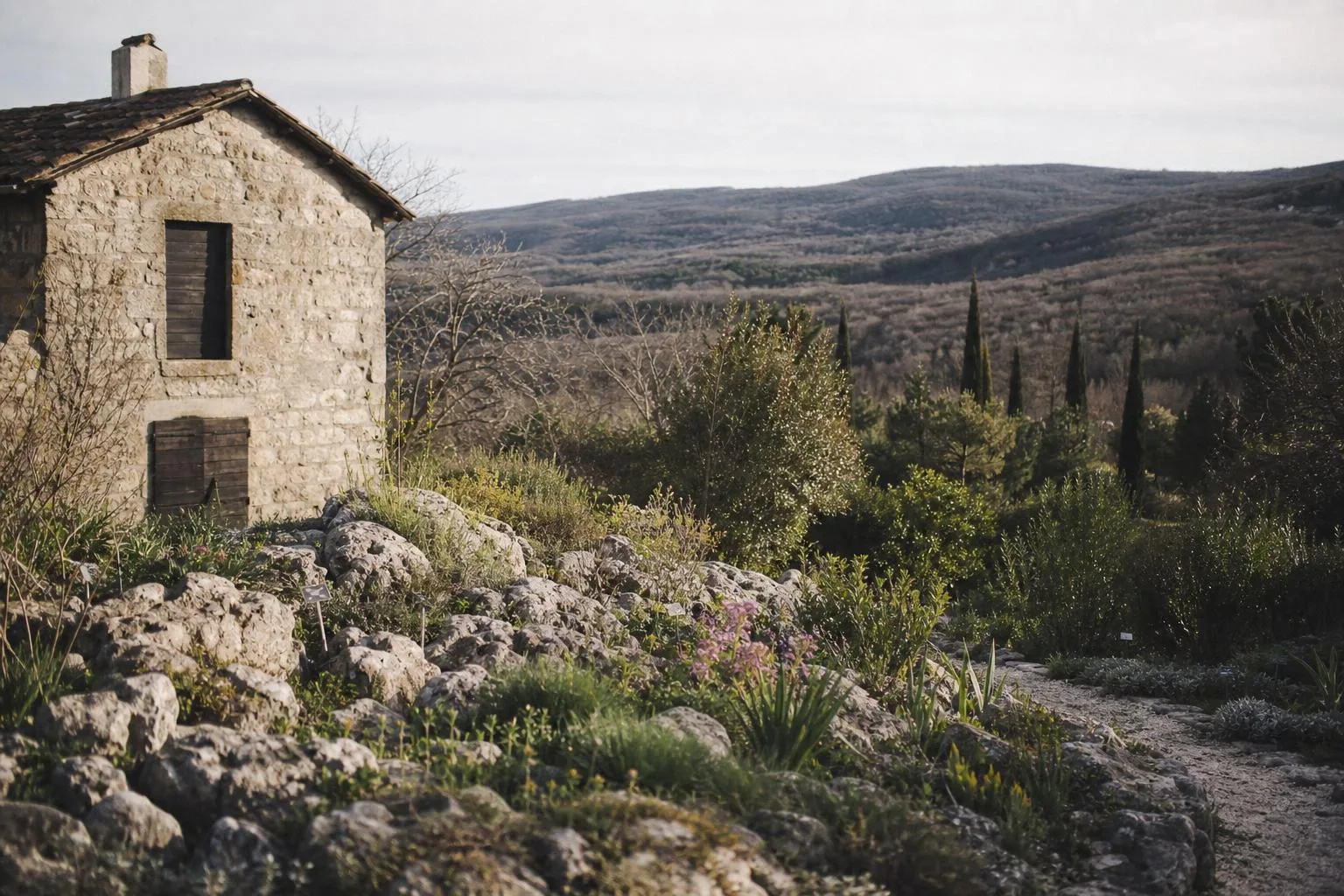 Giardino botanico CarsianaHidden GemCarsiana Botanical GardenTen recreated Karst habitats, 600 native plant species, sinkhole setting, free admissionTen distinct Karst habitats, from scrubland and scree slopes to forest and coastal cliff, are recreated across the five thousand square meters of this garden set inside a sinkhole near Sgonico, eighteen kilometers from Trieste. About six hundred of the roughly sixteen hundred plant species native to the limestone Carso plateau grow here, planted in the settings where each would naturally occur, alongside a medicinal-plant collection and a garden designed to attract pollinators. A cooperative called Rogos manages the garden day to day, though regional oversight took over administration in 2016, and the site holds membership in Botanic Gardens Conservation International. The garden opens each year from March 21 through the second Sunday of October, and admission is free.
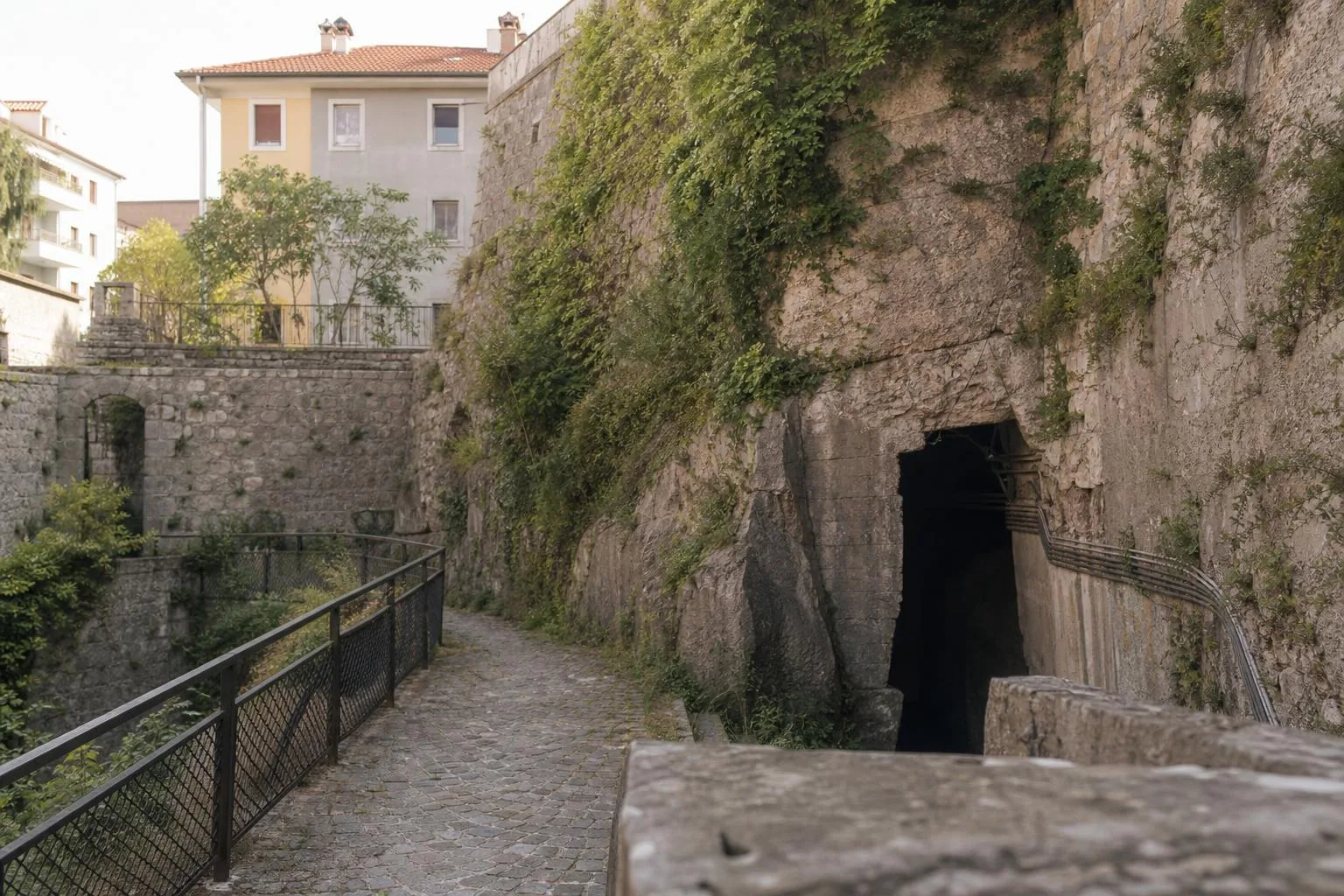 Kleine BerlinHidden GemKleines BerlinWWII air-raid tunnels, SS secret passage, Italian and German sectors, 1943-45 occupation historyGerman forces excavated this tunnel complex under Trieste after annexing the city into their Adriatic Coast Operational Zone in 1943, employing three separate construction firms through the Organisation Todt to dig air-raid shelters into the karst bedrock. An Italian sector held parallel tunnels fitted with wooden benches, first-aid rooms and toilets for civilian use, while a separate German sector, roughly a thousand square meters and reserved for SS troops, included a secret passage that let SS-Gruppenführer Odilo Globočnik move between his residence and Trieste's courthouse unseen. German command evacuated in late April 1945, Yugoslav Partisan forces entered the city on May 1, and the occupying German garrison ultimately surrendered to New Zealand troops, closing a twenty-month occupation whose underground infrastructure survives largely intact beneath the modern city.
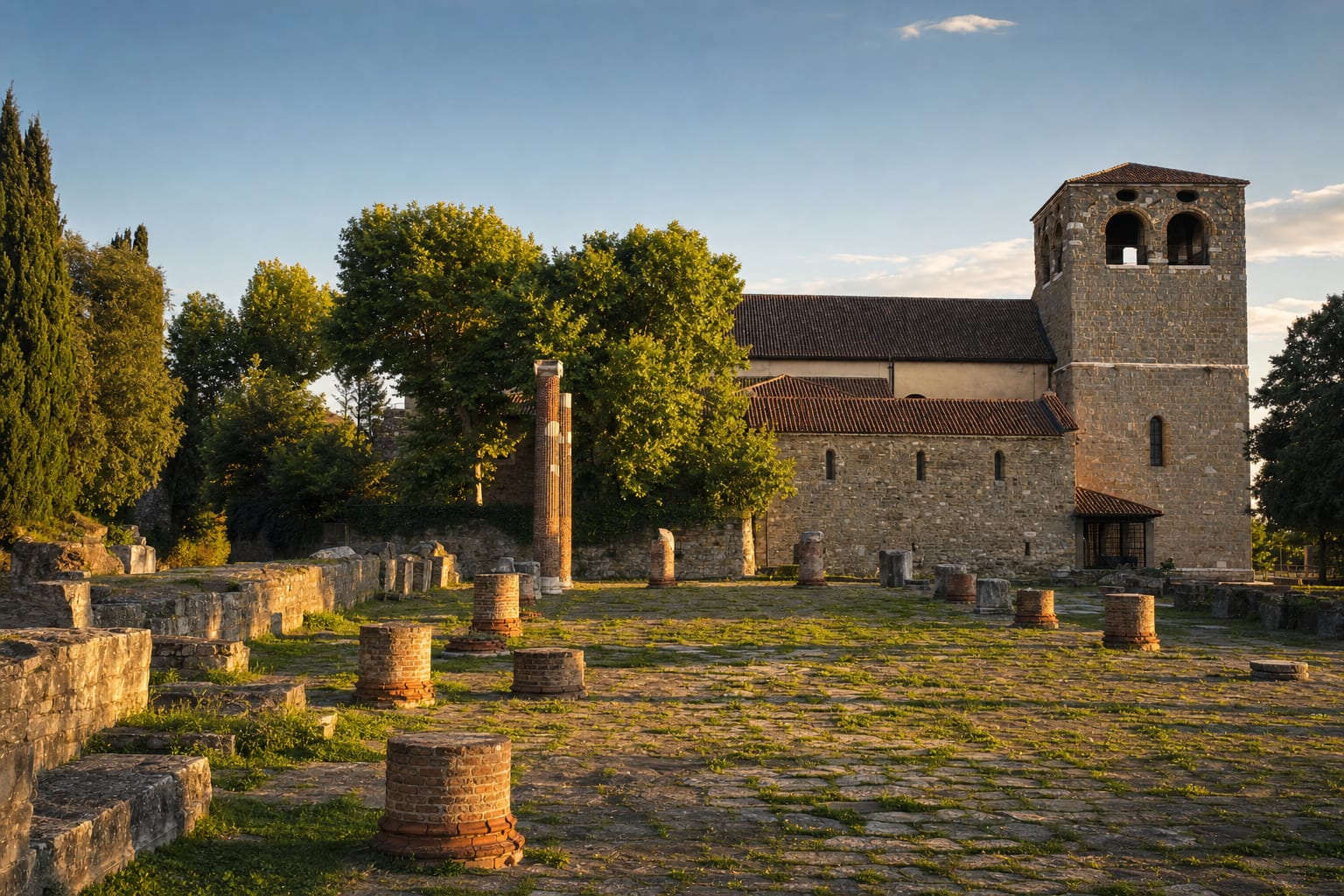 Colle di San GiustoSan Giusto HillCathedral and castle summit, Roman basilica ruins, golden apse mosaics, harbor panoramaTrieste stacks its whole history on this one hill. Roman columns from the ancient forum's basilica lie scattered near the summit, the cathedral fuses two 5th- and 9th-century churches into one under golden 13th-century apse mosaics, and the Venetian-Habsburg castle above it all was rebuilt through the 15th to 17th centuries as coastal defenses shifted with the times. A civic museum now fills the castle, its ramparts open for walking, and the terrace looks straight down over the harbor and the Adriatic beyond, with Miramare Castle visible on a clear day up the coast.
Tours worth booking in Trieste
Compared by our editors, across providers.
Booking through these links may earn Italia Magnifica a commission, at no cost to you.
- Viator
- 2h
- 5.0★ · 57 reviews
from €80Book this tour- Viator
- 3h
- 3.6★ · 39 reviews
from €25Book this tour- Viator
- 5h
- 5.0★ · 2 reviews
from €655Book this tour- Viator
- 3h
- 5.0★ · 1 reviews
from €477Book this tour- Viator
- 4h
- 4.5★ · 24 reviews
from €115Book this tour- Viator
- 2h 30m
- 5.0★ · 4 reviews
from €125Book this tour



More within reach
Monuments a day trip away, elsewhere in Friuli-Venezia Giulia.
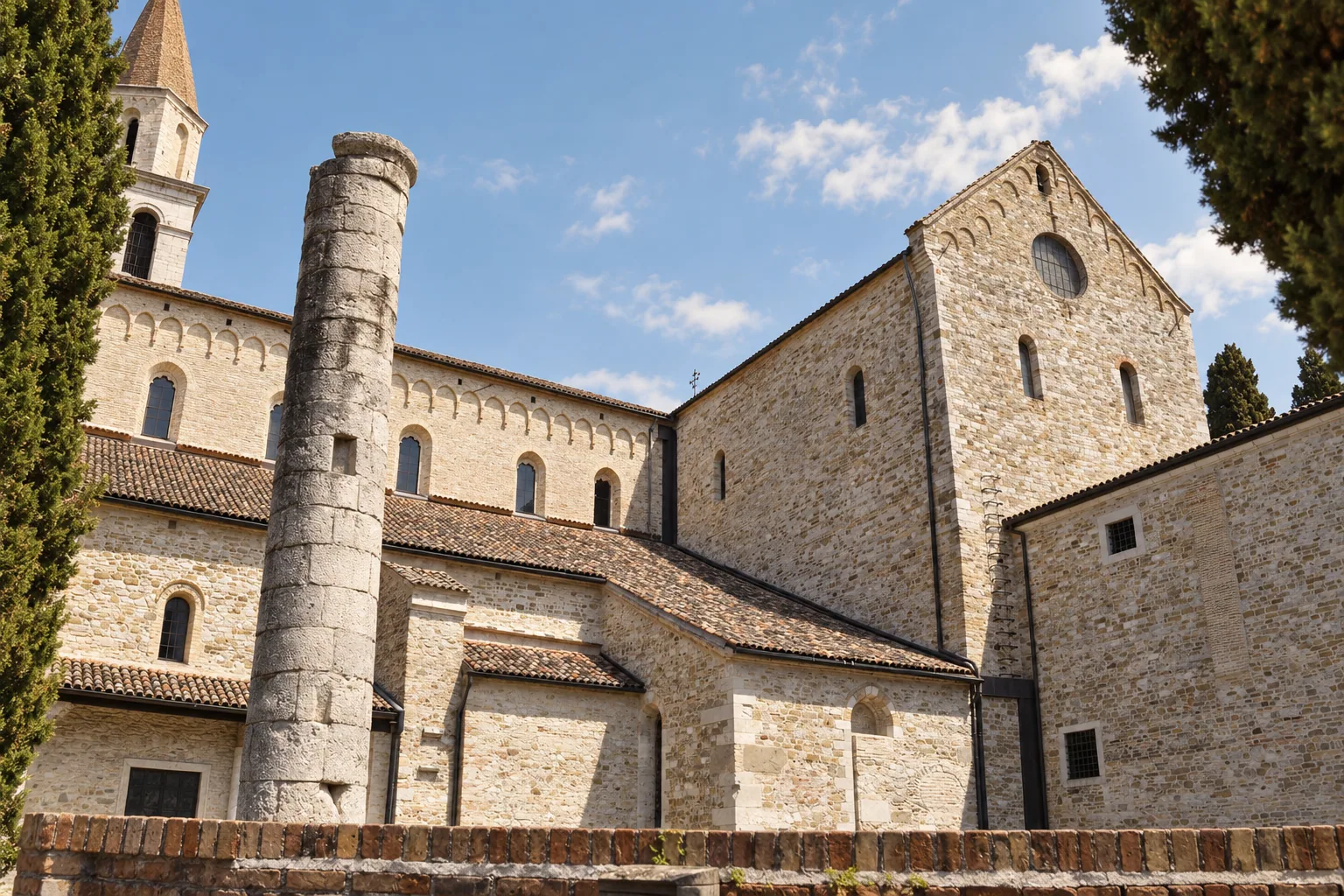 AquileiaBasilica of AquileiaFourth-century mosaic floor, Good Shepherd, ninth-century crypt frescoes, 73 m bell tower, patriarchal seat
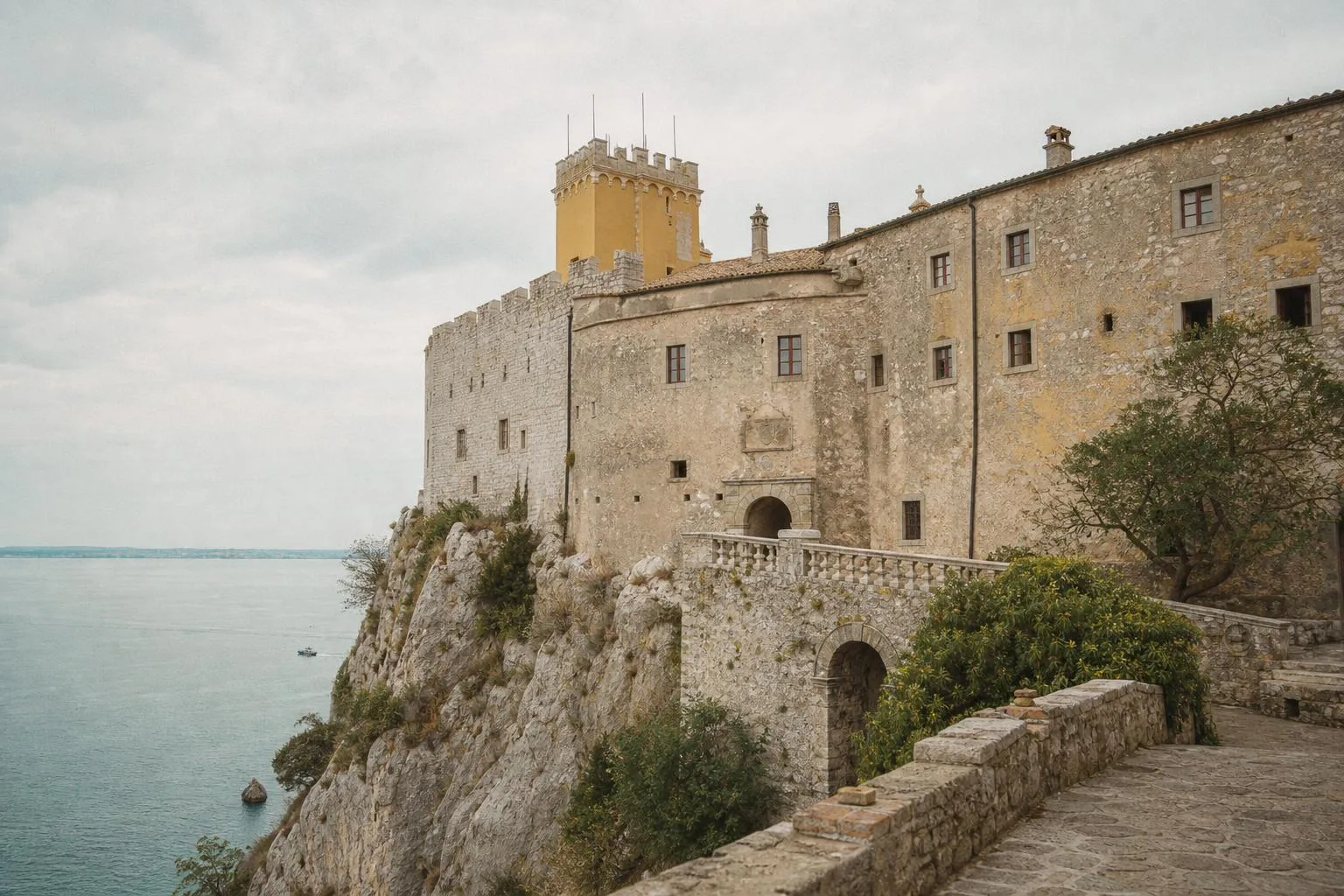 GoriziaHidden GemDuino Castle14th-century clifftop fortress, Rilke's Duino Elegies, Thurn und Taxis family seat, Sentiero Rilke coastal path
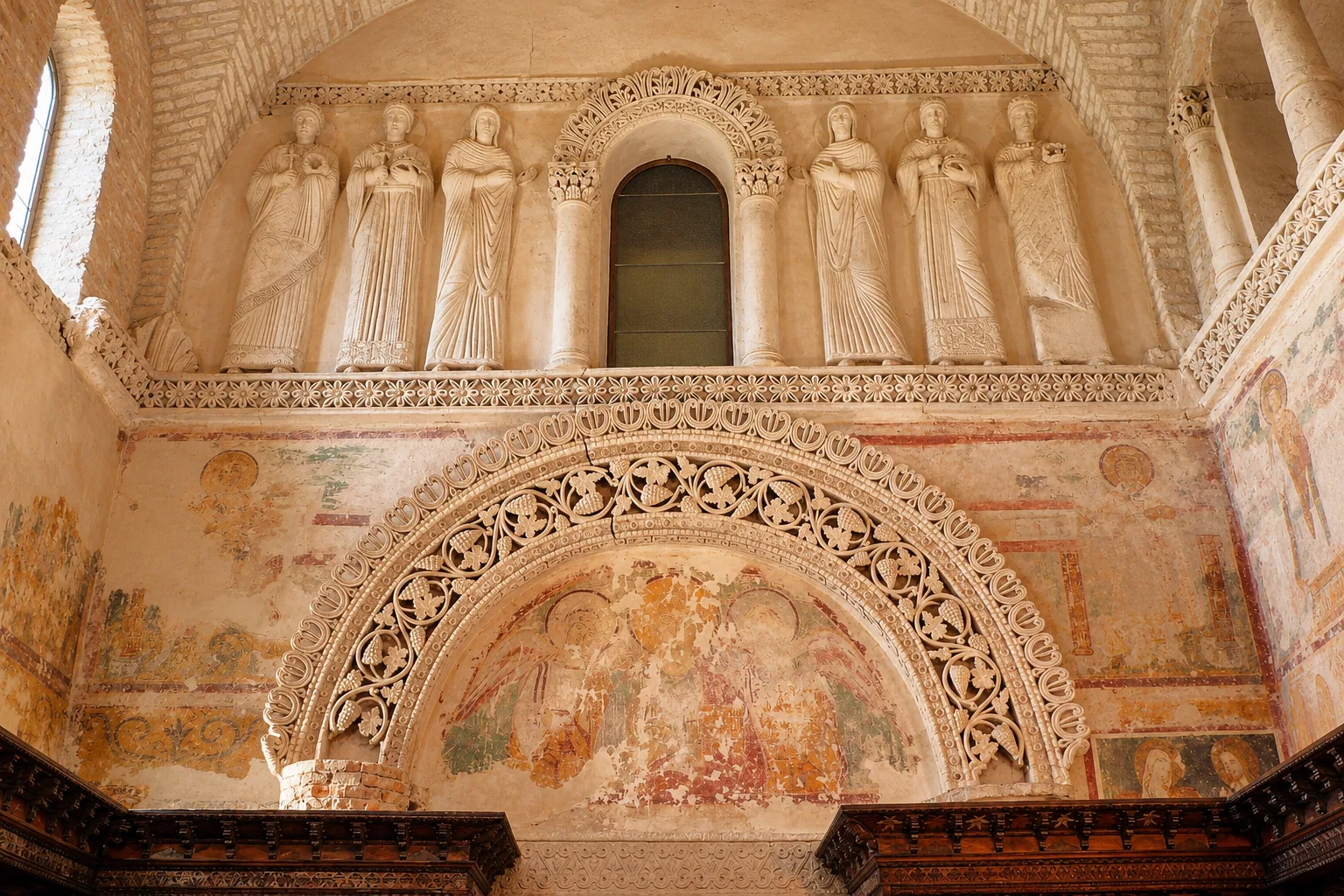 Cividale del FriuliUNESCOLombard TempleSix stucco saints, Lombard art, UNESCO Longobards in Italy, Natisone gorge
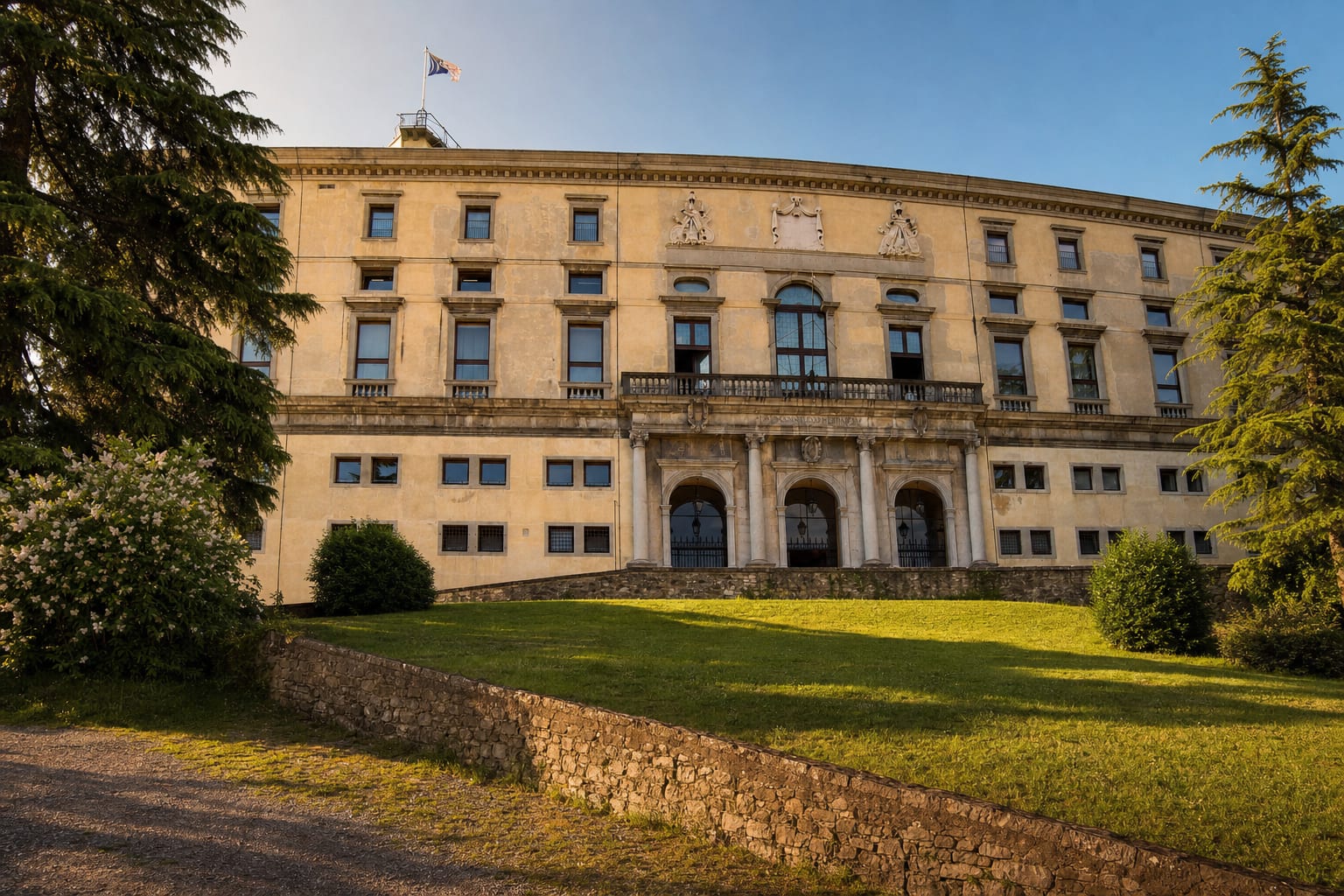 UdineUdine CastleBronze Age artificial hill, Tiepolo gallery, civic museums, Alps-to-Adriatic view
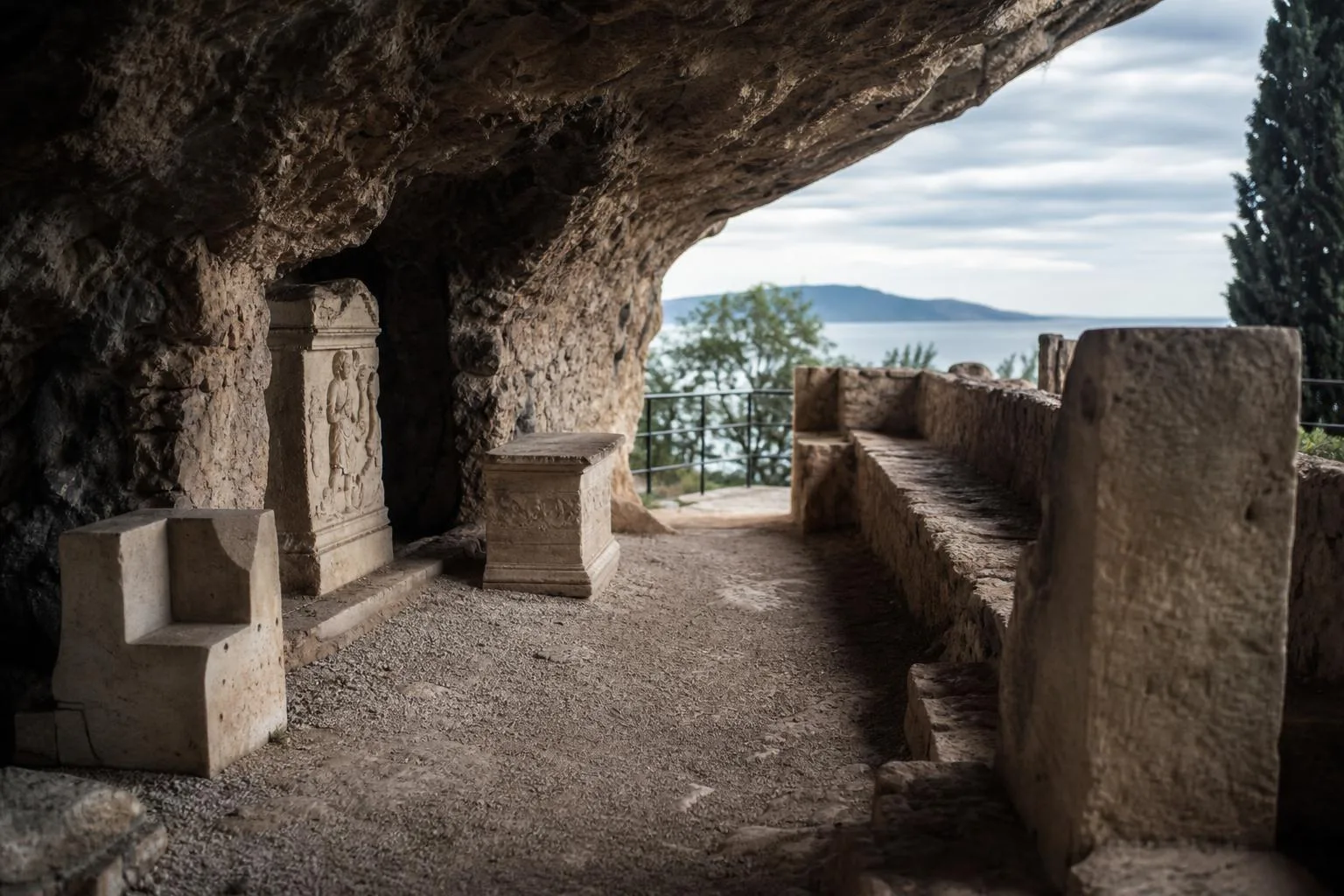 GoriziaHidden GemDuino MithraeumRare Roman mithraeum, tauroctony carving, cave sanctuary near Duino, 400 votive coins found
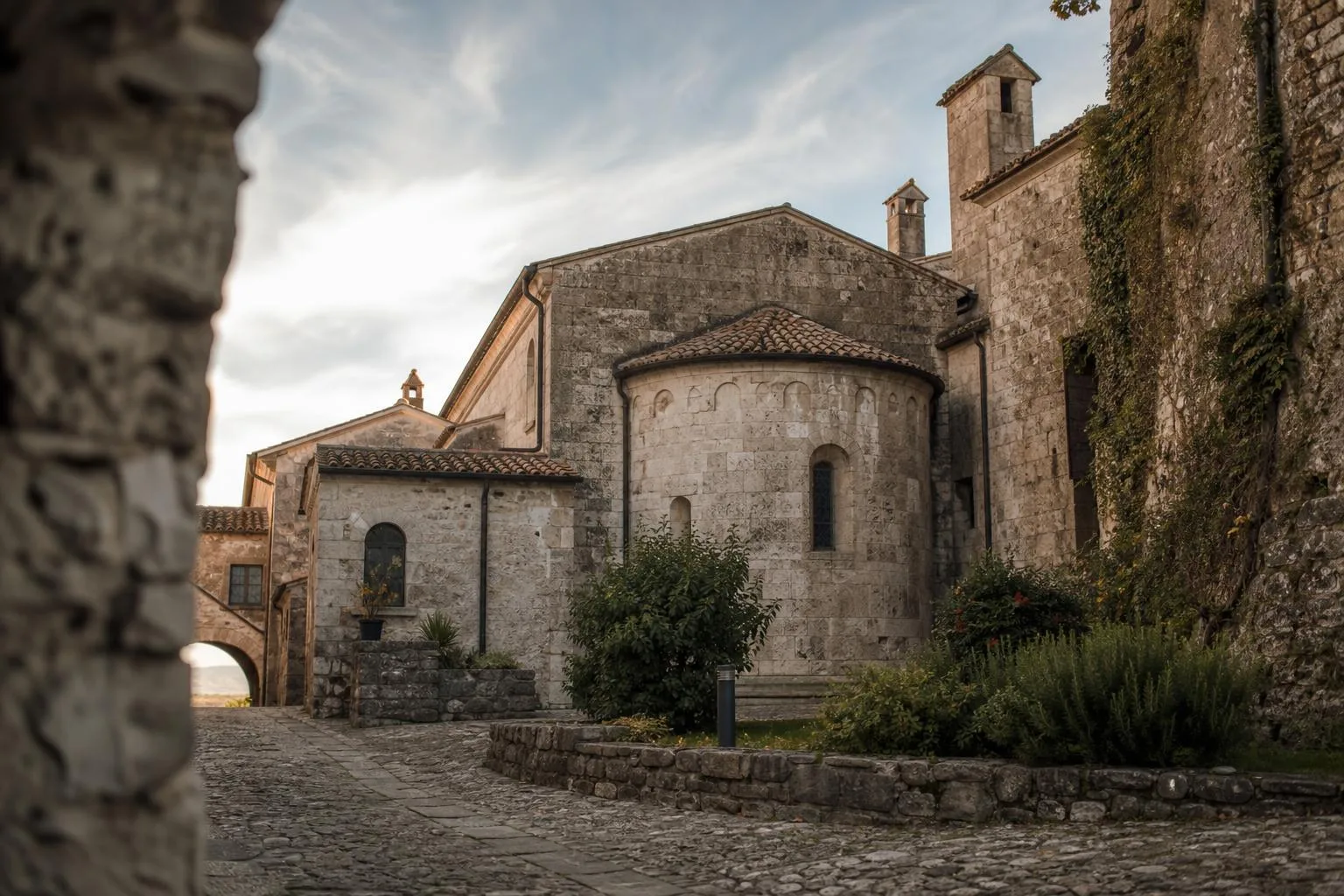 Cividale del FriuliHidden GemRosazzo Abbey9th-century foundation, 1070 consecration, 1535 frescoes by Francesco India, Rosazzo Foundation vineyard
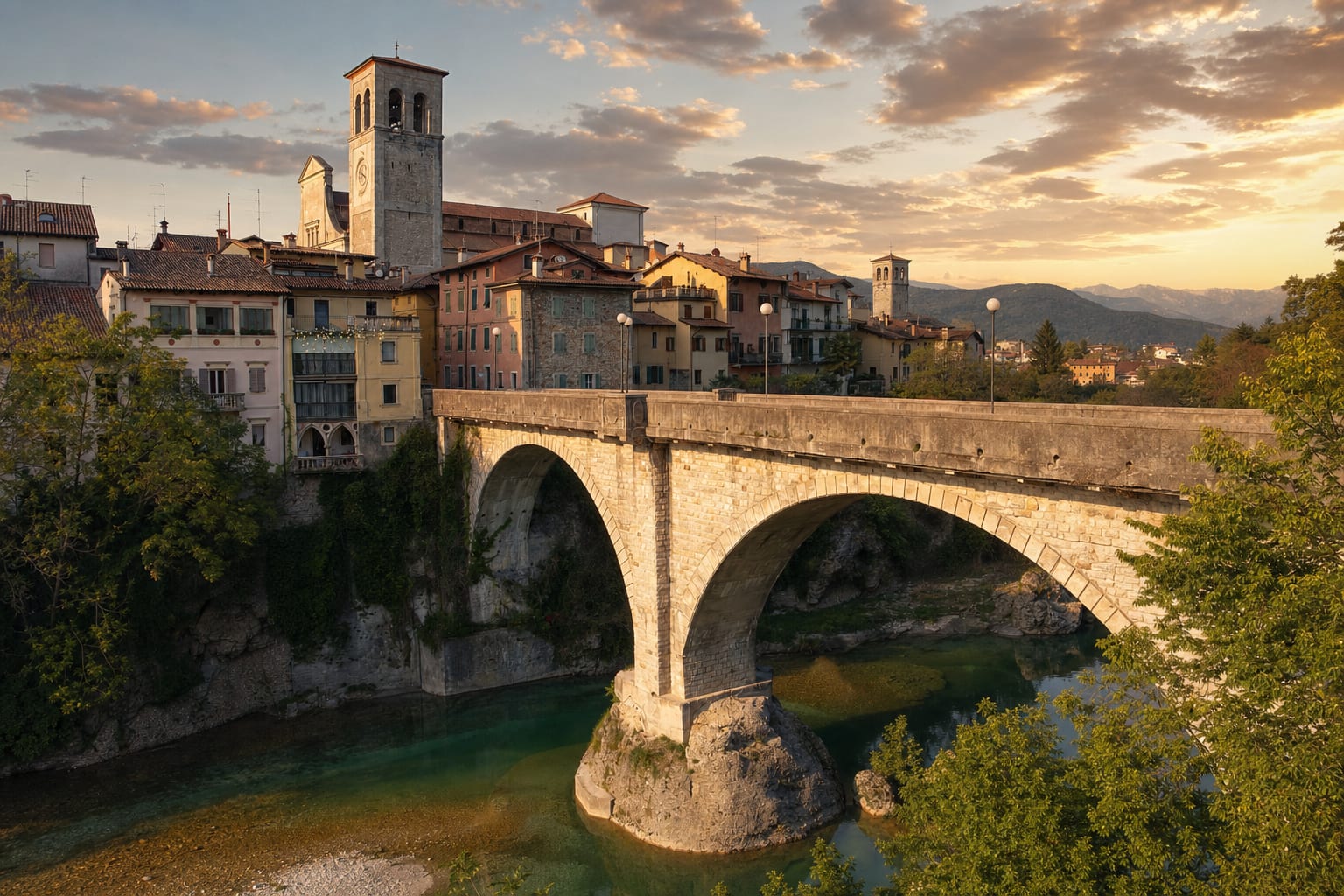 Cividale del FriuliDevil's BridgeTwo asymmetric arches over the Natisone, devil's-bargain legend, 1442 construction, rebuilt after 1917 demolition
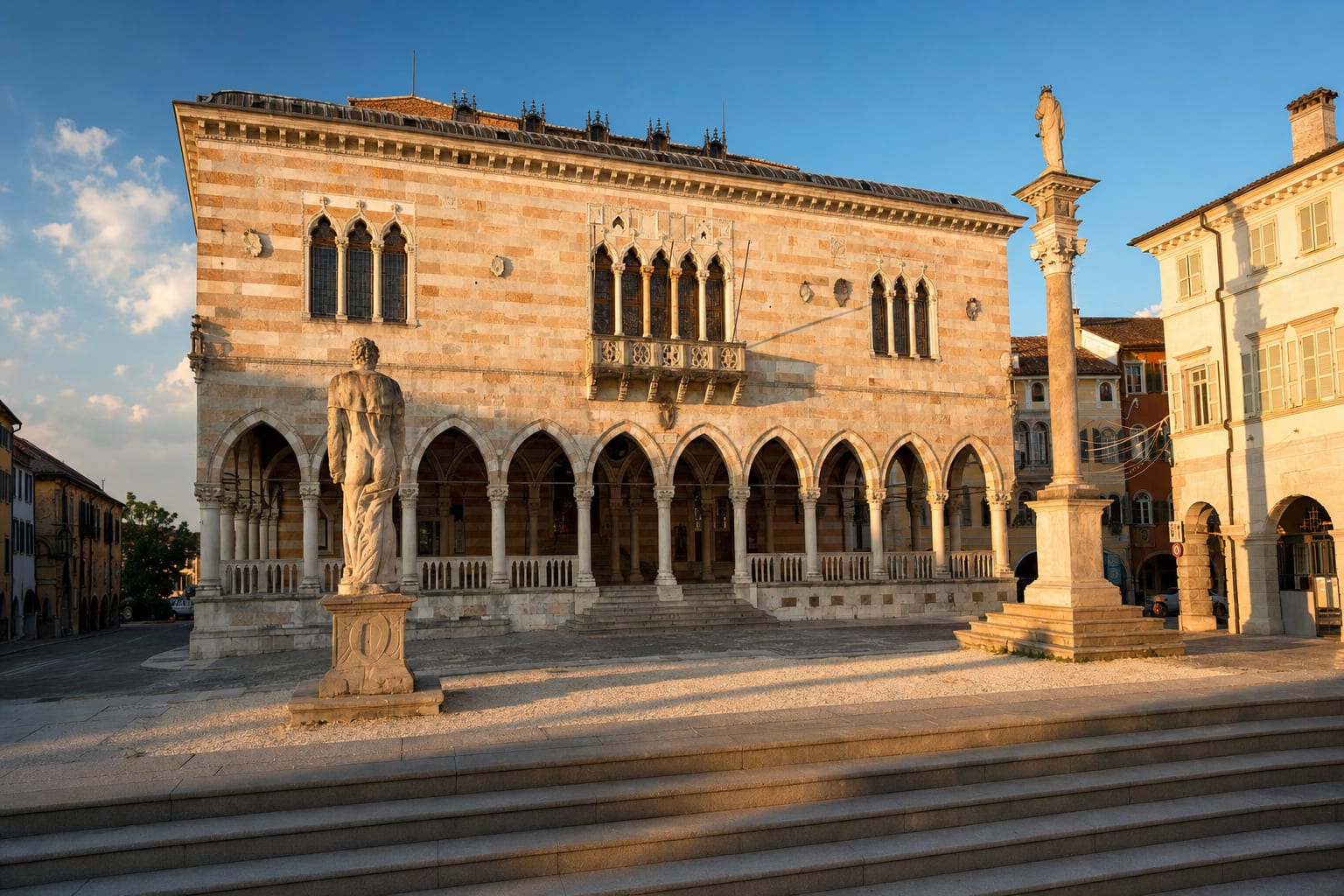 UdineLoggia del LionelloVenetian Gothic loggia of 1448, pink and white stone bands, Piazza Libertà centerpiece, rebuilt after an 1876 fire