Skip to content

Miramare Castle

An Istrian-stone Habsburg residence on the Gulf of Trieste, set within a historic 22-hectare park.

  • Trieste
  • Castle
Where
Trieste
Best for
Maximilian and Charlotte’s seaside residence
Castle + exhibition (checked 8 Oct)
From €17
Checked October 2026

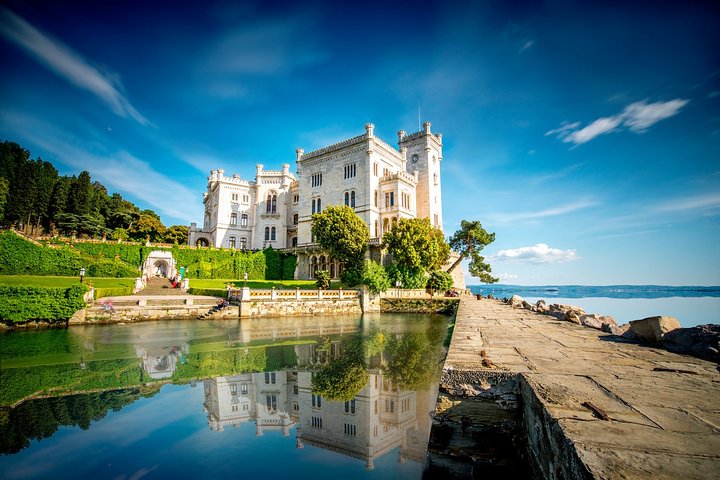
Miramare stands at the tip of the Grignano promontory, where Istrian white stone meets the Gulf of Trieste. Commissioned by Archduke Ferdinand Maximilian of Habsburg as a residence for himself and Charlotte of Belgium, the eclectic castle was designed by Austrian engineer Carl Junker and built between 1856 and 1860. Gothic, medieval and Renaissance references come together in a seaside residence shaped around its view of the water.

The rooms retain furnishings and collections connected with the archducal household. Maximilian’s study is identified by the museum as the Novara Room; the catalogue also places Charlotte’s painting Yacht Phantasie there. In the Sala Storica, Cesare Dell’Acqua’s commissioned history cycle records episodes from life at Miramare, including the 1865 oil painting of Empress Elisabeth’s arrival.

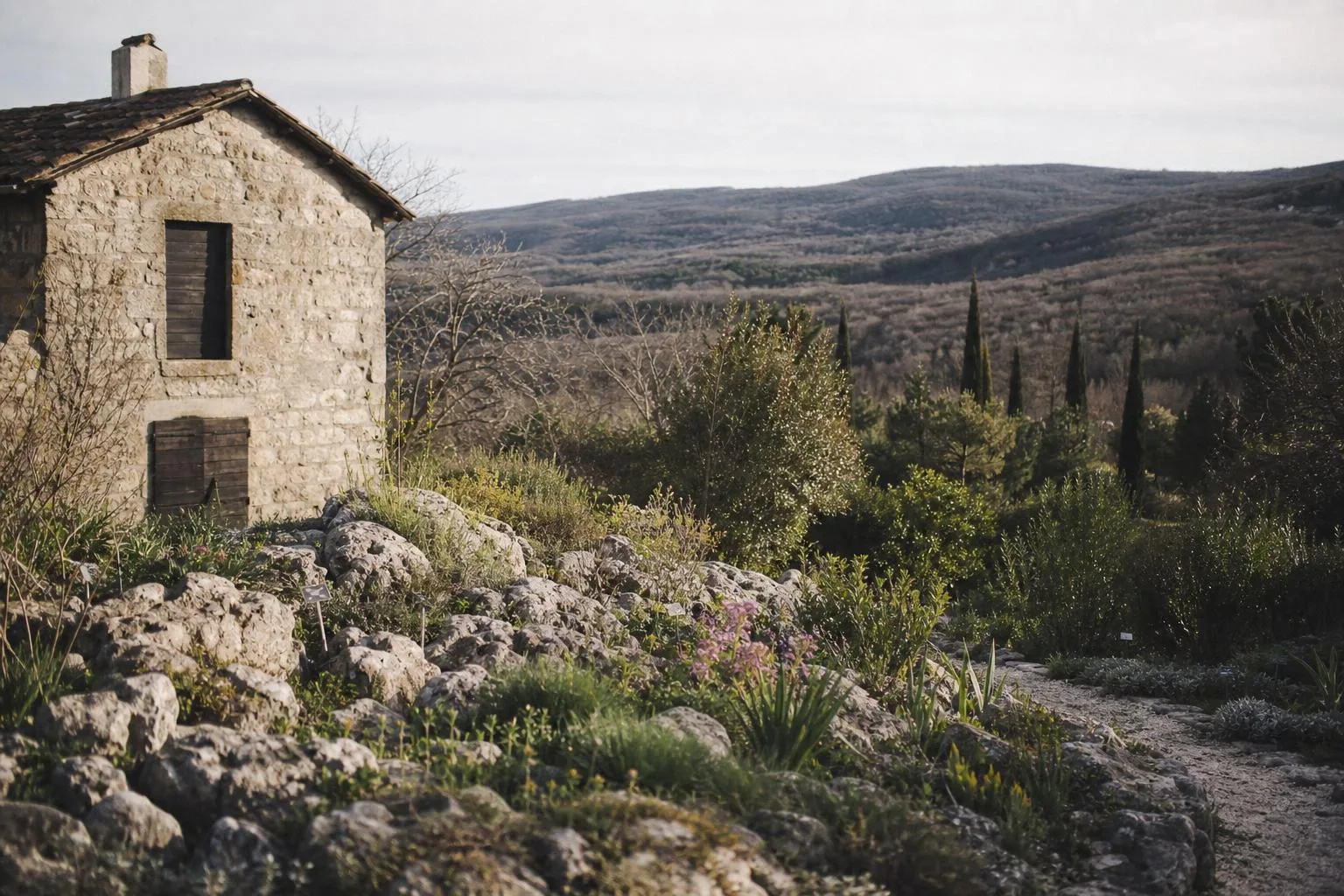
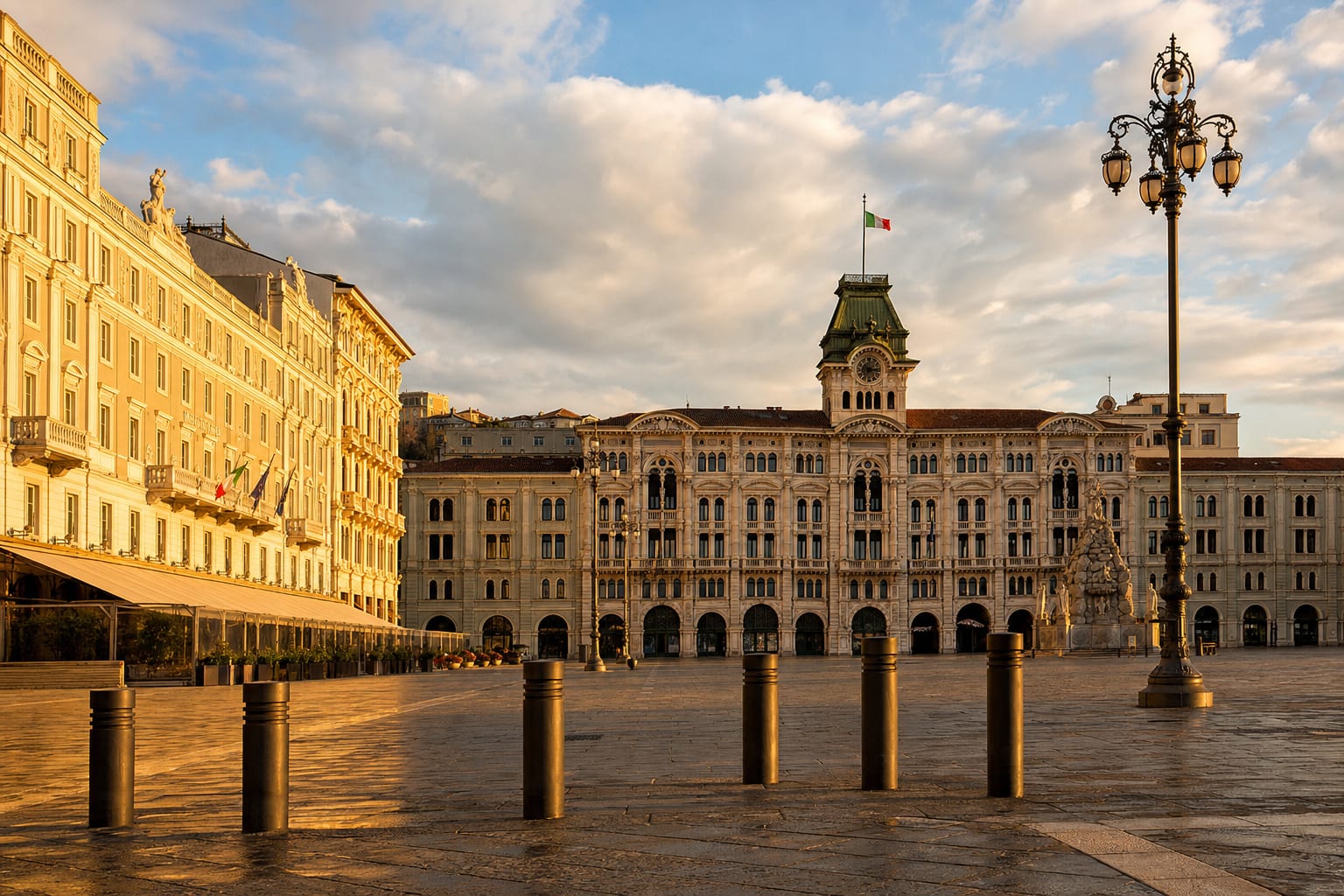
The residence and its 22-hectare park belong to one designed landscape. Park designer Wilhelm Knechtel arranged woodland to the east and Mediterranean gardens with formal parterres near the castle and sea, transforming a karst promontory that had held pasture, vineyards and a small oak wood. The smaller Castelletto, designed by Junker in 1856, served as an occasional residence while the main castle was being built. Continue the waterfront story in Trieste at Piazza Unità d’Italia, or look across the city from San Giusto Hill. The park is free to enter; the castle museum has a separate ticket.

A nineteenth-century Habsburg residence designed by Carl Junker and developed with a formal and botanical park designed by Wilhelm Knechtel.
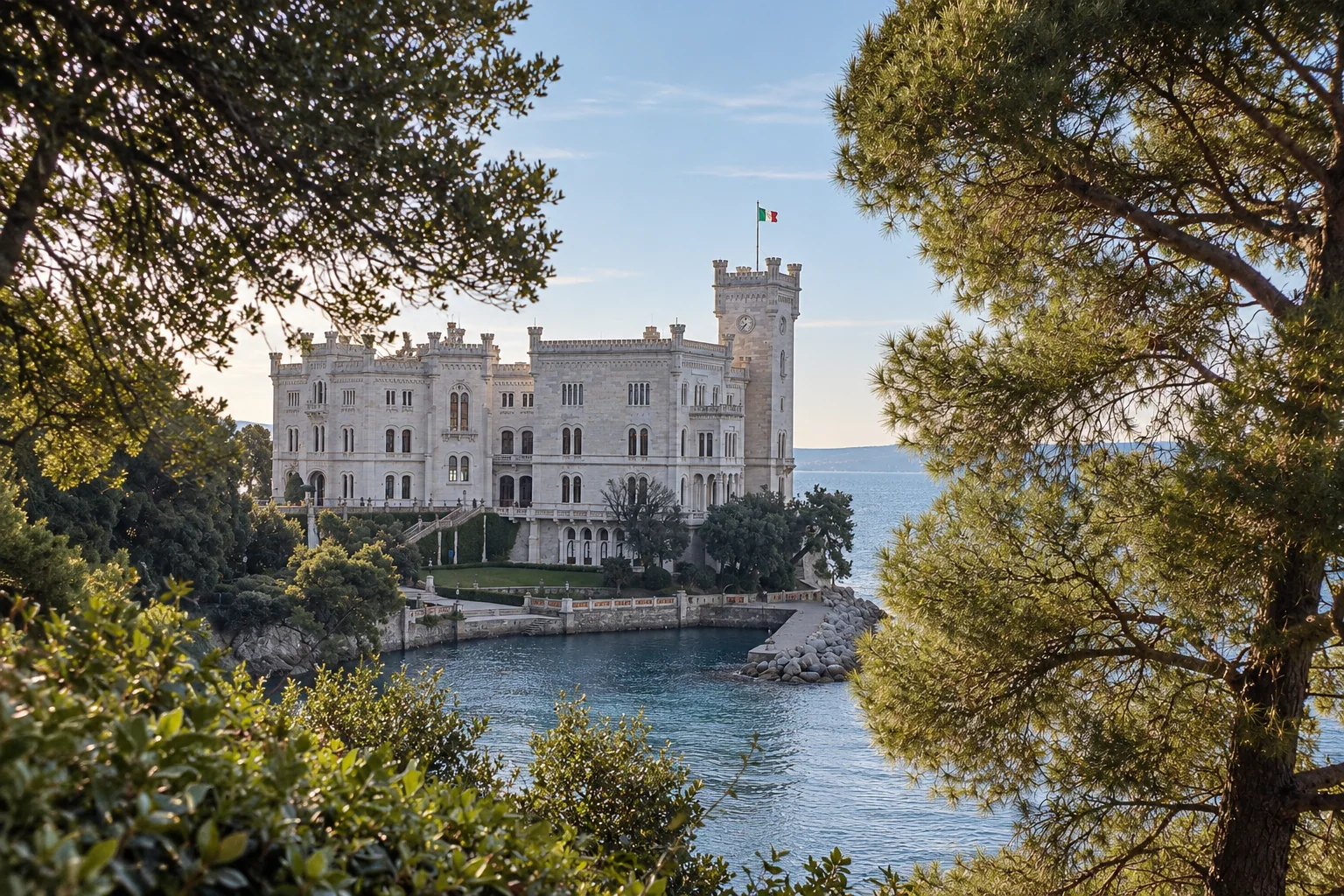
Miramare’s pale castle stands across the inlet, framed by the wooded park.
Sources and citations (12)
  1. Museo Storico e Parco del Castello di MiramareTickets | Museo Storico e Parco del Castello di MiramareTICKETS: current full-price combined Castle + A Sphinx Lures Him offer, €17; reduced EU 18–25 rates; free categories; first-Sunday Castle admission; THE PARK: free admission; CASTLE: visit without reservation for individual visitors; groups and guide […]Read source
  2. Museo Storico e Parco del Castello di Miramare / CoopCulture ticket informationAcquista | Museo Storico e Parco del Castello di MiramareCASTELLO: individual visitors may visit without reservation; reservations compulsory only for groups and guided-tour service; tickets at Castle ticket office or official CoopCulture site; reservation/presale onlineRead source
  3. Museo Storico e Parco del Castello di MiramareAccessibility | Museo Storico e Parco del Castello di MiramareACCESSIBILITY TO THE CASTLE: barrier-free visitor route, lift to second museum floor, courtesy wheelchair; ACCESSIBILITY TO THE PARK: Viale dei Lecci, former stables, Castle yard and terrace; contact for vehicle access to parterre, greenhouses and Ca […]Read source
  4. Museo Storico e Parco del Castello di MiramareAccessibilità | Museo Storico e Parco del Castello di MiramareAccessibilità del castello; Accessibilità del parco; Viale dei Lecci and direct approach arrangementsRead source
  5. Museo Storico e Parco del Castello di MiramareHow to reach us | Museo Storico e Parco del Castello di MiramareBY TRAIN: Miramare station; approx. 150m to park entry, then about 0.5km through park; BY BUS: routes 6/36, Bivio Miramare or Grignano alternatives and walking distancesRead source
  6. Museo Storico e Parco del Castello di MiramareThe Museum: Miramare Castle and ParkMuseum overview: historical Habsburg residence, white Istrian stone, 22-hectare park.Read source
  7. Museo Storico e Parco del Castello di MiramareApre il Castelletto, uno scrigno prezioso nel Parco di MiramareOpening section: Carl Junker designed Castelletto in 1856; Maximilian and Charlotte used it until 1860 while main Castle was builtRead source
  8. Museo Storico e Parco del Castello di MiramareCharlotte of Belgium, Yacht Phantasie | Museo Storico e Parco del Castello di MiramareLocation: Maximilian’s study, known as the Novara room; work description of yacht and marine panelsRead source
  9. Museo Storico e Parco del Castello di MiramareCesare Dell’Acqua, 200 anni dalla nascitaOpening paragraphs: Maximilian commissioned a historical cycle on canvas; paintings displayed in Sala Storica; ‘Arrival of Elizabeth of Austria’ medium/dateRead source
  10. Museo Storico e Parco del Castello di MiramareIl Parco di Miramare | focus_1Opening history section; opening paragraphs on pre-project promontory; architects and park planRead source
  11. Ministero della Cultura / Museo Storico e Parco del Castello di MiramareThe Castle | Museo Storico e Parco del Castello di MiramareThe Castle section: Istrian stone, eclectic style, Carl Junker, 1856–1860; Maximilian and Charlotte moved in on Christmas Eve 1860; Gothic, medieval and Renaissance referencesRead source
  12. Museo Storico e Parco del Castello di MiramareCabinet. Teak, ebony, ivory, brass, 17th century | Museo Storico e Parco del Castello di MiramareLocation: Room IV – Maximilian’s study (the ‘Novara Room’)Read source
Look closer

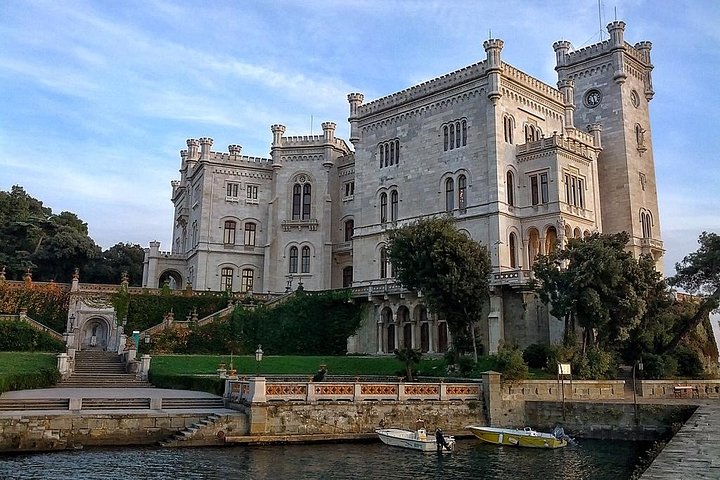
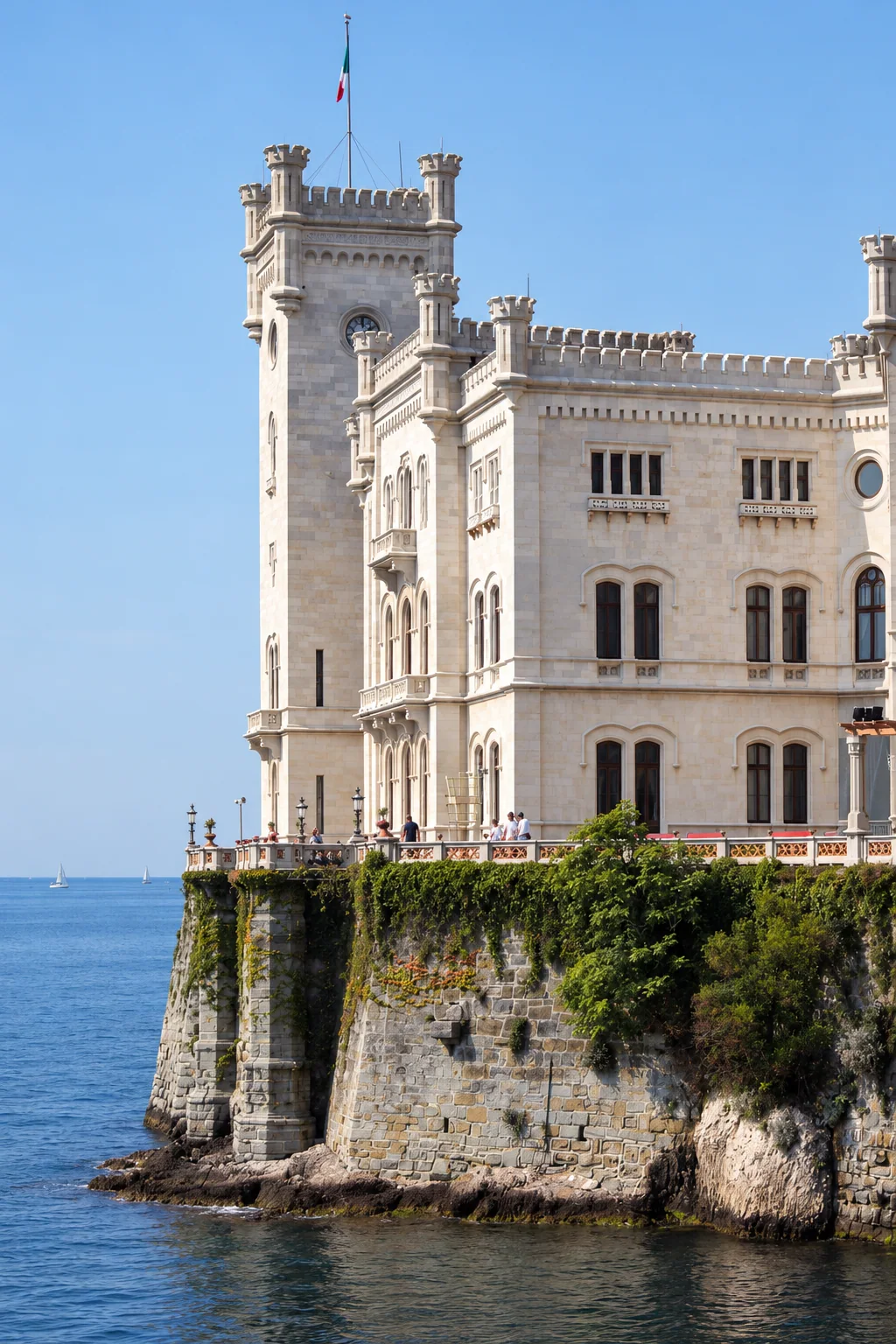
The tower and adjoining rooms rise above Miramare’s stone seawall.
The seaward towerThe tower and adjoining rooms rise above Miramare’s stone seawall.
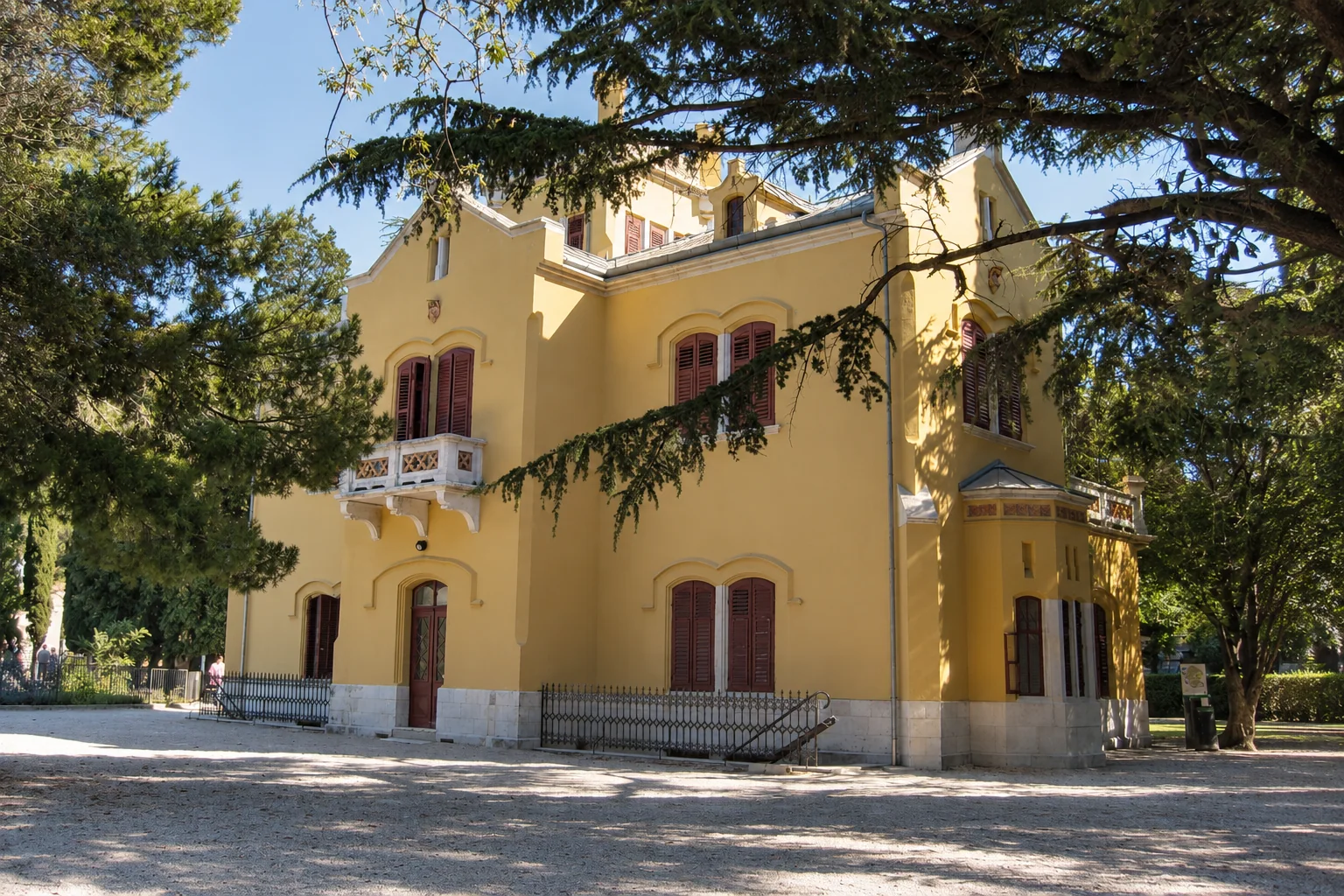
The yellow Castelletto is a separate building within Miramare’s wooded park.
The Castelletto in the parkThe yellow Castelletto is a separate building within Miramare’s wooded park.
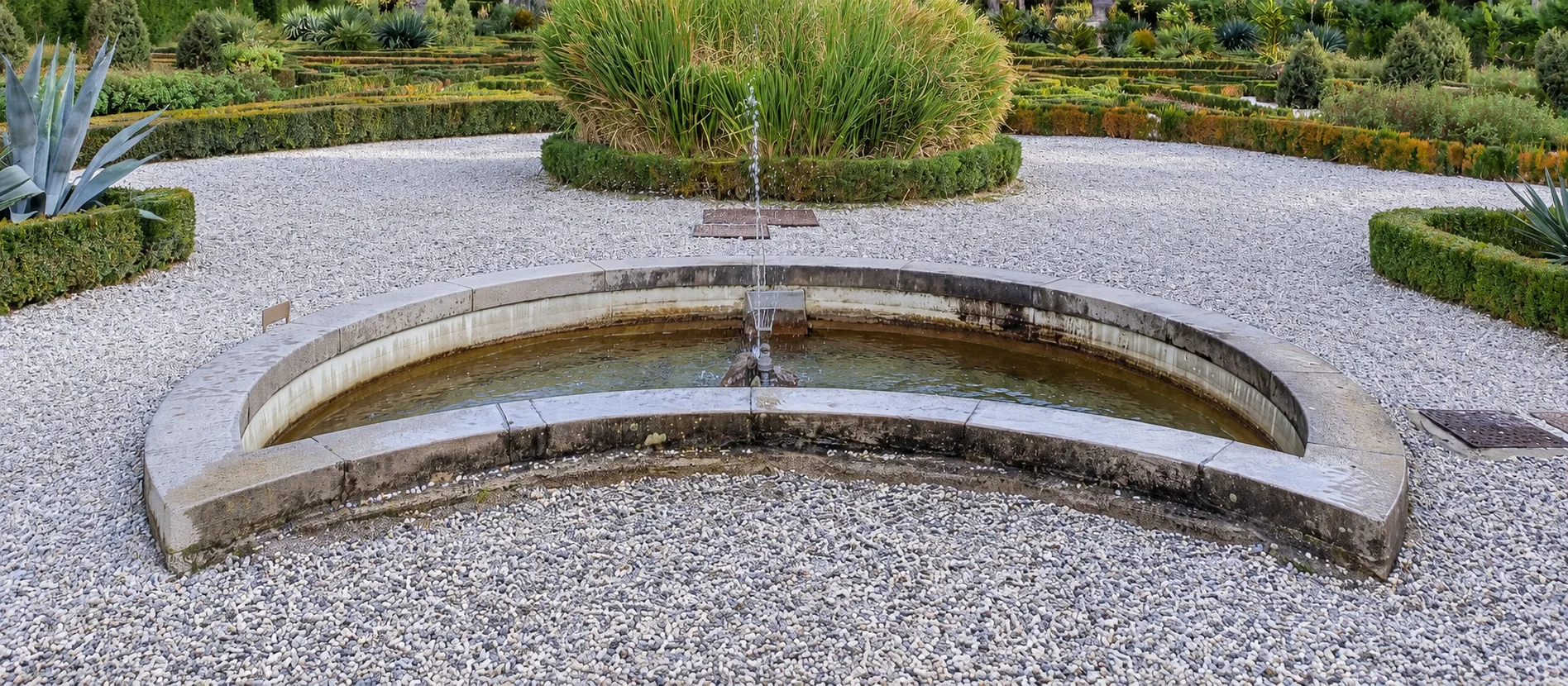
Curved stone fountain basin with pale gravel, low clipped hedges and reeds in Miramare’s formal parterre.
The parterre basinThe curved stone basin sits within Miramare’s gravel and clipped hedge pattern.

Five things worth finding

If you see nothing else, see these.

  1. A residence in Istrian stone

    The museum dates the castle to 1856–1860 and identifies Austrian engineer Carl Junker as its designer. Its eclectic style brings together Gothic, medieval and Renaissance references in a residence commissioned by Maximilian for himself and Charlotte.Castle exterior and sea-facing rooms

  2. Maximilian’s Novara Room

    The museum catalogue identifies Room IV as Maximilian’s study, known as the Novara Room. It also places Charlotte’s pre-1860 painting Yacht Phantasie there; the work depicts the yacht on which the couple sailed in the Gulf of Trieste and along the upper Adriatic.Room IV, Maximilian’s study

  3. The Dell’Acqua history cycle

    Maximilian commissioned Cesare Dell’Acqua to paint notable episodes from Miramare’s history. The museum identifies the 1865 oil-on-canvas Arrival of Elizabeth of Austria in Miramare as one work in the cycle, displayed in the Sala Storica.Sala Storica

  4. Knechtel’s park plan

    Wilhelm Knechtel designed an eastern wood and a Mediterranean garden with formal parterres near the Castle and the sea. The plan transformed a Karst landscape that had included pasture, vineyards and a small oak wood.Historic park across the Grignano promontory

  5. The Castelletto

    Designed by Carl Junker in 1856, this smaller garden house was used occasionally by Maximilian and Charlotte while the main Castle was being built. The operator lists visits to the Castelletto among special guided visits with separate booking and ticket details.Small harbour of Grignano, within the park

Plan your visit

Everything you need before you go.

Castle + exhibition (checked 8 Oct)
From €17
Individual visits
No reservation required; capacity applies. Groups and guided tours must book.
Getting there
From Trieste Centrale, the museum lists urban buses 6 or 36 toward Miramare–Grignano. Regional trains also stop at Miramare station: the park entrance is about 150 metres away, followed by roughly half a kilometre on park paths to the castle. Check current services and seasonal route variations with Trieste Trasporti or Trenitalia.
Accessibility
The museum describes the Castle visitor route as barrier-free. An internal lift reaches the upper museum floor and can be requested from staff at the entrance; a courtesy wheelchair is available on request. In the park, the Viale dei Lecci, former stables, Castle courtyard and surrounding terrace are listed as accessible. Contact the museum in advance to arrange vehicle access to the parterre, greenhouses, Castelletto and other areas; the information does not establish that every park path is step-free.

Checked 8 October 2026: the operator lists €17 for the full-price Castle ticket combined with the exhibition A Sphinx Lures Him. This is an exhibition-linked fare; check the current ticket page before visiting. The park is free. Reduced Castle-only and combined tickets are listed for eligible EU visitors aged 18 up to the day of their 25th birthday; other free-admission categories follow national rules. Castle admission is free on the first Sunday of the month. Individual visits do not require reservations; groups and guided tours must book. Unreserved weekend and public-holiday entry depends on capacity. Last updated October 2026. Prices change, so check the official site before you go.

The park and the furnished Castle museum are separate parts of the visit: the park is free, while the Castle requires a ticket. The museum’s audio guide takes about 60 minutes; leave additional time for the park paths and parterre. The Castelletto and historic kitchens are special guided visits with separate booking and ticket information, so check those arrangements before planning to see them.

Get directionsGoogle MapsApple Maps

Tours worth booking

A few we would book ourselves, to get more from your visit.

Booking through these links may earn Italia Magnifica a commission, at no cost to you.

    • Viator
    • 5h
    • 5.0★ · 2 reviews
    • Viator
    • 2h
    • 5.0★ · 57 reviews
    • Viator
    • 4h
    • 4.5★ · 24 reviews
    • Viator
    • 1h 15m
    • 4.1★ · 227 reviews
    • Viator
    • 3h
    • 3.6★ · 39 reviews
    • Viator
    • 6h

Good to know

What does the €17 Castle ticket include?

Checked 8 October 2026: €17 is the operator’s full-price Castle ticket combined with the exhibition A Sphinx Lures Him. The park is free. This fare is linked to the exhibition, so check the operator’s current ticket page before visiting.

Do I need to reserve a Castle visit?

Individual Castle visits do not require a reservation. On weekends and public holidays, unreserved entry depends on available capacity. Reservations are compulsory for groups and for guided tours; the Castelletto and historic kitchens have separate visit arrangements.

How do I get to the castle from Trieste?

The museum lists buses 6 and 36 from Trieste Centrale toward Miramare–Grignano, or a regional train to Miramare station. From the station, walk about 150 metres to the park entrance and roughly half a kilometre through the park to the Castle. Check current services with the transport operator.

Is Miramare accessible to wheelchair users?

The museum describes the Castle route as barrier-free and says an internal lift and courtesy wheelchair are available on request. It lists the Viale dei Lecci, former stables, Castle courtyard and terrace as accessible. Contact staff to arrange access by vehicle to the parterre, greenhouses, Castelletto and other park areas.

How long should I allow for a visit?

The Castle audio guide takes about 60 minutes. Allow extra time for the park paths you want to explore; your total visit depends on the route you choose.

Who built Miramare and what was it for?

Archduke Ferdinand Maximilian commissioned it as a residence for himself and Charlotte of Belgium. Austrian engineer Carl Junker designed the eclectic castle, built between 1856 and 1860; the couple moved into it on Christmas Eve 1860.

A letter from Italy, once a month.

The places, tables and makers we found worth your time. One email, no noise.

One letter a month. Unsubscribe at any time. We never share your address.

Help us get it right

What is it about?