The story
What you're tasting
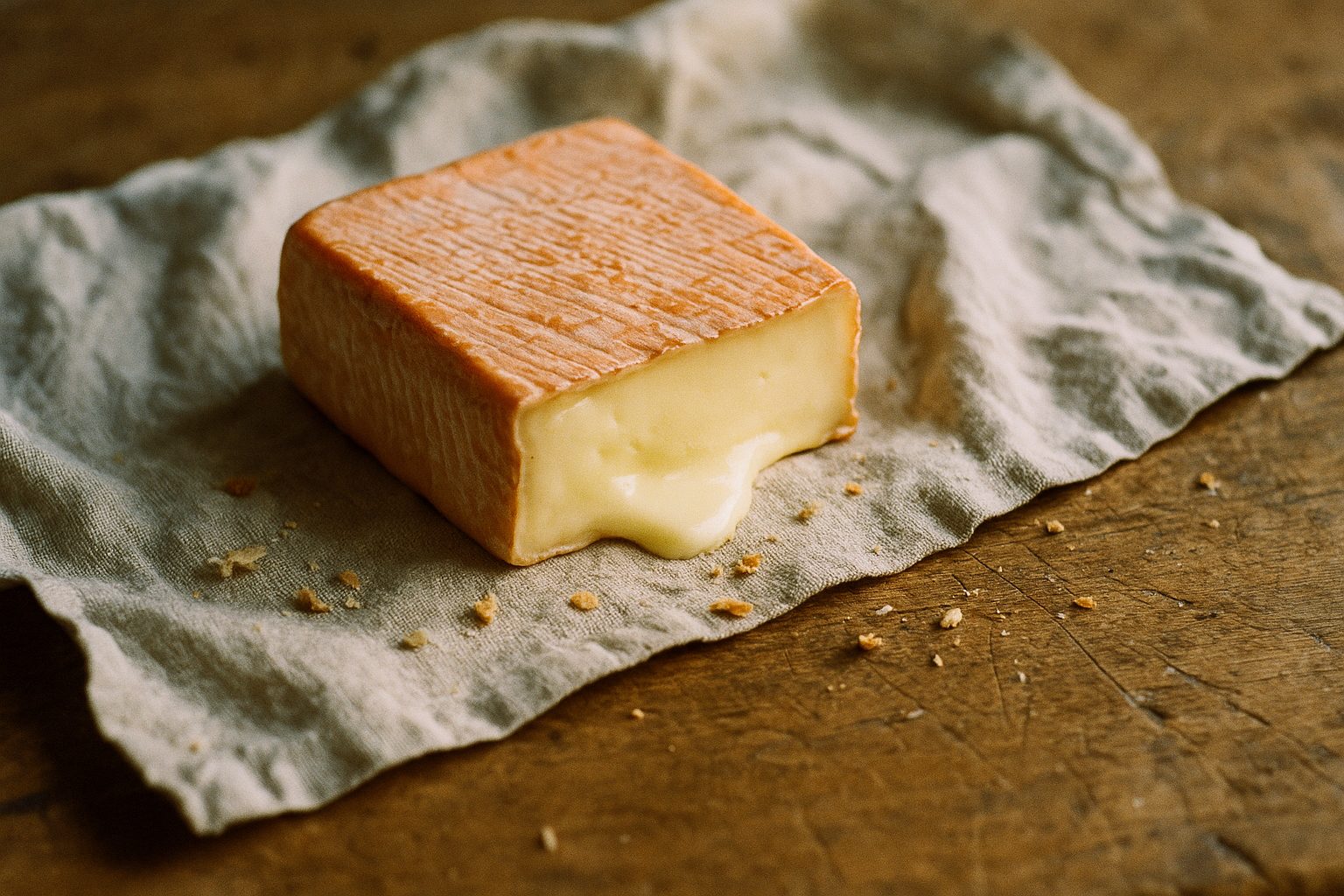
Taleggio DOP is Lombardy's most celebrated washed-rind cheese, produced exclusively in specific provinces of Lombardy, Piedmont, and Veneto. This semi-soft, square-shaped cheese is characterized by its distinctive orange, sticky rind and creamy, tangy interior. Aged for a minimum of 35 days (often 40-50 days), Taleggio develops complex, fruity flavors with a distinctive aroma that makes it one of Italy's most recognizable and beloved cheeses.
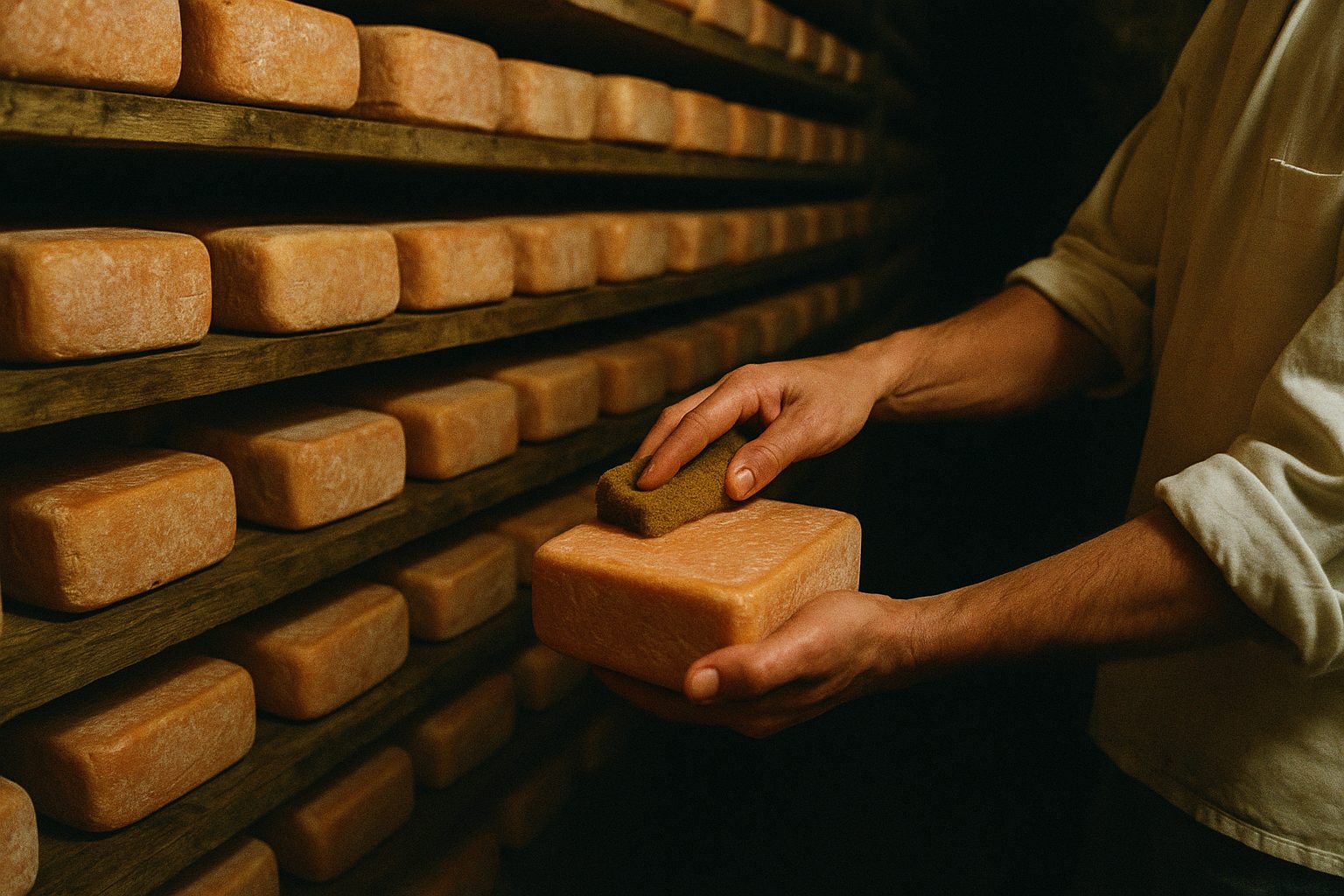
Taleggio represents over a millennium of Lombard cheesemaking tradition, with production methods documented since the 10th century. The cheese's name derives from the Val Taleggio in the Bergamo Alps, where the tradition of producing this washed-rind cheese developed. Historical records from the Middle Ages document the production of square-shaped, washed-rind cheeses in the Lombard valleys, where cheesemakers discovered that regular washing with brine created distinctive flavors and aromas while preventing undesirable mold growth. The cheese gained particular importance during the Renaissance, when it became a valuable commodity in Lombard markets and was exported throughout northern Italy. The tradition of producing Taleggio in mountain valleys, where the cool, humid climate created ideal aging conditions, became central to the cheese's character. The 19th and early 20th centuries saw the formalization of production methods, with local cheesemakers establishing consistent techniques for creating the square-shaped, washed-rind cheese that would become Taleggio. The establishment of the Taleggio Consortium in 1979 marked a significant step toward protecting the cheese's name and methods, while the DOP designation, granted in 1996, codified the production regulations, geographic boundaries (including specific provinces in Lombardy, Piedmont, and Veneto), and quality standards that ensure Taleggio maintains its traditional character. Today, Taleggio stands as a symbol of Lombard cheesemaking excellence, with production centered in the Bergamo and Brescia provinces while maintaining the traditional methods and distinctive washed-rind character that have defined it for centuries.