


Where to begin in Veneto
Give Venice time for the Grand Canal and a visit to St Mark’s. On the mainland, choose Padua for Giotto’s frescoes and reserve a time for the Scrovegni Chapel. Choose Vicenza for Palladio and start at the Teatro Olimpico, his last project.
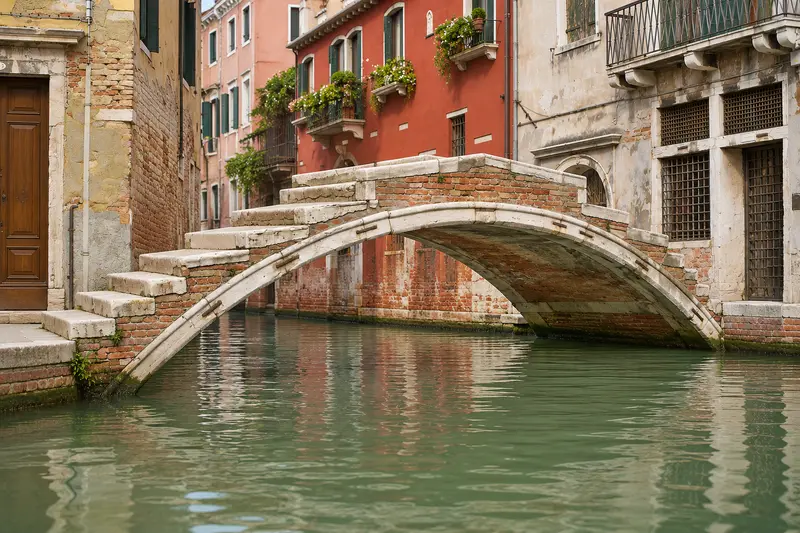
Venice
The capitalSt. Mark’s mosaics and the canals of Cannaregio.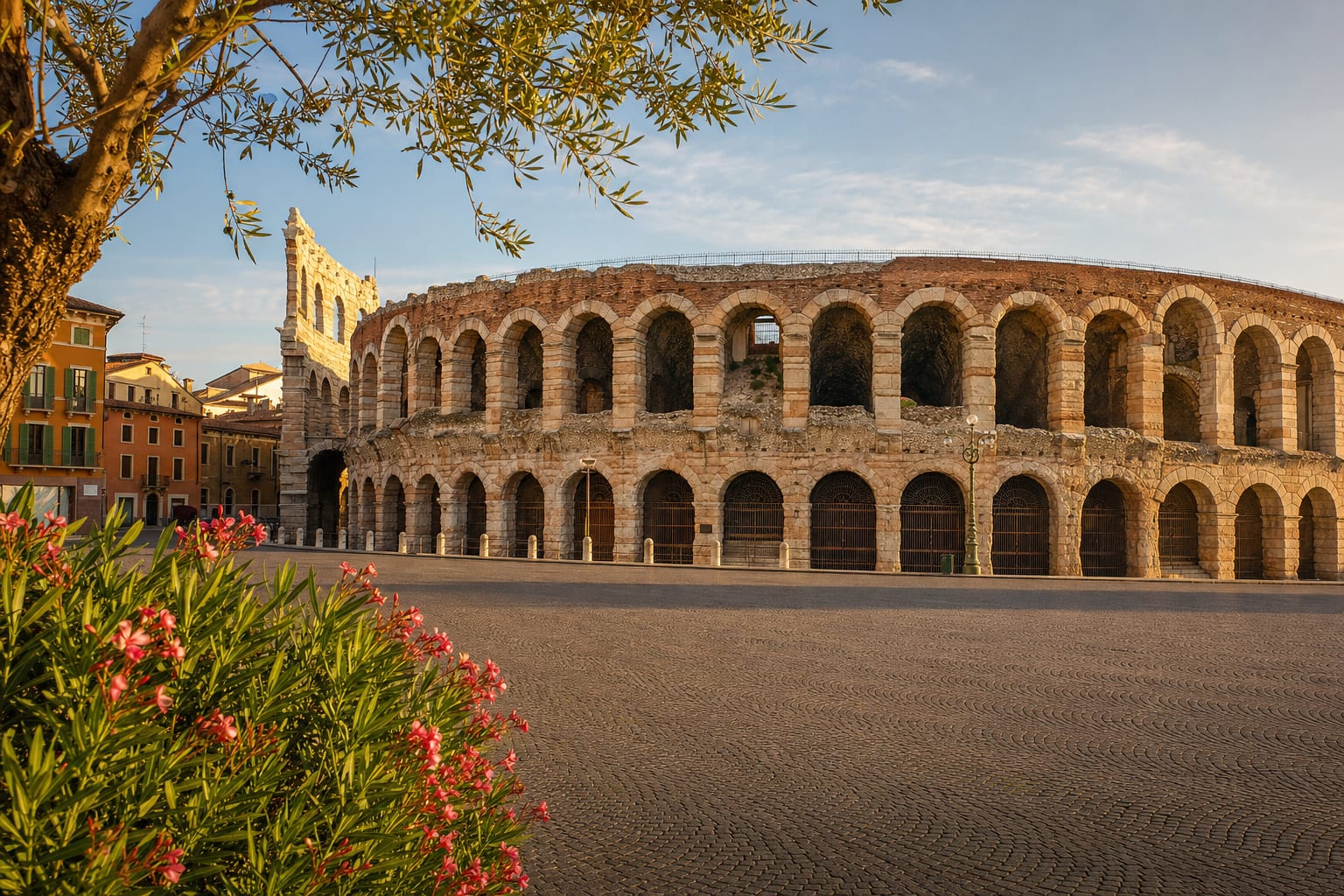
Verona
The Roman Arena and the streets along the Adige.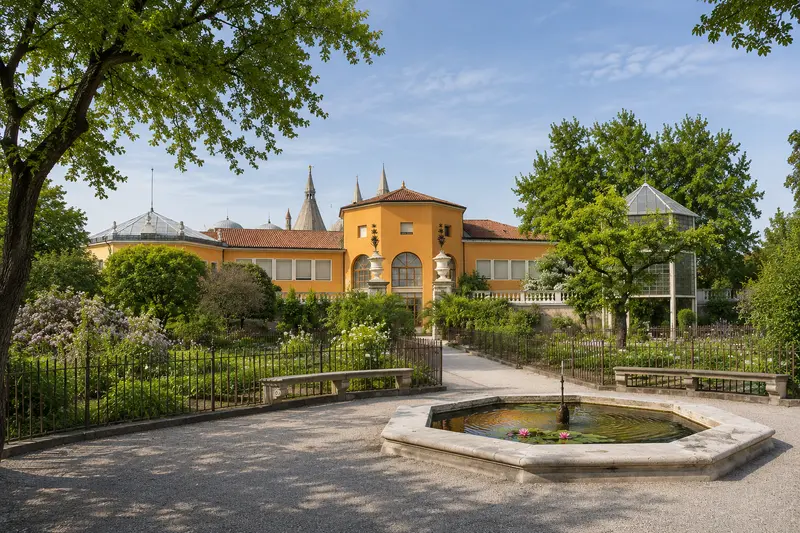
Padua
Giotto’s frescoes and the stalls around Palazzo della Ragione.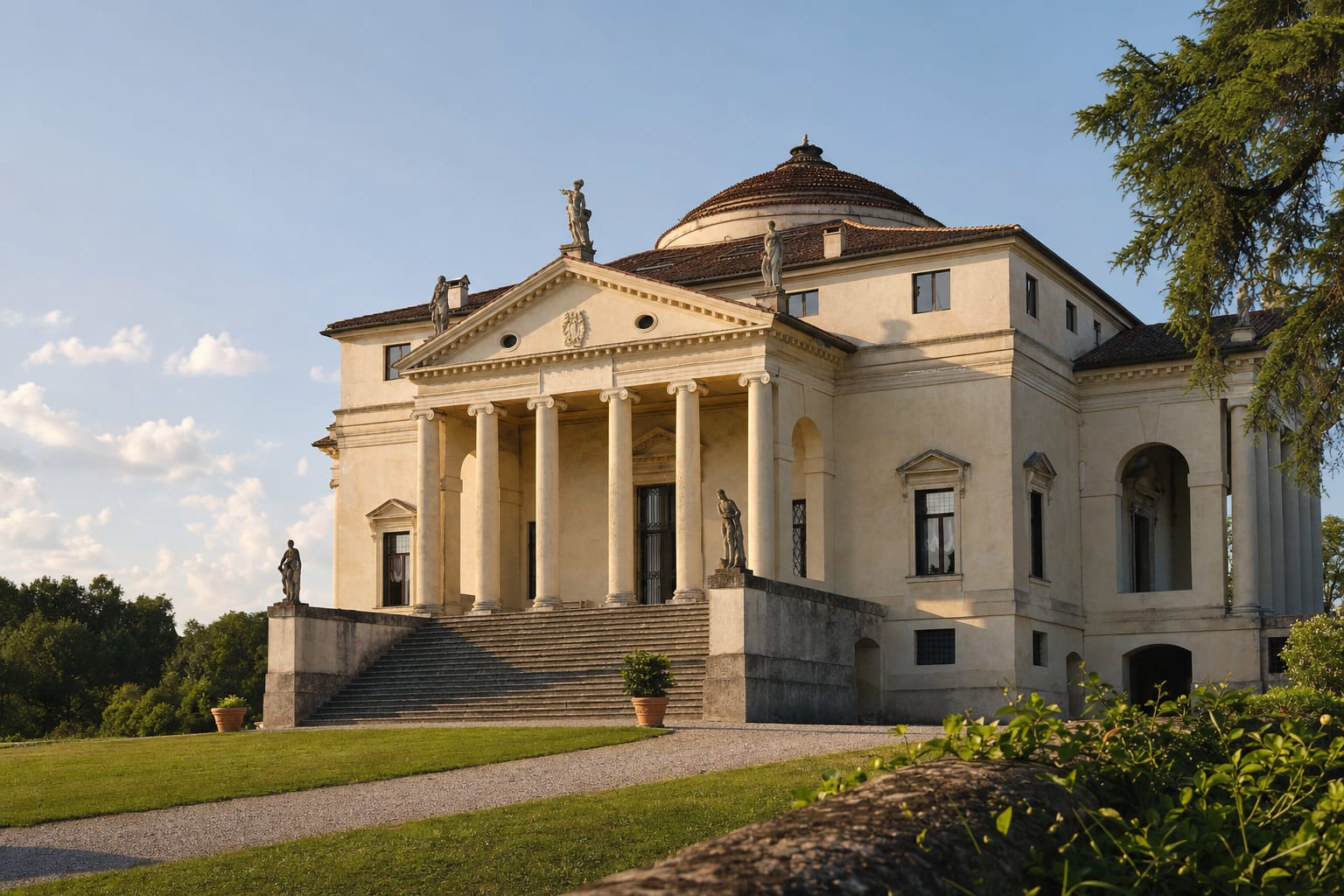
Vicenza
Andrea Palladio's city, where the architect's harmony shapes the streets and crowns the surrounding hills with villas.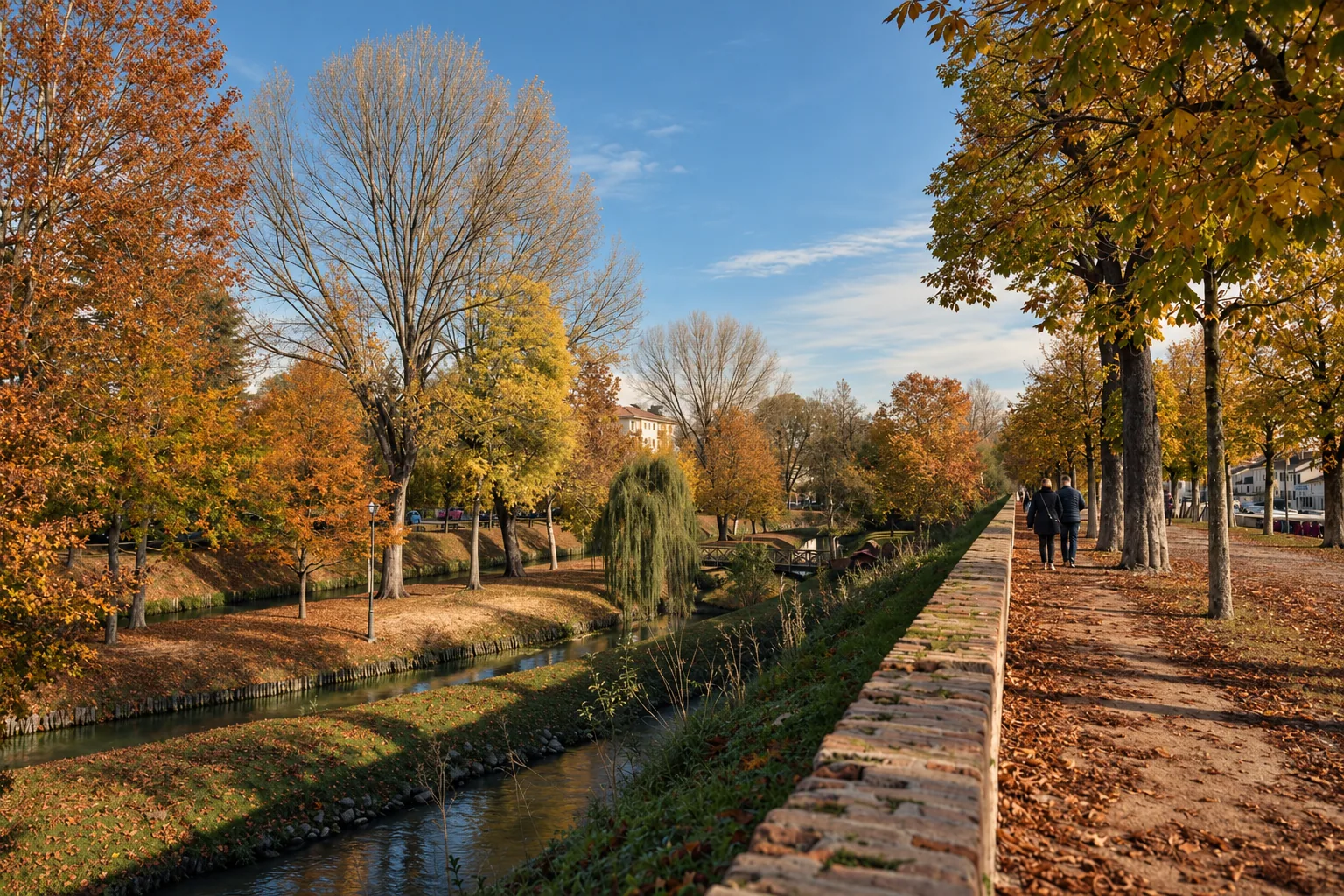
Treviso
A walled city laced with canals fed by the Sile river, its old centre lined with frescoed houses and porticoes.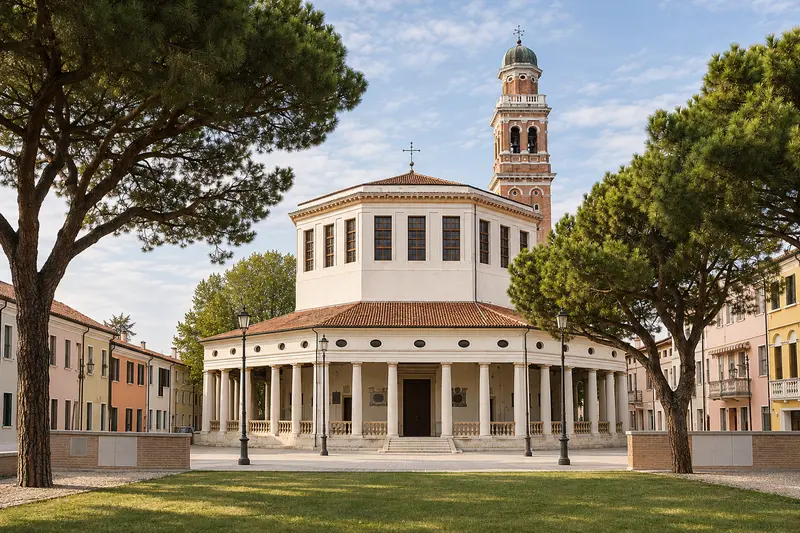
Rovigo
The quiet capital of the Polesine, the low farmland between the Adige and Po rivers in southern Veneto.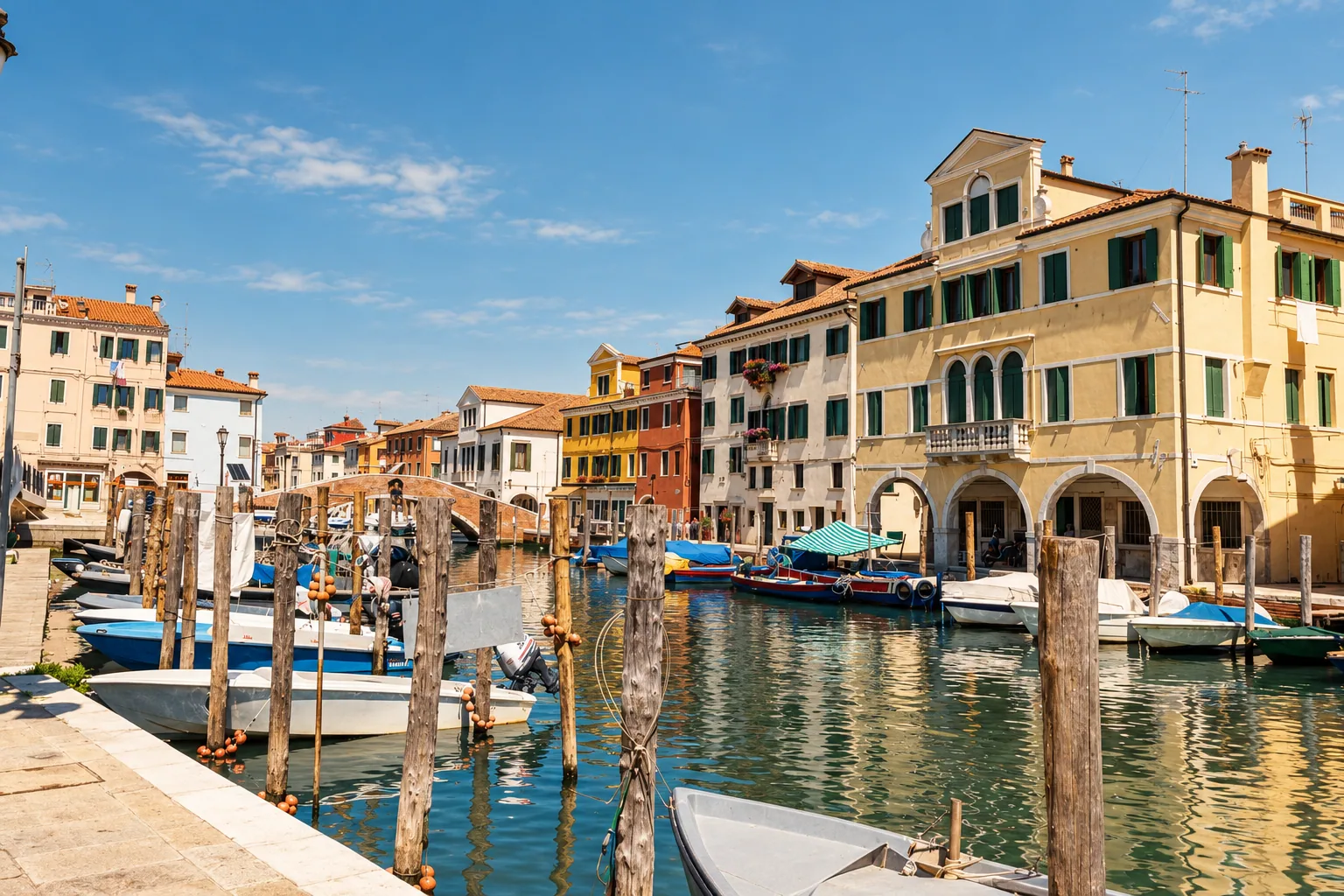
Chioggia
A fishing town at the southern edge of the Venetian lagoon, often called Little Venice for its canals and bridges.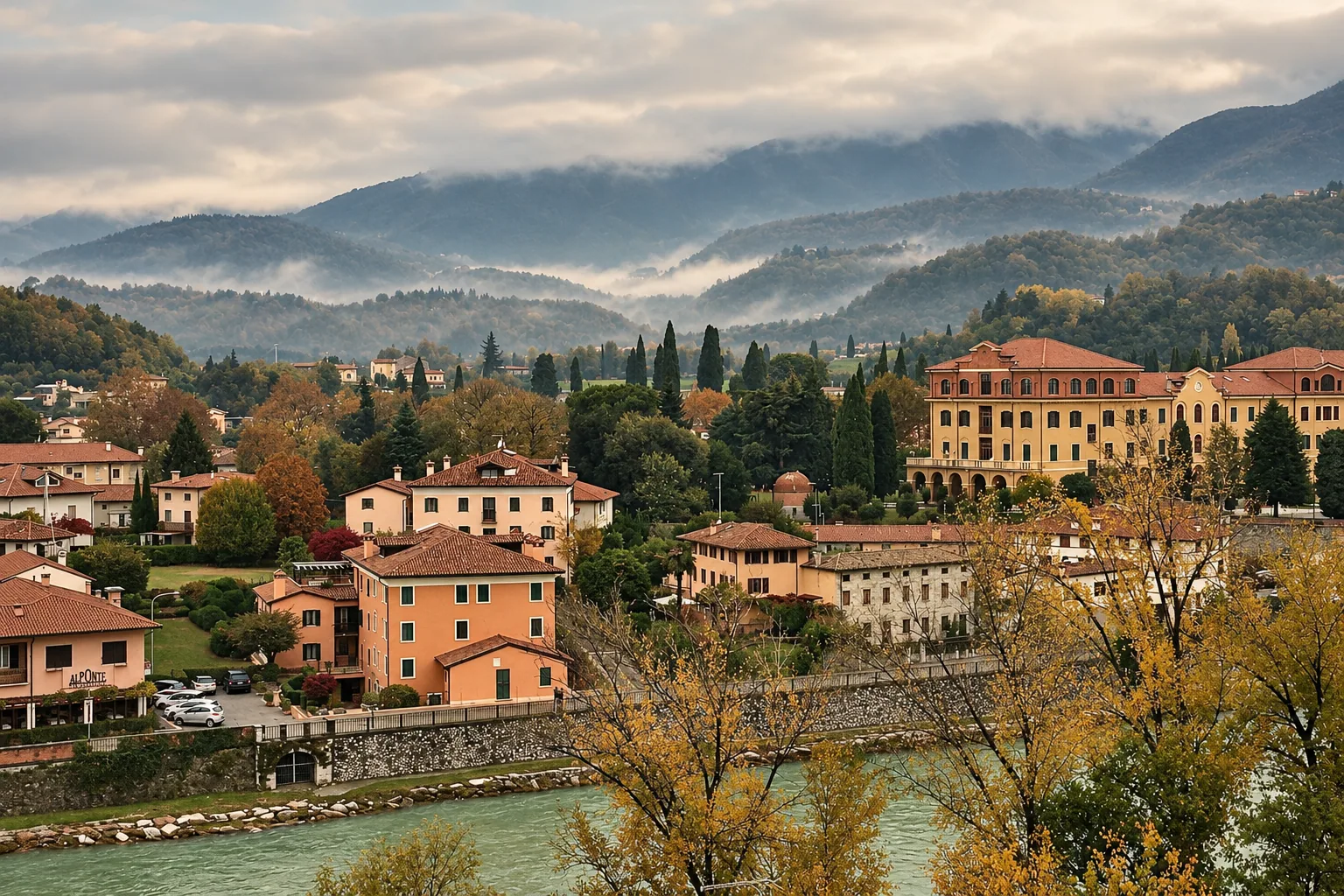
Bassano del Grappa
A town on the Brenta where Palladio's covered wooden bridge, the Ponte degli Alpini, spans the river beneath Monte Grappa.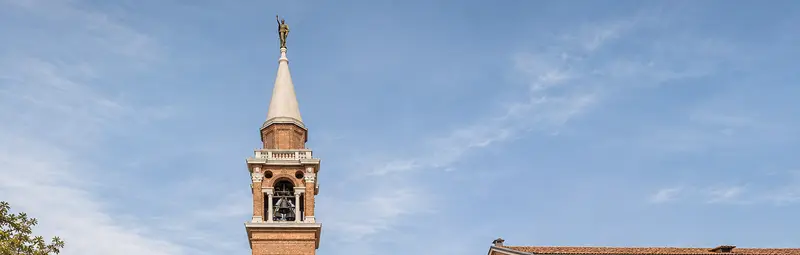
San Donà di Piave
A market town on the Piave river in the eastern Venetian plain, largely rebuilt after the front lines of the First World War passed through.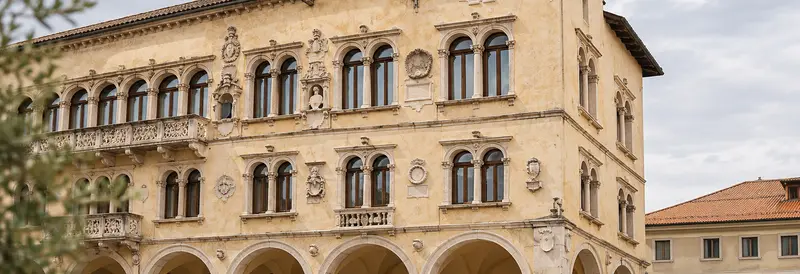
Belluno
The gateway to the Dolomites, perched above the Piave river beneath jagged peaks in northern Veneto.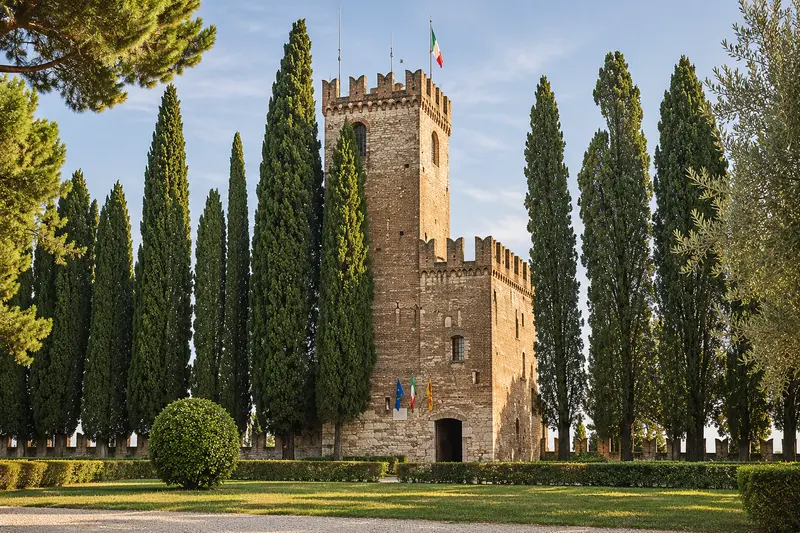
Conegliano
The gateway to the Prosecco hills, where the UNESCO-listed vineyard ridges of Conegliano and Valdobbiadene roll toward the Prealps.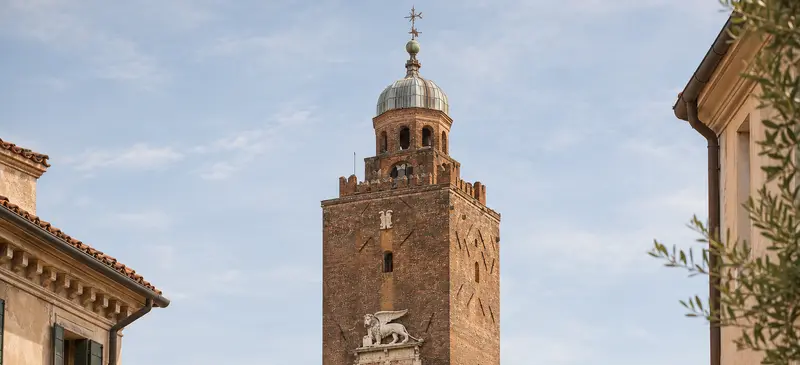
Castelfranco Veneto
A brick-walled town on the Treviso plain, its medieval ramparts still complete around the old centre.


A to Z
From the capital to the smallest borghi.
