


Where to begin in Puglia
Start in Bari for the lanes of Bari Vecchia and the Basilica of San Nicola. Choose Lecce if you want to walk between Baroque churches and palaces. Give Taranto a day of its own if you want to see the gold jewellery from ancient Greek Taranto at the MArTA museum.
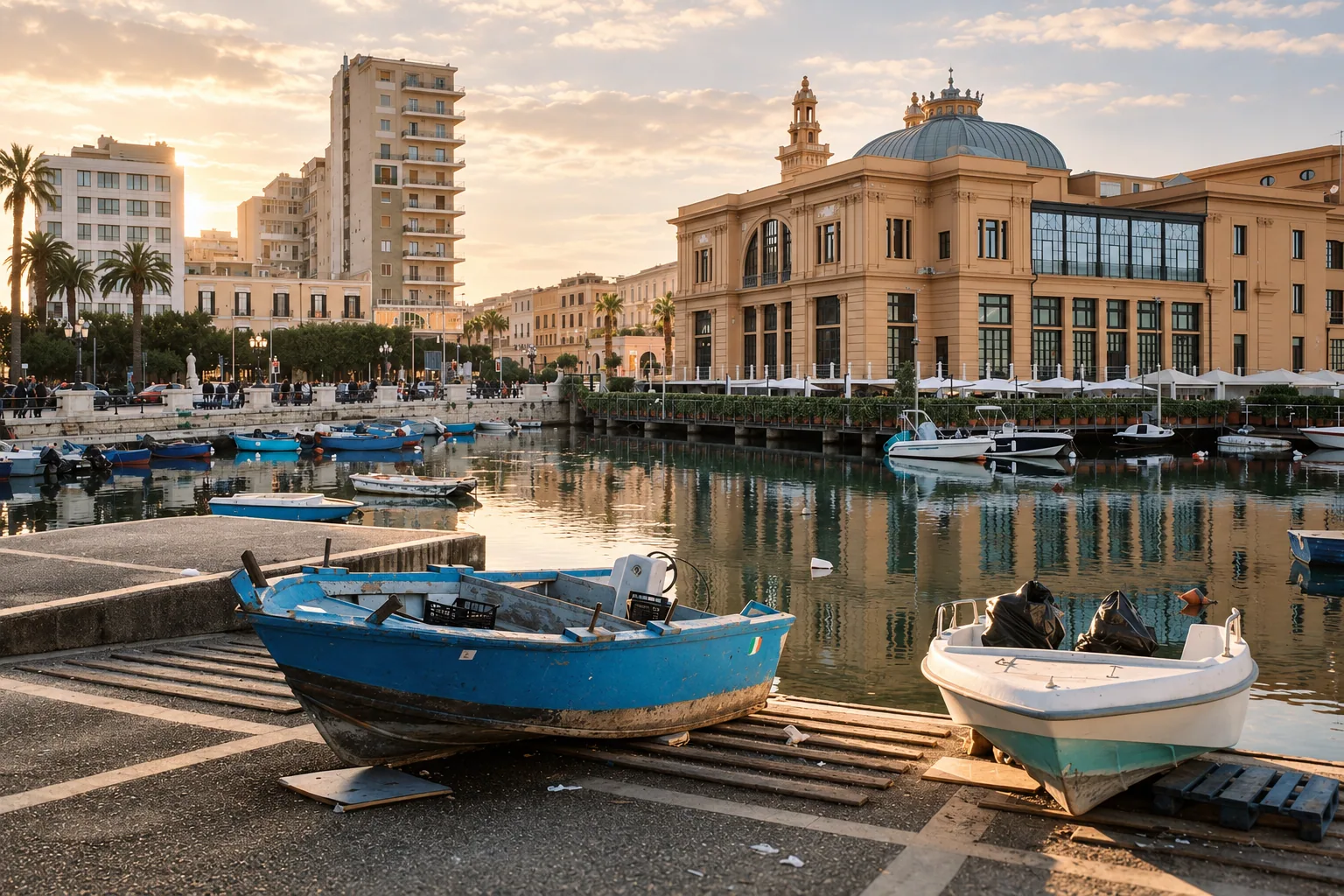
Bari
The capitalBari Vecchia, from San Nicola to the pasta makers’ lanes.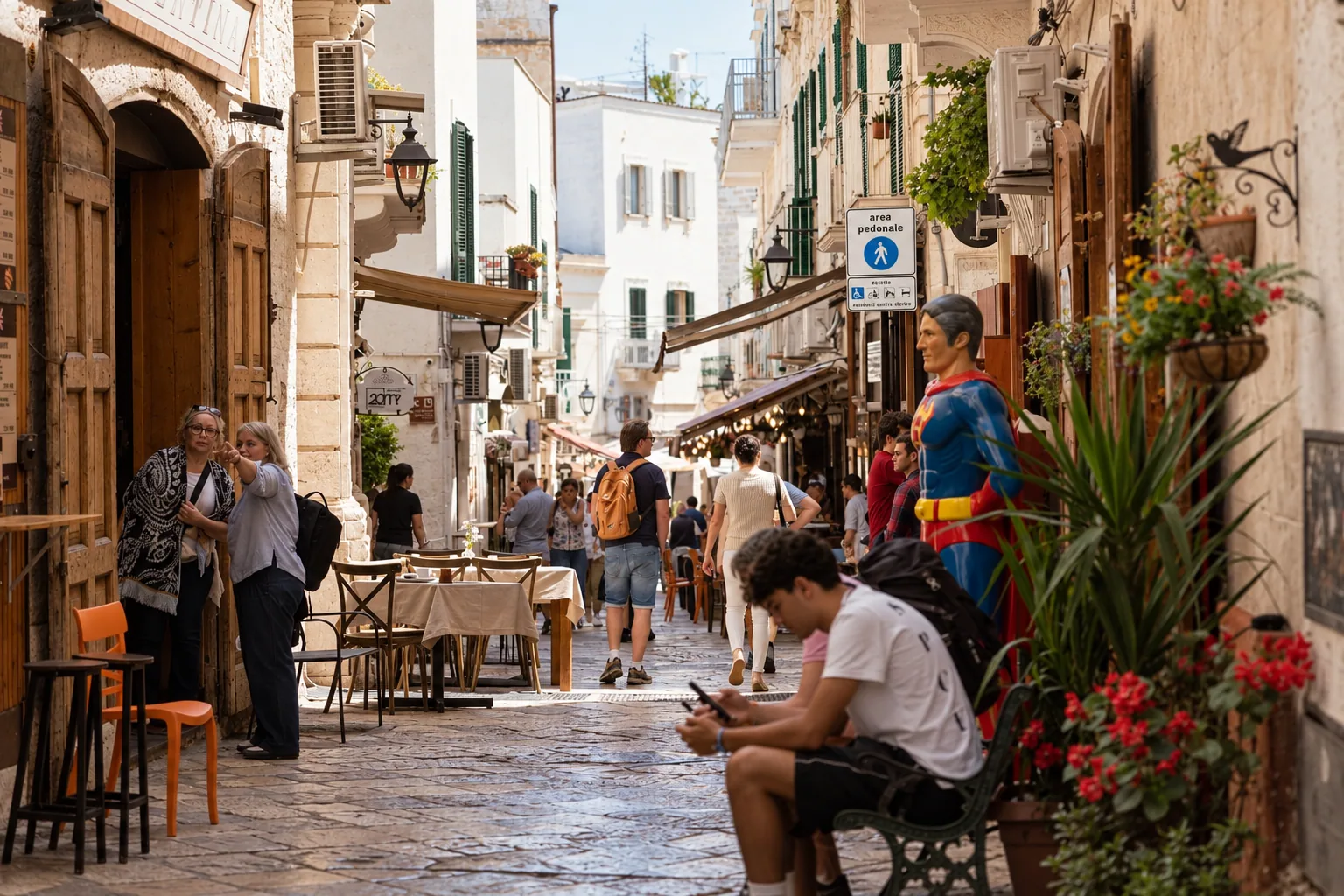
Taranto
A two-sea city founded by Spartan colonists, set on a strait between an open gulf and a sheltered inner lagoon famous for its mussels.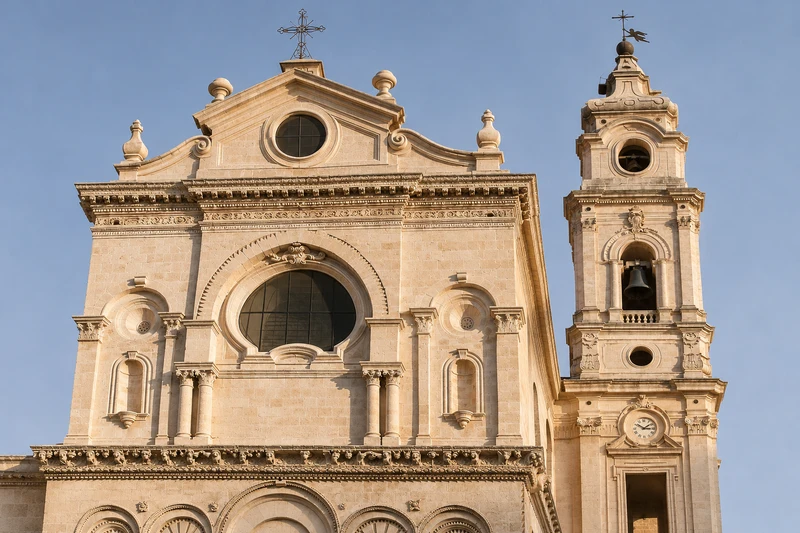
Foggia
The main city of northern Puglia, set at the centre of the Tavoliere, the broad wheat plain that is one of Italy's great grain baskets.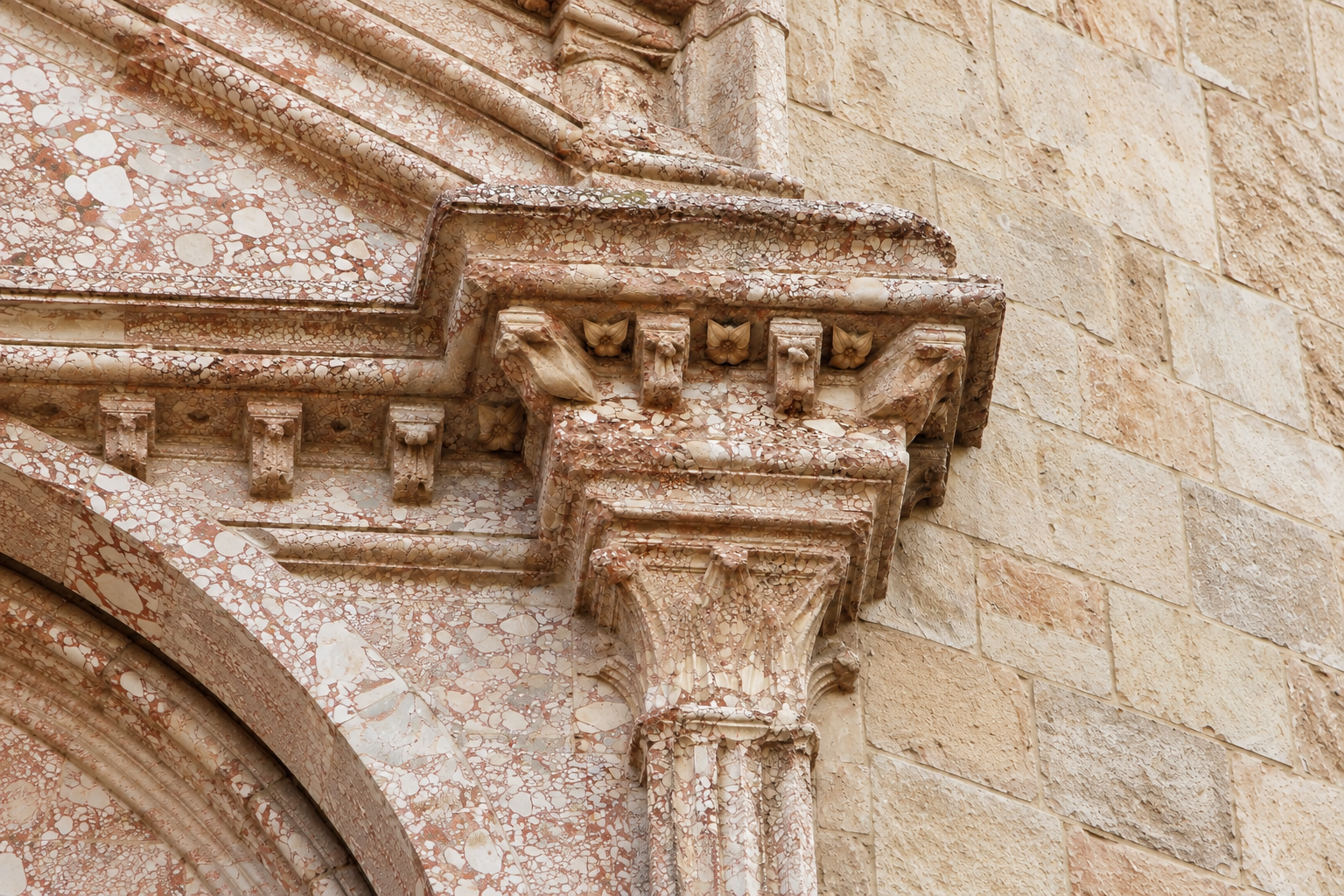
Andria
A large town in the olive plains south of the coast, the nearest base for visiting Castel del Monte, Frederick II's octagonal castle on the Murgia above it.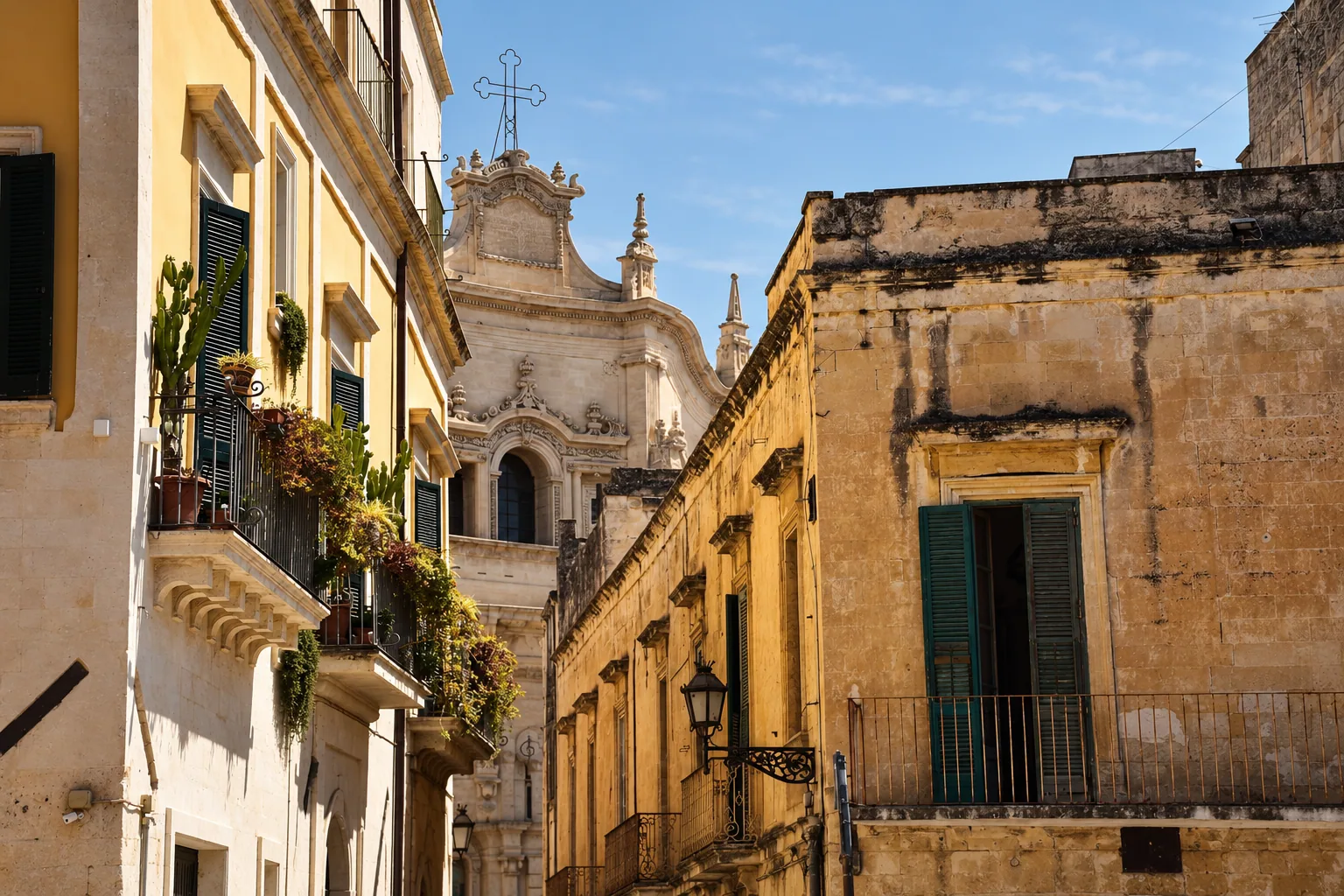
Lecce
The capital of the Salento and the great Baroque city of the south, often called the Florence of the South.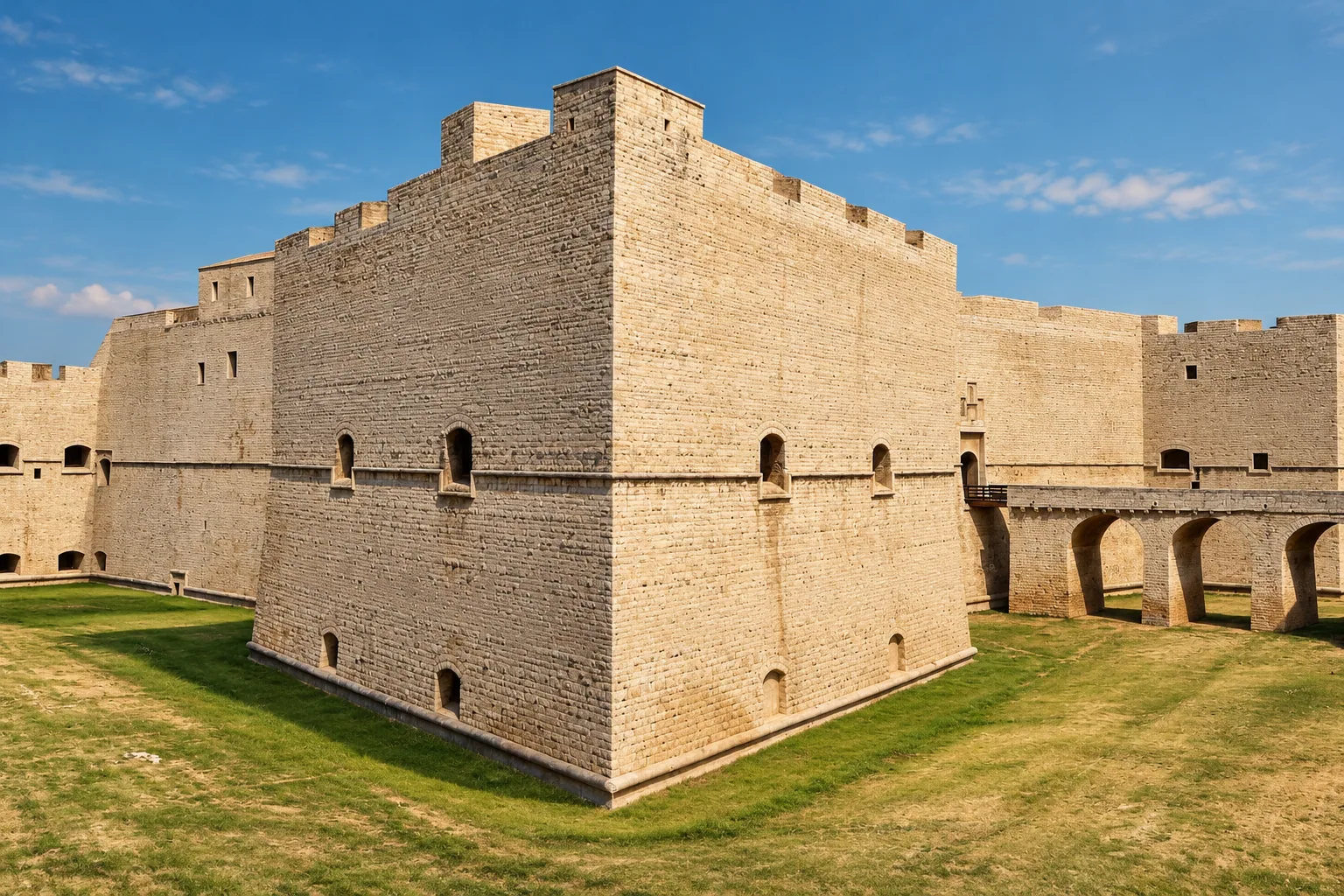
Barletta
An Adriatic city north of Bari, guarded by a great Swabian castle and home to the Colossus, a five-meter late-Roman bronze statue standing in the street.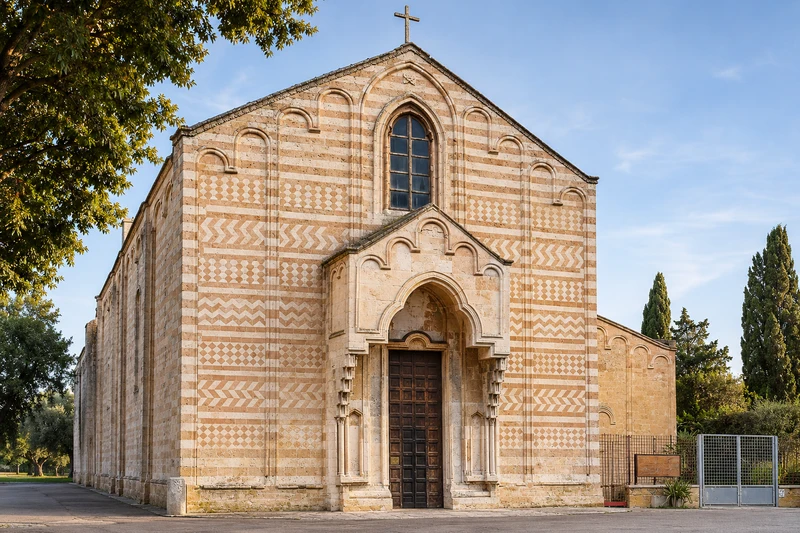
Brindisi
An Adriatic port at the end of the ancient Appian Way, marked by a lone Roman column where the great road met the sea.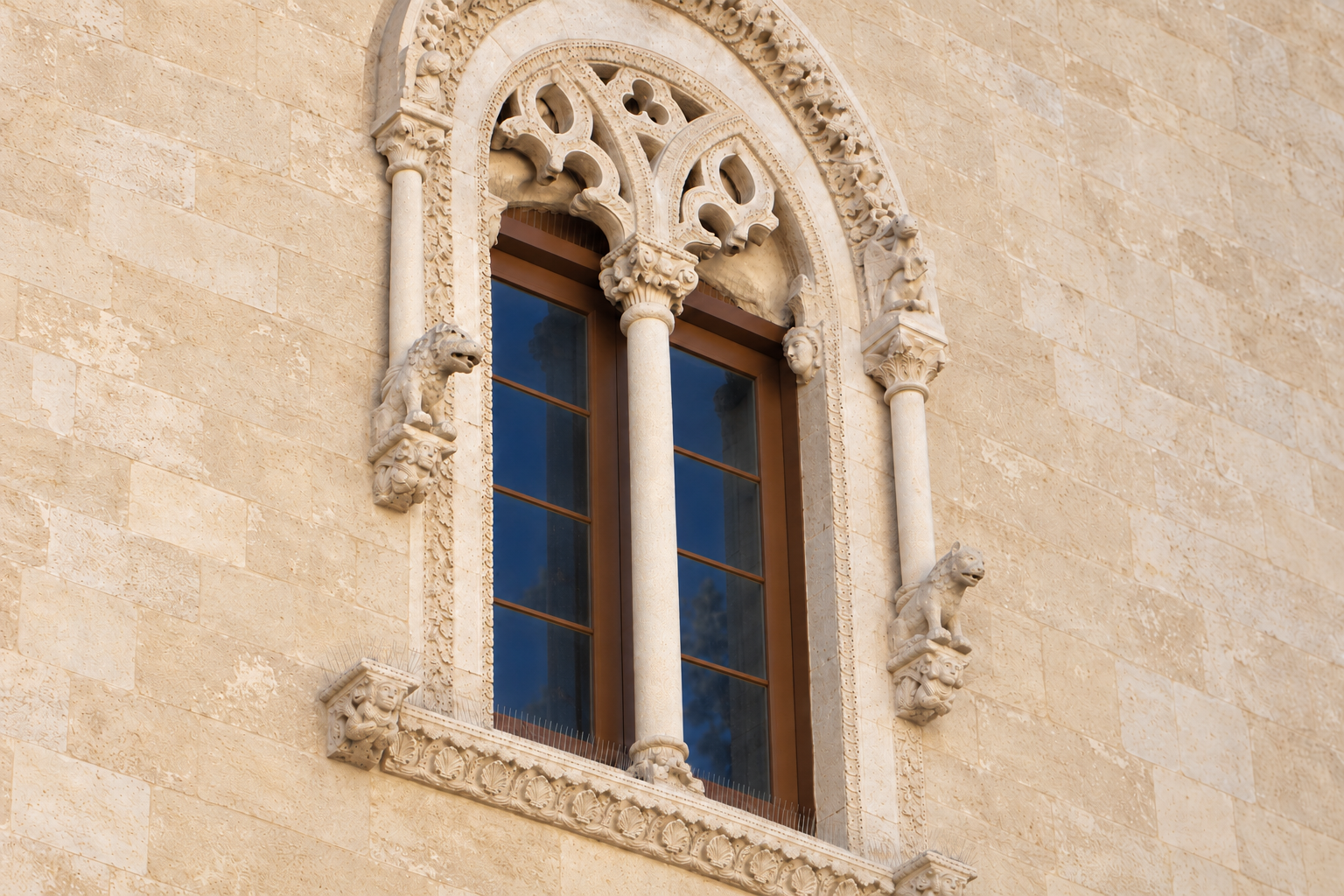
Altamura
A town on the Alta Murgia famous across Italy for its bread, the dense, golden-crusted Pane di Altamura, the country's first DOP loaf.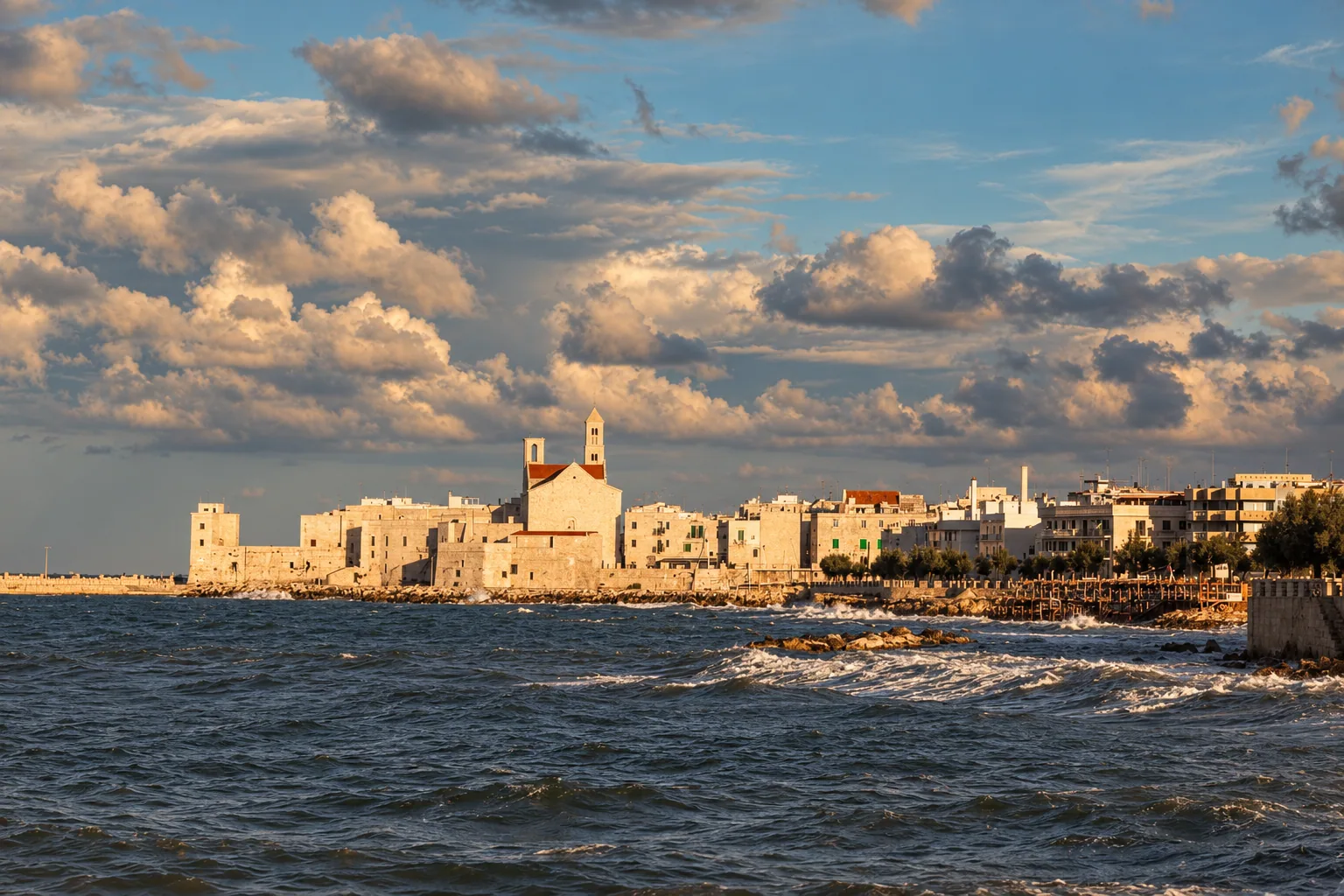
Molfetta
A working fishing and Adriatic port north of Bari, with one of the busiest fleets on the coast.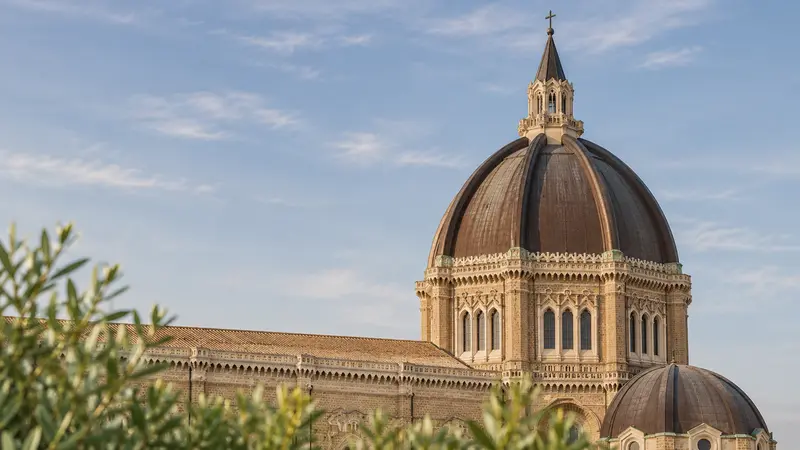
Cerignola
A town on the Tavoliere plain in a country of wheat, vineyards and olive groves.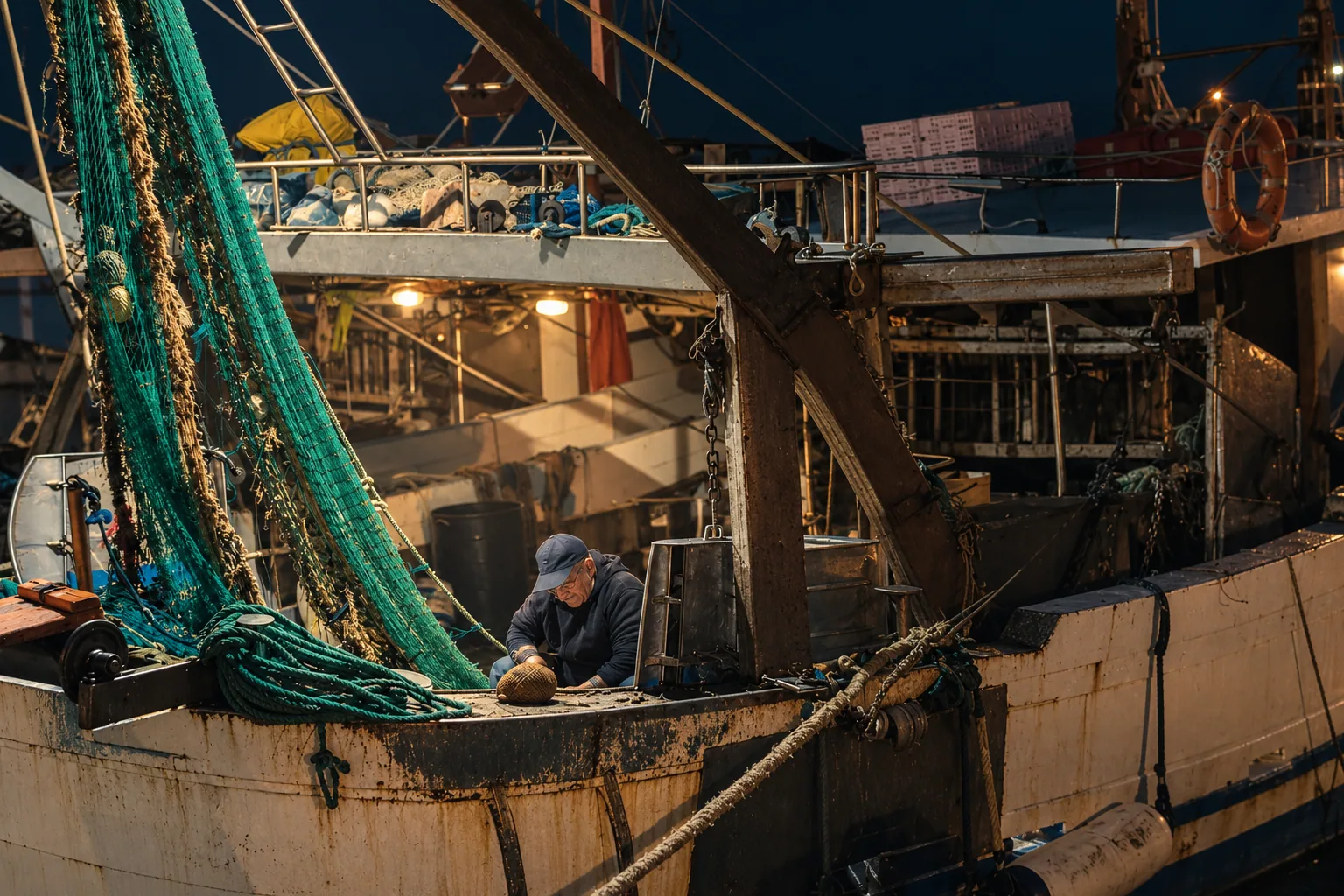
Manfredonia
A port town and southern gateway to the Gargano, founded in the thirteenth century by King Manfred of Sicily, whose Swabian-Angevin castle still anchors the seafront.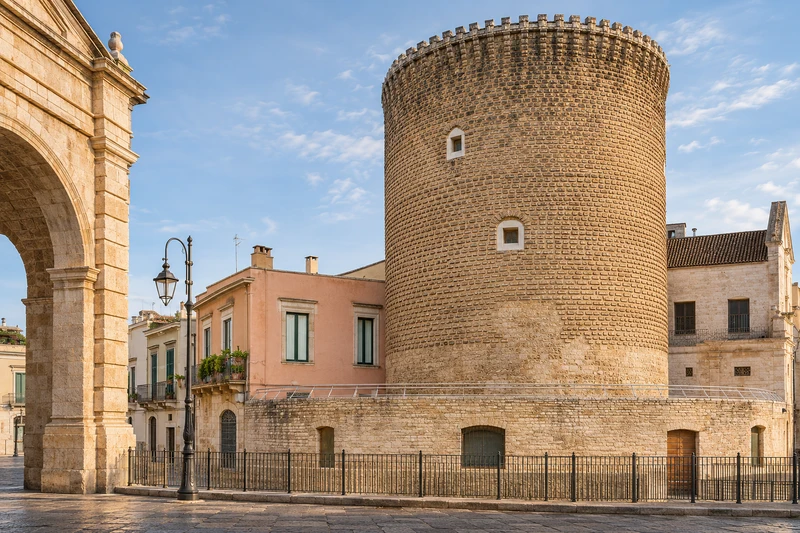
Bitonto
A town in the olive country just inland from Bari, long renowned for its extra virgin olive oil.


A to Z
From the capital to the smallest borghi.
