Every city in Lombardy
From the capital to the smallest borghi.
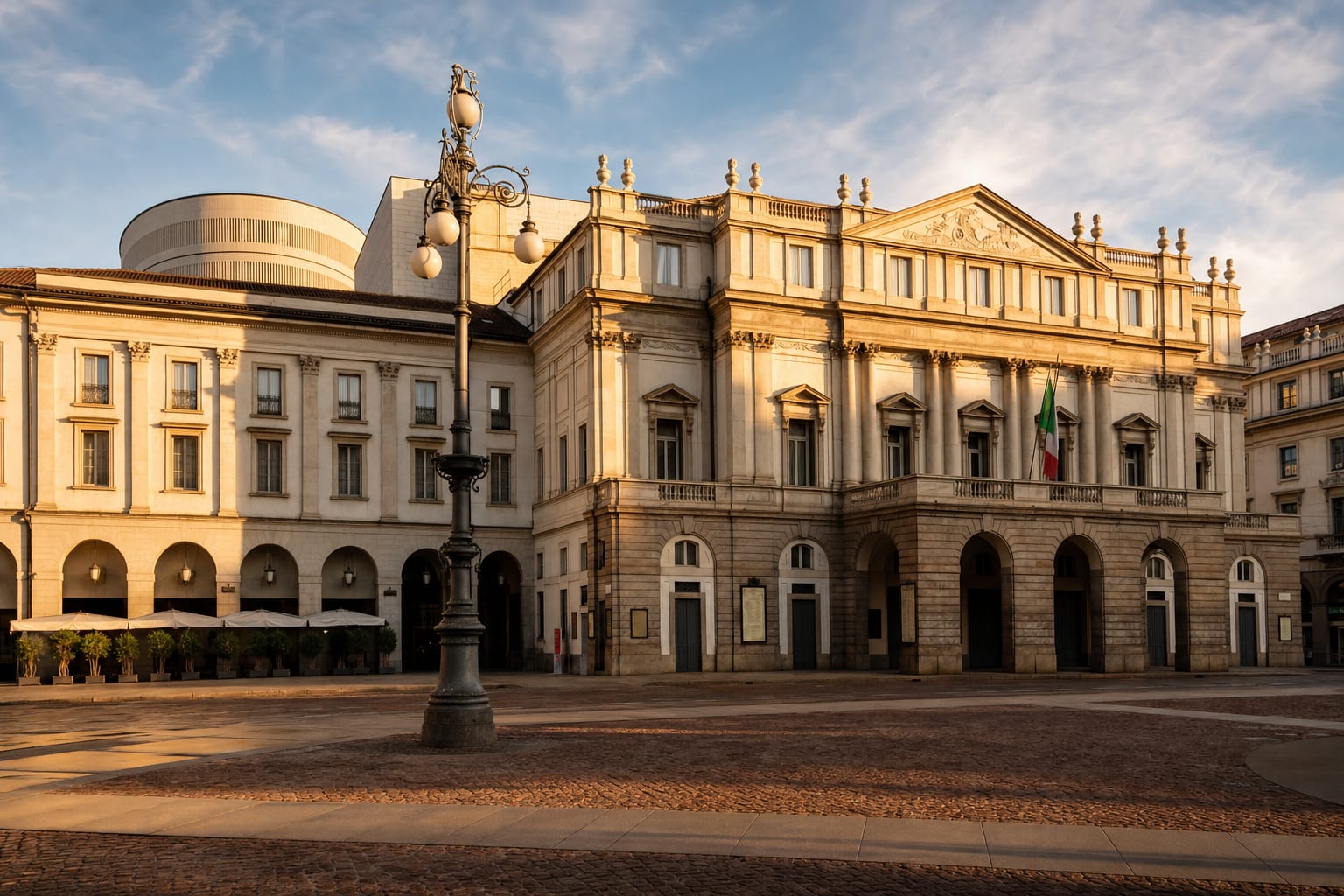 MilanThe capitalItaly's capital of fashion and finance, where the Duomo's marble spires rise over the Galleria's glass dome and La Scala raises the curtain each December. Leonardo's Last Supper survives in Santa Maria delle Grazie, and the Sforza Castle anchors a city that turns aperitivo on the Navigli into ritual.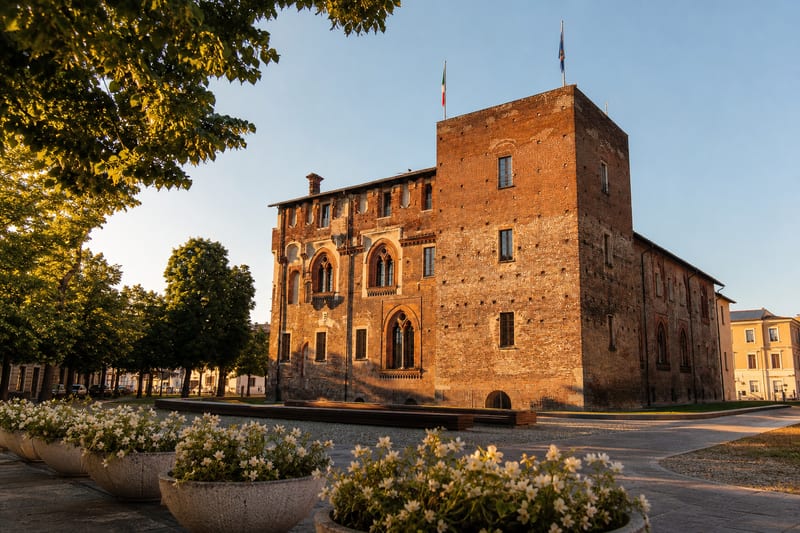
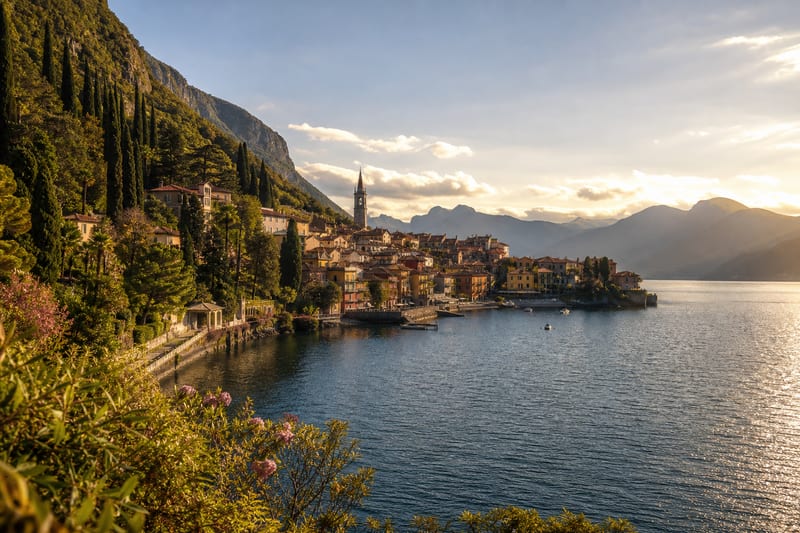
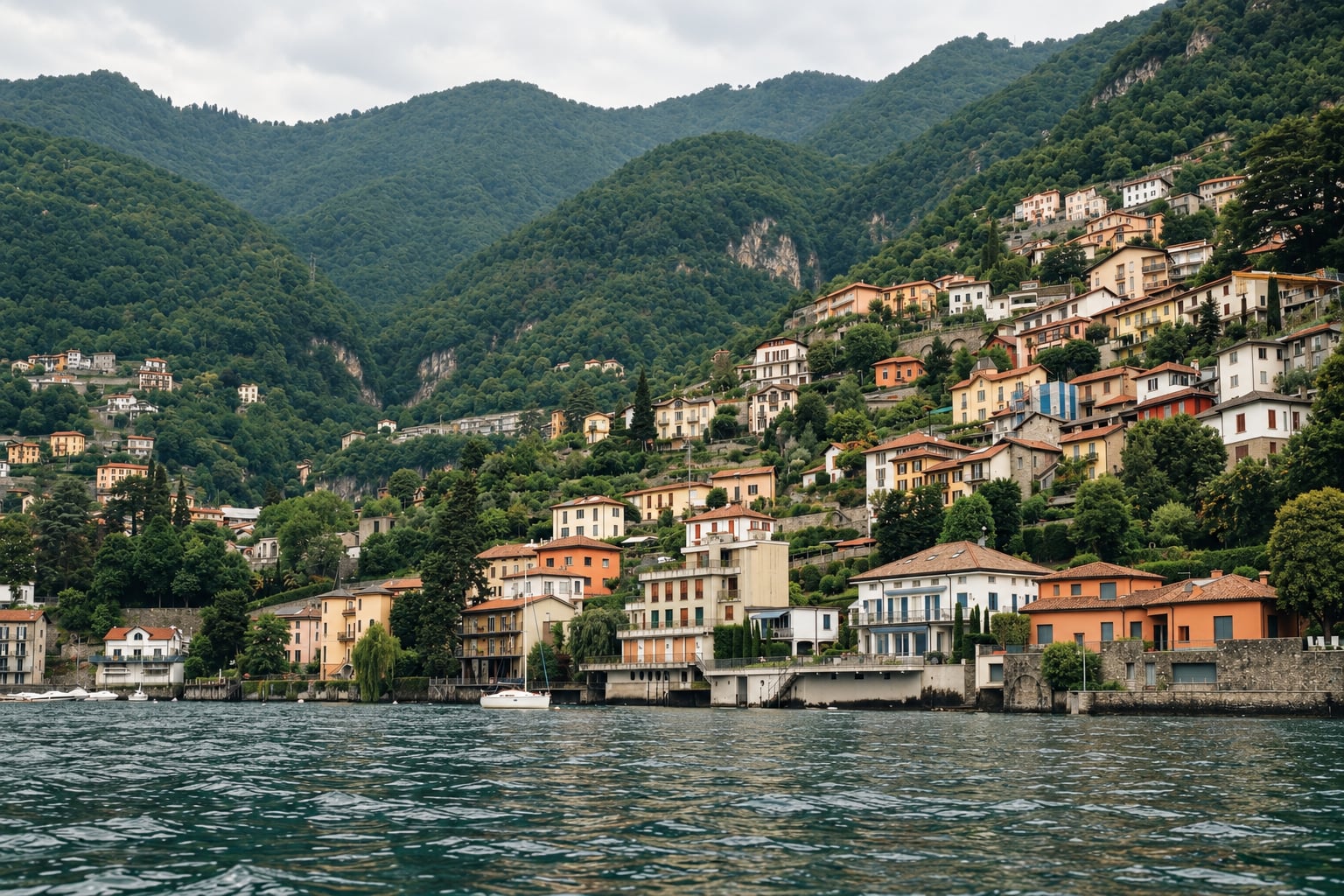
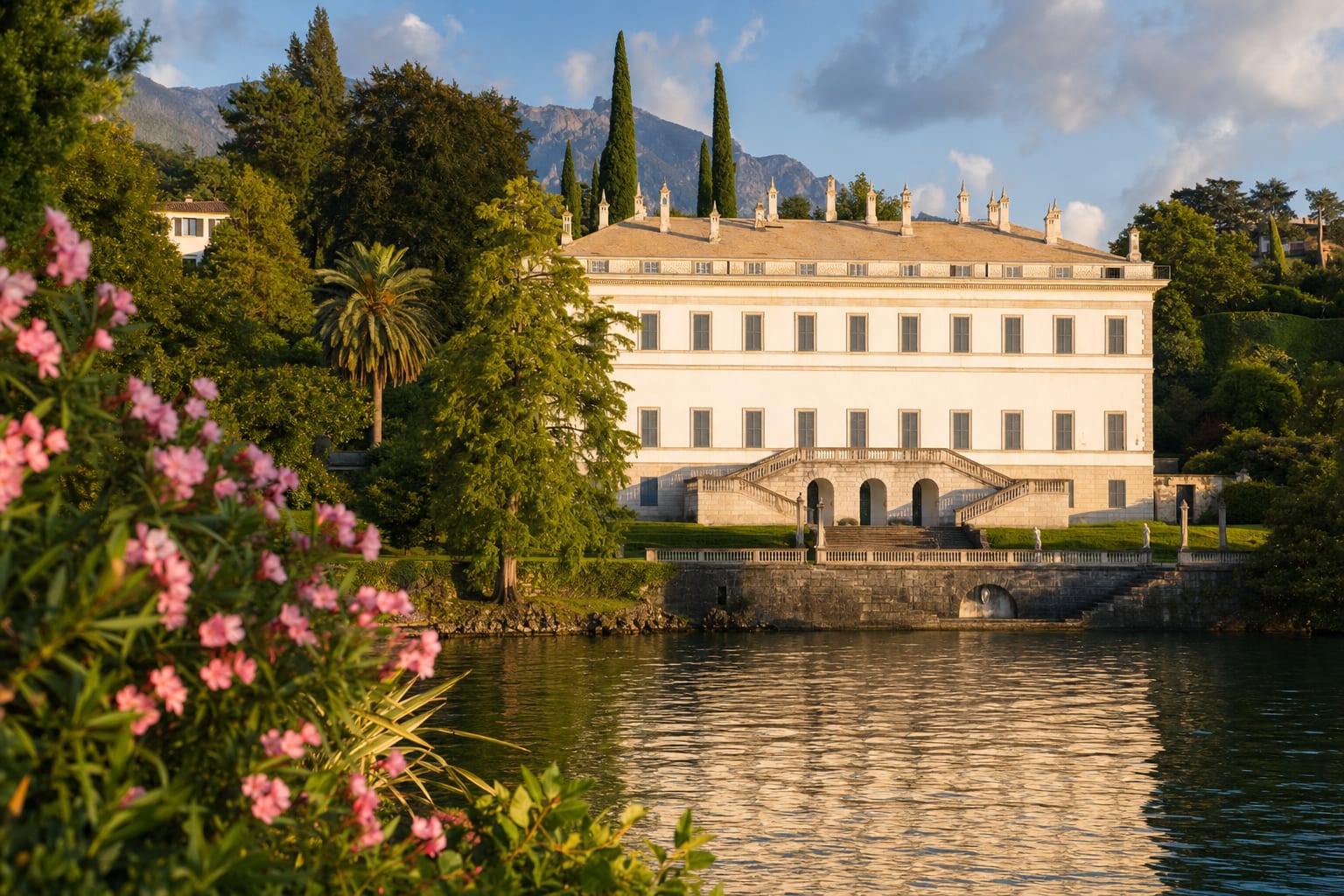 BellagioThe Pearl of Lake Como, perched where the lake forks into its two southern branches. Steep stepped lanes climb between villas and gardens, and the Villa Melzi grounds run an English-style garden along the shore, ablaze with azaleas in spring.
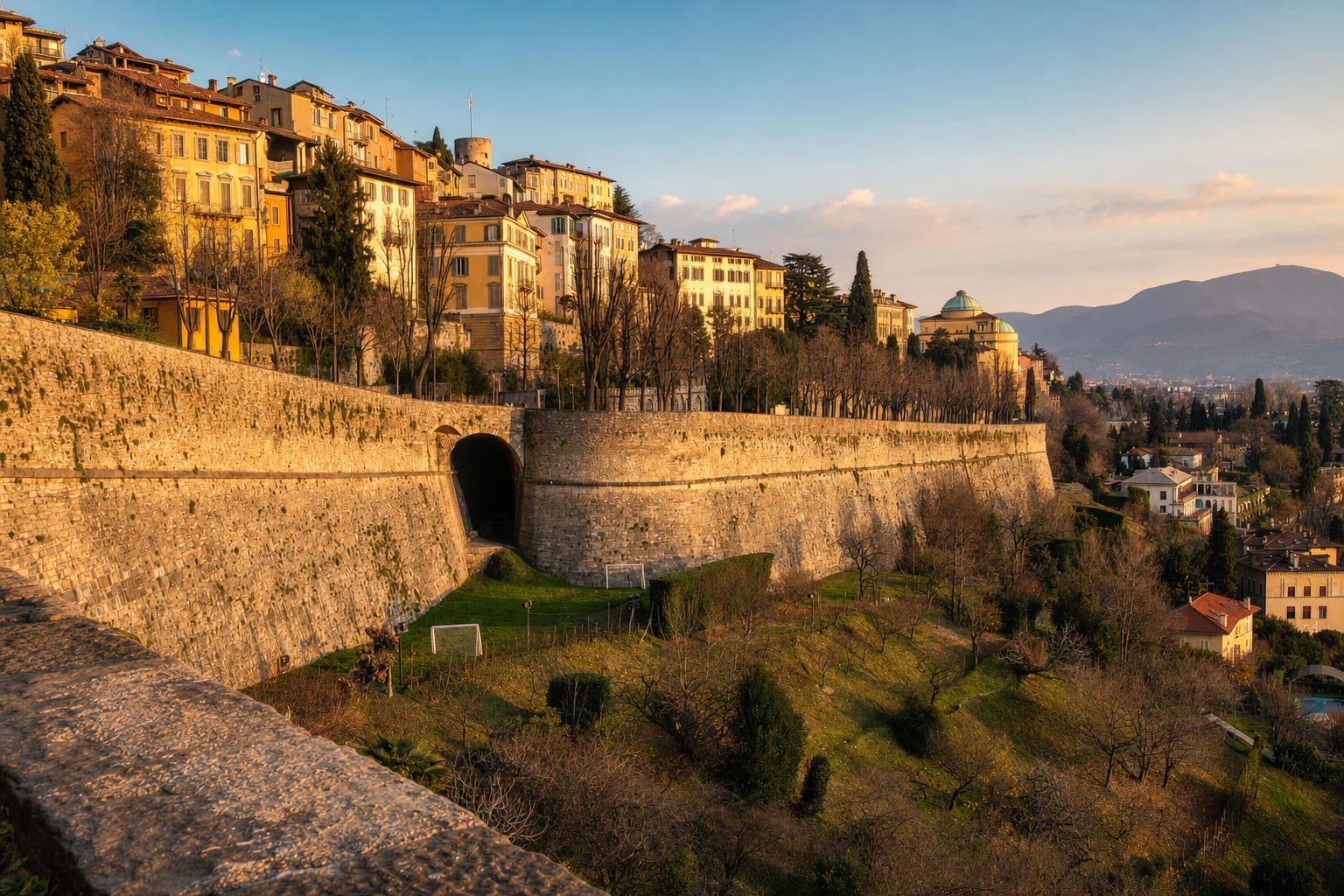 BergamoA city of two halves, the lower town below and the walled Città Alta crowning its hill, reached by funicular. Up top, Piazza Vecchia and the Colleoni Chapel sit within six kilometers of Venetian ramparts that ring the skyline of towers.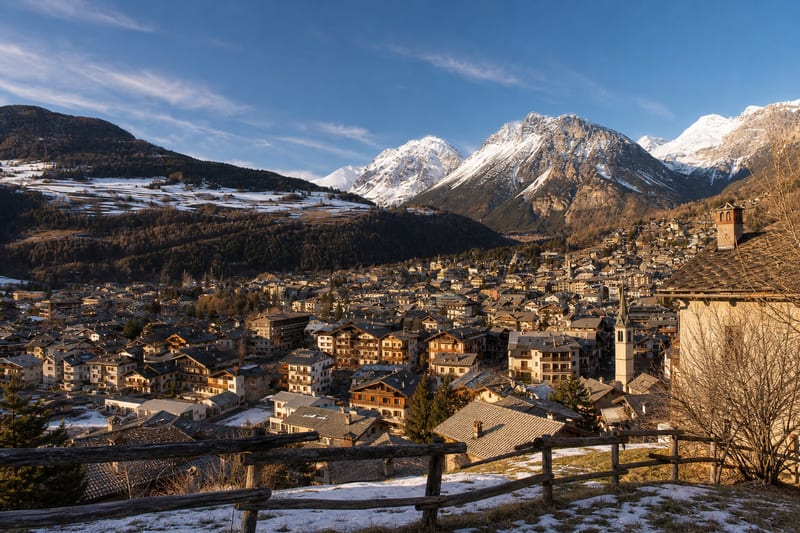
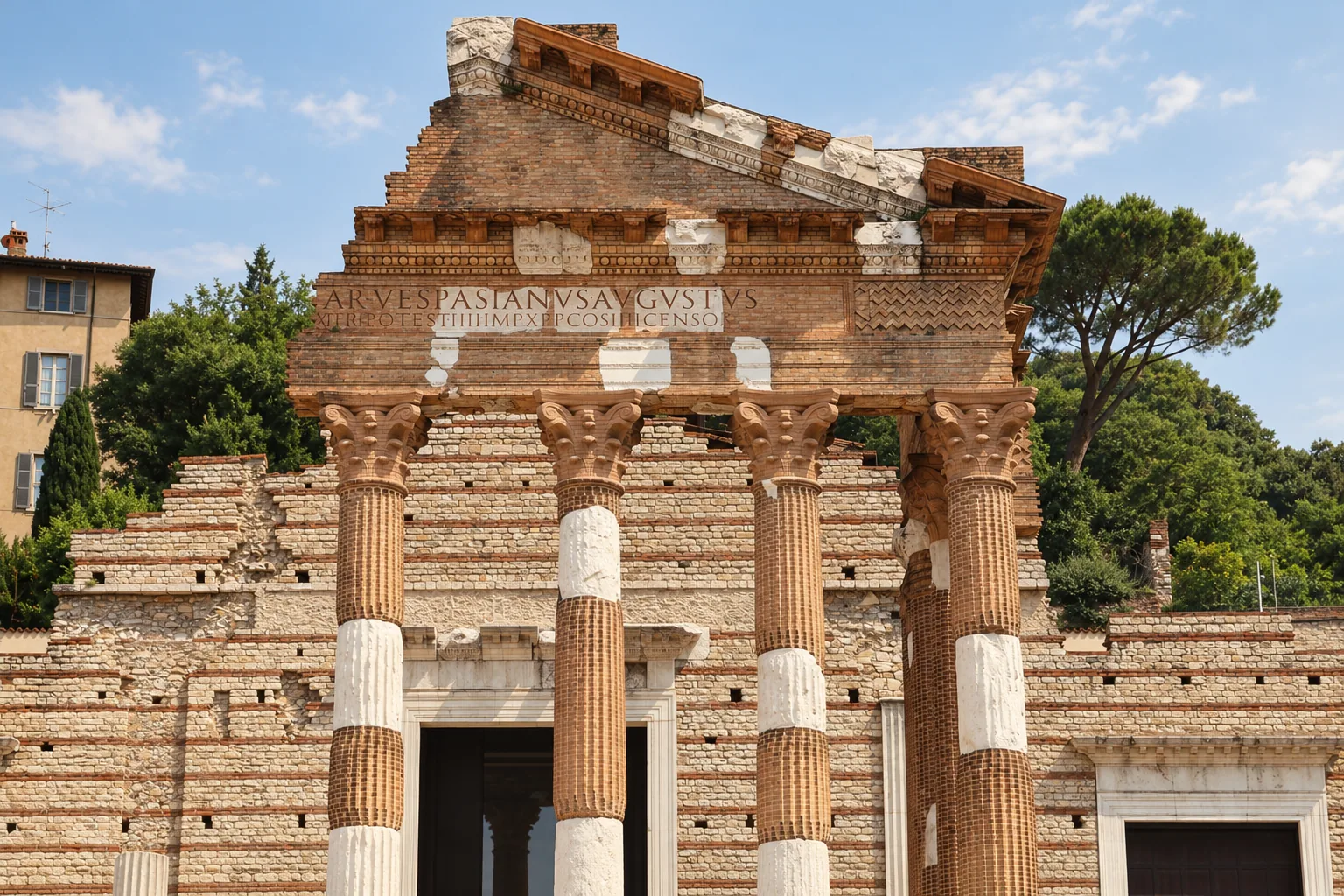 BresciaLombardy's second city, layered from Roman temple to Lombard monastery. The Santa Giulia museum holds the gilded Winged Victory and Roman houses beneath its halls, while the Capitolium's reconstructed porch marks Vespasian's forum. Brescia is also the home of the Mille Miglia road race.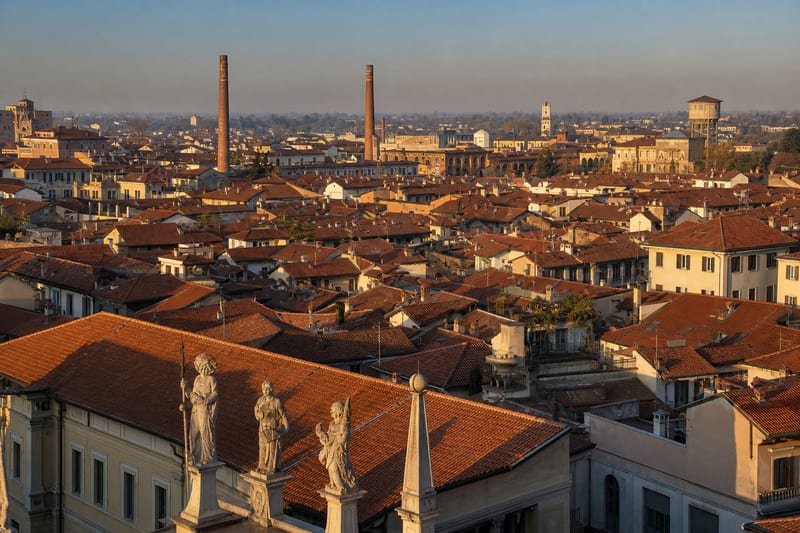
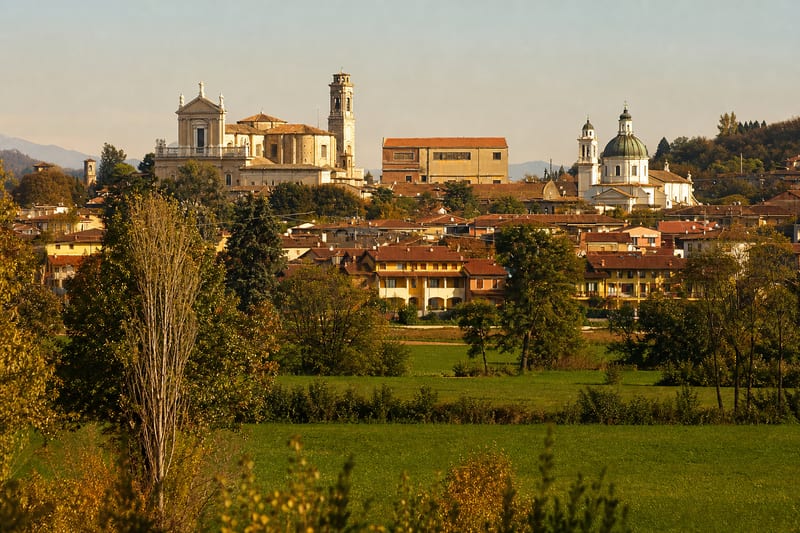
- Certosa di Pavia
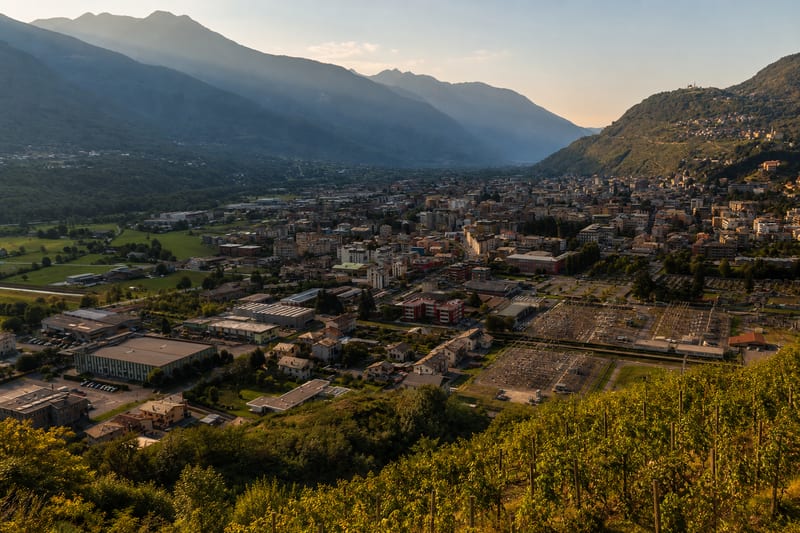
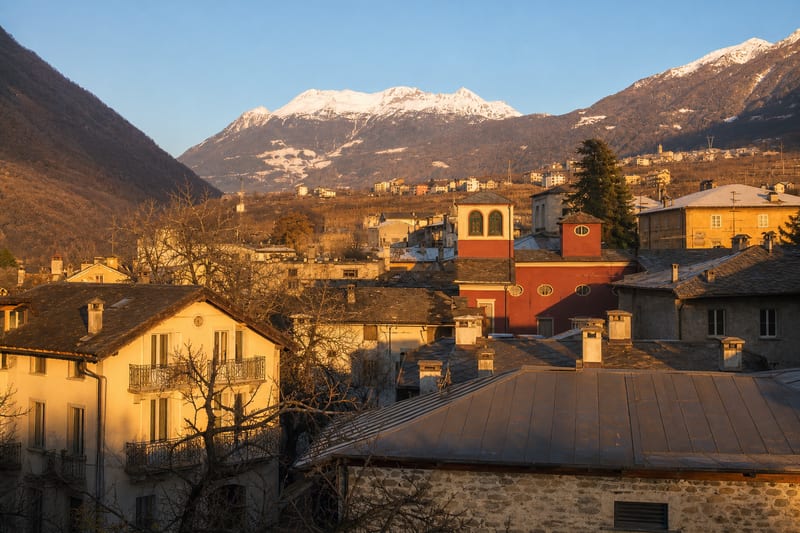
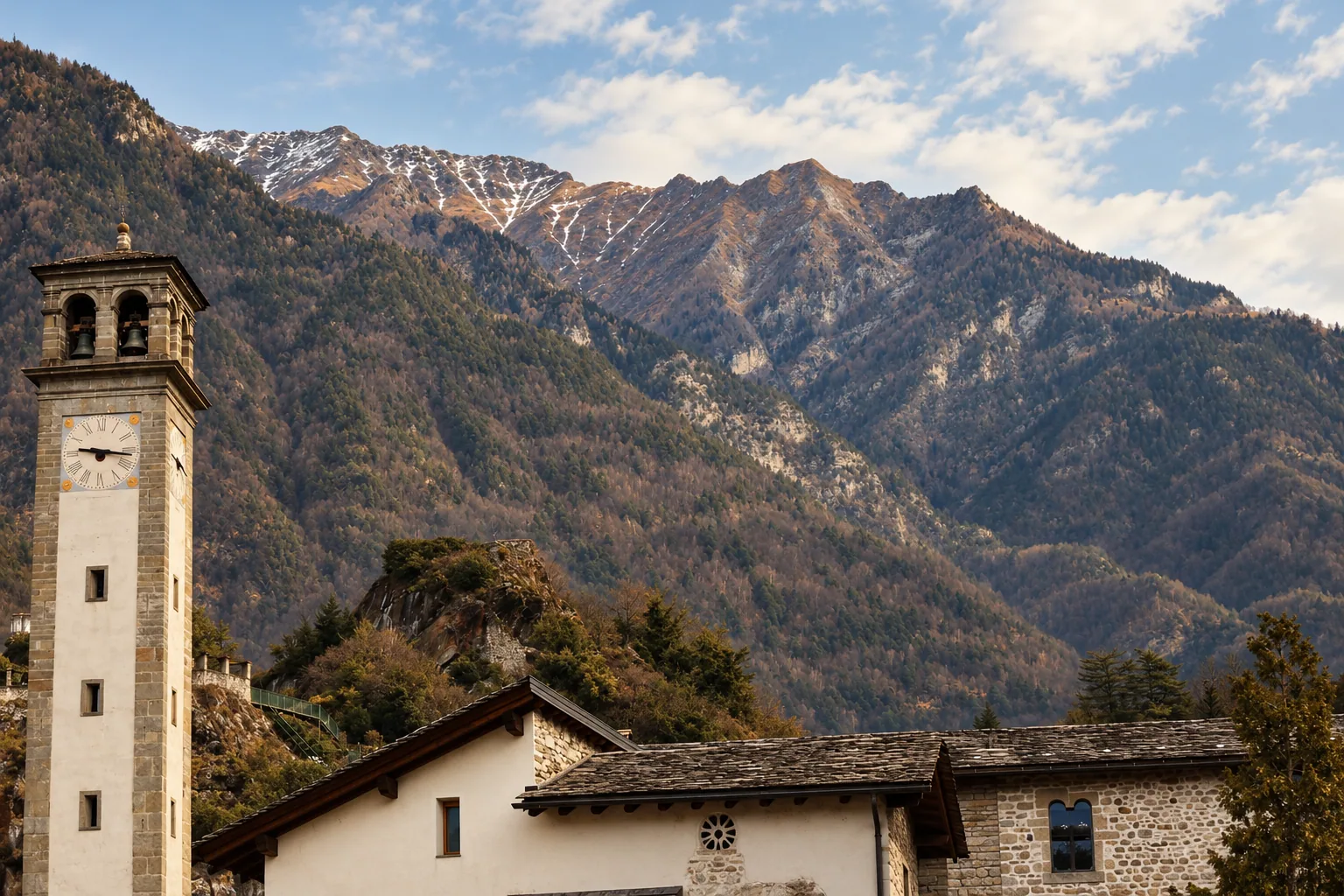 ChiavennaA stone town where the alpine valleys of the Valchiavenna meet, north of Lake Como toward the Swiss passes. It is known for pizzoccheri and for its crotti, the natural rock cellars cooled by mountain drafts where locals age cured meats and cheese.
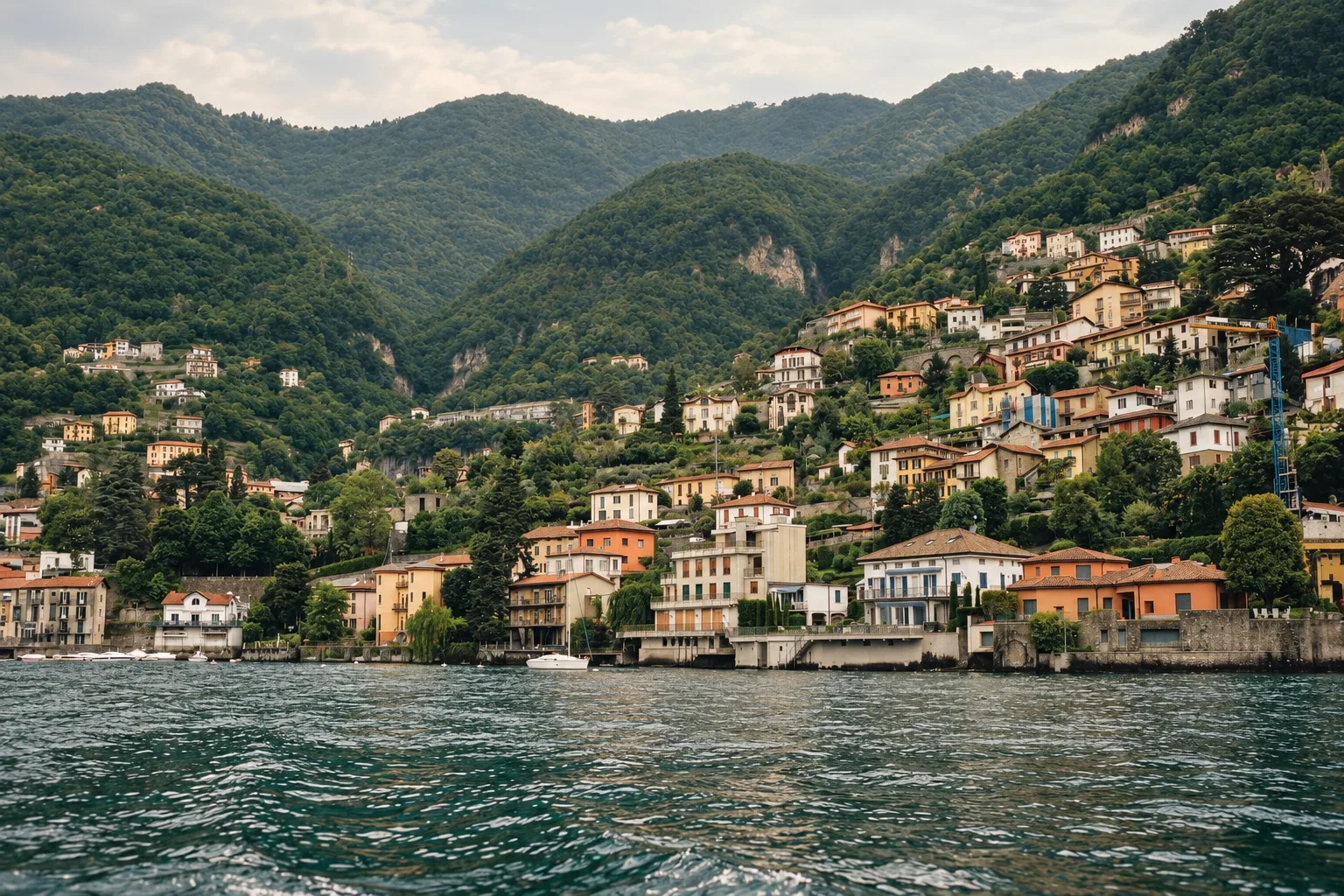 ComoThe lake's namesake city, set where the water meets the mountains at the southern end of the western branch. A center of fine silk weaving for centuries, Como pairs a Gothic cathedral and walled old town with a waterfront promenade and funicular to Brunate.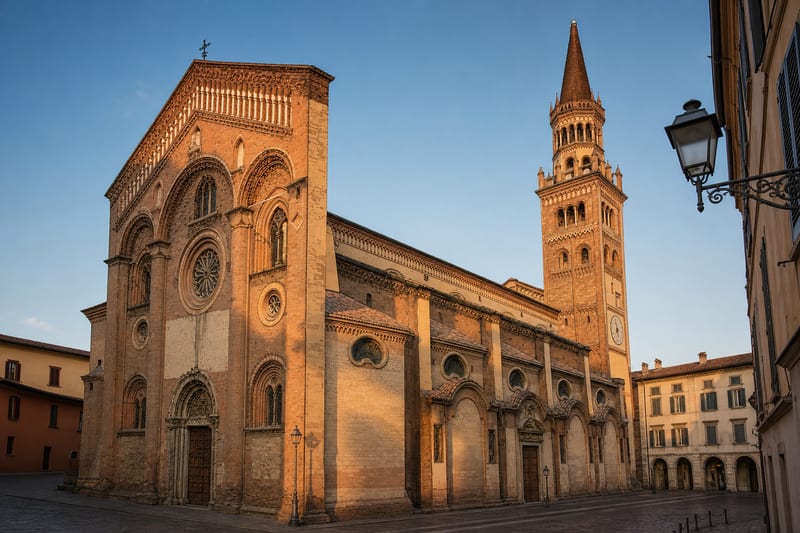
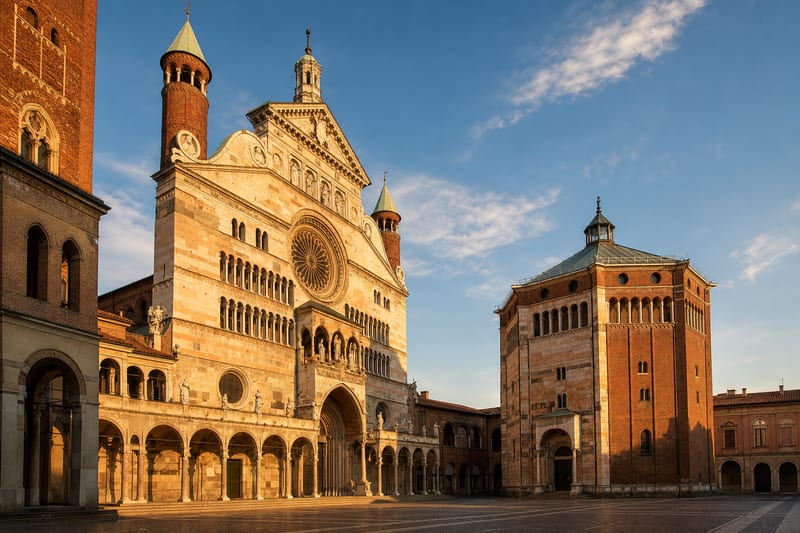
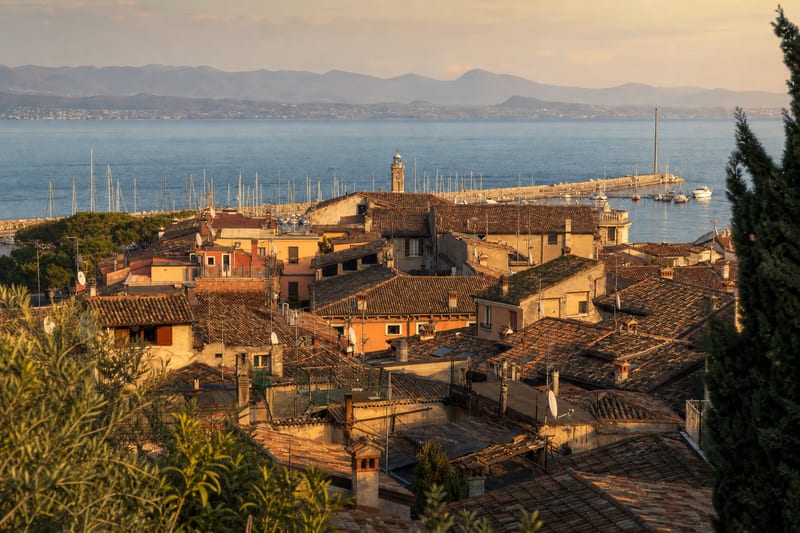
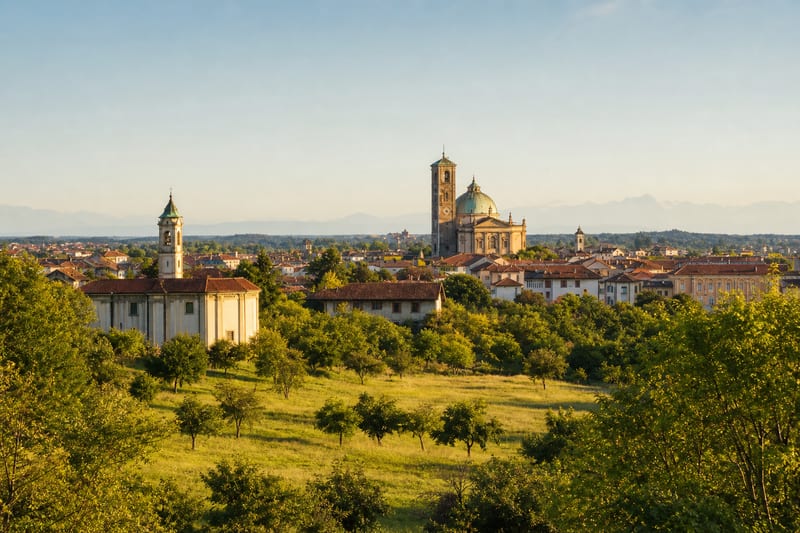
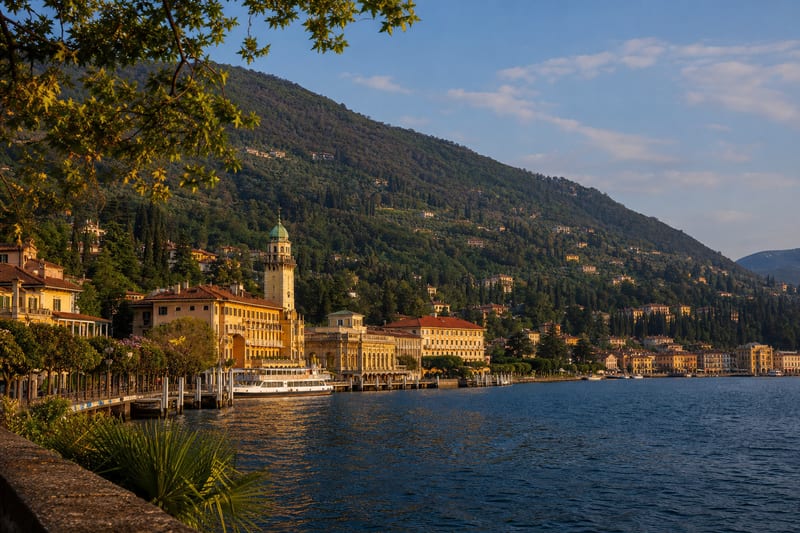
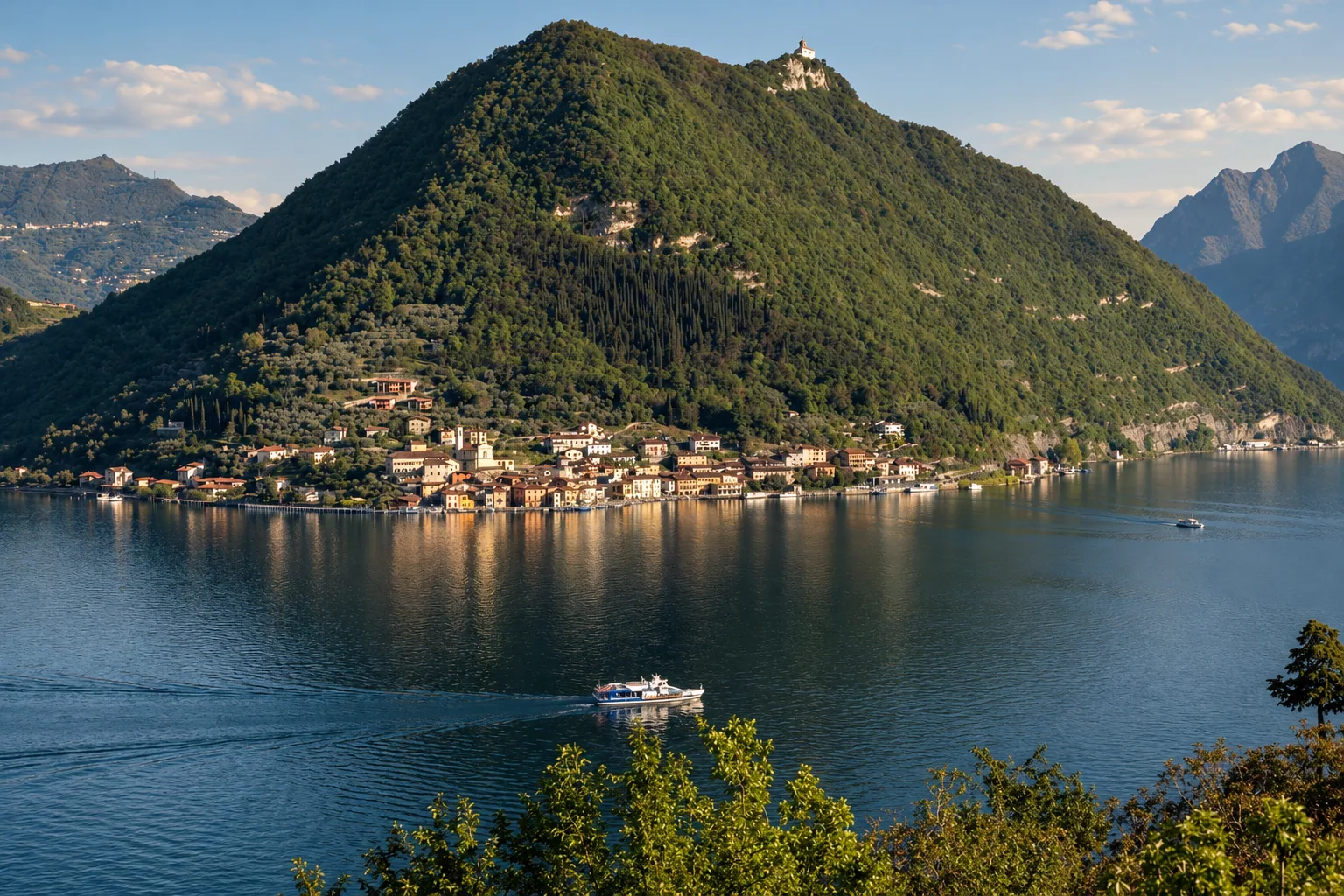 IseoA market town on the southern shore of Lake Iseo, the least crowded of the great Lombard lakes. It looks out at Monte Isola, the largest lake island in Italy, rising green from the middle of the water.
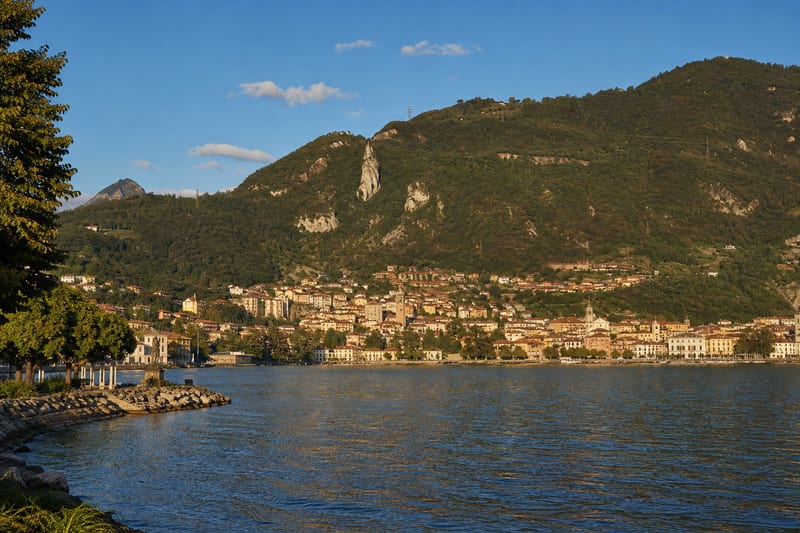
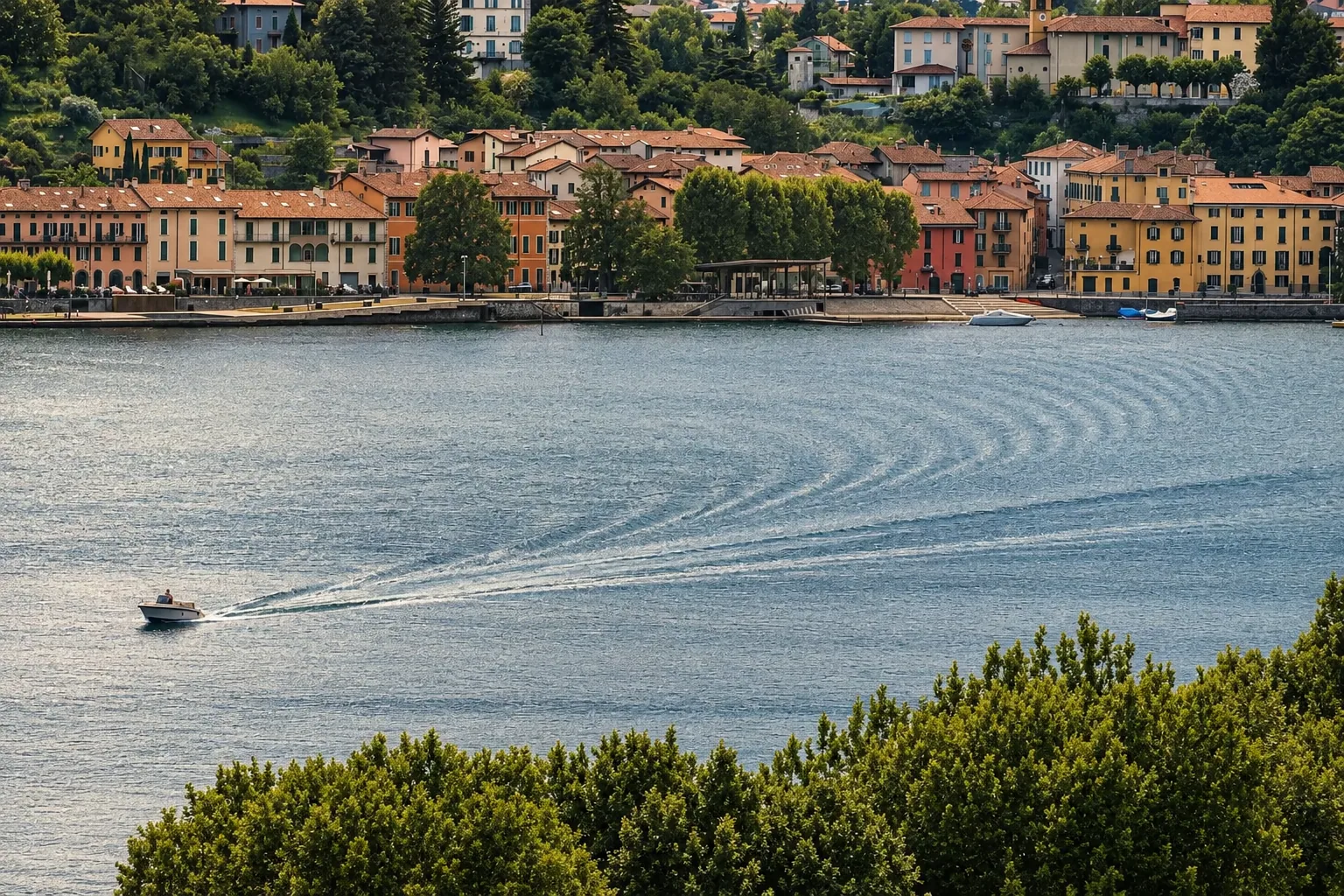 LeccoA city on the eastern branch of Lake Como, ringed by the sheer limestone faces of the Grigne and Resegone. It is the setting of Manzoni's novel The Betrothed, and a launching point for climbers and lakeside walks alike.
- Leggiuno
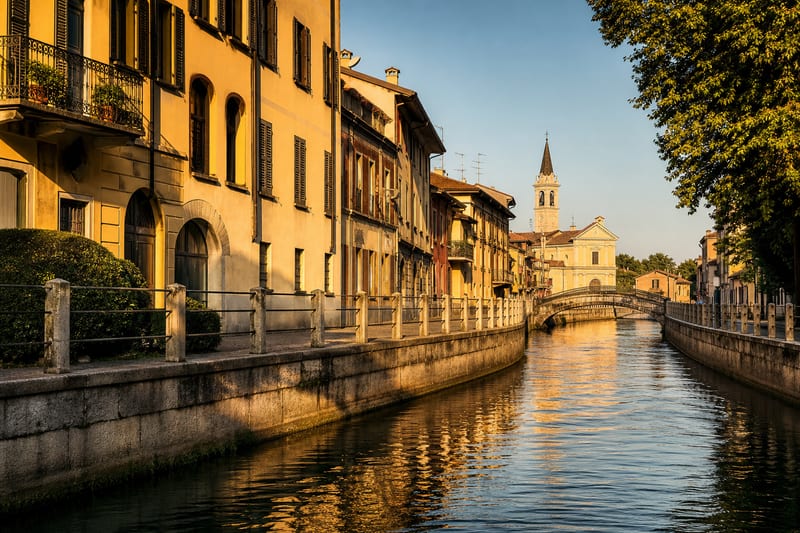
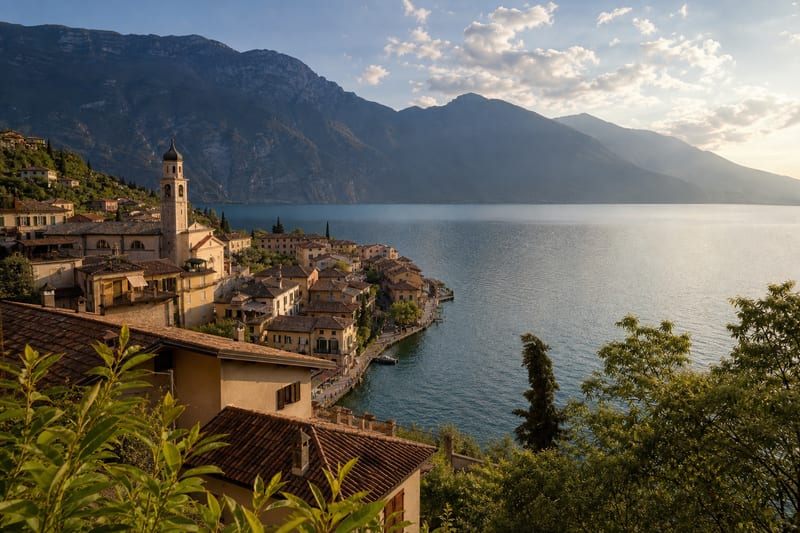
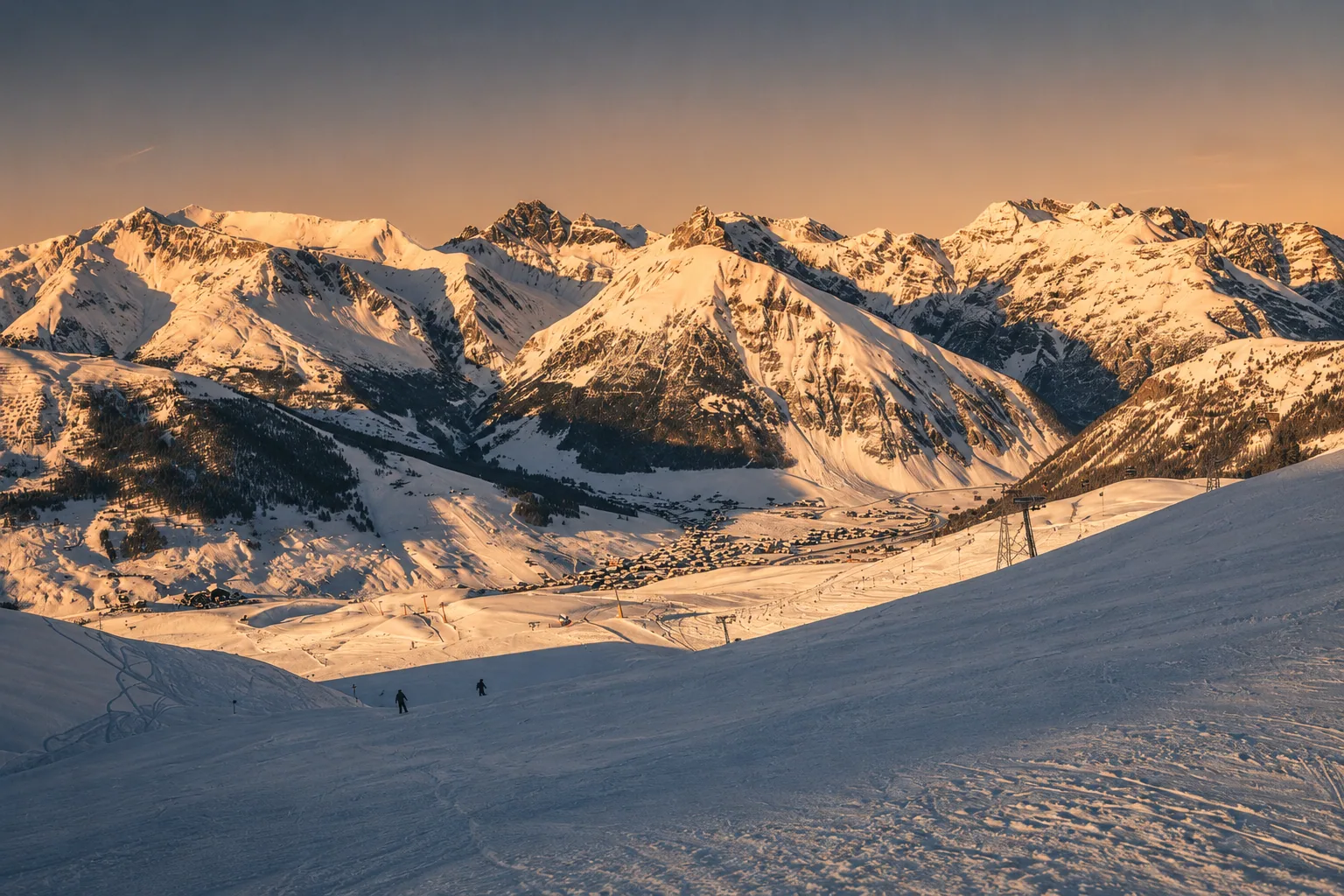 LivignoA high alpine resort tucked in a remote valley near the Swiss border, famous for duty-free shopping and a long ski season. Its altitude and snow-sure pistes draw skiers and summer cyclists to one of Italy's loftiest inhabited valleys.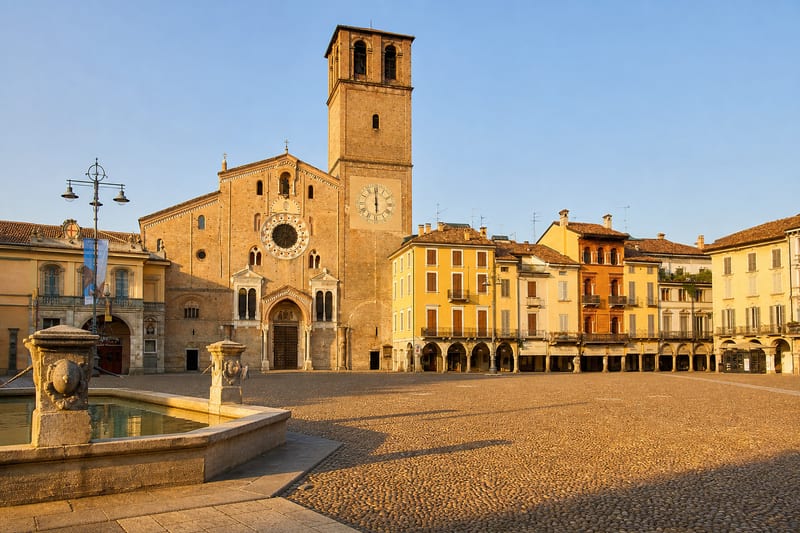
- Magreglio
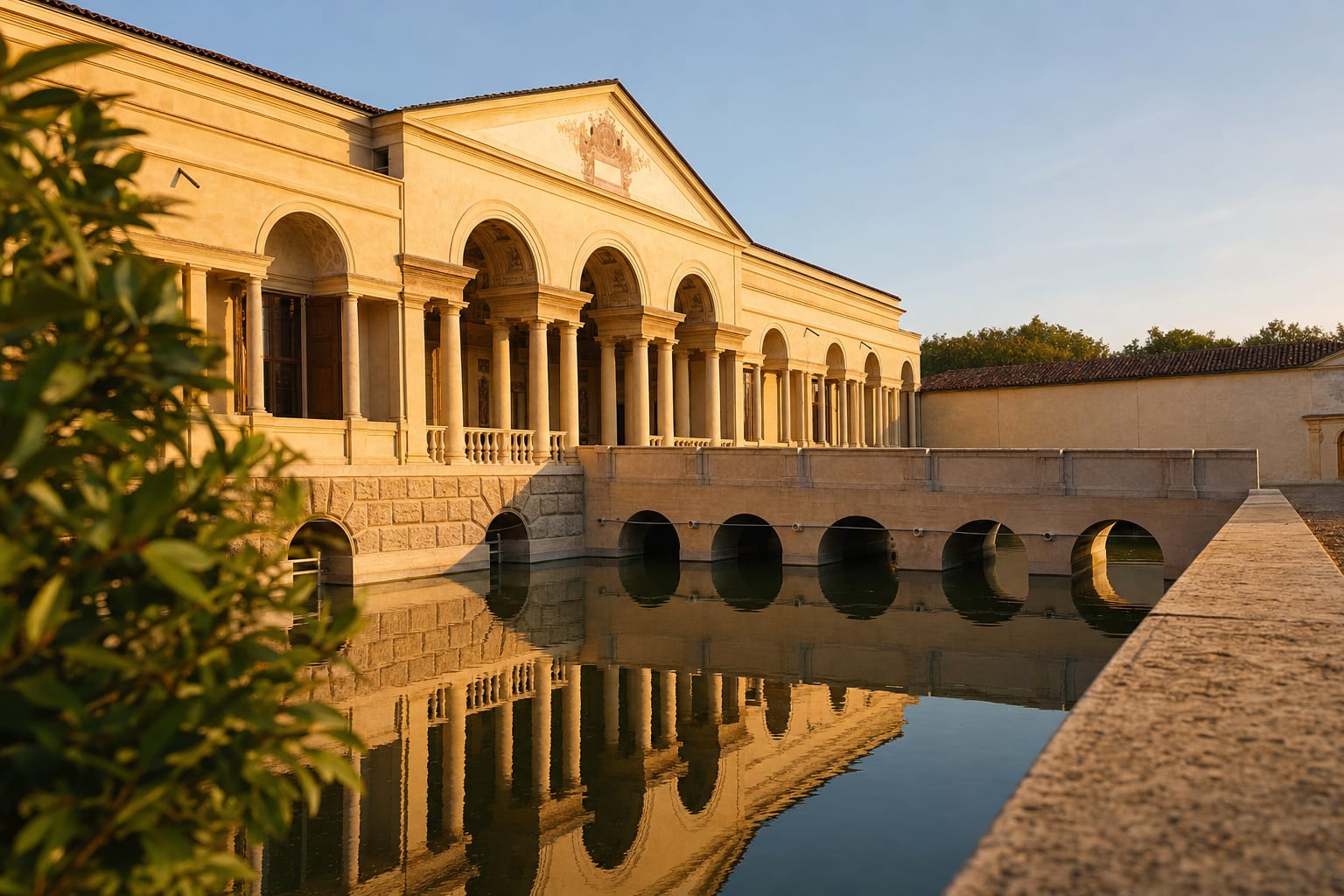 MantuaA Renaissance city ringed by three lakes of the Mincio, shaped over centuries by the Gonzaga court. Their Ducal Palace runs to five hundred rooms and hides Mantegna's Camera degli Sposi, while Giulio Romano's Palazzo Te stages the tumbling Fall of the Giants.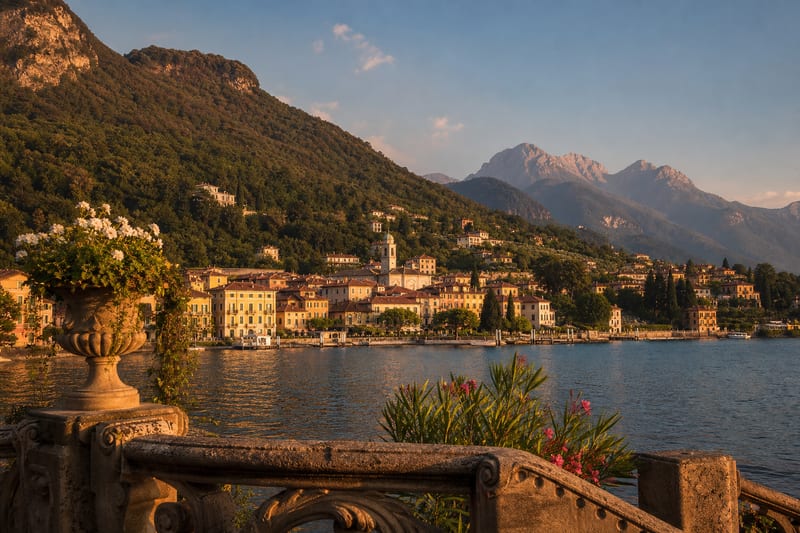
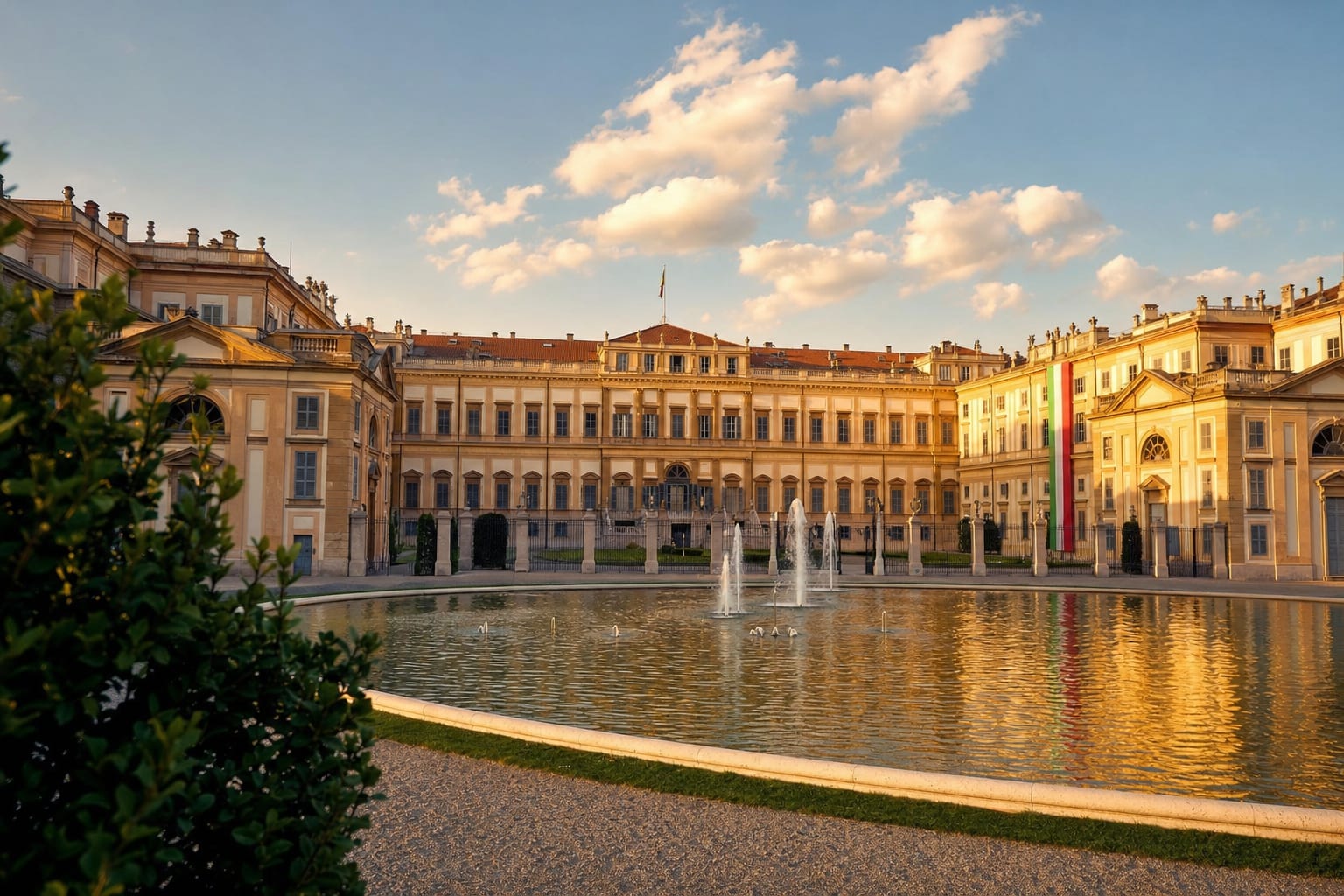 MonzaA city north of Milan known worldwide for its Formula 1 circuit in the royal park, and for the Royal Villa, the Habsburg summer palace by Piermarini. Its cathedral guards the Iron Crown of Lombardy and Theodelinda's frescoed Lombard chapel.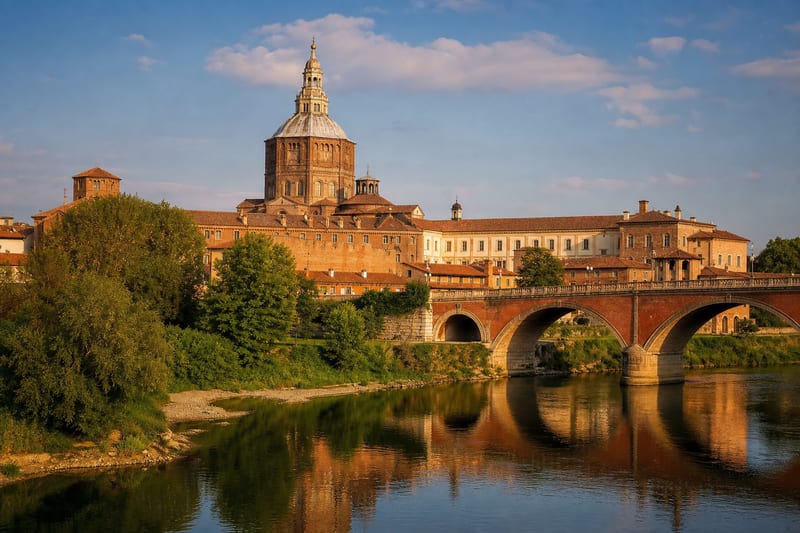
- Perledo
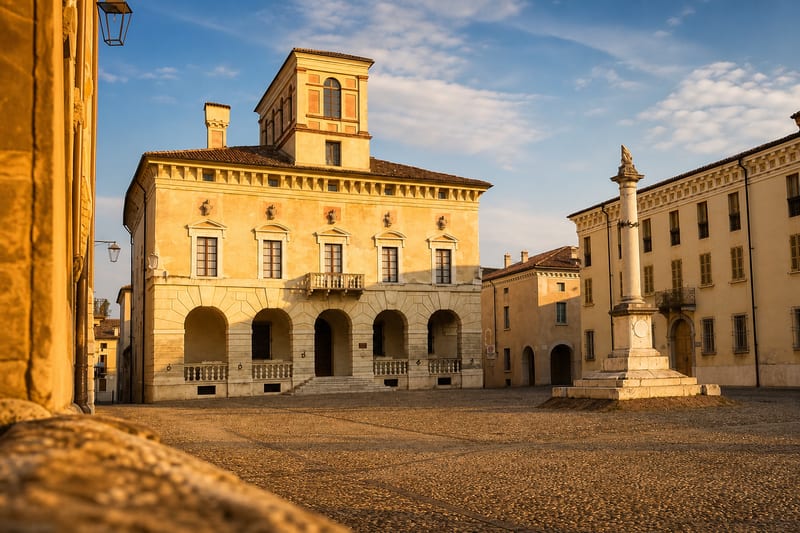
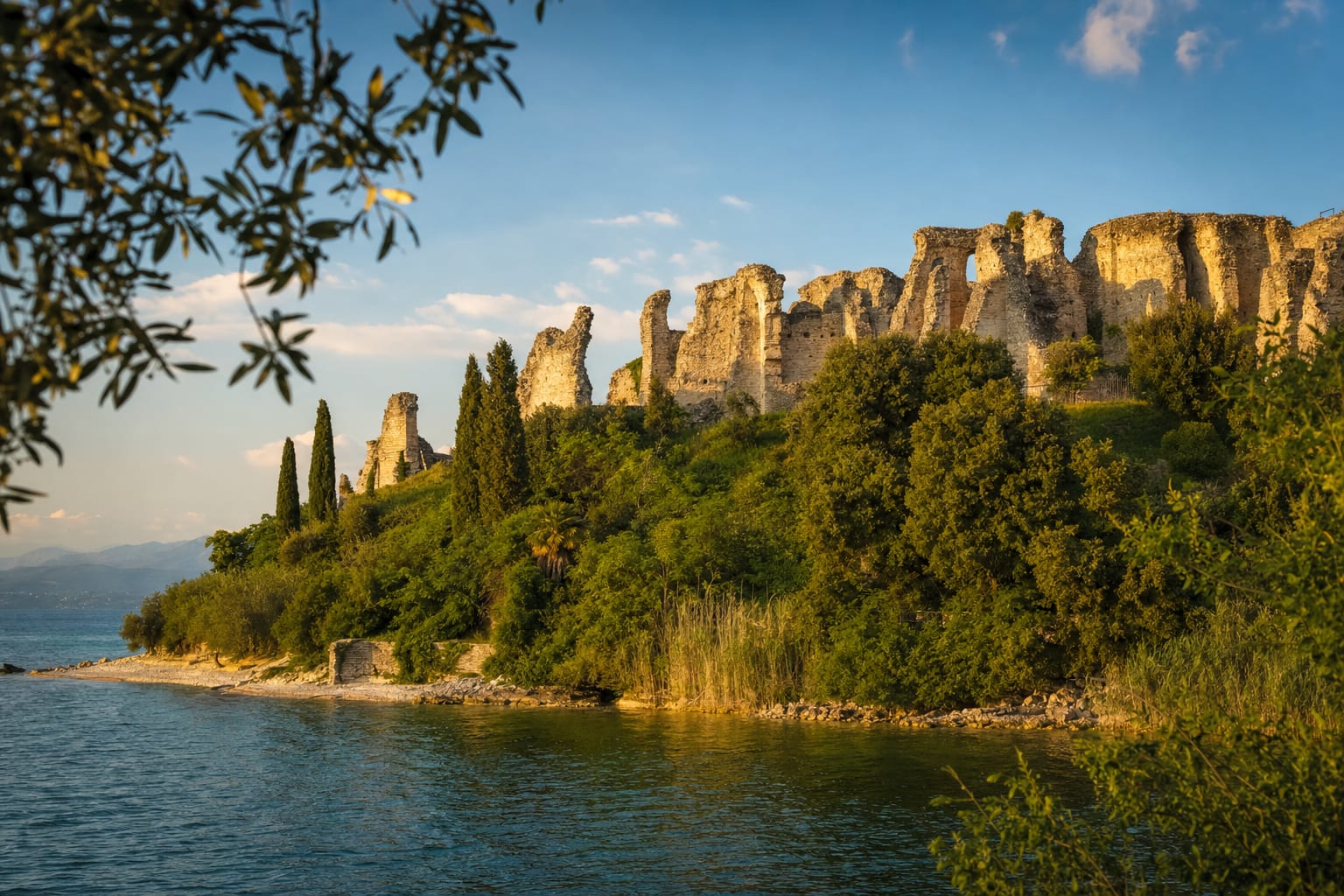 SirmioneA spa town on a slender peninsula reaching into Lake Garda, entered across a drawbridge into the moated Scaliger Castle. At the peninsula's tip lie the Grotte di Catullo, the sprawling ruins of the largest Roman villa in northern Italy, set among ancient olive trees.